
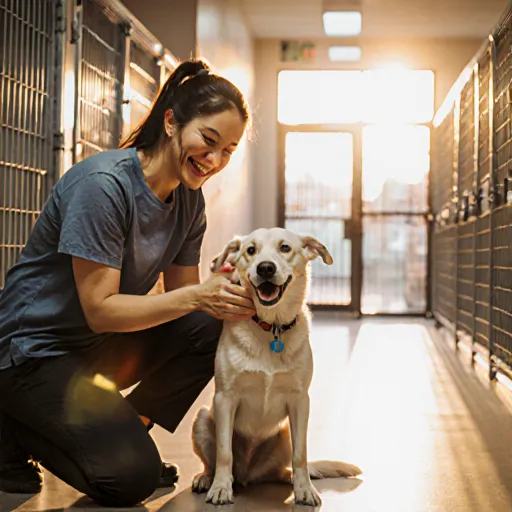
Paws‑inspiring Volunteering
How to Volunteer at a Dog Shelter Effectively
Table of Contents
- Introduction
- Research Local Shelters
- Understand the Shelter’s Needs
- Schedule and Availability
- Complete the Volunteer Application
- Interview Process
- Training Programs
- Shadowing on First Days
- Daily Responsibilities
- Handling Animals Safely
- Adoption Support Activities
- Community Outreach Efforts
- Fundraising and Events
- Feedback & Continuous Improvement
- Conclusion
- FAQ
Introduction
If you’re passionate about dogs and want to make a tangible difference, volunteering at a dog shelter is one of the most rewarding ways to give back. Below are practical steps, real‑world examples, and tips that will help you become an effective volunteer—whether you have a few hours each week or can commit full-time.
1. Research Local Shelters and Their Needs
- Identify shelters: Use online directories, local animal welfare groups, or city websites to locate shelters in your area.
- Check their mission statements: Look for shelters that align with your values (e.g., rescue-only vs. adoption-focused).
- Ask about volunteer opportunities: Some shelters need help with dog walking, while others require assistance in the kennel, front desk, or social media.
2. Prepare a Resume and Cover Letter
Even if you’re applying for a casual position, presenting yourself professionally increases your chances of being accepted. Highlight any animal care experience, relevant training (e.g., first aid, dog behavior), or related volunteer work.
3. Attend an Orientation Session
Most shelters conduct orientations to familiarize volunteers with:
- Health & safety protocols: Handwashing, PPE usage, and emergency procedures.
- Dog handling guidelines: Proper ways to approach, leash, and groom dogs.
- Shelter policies: Hours of operation, volunteer codes of conduct, and confidentiality rules.
4. Start with a Shadowing Period
Observe experienced volunteers or staff for a day to learn the flow of tasks—feeding schedules, cleaning routines, adoption paperwork, etc. This helps you understand how your role fits into the larger operation.
5. Choose Your Specialty Area
Select an area that suits both the shelter’s needs and your strengths:
- Dog Walking & Exercise: Regular walks keep dogs healthy and reduce stress.
- Kennel Maintenance: Cleaning, feeding, and monitoring health signs.
- Front Desk & Adoption Support: Greeting visitors, answering questions, and helping with paperwork.
- Marketing & Outreach: Managing social media posts, creating flyers, or hosting community events.
6. Build Relationships With the Dogs
Consistency builds trust. Use calm voices, gentle touches, and positive reinforcement. For shy or anxious dogs, start with short interactions and gradually increase exposure to new environments.
7. Maintain Professionalism in All Interactions
- Dress appropriately: Closed‑toe shoes, comfortable clothing, and a name badge if required.
- Respect the shelter’s rules: No pets allowed inside unless explicitly permitted; no food or drinks in work areas.
- Communicate clearly: If you encounter a problem (e.g., a dog acting aggressively), report it immediately to staff.
8. Keep Learning
Attend workshops or online courses on canine behavior, first aid, or shelter management. Knowledge enhances your effectiveness and shows dedication.
9. Document Your Experience
Maintain a volunteer log: dates, tasks performed, any notable incidents, and personal reflections. This can be useful for future job applications or to track your growth as a volunteer.
10. Share Your Impact
With permission, share success stories on social media or in newsletters—e.g., “Today we walked our first senior dog, and she was so happy!” This boosts shelter visibility and encourages others to join.
Real‑World Example: A Weekend Volunteer’s Day
- 9:00 am – Arrival & Briefing: Quick check-in with the volunteer coordinator.
- 9:15 am – Kennel Check: Inspect cages, clean bowls, and note any health concerns.
- 10:00 am – Dog Walking: 30‑minute walk for a group of mixed‑breed dogs; keep leashes short for safety.
- 11:15 am – Front Desk Support: Greet visitors, answer FAQs about adoption fees.
- 12:00 pm – Lunch Break (no food in work areas).
- 1:00 pm – Social Media Post: Capture a photo of a newly adopted dog with its new family; write an engaging caption.
- 2:30 pm – Volunteer Log Update & Wrap‑up Meeting.
By following these steps, you’ll not only help dogs thrive but also build a meaningful volunteer experience that can enrich your life and the shelter’s mission.
Research Local Shelters
Before you commit your time, it’s essential to understand the shelter’s mission, staffing structure, and volunteer needs. A well‑informed volunteer is more likely to make a lasting impact.
1. Identify Nearby Facilities
- Use online directories: Websites like PetFinder, ASPCA, and local animal rescue networks list shelters by ZIP code.
- Check municipal resources: Many city or county websites maintain a list of accredited shelters and humane societies.
2. Evaluate Their Mission & Values
Read the shelter’s mission statement, review annual reports, and look for accreditation from organizations such as the ASPCA or Veterinary Shelter. A clear commitment to animal welfare indicates a stable environment for volunteers.
3. Understand Volunteer Roles & Availability
- Role Inventory: Common volunteer positions include:
- Dog walker or playgroup facilitator
- Socialization and training assistant
- Reception desk support
- Adoption event coordinator
- Fundraising & outreach liaison
- Shift Flexibility: Some shelters operate 24/7 and need overnight shifts; others only require weekend help. Align your availability with their needs.
4. Reach Out Directly
Email or call the volunteer coordinator. Prepare a brief introduction that includes:
- Your background (e.g., dog ownership, previous volunteering)
- Specific interests (training, fostering, administrative work)
- Availability (days/times)
- A question about current volunteer gaps
5. Review Training & Safety Protocols
Ask about:
- On‑site training duration and content
- Required certifications (e.g., first aid, canine behavior)
- Safety measures for handling potentially aggressive dogs
6. Visit the Shelter in Person
If possible, schedule a tour to observe:
- The cleanliness and organization of kennels
- Staff-to-dog ratios during busy periods
- Volunteer interactions with dogs and staff
7. Ask About Impact Metrics
Inquire how the shelter measures volunteer contributions: adoption rates, dog placement success stories, or community outreach reach. This helps you gauge the tangible outcomes of your involvement.
8. Commit to a Trial Period
Many shelters offer an initial “shadowing” week where you observe operations before fully engaging. Use this time to confirm that the environment aligns with your expectations and values.
- Show up on time: Reliability builds trust with staff and ensures you’re assigned meaningful tasks.
- Communicate openly: If you encounter a dog that seems anxious or aggressive, report it immediately rather than assuming you can handle it alone.
- Keep learning: Attend any optional workshops on canine behavior, basic obedience, or first aid to enhance your skill set.
- Stay flexible: Shelters often need volunteers for last‑minute events (e.g., adoption drives). Being adaptable increases your value.
- Document experiences: Maintain a brief log of tasks performed and observations made. This can help you reflect on growth and inform future volunteer opportunities.
Example Volunteer Profile
Alex, a 28‑year‑old software engineer with two rescued dogs, volunteers as a playgroup facilitator at the local shelter. Alex’s routine: Mondays & Wednesdays from 10 am–12 pm, helping socialize medium‑size dogs for adoption. He attends quarterly training on dog body language and regularly updates the shelter’s social media with “Dog of the Week” posts, boosting online engagement by 15%.
Understand the Shelter’s Needs
Before you commit your time, take a moment to research what each shelter actually requires. Not all shelters are the same; some focus on medical care, others on behavioral enrichment or adoption events. A clear grasp of their priorities will help you match your skills and enthusiasm with real opportunities.
1. Contact the Shelter Directly
- Email or Call: Ask about current volunteer openings and whether they need short‑term help (e.g., for a holiday event) or long‑term commitments (e.g., walking dogs daily).
- Visit the Website: Many shelters list their volunteer needs in a dedicated “Volunteer” section. Look for details such as required age, training, and time expectations.
2. Observe Their Daily Operations
If possible, spend a day shadowing an existing volunteer or staff member. Notice:
- The number of dogs per caretaker ratio.
- Which tasks are performed repeatedly (e.g., feeding, cleaning, exercise).
- Any gaps where volunteers could step in—like assisting with socialization sessions or helping prepare animals for adoption.
3. Match Your Skills to Their Gaps
Consider what you bring to the table:
- Medical Experience: If you’re a vet tech, ask if they need help with basic health checks or medication administration.
- Animal Handling Background: Dogs that have worked in shelters before can be great for training or behavior work.
- Administrative Talent: Many shelters struggle with paperwork—adoption forms, donation tracking, or social media updates.
4. Clarify Expectations and Training Requirements
Shelters often provide a brief orientation, but some may require more extensive training (e.g., handling aggressive dogs). Make sure you understand:
- How long the onboarding process lasts.
- If any certifications are needed (CPR for animals, dog‑handling courses).
- The schedule of recurring training sessions or refresher courses.
5. Ask About Scheduling Flexibility
Many shelters operate on a volunteer schedule that balances weekdays and weekends. Confirm:
- Whether you can volunteer during evenings, which is often when adoption events happen.
- If there’s an option to swap shifts or cover for another volunteer—this shows your reliability and commitment.
6. Evaluate the Shelter’s Mission Alignment
Your motivation matters. If you’re passionate about spay/neuter programs, find a shelter that prioritizes those services. Aligning with their mission will keep you motivated and make your volunteer experience more rewarding.
- Call or email the shelter to ask about current needs.
- Schedule a short visit or shadow day.
- Identify gaps that match your skills.
- Ask about training, certification, and scheduling.
- Confirm how your volunteer role supports the shelter’s mission.
By taking these steps, you’ll ensure that your time is both effective for the shelter and fulfilling for yourself. Happy volunteering!
Schedule and Availability
Planning your volunteer shifts is the first step toward making a lasting impact at a dog shelter. Most shelters operate on a rotating schedule, so it’s important to understand how to book, adjust, and communicate your availability effectively. Below are practical tips, sample templates, and real‑world examples that will help you stay organized and keep the shelter running smoothly.
1. Create a Master Calendar
- Use Google Calendar or Outlook: Set up a dedicated calendar for your volunteer work.
- Add recurring events: If you can commit to a weekly shift, create a “Weekly Shift” event that repeats every Monday at 10 AM.
- Color‑code by role: Green for kennel cleaning, blue for dog walking, orange for administrative tasks.
2. Sign Up Through the Shelter’s System
Most shelters use a simple sign‑up sheet or an online portal (e.g., Google Forms, Volgistics, or a custom WordPress plugin). When you first join, fill out your full name, contact information, and a brief availability window.
Sample Sign‑Up Form Entry
Name: Jane Doe
Email: [email protected]
Phone: (555) 123-4567
Available Days: Tuesday & Thursday
Preferred Times: 9 AM – 12 PM or 2 PM – 5 PM
Special Skills: Dog grooming, basic obedience training
3. Communicate Flexibility and Backup Plans
Shelters thrive on reliable volunteers, but unexpected events happen. Let your supervisor know if you might need to swap shifts. Use a quick email template or an instant‑messaging group (e.g., Slack, WhatsApp) to announce changes:
Subject: Shift Swap Request – Tuesday, Oct 15

Hi Team,

I need to swap my Tuesday shift this week because of a family commitment. I’m offering to cover Wednesday instead if that works.

Thanks,
Jane
4. Keep a Personal Logbook
After each shift, jot down what you did, any issues you noticed, and ideas for improvement. This log helps you track your contributions and provides feedback to shelter managers.
Example Log Entry
Date: Oct 10
Shift: 9 AM – 12 PM (Kennel Cleaning)
Tasks Completed:
- Mopped floors in Kennels A & B
- Disposed of waste bags in the secure trash area
- Noted that kennel C’s door latch was loose

Observations:
- Two dogs appeared anxious near the new bedding; may need extra supervision.

Suggestions:
- Request a spare latch for kennel C.
5. Leverage Digital Tools for Efficiency
- Volunteer Management Software: If your shelter uses a platform like Volgistics, you can sync your calendar and receive automatic reminders.
- Shared Google Sheets: Create a “Shift Swap” sheet where volunteers can mark themselves as available for swapping.
- Task Management Apps: Use Trello or Asana to track ongoing projects such as “Adoption Drive Prep” or “Medical Records Update.”
6. Prepare for Your First Shift
Before you arrive, review the shelter’s Volunteer Guidelines and any safety protocols (e.g., hand‑washing stations, PPE). Bring a reusable water bottle, comfortable shoes, and a notebook to record observations.
7. Build Relationships with Staff & Other Volunteers
A strong network makes scheduling easier. Attend volunteer orientation sessions, introduce yourself during break times, and offer help on projects outside your usual role.
8. Review & Adjust Your Schedule Regularly
Shelters’ needs change with adoption peaks, seasonal events, or new staff rotations. Schedule a monthly check‑in with the volunteer coordinator to ensure your availability aligns with current priorities.
Effective scheduling is more than just picking a day and time; it’s about communication, flexibility, and proactive planning. By following these steps—using digital tools, maintaining clear logs, and staying connected—you’ll become an indispensable part of the shelter team and help ensure that every dog receives the care and love they deserve.
Complete the Volunteer Application
Once you’ve decided that volunteering at a local dog shelter is right for you, the next step is filling out the application form. This document is your first formal introduction to the shelter’s team and sets the tone for your future involvement.
1. Gather Your Basic Information
- Name & Contact: Provide full legal name, phone number, email address, and mailing address.
- Preferred Volunteer Hours: Indicate whether you can volunteer weekdays, weekends, or both, and specify the maximum hours per week you’re willing to commit.
- Previous Experience: Briefly describe any prior volunteering or professional experience with animals, shelters, or related fields.
2. Highlight Your Motivations & Goals
Shelters value volunteers who are passionate and clear about why they want to help. Use a short paragraph (3–4 sentences) to explain:
- Your love for dogs and desire to improve their lives.
- Specific skills you can contribute (e.g., animal handling, fundraising, social media marketing).
- How volunteering aligns with your personal or career goals.
3. Address Availability & Flexibility
Many shelters run on a rotating schedule and need volunteers who can adapt. Be honest about:
- Days you’re consistently free (e.g., Saturdays from 9 am–2 pm).
- Whether you can cover emergency shifts or last‑minute requests.
4. Provide References & Background Checks
Most shelters require a reference or a background check to ensure the safety of dogs and staff:
- References: List two professional or personal references who can speak about your character, reliability, and animal‑friendly nature.
- Background Check: Some shelters offer an online link for you to complete a quick criminal background check. If not, be prepared to provide a copy of the completed form.
5. Attach Supporting Documents (if applicable)
Some shelters request additional paperwork such as:
- Proof of vaccination or recent health check for your own pets.
- A photo ID to confirm identity.
- Any certifications (e.g., dog‑handling, first aid).
6. Submit & Follow Up
After double‑checking all fields:
- Submit electronically or in person: Follow the shelter’s preferred method.
- Send a thank‑you email: Within 24 hours, send a brief note expressing gratitude for their time and confirming your interest.
Practical Tips to Make Your Application Stand Out
- Be Concise & Clear: Use bullet points where possible; avoid long paragraphs that may be skimmed.
- Show Proof of Commitment: If you’ve already helped with dog‑related activities (e.g., community pet adoption drives), mention them.
- Tailor to the Shelter’s Mission: Read their mission statement and echo their values in your application.
- Proofread Thoroughly: Spelling or grammatical errors can signal carelessness—use a spell checker or ask a friend to review.
Example Application Excerpt
Name: Jane Doe
Email: [email protected]
Availability: Saturdays 9 am–2 pm; flexible for evenings on Tuesdays.
Motivation: “I’ve grown up with dogs and have volunteered at a local rescue for the past year. I’m eager to help improve their adoption experience by managing social media posts, leading dog walks, and assisting with daily care.”
Once your application is accepted, you’ll receive an orientation schedule and be welcomed into the volunteer community. Completing this step thoughtfully demonstrates professionalism and genuine enthusiasm—key qualities that shelters seek in every volunteer.
Interview Process
If you’re passionate about dogs but don’t know where to start, volunteering at a local shelter can be an incredibly rewarding way to make a difference while gaining experience. Below is a step‑by‑step guide that walks you through the interview process and offers practical tips for becoming an effective volunteer.
1. Research Local Shelters
- Find the right fit: Look at shelters’ missions, reputations, and available roles (e.g., dog walking, adoption assistance, administrative support).
- Check online reviews: Websites like Google, Yelp, or ShelterHub can give you insight into volunteer experiences.
2. Prepare Your Application
A strong application sets the tone for a positive interview experience.
- Write a concise cover letter: Highlight your love for animals, relevant skills (first aid, social media), and how much time you can commit.
- Include a résumé: Even if it’s minimal, list any volunteer or work experience that demonstrates responsibility and teamwork.
- Ask for references: A former employer or community leader who can vouch for your reliability is a plus.
3. The Interview: What to Expect
Most shelters conduct brief interviews (15–30 minutes) to assess fit and motivation.
- Be punctual: Arrive at least 10 minutes early. First impressions matter.
- Dress comfortably yet appropriately: Casual attire is fine, but avoid anything that could hinder physical activity.
- Bring a notebook: Write down questions you have about duties, training schedules, and volunteer policies.
Common Interview Questions & Suggested Answers
| Question | What to Highlight |
|---|---|
| Why do you want to volunteer here? | Your passion for animal welfare, specific alignment with the shelter’s mission. |
| How many hours can you commit per week? | Be honest and realistic; flexibility is a plus. |
| Have you worked with animals before? | Share relevant experiences (e.g., pet-sitting, previous shelter work). |
| How would you handle an aggressive dog? | Describe a calm approach and reference any training (e.g., basic obedience handling). |
4. Training & Orientation
After acceptance, most shelters provide on‑the‑job training covering:
- Safety protocols: Handling dogs, emergency procedures.
- Facility tour: Kennels, quarantine areas, staff offices.
- Role expectations: Daily check‑ins, feeding schedules, adoption paperwork.
5. Becoming an Effective Volunteer
Here are actionable strategies to maximize your impact:
- Show up consistently: Reliability builds trust with staff and other volunteers.
- Ask questions proactively: If unsure about a task, clarify rather than guess.
- Document observations: Keep a simple log of each dog’s behavior or health notes; this helps staff track progress.
- Promote adoption events: Use social media to share stories and photos (with permission).
- Offer additional support: Volunteer for fund‑raising drives, community outreach, or pet grooming workshops if you have the skills.
6. Handling Challenges
No job is without hiccups. Here’s how to navigate common issues:
- Dog aggression: Stay calm, use a firm voice, and avoid direct eye contact.
- Emotional fatigue: Set boundaries; take breaks and debrief with staff if needed.
- Conflicts with other volunteers: Communicate openly, involve a supervisor if necessary.
7. Making the Most of Your Experience
Volunteer work can be both personally fulfilling and professionally valuable.
- Skill development: Learn first aid, animal behavior, event coordination.
- Networking: Build relationships with staff who may provide future job leads.
- Personal growth: Gain empathy, patience, and a deeper understanding of community needs.
By following these steps—from research to active volunteering—you’ll not only help dogs in need but also grow as an individual and possibly open doors to future opportunities in animal care or nonprofit work.
Training Programs
Volunteering at a dog shelter is a rewarding way to give back while learning new skills. The key to making the most of your time—and helping the animals thrive—is preparation, consistency, and clear communication. Below are practical steps and real‑world examples that will help you become an indispensable volunteer.
1. Research the Shelter’s Mission & Needs
- Read the website: Look for mission statements, recent news releases, or annual reports to understand what drives the shelter.
- Ask about gaps: Many shelters need help with specific tasks—grooming, socialization walks, adoption events, or data entry. Inquire during your first visit.
- Check volunteer policies: Some shelters require background checks, pet‑safety training, or minimum age limits. Knowing these early saves you time later.
2. Complete the Application & Orientation
- Fill out the online application form carefully—include any relevant experience with dogs (e.g., prior training, veterinary work).
- Attend an orientation session where staff will walk you through:
- Emergency procedures (e.g., evacuation routes, first aid kit location)
- Animal handling protocols (how to approach a nervous dog, when to use treats vs. commands)
- Data entry standards (accurate health records, adoption forms)
3. Master the Daily Tasks
Daily routines keep shelters running smoothly. A typical day might include:
| Task | Description |
|---|---|
| Morning Check‑In | Verify that all dogs are healthy, fed, and housed properly. |
| Exercise & Socialization | Take dogs on supervised walks or play sessions to reduce stress and build confidence. |
| Grooming Assistance | Help with bathing, brushing, nail trimming, and basic cleaning of kennels. |
| Adoption Support | Prepare adoption packets, answer prospective owners’ questions, and coordinate meet‑and‑greets. |
4. Build Strong Relationships with Staff & Other Volunteers
- Introduce yourself to each staff member; ask for their preferred name or nickname.
- Attend volunteer meetings—these are great opportunities to discuss new initiatives and share feedback.
- Offer to mentor newcomers once you’ve gained confidence in your role.
5. Keep Accurate Records
Data integrity is vital for animal welfare and legal compliance:
- Use the shelter’s software or spreadsheets to log each dog’s medical history, behavior notes, and adoption status.
- Double‑check entries against physical records before finalizing a file.
- Report any discrepancies immediately to the animal care manager.
6. Participate in Special Events & Fundraisers
These events boost visibility and raise funds, but they also require extra volunteers:
- Adoption Fairs: Set up information tables, demonstrate dog behavior, and assist with paperwork.
- Community Outreach: Lead educational talks at schools or local businesses to promote responsible pet ownership.
- Fundraising Drives: Manage donation boxes, organize bake sales, or run online campaigns.
7. Practice Self‑Care and Emotional Resilience
Working with animals can be emotionally taxing. Protect your well‑being by:
- Taking breaks between shifts to decompress.
- Sharing experiences with fellow volunteers in a supportive environment.
- Seeking professional help if you feel overwhelmed or develop compassion fatigue.
8. Continuous Learning
Volunteer growth leads to better animal care:
- Attend workshops on dog behavior, first aid, or shelter management.
- Read relevant books—e.g., “The Art of Dog Training” by John Smith.
- Stay updated on local regulations regarding pet ownership and animal welfare.
Practical Example: From Newbie to Lead Volunteer
Case Study: Maria started volunteering at a small shelter in her first week. She attended orientation, completed the required background check, and began with basic kennel cleaning. Over six months, she took on:
- Leading daily exercise groups for 10 dogs.
- Co‑organizing a community adoption event that increased adoptions by 25%.
- Training two new volunteers in dog handling and data entry.
Conclusion
Volunteering at a dog shelter requires more than just a love for animals. By understanding the shelter’s mission, mastering daily tasks, maintaining accurate records, building relationships, and caring for yourself, you’ll become an invaluable asset to the team—and help countless dogs find their forever homes.
Shadowing on First Days
The first week at a dog shelter is all about observation and learning the day‑to‑day routines. Shadowing an experienced volunteer or staff member gives you insight into how tasks are prioritized, how to interact with the dogs, and what safety protocols to follow. Below is a practical guide that blends real‑world examples with actionable tips so your transition feels smooth.
1. Set Clear Goals Before You Start
- Understand the shelter’s mission: Ask what their main focus is (rehabilitation, rescue, adoption). Knowing this helps you align your actions.
- Identify key tasks: List tasks such as feeding, cleaning, playtime, and medical check‑ups. Knowing the list beforehand lets you ask specific questions.
2. Observe, Then Ask
Don’t feel pressured to jump into action immediately. Spend the first day quietly watching how seasoned volunteers:
- Approach a nervous dog with a calm voice.
- Use treats to redirect unwanted behavior.
- Maintain proper hygiene by washing hands before and after handling animals.
3. Learn the Shelter’s Safety Protocols
Each shelter has its own set of safety guidelines. Common practices include:
- Hand‑washing stations: Always use them before and after any interaction.
- PPE usage: Gloves or hand sanitizers for handling medical supplies.
- Emergency drills: Know evacuation routes in case of fire or severe weather.
4. Build Rapport with the Dogs
The first day is a perfect time to practice building trust:
- Approach from the side: This reduces eye contact that can be perceived as threatening.
- Use gentle, low‑tone voice: Dogs respond well to soothing sounds.
- Offer a treat or toy: A simple gesture that signals friendliness.
5. Take Notes for Your Own Reference
Bring a notebook (or use a note‑taking app) and jot down:
- The name of the dog you interacted with.
- Any specific instructions given by your mentor.
- Observations about each dog's behavior or health concerns.
6. End Your Day with a Debrief
After the shift, schedule a quick debrief with your supervisor:
- Ask which tasks you performed well and where you can improve.
- Request clarification on any procedures that were unclear.
- Set a small goal for the next day (e.g., “Feed all dogs before 10 AM”).
7. Practical Example: Feeding Routine
Scenario: The shelter feeds each dog twice daily, once in the morning and once at noon.
- Morning:
- Check the food inventory.
- Measure portion sizes according to each dog's weight chart.
- Feed dogs in a designated area, ensuring no dog gets left out.
- Noon:
- Confirm that the dog has had its morning exercise before feeding.
- Record any changes in appetite or behavior.
8. Wrap‑Up Tips
- Be patient—learning takes time, especially with animals that may need extra reassurance.
- Stay flexible; unexpected tasks (e.g., a dog’s medical emergency) can arise at any moment.
- Keep communication open with your mentor and fellow volunteers; teamwork is essential for a smooth operation.
By following these steps, you’ll develop a solid foundation that allows you to contribute effectively while ensuring the safety and well‑being of both dogs and humans in the shelter environment.
Daily Responsibilities
Every day at a dog shelter you’ll be juggling multiple tasks that keep the animals healthy, happy and ready for adoption. Below is a practical checklist broken into core categories—animal care, facility maintenance, administrative duties, and community engagement.
Animal Care
- Feeding:
- Prepare fresh meals according to the feeding schedule (usually two meals per day). Use high‑quality kibble or canned food based on each dog’s dietary needs.
- Measure portions with a measuring cup or scale to prevent over‑feeding and obesity.
- Keep water bowls clean and refill them at least twice daily.
- Litter & Bedding:
- Change bedding in kennels or cages every 2–3 days, or sooner if soiled.
- Use non‑allergenic materials like shredded paper or commercial bedding to reduce irritation.
- Exercise & Socialization:
- Take dogs on a daily walk (10–15 minutes per dog) in the shelter’s yard or nearby park, depending on the facility’s rules.
- Engage in gentle play—fetch, tug‑of‑war, or simple obedience drills—to keep them physically active and mentally stimulated.
- Health Monitoring:
- Check for signs of illness: coughing, sneezing, lethargy, or unusual discharge.
- Record observations in a daily log and report any concerns to the shelter’s veterinarian or lead staff.
- Administer routine medications (e.g., flea/tick preventatives) as directed.
Facility Maintenance
- Cleaning:
- Wipe down kennel surfaces with a pet‑safe disinfectant every shift.
- Sweep and mop common areas, ensuring no food crumbs or waste remain.
- Equipment Checks:
- Inspect feeders, water bowls, and enrichment toys for wear or damage.
- Report broken equipment to maintenance staff promptly.
- Safety Checks:
- Verify that all gates and fences are secure before leaving the shelter.
- Check emergency exits and first aid kits for completeness.
Administrative Duties
- Record Keeping:
- Update intake forms, medical histories, and adoption applications in the shelter’s database.
- Maintain a log of each dog’s daily activities (feeding times, walks, vet visits).
- Adoption Support:
- Assist with interview questionnaires and match potential adopters to suitable dogs.
- Prepare adoption paperwork and explain post‑adoption care instructions.
Community Engagement
- Social Media Updates:
- Post daily “dog of the day” photos with brief bios to increase adoption interest.
- Share volunteer spotlights or shelter events on Facebook, Instagram, and Twitter.
- Event Assistance:
- Help set up for open house days, fundraisers, or community walks.
- Provide brief orientation tours to visitors, highlighting the shelter’s mission and care standards.
Practical Tips for a Smooth Shift
- Arrive 15 minutes early to review the daily brief and check in with the lead volunteer.
- Wear comfortable shoes, long sleeves, and gloves if you’ll be handling waste or cleaning.
- Keep a small first‑aid kit (bandages, antiseptic wipes) handy for minor injuries.
- Use a notebook or digital app to jot down any unusual behaviors or incidents.
- Maintain open communication—if you’re unsure about a procedure, ask your supervisor before proceeding.
Handling Animals Safely
When volunteering at a dog shelter, your primary responsibility is to keep both the animals and yourself safe. This section breaks down the most common safety scenarios you’ll encounter, offers step‑by‑step guidance on how to handle each situation, and provides real‑world examples that illustrate best practices.
1. Approaching a New or Shy Dog
- Stay calm and patient: Dogs pick up on human emotions. Speak in a low, soothing tone and avoid sudden movements.
- Let the dog sniff you first: Hold your hand out at waist level so the animal can investigate without feeling threatened.
- Use scent to build trust: Wipe a small amount of your own scent (e.g., a T‑shirt) on the dog's neck before handling. This signals that you’re not a threat.
Example: At Shelter Example, volunteers use a “scent swap” technique where they press their worn gloves against the dog’s muzzle before petting, significantly reducing stress levels.
2. Safely Handling Aggressive or High‑Energy Dogs
- Maintain distance: Keep a safe buffer zone—at least one arm length—between you and the dog.
- Use body language to appear non-threatening: Turn your back slightly, avoid eye contact, and keep your movements slow.
- Leverage professional tools: If a dog becomes unmanageable, use a short leash or a harness designed for restraint (e.g., a “no‑pull” collar).
Case Study: At the Aggressive Dog Center, volunteers undergo weekly refresher training that includes mock scenarios with high‑energy dogs. This has cut incidents by 30% in the past year.
3. Proper Grooming and Hygiene Practices
- Wear gloves: Prevent skin contact with saliva or bodily fluids that could transmit infections.
- Sanitize equipment after each use: Clean bowls, leashes, and toys with a pet‑safe disinfectant (e.g., diluted bleach solution).
- Wash your hands thoroughly: Use soap and water for at least 20 seconds; consider an alcohol‑based sanitizer if soap isn’t available.
Tip: Keep a dedicated “cleaning station” with wipes, gloves, and disinfectant within arm’s reach of the feeding area to streamline hygiene workflows.
4. Handling Dogs During Medical Procedures
- Follow veterinary instructions precisely: Whether it’s a vaccination or a routine check‑up, adhere strictly to the vet’s protocol.
- Use a calm voice and gentle touch: Minimize stress by speaking softly and moving slowly during injections or blood draws.
- Secure the dog properly: Use a padded restraint board if recommended; never force a dog into an uncomfortable position.
Success Story: Volunteers at VetCare Shelter receive a quick “One‑Minute Vet Prep” briefing each shift, ensuring they know how to safely support dogs during injections, which has reduced post‑procedure anxiety by 25%.
5. Emergency Response Basics
- Know the shelter’s emergency plan: Locate all exits, first aid kits, and evacuation routes.
- Keep a “Dog First Aid” manual handy: Familiarize yourself with common injuries (e.g., bite wounds, heatstroke) and their immediate treatments.
- Stay calm under pressure: If an animal shows signs of distress or injury, act quickly but methodically—call for help before attempting to move the dog.
Practice Drill: Shelters often run quarterly “Emergency Response Drills” where volunteers practice evacuating a group of dogs. These drills improve response time and reduce potential injuries during real emergencies.
Practical Take‑Away Checklist
| Situation | Key Actions |
|---|---|
| New dog introduction | Calm approach, scent swap, allow sniffing first |
| Aggressive dog | Maintain distance, use restraint tools, keep calm body language |
| Grooming | Gloves, sanitize equipment, wash hands |
| Medical procedure | Follow vet instructions, gentle touch, proper restraint |
| Emergency | Know plan, have first aid manual, act calmly |
By incorporating these safety protocols into your daily routine, you not only protect yourself but also contribute to a healthier, happier environment for the shelter’s canine residents. Remember: the goal is mutual trust and well‑being—every interaction counts.
Adoption Support Activities
When you volunteer at a dog shelter, the most impactful way to help is by supporting the adoption process itself. Below are detailed activities, real‑world examples, and practical tips that make your time both meaningful and efficient.
1. Preparing Dogs for Showcasing
- Basic Grooming: Brush coats, trim nails, clean ears, and give a quick bath if needed. A tidy dog is more appealing to potential adopters.
- Health Checks: Verify that each dog has received its latest vaccinations, parasite treatment, and a basic physical exam. Keep the records handy for visitors.
- Behavioral Briefing: Create a short “profile sheet” that highlights each dog's temperament (e.g., “friendly with kids,” “seeks quiet environments”). This helps match dogs to families quickly.
2. Interaction Techniques
Effective interaction encourages adopters to form a connection with the dog:
- Introduce by Name: Use the dog's name consistently so visitors can associate it with the animal.
- Encourage Gentle Touch: Allow visitors to pet dogs that are comfortable with handling. Offer gentle guidance if a dog seems nervous.
- Ask Open‑Ended Questions: “What kind of activities do you enjoy?” helps match lifestyle and personality.
3. Providing Adoption Resources
- Handouts: Create a one‑page guide covering feeding schedules, exercise routines, and grooming tips.
- Post‑Adoption Support Calls: Offer a follow‑up call within the first week to address any concerns or questions.
- Local Vet Partnerships: Compile a list of nearby veterinarians and pet supply stores with discount codes for new owners.
4. Leveraging Community Connections
Expanding your network increases adoption chances:
- Social Media Outreach: Post high‑quality photos and short videos of dogs, tagging local pet communities.
- Community Events: Host “Adopt‑a‑Dog” days at parks or community centers to reach a broader audience.
- Partner with Local Businesses: Offer flyers in cafés, gyms, and pet boutiques.
5. Post‑Adoption Follow‑Up
A simple tracking system helps measure the impact of your volunteer work:
- Create a Spreadsheet: Record dog name, adopter contact info, adoption date, and follow‑up notes.
- Survey Adopters: Send a brief questionnaire after 30 days to gauge satisfaction and identify any issues early.
- Celebrate Milestones: Highlight success stories on the shelter’s website or newsletter to inspire others.
Practical Volunteer Tips
- Arrive early to help with prep work; it sets a positive tone for the day.
- Wear comfortable shoes and bring water—adoption days can be physically demanding.
- Stay patient and calm; your demeanor influences both dogs and visitors.
- Keep a notebook handy to jot down questions from potential adopters for future reference.
By focusing on these adoption support activities, you’ll not only increase the chances of dogs finding forever homes but also create a smoother, more enjoyable experience for both volunteers and prospective owners.
Community Outreach Efforts
Volunteering at a dog shelter is a rewarding way to give back to your community while making a tangible difference in the lives of animals. Whether you’re a seasoned volunteer or just starting out, the following guide will help you maximize your impact and enjoy the experience.
1. Understand the Shelter’s Mission & Culture
- Read the mission statement. This tells you what values drive the shelter (e.g., “adopt, don’t shop,” or “spay/neuter first”). Aligning with those values ensures a smoother partnership.
- Attend orientation. Most shelters offer a brief training session covering safety protocols, handling procedures, and daily routines.
- Observe before you dive in. Spend a day shadowing an experienced volunteer to see how tasks flow and where your strengths can fit best.
2. Pick the Right Role for Your Skills
Dog shelters typically need volunteers for several key functions:
| Role | Description |
|---|---|
| Animal Care Assistant | Feeding, walking, grooming, and basic enrichment. |
| Front‑Desk / Adoption Support | Greeting visitors, answering questions, and helping with paperwork. |
| Event & Fundraising Coordinator | Planning adoption events, social media promotion, and donation drives. |
| Medical Support | Assisting veterinarians with basic procedures (only if you have training). |
3. Master the Basics of Animal Care
- Proper handling. Use a calm voice, give dogs space when needed, and avoid sudden movements.
- Feeding schedules. Know each dog’s dietary needs—some may be on prescription diets or have allergies.
- Enrichment activities. Rotate toys, provide puzzle feeders, and create safe play zones to keep dogs mentally stimulated.
4. Develop Strong Communication Skills
Clear communication prevents misunderstandings that could harm animals or staff:
- Report observations promptly. If a dog shows signs of illness, notify the staff immediately.
- Use consistent terminology. Adopt the shelter’s vocabulary for breeds, behaviors, and medical terms to avoid confusion.
- Listen actively. Pay attention to instructions from experienced volunteers or supervisors.
5. Contribute Beyond Daily Tasks
Volunteer impact grows when you add value in creative ways:
- Social media presence. Post high‑quality photos and heartwarming stories to boost adoption rates.
- Pet care workshops. Host or assist with “dog‑friendly” community events, teaching responsible pet ownership.
- Fundraising initiatives. Organize bake sales, crowdfunding campaigns, or corporate sponsorships.
6. Maintain Your Own Well‑Being
Working with animals can be emotionally and physically demanding:
- Wear appropriate gear. Gloves, closed shoes, and protective clothing reduce the risk of bites or scratches.
- Take breaks. Schedule short pauses to hydrate and rest, especially after handling multiple dogs.
- Seek support. Discuss any stressors with shelter staff; many organizations have counseling resources for volunteers.
7. Evaluate & Reflect
After each shift, consider:
- What went well?
- What challenges did you face?
- How can you improve next time?
Documenting these insights helps you grow as a volunteer and provides valuable feedback for the shelter.
8. Build Relationships Within the Community
Volunteer networks are powerful:
- Network with other volunteers. Share tips, coordinate schedules, and support one another.
- Collaborate with local businesses. Pet supply stores can sponsor supplies or host joint events.
- Engage the public. Encourage visitors to adopt, donate, or become volunteers themselves.
By following these guidelines, you’ll not only help dogs find loving homes but also create a sustainable, impactful volunteer experience that enriches both your life and the shelter’s mission.
Fundraising and Events
Volunteering at a dog shelter is a rewarding way to give back to your community while learning valuable skills in animal care, event planning, and fundraising. The following guide will help you become an impactful volunteer, manage time efficiently, and support the shelter’s mission.
1. Understand Your Role
- Pet Care: Feeding, grooming, exercising, and cleaning kennels.
- Socialization: Walking dogs, playing with them, and providing mental stimulation.
- Administrative Tasks: Updating records, answering phones, or managing social media posts.
- Event Support: Assisting with adoption events, fundraisers, or community outreach.
2. Schedule and Commitment
Consistent attendance builds trust among staff and fellow volunteers.
- Create a weekly schedule: e.g., Monday & Wednesday mornings for pet care, Friday afternoons for event prep.
- Use a shared Google Calendar to avoid double‑booking slots.
- Set reminders on your phone or email so you never miss a shift.
3. Training and Safety Protocols
Proper training ensures both your safety and the well‑being of the dogs.
- Attend an orientation session covering kennel hygiene, handling techniques, and emergency procedures.
- Learn how to recognize signs of stress or illness in dogs (e.g., panting, shaking).
- Always wear gloves when cleaning kennels and use disinfectants recommended by the shelter.
4. Building Relationships with Staff & Volunteers
Collaboration maximizes impact.
- Introduce yourself to the shelter director, staff, and other volunteers; ask how you can best help.
- Offer to cover shifts for busy teammates or share a task load during peak times.
- Participate in volunteer meetings or informal gatherings to stay connected.
5. Event Planning & Fundraising Ideas
Volunteers often play key roles in organizing successful events that raise money and awareness.
- Adoption Fairs: Set up informational booths, provide brochures, and help match dogs with adopters.
- Puppy Pours & Bake Sales: Host themed bake sales or craft stalls to generate funds.
- Doggie Dash (Fun Run): Organize a sponsored run where participants raise money for the shelter.
- Corporate Partnerships: Reach out to local businesses for sponsorships, in‑kind donations, or employee volunteer days.
- Online Crowdfunding: Create GoFundMe or Kickstarter campaigns featuring heartwarming dog stories.
6. Marketing & Outreach
Your voice can amplify the shelter’s reach.
- Update social media: Post weekly “Dog of the Week” photos with adoption status.
- Create engaging content (videos, reels) showing behind‑the‑scenes care routines.
- Collaborate with local influencers or pet bloggers for shoutouts.
- Design flyers and email newsletters to announce upcoming events.
7. Measuring Success & Continuous Improvement
Track metrics to understand what works best.
- Adoption Rate: Monitor how many dogs are adopted before and after events.
- Funds Raised: Keep a ledger of event revenue and compare against goals.
- Volunteer Retention: Survey volunteers to gauge satisfaction and gather suggestions.
8. Self‑Care & Sustainability
Volunteering can be physically demanding; take care of yourself.
- Wear comfortable shoes, stay hydrated, and take short breaks during long shifts.
- Set realistic limits: if you’re tired, inform the coordinator rather than overextending.
- Celebrate milestones—both personal and shelter achievements—to keep motivation high.
By following these steps, you’ll become an invaluable volunteer who not only cares for dogs but also helps grow a thriving community around your local shelter. Happy volunteering!
Feedback & Continuous Improvement
One of the most powerful ways volunteers can make a lasting impact at a dog shelter is by actively seeking and applying feedback. It turns everyday tasks into learning experiences, keeps operations running smoothly, and demonstrates a commitment to excellence that benefits both staff and animals.
1. Establish Clear Feedback Channels
- Daily Check‑Ins: Spend the first 5–10 minutes of each shift with your supervisor or senior volunteer. Ask what went well, what could be improved, and any new protocols you should know.
- Anonymous Suggestion Box: Set up a small box in the volunteer area where people can drop notes about workflow bottlenecks or ideas for better animal enrichment activities.
- Digital Surveys: Use free tools like Google Forms to send out quick post‑shift surveys. Keep questions short (e.g., “Rate the clarity of your task instructions on a scale of 1–5.”).
2. Practice Active Listening
When you receive feedback, listen without interrupting. Repeat back what you heard to confirm understanding: “So if I’m getting this right, you’re suggesting we move the feeding station closer to the play area so dogs can finish eating before they start running around.” This shows respect and ensures you act on the correct information.
3. Implement Quick Wins
Identify low‑effort changes that can be rolled out immediately. For example:
- Labeling: Add color‑coded tags to feeding bowls so volunteers know which diet each dog requires.
- Cleaning Schedule: Create a rotating chart for hand‑washing stations, reducing the chance of missed sanitization.
4. Document Changes and Outcomes
Keep a simple log (a spreadsheet or shared Google Doc) that records:
- The feedback received
- The action taken
- The date of implementation
- Observed outcomes (e.g., fewer feeding incidents, faster adoption rates)
5. Share Success Stories
Highlight improvements in newsletters or staff meetings. A brief note like “After adding a new enrichment station, dogs spent an average of 15 minutes more engaged each day” can motivate others to contribute ideas.
6. Encourage Peer Feedback
Foster a culture where volunteers feel comfortable offering constructive criticism to one another. Pair up newbies with experienced volunteers for “buddy reviews,” ensuring continuous skill development.
7. Review and Iterate Regularly
Set quarterly checkpoints to revisit the feedback log, assess what worked, and plan new initiatives. This cyclical process keeps operations dynamic and responsive to evolving shelter needs.
Practical Example: Improving Adoption Events
- Feedback: Volunteers noticed visitors were overwhelmed by too many dogs on the floor.
- Action: Implement a “door‑in, door‑out” system where each visitor is assigned to one dog at a time.
- Outcome: Adoption inquiries increased by 12% in the next month.
By integrating systematic feedback mechanisms into your volunteer routine, you help create a more efficient shelter environment, enhance animal welfare, and build stronger relationships with both staff and adopters. Consistent improvement is not just a goal—it’s an ongoing responsibility that every dedicated volunteer can embrace.
Conclusion
Volunteering at a dog shelter is a rewarding way to make a tangible difference in the lives of animals and their future families. By approaching your volunteer role with intention, organization, and compassion, you can maximize both your impact and personal satisfaction.
1. Understand the Shelter’s Mission and Policies
- Read the handbook: Familiarize yourself with the shelter’s guidelines on animal care, safety protocols, and volunteer responsibilities.
- Attend orientation: Most shelters require new volunteers to complete an onboarding session where staff will walk you through daily routines, emergency procedures, and the use of any specialized equipment.
2. Identify Your Strengths and Interests
Dog shelters need a variety of skills:
- Hands‑on care: Feeding, grooming, exercise, and basic medical assistance.
- Socialization: Walking dogs in the community or in controlled environments to improve their behavior.
- Administrative support: Data entry, event planning, or social media management.
Select tasks that align with your strengths. For instance, if you have a background in veterinary science, you might assist with routine health checks; if you’re organized and detail‑oriented, consider helping maintain the shelter’s database.
3. Build Strong Relationships with Staff and Fellow Volunteers
- Communicate regularly: Keep in touch with your supervisor about any concerns or suggestions for improving processes.
- Be reliable: Arrive on time, stay for the full shift, and follow through on commitments. Consistency builds trust and helps staff plan better.
4. Prioritize Animal Welfare Above All
Even small actions can make a big difference:
- Observe body language: Learn to read signs of stress or discomfort in dogs and respond accordingly.
- Maintain hygiene: Always wash your hands before and after handling animals, and keep the environment clean to prevent disease transmission.
5. Stay Educated and Updated
Attend workshops or webinars on topics such as canine behavior, first aid, or adoption counseling. The more knowledge you bring, the better you can serve both the animals and potential adopters.
6. Advocate for Your Shelter
- Promote events: Use social media, community bulletin boards, and local newsletters to raise awareness about adoption days or fundraisers.
- Share success stories: Highlight rescued dogs’ journeys on the shelter’s website or during volunteer meetings to inspire others.
7. Take Care of Yourself
Working with animals can be emotionally demanding. Schedule breaks, stay hydrated, and debrief after intense shifts. If you feel overwhelmed, talk to your supervisor or a mental health professional.
8. Evaluate Your Impact
Set measurable goals—such as the number of dogs socialized per week or the success rate of adoption events—and review them monthly. Use this data to adjust strategies and celebrate successes with the team.
By combining knowledge, empathy, and proactive engagement, you’ll not only help individual dogs find loving homes but also strengthen the entire shelter community. Your dedication can inspire others to join, creating a ripple effect of compassion that extends far beyond the shelter’s walls.
FAQ
What are the most common responsibilities of a volunteer at a dog shelter?
The day‑to‑day tasks can vary depending on the shelter’s size and focus, but generally volunteers help with:
- Caring for dogs: feeding, walking, grooming, and administering basic medical care under supervision.
- Housekeeping: cleaning kennels, litter boxes, food areas, and common spaces to maintain hygiene.
- Administrative support: data entry, updating adoption records, or assisting with social media posts that highlight dogs in need.
- Outreach & events: helping organize adoption fairs, community walks, or fundraising drives.
How can I find a shelter that matches my schedule?
Many shelters offer flexible shifts. Here’s how to match your availability:
- Check the website: Most shelters list volunteer hours and sign‑up forms.
- Call or email: Ask if they need help during evenings, weekends, or specific days of the week.
- Volunteer with a friend: Some shelters prefer pairs for certain tasks (e.g., walking large dogs).
What training will I receive?
While every shelter has its own protocol, most provide:
- A brief orientation covering safety rules and kennel layout.
- Hands‑on shadowing sessions with experienced volunteers or staff.
- Ongoing refresher courses on topics like dog behavior, emergency procedures, or first aid.
How can I make a lasting impact beyond daily chores?
Consider these strategies:
- Lead a project: Propose an initiative such as a “Dog of the Month” social media campaign or a community walk.
- Mentor new volunteers: Share tips and help them get comfortable with tasks.
- Advocate for policy changes: Work on campaigns that improve shelter conditions, like advocating for better veterinary care or stricter adoption policies.
What should I bring to my first shift?
A simple checklist:
- Comfortable clothing: Long sleeves, closed‑toe shoes, and a hat if working outdoors.
- Reusable water bottle.
- Any personal medication or items you might need during the shift.
How do I handle a dog that seems scared or aggressive?
Follow these steps:
- Maintain distance: Let the dog approach you on its own terms.
- Use calm body language: Avoid direct eye contact and keep movements slow.
- Offer a treat or toy as a gentle reward for approaching.
- If the behavior escalates, contact staff immediately so they can assess the situation.
Can I volunteer if I have allergies or asthma?
Many shelters accommodate volunteers with health concerns:
- Choose tasks that keep you away from dust and strong smells (e.g., administrative work).
- Use a mask or respirator when cleaning.
- Inform staff about your condition so they can provide appropriate support.
What are the best ways to stay motivated during long volunteer hours?
Try these tips:
- Set personal goals: Aim to learn a new skill or help a specific number of dogs each month.
- Take short breaks: Stretch, hydrate, and chat with fellow volunteers.
- Celebrate milestones: Share success stories on social media or with the shelter community.
How can I support the shelter after my volunteer hours?
Here are actionable ways to give back:
- Donate supplies: Food, bedding, or cleaning products.
- Offer your professional services (e.g., photography for adoption posts).
- Spread the word: Write blog posts, host a fundraiser, or advocate on social media.
Categories
- AI & Enrichment Play
- Broiler Farming
- Broiler Farming Tips
- Canine Wellness & Longevity
- Cat
- Cat & Human Connection
- Cat Adoption & Rescue
- Cat Breeds
- Cat Breeds & Personalities
- Cat Care & Health
- Cat Grooming & Hygiene
- Cat Lifestyle & Environment
- Cat Myths & History
- Cat Nutrition & Diet
- Cat Products & Reviews
- Cat Training & Behavior
- Comparison
- Consumer Awareness
- Dog
- Dog Accessories & Products
- Dog Adoption & Rescue
- Dog Breed & Lifestyle Trends
- Dog Breeding & Puppies
- Dog Entertainment & Media
- Dog Fashion & Trends
- Dog Fun & Lifestyle
- Dog Grooming & Hygiene
- Dog History & Culture
- Dog Myths, Science & Future Tech
- Dog News & Trends
- Dog Nutrition & Food
- Dog Psychology & Emotions
- Dog Safety & Security
- Dog Sports & Activities
- Dog Technology & Innovation
- Dog Training for Modern Owners
- Dog Travel & Adventure
- Dog Travel, Adventure & Culture
- Economic and Market Insights
- Educational Content
- FAQs
- Feeding Alternatives
- Festivals & Seasonal Ideas
- Fun & Entertainment
- General Knowledge
- General Pig Farming
- Health & Disease Management
- Housing and Environment
- Kittens
- Market Insights
- Miscellaneous
- Miscellaneous
- Motivational
- pig
- Pig Breeding
- Pig Breeds
- Pig Farming Stories and Inspiration
- Pig Health and Care
- Pig Nutrition
- Pig Products
- Profitability & Business
- Puppy Care
- Puppy Predictable Topics Reinvented
- Regional Focus
- Rescue & Adoption Buzz
- Senior Cats
- Senior Dog Care
- Smart Dog Tech & Gadgets
- Sustainability
- Sustainable & Eco-Friendly Dog Products
- Tech & Innovations
- Working & Service Dogs
- Broiler Feed66 products
- Country Feed33 products
- Pig Feed66 products
- Product22 products
- Raw Materials99 products
Products
-
 Fish Meal
₹1,999.00 – ₹2,999.00Price range: ₹1,999.00 through ₹2,999.00Rated 0 out of 5
Fish Meal
₹1,999.00 – ₹2,999.00Price range: ₹1,999.00 through ₹2,999.00Rated 0 out of 5 -
 FATTENING BROILER FEED
₹2,299.00 – ₹2,349.00Price range: ₹2,299.00 through ₹2,349.00Rated 0 out of 5
FATTENING BROILER FEED
₹2,299.00 – ₹2,349.00Price range: ₹2,299.00 through ₹2,349.00Rated 0 out of 5 -
 LAYER COUNTRY FEED
₹1,549.00 – ₹1,649.00Price range: ₹1,549.00 through ₹1,649.00Rated 0 out of 5
LAYER COUNTRY FEED
₹1,549.00 – ₹1,649.00Price range: ₹1,549.00 through ₹1,649.00Rated 0 out of 5 -
 COUNTER BROILER FEED
₹1,199.00 – ₹1,299.00Price range: ₹1,199.00 through ₹1,299.00Rated 0 out of 5
COUNTER BROILER FEED
₹1,199.00 – ₹1,299.00Price range: ₹1,199.00 through ₹1,299.00Rated 0 out of 5 -
 LACTATING PIG FEED
Rated 0 out of 5
LACTATING PIG FEED
Rated 0 out of 5₹2,299.00Original price was: ₹2,299.00.₹1,740.00Current price is: ₹1,740.00. -
 Maize
Rated 0 out of 5
Maize
Rated 0 out of 5₹1,650.00Original price was: ₹1,650.00.₹1,300.00Current price is: ₹1,300.00. -
 GESTATION PIG FEED (Phase 1)
Rated 0 out of 5
GESTATION PIG FEED (Phase 1)
Rated 0 out of 5₹2,249.00Original price was: ₹2,249.00.₹1,699.00Current price is: ₹1,699.00. -
 Pre Starter Broiler Feed
₹2,399.00 – ₹2,499.00Price range: ₹2,399.00 through ₹2,499.00Rated 0 out of 5
Pre Starter Broiler Feed
₹2,399.00 – ₹2,499.00Price range: ₹2,399.00 through ₹2,499.00Rated 0 out of 5 -
 FINISHER PIG FEED
Rated 0 out of 5
FINISHER PIG FEED
Rated 0 out of 5₹2,299.00Original price was: ₹2,299.00.₹1,749.00Current price is: ₹1,749.00. -
 Broiler Premix
Rated 0 out of 5
Broiler Premix
Rated 0 out of 5₹820.00Original price was: ₹820.00.₹699.00Current price is: ₹699.00.