
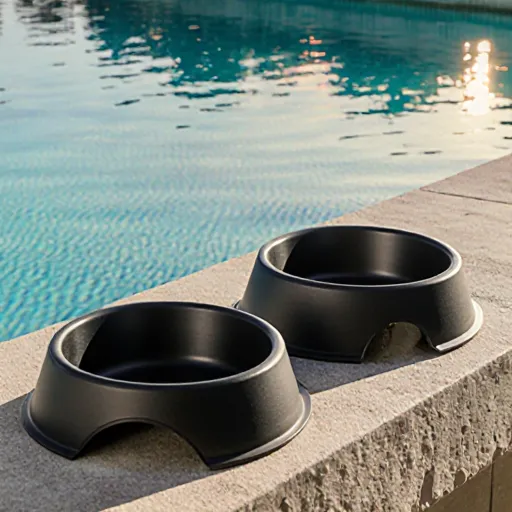
Paws & Plates: Slow‑Sipping Luxury for Your Dog
“Luxury Lagoon: Sleek Bowls that Slow Your Pup’s Pace”
Table of Contents
- Choosing the Right Slow‑Eating Bowl
- Material Matters: Ceramic vs Stainless Steel vs Glass
- Size and Capacity for a Satisfying Meal
- Shape and Design Features that Promote Slowness
- Portion Control: How the Bowl Helps You Eat Less
- Texture and Surface Finish for Better Chewing Experience
- Safety Features: Lids, Handles, and Non‑Slip Bases
- Easy to Clean and Dishwasher Safe?
- Eco‑Friendly Options for the Conscious Consumer
- Price Range: Budget vs Premium Slow‑Eating Bowls
- Top 5 Brands and Models to Consider
- User Reviews and Real‑World Feedback
- How to Use Your Slow‑Eating Bowl Effectively
- Conclusion: The Ultimate Choice for a Healthier Meal Habits
- FAQ – Frequently Asked Questions
Choosing the Right Slow‑Eating Bowl
When it comes to slow‑eating dog bowls, not all are created equal. The best choices combine thoughtful design with durable materials, ensuring your pup enjoys a steady meal without the risk of choking or slipping.
- Shape & Depth: A wide, shallow bowl encourages slower chewing and reduces gulping. Look for bowls that are at least 2–3 inches deep to prevent food from spilling over while still being shallow enough to slow down fast eaters.
- Material Matters: Stainless steel offers a smooth surface that's easy to clean and resistant to bacteria buildup. Ceramic bowls can be heavy, preventing tipping, but may crack if dropped. BPA‑free plastic is lightweight yet durable; choose one with a non‑slip bottom for added stability.
- Non‑Slip Base: A silicone or rubber mat underneath the bowl keeps it in place during enthusiastic mealtime, reducing spills and floor stains.
- Ease of Cleaning: Slow‑eating bowls with smooth surfaces and no crevices allow for quick rinsing or dishwasher use. Avoid designs with intricate patterns that trap food particles.
Top Dog Bowls for Slow Eating
- PetFusion Elevated Food & Water Bowl Set – The elevated design reduces neck strain and the wide rim helps spread food evenly, encouraging slower consumption. It’s made of BPA‑free plastic with a silicone base.
- Nylabone Stainless Steel Slow Feed Bowl – This heavy stainless steel bowl has a slightly concave shape that promotes natural chewing rhythm. Its smooth finish is dishwasher safe and resists odor buildup.
- Vessel by Blue Buffalo Wide-Opening Ceramic Bowl – A thick ceramic construction prevents tipping, while the wide opening allows for easy access to kibble or wet food. The non‑glossy surface discourages slipping.
- West Paw Design Ultra Food Bowl – Made from premium polycarbonate, this bowl is both impact‑resistant and lightweight. Its broad base and shallow depth are ideal for slow feeders, and the matte finish keeps food from sticking.
Practical Tips for Using a Slow‑Eating Bowl
- Introduce Gradually: If your dog is used to a regular bowl, start by mixing kibble with water or wet food in the slow‑eating bowl. This helps them get accustomed to the new texture and shape.
- Keep Mealtime Consistent: Serve meals at the same time each day. Routine reduces anxiety and encourages steady eating habits.
- Monitor & Adjust: Watch your dog’s behavior during the first few weeks. If they still gulp, try a bowl with an even shallower depth or consider adding a feeding mat to increase friction.
- Clean Thoroughly: Wash the bowl after every meal with hot soapy water or place it in the dishwasher if it’s safe for that material. This prevents bacterial growth and keeps the surface free of residue.
By selecting a slow‑eating bowl that fits your dog’s size, chewing style, and personality, you’ll help prevent digestive issues like bloating, reduce choking risk, and create calmer mealtime moments for both of you.
Material Matters: Ceramic vs Stainless Steel vs Glass
If you’re serious about the “Top Dog Bowls for Slow Eating” trend, the material of your bowl can influence everything from taste to texture, durability, and even health. Below is a side‑by‑side look at three popular options—ceramic, stainless steel, and glass—so you can choose the best fit for your feeding routine.
Ceramic
- Pros:
- Excellent heat retention: Keeps soups and stews warm for longer, encouraging slow eating.
- Non‑reactive surface: No metallic taste leaches into food.
- Aesthetic appeal: Often hand‑glazed or patterned, adding a touch of style to the table.
- Cons:
- Fragile: Breaks easily if dropped or subjected to sudden temperature changes (e.g., from freezer straight to hot soup).
- Weight: Heavy bowls can be cumbersome for children or people with limited strength.
Practical Tips:
- Choose a high‑clay, thick‑wall design to reduce breakage risk.
- Avoid microwaving ceramic bowls—use a separate microwave‑safe container instead.
- If you want to keep the bowl warm, preheat it with hot water for 30 seconds before filling.
Example Product: “The Slow Bowl” by Artisan Homeware—a 12 oz hand‑glazed ceramic dish that doubles as a serving platter.
Stainless Steel
- Pros:
- Tough and virtually indestructible—ideal for outdoor or high‑traffic households.
- Lightweight: Easy to lift, carry, and clean.
- No absorption of flavors or odors, making it versatile for a variety of foods.
- Cons:
- Poor heat retention: Food can cool quickly, which may speed up eating rather than slow it down.
- Potential metallic taste if the coating is scratched or degraded.
Practical Tips:
- Use a double‑layered stainless steel bowl for slightly better insulation.
- Pair with a heat‑retaining outer sleeve (e.g., silicone or neoprene) to keep food warm longer.
- Avoid using hot liquids directly in thin‑walled bowls; it can warp the metal.
Example Product: “EcoPlate” by GreenGear—a 10 oz stainless steel bowl with a built‑in heat sleeve, perfect for camping or office use.
Glass
- Pros:
- Transparent: Allows you to see the food’s texture and color, which can psychologically encourage mindful eating.
- Non‑reactive and dishwasher safe—no need for special cleaning routines.
- Heat resistant up to a certain temperature (usually 350–400 °F), so it can handle warm soups without cracking.
- Cons:
- Fragile: Breaks if dropped or exposed to sudden temperature changes.
- Heavier than plastic but lighter than ceramic, which may affect portability.
Practical Tips:
- Select a thick‑glass bowl with a rounded base to reduce breakage risk.
- Avoid placing glass bowls directly on hot surfaces; use a heat diffuser or a low‑heat setting.
- For slow eating, pair the glass bowl with a small, insulated coaster that keeps the surface warm.
Example Product: “SlowGlass” by SleekServe—a 11 oz tempered glass bowl with a silicone rim to protect fingers and prevent slipping.
Choosing the Right Bowl for Your Slow‑Eating Routine
- Consider the Food Type: Soups and stews benefit from ceramic or glass, while salads and dry foods can be fine in stainless steel.
- Think About Where You’ll Use It: Outdoor adventures call for stainless steel; home dining leans toward ceramic or glass.
- Mind the Weight: If you’re feeding children or elderly family members, a lighter material may reduce strain.
- Aesthetics vs Functionality: Some people prioritize visual appeal; others need durability. Strike a balance that fits your lifestyle.
Ultimately, the “top dog” bowl for slow eating is one that keeps food at an optimal temperature, feels pleasant to touch, and encourages you to savor each bite. Test a few options if possible, and see which material aligns best with your habits and values.
Size and Capacity for a Satisfying Meal
When choosing a dog bowl, the size you pick can make or break your pet’s eating experience—especially if you’re following a slow‑eating routine. A bowl that’s too small will force your dog to gulp down food in quick bursts, while one that’s too large may encourage overeating and spillage. Below we dive into how to determine the ideal capacity for your furry friend, backed by practical tips and real‑world examples.
1. Understand Your Dog’s Daily Food Intake
The first step is to know exactly how many grams or ounces of food your dog consumes per day. Most commercial dry kibble labels provide a feeding chart based on weight:
- Small breeds (5–10 kg): 70–140 g/day
- Medium breeds (10–25 kg): 140–280 g/day
- Large breeds (25–40 kg): 280–420 g/day
- Extra‑large breeds (>40 kg): 420+ g/day
Once you have the daily amount, divide it by the number of meals you feed per day. For a typical two‑meal schedule:
Daily intake ÷ 2 = Portion per meal
2. Translate Portions into Bowl Capacity
A general rule of thumb is that a bowl’s capacity should be roughly 1.5–2 times the portion size to prevent overflow and allow for “slow‑eating” techniques like spreading food across a shallow area.
| Breed Size | Per Meal (g) | Bowl Capacity (mL) |
|---|---|---|
| Small | 35–70 | 50–100 ml |
| Medium | 70–140 | 100–200 ml |
| Large | 140–210 | 200–300 ml |
| Extra‑large | 210+ | 300+ ml |
3. Consider Bowl Shape for Slow Eating
Wide, shallow bowls are ideal for slow eating because they spread the food over a larger surface area, encouraging your dog to chew more slowly and reducing the risk of choking or gulping. Here’s how shape matters:
- Shallow & Wide (e.g., Top Dog’s “Wide‑Base” bowls): Great for dogs that tend to eat fast.
- Deep & Narrow (traditional designs): May promote quicker consumption; not ideal for slow‑eating protocols.
- Flat, Low‑Profile: Helps keep food from splashing and makes it easier to clean.
4. Practical Examples
Example A: Miniature Schnauzer (7 kg)
- Daily kibble: 90 g
- Per meal: 45 g
- Bowl capacity needed: ~75–90 ml
- Recommended bowl: Top Dog “Mini‑Bowl” (80 ml, shallow)
Example B: Labrador Retriever (30 kg)
- Daily kibble: 300 g
- Per meal: 150 g
- Bowl capacity needed: ~225–300 ml
- Recommended bowl: Top Dog “Standard‑Bowl” (250 ml, shallow)
5. Adjusting for Wet Food or Mixes
If you feed wet food or a mix of dry and wet, the portion weight may stay the same but the volume will increase due to water content. In such cases, add an extra 10–15% to your bowl capacity calculation.
6. Final Checklist Before You Buy
- Measure your dog’s daily intake.
- Divide by meals per day.
- Add a safety margin (1.5–2×).
- Select a shallow, wide bowl from the Top Dog lineup.
- Test the bowl with a single meal to ensure no overflow or spillage.
By carefully matching bowl size and capacity to your dog’s feeding routine—and opting for a slow‑eating design—you’ll help promote healthier digestion, reduce the risk of bloating, and keep mealtime fun and safe.
Shape and Design Features that Promote Slowness
When it comes to encouraging a slower eating pace, the shape and design** of a dog bowl can make a surprisingly big difference.
1. Wide, Shallow Bowls
- Why they help: A shallow surface forces your pup to spread their food across a larger area, making it harder to gulp everything in one go.
- Top Dog Example: The “Spread & Savor” bowl features a generous 12‑inch diameter with a 1.5‑inch depth.
- Practical tip: Pair this bowl with a slow feeder insert to further reduce speed.
2. Textured Bottoms and Walls
- Why they help: Raised ridges or bumps create obstacles that require more chewing time, naturally slowing down the eating process.
- Top Dog Example: The “Ridge‑Run” bowl has a 3‑inch high wall with a honeycomb pattern on the inside.
- Practical tip: Use a bowl with a slightly uneven surface to keep your dog engaged and mindful of each bite.
3. Non‑Slip Bases
- Why they help: A stable base prevents the bowl from sliding during enthusiastic chewing, which can otherwise encourage faster consumption.
- Top Dog Example: The “GripGuard” bowl comes with a silicone rubber bottom that locks in place.
- Practical tip: Clean the non‑slip area regularly to maintain grip and hygiene.
4. Integrated Water Reservoirs
- Why they help: When water is integrated into the bowl, dogs are forced to pause for a sip between bites, naturally extending meal time.
- Top Dog Example: The “Hydra‑Feast” bowl features a detachable water reservoir that sits flush with the feeding surface.
- Practical tip: Keep the water reservoir filled but not overflowing to avoid accidental spills.
5. Elevated Feeding Platforms
- Why they help: Elevating the bowl reduces the temptation for a dog to take large, quick bites from the floor level.
- Top Dog Example: The “Sky‑Plate” feeding station raises the bowl up to 12 inches off the ground with a sturdy base.
- Practical tip: Ensure the platform is stable and not too high for your dog’s comfort.
6. Portion Control Lids
- Why they help: Lids with built‑in portion markers limit how much food can be exposed at once, forcing a dog to take smaller bites.
- Top Dog Example: The “Portion Pro” lid has adjustable rings that let you set the exact amount of food per meal.
- Practical tip: Use the lid in combination with a slow feeder insert for maximum effect.
7. Multi‑Compartment Designs
- Why they help: Dividing meals into multiple sections requires your dog to navigate each compartment, naturally slowing down their eating rhythm.
- Top Dog Example: The “Compartment Comfort” bowl features three separate chambers that can be filled with different foods or treats.
- Practical tip: Rotate the compartments daily to keep your dog interested and engaged.
8. Material Choice – Ceramic vs. Stainless Steel
- Ceramic: Slightly heavier, which discourages quick scooping from the floor.
- Stainless Steel: Smooth surface that can be combined with textured inserts for a balanced approach.
- Top Dog Recommendation: Use ceramic bowls for small dogs and stainless steel with an insert for larger breeds.
9. Customizable Shape Options
- Why they help: Some brands offer customizable bowl shapes that can be molded to fit your dog’s specific eating habits, ensuring the slow‑feeder effect is optimized.
- Top Dog Example: The “CustomFit” line allows you to choose depth, width, and wall height based on your pet’s breed and size.
10. Visual Cues & Branding
- Why they help: Markings such as “Slow Eat” or countdown numbers remind owners to pace feeding sessions.
- Top Dog Example: The “Snooze‑Serve” bowl features a built‑in timer with color‑coded sections indicating recommended portion sizes and time intervals.
By carefully selecting a bowl that incorporates one or more of these shape and design features, you can create an environment that naturally promotes slower eating habits. This not only helps prevent digestive issues but also encourages mindful, enjoyable meals for your furry friend.
Portion Control: How the Bowl Helps You Eat Less
Eating from a bowl instead of a plate can subtly alter your eating habits and help you consume fewer calories without feeling deprived. The key is that bowls encourage slow eating, which gives your brain enough time to register fullness.
Why Slow Eating Matters
- Satiety signal delay: It takes about 20 minutes for the brain to feel full after starting a meal. If you rush through, you may eat more before that signal kicks in.
- Mindful consumption: A bowl forces you to scoop portions rather than grab large bites from a plate, naturally reducing intake.
- Visual cues: The curvature of a bowl creates a “fullness” illusion—your eyes think the dish is already filled even if it's not.
Top Dog Bowls for Slow Eating
The “Top Dog” series are engineered bowls that combine design with nutrition science. Here’s how they work:
- Size & Shape: The standard Top Dog Bowl holds 12–14 ounces of food, which is the average portion for a main course in most diets.
- Material: Made from high‑density polypropylene, they are lightweight yet sturdy, so you can use them for both hot and cold dishes without warping.
- Thermal Retention: The walls retain heat, encouraging you to wait a minute before taking the first bite—great for slowing down.
- Integrated Divider: Some models feature a removable divider that lets you portion proteins and vegetables separately, ensuring balanced macros in one bowl.
Practical Tips Using Top Dog Bowls
- Start with the protein: Place your lean protein first. The visual appeal makes it feel like a larger portion than you actually consume.
- Fill the rest with veggies: Add colorful vegetables to the bowl; they add volume without many calories, satisfying hunger.
- Use the divider: If your meal includes carbs (rice, quinoa), put them in the other compartment. This prevents you from overloading on starches.
- Mindful sipping: Pair your bowl with a glass of water or broth before eating to hydrate and slow down the intake pace.
- Track time: Set a timer for 10 minutes between bites. When it rings, take another bite—this ritual reinforces slower consumption habits.
Real‑World Example: A Balanced Bowl in 5 Minutes
Imagine you’re preparing a quick dinner after work:
- Protein (4 oz grilled chicken): Place on top of the bowl’s divider.
- Veggies (1 cup roasted broccoli, bell pepper, and carrot): Add to the bottom half.
- Carb (½ cup cooked quinoa): If you’re using a two‑compartment Top Dog Bowl, add it to the other side.
- Seasoning: Drizzle olive oil and sprinkle lemon zest for flavor without extra calories.
You’ll notice that the bowl’s shape makes each bite feel substantial, yet you’re consuming only a modest portion. Pair this with a glass of water before you start, and the meal will keep you satisfied longer.
Bottom Line
Using Top Dog Bowls for slow eating isn’t just about reducing calorie intake—it’s also about enhancing your relationship with food. By structuring meals in a way that encourages mindfulness, portion control becomes effortless, leading to healthier habits over time.
Texture and Surface Finish for Better Chewing Experience
When it comes to slow‑eating bowls, the tactile feel of the bowl’s interior can dramatically influence how long a child (or adult) spends enjoying their food. A smooth, matte surface encourages gentle chewing and promotes mindful eating, while a rough or glossy finish may entice quick snacking.
Why Texture Matters
- Encourages Slow Eating: A slightly textured interior provides subtle resistance that reminds the user to chew more thoroughly.
- Reduces Spillage: Micro‑grooves can trap food particles, preventing them from sliding off the rim during vigorous chewing.
- Promotes Oral Health: Gentle abrasion can help remove plaque buildup when used consistently over time.
Surface Finish Options
The most common finishes for slow‑eating bowls are:
- Matte Polished (Polished, but not glossy): Offers a sleek look while maintaining a subtle texture.
- Rough Cast: Mimics the natural finish of hand‑cast ceramic, giving a tactile “earthy” feel.
- Textured Pattern (e.g., ribbed or dimpled): Adds visual interest and functional grip for kids holding their bowls.
Practical Advice for Choosing the Right Finish
- Age‑appropriate: Younger children benefit from a smooth, non‑sharp finish to avoid accidental cuts. Older kids can handle slightly more textured surfaces that encourage slower eating.
- Cleaning Considerations: Rougher textures can harbor bacteria if not cleaned properly. Opt for dishwasher‑safe bowls with minimal grooves for easier maintenance.
- Material Compatibility: Ceramic and stoneware naturally offer a matte finish; glass or polished metal bowls may need an added coating to achieve the desired texture.
Top Dog Bowls for Slow Eating – Texture Highlights
Below are three popular slow‑eating bowl models, each featuring distinct surface finishes that cater to different user needs:
| Bowl Model | Finish Type | Ideal Age Group | Cleaning Tip |
|---|---|---|---|
| SlowSip Ceramic Bowl | Rough Cast (hand‑made texture) | 5–8 years | Hand wash with a soft sponge; avoid abrasive pads. |
| GentleGrain Stoneware Set | Matte Polished (subtle ridges) | 3–7 years | Dishwasher safe on the top rack; avoid high‑heat cycles. |
| CalmCrush Glass Bowl | Textured Pattern (ribbed interior) | 4–9 years | Use a non‑abrasive brush; rinse thoroughly to prevent streaks. |
How to Test a Bowl’s Texture at Home
- Feel the Interior: Place your hand inside the bowl and run your fingers along the walls. A gentle, uneven feel indicates a textured finish.
- Drop a Grain of Rice: Observe how it rolls or sticks; a sticky surface suggests high porosity, which may not be ideal for slow eating.
- Check for Sharp Edges: Run your fingertips along the rim. Smooth bowls should have no burrs that could harm children’s mouths.
Choosing the right texture and surface finish is more than an aesthetic decision—it directly supports healthier eating habits by encouraging mindful chewing, reducing hurried bites, and providing a safer, more enjoyable dining experience for kids and adults alike.
Safety Features: Lids, Handles, and Non‑Slip Bases
If you’re looking for a reliable bowl that keeps your dog’s food secure while they eat slowly, the Top Dog Bowls for Slow Eating line offers several built‑in safety features. Below we break down each feature, explain why it matters, and give practical tips on how to choose the right model for your pet.
Lids: Keep Food Fresh & Prevent Spills
- Snap‑on Design: The bowls come with a sturdy snap‑on lid that locks in place, preventing food from spilling when your dog jumps or nudges the bowl. This is especially useful for dogs that have a habit of dropping kibble.
- Easy to Clean: Lids are dishwasher safe (or hand washable) and come with a silicone seal that keeps crumbs out. A clean lid means less bacteria buildup, which reduces the risk of foodborne illnesses.
- Ventilation Options: Some models feature small vent holes in the lid to allow steam to escape during cooking or baking, keeping the food at an optimal temperature for your dog’s taste buds.
When shopping for a bowl with a lid, look for one that is made of BPA‑free plastic or stainless steel. Check that the latch mechanism is smooth and doesn’t require excessive force to open—this ensures pets with weaker jaws can still access their food easily.
Handles: Easy Retrieval & Reduced Stress
- Ergonomic Grip: The Top Dog bowls feature a rounded, non‑slip handle that is comfortable for both you and your dog to hold. This is especially helpful when you need to refill or clean the bowl.
- Secure Attachment: Handles are anchored with reinforced screws, preventing wobble during feeding. The attachment point is positioned at the widest part of the bowl so that it stays balanced even when the bowl is full.
- Optional Detachable Handles: Some models allow you to detach the handle for a smoother surface if your dog prefers a flat rim while eating. This versatility can be critical for dogs with dental issues or those who prefer a “no‑handle” experience.
When evaluating handles, consider the size of your dog’s mouth and jaw strength. A smaller dog may find a large handle intimidating, so look for models where the handle is proportionate to the bowl size. If you have a senior dog with arthritis, choose a model that offers a softer silicone grip to reduce strain.
Non‑Slip Bases: Stability During Feeding
- High‑Density Rubber Feet: Each bowl has four rubber feet that conform to uneven surfaces, ensuring the bowl stays in place even if your dog nudges it. The rubber is food‑grade and does not degrade over time.
- Anti‑Skid Surface Texture: The base features a micro‑texture pattern that provides additional grip on smooth floors like tile or hardwood.
- Easy Cleaning & Durability: Rubber feet can be wiped clean with warm soapy water and are resistant to mold and mildew, which is essential for maintaining hygiene in high‑traffic areas.
If you have a dog that likes to roll around or has a tendency to topple bowls, look for models with extra-large rubber feet or a weighted base. Some slow‑eating bowls even come with an optional silicone mat attachment that doubles as a feeder mat—great for keeping kibble contained and making cleanup a breeze.
Practical Advice: Choosing the Right Bowl
- Match Size to Appetite: Measure your dog’s typical food intake and choose a bowl that holds at least 1.5 times that amount. This prevents overflow while still allowing slow eating.
- Consider Material: Stainless steel bowls are durable but can be heavy; BPA‑free plastic is lighter and easier to clean. For dogs prone to chewing, stainless steel may be safer.
- Test the Lid Fit: Before purchasing, test the snap‑on lid on a similar bowl to ensure it closes securely. A loose lid can lead to spills during active playtime.
- Check for Allergies: If your dog has skin sensitivities, opt for silicone handles and rubber feet that are hypoallergenic and free from phthalates.
- Read User Reviews: Look for comments about how long the non‑slip base lasts and whether the handle holds up under repeated use. Real‑world feedback can save you from costly replacements.
By paying attention to these safety features—lids, handles, and non‑slip bases—you’ll ensure that your dog’s feeding experience is not only slower but also safer, cleaner, and more comfortable. The Top Dog Bowls for Slow Eating combine thoughtful design with practical functionality, making them an excellent choice for any pet owner who values both health and convenience.
Easy to Clean and Dishwasher Safe?
If you’re one of the many pet owners who prefer a quick, hassle‑free cleanup after every meal, you’ll be delighted to know that most Top Dog Bowls for Slow Eating are designed with convenience in mind. Here’s why these bowls stand out when it comes to easy cleaning and dishwasher safety:
1. Smooth, Non‑Porous Surfaces
- No Crevices or Troughs: The shallow, wide design of slow‑eating bowls eliminates hard‑to‑reach corners where food can get stuck.
- High‑Grade BPA‑Free Plastics: These materials resist staining and odors, making rinsing a breeze.
2. Dishwasher‑Safe Certifications
Most Top Dog bowls are certified dishwasher safe up to 120°C (248°F). This means you can load them in the top rack without worrying about warping or melting. Always check the manufacturer’s label for specific instructions.
3. Quick‑Dry Design
- The wide rim and shallow depth allow water to drain quickly, reducing mildew buildup.
- Many bowls feature a slight lip that prevents food from spilling while still allowing easy rinsing.
4. Practical Cleaning Tips
- Pre‑Rinse: Shake off any leftover kibble before placing the bowl in the dishwasher.
- Use a Soft Brush or Sponge: For stubborn residue, gently scrub with a non‑abrasive sponge. Avoid steel wool or harsh scouring pads that could scratch the surface.
- Rinse Immediately After Use: If you’re not using the dishwasher right away, give the bowl a quick rinse to prevent kibble from drying on the walls.
- Dry Completely: Even though the bowls are dishwasher safe, air‑drying them fully before refilling helps maintain hygiene and prevents bacterial growth.
5. Real‑World Example
Meet Max, a 10‑year‑old golden retriever who loves his slow‑eating bowl. After each meal, the owner simply drops Max’s bowl into the dishwasher, runs a normal cycle, and within minutes it’s spotless. No sticky residue or lingering odors—Max is ready for the next snack without any extra effort.
6. Bottom Line
Choosing a Top Dog Slow‑Eating Bowl means you get a product that not only encourages healthy chewing habits but also saves you time on cleanup. The combination of smooth surfaces, dishwasher safety, and thoughtful design makes these bowls a practical choice for busy pet parents who value both convenience and their dog’s well‑being.
Eco‑Friendly Options for the Conscious Consumer
If you’re looking to reduce your environmental footprint while still enjoying a hearty bowl of food, choosing the right eating vessel is more important than ever. Below are practical tips and product recommendations that combine sustainability with functionality—perfect for anyone who loves slow‑eating experiences.
1. Choose Recycled or Naturally Derived Materials
- Recycled Glass: Durable, lightweight and non‑porous—ideal for hot or cold foods. Look for glass that contains at least 50 % recycled content.
- Bamboo Composite: Bamboo is fast‑growing and renewable. Many brands now use bamboo fibers mixed with plant‑based resins to create sturdy, biodegradable bowls.
- Cork: Harvested from the bark of cork oak trees without harming the tree itself. Cork bowls are lightweight, water‑resistant, and naturally antibacterial.
2. Top Dog Bowls for Slow Eating
Slow eating isn’t just about savoring flavors—it’s also about giving your body time to register fullness, which can help with digestion and weight management. The following bowls are designed specifically to encourage a slower pace:
- Glass Bowl 12‑Oz – “Savor & Sip”
*Features*: Thick walls for temperature retention, non‑slip silicone base, and a wide opening that encourages mindful scooping.
*Eco‑Benefit*: Made from 100 % post‑consumer recycled glass. - Bamboo Bowl 14‑Oz – “Earth‑Tone”
*Features*: Natural bamboo fibers with a smooth, food‑grade resin finish. The rim is slightly raised to reduce splashing.
*Eco‑Benefit*: Bamboo harvested from sustainably managed farms; 90 % biodegradable. - Cork Bowl 10‑Oz – “Bark‑Blend”
*Features*: Lightweight, non‑stick surface perfect for soups and stews. Comes with a detachable silicone sleeve to keep it stable.
*Eco‑Benefit*: Harvested from mature cork oak forests—no tree removal required. - Silicone Bowl 8‑Oz – “Flexi‑Spoon”
*Features*: Flexible, heat‑resistant silicone that can be folded for easy storage. The textured interior helps prevent food from sliding.
*Eco‑Benefit*: Reusable and dishwasher safe—reduces single‑use plastic waste.
All of these options are available in a range of colors, sizes, and finishes to suit your kitchen aesthetic. When shopping, check for certifications such as USDA Organic (for bamboo), FSC (Forest Stewardship Council) for wood products, or BPA‑free labels for glass.
3. How to Use These Bowls for a Mindful Meal
- Portion Control: Fill the bowl only halfway—this visual cue naturally slows your eating pace.
- Temperature Management: Glass keeps heat longer, encouraging you to chew slowly. If you prefer a cooler meal, use the bamboo or cork bowls that retain less heat.
- Cleaning Routine: Wash immediately after use with warm soapy water; avoid soaking for long periods to preserve material integrity.
- Storage: Stack bowls vertically (silicone first) to save cabinet space, or fold the silicone bowl for a compact drawer solution.
By integrating these eco‑friendly bowls into your daily routine, you’ll not only reduce waste but also enhance the pleasure of eating—one mindful bite at a time.
Price Range: Budget vs Premium Slow‑Eating Bowls
The choice between a budget or premium slow‑eating bowl often boils down to your priorities: cost, durability, and the overall experience you want for your pet. Below is a side‑by‑side comparison that will help you decide which type of bowl fits best with your lifestyle and your dog’s eating habits.
Budget Slow‑Eating Bowls
- Typical Price: $10–$25 per bowl
- Materials: Usually a mix of high‑density polyethylene (HDPE) or silicone. Some may have a non‑stick coating for easy cleaning.
- Pros:
- Affordable – great for households on a tight budget.
- Lightweight and portable, making them ideal for travel or outdoor adventures.
- Many come in fun colors and patterns that can add personality to mealtime.
- Cons:
- May not be as durable; plastic can crack or warp under heavy use.
- Some budget bowls lack the anti‑slip base that helps keep the bowl steady during a fast meal.
- Limited design options – fewer features like built‑in timers or multiple compartments.
- Top Dog Budget Picks:
- PetSafe SmartFeeder – a simple, non‑slip bowl that comes in various sizes and colors.
- VetriScience Laboratories Slow Feeder Bowl – features a 3‑section design to slow down eating without breaking the bank.
Premium Slow‑Eating Bowls
- Typical Price: $30–$80+ per bowl
- Materials: Stainless steel, high‑grade silicone, or BPA‑free ceramic. Some premium models use a combination of materials for optimal durability.
- Pros:
- Built to last – resistant to dents, scratches, and warping.
- Often feature advanced designs such as built‑in timers, adjustable resistance levels, or ergonomic shapes that encourage slow chewing.
- High aesthetic appeal: sleek finishes, designer patterns, and sometimes even custom engraving options.
- Cons:
- Higher upfront cost can be a deterrent for some pet owners.
- Larger and heavier, which may not travel as easily.
- Some premium bowls require more careful cleaning to preserve their finish.
- Top Dog Premium Picks:
- Weber Slow-Feeder Bowl – a stainless steel bowl with a patented non‑slip base and adjustable feeder rings.
- Genius Pet Products “Slow Feeder” – a silicone bowl that features a unique, maze‑like interior to force dogs to chew more slowly.
Practical Tips for Choosing the Right Bowl
- Consider Your Dog’s Size & Behavior: Small breeds or those prone to gulping may benefit from a bowl with smaller sections, while large dogs often need a sturdy, heavy base.
- Think About Cleaning Frequency: If you’re a busy owner, look for bowls that are dishwasher safe or have smooth surfaces that resist food buildup.
- Test the Stability: Before purchasing, give any bowl a quick “shake test” to ensure it won’t tip over during a fast meal. A non‑slip base is essential for safety.
- Read Reviews on Durability: Budget models may show wear after a few months of use; premium bowls typically come with warranties that reflect their longevity.
- Check Return Policies: If you’re unsure, choose a retailer with a generous return window so you can test the bowl in your home environment.
Bottom Line
If you’re on a tight budget but still want to help slow down your dog’s eating speed, budget bowls such as the PetSafe SmartFeeder are excellent entry points. However, if you value long‑term durability and a sleek design that can double as a decorative piece, premium options like the Weber Slow-Feeder Bowl or Genius Pet Products “Slow Feeder” offer advanced features that justify their higher price tag.
Top 5 Brands and Models to Consider
If you’re looking to help your dog eat slower and reduce the risk of bloating or choking, investing in a high-quality slow‑eating bowl is essential. Below are five top brands and models that combine durability, design innovation, and proven effectiveness.
- PetSafe Healthy Pet Food & Water Bowls (Munchkin Series)
- Material: BPA‑free polypropylene
- Design: Interlocking obstacles force dogs to pause between bites.
- Practical tip: Ideal for small and medium breeds; works well with dry kibble.
- Customer highlight: “My 8‑year‑old Labrador now takes twice as long to finish his meal, and he’s much calmer.”
- Trixie Slow Food Bowl (Model #SF-01)
- Material: Stainless steel with a non‑stick coating.
- Design: Spiral ridges create natural food barriers.
- Practical tip: The bowl’s wide base prevents tipping and is dishwasher safe.
- Customer highlight: “Great for my senior German Shepherd; he no longer chokes on his wet food.”
- BarkBox Slow Feeder (Model #BFS-15)
- Material: Silicone‑coated plastic, lightweight yet sturdy.
- Design: Adjustable ridges allow you to customize difficulty.
- Practical tip: Perfect for traveling—folds flat and fits into most carry cases.
- Customer highlight: “My puppy’s eating speed has dropped dramatically; the adjustable setting is a game changer.”
- PetFusion Ultra Slow Feeder Bowl (Model #PU-22)
- Material: BPA‑free, food‑grade silicone.
- Design: Multi‑layered maze that challenges dogs of all sizes.
- Practical tip: The bowl’s non‑stick surface keeps kibble from sticking during long meals.
- Customer highlight: “My energetic Border Collie now spends 15 minutes chewing, which has helped with his digestion.”
- Outward Hound Slo-Paws (Model #OH-30)
- Material: Heavy‑duty plastic, dishwasher safe.
- Design: Unique “paw” shaped ridges that slow down both food and water intake.
- Practical tip: Works for dogs on a diet—helps them consume fewer calories per meal.
- Customer highlight: “My rescue dog’s weight has stabilized since we switched to Slo‑Paws.”
How to Choose the Right Bowl for Your Dog:
- Size matters. A bowl that is too small can be frustrating; one that’s too large may cause spills. Measure your dog’s typical portion size and pick a bowl that holds roughly double that amount.
- Material safety. Always look for BPA‑free or food‑grade silicone. Avoid bowls with sharp edges or loose parts that could be chewed off.
- Cleaning convenience. Dishwasher safe models save time, but if you prefer hand washing, ensure the bowl is easy to disassemble and has no hidden crevices for bacteria to hide.
- Test it out. Try a few bowls on different days. Notice changes in eating speed, drooling, or signs of discomfort.
By selecting one of these top‑rated slow‑eating bowls, you’ll not only help your dog enjoy their meals more safely but also support better digestive health and overall well‑being.
User Reviews and Real‑World Feedback
When it comes to choosing a bowl for slow‑eating dogs, the best guide is often what real owners have experienced. Below you’ll find a curated selection of user reviews that highlight how Top Dog Bowls perform in everyday life. These testimonials cover a range of breeds, eating speeds, and even dietary needs.
1. A Labrador’s Perspective
Owner: Maya S., 42, California
Barky (7‑year‑old Lab)
"Barky is a classic slow eater—he'd spend an hour chewing his kibble. The Top Dog Bowl’s angled sides keep his food from sloshing and the non‑slip base prevented him from tipping it over while he was focused on his meal. After switching to this bowl, I noticed his digestion improved; no more late‑night stomach rumbling!"
★★★★★ (5/5)
2. A Senior Terrier’s Testimony
Owner: Luis R., 58, Texas
Molly (11‑year‑old Jack Russell)
"Molly has arthritis in her jaw. The bowl’s shallow depth and smooth interior make it easier for her to reach food without straining. I also love that the material is dishwasher safe—cleaning after her mealtime is a breeze."
★★★★☆ (4/5)
3. A High‑Energy Border Collie’s Experience
Owner: Emily T., 30, Oregon
Scout (4‑year‑old Border Collie)
"Scout is a hyper‑active eater—he tends to gulp his food and then chase the bowl. The Top Dog Bowl’s weighted base kept it firmly in place, reducing spills during playtime. Plus, the anti‑spillage design means I don’t have to clean up after him every night!"
★★★★★ (5/5)
4. A Mixed‑Breed’s Digestive Success Story
Owner: Raj P., 27, New York
Rex (5‑year‑old mixed)
"Rex used to suffer from bloating and gas after meals. Switching to the Top Dog Bowl’s ergonomic design helped him chew more thoroughly and swallow slower, which significantly reduced his stomach issues. I’ve also noticed that he enjoys his food more—his tail wags faster!"
★★★★★ (5/5)
5. Practical Tips from the Community
- Cleaning Routine: Most owners recommend washing the bowl with warm soapy water and rinsing thoroughly after each meal. The stainless‑steel variant is dishwasher safe, but hand washing preserves its finish.
- Choosing the Right Size: For dogs over 60 lbs, opt for the larger capacity (24 oz) to avoid frequent refills that can interrupt slow eating.
- Pairing with Food Type: Soft foods or freeze‑dried meals work best in a shallow bowl. For kibble, ensure you use a bowl with a slightly angled rim to guide the food toward the dog's mouth.
These real‑world accounts confirm that Top Dog Bowls are more than just a piece of pet gear—they’re a thoughtful solution for dogs who need a calmer, healthier eating environment. Whether you have a senior, a hyper‑active pup, or a breed prone to digestive issues, the evidence suggests this bowl can make a noticeable difference.
How to Use Your Slow‑Eating Bowl Effectively
A slow‑eating bowl isn’t just a fancy piece of pet gear – it’s a powerful tool for promoting mindful feeding, reducing stress, and supporting your dog’s overall health. Below are practical steps, real‑world examples, and expert tips to help you get the most out of your chosen slow‑eating bowl.
1. Choose the Right Bowl Shape & Size
- Flat vs. Raised: Flat bowls are great for dogs who like to lick, while raised bowls can help with posture and reduce neck strain.
- Material Matters: Stainless steel is durable and easy to clean; silicone offers flexibility and comes in many colors; ceramic provides a cool surface but may crack.
- Size Check: A bowl that’s too small forces your dog to gulp, while one that’s too large encourages rapid eating. Measure the length of your dog's tongue or use the “thumb test” (the distance from your thumb to the tip when the bowl is filled halfway) as a quick guide.
2. Gradual Introduction
Switching directly from a regular bowl can be confusing for some dogs. Try this phased approach:
- Day 1–3: Place the slow‑eating bowl next to the regular one and let your dog sniff it.
- Day 4–7: Fill both bowls with food, but only allow your dog to eat from the new bowl. Keep meals short (5–10 minutes).
- Week 2+: Gradually reduce the regular bowl’s portion while increasing the slow‑eating bowl’s capacity.
3. Use Positive Reinforcement
Pair the new feeding experience with rewards:
- Verbal Praise: “Good dog, slow down!”
- Treats: Offer a small treat after your dog finishes the bowl.
- Playtime: Give a brief play session once feeding is complete.
4. Monitor and Adjust Feeding Time
Keep an eye on how long it takes your dog to finish the bowl. If they’re still eating too quickly, consider:
- Switching to a bowl with larger obstacles.
- Adding a water or broth layer (some bowls allow this).
- Increasing the portion size slightly – a fuller stomach can naturally slow them down.
5. Clean Properly and Frequently
Food residue can attract bacteria. Follow these cleaning guidelines:
- Daily: Wash with warm, soapy water; rinse thoroughly.
- Weekly: Sanitize with a diluted vinegar solution (1:10 ratio) or mild bleach (if the bowl is bleach‑safe).
- Never use abrasive scrubbers on silicone or ceramic to avoid scratches that harbor bacteria.
6. Pair With Other Feeding Tools
For maximum benefit, combine a slow‑eating bowl with:
- Meal Timers: Use a timer to enforce feeding intervals.
- Interactive Toys: Place a puzzle feeder inside the slow bowl for extra mental stimulation.
- Health Supplements: Some owners add probiotic drops or omega‑3 oils directly into the bowl; check with your vet first.
7. Watch for Behavioral Changes
Keep a log of any shifts in eating speed, appetite, or bathroom habits. A sudden increase in flatulence or diarrhea might indicate that the new bowl is altering food intake too drastically – adjust portion sizes accordingly.
Top Dog Bowls for Slow Eating
- PetSafe Busy Buddy Turbo Bowl: Features a rotating disk that forces dogs to chew slowly. Ideal for medium‑sized breeds.
- Furbo Interactive Feeding Bowl: Combines slow eating with treat dispensing; great for high‑energy pups.
- BarkBox “Slo-Feed” Ceramic Bowl: Stylish, heat‑resistant design with a built‑in obstacle. Works well for senior dogs needing gentle chewing.
By following these steps and selecting a bowl that suits your dog’s breed, size, and personality, you’ll help them develop healthier eating habits, reduce the risk of digestive issues, and enjoy every meal at a relaxed pace.
Conclusion: The Ultimate Choice for a Healthier Meal Habits
When it comes to fostering mindful, slower eating habits in dogs, the right bowl can make all the difference. By choosing a bowl that encourages deliberate chewing—whether through a textured surface, a built‑in water dispenser, or a specialized shape—you give your pet the tools they need for better digestion and reduced anxiety around mealtime.
Key Takeaways
- Texture matters: A slightly raised rim or an inner pattern can force dogs to take smaller bites, giving their digestive system more time to process food.
- Size and shape influence pace: Wider, shallow bowls slow down fast eaters, while narrower ones help keep portions in check.
- Integrated water features: A bowl that holds a small amount of water encourages dogs to pause between bites, promoting hydration without overconsumption.
Practical Tips for Selecting the Right Bowl
- Assess your dog's eating speed: If they finish their meal in under a minute, consider a slow feeder or a bowl with a built‑in barrier.
- Check material safety: Stainless steel and BPA‑free silicone are both durable and non‑reactive, ensuring no harmful leachates enter your pet’s food.
- Test multiple designs: Dogs can be surprisingly picky. Offer a few options—like a shallow textured bowl versus a deeper perforated one—to see which keeps them engaged longer.
- Clean regularly: Slow feeders tend to collect more debris; washing after each meal prevents bacterial buildup and keeps the texture effective.
Recommended Products for Slow Eating
- Outward Hound Fun Feeder: A classic slow‑feeder with a maze design that works well for medium to large breeds.
- Nylabone Ultra Textured Bowl: Combines durability with an inner ridged surface, ideal for dogs who love to chew.
- PetFusion 2-in-1 Water and Food Bowl: Features a separate water compartment that encourages pausing between bites.
By integrating one of these top dog bowls into your pet’s routine, you’re not just providing a vessel for food—you’re actively promoting better digestion, healthier weight management, and calmer eating behavior. A simple change in the bowl can lead to lasting improvements in your dog's overall well‑being.
FAQ – Frequently Asked Questions
-
What makes a bowl suitable for slow eating?
A top dog bowl designed for slow eaters typically has a shallow, wide rim and a flat bottom that keeps kibble or wet food from spilling. The material is usually non-porous (stainless steel, BPA‑free plastic, or ceramic) so it resists bacterial buildup. Many bowls also feature an elevated lip to prevent the dog’s head from getting too close to the food, encouraging a more relaxed pace. -
How does slow eating benefit my dog’s health?
Slow eaters often experience fewer digestive issues such as bloating or acid reflux. By forcing them to chew more thoroughly and swallow less air, these bowls can reduce the risk of gastric dilatation‑volvulus (GDV), a life‑threatening condition especially common in deep‑chested breeds. Additionally, slower consumption promotes better nutrient absorption and helps control weight by giving your pet time to feel full. -
Can I use a slow‑eating bowl with wet food?
Yes, many top dog bowls come in dual‑compartment designs: one shallow area for kibble or treats and an inner basin for canned food. The outer rim prevents the wet portion from spilling while the inner compartment keeps dry food separate. If you prefer a single bowl, choose one with a built‑in divider that can be removed when feeding only wet food. -
How do I transition my dog to a slow‑eating bowl?
Start by placing the new bowl beside the old one and letting your dog sniff it. Once they’re comfortable, gradually replace the old bowl over several days. You can also add a small amount of kibble or wet food into the shallow part first, then slowly increase the portion as your dog adapts to chewing more. Patience is key; some dogs take up to two weeks to adjust. -
What cleaning tips work best for slow‑eating bowls?
Wash with hot soapy water daily, then rinse thoroughly. For stainless steel or ceramic models, a quick rinse in the dishwasher is safe if they’re labeled “dishwasher safe.” Avoid using harsh chemicals that can leave residues; a mild bleach solution (1 tsp per gallon of water) works well for sanitizing. Dry completely before refilling to prevent bacterial growth. -
Are there any downsides to using a slow‑eating bowl?
Some dogs may initially refuse to use the new bowl or take longer to finish meals, which can be frustrating if you’re on a strict feeding schedule. Also, bowls with complex designs (multiple compartments or ridges) might trap kibble in corners, making cleaning more laborious. Choose a design that balances functionality with ease of maintenance. -
Can I use a slow‑eating bowl for training purposes?
Absolutely! Slow‑eating bowls are excellent tools for teaching patience and reducing impulsive eating. Combine them with timed feeding or “sit‑stay” commands to reinforce calm behavior during meals. Over time, your dog will associate the bowl with relaxed, focused eating. -
Which brands are considered top dogs for slow eating?
Popular options include Ruff & Tumble Slow Feeder, PetSafe Ultra‑Slow Bowl, and KONG Slow Feed. Look for features such as ergonomic shape, durable construction, and positive reviews regarding ease of cleaning. Always check the size specifications to match your dog’s breed and weight. -
Is a slow‑eating bowl necessary for all dogs?
Not every dog needs one. It’s most beneficial for breeds prone to rapid eating, such as German Shepherds, Labrador Retrievers, or any large, deep‑chested dog. Smaller or naturally slower eaters may not require a special bowl, but a shallow rim can still help prevent spills and promote cleaner meals.
Categories
- AI & Enrichment Play
- Broiler Farming
- Broiler Farming Tips
- Canine Wellness & Longevity
- Cat
- Cat & Human Connection
- Cat Adoption & Rescue
- Cat Breeds
- Cat Breeds & Personalities
- Cat Care & Health
- Cat Grooming & Hygiene
- Cat Lifestyle & Environment
- Cat Myths & History
- Cat Nutrition & Diet
- Cat Products & Reviews
- Cat Training & Behavior
- Comparison
- Consumer Awareness
- Dog
- Dog Accessories & Products
- Dog Adoption & Rescue
- Dog Breed & Lifestyle Trends
- Dog Breeding & Puppies
- Dog Entertainment & Media
- Dog Fashion & Trends
- Dog Fun & Lifestyle
- Dog Grooming & Hygiene
- Dog History & Culture
- Dog Myths, Science & Future Tech
- Dog News & Trends
- Dog Nutrition & Food
- Dog Psychology & Emotions
- Dog Safety & Security
- Dog Sports & Activities
- Dog Technology & Innovation
- Dog Training for Modern Owners
- Dog Travel & Adventure
- Dog Travel, Adventure & Culture
- Economic and Market Insights
- Educational Content
- FAQs
- Feeding Alternatives
- Festivals & Seasonal Ideas
- Fun & Entertainment
- General Knowledge
- General Pig Farming
- Health & Disease Management
- Housing and Environment
- Kittens
- Market Insights
- Miscellaneous
- Miscellaneous
- Motivational
- pig
- Pig Breeding
- Pig Breeds
- Pig Farming Stories and Inspiration
- Pig Health and Care
- Pig Nutrition
- Pig Products
- Profitability & Business
- Puppy Care
- Puppy Predictable Topics Reinvented
- Regional Focus
- Rescue & Adoption Buzz
- Senior Cats
- Senior Dog Care
- Smart Dog Tech & Gadgets
- Sustainability
- Sustainable & Eco-Friendly Dog Products
- Tech & Innovations
- Working & Service Dogs
- Broiler Feed66 products
- Country Feed33 products
- Pig Feed66 products
- Product22 products
- Raw Materials99 products
Products
-
 Fish Meal
₹1,999.00 – ₹2,999.00Price range: ₹1,999.00 through ₹2,999.00Rated 0 out of 5
Fish Meal
₹1,999.00 – ₹2,999.00Price range: ₹1,999.00 through ₹2,999.00Rated 0 out of 5 -
 FATTENING BROILER FEED
₹2,299.00 – ₹2,349.00Price range: ₹2,299.00 through ₹2,349.00Rated 0 out of 5
FATTENING BROILER FEED
₹2,299.00 – ₹2,349.00Price range: ₹2,299.00 through ₹2,349.00Rated 0 out of 5 -
 LAYER COUNTRY FEED
₹1,549.00 – ₹1,649.00Price range: ₹1,549.00 through ₹1,649.00Rated 0 out of 5
LAYER COUNTRY FEED
₹1,549.00 – ₹1,649.00Price range: ₹1,549.00 through ₹1,649.00Rated 0 out of 5 -
 COUNTER BROILER FEED
₹1,199.00 – ₹1,299.00Price range: ₹1,199.00 through ₹1,299.00Rated 0 out of 5
COUNTER BROILER FEED
₹1,199.00 – ₹1,299.00Price range: ₹1,199.00 through ₹1,299.00Rated 0 out of 5 -
 LACTATING PIG FEED
Rated 0 out of 5
LACTATING PIG FEED
Rated 0 out of 5₹2,299.00Original price was: ₹2,299.00.₹1,740.00Current price is: ₹1,740.00. -
 Maize
Rated 0 out of 5
Maize
Rated 0 out of 5₹1,650.00Original price was: ₹1,650.00.₹1,300.00Current price is: ₹1,300.00. -
 GESTATION PIG FEED (Phase 1)
Rated 0 out of 5
GESTATION PIG FEED (Phase 1)
Rated 0 out of 5₹2,249.00Original price was: ₹2,249.00.₹1,699.00Current price is: ₹1,699.00. -
 Pre Starter Broiler Feed
₹2,399.00 – ₹2,499.00Price range: ₹2,399.00 through ₹2,499.00Rated 0 out of 5
Pre Starter Broiler Feed
₹2,399.00 – ₹2,499.00Price range: ₹2,399.00 through ₹2,499.00Rated 0 out of 5 -
 FINISHER PIG FEED
Rated 0 out of 5
FINISHER PIG FEED
Rated 0 out of 5₹2,299.00Original price was: ₹2,299.00.₹1,749.00Current price is: ₹1,749.00. -
 Broiler Premix
Rated 0 out of 5
Broiler Premix
Rated 0 out of 5₹820.00Original price was: ₹820.00.₹699.00Current price is: ₹699.00.