
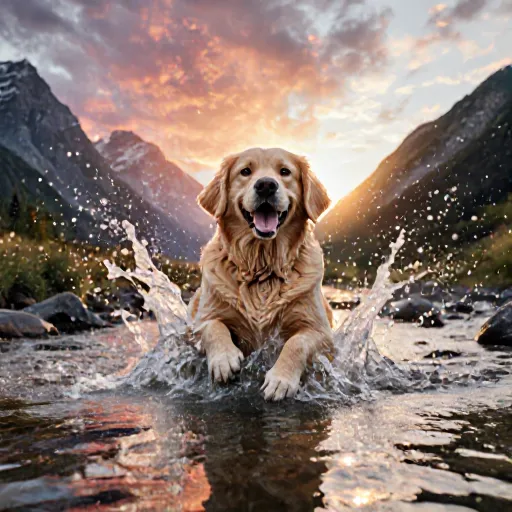
Keep Your Canine Cool and Happy!
Maximize Dog Hydration in the Great Outdoors
Table of Contents
- Introduction
- Understanding Dog Hydration Needs
- Weather and Humidity Factors
- Choosing the Right Water Source
- Portable Water Bottles & Carriers
- Water Fountains for Pets
- Hydration Treats and Gels
- Monitoring Dog Signs of Dehydration
- Setting Up a Routine for Drinking Time
- Preventing Overexertion and Heatstroke
- Using Shaded Pathways and Rest Areas
- Keeping Waters Safe from Contaminants
- Training Dogs to Find Water Sources
- Conclusion
- FAQ
Introduction
When you take your dog out for a hike, beach day, or backyard play session, staying properly hydrated isn’t just a comfort—it’s a safety issue. Dogs lose water through panting, licking their lips, and sweat glands in the pads of their feet. Even on mild days, a lack of adequate fluid intake can lead to heat exhaustion, kidney strain, or worse.
1. Know Your Dog’s Water Needs
- Weight‑Based Rule: A general guideline is about 1 oz (30 ml) per pound of body weight every day. If you’re on a long trail, add an extra 10–20 % for activity.
- Breed & Size Factors: Small breeds may need less absolute water but can dehydrate faster due to higher surface‑to‑volume ratios. Large breeds often sweat through paw pads, requiring more fluid.
- Age & Health: Puppies and senior dogs have different metabolic rates; consult your vet for personalized recommendations.
2. Pack the Right Equipment
- Collapsible Water Bowls: Lightweight, spill‑free bowls that fold flat when empty are ideal for backpacks.
- Hydration Packs (Doggy Tents): These attach to a human backpack and provide a steady stream of water via a small tube—great for long hikes where you’re carrying gear.
- Portable Water Filters: If you’ll be in remote areas, bring a filter or purification tablets to treat natural water sources.
3. Monitor Your Dog’s Hydration Signs
Keep an eye on:
- Lip moisture and color (dry, tacky lips may signal dehydration).
- Panting intensity—excessive panting with no cooling effect is a red flag.
- Skin elasticity—gently pinch the skin between the shoulder blades; it should return quickly to its normal position.
4. Practical Tips for Different Environments
| Environment | Hydration Strategy |
|---|---|
| Hot, Dry Trail | Offer water every 20–30 minutes; use a shaded rest spot to cool the dog. Consider electrolytes in water if the walk is >1 hour. |
| Beach Day | Use fresh tap water after each swim session; avoid saltwater ingestion as it can increase thirst and lead to dehydration. |
| Cold, Humid Conditions | Dogs may not pant as much but still lose moisture through breathing. Offer water every 30–45 minutes. |
5. When to Seek Veterinary Help
If you notice any of the following after an outdoor outing, contact your vet immediately:
- Rapid breathing or gasping for air.
- Lethargy or inability to stand.
- Dark urine or reduced urination.
- Vomiting or diarrhea that persists >24 hours.
6. Sample Hydration Checklist (Before, During, After)
- Pre‑Trip: Fill collapsible bowl with fresh water; test for any odors or contaminants.
- During: Offer a sip every 15–20 minutes; keep a bottle of bottled water handy for quick refills.
- Post‑Trip: Rehydrate gradually—start with small amounts and increase over the next hour to avoid gastric upset.
By anticipating your dog’s hydration needs, equipping yourself properly, and staying vigilant during outdoor adventures, you can keep your canine companion healthy, happy, and ready for the next trail. Happy exploring!
Understanding Dog Hydration Needs
Keeping your dog properly hydrated is essential for its overall health, especially during outdoor adventures where heat, exertion, and altitude can increase water loss. Below are key factors that influence a dog's hydration status, practical ways to monitor it, and actionable tips to keep your furry friend comfortable.
1. Factors That Affect Canine Hydration
- Breed & Size: Small breeds tend to dehydrate faster than large breeds due to higher surface area-to-volume ratios. Conversely, large dogs may need more water simply because they consume larger meals.
- Age: Puppies and senior dogs are especially vulnerable; puppies have higher metabolic rates while seniors often have reduced kidney function.
- Activity Level & Terrain: Hikers on steep trails or those running in hot climates will sweat more, losing electrolytes and fluids at a rapid pace.
- Weather Conditions: High temperatures and low humidity increase evaporation from the skin and nose. Even mild rain can cause increased respiration rates, leading to moisture loss.
- Health Status: Dogs with conditions such as kidney disease, heart failure, or diabetes require special hydration plans because their bodies cannot regulate fluid balance efficiently.
2. Signs Your Dog Needs Water
Look for these indicators during or after outdoor activities:
- Dry gums and nose: A healthy dog’s gums are moist; dryness suggests dehydration.
- Lethargy or weakness: If your dog is unusually sluggish, it might be low on fluids.
- Loss of appetite: Dehydrated dogs often refuse food.
- Increased heart rate or panting: Excessive panting can signal overheating and fluid loss.
- Poor skin elasticity: Gently pinch the skin on the back of your dog’s neck; if it doesn’t snap back quickly, hydration is likely insufficient.
3. Practical Hydration Strategies for Outdoor Adventures
A. Water Supply Planning
- Calculate the amount: A general rule is 1 % of body weight in water per day, but during intense hikes you may need up to 2–3 %. For a 20‑kg dog, that’s roughly 200–300 ml per hour.
- Carry multiple bottles: Use collapsible travel bowls and high‑capacity water jugs. Consider a hydration pack designed for dogs, which keeps the water at your side without stopping to pull out a bowl.
- Use electrolytes sparingly: For extended runs (>1 hour), add a small pinch of canine electrolyte powder (no salt or sugar) to replenish lost minerals. Never use human sports drinks; they often contain ingredients toxic to dogs (e.g., xylitol).
B. Feeding Adjustments
- Wet food: Mix a bit of water or low‑salt broth into dry kibble to increase moisture intake.
- Fresh fruit and veggies: Carrots, cucumber slices, and watermelon (seedless) are hydrating treats that also provide vitamins.
C. Environmental Adaptations
- Timing: Plan strenuous activity during cooler parts of the day—early morning or late afternoon—and rest in shaded areas to reduce heat stress.
- Shade & Shelter: Bring a portable shade canopy or use natural cover (trees, rocks) to give your dog respite from direct sun.
- Cooling vests and bandanas: These garments absorb sweat and evaporate, providing instant cooling during high temperatures.
D. Post‑Adventure Recovery
- Offer water immediately after the walk; a lukewarm bowl can be more enticing than cold water for some dogs.
- Check your dog’s urine color—pale yellow indicates adequate hydration, while darker hues suggest thirst.
- Monitor weight changes: A drop of 1–2 % body weight after an intense outing may indicate dehydration; re‑hydrate gradually to avoid over‑compensation.
4. Common Myths Debunked
- Myth: Dogs don’t need as much water because they drink a lot at home. Reality: Outdoor conditions dramatically increase fluid loss; your dog’s home intake is not enough to cover exertion‑induced dehydration.
- Myth: Freshwater is always safe. Reality: In remote areas, stagnant water may contain parasites or bacteria. Use a portable filter or boiled water if you’re unsure.
- Myth: Dogs can get dehydrated only in hot weather. Reality: Even cool temperatures can cause dehydration if the dog is overexerted and not given sufficient fluids.
5. Quick Reference Checklist
| Checklist Item | Status (✓/✗) |
|---|---|
| Water bottle or hydration pack ready? | |
| Enough water for 2–3 % of body weight per hour? | |
| Electrolyte supplement prepared (if needed)? | |
| Shade or cooling device available? | |
| Fresh, filtered water source identified along route? |
By combining a solid understanding of your
Weather and Humidity Factors
When planning an outdoor adventure with your canine companion, the weather can dramatically influence hydration needs. Dogs don’t sweat like humans; they rely on panting and licking to cool down. This means that high temperatures or high humidity levels can quickly deplete their fluid reserves.
1. Temperature Extremes
- Hot Days (above 80°F / 27°C): Increase water intake by 25–50% compared to cooler days. Offer fresh water at least every 20–30 minutes during strenuous activity.
- Cold Days: Dogs may drink less because they feel less thirsty, but they still need hydration. Keep a small bowl of room‑temperature water nearby and consider offering ice cubes as a treat to encourage drinking.
2. Humidity Levels
High humidity hampers evaporative cooling via panting, making it harder for dogs to regulate body temperature. In humid conditions (above 60%), give your dog more frequent water breaks and monitor for signs of overheating: rapid breathing, drooling, or a flushed tongue.
3. Wind Speed
Strong winds can dry out a dog’s skin and mucous membranes, increasing fluid loss. Use a windbreak (e.g., a portable shade tent) when possible, and keep water within easy reach to reduce the effort required for your dog to retrieve it.
4. Altitude Considerations
At higher elevations, the air is thinner and dogs may pant more vigorously. This can lead to increased dehydration. Provide extra water and consider shorter hikes with more rest periods when venturing above 5,000 feet.
5. Seasonal Changes
- Spring/Summer: Watch for sudden heat waves; keep a weather app handy to anticipate spikes in temperature or humidity.
- Fall/Winter: Even on cold days, dogs can become dehydrated if they’re active. Offer water and monitor for signs of frostbite or hypothermia.
Practical Tips for Managing Weather-Related Hydration
- Pre‑Trip Planning: Check the forecast 24–48 hours before departure. Adjust your itinerary if extreme heat, cold, or storms are predicted.
- Portable Water Solutions: Use collapsible water bowls that can be easily carried and set up. Consider a hydration pack with a built‑in reservoir for both you and your dog.
- Monitoring Body Condition: Learn to assess hydration by gently pinching the skin at the base of the tail or the back of the neck; it should snap back quickly if well hydrated.
- Post‑Hike Recovery: After a long walk, give your dog water and let them cool down slowly. Offer electrolytes (like Pedialyte) in small amounts to replenish salts lost through panting.
By staying attuned to weather conditions and proactively adjusting hydration strategies, you can keep your dog safe, comfortable, and fully energized throughout any outdoor adventure.
Choosing the Right Water Source
When planning an outdoor adventure with your canine companion, selecting a safe and reliable water source is as critical as packing the right gear. A dog’s hydration needs are influenced by factors such as breed size, activity level, ambient temperature, and even the terrain you’ll be traversing. Below, we break down practical considerations, real‑world examples, and actionable tips to ensure your pup stays refreshed throughout the journey.
1. Natural Water Bodies: Lakes, Rivers, & Streams
- Pros: Abundant, often free, can be a natural break in the day’s hike.
- Cons: Potential contaminants (bacteria, parasites), variable flow rates, and safety hazards like currents or hidden rocks.
Example: On a weekend trek through the Blue Ridge Mountains, you might find a clear stream. Before letting your dog drink, test a few drops with an instant water quality test strip (many brands are available online). If the strip reads safe, give your pup a short sip and monitor for any signs of illness.
2. Commercially Packaged Water
- Pros: Guaranteed safety, consistent taste, easy to carry in sealed containers.
- Cons: Adds weight, requires planning for how many bottles you’ll need per person and dog.
Example: For a multi‑day backpacking trip, bring a 1 L bottled water for yourself and a smaller 0.5 L bottle for your dog. Use collapsible silicone or stainless steel containers to reduce bulk.
3. Portable Water Filters & Purifiers
- Pros: Lightweight, reusable, can treat most natural water sources.
- Cons: Requires time to filter; some filters have a limited lifespan (e.g., 100–200 liters).
Example: A Sawyer Squeeze or LifeStraw is ideal for quick filtering on the trail. Fill it with river water, let your dog drink from the spout, and watch the water clear in seconds.
4. Water Retrieval Systems
- Pros: Enables you to bring large volumes of water without carrying every liter.
- Cons: Requires a source at the destination and a reliable method for transporting back.
Example: In a desert setting, set up a temporary reservoir using a tarp or inflatable bag. Fill it with water from a supply point (e.g., a nearby town) and carry it in a packable container back to your campsite.
5. Safety & Hygiene Checklist
- Inspect the Source: Look for signs of pollution—bright algae, debris, or foul odors.
- Use a Clean Container: Even if you’re using natural water, pour it into a clean bottle or bowl first.
- Monitor Your Dog: After drinking, watch for diarrhea, vomiting, or lethargy—common signs of contaminated water.
- Store Extra Water: Keep at least 1 L per dog per day in a cool, shaded spot.
Practical Advice for Different Environments
| Environment | Recommended Source | Key Tips |
|---|---|---|
| Mountain Trail | Portable filter + bottled water | Filter at every stream encounter; carry a spare bottle for emergencies. |
| Desert Outback | Pre‑packed water + retrieval system | Plan routes to known water points; use insulated containers to keep water cool. |
| Urban Park | Public fountains (if certified) or bottled water | Check local advisories for water quality; bring a small bowl for spill‑free sipping. |
By thoughtfully selecting and preparing your dog’s water source, you’ll reduce the risk of dehydration and illness while maximizing enjoyment on every adventure. Remember: a well‑hydrated dog is a happy, energetic companion ready to explore.
Portable Water Bottles & Carriers
Whether you’re hiking a mountain trail, exploring a sandy beach, or simply enjoying a picnic in the park, your dog’s hydration needs are just as critical as yours. A dehydrated dog can suffer from heatstroke, kidney damage, and reduced performance—issues that can quickly turn an enjoyable outing into a medical emergency.
1. Choose the Right Portable Water Bottle
- Capacity matters: For short walks (under 30 minutes), a 16‑oz bottle is usually sufficient. For longer hikes or high‑temperature conditions, opt for 32–64 oz to keep your dog hydrated throughout.
- Material safety: Look for BPA‑free, food‑grade silicone or stainless steel bottles that are easy to clean and won’t leach chemicals into the water.
- Easy pour design: Many travel bottles come with a built‑in spout or a flip‑top cap. Test each bottle at home before heading out to ensure it’s comfortable for your dog to drink from.
2. Use Dog‑Specific Water Carriers and Bowls
While a standard cup works in emergencies, dedicated dog water carriers provide better control and less mess:
- Collapsible bowls: Lightweight and foldable, they’re perfect for backpacking. Pack them in your day‑pack and inflate or unfold when you reach the trailhead.
- Water bladders with a built‑in hose: Attach the hose to your harness or seat belt so your dog can drink without having to stop walking.
- Carriers with built‑in water reservoirs: Some hiking backpacks have a detachable reservoir that fits into the main pack. Fill it at rest stops and let your dog sip from an attached cup.
3. Plan Your Hydration Schedule
A good rule of thumb: offer water every 15–20 minutes during warm weather, or more often if your dog is panting heavily. Keep a small notebook or use a phone app to track how much water you’ve given and how frequently.
4. Treat the Environment
- Shade breaks: Rest in shaded trees or under a portable canopy whenever possible.
- Avoid hot surfaces: Grass, dirt, and sand can retain heat. Let your dog walk on cooler rocks or gravel during peak sun hours.
- Cooling mats: A foldable cooling mat placed in the shade offers a refreshing spot for both you and your pup to relax.
5. Monitor Signs of Dehydration
Watch for:
- Pale gums or dry nose
- Lethargy or weakness
- Rapid breathing or excessive panting beyond normal exercise levels
- Loss of skin elasticity (pinch the skin at the base of the tail; it should snap back quickly)
If any of these appear, stop immediately, provide water, and seek veterinary care if symptoms persist.
6. Prep Your Dog’s Gear Before You Go
- Test the bottle: Fill it with fresh water at home, let your dog drink, and observe any spills or resistance.
- Pack extra supplies: Bring a spare bowl, a small towel for drying paws, and a first‑aid kit that includes an eye wash solution (for sand or dust).
- Check the weather forecast: Adjust your hydration plan if temperatures are expected to rise dramatically.
7. Practical Example: A Day on the Trail
Scenario: You’re hiking a 10‑mile trail in late summer with a 25‑lb Labrador.
- Pre‑trip prep: Pack a 32‑oz stainless steel bottle, a collapsible bowl, and a water reservoir attached to your pack.
- First hour: Offer water every 20 minutes. Keep the dog on a leash that allows easy access to the bowl.
- Midway break (at 5 miles): Find a shaded spot, lay down the cooling mat, and let your dog drink from the reservoir while you rest.
- Final stretch: Increase water frequency to every 15 minutes. If the dog shows signs of overheating, pause for an extra break.
By planning ahead, selecting the right gear, and staying observant, you’ll keep your canine companion safely hydrated throughout any outdoor adventure.
Water Fountains for Pets
When you hit the trail, the beach, or even a backyard picnic, your dog’s hydration needs are just as important as yours. Dehydration can lead to heatstroke, kidney damage, and decreased performance. Below is a practical guide to ensuring your four‑legged companion stays refreshed throughout any outdoor outing.
1. Choose the Right Water Source
- Portable Pet Water Bottles: Lightweight, collapsible bottles that attach to harnesses or backpacks. Many come with a built‑in bowl or spout for easy sipping.
- Insulated Travel Mugs: Keep water cold on hot days. Some have a silicone sleeve and a spill‑proof lid.
- Collapsible Bowls: Ideal for larger dogs; they fit into backpacks and unfold quickly at the campsite.
2. Plan Your Watering Schedule
Dogs typically drink about 1 ounce of water per pound of body weight each day, but this increases with activity and heat. A good rule of thumb for outdoor adventures is:
- Pre‑Trip Hydration: Give your dog a generous drink an hour before you leave.
- Every 30–45 Minutes: Offer water during breaks, especially on hot days or after strenuous activity.
- After the Trip: Re‑hydrate with fresh water and monitor for signs of dehydration (dry gums, lethargy).
3. Use Clean Water
Always use clean, potable water. If you’re in a wilderness setting, bring a portable filter or purification tablets to treat natural sources. Contaminated water can cause gastrointestinal upset.
4. Keep the Water Cool
- Insulated Containers: As mentioned, they keep water cold for several hours.
- Shade or Cooling Mats: Place the container in shade or on a cooling mat to reduce temperature rise.
- Ice Packs: For longer trips, add reusable ice packs to your cooler. Just be sure the dog can’t swallow them!
5. Monitor Your Dog’s Behavior
Signs of dehydration or overheating include:
- Rapid breathing or panting that doesn’t subside after rest.
- Lethargy, weakness, or loss of appetite.
- Dry or sticky gums and nose.
- Reduced urine output or pale-colored urine.
6. Practical Tips for Different Environments
| Environment | Hydration Strategy |
|---|---|
| Trail Running | Carry a collapsible bowl in the harness; offer water every 15–20 minutes. |
| Beach Day | Use a spill‑proof travel mug with a silicone sleeve; bring extra fresh water for rinsing after salt exposure. |
| Camping Overnight | Store water in an insulated cooler; add ice packs and check every 2–3 hours. |
7. Bonus: Hydration-Boosting Treats
If your dog loves snacks, consider treats that contain water or electrolytes:
- Freeze‑Dried Kibble: Can be mixed with a small amount of water.
- Easily Dissolvable Electrolyte Tablets: Add to their water bottle.
- Canned Food (low sodium): A quick source of hydration and calories.
8. Safety First: Avoid Over‑Hydration
While it’s crucial to keep your dog hydrated, over‑drinking can lead to water intoxication—especially in large or very active dogs. Encourage moderate sipping rather than gulping large volumes at once.
By planning ahead and equipping yourself with the right tools, you’ll ensure that both you and your canine companion enjoy a safe, hydrated adventure.
Hydration Treats and Gels
While water is the most essential component for keeping your dog cool on a hot trail or during an intense training session, hydration treats and gels can provide that extra boost of electrolytes, vitamins, and flavor to encourage your pup to drink more. These products are especially useful when:
- Your dog is prone to dehydration or has a medical condition that requires higher fluid intake.
- You’re on an extended hike where carrying enough water for both you and your dog becomes logistically challenging.
- Weather conditions are extreme, such as high humidity or intense sun exposure.
Types of Hydration Products
- Electrolyte-Enhanced Water: Simply water mixed with a small amount of an electrolyte powder (like Pedialyte or a commercial dog-specific brand). Add just one scoop per gallon to keep the flavor mild.
- Dog-Safe Hydration Gels: Gel packs that are chewable, often flavored with chicken, beef, or pumpkin. These are great for dogs who prefer something sweet or chewy and can be used as a quick snack in hot weather.
- Freeze-Dried Hydration Snacks: Lightweight, long-lasting treats that rehydrate quickly when mixed with water. Perfect for backpacking where you want to avoid carrying heavy liquids.
- Commercial Hydration Treats: Products like PupHydrate or Doggy Hydration Chews, which combine electrolytes, vitamins, and natural flavorings in a single chewable item.
Practical Tips for Using Hydration Treats & Gels
- Start Small: Introduce new treats gradually to prevent stomach upset. Begin with one treat per day and monitor your dog’s reaction.
- Check Ingredients: Avoid products containing artificial sweeteners (especially xylitol) or excessive salt. Look for natural preservatives like vitamin E or rosemary extract.
- Measure Electrolytes: When mixing electrolyte powders, follow the label instructions carefully. Over-supplementation can lead to hypernatremia.
- Use a Hydration Pack: For long treks, carry a hydration pack with a built-in water reservoir and attach a small compartment for gel packs or freeze-dried snacks.
- Observe Your Dog’s Behavior: If your dog shows signs of overhydration (e.g., frequent urination, lethargy), reduce treat frequency.
Sample Hydration Treat Recipes
Here are two simple recipes you can prepare at home to give your pup a hydrating snack on the go:
- Chicken & Rice Gel Pack:
- 1 cup cooked chicken, shredded
- ½ cup cooked white rice
- 2 tbsp plain Greek yogurt (optional for probiotics)
- Mix all ingredients; form into small balls and refrigerate.
- Use one ball every 30 minutes during a hot day.
- Pumpkin & Apple Hydration Chews:
- 1 cup pure pumpkin puree
- ½ cup mashed apples (no sugar added)
- 1 tbsp honey (optional for sweetness)
- Mix; pour into silicone molds and freeze until solid.
- Great as a quick treat when you’re on the trail.
Choosing Commercial Products
| Brand | Form | Key Ingredients | Best For |
|---|---|---|---|
| PupHydrate | Chewable gel | Electrolytes, Vitamin C, Coconut water flavor | Active dogs on long hikes |
| Doggy Hydration Chews | Freeze-dried snack | Chicken broth base, electrolytes, no artificial preservatives | Dogs with sensitive stomachs |
| HydroPaws Gel Packs | Gel sachets | Electrolyte blend, natural fruit flavoring | Training sessions and warm weather walks |
Final Takeaway
Incorporating hydration treats and gels into your dog’s outdoor routine is a smart way to keep them energized, prevent dehydration, and add variety to their diet. Always tailor the type and amount of product to your dog’s size, activity level, and health status, and consult with your veterinarian if you’re unsure about any new supplement.
Monitoring Dog Signs of Dehydration
Keeping your canine companion hydrated during outdoor adventures is as crucial as ensuring they have proper nutrition and rest. While many owners focus on the obvious cues like thirst, a deeper understanding of subtle signs can help you intervene before dehydration becomes severe.
1. Physical Indicators
- Dry or Sticky Mouth: A quick check—if your dog’s mouth feels dry or sticky to the touch, it’s a sign they’re not getting enough fluids.
- Decreased Skin Elasticity: Gently pinch the skin at the back of their neck. If it takes more than 2–3 seconds to return to its normal position, dehydration may be present.
- Sunken Eyes: Look for a dull or sunken appearance in the eye sockets; this is often an early visual cue.
- Rapid Heartbeat & Breathing: A noticeably faster pulse and shallow breathing can indicate fluid loss, especially during strenuous hikes.
2. Behavioral Changes
Dogs may exhibit subtle behavioral shifts before they become visibly ill:
- Lethargy or Sluggishness: A normally energetic dog that suddenly slows down might be conserving energy due to fluid loss.
- Apathy Toward Play: If your pup refuses usual activities, it could signal underlying fatigue from dehydration.
- Increased Thirst or Water-Seeking Behavior: Constantly sniffing around for water sources is a clear indicator that they need more fluids.
3. Urine and Stool Observations
Monitoring excretion can give you early warnings:
- Pale or Dark Urine: Light-colored urine suggests good hydration, whereas dark amber indicates a need for more fluids.
- Reduced Frequency: A significant drop in bathroom breaks during an outing can signal fluid deficits.
- Stool Consistency: Very dry or hard stools may also be a side effect of dehydration.
4. Practical Monitoring Tools
Equip yourself with simple tools to stay ahead:
- Portable Hydration Packs: Use collapsible water bottles or hydration bladders that can be clipped to your dog’s harness.
- Body Temperature Gauges: A digital thermometer can help spot mild fevers caused by fluid imbalance.
- Heart Rate Monitors: Wearable devices for dogs are becoming more accessible; they can alert you if the heart rate spikes beyond normal ranges.
5. When to Seek Veterinary Care
If you notice any of these symptoms persisting or worsening, it’s time to contact a professional:
- Pale gums and extreme lethargy.
- Rapid breathing that doesn’t improve after rest.
- Inability to stand or significant weakness.
- Persistent vomiting or diarrhea without improvement.
6. Prevention Tips for Future Adventures
Beyond monitoring, proactive measures can reduce dehydration risks:
- Plan Water Stops: Map out water sources along your route and schedule breaks every 30–45 minutes.
- Carry Extra Supplies: Bring at least one extra bottle of water for emergencies.
- Use Electrolyte Solutions: Add a small amount of dog-safe electrolyte powder to water after long hikes.
- Adjust Activity Levels: Reduce intensity during peak heat hours (10 am–4 pm).
By staying vigilant and equipping yourself with the right tools, you can ensure your dog remains healthy and hydrated throughout every adventure.
Setting Up a Routine for Drinking Time
Just as we schedule meals and workouts, giving your dog a consistent hydration routine is essential—especially during outdoor adventures. A predictable drinking schedule not only keeps them healthy but also helps you gauge how much water they’re actually consuming.
Why Timing Matters
- Prevents Over‑Hydration: Dogs can develop hyponatremia (low sodium) if they drink too much water in a short period, especially after heavy exercise.
- Reduces Digestive Upset: A steady flow of small amounts keeps the stomach from overworking and reduces the risk of vomiting.
- Improves Exercise Performance: Adequate hydration before a hike or swim ensures better endurance and less fatigue.
Building the Routine
- Pre‑Trip Check: Measure your dog’s water needs using the “1 oz per pound of body weight” rule. For a 30‑lb hiker, that’s about 30 oz (≈0.9 L) for a day.
- Schedule Intervals:
- Morning: 10–15 min before departure—allow them to drink 2/3 of the total daily amount.
- Mid‑Day: Every 1–2 hours, offer a small bowl (≈1/4 of remaining water).
- Evening: Final check before heading home; refill if necessary.
- Use Predictable Containers: Dogs recognize shape and smell. Stick to the same travel bottle or collapsible bowl for consistency.
- Mark the Time: Set a phone alarm or use a smartwatch app (e.g., “Dog Water Tracker”) to remind you when it’s time to refill.
Practical Tips & Tools
- Water‑Proof Bowls: Collapsible silicone bowls keep water from spilling during hikes.
- Insulated Carriers: Keep water cool in hot weather; a cooler bag or insulated backpack works well.
- Portable Filters: For wilderness trips, carry a small gravity filter (e.g., LifeStraw) to purify river water on the spot.
- Mark the Bowl: Use a waterproof marker to write the date and time; helps you track usage at each stop.
- Track Consumption: Keep a simple log in a notebook or app—note how many ounces were drunk, the time, and any signs of thirst or lethargy.
Troubleshooting Common Issues
- Dog Refuses to Drink
- Check the temperature—dogs often prefer cooler water. Try adding a splash of broth or a small amount of low‑sodium chicken stock.
- Water Spills Frequently
- Use a “stay” command before offering water and ensure the bowl is stable. A weighted or suction base can help keep it in place on uneven terrain.
- Dog Drinks Too Quickly
- Consider a slow‑pour bottle with a built‑in valve to reduce flow rate, preventing gulping and potential choking.
When to Adjust the Routine
If your dog shows signs of over‑drinking (frequent urination, diarrhea) or under‑drinking (dry nose, lethargy), tweak the schedule:
- Reduce Intervals: Offer water slightly more often but in smaller amounts.
- Increase Volume: In hot climates, add 10–15 % extra water to compensate for sweat loss.
- Consult a Vet: Persistent issues may indicate underlying health problems.
By integrating a clear, consistent drinking routine into your outdoor adventures, you give your dog the best chance to stay energized, healthy, and ready for whatever trails or lakes lie ahead.
Preventing Overexertion and Heatstroke
Heatstroke is a life‑threatening condition that can strike even the most seasoned canine explorer. The key to prevention lies in planning, monitoring, and adjusting your dog’s activity level based on temperature, humidity, and individual tolerance.
1. Know Your Dog’s Limits
- Breed & Size Matters: Small breeds and brachycephalic dogs (e.g., Bulldogs, Boxers) are more prone to overheating because they have fewer sweat glands and a higher surface‑to‑volume ratio.
- Age & Health: Puppies, seniors, and dogs with heart or respiratory issues should exercise at lower intensity and for shorter durations.
- Acclimatization: Gradually increase the length of walks over several weeks so your dog’s cardiovascular system adapts to heat.
2. Use Environmental Cues as a Thermometer
- Wet‑tire test: If a rubber tire left on asphalt feels hot to the touch, it will also be too hot for your dog’s paws and skin.
- Air temperature & humidity index (THI): Use a THI calculator; a THI above 70 indicates that dogs should stay in shade or reduce activity.
- Always check the weather forecast before heading out. Look for heat advisories and “high‑heat risk” alerts.
3. Schedule Walks Wisely
- Early morning or late evening: Temperatures are cooler, and the sun’s angle is less intense.
- Avoid midday peaks: In many regions, temperatures peak between 12:00 pm and 4:00 pm. If you must walk during these hours, keep the route short (no more than 30–45 minutes) and choose shaded paths.
4. Provide Adequate Shade & Cooling Stations
- Portable shade tents: Lightweight canvas or reflective tarp that can be set up in a sunny clearing.
- Cool towels or bandanas: Wet them with cool water and wrap around your dog’s neck. Replace the towel every 15–20 minutes to maintain cooling.
- Cooling mats or vests: These use evaporative cooling technology; great for dogs that can’t sit still in a shaded area.
5. Monitor Your Dog’s Physical Signs
Recognize the early symptoms of heat exhaustion before they progress to heatstroke:
- Heavy panting or rapid breathing
- Excessive drooling or foaming at the mouth
- Lethargy or stumbling gait
- Red, pale, or hot skin (especially in ears and paw pads)
- Weakness or collapse
6. Hydration on the Go
Even if you’re focusing on preventing overexertion, keep water within arm’s reach:
- Portable water bowls: Collapsible silicone or collapsible plastic bowls are lightweight and easy to carry.
- Water packs or hydration bladders: Attach a small dog‑sized bladder (like those used by hikers) to your harness for constant access.
- Replenish every 10–15 minutes on hot days. A good rule of thumb is one ounce of water per pound of body weight per hour in moderate heat; increase this in higher temperatures.
7. Post‑Adventure Recovery
- Immediately provide fresh, cool water after the walk.
- Offer a light snack (e.g., a small portion of boiled chicken or a commercial cooling treat) to help replenish electrolytes.
- Observe for delayed symptoms such as vomiting or lethargy; if they appear, contact your veterinarian promptly.
Practical Checklist Before Every Walk
- Check the temperature and THI.
- Schedule the walk during cooler hours.
- Pack a collapsible bowl, water pack, cooling towel, and shade tarp.
- Plan a route with ample shade and water stations.
- Monitor your dog’s breathing, posture, and skin color throughout the walk.
By combining these strategies—understanding your dog’s limits, using environmental cues, scheduling wisely, providing shade and cooling tools, monitoring signs of distress, ensuring hydration, and planning for recovery—you can safely enjoy outdoor adventures while keeping your canine companion cool, hydrated, and healthy.
Using Shaded Pathways and Rest Areas
When you’re out exploring trails or parks, the combination of shade and strategically placed rest areas can be a lifesaver for your dog’s hydration needs. Below are practical tips on how to identify, create, and utilize shaded pathways and rest spots during outdoor adventures.
1. Spotting Natural Shade
- Tree Canopies: Look for dense clusters of trees—especially those with broad leaves such as oaks, maples, or sycamores—as they provide the best protection from direct sun and heat.
- Rock Overhangs: In rocky terrains, natural overhangs or cliff faces can offer a cool retreat. Use them as temporary rest stops when you need to rehydrate.
Bodies of water (streams, ponds) often have surrounding vegetation that creates shade; use these spots for both cooling and drinking.
2. Creating Your Own Rest Areas
If the trail lacks adequate shade, consider setting up a portable solution:
- Portable Tents or Canopies: Lightweight collapsible tents can be set up in a clearing to provide instant shade.
- Reflective Blankets: Spread a reflective tarp over a small area; it reflects heat and creates a cooler spot for your dog to lie down.
Tie a piece of light-colored cloth between two trees or poles. It’s simple, inexpensive, and effective in blocking direct sunlight.
3. Planning Your Route Around Shade
Before heading out, map your route with shaded segments in mind. Use GPS apps that display topography to identify potential rest points:
Zoom in on tree density and water sources. Look for user notes about shade or cool spots along the trail.
4. Hydration Practices at Shade Spots
Once you find a shaded spot, follow these steps to keep your dog hydrated:
Bring a collapsible water bowl or a reusable pet hydration pack and fill it before you reach the shade. Instead of one large gulp, give your dog several small sips to prevent overheating. If you have time, add a few ice cubes to the water. Even a brief chill can help lower body temperature. Look at skin elasticity (lift the skin between the shoulder blades); if it doesn’t snap back quickly, your dog needs more fluids.
5. Using Shade to Regulate Temperature
Shade isn’t just about hydration; it also helps regulate body temperature:
Place a gel cooling pad under your dog’s feet while they rest in shade. Drape a damp towel over their belly or chest to evaporate heat. Choose areas with airflow (e.g., near windbreaks) to aid cooling even while shaded.
6. Practical Example: A Day at Rocky Ridge Trail
On a hot July afternoon, you’re hiking Rocky Ridge Trail with your terrier, Max. The trail is 4 miles long with little natural shade. Here’s how you use shaded pathways and rest areas to keep him hydrated:
At mile 1.5, a small waterfall creates a misty canopy. You set up your portable tarp, fill Max’s bowl with cool water, and add a few ice cubes. At mile 3.0, you spot a lone oak overhang. Max takes a quick drink, then lies on the reflective blanket to rest while you refill his water pack. Near the summit, a series of rock shelves provide shade. Max cools down by licking his paws and sipping from your hydration pack before heading back.
7. Key Takeaways
- Always plan for shaded rest stops along your route.
- Use portable shade solutions when natural cover is scarce.
- Hydrate frequently in shade, using ice or cool water to aid temperature control.
- Observe your dog’s behavior—restlessness, panting, dry gums—to gauge hydration needs.
By combining shaded pathways with thoughtful rest area management, you can keep your canine companion safe, comfortable, and hydrated throughout any outdoor adventure.
Keeping Waters Safe from Contaminants
Keeping Waters Safe from Contaminants
- Health Risks: Contaminated water can harbor bacteria (e.g., E. coli, Salmonella), parasites, and chemical pollutants that may cause gastrointestinal upset, dehydration, or more serious illnesses.
- Behavioral Impact: Dogs that taste foul or sludgy water are less likely to drink enough, increasing the risk of heat stress during hot days.
- Long‑Term Consequences: Chronic exposure to low‑quality water can impair kidney function and weaken overall immunity.
- Choose Reliable Sources:
- Natural springs, mountain streams, or clear rivers are usually safe if they have a steady flow.
- Avoid stagnant pools, puddles behind vegetation, and bodies of water near livestock pens.
- Test Before Use:
- Carry a portable water test kit (e.g., Titration Test Strips) to check for pH, chlorine, and heavy metals.
- If you’re unsure, treat the water first before letting your dog drink.
- Use a Portable Water Filter:
- Filters like LifeStraw, Katadyn Hiker, or Sawyer Mini remove 99.999% of bacteria and protozoa.
- For larger volumes, consider a pump‑filtration system (e.g., MSR Guardian) that can process several liters per minute.
- Add Portable Purification Tablets:
- Fluoride‑free tablets (e.g., Clorox SafeWater, Tetra 3.5) neutralize pathogens in 30–60 minutes.
- Always follow the manufacturer’s dosage instructions and allow sufficient contact time before offering water to your dog.
- Carry a Dedicated Dog Water Bottle:
- A collapsible silicone or nylon bottle with a built‑in filter is lightweight and easy to carry.
- Fill it from the filtered source, then let your dog drink directly. This reduces contamination from licking the outside of the container.
- Use a Water Bowl or Cup:
- A collapsible bowl (e.g., LifeStraw Go) is convenient for quick refills.
- Place the bowl in shade to prevent algae growth and keep the water cooler.
- Plan Ahead:
- Estimate your dog’s daily water needs (roughly 0.5–1 oz per pound of body weight) and carry extra water if you expect limited sources.
- Use a hydration pack or backpack with a built‑in reservoir for long hikes.
- Monitor Your Dog’s Hydration:
- Check for signs of dehydration: dry gums, sunken eyes, reduced skin elasticity.
- Encourage regular sipping rather than gulping to prevent over‑drinking and potential stomach upset.
- Post‑Adventure Cleaning:
- Rinse your dog’s water bowl with clean, cool water after each use to remove any residual contaminants.
- Store the bowl in a dry place to avoid mold or bacterial growth.
- Ignoring Water Quality: Assuming all natural water is safe can lead to illness. Always treat or filter if uncertain.
- Over‑Relying on Purification Tablets: They’re effective but may leave a chemical taste that deters some dogs from drinking enough.
- Using Non‑Dog‑Safe Containers: Some human water bottles have coatings that can leach harmful chemicals into dog’s water. Opt for pet‑safe materials.
| Item | Purpose | Tip |
|---|---|---|
| Portable Filter | Remove bacteria & protozoa | Check flow rate before the trip. |
| Purification Tablets | Kill pathogens in water | Keep extra tablets for backup. |
| Dog Water Bottle | Convenient on the go | Choose collapsible for lightweight carry. |
| Collapsible Bowl | Easy refills from source | Place in shade to keep cool. |
By following these guidelines, you can confidently provide your canine companion with clean, safe hydration throughout any outdoor adventure—protecting their health and ensuring they stay energized and ready for the next trail!
Training Dogs to Find Water Sources
When you’re hiking, camping, or simply exploring the outdoors with your canine companion, knowing how to locate water is as vital as staying hydrated. While most dogs will instinctively look for puddles or streams, teaching them specific cues and techniques can save time, prevent dehydration, and even protect them from dangerous bodies of water.
1. Start With a Strong Foundation: Basic Obedience
- Recall: Your dog must come to you when called, no matter how tempting the scent of fresh water is.
- Stay & Sit: These commands keep your dog stationary while you search for a source.
- “Find It” Cue: Use a consistent verbal cue (e.g., “find it”) paired with a hand gesture to signal that they should look for water.
2. Teach the “Sniff & Check” Routine
Dogs naturally sniff, but you can refine this skill:
- Expose them to various water smells: Place a small container of fresh pond water, rainwater, or even a damp sponge in your training area.
- Reward for interest: Whenever they sniff or paw at the source, give a treat and praise.
- Repeat until they associate the scent with a positive outcome.
3. Use Visual Cues in Natural Settings
Many dogs rely on visual cues as well:
- Water color: Teach them to look for the blue-green hue of clear water.
- Surface movement: Water ripples or reflections often attract a dog’s attention.
- Shadows & moss: Areas with darker shadows or lush green moss can indicate moisture.
4. Simulate Real‑World Scenarios
Take your training beyond the backyard:
- Hiking a trail: Walk with your dog on a forest path, pausing at potential water spots.
- Use “Find It” in varied terrains: Forest floor, grasslands, rocky streams.
- Reward immediately: When they locate the source, give treats and praise to reinforce the behavior.
5. Safety First: Avoiding Dangerous Water
Not all water is safe for dogs. Train them to:
- Check depth: If a stream is shallow, let them investigate; if it’s deep or fast-moving, discourage entry.
- Look for debris: Teach them to stay away from logs or rocks that could cause injury.
6. Keep Hydration Consistent
Even if your dog finds water, you should still provide fresh, clean water regularly:
- Portable water bowls: Use collapsible or lightweight bowls that can be filled from a bottle.
- Regular refills: Every hour during strenuous activity is ideal.
- Consider adding electrolytes for long hikes or hot weather.
7. Practical Gear Checklist
- Collapsible water bowl
- Portable water filter (if you plan to drink from natural sources)
- First‑aid kit for minor injuries near water bodies
- Dog treat pouch for training rewards
8. Real‑World Example: The “Lake Finder” Routine
A popular technique among outdoor enthusiasts is the “Lake Finder.” In this routine, your dog learns to:
- Sniff the air for water’s distinct scent.
- Use a gentle paw or nose touch on the ground as a signal.
- Follow you to the source while staying within a safe distance.
By practicing this routine regularly, your dog becomes an invaluable companion during adventures, ensuring both of you stay hydrated and safe.
Conclusion
When you hit the trail with your four‑legged companion, hydration becomes as critical as a sturdy leash or a weather‑appropriate coat. A dehydrated dog can quickly become sluggish, overheat, or develop serious health issues such as heat stroke, urinary tract infections, or even kidney failure.
Practical Hydration Checklist for Outdoor Adventures
- Carry Enough Water: A general rule of thumb is to provide at least one cup (250 ml) of water per pound of dog weight each day. For a 30‑lb dog, that’s roughly 7–8 cups over the course of an afternoon hike.
- Use a Collapsible Water Bowl: Lightweight and space‑saving, these bowls can be tucked into your pack or slung on your back.
- Portable Water Filters: If you’re venturing far from water sources, carry a small filter (e.g., LifeStraw) so you can safely refill from streams or ponds.
- Freeze‑Dry Hydration Packs: For extended trips, consider dehydrated dog food or treats that can be rehydrated with the same water supply.
Signs Your Dog Needs More Water
- Dry, tacky gums
- Lethargy or reluctance to move
- Rapid breathing or panting that doesn’t subside after a break
- Dark, sticky urine (if you’re carrying a urine test strip)
When and How to Offer Water
Offer water at least every 30–45 minutes on hot days. Even during short walks, a quick stop for a few sips can prevent dehydration.
- Set Up a “Water Station”:** Place your collapsible bowl in a shaded area, or use a portable cup holder that attaches to a backpack strap.
- Use a Treat‑Dispensing Water Bottle:** These bottles release water slowly as the dog licks or chews, encouraging them to drink more.
Temperature‑Sensitive Breeds and Extra Precautions
Breeds with flat faces (Bichon Frise, Pug) and those with thick coats (Siberian Husky) are especially prone to overheating. For these dogs:
- Take shorter, more frequent breaks.
- Use a cooling vest or bandana that can be soaked in water before the hike.
- Consider hiking during cooler parts of the day (early morning or late afternoon).
Post‑Adventure Care
After the hike, give your dog a chance to rehydrate with fresh water and offer cool, damp towels for their paws. A light snack can help replenish electrolytes lost during exertion.
Bottom Line
Hydration isn’t just about keeping your dog from feeling thirsty; it’s a vital part of preventing heat‑related illnesses and ensuring they enjoy the adventure as much as you do. By planning ahead, monitoring signs of dehydration, and providing consistent access to water, you’ll help keep your companion safe, healthy, and ready for many more trails together.
FAQ
1. Why is hydration so critical for dogs during outdoor activities?
Dogs lose water through panting, urination, and sweat glands in their paw pads. During high‑intensity or hot weather exercise, they can become dehydrated within minutes if not provided with adequate fluids. Dehydration impairs thermoregulation, reduces blood volume, and can lead to heat exhaustion or even death.
2. How much water should I give my dog per hour of activity?
- Small dogs (≤20 lb): ~1–2 oz (30–60 ml) per mile or every 15–20 minutes.
- Medium dogs (21–50 lb): ~2–4 oz (60–120 ml) per mile or every 10–15 minutes.
- Large dogs (>50 lb): ~4–6 oz (120–180 ml) per mile or every 5–10 minutes.
Adjust based on temperature, humidity, terrain, and your dog’s breed or health status.
3. What are the best portable water solutions for hikes?
- Collapsible Water Bowl: Lightweight, fits into a backpack pocket, and can be filled from streams or bottles.
- Dog-Specific Hydration Packs: Belt‑style packs with a built‑in bowl that attach to the dog’s collar. Ideal for long treks.
- Water Bottles with Built‑In Filters: 1–2 L capacity, equipped with a straw or spout so your dog can drink directly from the bottle.
- Hydration Gel Packs: Pre‑filled gel that expands when wet; great for quick refills in remote areas.
4. How do I safely hydrate my dog in natural water sources?
Always check the water source first:
- Look for clarity and temperature: Turbid or cold water may contain parasites.
- Use a portable filter or purification tablets: Treat the water before giving it to your dog.
- Test with a small amount first: Observe for signs of upset stomach or diarrhea.
5. When should I stop exercising my dog?
Signs to pause and hydrate:
- Excessive panting that doesn’t subside after a short break.
- Red or bright red gums.
- Weakness, staggering, or lethargy.
- Lack of interest in food or water.
6. Can I add electrolytes to my dog’s water?
Yes—especially during long runs or hot days. Use a commercial canine electrolyte supplement (e.g., Pedialyte, Cerenia). Follow the manufacturer’s dosing instructions; typically 1–2 tsp per liter of water.
7. What are some quick hydration hacks for busy owners?
- Freeze a few dog‑safe treats: Frozen yogurt or ice cubes in a bag keep your pup cool and hydrated.
- Carry a small bottle of electrolyte drink: Use it as a “water supplement” when you can’t bring a full bowl.
- Use a spill‑proof travel mug with a straw: Dogs can sip directly from the mug, reducing spills and messes.
8. How do I prevent my dog from drinking too much water?
Over‑hydration can cause hyponatremia (low sodium). Offer water in moderate portions, monitor intake, and avoid giving large amounts during short breaks.
9. What if my dog refuses to drink?
- Check for dental or throat issues that may make drinking painful.
- Add a little warm water to the bowl; sometimes dogs prefer a slightly warmer temperature.
- Offer flavored water with a pinch of low‑sodium chicken broth.
- If refusal persists, consult your vet for potential medical causes.
10. Where can I find more resources on dog hydration?
Check reputable sites such as the American Kennel Club (AKC), Veterinary Partner, and the Humane Society’s outdoor dog care guides for detailed guidelines and breed‑specific recommendations.
Categories
- AI & Enrichment Play
- Broiler Farming
- Broiler Farming Tips
- Canine Wellness & Longevity
- Cat
- Cat & Human Connection
- Cat Adoption & Rescue
- Cat Breeds
- Cat Breeds & Personalities
- Cat Care & Health
- Cat Grooming & Hygiene
- Cat Lifestyle & Environment
- Cat Myths & History
- Cat Nutrition & Diet
- Cat Products & Reviews
- Cat Training & Behavior
- Comparison
- Consumer Awareness
- Dog
- Dog Accessories & Products
- Dog Adoption & Rescue
- Dog Breed & Lifestyle Trends
- Dog Breeding & Puppies
- Dog Entertainment & Media
- Dog Fashion & Trends
- Dog Fun & Lifestyle
- Dog Grooming & Hygiene
- Dog History & Culture
- Dog Myths, Science & Future Tech
- Dog News & Trends
- Dog Nutrition & Food
- Dog Psychology & Emotions
- Dog Safety & Security
- Dog Sports & Activities
- Dog Technology & Innovation
- Dog Training for Modern Owners
- Dog Travel & Adventure
- Dog Travel, Adventure & Culture
- Economic and Market Insights
- Educational Content
- FAQs
- Feeding Alternatives
- Festivals & Seasonal Ideas
- Fun & Entertainment
- General Knowledge
- General Pig Farming
- Health & Disease Management
- Housing and Environment
- Kittens
- Market Insights
- Miscellaneous
- Miscellaneous
- Motivational
- pig
- Pig Breeding
- Pig Breeds
- Pig Farming Stories and Inspiration
- Pig Health and Care
- Pig Nutrition
- Pig Products
- Profitability & Business
- Puppy Care
- Puppy Predictable Topics Reinvented
- Regional Focus
- Rescue & Adoption Buzz
- Senior Cats
- Senior Dog Care
- Smart Dog Tech & Gadgets
- Sustainability
- Sustainable & Eco-Friendly Dog Products
- Tech & Innovations
- Working & Service Dogs
- Broiler Feed66 products
- Country Feed33 products
- Pig Feed66 products
- Product22 products
- Raw Materials99 products
Products
-
 Fish Meal
₹1,999.00 – ₹2,999.00Price range: ₹1,999.00 through ₹2,999.00Rated 0 out of 5
Fish Meal
₹1,999.00 – ₹2,999.00Price range: ₹1,999.00 through ₹2,999.00Rated 0 out of 5 -
 FATTENING BROILER FEED
₹2,299.00 – ₹2,349.00Price range: ₹2,299.00 through ₹2,349.00Rated 0 out of 5
FATTENING BROILER FEED
₹2,299.00 – ₹2,349.00Price range: ₹2,299.00 through ₹2,349.00Rated 0 out of 5 -
 LAYER COUNTRY FEED
₹1,549.00 – ₹1,649.00Price range: ₹1,549.00 through ₹1,649.00Rated 0 out of 5
LAYER COUNTRY FEED
₹1,549.00 – ₹1,649.00Price range: ₹1,549.00 through ₹1,649.00Rated 0 out of 5 -
 COUNTER BROILER FEED
₹1,199.00 – ₹1,299.00Price range: ₹1,199.00 through ₹1,299.00Rated 0 out of 5
COUNTER BROILER FEED
₹1,199.00 – ₹1,299.00Price range: ₹1,199.00 through ₹1,299.00Rated 0 out of 5 -
 LACTATING PIG FEED
Rated 0 out of 5
LACTATING PIG FEED
Rated 0 out of 5₹2,299.00Original price was: ₹2,299.00.₹1,740.00Current price is: ₹1,740.00. -
 Maize
Rated 0 out of 5
Maize
Rated 0 out of 5₹1,650.00Original price was: ₹1,650.00.₹1,300.00Current price is: ₹1,300.00. -
 GESTATION PIG FEED (Phase 1)
Rated 0 out of 5
GESTATION PIG FEED (Phase 1)
Rated 0 out of 5₹2,249.00Original price was: ₹2,249.00.₹1,699.00Current price is: ₹1,699.00. -
 Pre Starter Broiler Feed
₹2,399.00 – ₹2,499.00Price range: ₹2,399.00 through ₹2,499.00Rated 0 out of 5
Pre Starter Broiler Feed
₹2,399.00 – ₹2,499.00Price range: ₹2,399.00 through ₹2,499.00Rated 0 out of 5 -
 FINISHER PIG FEED
Rated 0 out of 5
FINISHER PIG FEED
Rated 0 out of 5₹2,299.00Original price was: ₹2,299.00.₹1,749.00Current price is: ₹1,749.00. -
 Broiler Premix
Rated 0 out of 5
Broiler Premix
Rated 0 out of 5₹820.00Original price was: ₹820.00.₹699.00Current price is: ₹699.00.