
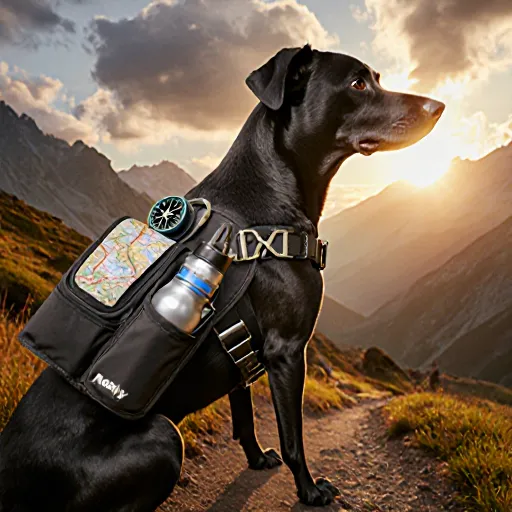
Hit the road with your pup in style!
“Adventure Awaits: Unique Items Every Dog Needs on the Road”
Table of Contents
- Introduction
- Pre‑Trip Preparation
- Health Checks & Vaccinations
- Travel Documents & Identification
- Pet‑Friendly Accommodations
- Car Safety & Seat Covers
- Essential Baggage Checklist
- Food & Water Supplies
- Exercise & Stimulation Plan
- First Aid Kit for Dogs
- Pet Insurance Options
- Inflight Tips (if flying)
- Post‑Arrival Health Checks
- Conclusion
- FAQ
Introduction
When you’re planning a long journey—whether it’s a cross‑country road trip, an overseas flight, or a multi‑day hike with your canine companion—you need to think ahead. Dogs have specific needs that differ from humans: hydration, nutrition, comfort, safety, and mental stimulation. The following checklist and practical tips will help you pack wisely and keep your dog happy, healthy, and calm throughout the adventure.
1. Health & Documentation
- Vaccination Records: Bring an up‑to‑date copy of all vaccines (especially rabies). Some countries require proof before entry.
- Microchip Information: Ensure the chip number matches your registration and that it’s registered in a global database if you’re traveling internationally.
- Health Certificate: For flights or border crossings, a recent vet certificate (within 10–30 days) may be mandatory.
- Prescription Medications: Pack enough medication plus an extra week’s supply in case of delays. Store in the original bottle with clear labeling.
2. Hydration & Nutrition
Your dog’s water needs increase on long trips—especially during hot or high‑altitude travel.
- Water Bottles & Collapsible Bowls: Choose a sturdy, leak‑proof bottle (e.g., CamelBak Crate) and a collapsible bowl that fits in your bag.
- Food Packs: Pre‑portion meals into individual servings. Use a high‑energy formula if you’ll be hiking or in hot climates.
- Portable Water Filter: For backcountry trips, bring a lightweight filter (like LifeStraw) to purify natural water sources.
3. Comfort & Bedding
A familiar sleeping surface reduces anxiety and helps your dog rest properly.
- Travel Bed or Blanket: Pack a lightweight, compressible bed (e.g., Therm-a-Rest UltraLite) or a favorite blanket with scent.
- Pillow & Orthopedic Support: For older dogs, an orthopedic pillow can prevent joint pain during long drives or flights.
- Cooling Mat: In hot climates, a gel‑infused mat keeps the dog comfortable.
4. Safety Gear
Protecting your dog from hazards is crucial during extended travel.
- Harness & Seatbelt: Use a properly fitted harness that attaches to the seat belt system in cars or aircraft.
- Dog Life Jacket: If you’ll be near water, bring a life jacket rated for your dog’s size.
- First‑Aid Kit: Include gauze, antiseptic wipes, tweezers, and a small pair of scissors. Add an emergency whistle or reflective tape for visibility.
5. Entertainment & Stimulation
Mental engagement keeps your dog calm during long periods of inactivity.
- Toys: Pack a mix of chew toys, squeaky toys, and puzzle feeders that can be used in the car or while hiking.
- Training Treats: Use high‑value treats to reinforce calm behavior during stops.
- Interactive Apps: Some dog owners use apps with calming music or guided meditations for pets—download and test them before the trip.
6. Practical Packing Tips
- Use a Dedicated Dog Backpack: A backpack with multiple compartments keeps items organized and easy to access.
- Pack in Layers: Group items by category (health, food, comfort) and label each compartment for quick retrieval.
- Leave Room for Extras: Accidents happen—have spare waste bags, extra leashes, and a backup collar.
- Check Airline/Transport Rules: Some carriers have specific requirements for crate dimensions, pet fees, or allowed supplies.
7. Sample Packing List
| Category | Item |
|---|---|
| Health & Docs | Vaccination record, microchip ID, health certificate, meds |
| Hydration | Water bottle, collapsible bowl, filter cartridge |
| Nutrition | Pre‑portion food packs, treats, puzzle feeder |
| Bedding | Travel bed/blanket, cooling mat, pillow |
| Safety | Harness, seatbelt strap, life jacket, first aid kit |
| Entertainment | Toys, interactive app download, training treats |
By preparing these essentials and planning ahead, you’ll give your dog the best chance to enjoy every mile of the journey—safe, comfortable, and stress‑free.
Pre‑Trip Preparation
Preparing your furry friend for a long journey involves more than just packing a bag. The goal is to create a seamless, stress‑free experience that keeps your dog safe, comfortable, and happy from departure to arrival.
- Vet Check‑In: Schedule an appointment at least two weeks before travel. Discuss vaccinations, parasite prevention, and any medications. Bring the vet’s contact information in case of emergencies.
- Microchip & ID Tags: Ensure your dog’s microchip is registered with current address and phone number. Attach a collar tag with the same details. Double‑check that the tag is securely fastened so it won’t come off during movement.
- Documentation Pack: Assemble a travel folder containing:
- Vaccination records (especially rabies, distemper, parvovirus)
- Proof of health certificate if required by destination
- Travel itinerary and accommodation confirmation
- Contact numbers for local vets at the destination
- Training & Familiarization:
- Practice short car rides or train trips to acclimate your dog to motion.
- Use a crate or seatbelt harness for longer journeys; start with 15‑minute sessions and gradually increase.
- Reward calm behavior with treats and praise to reinforce positive associations.
- Nutrition & Hydration Plan:
- Carry a supply of your dog’s regular food, plus an extra 10‑20% in case of delays.
- Use portable water bowls and bring at least one gallon of water per day for the trip duration.
- Avoid feeding large meals right before departure; opt for light snacks a few hours prior to reduce motion sickness.
- Comfort & Safety Gear:
- Crate: Choose one that’s the right size (longer than your dog’s body, with enough headroom). Line it with a familiar blanket or toy.
- Harness/Seatbelt: Use a well‑fitted harness or seatbelt designed for pets to prevent injury during sudden stops.
- First‑Aid Kit: Include gauze, antiseptic wipes, tweezers (for ticks), and any prescribed medications.
- Entertainment & Tension Relief:
- Bring a favorite chew toy or interactive puzzle to keep your dog occupied.
- Play calming music or use a pheromone diffuser (e.g., Adaptil) in the car or cabin to reduce anxiety.
- Plan for Stops:
- For road trips, schedule stops every 2‑3 hours. Let your dog stretch, use a portable potty pad if needed, and offer water.
- If traveling by plane, book an aisle seat or choose a pet carrier that fits under the seat to allow for quick access during breaks.
- Emergency Preparedness:
- Identify nearby veterinary clinics along your route and at your destination.
- Keep a list of emergency contacts, including the nearest 24‑hour pet hospital.
- Check for travel insurance that covers pets or purchase an add‑on if available.
By methodically preparing ahead of time, you’ll reduce your dog’s stress and ensure a smoother journey. Remember: the key to a successful long trip is consistency—maintain familiar routines as much as possible while staying flexible for unforeseen changes.
Health Checks & Vaccinations
Before you embark on a long journey with your canine companion, it’s essential to ensure that they are in optimal health and up-to-date on all required vaccinations. A thorough pre‑trip medical check not only protects your dog from illness but also satisfies most airlines, border controls, and quarantine regulations.
1. Schedule a Vet Visit at Least 4–6 Weeks Prior
- Physical Examination: Your vet will assess weight, heart rate, temperature, coat condition, and overall demeanor.
- Blood Work: A complete blood count (CBC) and chemistry panel can reveal underlying issues that might worsen during travel.
- Parasite Screening: Test for ticks, fleas, heartworms, and intestinal parasites. Treat if necessary.
2. Verify Vaccination Status
Most airlines and countries require proof of certain core vaccinations. Keep the following in mind:
| Vaccine | Minimum Age (weeks) | Booster Interval | Documentation Needed |
|---|---|---|---|
| Rabies | 12–16 | 1 year (or 3 years if licensed) | Official rabies certificate with microchip number, vaccination date, and expiration. |
| Canine Distemper & Parvovirus (DVP) Combo | 8–12 | 1 year | Certificate of completion of the series. |
| Canine Adenovirus (Hepatitis) | 12–16 | 1 year | Included in DVP certificate or separate record. |
| Parainfluenza | 12–16 | 1 year | Often part of the DVP combo. |
3. Address Non‑Core Vaccines and Special Requirements
Depending on destination, you might need:
- Leptospirosis: Recommended for travel to tropical or wet environments.
- Bordetella (Kennel Cough): Required by some airlines and recommended if staying in kennels.
- Canine Influenza: Consider if visiting dog parks or boarding facilities.
4. Microchip & Identification
A 15‑digit ISO 11784/11785 compliant microchip is mandatory for many countries. Verify that the chip’s ID matches your pet record and that it’s readable by local scanners.
5. Obtain a Health Certificate (Veterinary Passport)
- Issued within 10 days of departure (some airlines allow up to 14).
- Must include: species, breed, sex, age, weight, microchip number, vaccination history, and any treatments.
- For international flights, a “Pet Passport” may be required; check the country’s specific format.
6. Preventive Medications Before Travel
Administer medications as directed by your vet:
- Heartworm prophylaxis: Start 1–2 weeks before travel if not already on a daily dose.
- Antiparasitic drops or tablets for ticks/fleas: Use within 24 hours of boarding.
- Stress‑reducing supplements (e.g., melatonin, L‑tryptophan): May help calm anxious dogs during long flights.
7. Prepare a “Travel Health Kit”
- Copies of all vaccination records and the health certificate.
- Microchip reading device (optional but handy).
- Prescription medication in original containers, with dosage instructions.
- A small first‑aid kit: gauze, antiseptic wipes, tweezers, and a pet‑safe pain reliever if prescribed.
8. Know the Rules of Your Destination
Some countries have stricter requirements (e.g., mandatory 30‑day quarantine for dogs from certain regions). Research ahead and factor in extra time or costs. Contact the embassy or consulate for up‑to‑date guidelines.
9. Plan for On‑Board Health Checks
If you’re flying, airlines may allow a quick vet check before boarding. Ensure your dog’s vaccination record is easily accessible and that any medication doses are administered as per airline policy.
10. Post‑Trip Follow‑Up
After arrival, keep an eye on your dog for signs of illness or stress—fever, vomiting, lethargy, or unusual behavior. If symptoms appear, seek veterinary care promptly and inform the local authorities if required.
By following these steps, you’ll give your dog the best chance to enjoy a safe, healthy, and stress‑free long‑trip adventure.
Travel Documents & Identification
When you’re planning a long trip with your canine companion, the paperwork can feel like an extra leg of the journey. However, having all the right documents on hand not only keeps you compliant with airline and border regulations but also gives you peace of mind in case of emergencies.
1. Vaccination Records
- Rabies Certificate: Most countries require a valid rabies vaccination certificate issued by an accredited veterinarian. The vaccine must be administered at least 30 days before departure and not more than the manufacturer’s recommended duration (usually 12 or 24 months).
- Core Vaccinations: Keep up-to-date records for distemper, parvovirus, hepatitis, and leptospirosis. Some destinations ask for proof of these shots.
- Documentation Format: Use the official World Health Organization format or the country’s veterinary authority guidelines. Include dog’s name, date of birth, vaccine batch number, and expiration date.
2. Microchip Information
Most airlines and countries mandate a 15‑digit ISO 11784/11785 compliant microchip. The chip must be implanted before the rabies shot and registered with your name and contact details.
- Cross‑Check: Verify that the microchip number matches the one on your vaccination certificate.
- Replacement: If you travel to a region that uses a different chip standard, carry an external reader or have a veterinarian re‑implant a compliant chip.
3. Pet Passport (EU & Some US States)
A pet passport bundles all vaccination and health documents into one official booklet. It’s accepted in many EU countries and can simplify customs checks.
- How to Obtain: In the U.S., you need a USDA‑certified veterinarian to issue a health certificate that matches passport requirements.
- Validity: Pet passports are typically valid for 12 months from the date of issuance, but some countries allow extensions with additional veterinary checks.
4. Airline Health Certificate (For Air Travel)
Airlines often require a health certificate issued within 10 days of departure. It confirms that your dog is fit to fly and free from contagious diseases.
- What to Ask: Include information on the dog's weight, any pre‑flight medications, and the type of carrier used.
- Carry a Copy: Keep both an electronic PDF and a hard copy in your carry‑on luggage.
5. Import/Export Permits & Customs Forms
When entering or leaving certain countries, you may need an import permit or to complete customs declarations upon arrival.
- Example: Japan requires a pre‑arrival notification and a health certificate signed by the local vet. Failure to submit can result in quarantine or fines.
- Tip: Contact the embassy or consulate of your destination country for up‑to‑date requirements before booking flights.
6. Emergency Identification & Contact Info
In case you get separated from your dog, having clear identification can speed recovery.
- Collar Tags: Include name, your phone number, and a short address.
- Digital ID: Use apps like PetMD or store the information in cloud notes that can be accessed from any device.
- Backup Documents: Keep a digital backup of all paperwork on a USB drive and in a secure online storage (e.g., Google Drive).
Practical Checklist for Long Trips
- Print or scan all vaccination certificates.
- Verify microchip compatibility with destination requirements.
- Obtain a pet passport if traveling within the EU.
- Schedule a vet visit at least two weeks before departure to get the health certificate and discuss any travel‑specific medications.
- Check airline policies for in‑cabin or cargo options, and reserve your dog’s spot early.
- Pack an emergency kit with copies of all documents, a recent photo of your dog, and a note from your vet.
By staying organized and proactive about documentation, you’ll focus more on enjoying the journey rather than worrying about paperwork. Safe travels!
Pet‑Friendly Accommodations
When traveling long distances with your canine companion, the right accommodation can make all the difference. Below are practical tips and examples of what to look for in pet‑friendly hotels, cabins, or campgrounds.
1. Verify Pet Policies Upfront
- No‑Pet Policy? Some places prohibit pets entirely—always double‑check before booking.
- Size & Weight Limits. Many hotels restrict dogs over a certain weight or size; bring your dog’s measurements on hand.
- Extra Fees. Expect a nightly pet fee (typically $20–$50). Ask if the fee covers any additional services, like pet beds or bowls.
2. Look for Dedicated Pet Amenities
These features can help your dog feel at home:
- Pet Beds & Blankets. A familiar scent helps reduce anxiety.
- Water Stations or Bowls. Some hotels provide water bowls in the room; others offer a pet‑friendly dining area.
- On‑Site Dog Parks or Walking Paths. Convenient for quick exercise breaks without leaving the property.
3. Assess Safety and Comfort of Surroundings
Long trips can be tiring, so a calm environment is essential:
- Noise Levels. Choose rooms away from elevators or busy lobbies to minimize stress.
- Ventilation and Temperature Control. Dogs are sensitive to heat; confirm that the room has good airflow.
- Secure Rooms. Look for lockable doors or separate pet enclosures if your dog is prone to running off.
4. Sample Pet‑Friendly Hotels and Rentals
| Property Type | Example | Key Pet Features |
|---|---|---|
| Hotel | The Grand Hotel, Orlando | No‑pet fee $30/night; pet beds & dog park. |
| Cabin Rental (Airbnb) | Mountain View Lodge, Colorado | Pet fee included in price; fenced yard, proximity to hiking trails. |
| Campground (RV Park) | Pine Ridge RV Resort, Oregon | No pet fee; dog-friendly showers & waste stations. |
5. Pack a Pet Comfort Kit for the Stay
Even in the best accommodations, having familiar items can ease your dog’s transition:
- Toy or Blanket. Bring something with your scent.
- Portable Food & Water Bowls. If the property doesn’t provide them.
- Leash & ID Tag. Always handy for quick trips to the pet park.
6. Communicate with Staff Before Arrival
A quick phone call or email can confirm:
- The exact room location and any specific restrictions.
- Availability of a dog‑friendly dining area if you plan to dine out.
- Emergency contacts or local veterinarians nearby.
By checking these details ahead of time, you’ll ensure a smoother stay for both you and your four‑legged friend. Happy travels!
Car Safety & Seat Covers
When you’re planning a long road trip with your canine companion, the last thing you want is to worry about muddy paws, fur stains, or accidental scratches. High‑quality seat covers not only keep your car’s interior clean but also provide safety features that reduce distractions and protect both you and your pet.
Why Seat Covers Matter on Long Trips
- Cleanliness: Dog fur, dander, and occasional accidents can quickly ruin upholstery. Waterproof or waterproof‑plus seat covers trap debris and make post‑trip cleaning a breeze.
- Safety: A well‑fitted cover prevents your dog from slipping onto the floor or getting caught in moving parts like gear shifts or air vents.
- Comfort: Many seat covers feature padded or quilted layers that give dogs a cozy spot to rest, reducing motion sickness and anxiety.
Choosing the Right Seat Cover for Your Vehicle
The key is to match the cover’s size, material, and mounting system to your car model and your dog’s needs.
| Feature | What to Look For | Why It Matters |
|---|---|---|
| Material | Heavy‑duty canvas, waterproof vinyl, or hybrid fabrics. | Canvas is breathable and durable; vinyl offers full water resistance; hybrids combine the best of both worlds. |
| Padding | Foam, memory foam, or quilted layers. | Soft padding keeps dogs comfortable on long drives and reduces vibration. |
| Fit & Mounting | Seat‑specific cutouts, adjustable straps, or suction cups. | A snug fit prevents the cover from sliding while driving. |
| Ease of Cleaning | Removable and machine‑washable covers. | Saves time after a muddy adventure. |
Top Seat Cover Options for Long Dog Trips
- Ruffwear Hooch Seat Cover: Waterproof, with a built‑in dog harness attachment to keep your pet secure.
- Kurgo All‑Weather Dog Car Seat Cover: Heavy‑duty canvas and a double‑layer waterproof core.
- PetSafe Happy Ride Dog Seat Cover: Features adjustable straps, a built‑in leash anchor, and a quilted interior.
Installing Your Seat Cover: Step‑by‑Step
- Measure the seat area: Ensure you have the correct size for your car’s seats.
- Attach straps or anchors: Most covers use adjustable straps that clip onto seatbacks and floor springs.
- Secure the cover: Tighten all fasteners so the cover stays flat during motion.
- Check for loose edges: Make sure there are no gaps where fur or dirt can slip through.
Practical Tips for Long‑Distance Travel
- Pre‑trip grooming: Brush your dog thoroughly to reduce shedding on the cover.
- Use a travel bowl and water station: Keep fresh water within reach; some seat covers come with pockets for bowls.
- Plan frequent stops: Let your dog stretch, use the bathroom, and get out of the car every 2–3 hours.
- Keep a small first‑aid kit: Include items like styptic powder (for accidental cuts) and a quick‑dry towel.
Cleaning & Maintenance
After each trip, remove the cover and shake out loose hair. For deeper cleaning:
- Check if the cover is machine‑washable; otherwise, spot‑clean with a mild detergent.
- Use a dryer on low heat or air‑dry to preserve elasticity.
- Inspect for tears or fraying and patch immediately to avoid further damage.
Conclusion
Investing in a high‑quality seat cover is essential for any dog owner planning long road trips. It protects your car’s interior, keeps your pet safe and comfortable, and saves you countless hours of cleaning afterward. By choosing the right material, fit, and features—and by following these practical tips—you’ll ensure that both you and your four‑legged friend enjoy a smooth, enjoyable journey.
Essential Baggage Checklist
When you’re planning a lengthy journey with your canine companion, packing the right gear is just as important as planning the route. Below is a comprehensive checklist that covers everything from basic comfort items to emergency supplies, ensuring both safety and enjoyment for you and your dog.
1. Comfort & Identification
- Travel Crate or Seat Belt Harness: Choose a well-ventilated crate that fits your dog’s size, or use a seat belt harness for car travel to keep them secure.
- Blanket & Bed: Pack a familiar blanket or bedding to reduce anxiety and provide a cozy spot.
- Collar with ID Tag: Always have an updated collar tag that includes your contact information. Consider a microchip as backup.
2. Feeding & Hydration
- Food & Treats: Bring enough high-quality dog food for the entire trip, plus a few extra treats for rewards.
- Portable Food Bowls: Collapsible silicone or stainless‑steel bowls that fold flat are ideal for space and cleanliness.
- Water Bottle & Bowl: A spill‑proof water bottle with an attached bowl keeps your dog hydrated on the go. Add a reusable water container if you’ll be staying in accommodations.
3. Health & Safety
- First Aid Kit: Include gauze, antiseptic wipes, tweezers, a small pair of scissors, and any medications your dog needs.
- Vaccination Records: Keep digital copies in your phone or printed for quick access at veterinary clinics.
- Leash & Harness (extra): Pack an extra leash and harness in case one gets lost or damaged.
- Cooling Vest / Bandana: For hot climates, a cooling vest helps regulate your dog’s body temperature.
4. Hygiene & Comfort
- Poop Bags & Waste Disposal: A generous supply of biodegradable bags and a small plastic bag for the trash.
- Towels: Pack microfiber towels to dry off after swims or showers.
- Chew Toys & Entertainment: Bring a few durable toys to keep your dog occupied during long drives or flights.
5. Documentation & Travel Logistics
- Pet Passport / Health Certificate: Required for international travel; obtain it from your vet at least 10 days before departure.
- Travel Insurance: Look for policies that cover veterinary care while abroad.
- Accommodation Confirmation: Ensure the lodging is pet‑friendly and note any additional pet fees.
Practical Tips for Long-Distance Travel
- Schedule Breaks: For car trips, stop every 2–3 hours to allow your dog to stretch, hydrate, and relieve itself.
- Pre‑Trip Vet Check: A health checkup ensures your dog is fit for travel and up-to-date on vaccines.
- Pack Light, Pack Smart: Use packing cubes or zip‑lock bags to keep items organized and prevent spills.
- Test the Crate: Before departure, let your dog explore its crate so it doesn’t feel confined during the journey.
Being prepared not only protects your pet’s well-being but also gives you peace of mind. With this checklist in hand, you’re ready to embark on a memorable adventure—one that keeps both you and your dog comfortable, safe, and happy.
Food & Water Supplies
Keeping your dog properly hydrated and nourished on long trips is essential for their health, comfort, and safety. Below are detailed guidelines, practical examples, and step‑by‑step advice to help you pack the right supplies.
1. Choosing the Right Food
- Consistency matters: Bring the same brand and flavor your dog is used to eating. Sudden changes can cause digestive upset.
- Consider meal size: For a 30‑lb (14 kg) dog, daily intake is roughly 1 cup of dry food or ½ cup of canned food. Adjust based on activity level and metabolism.
- High‑quality formulas: Look for products with real meat as the first ingredient, no artificial preservatives, and a balanced ratio of protein to fat (typically 18–25% protein).
2. Quantity Planning
Use the following formula to estimate total food needed for your trip:
Total Food (cups) = Daily Cup Intake × Days + 10 %
Add an extra 10% as a buffer for unexpected delays or appetite changes.
Example: A dog that eats 1 cup per day for a 7‑day trip needs 1×7=7 cups. Add 10% → 7 cups × 1.10 ≈ 8 cups.
3. Storage Solutions
- Reusable containers: Use BPA‑free plastic tubs (e.g., Blue Apron containers) that seal tightly and are stackable.
- Insulated bags: A cooler bag with ice packs keeps wet food fresh for up to 24 hours.
- Portioning: Pre‑divide meals into single servings in small zip‑lock bags; this saves space and prevents spoilage.
4. Water Supply Strategy
- Carry enough water: Dogs need about 1 oz per pound of body weight daily. A 30‑lb dog requires ~30 oz (~0.9 L). Multiply by days and add a safety margin.
- Water bottles & collapsible bowls: Use a collapsible bowl that folds flat, or a reusable water bottle with a built‑in bowl attachment.
- Hydration packs: For active trips, consider a hydration pack (e.g., CamelBak Lark Hydration Pack for Dogs) that lets your dog drink without stopping.
- Water purification: If you’ll be drinking from natural sources, use a portable water filter or iodine tablets to ensure safe drinking water.
5. Feeding Schedule & Routine
Maintain a consistent feeding routine to reduce anxiety:
- Morning & evening meals: Stick to the same times you usually feed at home.
- Half‑meal on road trips: If traveling for several hours, give a small half‑portion before departure and the rest upon arrival.
- Use a smart feeding timer if you need to automate portion control.
6. Practical Tips for Long Trips
- Label everything: Write the dog’s name, food type, and portion size on containers.
- Keep a spare bag: Pack an extra dry food bag in case of spills or loss.
- Use a dedicated feeding area: Whether inside the vehicle or at a campsite, have a clean, quiet spot to feed your dog.
- Monitor water intake: Ensure your dog drinks regularly; if they ignore the water bowl, check for temperature issues or contamination.
7. Sample Packing List (for a 5‑day trip)
| Item | Quantity |
|---|---|
| Dry food (cup servings) | 12 cups + 10% buffer = 13 cups |
| Canned food (pounds) | 2 lb (if preferred) |
| Reusable food container | 1 |
| Collapsible water bowl | 1 |
| Water bottle (with built‑in bowl) | 1 |
| Ice packs for cooler | 2–3 (for 24 h freshness) |
| Portable water filter | 1 |
| Food portioning bags | 5 single‑serving bags |
| Label stickers | 10 (for labeling) |
By following these guidelines, you’ll ensure your canine companion stays healthy and happy throughout any long‑distance adventure.
Exercise & Stimulation Plan
Long road trips can be exhausting for both you and your dog, especially if they’re used to a routine that includes plenty of daily walks and interactive playtime. A well‑structured exercise and stimulation plan keeps your pup’s body and mind healthy while minimizing restlessness or anxiety during stops.
1. Pre‑Trip Conditioning
- Gradual Mileage Increase: In the weeks leading up to departure, lengthen walks by 10–15 % each week. This trains your dog’s cardiovascular system for extended periods of motion without overexertion.
- High‑Energy Activities: Incorporate short bursts of high-intensity play (e.g., fetch or tug) to build stamina and release excess energy before the trip.
- Positive Association with Car: Practice short car rides with treats and praise so your dog learns that travel is safe and rewarding.
2. During the Trip – Structured Breaks
Plan a stop every 1.5–2 hours (or sooner if your dog shows signs of discomfort). At each break, follow this routine:
- Secure Release: Open the car door slowly and allow the dog to exit under supervision.
- Quick Walk: A 10‑minute walk around the parking area helps relieve gas, stretch legs, and provides mental stimulation.
- Water & Treat Break: Offer a small portion of fresh water and a low‑calorie treat to keep hydration levels up without overfeeding.
- Safe Rest Spot: Return to the vehicle for a brief (5–10 min) rest period. A familiar blanket or toy can help your dog feel secure.
3. In‑Vehicle Mental Stimulation
- Puzzle Toys: Use treat‑dispensing toys like Kongs filled with peanut butter (ensure it’s xylitol‑free) to occupy the dog while seated.
- Interactive Games: Simple “find it” games using hidden treats or scented objects can engage their nose and mind.
- Short Training Sessions: Teach or reinforce basic commands (sit, stay, recall) during idle moments. Keep sessions under five minutes to avoid overstimulation.
4. Post‑Trip Recovery
After arrival, give your dog a full day of normal activity but monitor for signs of fatigue or soreness:
- Gentle Walks: Start with short walks (15–20 min) and gradually increase to regular length.
- Hydration Check: Offer water frequently; dehydration can mask as lethargy.
- Rest & Comfort: Provide a quiet space with bedding and toys for recovery.
5. Practical Tips & Gear Checklist
- Collapsible Water Bowl: Ideal for quick hydration during stops.
- Toy Rotation: Rotate favorite toys to maintain novelty and reduce boredom.
- Portable Exercise Equipment: A lightweight agility set (e.g., a small weave pole or tunnel) can be used in parks near rest stops.
- Health Monitor: Keep a quick reference sheet of your dog’s daily routine and any medical concerns to share with the driver if needed.
By integrating these exercise and stimulation strategies, you’ll help your dog stay calm, healthy, and happy throughout the journey. Remember: consistency is key—keep routines predictable and rewarding, and your canine companion will be ready for adventure.
First Aid Kit for Dogs
A well-stocked first‑aid kit is essential when traveling with your canine companion, especially on long trips where medical help may not be immediately available. Below you’ll find a comprehensive list of supplies to include, along with practical tips for packing and using each item.
Essential Supplies
- Bandages & gauze:
- Small elastic bandage (e.g., Vetwrap) – ideal for sprains or minor cuts.
- Non‑stick gauze pads – to cover wounds and absorb exudate.
- Adhesive tape (Vet Tape or surgical tape) – for securing gauze.
- Antiseptic wipes & solution:
- Alcohol‑free antiseptic wipes to clean superficial wounds.
- Povidone‑iodine or chlorhexidine solution for deeper cuts.
- Disposable gloves: Single‑use nitrile or latex gloves protect you and your dog from infection during wound care.
- Scissors & tweezers:
- Pet‑specific scissors with rounded tips for cutting bandages safely.
- Tweezers for removing splinters or foreign bodies.
- Thermometer (digital): A quick way to check your dog’s temperature if you suspect fever or illness.
- Calming spray or pheromone diffuser: Helps reduce anxiety during stressful medical procedures.
- First‑aid manual or printed instructions:
- A copy of the PetMD First Aid Guide (PDF) or a similar trusted resource.
- Emergency medication list:
- Anti‑nausea tablets (e.g., Cerenia) for motion sickness.
- Hydration solution – Pedialyte or a commercial canine electrolyte mix.
- Prescription meds your vet has advised for travel (e.g., anti‑inflammatory drugs).
- Pet first aid kit container:
- A durable, waterproof case with compartments to keep items organized.
- Consider a bag with a built‑in zipper and labeled sections for quick access.
Practical Packing Tips
- Keep it lightweight: Only bring items you truly need. Use multipurpose products where possible (e.g., a single bandage that can be cut to size).
- Label everything: Write the name of each item on its packaging or in a small notebook inside the kit.
- Check expiration dates: Medicines and antiseptics expire; replace them before departure.
- Train your dog: Practice gentle handling so that you can quickly apply bandages or clean wounds without causing stress.
- Carry a copy of your vet’s contact information: Include emergency numbers and the location of the nearest veterinary clinic along your route.
Using Your First Aid Kit on Long Trips
Here are step‑by‑step scenarios you might encounter, with quick guidance on how to respond:
- Minor Cuts or Scrapes
-
- Wash the wound gently with lukewarm water.
- Apply antiseptic wipe or solution.
- Cover with a gauze pad and secure with elastic bandage.
- Check for signs of infection (redness, swelling, discharge) after 24–48 hours.
- Sprain or Mild Dislocation
-
- Restrict movement – keep the limb still using a sling if available.
- Apply an elastic bandage to reduce swelling, but not so tight that it cuts off circulation.
- Seek veterinary care as soon as possible; monitor for worsening pain or inability to bear weight.
- Heatstroke Symptoms
-
- Move your dog to a shaded area immediately.
- Offer cool (not cold) water and encourage drinking.
- Use a damp cloth or spritz with lukewarm water to lower body temperature.
- If the dog shows lethargy, vomiting, or seizures, transport to an emergency vet right away.
- Motion Sickness
-
- Administer your pre‑prescribed anti‑nausea medication at the recommended interval.
- Keep windows partially open for ventilation, but avoid direct wind blowing on the dog’s face.
- Use a calming spray or pheromone diffuser to reduce anxiety during travel.
When to Call a Vet
Even with a comprehensive kit, some conditions require professional care:
- Persistent vomiting or diarrhea lasting more than 24 hours.
- Severe pain or inability to move a limb.
- Signs of allergic reaction (swelling of face/ears, difficulty breathing).
- High fever (>103°F / 39.4°C) that does not improve with cooling measures.
Having these supplies and knowing how to use them can make the difference between a quick recovery and an emergency situation. Pack your first aid kit thoughtfully, keep it accessible in your vehicle or travel bag, and review its contents before each trip so you’re always prepared for any unexpected health issue your dog may face.
Pet Insurance Options
If you’re planning a long‑haul trip with your canine companion, pet insurance is more than just an optional extra—it’s often a necessity. A reliable policy can cover unexpected medical expenses that arise from travel‑related incidents such as sudden illness, injuries during hikes or car rides, and even the cost of emergency veterinary care in unfamiliar locations.
Why Travel‑Specific Coverage Matters
- Geographic Flexibility: Standard policies may not cover treatment outside your home state or country. Look for plans that explicitly mention “out‑of‑state” and “international” coverage.
- Travel‑Related Exclusions: Some insurers exclude conditions triggered by travel, such as heatstroke or dehydration. Make sure these risks are included.
- Rapid Response Services: Many providers partner with 24/7 hotlines and mobile vet teams—crucial when you’re in a remote area or on a long flight.
Top Insurance Providers for Long‑Distance Travelers
- Healthy Paws – Offers a “Travel” add‑on that covers up to 10,000 USD per incident and includes international coverage if you opt for the “Global Plan.”
- Nationwide Pet Insurance – Their “Adventure Policy” covers injuries sustained during outdoor activities and provides a $5,000 deductible waiver for emergencies on trips longer than seven days.
- Trupanion – Known for its 90‑day “Travel Coverage” that pays up to 100% of veterinary bills incurred while traveling, with no cap on out‑of‑state visits.
How to Choose the Right Plan
- Assess Your Dog’s Health History
- Pre‑existing conditions can be excluded or require a waiting period. Make sure your insurer allows coverage for chronic issues that might flare up during travel.
- Check Coverage Limits and Deductibles
- A lower deductible often means higher premiums, but you’ll pay less out of pocket if an emergency arises. For long trips, consider a plan with a moderate deductible and high limits (e.g., $10,000).
- Verify Veterinary Network Availability
- If your dog needs urgent care, the insurer’s network should include veterinarians in major cities along your route. Some plans even offer tele‑vet consultations to triage before you travel.
- Read the Fine Print on Travel‑Related Exclusions
- Common exclusions include heatstroke, dehydration, and certain outdoor activities. Look for a policy that explicitly covers “hiking,” “camping,” and “car rides.”
Practical Tips for Long‑Trip Dog Travelers
- Pre‑Travel Vet Check: Get a full health exam, up-to-date vaccinations, and a travel health certificate. Some insurers require proof of recent wellness checks.
- Pack a “First Aid Kit”: Include items like gauze, antiseptic wipes, a small syringe for medications, and your dog’s prescription meds.
- Keep Records: Save copies of all receipts, vet visit notes, and the insurance policy. Many insurers now allow you to upload claims via their mobile app.
- Know Your Route: Identify nearby veterinary clinics along your path. Apps like VetFinder or PetCareTracker can help locate urgent care centers in remote areas.
Choosing the right pet insurance not only protects your wallet but also gives you peace of mind so you and your four‑legged friend can enjoy every mile of the journey.
Inflight Tips (if flying)
Flying with a dog on a long haul can be stressful for both the animal and the owner, but careful preparation can make the journey smoother. Below are practical tips that cover everything from pre‑flight planning to in‑air comfort.
- Choose the Right Seat
- If your airline allows pets in the cabin, request a seat next to you rather than in the aisle. This gives the dog easy access to the aisle and reduces the risk of being bumped by other passengers.
- Some airlines offer pet “pet carriers” that can be placed under the seat. Verify whether the carrier meets airline specifications (size, ventilation, secure locking).
- Pre‑Flight Vet Check
- Get a health certificate issued within 10 days of departure. Airlines often require proof that your dog is free from contagious diseases.
- Discuss any anxiety or motion sickness medications with your vet. Most airlines allow medication on board but you’ll need to carry the prescription.
- Carrier Preparation
- Select a carrier that is at least 1‑2 inches larger than your dog’s body length and width. The carrier should be well ventilated, secure, and easy to open for quick checks.
- Line the carrier with an absorbent pad or a towel that matches your dog's coat color so you can spot stains easily.
- Place a small amount of dry kibble or a chew toy inside the carrier to keep them occupied. Avoid giving food right before takeoff to prevent nausea.
- Hydration and Feeding
- Offer water at least an hour before boarding. A small, spill‑proof bottle or a collapsible bowl is handy for quick sipping.
- Avoid feeding your dog too close to the flight time; aim for a light meal 4–6 hours prior. This reduces the risk of vomiting during turbulence.
- Comfort Items
- Bring a familiar blanket or towel that smells like home. The scent can reduce anxiety.
- If your dog is prone to restlessness, consider a calming vest or a pheromone diffuser specifically designed for in‑flight use.
- During the Flight
- When possible, ask a flight attendant if you can walk your dog briefly before takeoff and after landing. This helps relieve bladder pressure and reduces stress.
- If turbulence occurs, keep the carrier firmly under the seat or in the overhead bin, and secure it with a strap to prevent accidental rolling.
- Post‑Flight Care
- Immediately check your dog for signs of dehydration—dry gums, lethargy—or any injuries. Offer water or a light snack once the plane lands.
- Give them a chance to stretch and walk around the cabin if allowed by airline policy before disembarking.
- Documentation Checklist
- Health certificate (issued within the required timeframe)
- Proof of vaccinations (rabies, distemper, etc.)
- Carrier specifications and airline approval letter (if needed)
- Any medication prescriptions or emergency contacts
By planning ahead and following these in‑flight guidelines, you’ll help ensure that your dog remains calm, safe, and comfortable throughout the long journey.
Post‑Arrival Health Checks
After a long journey, your dog’s body needs a thorough evaluation to ensure they’re physically and mentally ready for the new environment. A systematic post‑arrival health check helps identify any travel‑related issues—such as dehydration, stress, or subtle injuries—that might not be obvious at first glance.
1. Immediate Observation
- Vital Signs: Check breathing rate (12–20 breaths per minute for most breeds), heart rate (60–140 bpm depending on size), and body temperature (99–102°F). A sudden spike or drop can signal distress.
- Hydration Status: Gently pinch the skin at the back of the neck. It should spring back quickly; a delayed return indicates dehydration.
- Behavioral Scan: Note any signs of anxiety (whining, pacing), lethargy, or aggression. A calm, alert dog is usually a good sign.
2. Physical Examination
Even if you’re not a vet, you can perform a basic check to spot obvious problems:
- Eyes and Ears: Look for redness, discharge, or wax buildup. Clean gently with a damp cloth if needed.
- Mouth and Teeth: Inspect for broken teeth, gum inflammation, or foreign objects stuck in the tongue.
- Skin & Coat: Check for rashes, bruises, or insect bites. Long‑trip dogs may develop skin folds that become irritated.
- Limbs & Joints: Gently lift each paw to examine for swelling, lameness, or tenderness. A limp could indicate a sprain from excessive walking during the flight.
3. Nutrition & Hydration Check
Provide fresh water immediately and offer a small meal if your dog has been fasting for several hours. Monitor how much they drink and eat over the next 24 hours—significant changes can signal illness.
4. Medication Review
- Routine Meds: Ensure you’re administering any chronic medications (e.g., heartworm preventatives, joint supplements) on schedule.
- Travel‑Related Meds: If your dog was given anti‑nausea or anxiety medication during the flight, keep a record of dosage and timing. Adjust only under veterinary guidance.
5. Veterinary Consultation
Schedule a vet visit within 48–72 hours of arrival, especially if:
- The dog shows any abnormal behavior or physical signs.
- You notice unexplained vomiting, diarrhea, or loss of appetite.
- Your dog has pre‑existing health conditions that could be exacerbated by travel stress.
6. Documentation & Tracking
Keep a log of:
- Date/time of arrival and first observation.
- Vital signs and any abnormal findings.
- Medications administered, including dosage and timing.
- Behavioral notes (e.g., energy level, appetite).
This record is invaluable for your vet and helps you spot trends over time.
Practical Tips for a Smooth Transition
- Staying Calm: Your dog senses stress. Keep the environment quiet, use familiar scents (e.g., a blanket from home), and speak in soothing tones.
- Gradual Introduction: Don’t rush into exploring new surroundings. Let your dog sniff around a safe area before venturing further.
- Exercise Plan: A short, gentle walk can help reduce cortisol levels. Avoid strenuous activity until the dog has fully recovered from travel fatigue.
By systematically checking these areas and maintaining close communication with your veterinarian, you’ll give your canine companion a healthy start in their new home after a long trip.
Conclusion
Traveling with a dog on a long trip can be both exhilarating and stressful, but careful preparation turns uncertainty into confidence. By focusing on the essentials—food, hydration, comfort, safety, and entertainment—you’ll give your four‑legged friend the best chance to enjoy the adventure as much as you do.
Key Takeaways
- Plan Ahead: Start packing at least a week before departure. Use a dedicated travel bag or backpack so everything stays organized and easy to access.
- Know the Rules: Every airline, train, or bus has its own pet policy. Check size limits, carrier requirements, and any mandatory health documentation ahead of time.
- Prioritize Comfort: A well‑fitted harness, a familiar blanket, and a sturdy crate can reduce anxiety for both dog and owner during long flights or drives.
- Stay Hydrated and Fed: Bring fresh water in an insulated bottle and pre‑measure meals to avoid last‑minute trips to pet stores.
- Keep Safety Front of Mind: Leashes, ID tags, a microchip, and a first‑aid kit are non‑negotiable items for any journey.
Practical Packing List (Example)
| Category | Item | Why It Matters |
|---|---|---|
| Food & Water | Portable bowl, pre‑measured kibble packs, water bottle with built‑in filter | Maintains routine and prevents dehydration during stops. |
| Comfort | Soft blanket, travel pillow, familiar toy | Reduces stress and helps the dog settle in new environments. |
| Safety & Identification | ID tags, microchip information sheet, first‑aid kit | Essential for quick recovery if your pet gets lost or injured. |
| Health & Hygiene | Vaccination records, flea/tick prevention tablets, waste bags | Keeps the dog healthy and compliant with travel regulations. |
| Entertainment & Exercise | Chew toys, interactive puzzle games, short leash walks | Prevents boredom and helps expend excess energy. |
Final Thought
The goal is to create a seamless experience where your dog feels secure, comfortable, and ready for the adventure. Pack thoughtfully, keep calm, and remember that the best travel memories are shared moments of joy—both yours and your dog’s.
FAQ
-
What should I pack for a long road trip with my dog?
A well-rounded travel kit ensures your pet stays safe, comfortable, and healthy. Key items include:
- Food & Water: Bring at least 1–2 days' worth of food and a collapsible water bowl. Portable water bottles with built‑in filters are handy for long stretches.
- Leash & Harness: A sturdy, adjustable harness (not just a collar) prevents pulling during stops. Pack an extra leash in case one gets lost.
- Medical Kit: Bandages, tweezers, antiseptic wipes, and any prescription meds. Include a copy of your dog's vet records and microchip info.
- Comfort Items: A familiar blanket or bedding, an ID tag, and a favorite toy to reduce anxiety.
- Waste Management: Biodegradable bags, a waste scoop, and a small trash bag for easy cleanup.
- First Aid & Emergency Contacts: List of local vets, emergency clinics, and the 24‑hour pet hotline.
-
How do I keep my dog hydrated on a long trip?
Hydration is critical. Tips:
- Frequent Stops: Aim for a break every 1–2 hours to let your dog drink and stretch.
- Portable Water Bowl: Use a collapsible bowl that can be stored in the glove compartment. Attach it to a seat belt or use a pet travel water bottle with a built‑in spout.
- Water Additives: If your dog is prone to dehydration, add an electrolyte supplement (available at most pet stores) to their water.
-
What are the best travel toys for keeping my dog entertained?
Select durable, non‑chewable items that can withstand travel stress:
- Squeaky Toys: The sound keeps dogs engaged. Choose those with reinforced stitching.
- Interactive Treat Dispensers: Stimulate mental activity and slow down eating during stops.
- Puppy‑Safe Chews: Soft chews (e.g., bully sticks) can reduce anxiety by providing a natural outlet.
-
How do I handle bathroom breaks on long trips?
Plan ahead:
- Research Rest Stops: Use apps like Pawtrack or Pet Friendly Travel Map to locate pet‑friendly parks.
- Carry a Portable Potty Mat: If you’re driving in an area with limited facilities, a mat can be used inside the vehicle for quick breaks.
- Practice “Stop & Go” Technique: Keep your dog on a short leash and allow them to relieve themselves before the next stretch of driving.
-
What precautions should I take for overnight stays?
Ensure comfort and safety:
- Choose Pet‑Friendly Accommodations: Many hotels, campgrounds, and RV parks allow pets. Verify policies in advance.
- Set Up a Safe Space: Bring a crate or travel bed, and position it in a quiet corner of the room.
- Maintain Routine: Feed and walk your dog at consistent times to reduce stress.
-
How can I keep my dog cool during hot weather?
Use these strategies:
- Hydration: Offer water frequently and consider adding a small amount of ice cubes.
- Shade & Ventilation: Park in shaded areas; use window shades or car sunshades to block direct sunlight.
- Cooling Vests: Invest in a cooling vest or bandana that absorbs water and evaporates, providing instant relief.
- Avoid Peak Heat: Plan drives during cooler parts of the day (early morning or late afternoon).
-
What are the legal requirements for traveling with a dog in different states?
Requirements vary:
- Microchip & Vaccination Records: Most states require proof of rabies vaccination and microchip identification.
- Health Certificates: For interstate travel, a vet’s health certificate (usually valid for 30–90 days) may be required.
- Breed‑Specific Restrictions: Certain breeds face restrictions in specific states; check local regulations before departure.
-
How do I handle a dog’s anxiety during travel?
Prevention and management:
- Desensitization Training: Gradually expose your dog to car sounds, seat belts, and other stimuli.
- Calming Aids: Consider natural supplements (e.g., CBD oil, melatonin) or anxiety wraps.
- Consistent Routine: Keep feeding times, walks, and sleep schedules similar to home life.
-
What should I do if my dog becomes ill while traveling?
Immediate steps:
- Stop Safely</em
Categories
- AI & Enrichment Play
- Broiler Farming
- Broiler Farming Tips
- Canine Wellness & Longevity
- Cat
- Cat & Human Connection
- Cat Adoption & Rescue
- Cat Breeds
- Cat Breeds & Personalities
- Cat Care & Health
- Cat Grooming & Hygiene
- Cat Lifestyle & Environment
- Cat Myths & History
- Cat Nutrition & Diet
- Cat Products & Reviews
- Cat Training & Behavior
- Comparison
- Consumer Awareness
- Dog
- Dog Accessories & Products
- Dog Adoption & Rescue
- Dog Breed & Lifestyle Trends
- Dog Breeding & Puppies
- Dog Entertainment & Media
- Dog Fashion & Trends
- Dog Fun & Lifestyle
- Dog Grooming & Hygiene
- Dog History & Culture
- Dog Myths, Science & Future Tech
- Dog News & Trends
- Dog Nutrition & Food
- Dog Psychology & Emotions
- Dog Safety & Security
- Dog Sports & Activities
- Dog Technology & Innovation
- Dog Training for Modern Owners
- Dog Travel & Adventure
- Dog Travel, Adventure & Culture
- Economic and Market Insights
- Educational Content
- FAQs
- Feeding Alternatives
- Festivals & Seasonal Ideas
- Fun & Entertainment
- General Knowledge
- General Pig Farming
- Health & Disease Management
- Housing and Environment
- Kittens
- Market Insights
- Miscellaneous
- Miscellaneous
- Motivational
- pig
- Pig Breeding
- Pig Breeds
- Pig Farming Stories and Inspiration
- Pig Health and Care
- Pig Nutrition
- Pig Products
- Profitability & Business
- Puppy Care
- Puppy Predictable Topics Reinvented
- Regional Focus
- Rescue & Adoption Buzz
- Senior Cats
- Senior Dog Care
- Smart Dog Tech & Gadgets
- Sustainability
- Sustainable & Eco-Friendly Dog Products
- Tech & Innovations
- Working & Service Dogs
- Broiler Feed66 products
- Country Feed33 products
- Pig Feed66 products
- Product22 products
- Raw Materials99 products
Products
-
 Fish Meal
₹1,999.00 – ₹2,999.00Price range: ₹1,999.00 through ₹2,999.00Rated 0 out of 5
Fish Meal
₹1,999.00 – ₹2,999.00Price range: ₹1,999.00 through ₹2,999.00Rated 0 out of 5 -
 FATTENING BROILER FEED
₹2,299.00 – ₹2,349.00Price range: ₹2,299.00 through ₹2,349.00Rated 0 out of 5
FATTENING BROILER FEED
₹2,299.00 – ₹2,349.00Price range: ₹2,299.00 through ₹2,349.00Rated 0 out of 5 -
 LAYER COUNTRY FEED
₹1,549.00 – ₹1,649.00Price range: ₹1,549.00 through ₹1,649.00Rated 0 out of 5
LAYER COUNTRY FEED
₹1,549.00 – ₹1,649.00Price range: ₹1,549.00 through ₹1,649.00Rated 0 out of 5 -
 COUNTER BROILER FEED
₹1,199.00 – ₹1,299.00Price range: ₹1,199.00 through ₹1,299.00Rated 0 out of 5
COUNTER BROILER FEED
₹1,199.00 – ₹1,299.00Price range: ₹1,199.00 through ₹1,299.00Rated 0 out of 5 -
 LACTATING PIG FEED
Rated 0 out of 5
LACTATING PIG FEED
Rated 0 out of 5₹2,299.00Original price was: ₹2,299.00.₹1,740.00Current price is: ₹1,740.00. -
 Maize
Rated 0 out of 5
Maize
Rated 0 out of 5₹1,650.00Original price was: ₹1,650.00.₹1,300.00Current price is: ₹1,300.00. -
 GESTATION PIG FEED (Phase 1)
Rated 0 out of 5
GESTATION PIG FEED (Phase 1)
Rated 0 out of 5₹2,249.00Original price was: ₹2,249.00.₹1,699.00Current price is: ₹1,699.00. -
 Pre Starter Broiler Feed
₹2,399.00 – ₹2,499.00Price range: ₹2,399.00 through ₹2,499.00Rated 0 out of 5
Pre Starter Broiler Feed
₹2,399.00 – ₹2,499.00Price range: ₹2,399.00 through ₹2,499.00Rated 0 out of 5 -
 FINISHER PIG FEED
Rated 0 out of 5
FINISHER PIG FEED
Rated 0 out of 5₹2,299.00Original price was: ₹2,299.00.₹1,749.00Current price is: ₹1,749.00. -
 Broiler Premix
Rated 0 out of 5
Broiler Premix
Rated 0 out of 5₹820.00Original price was: ₹820.00.₹699.00Current price is: ₹699.00.