
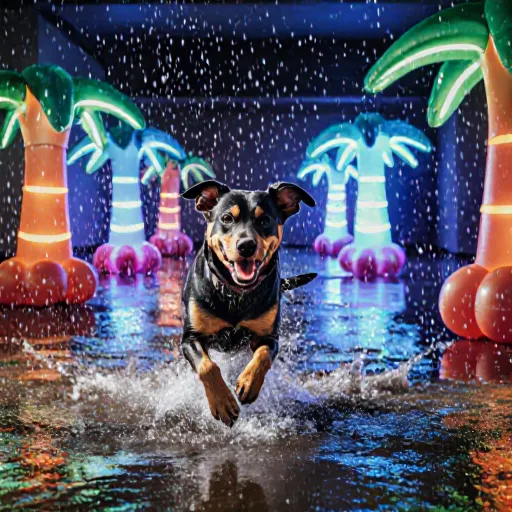
Rain or Shine, Paws on the Go!
“Bark‑Boosting Bonanza: Indoor Adventures When It Rains”
Table of Contents
- Introduction to Indoor Fun
- Create a Safe Play Area
- Interactive Puzzle Toys
- Hide-and-Seek Games
- Teach New Tricks and Commands
- Indoor Obstacle Course
- Tug-of-War Variations
- DIY Treat Hunt
- Sensory Play with Textures
- Brain‑Boosting Games (e.g., “Find the Toy”)
- Calming Activities: Massage & Relaxation
- Doggy Playdates in Your Living Room
- Conclusion
- FAQ
Introduction to Indoor Fun
When the weather outside turns gray and the rain pours, it can feel like your dog's outdoor adventures are on hold. But that’s not the case—rainy days offer a unique opportunity to strengthen the bond between you and your canine companion while keeping them mentally stimulated and physically active.
Why Indoor Activities Matter
- Safety first: Avoid slips, puddles, and potential hazards on slick sidewalks.
- Energy management: Dogs still need to burn off excess energy even when they can’t run outdoors.
- Enrichment: Indoor play introduces new scents, sounds, and challenges that help prevent boredom and destructive behavior.
Practical Tips for Setting Up an Indoor Play Space
- Choose a safe area: Clear a corner or hallway of furniture that could be knocked over. Use non-slip mats if you have hardwood or tile floors.
- Keep it tidy: Store toys, treats, and obstacle pieces in labeled bins so you can quickly switch activities without cluttering the room.
- Use scent markers: Place a few scented items (e.g., a piece of fabric with your dog’s favorite perfume) to create an engaging environment that stimulates their nose.
Sample Indoor Activity: “Find It” Treasure Hunt
This game taps into your dog's natural scent-tracking instincts and can be played in any room. Here’s how:
- Gather treats or favorite toys.
- Show the dog one item, then hide it.
- Encourage your dog to sniff around and retrieve the hidden object.
- Reward with praise, a treat, or a quick play session.
Variation: Use a muffin tin—place treats in a few cups and cover them all with tennis balls. The dog must remove the balls to find the treats, combining problem-solving with physical movement.
Practical Advice for Rainy-Day Playlists
- Keep sessions short: Dogs may get overstimulated indoors; aim for 10–15 minute bursts of activity followed by a calm period.
- Rotate toys: Swap out toys to keep novelty high. A toy that was once exciting can feel dull after repeated use.
- Use interactive feeders: Puzzle bowls slow down eating and provide mental stimulation, especially useful if you’re trying to manage food intake on a busy day.
Mindful Transition Back Outdoors
When the rain eases, let your dog experience a gentle walk outside. A short stroll after indoor play helps them transition back to the natural environment without overstimulation.
By turning rainy days into opportunities for creative indoor fun, you ensure that both your pet’s physical and mental needs are met—no matter what the weather brings.
Create a Safe Play Area
When the rain pours down, turning your home into an engaging indoor playground for your dog is essential. A safe play area not only protects your pet from slipping on wet floors but also keeps them mentally stimulated and physically active.
Choosing the Right Space
- Size matters: Pick a room or hallway that offers at least 10–12 square feet per dog. Larger dogs need more room to run, while smaller breeds can thrive in tighter spaces.
- Flooring: Opt for non‑slip mats or carpet tiles. Avoid polished hardwood or tile where your dog could slip and injure themselves during a playful chase.
- Ventilation: Even indoors, keep the area well-ventilated to prevent dampness from building up on walls and ceilings. A small fan can help circulate air without creating drafts that may bother sensitive dogs.
Safety First
- Remove hazards: Clear the area of loose rugs, electrical cords, and any fragile items that could break if a dog knocks them over.
- Check temperature: Dogs can overheat quickly indoors. Place a small cooling mat or damp towel near a window (if it’s not too cold) so your pup can regulate body heat.
- Secure furniture: If you’re using a couch or chair as part of the obstacle course, make sure it's stable and won’t tip over if a dog jumps on it. You might use a non‑slip rug under the legs to add extra grip.
Indoor Activity Ideas
Here are some tried-and-tested games that keep your dog active and entertained while staying safe:
- Hide‑and‑Seek: Hide behind a curtain or in a closet and call your dog’s name. Reward with treats when they find you.
- Tug‑of‑War: Use a sturdy rope toy. Set boundaries—no grabbing at the owner's hands—to keep the game safe.
- Obstacle Course: Create a simple course using cushions, hula hoops, and broomsticks. Guide your dog through weaving or jumping over obstacles with verbal cues.
- Interactive Puzzle Toys: Fill a Kong with peanut butter (or a favorite treat) and freeze it for a longer challenge.
- Fetch in Hallways: Use soft, lightweight balls to avoid damage. Keep the hallway clear of obstacles that could cause tripping.
Practical Tips for Rainy Day Play
- Set a routine: Dogs thrive on consistency. Schedule indoor play sessions at the same times each day to help them anticipate and enjoy the activity.
- Use positive reinforcement: Reward good behavior with treats, praise, or extra petting. This encourages your dog to stay within the safe zone.
- Keep a water bowl nearby: Hydration is essential, especially if your dog is active indoors. A shallow bowl reduces spillage risk.
- Monitor energy levels: Watch for signs of overexcitement—panting, whining, or excessive barking—and give breaks as needed to avoid accidents.
- Rotate toys: To maintain novelty, keep a small stash of different toys and rotate them weekly. This keeps your dog engaged without cluttering the play area.
Conclusion
By thoughtfully selecting a safe space, eliminating hazards, and incorporating engaging indoor games, you can transform a dreary rainy day into an exciting adventure for your canine companion. Remember to keep the environment dry, well‑ventilated, and free of obstacles that could cause slips or injuries. With these simple steps, both you and your dog will look forward to indoor playtime—even when the weather outside is less than ideal.
Interactive Puzzle Toys
When the weather keeps you indoors, it’s easy to let your dog become bored or anxious. Interactive puzzle toys turn a dreary day into an engaging mental workout that keeps tails wagging and minds sharp.
Why Puzzle Toys Matter for Your Dog
- Cognitive Stimulation: Dogs love to solve problems. Puzzles trigger natural instincts such as sniffing, digging, and problem‑solving, which help prevent destructive behavior caused by boredom.
- Physical Exercise Without Strain: Many puzzles require dogs to push, pull, or roll objects, giving them light exercise that’s gentle on joints—perfect for senior pets or those recovering from injury.
- Slow‑Feeding & Portion Control: Some toys dispense kibble gradually, making meals last longer and reducing the risk of overeating.
Top Types of Interactive Puzzle Toys
-
Mazes & Hide‑and‑Seek Boxes
• Example: KONG Classic with a stuffing hole.
• How to Use: Fill the hollow center with treats or wet food. The dog must figure out how to get them out, encouraging persistence and curiosity. -
Sliding Piece Toys
• Example: Nina Ottosson’s “Treat Toss” series.
• How to Use: Slide blocks or disks to reveal hidden compartments. Start with large gaps, then progress to tighter spaces as the dog improves. -
Rotating Puzzle Balls
• Example: Chuckit! Ultra Ball (with treat pockets).
• How to Use: Roll the ball around; treats fall out as it spins. Great for dogs that love chasing and digging.
Step‑by‑Step Guide: Introducing a New Puzzle Toy
- Choose the Right Difficulty: Start with an easy puzzle if your dog is new to interactive play. A simple treat-dispensing toy works well for beginners.
- Show & Tell: Demonstrate how the toy works—e.g., show a treat hidden inside a KONG and let your dog sniff it out.
- Encourage Exploration: Use verbal praise, gentle nudges, or a favorite toy to keep the dog engaged. Avoid forcing them; patience is key.
- Gradually Increase Complexity: Once the dog masters an easy puzzle, move on to more challenging ones that require multiple steps or tighter compartments.
- Supervise & Clean: Keep a close eye during play to prevent choking hazards. After each session, rinse toys that can be washed and inspect for wear.
Practical Tips for Rainy‑Day Indoor Play
- Keep a Rotation Schedule: Rotate puzzles every few days to maintain novelty. A bored dog is less likely to dig in the couch.
- Combine with Short Walks: Even on rainy days, a brief walk outside can help burn excess energy before puzzle time.
- Use Treats Wisely: Opt for low‑calorie treats or kibble to avoid excessive calorie intake. Consider using a portion of the dog’s daily food budget.
- Pair with Calm Music: Soft background music can create a relaxing atmosphere, helping anxious dogs stay focused on the puzzle.
Safety Checklist
| Toy Type | Potential Risks | Prevention Tips |
|---|---|---|
| KONG Classic | Large pieces that could be swallowed if broken. | Inspect for cracks before use; replace if damaged. |
| Slick Sliding Toys | Small detachable parts. | Choose toys with larger, non‑detachable components for small breeds. |
| Soft Puzzle Balls | Adequate durability to avoid choking. | Check wear and tear after each use; discard if compromised. |
By integrating interactive puzzle toys into your rainy‑day routine, you’ll keep your dog mentally sharp, physically active, and emotionally satisfied—all while staying cozy indoors. Happy puzzling!
Hide-and-Seek Games
Rainy days can turn a simple walk into a full‑on adventure—if you bring the right games indoors. Hide‑and‑seek is one of the most effective ways to keep your dog mentally stimulated while providing plenty of physical exercise, all in the comfort of your living room.
Why It Works
- Problem‑solving skills: Dogs use scent, memory, and hearing to locate their owners or toys.
- Exercise boost: The chase and search keep heart rate up without the need for a backyard.
- Bonding time: Sharing a game that involves trust reinforces your relationship.
Getting Started
- Select a safe area: Clear any breakables and choose a space with low traffic so the dog can focus.
- Pick a hiding spot: Use a chair, couch cushion, or even a closed door. The more varied, the better for training scent discrimination.
- Use a cue word: “Find me!” or “Where are you?” helps the dog understand what’s expected.
Game Variations
1. Classic Hide‑and‑Seek with Human Host
Have your dog sit and stay while you hide behind a door or under a table. Once hidden, call their name and reward them with praise and treats when they find you.
2. Toy Hunt
Hide a favorite toy in an easy-to‑reach spot first to teach the concept. Then gradually increase difficulty by hiding it under blankets or inside low shelves. Use a “search” cue like “Find your ball!”
3. Treat Trail
Create a scent trail using small treats or kibble pieces leading from one hide spot to another. This trains the dog’s nose and gives them a clear objective.
4. Puzzle Box Hide‑and‑Seek
Place a treat inside a cardboard box with holes cut for paws. Let the dog figure out how to get the reward—great for dogs that enjoy problem solving.
Safety Tips
- Never hide in places where your dog could get stuck or injured (e.g., behind appliances).
- If you’re using treats, keep them small to avoid choking hazards.
- Monitor playtime; if the dog becomes overly excited or starts chewing on furniture, pause and redirect.
Practical Advice for Busy Owners
- Set a timer: A 10‑minute session is enough to keep your pup engaged without exhausting them.
- Rotate toys: Keep the game fresh by swapping in new items every few days.
- Use clicker training: Pair the “find” cue with a clicker and treat for immediate positive reinforcement.
Real‑World Example
Meet Max, a 4‑year‑old Labrador mix. His owner, Sarah, started playing hide‑and‑seek on rainy afternoons. She hid behind the couch and called “Max!” After two minutes of sniffing, Max found her and received a treat. Over weeks, Sarah increased the hiding spots to include under the coffee table and inside a low bookcase. Max’s scent tracking improved dramatically, and he no longer chewed on shoes when stuck outside.
Final Thoughts
Hide‑and‑seek is more than just a game—it’s a training tool that builds confidence, encourages exploration, and strengthens your bond. Even in the confines of an indoor space, you can create endless adventures for your dog on those gloomy rainy days.
Teach New Tricks and Commands
Rainy days are the perfect opportunity to engage your dog’s mind while keeping them physically active indoors. Teaching new tricks not only strengthens the bond between you and your pet but also provides mental stimulation that can tire them out just as effectively as a long walk outside.
1. Start with Basic Obedience Refreshers
- “Sit” & “Stay”: Re‑introduce these commands by pairing them with a treat cue. Use a small hand signal and a gentle voice to reinforce the behavior.
- “Come” (Recall): Practice recall in a hallway or living room, rewarding your dog immediately with praise and a favorite snack.
- Tip: Keep training sessions short—5‑10 minutes each—to avoid frustration.
2. Introduce Fun Trick Challenges
Once the basics are solid, move on to more playful tricks that can be done inside:
- “Spin”: Hold a treat in front of your dog’s nose and slowly circle it clockwise. Say “spin” as they turn around. Repeat until they associate the command with the action.
- “Find It” (Scent Game): Hide treats or favorite toys in easy-to-reach spots and let your dog sniff them out. Gradually increase difficulty by hiding items under cushions or behind doors.
3. Build a Mini Agility Course
Use household items to create an indoor obstacle course that challenges both body and mind:
- Tunnel: A collapsible play tunnel or a row of cardboard boxes taped together.
- Weave Poles: Use empty plastic bottles or coffee cans spaced evenly for your dog to weave through.
- Jump: A broomstick balanced on two chairs (low enough for safety).
Guide your dog through the course using a verbal cue (“jump,” “weave”) and reward them after each successful pass. This exercise boosts confidence and coordination while burning energy.
4. Combine Tricks with Playtime
Turn training into a game to keep motivation high:
- “Fetch & Drop”: Teach your dog to fetch a toy, bring it back, and drop it in a designated basket before receiving the next reward.
- “Hide & Seek”: Hide behind furniture or under a blanket while your dog watches. Call them once you’re hidden; when they find you, celebrate with treats.
5. Keep Sessions Positive and Reward‑Based
- Use high‑value treats (e.g., small pieces of chicken or cheese) for first attempts and switch to regular kibble once the trick is mastered.
- End each session on a positive note—if your dog struggles, offer a simple “sit” or “stay” as a fallback before trying again.
- Maintain consistency: repeat commands in the same tone and hand gesture each time.
6. Safety Tips for Indoor Training
- Choose a space with enough room to move without obstacles that could cause injury.
- Avoid using slippery surfaces; lay down a rug or mat if needed.
- Monitor your dog’s body language—stop if they appear stressed or tired.
By incorporating these tricks and commands into your rainy‑day routine, you’ll provide your dog with a stimulating environment that keeps them happy, healthy, and well-behaved—even when the weather keeps you indoors.
Indoor Obstacle Course
When the weather keeps you indoors, turn your living room into a fun training ground for your dog. An obstacle course can sharpen agility, reinforce commands, and burn excess energy—all while keeping both of you dry.
Getting Started: What You’ll Need
- Hula Hoops: Use them as jumps or tunnels. Secure a hoop on the floor with a rubber mat to prevent slipping.
- Cushions & Pillows: Create low walls for your dog to climb over or jump onto.
- Towels or Blankets: Lay them on the floor for a “soft landing” zone.
- Plastic Brooms or Ropes: Set up weave poles. Place two brooms side‑by‑side and anchor them with books.
- Toys & Treats: Keep treats handy to reward successful runs, and use toys as visual cues for the path.
Step‑by‑Step Course Design
- Warm‑up Walk: Start with a 5‑minute walk around the room to get your dog’s muscles ready.
- Weave Poles: Place two brooms about 30 cm apart. Teach your dog to slip through them using a treat lure.
- Jump Over Cushions: Stack 2–3 pillows, then guide the dog over them. Keep the height low—no more than the dog’s shoulder width.
- Tunnel (Optional): Hang a lightweight blanket over two chairs and let your dog crawl through.
- Box Crawl: Place an open cardboard box on the floor; encourage the dog to walk inside and out.
- Final Sprint: End with a short dash toward a favorite toy or treat, rewarding with enthusiastic praise.
Practical Tips for Success
- Safety First: Ensure all objects are stable and that there’s enough clearance to prevent injury.
- Positive Reinforcement: Use high‑value treats, verbal praise, or a favorite toy after each successful obstacle.
- Keep Sessions Short: A 10–15 minute run is often enough for most dogs; longer sessions can lead to fatigue and frustration.
- Progressive Difficulty: Start with simple jumps, then gradually add more complex obstacles as your dog improves.
- Use Treats Wisely: Reserve the best treats for the toughest parts of the course to maintain motivation.
Variation Ideas
If you’re looking to keep things fresh, try these twists:
- Obstacle Relay: Pair up two dogs and have them alternate running the course.
- Timed Challenges: Use a stopwatch to track improvements over time.
- Hide & Seek: After completing the course, hide in a low spot and let your dog find you—great for scent work.
Remember, the goal is fun and bonding. Adapt the obstacles to fit your space, and always celebrate every little victory. Happy training!
Tug-of-War Variations
Tug‑of‑war is a classic way to keep your dog active and mentally stimulated when you’re stuck indoors. By adding simple twists, you can turn an ordinary game into a creative workout that strengthens bonds, teaches impulse control, and keeps boredom at bay.
1. “Find the Hidden Tug” – A Scented Treasure Hunt
- How to play: Hide a tug toy in a small, scent‑filled container (e.g., a sock with a bit of your dog’s favorite treat inside). Let your pup sniff around the room and find it.
- Benefits: Enhances nose work skills, encourages problem solving, and gives a natural reward before the tug session.
- Tip: Use a low‑profile container so the dog has to use both paws and tail to pull out the toy—great for building core strength.
2. “Tug‑and‑Teach” – Combining Commands with Play
- Start with a calm command: “Sit.” Once seated, give the tug toy and say “Hold.” The dog should keep its mouth closed on the toy.
- Progress to “Drop it”: Offer a treat; when the dog releases the toy, reward immediately.
- Add the tug: Once “Drop it” is reliable, begin pulling gently. Let the dog win one pull, then say “Stop.” This trains impulse control while still letting them enjoy the game.
3. “Tug‑Roll” – A Dynamic Balance Challenge
Use a long, sturdy rope or a thick towel. Hold one end, let your dog grip the other, and gently roll it across the floor in circles. This forces your pup to shift weight and maintain balance.
- Variations: Change direction, speed, or add small obstacles (e.g., a pillow) to keep the dog alert.
- Safety tip: Keep the surface non‑slippery; if you’re using carpet, ensure no loose rugs that could cause tripping.
4. “Tug‑and‑Fetch” – Combining Two Favorite Activities
After a quick tug session, toss the toy a short distance and encourage your dog to retrieve it. This alternates muscle groups—tug works forelimbs, fetch engages hind legs.
- Practical advice: Use a soft indoor ball or plush toy that won’t damage furniture when tossed.
- Training tip: Teach “Come” before the fetch to ensure your dog returns promptly, especially in smaller spaces.
5. “Tug‑Puzzle” – Adding a Cognitive Layer
Attach a tug toy to a puzzle feeder or a treat dispenser. Your dog must tug to open the compartment and get the reward.
- Step 1: Place a treat in the dispenser.
- Step 2: Attach the tug rope to the lid.
- Let your dog tug, pulling the lid open. The treat is released when the toy is pulled enough.
This variation boosts mental engagement and reduces the chance of over‑excitement during simple tugging.
6. “Tug‑Relay” – Team Play with Human Family Members
- Setup: Sit in a line or circle, each person holding one end of the rope.
- Gameplay: The dog pulls while you rotate turns—one person holds the rope while another gives a command (“Stop!”) and then hands it to the next family member.
- Why it works: Builds teamwork between humans and pets, introduces social cues, and keeps energy distributed evenly.
Practical Safety & Maintenance Tips
- Choose the right toy: Opt for durable, chew‑resistant rope or fabric. Avoid soft plush toys that can be swallowed.
- Monitor intensity: Keep sessions to 5–10 minutes if your dog is highly energetic; let them rest between rounds.
- Clean regularly: Wash rope toys weekly to prevent bacterial buildup, especially after rainy‑day play when moisture can accumulate.
- Watch for signs of frustration or overexcitement: If your dog starts whining or pulling too hard, pause and reset with a calm command.
By rotating these variations, you’ll keep rainy‑day play exciting, help your dog burn off excess energy, and reinforce essential obedience skills—all while staying comfortably indoors.
DIY Treat Hunt
Rainy days can leave even the most energetic pup feeling cooped up. Turning a simple treat hunt into an interactive, mentally stimulating game keeps tails wagging and minds sharp. Below you’ll find step‑by‑step instructions, creative variations, safety tips, and printable templates to help you build a custom indoor treasure trove.
Why a Treat Hunt Works
- Mental Stimulation: Dogs use scent, memory, and problem‑solving skills—great exercise for their brains.
- Physical Activity: Even short bursts of running or crawling keep energy levels balanced.
- Bonding Time: You guide, reward, and celebrate together—strengthening your relationship.
Materials Needed
- Dog‑safe treats (e.g., small kibble pieces, dental chews, or soft biscuits)
- Paper cups, muffin tins, cardboard boxes, or plastic containers with lids
- Optional: scent markers such as a dab of peanut butter or a few drops of vanilla extract
- Small toys or blankets for hiding spots (if you want to add an extra challenge)
Step‑by‑Step Setup
- Choose the Layout: Pick a safe, open space—living room, hallway, or basement. Clear any fragile items.
- Hide Treats:
- Place one treat in each cup or box.
- For advanced dogs, mix treats with a small amount of peanut butter to create a scent trail.
- Create Clues (Optional): Write simple instructions on index cards—e.g., “Look under the blue cup” or “Find the treat in the red box.” Shuffle and place near each hiding spot.
- Start the Hunt: Let your dog sniff, explore, and solve. Praise loudly when they find a treat.
- Rotate Positions: After a round, shuffle the cups/boxes to keep the game fresh.
Variations for Different Skill Levels
| Skill Level | Setup Idea | How to Increase Difficulty |
|---|---|---|
| Beginner | Three cups, one treat each. | Add a small toy under one cup as a secondary reward. |
| Intermediate | Five cups with varied scents. | Use a muffin tin and hide treats in the corners. |
| Advanced | Multiple boxes spread across rooms. | Include puzzle toys that require solving to access treats. |
Safety Tips
- Never use toxic foods (e.g., chocolate, grapes, onions) as rewards.
- Avoid small treat pieces that could cause choking for larger breeds.
- Keep the play area free of loose rugs or slippery surfaces.
- Stop the game if your dog shows signs of frustration or fatigue.
Printable “Treat Hunt Map”
Use the following HTML snippet to embed a simple printable map in your blog. Copy it into an iframe or PDF generator on your WordPress site.
<svg width="300" height="200">
  <text x="10" y="20">Room 1: Kitchen</text>
  <text x="10" y="50">- Box A (Treat)</text>
  <text x="10" y="80">- Cup B (Scented Treat)</text>
  <text x="10" y="110">Room 2: Living Room</text>
  <text x="10" y="140">- Muffin Tin C (Treats)</text>
</svg>
Wrap‑Up
A DIY treat hunt turns any rainy day into an engaging adventure. By mixing scent, memory, and movement, you’ll keep your dog happy, healthy, and ready for the next session. Try different layouts, add new scents, or even involve family members to make it a group activity.
Happy hunting!
Sensory Play with Textures
When the rain keeps you indoors, give your dog a chance to explore new sensations by creating a texture-rich play area. Dogs are naturally curious about different surfaces and textures, and this kind of sensory stimulation can keep them mentally engaged while also providing gentle exercise.
1. Create a DIY Texture Trail
- Pillow Path: Arrange a series of soft pillows, firm cushions, and even a plush rug in a line across the hallway or living room floor. Encourage your dog to walk over each item while rewarding them with treats.
- Foam Blocks: Place foam yoga blocks at varying heights. Have your pup jump on and off them slowly, praising their confidence and balance.
- Tip: Keep the trail short (5–10 feet) so it’s easy for dogs of all sizes to navigate safely.
2. Texture Treasure Hunt
Hide treats or favorite toys in different textured surfaces. For example, bury a treat in a shallow sandbox filled with dry leaves, sand, or rice, then let your dog sniff it out.
- Leaf Pile: Spread a layer of dried leaves on the floor and hide treats underneath. The crunching sound will also add an auditory element to the sensory experience.
- Rice Bowl: Fill a shallow bowl with uncooked rice, toss in a few small toys, and let your dog dig through it. This is great for dogs that love “digging” but don’t have a yard.
3. Sensory Towel or Blanket Play
Dogs often enjoy different textures on their paws. Use towels, blankets, and rugs with varied materials—cotton, fleece, terrycloth—to create a tactile playground.
- Soft vs. Rough: Place a soft fleece blanket next to a rougher towel (like a dishcloth). Let your dog walk between them and observe how they react.
- Temperature Variation: In cooler rooms, add a warm towel (pre-warmed in the microwave for 10–15 seconds) to see if your pup prefers the warmth during play.
4. Interactive Texture Toys
Invest in or DIY toys that feature multiple textures:
- Stuffed Rope Toy: Combine a braided rope with a plush stuffed animal inside. The rough rope against the soft interior provides dual stimulation.
- Textured Ball: Use a rubber ball with ridges or a tennis ball wrapped in a towel for added texture.
5. Guided Sensory Sessions
Set up a short, guided session where you lead your dog through different textures while using calm, positive reinforcement:
- Start with Praise: Begin by praising the dog as they approach each new surface.
- Slow Exploration: Encourage them to walk slowly over the texture; if they hesitate, reward a short step forward.
- Repeat and Rotate: After several minutes, rotate textures to keep things fresh.
Safety Tips
- Ensure all materials are non-toxic and free of small parts that could be swallowed.
- Avoid slippery surfaces that might cause falls—use rugs or mats with grip backing.
- Keep the play area well-lit so your dog can see where they’re stepping, especially if you’re using textured toys on a carpeted floor.
By turning indoor spaces into sensory playgrounds, you give your dog a chance to exercise their senses and stay entertained even when the weather keeps them inside. Happy sniffing!
Brain‑Boosting Games (e.g., “Find the Toy”)
Rain or shine, dogs still need mental stimulation to stay happy and healthy. One of the simplest yet most effective indoor games is “Find the Toy.” It encourages scent work, problem solving, and a bit of physical activity—all while keeping your pup entertained during those gloomy weather days.
Why It Works
- Scent Training: Dogs have an incredible sense of smell. By hiding a favorite toy in a small space, you tap into their natural tracking instincts.
- Cognitive Engagement: The search requires your dog to use memory, attention, and decision‑making skills.
- Physical Movement: Even if the play area is compact, dogs will move around to sniff out the hidden item.
How to Set It Up
- Select a toy that has a distinct scent or texture (e.g., a squeaky ball or plush stuffed animal).
- Choose a safe, confined area—perhaps a living room corner or a hallway with low furniture.
- Show the toy to your dog, then let them watch as you hide it in a small crevice, under a cushion, or inside a laundry basket. Keep the hiding spot consistent for the first few rounds so they learn the concept.
- Encourage them with a command like “Find it!” and reward with praise, treats, or a brief play session once they locate the toy.
Progressive Difficulty Levels
Once your dog masters basic hiding spots, increase the challenge:
- Multiple Toys: Hide two or three items and let them choose which one to retrieve.
- Larger Space: Spread out the hiding spots across different rooms.
- Distractions: Turn on a TV show or put a gentle background noise to make the search harder.
Safety Tips
- Never hide toys in places where your dog could choke (e.g., under low tables if they can fit their head through).
- Avoid small, sealed containers that might trap the dog’s paws.
- Make sure all hiding spots are easily accessible and free of hazards.
Practical Advice for Busy Owners
- Quick Sessions: Even a 5‑minute game can be mentally exhausting for many breeds.
- Use Training Treats: Keep the treat jar close by so you can reward instantly—positive reinforcement is key.
- Rotate Toys: Keep your dog’s interest high by switching between different toys each session.
Wrap‑Up
The “Find the Toy” game is a versatile, low‑cost activity that turns any rainy day into an opportunity for mental enrichment. By gradually increasing difficulty and rewarding success, you’ll help your dog stay sharp, curious, and content—no matter how gray the sky outside.
Calming Activities: Massage & Relaxation
When the rain keeps you indoors, a gentle massage can be an excellent way to calm your dog and strengthen the bond between you. A calm environment—soft music, dim lighting, and a cozy blanket—sets the stage for relaxation.
Why Massage Helps
- Reduces Stress Hormones: Regular massage lowers cortisol levels in dogs, promoting a sense of well‑being.
- Improves Circulation: Light pressure stimulates blood flow, which can aid muscle recovery after play sessions.
- Builds Trust: The tactile contact reinforces your role as a safe provider.
Step‑by‑Step Massage Routine (10–15 minutes)
- Preparation: Place a towel or blanket on the floor. Have a small bowl of warm water and a few drops of dog‑safe massage oil (like coconut or jojoba) ready.
- The Back: Start at the base of the neck, gently rubbing in circular motions with your fingertips. Move down the spine to the tail base, keeping the pressure light—just enough to feel a muscle response.
- Shoulders & Chest: Use both hands to apply slow, sweeping strokes from the shoulder blades toward the belly, encouraging deeper breathing.
- The Legs: Massage each leg individually: start at the hip and glide down to the paws. Pay attention to any areas that seem tight or tense; a few extra minutes there can help.
- The Head & Ears: Gently massage the base of the skull, then use soft strokes around the ears—avoid pulling on the ear pinna.
- Finish with a “Paw Hug”: Close your hands and wrap them around each paw for a gentle squeeze. This signals “all done” to most dogs.
Practical Tips & Safety Checks
- Observe Body Language: If the dog tugs or pulls away, pause and give it space.
- No Sensitive Areas: Avoid massaging over joints (knees, elbows) if your dog has arthritis; a light tap is safer.
- Use Dog‑Safe Oils Only: Human essential oils like lavender or tea tree can be toxic. Stick to hypoallergenic pet products.
- Keep Sessions Short: Dogs have shorter attention spans than humans—15 minutes max for most breeds.
Pairing Massage with Other Indoor Activities
After a calming massage, transition your dog into an engaging indoor game to maintain mental stimulation without overstimulation. For instance:
- “Find the Treat” Hide‑and‑Seek: Place treats in different rooms; let your dog sniff them out.
- Interactive Puzzle Toys: Use treat‑dispensing toys to keep the brain busy.
- Use a rainy‑day activity guide for more ideas that complement relaxation sessions.
Remember, consistency is key. A short massage routine once or twice daily can become a cherished part of your dog’s rainy‑day regimen, providing comfort and deepening the human‑canine connection even when you’re stuck indoors.
Doggy Playdates in Your Living Room
When the rain keeps you indoors, your living room can double as a safe, cozy play arena for your canine companions. By setting up a mini “doggy playground,” you give your pets mental stimulation and social interaction without ever leaving the house.
Step‑by‑Step Setup
- Clear the Space: Remove fragile items, secure loose rugs, and create an open area free of obstacles. A clutter‑free zone reduces injury risk during high‑energy play.
- Lay Down Soft Flooring: Use a dog‑friendly mat or towel to cushion jumps and reduce noise on hardwood floors.
- Create Zones:
- “Fetch Corner” – a short hallway with soft toys.
- “Hide & Seek Spot” – a low‑height tunnel or blanket fort.
- “Training Nook” – a corner with a small agility set (e.g., hula hoops, weave poles).
- Introduce Toys: Bring out squeaky balls, plush chew toys, and interactive puzzle games. Rotate them weekly to keep excitement high.
- Invite a Friend: Schedule a playdate with another dog that has compatible energy levels. Use a neutral indoor space so both dogs feel comfortable.
Fun Indoor Activities for Dogs on Rainy Days
- Tug‑of‑War: Use a durable rope toy. Teach the “drop it” command to maintain control and safety.
- Puzzle Feeders: Fill a Kong or treat-dispensing toy with peanut butter, yogurt, or kibble. This keeps your dog mentally engaged while rewarding them.
- Agility Course: Set up a mini obstacle course using cushions, broomsticks (as makeshift jumps), and hula hoops. Encourage your dog to navigate each element for praise and treats.
- Scent Games: Hide small treats around the room and let your dog sniff them out. This taps into their natural hunting instincts.
- “Find It” Training: Teach a command like “search” or “find.” Place a toy under one of several cups, shuffle them, and reward when the dog selects the correct cup.
Practical Safety Tips
- Supervise Constantly: Even with a safe setup, keep an eye on both dogs to prevent play from turning rough.
- Keep Water Nearby: Offer fresh water after each activity session.
- Use Non‑Slip Mats: Prevent slips especially if your living room has hardwood or tile flooring.
- Check for Allergens: If you use scented toys, ensure they don’t trigger allergies in your dog.
After the Playdate
Give each dog a calm period to wind down. Offer a gentle massage or light brushing to help them relax. Finally, review the session: note what games were most engaging and adjust for next time.
Conclusion
Rainy days can feel like a limitation for both you and your four‑legged friend, but with a little creativity they become an opportunity to strengthen bonds, provide mental stimulation, and keep your pup active indoors.
- Interactive Games:
- Tug‑of‑War – Use a sturdy rope or tug toy; make sure you let your dog win sometimes to keep the game fun.
- Hide & Seek – Hide treats or favorite toys around the house and encourage your dog to find them. This taps into their natural scent‑tracking instincts.
- Shell Game – Place a treat under one of three cups and shuffle them; let your dog guess which cup hides the reward.
- Training Sessions:
Use the extra indoor time to teach new tricks or reinforce basic obedience. Short, frequent sessions (5–10 minutes) keep training effective without tiring your pup.
- Teach “spin,” “roll over,” or “play dead” for fun variety.
- Practice recall drills in a safe room to build focus and confidence.
- DIY Puzzle Toys:
Create your own brain‑teasers using household items. For example, cut a muffin tin, place treats in some cups, cover all with tennis balls, and let your dog scoop them out.
- Indoor Agility:
- Set up a makeshift tunnel using a collapsible playhouse or a row of chairs draped with blankets.
- Create a “jump” over a broomstick set on low stools.
- Use a hula‑hoop for your dog to jump through, ensuring the hoop is at a safe height.
- Scent Work:
Dogs love using their noses. Hide a small treat in a rolled towel or inside a cardboard box and let them sniff it out. This low‑impact activity burns mental energy without physical strain.
- Calm Activities for Sensitive Breeds:
If your dog is prone to anxiety, consider low‑stimulus activities like gentle massage or a slow “touch” game where you lightly stroke them while they lie down. Pair this with soothing music or a white‑noise machine.
- Safety Tips:
- Always supervise play to prevent chewing on cords or fragile objects.
- Use non‑slip mats in areas where your dog might run or jump.
- Keep the indoor temperature comfortable; a drafty room can lead to chills for small breeds.
- Post‑Rain Ritual:
After a rainy day indoors, give your dog a brief walk outside when it’s safe. Even a short stroll can help reset their mood and provide fresh air.
By mixing these activities into your routine, you’ll keep your canine companion engaged, happy, and healthy—even when the weather keeps you both inside.
FAQ
Rainy weather can be a challenge for pet owners who love to keep their dogs active and mentally stimulated. The good news is that you don’t need a sunny backyard or a long walk to provide your furry friend with enrichment. Below are practical, engaging activities that work well indoors—whether you have a spacious living room or a cozy apartment.
1. Interactive Puzzle Toys
- Food-Dispensing Balls: Fill a Kong or a similar treat-dispensing toy with peanut butter, yogurt, or kibble. Your dog will work to roll the ball and get the reward.
- Hide‑and‑Seek Treats: Use a muffin tin and place treats under some of the cups. Let your pup sniff out which ones are hiding the goodies.
- Snuffle Mats: These mats mimic grass or foliage, encouraging dogs to forage for hidden treats using their nose.
2. Indoor Agility Course
Create a simple obstacle course with household items:
- Pillows and cushions: Build low “jumps” or tunnels for your dog to weave through.
- Brooms on books: Set up a gentle hurdle that can be adjusted as your dog grows stronger.
- Blankets over chairs: Form a makeshift tunnel for the pup to crawl under.
3. Scent Games
Scent work is a natural instinct for dogs and can be incredibly mentally exhausting—often more so than physical exercise.
- “Find It” Game: Hide a favorite toy or treat around the house while your dog watches. Then let them sniff it out. Start easy, then increase difficulty by placing items in harder-to-reach spots.
- Essential Oil Diffusion (dog‑safe): Use a diffuser with diluted, pet-safe essential oils like lavender or chamomile to create an inviting scent trail for your dog to follow.
4. Training Sessions & Trick Learning
Short training sessions keep dogs mentally sharp and reinforce good behavior.
- Basic Commands: Practice “sit,” “stay,” “come,” and “down.”
- New Tricks: Teach your dog to roll over, shake hands, or play dead. Use clicker training for clear communication.
- Target Training: Have your pup touch a target (like a small towel) with their nose or paw—great for building focus.
5. Indoor Fetch & Tug‑of‑War
If you have enough space, a gentle game of fetch down a hallway can be effective. Use soft toys to avoid damage. Tug‑of‑war with sturdy rope toys is also excellent for strength training—just remember to enforce “drop it” commands so the play stays controlled.
6. DIY Games & Brain Teasers
- Cardboard Box Maze: Cut holes in a large box and place treats inside. Let your dog navigate through to find them.
- Frozen Treats: Freeze kibble or peanut butter in an ice cube tray. Your pup will lick the frozen goodies for several minutes, providing both mental stimulation and hydration.
7. Calming Activities
After a vigorous session, give your dog a chance to wind down with calming techniques:
- Mild Massage: Gently massage the shoulders and ears—this helps relax tense muscles.
- Soft Music or White Noise: Play soothing tunes specifically designed for dogs; this can help them feel secure during inclement weather.
Practical Tips & Safety Guidelines
- Space Assessment: Clear a safe area free of breakables before starting activities.
- Hydration Breaks: Keep fresh water nearby; even indoor play can dehydrate dogs.
- Supervision: Watch for signs of fatigue or frustration. Stop the activity if your dog seems stressed.
- Age & Health Considerations: Tailor exercises to your dog’s age, breed, and any medical conditions. Consult a vet before starting new routines.
By incorporating these indoor activities into your routine, you’ll keep your dog physically fit, mentally sharp, and emotionally content—even when the sky is gray outside.
Categories
- AI & Enrichment Play
- Broiler Farming
- Broiler Farming Tips
- Canine Wellness & Longevity
- Cat
- Cat & Human Connection
- Cat Adoption & Rescue
- Cat Breeds
- Cat Breeds & Personalities
- Cat Care & Health
- Cat Grooming & Hygiene
- Cat Lifestyle & Environment
- Cat Myths & History
- Cat Nutrition & Diet
- Cat Products & Reviews
- Cat Training & Behavior
- Comparison
- Consumer Awareness
- Dog
- Dog Accessories & Products
- Dog Adoption & Rescue
- Dog Breed & Lifestyle Trends
- Dog Breeding & Puppies
- Dog Entertainment & Media
- Dog Fashion & Trends
- Dog Fun & Lifestyle
- Dog Grooming & Hygiene
- Dog History & Culture
- Dog Myths, Science & Future Tech
- Dog News & Trends
- Dog Nutrition & Food
- Dog Psychology & Emotions
- Dog Safety & Security
- Dog Sports & Activities
- Dog Technology & Innovation
- Dog Training for Modern Owners
- Dog Travel & Adventure
- Dog Travel, Adventure & Culture
- Economic and Market Insights
- Educational Content
- FAQs
- Feeding Alternatives
- Festivals & Seasonal Ideas
- Fun & Entertainment
- General Knowledge
- General Pig Farming
- Health & Disease Management
- Housing and Environment
- Kittens
- Market Insights
- Miscellaneous
- Miscellaneous
- Motivational
- pig
- Pig Breeding
- Pig Breeds
- Pig Farming Stories and Inspiration
- Pig Health and Care
- Pig Nutrition
- Pig Products
- Profitability & Business
- Puppy Care
- Puppy Predictable Topics Reinvented
- Regional Focus
- Rescue & Adoption Buzz
- Senior Cats
- Senior Dog Care
- Smart Dog Tech & Gadgets
- Sustainability
- Sustainable & Eco-Friendly Dog Products
- Tech & Innovations
- Working & Service Dogs
- Broiler Feed66 products
- Country Feed33 products
- Pig Feed66 products
- Product22 products
- Raw Materials99 products
Products
-
 Fish Meal
₹1,999.00 – ₹2,999.00Price range: ₹1,999.00 through ₹2,999.00Rated 0 out of 5
Fish Meal
₹1,999.00 – ₹2,999.00Price range: ₹1,999.00 through ₹2,999.00Rated 0 out of 5 -
 FATTENING BROILER FEED
₹2,299.00 – ₹2,349.00Price range: ₹2,299.00 through ₹2,349.00Rated 0 out of 5
FATTENING BROILER FEED
₹2,299.00 – ₹2,349.00Price range: ₹2,299.00 through ₹2,349.00Rated 0 out of 5 -
 LAYER COUNTRY FEED
₹1,549.00 – ₹1,649.00Price range: ₹1,549.00 through ₹1,649.00Rated 0 out of 5
LAYER COUNTRY FEED
₹1,549.00 – ₹1,649.00Price range: ₹1,549.00 through ₹1,649.00Rated 0 out of 5 -
 COUNTER BROILER FEED
₹1,199.00 – ₹1,299.00Price range: ₹1,199.00 through ₹1,299.00Rated 0 out of 5
COUNTER BROILER FEED
₹1,199.00 – ₹1,299.00Price range: ₹1,199.00 through ₹1,299.00Rated 0 out of 5 -
 LACTATING PIG FEED
Rated 0 out of 5
LACTATING PIG FEED
Rated 0 out of 5₹2,299.00Original price was: ₹2,299.00.₹1,740.00Current price is: ₹1,740.00. -
 Maize
Rated 0 out of 5
Maize
Rated 0 out of 5₹1,650.00Original price was: ₹1,650.00.₹1,300.00Current price is: ₹1,300.00. -
 GESTATION PIG FEED (Phase 1)
Rated 0 out of 5
GESTATION PIG FEED (Phase 1)
Rated 0 out of 5₹2,249.00Original price was: ₹2,249.00.₹1,699.00Current price is: ₹1,699.00. -
 Pre Starter Broiler Feed
₹2,399.00 – ₹2,499.00Price range: ₹2,399.00 through ₹2,499.00Rated 0 out of 5
Pre Starter Broiler Feed
₹2,399.00 – ₹2,499.00Price range: ₹2,399.00 through ₹2,499.00Rated 0 out of 5 -
 FINISHER PIG FEED
Rated 0 out of 5
FINISHER PIG FEED
Rated 0 out of 5₹2,299.00Original price was: ₹2,299.00.₹1,749.00Current price is: ₹1,749.00. -
 Broiler Premix
Rated 0 out of 5
Broiler Premix
Rated 0 out of 5₹820.00Original price was: ₹820.00.₹699.00Current price is: ₹699.00.