
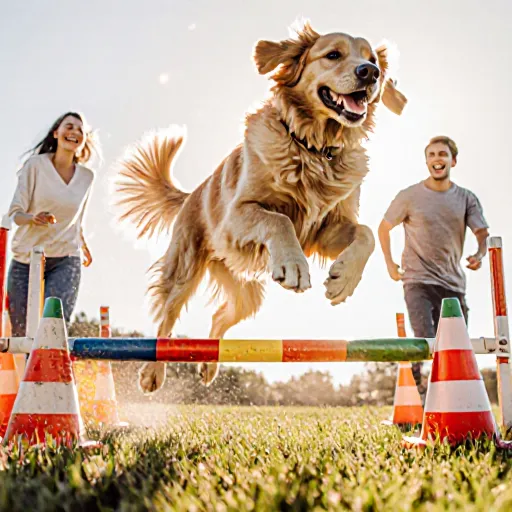
Unleash Fun: Challenge Your Dog Today!
Fun Dog Challenges to Try with Your Pup
Table of Contents
- 1. Introduction: Why Dog Challenges Matter
- 2. Fetch Frenzy – Speed & Accuracy Edition
- 3. Obstacle Course: Backyard Edition
- 4. Hide and Seek with Treats
- 5. The “Find the Toy” Smell Challenge
- 6. Water Play: Splash & Retrieve
- 7. Tug-of-War Tournament
- 8. Agility Training with Homemade Hurdles
- 9. “Simon Says” Obedience Edition
- 10. Puzzle Toys: Brain Boost Challenge
- 11. Costume Contest & Photo Shoot
- 12. The “Scent Trail” Long-Distance Game
- 13. Chill Time: DIY Ice Cream Treats for Dogs
- Conclusion: Keeping the Fun Going
- FAQ – Common Questions About Dog Challenges
1. Introduction: Why Dog Challenges Matter
Dog challenges are more than just a way to keep your pup entertained; they serve as powerful tools for strengthening the bond between you and your canine companion, improving mental stimulation, and promoting physical fitness. When you incorporate structured challenges into your routine, you give your dog a sense of purpose, boost confidence, and create lasting memories.
1. Mental Stimulation Keeps Your Dog Sharp
Just as we need puzzles to keep our minds engaged, dogs thrive on activities that require problem‑solving. Fun challenges like scent trails, puzzle feeders, or hide‑and‑seek games force your dog to use critical thinking skills and enhance their natural instincts.
- Scent Trails: Lay a line of scented items (e.g., a piece of kibble or a scented cloth) for your dog to follow. This taps into their olfactory dominance and sharpens focus.
- Puzzle Feeders: Use treat-dispensing toys that require the dog to manipulate levers, rotate compartments, or roll balls to access food.
2. Physical Exercise Builds Health & Happiness
Physical challenges encourage active play and help maintain a healthy weight, strong muscles, and joint flexibility. Activities that combine agility with problem‑solving also reduce boredom-related behaviors like chewing or barking.
- Obstacle Courses: Set up a backyard course using cones, tunnels, and jumps. Guide your dog through the sequence while rewarding successful completions.
- Fetch Variations: Instead of throwing a ball straight ahead, ask your dog to retrieve specific items or perform tricks before receiving the next throw.
3. Strengthening the Human‑Canine Bond
Cooperating on challenges requires clear communication and trust. When you give positive reinforcement—treats, praise, or a favorite toy—you reinforce desirable behavior and deepen emotional attachment.
- Teach “Find It”: Hide treats around the house and let your dog discover them while you call their name. Celebrate each find with enthusiastic applause.
- Joint Training Sessions: Use short, 5‑minute challenge rounds to keep sessions engaging for both of you.
4. Practical Tips for Getting Started
- Start Small: Choose one simple challenge per week and gradually increase complexity as your dog masters each task.
- Keep Sessions Short: Dogs have limited attention spans; 5–10 minute sessions prevent frustration.
- Use High‑Value Rewards: Save the tastiest treats for challenging tasks to maintain motivation.
- Observe Body Language: If your dog appears stressed or uninterested, switch to a different activity or shorten the challenge.
5. Fun Dog Challenges to Try With Your Pup
Below are some popular challenges that combine fun with training benefits. Pick one that suits your dog's temperament and watch them flourish!
- “Which Hand?” Place a treat in one hand, close both fists, and let the dog sniff to guess which hand holds it.
- “Find the Toy” Hide a favorite toy under cups or inside a small box; encourage your dog to locate it using scent cues.
- “Shape Sorting” Use shape‑cutout toys and ask your dog to drop each shape into its matching hole.
By integrating these challenges into your daily routine, you not only keep your dog mentally and physically active but also cultivate a deeper, more rewarding relationship. Remember: consistency, positive reinforcement, and an understanding of your dog's individual needs are the keys to success.
2. Fetch Frenzy – Speed & Accuracy Edition
Turn an ordinary fetch session into a high‑energy, skill‑building workout that sharpens both your dog’s reaction time and precision. By adding obstacles, timed throws, and varied targets, you create a mini obstacle course that keeps your pup mentally engaged while improving physical conditioning.
Why It Works
- Speed training: Quick starts and stops help develop faster muscle responses.
- Accuracy drills: Targeted throws encourage focus and fine‑motor coordination.
- Cardiovascular benefit: Repeated sprints boost heart health.
Equipment You’ll Need
- Durable ball or frisbee (choose a size appropriate for your dog’s breed).
- Agility cones or small hurdles (optional, for obstacle placement).
- Tape or chalk to mark target zones.
- A stopwatch or phone timer for tracking speed.
Step‑by‑Step Guide
- Set up the course:
- Place 4–6 cones in a zigzag pattern, spacing them 10–15 feet apart.
- Mark a “target zone” on the ground with tape (a 3‑by‑3 foot square).
- Warm‑up:
- Run a short jog with your dog, practicing simple commands like sit, stay, and come back.
- Reward with treats to keep motivation high.
- Start the fetch:
- Throw the ball toward the first cone, encouraging your dog to sprint and retrieve it.
- When they return, call them back to you quickly for a reward.
- Introduce the target:
- After 3–5 successful runs, ask your dog to aim for the taped target zone before throwing.
- Use verbal cues like “hit it!” and reward when they land within the square.
- Add timing:
- Start the stopwatch as you throw. Record how long it takes for your dog to retrieve and return.
- Gradually aim to shave off 1–2 seconds each session.
- Vary the distance:
- Change the throw distance between cones, forcing your dog to adjust speed and stride length.
- Introduce a “backward” fetch where you toss the ball behind them and they must sprint backward to catch it.
- Cool down:
- Finish with a slow walk, breathing exercises, and gentle stretching for both you and your pup.
Practical Tips & Common Pitfalls
- Start small: If your dog is new to fetch, begin with short throws before adding cones or timing.
- Keep it fun: Use high‑energy praise and treats. Avoid over‑exertion—watch for signs of fatigue.
- Use consistent cues: The same word (“hit” or “target”) helps your dog learn faster.
- Safety first: Ensure the playing area is free from hazards and that the ball won’t get stuck in trees or fences.
Fun Dog Challenges to Try with Your Pup (Related)
After mastering Fetch Frenzy, keep your dog engaged by exploring these additional challenges:
- Obstacle Course Relay: Combine jumps, tunnels, and weave poles for a full‑body workout.
- Hide & Seek with Treats: Hide treats around the yard and let your pup sniff them out.
- Agility “Simon Says”: Use verbal commands to direct your dog through an agility course.
By incorporating speed, accuracy, and creative obstacles into fetch sessions, you’ll create a balanced training routine that benefits both mind and body. Keep the sessions short (5–10 minutes) but frequent—daily practice yields the best results.
3. Obstacle Course: Backyard Edition
Transform your yard into a dynamic training ground that sharpens your pup’s agility, confidence, and obedience—all while having a blast together.
Why Build an Obstacle Course?
- Physical Fitness: Encourages cardiovascular health, muscle tone, and coordination.
- Mental Stimulation: Challenges problem‑solving skills and keeps boredom at bay.
- Bonding Time: Strengthens the human‑dog relationship through shared goals.
- Behavioral Reinforcement: Teaches impulse control, focus, and obedience in a fun context.
Essential Elements of a Backyard Course
- Tunnel: A collapsible play tunnel or an improvised cardboard tube (size depends on breed). Teach your dog to enter from the short end, exit at the long end.
- Weave Poles: Set up PVC pipes or broomsticks spaced evenly. Use a small treat to lure them through in a zig‑zag pattern.
- Hurdles: Adjustable jumps made from PVC frames and soft fabric or pool noodles. Start low (6–8 inches) and gradually raise as confidence builds.
- Balance Beam: A sturdy plank (e.g., a 2‑inch plywood board) placed on the ground level, later raised to a few inches off the floor for balance practice.
- Pause Table: A low platform or step where the dog must sit or lie down before proceeding.
- Water Jump (Optional): If you have a kiddie pool, add a shallow water obstacle to teach confidence in wet environments.
Step‑by‑Step Course Creation Guide
- Plan the Layout: Sketch a simple map. Begin with a straight path that leads to the first obstacle and ends at a safe finish line marked by a small flag or treat.
- Safety First: Ensure all obstacles are stable, free of sharp edges, and that there’s ample space around each station.
- Introduce One Obstacle at a Time: Use positive reinforcement—treats, praise, or play—to reward successful navigation before moving to the next.
- Use Clear Commands: Pair verbal cues (e.g., “Jump,” “Weave,” “Sit”) with hand signals so your dog learns what’s expected at each station.
- Keep Sessions Short: 5–10 minutes per session prevents fatigue and keeps training enjoyable.
- Progress Gradually: Once the dog masters a hurdle, raise it slightly or add a second set of weave poles to increase difficulty.
Practical Tips & Common Pitfalls
- Start Low: Never force a jump too high; start with a “squeeze” level and only raise when the dog is confident.
- Use High‑Value Treats: Especially for new obstacles—something your pup can’t resist, like small pieces of cheese or chicken.
- Watch Body Language: If your dog shows signs of stress (panting excessively, whining), pause and reset the obstacle.
- Consistency Matters: Use the same commands each time; mix‑ups can confuse and slow progress.
- Keep it Fun: End every session with a favorite game or free play to reinforce that training is rewarding.
Sample Course Sequence (Beginner)
- Tunnel entrance → exit (treat inside the tunnel).
- Weave poles: 4 poles spaced 1.5 feet apart.
- Low hurdle (6 inches) with a treat on top to entice crossing.
- Pause table: Sit and stay for 3 seconds.
- Balance beam: Walk across while holding the leash lightly.
- Finish line: Reward with a big chew toy or favorite snack.
Advanced Variations (Intermediate & Advanced)
- “Doggy Pyramid”: Stack three low hurdles in a triangular formation; the dog jumps over each level sequentially.
- “Slam Dunk”: A small, padded box that the dog must jump onto and then immediately climb out of.
- “Water Dash”: Add a shallow pool as an obstacle; use a floating toy to lure your pup through.
- Timed Runs: Use a stopwatch to encourage speed while maintaining control—great for racing breeds.
Integrating Obstacle Course with Other Fun Dog Challenges
Combine this backyard course with the “Fun Dog Challenges to Try with Your Pup” list: e.g., after completing the course, play a game of fetch using the same route for added endurance training.
Final Thought
By turning your backyard into an obstacle arena, you’re not just building physical strength—you’re fostering confidence, focus, and an unbreakable bond with your canine companion. Start simple, stay patient, and celebrate every small victory along the way!
4. Hide and Seek with Treats
One of the simplest yet most effective ways to engage your pup’s mind is by turning a bowl of treats into a game of hide-and-seek. This activity not only stimulates their natural scent-tracking instincts but also reinforces positive reinforcement training.
Why It Works
- Scent Tracking: Dogs rely on smell more than sight, so hiding treats taps into a primal skill.
- Cognitive Challenge: Finding the treat requires problem solving and memory recall.
- Physical Activity: The search encourages movement, burning energy in a controlled way.
Getting Started
- Select the Right Treats: Use small, soft treats that your dog loves but won’t swallow whole. Avoid hard or brittle options that could break during play.
- Choose a Safe Space: Start in a quiet room with minimal distractions. As your pup gets better at the game, you can move to larger areas like the backyard or a park.
- Show and Hide: Let your dog see you place one treat in an obvious spot (e.g., under a cushion). Then give them the command “Find it!” When they locate it, reward with praise and another treat.
Progressive Difficulty Levels
| Level | Description | Example Hide Spots |
|---|---|---|
| Beginner | Visible, easy-to-reach locations. | Under a blanket, behind a doorframe. |
| Intermediate | Hidden but still within line of sight. | Inside a low basket, under a plastic cup. |
| Advanced | Hidden in more challenging spots that require movement. | Under a chair leg, inside a cardboard box. |
Practical Tips for Success
- Use Verbal Cues: Pair the game with consistent commands like “search” or “find.” This builds clear communication.
- Keep Sessions Short: A few minutes of play per session prevents frustration and keeps your dog eager for more.
- Rotate Treat Types: Mixing flavors keeps the game exciting and encourages repeated participation.
- Stay Patient: Some dogs take longer to grasp the concept. Celebrate small victories with enthusiastic praise.
Connecting to Other Fun Dog Challenges
Hide and Seek with Treats can be combined with other engaging activities from our “Fun Dog Challenges to Try With Your Pup” list:
- Obstacle Course: After a treat hunt, guide your dog through a homemade agility course.
- Water Play: Hide treats in shallow water for an extra sensory challenge.
- Interactive Toys: Use puzzle toys to hide treats inside; let your pup solve the toy before retrieving.
By integrating these challenges, you’ll create a dynamic routine that keeps both mind and body active—ensuring your dog stays healthy, happy, and well-trained.
5. The “Find the Toy” Smell Challenge
The “Find the Toy” smell challenge is a classic scent‑based game that sharpens your pup’s nose while keeping them mentally engaged. By encouraging your dog to locate a hidden toy using only their olfactory sense, you create an enjoyable activity that mimics natural foraging behaviors.
Why It Works
- Boosts mental stimulation: Dogs have up to 300 million scent receptors—far more than humans. Using these receptors keeps their brains busy and reduces boredom‑related behavior problems.
- Encourages focus and patience: The game requires your dog to wait, observe, and then search, which strengthens impulse control.
- Strengthens the human–dog bond: You’re guiding them through a fun task that rewards teamwork and communication.
How to Set It Up
- Select a suitable toy: Use a small, lightweight chew or squeaky toy. If your dog is highly motivated by food, you can pair the toy with a treat for extra incentive.
- Choose a safe location: Start in a quiet room or backyard where there are no distractions like other pets or loud noises.
- Teach the “Find” cue: Show your dog the toy, then say “Find it!” while placing the toy under a cup or behind a small obstacle. Let them sniff and discover it on their own.
- Increase difficulty gradually: Once they master hiding in obvious spots, try deeper locations—under a blanket, inside a cardboard box, or behind furniture.
Practical Tips for Success
- Use scent markers: Sprinkle a bit of your dog’s favorite food near the toy to help them associate that smell with success. Re‑apply after each round if needed.
- Keep sessions short: Dogs can get frustrated if the game takes too long. Aim for 5–10 minute play sessions, especially when starting out.
- Reward promptly: When your dog finds the toy, give immediate praise and a treat. This reinforces the behavior quickly.
- Vary the environment: Once comfortable indoors, try outdoors in grass or a park where scents are more complex.
Fun Dog Challenges to Try with Your Pup
Here are additional scent‑based and skill challenges that build on the “Find the Toy” game:
- Treasure Hunt: Hide multiple toys or treats around a room and let your dog sniff them all out. Increase the number of items as they improve.
- Which Hand? Hold a treat in each hand, close one fist, and ask “Which hand?” Your dog will use their nose to choose the correct one.
- Target Training: Teach your dog to touch a target stick or ball with their nose. This is great for agility courses and obedience training.
- Obstacle Course Smell Trail: Lay a scent trail (e.g., a thin line of peanut butter) that leads through an obstacle course, encouraging them to follow the scent while navigating jumps and tunnels.
- Hide & Seek with People: Have family members hide in different rooms or behind furniture. Let your dog locate each person using their nose.
By incorporating these challenges into your routine, you’ll keep your dog mentally sharp, physically active, and happily engaged—all while deepening the bond between you both.
6. Water Play: Splash & Retrieve
Water play is a fantastic way to keep your pup cool, engaged, and mentally stimulated during hot summer days or even in cooler seasons with indoor pools and sprinklers. It combines the natural love dogs have for fetching with the refreshing sensation of water, creating a fun, low-impact workout that’s easy on joints.
Why Water Play Works
- Cooling effect: Helps regulate body temperature during exercise.
- Low impact: Ideal for dogs with arthritis or hip dysplasia.
- Encourages retrieval instincts: Reinforces positive fetch behavior while adding a new sensory element.
- Boosts confidence: Overcoming the challenge of retrieving from water can build self-assurance in shy dogs.
Setting Up Your Splash & Retrieve Session
- Choose a safe location: A backyard pool, a shallow kiddie pool, or even a garden hose with a sprinkler are all great options. Ensure the surface is non-slip and free of hazards.
- Start small: Begin with short distances (5–10 ft) so your dog doesn’t feel overwhelmed.
- Use appropriate toys: Floatation-friendly balls, rubber ducks, or waterproof fetch sticks work best. Avoid heavy or dense objects that could sink quickly.
- Encourage retrieval: Use a playful tone and reward your pup with treats once they bring the toy back to you.
Practical Tips for Success
- Dress appropriately: Some dogs enjoy wearing a lightweight, breathable doggy jacket or neoprene shorts if they’re sensitive to cold water.
- Keep the environment controlled: If using a hose, keep the flow moderate. Too strong a spray can frighten or scare your pup.
- Introduce gradually: Let them sniff and explore the water before initiating play. This reduces anxiety.
- Use positive reinforcement: Praise loudly, toss treats, and give gentle petting once they return with the toy.
- Stay hydrated for both of you: Offer fresh water after play sessions to prevent dehydration.
Sample Water Play Challenges
- Depth Variation: Start in shallow water and gradually move deeper as your dog becomes comfortable. This teaches them confidence in different aquatic environments.
- The “Water Treasure Hunt”: Bury a waterproof toy at the bottom of a kiddie pool and let your pup dig it out. It adds an element of mystery and encourages problem‑solving.
- Timed Retrievals: Use a stopwatch to time how fast your dog can retrieve from a set distance. Aim for incremental improvement over several sessions.
- Obstacle Course in Water: Place floating hoops or inflatable obstacles and have your pup navigate around them while retrieving a toy.
Safety Checklist
- No open wounds: Ensure no cuts or abrasions that could be irritated by water.
- Temperature check: Avoid extremely cold or hot water, which can cause discomfort.
- Supervision: Always watch your dog during water play to prevent accidental drowning or ingestion of non‑edible items.
By incorporating splash & retrieve into your routine, you’ll give your pup a refreshing break from the ordinary fetch game while building physical endurance and mental sharpness. Keep sessions short (5–10 minutes) at first and watch how quickly they grow excited to jump back in for more!
7. Tug-of-War Tournament
When you want to turn a simple game of tug‑of‑war into an exciting, community‑building event, consider hosting a Tug‑of‑War Tournament. This format not only tests your dog’s strength and stamina but also encourages socialization, mental stimulation, and healthy competition. Below is a step‑by‑step guide on how to organize one, along with practical tips for safety and fun.
1. Planning the Event
- Choose a Venue: A spacious park, dog park, or even your backyard can work. Make sure it has plenty of open space and no hazards (sharp objects, traffic).
- Select a Date & Time: Avoid peak heat hours. Early morning or late afternoon are ideal for cooler temperatures.
- Set Rules:
- No pulling on the leash – dogs should hold the toy directly.
- Only one dog per team (or pair up with another pup). If you want a team format, each side can have two or three dogs.
- Rounds are timed: 30‑second pulls, followed by a short break.
2. Equipment & Supplies
- Tug Toys: Durable nylon ropes or heavy-duty rubber toys. Avoid plush items that can be chewed apart quickly.
- Markers: Cones or colored bands to delineate the play area and lines for judges.
- Water & Refreshments: Keep water bowls handy for dogs and hydration stations for owners.
- First‑Aid Kit: For any accidental bites, splinters, or minor injuries.
3. The Tournament Format
- Qualifiers: Dogs compete in head‑to‑head matches. Winners advance to the next round.
- Semifinals & Finals: Two rounds of elimination lead to a final showdown.
- Prizes: Treat bags, custom dog tags, or a “Champion Tug‑of‑War” collar. Even small trophies can boost morale!
4. Safety & Etiquette Tips
- Always supervise the play. If a dog shows signs of overexertion (panting heavily, yawning excessively), stop the match.
- Use a designated “stop” signal: a whistle or a specific hand gesture so owners can intervene instantly.
- Avoid aggressive breeds without prior training. Make sure all participants are comfortable with other dogs.
5. Adding Variety with Fun Dog Challenges
To keep the tournament engaging, mix in these quick challenges between tug rounds:
- “Find the Treat”: Hide treats under a few cups and let dogs sniff them out.
- Obstacle Course Sprint: A mini agility run with tunnels or weave poles.
- Freeze Tag: Dogs must freeze when you shout “Stop!” before the next tug round.
6. Capturing the Moment
Invite a photographer or use a GoPro to record the action. Share highlights on social media with hashtags like #TugOfWarChampions and tag your local dog park for community exposure.
7. Post‑Event Wrap‑Up
- Thank participants and volunteers.
- Distribute prizes and a thank‑you certificate of participation.
- Gather feedback via a quick online form to improve future tournaments.
By turning tug‑of‑war into a structured tournament, you give dogs a chance to exercise strength, coordination, and confidence—all while fostering friendships among pet owners. So grab that rope, rally your fur friends, and let the best pup win!
8. Agility Training with Homemade Hurdles
Building a simple hurdle set at home is an excellent way to give your pup the mental and physical stimulation they crave, while also strengthening the bond between you. Below are step-by-step instructions, safety tips, and creative variations to keep training fun.
Materials You’ll Need
- PVC pipes (4‑6 ft long): Lightweight yet sturdy for creating the frame.
- Zip ties or bungee cords: Secure the PVC to a base or anchor it to furniture.
- Soft padding (old towels, foam mats): Place under the hurdle to cushion any accidental bumps.
- A sturdy piece of wood or a stack of books: Use as a temporary “stand” for the PVC if you don’t have a base.
Step‑by‑Step Construction
- Measure and cut: Cut the PVC pipe to your desired height (typically 12–18 inches for most breeds). Remember: smaller dogs need lower hurdles, larger breeds higher.
- Create a frame: Tie two PVC pieces together with a short horizontal piece at the top. This forms the “A” shape of the hurdle.
- Secure it: Place the frame on a stable surface or anchor it to a chair leg using zip ties. Make sure it can’t tip over easily.
- Add padding: Wrap the base with towels or foam mats to soften impact if your dog lands awkwardly.
Training Tips
- Start low: Begin training at a height that is easy for your pup. Gradually raise it as confidence builds.
- Use treats and praise: Reward every successful jump to reinforce positive behavior.
- Encourage with a lure: Hold a treat or toy just beyond the hurdle to entice them to cross.
- Check for fatigue: Keep sessions short (5–10 minutes) and intersperse rest periods.
Fun Dog Challenges to Try
Once your pup masters the basic hurdle, mix in these playful challenges to keep training engaging:
- The “Tug‑and‑Jump”: Attach a tug rope to one side of the hurdle. Your dog pulls the rope while jumping over.
- “Hurdle Relay”: Create a mini obstacle course with several hurdles in a line, then race your pup from start to finish. Time them for extra excitement.
- “Hide‑and‑Seek Hurdles”: Hide treats under each hurdle’s base and let your dog sniff out the reward after jumping.
- “Obstacle Combo”: Add a small tunnel or weave poles between hurdles for a full agility circuit.
Safety First
- Always supervise your dog during training to prevent injuries.
- Inspect the hurdle regularly for loose joints or frayed padding.
- If your dog shows signs of strain (limping, whimpering), stop immediately and consult a vet if needed.
Homemade hurdles can be as simple or elaborate as you wish. The key is consistency, positive reinforcement, and ensuring the challenge matches your dog's physical abilities. Happy training!
9. “Simon Says” Obedience Edition
Think of the classic childhood game Simon Says, but now it’s a full‑body workout for your dog—complete with training cues, mental stimulation, and loads of fun. This version turns simple commands into an engaging challenge that strengthens your bond while sharpening your pup’s listening skills.
How It Works
- Choose Your “Simon” Cue: Pick a distinct verbal cue (e.g., “Simon says”) or a hand signal that signals the start of an action.
- Issue Commands: Give a command only after you say your chosen cue. If you omit it, your dog should remain still.
- Keep It Short & Sweet: Start with 2–3 commands per session and gradually increase the number as your dog improves.
Sample Play Session
- “Simon says, sit.” – Dog sits. Good job!
- “Sit.” – No cue; dog stays seated.
- “Simon says, stay.” – Dog stays in place.
- “Stay.” – Dog moves; time for a gentle reminder.
- “Simon says, roll over.” – Dog rolls over successfully.
Practical Tips for Success
- Use High‑Value Treats: Keep treats handy to reward correct responses immediately.
- Maintain Consistency: Use the same cue word and hand signal each time so your dog doesn’t get confused.
- Gradual Difficulty Increase: Once your pup can handle basic commands, add new ones like “spin,” “paw,” or “shake.”
- Short Sessions: Keep training sessions under 10 minutes to avoid fatigue and frustration.
- Use a positive reinforcement approach—no punishment, only praise and treats.
Fun Dog Challenges to Try With Your Pup
- Obstacle Course “Simon Says”: Set up a simple agility course (tunnels, jumps, weave poles) and call commands like “jump,” “crawl,” or “weave.” Only perform the obstacle when you give your cue.
- Treat Hunt: Hide treats around the room. Say “Simon says, find the treat” and let your dog sniff them out—great for scent work and mental stimulation.
- “Simon Says” with Toys: Teach commands such as “fetch,” “bring it back,” or “drop it.” The added element of retrieving a toy keeps energy high.
- Timed Relay: Create a relay race where your dog must perform a command before moving to the next station—great for speed and obedience under pressure.
Safety & Health Considerations
- Always warm up with light stretching or a short walk before intense training.
- Monitor your dog’s body language; if they show signs of stress (panting, yawning, whining), pause and give them a break.
- Keep sessions in well‑ventilated areas to prevent overheating, especially during hot weather.
By turning obedience training into an exciting game, you’ll keep your dog mentally sharp, physically active, and eager for more. Remember: consistency, positive reinforcement, and a little creativity are the keys to mastering Simon Says with your furry friend!
10. Puzzle Toys: Brain Boost Challenge
When you give your canine companion a puzzle toy, you’re not just handing out a piece of plastic or a rubber disc—you’re offering an opportunity for mental stimulation that can keep their mind sharp and reduce boredom-related behaviors. The key to choosing the right puzzle is balancing difficulty with playfulness so that your dog stays engaged without becoming frustrated.
Why Puzzle Toys Matter
- Cognitive Development: Dogs use problem‑solving skills, memory, and spatial awareness when they work through a puzzle. This mental exercise is just as essential for their overall health as physical exercise.
- Boredom Prevention: A mentally stimulated dog is less likely to chew on furniture or dig in the yard because they’ve had a chance to satisfy their curiosity and natural instincts.
- Behavioral Improvement: Puzzle toys can help reduce anxiety, compulsive chewing, and destructive behaviors by providing an outlet for excess energy.
Types of Puzzle Toys & How They Work
- The Treat-Dispensing Ball
These balls roll around the floor, releasing treats as your dog nudges or rolls them. Great for dogs who love to chase and sniff.
- The Hide-and-Seek Muffin Tin
You place treats in a muffin tin and cover each hole with tennis balls. Your pup must figure out how to remove the balls to get to the reward.
- Interactive Food Dispenser (e.g., KONG)
Fill a durable rubber toy with kibble or peanut butter, then let your dog gnaw and roll it around. The more they work, the longer the treat stays inside.
- App-Enabled Smart Toys
Some toys connect to a smartphone app, offering interactive games that adapt to your dog’s skill level.
Practical Tips for Introducing Puzzle Toys
- Start Simple: If your pup is new to puzzles, begin with an easy treat-dispensing ball or a muffin tin with large holes. Gradually increase complexity as they master the basics.
- Supervise at First: Keep an eye on your dog during the initial sessions to ensure they don’t ingest small parts or become frustrated.
- Use High-Value Rewards: Choose treats that are especially appealing—like a slice of cheese, a piece of chicken, or a small portion of peanut butter—to maintain motivation.
- Rotate Toys Regularly: Dogs get bored with the same challenge. Swap out puzzle toys every few days to keep things fresh and exciting.
- Incorporate Training Commands: While your dog is working on a puzzle, you can add simple commands like “sit” or “stay.” This reinforces obedience while they’re mentally occupied.
Fun Dog Challenges to Try with Your Pup (Inspired by Puzzle Toys)
- The “Find the Treat” Hide-and-Seek: Hide treats around a room and let your dog sniff them out. Increase difficulty by hiding them under blankets or inside boxes.
- Obstacle Course with Rewards: Set up a mini agility course where each station has a treat waiting. Your pup will have to navigate jumps, tunnels, and weave poles while collecting goodies.
- Memory Game with Colored Cups: Place three cups upside down over treats; shuffle them around. Your dog must remember which cup hides the reward.
- DIY Puzzle Box: Use a cardboard box with holes of varying sizes and place treats inside. Only dogs with the right paw strength can retrieve them.
Remember, the goal is to keep your dog’s mind active and engaged. A well-chosen puzzle toy not only provides entertainment but also strengthens the bond between you and your furry friend by turning learning into playtime.
11. Costume Contest & Photo Shoot
Turn your pup’s playful spirit into a photo‑worthy event with a themed costume contest. Whether you’re planning a backyard party or a quick Instagram post, dressing up can spark creativity and strengthen the bond between you and your dog.
Choosing the Right Costume
- Comfort first: Opt for lightweight fabrics (cotton, muslin) that don’t restrict movement. Avoid tight neck collars or heavy accessories that could cause overheating.
- Safety check: Ensure there are no small parts that can be chewed off and swallowed. Fasten buttons with a secure stitch or use Velcro for easy removal.
- Seasonal themes: Summer: Hawaiian shirts, beach hats; Fall: Pumpkin costumes, cozy scarves; Winter: Santa hats, reindeer antlers; Spring: Floral garlands, butterfly wings.
Photo‑Shoot Setup Ideas
- The “Bark” Spot: Use a familiar spot in your yard or living room. Add props like a toy phone for a “dog on the phone” shot or a tiny hat rack for a runway feel.
- Backdrops: Simple solid colors (white, navy) work best to keep focus on the dog. For a themed look, use fabric swatches that match the costume’s color palette.
- Lighting: Natural daylight is ideal; avoid harsh midday sun by shooting in early morning or late afternoon. If indoors, place a softbox or use diffused window light.
- Timing: Capture moments when your dog’s face shows genuine expression—chewing a treat, wagging tail, or mid‑leap.
Fun Dog Challenges to Try with Your Pup
After the costume shoot, keep the excitement going with these interactive challenges. They’re great for training, bonding, and keeping your dog mentally stimulated.
- Obstacle Course: Build a mini agility set using household items—tunnels made from cardboard boxes, weave poles from broomsticks, or a low jump over a broom.
- Hide & Seek Treat Hunt: Hide treats around the house or yard and let your pup sniff them out. This sharpens scent‑tracking skills.
- “Simon Says” Commands: Teach advanced obedience by playing “Simon Says.” For example, “Simon says sit,” then “Simon says spin.”
- Photo Scavenger Hunt: Create a list of items or poses for the photo shoot (e.g., "pose with a feather boa," "jump in front of a blue curtain"). Your pup must complete each to earn a treat.
- DIY Puzzle Toys: Make a simple puzzle by placing treats inside a muffin tin and covering each cup with tennis balls. Your dog will work out how to remove the balls to get the reward.
Practical Tips for a Successful Event
- Plan Ahead: Schedule the shoot during your dog’s peak energy period (usually after a walk or play session).
- Keep Sessions Short: Dogs can get overwhelmed quickly. Aim for 10–15 minute intervals with plenty of breaks.
- Use Positive Reinforcement: Reward desired behavior with treats, praise, and gentle petting. Avoid punishment or forcing your dog into uncomfortable positions.
- Stay Hydrated: Offer water frequently, especially on hot days. A cool towel can also help keep them comfortable.
- Post‑Event Care: Check for any costume damage or irritations. Clean up any fur or debris and give your pup a calming massage to wind down.
By combining a creative costume contest with engaging dog challenges, you’ll create lasting memories, boost confidence in your pet, and gather adorable content that’s perfect for blogs, social media, or personal keepsakes.
12. The “Scent Trail” Long-Distance Game
Long‑distance scent work isn’t just for professional search dogs; it can be a fun, mentally stimulating activity for any pup who loves to sniff. The goal is to create a trail of your dog’s favorite scents that stretches over a wide area—whether that’s the backyard, a park, or even a hiking trail. By following the scent trail, your dog practices focus, endurance, and problem‑solving while enjoying a natural, low‑stress exercise.
How to Set Up Your Own Scent Trail
- Select a scent source: Use items that your dog already loves—treats, pieces of kibble, a favorite toy, or even a piece of fabric with your scent on it. For a more advanced trail, mix in different scents (e.g., tuna for fish lovers, peanut butter for nutty noses).
- Plan the route: Map out a path that covers at least 200–500 meters. Mark the start and finish with small flags or markers so you can track progress.
- Create scent “posts”: At each post, place a handful of your chosen scent material on the ground or in a shallow container. Leave a gap of about 10–20 cm between posts to keep the trail challenging but traceable.
- Keep it safe: Avoid hazardous areas (sharp rocks, deep water). If you’re on a trail, stay within designated paths and watch for wildlife that might be disturbed by your dog’s scent.
Practical Tips for Success
- Start small: For first‑time participants, begin with a short trail (50–100 m) and gradually increase distance as confidence grows.
- Use a scent carrier: If you want to keep the scent consistent, wrap treats in a lightweight towel or place them inside a perforated plastic bag. This prevents the scent from evaporating too quickly.
- Encourage persistence: Praise your dog when they pause at a post. Use verbal cues like “Find it” or “Go on.” Avoid rewarding every step; instead, reward only when they reach the next post.
- Hydrate and rest: Long trails can be tiring. Offer water breaks and let your pup take short rests between posts if needed.
Fun Dog Challenges to Try with Your Pup
- 1. The “Find the Treat” Relay
- Split the trail into segments. Place a treat at each segment’s end and have your dog run to the next marker before you give the command to move on. This builds speed, scent tracking, and recall.
- 2. Scent Memory Game
- Lay out several scent posts in a random order but keep them close together (e.g., 5 m apart). After your dog follows one trail, ask them to “remember” the next scent by using a cue like “Next!” This trains memory and focus.
- 3. Blindfolded Scent Hunt
- After training with sight, try blindfolding (or simply turning away) while your dog follows a short trail. The increased reliance on scent deepens olfactory skills.
- 4. Obstacle‑Scent Combo
- Add simple obstacles—hurdles, tunnels, or weave poles—between scent posts. Your pup learns to navigate physical challenges while staying on scent.
- 5. Nighttime Scent Trail
- Use a small flashlight or glow‑in‑the‑dark markers for a nighttime adventure. This adds sensory variety and can be surprisingly calming for some dogs.
By incorporating these scent trail activities into your routine, you’ll give your dog an engaging way to burn energy, sharpen their nose, and strengthen the bond between you. Remember: always monitor your pup’s behavior for signs of fatigue or stress, and adapt the trail accordingly. Happy sniffing!
13. Chill Time: DIY Ice Cream Treats for Dogs
If you’re looking to keep your pup cool and happy during hot summer days, homemade dog-friendly ice cream is a perfect solution. Unlike commercial frozen treats that often contain artificial additives or high amounts of sugar, these recipes are simple, nutritious, and can be customized with flavors your dog loves.
Why Homemade?
- Ingredient control: You know exactly what’s going into the mix—no hidden preservatives.
- Allergy-friendly: Swap out ingredients to accommodate lactose intolerance, grain sensitivities, or other dietary restrictions.
- Cost-effective: A few basic items can feed several treats.
Essential Ingredients
| Ingredient | Benefits | Dog-Friendly Alternatives |
|---|---|---|
| Plain Greek yogurt (no artificial sweeteners) | Probiotics, protein, calcium | Unsweetened coconut milk yogurt for dairy-free dogs |
| Banana (ripe) | Potassium, natural sweetness | Blueberries or diced apples (no seeds) |
| Peanut butter (xylitol-free) | Healthy fats, protein, flavor boost | Avo-paste for dogs that tolerate avocado |
| Optional add-ins: pumpkin puree, fresh spinach, or a splash of low-sodium chicken broth | Fiber, vitamins, extra hydration |
Step-by-Step Recipes
1. Classic Peanut Butter Banana Pops
- In a blender, combine 1 cup plain Greek yogurt, ½ ripe banana, and 2 tablespoons peanut butter.
- Add a splash of water or low-sodium broth to reach desired consistency.
- Blend until smooth. Pour into silicone molds or ice cube trays.
- Freeze for at least 3 hours.
- Serve in moderation—about one scoop per 10–15 pounds of body weight.
2. Pumpkin Spinach Delight
- Mash ½ cup canned pumpkin puree with a handful of fresh spinach.
- Add ¾ cup plain yogurt and stir until smooth.
- Fill molds, freeze overnight.
- Optional: Sprinkle a pinch of cinnamon for extra flavor (ensure it's safe in small amounts).
3. Frozen Fruit & Yogurt Bites
- Blend 1 cup unsweetened yogurt with ½ cup frozen blueberries.
- Add 1 tablespoon honey if your dog tolerates it (use sparingly).
- Pour into muffin tin liners, freeze for 2–3 hours.
Practical Tips & Safety Guidelines
- Check for Xylitol: Many commercial peanut butters contain this sweetener that’s toxic to dogs. Always verify ingredients.
- Watch the portion size: Treats should not exceed 10% of daily caloric intake.
- Temperature matters: Keep treats in a cooler or freezer until serving; otherwise, they melt too quickly and may cause heat stress.
- Allergy testing: Introduce one new ingredient at a time and monitor for digestive upset.
Fun Dog Challenges to Try with Your Pup While Cooling Off
Pair your homemade ice cream treat session with engaging activities that keep your dog mentally stimulated and physically active. Below are some challenges that can be done in the backyard or a shaded patio area.
- The Fetch Relay: Set up two stations about 20 feet apart. Throw a soft toy, let your dog retrieve it, then bring it back to you. Reward with a bite of ice cream after each successful fetch.
- Puddle Jump Obstacle Course: Create a mini obstacle course using low barriers (e.g., broomsticks on boxes). Have your pup jump over and down through the “puddles” (shallow trays of cool water) for extra fun. Finish with a treat.
- “Which Treat?” Memory Game: Place three bowls: two empty, one with a frozen yogurt treat. Let your dog sniff and choose. Once they pick correctly, reward them. This stimulates scent memory and decision-making.
- Ice Cream Taste Test: Offer small samples of each recipe (banana, pumpkin, blueberry). Encourage your pup to lick or chew, then give a “good job” praise. Use this as a training cue for “taste test” commands.
Conclusion
DIY ice cream treats are an easy way to keep your dog cool and satisfied while giving you full control over ingredients. Combine these treats with fun, low-intensity challenges to create a balanced chill day that nurtures both body and mind. Always monitor your pup’s reaction to new foods, adjust portion sizes as needed, and enjoy the bonding moments together.
Conclusion: Keeping the Fun Going
Once you’ve mastered the basics of dog training, it’s time to keep the excitement alive for both you and your pup. A well‑trained dog not only behaves better but also thrives on mental stimulation and playful interaction. Below are practical ways to maintain a vibrant, engaging relationship with your four‑legged friend.
1. Rotate Training Themes
- Theme Days: Assign each day of the week a different focus—“Recall Monday,” “Puzzle Friday.” This keeps training fresh and ensures you cover all essential skills.
- Use themed treats or toys to reinforce the theme. For example, use a squeaky toy for recall practice and a puzzle feeder for problem‑solving sessions.
2. Mix Up Exercise Routines
Dogs get bored just like humans. Vary your walks, runs, or play sessions:
- Obstacle Course Walks: Set up a DIY course with cones, tunnels, and low jumps.
- Scent Trails: Lay down a line of scented items (e.g., a drop of your perfume or a piece of cheese) for the dog to follow.
- Incorporate “free‑play” breaks where the pup can chase a ball or dig in a sandbox before returning to structured training.
3. Introduce New Games and Toys
New toys stimulate curiosity. Rotate them every few weeks:
- Interactive Puzzle Toys: Great for mental enrichment.
- Classic fetch variations—throw a frisbee or a rubber ball that bounces unpredictably.
- DIY treat‑dispensing toys made from plastic bottles or empty milk cartons.
4. Schedule “Fun Dog Challenges” Sessions
Challenge your pup with fun tasks that combine obedience, agility, and problem solving. Below are a few ideas you can try:
- The “Find the Treat” Game: Hide small treats around a room or yard while the dog is in another space. Let them sniff out each one.
- “Name That Toy” Challenge: Teach your dog the names of several toys and ask it to fetch the correct one on cue.
- Agility Mini‑Course: Set up a simple course with a jump, weave poles, and a tunnel. Time your pup’s run and celebrate improvements.
5. Keep Training Sessions Short & Sweet
Dogs have limited attention spans—especially puppies. Aim for 5–10 minute sessions, multiple times per day. Use positive reinforcement to keep the dog motivated and excited.
6. Record Progress and Celebrate Milestones
Take photos or short videos of your pup completing a new trick. Share them with friends or on social media (with privacy settings in mind). Celebrating milestones boosts confidence for both you and the dog.
Maintaining an engaging routine doesn’t have to be exhausting. By rotating themes, varying exercises, introducing new toys, and tackling fun challenges, you’ll keep your pup mentally sharp and emotionally satisfied. The key is consistency combined with creativity—so grab a treat bag, set up a mini obstacle course, and enjoy the journey of lifelong learning together.
FAQ – Common Questions About Dog Challenges
What are the benefits of participating in dog challenges?
Engaging your pup in structured challenges boosts mental stimulation, improves obedience, and strengthens the bond between you. Regularly tackling new tasks also keeps your dog's routine fresh, reducing boredom‑induced behaviors such as chewing or excessive barking. Additionally, many challenges are designed to promote physical activity—think agility courses, fetch variations, or scent games—which help maintain a healthy weight and improve cardiovascular fitness.
How do I choose the right challenge for my dog’s age and breed?
Start by assessing your dog's physical condition, temperament, and training level:
- Age: Puppies and senior dogs need low‑impact activities. Try gentle scent walks or short puzzle games.
- Breed size: Large breeds can handle more demanding agility courses, while small breeds may excel in precision tasks like "find the hidden treat" challenges.
- Energy level: Active breeds (e.g., Border Collies) thrive on endurance games such as long-distance tug or obstacle circuits. Calm breeds might prefer mental puzzles.
Can I create my own dog challenge at home?
Absolutely! Here are three DIY ideas that draw inspiration from popular “Fun Dog Challenges to Try with Your Pup”:
- The Obstacle Relay: Set up a mini‑track using household items (chairs, broomsticks for jumps, tunnels made of blankets). Run the relay with your dog, encouraging them to jump, crawl, and weave between stations.
- Scent Hunt Treasure: Hide several scented treats around a room or yard. Provide a scent trail by rubbing a small amount on each hiding spot. Let your pup sniff out the rewards—great for sharpening olfactory skills.
- The “Name That Toy” Game: Place three distinct toys in front of your dog and name one. Reward them when they pick the correct toy. This reinforces recall and object recognition.
What safety precautions should I keep in mind?
Safety is paramount:
- Warm‑up & cool‑down: Begin each session with light stretching or a short walk to prevent muscle strains.
- Hydration: Offer water before, during, and after the challenge—especially on hot days.
- Supervision: Never leave your dog unattended while they’re navigating obstacles. Keep an eye on signs of fatigue or discomfort.
- Proper gear: Use a well‑fitted harness for agility tasks and avoid hard surfaces that could damage paws.
How do I keep my dog motivated throughout the challenge?
Motivation comes from variety, positive reinforcement, and clear goals:
- Short intervals: Break longer challenges into manageable segments so your pup doesn’t feel overwhelmed.
- Reward consistency: Use high‑value treats or enthusiastic praise immediately after a correct action to reinforce the behavior.
- Progressive difficulty: Gradually increase the challenge level—add more obstacles, longer distances, or new commands—to keep your dog engaged without causing frustration.
What if my dog refuses to participate?
Some dogs may be hesitant due to fear, lack of confidence, or unfamiliarity with the activity. Try these steps:
- Positive association: Pair the challenge area with treats or playtime so your dog associates it with fun.
- Model calm behavior: Show enthusiasm and remain relaxed—dogs pick up on our emotional cues.
- Use a “go” cue: Instead of forcing them, give a clear verbal or hand signal to start. If they still avoid it, consider a less intimidating activity first.
How often should I schedule challenge sessions?
Frequency depends on your dog’s breed and fitness level. A general guideline:
- Puppies: 2–3 short (10‑15 minute) sessions per week.
- Adult dogs: 3–5 moderate sessions per week, alternating between physical and mental challenges.
- Seniors: 2–4 gentle sessions focusing on low‑impact activities.
Can dog challenges help with behavioral issues?
Yes—structured, goal‑oriented tasks can redirect unwanted behaviors and improve focus. For example:
- Impulse control: Use “stay” or “wait” commands during a fetch game to curb impulsive lunges.
- Separation anxiety: Gradually increase the duration of an obstacle course while you’re away, rewarding calmness.
- Excessive barking: Redirect attention with a scent hunt; once they focus on locating treats, reward silence.
What resources can I consult for more advanced challenge ideas?
Explore reputable dog training blogs, YouTube channels dedicated to agility (e.g., “Dog Training World”), or local dog clubs that host obstacle courses. Books such as “The Complete Guide to Dog Agility” offer step‑by‑step
Categories
- AI & Enrichment Play
- Broiler Farming
- Broiler Farming Tips
- Canine Wellness & Longevity
- Cat
- Cat & Human Connection
- Cat Adoption & Rescue
- Cat Breeds
- Cat Breeds & Personalities
- Cat Care & Health
- Cat Grooming & Hygiene
- Cat Lifestyle & Environment
- Cat Myths & History
- Cat Nutrition & Diet
- Cat Products & Reviews
- Cat Training & Behavior
- Comparison
- Consumer Awareness
- Dog
- Dog Accessories & Products
- Dog Adoption & Rescue
- Dog Breed & Lifestyle Trends
- Dog Breeding & Puppies
- Dog Entertainment & Media
- Dog Fashion & Trends
- Dog Fun & Lifestyle
- Dog Grooming & Hygiene
- Dog History & Culture
- Dog Myths, Science & Future Tech
- Dog News & Trends
- Dog Nutrition & Food
- Dog Psychology & Emotions
- Dog Safety & Security
- Dog Sports & Activities
- Dog Technology & Innovation
- Dog Training for Modern Owners
- Dog Travel & Adventure
- Dog Travel, Adventure & Culture
- Economic and Market Insights
- Educational Content
- FAQs
- Feeding Alternatives
- Festivals & Seasonal Ideas
- Fun & Entertainment
- General Knowledge
- General Pig Farming
- Health & Disease Management
- Housing and Environment
- Kittens
- Market Insights
- Miscellaneous
- Miscellaneous
- Motivational
- pig
- Pig Breeding
- Pig Breeds
- Pig Farming Stories and Inspiration
- Pig Health and Care
- Pig Nutrition
- Pig Products
- Profitability & Business
- Puppy Care
- Puppy Predictable Topics Reinvented
- Regional Focus
- Rescue & Adoption Buzz
- Senior Cats
- Senior Dog Care
- Smart Dog Tech & Gadgets
- Sustainability
- Sustainable & Eco-Friendly Dog Products
- Tech & Innovations
- Working & Service Dogs
- Broiler Feed66 products
- Country Feed33 products
- Pig Feed66 products
- Product22 products
- Raw Materials99 products
Products
-
 Fish Meal
₹1,999.00 – ₹2,999.00Price range: ₹1,999.00 through ₹2,999.00Rated 0 out of 5
Fish Meal
₹1,999.00 – ₹2,999.00Price range: ₹1,999.00 through ₹2,999.00Rated 0 out of 5 -
 FATTENING BROILER FEED
₹2,299.00 – ₹2,349.00Price range: ₹2,299.00 through ₹2,349.00Rated 0 out of 5
FATTENING BROILER FEED
₹2,299.00 – ₹2,349.00Price range: ₹2,299.00 through ₹2,349.00Rated 0 out of 5 -
 LAYER COUNTRY FEED
₹1,549.00 – ₹1,649.00Price range: ₹1,549.00 through ₹1,649.00Rated 0 out of 5
LAYER COUNTRY FEED
₹1,549.00 – ₹1,649.00Price range: ₹1,549.00 through ₹1,649.00Rated 0 out of 5 -
 COUNTER BROILER FEED
₹1,199.00 – ₹1,299.00Price range: ₹1,199.00 through ₹1,299.00Rated 0 out of 5
COUNTER BROILER FEED
₹1,199.00 – ₹1,299.00Price range: ₹1,199.00 through ₹1,299.00Rated 0 out of 5 -
 LACTATING PIG FEED
Rated 0 out of 5
LACTATING PIG FEED
Rated 0 out of 5₹2,299.00Original price was: ₹2,299.00.₹1,740.00Current price is: ₹1,740.00. -
 Maize
Rated 0 out of 5
Maize
Rated 0 out of 5₹1,650.00Original price was: ₹1,650.00.₹1,300.00Current price is: ₹1,300.00. -
 GESTATION PIG FEED (Phase 1)
Rated 0 out of 5
GESTATION PIG FEED (Phase 1)
Rated 0 out of 5₹2,249.00Original price was: ₹2,249.00.₹1,699.00Current price is: ₹1,699.00. -
 Pre Starter Broiler Feed
₹2,399.00 – ₹2,499.00Price range: ₹2,399.00 through ₹2,499.00Rated 0 out of 5
Pre Starter Broiler Feed
₹2,399.00 – ₹2,499.00Price range: ₹2,399.00 through ₹2,499.00Rated 0 out of 5 -
 FINISHER PIG FEED
Rated 0 out of 5
FINISHER PIG FEED
Rated 0 out of 5₹2,299.00Original price was: ₹2,299.00.₹1,749.00Current price is: ₹1,749.00. -
 Broiler Premix
Rated 0 out of 5
Broiler Premix
Rated 0 out of 5₹820.00Original price was: ₹820.00.₹699.00Current price is: ₹699.00.