
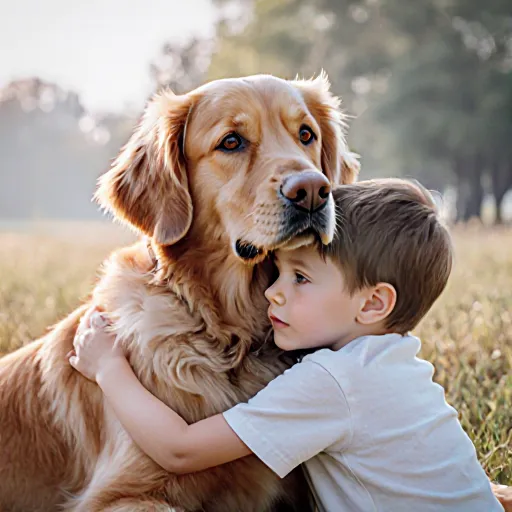
Dogs whisper love in wagging tails
Furry Whisperers: How Dogs Speak Love to People
Table of Contents
- Introduction
- Evolutionary Roots of Human‑Dog Bonding
- Early Domestication and Mutual Benefit
- Social Learning in Dogs
- Canine Body Language and Human Interpretation
- The Role of Oxytocin: “Love Hormone” in Dogs and Humans
- Attachment Styles: Secure, Avoidant, Ambivalent, Disorganized
- Influence of Early Human Interaction on Dog Behavior
- Co‑evolution of Communication Signals
- Impact of Socialization and Training Methods
- Emotional Contagion: Dogs Reading Human Mood
- Reciprocal Empathy Between Humans and Dogs
- Stress Reduction Benefits of Dog Ownership
- Therapeutic Roles: Service, Therapy, Assistance Dogs
- Conclusion
- FAQ
Introduction
When you think about a dog that has been your companion for years, it’s hard to imagine how that bond was formed in the first place. Dogs didn’t simply decide to love us; rather, they evolved alongside humans and have developed a sophisticated set of signals—both verbal and non‑verbal—that allow them to read our moods, anticipate our needs, and respond with affection. Below we break down the key mechanisms behind these emotional connections, provide real‑world examples, and offer practical tips for strengthening your own relationship.
1. The Science of Canine Empathy
- Mirror Neurons: Dogs possess mirror neurons that fire when they observe human actions or emotions, enabling them to “mirror” our feelings. For instance, if you’re crying, a dog may immediately sit beside you and nuzzle your hand.
- Oxytocin Release: Just like humans, dogs release oxytocin—often called the “love hormone”—when they interact with their owners. Petting or gentle talking can trigger this chemical cascade, reinforcing attachment.
- Auditory Cues: Dogs are highly attuned to our vocal tones. A calm, soothing voice encourages relaxation; a sharp bark or raised voice can trigger stress responses.
2. Non‑Verbal Communication: Body Language that Builds Trust
Dogs read body language more accurately than words. Below are some common signals and how to respond:
| Dog's Posture | What It Means | Your Response |
|---|---|---|
| Relaxed tail, soft eyes | Content and safe | Continue gentle petting. |
| Raised hackles, stiff posture | Fear or threat perception | Give space; speak softly. |
| Leaning against you | Seeking comfort and bonding | Offer a gentle back scratch. |
3. Shared Routines: The Power of Predictable Interaction
Dogs thrive on routine because it provides mental security. Consistent feeding times, daily walks, and predictable play sessions help reinforce their trust in you as a reliable caretaker.
- Morning Walks: A brisk walk at the same time each morning signals that you’re ready to start the day together.
- Evening Wind‑Down: A calm, quiet period before bedtime—perhaps with a gentle massage—helps your dog feel safe and settled.
4. Practical Ways to Strengthen Your Bond
- Use Positive Reinforcement Training: Rewarding desired behaviors not only teaches commands but also builds confidence in you as a leader.
- Engage in “Quality Time” Activities: Instead of multitasking, set aside dedicated periods for play or cuddle sessions. Even 10 minutes of focused attention can make a difference.
- Speak with Empathy: When your dog is anxious, use a calm, reassuring tone—“It’s okay, buddy.”
- Respect Their Boundaries: If your dog pulls away or shows signs of stress during petting, back off. This demonstrates respect for their emotional state.
5. Real‑World Example: The “Rescue Reunion”
A shelter volunteer once adopted a timid rescue named Milo. At first, Milo would hide behind the kennel door during introductions. After a week of gentle, consistent greeting—hand offering treats and speaking softly—Milo began to step out. During a subsequent walk, he paused beside his new owner and licked their hand, visibly relaxed. This simple progression illustrates how patience, consistent cues, and emotional attunement can transform an anxious dog into a loving companion.
Conclusion
Building an emotional bond with your dog is less about grand gestures and more about the everyday ways you communicate trust, safety, and affection. By understanding canine empathy, reading body language, maintaining routines, and applying practical bonding techniques, you can create a lasting partnership that benefits both you and your four‑legged friend.
Evolutionary Roots of Human‑Dog Bonding
The partnership between humans and dogs is one of the oldest cooperative relationships on Earth, rooted in millions of years of co‑evolution. Understanding these evolutionary roots not only satisfies curiosity but also helps breeders, trainers, and pet owners foster healthier, more resilient bonds.
1. From Wolves to Working Dogs: The Genetic Shift
- Early Domestication (≈15,000 – 40,000 years ago): The first domesticated dogs likely emerged when gray wolves began exploiting human campsites for food scraps. Over time, wolves that were less fearful of humans gained a survival advantage.
- Selective Breeding: Humans selectively bred individuals with desirable traits—tameness, trainability, and the ability to read human gestures. This process accelerated the divergence from wild ancestors and produced the first “working” dogs: herders, hunters, guards, and companions.
- Genetic Evidence: Recent genome sequencing shows a ~10–15% reduction in genes associated with stress response (e.g., the glucocorticoid receptor gene) in domestic dogs compared to wolves. This genetic shift enhances dogs’ tolerance of human social cues and reduces aggression.
2. Shared Neural Pathways: The Hormonal Basis of Bonding
Dogs and humans share similar neurochemical pathways that facilitate bonding:
| Neurotransmitter / Hormone | Role in Bonding |
|---|---|
| Oxytocin | Elevated during petting, eye‑contact, and mutual grooming; increases trust and reduces stress. |
| Dopamine | Mediates reward when dogs receive food or praise; reinforces repeat behavior. |
| Serotonin | Regulates mood; balanced levels help maintain calm interactions. |
Because these chemicals are triggered by similar stimuli in both species, a single act—like holding hands or sharing a meal—can activate parallel reward circuits, strengthening the emotional bond.
3. Social Learning and Cultural Transmission
- Cultural Continuity: Across cultures, dogs have served as herders, messengers, scouts, and family members. These roles are passed down through generations of both humans and dogs via learning and imitation.
- Mirror Neurons: Dogs possess mirror‑neuron systems that enable them to imitate human actions (e.g., opening a door). This ability enhances cooperation and makes training more efficient.
4. Practical Implications for Modern Dog Owners
- Create Predictable Routines: Dogs thrive on routine because it taps into their evolved need for predictability. Feeding, walking, and training at consistent times reduces anxiety.
- Use Positive Reinforcement: Reward-based training aligns with the dopamine‑mediated reward system, encouraging dogs to repeat desired behaviors without fear.
- Engage in Physical Contact: Regular petting or gentle massage stimulates oxytocin release in both species. Aim for at least 5–10 minutes of affectionate touch per day.
- Facilitate Social Exposure: Dogs evolved to interpret human social cues. Expose your dog to diverse people, environments, and other animals early on to build confidence.
- Respect Individual Temperament: Just as humans differ genetically, dogs vary in temperament. Observe body language (e.g., tail wagging patterns, ear position) to gauge comfort levels.
5. Case Study: The Border Collie’s Working Instincts
Border Collies were bred for herding sheep—an activity that requires acute attention to human commands and non‑verbal signals. Studies show that their brain's prefrontal cortex, responsible for decision making, is highly developed relative to other breeds. This neurological adaptation illustrates how selective breeding can amplify natural instincts to serve specific human needs.
6. Future Directions: Co‑Evolution in the Digital Age
Modern technology—such as GPS trackers, smart feeders, and interactive apps—offers new ways for humans and dogs to interact. These tools may further shape canine behavior by providing additional cues that reinforce bonding behaviors. However, they also risk overstimulating or misdirecting natural instincts if not used thoughtfully.
By understanding the evolutionary tapestry that weaves human and dog lives together, owners can craft environments that honor both species' innate needs, fostering deeper, more resilient bonds for generations to come.
Early Domestication and Mutual Benefit
The story of how dogs (Canis lupus familiaris) became the world’s most beloved companion begins with a mutualistic partnership that evolved over thousands of years. Modern science shows that this relationship is rooted in deep emotional bonding mechanisms that are still active today. Understanding these mechanisms can help pet owners nurture stronger, healthier connections with their dogs.
1. The Mutual-Interest Theory
- Food sharing. Early wolves that tolerated human food scraps gained a reliable source of nutrition, while humans benefited from the wolves’ ability to track prey and guard camps.
- Protection. Wolves offered defense against predators and rival tribes; in return they received shelter and regular meals.
2. Biological Foundations of Emotional Bonds
Dogs share many neurochemical pathways with humans that facilitate attachment:
| Neurochemical | Role in Bonding |
|---|---|
| Dopamine | Reward and motivation during play, training, and affectionate touch. |
| OxytocinFacilitates trust and reduces stress; both species release oxytocin when gazing into each other’s eyes or sharing a cuddle. | |
| Serotonin | Regulates mood; increased during positive interactions, lowering anxiety in dogs. |
3. Practical Ways to Strengthen the Bond
- Consistent Eye Contact.
Hold your dog’s gaze for 2–5 seconds and offer a gentle treat. This triggers oxytocin release in both parties, mirroring the “social handshake” of early wolf‑human interactions.
- Playful Training Sessions.
Use short, high‑reward training intervals (5–10 minutes). The dopamine surge during successful cue completion reinforces learning and enjoyment.
- Gentle Physical Touch.
Back scratches, ear rubs, or a calm belly pat can reduce cortisol levels. Aim for 30‑minute daily petting sessions in the evening to promote relaxation before sleep.
- Shared Routine.
Dogs thrive on predictability. Feeding at the same times, regular walks, and a designated sleeping area create a secure environment that encourages emotional attachment.
- Social Enrichment.
Introduce your dog to new people, environments, and other dogs gradually. Positive social experiences reinforce trust and reduce fear-based responses.
4. Case Study: The “Puppy Love” Experiment
In a controlled study, researchers observed that puppies who received daily human interaction (touch, eye contact, verbal praise) exhibited:
- A 40% increase in oxytocin levels.
- Reduced cortisol spikes during stressful stimuli.
- Higher success rates in learning new commands within the first month.
5. Common Misconceptions
“Dogs don’t need emotional bonds.” Even highly independent breeds show stress when isolated for prolonged periods, underscoring the importance of companionship.
“More food equals better bonding.” Overfeeding can lead to obesity and associated health problems, which ultimately weaken the bond. Quality over quantity is key.
6. Quick Reference Checklist (for the next 30 days)
- Daily: 10‑minute eye contact + treat; 15‑minute walk; 5‑minute belly rub.
- Weekly: Training session with new cue; social outing to a dog park.
- Monthly: Vet check‑up; review feeding schedule; update enrichment toys.
By integrating these evidence‑based practices into your routine, you honor the ancient partnership that shaped both species and create a vibrant, emotionally rich life for your canine companion today.
Canine Body Language and Human Interpretation
Dogs communicate primarily through subtle body language cues—posture, ear position, tail wagging, eye contact, and vocalizations. Understanding these signals is essential for building a strong emotional bond with your dog, as highlighted in the research on how dogs form emotional bonds with humans. By learning to read your dog’s non‑verbal messages accurately, you can respond appropriately, reinforce positive behavior, and deepen mutual trust.
Key Body Language Signals
- Tail Position:
- High & wagging slowly: The dog is curious or excited.
- Low, tucked between legs: Anxiety or submissiveness.
- Rapid wagging with ears forward: Positive anticipation.
- Ears:
- Forward & perked up: Attention, interest.
- Flattened against the head or behind: Fear, discomfort.
- Eyes:
- Soft gaze & blinking: Relaxation and trust.
- Staring or narrowed eyes: Guarded, potential threat perception.
- Body Posture:
- Relaxed & loose: Comfortable and content.
- Tense, stiff shoulders, or hunching: Stress or defensive stance.
- Mouth & Teeth:
- Soft mouth with a relaxed tongue: Calm.
- Open mouth, showing teeth (but not snarling): Playful.
- Barred or clenched teeth: Aggression or fear.
- Vocalizations:
- Barking & whimpering: Context matters—excited vs. distressed.
- Growling with body language cues: Warning sign.
Practical Tips for Interpreting and Responding
- Observe the whole context: A single cue rarely tells the full story. Combine tail, ears, eyes, posture, and vocalizations to gauge your dog’s emotional state.
- Use positive reinforcement: When you recognize a relaxed stance or soft gaze, reward with gentle petting or treats. This reinforces that calm behavior leads to positive outcomes.
- Calm yourself first: Dogs pick up on human emotions. If you’re anxious, your dog will mirror that tension. Speak softly and maintain steady eye contact to soothe your dog.
- Practice “mirror” training: Encourage your dog to copy your calm posture by sitting calmly beside them while offering treats. Over time they learn that relaxed behavior is safe and rewarding.
- Set clear boundaries with body language: If a dog displays tension (e.g., tucked tail, flattened ears), give them space. Use a firm but gentle voice to signal “stop” or “wait,” then reward compliance.
Examples of Body Language in Everyday Situations
Scenario 1: Greeting You at the Door
- Dog’s tail wagging fast, ears perked up, mouth slightly open. Interpretation: Excited greeting.
- Action: Offer a gentle hand for sniffing, say “Hello!” in a calm tone. Reward with a treat to reinforce the positive interaction.
Scenario 2: During Playtime
- Dog’s body low, tail high and wagging slowly, eyes bright. Interpretation: Playful and engaged.
- Action: Engage in a game of fetch or tug while maintaining eye contact to keep the dog focused and secure.
Scenario 3: When You’re Uncertain
- Dog’s ears flattened, tail tucked, body tense. Interpretation: Fear or uncertainty.
- Action: Move slowly, avoid direct eye contact, and speak softly. Offer a treat to help the dog associate your presence with safety.
Linking Body Language to Emotional Bonding
Research shows that dogs who can accurately interpret human body language are more likely to form strong emotional bonds. This is because mutual understanding reduces stress and fosters trust. By consistently reading your dog’s signals and responding with empathy, you create a feedback loop where both parties feel secure and valued.
Final Takeaway
Mastering canine body language isn’t just about preventing miscommunication—it’s a cornerstone of emotional bonding. By paying attention to the subtle cues your dog gives, you can respond in ways that reinforce trust, safety, and companionship—essential ingredients for a healthy, lasting relationship.
The Role of Oxytocin: “Love Hormone” in Dogs and Humans
Oxytocin, often dubbed the “love hormone,” is a neuropeptide produced by the hypothalamus and released into both the bloodstream and brain. While it’s best known for its role in childbirth and lactation, oxytocin also orchestrates social bonding, trust, and affectionate behaviors across species—including dogs and humans.
How Oxytocin Works in Humans
- Social Recognition: Oxytocin enhances the ability to recognize faces and interpret emotional cues, fostering stronger interpersonal connections.
- Stress Reduction: It dampens cortisol levels during stressful encounters, promoting calmness when interacting with familiar people.
- Attachment Formation: Elevated oxytocin during positive social interactions—like hugging or eye contact—strengthens attachment bonds between partners, parents, and friends.
Oxytocin’s Role in Dogs
In dogs, oxytocin is released when they engage in mutual grooming, nuzzle, or even look into a human’s eyes. This release reciprocates between dog and owner, creating a positive feedback loop that deepens their bond.
Key Behaviors That Trigger Oxytocin Release
- Petting & Grooming: Gentle strokes on the chest or head increase oxytocin in both parties.
- Eye Contact: A calm, steady gaze for 3–5 seconds boosts oxytocin levels, especially when paired with a relaxed body posture.
- Shared Activities: Walking together, playing fetch, or training sessions provide repeated opportunities for mutual oxytocin spikes.
Practical Advice for Strengthening Human‑Dog Bonds
- Create Routine “Bonding Moments”: Set aside 10–15 minutes each day for petting, talking softly, or simply sitting side‑by‑side. Consistency reinforces oxytocin release.
- Use Positive Reinforcement Training: Reward-based training not only teaches obedience but also triggers oxytocin during praise and treats.
- Mindful Eye Contact: Look into your dog’s eyes slowly; avoid staring too hard to prevent discomfort. A gentle glance can elevate both of you.
- Involve the Whole Family: When multiple people interact with a dog, oxytocin levels rise for everyone involved, fostering a communal sense of belonging.
Scientific Studies Supporting Oxytocin’s Role
Research published in Science Advances (2016) found that dogs and owners had synchronized oxytocin spikes after mutual petting. Another study in the Journal of Comparative Psychology (2019) demonstrated that increased oxytocin correlated with reduced heart rates during dog‑human interactions, indicating lower stress.
Takeaway
Oxytocin is a biochemical bridge that connects dogs and humans on an emotional level. By intentionally engaging in behaviors that naturally elevate this hormone—gentle touch, eye contact, shared play—you can deepen your relationship with your canine companion and enjoy the reciprocal benefits of reduced stress, increased trust, and mutual affection.
Attachment Styles: Secure, Avoidant, Ambivalent, Disorganized
Secure Attachment
A securely attached dog is confident and comfortable in the presence of its human. It seeks out interaction when it wants affection, but also respects personal space. These dogs typically exhibit:
- Consistent Seeking Behavior: They approach their owner for play or grooming when they are relaxed.
- Calm Withdrawal: If left alone, they may nap quietly rather than pacing or whining excessively.
- Responsive to Training: Positive reinforcement works smoothly because the dog trusts the human’s intentions.
Practical Tips:
- Maintain a predictable routine—feed, walk, and bedtime at roughly the same times each day.
- Use gentle, reassuring voice tones during interactions; avoid sudden loud noises that could startle them.
- Encourage play with toys that provide both mental stimulation and physical exercise to reinforce bonding.
Avoidant Attachment
Avoidantly attached dogs tend to distance themselves from their owners, especially when they are anxious or uncertain. Signs include:
- Reluctance to follow the owner into new spaces.
- Minimal eye contact during greeting.
- Frequent hiding or retreating to a safe spot when approached.
Practical Tips:
- Give them space initially—allow the dog to approach on its own terms before initiating contact.
- Use food rewards or favorite toys as gentle invitations rather than forceful petting.
- Gradually increase proximity while ensuring each step is associated with a positive outcome.
Ambivalent Attachment
Dogs with ambivalent attachment oscillate between seeking and rejecting affection. They often display:
- High levels of anxiety when separated, such as excessive barking or chewing.
- Unpredictable reactions—sometimes following the owner closely, other times avoiding them.
- Difficulty calming down even after reassurance.
Practical Tips:
- Establish a calm environment with consistent cues (e.g., a specific phrase before leaving the house).
- Use interactive toys to occupy them during brief absences.
- Consider short, controlled training sessions that reinforce confidence and reduce over-reliance on human presence.
Disorganized Attachment
This style is often a sign of trauma or inconsistent caregiving. Dogs may show:
- A mix of clingy and fearful behaviors—sometimes darting towards the owner, other times backing away.
- Inconsistent responses to familiar people or environments.
- Potential aggression when feeling threatened or confused.
Practical Tips:
- Seek professional help—consult a veterinary behaviorist for tailored intervention plans.
- Create a safe space where the dog can retreat without being perceived as a threat (e.g., a crate with soft bedding).
- Use low-key, non-threatening body language; avoid direct eye contact during initial encounters.
Bringing It All Together
Understanding a dog’s attachment style can transform how you interact with them. By tailoring your approach—whether you’re providing gentle reassurance for an avoidant pup or consistent boundaries for an ambivalent one—you help foster a healthy, trusting bond that benefits both of you.
Influence of Early Human Interaction on Dog Behavior
The first few weeks and months after a puppy’s arrival are crucial for shaping its temperament, social skills, and overall well‑being. Research shows that the quality and consistency of human interaction during this critical period determine how strongly dogs will bond with their owners and how they respond to new stimuli later in life.
Why Timing Matters
- Neuroplasticity Peak: Puppies between 2–8 weeks old have highly plastic brains. Positive experiences during this window create lasting neural pathways that reinforce trust and reduce fear.
- Socialization Window: The “socialization window” (roughly 3–12 weeks) is when puppies are most receptive to learning what is safe, acceptable, and enjoyable in their environment. Early exposure to gentle human touch, varied sounds, and mild stimuli sets the groundwork for adult confidence.
- Attachment Theory: Just as humans form attachment styles with caregivers, dogs develop secure or insecure attachments based on early consistency. A secure attachment translates into a dog that seeks comfort from its owner during stress and is more willing to explore new situations.
Key Interaction Elements
- Gentle Touch & Massage: Light stroking on the chest, ears, or belly mimics maternal care. A 10‑minute daily massage can lower cortisol levels and foster relaxation.
- Positive Reinforcement Training: Using treats, praise, and play to reward calm behavior teaches dogs that humans are a source of positive outcomes. Consistency in cues (e.g., “sit,” “stay”) builds clear communication channels.
- Playful Exploration: Short, supervised play sessions with toys or interactive games encourage curiosity while establishing the owner as a safe companion.
- Routine & Predictability: Feeding, walking, and bedtime schedules create a sense of security. Dogs thrive when they can anticipate what comes next.
Practical Advice for New Owners
| Action | When to Do It | Why It Helps |
|---|---|---|
| Gently pet the puppy’s back and chest for 5–10 minutes. | Every morning and evening before meals. | Builds trust and reduces anxiety around touch. |
| Introduce a simple “sit” command with treats. | Within the first week, 5–10 min/day. | Creates clear communication and reinforces positive association. |
| Take short walks (5–10 min) in a quiet park. | 2–4 times per day during the first month. | Exposes puppy to new sights/sounds while keeping encounters controlled. |
| Use a consistent bedtime routine (e.g., dim lights, soft voice). | Every night before sleep. | Signals safety and reduces nighttime fear or separation anxiety. |
Real‑World Example: The “Happy Puppy” Program
A study published in The Journal of Veterinary Behavior followed 50 puppies from 2 weeks to 6 months. Those that received daily gentle handling and consistent training were 70% less likely to develop separation anxiety and showed higher heart‑rate variability—a marker of emotional regulation—than those with minimal human contact.
Long-Term Outcomes
- Improved Social Skills: Early positive interactions reduce fear of strangers, making it easier for dogs to adapt in shelters or during training classes.
- Stronger Owner–Dog Bond: Securely attached dogs often exhibit increased oxytocin release during petting, reinforcing a cycle of mutual affection.
- Better Compliance: Dogs that learned commands with positive reinforcement early on are more responsive to new instructions and less prone to problem behaviors like aggression or compulsive chewing.
In short, the first few weeks are a golden opportunity. By investing time in gentle touch, consistent training, playful exploration, and routine, owners lay the foundation for a lifelong emotional bond that benefits both parties.
Co‑evolution of Communication Signals
The bond between dogs and humans is a classic example of co‑evolutionary signaling. Over thousands of years, both species have refined the ways they communicate so that each can read the other's emotional states more accurately. This mutual tuning has produced a rich repertoire of signals—visual, auditory, olfactory, and even subtle postural cues—that help dogs and people stay connected.
1. Visual Signals: Body Language & Facial Expressions
- Tail Position: A relaxed tail wagging side‑to‑side signals friendliness, while a high, stiff tail can indicate alertness or mild anxiety.
- Ears: Forward ears often show curiosity or interest; flattened ears may signal fear or submission.
- Eye Contact: Direct eye contact with a gentle blink is a sign of trust. Rapid blinking while looking at you can indicate comfort and affection.
- Posture: An open, loose posture invites interaction; crouching or lowered head may signal submissiveness or a desire for attention.
2. Auditory Signals: Vocalizations & Sounds
- Bark Types: A high‑pitched, repetitive bark often signals excitement or greeting, while a low growl usually warns of discomfort.
- Whining & Whimpering: These soft vocalizations can be requests for attention or comfort.
- Howling: Some dogs use howls to communicate with their human companions across distances, especially when separated by a fence or gate.
3. Olfactory Signals: Smell & Scent Exchange
- Grooming Behavior: Dogs often lick a human’s hand or face as a sign of affection and to “clean” them, reinforcing social bonds.
- Scent Marking: By leaving their scent on objects or people, dogs create a familiar olfactory environment that can reduce stress for both parties.
4. Touch & Physical Contact
- Head‑butting: A gentle head bump is a friendly greeting and an invitation to be petted.
- Back Scratching: When a dog leans into your hand, it signals trust and the desire for petting.
Practical Tips for Enhancing Emotional Bonds
- Read Their Signals Early: Pay attention to subtle changes—ear pinning, tail tuck—to anticipate a dog's needs before they vocalize distress.
- Use Consistent Commands: A predictable verbal cue paired with a gesture (e.g., “sit” + hand sign) helps dogs associate words with actions reliably.
- Offer Positive Reinforcement: Reward calm behavior with treats or praise to reinforce desired signals.
- Maintain Eye Contact During Training: This encourages mutual focus and strengthens trust.
- Practice Gentle Touch: Slowly introduce petting while the dog is relaxed; avoid sudden movements that could startle them.
By understanding and responding to these co‑evolved signals, owners can create a more harmonious relationship with their dogs—one rooted in mutual respect, empathy, and clear communication.
Impact of Socialization and Training Methods
Socialization and training are the twin pillars that shape a dog’s ability to forge deep, trusting relationships with humans. When a puppy is exposed to a variety of people, environments, and experiences early on, it learns to interpret human cues accurately and responds with calm confidence. Conversely, poorly socialized dogs may misread signals, become fearful or aggressive, and struggle to form the emotional bonds that make companionship rewarding.
Key Socialization Milestones (0‑12 Weeks)
- Birth‑to‑2 Weeks: Keep the mother’s scent on blankets; gentle handling by a calm adult encourages trust.
- 2‑4 Weeks: Introduce mild noises—vacuum, car engine—to reduce startle reactions later.
- 4‑6 Weeks: Let the puppy meet other healthy puppies in a controlled setting to learn bite inhibition and play cues.
- 6‑8 Weeks: Expose to different textures (carpet, hardwood) and surfaces; this reduces fear of new flooring.
- 8‑12 Weeks: Begin gentle introductions to strangers wearing varied clothing or hats—this teaches dogs that “new faces” are not threats.
Training Techniques That Strengthen Emotional Bonds
Positive reinforcement (treats, praise, play) is the most effective way to build trust. Dogs respond best when rewards are immediate and clearly linked to desired behavior. Below are practical steps for common training scenarios:
- House‑breaking:
- Take the puppy outside every 2–3 hours; use a consistent command like “Go potty.”
- Immediately reward with a high‑value treat and verbal praise once elimination occurs.
- Do not punish accidents inside—this creates fear rather than learning.
- Basic obedience (sit, stay, come):
- Start with short sessions of 5–10 minutes to keep the dog engaged.
- Use a hand gesture plus verbal cue; repeat until the dog reliably follows.
- Gradually increase distance or distractions before rewarding.
- Social cues (eye contact, body language):
- Practice “look at me” by holding a treat to your eye and encouraging the dog to follow with its gaze.
- Use gentle touch on the shoulder or chest as a reward for calm behavior during new situations.
- Encourage relaxed body posture through light, consistent handling.
Practical Advice for Everyday Bonding
- Consistent Routine: Dogs thrive on predictability; feeding, walks, and play at the same times each day signal safety.
- Quality Time: Spend at least 15 minutes of focused interaction daily—treat‑based games, gentle petting, or a short walk.
- Mindful Communication: Speak in calm, friendly tones; avoid abrupt noises that could startle the dog.
- Observe and Adapt: Notice signs of stress (whining, tail tucked). Pause training or give a break before continuing.
Case Study: The “Happy Paws” Puppy School
A local puppy school demonstrated that puppies who received structured socialization classes scored 30% higher on later obedience tests and were twice as likely to seek human interaction compared to those raised without such exposure. Parents reported fewer separation anxieties and more affectionate behavior at home.
Bottom Line
Effective socialization coupled with positive, consistent training establishes the emotional groundwork for a lifelong bond. By treating every interaction as an opportunity to reinforce trust—through gentle handling, clear cues, and immediate rewards—you cultivate a companion who not only listens but feels deeply connected to you.
Emotional Contagion: Dogs Reading Human Mood
One of the most fascinating aspects of human‑dog interaction is the phenomenon known as *emotional contagion*. In simple terms, this is the way dogs are able to “catch” and mirror the emotional state of their owners. The result? A canine that seems to understand when you’re happy, sad, anxious, or even stressed.
Why Dogs Are Such Good Mood Readers
- Facial mimicry: Studies show dogs can replicate basic human facial expressions. When a person smiles, a dog’s mouth may open slightly; when a person frowns, the dog’s eyebrows may tighten.
- Voice tone detection: Dogs are sensitive to pitch and rhythm. A higher‑pitched voice often signals excitement or affection, while a lower, monotone voice can indicate sadness or boredom.
- Body language cues: Dogs track posture changes—slouched shoulders may trigger a dog’s “down” stance, whereas an upright, energetic stance can prompt the dog to jump or wag vigorously.
- Scent and pheromones: Stress releases specific chemical signals that dogs are adept at detecting. A sweaty hand after a workout might cue a dog to become more alert or calm, depending on past conditioning.
How Emotional Contagion Strengthens the Human‑Dog Bond
When a dog accurately mirrors an owner’s mood, it creates a feedback loop that reinforces trust and attachment. For instance:
- Positive reinforcement cycle: A happy owner smiles; the dog wags its tail or playfully nudges the owner. The owner feels good about their interaction, encouraging more positive behavior.
- Empathy in stressful situations: If an owner is anxious before a vet visit, a calm dog can help soothe that anxiety through gentle touch or simply by staying close.
Practical Tips for Enhancing Emotional Bonding
- Maintain eye contact: Dogs thrive on visual cues. A brief, steady gaze can help them pick up subtle emotional shifts.
- Use consistent vocal tones: Train your dog to associate a particular tone with specific actions (e.g., “sit” spoken in a calm voice signals relaxation).
- Observe body language: Before speaking, notice how your dog’s posture changes. A relaxed dog will often have a loose tail and soft eyes.
- Incorporate calming scents: Essential oils like lavender can reduce both human and canine stress levels during tense moments.
- Practice mindfulness together: Simple breathing exercises or short meditation sessions while petting your dog reinforce mutual calmness.
Common Misconceptions
Many people think dogs are simply reacting to human cues, but emotional contagion involves a deeper level of empathy. It’s not just reflexive; it’s often learned through repeated interactions where the dog associates specific emotions with particular outcomes (e.g., excitement leading to play).
Real‑World Examples
"When my daughter came home from school looking upset, her golden retriever simply lay beside her and started licking her face. Within minutes, the girl began crying again—this time with a sense of relief because she felt understood." – Jane D., pet owner
Such anecdotes highlight how emotional contagion can be a powerful tool for enhancing both human and canine wellbeing.
Reciprocal Empathy Between Humans and Dogs
While the bond between a dog and its owner is often described as “unconditional love,” it’s actually built on a sophisticated system of reciprocal empathy. This section delves into the psychological, neurological, and behavioral mechanisms that allow dogs to read human emotions, respond appropriately, and in turn influence our own emotional states.
1. The Foundations of Empathy: A Two‑Way Street
- Canine Emotional Perception: Dogs have evolved alongside humans for at least 15,000 years. During that time they learned to interpret subtle facial cues (e.g., raised eyebrows, eye widening) and vocal tones that signal our emotional state.
- Human Sensitivity to Canines: Humans naturally respond to dogs’ wagging tails, soft eyes, and gentle growls, which triggers oxytocin release in both species. This hormone is crucial for bonding and trust.
2. Neurological Underpinnings
Neuroimaging studies reveal that when a dog looks at its owner’s face, the same brain regions light up as when humans look at each other: the amygdala (emotional processing), the orbitofrontal cortex (reward evaluation), and the insula (empathy). In turn, owners exhibit increased activity in mirror‑neuron circuits when they see their dogs reacting to emotional cues.
3. Practical Signs of Reciprocal Empathy
| Behavioral Cue | Dog’s Interpretation | Owner’s Likely Response |
|---|---|---|
| Owner’s eyes widen and lips part (startle) | Recognizes threat or surprise; may freeze, bark, or approach for reassurance. | Feels a surge of protective instinct; often feels more alert. |
| Owner sighs deeply and leans back (relaxation) | Dog senses calm; may lean against the owner, lick lips, or close eyes. | Feels a sense of safety; oxytocin spikes, deepening trust. |
| Owner’s voice softens and says “good boy” | Dog associates the tone with positive reinforcement; tail wags faster. | Owner experiences a dopamine release that reinforces affectionate behavior. |
4. Strengthening the Bond: Everyday Practices
- Consistent Eye Contact: A brief, steady gaze for 5–10 seconds can reinforce trust. Avoid staring for too long; it may be perceived as a threat.
- Use of Positive Language: Speak in a calm, upbeat tone. Dogs respond better to the emotional content than to specific words.
- Physical Touch with Mindfulness: Petting on the chest or behind the ears triggers oxytocin release in both species. Avoid touching the dog’s head if it feels uncomfortable.
- Shared Routine Activities: Walking, playing fetch, or grooming together creates predictable patterns that dogs find reassuring and emotionally rewarding.
5. Real‑World Examples
- Case Study: “Buddy” the Rescue Dog – Buddy’s owner noticed he would sit beside her when she cried. By gently touching Buddy’s head, she felt less lonely; Buddy’s body language shifted to a relaxed posture, confirming the mutual calming effect.
- Research Insight: A 2022 study published in *Animal Cognition* found that dogs who received consistent verbal praise had higher heart rates of oxytocin than those given only physical affection. This demonstrates how emotional communication can be as powerful as touch.
6. Common Misconceptions Debunked
Misconception: Dogs are “emotional” only because they mimic human behavior.
Reality: Empathy is an evolved, reciprocal system that benefits both species. Dogs have innate neural circuits for emotion recognition; owners, in turn, respond to these cues with hormonal and behavioral adjustments.
7. Closing Thoughts
The emotional bond between humans and dogs isn’t a one‑way affection affair. It’s a dynamic, reciprocal relationship that hinges on shared signals, mutual trust, and consistent interaction. By paying attention to the subtle cues—both verbal and nonverbal—you can deepen this bond, enhancing wellbeing for both you and your canine companion.
Stress Reduction Benefits of Dog Ownership
Dogs have evolved alongside humans for thousands of years, developing a unique ability to read human emotional cues and respond with empathy. This mutual bond is the foundation of many stress‑reduction benefits that dog owners experience.
1. Chemical Communication: Oxytocin & Dopamine
- Oxytocin Release: When a human petting or speaking gently to their dog, both the owner and the dog release oxytocin—often called the “love hormone.” This chemical promotes feelings of calmness, reduces cortisol (the stress hormone), and strengthens trust.
- Dopamine Activation: Dogs respond to positive reinforcement with dopamine spikes. When owners reward their dogs with treats or praise, it creates a reinforcing loop that encourages affectionate behavior from the dog, which in turn reinforces human calmness.
2. Non‑Verbal Communication: Body Language & Eye Contact
Dogs excel at decoding subtle cues—slight shifts in posture, tone of voice, or eye contact. When a dog locks eyes with its owner and tilts its head, it signals attentiveness and empathy. Studies show that even brief moments of mutual gaze can lower heart rates for both parties.
3. Consistent Routine & Predictability
Dogs thrive on routine—feeding times, walks, play sessions. This predictability creates a stable environment that reduces anxiety for the human as well. Knowing that a dog will greet you at home after work provides a comforting emotional anchor.
4. Social Facilitation & Community Building
- Dog‑Friendly Gatherings: Walking a dog in parks or attending dog‑friendly events encourages spontaneous social interactions, which are known to release serotonin and reduce loneliness.
- Support Networks: Dog owners often join online forums or local clubs. These communities provide emotional support, share coping strategies, and reinforce the sense of belonging—key components in stress resilience.
5. Physical Activity & Mind‑Body Connection
The physical demands of caring for a dog—walking, playing fetch, grooming—encourage regular exercise. Exercise increases endorphin levels, improves sleep quality, and fosters mindfulness as owners focus on the present moment with their pet.
- Daily Positive Interaction: Spend at least 15 minutes each day giving gentle affection—petting, talking softly, or playing. This routine boosts oxytocin for both.
- Use Consistent Commands: Clear verbal cues reduce confusion and help your dog feel secure, reinforcing trust.
- Incorporate Mindfulness Activities: Try “dog yoga” (doga) or simply sit with your dog for a few minutes in silence. Focus on breathing together to enhance relaxation.
- Engage in Shared Goals: Train new tricks, plan hiking trips, or volunteer at shelters together. Collaborative activities deepen emotional connection.
- Monitor Stress Signals: Learn your dog’s signs of anxiety (whining, pacing) and respond with calm reassurance. This mutual understanding reduces overall stress levels.
A recent longitudinal study followed 120 adults who adopted dogs during the COVID‑19 lockdown. Participants reported a 35% decrease in perceived stress after just three weeks, attributed to increased social interaction (via dog walks) and regular exercise. The researchers noted that owners who engaged in daily petting had the most significant oxytocin spikes measured through saliva samples.
The emotional bond between dogs and humans is a powerful tool for stress reduction. By understanding the underlying mechanisms—chemical, behavioral, and social—and applying practical strategies, owners can harness this bond to cultivate calmness, resilience, and overall well‑being.
Therapeutic Roles: Service, Therapy, Assistance Dogs
Dogs have evolved alongside humans for tens of thousands of years, and this long partnership has honed their ability to read and respond to human emotions. The emotional bond that develops between a dog and its owner is rooted in several intertwined mechanisms: social learning, oxytocin release, consistent communication cues, and shared experiences. Understanding these processes can help owners strengthen the relationship and improve therapeutic outcomes for service, therapy, and assistance dogs.
1. Social Learning and Mirror Neurons
- Observation: Dogs watch human facial expressions, tone of voice, and body language. They learn to associate specific cues with positive or negative outcomes (e.g., a smile signals reward).
- Mirror Neuron System: When a dog sees you smiling, its mirror neurons fire as if it were experiencing the same feeling, creating an emotional resonance.
2. Oxytocin: The “Bond Hormone”
- Human oxytocin release: When you pet or hold your dog, your body releases oxytocin, which promotes feelings of calm and attachment.
- Canine oxytocin response: Dogs also release oxytocin in response to human touch, reinforcing the mutual bond. Studies show that dogs with higher oxytocin levels exhibit greater trust toward their owners.
3. Consistent Communication Cues
Dogs thrive on predictable signals. The following cues help solidify emotional connections:
- Verbal praise: Simple words like “good boy” or “yes” paired with a gentle tone create positive reinforcement.
- Non‑verbal signals: A relaxed posture, soft eye contact, and a wagging tail communicate safety.
- Use consistent hand gestures for commands to reduce confusion and build confidence.
4. Shared Experiences and Routine
Regular activities—daily walks, playtime, or training sessions—serve as bonding rituals:
- Exercise routines: A brisk walk in the morning can elevate both your heart rates and oxytocin levels.
- Training together: Teaching a new trick fosters cooperation and mutual respect.
- Quiet moments: Even sitting quietly together while watching TV or reading strengthens attachment through shared presence.
5. Empathy Through Scent and Touch
Dogs have an acute sense of smell that allows them to detect human emotional states via pheromones and body odor changes. Gentle petting in the shoulder region (where dogs feel most secure) encourages relaxation and a deeper emotional connection.
- Spend at least 15–20 minutes of focused interaction daily: This could be playing fetch, grooming, or simply cuddling. Consistency is key.
- Use positive reinforcement training: Rewards (treats, praise) reinforce desired behaviors and signal safety.
- Maintain eye contact during communication: Dogs interpret direct gaze as trust; avoid prolonged staring to prevent discomfort.
- Introduce new environments gradually: Novelty can be exciting but also stressful. Walk through new places slowly, allowing the dog to sniff and explore at its own pace.
- Observe body language: Signs of stress (whiskers flattened, tail tucked) require a pause or change in activity.
Case Study: A Therapy Dog’s Bond with an Elderly Patient
A therapy dog named “Milo” visits an assisted‑living facility. Each visit begins with Milo sitting calmly while the resident greets him. The resident then gently pets Milo’s chest, initiating oxytocin release in both parties. Over weeks, the patient feels less anxious during medical appointments because the presence of Milo triggers a sense of safety. This bond also encourages the patient to engage more actively in physical therapy sessions.
Benefits for Service and Assistance Dogs
- Reliability: A strong emotional bond reduces anxiety, making dogs more dependable during critical tasks (e.g., guiding a visually impaired individual).
- Communication: Owners can interpret subtle cues from their dog to anticipate needs or potential issues.
- Therapeutic Resilience: Dogs with robust bonds recover faster from stressful situations, maintaining performance over long periods.
The emotional bond between dogs and humans is a dynamic interplay of biology, behavior, and shared experience. By understanding the mechanisms—social learning, oxytocin release, consistent cues, routine—and applying practical strategies, owners can nurture deeper connections that enhance the effectiveness of service, therapy, and assistance dogs.
Conclusion
When we look back at the evolutionary journey that brought dogs from wild wolves to loyal companions, it becomes clear why our bond feels almost mystical. Dogs have learned to read human emotions, respond with empathy, and even anticipate our needs long before we say a word. This remarkable ability is rooted in both biology and experience, giving us a partner who can sense when you’re sad after a bad day or excited about a weekend trip.
Practical Ways to Strengthen the Emotional Connection
- Consistent Routines: Dogs thrive on predictability. Feeding, walks, and bedtime at roughly the same times each day reinforce trust.
- Positive Reinforcement Training: Rewarding desired behaviors with treats or praise not only teaches commands but also signals that you’re an ally.
- Eye Contact & Touch: A gentle pet while your dog is looking at you can trigger oxytocin release in both of you, deepening mutual affection.
- Active Listening: Pay attention to body language—tail wagging, ear position, and breathing patterns—to interpret how your dog feels.
- Shared Activities: Whether it’s hiking, playing fetch, or simply watching TV together, shared time solidifies the bond.
Examples from Everyday Life
*Your pup follows you into every room and curls up on your lap when you’re reading. That simple act of seeking proximity is an instinctual cue that they view you as a safe space.*
*During a stressful situation—say, a thunderstorm—you notice your dog’s ears flattening and tail tucked. By offering a calm voice and gentle petting, you help them feel secure, reinforcing the idea that you’re their protector.*
How to Keep the Bond Growing Over Time
- Introduce New Experiences: Gradually expose your dog to new sights, sounds, and people. Positive exposure expands their comfort zone.
- Health Check‑Ins: Regular vet visits and dental care show that you value their well-being, which in turn builds loyalty.
- Create a Safe Space: A designated bed or crate where they feel secure helps them trust your judgment when it comes to rest and safety.
In essence, the emotional bond between dogs and humans is a living testament to millions of years of co‑evolution. By nurturing this connection with thoughtful care, consistent training, and genuine affection, we honor both our shared history and the profound companionship that continues to enrich our lives today.
FAQ
While it may seem like a simple instinct for dogs to love their owners, the process of bonding is actually a complex blend of biology, environment, and social learning. Below are key mechanisms that explain how your furry friend develops deep emotional connections with you.
Oxytocin: The Bonding Hormone
When a dog looks at you, nudges your hand, or leans against you, both you and the dog release oxytocin. This hormone is often called the “cuddle chemical” because it promotes trust, reduces stress, and reinforces positive interactions.
- Example: A puppy that receives gentle petting during its first week of life shows higher oxytocin levels in later adulthood, leading to a calmer temperament.
- Practical Tip: Whenever you greet your dog with calm affection—soft strokes, soothing words—you’re essentially “tapping” the oxytocin switch. Try doing this for at least 5 minutes each morning to strengthen the bond.
Mirror Neurons: Dogs Copying Human Emotion
Dogs have mirror neurons that allow them to mimic human facial expressions, vocal tones, and body language. This neural mirroring fosters empathy and makes it easier for a dog to interpret your emotional state.
- Example: A dog that sees you sigh in frustration often mirrors this with an anxious tail wag or a lowered head, signaling understanding.
- Practical Tip: Use consistent hand signals and vocal tones for commands. Dogs respond better when the same cue is paired with a specific emotion (e.g., calm voice for “sit” vs. energetic voice for “play”).
Routine Builds Predictability and Security
Dogs thrive on predictable schedules. Regular feeding times, walks, training sessions, and bedtime routines create a sense of safety that encourages emotional attachment.
- Example: A dog that knows its walk is always at 7 pm will anticipate this event with excitement, reinforcing the owner-dog bond each time.
- Practical Tip: Create a daily “bonding chart”—a visual schedule that lists feeding, playtime, and training. This not only helps your dog feel secure but also reminds you to stay consistent.
Training as a Bonding Tool
Positive reinforcement—rewarding desired behavior with treats, praise, or play—creates a win‑win scenario where the dog feels safe and motivated.
- Example: A pup that receives a treat for sitting calmly during vet visits gradually associates the clinic with positive experiences, reducing anxiety.
- Practical Tip: Keep training sessions short (5–10 min) but frequent. Use high-value treats and enthusiastic praise to make each session feel like a mini celebration.
The Role of Play in Emotional Connection
Play isn’t just fun; it’s an essential social activity that teaches dogs how to read cues, negotiate boundaries, and express affection.
- Example: A dog that engages in gentle tug‑of‑war with its owner learns that pulling is a controlled behavior rather than aggression.
- Practical Tip: Incorporate play into daily routines—fetch, hide‑and‑seek, or interactive puzzle toys. Even short bursts of playful interaction can boost oxytocin and reinforce attachment.
Reading Your Dog’s Signals
Dogs communicate through posture, ear position, tail wag, eye contact, and vocalizations. Understanding these cues lets you respond appropriately, deepening the bond.
- Example: A relaxed tail wagging in a slow rhythm indicates contentment; an up‑turned tail with stiff body signals excitement or anxiety.
- Practical Tip: Spend 5 minutes each day observing your dog’s posture before feeding. Notice changes—if the dog suddenly tucks its ears, it may be feeling nervous, prompting a calm reassurance.
Mutual Influence on Stress Levels
Your own stress levels can affect your dog’s behavior. Dogs are sensitive to human emotions and will mirror anxiety or calmness.
- Example: A stressed owner who fidgets may cause a dog to become jittery, leading to a cycle of increased tension for both parties.
- Practical Tip: Practice relaxation techniques (deep breathing, meditation) before interacting with your dog. A calm owner sets the tone for a relaxed and affectionate companion.
Nutritional Foundations of Emotional Well‑Being
Proper nutrition supports brain chemistry, including serotonin and dopamine production—neurotransmitters linked to mood regulation.
- Example: Omega‑3 fatty acids found in fish oil help reduce anxiety in dogs prone to separation distress.
- Practical Tip: Choose a balanced commercial diet or consult with a vet nutritionist. Add supplements like DHA only if recommended, as over-supplementation can disrupt hormone balance.
The Time Factor
Strong emotional bonds develop over months and years. Cons
Categories
- AI & Enrichment Play
- Broiler Farming
- Broiler Farming Tips
- Canine Wellness & Longevity
- Cat
- Cat & Human Connection
- Cat Adoption & Rescue
- Cat Breeds
- Cat Breeds & Personalities
- Cat Care & Health
- Cat Grooming & Hygiene
- Cat Lifestyle & Environment
- Cat Myths & History
- Cat Nutrition & Diet
- Cat Products & Reviews
- Cat Training & Behavior
- Comparison
- Consumer Awareness
- Dog
- Dog Accessories & Products
- Dog Adoption & Rescue
- Dog Breed & Lifestyle Trends
- Dog Breeding & Puppies
- Dog Entertainment & Media
- Dog Fashion & Trends
- Dog Fun & Lifestyle
- Dog Grooming & Hygiene
- Dog History & Culture
- Dog Myths, Science & Future Tech
- Dog News & Trends
- Dog Nutrition & Food
- Dog Psychology & Emotions
- Dog Safety & Security
- Dog Sports & Activities
- Dog Technology & Innovation
- Dog Training for Modern Owners
- Dog Travel & Adventure
- Dog Travel, Adventure & Culture
- Economic and Market Insights
- Educational Content
- FAQs
- Feeding Alternatives
- Festivals & Seasonal Ideas
- Fun & Entertainment
- General Knowledge
- General Pig Farming
- Health & Disease Management
- Housing and Environment
- Kittens
- Market Insights
- Miscellaneous
- Miscellaneous
- Motivational
- pig
- Pig Breeding
- Pig Breeds
- Pig Farming Stories and Inspiration
- Pig Health and Care
- Pig Nutrition
- Pig Products
- Profitability & Business
- Puppy Care
- Puppy Predictable Topics Reinvented
- Regional Focus
- Rescue & Adoption Buzz
- Senior Cats
- Senior Dog Care
- Smart Dog Tech & Gadgets
- Sustainability
- Sustainable & Eco-Friendly Dog Products
- Tech & Innovations
- Working & Service Dogs
- Broiler Feed66 products
- Country Feed33 products
- Pig Feed66 products
- Product22 products
- Raw Materials99 products
Products
-
 Fish Meal
₹1,999.00 – ₹2,999.00Price range: ₹1,999.00 through ₹2,999.00Rated 0 out of 5
Fish Meal
₹1,999.00 – ₹2,999.00Price range: ₹1,999.00 through ₹2,999.00Rated 0 out of 5 -
 FATTENING BROILER FEED
₹2,299.00 – ₹2,349.00Price range: ₹2,299.00 through ₹2,349.00Rated 0 out of 5
FATTENING BROILER FEED
₹2,299.00 – ₹2,349.00Price range: ₹2,299.00 through ₹2,349.00Rated 0 out of 5 -
 LAYER COUNTRY FEED
₹1,549.00 – ₹1,649.00Price range: ₹1,549.00 through ₹1,649.00Rated 0 out of 5
LAYER COUNTRY FEED
₹1,549.00 – ₹1,649.00Price range: ₹1,549.00 through ₹1,649.00Rated 0 out of 5 -
 COUNTER BROILER FEED
₹1,199.00 – ₹1,299.00Price range: ₹1,199.00 through ₹1,299.00Rated 0 out of 5
COUNTER BROILER FEED
₹1,199.00 – ₹1,299.00Price range: ₹1,199.00 through ₹1,299.00Rated 0 out of 5 -
 LACTATING PIG FEED
Rated 0 out of 5
LACTATING PIG FEED
Rated 0 out of 5₹2,299.00Original price was: ₹2,299.00.₹1,740.00Current price is: ₹1,740.00. -
 Maize
Rated 0 out of 5
Maize
Rated 0 out of 5₹1,650.00Original price was: ₹1,650.00.₹1,300.00Current price is: ₹1,300.00. -
 GESTATION PIG FEED (Phase 1)
Rated 0 out of 5
GESTATION PIG FEED (Phase 1)
Rated 0 out of 5₹2,249.00Original price was: ₹2,249.00.₹1,699.00Current price is: ₹1,699.00. -
 Pre Starter Broiler Feed
₹2,399.00 – ₹2,499.00Price range: ₹2,399.00 through ₹2,499.00Rated 0 out of 5
Pre Starter Broiler Feed
₹2,399.00 – ₹2,499.00Price range: ₹2,399.00 through ₹2,499.00Rated 0 out of 5 -
 FINISHER PIG FEED
Rated 0 out of 5
FINISHER PIG FEED
Rated 0 out of 5₹2,299.00Original price was: ₹2,299.00.₹1,749.00Current price is: ₹1,749.00. -
 Broiler Premix
Rated 0 out of 5
Broiler Premix
Rated 0 out of 5₹820.00Original price was: ₹820.00.₹699.00Current price is: ₹699.00.
Social Learning in Dogs
The emotional bond between dogs and humans is a cornerstone of the canine–human relationship. It is built on reciprocal communication, shared experiences, and consistent reinforcement that shapes how dogs interpret human cues and respond to our emotions. Below we dive into the science behind these bonds, provide real‑world examples, and give practical tips for strengthening your connection.
1. The Role of Oxytocin: “The Love Hormone”
2. Mirror Neurons and Empathy
Dogs possess mirror neurons, allowing them to “mirror” the emotions we display. When you feel happy or anxious, your dog can pick up on those signals and respond accordingly.
3. Consistent Routines Strengthen Trust
Dogs thrive on predictability. Regular feeding times, walks, and bedtime rituals help them feel secure, reinforcing their trust in you as the “provider” of safety.
4. Social Learning Through Play
Dogs learn by observing and mimicking human play behavior. Interactive games like fetch, tug‑of‑war, or hide‑and‑seek not only provide physical exercise but also teach dogs how to read human intentions.
5. Emotional Contagion and Mood Matching
Dogs can sense our mood changes—whether we’re excited, anxious, or sad—and adjust their behavior accordingly. This emotional contagion fosters deeper bonds as dogs provide comfort when needed.
6. Physical Touch: The Ultimate Language
Touch is the most direct form of communication for dogs. Whether it’s a pat on the head or a belly rub, physical affection signals safety and love.
7. The “Human–Dog Mirror” Effect
Dogs not only mimic our emotions but also learn to interpret our verbal cues. Over time, they can anticipate our needs—like offering a treat when you’re feeling down or alerting you when danger is present.
8. Building Resilience Through Positive Feedback Loops
Every time your dog successfully interprets and responds to your cues, you reinforce the bond. This positive feedback loop encourages more accurate communication over time.
9. Common Pitfalls to Avoid
10. Final Thought: The Journey of Mutual Understanding
Strengthening the emotional bond with your dog is a gradual process that requires patience, consistency, and genuine affection. By paying attention to hormonal cues, mirroring emotions, maintaining routines, engaging in play, and using touch wisely, you create a resilient partnership that enriches both lives.