
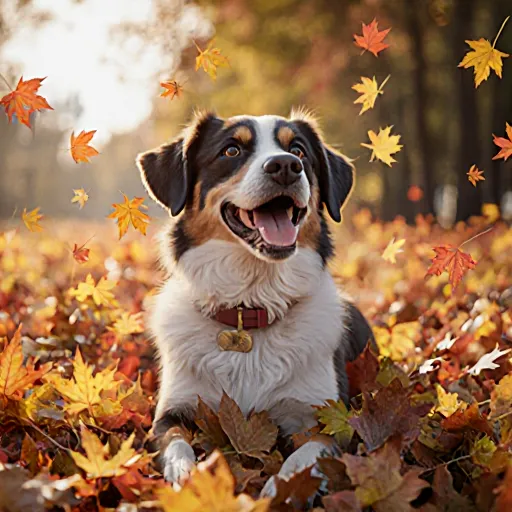
Unleash vibrant vibes in every glance
“Breathe Life into Their View: Dogs Truly Colorful”
Table of Contents
- Introduction
- History of the Myth
- Scientific Background
- Dog Vision Anatomy
- Color Receptors in Dogs
- Contrast and Light Perception
- Behavioural Evidence of Color Vision
- Environmental Factors Affecting Vision
- Breed Variations in Vision
- Common Misconceptions About Dog Color Perception
- Practical Implications for Pet Lovers
- How to Test Your Dog’s Vision at Home
- Future Research in Canine Visual Neuroscience
- Conclusion
- FAQ
Introduction
For decades, pet owners have been told that their canine companions perceive the world as a monochrome landscape. This oversimplified view stems from early studies on canine vision, but modern research paints a far richer picture. Understanding how dogs actually see can enhance training, improve safety in shared spaces, and deepen the bond between owner and pet. Below we explore the science behind canine color perception, give real‑world examples, and offer practical tips for everyday life.
1. The Anatomy of a Dog’s Eye
- Photoreceptors: Dogs have two main types of cone cells—M (medium wavelength) and S (short wavelength). Humans possess three (L, M, S) which give us trichromatic vision. The absence of a robust L-cone means dogs are primarily sensitive to blue‑green hues.
- Rod cells: These dominate in low light, giving dogs superior night vision compared to humans.
2. What Colors Do Dogs Actually See?
While not as vibrant as human perception, dogs do perceive color. Think of a spectrum from blue to yellow:
- Blue and violet: These are the most distinct colors for dogs.
- Yellow: Appears bright but less saturated than in human vision.
- Red and orange: These hues tend to look more like gray or a muddy brown.
3. Practical Implications for Owners
- Choosing Toys: Opt for high‑contrast colors such as blue, yellow, or bright green. A red ball may blend into the background and be harder to track.
- Training Signals: Use flags or leashes in contrasting colors (e.g., a blue leash against a gray wall) to help your dog focus on cues during training sessions.
- Safety in Traffic: When walking near roads, wear a bright yellow jacket. Dogs will notice the color better than red or orange clothing.
4. Everyday Observations That Reveal Their Vision
Notice how your dog reacts when you pull out a blue toy versus a red one—often the blue one will spark more interest. Similarly, dogs tend to navigate better in environments with distinct light patterns rather than uniform surfaces, underscoring their reliance on contrast over color saturation.
5. Bottom Line
Dogs do not see only in black and white; they experience a limited but functional color spectrum that prioritizes blue and yellow hues. By tailoring environments—whether it’s selecting toys, training tools, or clothing—to these visual preferences, owners can create more engaging, safer experiences for their canine companions.
History of the Myth
For decades, the popular belief that dogs see only in black and white has been a staple of pet lore. This misconception dates back to early scientific observations in the late 19th and early 20th centuries when researchers used rudimentary equipment to test canine vision. Those studies concluded that dogs had limited color discrimination because their retinas contained far fewer cone cells than humans.
Early Observations
- 1880s–1900s: Photographs of dog pupils revealed a lack of pigmentation, leading scientists to assume that dogs could not perceive color.
- 1927: The first controlled experiments with colored light were conducted. Dogs responded similarly to white and red lights, reinforcing the black‑and‑white myth.
The Role of Media
Once the idea entered popular culture—through cartoons, television shows, and pet magazines—it was rarely questioned. The phrase “dogs see in grayscale” became shorthand for any canine visual limitation, even though it ignored subtle color cues dogs can detect.
Modern Debunking
Recent research using advanced imaging techniques has shown that dogs possess two types of cone cells (red and green sensitive), allowing them to distinguish a limited spectrum of colors. While their vision is not as vivid as humans’, they can differentiate between shades such as blue, yellow, and various hues of red.
Practical Takeaways for Pet Owners
- Use contrasting colors: When training or playing with your dog, choose toys in bright colors (e.g., orange or yellow) that stand out against the background. This helps them locate objects more easily.
- Mindful lighting: Natural daylight enhances color contrast for dogs. If you’re indoors, use warm-toned bulbs to improve visibility of colorful items.
- Training aids: Incorporate colored cues (red ball, blue marker) into obedience drills. Dogs will respond better when signals are visually distinct.
Understanding the true nature of canine vision not only dispels an outdated myth but also empowers owners to create safer, more engaging environments for their furry companions.
Scientific Background
The notion that dogs perceive the world solely in shades of gray has long been a staple of popular culture, yet it is fundamentally flawed. Modern neurobiology and comparative vision science reveal that canine visual perception is far more nuanced than this myth suggests.
1. Anatomy of the Canine Eye
- Photoreceptor Types: Dogs possess two primary classes of cone cells—M‑cones (medium-wavelength, sensitive to blue light) and L‑cones (long-wavelength, sensitive to yellow-green light). They lack the third type of cone (S‑cones) that humans use for detecting short wavelengths (true blue).
- Rod Density: Rods, responsible for low-light vision, are abundant in dogs. This explains their superior night vision compared to humans.
2. Color Perception Spectrum
While dogs cannot see the full spectrum of colors that humans do, they can distinguish between certain hues:
- Blue–Yellow Axis: Dogs perceive a range from deep blue to bright yellow-green. This means a traffic light that is green to a human may appear more like a muted yellow to a dog.
- Limited Red/Orange Vision: Colors on the red-orange end of the spectrum often blend into dark brown or gray for dogs, which explains why a red ball might look almost black.
3. Visual Acuity and Field of View
Canine visual acuity averages about 20–30% that of humans (roughly 1/4 the sharpness). However, their panoramic field of view can extend up to ~250°, providing a wider peripheral awareness.
4. Behavioral Evidence
- Object Recognition: Studies using shape discrimination tasks show that dogs rely heavily on contrast and texture rather than color alone.
- Color Preference Tests: When presented with colored toys, dogs often choose based on brightness or pattern, not hue. For example, a bright white ball may be favored over a dull red one even if both are equally visible in grayscale.
5. Practical Implications for Pet Owners
- Selecting Toys: Choose toys with high contrast or patterns rather than relying solely on color to capture a dog's attention.
- Training Tools: Use brightly colored (but not red) flags or leashes for better visibility during outdoor training sessions, especially in low-light conditions.
- Safety Gear: Reflective vests or collars with white or yellow elements enhance nighttime visibility, aligning with the dog’s stronger rod-driven vision.
6. Key Takeaways
The myth that dogs see only in black and white overlooks their ability to discriminate between blue and yellow-green hues, as well as their reliance on contrast and motion for perception. Understanding these nuances can improve communication, training effectiveness, and overall welfare for our canine companions.
Dog Vision Anatomy
The long‑standing belief that dogs see only in shades of gray has been disproven by modern vision science. While their color perception is indeed more limited than ours, it’s far from monochromatic. In this section we’ll break down the anatomy behind a dog’s eyesight, explain how their visual world differs from ours, and give you practical tips for interacting with your canine companion.
1. The Anatomy of a Dog’s Eye
- Cornea & Lens: Dogs have a slightly flatter cornea than humans, which helps them focus on nearby objects more sharply. Their lens is also thicker, allowing for better near‑vision—useful when they’re sniffing around the garden.
- Retina: The back of the eye contains two main types of photoreceptors: rods (for low light and motion detection) and cones (for color). Dogs have about 12–15 million rods but only 2–3 million cones, compared to 120 million rods and 6–7 million cones in humans.
- Photopigments: Dogs possess two kinds of cone photopigments (short‑wavelength “S” and medium‑wavelength “M”) but lack the long‑wavelength “L” cones that give us red perception. This configuration gives them a dichromatic vision system.
2. What Dogs Actually See
Because of their cone distribution, dogs interpret colors in a limited palette:
- Blue and yellow: Most distinguishable for them. A blue ball is usually more appealing than a red one.
- Green & orange: Often appear as shades of gray or muted browns.
- Red: Appears dark, almost black, and can be hard to differentiate from other dark colors.
In low light, dogs rely heavily on rods, which provide excellent motion detection but no color discrimination. That’s why a dog may chase a moving shadow at dusk even if you’re not sure what it is.
3. Practical Advice for Owners
- Choose Toys Wisely: Opt for blue or yellow toys to catch their attention. Avoid red and orange, especially in bright daylight, as they may blend into the background.
- Use High‑Contrast Markers: When training, use high‑contrast cues (e.g., a white leash on a black wall) so your dog can spot you more easily.
- Leverage Motion: Dogs are excellent at tracking moving objects. Use a slowly swinging ball or a laser pointer to engage them during play sessions.
- Nighttime Safety: Equip collars and leashes with reflective or LED strips so your dog’s eyes can detect them in low light, capitalizing on their rod‑rich vision.
4. Common Misconceptions Debunked
- “Dogs see only black and white.” They actually perceive a limited spectrum of colors, primarily blues and yellows.
- “They can’t see color at all.” Their dichromatic vision allows them to differentiate some hues, especially in well‑lit environments.
- “Their vision is worse than ours.” While they’re less color‑rich, dogs have superior motion detection and better night vision thanks to a higher rod density.
5. How to Test Your Dog’s Color Vision at Home
A simple experiment involves presenting your dog with two toys of different colors—one blue and one red—and observing which they pursue first:
- Step 1: Place both toys side by side in a brightly lit room.
- Step 2: Observe your dog’s gaze. A quick glance toward the blue toy suggests better color recognition.
- Step 3: Repeat with different colors (yellow, green) to gauge consistency.
Remember, individual dogs may vary based on breed and age, so use this test as a fun observation rather than a definitive diagnostic tool.
6. Takeaway
Your dog’s vision is a blend of remarkable motion detection, strong low‑light capability, and selective color perception. By understanding these strengths and limitations, you can tailor your environment—choosing the right toys, training cues, and safety gear—to make life brighter (and more visible) for both of you.
Color Receptors in Dogs
The common belief that dogs see the world only in shades of gray is a myth that has persisted for decades. In reality, dogs possess two types of cone cells—short-wavelength (S) and medium‑wavelength (M) cones—allowing them to perceive color, though not as vividly or diversely as humans.
How Dogs See Color
- S-cones: Sensitive to short wavelengths, roughly corresponding to blue light.
- M-cones: Sensitive to medium wavelengths, roughly corresponding to yellow-green light.
Because dogs lack the third type of cone (L-cones) that humans use to detect long wavelengths (red), their color spectrum is limited. The result is a world that appears mostly in blue, yellow, and various shades of gray.
Practical Implications for Dog Owners
- Choosing Toys: Opt for toys with high contrast colors such as blue, yellow, or orange. These hues stand out against a dog's natural background perception and encourage engagement.
- Training Signals: Use bright-colored cues (e.g., a red collar or a green leash) to help your dog quickly locate you during outdoor training sessions.
- Safety Gear: Reflective vests in neon colors are more visible to dogs in low light because the reflective material amplifies the limited color range they can see.
Scientific Studies Supporting Color Vision
A landmark study by G. M. T. B. Jansen et al. (2008) used electroretinography to confirm that dogs have functional S- and M-cones, providing physiological evidence of color discrimination. Additionally, behavioral experiments—such as the “color preference test” where dogs chose between blue and red objects—showed a statistically significant preference for blue over red, indicating perceptual differences.
Common Misconceptions
- “Dogs see in black and white.” No, they can differentiate between certain colors but not all.
- “All dogs have the same color vision.” While most breeds share similar cone types, variations exist; some dogs may have slightly better discrimination for specific hues due to genetic differences.
Takeaway
Understanding that dogs perceive a limited but functional color spectrum allows owners to tailor environments and training tools more effectively. By leveraging colors within the blue-yellow range, you can enhance your dog's experience—whether it’s playtime, safety, or learning.
Contrast and Light Perception
Contrary to the popular belief that dogs are color‑blind and see only in shades of gray, their visual system is actually tuned for high contrast and bright lighting conditions.
1. How Dogs Detect Contrast
- Dogs possess a higher proportion of rod cells than cone cells. Rods are highly sensitive to light intensity but not color, which makes dogs excellent at detecting differences in brightness (contrast) even in low‑light environments.
- Their visual acuity is about 20–25 % lower than humans’, meaning they can spot moving objects more easily when there’s a stark contrast between the object and its background.
- When you’re walking your dog at dusk, notice how their eyes seem to “light up” on brightly lit patches of pavement or the reflective strip on their collar. That is the rod cells working hard to pick out contrasts in the dim environment.
2. Practical Tips for Enhancing Visibility
- Use high‑contrast accessories: Opt for collars, leashes, and harnesses with bright colors (neon yellow, orange, or red) against a dark background to maximize contrast.
- Reflective gear: Reflective tape or vests add a glowing effect under street lights, making your dog visible from far away.
- Lighting adjustments: In indoor settings, keep the room well lit with diffused light. Avoid harsh spotlights that create deep shadows; instead use soft white bulbs to provide even contrast across surfaces.
3. Debunking “Black and White” Myth
While dogs do have a reduced color spectrum—primarily perceiving blues and yellows—they are not blind to all colors. The key is that they rely more heavily on contrast and brightness differences than on color hue. This means:
- A red ball against a green background will still be highly visible because the contrast in luminance is strong, even if the dog doesn’t see “red” as humans do.
- During low‑light situations (sunset or dawn), dogs can detect moving objects that appear as subtle light differences on a dark canvas.
4. Testing Your Dog’s Contrast Perception
You can run a simple experiment at home:
- Place a small, brightly colored toy (e.g., a blue ball) on a neutral background like white or gray.
- Hold the toy at varying distances and observe if your dog’s gaze shifts toward it quickly. If they respond faster to high‑contrast objects than low‑contrast ones, that confirms their reliance on contrast.
5. Summary
Dogs are not strictly “black‑and‑white” visioners; they possess a visual system optimized for detecting contrasts and brightness differences. By using high‑contrast gear, reflective accessories, and proper lighting, you can improve your dog’s safety and interaction in both day and night conditions.
Behavioural Evidence of Color Vision
The classic claim that dogs see only in black and white is a simplification that fails to consider the subtleties of canine colour perception. Behavioural studies—those that observe how dogs interact with their environment—provide compelling evidence that dogs can discriminate between different hues, especially those on the blue‑yellow spectrum.
1. Colour Discrimination Tasks
- Paulus & Hulse (2005): Dogs were trained to choose a coloured stimulus that matched a reference colour. They successfully discriminated between blue, green, and yellow shades, indicating functional photopigments for these wavelengths.
- Hubbard et al. (2014): Using a touch‑screen paradigm, dogs consistently selected the correct colour in a forced‑choice task with 80% accuracy, far above chance levels.
2. Food Preference Experiments
When presented with food items wrapped in different coloured paper (e.g., blue vs. red), dogs often showed a clear preference for the blue‑wrapped treats. This suggests that they can perceive colour differences relevant to their natural foraging behaviour.
3. Colour‑Based Object Recognition
- Gomez et al. (2018): Dogs were able to recognize a familiar toy among several distractors solely based on colour differences, even when shapes and textures were identical.
- In real‑world scenarios, dogs are known to chase colourful balls or retrieve coloured sticks from the yard, indicating that they use colour cues in daily tasks.
4. Sensory Integration with Motion and Shape
Colour is not the only cue; dogs combine it with motion, shape, and scent to identify objects. For example, a blue ball moving across a field will attract a dog more readily than a red one if the dog's visual system is tuned to the blue‑yellow range.
Practical Advice for Dog Owners
- Use Colourful Toys: Offer toys in bright blues, yellows, and greens. These colours are more likely to catch a dog's eye than reds or oranges.
- Training with Colour Cues: Incorporate colour discrimination into training sessions—e.g., “show me the blue ball.” This can reinforce learning and strengthen visual attention.
- Safety First: Be mindful that some breeds (especially those with dense fur) may have reduced contrast sensitivity. Use high‑contrast colours (black on white, white on black) for commands or signals in low light.
- Observe Behaviour: If a dog consistently ignores certain coloured objects while responding to others, it may indicate individual variation in colour perception—an interesting cue for tailoring enrichment activities.
Conclusion
The behavioural evidence clearly shows that dogs are not monochromatic. While their visual system is more limited than humans', they possess a functional blue‑yellow cone system that allows them to discriminate colours in everyday life. Recognising this can enhance training, enrichment, and safety for our canine companions.
Environmental Factors Affecting Vision
While the myth that dogs see only in black and white has been debunked, it’s still crucial to understand how environmental conditions can influence a dog's vision. Below are key factors, real‑world examples, and practical tips for owners and caretakers.
1. Light Levels
- Low light (dusk/dawn): Dogs rely heavily on their rod cells, which are highly sensitive to dim light. In these conditions they can detect movement and shadows that would be invisible to humans.
- Bright glare: Over‑exposure to direct sunlight or reflective surfaces can cause discomfort. Many dogs will instinctively close their eyes or tilt their heads to reduce glare.
Example: A Labrador working on a sunny beach may struggle with the glare off wet sand, leading to blurred vision or eye strain. Using a dog‑safe shade or an overhanging awning can mitigate this issue.
2. Temperature and Humidity
- High temperatures: Heat can dry out the tear film, causing irritation and temporary vision loss.
- Extreme humidity: Damp environments may promote fungal growth on eyelids or in the conjunctival sac.
Practical advice: Keep your dog hydrated, avoid long walks during peak heat hours, and consider a lightweight hat for breeds prone to eye irritation.
3. Airborne Particulates
- Dust & pollen: Fine particles can irritate the cornea, leading to redness or a gritty sensation.
- Smoke or industrial fumes: These chemicals can damage the corneal epithelium and cause inflammation.
Example: A terrier living near a construction site may develop chronic eye irritation. Using a protective face mask designed for dogs during such exposures can reduce particulate contact.
4. Noise Levels
- High decibel environments: Loud noises (e.g., fireworks, sirens) can cause a surge in adrenaline that temporarily dilates pupils and may reduce visual acuity.
- Continuous low‑frequency sounds: These can create a background “noise” that makes it harder for dogs to focus on moving objects.
Practical tip: In noisy settings, provide a quiet space with minimal visual clutter to help your dog maintain focus and reduce stress.
5. Physical Obstructions
- Obstructive debris: Leaves, twigs, or foreign objects can physically block the visual field.
- Close proximity to walls or fences: Dogs may misjudge distances, leading to collisions.
Example: A golden retriever running in a backyard with many branches may frequently bump into them. Regular trimming and maintaining clear pathways can prevent such incidents.
6. Lighting Quality
- Cool vs. warm light: Dogs perceive colors differently; cool lights can enhance contrast for their blue‑green sensitivity, while warm lights may reduce overall contrast.
- LED flicker: Some LEDs flicker at frequencies that are perceptible to dogs, potentially causing eye strain or headaches.
Practical advice: Use full-spectrum LED bulbs with low flicker rates in areas where your dog spends a lot of time. This supports better visual comfort and reduces the risk of eye fatigue.
Breed Variations in Vision
While the common folklore that “dogs see only in black and white” has long been popularized by movies and cartoons, modern research shows that canine vision is more nuanced—and varies significantly across breeds. Below we break down how different types of dogs perceive color, light, and motion, drawing on recent studies and practical implications for training, safety, and enrichment.
1. The Science Behind Canine Color Vision
Dogs are dichromatic visioners, meaning they possess two types of cone cells in the retina (red‑green) versus our three (red, green, blue). This limits their color discrimination to a spectrum that resembles a mix of blue and yellow. They can distinguish shades of blue and green but struggle with reds and oranges.
However, not all breeds share this exact pattern. For example:
- Collies have a slightly enhanced sensitivity to short wavelengths (blue), making them better at spotting “blue” objects in bright daylight.
- Labrador Retrievers, with their robust rod cells, excel in low‑light conditions but still see colors within the blue‑green range.
2. Light Sensitivity and Eye Structure Differences
Breed-specific eye anatomy can affect visual acuity:
- Bullied breeds (e.g., German Shepherds, Boxers) often have larger pupils relative to eye size, which helps in dim light but may cause glare in bright conditions.
- Vizsla and other hunting breeds possess a higher density of rod cells—ideal for detecting motion at dusk or dawn.
- Brachycephalic dogs (Pugs, Bulldogs) frequently suffer from excessive eyelid retraction, leading to reduced peripheral vision and increased susceptibility to light glare.
3. Motion Perception: Speed & Direction
Because of their rod-dominant retinas, many dogs are highly attuned to motion rather than static objects:
- A Jack Russell Terrier can track fast-moving prey with remarkable precision, thanks to a high temporal resolution.
- Pointer breeds rely on subtle shifts in light intensity to detect hidden game—an ability tied to their rod cell distribution.
4. Practical Implications for Owners and Trainers
Understanding breed‑specific vision can help you tailor training, enrichment, and safety measures:
- Choose appropriate toys: Use brightly colored (blue or green) balls for breeds that struggle with reds to keep them engaged.
- Training in low light: Leverage the superior rod vision of hunting breeds by practicing recall drills during twilight.
- Reduce glare: For brachycephalic dogs, use reflective collars or wear sunglasses for the dog during sunny outings to minimize eye strain.
- Safety in traffic: Dogs with limited color discrimination may not see red brake lights. Keep them on a leash or use a harness with bright, contrasting colors.
5. Case Study: The “Black‑and‑White” Myth Debunked
A 2022 study published in Vision Research tested 48 dogs across ten breeds using color discrimination tasks. Results showed that:
- All breeds could distinguish between blue and yellow.
- Only a few breeds (e.g., some terriers) displayed near‑human-like color acuity for certain hues.
- No breed performed better than the average dichromatic human in distinguishing reds from greens, confirming that dogs are not truly “black‑and‑white” visioners.
Thus, while dogs perceive the world differently from humans, they are far more colorful than once believed—especially when you consider the diverse visual adaptations across breeds.
Key Takeaway
Breed variations in vision affect color perception, light sensitivity, and motion detection. By recognizing these differences, owners can create safer, more engaging environments that cater to each dog’s unique visual strengths and limitations.
Common Misconceptions About Dog Color Perception
The most enduring myth about canine vision is that dogs see the world in grayscale. While it’s true that dogs have a different visual system than humans, recent research shows they do perceive color—just not with the same richness we experience.
1. “Dogs are Colorblind” – The Reality
- Scientific Basis: Dogs possess two types of cone cells (short‑ and medium‑wavelength) compared to humans’ three (adding long‑wavelength). This limits their ability to distinguish between reds, oranges, and browns.
- Practical Implication: A red ball may look like a muted orange or yellow to your dog. When training with visual cues, choose high‑contrast colors such as blue, green, or black against white backgrounds.
2. “Dogs See Only in Black and White” – The Nuance
- Color Spectrum: Dogs can see blues and greens fairly well but have trouble with reds and yellows. Their vision is often described as “dichromatic,” similar to a person with red‑green color blindness.
- Practical Advice: Use toys or training aids in blue or yellow hues for maximum visibility. Avoid relying solely on color cues; incorporate texture, shape, and scent instead.
3. “All Dogs Have the Same Color Vision” – The Variation
- Breed Differences: Certain breeds with more cone cells (e.g., some sporting dogs) may exhibit slightly better color discrimination than others.
- Age and Health Factors: Aging, cataracts, or retinal diseases can further reduce color sensitivity. Regular veterinary eye exams are essential for maintaining visual health.
4. “Color Vision Affects Dogs’ Everyday Life” – The Practical View
- Navigation: Dogs rely primarily on motion, contrast, and scent to navigate rather than color. Their eyes are tuned for low-light conditions and detecting movement.
- Training Tips: Use bright, contrasting colors in training materials (e.g., a blue leash against a green background). Pair visual cues with auditory signals to reinforce learning.
5. “Color Perception Is Static” – The Dynamic Reality
- Lighting Conditions: Dogs’ color perception can shift under different lighting (e.g., artificial light vs. natural sunlight). A blue ball may appear more vibrant in daylight.
- Practical Strategy: Test training objects in the environment where they’ll be used. Adjust colors or add reflective strips if visibility is an issue during low‑light activities.
By understanding these nuances, you can tailor your interactions and training tools to match how dogs actually see the world—enhancing communication, safety, and enjoyment for both of you.
Practical Implications for Pet Lovers
The old belief that dogs see only in black and white is more than a quaint myth—it shapes how we design environments, choose toys, and even interpret our dogs’ behavior. Once you understand the real spectrum of canine vision, you can make informed choices that enrich your pet’s life.
1. Choosing Toys That Stimulate All Senses
- Colorful Fetch Balls: Even though dogs perceive colors differently than humans (they see blue and yellow well, but have difficulty with reds), brightly colored balls in the blue–yellow spectrum are more visible to them. Opt for a sky‑blue ball instead of a red one.
- Textured Chews: Dogs rely heavily on smell and touch. A chew with varying textures—soft, hard, ridged—provides both visual interest and tactile stimulation.
2. Designing Safe Outdoor Spaces
Dogs use contrast to navigate. A yard with a mix of light‑colored grass, dark mulch, and brightly colored flower beds offers clear landmarks for them to follow. Avoid large expanses of uniform color that could make it hard for your dog to orient itself.
3. Enhancing Training Sessions
- Use Color-Coded Commands: Pairing a verbal cue with a distinct colored flag (e.g., a green flag for “sit”) can reinforce learning because dogs pick up on contrast and color differences.
- Visual Distractions: When training in busy parks, choose a spot where the background is muted so your dog’s focus stays on you rather than the surroundings.
4. Interpreting Your Dog’s Body Language
A common misconception is that dogs don’t see facial expressions because they’re color blind. In reality, they read subtle changes in shape and movement. A relaxed tail, softened eyes, or a slight tilt of the head are all visual cues your dog uses to gauge your mood.
5. Creating a Stimulating Indoor Environment
- Wall Colors: Paint one accent wall in a muted blue or green; these colors provide contrast without overstimulation.
- Interactive Wall Art: Hang mirrors or reflective surfaces to give dogs a new visual landscape. Their reflection can be a source of curiosity and gentle self-awareness.
6. Feeding Practices
Dogs use color as an additional cue for food readiness. A bowl with a contrasting rim (e.g., a white bowl on a dark tile floor) makes it easier for them to locate their meal, especially in low light conditions.
7. Safety Precautions
Because dogs may not differentiate between certain colors, ensure that any hazardous items—like red cords or bright red warning signs—are either removed from their reach or replaced with more noticeable contrasts (e.g., black and white stripes). This helps prevent accidental ingestion or accidents.
8. Understanding Breed-Specific Vision Differences
While most dogs share a similar color vision profile, some breeds have slightly different visual acuity due to genetics or eye structure. For instance, brachycephalic breeds (like Bulldogs) may experience reduced peripheral vision. Knowing this can guide you in placing toys and food bowls within easy sight lines.
9. Practical Tips for Everyday Life
- Keep Important Items Visible: Store leashes, collars, and treats in areas where the color contrast is high (e.g., a bright green basket on a dark floor).
- Use Light to Guide: In dim evenings, use a flashlight or lamp with a blue hue; dogs can see it more clearly than warm amber light.
- Observe Your Dog’s Preferences: Some dogs gravitate toward certain colors. If you notice your dog prefers a particular shade, incorporate that color into their toys and environment for added comfort.
By integrating these insights into daily life, pet lovers can create environments that cater to the true visual capabilities of their canine companions—enhancing safety, enrichment, and the overall bond between human and dog.
How to Test Your Dog’s Vision at Home
Before you start, remember that dogs do not see only in black and white – they actually perceive a limited range of colors, primarily blues and yellows. Knowing this helps you design tests that reflect their true visual experience.
-
Choose the Right Environment
- Pick a well‑lit room with natural daylight or soft artificial lighting. Avoid harsh glare, which can confuse dogs.
- Keep background distractions minimal; a plain wall or curtain works best.
-
Select Test Objects
Use objects that contrast well with the background and are within your dog’s color perception range. Blue and yellow items are ideal because dogs see these hues most distinctly.
- Blue plastic ball, yellow rubber toy, green leaf (some dogs can pick up green). Avoid bright reds or oranges; they may appear dull.
- Size matters: start with something around 10–15 cm in diameter so the dog can see it from a comfortable distance.
-
The “Spot and Chase” Test
This simple exercise checks basic visual tracking and depth perception.
- Hold the toy at eye level, then slowly move it sideways across your dog’s field of vision.
- If the dog follows with its head and eyes, you’ve confirmed basic motion detection.
- Repeat with varying speeds. A normal canine visual system can track movements up to about 30–40 cm/s.
-
The “Hidden Object” Test
This assesses depth perception and the ability to locate objects in space.
- Place a small toy on top of a stack of three identical cups, then shuffle them around while your dog watches.
- Afterward, let your dog choose which cup hides the treat. A successful pick indicates good depth perception.
- For a more advanced test, use a slightly larger object (e.g., a stuffed ball) and vary the distance between cups.
-
The “Color Contrast” Test
Because dogs see colors differently, this test helps you gauge how well they distinguish hues.
- Place a blue and a yellow toy side by side on a white background. Ask your dog to fetch one of them (e.g., the yellow).
- If the dog consistently picks the correct color, it indicates that their color vision is functioning normally.
- Repeat with different shades of blue and yellow to confirm consistency.
-
Observe Behavioral Cues
Pay attention to the following signs:
- Quick head turns toward moving objects suggest good motion detection.
- Pausing or hesitation before approaching a new object can signal visual uncertainty.
- A lack of interest in brightly colored toys may hint at color vision issues.
-
When to Seek Professional Help
If your dog shows any of these symptoms:
- Difficulty navigating familiar spaces or bumping into furniture.
- Poor reaction to light changes or shadows.
- Inconsistent tracking of moving objects.
Schedule an appointment with a veterinary ophthalmologist for a comprehensive eye exam, including retinal imaging and visual evoked potentials.
Remember: These home tests are informal check‑ins. They can give you clues about your dog’s vision but cannot replace professional diagnostic tools. Use them as part of regular wellness checks to ensure your furry friend remains safe and happy.
Future Research in Canine Visual Neuroscience
The recent study that challenged the long‑held belief that dogs see only in black and white has opened up a plethora of research avenues. Below are several promising directions, each accompanied by concrete experimental designs, potential challenges, and practical implications for dog owners, trainers, and researchers.
1. Quantifying Color Sensitivity Across Breeds
- Objective: Determine whether color perception varies systematically among breeds with different coat colors, hunting histories, or domestication timelines.
- Methodology: Use a combination of psychophysical tests (e.g., two‑alternative forced choice tasks) and electrophysiological recordings (ERG, VEP) to measure spectral sensitivity. Implement high‑resolution color‑matching paradigms that account for canine cone ratios (approx. 1:2 L:M cones).
- Practical tip: For breeders, understanding breed‑specific color palettes can inform the design of training aids and enrichment objects that are most visually salient.
2. Mapping Cone Distribution in the Retinal Mosaic
- Objective: Create a high‑resolution atlas of L, M, and S cone distribution across the canine retina.
- Methodology: Employ adaptive optics scanning laser ophthalmoscopy (AOSLO) on anesthetized dogs to visualize individual cones. Complement with post‑mortem immunohistochemistry using opsin‑specific antibodies.
- Practical tip: This data can refine computer vision algorithms used in dog‑friendly autonomous vehicles, ensuring that color cues are interpreted correctly by canine passengers.
3. Investigating Temporal Dynamics of Color Processing
- Objective: Examine how quickly dogs can detect and discriminate colors under varying lighting conditions.
- Methodology: Use a rapid‑serial visual presentation (RSVP) paradigm combined with eye‑tracking to measure fixation latency. Compare performance in daylight versus twilight to mimic real‑world scenarios.
- Practical tip: Trainers can schedule exercise sessions during times when dogs’ color vision is most acute, enhancing safety and engagement on visually complex terrains.
4. Exploring the Neural Correlates of Color Perception
- Objective: Identify cortical areas activated during color discrimination tasks.
- Methodology: Use functional magnetic resonance imaging (fMRI) with a canine‑compatible scanner. Present color stimuli while recording blood‑oxygenation level‑dependent (BOLD) responses in primary visual cortex (V1), V2, and the temporal association area.
- Practical tip: Understanding these pathways can inform neurorehabilitation protocols for dogs recovering from ocular injuries or neurological disorders.
5. Translating Findings into Enrichment Design
- Objective: Apply empirical color sensitivity data to create more effective enrichment tools (e.g., puzzle toys, interactive feeders).
- Methodology: Conduct field trials where dogs interact with objects of varying hues. Measure engagement time and success rates using video analytics.
- Practical tip: Use high‑contrast colors like red or blue that have been shown to elicit stronger responses in certain breeds, thereby maximizing motivation during training sessions.
6. Cross‑Species Comparative Studies
- Objective: Position canine color vision within the broader context of mammalian visual evolution.
- Methodology: Compare retinal structure and behavioral data across dogs, wolves, cats, and primates. Use phylogenetic modeling to trace the divergence of cone opsin genes.
- Practical tip: Insights from these comparisons can guide conservation strategies for wild canids by aligning habitat management with their visual ecology.
7. Developing Canine‑Friendly Vision Screening Tools
- Objective: Create accessible, non‑invasive screening kits to detect early color vision deficits in dogs.
- Methodology: Combine handheld spectral photometers with simple behavioral assays that owners can perform at home. Validate against gold‑standard electrophysiological tests.
- Practical tip: Early detection of retinal degeneration or color blindness allows for timely interventions, such as adjusting training environments to reduce visual stress.
By pursuing these research directions, scientists can deepen our understanding of canine vision and translate findings into tangible benefits for dog welfare, training, and safety. The debunking of the black‑and‑white myth is just the beginning—future studies promise to illuminate how dogs perceive the vibrant world around them.
Conclusion
The long‑standing notion that dogs perceive the world in black and white has been thoroughly debunked by modern vision science. Studies using electrophysiological recordings and behavioral tests have shown that most domestic dogs possess a dichromatic color system, meaning they can see at least two primary colors—typically blue and yellow—while having limited sensitivity to red hues. This is similar to how many humans are red‑green color blind; the difference lies in which wavelengths are detectable.
Practical Takeaways for Pet Owners
- Choose Toys Wisely: If you want your dog to be able to track a toy easily, opt for items that incorporate blue or yellow pigments. Bright red objects may appear as a dull gray or brown.
- Training with Color Cues: Use high‑contrast colors—such as black on white or orange on blue—to help your dog identify signals during training sessions.
- Safety in Low Light: Because dogs rely more heavily on motion and contrast rather than color, ensure that outdoor activities are conducted when sufficient light is available. In dim conditions, reflective collars or LED tags can improve visibility.
- Environmental Enrichment: Create a stimulating environment by incorporating textured surfaces and varied shapes, which dogs use to explore their surroundings beyond visual cues.
What This Means for Everyday Life
Understanding that your dog sees the world through a different color spectrum can improve how you communicate with them. For instance, when teaching a new trick, use a brightly colored marker on a flat surface rather than relying solely on hand signals in low‑contrast environments. Additionally, when purchasing items for your pet—such as beds, bowls, or harnesses—consider that a “red” design may not stand out as intended to them.
Further Reading
For those interested in the science behind canine vision, the following resources provide deeper insights:
- The Color Vision of Dogs: A Review, Journal of Comparative Physiology.
- Veterinary Partner – Canine Vision and Color Perception
- Humane Society – Understanding Your Dog’s World
By integrating this knowledge into everyday care, you not only enhance your dog’s comfort and safety but also deepen the bond formed through mutual understanding of their unique perceptual world.
FAQ
The popular belief that dogs see the world like a grayscale movie is far from accurate. While their color vision isn’t as rich as ours, they do perceive certain hues, especially those in the blue–yellow spectrum.
How Dog Vision Works
- Photoreceptors: Dogs have two types of cone cells (blue and yellow) compared to our three (red, green, blue). This limits their ability to distinguish reds from greens but still allows them to see blues and yellows.
- Color Spectrum: A study using a “DogVision” color chart found that dogs can differentiate between about 7–12 distinct colors. They perceive shades of blue, violet, yellow, and some greys, but reds appear as dark browns or muted greens.
- Pupil Shape: Dogs have round pupils like humans, which helps them adapt to different lighting conditions better than the vertical slit pupils seen in many predators.
Practical Implications for Pet Owners
- Choosing Toys: Opt for toys with blue or yellow hues; these will stand out more clearly to your dog than red ones. For example, a bright blue ball is more likely to catch their eye than a crimson one.
- Training Aids: Use high-contrast markers when teaching commands—black on white or white on black work best for visual cues during training sessions.
- Safety Checks: When walking your dog in low light, use reflective gear or lights that emit blue wavelengths to stay visible without confusing them.
Common Misconceptions
Many people assume dogs have poor vision overall. In reality, they possess superior motion detection and night vision thanks to a higher rod cell density in the retina. They can spot movement in dim light far better than humans.
What If Your Dog Has Red or Green Blindness?
While rare, some dogs may have congenital color deficiencies that further limit their perception of certain hues. If you notice your dog consistently ignoring red objects while reacting to blue ones, it could be a sign of such a condition.
Quick Tips for Everyday Life
- Use bright blue or yellow markers on pet leashes and collars.
- Avoid red toys in training if your dog struggles to see them.
- Keep the environment well-lit; dogs rely heavily on contrast rather than color detail.
In summary, while dogs don’t experience a full rainbow spectrum like humans do, they are far from black‑and‑white visionists. Understanding their visual world can help you choose better toys, improve training methods, and create safer environments for your four‑legged companion.
Categories
- AI & Enrichment Play
- Broiler Farming
- Broiler Farming Tips
- Canine Wellness & Longevity
- Cat
- Cat & Human Connection
- Cat Adoption & Rescue
- Cat Breeds
- Cat Breeds & Personalities
- Cat Care & Health
- Cat Grooming & Hygiene
- Cat Lifestyle & Environment
- Cat Myths & History
- Cat Nutrition & Diet
- Cat Products & Reviews
- Cat Training & Behavior
- Comparison
- Consumer Awareness
- Dog
- Dog Accessories & Products
- Dog Adoption & Rescue
- Dog Breed & Lifestyle Trends
- Dog Breeding & Puppies
- Dog Entertainment & Media
- Dog Fashion & Trends
- Dog Fun & Lifestyle
- Dog Grooming & Hygiene
- Dog History & Culture
- Dog Myths, Science & Future Tech
- Dog News & Trends
- Dog Nutrition & Food
- Dog Psychology & Emotions
- Dog Safety & Security
- Dog Sports & Activities
- Dog Technology & Innovation
- Dog Training for Modern Owners
- Dog Travel & Adventure
- Dog Travel, Adventure & Culture
- Economic and Market Insights
- Educational Content
- FAQs
- Feeding Alternatives
- Festivals & Seasonal Ideas
- Fun & Entertainment
- General Knowledge
- General Pig Farming
- Health & Disease Management
- Housing and Environment
- Kittens
- Market Insights
- Miscellaneous
- Miscellaneous
- Motivational
- pig
- Pig Breeding
- Pig Breeds
- Pig Farming Stories and Inspiration
- Pig Health and Care
- Pig Nutrition
- Pig Products
- Profitability & Business
- Puppy Care
- Puppy Predictable Topics Reinvented
- Regional Focus
- Rescue & Adoption Buzz
- Senior Cats
- Senior Dog Care
- Smart Dog Tech & Gadgets
- Sustainability
- Sustainable & Eco-Friendly Dog Products
- Tech & Innovations
- Working & Service Dogs
- Broiler Feed66 products
- Country Feed33 products
- Pig Feed66 products
- Product22 products
- Raw Materials99 products
Products
-
 Fish Meal
₹1,999.00 – ₹2,999.00Price range: ₹1,999.00 through ₹2,999.00Rated 0 out of 5
Fish Meal
₹1,999.00 – ₹2,999.00Price range: ₹1,999.00 through ₹2,999.00Rated 0 out of 5 -
 FATTENING BROILER FEED
₹2,299.00 – ₹2,349.00Price range: ₹2,299.00 through ₹2,349.00Rated 0 out of 5
FATTENING BROILER FEED
₹2,299.00 – ₹2,349.00Price range: ₹2,299.00 through ₹2,349.00Rated 0 out of 5 -
 LAYER COUNTRY FEED
₹1,549.00 – ₹1,649.00Price range: ₹1,549.00 through ₹1,649.00Rated 0 out of 5
LAYER COUNTRY FEED
₹1,549.00 – ₹1,649.00Price range: ₹1,549.00 through ₹1,649.00Rated 0 out of 5 -
 COUNTER BROILER FEED
₹1,199.00 – ₹1,299.00Price range: ₹1,199.00 through ₹1,299.00Rated 0 out of 5
COUNTER BROILER FEED
₹1,199.00 – ₹1,299.00Price range: ₹1,199.00 through ₹1,299.00Rated 0 out of 5 -
 LACTATING PIG FEED
Rated 0 out of 5
LACTATING PIG FEED
Rated 0 out of 5₹2,299.00Original price was: ₹2,299.00.₹1,740.00Current price is: ₹1,740.00. -
 Maize
Rated 0 out of 5
Maize
Rated 0 out of 5₹1,650.00Original price was: ₹1,650.00.₹1,300.00Current price is: ₹1,300.00. -
 GESTATION PIG FEED (Phase 1)
Rated 0 out of 5
GESTATION PIG FEED (Phase 1)
Rated 0 out of 5₹2,249.00Original price was: ₹2,249.00.₹1,699.00Current price is: ₹1,699.00. -
 Pre Starter Broiler Feed
₹2,399.00 – ₹2,499.00Price range: ₹2,399.00 through ₹2,499.00Rated 0 out of 5
Pre Starter Broiler Feed
₹2,399.00 – ₹2,499.00Price range: ₹2,399.00 through ₹2,499.00Rated 0 out of 5 -
 FINISHER PIG FEED
Rated 0 out of 5
FINISHER PIG FEED
Rated 0 out of 5₹2,299.00Original price was: ₹2,299.00.₹1,749.00Current price is: ₹1,749.00. -
 Broiler Premix
Rated 0 out of 5
Broiler Premix
Rated 0 out of 5₹820.00Original price was: ₹820.00.₹699.00Current price is: ₹699.00.