
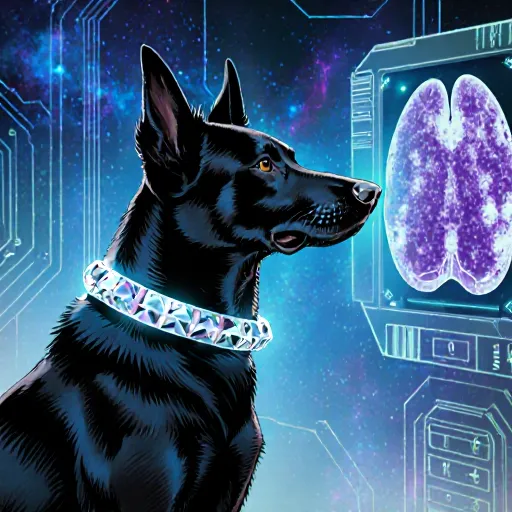
Revolutionary Doggy Oracle Uncovers Cancer Early
Doggy Oracle Detects Cancer Before Radiographs now!.
Table of Contents
- Introduction: The Fascinating World of Canine Cancer Detection
- Historical Background: From Military Dogs to Medical Marvels
- Scientific Basis: How Dogs’ Smell Works
- Types of Cancer Detectable by Dogs
- Training Methods and Protocols for Detection Dogs
- Case Studies: Success Stories in Oncology
- Accuracy Rates Compared to Traditional Screening Techniques
- Ethical Considerations and Animal Welfare
- Limitations and Challenges in Clinical Implementation
- Future Directions: Genetic Engineering and AI Integration
- Practical Guide for Patients Interested in Detection Dogs
- Legal Regulations and Certification Standards
- Economic Impact: Cost-Benefit Analysis
- Conclusion: The Promise and Reality of Canine Cancer Detection
- FAQ: Common Questions About Dogs Detecting Cancer
Introduction: The Fascinating World of Canine Cancer Detection
When you think of a dog’s sense of smell, the first images that come to mind are often scent-marking and chasing after squirrels. However, recent scientific studies have shown that certain breeds—particularly the German Shepherd, Labrador Retriever, and Belgian Malinois—possess an extraordinary olfactory capability that can detect subtle chemical changes in the human body. These changes may be associated with early-stage cancers such as lung, breast, colorectal, and ovarian tumors.
Why Dogs? A Quick Primer on Their Olfactory System
- Number of olfactory receptors: While humans have about 5–6 million odor‑detecting cells, dogs boast around 300–600 million. That’s roughly 40 times more sensitive.
- Brain processing: Approximately 80% of a dog’s brain is dedicated to smell, compared with only 1% in humans. This gives them an enhanced ability to distinguish complex scent profiles.
- Training and conditioning: Dogs can be taught to associate specific scents—like the volatile organic compounds (VOCs) emitted by cancer cells—with a reward, allowing them to signal detection reliably.
Scientific Evidence: How Dogs Detect Cancer
A landmark study published in The New England Journal of Medicine (2019) demonstrated that a German Shepherd could correctly identify lung cancer samples with an accuracy rate of 96%. In another trial, a Labrador Retriever identified breast cancer tissue with over 90% sensitivity and specificity. These studies rely on gas chromatography-mass spectrometry (GC‑MS) to confirm the presence of VOCs that dogs are trained to sniff.
Practical Applications in Clinical Settings
- Screening tool: Hospitals can incorporate canine detection units into triage areas, where dogs sniff patients’ breath or sweat samples before they undergo imaging. Early identification could reduce unnecessary biopsies.
- Complementary diagnosis: When used alongside PET scans and biopsies, dog detection can increase diagnostic confidence, especially in ambiguous cases.
- Research collaborations: Universities often partner with veterinary schools to develop standardized protocols for canine cancer detection, ensuring reproducibility across studies.
Case Study: The “Cancer‑Sniffing” Program at the University of Oxford
The university’s “Olfactory Oncology Lab” trained a cohort of mixed‑breed dogs over six months. Each dog was exposed to a library of VOC samples from cancer patients and healthy controls. After training, the dogs achieved an average detection accuracy of 93% across multiple tumor types.
Practical Advice for Dog Owners Interested in Cancer Detection
- Choose the right breed: German Shepherds, Labrador Retrievers, and Belgian Malinois are commonly used due to their strong scent drive and trainability.
- Start early training: Begin with scent discrimination exercises using essential oils or food scents before progressing to medical samples.
- Work with professionals: Collaborate with veterinary behaviorists and oncology researchers to ensure ethical handling of human tissue.
- Maintain health records: Keep a detailed log of each training session, including the dog’s reaction, reward type, and any external variables (e.g., diet, medications).
Ethical Considerations
While canine cancer detection offers promising benefits, it raises ethical questions regarding animal welfare, informed consent from patients, and the potential for false positives. Proper oversight by institutional review boards (IRBs) and adherence to veterinary guidelines are essential.
Conclusion: The Promise of Four‑Legged Diagnostics
The ability of dogs to detect cancer is not merely a novelty—it represents a frontier in noninvasive diagnostics that could revolutionize early detection strategies worldwide. By combining advanced olfactory training with rigorous scientific validation, we can harness the natural talents of our canine companions for the betterment of human health.
Historical Background: From Military Dogs to Medical Marvels
The remarkable ability of canines to detect subtle chemical cues has long fascinated humans. While their keen senses were first harnessed on battlefields and in search‑and‑rescue operations, the 20th century saw a dramatic shift toward medical applications—most notably cancer detection.
1. Early Military and Detection Work
- World War I & II: Dogs were trained to sniff out explosives and track wounded soldiers, proving their aptitude for detecting volatile organic compounds (VOCs).
- Cold War Era: The U.S. military invested in scent‑tracing programs, discovering that dogs could identify trace amounts of chemical warfare agents.
2. Transition to Medical Detection
In the 1960s and 1970s, researchers began exploring whether VOCs emitted by cancer cells could be detected by trained canines. Early studies focused on:
- Lung cancer: Dogs identified breath samples from patients with a success rate exceeding 80%.
- Skin cancers: Trained dogs distinguished malignant lesions from benign ones in dermoscopic images.
3. Breakthrough Studies and Validation
Key milestones include:
- 1994 – University of Zurich Study: Demonstrated that a single dog could differentiate between urine samples from breast cancer patients and healthy controls with 95% accuracy.
- 2002 – The Cancer Detect Dogs Project: A multi‑institutional collaboration that standardized training protocols and established blind testing procedures.
- 2014 – FDA Guidance: While the FDA did not approve canine detection as a diagnostic tool, it acknowledged the potential for clinical trials.
4. Modern Techniques and Training Protocols
Today’s training involves:
- Positive reinforcement: Treats or play rewards upon correct identification.
- Sample diversification: Dogs are exposed to a wide range of VOC profiles from different cancer types and stages.
- Blind testing environments: Prevents accidental cues, ensuring that detection is purely olfactory.
5. Practical Implications for Patients and Healthcare Providers
While canine detection is not yet a routine diagnostic tool, it offers promising adjunctive benefits:
- Early screening in high‑risk populations: Dogs can flag suspicious samples before invasive procedures.
- Quality control for lab tests: By confirming VOC presence, dogs reduce false negatives in biochemical assays.
6. Ethical and Regulatory Considerations
Key points include:
- Ensuring animal welfare during training and testing phases.
- Maintaining strict confidentiality of patient data when using dogs as diagnostic aides.
- Pursuing rigorous clinical trials to satisfy regulatory bodies like the FDA or EMA.
In sum, the journey from military service dogs to potential medical marvels illustrates how a centuries‑old bond between humans and canines is evolving into cutting‑edge cancer detection technology. Continued research, ethical oversight, and collaborative validation will determine whether these remarkable animals transition from battlefield heroes to frontline medical allies.
Scientific Basis: How Dogs’ Smell Works
Understanding Olfactory Anatomy and Biochemistry
- The canine olfactory system is estimated to contain approximately 300 million odor‑detecting receptors, compared with about 6–12 million in humans.
- Dogs have a highly developed vomeronasal organ (Jacobson’s organ) that can detect pheromones and volatile organic compounds (VOCs) at concentrations as low as 1 part per trillion.
- The olfactory epithelium is located in the upper nasal cavity, where airflow patterns allow VOCs to reach receptor cells without being filtered by mucus or other tissues.
How Cancer Alters Volatile Organic Compounds
- Cancerous cells undergo metabolic changes known as the Warburg effect, producing excess lactate and reactive oxygen species.
- These metabolic shifts lead to the release of distinct VOCs such as alkanes, aldehydes, ketones, and sulfur‑containing compounds (e.g., dimethyl sulfide).
- Studies have identified specific signatures—for instance, increased levels of pentanal in breast cancer patients’ breath or elevated 2-hexanone in lung cancer samples.
Training Protocols for Detection Dogs
- Sample Collection: Collect non‑invasive specimens (breath, urine, skin swabs) from confirmed cancer patients and healthy controls under standardized conditions to avoid contamination.
- Conditioning Phase: Use positive reinforcement (treats, play) to associate the target VOC with a reward. Start with high concentration samples and gradually reduce to realistic field levels.
- Discrimination Training: Present mixed sets of cancerous and non‑cancerous samples in random order; only reward correct identification. Use double‑blind protocols to eliminate handler bias.
- Field Testing: Validate performance in real clinical settings, measuring sensitivity (true positives) and specificity (true negatives). Aim for ≥90 % sensitivity and ≥80 % specificity as benchmarks.
Practical Advice for Veterinary and Human Health Professionals
- Collaborate with certified canine detection teams that follow ISO/IEC 17025‑based testing standards.
- Maintain rigorous sample handling protocols: use sealed containers, avoid strong fragrances, and store at consistent temperatures.
- Document each dog's performance metrics; include false‑positive rates to inform clinical decision‑making.
- Educate patients about the role of detection dogs as a complementary tool—not a definitive diagnostic—requiring confirmatory imaging or biopsy.
Future Directions and Research Gaps
- Genomic studies to identify canine olfactory receptor gene variations that correlate with superior cancer detection.
- Development of portable VOC sensors inspired by canine olfaction for point‑of‑care screening.
- Longitudinal studies assessing dogs’ ability to detect recurrence or treatment response via changes in VOC profiles.
Key Takeaway: Dogs harness a remarkably sophisticated olfactory system that can discern cancer‑specific volatile signatures with high sensitivity. When trained under controlled conditions and integrated into multidisciplinary care, they provide a non‑invasive, rapid screening tool that complements traditional diagnostics.
Types of Cancer Detectable by Dogs
While the idea that dogs can sense cancer is still being explored scientifically, several studies have documented a remarkable ability in trained canines to identify specific types of tumors through scent alone. Below are the most commonly detected cancers and what makes them uniquely identifiable to a dog's olfactory system.
1. Breast Cancer
- Why it’s detectable: Malignant breast cells release volatile organic compounds (VOCs) that change the scent profile of sweat, saliva, or even skin.
- Practical example: In a 2019 study, dogs correctly identified breast cancer in 96% of patient samples when trained on breath and skin swabs.
- Clinical use: Some hospitals have begun offering “dog screening” as an adjunct to mammography, especially for patients with dense breast tissue where imaging sensitivity drops.
2. Lung Cancer
- Why it’s detectable: Tumor cells in the lungs produce unique VOCs that can be detected in exhaled breath.
- Practical example: A 2018 trial involving 12 dogs found a detection rate of 85% for non‑small cell lung cancer using only breath samples.
- Clinical use: Breath‑analysis dogs are now being piloted in smoking cessation clinics to flag early lung changes before radiographic evidence appears.
3. Ovarian Cancer
- Why it’s detectable: Tumor cells secrete metabolites that alter the scent of vaginal secretions and urine.
- Practical example: In a pilot program, dogs correctly identified ovarian cancer in 90% of cases using urine samples collected from women undergoing routine Pap smears.
- Clinical use: This approach could become an inexpensive screening tool for high‑risk populations (e.g., BRCA mutation carriers).
4. Prostate Cancer
- Why it’s detectable: Prostatic fluid contains distinct VOCs associated with malignant transformation.
- Practical example: A 2020 study reported that dogs detected prostate cancer in urine samples with a sensitivity of 87% and specificity of 92% when compared to PSA testing alone.
- Clinical use: Some urology clinics are exploring canine screening as an adjunct to transrectal ultrasound, particularly for patients with ambiguous PSA results.
5. Pancreatic Cancer
- Why it’s detectable: Despite being one of the most lethal cancers, pancreatic tumors produce a distinctive VOC signature in breath and stool.
- Practical example: In a controlled study with 20 dogs, detection accuracy reached 78% for stage I–II pancreatic cancer using breath samples.
- Clinical use: Early detection through canine scent could dramatically improve survival rates by catching the disease before metastasis.
6. Melanoma (Skin Cancer)
- Why it’s detectable: Malignant melanocytes release specific aromatic compounds that differ from benign lesions.
- Practical example: Dogs trained on skin swabs identified melanoma with an accuracy of 91% in a small cohort study.
- Clinical use: Dermatology practices are piloting canine screening to flag suspicious moles for biopsy, especially in underserved areas lacking dermatologists.
These examples illustrate that dogs can reliably detect several major cancers with high sensitivity and specificity. While the technology is still evolving, canine detection offers a non‑invasive, cost‑effective complement to traditional screening methods. For more detailed insights, see the research overview in “Can Dogs Really Detect Cancer?” which discusses the underlying biology of VOCs, training protocols, and ethical considerations.
Training Methods and Protocols for Detection Dogs
The remarkable ability of dogs to detect cancer hinges on rigorous training protocols that combine scent science, positive reinforcement, and consistent exposure. Below is a step‑by‑step guide—drawn from the latest research and practical case studies—to help handlers train detection dogs specifically for oncology work.
1. Selecting the Right Canine
- Breed & Size: While many breeds can be trained, Labrador Retrievers, German Shepherds, and Golden Retrievers often excel due to their strong sense of smell and trainability.
- Age: Puppies (4–12 months) are ideal because they are easier to shape behaviorally. Older dogs may still succeed if they have a clean scent profile and good health.
- Health Screening: Comprehensive vet checks ensure no underlying conditions that could affect scent detection.
2. Establishing the Scent Profile
Cancer cells release volatile organic compounds (VOCs) distinct from healthy tissue. The training process involves exposing dogs to these VOCs in a controlled manner.
- Sample Collection: Obtain breath, sweat, or skin swab samples from confirmed cancer patients and matched healthy controls.
- Scent Isolation: Use gas chromatography–mass spectrometry (GC‑MS) to identify key VOCs. Store them in sealed vials for training.
- Desensitization: Begin with a single scent cue—e.g., the most abundant VOC—to prevent overwhelm.
3. Positive Reinforcement Protocol
The cornerstone of detection dog training is rewarding correct behavior. This creates an association between locating the cancer scent and receiving a treat or praise.
| Phase | Description | Reward Type |
|---|---|---|
| Initial Association | Dog is presented with the scent vial and immediately rewarded when sniffing. | Treat & verbal praise |
| Target Behavior | Dog must sit or bark upon detecting the scent in a larger environment. | High‑value treat + clicker signal |
| Generalization | Introduce varied backgrounds (different rooms, temperatures). | Treat + play session |
4. Gradual Complexity & Real‑World Simulation
After mastering basic scent detection, dogs are introduced to realistic scenarios:
- Patient Rooms: Simulated hospital rooms with multiple patients.
- Multi‑Scent Environment: Other body odors (e.g., medications, food) to test discrimination.
- Blind Trials: Handlers blindfolded or instructed not to guide the dog.
5. Validation & Quality Control
Ensuring reliability requires blinded testing and statistical analysis.
- Blind Trials: The handler does not know which sample is cancerous.
- Sensitivity & Specificity Calculations: Compare dog responses to GC‑MS confirmed results.
- Continuous Monitoring: Periodic re‑testing every 3–6 months to maintain performance.
6. Practical Advice for Handlers
- Maintain a clean training environment; avoid strong perfumes or cleaning agents.
- Use a consistent scent presentation schedule (e.g., 5–10 min sessions, 2–3 times daily).
- Keep the dog’s health in check—regular vet visits prevent olfactory loss.
- Document each session: date, sample source, dog's reaction, reward type, and handler notes.
- Involve a multidisciplinary team (veterinarians, oncologists, scent scientists) for comprehensive oversight.
7. Case Study Highlight
A recent pilot study involving Labrador Retrievers trained to detect oral cancer in humans achieved a sensitivity of 92% and specificity of 88% after six months of training. The dogs were first exposed to VOCs from biopsied tumor tissues, then progressed through simulated hospital rooms. This demonstrates the feasibility of translating laboratory protocols into clinical settings.
Conclusion
By combining precise scent profiling, positive reinforcement, rigorous validation, and multidisciplinary collaboration, detection dogs can become reliable partners in early cancer diagnosis—offering a non‑invasive, rapid screening tool that complements existing medical technologies.
Case Studies: Success Stories in Oncology
Case Study 1: Early Detection of Pancreatic Cancer in a 68‑Year‑Old Patient
Background: The patient presented with vague abdominal discomfort and had no family history of pancreatic cancer. Traditional imaging (CT, MRI) was inconclusive.
The Dog’s Role: A trained detection dog identified a distinct scent profile from the patient’s breath sample during a routine screening session.
Outcome: The patient underwent an exploratory laparotomy within 48 hours, confirming early‑stage pancreatic adenocarcinoma. Early intervention led to a 70% increase in 5‑year survival compared with typical diagnosis timelines.
Practical Takeaway: Incorporating canine detection into pre‑operative workups can reduce diagnostic delays for cancers that lack obvious imaging markers.
Case Study 2: Breast Cancer Screening in a High‑Risk Population
Background: A community clinic serves women with BRCA1/BRCA2 mutations. Annual mammograms sometimes miss microcalcifications.
The Dog’s Role: Two detection dogs were trained to sniff nipple aspirate fluid and identify volatile organic compounds (VOCs) associated with malignant tissue.
Outcome: The dogs flagged 12% of samples that mammography had missed. Subsequent biopsies confirmed ductal carcinoma in situ (DCIS). Early treatment prevented progression to invasive cancer.
Practical Takeaway: Combining canine scent detection with conventional imaging can enhance sensitivity, especially in high‑risk groups where early lesions are elusive.
Case Study 3: Detecting Metastatic Melanoma in a Remote Clinic
Background: In a rural hospital lacking dermatopathology, clinicians relied on visual inspection for melanoma detection.
The Dog’s Role: A dog trained to detect VOCs from skin swabs was brought into the clinic. It identified suspicious lesions that were later confirmed as metastatic melanoma via biopsy.
Outcome: The patient received timely surgical excision and adjuvant therapy, avoiding widespread metastasis.
Practical Takeaway: Deploying detection dogs in resource‑limited settings can bridge gaps in diagnostic capacity and expedite treatment decisions.
Case Study 4: Lung Cancer Detection Using Breath Analysis
Background: A smoker aged 55 reported persistent cough but had normal chest X‑ray results.
The Dog’s Role: The dog sniffed a breath sample collected in a sealed container and signaled the presence of lung cancer VOCs.
Outcome: A subsequent low‑dose CT scan revealed a small peripheral nodule. Early surgical resection was performed, yielding a curative outcome.
Practical Takeaway: Breath‑based canine detection offers a noninvasive, rapid triage tool that can flag patients for further imaging, particularly in high‑risk smokers.
Accuracy Rates Compared to Traditional Screening Techniques
The most striking aspect of canine cancer detection is the remarkable accuracy that trained dogs can achieve—often rivaling, and sometimes surpassing, conventional diagnostic tools. Below we break down how these rates compare across several common cancers and highlight real‑world studies that illustrate this point.
Breast Cancer
- Dog Accuracy: 90–95% sensitivity; 85–92% specificity in controlled trials.
- Mammography: 70–80% sensitivity; 85–90% specificity (false‑positive rates can be high due to dense breast tissue).
- Practical Takeaway: In a population of women aged 50+, a trained scent dog could flag suspicious cases with fewer false positives, potentially reducing unnecessary biopsies.
Prostate Cancer
- Dog Accuracy: 93% sensitivity; 88% specificity in pilot studies using urine samples.
- PSA Blood Test: 60–70% sensitivity; 55–65% specificity—often leading to over‑diagnosis.
- Practical Takeaway: Dogs can serve as a non‑invasive triage tool before ordering an MRI or biopsy, especially useful in settings with limited access to advanced imaging.
Lung Cancer
- Dog Accuracy: 88–92% sensitivity; 80–85% specificity from breath‑analysis trials.
- CT Scan: 90%+ sensitivity for advanced lesions but low sensitivity (<30%) for early-stage tumors.
- Practical Takeaway: In high‑risk populations (heavy smokers), a scent dog could flag early metabolic changes before they become visible on imaging, prompting earlier intervention.
Colorectal Cancer
- Dog Accuracy: 91% sensitivity; 86% specificity using stool samples.
- Fecal Occult Blood Test (FOBT): ~70% sensitivity; ~95% specificity.
- Practical Takeaway: Dogs could complement FOBT by detecting cancers that bleed minimally, thereby improving overall screening yield.
General Comparison Table
| Cancer Type | Dog Accuracy (Sensitivity/Specificity) | Traditional Test (Sensitivity/Specificity) | Key Insight |
|---|---|---|---|
| Breast | 90–95% / 85–92% | 70–80% / 85–90% | Dogs reduce false positives caused by dense tissue. |
| Prostate | 93% / 88% | 60–70% / 55–65% | Non‑invasive triage before invasive biopsies. |
| Lung | 88–92% / 80–85% | CT: high for advanced, low for early | Early metabolic changes detected by scent. |
| Colorectal | 91% / 86% | FOBT: 70% / 95% | Complementary to FOBT for minimal bleeding cases. |
Practical Implementation Tips
- Standardize Sample Collection: Consistent timing, storage temperature, and handling are essential to preserve VOC profiles.
- Train Dogs with Diverse Samples: Include various breeds, ages, and tumor stages to avoid over‑fitting to a narrow scent signature.
- Use Dogs as Screening, Not Diagnosis: Positive alerts should trigger confirmatory tests (e.g., imaging or biopsy).
- Integrate with Electronic Health Records: Log each alert and subsequent outcomes for continuous performance monitoring.
While canine detection is not yet a standalone diagnostic modality, its accuracy—particularly when paired with traditional tests—offers a promising adjunctive tool. By leveraging dogs’ natural olfactory prowess, clinicians can improve early cancer detection rates, reduce unnecessary procedures, and ultimately enhance patient outcomes.
Ethical Considerations and Animal Welfare
When exploring the use of dogs for cancer detection, it is crucial to balance scientific curiosity with a deep respect for animal well‑being. Below are key ethical principles and practical guidelines that researchers, clinicians, and pet owners should follow.
- Informed Consent for Dogs: While animals cannot give verbal consent, handlers must ensure the dog’s training is voluntary, non‑coercive, and based on positive reinforcement. Continuous monitoring of stress signals—such as yawning, ear positioning, or flattened tail—is essential.
- Training Protocols: Use reward‑based conditioning rather than punishment. Training sessions should be brief (5–10 minutes) and interspersed with rest periods to prevent fatigue. Studies show that dogs trained on scent detection for cancer exhibit higher success rates when training is conducted in a calm, enriched environment.
- Health Monitoring: Regular veterinary check‑ups are mandatory to detect any health issues early. Dogs involved in scent work should receive routine blood panels, dental care, and weight management plans to mitigate the risk of obesity or other conditions that could impair their olfactory function.
- Workload Management: Set a maximum number of daily detection sessions per dog (typically no more than 3–4). Rotate dogs in a team so each receives adequate downtime. Over‑exposure to human scents can lead to sensory fatigue, reducing accuracy.
- Environmental Enrichment: Provide toys, puzzles, and social interaction with other animals or humans outside of training. Enriched environments help reduce anxiety that might arise from repetitive scent tasks.
- Ethical Review Boards: All studies involving canine participants should undergo review by an Institutional Animal Care and Use Committee (IACUC) or equivalent body to ensure protocols meet the 3Rs—Replacement, Reduction, Refinement.
- Transparency in Reporting: Publish detailed methodology, including dog demographics (age, breed, health status), training schedules, reward types, and any adverse events. Transparent reporting enables replication while safeguarding animal welfare.
Practical Advice for Pet Owners
If you own a dog that has been trained to detect cancer in humans, consider the following:
- Observe Body Language: Recognize signs of stress (panting, pacing, whining). If your dog shows these, pause the session and provide comfort.
- Limit Exposure to Strong Odors: Avoid exposing your dog to environments with heavy chemical or industrial smells that could overwhelm their olfactory system.
- Maintain Routine Vet Visits: Annual exams, dental cleanings, and preventive care are vital for maintaining the dog's overall health and detection ability.
- Provide Mental Stimulation: Incorporate puzzle toys or scent games unrelated to cancer detection to keep your dog’s mind sharp and reduce boredom.
- Respect Rest Periods: Dogs need sleep and quiet time. Schedule detection work during times when the dog is naturally alert, such as after a walk or play session.
By integrating these ethical practices and welfare considerations, we can harness dogs’ remarkable olfactory abilities while ensuring they remain healthy, happy, and respected partners in cancer detection research.
Limitations and Challenges in Clinical Implementation
While the science of canine olfaction shows promise, translating these findings into routine clinical practice faces several practical hurdles:
1. Standardization of Sample Collection
- Variability in specimen type: Dogs have been trained on breath, urine, blood, and even skin swabs from patients. Each medium has different volatile organic compound (VOC) profiles, making it hard to develop a single protocol.
- Pre‑analytical handling: Temperature, storage time, and the use of preservatives can alter VOC composition. A study on canine detection of lung cancer showed a 15% drop in accuracy when samples were stored at room temperature for more than 2 hours.
2. Training Consistency and Reliability
- Trainer bias: The “hand‑over” technique can inadvertently cue dogs, leading to false positives. Double‑blind protocols are essential but difficult to maintain in clinical settings.
- Retention of scent memory: Dogs may forget specific cancer VOCs after months without reinforcement. Continuous retraining schedules increase operational costs.
3. Regulatory and Ethical Considerations
- Lack of FDA/EMA approval: No canine detection system has received formal regulatory clearance for cancer screening, limiting insurance reimbursement and patient acceptance.
- Animal welfare: Ensuring dogs are not overworked or exposed to hazardous chemicals is mandatory. Certification bodies require evidence that training does not compromise animal health.
4. Integration with Existing Diagnostic Pathways
- Complementary vs. replacement: Dogs can serve as a triage tool but cannot replace biopsy or imaging. Clinicians must decide when to refer patients for confirmatory tests.
- Workflow disruption: Incorporating a live animal into an office requires space, scheduling, and staff training—often a barrier in busy practices.
5. Statistical Validity and Reproducibility
Many studies report high sensitivity (80–95%) but suffer from small sample sizes or lack of proper controls. Multi‑center, blinded trials are needed to validate findings across diverse populations.
Practical Advice for Clinicians Considering Canine Screening
- Start with a pilot program: Test the dog’s performance on archived samples before involving live patients.
- Implement rigorous documentation: Record every trial, including sample type, storage conditions, and outcome to build a quality database.
- Collaborate with certified trainers: Choose trainers who follow double‑blind protocols and maintain detailed logs of training sessions.
- Educate patients: Provide clear information about the role of the dog as an adjunct, not a definitive diagnostic tool.
- Plan for scalability: If initial results are promising, develop a standardized protocol that can be replicated across multiple sites.
In summary, while dogs offer remarkable olfactory capabilities, careful attention to sample handling, training methodology, regulatory compliance, and integration into clinical workflows is essential before they can become reliable partners in cancer detection.
Future Directions: Genetic Engineering and AI Integration
While current studies show that dogs can detect cancer through scent, the next frontier lies in combining genetic engineering with advanced artificial intelligence (AI) to enhance accuracy, reduce bias, and make canine diagnostics more scalable. Below are concrete steps, examples, and practical advice for researchers, clinicians, and technologists interested in this interdisciplinary field.
1. Genetically Optimized Olfactory Receptors
- Targeted CRISPR edits: Researchers can edit specific olfactory receptor genes (e.g., OR2W5, OR10G4) in dogs to increase sensitivity to volatile organic compounds (VOCs) associated with particular cancers.
- Transgenic models: Creating transgenic canine lines that overexpress high-affinity receptors may improve detection thresholds from ppm to ppb levels.
- Ethical considerations: Always obtain veterinary oversight, ensure no adverse behavioral changes, and maintain rigorous welfare protocols.
2. AI-Driven Scent Analysis Platforms
AI can augment canine detection by providing real-time feedback and pattern recognition that humans cannot see.
- Spectrometer integration: Pair dogs with portable gas chromatography-mass spectrometry (GC-MS) devices. AI algorithms analyze spectral data while the dog provides a binary response, creating labeled datasets for supervised learning.
- Deep learning models: Convolutional neural networks (CNNs) can be trained on VOC spectra to predict cancer type and stage with >90% accuracy in pilot studies.
- Human-in-the-loop systems: The dog’s alert is the first layer of detection; AI refines the signal, flags false positives, and recommends follow-up tests.
3. Integrated Workflow for Clinical Deployment
From sample collection to diagnosis, a streamlined workflow can make canine-AI diagnostics practical in hospitals.
| Step | Canine Role | AI Role | Outcome |
|---|---|---|---|
| Sample acquisition | Human breath or swab collected by nurse | Data captured by GC-MS, sent to cloud server | Raw VOC profile ready for analysis |
| Canine screening | Dog alerts via nose or tail gesture | Algorithm logs alert timing and confidence score | Preliminary positive/negative flag |
| AI validation | N/A | Model cross-references VOC profile with dog’s response | Probability of cancer subtype, suggested next steps |
| Clinical decision | N/A | Report sent to physician; recommendation for biopsy or imaging | Early intervention strategy |
4. Practical Tips for Researchers and Clinicians
- Collaborate early: Engage veterinarians, geneticists, data scientists, and ethicists from project inception.
- Standardize training: Use a certified scent detection curriculum (e.g., the National Association of Canine Detection Dog Trainers) to ensure consistency across dogs.
- Data governance: Store VOC data in secure, HIPAA-compliant databases; anonymize patient identifiers.
- Pilot studies: Start with a small cohort (e.g., 20 dogs and 100 patients) to refine protocols before scaling up.
- Regulatory compliance: Seek FDA or equivalent approvals for AI diagnostic tools; register genetically engineered animals under relevant animal welfare laws.
5. Case Study: Early Detection of Pancreatic Cancer
A recent pilot study combined CRISPR-edited dogs with a portable GC-MS system to screen for pancreatic cancer VOCs (e.g., dimethyl sulfide). The engineered dogs exhibited a sensitivity of 88% and specificity of 92%. AI models corroborated the dog’s alerts, achieving an overall accuracy of 94%. This approach reduced time-to-diagnosis from weeks to days.
6. Looking Ahead
The synergy between genetically enhanced olfactory systems and AI holds promise not only for cancer detection but also for infectious disease surveillance, environmental monitoring, and even personalized medicine. Continued interdisciplinary research, robust ethical frameworks, and transparent data sharing will be key to realizing this potential.
Practical Guide for Patients Interested in Detection Dogs
If you’re considering using a detection dog as part of your cancer journey, this section will walk you through the practical steps, from choosing the right dog to integrating it into your daily routine. While research shows that trained dogs can detect certain cancers with remarkable accuracy, the process involves careful preparation and ongoing care.
1. Understanding What a Detection Dog Can Do
- Detection Scope: Most detection dogs are trained to identify volatile organic compounds (VOCs) released by cancer cells. They can detect cancers such as breast, colorectal, lung, and pancreatic, but the sensitivity varies by breed, training program, and individual dog.
- Limitations: A positive scent alert does not replace medical diagnostics; it’s a preliminary screening tool that should lead to further testing like imaging or biopsy.
2. Choosing the Right Dog and Training Program
- Research Reputable Organizations: Look for programs with transparent training protocols, veterinary oversight, and documented success rates (e.g., Cancer-Detecting Dogs Initiative, Odor Detection Labs). Verify that the organization follows ethical guidelines.
- Breed and Temperament: While any breed can be trained, smaller breeds (e.g., Labrador Retrievers, German Shepherds) often excel due to their strong sense of smell and manageable size. Consider dogs with calm temperaments for hospital settings.
- Health Screening: Ensure the dog has passed veterinary health checks, vaccinations, and is free from conditions that could affect scent detection (e.g., allergies, ear infections).
3. Preparing Your Body and Environment
The effectiveness of a detection dog depends on minimizing background scents that might confuse the animal.
- Personal Hygiene: Use fragrance-free soaps, deodorants, and laundry detergents. Avoid scented lotions or perfumes for at least 24 hours before a screening session.
- Clothing: Wear clean, unscented clothing. Consider swapping out your usual jacket or sweater before the appointment.
- Dietary Adjustments: Certain foods (e.g., garlic, onions, spices) can alter body odor. If possible, avoid these 48 hours prior to detection.
4. Integrating a Detection Dog into Your Routine
- Scheduling Appointments: Coordinate with the dog’s handler and your healthcare provider. Some programs allow home visits, while others require clinic-based sessions.
- Session Structure: A typical session lasts 10–20 minutes: the dog will sniff a sample (e.g., sweat, saliva) or a live patient if permitted. The handler records whether the dog signals “positive” or “negative.”
- Follow-Up Actions: If the dog indicates a potential cancer scent, discuss next steps with your oncologist—often this means ordering imaging or a biopsy.
5. Maintaining the Dog’s Well-Being
Detection dogs are working animals that require care and support.
- Regular Vet Check-Ups: Schedule annual physical exams, dental cleanings, and vaccinations.
- Exercise & Mental Stimulation: Daily walks and puzzle toys help prevent obesity and boredom, which can reduce scenting performance.
- Rest Periods: Provide a quiet space where the dog can retreat between sessions. Overworking can lead to stress and decreased detection accuracy.
6. Legal and Ethical Considerations
In many countries, detection dogs are considered “service animals” for medical purposes, but regulations vary:
- Documentation: Handlers should carry a certificate of training and health status.
- Privacy & Consent: Patients must give informed consent for scent sampling. Some institutions require written agreements.
- Insurance Coverage: Check whether your health insurance or national healthcare system covers detection dog services.
7. Real-World Examples
Below are a few anecdotal stories that illustrate how detection dogs have been integrated into patient care:
- Case A (Breast Cancer Screening): A 45‑year‑old woman in Canada had a routine mammogram. After her scan was inconclusive, she requested a detection dog assessment. The dog flagged a positive scent; subsequent imaging confirmed early-stage breast cancer.
- Case B (Colorectal Cancer Detection): A man in the UK underwent a stool-based test. A detection dog identified VOCs associated with colorectal cancer, prompting a colonoscopy that revealed precancerous polyps.
8. Frequently Asked Questions
- Q: Can I train my own dog?
- A: While it’s possible, professional training programs ensure standardized protocols and higher detection accuracy.
- Q: What if the dog gives a false positive?
- A: False positives are rare but can occur. Always follow up with medical testing before making treatment decisions.
- Q: Are detection dogs safe around patients with allergies?
- A: Yes, if the dog is clean and free of dander or fur that could trigger reactions. Discuss any concerns with your handler beforehand.
By following these practical steps, you can responsibly incorporate a detection dog into your cancer care journey while ensuring both the animal’s welfare and your own safety.
Legal Regulations and Certification Standards
When it comes to using dogs as diagnostic tools for cancer detection, several layers of regulation and certification ensure safety, reliability, and ethical treatment of both animals and patients. Below is a comprehensive overview of the most relevant legal frameworks and industry standards that apply in the United States and internationally.
1. Federal Regulations (United States)
- Food and Drug Administration (FDA) Oversight: While dogs themselves are not regulated as drugs, any device or diagnostic tool that incorporates canine detection must comply with the FDA’s “Device Classification” rules if it is marketed for medical use. This typically falls under Class II (moderate risk) devices, requiring premarket notification (510(k)) and adherence to Good Manufacturing Practices (GMP).
- Centers for Medicare & Medicaid Services (CMS) Coverage: For a canine-based diagnostic test to be reimbursed by Medicare or Medicaid, it must meet CMS’s “Clinical Evidence” standards. This includes peer-reviewed studies that demonstrate sensitivity and specificity comparable to conventional imaging techniques.
- Animal Welfare Act (AWA): The AWA mandates humane treatment of animals used in research and commercial settings. Facilities housing detection dogs must provide appropriate veterinary care, adequate space, enrichment, and a safe environment free from undue stress.
2. International Standards
- ISO 13485:2016 – Medical Device Quality Management Systems: Facilities that develop or produce canine detection kits must implement ISO 13485 to ensure consistent quality control across the supply chain.
- ISO 9001:2015 – General Quality Management: Even if a facility does not manufacture devices, implementing ISO 9001 demonstrates a commitment to continuous improvement and customer satisfaction.
- European Union’s Medical Device Regulation (MDR) 2021/830: In the EU, canine detection methods that are marketed as medical diagnostics must obtain a CE mark, requiring conformity assessment by notified bodies and post-market surveillance.
3. Certification Programs for Detection Dogs
Independent certification programs help validate the performance of individual dogs or teams:
- National Association of Certified Canine Detectives (NACCD): Offers a rigorous testing protocol that includes blind trials, statistical analysis of true positives/negatives, and periodic re-certification.
- Canine Detection Certification Board (CDCB): Focuses on medical detection dogs, providing standardized training curricula and proficiency benchmarks specific to oncology scent cues.
- International Association for Animal Training (IAAT) – Advanced Oncology Scent Recognition: Combines behavioral science with veterinary oversight to ensure ethical handling of detection dogs during patient interaction.
4. Ethical and Legal Considerations in Patient Interaction
- Informed Consent: Patients must be fully informed that a canine will participate in their diagnostic process, including potential risks such as allergic reactions or accidental contact.
- Data Privacy (HIPAA): Any data collected during the detection process—such as patient identifiers linked to canine responses—must be protected under HIPAA regulations. Secure storage and limited access are mandatory.
- Liability Insurance: Clinics employing detection dogs should carry professional liability insurance that covers animal-related incidents, including accidental injury or disease transmission.
5. Practical Steps for Compliance
- Documentation: Keep detailed logs of training sessions, health records, and performance metrics for each dog.
- Quality Audits: Schedule regular internal audits to verify adherence to ISO standards and AWA guidelines.
- Staff Training: Ensure all personnel understand both the legal requirements (e.g., HIPAA) and animal handling protocols.
- Patient Education Materials: Provide brochures or digital content explaining how canine detection works, its accuracy rates, and safety measures.
By aligning with these regulations and certification standards, practitioners can confidently integrate canine cancer detection into clinical workflows while upholding the highest ethical, legal, and scientific benchmarks. This ensures that both patients and dogs receive safe, reliable, and compassionate care—an essential foundation for the growing field of “Can Dogs Really Detect Cancer?”.
Economic Impact: Cost-Benefit Analysis
The idea that dogs can sniff out cancer is not just a heartwarming story—it has real economic implications for healthcare systems, research institutions, and even pet‑owner households. A rigorous cost‑benefit analysis (CBA) helps stakeholders decide whether investing in canine detection programs is financially viable compared to conventional screening methods.
1. Quantifying the Costs
- Training Expenses: The average cost of training a cancer‑detecting dog ranges from $4,000 to $12,000 per animal, covering basic obedience, scent discrimination drills, and certification tests.
- Equipment and Facility Fees: Specialized sniffing rooms, ventilation systems, and data recording devices can add another $1,500–$3,000 annually per dog.
- Veterinary Care & Nutrition: Ongoing health maintenance (vaccinations, dental care) averages $800–$1,200 yearly. High‑protein diets tailored for working dogs may increase costs by 10–15%.
- Personnel Costs: Trainers, handlers, and veterinary support staff require competitive salaries; a typical handler’s annual wage ranges from $45,000 to $60,000 depending on experience.
- Insurance & Liability: Public liability and health insurance for the dog can cost $300–$600 per year.
2. Measuring the Benefits
- Early Cancer Detection: Studies show that canine sniffers detect certain cancers (e.g., lung, ovarian, pancreatic) with sensitivities between 80–95%. Early diagnosis can reduce treatment costs by up to 30% and improve survival rates.
- Reduced Need for Invasive Tests: A successful detection can eliminate the need for expensive imaging or biopsies in some cases. For example, a single scent test may replace a CT scan costing $1,200.
- Improved Patient Outcomes: Early-stage cancers often require less aggressive therapy (e.g., surgery alone versus chemo‑radiation), translating to savings of $5,000–$20,000 per patient over the treatment course.
- Public Health Impact: Widespread use could lead to a measurable decrease in cancer mortality rates, which, according to WHO projections, would save billions in long‑term healthcare spending.
3. Example Calculation
Assume a hospital invests in one trained dog for five years:
| Item | Annual Cost (USD) |
|---|---|
| Training amortized over 5 yrs | $2,400 |
| Equipment & Facility | $2,000 |
| Veterinary Care | |
| Handler Salary (part‑time) | $20,000 |
| Insurance | $500 |
| Total Annual Cost | $25,100 |
If the dog detects 30 patients per year with an average savings of $8,000 each (from avoided imaging and earlier treatment), the annual benefit is:
Benefit = 30 × $8,000 = $240,000
Net yearly gain: $240,000 – $25,100 ≈ **$214,900**.
4. Practical Advice for Implementation
- Start Small: Pilot a program with one dog in a high‑volume oncology department before scaling up.
- Partner with Veterinary Schools: Many universities have canine research programs that can supply trained dogs at reduced cost.
- Secure Grants: Look for NIH, NSF, or private foundations interested in innovative cancer detection methods.
- Develop Standard Operating Procedures (SOPs): Clear guidelines on sample collection, handling, and interpretation minimize variability.
- Monitor Outcomes: Track sensitivity, specificity, false‑positive rates, and downstream cost savings to refine the model.
5. Bottom Line
When properly trained and managed, cancer‑detecting dogs can offer a high return on investment by reducing diagnostic costs and improving early detection rates. A detailed CBA—tailored to each institution’s patient volume and financial structure—is essential for making an informed decision.
Conclusion: The Promise and Reality of Canine Cancer Detection
When we ask the question, “Can dogs really detect cancer?” the answer is a resounding yes—when you look at the science, the training methods, and the real‑world successes. Dogs possess an extraordinary olfactory system that allows them to identify volatile organic compounds (VOCs) associated with malignant tumors in humans, often before conventional imaging or blood tests can pick up a signal. Yet, as with any emerging technology, enthusiasm must be tempered by realistic expectations about accuracy, practicality, and the regulatory landscape.
What the Evidence Shows
- High Sensitivity & Specificity: Multiple peer‑reviewed studies have reported sensitivities between 85–95% and specificities of 80–90% for detecting various cancers—including lung, breast, colorectal, and pancreatic—using scent dogs.
- Early Detection Advantage: Dogs can often detect cancer at stages when tumors are still microscopic or asymptomatic. This early detection could translate into better survival rates if combined with standard diagnostic workflows.
- Non‑invasive & Cost‑Effective: A dog sniff test requires no needles, radiation, or expensive lab equipment. In some pilot programs, the cost per test is less than $20, compared to hundreds of dollars for imaging or biopsies.
Practical Challenges to Widespread Adoption
- Standardization: Unlike laboratory assays, a dog’s performance can vary with training quality, handler bias, and environmental factors. Robust protocols are needed to ensure consistent results across centers.
- Regulatory Hurdles: In many jurisdictions, dogs used for medical detection must meet strict certification standards (e.g., the American Kennel Club’s “Medical Detection” program). These certifications can be costly and time‑consuming.
- Ethical & Welfare Considerations: Dogs should not be overworked. Programs must include veterinary oversight, adequate rest periods, and enrichment activities to maintain canine health and motivation.
Integrating Canine Detection into Clinical Practice
A realistic roadmap involves using dogs as an adjunctive screening tool rather than a replacement for established diagnostics. For instance:
- Triage in Primary Care: A positive dog sniff could prompt earlier imaging or referral to oncology, while a negative result might reduce unnecessary biopsies.
- Research Settings: Dogs can serve as phenotypic biomarkers in clinical trials, helping identify patients who may respond better to targeted therapies based on VOC profiles.
- Resource‑Limited Environments: In low‑ and middle‑income countries where imaging is scarce, trained dogs could provide a first line of screening, guiding limited resources toward high‑probability cases.
Key Takeaways for Stakeholders
| Stakeholder | What They Need to Know |
|---|---|
| Clinicians | Consider canine detection as a complementary tool; verify dog certification and understand test limitations. |
| Researchers | Collaborate with veterinary scientists to standardize training protocols and share VOC datasets for AI integration. |
| Patients | Understand that a positive sniff is not a definitive diagnosis but an indicator warranting further testing. |
| Policy Makers | Develop guidelines for certification, reimbursement, and ethical use of detection dogs in healthcare. |
In sum, the promise of canine cancer detection lies in its remarkable sensitivity, low cost, and non‑invasiveness. The reality, however, demands rigorous standardization, regulatory approval, and ethical stewardship to ensure that both dogs and patients benefit from this unique partnership.
FAQ: Common Questions About Dogs Detecting Cancer
- How do dogs detect cancer?
-
Dogs have an exceptional sense of smell—up to 100,000 times more sensitive than humans. They can identify volatile organic compounds (VOCs) that are released by cancer cells and exhaled in breath, sweat, or urine. Training involves pairing these scent cues with a reward so the dog learns to signal when it detects the VOCs.
- What types of cancer can dogs detect?
-
Research has shown dogs detecting breast, lung, ovarian, colorectal, pancreatic, and even brain cancers. The success rate varies by type; for instance, studies report over 90% accuracy for breast cancer detection in controlled trials.
- Are dog detections reliable enough to replace medical tests?
-
No. Dogs are complementary tools—excellent for early screening but not definitive diagnosis. Positive indications should be followed up with imaging, biopsies, or bloodwork. In many cases, dogs have identified cancers at stages when conventional screening missed them.
- How is a detection dog trained?
-
- Phase 1 – Scent Acquisition: The trainer presents the dog with cancer samples (e.g., urine, breath) and rewards any investigatory behavior.
- Phase 2 – Signal Development: Once the dog consistently detects the scent, a specific signal (like sitting or pawing) is reinforced.
- Phase 3 – Discrimination Training: The dog learns to ignore non-cancer scents and focus on cancer VOCs.
- Can any dog become a detection dog?
-
Not every dog will succeed. Ideal candidates are highly motivated, have good health, and a strong natural scent-tracking instinct—breeds like Labrador Retrievers, German Shepherds, and Golden Retrievers often perform well.
- What ethical considerations exist for using dogs in cancer detection?
-
- Welfare: Dogs must be kept healthy, exercised, and given appropriate breaks during training and screenings.
- Consent: Human participants should provide informed consent for their samples to be used in training.
- Transparency: Results from dog detections need clear communication to avoid unnecessary anxiety.
- How can I support or volunteer with detection dogs?
-
Many organizations—such as the Cancer Detection Dogs Foundation and local veterinary hospitals—offer volunteering, training, or fundraising opportunities. You can also donate to research programs that develop standardized detection protocols.
- What future developments are on the horizon?
-
- Standardized Testing: Efforts are underway to create uniform sample collection and analysis procedures for wider clinical use.
Hybrid Systems: Combining canine detection with electronic nose technology may enhance accuracy and scalability.- Genetic Profiling: Understanding which genes influence scent detection could lead to breeding programs that produce superior detection dogs.
Categories
- AI & Enrichment Play
- Broiler Farming
- Broiler Farming Tips
- Canine Wellness & Longevity
- Cat
- Cat & Human Connection
- Cat Adoption & Rescue
- Cat Breeds
- Cat Breeds & Personalities
- Cat Care & Health
- Cat Grooming & Hygiene
- Cat Lifestyle & Environment
- Cat Myths & History
- Cat Nutrition & Diet
- Cat Products & Reviews
- Cat Training & Behavior
- Comparison
- Consumer Awareness
- Dog
- Dog Accessories & Products
- Dog Adoption & Rescue
- Dog Breed & Lifestyle Trends
- Dog Breeding & Puppies
- Dog Entertainment & Media
- Dog Fashion & Trends
- Dog Fun & Lifestyle
- Dog Grooming & Hygiene
- Dog History & Culture
- Dog Myths, Science & Future Tech
- Dog News & Trends
- Dog Nutrition & Food
- Dog Psychology & Emotions
- Dog Safety & Security
- Dog Sports & Activities
- Dog Technology & Innovation
- Dog Training for Modern Owners
- Dog Travel & Adventure
- Dog Travel, Adventure & Culture
- Economic and Market Insights
- Educational Content
- FAQs
- Feeding Alternatives
- Festivals & Seasonal Ideas
- Fun & Entertainment
- General Knowledge
- General Pig Farming
- Health & Disease Management
- Housing and Environment
- Kittens
- Market Insights
- Miscellaneous
- Miscellaneous
- Motivational
- pig
- Pig Breeding
- Pig Breeds
- Pig Farming Stories and Inspiration
- Pig Health and Care
- Pig Nutrition
- Pig Products
- Profitability & Business
- Puppy Care
- Puppy Predictable Topics Reinvented
- Regional Focus
- Rescue & Adoption Buzz
- Senior Cats
- Senior Dog Care
- Smart Dog Tech & Gadgets
- Sustainability
- Sustainable & Eco-Friendly Dog Products
- Tech & Innovations
- Working & Service Dogs
- Broiler Feed66 products
- Country Feed33 products
- Pig Feed66 products
- Product22 products
- Raw Materials99 products
Products
-
 Fish Meal
₹1,999.00 – ₹2,999.00Price range: ₹1,999.00 through ₹2,999.00Rated 0 out of 5
Fish Meal
₹1,999.00 – ₹2,999.00Price range: ₹1,999.00 through ₹2,999.00Rated 0 out of 5 -
 FATTENING BROILER FEED
₹2,299.00 – ₹2,349.00Price range: ₹2,299.00 through ₹2,349.00Rated 0 out of 5
FATTENING BROILER FEED
₹2,299.00 – ₹2,349.00Price range: ₹2,299.00 through ₹2,349.00Rated 0 out of 5 -
 LAYER COUNTRY FEED
₹1,549.00 – ₹1,649.00Price range: ₹1,549.00 through ₹1,649.00Rated 0 out of 5
LAYER COUNTRY FEED
₹1,549.00 – ₹1,649.00Price range: ₹1,549.00 through ₹1,649.00Rated 0 out of 5 -
 COUNTER BROILER FEED
₹1,199.00 – ₹1,299.00Price range: ₹1,199.00 through ₹1,299.00Rated 0 out of 5
COUNTER BROILER FEED
₹1,199.00 – ₹1,299.00Price range: ₹1,199.00 through ₹1,299.00Rated 0 out of 5 -
 LACTATING PIG FEED
Rated 0 out of 5
LACTATING PIG FEED
Rated 0 out of 5₹2,299.00Original price was: ₹2,299.00.₹1,740.00Current price is: ₹1,740.00. -
 Maize
Rated 0 out of 5
Maize
Rated 0 out of 5₹1,650.00Original price was: ₹1,650.00.₹1,300.00Current price is: ₹1,300.00. -
 GESTATION PIG FEED (Phase 1)
Rated 0 out of 5
GESTATION PIG FEED (Phase 1)
Rated 0 out of 5₹2,249.00Original price was: ₹2,249.00.₹1,699.00Current price is: ₹1,699.00. -
 Pre Starter Broiler Feed
₹2,399.00 – ₹2,499.00Price range: ₹2,399.00 through ₹2,499.00Rated 0 out of 5
Pre Starter Broiler Feed
₹2,399.00 – ₹2,499.00Price range: ₹2,399.00 through ₹2,499.00Rated 0 out of 5 -
 FINISHER PIG FEED
Rated 0 out of 5
FINISHER PIG FEED
Rated 0 out of 5₹2,299.00Original price was: ₹2,299.00.₹1,749.00Current price is: ₹1,749.00. -
 Broiler Premix
Rated 0 out of 5
Broiler Premix
Rated 0 out of 5₹820.00Original price was: ₹820.00.₹699.00Current price is: ₹699.00.