
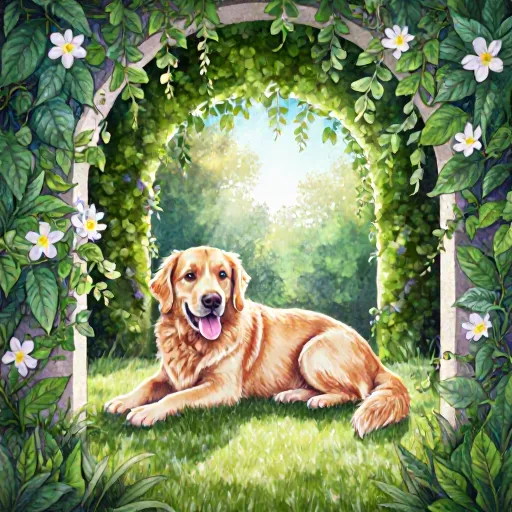
Style Your Pup in a Chic Eco‑Retreat
Fashion a Protected Green Escape for Pup Love
Table of Contents
- Choosing Dog-Friendly Plants
- Creating Safe Outdoor Spaces
- Installing Secure Fencing
- Selecting Non-Toxic Materials
- Building a Dog-Friendly Pathway
- Adding Shade and Shelter
- Creating a Safe Water Feature
- Providing Exercise Areas
- Installing Dog-Friendly Lighting
- Choosing Non-Toxic Lawn Alternatives
- Using Pet-Approved Ground Covers
- Managing Waste and Hygiene
- Training Your Dog for the Backyard
- Conclusion
- FAQ
Choosing Dog-Friendly Plants
A well‑planned backyard can be a sanctuary for both you and your canine companion. When selecting plants, keep in mind that dogs often sniff, chew, and sometimes ingest foliage. Choosing species that are non‑toxic, low‑maintenance, and visually appealing will help prevent health issues and keep your lawn looking lush all year round.
1. Start with a Dog‑Safe Plant List
- Bamboo (Moso) – Fast growing, non‑toxic, and provides privacy.
- California Poppy – Bright blooms that are safe to chew on in small amounts.
- Lavender – Fragrant, low maintenance, and deters pests (though some dogs may dislike the scent).
- Echinacea (Coneflower) – Adds color, attracts pollinators, and is non‑toxic.
- Daylilies – Hardy perennials that thrive in full sun and are safe for dogs.
Always double‑check a plant’s safety with reputable sources such as the American Society for the Prevention of Cruelty to Animals (ASPCA) or local horticultural societies.
2. Consider Plant Size and Growth Habit
Dogs love to explore, so taller shrubs that keep their heads off the ground are ideal for creating natural “dog‑friendly” zones. For example:
- Pandera (Sagebrush) – Reaches 6–8 ft and provides a windbreak.
- Artemisia (Feverfew) – Grows to about 4 ft, offers aromatic foliage.
- Clematis – Vines can be trained along trellises, giving dogs vertical space to climb safely.
3. Use Ground Covers Wisely
Low‑maintenance ground covers reduce the need for frequent mowing and create a safe surface for pups to play on.
- Creeping Thyme – Hardy, aromatic, and tolerates light foot traffic.
- Ajuga (Bugleweed) – Dense mats that are chew‑friendly and attract pollinators.
- Pita Lily – Grows up to 2 ft tall, offers a splash of color with minimal upkeep.
4. Incorporate Functional Zones
Designate specific areas for different activities:
- The “Chew Zone” – Plant dog‑safe herbs and low shrubs where your pup can safely gnaw.
- The “Play Zone” – Use durable, non-toxic turf or a mix of hardy grasses like fescue.
- The “Rest Zone” – Place shaded trees such as dog‑friendly maples or oaks for cooling relief.
5. Practical Maintenance Tips
- Watering: Group plants with similar water needs together to simplify irrigation.
- Pruning: Trim back overgrown vines to keep the area safe and visually appealing.
- Pest Control: Use organic methods (e.g., neem oil) instead of toxic chemicals that could harm your dog.
- Seasonal Care: Replace dead or diseased foliage promptly to prevent ingestion of harmful material.
6. Safety First: Avoid Common Dog‑Poisonous Plants
Even a single bite from these can be dangerous:
| Plant | Toxic Part(s) | Symptoms in Dogs |
|---|---|---|
| Cyclamen | Leaves & roots | Nausea, vomiting, diarrhea |
| Rhododendron | All parts | Difficulty breathing, seizures |
| Sago Palm | Seeds & leaves | Liver failure, vomiting, lethargy |
7. Final Checklist Before Planting
- Verify all plants are non‑toxic.
- Ensure proper spacing to avoid overcrowding.
- Choose a balanced mix of perennials and annuals for year‑round color.
- Plan for dog pathways that minimize soil compaction.
By thoughtfully selecting plant species, arranging functional zones, and maintaining a safe environment, you can transform your backyard into an inviting oasis where both humans and dogs thrive.
Creating Safe Outdoor Spaces
Creating a Dog‑Safe Backyard
Turning your backyard into a safe, fun playground for your canine companion is more than just digging a fence. It involves thoughtful planning, smart material choices, and ongoing maintenance to keep both pets and homeowners happy.
1. Secure Fencing & Gate Design
- Height Matters: A minimum of 6‑feet tall fence is recommended for most breeds; larger dogs may need up to 8 feet.
- Material Choices:
- Wooden pickets give a natural look but require regular sealing.
- Chain‑link with a protective mesh top resists chewing and is low maintenance.
- Vinyl fences are durable, rust‑free, and come in various colors.
- Gate Placement: Install gates at least 12 inches above the ground to prevent dogs from burrowing under. Use a latch that only your dog can open if you prefer a self‑contained space.
2. Ground Cover & Surface Safety
- Avoid Sharp Objects: Remove broken glass, metal shards, and exposed nails from the yard.
- Choose Dog‑Friendly Surfaces:
- Low‑pile grass or artificial turf provides cushioning for joints.
- Rubber mulch or interlocking dog pads reduce injury risk during falls.
- Concrete or pavers can be used but should be laid with a slight slope to avoid puddles and should have a non‑slip coating if the area is wet.
- Temperature Control: In hot climates, shade structures (umbrellas, pergolas) or cool lawn treatments keep dogs from overheating.
3. Shade & Shelter Options
- Permanent Structures: Build a dog house with proper ventilation and insulation for extreme weather.
- Portable Solutions: Use shade tents or pop‑up canopies that can be moved as needed.
- Planting Trees: Strategically plant deciduous trees to provide seasonal shade while allowing light in the winter.
4. Water & Food Safety
- Water Station: Install a shallow, non‑slip dog bowl or an automatic water fountain that filters out debris.
- Food Storage: Keep treats and kibble in sealed containers to prevent attracting pests or other animals.
5. Enrichment & Activity Zones
- Digging Box: Bury a shallow box filled with safe soil or sand; encourage digging in this designated area.
- Agility Course: Add low hurdles, tunnels, and weave poles for mental stimulation.
- Toy Rotation: Keep toys varied to maintain interest and reduce destructive behavior.
6. Lighting & Visibility
- Install motion‑sensor LED lights around the perimeter to deter nocturnal predators and give owners peace of mind during nighttime play.
- Use reflective markers on fences or gates for better visibility in low light conditions.
7. Maintenance Checklist
- Weekly: Inspect fence integrity, clean water bowls, and remove any fallen debris.
- Monthly: Trim overgrown vegetation that could be hazardous or provide hiding spots for pests.
- Seasonal: Check for mold on artificial turf, seal wooden fences, and replace worn dog house bedding.
8. Legal & Community Considerations
- Verify local zoning laws regarding fence height and pet restrictions.
- Coordinate with neighbors if shared fencing is used to avoid disputes.
- Consider a neighborhood dog‑friendly sign that encourages responsible ownership.
Practical Takeaway: Start by mapping out your yard, then layer safety features—secure fencing, cushioned ground, shade, and enrichment. Regularly revisit each element to adapt to your dog’s changing needs and seasonal shifts. A well‑designed backyard not only protects your pet but also enhances the overall value and appeal of your home.
Installing Secure Fencing
Once you’ve chosen the right type of fence, it’s time to install it. A well‑installed fence not only keeps your dog inside but also protects neighbors and wildlife from accidental escapes.
1. Gather Tools & Materials
- Fence posts: Galvanized steel or wooden posts rated for outdoor use.
- Wire mesh or panels: Depending on the fence style (e.g., chain‑link, vinyl, wood).
- Post anchors or concrete mix: For ground‑based posts.
- Brackets & hardware: Hinges for gates, latch bolts, and screw sets.
- Tools: Post hole digger or auger, level, measuring tape, string line, hammer, drill, screwdriver, safety goggles, gloves.
2. Mark the Fence Line
- Use a laser level or string line to establish a straight reference line across the yard.
- Mark post locations at 6–8 ft intervals for chain‑link or wood; closer spacing may be needed for heavier dog breeds or taller fences.
- Double‑check angles and distances with a tape measure before digging.
3. Install the Posts
Posts are the backbone of any fence. Proper installation ensures stability, especially for higher or heavier fencing systems.
- Dig post holes: Use a post hole digger to make holes at least 2–3 ft deep (or deeper if soil is sandy).
- Set the posts: Place each post in its hole. Use a level to keep them plumb.
- Secure with concrete or anchors: For wooden posts, mix concrete and pour into the hole; let cure for 24–48 hrs. For metal posts, use heavy‑weight post anchors if you prefer not to use concrete.
4. Attach Mesh or Panels
The method varies by fence type:
- Chain‑link: Unroll the mesh, align with posts, and wrap it around each post using a staple gun or metal straps.
- Vinyl or wood panels: Slide the panel into place between posts, then secure with screws or brackets. Ensure the top is flush with the desired height.
5. Install Gates and Latches
Gates should be sturdy enough to withstand your dog’s weight and activity level. Use heavy‑duty hinges, and choose a latch that prevents accidental opening.
- Mount the gate frame: Attach the frame to two posts at either side of the gate opening using lag screws.
- Hang the gate: Install heavy‑duty hinges on both sides. Test for smooth operation and ensure it stays closed when latched.
6. Perform a Safety Check
Walk around the perimeter with your dog’s height in mind, looking for:
- Loose wires or panels that could be chewed or pulled loose.
- Uneven ground beneath posts that might allow digging under.
- Gate gaps larger than your dog’s head width.
7. Maintain Your Fence
A dog‑safe fence is only as good as its maintenance routine.
- Inspect monthly: Check for rust, loose screws, or sagging sections.
- Clean regularly: Remove dirt and debris to prevent rot in wooden posts.
- Repair promptly: Replace damaged panels or tighten loose hardware as soon as you notice an issue.
Practical Tips & Common Pitfalls
- Use a ground‑based fence for digging dogs: Even with posts, some breeds will dig under. Consider a buried wire or underground concrete barrier.
- Avoid sharp corners: Dogs can injure themselves on jagged edges; smooth out any protruding nails or metal spikes.
- Check local regulations: Some municipalities have height limits or material restrictions for residential fences.
By following these steps, you’ll create a robust and dog‑friendly backyard that keeps your pet safe while allowing them to enjoy the outdoors responsibly.
Selecting Non-Toxic Materials
When you’re building a dog‑safe backyard, the first thing that comes to mind is often the fence or playpen. But what many pet owners overlook are the everyday materials that your dog will encounter—gravel, mulch, paint, and even the wood of a patio deck. Choosing non‑toxic options not only protects your canine friend from accidental poisoning but also reduces the risk of allergies and respiratory irritation.
1. Choose Safe Paints and Finishes
- Water‑based, low VOC paints: Look for “low volatile organic compound” (VOC) labels. These paints emit far fewer fumes that can irritate a dog’s sensitive nose.
- Natural oil finishes: Linseed or tung oil in pure form are non‑toxic when fully cured. Avoid synthetic sealants that contain solvents.
- Test before painting: Apply a small patch on a corner of the wall and let it cure for 48 hours. Once dry, give your dog a sniff—if there’s no odor or irritation, you’re good to go.
2. Opt for Non‑Toxic Ground Cover
Dogs love to dig and roll in the dirt, so the surface they’ll spend most of their time on matters a lot.
| Material | Pros | Cons |
|---|---|---|
| Organic mulch (e.g., shredded pine) | Soft, easy to dig, natural look. | Can retain moisture—watch for mold. |
| Concrete pavers | Durable, low maintenance, easy to clean. | Can be hot in summer; may crack over time. |
| Recycled rubber mulch | Soft underfoot, good for pups who like to dig. | May contain additives—check manufacturer’s safety data sheet. |
3. Use Pet‑Safe Decking Materials
If you’re building a patio or dog house, the wood you choose should be safe for chewing and licking.
- Cedar: Naturally resistant to rot and has an aromatic scent that many dogs find appealing. Ensure it’s untreated with synthetic preservatives.
- Treated pine: If you must use pine, choose “non‑asbestos” treated lumber certified by the U.S. Environmental Protection Agency (EPA).
- Composite decking: Made from recycled plastics and wood fibers—no chemicals needed for maintenance.
4. Avoid Hazardous Landscaping Plants
Even if you’ve cleared the area of toxic plants, some common lawn staples can be harmful when ingested.
- Bamboo: Easy to grow but can cause digestive upset if chewed.
- Corn silk grass: Leaves may irritate a dog’s mouth or stomach.
- Ornamental grasses (e.g., fountain grass): Their seeds can be toxic if eaten in large quantities.
5. Practical Tips for Checking Materials
- Read the label: Look for “non‑toxic,” “pet safe,” or “Vegan” certifications.
- Ask the supplier: Request a safety data sheet (SDS) for paints and finishes.
- Check for heavy metals: Especially in imported wood products—use a reputable brand that tests for lead, arsenic, or cadmium.
- Test on a small patch: Apply the product to a hidden area of the dog’s bedding and observe any reaction over 48 hours.
By selecting non‑toxic materials, you’re not only ensuring your dog's safety but also creating a healthier environment for everyone in the household. The investment in safer products pays off with fewer vet visits, less cleaning, and a backyard that both you and your pup can enjoy worry‑free.
Building a Dog-Friendly Pathway
A well‑designed pathway not only enhances the aesthetic of your backyard but also provides a safe, low‑maintenance route for your dog to explore. Below are step‑by‑step guidelines, material suggestions, and practical tips to help you create a durable, comfortable path that keeps both pets and homeowners happy.
1. Plan Your Route
- Map the Terrain: Sketch your yard’s topography and identify high‑traffic spots where your dog usually walks or plays.
- Consider Natural Obstacles: Avoid areas prone to flooding, loose soil, or large rocks that could injure paws.
- Keep It Straight: A straight path reduces the risk of accidental falls and makes it easier for dogs with mobility issues.
2. Choose Dog‑Safe Materials
| Material | Pros | Cons |
|---|---|---|
| Compact Gravel | Excellent drainage; inexpensive. | Can shift under heavy weight; may need periodic raking. |
| Crushed Stone (e.g., pea gravel) | Soft on paws; natural look. | Requires a well‑graded base to prevent settling. |
| Wood Chips | Eco‑friendly; great shock absorption. | Decomposes over time; may need replenishing. |
| Dog‑Friendly Concrete (with a smooth, non‑slip finish) | Long lasting; easy to clean. | Can become hot in summer; higher upfront cost. |
3. Build the Base Layer
- Excavate: Remove any grass or debris along the intended path line, digging to a depth of about 4–6 inches.
- Add Gravel: Spread a 2‑inch layer of coarse gravel for drainage. Compact it with a hand tamper or mechanical plate compactor.
- Lay a Geotextile Fabric (Optional): This prevents weed growth and keeps the base stable, especially if you’re using loose materials like wood chips.
4. Install the Path Surface
Depending on your material choice:
- Gravel/Crushed Stone: Evenly spread to a depth of 2–3 inches, then compact again.
- Wood Chips: Spread to 3–4 inches; tamp lightly but avoid creating a hard surface.
- Concrete: Pour in sections, using a straightedge to keep the edge crisp. After curing (usually 24–48 hours), apply a non‑slip sealant if desired.
5. Edge the Path
Define the path’s boundaries with:
- Edging Stones or Brick: Provide a clean look and prevent material migration.
- Planting Borders: Low‑growth shrubs (e.g., lavender, sedum) can serve as natural edges while adding fragrance.
6. Add Dog‑Friendly Features
- Shade Structures: Install a pergola or plant fast‑growing trees to keep the path cool during hot months.
- Watering Station: Place a shallow bowl of fresh water at one end, especially if your dog enjoys long walks.
- Interactive Elements: Embed a small agility obstacle (e.g., low jump or weave poles) near the path for enrichment.
7. Maintenance Tips
- Check for loose material every few weeks; re‑spread and compact as needed.
- Trim any overgrown vegetation that may snag on the path edges.
- If you use wood chips or gravel, replace them after a year to keep the surface smooth.
Real‑World Example
Case Study – The “Brooklyn Dog Path”:
- Location: A 1,200 sq ft backyard in a suburban setting.
- Material: Crushed stone with a geotextile backing.
- Result: Dogs walk without paw injuries; the path remains stable during heavy rains. Homeowner reports a noticeable reduction in muddy footprints on indoor floors.
By following these steps, you’ll create a functional, durable, and inviting pathway that encourages healthy exercise for your dog while keeping your backyard organized and safe.
Adding Shade and Shelter
Dogs are sensitive to heat and cold just like humans, so providing reliable shade and shelter is essential for their comfort and safety. A well‑designed shaded area or a sturdy dog house can prevent heat stroke, reduce stress during hot days, and offer protection from rain, wind, and insects.
1. Choosing the Right Shade Source
- Natural Shade: If you have trees on your property, prune them so that branches create a canopy over the yard. Make sure the shade is broad enough to cover an area at least twice the size of your dog’s typical resting spot.
- Artificial Shade: Portable awnings, pergolas, or shade sails are great options when natural shade is limited. Install them on posts that can support the weight and consider UV‑resistant fabrics to prolong lifespan.
- Combination Approach: For larger properties, combine tree canopy with a pergola over high‑traffic zones (e.g., near the dog house or water bowl) to ensure consistent shade throughout the day.
2. Building or Selecting a Dog Shelter
A dog shelter should be durable, weather‑proof, and spacious enough for your dog to stand, lie down, and turn around comfortably.
| Feature | Why It Matters |
|---|---|
| Insulated Walls | Regulates temperature in extreme climates. |
| Ventilation | Avoids moisture buildup and keeps the interior dry. |
| Elevated Floor | Prevents dampness from ground moisture. |
| Easy‑to‑Clean Interior | Maintains hygiene and reduces odor. |
DIY Dog House Example:
- Use weather‑proof plywood for walls and a corrugated metal roof.
- Add foam insulation between studs, then cover with a layer of exterior-grade drywall.
- Install a 2‑inch vent pipe on the side wall opposite the door to promote airflow.
- Finish with a waterproof sealant and paint using pet‑safe, non‑toxic paint.
3. Positioning Your Shelter for Optimal Comfort
- Southwest Facing: In the Northern Hemisphere, placing the shelter on a southwestern slope captures afternoon shade while still allowing morning sunlight.
- Windbreak Placement: If prevailing winds come from the north, build a windbreak (e.g., a row of shrubs or a fence) behind the shelter to reduce cold drafts.
- Proximity to Water: Keep the shelter within 10–15 feet of an outdoor water source so your dog can cool off without having to travel far.
4. Maintaining Shade and Shelter Through Seasons
Seasonal maintenance keeps your dog’s environment safe year after year.
- Spring: Inspect for mold or mildew on the shelter walls; clean with a mild bleach solution (1:10 ratio).
- Summer: Replace worn shade fabric if it shows signs of UV degradation. Apply a fresh coat of water‑repellent spray to the roof.
- Fall: Trim tree branches that may droop onto the shelter, preventing snow accumulation and reducing wind blockage.
- Winter: Add extra insulation if temperatures drop below freezing. Consider a heated mat or blanket for very cold climates.
5. Practical Tips for Your Dog’s Comfort
- Place a non‑slip rug inside the shelter to prevent slipping during wet weather.
- Use an elevated, waterproof dog bed instead of letting your dog sleep directly on the floor.
- Keep the area around the shelter free from debris and sharp objects that could injure paws.
- Install a small fan or dehumidifier in the shelter if you live in a humid region to improve air circulation.
By thoughtfully integrating shade structures and a well‑designed shelter into your backyard, you create a safe, comfortable retreat that keeps your dog healthy and happy all year long.
Creating a Safe Water Feature
A well‑designed water feature can be the centerpiece of a pet‑friendly yard, offering your dog a refreshing spot to cool off while keeping them safe. Below are practical steps, design ideas, and safety tips that ensure both aesthetics and canine security.
1. Choose the Right Type of Water Feature
- Mini Ponds: Small, shallow ponds (no deeper than 12 inches) are ideal for dogs who like to dip their paws. Add a gentle fountain or waterfall that keeps water moving—this reduces stagnation and discourages lingering.
- Water Fountains: Portable or fixed fountains provide continuous flow. Opt for models with non‑sharp edges and a low splash zone so your dog can drink without risk of slipping.
- Bird Baths: If space is limited, a shallow bird bath with a wide rim works well. Place it on a level surface to prevent tipping over when your dog jumps in.
2. Secure the Edge
Even the shallowest water can become hazardous if your dog slips or falls in. Here are three effective solutions:
- Use a Low Barrier Fence: Install a small, decorative fence (1–2 feet high) around the perimeter. Choose materials that blend with your landscape—wood, bamboo, or metal posts with soft edging.
- Planting Borders: Dense shrubs or tall grass create natural walls. Ensure plants are non‑toxic to dogs and easy to trim for maintenance.
- Floating Covers: A removable floating mat can be placed over the water when not in use, preventing accidental dips while still allowing airflow to keep water fresh.
3. Incorporate Dog-Friendly Design Features
- Shallow Entry Points: Add a shallow “dog door”—a small gap in the fence or a removable platform that lets your dog step into water without wading too deep.
- Non-Slip Surfaces: Cover the surrounding area with textured gravel, rubber mulch, or stepping stones to reduce slip risk when dogs are wet.
- Shade Structures: Install a pergola or shade sail over the water feature. Dogs often seek shade after cooling off, and it helps keep the water from evaporating too quickly.
4. Maintain Water Quality
A healthy water environment is essential for both dogs and any aquatic life you might host:
- Use a Filter System: Even in small ponds, a filter keeps debris out and reduces algae growth.
- Add Beneficial Bacteria: Products like “Bacitrace” or “Algaecide” help maintain natural balance without chemicals harmful to pets.
- Regular Cleaning: Remove leaves, debris, and excess dog hair weekly. Replace a portion of the water every month if it becomes cloudy.
5. Safety Testing & Monitoring
Before allowing full access to your dog, test the setup:
- Check for hidden sharp edges or gaps that could injure paws.
- Observe how quickly the water level drops when a dog jumps in—ensure it doesn’t submerge them unintentionally.
- Use a non‑toxic deterrent spray on the barrier if your dog tries to climb over, and train them with positive reinforcement for staying within safe zones.
6. Real-World Example: The “Sunny Pond” Project
Owner Lisa transformed a 50‑square‑foot backyard into a dog-friendly oasis:
- Installed a shallow, circular pond (12 inches deep) with a built‑in fountain.
- Surrounded it with a low bamboo fence and a ring of lavender for scent masking.
- Placed a rubber mulch mat around the perimeter to keep paws dry.
- Added a shaded pergola made from reclaimed wood, giving dogs a cool spot after swimming.
The result? Lisa’s Labrador, Max, now loves his daily “swim” sessions—without any accidents or water‑related health concerns.
7. Quick Checklist for Dog-Safe Water Features
- Depth ≤12 inches (or use a shallow entry point).
- Secure, low fence or natural barrier.
- Non‑slip surrounding surface.
- Filter system and regular maintenance routine.
- Shade structure for post‑swim cooling.
By combining thoughtful design with ongoing care, you can create a water feature that delights both your dog and your guests—without compromising safety. Happy building!
Providing Exercise Areas
A well‑designed exercise zone is the cornerstone of a healthy, happy dog. It gives your pet the physical stimulation it needs while keeping them safe from hazards in the yard. Below are practical steps to create an engaging and secure exercise area for your canine companion.
1. Choose the Right Spot
- Sun vs Shade: Dogs often like a mix of sun and shade. Position the area so that one side gets morning sunlight while another offers afternoon shade, especially in hot climates.
- Proximity to Living Spaces: A location near your house or a covered patio allows you to keep an eye on your dog during playtime without walking into the yard every time.
- Ground Surface: Soft, even ground reduces joint strain. Consider installing a low‑grade rubber mat or a layer of mulch for extra cushioning.
2. Install a Secure Fencing System
A sturdy fence is essential to prevent your dog from wandering off and to keep unwanted animals out. Here are some options:
- Chain‑Link Fence (with a height of at least 6 ft): Affordable and easy to install, but add a privacy screen or lattice if you want more aesthetics.
- Wooden Palisade: Offers natural beauty; use rot‑resistant lumber and treat with a non‑toxic sealant.
- Soft Mesh Fencing: Ideal for smaller breeds, it’s lightweight yet sturdy. Ensure the mesh size is less than your dog’s head width to prevent escape.
3. Add Safe Play Structures
Your dog’s exercise area should include interactive elements that encourage movement and mental stimulation.
- Toys: Toss a ball, frisbee, or rubber tug toy. Rotate toys weekly to maintain interest.
- Agility Equipment: Install a small tunnel, weave poles, or a low jump. These can be purchased pre‑assembled or built from PVC pipe and sturdy fabric.
- Water Feature: A shallow kiddie pool or a dog‑friendly fountain keeps them cool during hot days.
4. Incorporate Shade & Shelter
Weather protection is key for both your dog’s comfort and longevity.
- Tent or Pergola: A lightweight canvas tent provides shade and can be set up in minutes.
- Dog‑Sized Canopy: Attach a canopy to a sturdy frame; use UV‑resistant fabric to prevent fading.
- Natural Shade: Plant fast‑growing trees or vines along the perimeter. Choose species that are non‑toxic and require minimal maintenance (e.g., willow, poplar).
5. Maintain a Clean Environment
A clean play area reduces the risk of infections and keeps your dog’s paws healthy.
- Daily Rinse: After walks or outdoor activities, rinse off dirt and debris with a hose.
- Regular Trash Removal: Keep litter bins out of sight but easily accessible for waste disposal.
- Check for Hazards: Inspect the fence for gaps, loose boards, or buried wires. Replace any damaged sections immediately.
6. Tailor to Your Dog’s Breed & Size
Different breeds have varying exercise needs.
| Breed Type | Recommended Exercise |
|---|---|
| Small Toy Breeds (e.g., Chihuahua) | Short, frequent walks and indoor play sessions. |
| Medium‑Sized Breeds (e.g., Beagle) | Moderate walks plus agility or fetch games. |
| Large & Working Breeds (e.g., German Shepherd) | Long, brisk walks and structured training drills. |
7. Use Positive Reinforcement During Play
Encourage good behavior by rewarding your dog with treats or praise during exercise sessions. This helps them associate outdoor time with positive experiences and reduces the likelihood of unwanted behaviors such as digging or barking excessively.
8. Monitor Health & Energy Levels
Watch for signs of overexertion—panting, limping, or excessive drooling—and adjust activity accordingly. Seasonal changes may require shorter sessions in summer or longer ones in cooler months.
By selecting a suitable location, securing the area with proper fencing, adding engaging play structures, providing shade and shelter, maintaining cleanliness, tailoring activities to your dog’s breed, reinforcing good behavior, and monitoring health, you’ll create an exercise zone that keeps your dog active, safe, and content—all while enhancing the overall appeal of your backyard.
Installing Dog-Friendly Lighting
Proper lighting is one of the most effective ways to keep your dog safe and calm in the dark hours of the day. It not only deters predators and unwanted visitors, but it also helps your dog navigate their environment without startling or injuring themselves on unseen obstacles.
1. Choose the Right Type of Bulb
- LED bulbs: Energy‑efficient, long lasting, and emit a bright white light that’s easy for dogs to see.
- Color temperature: Aim for 2700–3000 K (warm white) rather than cool or blue lights; warm tones are less likely to disturb your dog’s natural sleep cycle.
- Motion‑activated LEDs: These turn on automatically when movement is detected, saving battery and ensuring the area is illuminated only when needed.
2. Placement Strategy
When positioning lights, keep in mind a dog’s eye structure: they have more rods (for low‑light vision) and fewer cones than humans, which means they see better in dim light but can be startled by sudden brightness.
- Perimeter lighting: Install fixtures around the yard’s boundary to create a “well” that keeps your dog inside. Use low‑profile floodlights or LED strips mounted on posts.
- Obstacle illumination: Place lights above or near rocks, tree roots, and uneven ground so your dog can see where they’re stepping.
- Pathway lighting: If you have a designated walk route (e.g., around a pond or through a garden), line it with low‑level LED path lights that glow softly from the ground level.
3. Avoid Over‑Illumination and Glare
Too much light can be just as dangerous as none at all. Bright, direct illumination can cause glare on wet surfaces or in reflective areas, making it hard for dogs to judge depth.
- Use diffusers: Attach a frosted cover or shade over the bulb to spread light evenly.
- Position lights away from windows: Prevent reflected glare that might confuse your dog when they look back into their house.
- Night‑time dimming: Consider installing smart bulbs that can be set to a low intensity (around 100–200 lux) during the night.
4. Power Source and Safety
- Weatherproof enclosures: Ensure all fixtures are rated for outdoor use (IP65 or higher). This protects against rain, dust, and accidental splashes from your dog’s paws.
- Ground‑fault circuit interrupters (GFCIs): Use GFCI outlets in every outdoor junction box to reduce the risk of electrical shock if a wet paw contacts a live wire.
- Batteries vs. solar: For areas without easy access to power, consider battery‑powered LED panels or small solar panels that charge during daylight and light up at night.
5. Practical Installation Tips
- Survey the yard: Walk around with a flashlight to identify blind spots where your dog could bump into something in the dark.
- Mark fixture locations: Use chalk or stakes to map out where lights will go before drilling.
- Test at dusk: Once installed, walk through the yard with your dog’s leash on and observe how they react. Adjust brightness or reposition if needed.
- Regular maintenance: Clean lens covers weekly to keep light output optimal; replace bulbs after their rated lifespan (usually 25,000–50,000 hours for LEDs).
6. Sample Setup: “Dog‑Friendly Trail”
Imagine a small trail winding through a wooded section of your yard that leads to a shaded bench.
- Trail lights: Place LED path lights every 10 ft, flush with the ground.
- Perimeter floodlights: Mount two low‑profile fixtures on each side of the trail’s entrance, angled to cover the entire width.
- Motion sensor at exit: Install a motion‑activated light that turns on when your dog reaches the bench, ensuring they can see back toward home if needed.
By thoughtfully selecting bulbs, positioning lights strategically, and ensuring safety measures are in place, you’ll create an environment where your dog feels secure, can explore freely, and is protected from potential hazards during nighttime adventures.
Choosing Non-Toxic Lawn Alternatives
If you’re looking to create a dog‑safe backyard, the first step is picking a surface that keeps your pet healthy while still looking great. Below are some of the most popular non‑toxic lawn alternatives, complete with pros and cons, maintenance tips, and real‑world examples.
1. Natural Grass (Low‑Maintenance Varieties)
- Examples: Bermuda, Creeping Red Fescue, Tall Fescue
- Pros: Familiar feel, good drainage, can be treated with organic fertilizers.
- Cons: Requires mowing and watering; susceptible to foot traffic damage in high‑use areas.
Practical Tips
- Use organic fertilizers such as compost tea or fish emulsion.
- Install a permeable paving zone around the dog’s water bowl to reduce soil compaction.
- Mow at a higher setting (3–4 inches) during peak summer to keep the grass healthy and less likely to get cut by dogs.
2. Artificial Turf Made From Recycled Materials
- Examples: GreenPaw™ Recycled Nylon, EcoTurf® from PET bottles
- Pros: No mowing, no watering, safe for pets with allergies.
- Cons: Can heat up in direct sun; requires occasional brushing to keep fibers upright.
Practical Tips
- Choose a turf with anti‑slip backing for muddy days.
- Install a deep‑rooted filter layer underneath to help with drainage and reduce heat retention.
- Schedule a professional cleaning every 6–12 months to remove pet hair and odors.
3. Gravel or Crushed Stone Beds
- Examples: Pumice gravel, River rock, Recycled glass chips
- Pros: Excellent drainage, minimal maintenance, natural look.
- Cons: Can be cold underfoot for dogs in winter; sharp edges if not properly graded.
Practical Tips
- Use a compacted base layer of crushed stone to prevent shifting.
- Lay down a rubber mulch border around the edges to cushion any accidental falls.
- Add a splash zone with shallow water for hot days; ensure it’s deep enough (at least 4 inches) so dogs can comfortably dip their paws.
4. Native Plant Beds
- Examples: California poppy, Bachelor’s buttons, Yarrow
- Pros: Low water usage, attracts pollinators, blends seamlessly with local ecosystems.
- Cons: Some native species may be mildly irritating to dogs if ingested (check pet safety lists).
Practical Tips
- Consult a local extension office for dog‑friendly native species.
- Plant in clusters to create natural hiding spots and shade for your pup.
- Use a layer of organic mulch (e.g., shredded bark) to suppress weeds and retain moisture.
5. Rubber Mulch from Recycled Tires
- Examples: Reclaimed rubber chips, tire crumb mulch
- Pros: Soft surface, great for high‑traffic play areas, fire‑resistant.
- Cons: Can be noisy when dogs run; may attract insects if not properly treated.
Practical Tips
- Choose mulch with a soft, crumbly texture to reduce joint strain on dogs’ paws.
- Apply a thin layer of organic top dressing (e.g., compost) every year to keep it fresh.
- Install a perimeter fence to contain the mulch and prevent animals from digging it out.
Selecting the right non‑toxic lawn alternative is about balancing safety, aesthetics, and maintenance. Consider your dog’s breed, activity level, and any allergies when choosing a surface. By following these practical tips and examples, you can create a backyard that’s both inviting for your furry friend and healthy for their paws.
Using Pet-Approved Ground Covers
Choosing the right ground cover is one of the most effective ways to create a safe, low‑maintenance backyard for your dog while keeping the space looking tidy and attractive.
- Durability matters: Dogs love to dig, scratch, and run. Ground covers that can withstand heavy foot traffic, chewing, and repeated paw prints are essential. Look for dense mats or tightly woven turf that won’t tear easily.
- Non‑toxic materials: Many commercial pet lawns use synthetic fibers or natural grasses treated with pesticides. Opt for certified organic products that have been tested for safety, or choose natural ground covers like sand grass and pet‑friendly cattails.
- Moisture control: Dogs shed a lot of fur and urine can create unpleasant odors. Ground covers with good drainage, such as pea gravel or decomposed granite, help keep the area dry. For turf options, consider hybrid pet‑turf that incorporates natural fibers for better absorption.
- Easy cleanup: Ground covers with smooth surfaces or textured patterns make it easier to sweep debris and remove muddy paw prints. Many pet turf products come in pre‑cut panels that can be replaced individually if a section becomes too dirty.
Popular Pet‑Approved Options
- Pet Turf: Artificial grass designed specifically for pets. It’s stain‑resistant, easy to clean, and comes in various colors so you can match your landscaping aesthetic.
- Cattail Grass: A natural ground cover that is soft underfoot, drought‑tolerant, and provides a pleasant scent. It also offers a natural habitat for beneficial insects.
- Pea Gravel & Decomposed Granite: Ideal for areas where you want a more rugged look or need excellent drainage. These surfaces are pet‑friendly because they don’t retain odors and can be swept clean easily.
- Rubber Mulch: Made from recycled tires, this mulch is soft yet durable, reducing the risk of paw injuries while being resistant to mold and mildew.
Installation Tips for a Dog‑Safe Backyard
- Measure accurately: Before ordering any ground cover, take precise measurements of the area you plan to cover. Account for overlaps or seams if you’re using panels.
- Prepare the base: Clear vegetation and level the soil. For turf, lay down a weed barrier fabric followed by a layer of crushed stone for drainage. For gravel, create a solid base with compacted sub‑soil to prevent shifting.
- Secure seams: Use pet‑safe adhesive or staple edges together to avoid loose panels that could trip your dog. Check the manufacturer’s guidelines for recommended seam widths.
- Add a perimeter fence or edging: This helps contain the ground cover, prevents pets from digging under it, and keeps debris contained.
Maintenance Checklist
- Weekly visual inspection for torn fibers or loose gravel that could pose a choking hazard.
- Bi‑weekly shaking or sweeping to remove pet hair, dirt, and debris.
- Monthly washing (for turf) with a mild detergent solution or a specialized pet turf cleaner to keep odors at bay.
- Seasonal re‑seeding or patching for natural grasses that may become worn after heavy use.
By selecting the right ground cover and following these installation and maintenance guidelines, you’ll create a backyard that’s safe, comfortable, and low‑maintenance for both your dog and yourself. Happy landscaping!
Managing Waste and Hygiene
Keeping your dog’s backyard clean is essential not only for the health of your pet but also for the overall hygiene of your home. A tidy yard reduces the risk of bacterial infections, deters pests, and makes the space more enjoyable for everyone.
1. Daily Clean‑Up Routine
- Use a Poop Bag Dispenser: Install a dispenser near the entrance so you always have bags on hand. Consider biodegradable options to reduce environmental impact.
- Prompt Removal: Pick up waste immediately after your dog finishes. The sooner it’s removed, the less chance it has to decompose and attract flies or spread parasites.
- Use a Dog Waste Bag Dispenser: A small, weather‑proof dispenser can be mounted on a fence or post for easy access.
2. Composting Dog Food Scraps
If you feed your dog dry kibble, the leftover crumbs can be composted with other organic waste. However, avoid composting raw meat or bones as they attract pests and may introduce pathogens into the soil.
3. Proper Disposal of Poop Bags
- Sealed Bins: Place a dedicated dog‑waste bin in your yard with a tight‑fitting lid to keep odors out and deter wildlife.
- Municipal Guidelines: Check local regulations; some areas allow bagged waste to be disposed of with regular trash, while others require separate collection.
4. Preventing Odor Build‑Up
- Enzymatic Cleaners: Use pet‑safe enzymatic sprays on soil or grass after each walk to break down organic matter and neutralize odors.
- Ventilation: Position the dog’s play area away from your living spaces and ensure it has good airflow, especially if you have a covered patio or greenhouse nearby.
5. Dealing with Pests
- Fly Control: Install fly screens on windows or use natural repellents such as citrus peels around the perimeter.
- Mosquito Prevention: Remove standing water, and consider mosquito‑repellent plants like citronella or marigold near dog areas.
6. Using a Dog Waste Station
A dedicated station can streamline waste management. Include:
- Poop bag dispenser
- Small trash can with a lid
- Hand sanitizer or wipes for after handling waste
- Signage reminding owners to pick up
7. Educating Family Members and Guests
Share the importance of hygiene by posting clear instructions near the dog area: “Please pick up after your pet” or a short QR code linking to a quick guide on waste disposal.
8. Seasonal Considerations
- Winter: Snow can mask waste; use a snow shovel or raking tool to keep the area clear.
- Summer: Heat speeds up decomposition—clean more frequently and consider using mulch that absorbs moisture.
9. Long‑Term Soil Health
Regularly aerate the soil in your dog’s play zone to prevent compaction, which can hinder root growth and increase runoff. Replace topsoil every 2–3 years if it becomes too compacted or depleted.
10. Practical Checklist
| Task | Frequency | Tools Needed |
|---|---|---|
| Pick up poop | After each walk | Poop bags, gloves (optional) |
| Clean waste bin | Weekly | Disinfectant spray, trash bag |
| Aerate soil | Every 6 months | Garden fork or aerator |
| Apply enzymatic cleaner | Monthly | Enzymatic spray, sprayer bottle |
By following these steps, you’ll maintain a hygienic, odor‑free backyard that’s safe and enjoyable for your dog while preserving the health of your garden and surrounding environment.
Training Your Dog for the Backyard
If you’ve already made your backyard dog‑safe, the next step is teaching your furry friend how to enjoy it responsibly. Proper training not only keeps your pup happy and healthy but also protects your garden, patio furniture, and neighbors’ pets.
1. Establish Clear Boundaries
- Use physical dividers: A low fence or a decorative screen can visually cue your dog where the “play zone” ends. Pair this with verbal cues like “stay” or “no” when they approach restricted areas.
- Mark the perimeter: Place pet-safe stakes or colored turf at the edges of the backyard. Dogs often follow visual markers, so a subtle line can reinforce boundaries without being intrusive.
2. Teach “Leave It” and “Come Back” Commands
These two commands are essential for backyard safety, especially if you have edible plants or small critters.
- Leave It: Hold a treat in your closed fist. Let your dog sniff it; when they stop and look at you instead, say “yes” and give them the treat from your other hand. Repeat until they reliably back away on cue.
- Come Back: Use a long leash or a sturdy rope attached to a secure post. When your dog pulls towards a tempting spot, gently tug the rope while saying “come.” Reward with praise and a treat once they return.
3. Positive Reinforcement for Good Behavior
- Reward-based playtime: After a successful training session, allow your dog to explore a designated safe zone (e.g., a sandbox or a “digging pit” filled with soft soil). This reinforces that the area is both fun and permissible.
- Treat stations: Place small bowls of fresh water and healthy treats at the entrance of the backyard. When your dog enters on command, reward them immediately to create a positive association.
4. Manage Energy Levels with Structured Activities
A high-energy dog will be more likely to wander off or dig in undesired spots. Keep their energy in check by:
- Scheduled walks: Take your dog for a brisk walk before letting them into the yard.
- Interactive toys: Provide puzzle feeders, tug‑ropes, or fetch balls to keep them mentally stimulated.
- Agility circuits: If space allows, set up a mini agility course using cones and tunnels. This not only burns energy but also teaches focus.
5. Gradual Exposure to Outdoor Stimuli
New smells, sounds, and sights can overwhelm some dogs. Introduce them slowly:
- Start in a quiet corner: Let the dog explore a low‑traffic part of the yard while you observe.
- Introduce distractions gradually: Once comfortable, add a small garden gnome or a bird feeder. Praise and treat when they remain calm.
- Use desensitization techniques: If your dog reacts to lawnmowers or wind chimes, play the sounds at low volume while rewarding calm behavior.
6. Maintain Consistency Across Family Members
All household members should use the same commands and rewards to avoid confusing your dog. Keep a simple training log (date, command practiced, outcome) so everyone stays on track.
7. Monitor Health and Comfort
- Check for heat stress: Provide shade, fresh water, and limit play during peak sun hours.
- Watch for signs of distress: Excessive licking, yawning, or pacing can indicate discomfort. Address immediately by moving to a cooler spot.
8. Celebrate Milestones!
When your dog masters a new command or stays within the backyard boundaries without prompting, celebrate with extra playtime, a favorite treat, or a gentle belly rub. This reinforces positive behavior and strengthens the human‑dog bond.
By combining a safe backyard design with consistent training techniques, you’ll create an enjoyable outdoor space that keeps your dog happy, healthy, and well-behaved.
Conclusion
A well‑planned backyard can become a haven for your canine companion—an area where they can run freely, dig responsibly, and stay healthy. By combining thoughtful design with practical safety measures, you’ll give your dog the best possible outdoor experience while keeping the rest of your family safe.
Key Takeaways
- Secure Fencing: Choose a fence that is at least 4 ft high, made from sturdy materials (wood, metal, or vinyl), and with no gaps wider than 2 inches. Add a buried concrete footing or concrete blocks to prevent tunneling.
- Safe Plants & Landscaping: Keep toxic plants such as azaleas, oleander, and rhododendrons away from the yard. Opt for dog‑friendly alternatives like coneflower, sedum, or ornamental grasses.
- Water Safety: If you have a pond or pool, install a safety gate or cover. Consider shallow, non‑slippery surfaces to reduce slipping hazards.
- Shade & Shelter: Provide a shaded area with a sturdy dog house or lean‑to structure that can withstand wind and rain.
- Exercise & Enrichment: Incorporate agility equipment (tunnels, jumps, weave poles) to keep your dog mentally stimulated. Add a digging pit filled with sand or loam to satisfy natural instincts without ruining the lawn.
Practical Steps for Implementation
- Survey Your Yard: Measure dimensions, note existing obstacles (trees, power lines), and identify potential escape routes.
- Create a Design Plan: Sketch zones—play area, rest zone, garden beds—and label where fencing will go. Use online tools like Canva or free CAD programs for a visual guide.
- Choose Materials Wisely: For fences, consider chain‑link with a dog‑friendly top rail or a solid wood fence finished with a non‑toxic sealant. For decking, use hardwoods such as teak or cedar that are naturally resistant to rot and safe for dogs.
- Install Fencing: Dig post holes at least 12 inches deep, set posts in concrete for stability, and attach the fence panels. Check for any sharp edges and sand them down.
- Add Dog‑Friendly Features: Install a rubber or foam mat in high‑traffic areas to protect paws. Build a simple obstacle course using household items like PVC pipes for jumps.
- Maintain Regularly: Inspect the fence annually for loose boards or nails, trim overhanging branches, and replace any damaged plantings promptly.
Beyond Safety: Building a Bond
A safe backyard isn’t just about preventing accidents—it’s an extension of your home where you can strengthen the bond with your dog. Spend time together during walks, practice obedience drills, or simply sit on the porch while they watch their favorite squirrel. The more positive experiences they have outdoors, the calmer and happier they’ll become inside.
Resources for Further Reading
- AKC: Dog‑Friendly Yard Fencing Tips
- DogTime: Choosing Non‑Toxic Plants for Your Garden
- Free Images of Dogs in Safe Yards (for inspiration)
By investing a little time and effort into creating a dog‑safe backyard, you’re not only safeguarding your pet but also enriching their life. Start with the basics—secure fencing and non‑toxic landscaping—and build from there. Your four‑legged friend will thank you with wagging tails, boundless energy, and plenty of happy memories in the great outdoors.
FAQ
1. What are the most common hazards in a backyard that can harm my dog?
- Plants & Pesticides: Many ornamental plants (e.g., azaleas, rhododendrons) and lawn chemicals contain toxins. Dogs often chew on leaves or ingest pesticide residues.
- Toxic Grasses & Weeds: Poisonous species such as dandelion, yarrow, or ragwort can cause stomach upset, vomiting, or more severe reactions.
- Small Objects: Broken glass, plastic toys, or loose screws can be swallowed, leading to intestinal blockage.
- Hot Surfaces: Asphalt, concrete, and freshly painted fences can burn paws during summer.
- Electrical Cords & Power Lines: Loose wires or exposed lines pose electrocution risks.
2. How do I choose dog‑friendly plants?
Look for non‑toxic, low‑maintenance species that thrive in your climate. Below are three examples:
- Lavender (Lavandula spp.) – Not only is it safe, but its scent calms dogs. Use it as a border around walkways.
- Bamboo (Phyllostachys edulis) – Fast‑growing and hardy; keep it fenced to prevent chewing.
- Sunflower (Helianthus annuus) – Dogs can nibble the leaves, but seeds are safe. Plant in clusters for a splash of color.
3. What fencing options provide safety without looking like a prison?
Consider these dog‑friendly fence styles:
- Low‑profile chain link with a smooth finish: Install a 1‑to‑2 ft height and cover the tops with a mesh net to stop digging.
- Wooden picket fences: Paint in bright colors; use non‑asbestos wood or composite materials for durability.
- Electric pet fences: Use as an alternative when you have large open spaces. Install a low‑voltage system and train your dog with a collar that delivers a gentle buzz.
4. How can I keep the lawn safe from chemical exposure?
- Organic Lawn Care: Use compost, natural fertilizers (e.g., fish emulsion), and biodegradable weed killers.
- Zone Application: Apply chemicals only in designated areas where the dog rarely goes. Mark these zones with colored flagging tape.
- Timing: Treat lawns early morning or late evening, giving at least 48 hrs before your dog returns to the yard.
5. What are safe ways to provide shade and cooling?
- Tent‑style shade structures: Install a canvas or vinyl canopy over a seating area, using posts that can be locked when the dog is inside.
- Palm trees & large shrubs: Plant in clusters to create natural windbreaks and cooler microclimates.
- Cooling mats: Place silicone or gel mats on hot concrete spots. They absorb heat and keep paws comfortable.
6. How can I encourage my dog to stay inside during extreme weather?
- Indoor play zones: Set up a dedicated room with toys, a comfy bed, and a window for natural light.
- Training cues: Use commands like “Inside” or “Come” paired with treats to reinforce indoor behavior.
- Environmental enrichment: Rotate toys, add puzzle feeders, or play gentle background music to keep the dog engaged indoors.
7. What should I do if my dog accidentally ingests a toxic plant?
Act quickly:
- Identify the plant: Use a garden guide or smartphone app.
- Call your veterinarian or an emergency animal poison hotline (e.g., 1‑800‑222‑1222).
- Do NOT induce vomiting unless instructed by a professional.
8. How can I incorporate water features safely?
Dogs love water, but pools and fountains need precautions:
- Pond safety: Install a floating fence or a high barrier with a gate that locks.
- Fountain design: Use a low‑flow pump to keep water moving; add a non‑slip mat around the base.
- Regular cleaning: Remove algae and debris to prevent infections.
9. What are some DIY projects that boost safety?
- DIY Raised Garden Beds: Build with untreated cedar or composite wood; keep them elevated to prevent digging.
- Dog‑friendly patio tiles: Use non‑porous, textured surfaces that reduce slipping and are easy to clean.
- Portable dog house: Construct a simple frame with insulated panels; place it near shade for rainy days.
10. How do I maintain a healthy, safe environment year‑round?
- Seasonal inspections: Check fences, plants,
Categories
- AI & Enrichment Play
- Broiler Farming
- Broiler Farming Tips
- Canine Wellness & Longevity
- Cat
- Cat & Human Connection
- Cat Adoption & Rescue
- Cat Breeds
- Cat Breeds & Personalities
- Cat Care & Health
- Cat Grooming & Hygiene
- Cat Lifestyle & Environment
- Cat Myths & History
- Cat Nutrition & Diet
- Cat Products & Reviews
- Cat Training & Behavior
- Comparison
- Consumer Awareness
- Dog
- Dog Accessories & Products
- Dog Adoption & Rescue
- Dog Breed & Lifestyle Trends
- Dog Breeding & Puppies
- Dog Entertainment & Media
- Dog Fashion & Trends
- Dog Fun & Lifestyle
- Dog Grooming & Hygiene
- Dog History & Culture
- Dog Myths, Science & Future Tech
- Dog News & Trends
- Dog Nutrition & Food
- Dog Psychology & Emotions
- Dog Safety & Security
- Dog Sports & Activities
- Dog Technology & Innovation
- Dog Training for Modern Owners
- Dog Travel & Adventure
- Dog Travel, Adventure & Culture
- Economic and Market Insights
- Educational Content
- FAQs
- Feeding Alternatives
- Festivals & Seasonal Ideas
- Fun & Entertainment
- General Knowledge
- General Pig Farming
- Health & Disease Management
- Housing and Environment
- Kittens
- Market Insights
- Miscellaneous
- Miscellaneous
- Motivational
- pig
- Pig Breeding
- Pig Breeds
- Pig Farming Stories and Inspiration
- Pig Health and Care
- Pig Nutrition
- Pig Products
- Profitability & Business
- Puppy Care
- Puppy Predictable Topics Reinvented
- Regional Focus
- Rescue & Adoption Buzz
- Senior Cats
- Senior Dog Care
- Smart Dog Tech & Gadgets
- Sustainability
- Sustainable & Eco-Friendly Dog Products
- Tech & Innovations
- Working & Service Dogs
- Broiler Feed66 products
- Country Feed33 products
- Pig Feed66 products
- Product22 products
- Raw Materials99 products
Products
-
 Fish Meal
₹1,999.00 – ₹2,999.00Price range: ₹1,999.00 through ₹2,999.00Rated 0 out of 5
Fish Meal
₹1,999.00 – ₹2,999.00Price range: ₹1,999.00 through ₹2,999.00Rated 0 out of 5 -
 FATTENING BROILER FEED
₹2,299.00 – ₹2,349.00Price range: ₹2,299.00 through ₹2,349.00Rated 0 out of 5
FATTENING BROILER FEED
₹2,299.00 – ₹2,349.00Price range: ₹2,299.00 through ₹2,349.00Rated 0 out of 5 -
 LAYER COUNTRY FEED
₹1,549.00 – ₹1,649.00Price range: ₹1,549.00 through ₹1,649.00Rated 0 out of 5
LAYER COUNTRY FEED
₹1,549.00 – ₹1,649.00Price range: ₹1,549.00 through ₹1,649.00Rated 0 out of 5 -
 COUNTER BROILER FEED
₹1,199.00 – ₹1,299.00Price range: ₹1,199.00 through ₹1,299.00Rated 0 out of 5
COUNTER BROILER FEED
₹1,199.00 – ₹1,299.00Price range: ₹1,199.00 through ₹1,299.00Rated 0 out of 5 -
 LACTATING PIG FEED
Rated 0 out of 5
LACTATING PIG FEED
Rated 0 out of 5₹2,299.00Original price was: ₹2,299.00.₹1,740.00Current price is: ₹1,740.00. -
 Maize
Rated 0 out of 5
Maize
Rated 0 out of 5₹1,650.00Original price was: ₹1,650.00.₹1,300.00Current price is: ₹1,300.00. -
 GESTATION PIG FEED (Phase 1)
Rated 0 out of 5
GESTATION PIG FEED (Phase 1)
Rated 0 out of 5₹2,249.00Original price was: ₹2,249.00.₹1,699.00Current price is: ₹1,699.00. -
 Pre Starter Broiler Feed
₹2,399.00 – ₹2,499.00Price range: ₹2,399.00 through ₹2,499.00Rated 0 out of 5
Pre Starter Broiler Feed
₹2,399.00 – ₹2,499.00Price range: ₹2,399.00 through ₹2,499.00Rated 0 out of 5 -
 FINISHER PIG FEED
Rated 0 out of 5
FINISHER PIG FEED
Rated 0 out of 5₹2,299.00Original price was: ₹2,299.00.₹1,749.00Current price is: ₹1,749.00. -
 Broiler Premix
Rated 0 out of 5
Broiler Premix
Rated 0 out of 5₹820.00Original price was: ₹820.00.₹699.00Current price is: ₹699.00.