
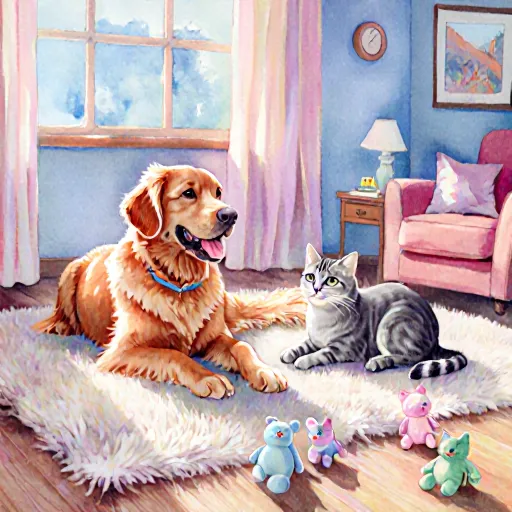
Playful Paws, Serene Spaces
“Paws & Peace: Ultimate Safe Indoor Play Picks”
Table of Contents
- Introduction to Safe Indoor Toys for Dogs
- Understanding Your Dog’s Play Style
- Key Safety Criteria for Indoor Toys
- Material Matters: Choosing Non-Toxic Options
- Size and Weight Considerations
- Durability vs. Breakage Risks
- Avoiding Small Parts That Can Be Ingested
- Soft vs. Hard Toys: When to Use Each
- Interactive Toys for Mental Stimulation
- Treat‑Dispensing Toys and Their Safety Tips
- Chew‑Friendly Options That Won’t Damage Surfaces
- Cleaning and Maintaining Indoor Toys
- Monitoring Your Dog’s Interaction with Toys
- Conclusion: Creating a Safe Play Environment Indoors
- FAQ – Common Questions About Indoor Dog Toy Safety
Introduction to Safe Indoor Toys for Dogs
When you’re looking after a playful pup in a home setting, choosing the right toys is crucial. A toy that looks fun on the surface can quickly become hazardous if it contains small parts, sharp edges, or toxic materials. The goal of this section is to give you a clear framework for selecting safe indoor toys and to provide practical examples that will keep your dog healthy, happy, and engaged.
Key Safety Criteria
- Material: Opt for non-toxic, durable plastics, natural rubber, or high‑grade fabrics. Avoid toys with PVC, phthalates, or lead-based dyes.
- No Small Parts: Ensure the toy cannot be easily broken into pieces that could cause choking or intestinal blockage.
- Size & Strength: Match the toy’s size to your dog’s breed and chewing strength. A small toy can become a threat for large, powerful dogs.
- Construction: Look for reinforced seams, double‑stitched fabric, or welded joints that resist tearing.
- Ease of Cleaning: Toys should be washable or dishwasher safe to prevent bacterial buildup.
Practical Examples
Below are three categories of indoor toys that meet these safety standards, along with real‑world examples and usage tips.
- Soft Plush Toys
- Example: KONG Classic Soft Dog Toy – made from non‑toxic rubber, no stuffing that can be chewed off.
- Tip: Fill it with a small amount of kibble or peanut butter to encourage longer play sessions.
- Interactive Puzzle Toys
- Example: Outward Hound Hide N Seek Dog Toy – uses fabric pockets that don’t unravel easily.
- Tip: Start with a low difficulty level for first‑time puzzle players, then increase complexity as they master the game.
- Durable Chew Toys
- Example: Nylabone Dura Chews Original – engineered with a hardened plastic core to resist gnawing.
- Tip: Rotate chew toys regularly to keep your dog’s interest high and prevent over‑use wear that could create dangerous fragments.
Maintenance & Inspection
A toy’s safety can diminish over time. Implement a routine check every two weeks:
- Inspect for cracks, frayed seams, or loose parts.
- Wash the toy according to manufacturer instructions; replace if it shows signs of wear.
- Keep a record of each toy’s condition and lifespan in a simple spreadsheet or notes app.
Conclusion
Choosing safe indoor toys is more than picking the most colorful option. By focusing on material quality, design integrity, and ongoing maintenance, you’ll provide your dog with fun that doesn’t come at the cost of safety. Keep this guide handy when shopping for new toys or evaluating those already in your home.
Understanding Your Dog’s Play Style
Every dog is a unique mix of temperament, energy level, and personality traits. Knowing how your pup likes to play will help you choose the right indoor toys that keep them engaged while staying safe.
1. The Pursuit Chasers
- What they love: Fast-moving objects, squeakers, and toys that can be thrown or rolled.
- Best indoor toys: Soft rubber balls, plush frisbees, or a lightweight “bug” toy that moves when you shake it.
- Safety tip: Avoid hard plastic balls that could crack your floor; always supervise and keep the play area clear of breakables.
2. The Grabbers
- What they love: Toys you can hand them, chewable items with interesting textures.
- Best indoor toys: Durable rubber tug‑sticks, treat-dispensing chews, or a plush toy with hidden kibble pockets.
- Safety tip: Choose materials that are non-toxic and rated for heavy chewing; replace broken pieces immediately to avoid ingestion of small parts.
3. The Puzzle Solvers
- What they love: Mental stimulation, problem-solving challenges.
- Best indoor toys: Interactive treat-dispensing puzzles, hide‑and‑seek plush toys with removable treats, or a simple “find the treat” game using scented cards.
- Safety tip: Ensure puzzle pieces are large enough to prevent swallowing and that any treats used are safe for your dog’s diet.
4. The Gentle Playmates
- What they love: Soft, cuddle‑friendly toys that can be carried or nuzzled.
- Best indoor toys: Plush blankets with hidden squeakers, soft stuffed animals with a faint scent of your home, or a small weighted blanket for calming during play.
- Safety tip: Check for loose seams or stuffing that could come out; avoid plush toys with tiny plastic eyes or buttons that can detach.
5. The Sensory Explorers
- What they love: Toys that engage multiple senses—touch, smell, sound.
- Best indoor toys: Textured chew mats, scented play pillows, or a “soundbox” toy with gentle bells inside.
- Safety tip: Keep scent-based toys away from food to avoid confusion; ensure any small parts are securely attached.
Practical Steps for Matching Toys to Play Style
- Observe: Spend a few minutes watching your dog’s natural play behavior in the living room or hallway.
- Test: Offer one toy from each category and note enthusiasm, duration of interest, and any signs of frustration.
- Rotate: Keep a small selection on hand; rotate toys weekly to maintain novelty without cluttering the space.
- Set boundaries: Designate a safe play zone free of fragile items. Use rugs or mats to protect floors and reduce noise.
Common Mistakes to Avoid
- Choosing toys based solely on size—small dogs can still enjoy large, soft toys if they’re comfortable handling them.
- Ignoring the dog's health—dogs with dental issues should avoid hard chew toys; those with joint problems need softer play options.
- Overlooking ventilation—some squeaky or plastic toys emit odors that may irritate sensitive dogs.
By aligning your dog’s natural play instincts with carefully selected indoor toys, you’ll provide them with a safe, stimulating environment that keeps both body and mind active. Happy playing!
Key Safety Criteria for Indoor Toys
Choosing the right toy for your dog’s indoor playtime isn’t just about fun—it’s a critical part of keeping them safe and healthy. Below are the most important factors to consider, along with practical examples and tips that make each criterion easy to apply in everyday life.
1. Material Safety
- Non-toxic plastics and rubbers: Look for toys labeled “PVC-free,” “phthalate-free,” or “food-grade silicone.” Avoid cheap, brittle plastics that can splinter.
- Natural fibers: Wool, hemp, and organic cotton are breathable and less likely to cause allergies. Check for untreated dyes.
- Avoid small detachable parts: Anything that could be chewed off and swallowed—such as beads, buttons, or plastic eyes—should be avoided in indoor toys.
2. Durability & Chew Resistance
- Check the chew level rating: Most manufacturers rate toys as “light,” “medium,” or “heavy” chewers. Match this to your dog’s bite strength.
- Inspect for seams and stitching: Loose threads can unravel quickly, creating choking hazards.
- Test with a controlled chew session: If the toy begins to tear after a few minutes of play, it’s not suitable for indoor use.
3. Size & Weight Considerations
- Proportionate size: A toy should be large enough that your dog can’t swallow it whole but small enough to handle comfortably. For a medium-sized dog, a 6–8 inch ball is usually ideal.
- Weight matters for safety: Heavy toys can cause injury if thrown or knocked over. Opt for lightweight alternatives like plush or rubber items when playing fetch in tight spaces.
4. Texture & Sensory Appeal
- Multiple textures: Dogs enjoy a mix of soft, firm, and squeaky surfaces. This keeps play engaging and reduces the chance they’ll chew the toy to the point of breaking it.
- Avoid overly sticky or slimy coatings: These can attract dirt, become difficult to clean, and may cause skin irritation if the dog licks them excessively.
5. Cleanability & Hygiene
- Machine washable: Toys that can be washed at home prevent bacterial buildup. Look for a “laundry safe” tag or instructions on the packaging.
- Easy to sanitize: If you prefer hand-washing, choose toys that dry quickly and don’t retain odors.
6. Noise & Squeak Safety
- Squeakers inside: While squeaky toys are popular, ensure the squeaker is securely sealed to prevent it from being chewed out and swallowed.
- Low‑volume options: Some dogs can become overstimulated by high‑pitch squeaks. Opt for muted or silent alternatives if your dog shows signs of anxiety.
7. Environmental Impact & Sustainability
- Eco‑friendly materials: Biodegradable rubber, recycled PET, and sustainably sourced wood are good choices.
- Longevity counts: A toy that lasts longer reduces waste—look for reinforced seams and high‑quality craftsmanship.
8. Compatibility with Your Dog’s Play Style
- Fetch vs. chew: If your dog loves to retrieve, choose a durable ball or plush that won’t break easily when thrown.
- Puzzle toys: For intelligent dogs who like mental stimulation, opt for puzzle games with treat dispensers that are safe for indoor use.
Practical Checklist for Everyday Use
- Read the label: Confirm material safety and chew level.
- Inspect physically: Look for loose parts, rough edges, or weak seams.
- Test a short play session in a safe area to gauge durability.
- Wash or sanitize after each use, especially if the toy has been chewed on.
- Rotate toys regularly to keep your dog’s interest high and reduce wear on any single item.
By keeping these safety criteria in mind, you can confidently choose indoor toys that are not only entertaining but also protect your dog from injury and health risks. Happy playing!
Material Matters: Choosing Non-Toxic Options
When selecting a new toy for your canine companion, the first thing you should check is the material it’s made from. Dogs often chew, bite, and sometimes ingest parts of their toys, so it’s essential that these items are free from harmful chemicals.
Common Toxic Ingredients to Avoid
- Toluene: A solvent found in some rubber and paint products. Ingestion can cause neurological damage.
- Benzidine dyes: Used in certain plastic pigments; linked to cancer when absorbed through the skin or ingested.
- Phthalates: Plasticizers that increase flexibility but may disrupt hormone function.
- Lead, cadmium, and mercury: Heavy metals sometimes used in colored paints or metal parts of toys.
Safe Materials for Indoor Dog Toys
Below is a quick reference guide to the safest materials you can look for on packaging or in product descriptions.
| Material | Why It’s Safe | Typical Toy Types |
|---|---|---|
| Natural Rubber (Latex‑Free) | No synthetic chemicals; biodegradable and usually free of phthalates. | Chew toys, tug ropes |
| Cotton / Organic Cotton | Non‑toxic fibers, often treated with natural dyes. | Squeaky plushies, treat bags |
| Burlap / Jute | Rough texture resists chewing; no plasticizers. | Tug toys, fetch balls with fabric exterior |
| Silicone (Food‑Grade) | Heat resistant and non‑porous; free of BPA and phthalates. | Squeezable treat dispensers, chew sticks |
| Hardwood (e.g., Maple, Walnut) | No chemicals if untreated; natural oils can be safe. | Chew blocks, puzzle toys |
Practical Tips for Vetting a Toy’s Safety
- Read the label: Look for statements such as “BPA‑free,” “phthalate‑free,” or “made with natural rubber.”
- Check third‑party certifications: Certifications from organizations like ASTM International or PetSafe Standards can provide added confidence.
- Inspect the construction: Toys should have no loose seams, small parts that could detach, or hidden metal fasteners that might rust.
- Test a sample: If you’re unsure, chew on a short piece yourself (or with a trusted friend) to detect any unusual smells or textures that may indicate chemical additives.
Examples of Trusted Brands and Products
- Ruffwear Natural Rubber Chew Toy: Made from 100% natural rubber, no dyes.
- Paw Patrol Organic Cotton Plush: Certified organic cotton, non‑bleached.
- Husky Silicone Treat Ball: Food‑grade silicone with a built‑in treat pouch.
- Lupo Hardwood Puzzle: Untreated maple wood, smooth finish for safe chewing.
When to Replace a Toy
If you notice:
- Cracks or splintering in the material.
- Color fading that might indicate bleaching agents.
- Odors of chemicals or burning rubber.
- Small parts that have detached and could be swallowed.
Replacing these items promptly protects your dog from potential ingestion hazards and keeps indoor playtime safe and enjoyable.
Size and Weight Considerations
Choosing the right size and weight for an indoor dog toy isn’t just about comfort—it’s a safety measure that can prevent choking, digestive blockages, or even injuries from accidental throws. Below is a practical guide to help you pick the ideal toy for your pup.
1. Match the Toy to Your Dog’s Bite Strength
- Puppies (0–12 months): Opt for lightweight, soft toys that won’t be chewed into small pieces. Look for “puppy-safe” or “soft chew” labels.
- Small Breeds: Toys should not exceed 3–4 inches in diameter and weigh no more than a few ounces. A toy that’s too large can be a choking hazard. Medium & Large Breeds: Choose toys that are at least 5–7 inches across and weigh between 6–12 ounces, depending on the dog’s size and chewing intensity.
2. Consider Material Density
A toy’s weight can affect how it behaves during play:
- Lightweight (under 4 oz): Great for interactive games like fetch or tug in tight spaces.
- Medium (4–8 oz): Balances durability with easy handling for most dogs.
- Heavy (over 8 oz): Ideal for strong chewers who need a toy that won’t be destroyed in seconds, but ensure it’s not so heavy that your dog can’t lift or toss it safely.
3. Avoid Small, Detachable Parts
Even if a toy looks sturdy, tiny parts (buttons, beads, or loose stuffing) can become choking hazards. Check the packaging for:
- “No small parts” certifications.
- Secure stitching and reinforced seams.
- Regular inspections for wear; replace any toy that shows signs of tearing.
4. Test the Toy’s Durability with a “Chew Test”
Before letting your dog play, simulate a quick chew session:
- Hold the toy in one hand and apply pressure as if you were a strong chewer.
- If it starts to break or fray, choose a heavier-duty option.
- Check for loose threads or seams that could unravel during play.
5. Use Size Guidelines for Common Toy Types
| Toy Type | Recommended Size (inches) | Recommended Weight (oz) |
|---|---|---|
| Rubber Fetch Balls | 3–4 (puppies), 5–7 (adults) | 2–3 (puppies), 4–6 (adults) |
| Cotton Plush Toys | 4–6 (puppies), 8–10 (adults) | 3–5 (puppies), 7–9 (adults) |
| Durable Rope Tugs | 5–7 (all sizes) | 6–10 (medium to large dogs) |
6. Practical Tips for Everyday Play
- Rotate Toys: Keep a variety on hand so no single toy becomes worn out too quickly.
- Supervise: Even the safest toys can break if used aggressively; always watch your dog during play.
- Clean Regularly: Wash soft toys and rinse rubber items to prevent mold or bacterial growth, especially when they get damp from drool or water.
By paying close attention to size and weight, you’ll ensure that indoor playtime remains fun, engaging, and most importantly—safe for your canine companion.
Durability vs. Breakage Risks
When you’re choosing a toy for your dog to play with indoors, the balance between durability and the potential for breakage is crucial. A toy that’s too flimsy can snap or crumble into dangerous pieces, while an overly rigid toy may be hard on your pet’s teeth or joints.
1. Material Matters
- Rubber & Silicone: These materials are highly elastic and resistant to chewing. Look for toys that have a thick, double‑layered rubber construction. Brands like KONG Classic or West Paw Zogoflex use non‑toxic, food‑grade silicone that can withstand even the most determined chewers.
- Nylon & Textiles: Soft plush toys are tempting but often contain stuffing that can be ingested. Opt for those with reinforced seams and high‑density nylon fibers—examples include Puppy Plush or Outward Hound Hide & Seek.
- Wood & Hard Plastics: While these are durable, they can splinter. If you choose a wooden toy (e.g., a “chew block”), ensure it’s treated with pet‑safe finishes and has no sharp edges.
2. Construction Features That Reduce Breakage
- Double‑Layered Design: Many modern toys feature an inner core surrounded by a protective outer shell, preventing the core from being exposed if the outer layer cracks.
- Seam Reinforcement: Seams stitched with heavy‑weight thread or glued with pet‑safe adhesive reduce the chance of unraveling. Look for “seamless” or “reinforced seam” labels.
- Modular Parts: Toys that come in interchangeable pieces (e.g., puzzle toys) allow you to replace a damaged component without discarding the entire toy.
3. Size and Shape Considerations
A toy that’s too small can be swallowed or pose choking hazards, especially if it breaks apart. Conversely, oversized toys may not fit comfortably in your dog’s mouth and could lead to accidental breakage from over‑exertion.
Practical Tip:
- Measure your dog’s muzzle width and compare it with the toy’s diameter. A simple rule of thumb is that the toy should be no larger than the space between your dog’s front teeth when closed.
4. Regular Inspection & Maintenance
Even the most durable toys will eventually show signs of wear. Inspect for:
- Cracks or splits in rubber or silicone.
- Loose seams on plush items.
- Missing or broken pieces in puzzle or interactive toys.
Replace any toy that shows these signs immediately to prevent accidental ingestion or injury.
5. Choosing the Right Toy for Your Dog’s Play Style
- Gentle Chewers: Soft, plush toys with durable stitching are suitable, but monitor for stuffing loss.
- Intense Chewers: Opt for high‑impact rubber or reinforced nylon. Avoid plastic toys that can crack into sharp shards.
- Puzzle Enthusiasts: Durable interlocking pieces (e.g., Nerf Dog Puzzle) are great, but replace any cracked sections promptly.
6. Bottom Line: Balancing Durability with Safety
The best indoor toys combine robust construction, non‑toxic materials, and thoughtful design features that minimize breakage risks. By selecting the right toy for your dog’s chewing habits, size, and play preferences—and by performing regular inspections—you can keep playtime fun and safe inside your home.
Avoiding Small Parts That Can Be Ingested
When selecting indoor toys for your dog, one of the most critical safety concerns is ensuring that the toy does not contain small parts that could be swallowed or become choking hazards.
- Check the size and shape: Even if a toy looks sturdy, it may have detachable pieces such as beads, charms, or small plastic bits. Look for toys where any accessories are firmly attached or integrated into the design.
- Read product labels carefully: Reputable brands often list “No Small Parts” or “Choke Hazard Free” on their packaging. If the label is vague, contact the manufacturer for clarification.
- Inspect after purchase: Before giving a toy to your dog, inspect it for loose pieces that could come off during play. A quick tug test can reveal if anything might detach.
Practical Tips for Choosing Safe Indoor Toys
- Opt for solid rubber or high‑density plastic toys: These materials are less likely to break into dangerous fragments. Examples include the Paw Patrol Durable Rubber Tug and the Outward Hound KONG Classic.
- Select larger, chunky designs: Toys that are bigger than a coin or a small toy block reduce the risk of accidental ingestion. The BarkBox Bulk Ball is a great example.
- Use natural fiber toys with no embellishments: Rope toys made from hemp or sisal, like the Cobble Hill Dog Rope Toy, are inherently free of small parts and also provide excellent dental benefits.
- Consider interactive puzzle toys that lock in place: Toys such as the Outward Hound Puzzle Cube have compartments that hold treats securely, preventing loose bits from falling out during play.
What to Do If Your Dog Swallows a Small Part
- Stay calm and observe: Look for signs of distress such as coughing, gagging, or vomiting. If your dog appears normal, monitor them closely for the next few hours.
- Call your veterinarian immediately: Even if there are no obvious symptoms, a professional can advise on whether imaging or intervention is needed.
- Document the incident: Note the toy’s brand, model, and any identifiable parts that were swallowed. This information helps vets assess the risk level.
By carefully selecting toys without small detachable components and regularly inspecting them for wear and tear, you can create a safe indoor play environment that keeps your dog happy and healthy.
Soft vs. Hard Toys: When to Use Each
When it comes to keeping your dog entertained inside the house, the type of toy you hand them can make a big difference in both safety and fun. Below is a practical guide that explains when to choose soft toys versus hard toys, what each offers, and how to keep playtime safe.
Soft Toys: Best for Gentle Chewers & Interactive Play
- Comfort & Safety: Soft plush or rubber toys are gentle on teeth and gums. They’re ideal for dogs who tend to bite hard or chew through everything.
- Ideal Uses:
- Hide‑and‑seek games (treat‑filled plush).
- Tug‑of‑war with a soft rope or stuffed toy.
- Training aids for commands like “drop it” and “fetch.”
- Durability Tips:
- Choose toys labeled “durable” or “heavy‑duty.”
- Inspect regularly for holes; patch with fabric glue if needed.
- Replace any toy that has lost stuffing to avoid swallowing.
- Safety Checklist:
- No small detachable parts (buttons, beads).
- Check for synthetic fillings that could melt or become brittle over time.
- Wash after every few uses to keep odors and bacteria at bay.
Hard Toys: Ideal for Heavy Chewers & Longevity
- Strength & Durability: Hard rubber, nylon, or durable plastic toys withstand strong jaws and can last months, sometimes years.
- Ideal Uses:
- Chewing sessions that relieve stress.
- Solo play when you’re not home.
- Interactive puzzles where the toy must be rotated or moved.
- Choosing the Right Hard Toy:
- Look for “non‑toxic” labels (PVC, nylon).
- Opt for toys with a textured surface to aid in cleaning plaque.
- Make sure the toy’s size is appropriate—too small and it can be swallowed; too big and it may be difficult to handle.
- Safety Checklist:
- No sharp edges or corners that could cut gums.
- Avoid toys with loose seams that might separate into pieces.
- Keep an eye on the toy’s condition; replace if it cracks or shows signs of wear.
When to Use Which?
| Scenario | Soft Toy Recommended | Hard Toy Recommended |
|---|---|---|
| Newborn puppy or small breed with delicate teeth | ✔️ Soft plush or rubber chew toy | |
| Dog prone to destructive chewing (e.g., pulling furniture) | ✔️ Heavy‑duty hard toy, preferably with a textured surface | |
| Indoor playtime during short walks or when supervising | ✔️ Soft tug rope or stuffed toy for interactive games | |
| Long‑duration solo play (e.g., left at home alone) | ✔️ Durable hard puzzle toy that can keep them engaged |
Practical Tips for Safe Indoor Toy Play
- Rotate Toys: Keep a small selection of both soft and hard toys and rotate them weekly to maintain interest.
- Supervise Initial Interactions: Even the safest toy can become a hazard if swallowed or chewed into sharp pieces. Watch the first few sessions closely.
- Clean Regularly: Wash soft toys with mild detergent, and wipe hard toys with a damp cloth to prevent bacterial buildup.
- Keep an Eye on Wear: Inspect toys daily for cracks, loose seams, or missing parts. Replace immediately if any damage is found.
By understanding the strengths of soft versus hard toys and applying these safety guidelines, you’ll ensure your dog enjoys safe, engaging indoor play while keeping their mouth healthy and happy.
Interactive Toys for Mental Stimulation
When the weather turns rainy or when you simply want to give your dog a mental workout without leaving the house, interactive toys are a must-have. They challenge problem‑solving skills, reduce boredom, and can even curb destructive behaviors. Below we break down the top categories of indoor-friendly toys, real-life examples, safety tips, and how to incorporate them into daily routines.
1. Puzzle Feeders & Treat Dispensers
- KONG Classic Interactive Toy: Fill it with peanut butter, kibble, or a special treat mix. The dog must roll and paw to release the food.
- Nina Ottosson by Outward Hound – "Dog Tornado": A multi-layer puzzle where treats are hidden under removable discs. Great for dogs that love a challenge.
- Puzzle Ball (e.g., Buster's Treat Ball): Roll it around and let your dog sniff out the goodies inside.
Safety tip: Use toys with non‑breakable materials. Always supervise until you’re sure your dog can’t ingest large pieces.
2. Interactive Electronic Toys
- iFetch Interactive Dog Toy: A motorized ball that moves unpredictably, encouraging chasing and catching.
- LitterBox – "Smart Treat Dispenser": Emits a treat when the dog performs a simple action like sitting or pawing.
These gadgets often come with adjustable difficulty settings. Start low to avoid frustration, then increase complexity as your pup masters the game.
3. Sensory & Chew Toys
- TheraToys – “Chew & Play”: Made from durable rubber with embedded textures for oral stimulation.
- Snuffle Mats (e.g., BARKMATT): Hide kibble or treats in a fabric mat to stimulate scent work and slow feeding.
These are ideal for dogs who enjoy chewing but need something safe indoors. Ensure the material is non-toxic and free from small detachable parts.
4. DIY Brain Games
- Frozen Treat Challenge: Freeze a mixture of kibble, peanut butter, and water in an ice cube tray. The dog has to lick or chew the frozen cubes to get the treats.
- Cardboard Box Maze: Cut holes in a sturdy box, place a treat inside, and let your dog navigate through to reach it.
Homemade toys can be tailored to your dog's size and chewing strength. Always use food-safe materials.
5. Rotating Toy Schedule
Dogs thrive on novelty. Keep a rotation of 4–6 toys and swap them every few days. This prevents boredom and extends the lifespan of each toy by avoiding overuse.
Practical Advice for Daily Use
- Start with a short session: 5–10 minutes, then gradually increase as your dog shows interest.
- Observe body language: Signs of frustration (whining, pacing) mean the toy might be too hard or not engaging enough.
- Incorporate training cues: Use commands like “drop it” or “fetch” to reinforce obedience while playing.
- Clean regularly: Wash puzzle toys with warm soapy water and dry thoroughly to prevent bacterial growth.
By choosing the right interactive indoor toys, you can keep your dog mentally sharp, physically active, and emotionally satisfied—all without stepping outside.
Treat‑Dispensing Toys and Their Safety Tips
When you choose a treat‑dispensing toy, the goal is to keep your dog mentally stimulated while rewarding them with tasty snacks. However, not all toys are created equal, and improper use can lead to choking hazards, dental damage, or even ingestion of plastic parts. Below is a practical guide that balances fun with safety.
1. Choose the Right Toy Size for Your Dog
- Puppies & Small Breeds: Opt for toys no larger than 2–3 inches in diameter. Tiny pieces are less likely to be swallowed accidentally.
- Medium‑Sized Dogs: Use medium‑sized dispensers (4–6 inches). They’re easy to handle and reduce the risk of large chunk ingestion.
- Large Breeds: Pick the largest models available, often 7–10 inches. These toys can withstand vigorous chewing without breaking into dangerous pieces.
2. Inspect for Wear and Tear
A cracked or worn toy can release small plastic shards that your dog might swallow. Regularly check:
- Visual inspection for cracks, loose seams, or missing parts.
- Feel the surface; any rough patches could damage gums.
- Replace immediately if you notice even a minor defect.
3. Use Appropriate Treats
The type of treat matters as much as the toy:
- Soft, moist treats: Ideal for small or elderly dogs; they reduce the risk of choking.
- Hard biscuits or chews: Use sparingly and only in toys designed to break them down slowly. Over‑crushing can create a choking hazard.
- Avoid overly sticky treats (e.g., peanut butter) that may clog the toy’s dispensing mechanism, leading to accidental ingestion of the toy itself.
4. Supervise Playtime
Even the safest toys need a watchful eye:
- Keep a close eye on how your dog interacts with the toy, especially during the first few sessions.
- If you notice chewing that leads to broken pieces or the dog struggling to swallow, stop immediately and switch to a less abrasive model.
5. Clean Regularly
Bacteria can build up in crevices if treats are left inside for too long:
- Wash the toy with warm, soapy water after each use.
- For silicone or rubber toys, a dishwasher cycle (top rack) is safe and efficient.
- Dry completely before storing to prevent mold growth.
6. Keep an Eye on Your Dog’s Health
If your dog has a history of gastrointestinal issues, allergies, or dental problems:
- Select toys with smooth surfaces and no small detachable parts.
- Consult your veterinarian before introducing new treat‑dispensing toys.
7. When to Discontinue Use
If you notice:
- Repeated vomiting or gagging after play sessions.
- Loss of appetite or refusal to eat treats.
- Visible damage to the toy that could pose a choking risk.
Stop using the toy immediately and consult your vet for guidance.
Practical Example
Case Study: The “KONG Classic” vs. “BarkBox Treat Ball”
- The KONG Classic is a rubber toy that can be filled with soft treats or kibble. Its thick wall resists chewing, but you must monitor for cracks.
- In contrast, the BarkBox Treat Ball is made of durable plastic and has a small opening for treats. It’s ideal for medium‑sized dogs but requires careful filling to avoid overstuffing.
Both toys work well when you follow the safety guidelines above.
Conclusion
By selecting an appropriately sized toy, inspecting it regularly, using suitable treats, supervising play, cleaning thoroughly, and staying alert to your dog’s health signals, you can safely enjoy the benefits of treat‑dispensing toys. Always remember that a happy, safe pup starts with thoughtful choices and attentive care.
Chew‑Friendly Options That Won’t Damage Surfaces
When your dog loves to chew, it’s easy to think of a pile of rubber bones or hard plastic toys as the only solution. Unfortunately, many “chew‑friendly” products can still dent cabinets, scratch floors, or even break into small pieces that end up in your living room. Below are practical options and tips for selecting toys that stay safe on indoor surfaces while giving your dog the mental stimulation they need.
1. Natural Fiber Toys
- Hemp Rope Toys: Durable, biodegradable, and resistant to mold. They’re gentle on floors because the fibers don’t splinter.
- Cotton or Linen Chews: These can be stuffed with treats for a double‑benefit playtime. Ensure the stuffing is non-toxic (e.g., dried peas) so it doesn’t leach into your home’s dust.
2. Silicone and Rubber Alternatives
Unlike hard plastic, silicone toys flex and absorb impact, reducing surface damage.
- Silicone Chew Rings: These come in various textures (smooth, ridged) and can be frozen for extra comfort during hot days.
- Natural Rubber Balls: Look for products that are unbleached and free from added dyes. Their weight keeps them from rolling across hardwood floors too quickly.
3. Soft Plush with a Purpose
Plush toys are great for gentle chewers, but many are filled with synthetic stuffing that can break down over time.
- Stuffed Toys with Reusable Fillings: Some brands use biodegradable beans or rice. After your dog finishes chewing, you can wash the toy and refill it.
- Double‑Layered Plush: A protective outer layer shields the inner stuffing from being ripped out entirely, preventing loose bits on your floor.
4. DIY Options
If you’re crafty, creating a toy at home can guarantee it’s safe for surfaces and fully custom to your dog’s chewing style.
- Fabric Strips: Sew several strips of canvas together, knot them securely, and braid or twist them into a rope. Add a small, non‑toxic treat inside.
- Old T-Shirt Balls: Roll up an old t‑shirt into a tight ball, tie it with a rubber band, and let your dog gnaw on it. The fabric is soft on floors yet tough enough to resist shredding.
5. Choosing the Right Size
A toy that’s too small can become an obstruction or choking hazard; one that’s too large may be unmanageable and cause accidental trips.
- Small dogs: Opt for toys no larger than a tennis ball in diameter.
- Large breeds: Choose items with at least an inch of thickness to prevent them from being swallowed whole.
6. Maintenance and Safety Checks
Even the best toys can degrade over time. Inspect regularly for:
- Loose seams or frayed edges that could detach and become hazards.
- Cracked rubber or silicone, which may splinter.
- Mold or mildew on natural fibers—discard if you see any signs of fungal growth.
7. Pairing Toys with Training
Encourage your dog to use the correct chew items by:
- Rewarding them when they play with the designated toy.
- Using a “leave it” cue for inappropriate objects (e.g., furniture).
- Providing a variety of textures so they stay engaged and less likely to target your couch.
By selecting chew toys that are soft on surfaces, easy to clean, and durable enough to stand up to enthusiastic chewers, you can protect both your home and your dog’s dental health. Keep these options handy, rotate them regularly, and watch your pet happily gnaw away without leaving a dent in your living room.
Cleaning and Maintaining Indoor Toys
Keeping your dog’s indoor toys clean isn’t just about aesthetics—it’s a critical part of maintaining their health and preventing infections. A dirty toy can harbor bacteria, mold, and even parasites that may be ingested during play. Below are practical steps to keep your dog’s toys fresh and safe.
1. Identify the Toy Material
- Rubber & Nylon: Durable but can retain moisture if not dried thoroughly.
- Synthetic Fabrics (e.g., plush, fleece): Soft and fun, yet they trap saliva and urine easily.
- Natural Fibers (e.g., cotton, hemp): Breathable but may mildew if left damp.
- Metal & Plastic: Hard surfaces that can harbor bacteria in cracks.
2. Daily Spot Cleaning
- Wipe down the toy with a damp cloth or pet-safe wipe after each play session.
- Use a mild, dog-friendly soap (e.g., Furminator Pet Shampoo) diluted in warm water.
- Rinse thoroughly to remove any residue that could irritate your dog’s skin.
3. Weekly Deep Clean
Depending on the toy type, schedule a deeper cleanse once a week:
- Rubber/Nylon Toys: Soak in a mixture of one part white vinegar to four parts water for 10–15 minutes, then rinse.
- Plush/Fabric Toys: Wash on a gentle cycle with pet-safe detergent; add a cup of baking soda to neutralize odors.
- Metal/Plastic Toys: Scrub with a soft brush and antibacterial soap, then rinse.
4. Drying Techniques
Moisture is the enemy of hygiene. After washing:
- Shake off excess water and lay the toy on a clean towel in a well-ventilated area.
- Use a fan or low heat setting (no more than 80 °F) to speed up drying—avoid high temperatures that could warp plastic.
- For plush toys, consider placing them in a dryer with a clean tennis ball on low heat for 10 minutes to fluff and dry evenly.
5. Inspect for Wear & Tear
Even the most meticulous cleaning can’t fix a broken toy. Check regularly:
- Look for frayed seams, loose stuffing, or cracked rubber that could be swallowed.
- Replace any toy that shows signs of damage to prevent choking hazards.
6. Store Toys Properly
After cleaning and drying:
- Place toys in a dry, dust-free container or a mesh bag so air can circulate.
- Avoid plastic bags that trap moisture—use breathable fabric bags instead.
- Keep toys away from direct sunlight to prevent fading and degradation of materials.
7. Use Safe Cleaning Products
Never use household cleaners that contain bleach, ammonia, or strong fragrances; these can be toxic if ingested. Opt for:
- Pet-specific detergents labeled “non-toxic” and “pet-safe.”
- A mixture of water and white vinegar (1:4 ratio) which is effective against bacteria and safe for dogs.
- Hydrogen peroxide (3%) diluted with water can be used once a month to kill deeper germs, but avoid contact with the dog’s mouth during cleaning.
8. Quick Fixes Between Washes
If you need a rapid refresh:
- Spray the toy lightly with a pet-safe disinfectant spray (look for “no-rinse” options).
- Use a dry microfiber cloth to blot excess moisture.
- Let it air out in sunlight for a short period—sunlight naturally reduces bacteria.
9. Monitor Your Dog’s Response
A sudden change in behavior after cleaning may signal irritation or allergy:
- If your dog licks the toy excessively, consider changing to hypoallergenic materials.
- Watch for signs of gastrointestinal upset—vomiting or diarrhea could indicate ingestion of residual chemicals.
10. Keep a Cleaning Log
For households with multiple dogs or many toys, maintain a simple log:
- Date cleaned, cleaning method used, and any observations (e.g., odor, texture).
- This helps you track how often each toy needs attention and spot patterns of wear.
By following these steps, you’ll ensure that your dog’s indoor toys remain safe, hygienic, and enjoyable for years to come.
Monitoring Your Dog’s Interaction with Toys
While choosing safe indoor toys is the first step, it’s equally important to keep a close eye on how your dog engages with them. Proper monitoring helps you spot potential hazards early and ensures that playtime remains fun and injury‑free.
1. Observe Play Patterns
- Intensity of Chewing: A gentle nibble is fine, but if your dog’s jaws are crushing the toy into chunks or leaving sharp edges, it may be time to replace it.
- Swallowing Tendencies: Watch for small pieces that slip from a tug rope or shredded plush. If you notice any fragments in the litter box or on the floor, discard the toy immediately.
- Repetitive Behavior: Dogs that repeatedly chew the same spot on a toy may be indicating a structural weakness or an underlying dental issue.
2. Use Visual and Auditory Cues
Teach your dog to “drop” or “leave it” using positive reinforcement. This skill can prevent them from swallowing dangerous parts or chewing through the toy in a way that creates choking hazards.
3. Check for Wear and Tear Regularly
- Inspect Soft Toys: Look for holes, loose seams, or frayed stuffing. Replace any toy that shows signs of damage.
- Examine Durable Items: For rubber balls or hard chew toys, check for cracks, splinters, or reduced elasticity. Even a small crack can become a choking risk if ingested.
4. Maintain Hygiene
Wash plush toys and stuffed animals every two weeks with dog‑safe detergent to prevent mold growth. Hard toys should be wiped down after each use, especially if they’re used outdoors or in a high‑traffic area.
5. Rotate Toys Strategically
Keep your dog’s interest alive by rotating the toy collection every week. This not only prevents boredom but also allows you to assess each toy’s condition more thoroughly during periods of inactivity.
6. Create a Safe Play Zone
- Use a soft rug or carpet to cushion falls and reduce noise.
- Avoid areas with slippery surfaces or sharp corners where toys could break or get stuck.
7. Document Your Findings
Keep a simple log: toy name, purchase date, last inspection, and any observed issues. This record helps you track the lifespan of each toy and plan replacements proactively.
Practical Tips & Checklist
- Daily Check: Quick glance at toys before playtime.
- Weekly Inspection: Full visual inspection for damage.
- Monthly Wash: Clean plush and wipe hard items.
- Replace Immediately: If any piece is missing or broken, discard the toy.
By combining thoughtful selection with vigilant monitoring, you’ll create a safe, engaging environment where your dog can enjoy indoor play without compromise. Remember: safety first, fun always!
Conclusion: Creating a Safe Play Environment Indoors
When you’re designing an indoor play area for your dog, safety should be the top priority. A well‑planned space not only protects your pet from injury but also enhances their overall enjoyment and learning experience.
1. Choose the Right Flooring
- Non‑slippery mats or rugs: These provide traction for high‑energy activities like fetch or tug, reducing the risk of slips and falls.
- Soft carpet tiles: Ideal for puppies and older dogs, they cushion joints during play and limit damage to your floor.
- Avoid hardwood or tile if you have a small or highly active dog; these surfaces can be hard on paws and claws.
2. Keep Hazardous Items Out of Reach
- Electrical cords: Use cord covers or tuck them behind furniture.
- Small objects (buttons, coins): Dogs may swallow these; store them in a secure drawer.
- Household cleaners and medications: Keep them locked away or on high shelves.
3. Select Safe Indoor Toys
Not all toys are created equal when it comes to indoor safety. Here are some top picks that combine durability with low risk of choking or injury:
- Rubber chew toys (e.g., KONG Classic): Heavy‑duty rubber resists chewing and can be filled with treats for extra motivation.
- Soft plush toys with no loose parts: Look for reinforced stitching and no small detachable pieces that could break off.
- Interactive puzzle feeders: These stimulate the mind while keeping your dog engaged without the danger of accidental ingestion.
4. Set Clear Boundaries
- Create a “play zone” with clear boundaries using low, child‑safe furniture or temporary dividers.
- Use a small gate to block off rooms that are not safe for play (e.g., bedrooms with loose bedding).
- Train your dog to respect these boundaries with consistent cues and positive reinforcement.
5. Supervise, Supervise, Supervise
No matter how well you set up the space, ongoing supervision is key. Watch for signs of overexcitement or frustration, and intervene if a toy starts to break apart or if your dog shows signs of chewing on inappropriate items.
6. Maintain Cleanliness
- Wipe down toys after play sessions to prevent buildup of bacteria.
- Regularly vacuum or sweep the floor to keep debris and small objects from becoming hazards.
- Check for wear and tear on toys frequently; replace anything that shows signs of damage.
Practical Tips for Everyday Use
- Rotate toys: Keep the play area fresh by swapping out toys weekly. This reduces boredom and limits the chance of a single toy becoming overly worn.
- Use weighted toys for indoor fetch: A lightweight ball can bounce off walls; choose a heavier one that stays within the designated area.
- Incorporate scent work: Hide treats around the play zone to encourage sniffing and gentle exploration, which is safer than rough tugging on fragile furniture.
By thoughtfully curating your dog’s indoor play environment—selecting appropriate flooring, ensuring toy safety, setting clear boundaries, and maintaining vigilant supervision—you can create a space that promotes healthy exercise, mental stimulation, and most importantly, keeps your furry friend safe from harm.
FAQ – Common Questions About Indoor Dog Toy Safety
- What are the safest materials for indoor dog toys?
-
The best options are durable, non-toxic fabrics and high‑density rubber. Look for toys labeled “dog safe” or “non‑toxic” by reputable brands. Avoid PVC or plastic that can splinter or leach chemicals.
- Natural Rubber: Resistant to wear, easy to clean, and eco-friendly.
- Cotton & Hemp Blends: Soft yet sturdy; great for chewing and tugging.
- Organic Jute: Great texture, biodegradable, but may fray if chewed too aggressively.
- How can I tell if a toy is too small for my dog?
-
A toy should be at least the size of your dog’s head. If it can fit entirely in their mouth or be swallowed whole, it's unsafe.
Use the “size chart” below as a quick reference:
Dog Size Recommended Toy Length (inches) Small (≤ 20 lbs) 3–4 in. Medium (21–50 lbs) 5–6 in. Large (51–90 lbs) 7–9 in. Extra‑Large (> 90 lbs) 10+ in. - Should I supervise my dog while playing with toys indoors?
-
Yes, especially for new or unfamiliar toys. Supervision helps you catch signs of choking, ingestion, or over‑aggressive chewing early.
- Observe if the dog chews in a way that pulls pieces off.
- Check for sudden changes in breathing or behavior.
- Replace any toy showing significant wear or loose parts immediately.
- What are the signs of a dog’s toy becoming unsafe?
-
Keep an eye out for:
- Loose seams or frayed edges.
- Pieces that fall off and could be swallowed.
- Excessive wear that leaves small bits of material exposed.
- Unusual odors indicating chemical degradation.
- How often should I replace indoor dog toys?
-
Generally, every 6–12 months for most dogs. Factors that accelerate wear include:
- High‑energy breeds with a strong chewing instinct.
- Toys used in daily play or training sessions.
- Any toy that shows visible damage or has been ingested partially.
- Can I wash my dog’s toys to keep them safe?
-
Yes—washing removes saliva, bacteria, and any food residue. Use mild, pet‑safe detergents and rinse thoroughly. Dry completely before the next use.
- Rubber toys: Hand wash or machine wash on a gentle cycle.
- Cotton/ Hemp: Machine wash with pets only, no fabric softener.
- Never bleach or use harsh chemicals that can degrade the material.
- What should I do if my dog swallows a toy part?
-
Remain calm and monitor your dog for signs of distress: vomiting, coughing, or difficulty breathing. If any symptoms appear, contact your veterinarian immediately. In most cases, small non‑sharp pieces pass safely, but larger fragments may require medical attention.
- Are there specific toys recommended for dogs with dental issues?
-
Soft, pliable chew toys such as silicone or rubber are ideal. They reduce the risk of cracking teeth and are easier to clean. Avoid hard plastic or wooden toys that can damage fragile enamel.
- How can I choose a toy that matches my dog’s play style?
-
Observe their preferred activities:
- Tug‑oriented dogs: Durable rope or tug toys with reinforced knots.
- Chewers: Heavy-duty rubber or nylon chew sticks.
- Puzzle lovers: Interactive treat‑dispensing toys that stimulate mentally.
- Do indoor dog toys need to be scented?
-
Scented toys can attract dogs, but some fragrances may cause allergies or irritation. Opt for unscented or natural scents (e.g., lavender) only if your dog shows no sensitivity.
Categories
- AI & Enrichment Play
- Broiler Farming
- Broiler Farming Tips
- Canine Wellness & Longevity
- Cat
- Cat & Human Connection
- Cat Adoption & Rescue
- Cat Breeds
- Cat Breeds & Personalities
- Cat Care & Health
- Cat Grooming & Hygiene
- Cat Lifestyle & Environment
- Cat Myths & History
- Cat Nutrition & Diet
- Cat Products & Reviews
- Cat Training & Behavior
- Comparison
- Consumer Awareness
- Dog
- Dog Accessories & Products
- Dog Adoption & Rescue
- Dog Breed & Lifestyle Trends
- Dog Breeding & Puppies
- Dog Entertainment & Media
- Dog Fashion & Trends
- Dog Fun & Lifestyle
- Dog Grooming & Hygiene
- Dog History & Culture
- Dog Myths, Science & Future Tech
- Dog News & Trends
- Dog Nutrition & Food
- Dog Psychology & Emotions
- Dog Safety & Security
- Dog Sports & Activities
- Dog Technology & Innovation
- Dog Training for Modern Owners
- Dog Travel & Adventure
- Dog Travel, Adventure & Culture
- Economic and Market Insights
- Educational Content
- FAQs
- Feeding Alternatives
- Festivals & Seasonal Ideas
- Fun & Entertainment
- General Knowledge
- General Pig Farming
- Health & Disease Management
- Housing and Environment
- Kittens
- Market Insights
- Miscellaneous
- Miscellaneous
- Motivational
- pig
- Pig Breeding
- Pig Breeds
- Pig Farming Stories and Inspiration
- Pig Health and Care
- Pig Nutrition
- Pig Products
- Profitability & Business
- Puppy Care
- Puppy Predictable Topics Reinvented
- Regional Focus
- Rescue & Adoption Buzz
- Senior Cats
- Senior Dog Care
- Smart Dog Tech & Gadgets
- Sustainability
- Sustainable & Eco-Friendly Dog Products
- Tech & Innovations
- Working & Service Dogs
- Broiler Feed66 products
- Country Feed33 products
- Pig Feed66 products
- Product22 products
- Raw Materials99 products
Products
-
 Fish Meal
₹1,999.00 – ₹2,999.00Price range: ₹1,999.00 through ₹2,999.00Rated 0 out of 5
Fish Meal
₹1,999.00 – ₹2,999.00Price range: ₹1,999.00 through ₹2,999.00Rated 0 out of 5 -
 FATTENING BROILER FEED
₹2,299.00 – ₹2,349.00Price range: ₹2,299.00 through ₹2,349.00Rated 0 out of 5
FATTENING BROILER FEED
₹2,299.00 – ₹2,349.00Price range: ₹2,299.00 through ₹2,349.00Rated 0 out of 5 -
 LAYER COUNTRY FEED
₹1,549.00 – ₹1,649.00Price range: ₹1,549.00 through ₹1,649.00Rated 0 out of 5
LAYER COUNTRY FEED
₹1,549.00 – ₹1,649.00Price range: ₹1,549.00 through ₹1,649.00Rated 0 out of 5 -
 COUNTER BROILER FEED
₹1,199.00 – ₹1,299.00Price range: ₹1,199.00 through ₹1,299.00Rated 0 out of 5
COUNTER BROILER FEED
₹1,199.00 – ₹1,299.00Price range: ₹1,199.00 through ₹1,299.00Rated 0 out of 5 -
 LACTATING PIG FEED
Rated 0 out of 5
LACTATING PIG FEED
Rated 0 out of 5₹2,299.00Original price was: ₹2,299.00.₹1,740.00Current price is: ₹1,740.00. -
 Maize
Rated 0 out of 5
Maize
Rated 0 out of 5₹1,650.00Original price was: ₹1,650.00.₹1,300.00Current price is: ₹1,300.00. -
 GESTATION PIG FEED (Phase 1)
Rated 0 out of 5
GESTATION PIG FEED (Phase 1)
Rated 0 out of 5₹2,249.00Original price was: ₹2,249.00.₹1,699.00Current price is: ₹1,699.00. -
 Pre Starter Broiler Feed
₹2,399.00 – ₹2,499.00Price range: ₹2,399.00 through ₹2,499.00Rated 0 out of 5
Pre Starter Broiler Feed
₹2,399.00 – ₹2,499.00Price range: ₹2,399.00 through ₹2,499.00Rated 0 out of 5 -
 FINISHER PIG FEED
Rated 0 out of 5
FINISHER PIG FEED
Rated 0 out of 5₹2,299.00Original price was: ₹2,299.00.₹1,749.00Current price is: ₹1,749.00. -
 Broiler Premix
Rated 0 out of 5
Broiler Premix
Rated 0 out of 5₹820.00Original price was: ₹820.00.₹699.00Current price is: ₹699.00.