
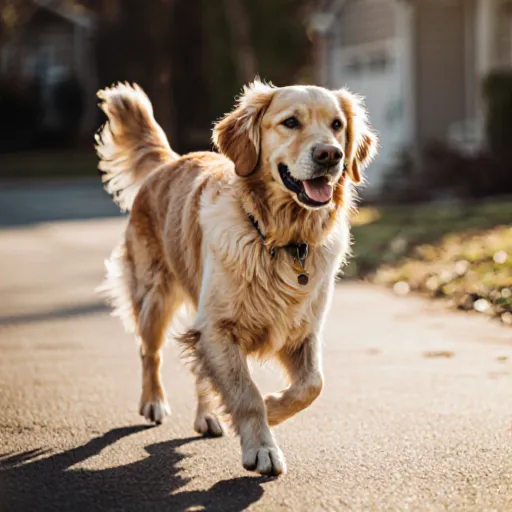
Stride Into Golden Health
Golden Years Gait: Exercise Secrets Tailored to Aging Dogs
Table of Contents
- Introduction to Senior Dog Exercise
- Understanding Your Dog’s Health Status
- Consulting a Veterinarian Before Starting
- Choosing the Right Time of Day for Workouts
- Selecting Appropriate Exercise Types (Walks, Play, Swimming)
- Creating a Safe Walking Environment
- Using Proper Gear: Collars, Harnesses, and Leashes
- Gradual Warm‑Up and Cool‑Down Routines
- Monitoring Your Dog’s Physical Response During Exercise
- Adjusting Intensity Based on Age and Condition
- Preventing Joint Stress with Low‑Impact Activities
- Hydration and Nutrition for Active Seniors
- Incorporating Mental Stimulation into Physical Exercise
- Conclusion: Maintaining a Healthy Lifestyle for Your Senior Dog
- FAQ – Common Questions About Exercising Senior Dogs
Introduction to Senior Dog Exercise
As dogs age, their bodies undergo a series of changes that can affect mobility, energy levels, and overall health. While it might seem counterintuitive, regular exercise remains essential for senior dogs—just the routine needs to be adjusted to suit their unique physiological needs.
Why Exercise Matters for Senior Dogs
- Maintains joint flexibility: Gentle movement helps keep cartilage lubricated and reduces stiffness.
- Supports cardiovascular health: Even low‑intensity activity keeps the heart and lungs functioning efficiently.
- Mentally stimulates: Physical activity triggers the release of endorphins, reducing anxiety and depression.
- Aids weight management: Prevents obesity—a common issue in older dogs that can exacerbate arthritis and other health problems.
Key Considerations for Safe Exercise
Senior dogs are more susceptible to injuries, heat stress, and joint pain. The following guidelines will help you design a safe routine:
- Start Slow: Begin with short sessions (5–10 minutes) and gradually increase duration by no more than 2 minutes each week.
- Monitor Body Temperature: Dogs sweat through their paw pads. If the pads feel hot or shiny, it’s time to stop and cool them down.
- Choose Low‑Impact Terrain: Soft grass, indoor carpet, or a rubber dog mat reduces joint impact compared to concrete or asphalt.
- Use Supportive Gear: Harnesses designed for senior dogs can help distribute weight evenly and reduce strain on the neck and spine.
- Watch for Pain Signals: Limping, whimpering, or reluctance to jump indicates that exercise intensity may be too high.
Practical Exercise Ideas
- Short Walks: A brisk stroll around the block (2–3 miles) at a pace your dog can comfortably maintain.
- Indoor Obstacle Course: Use cushions, low stools, and tunnels to create a gentle agility path that encourages movement without jumping.
- Water Play: A shallow kiddie pool or a gentle sprinkler provides resistance training with minimal joint stress.
- Mind‑Body Sessions: Combine light stretching with obedience commands—sit, stay, and slow roll—to keep both body and brain engaged.
Tips for Exercising Senior Dogs Safely
These practical tips help you maintain a balanced routine while protecting your senior dog’s health:
- Check the Weather: Avoid exercising during peak heat hours (10 am–4 pm). Early morning or late evening are ideal.
- Hydration is Key: Offer fresh water before, during, and after exercise. Consider a collapsible bowl that can be carried easily.
- Use Pain‑Relief Supplements Wisely: Consult your vet about glucosamine or omega‑3 supplements that may enhance joint comfort.
- Regular Vet Checkups: A yearly health assessment ensures any emerging issues are caught early and exercise plans can be adjusted accordingly.
By tailoring activity to your senior dog’s capabilities and following these safety guidelines, you’ll help them enjoy a vibrant, active life well into their golden years.
Understanding Your Dog’s Health Status
Before you design an exercise routine for a senior dog, it’s essential to assess their overall health. A comprehensive evaluation helps you identify any conditions that could affect activity levels and ensures your plan is safe and effective.
1. Regular Veterinary Check‑Ups
- Annual Physical Exams: These include weight, body condition score, heart rate, temperature, and a visual inspection of joints and skin.
- Bloodwork: Routine panels (CBC, chemistry) detect anemia, kidney or liver issues that may limit stamina.
- Radiographs or Ultrasound: If arthritis is suspected, imaging can confirm joint degeneration and guide pain management.
2. Monitoring Body Condition Score (BCS)
A BCS of 4–5 out of 9 is ideal for most breeds. Overweight dogs may need a reduced exercise volume, while under‑nourished dogs could benefit from increased caloric intake before adding activity.
3. Assessing Mobility and Pain
- Joint Flexibility: Gently move each limb to check for stiffness or swelling.
- Gait Analysis: Look for limping, shuffling, or a “bunny hop” gait that suggests hip dysplasia or arthritis.
- Use a pain scale (0–5) to quantify discomfort during movement.
4. Identifying Chronic Conditions
Common senior ailments include:
- Arthritis & Osteoarthritis: Reduce high-impact activity; consider low‑impact options like swimming.
- Heart Disease: Monitor heart rate and breathing; avoid prolonged exertion.
- Diabetes: Keep blood glucose stable with a balanced diet; adjust exercise intensity accordingly.
5. Creating an Exercise Profile
Combine your health findings into a single profile: age, weight, joint status, heart health, and energy level. This snapshot guides the choice of activities, duration, and frequency.
- Start Slow: Begin with short walks (5–10 minutes) and gradually increase by 1–2 minutes each week.
- Choose Low‑Impact Activities: Swimming, gentle leash walks, or controlled play in a fenced yard reduce joint stress.
- Use Supportive Gear: Harnesses distribute pressure away from the neck; orthopedic boots can protect paws on rough terrain.
- Warm Up & Cool Down: Gentle stretching before and after activity improves circulation and reduces stiffness.
- Monitor Vital Signs: Watch for rapid breathing, limping, or excessive panting. Stop immediately if any signs appear.
- Hydration Is Key: Provide fresh water during exercise; consider electrolyte‑enhanced drinks if exercising in heat.
- Timing Matters: Early morning or late evening walks keep temperatures lower, minimizing overheating risk.
Practical Exercise Ideas
- Short Leash Walks: 10–15 minutes at a relaxed pace, focusing on exploration rather than speed.
- Puddle Play: Letting the dog splash in shallow water provides resistance without joint impact.
- Interactive Toys: Puzzle feeders encourage mental stimulation and mild physical movement.
When to Seek Professional Guidance
If your senior dog shows signs of pain, limping, or rapid weight loss, consult a veterinarian or an animal physiotherapist. They can prescribe targeted exercises, joint supplements, or anti‑inflammatory medication.
By combining thorough health assessments with tailored exercise strategies, you’ll help your senior canine maintain mobility, comfort, and quality of life well into their golden years.
Consulting a Veterinarian Before Starting
Before you jump into an exercise routine for your senior dog, it’s essential to get professional guidance. A veterinarian can help you understand your pet’s unique health profile and tailor an activity plan that maximizes benefits while minimizing risks.
Why a Vet Visit Matters
- Health Screening: Bloodwork, joint imaging, or cardiac evaluations may reveal underlying conditions such as arthritis, heart disease, or obesity that influence exercise limits.
- Weight Assessment: Accurate body condition scoring helps determine safe weight‑loss targets and the intensity of workouts needed to burn calories without overexertion.
- Medication Review: Some drugs (e.g., anti‑inflammatories, heart meds) can affect a dog’s tolerance for exercise or require dosage adjustments during activity periods.
Preparing for the Vet Visit
- Bring Records: Previous vet reports, medication lists, and any recent lab results.
- Document Symptoms: Note changes in mobility, appetite, sleep patterns, or signs of pain (whining, reluctance to jump).
- Ask Questions: Inquire about safe walking distances, recommended rest intervals, and whether certain exercises (e.g., high‑impact jumps) should be avoided.
Interpreting the Vet’s Recommendations
The vet may suggest a graded exercise program. For instance:
- Phase 1 (Weeks 1–2): Short, slow walks of 5–10 minutes with frequent pauses.
- Phase 2 (Weeks 3–4): Gradual increase to 15–20 minutes, incorporating gentle low‑impact play.
- Phase 3 (Week 5+): If no joint pain or fatigue appears, consider adding light fetch sessions or swimming (if available).
Monitoring Progress and Adjusting the Plan
Keep a daily log of:
- Duration & Intensity: Time spent walking, any noticeable exertion levels.
- Behavioral Observations: Signs of discomfort, swelling, or reluctance to continue.
- Weight & Appetite: Weekly weigh‑ins and food consumption trends.
Share this log during follow‑up visits so the vet can fine‑tune the program.
Integrating Tips for Exercising Senior Dogs Safely
Couple your veterinarian’s guidance with proven safety tips:
- Warm‑Up and Cool‑Down: Gentle stretching before and after walks reduces stiffness.
- Use Supportive Gear: Orthopedic harnesses or knee braces can help maintain joint stability.
- Avoid Extreme Temperatures: Walk during cooler parts of the day to prevent overheating.
- Hydration Stations: Provide water frequently, especially after longer walks.
By combining a vet’s personalized assessment with these practical safety strategies, you’ll create an exercise routine that keeps your senior dog active, healthy, and pain‑free.
Choosing the Right Time of Day for Workouts
When planning a workout routine—whether it’s for you or your senior dog—the timing can make a significant difference in safety, performance, and overall enjoyment. Below are practical tips that apply to both humans and their aging canine companions.
1. Consider Temperature and Humidity
- Humans: High temperatures or humidity can increase the risk of heat exhaustion, especially for older adults with reduced thermoregulation. Aim for early morning (6–9 am) or late evening (5–8 pm) when temperatures are cooler.
- Seniors Dogs: Heat sensitivity is even more pronounced in older dogs. Avoid midday sun and opt for the same cooler windows of the day. Use a reflective dog coat if you must walk during warmer hours.
2. Align with Natural Energy Cycles
Both humans and dogs have circadian rhythms that influence activity levels. For seniors, energy peaks tend to be lower in the afternoon due to reduced cardiovascular reserve.
- Humans: A light walk or gentle stretch at mid‑morning can boost circulation without overtaxing the body.
- Seniors Dogs: Many older dogs enjoy a short, brisk walk in the morning followed by a relaxed evening stroll to wind down before bedtime.
3. Factor in Food and Medication Timing
Exercise after meals can cause discomfort or hypotension, especially for seniors on medication.
- Humans: Wait at least 1–2 hours post‑meal before starting a workout. If you’re on blood pressure meds, check with your provider about optimal timing.
- Seniors Dogs: Feed the dog at least 30 minutes before a walk to reduce nausea and allow digestion. For dogs on medications that affect heart rate or circulation, coordinate exercise times with vet recommendations.
4. Use Light Levels to Your Advantage
Visibility is critical for safety—especially in older populations who may have impaired vision.
- Humans: Morning workouts provide natural light that reduces the risk of falls or accidents.
- Seniors Dogs: Older dogs often rely more on scent than sight. A walk during daylight ensures they can navigate comfortably, and you’ll have better visibility to spot hazards.
5. Adjust for Seasonal Variations
Weather changes across seasons affect both humans and dogs differently.
- Humans: In winter, light levels drop; consider indoor workouts or supplement with a light therapy lamp if you’re prone to seasonal depression.
- Seniors Dogs: Winter can increase joint stiffness. Warm up with a gentle walk before letting the dog stretch, and use a dog-friendly heating pad post‑exercise if needed.
6. Listen to Your Body (and Your Dog’s Body)
Signs of fatigue or distress can differ between species.
- Humans: If you feel dizzy, short‑of‑breath, or pain during a workout, stop and rest. Hydrate before resuming.
- Seniors Dogs: Excessive panting, reluctance to continue walking, or limping signals that the dog needs a break or a different activity level.
7. Keep Consistency but Stay Flexible
Regularity builds habit and improves cardiovascular health. However, seniors may need to adjust intensity or duration based on daily wellness.
- Humans: Aim for at least 150 minutes of moderate activity per week; split into manageable sessions (e.g., 30 min five days a week).
- Seniors Dogs: Shorter, more frequent walks—like two 10‑minute strolls—can maintain mobility without overexerting joints.
Practical Example Schedule
Below is a sample daily routine that balances these considerations for both an older adult and their senior dog:
| Time | Activity (Human) | Activity (Dog) |
|---|---|---|
| 6:30 am | Warm‑up stretches + light cardio (e.g., 10‑min walk) | Morning walk (15–20 min) with leash support if needed |
| 8:00 am | Breakfast & hydration | Dog’s breakfast & water |
| 12:30 pm | Short 10‑min walk or gentle yoga to break up sedentary time | Optional short leash walk if dog is comfortable |
| 5:00 pm | Evening stroll (15–20 min) or stationary bike for low impact | Evening walk (10‑15 min) to settle before bedtime |
Adjust the timing and duration based on your own health status, your dog’s energy levels, and environmental factors. Always consult with a healthcare provider or veterinarian if you have specific medical conditions that might influence exercise planning.
Selecting Appropriate Exercise Types (Walks, Play, Swimming)
As dogs age, their bodies change in ways that affect how they move and what types of activity they can safely enjoy. While a vigorous run may have been routine for your pup when it was a puppy, a senior dog often needs gentler options that still provide mental stimulation and cardiovascular benefit.
1. Low‑Impact Walks
- Shorter Duration, More Frequent Sessions: Aim for two to three short walks (5–10 minutes) instead of one long stroll. This reduces the strain on joints while keeping circulation active.
- Choose Smooth Surfaces: Paved paths or packed dirt are gentler than gravel or uneven pavement. Avoid hot asphalt in summer—walk early morning or late evening when temperatures are cooler.
- Use a Supportive Harness: A front‑clip harness can help prevent pulling and reduce stress on the neck, especially for dogs with arthritis.
2. Play Sessions Tailored to Mobility
Play doesn’t have to mean high‑energy fetch sessions. Adapt games that encourage movement without overexertion:
- Gentle Tug of War: Use a soft rope and keep the game short, focusing on controlled pulls rather than intense competition.
- Interactive Puzzle Toys: These engage your dog’s brain and encourage small bursts of activity as they work to retrieve treats.
- Target Training: Teach your dog to touch a target with their nose or paw. It provides mental stimulation and can be done in a confined space if needed.
3. Swimming for Joint Relief
Water supports body weight, making swimming an excellent low‑impact exercise that strengthens muscles without stressing joints.
- Safe Environments: Use a dog-friendly pool with a gradual entry ramp or shallow kiddie pool. Avoid public beaches where currents can be dangerous.
- Start Slowly: Allow your senior dog to acclimate to the water by letting them walk in and out before encouraging swimming.
- Use a Life Jacket: Even if your dog is a good swimmer, a life jacket ensures they stay afloat and reduces fatigue.
Practical Tips for Exercising Senior Dogs Safely
- Consult Your Veterinarian: Before starting any new routine, discuss your dog’s health status, especially if they have arthritis, heart disease, or obesity.
- Watch for Signs of Overexertion: Lethargy, excessive panting, limping, or a reluctance to move are red flags. Stop the activity immediately and allow your dog to rest.
- Keep Hydration in Mind: Offer fresh water before, during, and after exercise. In hot weather, consider cooling mats or shaded areas.
- Adjust Based on Weather: Avoid extreme temperatures—early morning or late evening are ideal for walks; use indoor spaces during heatwaves or cold snaps.
- Monitor Body Condition: Maintain a healthy weight to reduce joint stress. Use body condition scoring charts to track progress.
By selecting exercise types that match your senior dog’s physical capabilities and by following these safety guidelines, you’ll help keep them active, happy, and pain‑free for many more years.
Creating a Safe Walking Environment
Walking a senior dog is one of the best ways to keep them active and mentally stimulated, but it also requires extra care to prevent injury or discomfort. Below are detailed guidelines, practical examples, and actionable tips that you can implement right away.
1. Assess Your Dog’s Physical Condition
- Veterinary Check‑up: Before starting a new walking routine, have your dog examined for arthritis, hip dysplasia, or heart issues. The vet can recommend the best surface and duration.
- Mobility Test: Observe how your dog walks on different terrains (grass, pavement, gravel). Note any limping, stiffness, or hesitation.
2. Choose the Right Walking Surface
A soft, even surface reduces joint stress and lowers the risk of slips.
| Surface | Pros | Cons |
|---|---|---|
| Grass | Soft, natural cushioning; less impact on joints. | Can be muddy or uneven in wet weather. |
| Pavement | Even and predictable. | Harder surface; can heat up in summer. |
| Wood chips or mulch | Soft, good for dogs with arthritis. | Can be uneven; may cause choking if ingested. |
3. Keep Walks Short and Frequent
Senior dogs often have limited stamina, so aim for multiple short walks instead of one long session.
- Example: Two 10‑minute walks in the morning and two at dusk.
- Use a walking schedule chart to track time spent walking versus resting.
4. Use Supportive Gear
Leashes, harnesses, and orthopedic support can make a big difference.
- Front‑Wearing Harness: Reduces strain on the neck and shoulders.
- Orthopedic Boots or Paw Pads: Protect paws from hot pavement or sharp objects.
- Collapsible Dog Bed: Place a lightweight bed near the walk’s start/finish for quick breaks.
5. Monitor Environmental Conditions
Weather can greatly affect a senior dog’s comfort level.
- Heat: Walk during cooler parts of the day (early morning or late evening). Bring water and use a cooling vest if necessary.
- Cold: Use a windbreak, coat, or booties to keep paws warm.
- Always carry a small first‑aid kit with gauze, antiseptic wipes, and a list of emergency contacts.
6. Pay Attention to Signs of Discomfort
Recognize early warning signals so you can adjust the walk immediately.
| Sign | Possible Cause |
|---|---|
| Stiff or hesitant gait | Arthritis flare‑up. |
| Yawning, drooling excessively | Heat exhaustion. |
| Paw lifting or dragging | Pain from an injury or foreign object. |
7. End on a Positive Note
A rewarding conclusion reinforces good behavior and keeps your dog looking forward to the next walk.
- Give a treat or a short play session after the walk.
- Use a gentle, encouraging tone when you return home.
Practical Checklist
- Vet clearance & mobility assessment.
- Select appropriate surface and time of day.
- Equip harness, boots, water, and first aid kit.
- Short, frequent walks with breaks.
- Monitor for pain or fatigue; adjust as needed.
By tailoring your walking routine to your senior dog’s specific needs, you’ll help them stay healthy, happy, and active well into their golden years.
Using Proper Gear: Collars, Harnesses, and Leashes
Choosing the right equipment is a cornerstone of safe exercise for senior dogs. As joints become less flexible and muscles lose some resilience, a well‑designed collar or harness can reduce strain on the neck and back while providing better control during walks.
1. Collars vs. Harnesses – What Works Best?
- Collars are fine for short, low‑intensity strolls when your dog is calm and well‑trained. However, they can pull on the neck during sudden movements, potentially aggravating arthritis or cervical issues.
- Harnesses distribute pressure across the chest and shoulders. This is especially beneficial for dogs with hip or back problems because it minimizes stress on vulnerable joints. Look for a no‑pull harness that encourages gentle steering without tugging.
2. Key Features to Inspect
- Padding & Material: Soft, breathable padding prevents chafing and keeps the dog comfortable. Mesh or neoprene panels are ideal for breathability.
- Adjustability: Adjustable straps allow you to fine‑tune fit as your dog’s body changes with age. Most senior dogs benefit from a snug yet non‑restrictive fit that can be tightened slightly after swelling subsides.
- Secure Buckles & Fasteners: Check for sturdy, corrosion‑resistant buckles that lock firmly. A quick‑release buckle can save time when you need to detach the harness in an emergency.
3. Choosing the Right Leash Length
A shorter leash (4–6 feet) gives you tighter control, helping prevent sudden lunges that might strain a senior dog’s joints. For more relaxed walks or when you’re on uneven terrain, a slightly longer leash (8–10 feet) can provide extra safety distance.
4. Practical Exercise Tips Using Proper Gear
- Warm‑up first: Before putting on the harness or collar, gently massage your dog’s neck and shoulders to loosen stiff tissues.
- Check fit before each walk: A quick “pinch test” – you should be able to slip one finger between the harness and the skin without discomfort.
- Use a training aid: Attach a small, lightweight treat pouch or a calm‑inducing scent (like lavender) to help your dog stay focused and relaxed during exercise.
5. When to Switch from Collar to Harness
If you notice:
- Your senior dog pulls heavily or whines when a collar is used.
- There’s visible neck strain, especially after short walks.
- The dog displays signs of discomfort in the shoulder area.
Switching to a harness can alleviate these issues and provide a safer exercise experience.
6. Maintenance & Safety Checks
- Inspect daily: Look for fraying, broken buckles, or worn padding that could cause injury.
- Clean regularly: Wash harnesses and collars with mild detergent to prevent skin irritation from sweat buildup.
- Replace when necessary: If the gear no longer fits snugly or shows significant wear, replace it immediately.
By carefully selecting and maintaining proper gear—collars, harnesses, and leashes—you create a safer environment for your senior dog’s daily exercise routine. This thoughtful approach not only protects their joints but also enhances the quality of time you spend together on walks.
Gradual Warm‑Up and Cool‑Down Routines
Just like humans, senior dogs benefit from a slow, deliberate transition into and out of exercise. A proper warm‑up increases blood flow to the muscles, improves joint lubrication, and reduces the risk of strains or sprains. Conversely, a cool‑down helps prevent muscle stiffness and promotes recovery by gradually lowering heart rate.
Why It Matters for Senior Dogs
- Joint Health: Older dogs often have osteoarthritis; gentle movement before activity keeps cartilage supple.
- Circulatory Efficiency: Warm‑ups help maintain adequate blood pressure and oxygen delivery to tissues.
- Mental Readiness: A short, low‑intensity routine signals the brain that exercise is coming, reducing anxiety.
Step‑by‑Step Warm‑Up Routine
- Stationary Walk or Gentle Trot (5–7 minutes): Let your dog lead at a relaxed pace. Keep the leash loose and observe for any signs of discomfort.
- Dynamic Stretching (2–3 minutes): Encourage gentle leg lifts, side‑to‑side swings, or short “high‑knee” steps. Use treats to motivate and reward compliance.
- Light Play Session (1–2 minutes): A brief game of fetch or tug can help elevate heart rate slightly while keeping the tone playful.
Cool‑Down Routine
- Slow Walk (5–8 minutes): Reduce pace gradually, allowing the heart rate to return toward resting levels.
- Passive Stretching: Gently guide your dog into a forward bend or side stretch. Hold each position for 10–15 seconds without forcing.
- Hydration & Rest: Offer water immediately after the cool‑down and provide a comfortable, shaded spot to rest.
Practical Tips for Implementation
- Timing Matters: Schedule warm‑ups before any planned activity—whether it’s a walk, agility drill, or simple playtime.
- Use Positive Reinforcement: Treats and praise during each phase reinforce the routine as enjoyable rather than burdensome.
- Adjust Intensity to Health Status: If your dog has hip dysplasia or heart issues, keep movements extremely gentle and consult a vet for specific limits.
- Monitor Body Language: Watch for panting beyond normal, limping, or reluctance. Stop immediately if any signs of distress appear.
Example Routine for a Senior Dog with Mild Arthritis
Warm‑Up (8 minutes)
- 0–3 min: Slow walk around the yard, letting your dog sniff and explore.
- 3–5 min: Light “high‑knee” steps—ask the dog to lift one leg at a time, rewarding each lift.
- 5–8 min: Gentle fetch with a soft ball; keep throws short so the dog can stop easily.
Main Activity (10 minutes)
- Short, low‑impact agility circuit—tunnel, small jump, and weave poles set at a comfortable height.
Cool‑Down (7 minutes)
- 0–4 min: Slow walk back to the starting point.
- 4–6 min: Passive side stretch—hold your hand on each shoulder and gently pull the dog’s hind leg outward.
- 6–7 min: Hydration and rest in a shaded area.
By integrating these gradual warm‑up and cool‑down steps into your senior dog’s routine, you’ll help preserve mobility, reduce injury risk, and keep exercise enjoyable for both of you.
Monitoring Your Dog’s Physical Response During Exercise
Keeping a close eye on your senior dog during workouts isn’t just about spotting obvious signs of distress; it’s an ongoing conversation between you and your pet that helps you adjust intensity, duration, and recovery in real time. Below are key indicators to watch for, practical ways to measure them, and actionable tips that tie directly into the broader strategy of exercising senior dogs safely.
1. Breathing Patterns
- Normal Rate: A calm, steady breathing pattern at rest usually falls between 15–30 breaths per minute for most breeds. During light activity it should increase but not exceed 60–80 breaths/min.
- What to Watch For: Rapid, shallow breathing (panting that doesn’t ease even when the dog stops) or labored breathing with a “whoosh” sound can indicate cardiovascular strain.
- Practical Tip: Use a simple stopwatch and count breaths for 30 seconds at rest and after a short walk. If you notice an abnormal increase, shorten the next session by 5–10 minutes or switch to a gentler activity like swimming.
2. Heart Rate (when possible)
- Target Range: Senior dogs’ resting heart rate typically ranges from 70–120 bpm. During moderate exercise it may rise to 140–180 bpm, depending on breed and fitness level.
- How to Check: Place a finger lightly on the inner thigh or along the base of the tail; feel for a pulse. For more precision, use a handheld Doppler device (available at many veterinary offices).
- Practical Tip: If you don’t have equipment, monitor how quickly your dog’s breathing and heart seem to return to baseline after stopping. A delayed recovery is a red flag.
3. Posture & Gait Analysis
- Observations: Notice if the dog keeps its head low, shoulders hunched, or back arched excessively. Look for limping, shuffling, or a noticeable change in stride length.
- Practical Tip: Record short video clips during each session and review them later to spot subtle changes you might miss in real time. This is especially useful if your dog has joint issues that develop gradually.
4. Skin Color & Temperature of Extremities
- Signs: Pale or bluish gums, lips, and paw pads can signal poor circulation or oxygenation. Warm, flushed paws are usually a sign of good blood flow.
- Practical Tip: After exercise, touch the pads gently; they should feel warm but not hot. If they feel cool or you see discoloration, give your dog more time to rest and hydrate before attempting another session.
5. Behavioral Cues & Energy Levels
- Indicators: A sudden drop in enthusiasm, reluctance to start the activity, or a persistent yawning habit during exercise may suggest fatigue or pain.
- Practical Tip:** If your dog starts showing these signs, cut the session short and offer a quiet break. Use this as an opportunity to rehydrate with fresh water or a small amount of electrolyte solution if recommended by your vet.
6. Hydration & Temperature Management
- Check: Observe how quickly the dog’s tongue and gums recover after drinking. A dry, sticky mouth indicates dehydration.
- Practical Tip:** Provide water every 10–15 minutes during longer walks or hikes. In hot weather, use a cool mist spray bottle on your dog's collar and avoid midday activity times.
Integrating Monitoring Into Your Routine
- Create a “Check‑In” Schedule: Set specific intervals (e.g., every 5 minutes) to pause, observe, and note any changes. Keep a simple logbook or use a smartphone app designed for pet health tracking.
- Use Technology Wisely: Many wearable fitness trackers now offer heart rate monitoring for dogs. Pair this data with your observations for a more comprehensive picture.
- Adjust on the Fly: If you notice any concerning signs, be ready to switch from high‑impact activities (like running or jumping) to low‑impact alternatives such as swimming or gentle leash walking.
- Consult Your Vet Regularly: Share your monitoring logs during routine checkups. Your vet can help interpret the data and adjust exercise recommendations based on overall health, medications, or emerging conditions.
By systematically watching these key indicators, you’ll not only safeguard your senior dog’s immediate well‑being but also lay the groundwork for a longer, more active life. Remember: the goal isn’t just to keep your pet moving—it’s to move smartly and safely, respecting the unique needs that come with age.
Adjusting Intensity Based on Age and Condition
Just like humans, dogs experience changes in energy levels, joint health, and overall stamina as they age. To keep your senior dog fit without overexerting them, tailor the intensity of each workout to their specific needs.
1. Assess Your Dog’s Current Health Status
- Veterinary Check‑In: Before starting any new routine, have your vet evaluate weight, mobility, and any chronic conditions (arthritis, heart disease).
- Observe Behavior: Notice if they’re hesitant to climb stairs, take longer to warm up, or seem winded after short walks.
2. Warm‑Up: The Key to Injury Prevention
Even for senior dogs, a gentle warm‑up helps lubricate joints and increase blood flow. A simple routine:
- 5–10 minute slow walk at an easy pace.
- Light stretching: Hold each leg in a “front squat” position for 5 seconds; repeat on the other side.
- Optional: gentle massage of shoulder and hip areas to loosen tight muscles.
3. Choose Low‑Impact Activities
High‑impact exercises can strain joints. Opt for:
- Water Therapy: Swimming or walking in a shallow pool reduces load on knees.
- Treadmill Walking: Adjust speed to match their natural pace; use a harness to support them if needed.
- Short, Frequent Walks: 2–3 short walks per day instead of one long session keeps heart rate steady without exhaustion.
4. Gradually Increase Duration and Intensity
A good rule is the “10% Rule”: increase total exercise time by no more than 10% each week. For example, if your dog currently walks 20 minutes daily, add only an extra 2 minutes next week.
5. Monitor Vital Signs During Exercise
- Heart Rate: A senior dog’s resting heart rate is usually 70–120 bpm; during light activity it should not exceed 140–160 bpm. Count beats in the “right rear” area for about 15 seconds and multiply by four.
- Breathing: They should be breathing comfortably, not gasping or panting excessively after a short walk.
- Signs of fatigue: lagging behind, drooping ears, or reluctance to continue are red flags.
6. Include Rest Days and Recovery Techniques
Seniors benefit from at least one full rest day per week. After exercise:
- Allow them to lie down in a cool, comfortable spot.
- Offer light hydration; avoid giving them large amounts of water immediately after vigorous activity.
- Consider gentle massage or a short “cool‑down” walk at an even slower pace.
7. Nutrition and Supplements to Support Exercise
- Joint Support: Glucosamine, chondroitin, and omega‑3 fatty acids can help maintain cartilage health.
- Protein & Calorie Balance: Ensure they’re getting enough protein for muscle maintenance but avoid excess calories that could lead to weight gain.
8. Practical Example: A 12‑Year‑Old Golden Retriever with Mild Arthritis
Current Routine: 15‑minute walk, 10 minutes of light fetch in the yard.
Adjusted Plan (Week 1):
- Warm‑up: 5 minute slow stroll + gentle leg stretches.
- Main activity: 12 minute treadmill walk at a very low speed, using a harness for support.
- Cool‑down: 3 minute relaxed walk + brief massage of hips and shoulders.
Progression: Increase treadmill time by 1–2 minutes each week until reaching the original 15‑minute goal, then add a short swim session once a week if tolerated.
9. When to Seek Veterinary Guidance
- If your dog shows signs of pain (whining, limping) or swelling after exercise.
- When there’s sudden weight loss or increased fatigue.
- Any time you’re unsure if a new activity is appropriate for their condition.
By attentively monitoring your senior dog’s response and gradually adjusting intensity, you’ll help them stay active, healthy, and comfortable well into their golden years.
Preventing Joint Stress with Low‑Impact Activities
Senior dogs often face joint pain and reduced mobility due to arthritis or general wear‑and‑tear. High‑impact exercises like sprinting, jumping, or long uphill walks can aggravate these conditions. Instead, focus on low‑impact activities that keep your senior dog active without overloading their joints.
1. Short, Frequent Walks
- Duration: 5–10 minutes per walk, 2–4 times a day.
- Surface: Soft grass, packed dirt, or indoor carpet reduces shock compared to asphalt or concrete.
- Tip: Use a harness rather than a collar to avoid pulling on the neck and back.
2. Gentle Swimming or Water Therapy
- Water buoyancy supports joint weight, allowing your dog to move freely with minimal strain.
- Use shallow pools where you can keep a close eye; many senior dogs enjoy the calmness of a backyard pool or a pet‑friendly beach.
- Consider a pet swim program at a local community center for guided sessions.
3. Assisted Walking on a Treadmill
- Set the treadmill to the lowest speed (0.5–1 mph) and use a supportive harness or leash.
- Start with 2–3 minutes, gradually increasing as tolerated. Monitor heart rate; if it rises above 70% of the target zone, stop.
- Always supervise closely to prevent slips or falls.
4. Indoor Obstacle Courses (Low‑Impact)
- Create a simple course using low platforms, tunnels, and gentle ramps.
- Encourage your dog to step over small obstacles rather than jump over them.
- Use treats or favorite toys as motivation; keep sessions short (5–7 minutes).
5. Stretching & Mobility Exercises
- Neck and Back: Gently pull the head toward the chest, hold for 5 seconds, repeat 3 times.
- Hip Flexion: Lift one hind leg slightly off the ground, hold for a few seconds, then lower. Repeat 5–10 times per side.
- Always perform these exercises in a calm environment and stop if your dog shows signs of discomfort.
6. Use of Supportive Gear
- Orthopedic Boots: Provide cushioning for each paw, reducing impact during walks.
- Joint‑Support Supplements: Glucosamine and chondroitin can help maintain cartilage integrity; consult your vet before starting any supplement.
7. Monitor Activity Levels with a Wearable Tracker
- Track steps, heart rate, and rest periods to ensure your dog isn’t overexerting itself.
- Many trackers allow you to set daily activity goals tailored for senior dogs.
Practical Tips for Success
- Start Slowly: If your dog is inactive, begin with a few minutes and gradually build up.
- Watch for Pain Signals: Whining, limping, or reluctance to move are red flags.
- Keep the Environment Safe: Remove loose rugs, slippery tiles, or obstacles that could cause falls.
- Hydration is Key: Offer fresh water before and after each activity session.
- Regular Vet Check‑Ins: Discuss your dog’s exercise plan to adjust for any new health concerns.
By integrating these low‑impact activities into your senior dog's routine, you help maintain joint flexibility, reduce pain, and enhance overall quality of life. Consistency, gentle progression, and close observation are the cornerstones of a safe and effective exercise regimen for older dogs.
Hydration and Nutrition for Active Seniors
Keeping your senior dog well‑hydrated and properly nourished is essential to maintain energy levels, support joint health, and prevent common age‑related ailments such as urinary tract infections or kidney issues.
1. Water: The Lifeline of Every Exercise Session
- Always have fresh water available: Place a shallow bowl in the exercise area so your dog can drink before, during, and after play. Older dogs often forget to hydrate on their own.
- Use a collapsible or spill‑proof bottle: When walking outdoors, carry a lightweight hydration pack that’s easy for you to hold while keeping water within reach of your dog.
- Monitor intake: A good rule of thumb is about one ounce of water per pound of body weight per day. If you notice decreased wetness in the urine or signs of lethargy, increase fluid availability.
2. Balanced Diet: Fueling Strength and Flexibility
Senior dogs often require a diet that balances calories with nutrients to avoid both obesity and muscle loss.
- Protein sources: Look for high‑quality proteins such as chicken, turkey, or fish. Aim for about 18–22% protein in the diet; this supports lean muscle mass.
- Omega‑3 fatty acids: Add fish oil or flaxseed to help reduce inflammation and support joint health. A typical dose is 0.1–0.2 mg of EPA + DHA per pound of body weight.
- Joint supplements: Glucosamine, chondroitin, and MSM can be added (consult your vet for dosage). These ingredients help maintain cartilage integrity during low‑impact exercise.
3. Portion Control: Avoiding Over‑ or Under‑Feeding
Senior dogs have slower metabolisms. Measure food portions using the measuring cup that comes with most commercial diets and adjust based on body condition score (BCS) charts available from your veterinarian.
- Two small meals a day: Splitting the daily ration into morning and evening helps maintain stable blood glucose levels, especially if your dog has diabetes or is prone to hypoglycemia.
4. Timing of Meals Around Exercise
- Feed 1–2 hours before activity: This gives the stomach time to settle and prevents gastric torsion in large breeds.
- Small snack post‑exercise: A handful of kibble or a small portion of wet food helps replenish glycogen stores without overloading the digestive system.
5. Special Considerations for Different Activities
Just as you adjust your own workout routine, tailor nutrition based on the type of exercise:
- Low‑impact walks or light play: Standard senior diet with added joint support is usually sufficient.
- Higher intensity activities (e.g., agility for a spry senior): Increase protein and caloric density slightly to sustain muscle power, but monitor weight closely.
6. Monitoring Health Indicators
Regular check‑ups with your veterinarian can catch early signs of dehydration or nutrient deficiencies. Ask for blood panels that include:
- Kidney function (BUN, creatinine)
- Liver enzymes (ALT, AST)
- Nutrient levels (vitamin D, calcium, phosphorus)
7. Practical Tips for Busy Owners
- Pre‑pack meals: Portion out daily food into individual containers and refrigerate or freeze to save time.
- Automated water fountains: These encourage drinking by providing a steady flow of cool water, especially appealing during hot days.
- Use a feeding schedule app: Set reminders for meal times and hydration breaks if you’re juggling multiple responsibilities.
By combining consistent hydration, balanced nutrition, and mindful exercise timing, you’ll help your senior dog stay active, comfortable, and healthy well into their golden years.
Incorporating Mental Stimulation into Physical Exercise
Physical activity is essential for senior dogs, but pairing it with mental challenges keeps their brains sharp and can even extend their life expectancy. Below are practical ways to blend exercise with stimulation, all while keeping safety in mind.
1. Interactive Walks
- Change Routes Frequently: Even a short walk in a new area can stimulate senses—different smells, sounds, and sights keep the dog curious.
- Use Scent Trails: Before heading out, lightly spray a small amount of safe essential oil (like lavender or peppermint) on your shoes. The scent trail encourages the dog to sniff along, turning a walk into a detective mission.
- Incorporate “Find It” Games: Hide treats in low-visibility spots (under a bush or near a rock). Encourage the dog to locate them during the stroll.
2. Obstacle Courses in Your Backyard
- Low Hurdles: Use sturdy broomsticks balanced on boxes or low poles that your senior can step over without strain.
- Targeted Commands: Place a target mat and ask the dog to sit, lie down, or touch it with their nose before proceeding. This trains obedience while moving.
- **Pacing:** Keep each station short (30–60 seconds) and allow plenty of rest between them.
3. Puzzle Toys During Rest Breaks
- Food-Dispensing Kongs: Stuff with peanut butter or wet food, then freeze for a longer challenge that also cools the dog on hot days.
- Interactive Treat Balls: Roll them across the floor and let your senior chase. The rolling motion adds gentle cardio while they’re engaged mentally.
4. Training Sessions That Combine Movement and Learning
- “Sit‑Stand” Relay: Walk to a marker, ask for “sit,” then “stand.” Repeat at varying distances. This trains body control and mental focus.
- Recall Games with Distance: Start close, call the dog back, gradually increasing distance while rewarding them. It’s both exercise and recall training.
5. Use of Technology: Interactive Cameras and Apps
- Smartphone Apps for Dogs: Some apps play sounds or images that trigger curiosity—use during short indoor walks.
- Live Video Feed with Treat Dispenser: You can watch your dog from home, then press a button to release a treat when they perform a desired action, reinforcing positive behavior.
Practical Safety Tips for Exercising Senior Dogs Safely
- Warm-Up and Cool-Down: Gentle stretching or short walks before heavy activity reduces muscle strain.
- Monitor Temperature: Senior dogs are prone to overheating. Walk during cooler parts of the day and keep water nearby.
- Check Joints Regularly: Look for limping, stiffness, or signs of pain. Stop activity if you notice any discomfort.
- Use Supportive Gear: Orthopedic harnesses or supportive collars can reduce strain on joints during walks.
- Hydration and Nutrition: Provide fresh water after each session and consider a balanced diet tailored to senior needs.
By blending these mental stimulation techniques with physical exercise, you’ll give your senior dog a well-rounded routine that promotes both body and brain health. Adjust intensity based on your dog's specific abilities and always consult your veterinarian before starting new activities.
Conclusion: Maintaining a Healthy Lifestyle for Your Senior Dog
As your dog enters its golden years, the focus shifts from high‑energy play to gentle, consistent care that keeps them comfortable and happy. A balanced routine—combining nutrition, mental stimulation, and safe exercise—helps maintain joint health, muscle tone, and overall wellbeing.
1. Tailored Exercise Plans
- Short, Frequent Walks: Aim for two to three short strolls (5–10 minutes each) rather than one long walk. This reduces strain on aging joints while still providing essential movement.
- Low‑Impact Activities: Swimming or water treadmills are excellent for seniors with arthritis, as the buoyancy takes pressure off weight‑bearing joints.
- Indoor Play: Use soft toys and gentle fetch games in a safe indoor space to keep muscles active without risking falls.
2. Nutrition & Hydration
Choose high‑quality senior formulas that contain joint‑supporting ingredients like glucosamine, chondroitin, and omega‑3 fatty acids. Keep fresh water readily available and monitor intake to prevent dehydration.
3. Mental Stimulation & Social Interaction
- Puzzle Toys: Provide food‑dispensing puzzles that encourage problem solving while rewarding treats.
- Training Sessions: Short, positive reinforcement sessions help keep the brain active and strengthen your bond.
- Regular Social Visits: If possible, arrange visits with other dogs or family members for gentle social interaction.
4. Routine Health Checks
Schedule annual vet visits to monitor weight, blood pressure, and joint health. Discuss supplements and medications that may aid mobility and reduce inflammation.
5. Practical Safety Tips for Exercising Senior Dogs
- Warm‑Up & Cool‑Down: Even short walks benefit from a gentle warm‑up (slow pacing) and cool‑down period to prevent muscle stiffness.
- Use Supportive Gear: Harnesses, supportive jackets, or knee braces can aid dogs with mobility issues during exercise.
- Check the Environment: Avoid hot pavement; choose shaded paths. Ensure surfaces are firm but not too hard to reduce impact on joints.
- Watch for Signs of Fatigue: If your dog shows signs of limping, excessive panting, or reluctance to continue, stop and consult a vet if needed.
By integrating these strategies into daily life, you can help your senior dog maintain strength, mobility, and joy well into their later years. Consistency, patience, and love are the cornerstones of a healthy, happy senior companion.
FAQ – Common Questions About Exercising Senior Dogs
1. How often should I exercise my senior dog?
Senior dogs generally benefit from moderate, regular activity—about 20–30 minutes per day, split into two or three short sessions if they tire easily. Tailor the frequency to your dog's energy level and health status; some may need daily walks while others thrive on a few times a week.
2. What type of exercise is best for an older dog?
- Low‑impact walks: Use a harness to reduce strain on joints and keep the pace slow enough for your dog to stay comfortable.
- Gentle swimming: If you have access to a safe, shallow pool or beach, swimming supports muscle tone without stressing hips and knees.
- Indoor play: Short sessions of fetch with soft toys or tug-of-war using lightweight ropes keep them active when weather isn’t suitable.
3. How can I tell if my senior dog is overexerting?
Watch for signs such as:
- Panting that persists after you stop moving.
- Stiffness or limping, especially in the hind legs.
- Slow recovery from a short walk—if they’re still tired after a few minutes of rest.
- Unusual vocalization or reluctance to continue when prompted.
If any of these occur, cut back on intensity and duration. A brief cool‑down walk and a gentle stretch can help.
4. Should I use any special gear for senior dog exercise?
- Supportive harnesses: These distribute weight evenly and reduce pressure on the spine.
- Orthopedic shoes or boots: Protect paws from hot pavement, ice, or rough terrain.
- Cooling vests or mats: Keep them comfortable in warmer climates.
5. How do I adapt exercise routines if my dog has arthritis?
Implement these strategies:
- Short, frequent walks: Break the day into multiple brief strolls.
- Soft surfaces: Grass or synthetic turf are gentler than concrete.
- Therapeutic activities: Gentle massage, hydrotherapy, or light stretching under veterinary guidance can relieve stiffness.
6. Is it safe to train a senior dog with new commands?
Yes—use positive reinforcement and keep sessions short (5–10 minutes). Avoid high‑impact tricks that require jumping or rapid turns.
7. How can I prevent heat exhaustion in older dogs?
- Exercise during cooler parts of the day—early morning or late evening.
- Provide ample fresh water before, during, and after activity.
- Use a reflective collar to signal that they’re out.
- Check for signs of overheating: excessive panting, drooling, or lethargy.
8. Should I consult a vet before starting an exercise program?
Absolutely—especially if your dog has chronic conditions (heart disease, diabetes) or is on medication that may affect stamina.
9. Can senior dogs participate in agility courses?
They can enjoy low‑impact versions—soft jumps and weave poles—but always monitor for signs of fatigue and keep obstacles at a comfortable height.
10. What are the long‑term benefits of regular exercise for senior dogs?
- Maintains muscle mass and joint flexibility.
- Improves cardiovascular health and reduces risk of obesity.
- Supports mental stimulation, decreasing anxiety and depression.
- Extends overall lifespan by encouraging a healthy lifestyle.
Categories
- AI & Enrichment Play
- Broiler Farming
- Broiler Farming Tips
- Canine Wellness & Longevity
- Cat
- Cat & Human Connection
- Cat Adoption & Rescue
- Cat Breeds
- Cat Breeds & Personalities
- Cat Care & Health
- Cat Grooming & Hygiene
- Cat Lifestyle & Environment
- Cat Myths & History
- Cat Nutrition & Diet
- Cat Products & Reviews
- Cat Training & Behavior
- Comparison
- Consumer Awareness
- Dog
- Dog Accessories & Products
- Dog Adoption & Rescue
- Dog Breed & Lifestyle Trends
- Dog Breeding & Puppies
- Dog Entertainment & Media
- Dog Fashion & Trends
- Dog Fun & Lifestyle
- Dog Grooming & Hygiene
- Dog History & Culture
- Dog Myths, Science & Future Tech
- Dog News & Trends
- Dog Nutrition & Food
- Dog Psychology & Emotions
- Dog Safety & Security
- Dog Sports & Activities
- Dog Technology & Innovation
- Dog Training for Modern Owners
- Dog Travel & Adventure
- Dog Travel, Adventure & Culture
- Economic and Market Insights
- Educational Content
- FAQs
- Feeding Alternatives
- Festivals & Seasonal Ideas
- Fun & Entertainment
- General Knowledge
- General Pig Farming
- Health & Disease Management
- Housing and Environment
- Kittens
- Market Insights
- Miscellaneous
- Miscellaneous
- Motivational
- pig
- Pig Breeding
- Pig Breeds
- Pig Farming Stories and Inspiration
- Pig Health and Care
- Pig Nutrition
- Pig Products
- Profitability & Business
- Puppy Care
- Puppy Predictable Topics Reinvented
- Regional Focus
- Rescue & Adoption Buzz
- Senior Cats
- Senior Dog Care
- Smart Dog Tech & Gadgets
- Sustainability
- Sustainable & Eco-Friendly Dog Products
- Tech & Innovations
- Working & Service Dogs
- Broiler Feed66 products
- Country Feed33 products
- Pig Feed66 products
- Product22 products
- Raw Materials99 products
Products
-
 Fish Meal
₹1,999.00 – ₹2,999.00Price range: ₹1,999.00 through ₹2,999.00Rated 0 out of 5
Fish Meal
₹1,999.00 – ₹2,999.00Price range: ₹1,999.00 through ₹2,999.00Rated 0 out of 5 -
 FATTENING BROILER FEED
₹2,299.00 – ₹2,349.00Price range: ₹2,299.00 through ₹2,349.00Rated 0 out of 5
FATTENING BROILER FEED
₹2,299.00 – ₹2,349.00Price range: ₹2,299.00 through ₹2,349.00Rated 0 out of 5 -
 LAYER COUNTRY FEED
₹1,549.00 – ₹1,649.00Price range: ₹1,549.00 through ₹1,649.00Rated 0 out of 5
LAYER COUNTRY FEED
₹1,549.00 – ₹1,649.00Price range: ₹1,549.00 through ₹1,649.00Rated 0 out of 5 -
 COUNTER BROILER FEED
₹1,199.00 – ₹1,299.00Price range: ₹1,199.00 through ₹1,299.00Rated 0 out of 5
COUNTER BROILER FEED
₹1,199.00 – ₹1,299.00Price range: ₹1,199.00 through ₹1,299.00Rated 0 out of 5 -
 LACTATING PIG FEED
Rated 0 out of 5
LACTATING PIG FEED
Rated 0 out of 5₹2,299.00Original price was: ₹2,299.00.₹1,740.00Current price is: ₹1,740.00. -
 Maize
Rated 0 out of 5
Maize
Rated 0 out of 5₹1,650.00Original price was: ₹1,650.00.₹1,300.00Current price is: ₹1,300.00. -
 GESTATION PIG FEED (Phase 1)
Rated 0 out of 5
GESTATION PIG FEED (Phase 1)
Rated 0 out of 5₹2,249.00Original price was: ₹2,249.00.₹1,699.00Current price is: ₹1,699.00. -
 Pre Starter Broiler Feed
₹2,399.00 – ₹2,499.00Price range: ₹2,399.00 through ₹2,499.00Rated 0 out of 5
Pre Starter Broiler Feed
₹2,399.00 – ₹2,499.00Price range: ₹2,399.00 through ₹2,499.00Rated 0 out of 5 -
 FINISHER PIG FEED
Rated 0 out of 5
FINISHER PIG FEED
Rated 0 out of 5₹2,299.00Original price was: ₹2,299.00.₹1,749.00Current price is: ₹1,749.00. -
 Broiler Premix
Rated 0 out of 5
Broiler Premix
Rated 0 out of 5₹820.00Original price was: ₹820.00.₹699.00Current price is: ₹699.00.