
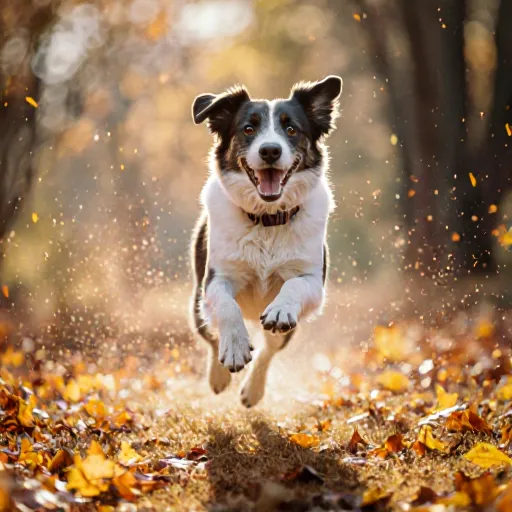
Revitalize your senior pup’s vitality—safe energy boost today!
Gentle Paws: Boost Senior Dog Energy Securely Now!
Table of Contents
- Introduction
- Understanding Senior Dog Needs
- Choosing the Right Furniture and Gear
- Consulting Your Veterinarian Before Starting
- Creating a Safe Exercise Space
- Warm‑Up Exercises for Older Dogs
- Low‑Impact Cardio Options
- Strength Training for Senior Dogs
- Flexibility and Balance Workouts
- Monitoring Exercise Intensity and Duration
- Hydration and Nutrition Tips During Exercise
- Recognizing Signs of Overexertion
- Adapting to Weather Conditions
- Conclusion and Next Steps
- FAQ
Introduction
As our canine companions age, their bodies change just as ours do. While exercise remains essential for maintaining mobility, joint health, and mental stimulation, the approach must be adapted to protect vulnerable joints, prevent overexertion, and accommodate varying energy levels.
1. Start With a Thorough Health Check
- Veterinary Visit: Before resuming or intensifying activity, have your dog examined for arthritis, heart disease, hip dysplasia, or other age‑related conditions.
- Medication Review: Some pain medications can mask fatigue; ensure you monitor energy levels closely.
2. Choose Low-Impact Activities
High-impact exercises such as running or jumping may exacerbate joint wear. Opt for gentler alternatives that still provide cardiovascular benefits:
- Short Walks: Aim for 10–15 minutes, gradually increasing distance as tolerated.
- Swimming: The buoyancy supports joints while allowing resistance training. Use a dog-friendly pool or beach.
- Gentle Play: Light fetch with soft toys, or controlled tug sessions that avoid sudden bursts of speed.
3. Monitor Pace and Duration
Senior dogs often need more rest between bouts of activity. Use the “four‑point” rule: walk for 5 minutes, pause for 4, repeat until you reach your target time. Observe breathing; a slight increase is normal, but heavy panting or lagging indicates fatigue.
4. Pay Attention to Surface and Environment
- Smooth Pavement: Asphalt can be harsh on arthritic paws. Consider walking on grass, dirt trails, or a synthetic dog-friendly surface.
- Temperature Awareness: Older dogs are more sensitive to heat and cold. Schedule walks during cooler parts of the day and bring water.
5. Use Supportive Gear When Needed
Orthopedic dog boots can cushion paws, while a supportive harness reduces strain on the back and neck. If your dog struggles with stairs or uneven terrain, consider a sling or walking aid designed for seniors.
6. Keep Exercise Consistent but Flexible
Regularity helps maintain muscle tone and joint lubrication. However, adjust intensity based on daily health cues—if your dog seems stiff or reluctant one day, opt for a gentle stroll rather than a vigorous walk.
7. Incorporate Mental Stimulation
Cognitive decline can accompany physical aging. Combine exercise with puzzle toys, scent games, or short training sessions to keep the mind engaged and reduce anxiety.
8. Track Progress with a Simple Log
Create a small notebook or digital sheet noting:
- Date & time of exercise
- Duration & distance (if applicable)
- Energy level before/after
- Any pain or discomfort reported
9. Celebrate Small Wins
Recognize and reward your senior dog’s efforts with treats, affection, or a favorite toy. Positive reinforcement strengthens the bond and encourages continued participation.
10. Know When to Seek Professional Guidance
If you notice sudden stiffness, limping, or reluctance that persists beyond a few days, schedule a follow‑up vet visit. Early intervention can prevent more serious issues down the line.
Remember: The goal is quality over quantity. Tailoring exercise to your senior dog’s unique needs will help them stay active, healthy, and happy for many years to come.
Understanding Senior Dog Needs
As dogs age, their bodies and minds change in ways that can affect how they move, eat, sleep, and interact with the world. A senior dog (typically 7 years and older for medium‑sized breeds) requires a tailored routine that balances activity with recovery, nutrition with calorie control, and mental stimulation with rest. Below is an expanded guide to help you recognize these changes and adjust your care accordingly.
Common Physical Changes in Senior Dogs
- Joint stiffness and arthritis: Painful or stiff joints can make walking difficult, especially after rest. Look for limping, reluctance to jump, or a slower pace during walks.
- Reduced muscle mass (sarcopenia): Older dogs often lose muscle tone, which can affect balance and coordination.
- Decreased cardiovascular fitness: Heart and lung capacity may decline, making exertion more tiring.
- Vision and hearing changes: Cataracts or ear infections can reduce sensory input, affecting how a dog navigates its environment.
Nutritional Considerations
Senior dogs often need fewer calories but more protein to maintain muscle mass. Look for dog foods labeled “senior” or “adult.” Add omega‑3 fatty acids (fish oil) to help reduce inflammation, and consider joint supplements such as glucosamine and chondroitin. Keep a close eye on weight—overweight seniors are at higher risk of mobility problems.
Health Screening & Vet Visits
- Annual check‑ups: Bloodwork, dental exams, and joint assessments help catch issues early.
- Vaccination updates: Keep core vaccines current; discuss boosters for kennel cough or leptospirosis if your dog is still active outdoors.
Safe Exercise for Senior Dogs
Exercise remains essential, but the approach must be gentle and consistent. Here are practical tips to keep your senior dog safe while staying active:
- Start Slow: If your dog hasn’t exercised in months, begin with short walks (5–10 minutes) at a relaxed pace, gradually increasing duration as stamina improves.
- Choose Low‑Impact Activities: Swimming is ideal because it supports joints and provides resistance training without added stress. Dog-friendly water parks or shallow lakes are great options.
- Use Supportive Gear: Harnesses rather than collars reduce neck strain. For dogs with hip dysplasia, consider orthopedic shoes or a supportive sling for long walks.
- Mind the Surface: Soft grass or paved walkways are gentler on joints than concrete or gravel. Avoid hot pavement during summer; use early mornings or evenings instead.
- Watch for Signs of Fatigue: If your dog starts panting heavily, slows down noticeably, or shows signs of discomfort (drooling, whimpering), stop the activity and let them rest.
- Incorporate Gentle Stretching: Before and after walks, perform simple stretches: hold each leg gently for 10–15 seconds to improve circulation.
- Keep Sessions Consistent: Regular daily movement—shorter but frequent sessions—helps maintain joint mobility better than sporadic long runs.
- Provide Adequate Hydration: Offer fresh water before, during, and after exercise. Use a spill‑free bowl or a handheld water bottle for easy access.
- Use Positive Reinforcement: Reward with treats or praise to keep motivation high. This also helps reinforce good behavior, especially if your dog is hesitant about new activities.
Practical Example: A 12‑Year‑Old Labrador’s Routine
Morning: 10‑minute brisk walk on a soft path, followed by 5 minutes of gentle play (fetch with a soft ball).
Midday: Quick 5‑minute swim in the backyard pool, then rest.
Evening: 8‑minute slow walk, stretching, and a calm cuddle session. Water is always available.
When to Seek Professional Guidance
- Persistent limping or stiffness lasting more than 48 hours.
- Sudden weight loss or gain that cannot be explained by diet changes.
- Behavioral changes such as confusion, disorientation, or aggression.
- If you’re unsure about the best exercise plan for your dog’s specific health conditions.
By paying close attention to these factors and tailoring your care routine, you can help your senior dog enjoy a comfortable, active, and healthy life well into their golden years.
Choosing the Right Furniture and Gear
As dogs age, their bodies change just like ours. They may develop arthritis, lose muscle mass, or simply need more support to stay comfortable. Selecting the right furniture and gear can make a huge difference in preventing pain and encouraging safe exercise. Below are practical tips, examples, and recommendations for senior‑dog owners.
1. Orthopedic Beds & Pillows
- Memory Foam Beds: Provide even support across joints, reducing pressure points that can worsen arthritis.
- Elevated Dog Beds: Help senior dogs get up and down more easily, especially if they have limited hip flexibility.
- Pillows & Cushions: Add a soft pillow under the dog’s head or back for extra comfort during naps.
2. Non‑Slip Mats and Rugs
Older dogs often have slower reflexes, making them more prone to slips. Place non‑slip mats in high‑traffic areas such as near the bed or in the hallway. Choose mats with a textured surface that grips both floor and shoe soles.
3. Step Stairs and Platform Aids
- Dog Stairs: Small, sturdy steps help seniors climb onto beds or car seats without overextending their legs.
- Raised Platforms: These can be used for short rests and reduce the effort needed to get up from a low spot.
4. Supportive Collars & Harnesses
Choose harnesses with padded, adjustable straps that distribute weight evenly. Avoid neck collars if your dog has a history of neck or back issues.
5. Exercise Equipment Tailored to Seniors
- Low‑Impact Treadmills: Many treadmills have adjustable speeds that start as slow as 0.5 mph, perfect for gentle walks.
- Water Pools & Swim Aids: Swimming is a natural, joint‑friendly exercise; use an inflatable dog life jacket if needed.
- Resistance Bands: For light strength training, use bands to help build muscle without overloading joints.
6. Grooming & Hygiene Tools
Seniors may have difficulty reaching certain areas. Invest in:
- Long‑Handled Brushes: Reach the back of the ears or lower legs without bending over.
- Clip‑On Ear Cleaning Tools: Reduce strain on delicate ear tissue.
7. Practical Advice for Daily Routines
- Keep the Environment Stable: Avoid rearranging furniture frequently; seniors can get disoriented if their familiar paths change.
- Maintain a Consistent Exercise Schedule: Short, daily walks (10–15 minutes) are better than one long session that could lead to fatigue or injury.
- Use Positive Reinforcement: Reward your dog with treats, praise, or a gentle pat whenever they use the new gear correctly.
8. When to Seek Professional Guidance
If you notice persistent limping, swelling, or reluctance to move, consult a veterinarian or an animal physiotherapist. They can recommend specialized equipment such as custom orthopedic beds or therapeutic exercise programs.
Remember: The goal is to make everyday life easier and safer for your senior dog. Small adjustments in furniture and gear, combined with thoughtful daily routines, can keep them active, comfortable, and happy well into their golden years.
Consulting Your Veterinarian Before Starting
Consulting Your Veterinarian Before Starting
Before you begin any new exercise routine with your senior dog, a quick check‑in with your veterinarian can make all the difference. A vet will help you assess whether your pet’s current health status allows for increased activity and provide personalized recommendations tailored to your dog’s age, weight, breed, and medical history.
Key Questions to Discuss
- What is my dog's overall fitness level? – A vet can run a brief physical exam (heart rate, lung function, joint range of motion) to gauge baseline fitness.
- Are there any medical conditions that could limit exercise? – Conditions such as osteoarthritis, heart disease, or diabetes may require specific modifications or restrictions.
- What type and intensity of activity is safe? – Your vet can recommend low‑impact activities (e.g., walking on soft surfaces) versus more vigorous options if appropriate.
- Do I need any supplements or medication adjustments? – Some seniors benefit from joint supplements, anti‑inflammatories, or pain management protocols before increasing activity.
Practical Tips for Vet Visits
- Bring a log of current activities. Record how often you walk, the duration, and any signs of discomfort your dog exhibits. This gives the vet concrete data to base recommendations on.
- Ask about safe warm‑up and cool‑down routines. Proper warm‑ups reduce injury risk; cooling down helps prevent stiffness.
- Discuss monitoring tools. Your vet may suggest a heart rate monitor or activity tracker to keep exercise within safe limits.
- Request a follow‑up plan. Schedule regular check‑ins (e.g., every 3–6 months) to adjust the routine as your dog ages.
Integrating Vet Advice into Daily Exercise
Once you have your vet’s green light, incorporate these guidelines into a structured plan:
- Short, frequent walks. For many seniors, 10–15 minute walks three to four times daily keep joints lubricated without overexertion.
- Low‑impact play. Gentle fetch or tug sessions on grass reduce joint strain compared to hard pavement.
- Use supportive gear. Orthopedic harnesses and supportive shoes can help maintain proper posture during walks.
- Watch for warning signs. Limping, reluctance to move, or excessive panting are red flags that warrant a vet revisit.
By combining your veterinarian’s expertise with thoughtful, tailored exercise routines, you’ll help your senior dog stay active, comfortable, and healthy for years to come.
Creating a Safe Exercise Space
Senior dogs enjoy staying active, but their bodies need extra care to prevent injury and ensure comfort. Below are practical steps to design an exercise routine and environment that keeps your older companion safe and happy.
1. Choose the Right Terrain
- Soft Surfaces: Grass or synthetic turf reduces impact on joints. Avoid hard concrete or asphalt whenever possible.
- Even Ground: Uneven terrain can lead to slips and sprains. Use a flat, level path for walks.
- Temperature Check: In hot weather, walk in the early morning or late evening when ground temperatures are cooler.
2. Keep Exercise Intensity Low but Consistent
- Shorter Sessions: 10–15 minute walks twice a day is often sufficient for most senior dogs.
- Pace Monitoring: Watch for signs of fatigue: heavy panting, lagging behind, or difficulty maintaining balance. If any occur, stop and rest.
- Use a Harness: A harness distributes pressure evenly and reduces strain on the neck.
3. Warm‑Up and Cool‑Down Routines
- Gentle Stretches: Before walking, gently flex your dog’s legs by moving them in a slow circular motion. This helps loosen joints.
- Post‑Walk Stretch: After the walk, repeat gentle leg movements and allow a few minutes of relaxed standing or lying down.
4. Hydration & Nutrition Support
- Water on Hand: Carry a collapsible bowl and water during walks to prevent dehydration.
- Balanced Diet: Ensure your dog’s food includes joint‑supporting nutrients like glucosamine, chondroitin, omega‑3 fatty acids, and antioxidants.
5. Monitor Health Indicators
- Weight Management: Overweight dogs exert more stress on joints. Use a scale or body condition scoring chart to keep weight in check.
- Joint Pain Signs: Lameness, stiffness after rest, or reluctance to jump are red flags. Consult your vet if these appear.
- Heart Health: Senior dogs may develop heart issues; monitor for shortness of breath or irregular heartbeat during exercise.
6. Use Appropriate Equipment
- Treadmill (Indoor Option): A dog‑sized treadmill allows controlled walking in any weather. Start at a slow speed and increase gradually.
- Stair Climbing: If your dog is comfortable, short stair climbs can aid muscle strengthening but avoid if they show discomfort.
- Weighted Vest (with Caution): Only use for dogs that have been trained to carry it and under vet guidance; too much weight can exacerbate joint problems.
7. Create a Comfortable Rest Area Near the Exercise Route
- Cooling Mats: Place an anti‑slip, cooling mat at the end of each walk for your dog to lie down on.
- Shade & Shelter: A shaded area or a small shelter provides relief from heat and wind.
8. Gradually Introduce New Activities
- Gentle Play: Short bouts of fetch on soft grass keep mental stimulation without overexertion.
- Water Play: A shallow kiddie pool can be a fun, low‑impact way to cool off and exercise legs.
9. Keep an Exercise Log
Track duration, distance, and any symptoms observed. This data helps your vet tailor recommendations and spot trends early.
10. Consult Your Veterinarian Regularly
- Pre‑Exercise Check: Discuss your dog’s exercise plan during annual checkups.
- Joint Supplements: Vet‑recommended supplements can complement a balanced diet and exercise routine.
- Rehabilitation Options: Physical therapy or hydrotherapy may be beneficial for dogs with arthritis or mobility issues.
By thoughtfully designing an exercise environment and routine, you can help your senior dog maintain mobility, manage pain, and enjoy a high quality of life well into their golden years.
Warm‑Up Exercises for Older Dogs
Why Warm‑Ups Matter for Senior Canines
- Prevents stiffness and reduces risk of muscle strains.
- Gradually raises heart rate, making the subsequent walk more comfortable.
- Improves joint lubrication, especially important for dogs with arthritis or hip dysplasia.
1. Gentle Stretching Routine (5–7 minutes)
- Neck Rolls: Hold your dog’s head and slowly rotate it left to right, then up and down. Do this 10 times on each side.
- Shoulder Rolls: Gently lift one shoulder and roll it forward, then backward. Repeat 8–10 times per arm.
- Back Flexion: Place your hand under the dog’s rib cage and lightly pull toward its chest while keeping the hips neutral. Hold for 5 seconds, release. Do this 6–8 times.
- Hip Circles: While the dog stands on all fours, move one leg in a slow circle (clockwise then counter‑clockwise). Perform 4 circles per leg.
2. Low‑Impact Mobility Drills (5–10 minutes)
- Heel Walks: Walk backward at a relaxed pace, encouraging the dog to keep its heels near your side. This engages the hamstrings and glutes gently.
- Side‑Step Shuffle: Shift weight from one leg to the other while walking forward. Helps strengthen stabilizing muscles around hips and knees.
- Short “Sit‑Stand” Repetitions: Ask your dog to sit, then stand up slowly. Repeat 10–12 times to warm up the quadriceps without overexertion.
3. Joint‑Friendly Cardio (5–8 minutes)
- Slow Pace Walk: Keep the walk brisk enough to elevate heart rate but slow enough for your dog to maintain a steady breathing rhythm.
- Light Jogging in Place: If your dog is comfortable, jog gently in place or around a small circle. Monitor for signs of overheating.
Practical Tips for Safe Warm‑Ups
- Use a calm tone and gentle touch; avoid forcing stretches beyond the dog’s comfort level.
- Perform warm‑ups in a shaded or indoor area during hot weather to prevent overheating.
- Check for any swelling, pain, or reluctance before beginning; skip or modify exercises if discomfort appears.
- Keep sessions short and consistent—overdoing it can lead to fatigue rather than readiness.
Remember: Every senior dog is unique. Tailor the routine based on your pet’s breed, weight, and existing health conditions. When in doubt, consult a veterinarian or certified canine physiotherapist for personalized guidance.
Low‑Impact Cardio Options
As dogs age, their joints, heart, and muscles need gentle exercise to stay healthy without risking injury or excessive fatigue. Low‑impact cardio keeps the cardiovascular system active while minimizing stress on the body.
1. Short, Frequent Walks
- Frequency: 2–4 short walks per day (5–10 minutes each).
- Benefits: Maintains circulation, helps control weight, and encourages mental stimulation.
- Tips: Choose flat, even surfaces; avoid hot pavement during summer months.
2. Gentle Water Aerobics
Water reduces the load on joints while providing resistance for muscle strengthening.
- How to start: Use a dog-friendly pool or a shallow kiddie pool in your yard.
- Activities: Light swimming, floating with a belly sling, or gentle “treading” while holding onto the edge.
- Safety note: Monitor water temperature (ideally 80–85°F) and ensure your dog can stay afloat comfortably.
3. Indoor Treadmill Walking
A treadmill allows precise control over speed and incline, ideal for dogs who cannot handle outdoor weather.
- Setup: Start at the slowest setting (0.5–1 mph) with a low incline.
- Duration: Begin with 2–3 minutes and gradually increase as tolerated.
- Supervision: Always watch your dog for signs of overheating or fatigue.
4. Controlled Play Sessions
Short bursts of interactive play can serve as cardio without overexertion.
- Examples: Tug‑of‑war with a lightweight rope, fetch using a soft ball on a low incline, or “find the treat” games that involve walking around a small area.
- Duration: Keep each play session under 5 minutes and intersperse with rest periods.
5. Low‑Intensity Obstacle Courses
Create a gentle obstacle course in your backyard or living room to combine mental stimulation with light cardio.
- Obstacles: Low tunnels, small cones, and padded stepping stones.
- Guidelines: Ensure all obstacles are stable and the height is low enough for safe navigation.
Practical Advice for All Activities
- Check the Temperature: Avoid exercising during peak heat; aim for early morning or late evening.
- Hydration Matters: Provide fresh water before, during, and after exercise. Consider a small bowl that can be carried on walks.
- Monitor Breathing: A senior dog should breathe comfortably; if breathing becomes labored, stop immediately.
- Use Proper Gear: Harnesses reduce strain on the neck and back compared to collars during walks or treadmill sessions.
- Consult Your Vet: Before starting a new routine, especially if your dog has arthritis, heart disease, or other chronic conditions.
By incorporating these low‑impact cardio options into your senior dog’s daily routine, you help maintain cardiovascular health, keep joints mobile, and support overall well-being—while ensuring each session is enjoyable and safe.
Strength Training for Senior Dogs
As dogs age, their muscle mass and joint stability naturally decline. A well‑structured strength training program can help maintain mobility, reduce pain, and improve overall quality of life. Below are practical steps, exercise examples, and safety tips tailored specifically for senior dogs.
1. Start with a Comprehensive Health Check
- Vet Consultation: Before beginning any routine, have your dog examined by a veterinarian to rule out conditions such as arthritis, hip dysplasia, or heart disease that could affect exercise tolerance.
- Baseline Assessment: Note weight, gait quality, and current activity level. This baseline will help track progress and adjust intensity safely.
2. Choose Low‑Impact Strength Movements
Senior dogs benefit from exercises that build muscle without overloading joints.
| Exercise | Description | How to Perform |
|---|---|---|
| Wall Push‑Ups | Strengthens the front limbs and shoulders. | Place your dog on its back with paws against a wall. Encourage it to push gently, lifting its body slightly off the ground. |
| Step Ups (Low Stairs) | Improves hind limb strength and balance. | Use a small step or curb. Guide your dog onto it one paw at a time, then back down. Repeat 5–10 times per session. |
| Resistance Band Pulls | Targets core and back muscles. | Tie a light resistance band to a sturdy post. Hold the free end, let your dog walk forward pulling gently against the band for 10–15 seconds. |
| Gentle Treadmill Walking | Enhances cardiovascular health and leg strength. | Set a very slow speed (e.g., 1 mph). Start with 5 minutes, gradually increasing as tolerated. |
3. Gradual Progression and Monitoring
- Frequency: Aim for 2–3 sessions per week, allowing at least one rest day between workouts.
- Intensity: Increase repetitions or resistance only when your dog shows no signs of discomfort (e.g., limping, whining).
- Duration: Keep each session under 20 minutes to avoid fatigue.
4. Safety Tips for Exercising Senior Dogs Safely
- Warm‑Up & Cool‑Down: Even senior dogs benefit from a gentle walk before and after strength work to increase blood flow and reduce stiffness.
- Surface Matters: Use soft, non‑slippery flooring or grass. Avoid uneven pavement that can cause joint strain.
- Hydration: Keep fresh water nearby; older dogs can dehydrate more quickly during exercise.
- Watch for Pain Signals: Stiffness, reluctance to move a limb, or excessive panting may indicate overexertion. Stop immediately if any of these occur.
- Use Proper Equipment: Harnesses with good support are preferable to collars when pulling resistance bands or walking on a treadmill.
5. Complementary Activities
In addition to targeted strength exercises, consider:
- Swimming: A low‑impact full‑body workout that also aids circulation.
- Massage Therapy: Helps relieve muscle tension and improve joint mobility.
- Balanced Nutrition: Ensure a diet rich in omega‑3 fatty acids, glucosamine, and chondroitin to support joint health.
6. Tracking Progress & Adjusting the Plan
Create a simple log noting:
- Date and time of each session
- Exercises performed and repetitions
- Any signs of discomfort or fatigue
- Overall energy level post‑exercise
Review the log weekly. If your dog shows steady improvement without pain, consider adding a slight increase in resistance or duration. Conversely, if there’s any decline, reduce intensity and revisit with your vet.
Conclusion
Strength training for senior dogs is not just about building muscle; it’s about preserving independence, reducing chronic pain, and extending active years. By following these structured exercises, monitoring closely, and respecting your dog’s limits, you can safely enhance your senior canine’s strength and well‑being.
Flexibility and Balance Workouts
As dogs age, joint stiffness and muscle loss become common. Gentle stretching and balance exercises help keep their mobility, reduce pain, and prevent falls.
1. Warm‑Up Routine (5–7 minutes)
- Gentle Walk: A short stroll at a relaxed pace to increase blood flow.
- Head Tilts: While walking, gently tilt the head side to side to warm neck muscles.
2. Static Stretching (Hold 10–15 seconds)
Perform after the warm‑up when joints are more pliable.
- Front Leg Stretch: Hold your dog’s front paw and gently pull back to feel a stretch along the hindquarters. Repeat on both sides.
- Hind Leg Stretch: With the dog lying on its side, lift one hind leg slightly and hold; you’ll feel the hamstring area loosen.
- Back Extension: Place a soft pillow under the belly while the dog lies down. Gently roll the spine from tail to neck with your hands, encouraging a gentle arch.
3. Balance Exercises
Use supportive surfaces and keep sessions short to avoid fatigue.
- “Sit‑Stand” on a Cushion: Place a soft cushion or rolled towel in the middle of a hallway. Encourage your dog to sit, then stand on it. Repeat 5–10 times per leg.
- Stepping Over Low Obstacles: Set up a low, stable object (e.g., a foam block) and guide your dog to step over it from both directions. This improves proprioception.
- Stance on One Leg: While holding the dog gently for support, ask them to lift one front or hind leg slightly off the ground for 5–10 seconds. Increase hold time as they improve.
4. Cool‑Down (3–5 minutes)
Finish with a slow walk and light petting to relax muscles.
Practical Tips for Safety
- Use Non‑Slip Mats: Prevent slips on hardwood or tile by placing rubber mats in exercise areas.
- Keep Sessions Short: Senior dogs tire quickly; limit total workout time to 10–12 minutes per day, split into two sessions if needed.
- Monitor Pain Signals: Watch for whining, limping, or reluctance. Stop immediately and consult a vet if discomfort persists.
- Hydration is Key: Offer water before, during, and after exercise to prevent dehydration.
- Choose the Right Time of Day: Exercise early in the morning or late afternoon when temperatures are moderate; avoid midday heat.
Sample Weekly Routine
| Day | Exercise | Duration |
|---|---|---|
| Mon, Wed, Fri | Warm‑up walk + static stretches + balance cushion | 10–12 min |
| Tue, Thu | Gentle leash walk + stepping over low obstacle | 8–10 min |
| Sat, Sun | Rest or very light stroll (5–7 min) | — |
Consistency and patience are crucial. Over time, these gentle routines can help your senior dog maintain joint health, reduce stiffness, and enjoy a higher quality of life.
Monitoring Exercise Intensity and Duration
When your senior dog is on a walk or playing fetch, it’s easy to get caught up in the excitement of the moment. However, for older dogs the key to staying healthy is monitoring how hard they’re working and for how long. Here are practical ways to keep exercise at a safe level:
- Use the “Talk Test”: While walking or playing, try speaking in full sentences. If your dog can’t finish a sentence without pausing, the pace is likely too fast.
- Check Breathing Patterns: A normal breathing rate for most dogs during light activity is about 20–30 breaths per minute. If you see rapid panting or heavy breathing that doesn’t ease after a few minutes, it’s time to slow down.
- Observe the Dog’s Body Language: Look for signs such as yawning, drooling, ear flattening, or reluctance to continue. These are subtle cues that the dog is feeling fatigued.
- Keep a Logbook: Record each walk’s duration and distance, noting any symptoms. Over time you’ll spot patterns—maybe your dog tolerates longer walks in the cooler morning hours but tires quickly after lunch.
- Set “Micro‑Breaks” During Play: For games like fetch, limit to 3–5 rounds before giving a short water break and a chance to rest. Then resume if the dog shows no signs of exhaustion.
Practical Example: A Structured Walk Routine
Morning (30 minutes)
- 10‑minute warm‑up walk at a relaxed pace (talk test easy).
- 5‑minute light jog or brisk stroll if the dog is comfortable.
- 10‑minute cool‑down with slow walking and gentle sniffing breaks.
Evening (15 minutes)
- Short walk focusing on familiar paths; keep it under 15 minutes to avoid overheating.
- Use a lightweight harness or no‑pull collar to reduce strain on joints.
Tips for Exercising Senior Dogs Safely
- Choose Low-Impact Activities: Swimming, gentle leash walking, and controlled play sessions are ideal. Avoid high-impact sports like agility or running on hard surfaces.
- Use a Supportive Harness: A harness distributes pressure evenly and reduces strain on the neck and spine—especially important for dogs with arthritis.
- Keep Water Accessible: Offer water frequently, especially in warm weather. Hydration helps maintain circulation and joint lubrication.
- Consider the Temperature: Early mornings or late evenings are best; avoid peak sun hours to reduce heat stress.
- Regular Vet Check‑Ins: Periodic evaluations of heart, joints, and overall fitness help tailor exercise plans. Your vet can recommend specific activity limits based on your dog’s health status.
By actively monitoring intensity and duration—and combining these practices with the safety tips above—you’ll keep your senior companion active, happy, and healthy for many more years together.
Hydration and Nutrition Tips During Exercise
Keeping your senior dog properly hydrated and nourished during workouts is essential for maintaining performance, preventing heat-related illnesses, and supporting joint health. Below are practical guidelines you can follow to ensure your older companion stays safe and comfortable while staying active.
1. Water – The Cornerstone of Exercise Safety
- Pre‑Exercise Hydration: Offer a small bowl (about 1–2 ounces per 10 pounds of body weight) of fresh, cool water 15–30 minutes before activity. This primes the dog’s system without causing stomach upset.
- During Exercise: For short walks or light play sessions (20–30 minutes) a portable water bottle with a built‑in bowl can be convenient. For longer sessions, bring a collapsible tub and use a handheld spray to provide intermittent misting.
- Post‑Exercise Replenishment: After exercise, offer a larger amount of water (about 4–6 ounces per 10 pounds) within 30 minutes to replace fluids lost through panting. Monitor for signs of dehydration such as dry gums or a sunken eye socket.
- Avoid Over‑Hydration: In hot climates, too much water can lead to hyponatremia. Provide small sips rather than forcing large amounts.
2. Electrolytes – A Subtle but Important Add‑On
Senior dogs are more susceptible to electrolyte imbalances, especially during prolonged or intense activity. Adding a low‑sodium electrolytic solution (available at pet stores) can help maintain sodium, potassium, and magnesium levels.
- When to Use: During hot weather, high‑intensity workouts, or if your dog has a history of urinary stones. Mix one scoop per 5 gallons of water.
- How Much: A few milliliters (about a teaspoon) per 10 pounds of body weight is usually sufficient for short walks.
3. Nutrition – Fueling the Aging Body
Senior dogs have different caloric and macronutrient needs than their younger counterparts. Tailoring meals around exercise can improve endurance, support joint health, and manage weight.
- Pre‑Workout Meal: Offer a small portion of high‑quality protein (lean meat or fish) with a carbohydrate source (sweet potato or oats). This should be given at least 1–2 hours before exercise to avoid gastrointestinal upset.
- Post‑Workout Recovery: Within 30 minutes after activity, provide a balanced meal that includes omega‑3 fatty acids (fish oil), antioxidants (berries, pumpkin), and glucosamine/chondroitin supplements if recommended by your vet. These ingredients support joint lubrication and reduce inflammation.
- Supplements: If your dog is on a prescription diet, discuss with the veterinarian whether to continue or adjust supplementation during active periods.
4. Managing Temperature – Heat Stress Prevention
Seniors are more prone to heatstroke because their thermoregulation slows down. Use these strategies:
- Choose Cooler Times: Walk in the early morning or late evening when temperatures are lower.
- Shade and Ventilation: Provide shaded pathways, trees, or a canopy. If indoors, ensure good airflow.
- Cooling Mats: Place a gel cooling pad under your dog’s paws during breaks to reduce heat buildup in the joints.
5. Practical Tips for Everyday Routines
- Hydration Station: Set up a dedicated water station at home with multiple bowls so your dog can sip whenever needed.
- Exercise Log: Keep a simple diary of walk duration, distance, and any signs of fatigue. Adjust as the dog’s condition changes.
- Veterinary Check‑Ins: Schedule annual health screenings to tailor nutrition plans based on blood work and joint imaging.
By combining these hydration, electrolyte, nutritional, and temperature management strategies, you’ll help your senior dog enjoy safe, effective exercise that promotes longevity and quality of life.
Recognizing Signs of Overexertion
As dogs age, their bodies become less resilient to intense activity. Even a familiar walk can feel exhausting for a senior pet if you don’t monitor the signs carefully. Below are common indicators that your dog is pushing beyond its safe limits, along with actionable steps you can take right away.
1. Excessive Panting
- What to watch for: Panting that persists well after the exercise has stopped.
- Why it matters: Senior dogs often have reduced cardiovascular efficiency, so prolonged panting can signal heat stress or heart strain.
- Practical tip: If your dog is still panting after 5–10 minutes of rest, bring them to a shaded area and offer cool water. Consider shortening the next walk by at least 25% until they’re back in shape.
2. Lethargy or Sluggishness
- What to watch for: A noticeable drop in energy, reluctance to engage, or a slow recovery after activity.
- Why it matters: Overexertion can deplete glycogen stores and lead to delayed muscle recovery, especially in older dogs with slower metabolism.
- Practical tip: Schedule a “quiet” recovery period after each session. Use gentle massage or light stretching (only if your vet approves) to encourage circulation without overloading joints.
3. Limping, Stiffness, or Painful Movements
- What to watch for: Any new limping, reluctance to lift a limb, or audible discomfort when moving.
- Why it matters: Arthritis and joint degeneration are common in seniors; overexertion can exacerbate inflammation.
- Practical tip: Stop the activity immediately. Apply a cold pack (wrapped in a towel) for 10–15 minutes to reduce swelling, then follow up with your vet’s prescribed anti-inflammatory medication if needed.
4. Rapid Heartbeat or Breathing Rate
- What to watch for: A noticeably elevated pulse or breathing rate that doesn’t normalize quickly after exercise.
- Why it matters: Senior dogs may have underlying cardiac issues; a high heart rate can be a warning sign of strain.
- Practical tip: Use a simple heart rate monitor or count beats for 15 seconds and multiply by four. If the number exceeds your dog’s typical resting rate by more than 20%, cut the session short and consult your vet.
5. Disorientation or Confusion
- What to watch for: Straying off path, staring blankly, or failing to respond to commands during or after exercise.
- Why it matters: Overexertion can lead to a temporary drop in blood sugar or oxygen levels, causing neurological symptoms.
- Practical tip: If you notice disorientation, bring your dog back home and offer a small portion of bland food (e.g., boiled chicken and rice) to stabilize glucose. Monitor closely for 30 minutes; if the behavior persists, seek veterinary care.
6. Excessive Drooling or Salivation
- What to watch for: Unusual drooling that doesn’t subside after resting.
- Why it matters: Overexertion can trigger a hyperactive salivary response as the body attempts to regulate temperature.
- Practical tip: Offer your dog a wet, cool cloth or a chilled treat (like a frozen yogurt tube) to help them stay hydrated and reduce drooling. Keep an eye on hydration levels throughout the day.
7. Loss of Appetite Post-Exercise
- What to watch for: Your dog refuses food or shows decreased interest in meals after activity.
- Why it matters: Energy depletion can suppress appetite; if combined with other symptoms, it may indicate an underlying metabolic issue.
- Practical tip: Offer a small, easily digestible snack (e.g., plain boiled chicken) after the dog has rested. If they continue to refuse food for more than 24 hours, contact your vet.
Putting It All Together: A Practical Checklist
Before each exercise session, run through this quick checklist:
- Check temperature and humidity—avoid peak heat.
- Assess your dog’s baseline energy level.
- Plan a short, low-intensity route with plenty of rest stops.
- Carry water, a collapsible bowl, and a small first-aid kit (including ice packs).
- After the session, monitor for any of the signs above.
Remember: every senior dog is unique. If you’re unsure whether a symptom indicates overexertion or an unrelated health issue, err on the side of caution and consult your veterinarian. By staying vigilant and adjusting activity levels accordingly, you’ll help your aging companion stay active, healthy, and pain-free for years to come.
Adapting to Weather Conditions
Weather can dramatically influence how safe and enjoyable a workout is for your senior dog. Below are detailed strategies, real‑world examples, and practical tips that help you keep your older companion comfortable, hydrated, and injury‑free no matter the forecast.
1. Temperature Extremes
- Hot Weather:
- Choose shaded routes or early‑morning/late‑evening walks when temperatures dip below 70°F (21°C).
- Carry a collapsible water bowl and offer frequent sips. Use a small, handheld misting bottle for an extra cooling boost.
- Check the “Rule of 10” – if it takes your hand more than 10 seconds to cool down in the air after touching the pavement, it's too hot for a prolonged walk.
- Cold Weather:
- Dress your dog in a lightweight jacket or sweater if they have a thin coat. For breeds with longer fur, a simple hoodie can keep them snug without overheating.
- Avoid prolonged exposure on icy surfaces; consider indoor treadmill sessions or agility drills to maintain muscle tone.
- Watch for signs of numbness in the paws—if toes feel cold or appear pale, it's time to head back inside.
2. Humidity and Air Quality
High humidity can make breathing more laborious for senior dogs with respiratory issues. Use local air‑quality apps (e.g., AirNow, BreezoMeter) to check pollen or smog levels before heading out.
Practical Tips:
- If the humidity index is above 80%, opt for a short indoor walk around the house or a gentle leash session on a carpeted floor.
- Consider using a breathable, moisture‑wicking harness to keep sweat away from the neck and ears.
3. Seasonal Allergies
Spring pollen and fall mold can trigger itching or coughing in older dogs. Keep your dog’s environment as allergen‑free as possible by:
- Brushing after outdoor time to remove pollen.
- Washing the leash, collar, and any gear with hypoallergenic soap.
- Choosing indoor exercise on days when pollen counts are high.
4. Adjusting Exercise Intensity
The same intensity that’s safe in mild weather may become too strenuous under extreme conditions. Here’s how to adjust:
- Heat: Reduce walking speed by 20–30%, add rest breaks every 5 minutes, and shorten the total duration.
- Cold: Increase pacing slightly to maintain core temperature but keep the heart rate in a low‑moderate zone (usually around 50–60% of your dog’s max heart rate).
- Humidity/Altitude: Use a pulse oximeter or observe for labored breathing; cut back if you notice increased effort.
5. Indoor Alternatives When Weather Is Unfavorable
When storms, extreme heat, or heavy pollen make outdoor sessions risky, consider these indoor activities:
- Treadmill Walking: Start with a low speed (0.5–1 mph) and short duration (2–5 minutes). Monitor gait for any wobble or lameness.
- Obstacle Course: Use cushions, tunnels, and gentle jumps to keep the mind engaged while keeping movement controlled.
- Puzzle Toys: Provide treat‑dispensing toys that require problem solving but little physical exertion—great for mental stimulation.
6. Hydration Strategies Across Seasons
Senior dogs need more water than younger ones, especially when the temperature rises or during intense indoor workouts.
- Carry a refillable bottle and offer small sips every 5–10 minutes during walks.
- Use a pet‑friendly electrolyte solution (consult your vet) in hot weather to replace sodium loss.
- In cooler months, ensure the water bowl is not left outside where it can freeze. A heated water dish can prevent this.
7. Monitoring Health Indicators
Weather changes may amplify underlying health conditions such as arthritis or heart disease:
- Track gait patterns and joint stiffness after each session; any new limping warrants a vet check.
- Observe breathing rate—an increase in respiration during cool weather might signal cardiac strain.
- Keep an eye on body temperature: a normal range is 101–102.5°F (38.3–39.2°C). Deviations could indicate overheating or hypothermia.
8. Example Routine for Hot Summer Days
Morning Session:
- 10‑minute warm‑up walk on a shaded path.
- 5 minutes of gentle indoor fetch with a soft ball.
- Cool down: slow stroll back, followed by water and a cool compress for the ears.
Evening Session:
- 15‑minute walk on a gravel trail (provides traction but avoids hot pavement).
- Short indoor puzzle play to keep cognitive function sharp.
- Post‑walk: apply a light moisturizing cream to dry skin areas and offer water again.
9. Final Checklist Before Each Walk
- Check the weather forecast (temperature, humidity, pollen).
- Test ground temperature with your hand before stepping on pavement.
- Ensure water is within reach and at a comfortable temperature.
- Dress appropriately for coat type
Conclusion and Next Steps
A senior dog’s exercise routine is a delicate balance between staying active and protecting their joints, heart, and overall health. By listening to your pet’s body, adjusting intensity, and incorporating restorative activities, you can help your older companion maintain mobility, mood, and quality of life.
Remember that every senior dog is unique—what works for one may not suit another. Regular veterinary check‑ups, a well‑structured schedule, and the right equipment (such as non‑slip mats or harnesses) are essential tools in your toolkit. With patience, observation, and love, you’ll find an exercise plan that keeps your senior pup happy, healthy, and full of wagging tail.
- Schedule a Vet Visit: Discuss your dog’s current health status, joint condition, and any chronic issues. Your vet can recommend specific exercises or supplements that support mobility.
- Create a Daily Routine: Aim for two short walks (10–15 min each) instead of one long session. Use the “Rule of Three”—three gentle activities per day: walking, light play, and stretching.
- Incorporate Low‑Impact Activities:
- Swimming or water aerobics: Excellent for joint support. If your dog is comfortable in a pool, use a life jacket and keep sessions brief.
- Soft surface walks: Grass or turf reduces impact compared to concrete. Consider using a cushioned mat on rough indoor floors.
- Use Positive Reinforcement: Reward with treats, praise, or a favorite toy after each session. This encourages consistency and turns exercise into a bonding experience.
- Monitor and Adjust: Keep an eye on signs of fatigue: excessive panting, lagging behind, or limping. If any of these occur, cut the activity short and rest. Gradually increase duration as your dog builds stamina.
- Explore Therapeutic Tools:
- Treadmills: Start at a slow pace, letting your dog walk beside you. Treadmills allow controlled, flat‑surface walking regardless of weather.
- Massage and Stretching: Learn basic canine massage techniques to relieve muscle tension. Gentle stretches (e.g., “cat‑cow” posture) can improve flexibility.
- Stay Informed: Read reputable resources, join senior dog support groups, and consult with a certified canine behaviorist or trainer if you encounter behavioral issues during exercise.
By following these next steps, you’ll create a safe, enjoyable routine that supports your senior dog’s physical health while strengthening the bond between you. Happy walking!
FAQ
1. How often should I exercise my senior dog?
The frequency depends on your dog's breed, weight, and overall health, but a general rule is:
- Light Activity: 2–4 short walks (10–15 minutes each) per day.
- Moderate Activity: 3–5 longer walks (20–30 minutes each) or a combination of walks and gentle play sessions.
Always start slow, especially if your dog has never been exercised regularly, and gradually increase duration as they build stamina.
2. What types of exercise are best for senior dogs?
Focus on low-impact activities that protect joints while keeping muscles active:
- Walking: Use a comfortable harness or soft collar to avoid neck strain.
- Swimming: Provides resistance without joint pressure. If your dog is hesitant, start with shallow water and use a life jacket for safety.
- Gentle Tug or Fetch: Keep sessions brief (5–10 minutes) to prevent overexertion.
- Indoor Obstacle Courses: Use pillows or low platforms to encourage mild agility training.
3. How can I keep my senior dog safe from heat and cold?
Temperature extremes can be dangerous for aging dogs. Follow these guidelines:
- Heat: Walk during cooler parts of the day (early morning or late evening). Bring water, a collapsible bowl, and consider using a cooling vest.
- Cold: If temperatures drop below 45°F (7°C), use a dog coat or sweater. Watch for signs of paw irritation from ice or salt; rinse paws afterward with warm water.
4. What should I watch out for during exercise?
Senior dogs may exhibit subtle warning signs:
- Pacing or lagging: Indicates fatigue or joint pain.
- Breathing difficulty: Heavy panting after a short walk could signal cardiovascular strain.
- Swaying or wobbling: Possible balance issues; reduce activity intensity.
- Paw discomfort: Limping or favoring one leg may mean arthritis flare-up.
If any of these occur, stop the exercise and consult your veterinarian.
5. How can I incorporate mental stimulation into exercise?
Mental engagement keeps a senior dog sharp and reduces boredom:
- Training Sessions: Teach new tricks or reinforce basic commands using short, positive reinforcement loops.
- Toy Rotation: Introduce puzzle toys that release treats when solved.
- Scavenger Hunts: Hide treats along a walking route to encourage sniffing and exploration.
6. When should I seek veterinary advice about my dog’s exercise routine?
Schedule a check-up if you notice:
- Consistent pain or swelling in joints.
- Unexplained weight loss or gain.
- Changes in gait, coordination, or balance.
- New onset of coughing, wheezing, or labored breathing.
Your vet can recommend tailored exercises and may suggest supplements (glucosamine, omega‑3s) or medications to support joint health.
7. How do I keep my senior dog motivated during workouts?
Motivation is key for consistent exercise:
- Use High-Value Treats: Small, tasty rewards can reinforce positive behavior.
- Keep Sessions Short & Sweet: End on a high note with a favorite game or cuddle time.
- Change Routes: Vary scenery to maintain interest—parks, trails, quiet streets.
Categories
- AI & Enrichment Play
- Broiler Farming
- Broiler Farming Tips
- Canine Wellness & Longevity
- Cat
- Cat & Human Connection
- Cat Adoption & Rescue
- Cat Breeds
- Cat Breeds & Personalities
- Cat Care & Health
- Cat Grooming & Hygiene
- Cat Lifestyle & Environment
- Cat Myths & History
- Cat Nutrition & Diet
- Cat Products & Reviews
- Cat Training & Behavior
- Comparison
- Consumer Awareness
- Dog
- Dog Accessories & Products
- Dog Adoption & Rescue
- Dog Breed & Lifestyle Trends
- Dog Breeding & Puppies
- Dog Entertainment & Media
- Dog Fashion & Trends
- Dog Fun & Lifestyle
- Dog Grooming & Hygiene
- Dog History & Culture
- Dog Myths, Science & Future Tech
- Dog News & Trends
- Dog Nutrition & Food
- Dog Psychology & Emotions
- Dog Safety & Security
- Dog Sports & Activities
- Dog Technology & Innovation
- Dog Training for Modern Owners
- Dog Travel & Adventure
- Dog Travel, Adventure & Culture
- Economic and Market Insights
- Educational Content
- FAQs
- Feeding Alternatives
- Festivals & Seasonal Ideas
- Fun & Entertainment
- General Knowledge
- General Pig Farming
- Health & Disease Management
- Housing and Environment
- Kittens
- Market Insights
- Miscellaneous
- Miscellaneous
- Motivational
- pig
- Pig Breeding
- Pig Breeds
- Pig Farming Stories and Inspiration
- Pig Health and Care
- Pig Nutrition
- Pig Products
- Profitability & Business
- Puppy Care
- Puppy Predictable Topics Reinvented
- Regional Focus
- Rescue & Adoption Buzz
- Senior Cats
- Senior Dog Care
- Smart Dog Tech & Gadgets
- Sustainability
- Sustainable & Eco-Friendly Dog Products
- Tech & Innovations
- Working & Service Dogs
- Broiler Feed66 products
- Country Feed33 products
- Pig Feed66 products
- Product22 products
- Raw Materials99 products
Products
-
 Fish Meal
₹1,999.00 – ₹2,999.00Price range: ₹1,999.00 through ₹2,999.00Rated 0 out of 5
Fish Meal
₹1,999.00 – ₹2,999.00Price range: ₹1,999.00 through ₹2,999.00Rated 0 out of 5 -
 FATTENING BROILER FEED
₹2,299.00 – ₹2,349.00Price range: ₹2,299.00 through ₹2,349.00Rated 0 out of 5
FATTENING BROILER FEED
₹2,299.00 – ₹2,349.00Price range: ₹2,299.00 through ₹2,349.00Rated 0 out of 5 -
 LAYER COUNTRY FEED
₹1,549.00 – ₹1,649.00Price range: ₹1,549.00 through ₹1,649.00Rated 0 out of 5
LAYER COUNTRY FEED
₹1,549.00 – ₹1,649.00Price range: ₹1,549.00 through ₹1,649.00Rated 0 out of 5 -
 COUNTER BROILER FEED
₹1,199.00 – ₹1,299.00Price range: ₹1,199.00 through ₹1,299.00Rated 0 out of 5
COUNTER BROILER FEED
₹1,199.00 – ₹1,299.00Price range: ₹1,199.00 through ₹1,299.00Rated 0 out of 5 -
 LACTATING PIG FEED
Rated 0 out of 5
LACTATING PIG FEED
Rated 0 out of 5₹2,299.00Original price was: ₹2,299.00.₹1,740.00Current price is: ₹1,740.00. -
 Maize
Rated 0 out of 5
Maize
Rated 0 out of 5₹1,650.00Original price was: ₹1,650.00.₹1,300.00Current price is: ₹1,300.00. -
 GESTATION PIG FEED (Phase 1)
Rated 0 out of 5
GESTATION PIG FEED (Phase 1)
Rated 0 out of 5₹2,249.00Original price was: ₹2,249.00.₹1,699.00Current price is: ₹1,699.00. -
 Pre Starter Broiler Feed
₹2,399.00 – ₹2,499.00Price range: ₹2,399.00 through ₹2,499.00Rated 0 out of 5
Pre Starter Broiler Feed
₹2,399.00 – ₹2,499.00Price range: ₹2,399.00 through ₹2,499.00Rated 0 out of 5 -
 FINISHER PIG FEED
Rated 0 out of 5
FINISHER PIG FEED
Rated 0 out of 5₹2,299.00Original price was: ₹2,299.00.₹1,749.00Current price is: ₹1,749.00. -
 Broiler Premix
Rated 0 out of 5
Broiler Premix
Rated 0 out of 5₹820.00Original price was: ₹820.00.₹699.00Current price is: ₹699.00.