
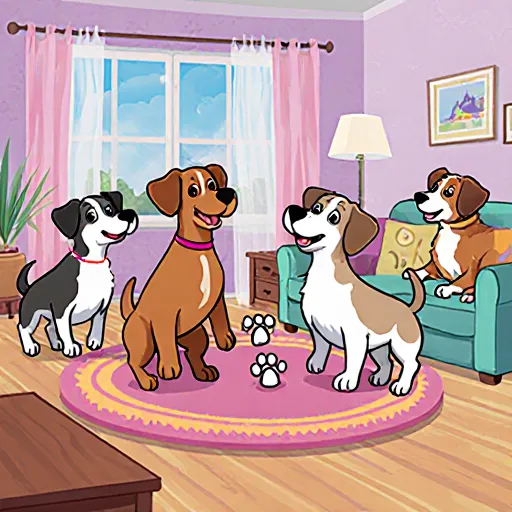
Unleash Indoor Joy!
“Bark‑Brigade Bonanza: Indoor Doggie Fun Galore”
Table of Contents
- Introduction to Indoor Dog Exercise
- Why Indoor Games Are Important for Dogs
- Safety Tips Before Starting
- Game 1: Hide‑and‑Seek with Treats
- Game 2: Indoor Fetch Variations
- Game 3: Tug‑of‑War on a Soft Mat
- Game 4: The Obstacle Course Challenge
- Game 5: Puzzle Toys and Interactive Feeders
- Game 6: Simon Says for Dogs
- Game 7: The “Find It” Scent Game
- Game 8: Indoor Agility with Household Items
- Game 9: Staircase Sprint Fun (if available)
- Game 10: Music and Dance Session
- Conclusion
- FAQ
Introduction to Indoor Dog Exercise
Whether you’re dealing with inclement weather, a busy schedule, or simply want to keep your pup active year‑round, indoor exercise is essential for maintaining both physical health and mental stimulation.
Why Indoor Workouts Matter
- Weight Management: Regular activity helps prevent obesity—one of the leading causes of joint problems in dogs.
- Mental Sharpness: Brain‑stimulating games reduce boredom and curb destructive behaviors such as chewing or digging.
- Safe Environment: Protects your pet from traffic, parasites, and harsh weather while still providing robust exercise.
Key Elements of a Successful Indoor Routine
- Consistency: Aim for at least 20–30 minutes of active play each day. Split this into two sessions if your dog’s energy is high.
- Variety: Rotate games to keep the routine fresh—this prevents mental fatigue and keeps training effective.
- Safety First: Clear furniture, remove breakables, and use non‑slip mats in slippery areas.
Fun Indoor Exercise Games for Dogs
1. Hide & Seek (Treat Edition)
Hide small treats around the living room and let your dog sniff them out. Start with obvious spots, then increase difficulty by using boxes or under cushions.
2. Tug‑of‑War Variations
- Standard: Use a sturdy rope toy; keep sessions short to avoid overexcitement.
- Command Integration: Incorporate “drop it” or “leave it” commands for training reinforcement.
3. Indoor Obstacle Course
Create a makeshift course using chairs, broomsticks (for jumps), and blankets (as tunnels). Guide your dog through with treats and praise.
4. Fetch on the Hallway
A narrow hallway provides a controlled space for a quick game of fetch. Use soft balls or plush toys to avoid damage.
5. Puzzle Toys & Interactive Feeders
These toys challenge your dog’s problem‑solving skills while rewarding them with treats. Great for longer play sessions when you’re busy.
Practical Tips for Parents of Pups
- Start Slow: If your dog is new to indoor exercise, begin with short bursts and gradually increase duration.
- Monitor Heat Levels: Indoor rooms can heat up quickly; ensure adequate ventilation or a fan.
- Hydration Matters: Keep fresh water nearby and offer it after playtime.
Conclusion
Indoor dog exercise isn’t just about keeping your pup fit—it’s an opportunity to strengthen the bond between you and your furry friend. By incorporating a mix of fun games, safety measures, and consistent routine, you’ll keep your dog healthy, happy, and ready for any adventure—inside or out.
Why Indoor Games Are Important for Dogs
While outdoor adventures are fantastic, there are many reasons why indoor play is equally vital for your canine companion. Whether you live in an apartment with limited yard space, face inclement weather, or simply want to keep your dog mentally sharp during the cooler months, structured indoor games provide a host of benefits that go beyond physical exercise.
1. Physical Conditioning When Outdoor Space Is Scarce
- Low-impact cardio: Games like fetch with a soft ball or tug-of-war using a sturdy rope keep your dog’s heart rate elevated without the risk of slipping on wet grass.
- Strength training: Activities that require the dog to jump onto a low, padded step or climb a gentle ramp help build muscle tone in the legs and core.
2. Mental Stimulation and Cognitive Health
Dogs are natural problem-solvers. Indoor games such as puzzle feeders, hide‑and‑seek with treats, or simple “find the toy” challenges stimulate their brains, reduce boredom, and prevent destructive behaviors.
3. Strengthening the Human–Dog Bond
When you engage in playful activities together, you reinforce trust and communication. The shared joy of a game like “Simon Says” (with obedience commands) creates lasting positive memories for both of you.
4. Weatherproof Exercise Routine
Rain, snow, or extreme heat can derail outdoor plans. Indoor games keep your dog active year-round, ensuring consistent calorie burn and preventing weight gain during the winter months.
5. Safe Environment for Sensitive or Senior Dogs
Older dogs with joint issues or puppies still developing coordination benefit from controlled indoor play where surfaces are smooth, obstacles are minimal, and supervision is constant.
- Tug‑of‑War – Use a durable rope or tug toy. Encourage your dog to pull, then release on command to teach impulse control.
- Hide & Seek – Hide treats or favorite toys around the living room and let your pup sniff them out.
- Puzzle Feeders – Fill a Kong with peanut butter or kibble; let your dog work to get the food out.
- Indoor Fetch (Soft Ball) – Roll or gently throw a plush ball down a hallway for a safe, low-impact game of chase.
- Obstacle Course – Set up cushions, chairs, and tunnels using blankets to create a mini agility course.
Safety Tips for Indoor Play
- Clear the play area of fragile items.
- Use non-slip mats if you’re running or jumping.
- Keep water within reach to prevent dehydration during active sessions.
- Always supervise, especially with small or curious dogs that may ingest toys.
By incorporating a variety of these indoor games into your routine, you’ll keep your dog healthy, happy, and engaged—no matter the weather outside. Remember, consistency is key: aim for at least two short play sessions daily to reap the full benefits.
Safety Tips Before Starting
Before you dive into a full‑blown indoor play session, take a few moments to set up a safe environment. These precautions will help keep your pup happy, healthy, and injury‑free while enjoying the games.
1. Choose an Appropriate Space
- Clear the area: Remove breakables, loose rugs, or anything that could trip or injure your dog. A carpeted floor is ideal for low‑impact games like tug or hide‑and‑seek.
- Keep it flat: Avoid uneven surfaces that can lead to slips. If you have stairs, make sure the game doesn’t involve jumping up and down.
2. Check Your Dog’s Health Status
- Consult your vet: Especially if your dog has joint issues, heart conditions, or is on a special diet.
- Watch for signs of overheating: Dogs can overheat quickly indoors. Keep water handy and pause play if you notice excessive panting, drooling, or lethargy.
3. Use Dog‑Friendly Equipment
- Toys: Opt for durable chew toys, soft plushies for fetch, and interactive puzzle toys that can be safely used indoors.
- Leashes & harnesses: For games like “Follow the Leader,” a short leash helps keep your dog close and prevents accidental collisions with furniture.
4. Start Slow and Build Gradually
Introduce new games one at a time, allowing your dog to master each before moving on. This reduces the risk of overstimulation or frustration.
5. Supervise and Intervene When Needed
- Watch body language: Tail tucked, ears flattened, or a stiff posture may indicate discomfort.
- Use positive reinforcement: Reward calm behavior with treats or praise to reinforce safe play habits.
6. Keep Sessions Short and Sweet
A 10‑15 minute burst of activity is often enough for most dogs, especially smaller breeds. Overexertion can lead to muscle strains or joint pain.
1. Tug‑of‑War (with a Twist)
- How to play: Use a sturdy rope toy and let your dog pull on one end while you hold the other. Add commands like “drop it” or “take it” to keep mental stimulation high.
- Safety tip: Avoid pulling too hard; the goal is playful resistance, not a tug‑of‑war competition.
2. Indoor Fetch with Soft Balls
- How to play: Roll or gently toss a soft rubber ball down a hallway or open room. Use a “go” cue and encourage your dog to retrieve it.
- Safety tip: Keep the ball away from fragile items; use a carpeted area to prevent slips.
3. Hide & Seek
- How to play: Have your dog sit and stay while you hide somewhere in the house (behind a door, under a blanket). Call their name once hidden and reward them with treats when they find you.
- Safety tip: Choose hiding spots that are safe—no high shelves or tight spaces where your dog could get stuck.
4. Puzzle Treat Dispenser
- How to play: Fill a puzzle toy with kibble or small treats. Let your dog work out how to retrieve the food by moving pieces around.
- Safety tip: Ensure the puzzle is age‑appropriate; too complex can frustrate younger dogs, while simple puzzles may not challenge older ones.
5. Obstacle Course (DIY)
- How to play: Create a small course using cushions for jumps, broomsticks for weaving, and towels for tunnels. Guide your dog through the course with treats.
- Safety tip: Make sure all obstacles are stable; avoid any that could topple over if your dog bumps into them.
6. “Find It” Game
- How to play: Hide a treat or favorite toy in various spots around the room. Encourage your dog with cues like “search!” and reward them when they locate it.
- Safety tip: Start with obvious hiding places, then gradually increase difficulty as your dog gets better at sniffing out items.
7. Indoor Scent Work
- How to play: Use a scented item (e.g., a drop of essential oil on a cotton ball) and place it in different areas. Let your dog follow the scent trail to find the source.
- Safety tip: Ensure the scent is safe for dogs; avoid strong fragrances that could cause irritation or allergic reactions.
8. “Follow the Leader”
- How to play: Walk around the room with a short leash, changing direction, speed, and level of activity. Encourage your dog to mimic your movements.
- Safety tip: Keep the leash short enough that you can control the dog’s distance from furniture or walls.
9. “Simon Says” Commands
- How to play: Teach simple commands like sit, stay, roll over, and use
Game 1: Hide‑and‑Seek with Treats
This classic game can be transformed into a stimulating mental workout for your dog, especially when you’re stuck indoors. By hiding treats around the house, you encourage your pup to use their nose and brain to locate each reward, which burns energy without requiring a lot of space.
Why It Works
- Odor Tracking: Dogs have an extraordinary sense of smell. By hiding treats in different locations, you tap into their natural scent‑tracking instincts.
- Cognitive Challenge: Each new hiding spot requires the dog to think about where the treat might be, improving problem‑solving skills.
- Physical Movement: Even if the hide spots are close together, the repeated searching involves short bursts of running and walking, which helps burn excess energy.
How to Play
- Choose Your Treats: Use small, high‑value treats that your dog loves. If you have a picky eater, mix in some training treats with a bit of kibble for variety.
- Select Hiding Spots: Start with easy locations such as under a cushion or behind a door frame. Gradually move to more challenging spots like inside a closed cupboard or on a low shelf.
- Release Your Dog: Let your dog loose in the room while you keep them slightly restrained (e.g., in another room or in a crate). Say “Find it!” and let them start searching.
- Reward Immediately: When they sniff out a treat, praise enthusiastically and give the treat. This reinforces the behavior and keeps motivation high.
- Increase Difficulty: As your dog gets better at finding treats quickly, add more hiding spots or place them in less obvious places to keep the game challenging.
Practical Tips
- Safety First: Avoid hidden areas that could be hazardous (e.g., behind a stove, under heavy furniture). Keep treats out of reach from children or pets who might eat them.
- Use Visual Cues for Beginners: For puppies or dogs new to the game, leave a faint trail of crumbs leading to the treat. This helps them understand that the treat is somewhere nearby.
Keep Sessions Short: 10–15 minutes per session prevents boredom and keeps your dog excited about the next round.- Incorporate Commands: Pair hiding with obedience commands like “Sit” or “Stay” before letting them search. This reinforces training while playing.
Variations to Keep Things Fresh
- Blindfolded Search
- Wrap a light blanket over your dog’s eyes and let them rely solely on their nose. This intensifies the scent‑tracking experience.
- Themed Hide‑and‑Seek
- Create a “treasure hunt” storyline: give clues or use small toys as “clue items” that lead to the final treat.
- Timed Challenges
- Use a stopwatch to see how fast your dog can find all treats. Gradually reduce the time limit for added excitement.
Benefits Summarized
Hide‑and‑Seek with Treats is an easy, low‑cost indoor exercise that:
- Stimulates your dog’s mind through scent tracking and problem solving.
- Encourages physical movement without the need for a large outdoor space.
- Strengthens the bond between you and your pet via positive reinforcement.
- Can be adapted to any skill level, making it suitable for puppies, seniors, or high‑energy breeds alike.
Give this game a try next time you’re indoors. Your dog will thank you with wagging tails and an eager sniffing attitude!
Game 2: Indoor Fetch Variations
When outdoor space is limited, indoor fetch can still provide great exercise and mental stimulation for your dog. The key is to adapt the classic game of “fetch” so it’s safe, engaging, and fun in a confined environment.
1. Soft‑Toy Fetch
- What to use: Plush balls, stuffed Kongs, or rubber toys that won’t damage walls or furniture.
- Why it works: Soft toys reduce the risk of breakage and are gentle on your dog’s teeth. They also allow you to play in tighter spaces without fear of accidents.
2. “Tug‑and‑Fetch” Combo
Combine a tug rope with a fetch toy. Toss the toy, then immediately hand over a tug rope for your dog to pull back. This variation boosts both cardio and grip strength.
3. Elevated Fetch
- Set‑up: Place a low‑height obstacle (e.g., a padded pillow or step stool) in front of the throwing line.
- How it works: Your dog must jump or hop over the obstacle to retrieve the toy, adding an agility component to the game.
4. “Find It” Fetch
After throwing a soft toy, hide it somewhere in the room. Encourage your dog to locate and bring it back. This adds a scent‑tracking element that keeps their mind sharp.
5. Fetch with a Remote‑Controlled Toy
- Equipment: A small remote‑controlled car or robotic ball.
- Benefit: The unpredictable movement keeps the dog’s attention, and you can control distance to suit your space.
Practical Tips for Safe Indoor Fetch
- Clear the area: Remove breakables, secure loose rugs, and use a non‑slip mat if needed.
- Use low-impact toys: Avoid hard plastic balls that can cause injury or damage to furniture.
- Limit throws: Keep each throw short (5–10 feet) to prevent your dog from running into walls.
- Encourage controlled retrieval: Reward calm behavior with treats and praise, discouraging frantic chasing that could lead to accidents.
Sample Play Session
1. Warm‑up: 2 minutes of gentle tug.
2. Soft‑toy fetch – 5 short throws with a brief pause after each return.
3. Elevated fetch – 3 rounds over the pillow.
4. “Find It” – hide one toy, let your dog locate it.
5. Cool down: slow walk around the room while you pet your dog.
By mixing these variations, you’ll keep indoor fetch exciting and beneficial for both body and mind—no matter how small your living space!
Game 3: Tug‑of‑War on a Soft Mat
Playing tug‑of‑war on a cushioned surface is an excellent way to give your dog a safe, controlled workout while preventing strain on joints and bones. A soft mat—such as a padded play mat or a thick yoga mat—provides a shock‑absorbing base that reduces the impact of vigorous pulls.
Why It Works
- Joint Protection: The cushioning dampens force, keeping hips, knees, and elbows from being overworked during intense tug sessions.
- Controlled Environment: A defined area keeps the game contained, preventing accidental collisions with furniture or other pets.
- Comfort for You: The mat also protects your own feet and knees while you’re on the floor, making it easier to keep up with a high‑energy dog.
Equipment Needed
- 1–2 sturdy tug toys (e.g., rubber rope, braided fabric)
- 1 padded play mat or yoga mat (minimum 18 in × 24 in for small dogs; larger for big breeds)
- Optional: a towel or blanket to line the floor if you prefer extra softness.
Step‑by‑Step Play Guide
- Set Up: Place the mat on a flat, non‑slippery surface. If your dog is used to playing on hardwood or tile, consider adding a rubber rug underneath for extra grip.
- Introduce the Toy: Let your dog sniff and mouth the tug toy. This builds excitement and signals that playtime is about to begin.
- Establish Rules: Teach “take it” and “drop it.” Use a command like “grab” when you hand the toy, and “give” or “release” when you want them to let go.
- Start Pulling: Hold one end of the rope while your dog holds the other. Keep your stance steady—feet shoulder‑width apart—and use a slight forward lean for balance.
- Maintain Control: If the dog pulls too hard, pause and say “stop” or “no.” When they release, reward with praise or a treat before resuming play.
- Keep Sessions Short: For puppies and active dogs, limit tug sessions to 5–10 minutes. Over‑exertion can lead to muscle fatigue.
Practical Tips for Success
- Use Two Toys for Rotation: Keep one toy in your hand and swap it with a second when the first becomes worn or if you want to vary texture.
- Watch Body Language: Signs of over‑excitement—panting, tail stiffening, ears back—indicate that it’s time to pause.
- Incorporate Commands: Combine tug with obedience training: “sit,” “stay,” then “tug” to reinforce listening under distraction.
- Clean the Mat Regularly: Wash or wipe down the mat after play to keep it free of saliva and dirt, preventing odor buildup.
- Adjust for Size: Larger dogs may need a bigger mat (at least 24 in × 36 in) so they can pull without feeling cramped.
Safety Precautions
- Avoid letting the dog snap or bite your hand; keep the toy in front of you at all times.
- If your dog is prone to arthritis, reduce tug intensity and consult a vet before starting any new exercise routine.
- Never play tug with a dog that has recently had surgery—allow ample healing time first.
Benefits Beyond Exercise
- Mental Stimulation: Tug requires focus and decision‑making, boosting cognitive engagement.
- Bonding Opportunity: Shared playtime strengthens the human‑dog relationship through positive reinforcement.
- Stress Relief: Controlled tug sessions help channel excess energy into a constructive outlet.
By combining a soft mat with disciplined tug‑of‑war play, you give your dog a safe, enjoyable way to burn calories and build strength—perfect for rainy days or when outdoor space is limited.
Game 4: The Obstacle Course Challenge
Creating a DIY obstacle course inside your home is an excellent way to keep your dog physically active and mentally stimulated while avoiding the unpredictable elements of outdoor play.
Why Build an Indoor Course?
- Weather‑proof fun: Rain, snow or heat waves won’t stop training.
- Space control: You can tailor the difficulty to your dog’s size and skill level.
- Bonding time: Working together on obstacles strengthens trust and communication.
Essential Elements of a Course
- Tunnel: A collapsible play tunnel or a long cardboard box with holes cut for paws.
- Weave poles: Four to six PVC pipes (4–6 ft) arranged in a straight line; space them 2–3 ft apart.
- Jump bar: A broomstick or wooden dowel set on two sturdy chairs, height adjusted to your dog’s jump ability.
- Pause platform: A low table or padded mat where the dog must sit/lie before proceeding.
Step‑by‑Step Setup
Choose a hallway or open living area. Mark each obstacle with a tape line so your dog sees the path clearly. Start small—just a tunnel and jump bar—and add elements as confidence builds.
Training Tips & Safety Checks
- Positive reinforcement: Use treats, praise or a favorite toy after each successful pass.
- Gradual progression: Introduce one obstacle at a time; don’t overwhelm your dog with too many challenges in a single session.
- Secure furniture: Make sure chairs and tables are stable—no wobbling that could cause injury.
- Floor safety: Place non‑slip mats under obstacles to prevent slips, especially on hardwood or tile.
Sample Course Layout
[Start] → Tunnel → Weave Poles → Jump Bar → Pause Platform → Finish
Common Mistakes to Avoid
- Using obstacles that are too high for the dog’s breed or age.
- Ignoring signs of fatigue—stop if your dog shows signs of overexertion.
- Forgetting to reward the dog after each segment; motivation drops without reinforcement.
Variations for Different Breeds
| Breed Type | Recommended Obstacle Adjustments |
|---|---|
| Small dogs (e.g., Beagle) | Lower jump bar, tighter weave spacing. |
| Medium dogs (e.g., Border Collie) | Standard height obstacles; add a balance beam. |
| Large dogs (e.g., German Shepherd) | Higher jump bar, longer tunnel length. |
Final Thoughts
The obstacle course is more than just exercise—it’s a training tool that enhances agility, obedience, and confidence. By keeping sessions short (5–10 minutes) and fun, you’ll see noticeable improvements in your dog’s coordination and eagerness to participate.
Game 5: Puzzle Toys and Interactive Feeders
Puzzle toys and interactive feeders are a fantastic way to keep your dog mentally stimulated while providing a healthy source of physical activity. By forcing them to think, problem‑solve, and use their natural foraging instincts, you help prevent boredom, destructive behavior, and even obesity.
Why Puzzle Toys Work
- Cognitive Enrichment: Dogs enjoy figuring out how to get a treat. This keeps their brains active and can reduce anxiety.
- Pacing: The slower release of food encourages chewing, slows down eating, and helps with digestion.
- Physical Interaction: Some puzzles require nudging, pushing, or turning parts, giving a light workout for the paws and jaws.
Top Types of Puzzle Toys & Interactive Feeders
| Toy Type | How It Works | Best For | Example Brands |
|---|---|---|---|
| Food‑Dispensing Balls | Rolls or spins to release kibble. | Active dogs who love to chase. | BarkBox Treat Ball, KONG Classic |
| Interactive Feeders (Bowl) | Spokes or maze inside bowl push treats out as dog eats. | Dogs prone to fast eating and obesity. | Outward Hound Fun Feeder, PetSafe Busy Buddy |
| Puzzle Boards | Sliding panels hide treats; requires sliding or lifting. | Intelligent breeds like Border Collies and Poodles. | Puzzle Cube, Nina + Alex Puzzle Toy |
| Snuffle Mats | Fabric strips hide kibble; dog sniffs and pulls out treats. | All sizes; great for indoor exercise. | Nature's Miracle Snuffle Mat, The Dog Knows |
Practical Tips for Using Puzzle Toys
- Start Small: Begin with a toy that releases only a few treats. Once your dog masters it, increase the difficulty.
- Monitor Eating Time: Some dogs may take longer than usual to finish. Ensure they don’t get stressed or overly hungry.
- Rotate Toys: Keep a collection and rotate them weekly to maintain novelty.
- Clean Regularly: Wash fabric-based puzzles every week to prevent mold and keep the scent fresh.
- Pair with Physical Exercise: Use puzzle toys after a short walk. The mental challenge complements the physical activity.
Sample Routine: “Treat Hunt” Game
1. Fill a BarkBox Treat Ball about 75% full with kibble.
2. Let your dog roll it across the living room floor.
3. Encourage them to sniff and push until treats spill out.
4. Repeat twice, then switch to an Outward Hound Fun Feeder for a slower release session.
Safety Considerations
- Choose toys that match your dog’s size; avoid small parts that could be swallowed by puppies or small breeds.
- Avoid giving high‑fat treats in puzzle feeders, as they can cause stomach upset.
- Always supervise first use to ensure your dog isn’t chewing off harmful pieces.
Benefits Beyond Exercise
Puzzle toys also help:
- Reduce Separation Anxiety: A busy mind is less likely to obsess over owners leaving.
- Improve Focus: Training sessions often go smoother when a dog’s brain is already engaged.
- Encourage Healthy Chewing: Durable toys provide an outlet for natural gnawing instincts.
Incorporating puzzle toys and interactive feeders into your dog's routine provides a low‑impact, high‑enjoyment way to keep them active indoors. Start with simple models, gradually increase difficulty, and watch as their confidence, mental sharpness, and overall well‑being flourish.
Game 6: Simon Says for Dogs
This classic children’s game translates wonderfully into a fun indoor exercise routine for your dog. It combines mental stimulation, obedience training, and aerobic activity—all while keeping the environment safe and engaging.
Why Simon Says Works Indoors
- Low Impact: No hard surfaces or stairs—perfect for older dogs or those with joint issues.
- Cognitive Boost: Requires your dog to listen, interpret commands, and make quick decisions.
- Bonding Time: Shared focus strengthens the human‑dog relationship.
Setup & Equipment
All you need is a spacious room or hallway and a few favorite toys or treats. If you have a soft rug, that’s ideal for gentle movement. For added variety, use different colored markers on the floor to indicate “Stop” zones.
Step‑by‑Step Instructions
- Warm‑Up: Begin with a light walk around the room, letting your dog sniff and explore. This primes their senses for listening.
- Choose Commands: Pick three simple actions—“Sit,” “Down,” and “Spin.” Keep the words consistent; dogs learn by repetition.
- Start the Game: Stand a short distance away, then say, “Simon says sit!” When they obey, reward with praise or a treat. If you say just “Sit” without “Simon says,” and they still sit, take away the treat—this teaches them to only respond when the full phrase is used.
- Increase Difficulty: Add more commands (“Roll over,” “Stay”) or incorporate movement between commands (“Run to the blue marker”). The goal is to keep the dog mentally engaged while moving around.
- Use Physical Cues: If your dog hesitates, gently guide them with a leash or hand signal. This helps reinforce the correct action without over‑exertion.
Practical Tips for Success
- Short Sessions: Keep each round to 5–7 minutes; dogs have limited attention spans indoors.
- Positive Reinforcement: Always pair commands with a reward. Avoid scolding—dogs respond best to encouragement.
- Monitor Fatigue: Watch for signs of overheating (panting, drooling). If needed, pause and offer water.
- Adapt for Size: For small breeds, use low‑height obstacles; for large breeds, keep commands simple to avoid overexertion.
Variations & Extensions
- Obstacle Course Twist: Insert a soft tunnel or cardboard box. Say “Simon says crawl through” and reward once they finish.
- Treat Hunt Integration: Hide treats around the room, then give commands to “Find it.” This adds scent work to the game.
- Timed Challenges: Use a stopwatch to see how quickly your dog can complete a sequence. Celebrate progress with extra praise.
Safety Reminders
Ensure the play area is free of sharp objects and slippery floors. If you notice any signs of distress—such as excessive panting or whimpering—stop immediately and allow your dog to rest.
Conclusion
Simon Says for Dogs transforms a simple indoor space into an interactive playground that boosts both mind and body. By following these steps, you’ll create a routine that’s fun, safe, and rewarding for both of you.
Game 7: The “Find It” Scent Game
The “Find It” game is a fantastic way to tap into your dog’s natural hunting instincts while keeping them mentally sharp and physically engaged indoors. By hiding treats or toys in various spots around the house, you encourage your pup to use their nose—a sense that’s often under‑utilized during regular walks.
Why It Works
- Brain Boost: Scent tracking requires complex neural pathways, providing a mental workout that can reduce anxiety and boredom.
- Physical Activity: Even if the hiding spots are low to the ground, the act of sniffing, searching, and occasionally lunging keeps your dog moving.
- Confidence Builder: Successful scent hunts reinforce a sense of accomplishment and can help shy dogs feel more secure.
How to Set It Up
- Select the Reward: Use high‑value treats (e.g., small pieces of chicken or cheese) or a favorite toy. For picky eaters, try a bit of peanut butter on a kibble.
- Choose Your Hiding Spots:
- Under a cushion
- Inside a rolled towel
- Behind a door frame (with a small gap)
- Between two books on a low shelf
- Start Simple: For first‑time players, place the reward in an obvious spot to build confidence.
- Gradually Increase Difficulty: As your dog gets better at sniffing out treats, add layers of concealment or increase distance between hiding spots.
Tips for Success
- Use a Command Cue: Say “Find it!” or “Sniff” to signal the start. Keep the cue consistent so your dog associates the word with searching.
- Celebrate Every Find: Use enthusiastic praise, gentle petting, and a quick treat reward each time they locate something.
- Don’t Over‑Reward: If you give too many treats at once, your dog may lose interest. Stick to one or two per hunt.
- For added challenge, hide a scent trail: rub a small amount of essential oil (dog‑safe) on a paper towel and place it near the reward.
Practical Variations
| Variation | Description | Skill Level |
|---|---|---|
| Treasure Hunt | Hide multiple treats; the dog must find all of them. | Intermediate |
| Obstacle Scent Course | Create a mini‑course with low jumps or tunnels, hiding treats at each station. | Advanced |
| Scent Memory Game | Show the dog a treat, then hide it in one of several identical boxes. The dog must recall which box contained the treat. | Expert |
Safety Considerations
- Ensure hiding spots are safe—no choking hazards or sharp objects.
- If your dog has a history of excessive chewing, avoid giving them treats that can be chewed into small pieces.
- Keep the play area free from slippery floors to prevent falls during enthusiastic searches.
Real‑World Example
Meet Max, a 4‑year‑old Labrador mix. His owner, Sarah, started with “Find It” by hiding a peanut‑butter‑spotted kibble under the living room rug. After three successful searches, she added a second treat inside a small box on the coffee table. Max now spends about 10 minutes each day hunting for hidden goodies, and his energy levels have noticeably improved during indoor play sessions.
Conclusion
The “Find It” scent game is a versatile tool that can be adapted to any dog's skill level and space constraints. By turning your living room into a scent‑filled playground, you provide both mental stimulation and physical activity—key components of a happy, healthy pup.
Game 8: Indoor Agility with Household Items
Indoor agility is a fantastic way to keep your dog mentally stimulated and physically active, especially when outdoor options are limited. By using everyday household items you can set up an obstacle course that challenges your dog's coordination, speed, and problem‑solving skills—all while keeping the activity safe and fun.
Why Indoor Agility Works
- Low Impact: Soft mats and padded furniture reduce joint stress compared to hard surfaces.
- Convenient: No need for a dedicated agility kit—everything you need is already in your home.
- Adaptable: Obstacle difficulty can be adjusted as your dog improves, keeping them engaged long term.
Creating Your Course: Step‑by‑Step Guide
- Select a Safe Space: Clear a corridor or living room area free of sharp corners and fragile décor. Use a rug or yoga mat as the base to prevent slipping.
- Choose Obstacles:
- Tunnel: A large cardboard box with both ends open, or a collapsible play tunnel from a pet store.
- Jumps: Stack two sturdy plastic bottles and place them on a low shelf; adjust height to suit your dog’s size.
- Weave Poles: Line up three to five upright broomsticks or PVC pipes (about 18‑24 inches tall) with enough space between for weaving.
- Pause Table: A coffee table or low platform where your dog must sit or lie before moving on.
- Mark the Course: Use a piece of masking tape to outline start and finish lines, ensuring clear direction for both you and your dog.
- Lead the First Run: Guide your dog through each obstacle with treats or a favorite toy. Keep the tone upbeat—positive reinforcement is key.
- Introduce Variations: Once mastered, add twists: reverse order, double jumps, or timed runs to increase difficulty.
Safety Tips & Common Pitfalls
- Check Stability: Ensure every obstacle is secure—no wobbling boxes or loose poles.
- Avoid Over‑Jumping: Start with low jumps; too high can cause injury.
- Watch for Fatigue: Dogs may tire quickly indoors. Take short breaks and monitor breathing.
- Use Soft Surfaces: If your floor is hardwood, place a rug to cushion landings.
Practical Variations for Different Breeds & Ages
| Dog Type | Suggested Modifications |
|---|---|
| Small or Toy Breed | Lower jump heights, shorter tunnels, and tighter weave spacing. |
| Large or Working Breed | Higher jumps (up to 12 inches), wider weave poles, and longer tunnel lengths. |
| Senior Dog | Eliminate jumps; focus on weaving and a low pause table. Use gentle encouragement. |
Examples of Fun Indoor Agility Routines
- “Treasure Hunt”: Place treats at the end of each obstacle for an extra reward incentive.
- “Simon Says”: Use verbal cues (“Jump,” “Weave,” “Pause”) to add a training element while playing.
- “Time Trials”: Set up a stopwatch and see how fast your dog can complete the course—great for competitive pups!
Integrating Agility into Your Dog’s Routine
Schedule agility sessions 2–3 times per week, each lasting 10–15 minutes. This frequency offers consistent mental stimulation without overexerting your dog. Pair the activity with a calm cool‑down period—gentle petting and a short walk around the house—to reinforce positive behavior.
Final Thoughts
Indoor agility using household items transforms any living space into an interactive playground for your dog. By focusing on safety, gradual progression, and plenty of praise, you’ll build confidence in your pet while enjoying quality bonding time together.
Game 9: Staircase Sprint Fun (if available)
Overview: The Staircase Sprint is a high‑energy indoor exercise that turns your home’s stairs into a mini agility course. It boosts cardiovascular fitness, strengthens hind legs, and gives your dog a mental challenge as they decide whether to climb or skip.
Why It Works
- Endurance Building: Repeated climbs elevate heart rate, improving overall stamina.
- Muscle Development: The upward push engages quadriceps, hamstrings, and glutes; the descent trains controlled braking.
- Coordination & Balance: Navigating steps requires precise foot placement, enhancing proprioception.
Safety Tips
- Inspect stairs for loose treads or carpet that could cause slips.
- Use a non‑slip mat on the steps if your dog has slick paws.
- Start with just one or two flights; gradually increase as confidence grows.
- Avoid forcing the dog if they show signs of fatigue or pain.
How to Play
Step 1 – Warm‑up: Begin with a short walk around the house, encouraging light lunges and gentle jumps onto the first step.
Step 2 – The Sprint: Place a treat or favorite toy at the top of the stairs. Call your dog to run up, pause briefly for a reward, then call them back down. Repeat 3–5 times.
Step 3 – Variation: Once comfortable, add a “pause” on a particular step (e.g., “sit” or “stay”) before proceeding. This introduces a mental component and prevents over‑exertion.
Practical Advice for Different Breeds
| Breed | Ideal Step Height | Recommended Frequency |
|---|---|---|
| Labrador Retriever | 8–10 inches | 2–3 times/week |
| German Shepherd | 6–9 inches | 3–4 times/week |
| Poodle (Miniature) | 5–7 inches | 2 times/week |
| Bulldog | 4–6 inches | 1–2 times/week, short sessions |
Common Mistakes & How to Avoid Them
- Over‑exertion: Watch for panting beyond normal or a drooping tail.
- Skipping warm‑up: Skipping this step can lead to muscle strains.
- Ignoring the dog’s pace: Let your dog set the speed; don’t chase them down stairs.
Complementary Indoor Games
Pair Staircase Sprint with games like “Hide & Seek” or “Tug‑of‑War” to keep variety high and boredom low. Rotate activities every few weeks to maintain excitement.
Final Thought
Staircase Sprint is a simple yet effective way to channel your dog’s natural energy indoors, especially during bad weather or when outdoor time is limited. With proper precautions and gradual progression, it becomes a favorite part of your dog’s daily routine.
Game 10: Music and Dance Session
Turn your living room into a canine disco! A music‑and‑dance routine is not only fun but also great for agility, coordination, and mental stimulation. Below are step‑by‑step instructions, song suggestions, dance moves tailored to different dog sizes, and safety tips.
Why It Works
- Physical Exercise: Encourages full‑body movement—good for weight management and joint health.
- Cognitive Engagement: Dogs learn new rhythms, cues, and spatial awareness.
- Bonding Time: Shared rhythm strengthens the human‑dog connection.
Choosing the Right Music
Select tempos that match your dog's energy level. A good rule of thumb is to keep the beat between 90–120 BPM for medium‑sized dogs and slightly slower (70–100 BPM) for larger breeds or older dogs.
| Dog Size | Recommended Songs |
|---|---|
| Small & Light | "Happy" by Pharrell Williams; "Can't Stop the Feeling!" by Justin Timberlake |
| Medium | "Uptown Funk" by Mark Ronson ft. Bruno Mars; "Shake It Off" by Taylor Swift |
| Large & Heavy | "Eye of the Tiger" by Survivor; "Thunder" by Imagine Dragons |
Basic Dance Moves
- Spin & Slide: Hold a treat in your hand and guide your dog to spin clockwise, then slide sideways. Repeat on the other side.
- Jump & Clap: On a “clap” cue, encourage a small hop or jump over an obstacle (e.g., a low hurdle or a pillow).
- Wiggle-Walk: Walk in a zig‑zag pattern while waving your arms. Dogs often mimic the motion.
- The Tail Wag Shuffle: While you shuffle forward, prompt your dog to wag its tail vigorously—use a treat for extra motivation.
Creating a Routine
Build a 5‑minute routine that includes at least one of each move. Repeat the sequence twice with short breaks. Here’s an example:
  0:00–0:30 – Spin & Slide (right)
  0:31–1:00 – Jump & Clap
  1:01–1:30 – Wiggle‑Walk
  1:31–2:00 – Tail Wag Shuffle
  2:01–2:15 – Short break, praise
  2:16–3:45 – Repeat Spin & Slide (left)
  3:46–4:15 – Jump & Clap
  4:16–5:00 – Final Wiggle‑Walk + Tail Wag Shuffle
Safety Tips
- Space: Clear a 10’×10’ area free of breakables.
- Flooring: Use non‑slip rugs to prevent falls.
- Heat: Avoid intense sessions during hot weather; keep the room well ventilated.
- Health Check: If your dog has joint issues, limit jumps and opt for low‑impact moves.
Tracking Progress
Use a simple checklist or a phone app to log each session. Note any improvements in coordination, energy level, or willingness to follow cues. Over time you’ll see measurable gains in both physical fitness and obedience.
Variations for Advanced Dogs
- Obstacle Circuit: Set up cones, tunnels, and weave poles for a mini agility course while playing music.
- Dance with Props: Introduce lightweight hoops or ribbons to enhance visual stimulation.
- Partner Moves: Pair your dog’s dance with another pet or family member for social interaction.
Music and dance sessions are an easy, enjoyable way to keep your pup fit indoors. Mix up the tunes, tweak the moves, and watch your furry friend groove while staying healthy!
Conclusion
Keeping your dog physically active and mentally stimulated doesn’t have to mean long walks or a trip to the park. With a little creativity, you can turn any spare room into an engaging playground that benefits both of you.
- Use Everyday Items: A sturdy cardboard box, a rolled‑up towel, or a plastic bottle with treats inside can spark curiosity and provide a safe, low‑impact challenge.
- Rotate Games Weekly: Variety prevents boredom. Switch between tug, fetch, scent work, or agility drills to keep your dog’s brain buzzing.
- Incorporate Training Commands: Pair exercise with obedience practice—ask “sit,” “stay,” or “heel” before each game round to reinforce good behavior while burning energy.
- Set Clear Boundaries: Use baby gates, furniture covers, or designated play zones to protect fragile items and give your dog a safe space to run freely.
- Monitor Intensity: Watch for signs of overexertion—panting too hard, drooling excessively, or reluctance to continue. Adjust the duration or difficulty accordingly.
By integrating these indoor activities into your routine, you’ll help your dog maintain a healthy weight, reduce anxiety, and strengthen the bond between you two—all without stepping outside.
FAQ
1. Why is it important to keep my dog active indoors?
Even if you live in a small apartment or the weather is inclement, your dog still needs physical and mental stimulation. Regular exercise helps maintain a healthy weight, reduces anxiety, improves sleep quality, and strengthens the bond between you and your pet. Indoor games also provide an outlet for excess energy that might otherwise manifest as destructive behavior.
2. What are some low‑impact indoor games that won’t damage my floors?
- Tug of War with a Soft Rope: Use a durable, non‑splintering rope or specialized tug toy. Keep the play gentle and supervise to avoid accidental bites.
- Hide & Seek: Hide treats or favorite toys in easy-to-reach spots. This encourages scent tracking without requiring large spaces.
- Indoor Fetch Variations: Use a lightweight ball or plush toy, and play in a hallway with soft carpeting to reduce bounce impact.
3. How can I create a DIY obstacle course?
Build a simple circuit using household items:
- Curling over Chairs: Place two sturdy chairs a few feet apart and drape a blanket to form a tunnel.
- Bouncy Baskets: Stack a couple of laundry baskets for the dog to jump through.
- Pillow Pyramids: Arrange cushions in a pyramid shape that the dog can navigate around or over.
4. What mental‑stimulation games work best indoors?
- Food Dispensing Toys: Kong, treat balls, and puzzle feeders release kibble as the dog manipulates them.
- Shell Game: Hide a treat under one of three cups and shuffle them. Let your dog sniff out which cup holds the reward.
- Training Sessions: Teach new tricks (e.g., spin, roll over) using short, high‑reward intervals to keep focus sharp.
5. How do I prevent my dog from getting bored during indoor play?
Rotate toys and games weekly to maintain novelty. Use scent-based variations: spray a light, dog‑safe perfume on a toy or add a drop of peanut butter to entice curiosity. Always end sessions with a calm period—sitting together or gentle brushing—to reinforce positive associations.
6. Can I incorporate my dog's favorite scent into indoor games?
Absolutely! Sprinkle a small amount of safe essential oil (e.g., lavender, chamomile) or use a scented play mat. Alternatively, place a fresh piece of your dog’s favorite treat in a puzzle feeder to heighten motivation.
7. What safety precautions should I keep in mind?
- Check for loose rugs or furniture that could slip during play.
- Avoid high‑impact toys on hardwood floors; opt for rubber or foam alternatives.
- Never leave a dog unattended with small, chewable items that can be swallowed.
8. How often should I schedule indoor exercise sessions?
For most adult dogs, aim for 20–30 minutes of structured play per day—split into two shorter bouts if needed. Puppies and high‑energy breeds may benefit from more frequent, but shorter, sessions to prevent overexertion.
9. What should I do if my dog shows signs of fatigue or distress?
Stop play immediately and offer a cool water bowl. Watch for symptoms like rapid panting, drooling, or stumbling. If concerns persist, consult your veterinarian to rule out underlying health issues.
10. Where can I find additional resources on indoor dog activities?
Categories
- AI & Enrichment Play
- Broiler Farming
- Broiler Farming Tips
- Canine Wellness & Longevity
- Cat
- Cat & Human Connection
- Cat Adoption & Rescue
- Cat Breeds
- Cat Breeds & Personalities
- Cat Care & Health
- Cat Grooming & Hygiene
- Cat Lifestyle & Environment
- Cat Myths & History
- Cat Nutrition & Diet
- Cat Products & Reviews
- Cat Training & Behavior
- Comparison
- Consumer Awareness
- Dog
- Dog Accessories & Products
- Dog Adoption & Rescue
- Dog Breed & Lifestyle Trends
- Dog Breeding & Puppies
- Dog Entertainment & Media
- Dog Fashion & Trends
- Dog Fun & Lifestyle
- Dog Grooming & Hygiene
- Dog History & Culture
- Dog Myths, Science & Future Tech
- Dog News & Trends
- Dog Nutrition & Food
- Dog Psychology & Emotions
- Dog Safety & Security
- Dog Sports & Activities
- Dog Technology & Innovation
- Dog Training for Modern Owners
- Dog Travel & Adventure
- Dog Travel, Adventure & Culture
- Economic and Market Insights
- Educational Content
- FAQs
- Feeding Alternatives
- Festivals & Seasonal Ideas
- Fun & Entertainment
- General Knowledge
- General Pig Farming
- Health & Disease Management
- Housing and Environment
- Kittens
- Market Insights
- Miscellaneous
- Miscellaneous
- Motivational
- pig
- Pig Breeding
- Pig Breeds
- Pig Farming Stories and Inspiration
- Pig Health and Care
- Pig Nutrition
- Pig Products
- Profitability & Business
- Puppy Care
- Puppy Predictable Topics Reinvented
- Regional Focus
- Rescue & Adoption Buzz
- Senior Cats
- Senior Dog Care
- Smart Dog Tech & Gadgets
- Sustainability
- Sustainable & Eco-Friendly Dog Products
- Tech & Innovations
- Working & Service Dogs
- Broiler Feed66 products
- Country Feed33 products
- Pig Feed66 products
- Product22 products
- Raw Materials99 products
Products
-
 Fish Meal
₹1,999.00 – ₹2,999.00Price range: ₹1,999.00 through ₹2,999.00Rated 0 out of 5
Fish Meal
₹1,999.00 – ₹2,999.00Price range: ₹1,999.00 through ₹2,999.00Rated 0 out of 5 -
 FATTENING BROILER FEED
₹2,299.00 – ₹2,349.00Price range: ₹2,299.00 through ₹2,349.00Rated 0 out of 5
FATTENING BROILER FEED
₹2,299.00 – ₹2,349.00Price range: ₹2,299.00 through ₹2,349.00Rated 0 out of 5 -
 LAYER COUNTRY FEED
₹1,549.00 – ₹1,649.00Price range: ₹1,549.00 through ₹1,649.00Rated 0 out of 5
LAYER COUNTRY FEED
₹1,549.00 – ₹1,649.00Price range: ₹1,549.00 through ₹1,649.00Rated 0 out of 5 -
 COUNTER BROILER FEED
₹1,199.00 – ₹1,299.00Price range: ₹1,199.00 through ₹1,299.00Rated 0 out of 5
COUNTER BROILER FEED
₹1,199.00 – ₹1,299.00Price range: ₹1,199.00 through ₹1,299.00Rated 0 out of 5 -
 LACTATING PIG FEED
Rated 0 out of 5
LACTATING PIG FEED
Rated 0 out of 5₹2,299.00Original price was: ₹2,299.00.₹1,740.00Current price is: ₹1,740.00. -
 Maize
Rated 0 out of 5
Maize
Rated 0 out of 5₹1,650.00Original price was: ₹1,650.00.₹1,300.00Current price is: ₹1,300.00. -
 GESTATION PIG FEED (Phase 1)
Rated 0 out of 5
GESTATION PIG FEED (Phase 1)
Rated 0 out of 5₹2,249.00Original price was: ₹2,249.00.₹1,699.00Current price is: ₹1,699.00. -
 Pre Starter Broiler Feed
₹2,399.00 – ₹2,499.00Price range: ₹2,399.00 through ₹2,499.00Rated 0 out of 5
Pre Starter Broiler Feed
₹2,399.00 – ₹2,499.00Price range: ₹2,399.00 through ₹2,499.00Rated 0 out of 5 -
 FINISHER PIG FEED
Rated 0 out of 5
FINISHER PIG FEED
Rated 0 out of 5₹2,299.00Original price was: ₹2,299.00.₹1,749.00Current price is: ₹1,749.00. -
 Broiler Premix
Rated 0 out of 5
Broiler Premix
Rated 0 out of 5₹820.00Original price was: ₹820.00.₹699.00Current price is: ₹699.00.