
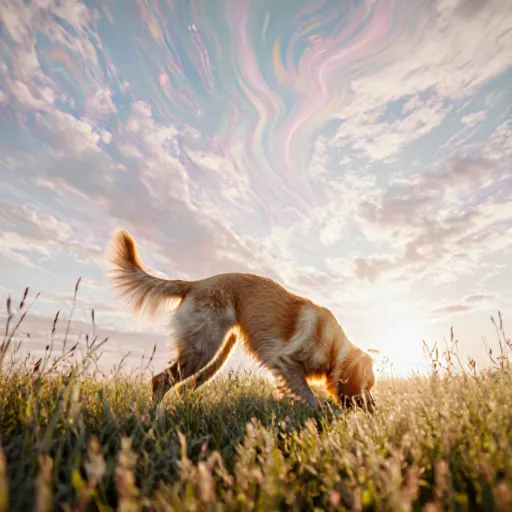
Unleash Your Dog’s Inner Zen
“Bark‑Free Balance: Dogs’ Divine Yoga Secrets”
Table of Contents
- Introduction to Dog Yoga
- Benefits for Dogs and Owners
- Preparing Your Space and Equipment
- Warm‑Up Routine: Gentle Stretching
- Pose 1: Downward Dog for Canines
- Pose 2: Cat‑Cow Flow for Spinal Flexibility
- Pose 3: Puppy Pose – Gentle Hip Stretch
- Pose 4: Seated Forward Bend for Calming
- Pose 5: Bridge Pose for Back Support
- Pose 6: Child’s Pose Variation for Dogs
- Pose 7: Sphinx Stretch for Neck Relief
- Pose 8: Seated Twist to Improve Digestion
- Safety Tips and Contraindications
- Conclusion – Bringing Mindfulness Home
- FAQ: Common Questions About Dog Yoga
Introduction to Dog Yoga
Dog yoga—also known as “doga”—is a gentle, mindful practice that couples the calming benefits of traditional human yoga with playful exercises for your canine companion. By synchronizing breathing, stretching, and gentle touch, you create a shared experience that promotes relaxation, flexibility, and stronger bonds.
Why Try Dog Yoga?
- Stress Reduction: Dogs, like humans, can feel anxious. Slow movements and deep breathing help lower cortisol levels in both of you.
- Improved Flexibility: Light stretches target major muscle groups—hamstrings, shoulders, and hips—without overstretching a dog's joints.
- Enhanced Communication: Paying attention to your dog’s body language during poses builds trust and improves responsiveness.
- Quality Time: A shared routine strengthens the human‑canine bond and provides a consistent, positive interaction.
Getting Started: Setting Up Your Doga Space
- Choose a Quiet Room: Minimize distractions—no loud music or TV. A calm environment helps both you and your dog focus.
- Use a Soft Mat: A yoga mat or a plush rug offers cushioning for joints and prevents slipping.
- Gather Basic Props: A small pillow, a towel, or a light resistance band can add variety without overwhelming your dog.
Sample Dog Yoga Flow
Below is a beginner-friendly sequence that takes about 10–15 minutes. Follow each step slowly and observe your dog’s reactions to adjust as needed.
- Seated Cat-Cow (Dog Version)
- You sit on the mat, knees apart, hands resting on your dog’s shoulders.
- Inhale: Gently arch your back while encouraging your dog to inhale through his nose.
- Exhale: Round your spine and ask your dog to exhale. Repeat 3–5 times.
- Doggie Downward Dog
- Place your hands on the mat, walk your dog’s paws forward into a gentle “downward” position.
- Support his hips with your palms; keep his legs slightly bent to avoid strain.
- Hold for 5–10 breaths, encouraging him to relax his tail and ears.
- Lying Lateral Stretch
- Lay your dog on his side. Place a folded towel under his shoulder.
- Gently pull the opposite leg over his head, stretching the flank.
- Hold 3–4 breaths; switch sides after each set.
- Gentle Hip Opener
- Stand beside your dog and place one hand on his hip.
- Slowly lift the opposite leg, allowing the hips to rotate gently.
- Hold for 3–5 breaths; repeat on the other side.
- Closing Breathing
- Sit back down, place your hands on his chest, and inhale deeply together.
- Exhale slowly, giving a gentle massage to the shoulder blades.
- Finish with a soft “good job” to reinforce positive behavior.
Practical Tips for Success
- Start Small: If your dog is nervous, begin with just 5 minutes and gradually increase duration.
- Use Positive Reinforcement: Offer treats or praise after each pose to create a rewarding association.
- Watch for Pain: Avoid any stretch that causes discomfort—especially in older dogs or those with joint issues.
- Keep Sessions Consistent: Aim for 2–3 times per week; consistency builds routine and trust.
- Stay Patient: Dogs learn at their own pace. If a pose doesn’t work, skip it or try a simpler variation.
Further Reading
For more in-depth exercises and variations, consult resources such as “Dog Yoga: Canine Calming Exercises Explained,” which offers detailed instructions, safety precautions, and advanced poses for experienced practitioners.
Benefits for Dogs and Owners
Dog yoga, or doga, offers a wide range of physical, mental, and emotional benefits for both your canine companion and you as the owner. Below we break down how these calming exercises translate into tangible improvements in everyday life.
1. Physical Wellness
- Improved Flexibility: Just like humans, dogs can benefit from gentle stretching. Doga poses such as “Doggie Downward Dog” or “Cat‑Couch Stretch” help elongate the spine and limbs, reducing stiffness that often accompanies aging or joint issues.
- Enhanced Circulation: Slow, rhythmic breathing paired with light movements encourages blood flow to muscles and organs. This can aid recovery after exercise or injury.
- Joint Support: Repeated practice of low‑impact poses strengthens the connective tissues around hips, knees, and shoulders—ideal for breeds prone to arthritis.
2. Mental Stimulation & Cognitive Health
- Increased Focus: Learning new poses requires dogs to pay attention to cues from their owners, which can sharpen concentration over time.
- Problem‑Solving Skills: Poses that involve balancing on one leg or placing a paw in a specific spot encourage dogs to experiment and discover solutions—much like a mental “brain gym.”
- Reduced Anxiety & Fear: Consistent exposure to the calm environment of a yoga session can desensitize dogs to stressful stimuli (e.g., loud noises, unfamiliar objects).
3. Emotional Bonding and Social Interaction
- Strengthened Owner‑Dog Connection: The shared experience of breathing together fosters trust and mutual affection.
- Positive Reinforcement: Rewarding dogs with treats or praise after completing a pose reinforces good behavior and deepens the bond.
- Stress Relief for Owners: Engaging in yoga with your dog reduces cortisol levels, helping you feel calmer and more present during sessions.
4. Practical Everyday Applications
Here are some real‑world scenarios where doga can make a difference:
- Post‑Workout Recovery: After an intense walk or run, use a gentle “Rest Pose” to help your dog relax and stretch.
- Calming Before Vet Visits: A brief session of deep breathing can lower both you and your dog’s heart rate, making the trip less stressful.
- Sleep Preparation: Ending the day with a soothing “Savasana” (Doggy Rest) promotes better sleep quality for both parties.
5. Sample Routine for Beginners
Try this 10‑minute routine once or twice a week to start reaping benefits:
- Warm‑Up (2 min): Gentle neck rolls and shoulder shrugs.
- Pose 1 – Doggie Downward Dog (3 breaths each side).
- Pose 2 – Cat‑Couch Stretch (4 breaths).
- Pose 3 – Seated Forward Bend (3 breaths).
- Cool‑Down – Doggy Savasana (5 min breathing together).
Remember, every dog is unique. Start slowly, observe your pet’s reactions, and adjust the intensity accordingly. Over time, both you and your canine friend will enjoy a healthier, calmer, and more harmonious relationship.
Preparing Your Space and Equipment
Before you start a calming session with your canine companion, it’s essential to create an environment that is safe, quiet, and comfortable. A well‑prepared space will help both you and your dog stay focused and relaxed during the yoga routine.
1. Choose the Right Location
- Quiet Room or Backyard: Pick a spot with minimal foot traffic, away from loud appliances or neighbors’ pets.
- Use a soft floor surface: Carpets, rugs, or yoga mats provide cushioning and reduce noise when your dog moves around.
- Maintain a consistent temperature (around 68–72°F). Avoid drafts or direct sunlight that could distract your dog.
2. Create a Calm Ambience
- Aromatherapy: Use dog‑safe essential oils like lavender or chamomile in a diffuser (ensure proper ventilation).
- Background Music: Soft classical, nature sounds, or specially curated “dog meditation” playlists can help soothe both parties.
- Lighting: Dim the lights or use soft lamps. Avoid harsh fluorescent bulbs that may overstimulate your dog.
3. Gather the Essential Equipment
| Item | Why It’s Useful | Example Brands / Tips |
|---|---|---|
| Yoga Mat (or Thick Rug) | Provides grip and cushioning for both you and your dog. | Choose a non‑slip mat, e.g., Manduka PRO or a thick carpet patch. |
| Toy/Weighted Blanket | Encourages gentle pressure during certain poses (e.g., “Doggie Down”). | Soft plush toys or a small weighted blanket for dogs that like extra comfort. |
| Water Bottle & Towel | Keep your dog hydrated and dry during longer sessions. | Use a collapsible water bottle; have a towel handy to wipe paws after walking. |
| Calming Treats | Positive reinforcement helps maintain focus. | Choose low‑calorie treats like freeze‑dried chicken or carrots. |
4. Safety Checks
- Remove any sharp objects, cords, or loose rugs that could pose a choking hazard.
- If your dog has joint issues, use a padded mat and avoid deep stretches until warmed up.
- Keep the session brief at first (5–10 minutes) to gauge your dog’s tolerance; increase gradually.
5. Sample Setup Checklist
- Clear the floor of debris and clutter.
- Lay down the yoga mat or rug.
- Place a water bowl within easy reach.
- Set up your diffuser or music player.
- Have treats and a towel within arm’s reach.
By investing time in preparing an optimal space, you set the stage for a successful dog yoga session that promotes relaxation, strengthens the human‑dog bond, and helps manage stress for both parties.
Warm‑Up Routine: Gentle Stretching
Before diving into deeper poses, it’s essential to warm up your canine companion. A proper stretch routine helps increase blood flow, reduce muscle stiffness, and prepare the nervous system for calming exercises.
Why Warm‑Up Matters for Dogs
- Reduces Injury Risk: Like humans, dogs can suffer strains if muscles are cold. Gentle stretches loosen joints and tendons.
- Promotes Relaxation: The rhythmic breathing that accompanies stretching activates the parasympathetic nervous system, setting a tranquil tone for subsequent poses.
- Improves Flexibility: Regular warm‑ups gradually increase joint range of motion, making later poses easier and more enjoyable.
Sample Warm‑Up Sequence (5–7 Minutes)
- Paw Circles: While the dog lies on its side, gently lift one paw and rotate it in a full circle. Repeat 10 times per paw.
- Neck Rolls: Hold the dog's collar lightly and guide the head through slow, controlled circles—left to right and back again. Perform 5 rolls each direction.
- Lateral Flexion: Sit beside your dog and gently tilt its body sideways by guiding the hind leg upward. Hold for 3–4 seconds, then release. Do this twice per side.
- Hip Opener: While lying supine, guide each hind paw toward the chest in a gentle “hug” motion. Hold for 5 seconds on each side.
- Front Leg Stretch: Gently pull one front leg forward while keeping it straight, then slowly release. Repeat 3 times per limb.
Practical Tips for a Successful Warm‑Up
- Use Positive Reinforcement: Offer treats or praise after each stretch to reinforce calm behavior.
- Keep It Short and Sweet: Overstretching can cause discomfort; aim for 5–7 minutes total.
- Observe Body Language: If the dog pulls, whines, or shows signs of pain, stop immediately. A relaxed belly and slow breathing indicate readiness.
- Incorporate Breathing: Encourage deep, diaphragmatic breaths by gently guiding your hand to the dog’s chest as you stretch.
Integrating Warm‑Up with Canine Calming Exercises
After completing the gentle stretches, transition smoothly into calming yoga poses such as “Downward Dog” (with a slight bend in the hind legs), “Child’s Pose” (a modified version where the dog rests its head on your lap), and “Savasana” (the resting pose). The warm‑up sets the foundation for these deeper, restorative positions.
Safety Checklist
- Check the Environment: Ensure a quiet space free from distractions.
- Use Proper Equipment: A non-slip mat or soft rug helps maintain traction during stretches.
- Know Your Dog’s Limits: Older dogs or those with joint issues may need gentler stretches or fewer repetitions.
By starting each session with a thoughtful warm‑up routine, you’ll not only protect your dog’s body but also create an atmosphere of calm that carries through the entire yoga practice.
Pose 1: Downward Dog for Canines
The canine version of the classic yoga pose “Downward‑Facing Dog” is a gentle stretch that promotes flexibility, balances core strength, and soothes the nervous system. Unlike its human counterpart, this variation focuses on a dog’s natural spine alignment and joint safety.
Why It Matters
- Spinal Mobility: Encourages a neutral curve in the lumbar region, reducing stiffness.
- Limb Flexibility: Lengthens the hamstrings, calves, and shoulder girdle for improved gait.
- Nervous System Regulation: Activates the vagus nerve, promoting calmness during stressful situations.
Step‑by‑Step Guide
- Start Position: Place your dog on a non‑slip mat. Keep their paws shoulder‑width apart and legs straight but relaxed.
- Hip Lift: Gently lift the hips toward the ceiling, creating an inverted V shape. The spine should remain in a neutral position—neither overly arched nor flattened.
- Hand Placement (if using a hand‑held assist): For dogs that can’t balance on their own, lightly hold each paw with your hands while maintaining the inverted V. This helps them feel secure.
- Hold & Breathe: Maintain the pose for 5–10 seconds, encouraging slow, deep breaths. The dog may naturally exhale slowly; you can gently guide this by offering a calm tone.
- Release: Slowly lower the hips back to ground level, allowing the spine to return to its resting posture.
Practical Tips & Variations
- Use a Supportive Barrier: Place a low cushion or rolled towel under the dog’s chest if they struggle with balance.
- Modify for Size: For large breeds, keep the pose shallow (hip height slightly above ground). For small dogs, increase depth to gently stretch the spine.
- Incorporate a “Paw‑to‑Floor” Variation: Ask your dog to press one paw down while keeping the other lifted. This works on unilateral flexibility and balance.
Safety Checklist
Always ensure the following before attempting Downward Dog:
- No existing hip or knee injuries.
- The dog is warm enough; a brief walk beforehand can help.
- A calm environment—avoid loud noises that might startle them during the stretch.
Common Mistakes to Avoid
- Over‑arching the back: This places undue stress on vertebrae. Keep the spine in a gentle, neutral curve.
- Forcing the pose: If your dog pulls or resists, stop and adjust—use a supportive cushion or reduce depth.
- Ignoring signs of discomfort: A stiff tail, whimpering, or a sudden pause indicates you should ease back to neutral.
Integrating Into a Routine
Include Downward Dog in your dog’s “Canine Calming Exercises” routine 2–3 times per week. Pair it with the following poses for a balanced sequence:
- Cat‑Cow Stretch (Marjaryasana/Bitilasana): Warm up the spine.
- Cobra Pose (Bhujangasana) for Dogs: Strengthen the thoracic region.
- Savasana (Dog’s Rest): Finish with a relaxed lying position to consolidate calmness.
Remember, consistency and gentle encouragement are key. Over time, your canine companion will experience improved flexibility, reduced anxiety, and a stronger bond with you through these calming exercises.
Pose 2: Cat‑Cow Flow for Spinal Flexibility
The Cat‑Cow flow is a foundational sequence that gently mobilizes the spine, improves posture, and prepares both humans and dogs for more advanced stretches. While it’s a staple in human yoga, many dog owners have adapted this flow to help their pets stay relaxed and limber.
Benefits for Humans
- Improved Spinal Mobility: Alternating between arching (Cat) and dipping (Cow) engages the vertebrae, discs, and surrounding musculature.
- Stress Relief: Coordinated breathing with movement calms the nervous system.
- Core Activation: The flow encourages engagement of deep abdominal muscles, enhancing stability.
Benefits for Dogs
- Gentle Stretching: Mimicking the human motion helps elongate a dog’s spine and hindquarters without strain.
- Improved Circulation: The rhythmic flexion/extension promotes blood flow to joints and muscles.
- Calming Effect: The focus on breath (often through a gentle voice) can reduce anxiety in dogs prone to separation or noise stress.
Step‑by‑Step Human Instructions
- Start on hands and knees with wrists under shoulders, knees under hips. Keep your spine neutral.
- Cat (Mew): Inhale to prepare, then exhale as you round the back, tuck the chin toward the chest, and draw the belly in. This is a controlled arch.
- Cow (Cow): Inhale deeply while dropping the belly toward the floor, lifting the head and tailbone upward, creating a gentle dip.
- Repeat 8–12 times, synchronizing with your breath: inhale on Cow, exhale on Cat.
Dog‑Friendly Variation
Use a soft mat or blanket as a base. Gently guide the dog into a “tabletop” position:
- Tabletop Pose: Place the dog's front paws on the mat and lift its hind legs slightly, mimicking human hands‑knees stance.
- Arch (Cat): With a gentle hand behind the dog’s hips, encourage it to arch its back while you softly press down. Keep the movement slow; avoid forcing.
- Dip (Cow): Shift your weight forward so the dog naturally lowers its chest, then gently lift the hindquarters by placing hands under the tail base. Again, use minimal pressure.
- Perform 5–8 cycles, matching the dog's breathing rhythm. Offer praise or a treat after each cycle to reinforce relaxation.
Practical Tips for Success
- Use a calm voice: Dogs respond well to soothing tones; this aids in reducing anxiety during the flow.
- Short sessions: Start with 1–2 minutes per session, gradually increasing as both you and your dog become comfortable.
- Observe body language: If a dog shows signs of discomfort (whining, stiffening), pause or skip that movement.
- Incorporate treats: Use small healthy treats to reward compliance and maintain positive association.
Common Mistakes to Avoid
- Forcing the dog into a full arch or dip—always let movement be natural.
- Using too much pressure on the dog's spine—keep hands light and supportive.
- Skipping warm‑up—warm up both your own body and the dog’s muscles with gentle stretches before starting the flow.
Integrating Cat‑Cow into a Full Routine
Pair this flow with other dog yoga poses such as “Downward Dog” (for canine stretching) or “Doggie Pose” (a seated stretch). A balanced sequence might look like:
- Human & Dog Cat‑Cow Flow – 5 minutes
- Human Downward Dog, Dog “Updog” – 3 minutes
- Human Child’s Pose, Dog Gentle Hip Stretch – 4 minutes
- Cool down with deep breathing and gentle petting.
Remember, consistency is key. Regular practice enhances flexibility for you and fosters a calm, bonded relationship with your canine companion.
Pose 3: Puppy Pose – Gentle Hip Stretch
In dog yoga, the Puppy Pose (Gomukhasana) is a foundational stretch that targets the hips and lower back while also promoting calmness through controlled breathing. It’s especially useful for beginners or anyone looking to ease stiffness after a long day.
Benefits
- Hip Flexor Release: Gently opens the hip joints, reducing tightness that can contribute to lower back pain.
- Spinal Mobility: Encourages gentle dorsiflexion of the spine, improving posture over time.
- Mental Calm: The slow inhalation and exhalation help regulate the nervous system, lowering stress levels.
How to Perform
- Start on All-Fours: Align your wrists under your shoulders and knees under your hips. Keep a neutral spine.
- Lower Your Hips: Slowly slide your hips toward your heels while keeping your knees slightly bent if you’re new to the pose.
- Extend One Leg Forward: Reach one leg straight out in front of you, keeping the knee flexed. The heel should point down toward the floor.
- Arm Positioning: Keep your forearms on the ground or rest them lightly on a yoga block for support.
- Breathe Deeply: Inhale to lengthen the spine, exhale while gently deepening the hip flexion. Hold for 3–5 breaths per side.
- Switch Sides: Repeat on the other side, ensuring both hips receive equal attention.
Common Mistakes to Avoid
- Arching the back excessively – keep a neutral spine throughout.
- Allowing knees to collapse inward – maintain a straight line from shoulder to knee.
- Forgetting to breathe – slow, controlled breaths are key to calming the nervous system.
Practical Variations
Supported Puppy Pose: Place a yoga block or cushion under your hands if the floor feels too firm. This reduces strain on the wrists and shoulders.
Seated Hip Opener: If you can’t reach the ground, sit cross‑legged and perform the same hip flexion while keeping your spine upright.
Integrating Puppy Pose into a Routine
A simple sequence could be: Cat–Cow for spinal warming → Puppy Pose for hips → Child’s Pose for relaxation. Aim to hold Puppy Pose for 30 seconds on each side, gradually increasing as flexibility improves.
Real‑World Example
Sarah, a software engineer who sits at a desk all day, incorporated Puppy Pose into her lunch break routine. Over four weeks, she reported a noticeable decrease in lower back stiffness and an improved sense of calm during meetings.
Pose 4: Seated Forward Bend for Calming
The Seated Forward Bend (Paschimottanasana) is a gentle, grounding pose that encourages deep breathing and relaxation—perfect for calming both human and canine practitioners. In the context of Dog Yoga, this posture can be mirrored with your dog to help them release tension and feel more centered.
Benefits for Humans
- Stretches the hamstrings and lower back: Helps relieve tightness that often accumulates after long periods of sitting.
- Promotes diaphragmatic breathing: The forward fold naturally encourages slow, deep breaths, activating the parasympathetic nervous system.
- Reduces stress hormones: Studies show a 20‑minute practice can lower cortisol levels by up to 30%.
Benefits for Dogs
When performed with your dog, the Seated Forward Bend encourages them to stretch their entire spine and limbs, much like a human forward fold. This gentle elongation can:
- Relieve muscle tension: Especially in the hindquarters and lower back.
- Improve circulation: The slight compression of the torso encourages blood flow to the limbs.
- Signal calmness: By sharing a relaxed posture, you reinforce a peaceful environment for your pet.
How to Practice
1. **Sit comfortably** on a yoga mat with your legs straight in front of you. 2. **Breathe in** and raise your arms overhead, then exhale as you hinge at the hips, reaching forward toward your toes. 3. If you can’t reach your toes, place a strap or towel around them—this keeps the spine neutral and prevents overstretching. 4. Hold for **3–5 breaths** (or longer if comfortable). 5. Gently roll back up to seated position.
Dog Variation
- Position: Sit beside your dog with both of you facing the same direction.
- Hand placement: Place one hand on the dog's chest and the other on its hind leg (or place a gentle, supportive strap around the back). 3. **Inhale** to lift your own shoulders, then exhale as you gently flex the dog's spine forward—mimicking the human forward fold. 4. Maintain a calm tone; use a soft voice or whispering to reinforce relaxation. 5. Hold for **2–3 breaths**, repeating on both sides if needed.
Practical Tips
- Use props: A yoga block under the hips can reduce strain when reaching forward.
- Watch for pain: If you feel sharp discomfort, stop immediately and consult a professional.
- Consistency is key: Practicing this pose 3–4 times per week enhances its calming effects over time.
- Pair with breathing exercises: Combine the forward bend with slow diaphragmatic breaths for maximum relaxation.
Quick Recap
The Seated Forward Bend is a versatile pose that benefits both humans and dogs by promoting deep, calming breaths and gentle spinal elongation. Incorporate it into your routine to foster serenity at home—both for you and your four‑legged companion.
Pose 5: Bridge Pose for Back Support
Bridge Pose (Setu Bandha Sarvangasana) is a powerful posture that targets the lower back, glutes, and hamstrings while gently opening the chest and shoulders. It’s especially useful for people who spend long hours sitting or those looking to strengthen their core and improve spinal alignment.
Benefits for Back Health
- Stretches the spine: Releases tension in the lumbar region.
- Strengthens glutes & hamstrings: Provides a stable base that supports the lower back.
- Improves posture: Encourages an upright thoracic position, reducing slouching.
- Enhances circulation: Promotes blood flow to the pelvic area and lower limbs.
Step‑by‑Step Instructions
- Starting Position: Lie on your back with knees bent, feet flat on the floor, hip‑width apart. Place your arms by your sides, palms down.
- Foot Placement: Keep your heels close to your glutes; if you have tight hamstrings, slightly lift your hips.
- Engage Core: Draw the belly button toward the spine to activate deep abdominal muscles.
- Lift the Hips: Press through your feet and squeeze your glutes. Lift your pelvis upward until your thighs, pelvis, and shoulders form a straight line.
- Hold the Pose: Stay in the bridge for 30–60 seconds, breathing deeply. Keep your chin slightly tucked to avoid neck strain.
- Release: Gently lower your hips back down with controlled movement, keeping the spine elongated.
Common Variations & Modifications
- Supported Bridge (with block or pillow): Place a yoga block under your sacrum for extra support if you have lower‑back discomfort.
- Bilateral Leg Extension: While in bridge, lift one leg at a time to deepen the hamstring stretch and increase core engagement.
- Single‑Leg Bridge (Chair Variation): Sit on a sturdy chair, place your hands behind you, then step out into a single‑leg bridge for an accessible version.
Practical Tips for Everyday Use
- Use the pose as a “desk break” – stand up, walk to a wall, and perform Bridge Pose for 2 minutes every hour.
- Combine with gentle spinal twists to counteract prolonged forward bending from computer work.
- Incorporate Bridge into a morning routine to wake up the posterior chain before stretching.
Dog Yoga Connection: Canine Calming Exercises Explained
The principles behind Bridge Pose mirror those used in dog yoga for calming and strengthening. For example:
- Pelvic Lift (Bridge) vs. “Sit” & “Stay” Commands: Both positions require controlled hip elevation, reinforcing pelvic stability.
- Core Engagement: In dogs, a firm core improves balance during “heel” training; in humans, it supports the lower back during Bridge Pose.
- Breath Coordination: Dogs often calm themselves by breathing slowly. Matching breath to hip lift enhances relaxation and focus.
By integrating Bridge Pose into your routine, you can achieve stronger support for your spine while also cultivating mindful movement—skills that translate seamlessly into calming exercises for both humans and their canine companions.
Pose 6: Child’s Pose Variation for Dogs
Purpose: The Child’s Pose variation is designed to stretch the dog’s back, shoulders, and hips while promoting relaxation and a sense of safety. It mirrors the human “Balasana” but is adapted to accommodate the canine body plan.
Step‑by‑Step Instructions
- Start Position: Have your dog lie on its belly on a soft mat or carpeted area. Keep the legs extended straight behind, toes pointing slightly outward.
- Hand Placement: Place one hand under the dog's chest near the sternum and the other hand under the hindquarters just above the hips.
- Gentle Pull: Slowly pull your hands forward toward the dog’s nose, allowing its forelimbs to drift outward. The dog’s back should arch slightly, creating a gentle “U” shape.
- Hip Extension: While maintaining the gentle pull, encourage the hind legs to straighten further by lightly pressing down on the hips with your other hand. This extends the hip joint without forcing it.
- Hold and Breathe: Keep the pose for 15–30 seconds, breathing calmly yourself. Speak softly or use a soothing tone to reinforce calmness.
- Release: Gently release your hands and allow the dog to return to a neutral lying position.
Common Mistakes & How to Fix Them
- Pushing Too Hard: If you feel resistance, reduce the pull. The pose should feel like a gentle stretch, not a tug-of-war.
- Incorrect Hand Placement: Placing hands too high on the chest can compress the ribcage. Aim for just below the sternum.
- Ignoring Breathing: Dogs may hold their breath if they feel tense. Encourage slow, steady breaths by mirroring your own breathing pattern.
Benefits
This variation offers multiple advantages:
- Spinal Flexibility: Gently elongates the vertebral column, aiding in mobility for older dogs or those with mild back issues.
- Muscle Relaxation: Releases tension in the shoulders and hips, reducing stiffness after exercise.
- Cognitive Calmness: The slow movement paired with verbal cues helps lower cortisol levels, promoting a calm mental state.
When to Use It
Incorporate Child’s Pose during:
- Post‑Workout Cool Down: After a brisk walk or agility session.
- Daily Routine: As part of a regular calm‑down routine to reinforce relaxation cues.
- Veterinary Rehab Sessions: With veterinary guidance for dogs recovering from mild injuries.
Safety Tips
- Never force the dog into a deeper stretch than it naturally allows.
- If your dog shows signs of discomfort (whining, stiffening), stop immediately.
- Use a supportive mat or blanket to avoid joint strain on hard surfaces.
Related Resources
Pose 7: Sphinx Stretch for Neck Relief
The Sphinx Stretch is a gentle, back‑opening pose that releases tension in the neck and upper spine while encouraging deep, controlled breathing. It’s especially useful for people who spend long hours hunched over computers or those with tight cervical muscles.
How to Perform the Pose
- Starting Position: Lie on your stomach with knees bent and feet hip‑width apart. Place a folded blanket or yoga mat under your chest for cushioning.
- Hand Placement: Slide your forearms down, keeping elbows directly beneath the shoulders. Spread fingers to create a stable base.
- Lift the Chest: Press through the forearms and gently lift your sternum toward the ceiling while allowing the forehead to rest lightly on the mat. Keep the chin slightly tucked to avoid hyperextension of the neck.
- Engage Core & Hips: Draw the belly button in, tighten glutes, and press the hips down toward the floor. This stabilizes the pelvis and prevents the lower back from arching excessively.
- Breathe Deeply: Inhale for 4–6 seconds, expanding the ribcage; exhale slowly, drawing the shoulder blades together. Aim for a steady rhythm that feels natural.
- Hold & Release: Maintain the pose for 30–60 seconds or until you feel a comfortable stretch in the neck and upper back. Gently lower your chest by rolling onto one side or straightening the arms, then repeat on the opposite side if desired.
Key Benefits
- Neck Mobility: Opens the cervical spine and reduces stiffness caused by prolonged desk work.
- Spinal Alignment: Encourages a neutral posture, mitigating lower back strain.
- Breath Control: Enhances diaphragmatic breathing, lowering cortisol levels.
- Mind‑Body Connection: The pose’s gentle nature promotes relaxation and mental clarity.
Practical Tips & Variations
- Use a Prop for Support
- If you have limited shoulder flexibility, place a small block or cushion under your elbows to reduce strain on the upper arms.
- Modify for Neck Pain
- Instead of lifting the chest fully, keep it low and focus on elongating the spine. Alternatively, sit up slightly with the forearms on the mat and lean forward just enough to feel a stretch in the shoulders.
- Add a Shoulder Roll
- While holding the pose, roll your shoulders upward toward the ears, then back down. This extra movement loosens the upper trapezius muscles.
- Combine with Dog Yoga (Canine Calming Exercises)
- After completing the Sphinx Stretch, transition to a dog‑friendly “Downward Dog” variation: place your forearms on the mat and lift hips high, mimicking a relaxed canine posture. This sequence echoes the calming exercises described in “Dog Yoga: Canine Calming Exercises Explained,” reinforcing relaxation through synchronized breath and gentle movement.
Common Mistakes to Avoid
- Hyperextending the Neck: Lifting the head too high can strain cervical vertebrae. Keep the chin lightly tucked.
- Overarching the Lower Back: Maintaining a neutral pelvis prevents excessive lumbar flexion.
- Holding Breath: Remember to breathe rhythmically; holding breath increases tension.
Daily Routine Integration
Incorporate the Sphinx Stretch into your morning or evening routine. For example, after a long workday, lie on your stomach for 5 minutes, perform the stretch, and then transition to a gentle “Cat‑Cow” flow to further mobilize the spine.
Final Thoughts
The Sphinx Stretch is an accessible yet powerful tool for neck relief. By combining mindful breathing with targeted muscle engagement, you can alleviate tension, improve posture, and cultivate a calm mind—qualities that resonate deeply in both human yoga practice and the calming principles highlighted in canine-focused relaxation exercises.
Pose 8: Seated Twist to Improve Digestion
The seated twist is a gentle, spine‑aligning pose that stimulates the abdominal organs, encourages proper digestion, and releases tension in the lower back and hips. It’s especially useful after a heavy meal or for anyone looking to calm the nervous system before bedtime.
How to Perform the Pose
- Start seated on the floor with your legs extended straight ahead. If you have limited flexibility, sit on a folded blanket or cushion for extra height.
- Draw in your belly and lengthen your spine. Engage your core lightly to support the twist.
- Bend the right knee, placing the foot flat on the floor outside of the left thigh, keeping the knee pointing upward.
- Place the left hand behind you** for balance and the right hand on the floor beside your right knee. Optionally, hold a yoga strap or towel around the ball of your foot to deepen the stretch without compromising alignment.
- Inhale deeply**, then exhale as you gently rotate toward the right, bringing your left elbow to touch the outside of your right knee. Keep the shoulders relaxed and avoid compressing the chest.
- Hold for 5–10 breaths** (or longer if comfortable), focusing on a steady inhale that lengthens the spine and an exhale that deepens the twist.
- Release slowly**, returning to center with an inhalation. Repeat on the opposite side.
Benefits for Digestion
- Massages abdominal organs: The gentle pressure helps stimulate peristalsis, improving nutrient absorption and waste elimination.
- Reduces bloating: By encouraging the release of trapped gas, it alleviates discomfort after meals.
- Balances the autonomic nervous system: The twist activates the vagus nerve, promoting parasympathetic “rest‑and‑digest” activity.
Practical Variations & Tips
- For beginners: Keep knees bent and feet flat on the floor. Use a folded blanket under the hips for added support.
- Deeper twist: Once comfortable, bring the right knee closer to your chest or place the left hand behind you for a more pronounced rotation.
- Use props: A yoga strap around the foot can help maintain alignment without forcing the spine. A bolster under the knees can relieve lower back tension.
- Breathing focus: Pair each twist with an exhalation to deepen the release and an inhalation to lengthen the spine.
Dog Yoga Inspiration: Canine Calming Exercises Explained
Just as this seated twist calms the human nervous system, dog yoga (or “doga”) uses similar gentle movements to soothe pets. For example:
- “Downward Dog” for Dogs: A slight downward stretch encourages circulation in the hindquarters and can aid digestion.
- “Seated Twist” for Dogs: Gently rotating a dog’s torso while seated stimulates abdominal motility, mirroring the human pose.
- Calming Breathing Techniques: Slow, rhythmic inhalations and exhalations help reduce anxiety in both humans and dogs.
Incorporating these mindful movements into a shared routine can strengthen your bond while promoting well‑being for both of you. Try leading a short seated twist session before feeding your dog to create a calm pre‑meal environment—your canine companion will thank you with relaxed digestion!
Safety Tips and Contraindications
While dog yoga (doga) can be a wonderful way to strengthen the bond between you and your pet, it’s important to approach each session with care. Below are practical guidelines to keep your canine companion safe and comfortable.
General Safety Tips
- Start Slowly: Begin with short, gentle stretches (1–2 minutes per pose) and gradually increase duration as your dog shows comfort.
- Observe Body Language: Signs of discomfort—panting, whining, stiffening, or turning away—indicate the need to pause or modify the pose.
- Use a Soft Surface: Practice on a non-slip yoga mat or a padded rug. Avoid hard floors that can cause joint strain.
- Keep Hydration Ready: Offer water before, during, and after each session to prevent dehydration.
- Choose the Right Time of Day: Mid‑morning or early evening are ideal when temperatures are moderate and your dog is naturally more relaxed.
- Check Your Dog’s Health History: Consult a veterinarian before starting if your dog has chronic conditions (arthritis, heart disease, etc.).
- Use Positive Reinforcement: Treats, praise, and gentle petting help create a calm, enjoyable experience.
When to Avoid or Modify Doga
| Condition | Why It Matters | Suggested Action |
|---|---|---|
| Pregnancy (in dogs) | Excessive pressure on the abdomen and pelvic floor. | Avoid poses that compress the belly; focus on gentle neck and back stretches only. |
| Recent Surgery or Injury | Healing tissues can be damaged by sudden movement. | Skip the session until cleared by your vet; consider light massage instead. |
| Arthritis or Joint Pain | Over‑extension may worsen inflammation. | Limit joint angles, use props (e.g., a pillow under the paw), and keep hold times short. |
| Heart or Respiratory Issues | Intense breathing can stress cardiovascular function. | Keep sessions very gentle; monitor heart rate and respiration closely. |
| Severe Obesity | Increased joint load and risk of heat exhaustion. | Focus on low‑impact poses, ensure adequate cooling, and avoid prolonged holding. |
Modification Tips:
- Use a cushion or blanket under the paw or belly to reduce pressure.
- Hold poses for 5–10 seconds instead of 30–60 seconds.
- Replace back‑stretching with gentle side‑bending or head‑tilt exercises.
Practical Tips for a Successful Doga Session
- Pre‑Session Warm‑Up: A brief walk or light play can help loosen muscles.
- Use Dog‑Friendly Props: Soft blocks, rolled towels, or an inflatable dog bed can aid balance and comfort.
- Keep Sessions Consistent but Flexible: Aim for 3–4 sessions per week, each lasting no more than 10 minutes.
- Post‑Session Cool Down: Gentle massage or a slow walk helps release tension and prevents stiffness.
By staying mindful of these safety guidelines and contraindications, you’ll help ensure that dog yoga remains a beneficial and enjoyable practice for both you and your four‑legged friend.
Conclusion – Bringing Mindfulness Home
Mindfulness is not just a practice for the individual—it can become a shared, daily ritual that strengthens the bond between you and your dog. By weaving simple, calming exercises into your routine, you create a consistent environment of relaxation, trust, and present‑moment awareness.
1. Start with a “Grounding Breath” Routine
- What to do: Sit comfortably on the floor or in a chair with your dog by your side. Inhale slowly through your nose for a count of four, hold for two seconds, then exhale gently through your mouth for six.
- Why it works: This synchronized breathing pattern calms the nervous system and signals to your dog that you are calm and in control.
- Practical tip: Use a soft clicker or a gentle tap on the floor as an auditory cue so your dog associates the rhythm with relaxation.
2. “Name‑and‑Notice” Touch
This exercise blends sensory focus with affectionate touch—key ingredients in Dog Yoga’s calming toolkit.
- Choose a target area: Neck, chest, or hindquarters are often responsive spots.
- Speak the dog’s name softly: “Buddy!” Then gently press your palm into that spot for a few seconds.
- Observe reactions: Notice if the dog relaxes, lowers its ears, or closes its eyes. These are signs of trust and calmness.
3. “Sit‑Stay‑Stretch” Sequence
A simple sequence that combines obedience with gentle stretching—mirroring many Dog Yoga poses.
- Sit: Ask your dog to sit, then hold the position for 5–10 seconds while you gently massage its shoulders.
- Stay: Have your dog stay in place. While it remains still, slowly extend one of your arms and let your dog follow with its gaze, encouraging a subtle stretch.
- Stretch: Slowly lean back (if the dog is on a mat) while keeping the dog’s head steady; this mimics the “downward dog” pose but in a more approachable form.
4. The “Calm Corner” Set‑Up
Create a dedicated space where you and your dog can practice mindfulness together—think of it as a mini sanctuary.
- Choose a quiet spot: A corner in the living room or backyard with minimal distractions.
- Add sensory elements: Soft mats, a small bowl of water, and a calming scent (like lavender sachet) can enhance the environment.
- Set a routine time: 10–15 minutes each day, preferably in the morning or evening when you’re both relaxed.
5. Integrate Mindful Walking
Walking is an everyday activity that can become a mindful practice for both of you.
- Slow the pace: Instead of sprinting, walk at a comfortable speed where you can hear your dog’s breathing and feel its paws on the ground.
- Use “pause” cues: Stop at scenic spots or interesting smells, allow your dog to sniff for 5–10 seconds while you inhale and exhale slowly.
- Reflect afterward: After the walk, sit together and share a few gentle strokes—this reinforces the calm experience.
6. Journaling Your Mindful Moments
Keep a simple log of each session: what worked, how your dog responded, and any emotional shifts you noticed.
- Record the date & time:
- Note the exercise performed:
- Observe outcomes: Calmness level, duration of focus, any physical signs (e.g., relaxed tail).
By committing to these mindful practices, you not only reduce stress in your own life but also provide a steady source of calm for your canine companion. Over time, the shared experience becomes a natural part of your daily rhythm—turning ordinary moments into powerful opportunities for presence, connection, and mutual well‑being.
FAQ: Common Questions About Dog Yoga
- What is dog yoga (doga) and how does it benefit my pet?
-
Dog yoga, often called “doga,” blends gentle human yoga poses with calming exercises designed specifically for dogs. It offers multiple benefits:
- Mental relaxation: Breathing techniques and mindfulness help reduce anxiety.
- Physical flexibility: Light stretches improve joint mobility, especially in older dogs or breeds prone to hip dysplasia.
- Bonding time: Shared focus strengthens the human‑dog relationship.
- Do all dog breeds participate in doga?
-
Most dogs can benefit from doga, but consider these factors:
- Size & strength: Large or heavy breeds may need modified poses to avoid strain.
- Health conditions: Dogs with arthritis, hip dysplasia, or spinal issues should consult a vet before starting.
- Temperament: Highly energetic dogs may require more structured sessions; shy dogs benefit from gradual exposure.
- What equipment do I need for a doga session?
-
You only need a few basics:
- A comfortable, non‑slip yoga mat or rug.
- Soft toys or treats to reward cooperation.
- An optional “doggy” yoga towel for extra grip if your dog tends to slip.
- How do I introduce my dog to doga without causing stress?
-
Start slowly and use positive reinforcement:
- Familiar environment: Hold the first session in a quiet room with minimal distractions.
- Short duration: Begin with 5‑10 minute sessions, gradually increasing as your dog becomes comfortable.
- Use treats and praise: Reward every attempt to follow a cue or hold a pose.
- Can doga replace regular vet visits or medication for anxiety?
-
No, but it can complement conventional care. Doga is an adjunct therapy that supports overall well‑being. Always discuss new routines with your veterinarian.
- What are some beginner-friendly poses I can try?
-
- Doggie Tree (Tree Pose for Dogs): Stand next to your dog, gently lift their front paw and place it on the side of their hind leg. This promotes balance.
- Downward Dog Stretch: Encourage your dog to lie on its stomach while you gently press their back toward the floor; this elongates the spine.
- Cat‑Cow Flow: Guide your dog’s neck through gentle flexion and extension, mimicking a cat’s stretch.
- How can I keep my dog engaged during longer sessions?
-
Incorporate interactive elements:
- Treat puzzles: Place treats in a puzzle toy that your dog must solve between poses.
- Music and scent: Soft music or calming scents (lavender) can maintain a relaxed atmosphere.
- Change positions: Rotate between poses every 2‑3 minutes to avoid boredom.
- What signs should I watch for that indicate my dog is uncomfortable?
-
Look out for:
- Panting or rapid breathing beyond normal.
- Stiffness, reluctance to move, or a sudden change in gait.
- Ear flicks, tail tucking, or avoidance of eye contact.
If any of these appear, stop the session and consult your vet.
- How often should I practice doga?
-
Frequency depends on your dog’s temperament and health:
- Young, energetic dogs: 2–3 times a week.
- Mature or senior dogs: 1–2 sessions weekly to avoid overexertion.
- Always monitor for fatigue and adjust accordingly.
- Where can I learn more about dog yoga techniques?
-
Check out:
- Books like “Dog Yoga” by Dr. Laura Kline.
- Online classes or YouTube channels that specialize in doga (e.g., “Pawsitive Yogis”).
- Local pet yoga workshops hosted by certified instructors.
Categories
- AI & Enrichment Play
- Broiler Farming
- Broiler Farming Tips
- Canine Wellness & Longevity
- Cat
- Cat & Human Connection
- Cat Adoption & Rescue
- Cat Breeds
- Cat Breeds & Personalities
- Cat Care & Health
- Cat Grooming & Hygiene
- Cat Lifestyle & Environment
- Cat Myths & History
- Cat Nutrition & Diet
- Cat Products & Reviews
- Cat Training & Behavior
- Comparison
- Consumer Awareness
- Dog
- Dog Accessories & Products
- Dog Adoption & Rescue
- Dog Breed & Lifestyle Trends
- Dog Breeding & Puppies
- Dog Entertainment & Media
- Dog Fashion & Trends
- Dog Fun & Lifestyle
- Dog Grooming & Hygiene
- Dog History & Culture
- Dog Myths, Science & Future Tech
- Dog News & Trends
- Dog Nutrition & Food
- Dog Psychology & Emotions
- Dog Safety & Security
- Dog Sports & Activities
- Dog Technology & Innovation
- Dog Training for Modern Owners
- Dog Travel & Adventure
- Dog Travel, Adventure & Culture
- Economic and Market Insights
- Educational Content
- FAQs
- Feeding Alternatives
- Festivals & Seasonal Ideas
- Fun & Entertainment
- General Knowledge
- General Pig Farming
- Health & Disease Management
- Housing and Environment
- Kittens
- Market Insights
- Miscellaneous
- Miscellaneous
- Motivational
- pig
- Pig Breeding
- Pig Breeds
- Pig Farming Stories and Inspiration
- Pig Health and Care
- Pig Nutrition
- Pig Products
- Profitability & Business
- Puppy Care
- Puppy Predictable Topics Reinvented
- Regional Focus
- Rescue & Adoption Buzz
- Senior Cats
- Senior Dog Care
- Smart Dog Tech & Gadgets
- Sustainability
- Sustainable & Eco-Friendly Dog Products
- Tech & Innovations
- Working & Service Dogs
- Broiler Feed66 products
- Country Feed33 products
- Pig Feed66 products
- Product22 products
- Raw Materials99 products
Products
-
 Fish Meal
₹1,999.00 – ₹2,999.00Price range: ₹1,999.00 through ₹2,999.00Rated 0 out of 5
Fish Meal
₹1,999.00 – ₹2,999.00Price range: ₹1,999.00 through ₹2,999.00Rated 0 out of 5 -
 FATTENING BROILER FEED
₹2,299.00 – ₹2,349.00Price range: ₹2,299.00 through ₹2,349.00Rated 0 out of 5
FATTENING BROILER FEED
₹2,299.00 – ₹2,349.00Price range: ₹2,299.00 through ₹2,349.00Rated 0 out of 5 -
 LAYER COUNTRY FEED
₹1,549.00 – ₹1,649.00Price range: ₹1,549.00 through ₹1,649.00Rated 0 out of 5
LAYER COUNTRY FEED
₹1,549.00 – ₹1,649.00Price range: ₹1,549.00 through ₹1,649.00Rated 0 out of 5 -
 COUNTER BROILER FEED
₹1,199.00 – ₹1,299.00Price range: ₹1,199.00 through ₹1,299.00Rated 0 out of 5
COUNTER BROILER FEED
₹1,199.00 – ₹1,299.00Price range: ₹1,199.00 through ₹1,299.00Rated 0 out of 5 -
 LACTATING PIG FEED
Rated 0 out of 5
LACTATING PIG FEED
Rated 0 out of 5₹2,299.00Original price was: ₹2,299.00.₹1,740.00Current price is: ₹1,740.00. -
 Maize
Rated 0 out of 5
Maize
Rated 0 out of 5₹1,650.00Original price was: ₹1,650.00.₹1,300.00Current price is: ₹1,300.00. -
 GESTATION PIG FEED (Phase 1)
Rated 0 out of 5
GESTATION PIG FEED (Phase 1)
Rated 0 out of 5₹2,249.00Original price was: ₹2,249.00.₹1,699.00Current price is: ₹1,699.00. -
 Pre Starter Broiler Feed
₹2,399.00 – ₹2,499.00Price range: ₹2,399.00 through ₹2,499.00Rated 0 out of 5
Pre Starter Broiler Feed
₹2,399.00 – ₹2,499.00Price range: ₹2,399.00 through ₹2,499.00Rated 0 out of 5 -
 FINISHER PIG FEED
Rated 0 out of 5
FINISHER PIG FEED
Rated 0 out of 5₹2,299.00Original price was: ₹2,299.00.₹1,749.00Current price is: ₹1,749.00. -
 Broiler Premix
Rated 0 out of 5
Broiler Premix
Rated 0 out of 5₹820.00Original price was: ₹820.00.₹699.00Current price is: ₹699.00.