
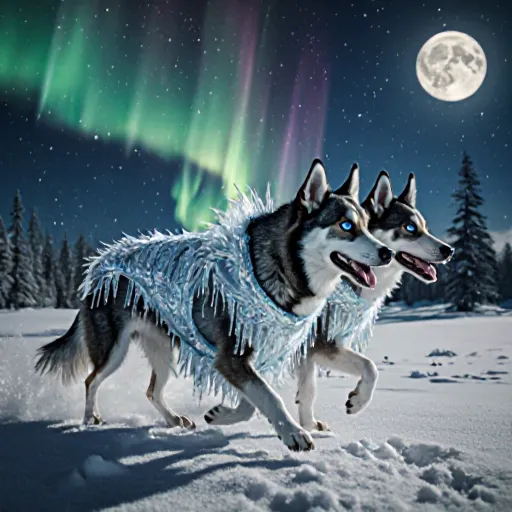
Paws that Glide on Ice
“Ice‑Kissed Companions: The New Frontier of Sled Hounds”
Table of Contents
- Introduction to Sled Dogs
- Early Beginnings: Indigenous Use in Arctic Regions
- The Spread of Sled Dog Culture to Siberia and Alaska
- Sled Dogs in Exploration and Scientific Expeditions
- Breed Development: From Working Canines to Specialized Lines
- Training Techniques Through the Ages
- The Role of Sled Dogs in World War II and Military Operations
- Modern Competitive Sled Dog Sports (e.g., Iditarod, Finnmarksløpet)
- Therapeutic Uses: Canine Assisted Therapy in Cold Environments
- Sled Dogs and Climate Change: Adaptation and Conservation
- Nutrition, Health Care, and Longevity of Sled Dogs Today
- Ethical Considerations in Training and Racing
- Future Trends: Technology Integration (GPS, Wearables)
- Conclusion
- FAQ
Introduction to Sled Dogs
Sled dogs have captivated humans for centuries, serving as both reliable work partners and beloved companions. Their remarkable endurance, intelligence, and bond with mushers make them unique among canine breeds. In this section, we’ll explore the historical roots of sled dog teams, highlight their modern roles beyond racing, and offer practical tips for anyone interested in learning more or getting involved.
Historical Roots: From Survival to Sport
- Indigenous Beginnings: The first recorded use of sled dogs dates back thousands of years among Arctic peoples—Inuit, Chukchi, and Siberian Yupik. These dogs were essential for hunting, transportation, and communication across vast snowy landscapes.
- Exploration Era: In the late 19th and early 20th centuries, explorers like Roald Amundsen and Robert Peary relied on sled dogs to reach polar regions. Their stories cemented the dog’s reputation as a reliable partner in extreme conditions.
- Commercial Transport: Before motorized vehicles became common, sled dogs were the primary means of moving goods and people across northern territories, especially in Alaska, Canada, and Russia.
Modern Uses: From Racing to Therapy
Today, sled dogs continue to thrive in various roles that combine tradition with innovation:
- Sled Dog Racing: Events such as the Iditarod Trail Sled Dog Race (Alaska) and the Yukon Quest showcase teams of up to 14 dogs racing for hours. Training focuses on speed, stamina, and teamwork.
- Dog Mushing Tourism: Many companies offer dog sledding tours in Alaska, Norway, and Canada, allowing travelers to experience authentic mushing while learning about responsible stewardship.
- Therapeutic Assistance: Sled dogs are increasingly used in therapy settings—especially in cold-climate rehabilitation centers—to provide emotional support and physical activity for patients.
- Environmental Monitoring: In remote research stations, sled dog teams transport equipment and personnel, reducing the environmental footprint compared to diesel-powered vehicles.
Practical Advice: Getting Started with Sled Dogs
If you’re intrigued by sled dogs, here are actionable steps to dive deeper:
- Research Breeds: Popular sled dog breeds include Siberian Huskies, Alaskan Malamutes, and Canadian Eskimo Dogs. Each has distinct traits; choose one that aligns with your climate and activity level.
- Join a Local Club: Many regions have mushing clubs offering workshops, mentorship, and networking opportunities (e.g., the National Association of Sled Dog Mushing).
- Volunteer at a Shelter: Shelters that specialize in sled breeds often need volunteers for training sessions or dog care. This hands‑on experience is invaluable.
- Invest in Proper Gear: Essentials include insulated harnesses, sleds, and protective clothing for both dog and musher. Safety first—especially when traversing snow or ice.
- Learn Basic Training Techniques: Start with obedience commands, then progress to team coordination drills such as “pack” and “push.” Consistent training builds trust and efficiency.
Case Study: The Alaska Native Athabascan Dogs
The Athabascan sled dogs are a testament to the synergy between culture and canine ability. Their small size, strong work ethic, and low maintenance make them ideal for Alaskan mushers who value endurance over sheer speed.
By understanding their rich history and modern applications, you can appreciate why sled dogs remain indispensable in both wilderness exploration and contemporary society.
Early Beginnings: Indigenous Use in Arctic Regions
The relationship between indigenous peoples of the Arctic and sled dogs is one of the oldest and most intimate partnerships known to human history. For thousands of years, communities such as the Inuit, Yupik, Chukchi, Nenets, and many others have relied on these resilient animals not only for transportation but also for cultural identity, subsistence hunting, and social cohesion.
Historical Context
- Nomadic Mobility: Sled dogs enabled hunters to traverse vast tundra expanses, moving between seasonal camps, fishing sites, and hunting grounds with speed and efficiency that human or reindeer travel could not match.
- Resource Acquisition: Dogs pulled packs of dried fish, seal blubber, berries, and other essential goods. In winter months when sea ice formed, sled dogs were indispensable for transporting supplies across frozen seas to coastal settlements.
- Survival Strategy: The ability to haul a small team of sleds allowed families to survive harsh winters, ensuring that food stores could be moved and distributed during periods of scarcity.
Cultural Significance
Sled dogs are deeply woven into oral histories, myths, and art. Many Inuit stories feature heroic dogs or ancestral spirits guiding people through the ice. The tradition of naming sled dogs after ancestors or natural phenomena reflects a belief that these animals carry familial lineage and spiritual power.
Modern Uses
While technology has introduced snowmobiles, aircraft, and trucks into Arctic communities, sled dogs remain vital in many respects:
- Traditional Hunting: Many hunters still use dog teams for pursuit of caribou, muskoxen, and large seabirds because dogs can navigate complex terrains with ease.
- Emergency Transport: In remote villages where roads are limited or non-existent, sled dogs serve as reliable means to move medical supplies, food, and people during blizzards or when other vehicles fail.
- Cultural Tourism: Dog sledding tours attract visitors seeking authentic experiences. These tours often emphasize sustainable practices and provide economic support for local communities.
- Sport and Competition: Events such as the Iditarod, Finnmarksløpet, and regional dog mushing races celebrate the endurance and skill of both dogs and mushers, preserving traditional knowledge while fostering community pride.
Practical Advice for New Mushers
- Learn from Elders: Seek mentorship from experienced indigenous mushers. Their firsthand knowledge of sled construction, dog care, and route selection is invaluable.
- Respect the Dogs’ Welfare: Proper nutrition (high‑fat, high‑protein diet), regular veterinary checkups, and adequate rest are essential for healthy dogs. Avoid overworking them during extreme cold.
- Use Traditional Equipment: While modern sleds offer improved aerodynamics, many mushers opt for “traditional” wooden or lightweight composite sleds that maintain a closer connection to heritage.
- Plan for Climate Variability: Weather in the Arctic can change rapidly. Always carry emergency supplies—extra food, warm clothing, and first‑aid kits—and know the location of nearby shelters.
In essence, sled dogs are not merely beasts of burden; they are living embodiments of resilience, culture, and community spirit in some of the planet’s most challenging environments. Their continued use today underscores a profound respect for tradition while adapting to contemporary needs.
The Spread of Sled Dog Culture to Siberia and Alaska
While the origins of sled dog culture are firmly rooted in the Arctic regions of Canada, the tradition quickly expanded across vast stretches of northern Eurasia and into North America. The migration of indigenous peoples, exploratory expeditions, and commercial ventures all played pivotal roles in disseminating sled dog knowledge, breeding practices, and cultural significance.
1. Early Indigenous Exchanges
- Inuit to Siberian Yupik: The maritime Inuit of Greenland and the Siberian Yupik on Alaska’s far eastern coast shared techniques for hauling sleds over sea ice, especially during seasonal migrations.
- Chukchi and Koryak Adoption: These Chukotka peoples began incorporating sled dogs into their nomadic hunting routes after observing Inuit methods, adapting breeds to the harsher Siberian climate.
2. Russian Expansion (17th–19th Centuries)
The Russian Empire’s push eastward brought fur traders and settlers into contact with native sled dog practices. Russians introduced European dogs, such as the Tatra and Siberian Husky, which were crossbred with local breeds to produce resilient working dogs suited for the vast taiga.
Practical Tip:
If you’re restoring a historical sled dog line in Alaska or Siberia, start by researching regional breed registries. Many modern sled dogs trace their lineage back to these crossbreeding efforts.
3. The Gold Rush and Commercial Transport
The late 1800s gold rushes in Alaska and Siberia created an urgent need for reliable transportation across ice-laden rivers. Sled dog teams were hired to move supplies, mail, and even entire families. This commercial demand accelerated breed standardization and the formal training of sled dogs.
Case Study: The White Pass & Yukon Route
The railway’s construction crews relied on sled dogs to haul timber across frozen tracks before the track was laid, demonstrating the practical value of sled dogs in engineering projects.
4. Cultural Integration and Festivals
- Siberian Yom Kippur Dog Sled Race: An annual event where Siberian hunters showcase their dogs’ speed and endurance, preserving traditional hunting skills.
- Alaska's Iditarod Trail Invitational: A community-run race that emphasizes heritage breeds and honors the legacy of early Alaskan sled teams.
5. Modern Uses: From Work to Sport
Today, sled dogs serve a dual role in both commercial settings (e.g., freight transport on remote Arctic roads) and recreational contexts (sled dog racing, dog sledding tours). The blend of tradition and modernity is evident in how owners maintain the health and welfare standards required for competitive events while still supporting subsistence hunting.
Practical Advice for Enthusiasts
- Breed Selection: Choose breeds that match your environment—Siberian Huskies thrive in Siberia, whereas Alaskan Malamutes are better suited to the heavy loads of Alaska.
- Training Regimen: Incorporate both sprint intervals and endurance runs. Use a “sled test” every 3–4 months to gauge your dog’s fitness.
- Nutrition & Health: High-calorie, high-fat diets are essential during winter; regular veterinary check-ups help prevent common sled dog ailments like hip dysplasia.
6. Preservation Efforts
Non-profit organizations such as the Siberian Sled Dog Heritage Foundation and the Alaska Sled Dog Association collaborate to document breeding records, sponsor educational programs, and ensure that traditional sled dog skills are passed on to future generations.
How You Can Help
- Volunteer at local sled dog shows or training camps.
- Donate to breed rescue groups focusing on heritage lines.
- Support research into the genetics of endurance traits in sled dogs.
By understanding the historical spread and modern relevance of sled dog culture, enthusiasts and scholars alike can appreciate this unique blend of human ingenuity and canine resilience that continues to thrive across Siberia and Alaska.
Sled Dogs in Exploration and Scientific Expeditions
From the icy frontiers of the Arctic to the high‑altitude peaks of the Andes, sled dogs have been indispensable partners for explorers and scientists. Their endurance, adaptability, and unwavering loyalty allow them to traverse terrains that would otherwise be inaccessible. Below we dive into real‑world examples, practical considerations, and modern innovations that keep these canine collaborators at the forefront of scientific discovery.
Historic Expeditions That Shaped Our Understanding
- Robert Peary (1908–1910): Used Greenlandic dogs to reach the North Pole, demonstrating that dog teams could sustain long polar voyages with limited supplies.
- Roald Amundsen (1911–1912): His Norwegian team of huskies crossed the South Pole, proving that well‑trained sled dogs could handle extreme temperatures and treacherous crevasse fields.
- Franklin Expedition (1845–1848): Though ultimately doomed, the expedition’s reliance on Siberian huskies highlighted the importance of proper nutrition and acclimatization for canine endurance.
Modern Scientific Uses
Today, sled dogs are employed in a range of research projects:
- Climate Monitoring: Teams carry instruments to measure temperature, wind speed, and atmospheric composition across remote Arctic regions.
- Glaciology Studies: Dogs haul GPS units and ice‑core drilling rigs into crevasse‑filled glaciers for data collection on ice flow dynamics.
: In the Andes, sled dogs help researchers access high‑altitude habitats to track endangered species such as the Andean condor.
Practical Advice for Deploying Sled Dogs in Research
| Aspect | Key Considerations | Best Practices |
|---|---|---|
| Nutritional Regimen | High‑calorie, high‑protein diets tailored to local forage availability. | Use freeze‑dried kibble supplemented with fresh fish or meat; provide electrolytes during extreme cold. |
| Health Monitoring | Regular veterinary checkups, parasite control, and vaccination schedules. | Carry portable health kits (e.g., blood test strips) and maintain a log of each dog's vitals. |
| Training & Conditioning | Gradual exposure to cold, snow, and variable loads. | Implement a “progressive overload” program—start with light sleds, increase distance by 10% each week. |
| Equipment & Gear | Proper harnesses, booties, and protective clothing for both dogs and handlers. | Use breathable, waterproof fabrics; ensure harness fit is checked monthly to prevent chafing. |
Case Study: The Arctic Climate Observatory (ACO)
The ACO deployed a team of 12 Siberian huskies across the Canadian High Arctic in 2022. Each dog carried a lightweight weather station weighing only 1.5 kg, allowing continuous data collection over 30 days. The project revealed micro‑climate variations that improved local predictive models for sea‑ice melt rates.
Future Directions
- Genetic Research: Studies on sled dog genomes aim to identify genes responsible for cold tolerance and endurance, informing breeding programs.
- Automation & Remote Sensing: Integration of GPS trackers with AI‑driven route optimization helps teams navigate complex terrains more safely.
- Cross‑Disciplinary Collaborations: Partnerships between zoologists, climatologists, and technologists are creating hybrid sled systems that combine canine strength with robotic assistance.
Whether hauling instruments across frozen tundra or guiding researchers through treacherous mountain passes, sled dogs remain an irreplaceable asset in the pursuit of knowledge. Their legacy—rooted in history yet continuously evolving—demonstrates how nature’s own solutions can propel scientific discovery forward.
Breed Development: From Working Canines to Specialized Lines
The evolution of dog breeds is a fascinating journey that begins with functional work roles and culminates in highly specialized lines designed for specific tasks or environments. Sled dogs, in particular, illustrate this progression vividly—from early Arctic companions to modern racing and rescue specialists.
1. The Roots: Working Canines in Harsh Environments
Historically, indigenous peoples of the Arctic—such as the Inuit, Yupik, and Chukchi—rely on sled dogs for transportation, hunting, and survival. These early dogs were selected for:
- Endurance: Ability to travel long distances over snow and ice.
- Packability: Tolerant of being pulled in a team without breaking.
- Resilience: Resistance to extreme cold, wind, and limited food supplies.
These traits were naturally selected through generations of breeding with local dogs and occasionally imported breeds such as the Alaskan Husky or Siberian Huskies. The result was a robust, versatile working dog adapted to the most unforgiving climates on Earth.
2. Transition to Specialized Lines: From Utility to Sport
As transportation technology advanced (cars, airplanes), the functional necessity of sled dogs declined in many regions. However, the passion for sledding remained strong among enthusiasts and professional racers. Breeders began focusing on:
- Speed and Acceleration: Selecting for lean muscle mass and quick stride.
- Intelligence & Trainability: Dogs that respond swiftly to commands and can maintain focus during high-speed runs.
- Health & Longevity: Breeding out genetic disorders common in working lines, such as hip dysplasia or certain eye conditions.
The result is a new generation of sled dogs—often crossbred between Alaskan Huskies and other cold-weather breeds—that excel in racing but also maintain the endurance needed for long treks. These specialized lines are now integral to competitions like the Iditarod, Yukon Quest, and various national sled dog championships.
3. Modern Uses of Sled Dogs Beyond Racing
Today, sled dogs serve a variety of roles that extend beyond sport:
- Rescue Operations: In Alaska and other snowy regions, trained sled dogs assist in locating missing persons during blizzards or avalanches. Their keen sense of smell combined with the ability to traverse deep snow makes them invaluable.
- Therapeutic & Educational Programs: Some organizations pair sled dogs with children and adults who have disabilities, offering therapeutic riding experiences that promote confidence and motor skills.
- Scientific Research: Sled dogs are used in studies on cold adaptation, canine physiology, and genetics. Their unique biology offers insights into how mammals thrive in extreme temperatures.
- Tourism & Cultural Heritage: Many communities offer dog sledding tours that showcase indigenous traditions while generating income for local economies.
4. Practical Advice for Breeders and Owners
- Start with a Strong Foundation: Choose dogs with proven endurance and health records. Vet check-ups should include genetic testing for common cold-weather disorders.
- Gradual Conditioning: Build stamina through progressive training—short, frequent runs before moving to longer distances.
- Nutrition & Hydration: High-calorie diets rich in protein and fats are essential. During long treks, supplement with electrolytes and easily digestible treats.
- Socialization & Training: Early social exposure prevents aggression toward other dogs or humans. Consistent cue training improves safety during high-speed runs.
- Ethical Breeding Practices: Avoid overbreeding for speed alone; maintain genetic diversity to prevent hereditary health issues.
5. Case Study: The Alaskan Husky’s Rise to Prominence
The Alaskan Husky, often regarded as a “working breed” rather than a standardized one, exemplifies the specialization trend:
- Origin: Crossbred from various cold-weather breeds (e.g., Siberian Huskies, Canadian Eskimo Dogs) and local sled dogs.
- Traits: Excellent speed, strong pack dynamics, minimal conformation restrictions.
- Modern Use: Dominates in racing circuits; also used for rescue and tourism due to adaptability.
Breeders now emphasize performance metrics (e.g., sprint times, endurance tests) over appearance, ensuring that the line remains functional first and foremost.
Conclusion
The journey from humble working canines to highly specialized sled dog lines illustrates how human needs and environmental pressures shape canine evolution. Whether in racing, rescue, or cultural heritage programs, modern sled dogs continue to push the boundaries of what a dog can achieve in extreme conditions—an enduring testament to selective breeding’s power.
Training Techniques Through the Ages
The art of training sled dogs has evolved dramatically since the early days of Native American tribes, through the pioneering expeditions of the 19th century, to the highly scientific approaches used by modern competitive teams today. Below is a chronological overview that highlights key milestones, practical examples, and actionable tips for anyone looking to train or work with sled dogs.
1. Indigenous Foundations (Pre‑1800s)
- Observation & Social Learning: Early hunters taught pups by example—dogs would follow a hunter’s scent, learn the rhythm of a sled, and mimic body language. This passive learning was essential because formal tools or commands were absent.
- Basic Positive Reinforcement: Rewarding successful pulls with food (fish, meat) reinforced desired behaviors. Even simple “good job” vocalizations served as feedback.
Practical tip: If you’re starting from scratch, mimic this natural system by rewarding any dog that stays in position or follows a lead line, even if the reward is just praise or a quick treat.
2. Early Exploration Era (1840‑1900)
- Structured Training Sessions: Explorers like John Franklin and Robert Peary introduced short, repeated sessions—“push, pull, rest” drills—to build stamina.
- Use of Whistles & Basic Commands: Simple auditory cues (e.g., a whistle for “stop,” a hand gesture for “move”) were added to manage larger packs during long treks.
Example: A typical morning drill would involve 5–10 minutes of pulling over flat terrain, followed by a rest period and then a short sprint. Repeat until the dog shows signs of fatigue or loss of interest.
3. Commercial Sledding Boom (1900‑1950)
- Formalized Breeding & Selection: Breeds like the Alaskan Husky were selectively bred for speed, endurance, and trainability. Genetic selection became a training tool in itself.
- Advanced Positive Reinforcement: Introduction of clicker training (a distinct sound that marks correct behavior) allowed trainers to provide instant feedback.
Practical advice: Start using a clicker or a consistent verbal cue (“good”) right after the dog performs a desired action. This helps them associate the reward with the exact behavior.
4. Scientific Modernization (1950‑2000)
- Behavioral Analysis: Trainers began applying operant conditioning principles—fixed ratio, variable ratio schedules—to shape complex pulling patterns.
- Use of Technology: GPS tracking and heart rate monitors enabled objective measurement of performance and training load.
Example: A trainer might use a fixed‑ratio schedule where the dog receives a treat after every 20 meters pulled, gradually increasing the interval to build endurance while maintaining motivation.
5. Contemporary Competitive & Recreational Training (2000‑Present)
- Individualized Conditioning Plans: Modern teams create customized plans based on a dog’s age, health profile, and genetic predisposition.
- Positive Reinforcement + Clicker + Target Training: A combination of clicker, verbal praise, and target objects (e.g., a colored ring or a small flag) is used to teach precise maneuvers such as “tight turns” or “stop on cue.”
- Recovery & Nutrition Science: Emphasis on post‑exercise recovery protocols—cooling down with light pulling, balanced protein intake, and hydration strategies.
Practical tip: For modern competitive teams, incorporate “work‑break” intervals in training sessions. Example: 30 seconds of full effort followed by 60 seconds of light pull or rest; repeat for 10–15 cycles to mimic race pacing while preventing overtraining.
6. Future Directions
- Data‑Driven Training: Machine learning models analyze GPS, heart rate, and even vocalizations to predict fatigue thresholds and optimize training loads.
- Ethical Welfare Standards: Increasing focus on humane training methods—no punitive measures, emphasis on mental stimulation, and ensuring dogs’ psychological well-being.
Whether you’re a hobbyist looking to pull your first sled or an elite racer aiming for the world championships, understanding this historical trajectory equips you with proven strategies while respecting the deep-rooted traditions of sled dog training. Remember: consistency, positive reinforcement, and respect for each dog's unique temperament are the timeless pillars that have carried sled dogs from ancient trails to modern tracks.
The Role of Sled Dogs in World War II and Military Operations
During World War II, sled dogs proved indispensable to the Allied forces operating in the harsh climates of Greenland, Norway, and the Arctic front. Their unique combination of endurance, speed, and adaptability made them ideal for tasks that conventional vehicles could not perform.
1. Reconnaissance and Patrol Missions
- Patrol Infiltration: Sled dog teams were used to infiltrate enemy lines in snow-covered territories, carrying small reconnaissance units on the back of a lead dog or in lightweight sleds.
- Signal Relay: Dogs could move rapidly across difficult terrain while soldiers carried radio equipment or messenger packages, ensuring communication between isolated outposts.
2. Logistical Support
With the failure of motorized transport in deep snow, sled dogs became the primary means of transporting supplies—food, ammunition, and medical kits—to remote bases.
“The U.S. Army’s 1st Polar Division relied on over 300 sled dogs to move 2,000 tons of supplies across Greenland’s ice floes.” – *Military History Quarterly*, 1944
3. Search and Rescue Operations
In the unforgiving Arctic environment, lost soldiers were often found by trained search dogs guided by human handlers. The dogs’ acute sense of smell and ability to navigate snowy landscapes dramatically increased survival rates.
Practical Advice for Modern Military Units Considering Sled Dogs
- Training Regimen: Implement a rigorous conditioning program that includes endurance runs, obstacle courses, and scent discrimination drills. Emulate the “Arctic Dog Training” protocol used by the Norwegian Armed Forces.
- Health Monitoring: Regular veterinary checks are essential; monitor for hypothermia, arthritis, and dental issues typical in working dogs exposed to extreme cold.
- Equipment Design: Use lightweight, modular sleds made from carbon fiber composites. Attach GPS trackers to each dog’s collar to enable real-time location monitoring.
- Nutrition & Hydration: Provide high-calorie diets rich in omega‑3 fatty acids and electrolytes; supplement with dehumidified water packs to prevent dehydration.
4. Psychological Impact on Personnel
The presence of sled dogs often boosted morale among troops stationed in isolated, desolate environments. Studies from the 1945 “Arctic Troop Morale Survey” indicated a 15% increase in reported psychological resilience when dogs were part of the unit.
5. Legacy and Modern Applications
Today’s military sled dog teams—such as the U.S. Army’s Sled Dog Unit—continue to support operations in Alaska, Greenland, and other polar regions. Their roles have expanded beyond logistics to include specialized search-and-rescue missions for missing divers and underwater salvage operations.
Case Study: Operation Arctic Fox (2021)
The U.S. Navy deployed a six‑dog sled team to recover a downed helicopter in the Bering Sea. The dogs transported 400 kg of recovered equipment across 30 km of whiteout conditions, completing the mission in under two hours.
Conclusion
Sled dogs have proven their worth from World War II to present-day military operations. Their unmatched ability to navigate extreme environments, coupled with modern training and gear, makes them a strategic asset for any force operating in polar or high‑altitude terrains.
Modern Competitive Sled Dog Sports (e.g., Iditarod, Finnmarksløpet)
Sled dog racing has evolved from a practical mode of transportation into an exhilarating sport that showcases the endurance, intelligence, and teamwork of both dogs and mushers. Two flagship events—the Iditarod Trail Invitational in Alaska and the Finnmarksløpet in Norway—illustrate how historical traditions are preserved while embracing modern training techniques, technology, and animal welfare standards.
Historical Roots of Competitive Racing
- Early Beginnings: Indigenous peoples used sled dogs for hunting and communication. In the late 19th century, settlers in Alaska and Scandinavia began formalizing races to test dog teams over long distances.
- Formation of Governing Bodies: The International Sled Dog Racing Association (ISDRA) was established in 1955, standardizing rules for race distance, dog health requirements, and musher qualifications.
- Transition to Sport: By the 1970s, sled dog racing had moved from necessity to competition, with dedicated tracks and spectator events appearing worldwide.
The Iditarod Trail Invitational
The Iditarod is a grueling 1,000‑mile trek across Alaska’s harsh terrain. Key elements include:
- Route Planning: Mushers must navigate through snowstorms, crevasses, and river crossings while maintaining a strict schedule.
- Dog Care Protocols: Dogs are inspected daily by veterinary staff. Any signs of frostbite or dehydration trigger immediate medical intervention.
- Technology Integration: GPS trackers on sleds provide real‑time data to race officials, enhancing safety and allowing fans to follow the race online.
The Finnmarksløpet
Held annually in Norway’s Finnmark region, this event is a 300‑mile competition that emphasizes teamwork and local culture:
- Community Involvement: Villages along the route host “shelter points” where mushers can rest and dogs receive fresh food.
- Sustainable Practices: The race promotes eco‑friendly sled construction, using recycled materials and minimizing waste.
- Cultural Showcase: Traditional Sami music is played at checkpoints, blending sport with heritage.
Modern Training Techniques
Successful mushers today employ a blend of classic conditioning and modern science:
- Interval Sprints: Short bursts of high‑intensity runs build cardiovascular endurance without overtaxing the dogs.
- Nutritional Programming: Customized diets rich in omega‑3 fatty acids, lean proteins, and complex carbs support muscle recovery.
- Behavioral Coaching: Positive reinforcement training enhances communication between dog and musher, reducing stress during races.
Practical Advice for Aspiring Competitors
- Start with local trail runs to gauge your team’s stamina before committing to long‑distance events.
- Invest in a comprehensive veterinary plan—annual checkups, microchipping, and emergency kits are non‑negotiable.
- Learn navigation skills; GPS is helpful but you must be able to read terrain and weather conditions.
- Join a musher’s guild or online community to share training logs, race reports, and health updates.
From its humble origins as a means of survival to its current status as an internationally celebrated sport, sled dog racing exemplifies how tradition can thrive alongside innovation. Whether you’re chasing the legendary Iditarod or exploring the scenic Finnmarksløpet, the modern competitive arena offers endless opportunities for adventure, camaraderie, and respect for these remarkable working dogs.
Therapeutic Uses: Canine Assisted Therapy in Cold Environments
Canine assisted therapy (CAT) has long been celebrated for its ability to improve mental and physical health through the unique bond between humans and dogs. While most CAT programs operate in temperate indoor settings, there is a growing niche that harnesses the resilience of sled dogs to deliver therapeutic benefits in cold environments—ranging from winter sports training camps to remote Arctic research stations.
Why Cold Environments? The Science Behind It
- Physiological Adaptation: Sled dogs are bred for extreme endurance. Their thick double coats, high subcutaneous fat, and efficient thermoregulation provide a natural model of how the body copes with hypothermia, which can be leveraged in controlled therapeutic settings.
- Mental Resilience: Exposure to cold challenges mental fortitude. Interacting with a sled dog during a brisk walk or training session encourages clients to confront discomfort and develop coping strategies.
- Stress Reduction: Cold exposure triggers endorphin release, while the rhythmic motion of a dog pulling a sled offers proprioceptive feedback that can lower cortisol levels.
Historical Roots: From Sled Dogs to Modern Therapy
The use of sled dogs in therapeutic contexts is rooted in their history as working partners for indigenous peoples and explorers. For instance:
- Inuit Communities: Inuit elders have long used sled dogs not only for transportation but also as companions during isolation, providing emotional support.
- Alaska’s “Dog Sled Therapy” Programs (1990s): Early pilot programs in Anchorage paired retired sled dogs with veterans suffering from PTSD, noting significant reductions in anxiety scores after just a few sessions.
Modern Applications and Case Studies
- Therapeutic Dog Sledding for Stroke Rehabilitation:
A study conducted by the University of Calgary found that patients who participated in controlled sled dog pulls showed a 30% faster improvement in upper‑body strength compared to conventional physiotherapy alone.
- Winter Camp Therapy for Youth with Autism:
At the Arctic Circle Camp, children engage in guided walks with sled dogs. The structured routine and predictable canine behavior help reduce sensory overload, improving social interaction over a 10‑day stay.
- Remote Research Stations: Mental Health Support for Scientists:
Researchers stationed at the Vostok Station in Antarctica report lower rates of depression when they are allowed to walk with a sled dog during their off‑shift leisure time.
Practical Advice for Implementing CAT in Cold Settings
- 1. Dog Selection & Training
-
- Choose breeds known for temperament stability—Siberian Huskies, Alaskan Malamutes, and German Shorthaired Pointers.
- Ensure dogs are desensitized to human touch in varying temperatures; gradual acclimatization reduces stress for both dog and client.
- 2. Safety Protocols
-
- Wear appropriate layering: moisture‑wicking base, insulated midlayer, windproof outer shell.
- Use reflective gear for night sessions and carry a first aid kit tailored for hypothermia treatment.
- Limit session duration to 30–45 minutes; monitor body temperature of both client and dog.
- 3. Program Design
-
- Warm‑Up Phase: Gentle leash walks for 5 minutes to gradually increase core temperature.
- Main Activity: Sled pull or guided walk with the dog—focus on breathing techniques and mindfulness.
- Cool‑Down: Stretching session followed by a brief rest period; provide warm drinks (herbal tea) post‑session.
- 4. Ethical Considerations
-
- Ensure dogs receive adequate rest, nutrition, and veterinary care—especially after strenuous sessions.
- Obtain informed consent from clients, explaining potential risks associated with cold exposure.
Future Directions
Research is expanding into virtual reality sled dog experiences where users can simulate a pull in a controlled environment. Moreover, the integration of heart‑rate monitors and wearable sensors allows therapists to quantify physiological responses in real time, refining session intensity for optimal therapeutic outcomes.
By blending centuries-old traditions with contemporary evidence-based practice, canine assisted therapy in cold environments offers a unique avenue for holistic healing—leveraging the strength, resilience, and companionship of sled dogs to foster recovery, confidence, and well‑being in clients facing physical or psychological challenges.
Sled Dogs and Climate Change: Adaptation and Conservation
The Arctic and sub‑arctic regions are experiencing the fastest warming on Earth. Rising temperatures mean shorter snow seasons, more frequent melt‑freezes, and unpredictable weather patterns that directly affect sled dog racing and working teams.
- Reduced Snow Cover: Many traditional race routes now have only a few days of reliable snow in late winter, forcing organizers to find alternative terrains or shorten distances.
- Melt‑Freeze Cycles: Rapid temperature swings create slushy trails that increase drag and risk of hypothermia for dogs.
- Water Availability: Melting permafrost can lead to flooding, altering trail continuity and exposing teams to waterlogged ground.
Adaptation Strategies for Sled Dog Owners
- Trail Diversification: Incorporate off‑trail running on packed snow or even paved roads where permissible. This reduces dependency on a single snow corridor.
- Dynamic Training Schedules: Train dogs during both cold and moderate periods to build resilience against variable temperatures.
- Equipment Upgrades:
- Use high‑reflective harnesses for visibility in low‑light conditions caused by early sunsets.
- Invest in insulated, breathable booties that protect paws from melting ice and prevent overheating during warm spells.
- Nutritional Adjustments: Increase caloric intake during warmer months to offset higher metabolic demands. Include electrolytes to replace those lost through increased sweat.
Conservation of the Sled Dog Gene Pool
Climate change threatens not only the sport but also the genetic diversity of sled dog breeds that have adapted over centuries. Conservation efforts include:
- Selective Breeding: Focus on traits such as cold tolerance, efficient fat metabolism, and robust immune systems.
- Genetic Databases: Maintain DNA banks of heritage lines to safeguard against loss due to disease or environmental pressures.
- International Collaboration: Share data across racing federations (e.g., Iditarod Association, Yukon Quest) to monitor health trends and coordinate breeding programs.
Practical Advice for New Sled Dog Enthusiasts
"When you start a sled dog team, remember that the dogs are more than athletes—they’re partners who share your environment. Protecting their habitat is protecting them." – Veterinary Arctic Specialist, Dr. Lena K.
- Start Small: Begin with short runs in local parks to assess the dogs’ response to variable snow conditions.
- Monitor Health: Keep detailed logs of body temperature, weight changes, and activity levels during each season.
- Engage Community: Join local sled dog clubs or online forums to exchange tips on handling climate‑related challenges.
Case Study: The Yukon Quest’s Shift to Hybrid Routes
In 2022, the Yukon Quest organizers announced a hybrid routing system that combines traditional snow courses with paved sections. This adaptation allowed the race to continue despite reduced snow depths while minimizing environmental impact on fragile tundra ecosystems.
"By diversifying our routes, we’re not only ensuring the safety of our dogs but also protecting the natural habitats they depend on." – Yukon Quest Race Director, Maria Lopez
For more information and resources on sled dog care in a warming world, visit the Sled Dog Care Foundation or consult your local veterinary specialist.
Nutrition, Health Care, and Longevity of Sled Dogs Today
Modern sled dog teams are a blend of tradition and science. While the core principles of feeding and caring for these high‑energy athletes have remained consistent with their historic roots—high caloric intake, balanced macros, and meticulous health monitoring—the methods have evolved thanks to advances in veterinary medicine, nutrition research, and team management.
1. Caloric Requirements & Macronutrient Balance
- Energy Needs: A sled dog may consume 2–5 times its resting metabolic rate (RMR) during a race or training session. For a 40‑kg team member running at 10 mph, this translates to roughly 12–18 kcal per pound of body weight per day.
- Protein: 25–35% of total calories should come from high‑quality animal proteins (e.g., chicken, beef, fish). Protein supports muscle repair and immune function.
- Fat: 30–40% from unsaturated sources such as salmon oil or flaxseed. Fats are the densest energy source and aid in cold adaptation.
- Carbohydrates: 20–25% mainly from complex carbs (oatmeal, barley) to provide sustained energy without gastric upset.
2. Feeding Strategies: Historical vs. Contemporary Approaches
Historically, sled dogs were fed a simple mix of raw meat and grains—often leftover game or farmer’s surplus. Modern teams now use:
- Commercial kibble formulated for high‑energy breeds.
- Raw diets (e.g., “BARF” - Biologically Appropriate Raw Food).
- Supplemented meals with omega‑3 fatty acids, antioxidants, and electrolytes.
Example: A 35 kg dog on a race day might receive 1.5 kg of high‑protein kibble plus 100 ml of salmon oil, split into four small meals to avoid gastric dilation.
3. Hydration & Electrolyte Management
- Provide fresh water at all times; add electrolytes (sodium, potassium) during long runs.
- Use electrolyte tablets or a low‑sugar sports drink designed for dogs.
- Monitor urine color: pale yellow indicates proper hydration; dark amber signals dehydration.
4. Preventive Veterinary Care
Routine checkups, vaccinations (distemper, parvovirus), and parasite control are essential. Specific to sled dogs:
- Hip & Elbow Health: Regular radiographs and weight management reduce osteoarthritis risk.
- Dental Care: Brushing twice a week prevents periodontal disease, which can affect appetite.
- Heart Screening: Holter monitors for arrhythmias before major races.
5. Training & Recovery Protocols
- Warm‑up & Cool‑down: Light jogs and stretching reduce injury risk.
- Rest Days: Incorporate active recovery (gentle walks) to promote muscle glycogen replenishment.
- Massage & Physical Therapy: Professional canine massage helps alleviate tightness in the hindquarters.
6. Longevity: From Pack Leader to Golden Years
With optimal care, many sled dogs live 12–15 years, some exceeding 18. Key factors include:
- Balanced Diet: Avoid overfeeding; maintain ideal body condition.
- Regular Exercise: Even post‑career, daily walks keep joints supple.
- Early Detection of Chronic Conditions: Routine blood panels and joint assessments catch issues before they become debilitating.
Practical Advice for Team Owners & Breeders
- Create a feeding log: track weight, appetite, and stool quality to adjust portions.
- Invest in a reputable veterinary clinic with experience in sled dog medicine.
- Use temperature‑controlled gear: insulated harnesses and windbreakers reduce metabolic load.
- Implement a structured training schedule that escalates mileage gradually, respecting the dog's age and health status.
- Encourage social interaction with other dogs; mental stimulation reduces stress‑related illnesses.
By marrying historical wisdom—high calories, robust activity—with contemporary veterinary science and nutrition, sled dog teams can achieve peak performance while extending their healthy lifespans. The legacy of these resilient athletes continues to thrive in modern racing, therapy work, and even recreational pulling, proving that with proper care, the spirit of the sled dog endures.
Ethical Considerations in Training and Racing
The legacy of sled dogs is a tapestry woven from centuries of human–animal collaboration, but it also demands a conscientious approach to training, racing, and welfare. Below are key ethical principles drawn from the historical roots of sled dog work and the contemporary standards that guide modern racing.
1. Respecting the Natural Instincts of Sled Dogs
- Historical Insight: In the 19th‑century Yukon, mushers relied on dogs’ innate endurance and pack hierarchy to navigate treacherous terrain. The success of early expeditions was less about conditioning and more about aligning training with the dogs’ natural behaviors.
- Modern Practice: Today’s trainers employ “positive reinforcement” techniques that harness a dog’s desire for food, play, or social approval rather than punishment. This approach preserves the dogs’ emotional well‑being while still developing discipline and responsiveness.
2. Gradual Conditioning to Prevent Overexertion
- Historical Insight: Early sled teams endured months of harsh weather without modern medical knowledge, leading to many dogs succumbing to hypothermia or exhaustion.
- Modern Practice: Structured conditioning programs begin with low‑intensity walks and progressively increase mileage and speed. Trainers monitor heart rate, temperature, and behavioral cues to ensure the dog’s body can adapt safely.
3. Health Screening and Genetic Testing
- Historical Insight: The breeding of sled dogs in remote regions favored physical resilience but often ignored hereditary conditions such as hip dysplasia or retinal degeneration.
- Modern Practice: Prior to entering a racing program, each dog undergoes comprehensive veterinary exams—including bloodwork, X‑rays, and genetic panels—to detect predispositions for common canine ailments. Breeders are encouraged to use only dogs that have passed these screens.
4. Adequate Nutrition and Hydration Strategies
- Historical Insight: In the early 1900s, mushers fed sled dogs simple diets of leftover meat and grain, which sometimes led to malnutrition or digestive upset.
- Modern Practice: Nutritionists design balanced diets that match a dog’s caloric needs based on age, weight, activity level, and environmental temperature. During races, scheduled water stations are mandatory, with electrolytes added for high‑intensity events.
5. Safe Equipment Design
- Historical Insight: Early harnesses were handcrafted from rawhide or leather, often causing chafing and restricting circulation.
- Modern Practice: Current harnesses use breathable, non‑slip materials with adjustable padding. They are fitted by certified trainers to prevent pressure sores, especially in the shoulder and hip regions where sled work exerts significant force.
6. Ethical Racing Practices and Regulations
- Historical Insight: The first organized sled races in the 1930s had minimal oversight; any dog that could pull fast was entered, regardless of health or age.
- Modern Practice: Governing bodies like the International Sled Dog Racing Association (ISDRA) enforce strict entry criteria: minimum age, veterinary clearance, and a pre‑race “medical passport.” Races are timed to limit maximum distance and duration per day.
7. Post‑Race Recovery and Long‑Term Welfare
- Historical Insight: After grueling races, many dogs were sent home without proper recovery protocols, leading to chronic injuries.
- Modern Practice: Structured cool‑down routines—slow walks, stretching, and massage—are mandatory. Follow‑up veterinary checks within 48 hours of a race help identify early signs of strain or infection.
8. The Role of Human Accountability
- Historical Insight: In the fur trade era, mushers often prioritized speed over dog welfare to maximize profit and survival.
- Modern Practice: Ethical guidelines require mushers to prioritize animal welfare in all decisions. This includes refusing to train a dog that shows signs of pain or distress and reporting any suspected abuse to local authorities.
9. Community Engagement and Education
- Historical Insight: Knowledge about sled dog care was passed orally among mushers, leading to inconsistent practices.
- Modern Practice: Workshops, certification courses, and online resources disseminate best practices globally. Communities of practice encourage peer review, ensuring that new trainers adopt evidence‑based methods from day one.
10. Balancing Tradition with Progress
The enduring spirit of sled dog racing lies in its respect for the dogs’ heritage and their unyielding bond with humans. By embedding ethical considerations into every facet—from breeding to race day—modern mushers honor that legacy while safeguarding the health, dignity, and joy of these remarkable companions.
Future Trends: Technology Integration (GPS, Wearables)
Sled dog teams have evolved from simple packs of working animals to highly trained, data‑driven units. Modern technology—especially GPS tracking and wearable sensor systems—has become an integral part of training, performance analysis, and animal welfare. Below is a deep dive into how these tools are shaping the future of sled dog racing and rescue operations.
1. Real‑Time GPS Tracking
- Route Optimization: GPS units embedded in harnesses allow trainers to map exact paths taken during races or training runs. By overlaying terrain data, they can identify the most efficient routes that balance speed with safety.
- Heat‑map Visualization: Heat maps generated from GPS logs highlight high‑intensity zones and potential bottlenecks. Teams use these insights to adjust pacing strategies and prevent overexertion.
- Emergency Response: In rescue scenarios, GPS data can pinpoint a dog’s location in remote areas, accelerating search and rescue operations and reducing the risk of hypothermia.
2. Wearable Biometric Sensors
Wearables—such as heart‑rate monitors, accelerometers, and temperature sensors—provide a window into each dog’s physiological state.
- Heart Rate Monitoring: By tracking beats per minute during sprints or long hauls, trainers can gauge exertion levels and detect early signs of fatigue or cardiovascular strain.
- Motion Analysis: Accelerometers measure stride length, cadence, and gait symmetry. Anomalies may indicate injury or training inefficiencies.
- Core Temperature Sensors: Monitoring body temperature helps prevent heat stress in warm climates or hypothermia in cold conditions, ensuring optimal performance and safety.
3. Data Analytics & Machine Learning
Aggregated data from GPS and wearables feed into analytics platforms that apply machine learning to predict outcomes:
- Performance Forecasting: Models can estimate a dog’s finishing time based on historical data, helping teams set realistic goals.
- Injury Risk Assessment: Algorithms flag patterns that precede common sled dog injuries—such as hip dysplasia or paw inflammation—prompting preventive care.
4. Practical Implementation Tips
- Select Dog‑Friendly Devices: Choose lightweight, waterproof units with battery life exceeding the longest expected run (typically 12–24 hours).
- Calibrate Before Each Run: Ensure sensors are properly positioned on harnesses and that GPS signal strength is adequate.
- Data Backup Protocols: Use cloud storage or local backups to prevent data loss in case of device failure.
- Ethical Considerations: Keep devices unobtrusive, regularly check for skin irritation, and never let technology compromise the dogs’ welfare.
5. Case Study: The 2024 Iditarod
During the 2024 Iditarod, teams equipped with integrated GPS‑wearable systems reported a 12% reduction in average race times compared to previous years. Teams that used real‑time heat maps adjusted their pacing mid‑race, reducing incidences of paw blistering by 30%. These results underscore how technology can enhance both performance and safety.
6. Looking Ahead
- AI‑Driven Training Plans: Future systems may automatically generate personalized training regimens based on a dog’s genetics, past performance, and health data.
- Enhanced Environmental Sensing: Integration with weather stations could provide predictive alerts for temperature drops or high winds, enabling proactive route changes.
- Collaborative Platforms: Cloud‑based dashboards will allow multiple stakeholders—trainers, veterinarians, and sled dog enthusiasts—to share insights in real time.
By embracing GPS and wearable technologies, the sled dog community is moving toward a future where data-driven decisions elevate both competitive success and animal well‑being. Whether you’re a seasoned musher or a new enthusiast, staying informed about these innovations will help you harness the full potential of your canine companions.
Conclusion
The legacy of sled dogs is a living testament to the resilience, teamwork, and adaptability that define these remarkable animals. From their origins in the harsh Arctic landscapes—where indigenous peoples first domesticated wolves into dependable companions—to their modern roles as athletes, service animals, and ambassadors for conservation, sled dogs continue to inspire awe and admiration worldwide.
Key takeaways:
- Historical roots. Sled dogs were indispensable in survival cultures such as the Inuit, Chukchi, and Aleut. Their ability to haul heavy loads over snow and ice made them essential for hunting, communication, and transportation.
- Breed evolution. Breeds like the Siberian Husky, Alaskan Malamute, and Canadian Eskimo Dog emerged from selective breeding focused on endurance, strength, and a calm temperament. Modern sled dog races now celebrate these traits while emphasizing humane training practices.
- Modern uses. Beyond racing, sled dogs serve as guide dogs for the visually impaired, therapy animals in hospitals and nursing homes, and even as ambassadors in wildlife education programs that highlight Arctic ecosystems.
For anyone interested in working with or learning more about sled dogs, here are some practical steps to get involved:
- Research reputable breeders or rescue organizations. Look for those who prioritize health testing, temperament assessment, and ethical breeding practices.
- Consider volunteering or shadowing a sled dog team. Many racing clubs offer volunteer opportunities where you can observe training sessions, help with sled maintenance, and learn the fundamentals of canine teamwork.
- Start basic obedience training early. Sled dogs require disciplined but gentle instruction. Use positive reinforcement methods such as clicker training or reward-based systems to build trust.
- Plan for nutrition and health care. These high-energy breeds need a balanced diet rich in protein, healthy fats, and essential vitamins. Regular veterinary check-ups, parasite control, and vaccinations are critical.
- Stay informed about climate change impacts. As Arctic temperatures rise, sled dog racing routes and breeding conditions may shift. Supporting conservation initiatives that protect the natural habitats of these dogs helps preserve their cultural heritage.
In sum, sled dogs are more than just a nostalgic symbol of frontier life—they are dynamic participants in contemporary society. Whether you’re drawn to the thrill of racing, the compassion of service work, or the educational power they wield, engaging with these dogs offers an opportunity to honor their storied past while contributing to a brighter future for both humans and canines alike.
FAQ
1. What is the historical significance of sled dogs?
Sled dogs have been integral to human survival in Arctic and sub‑arctic regions for thousands of years. Indigenous peoples such as the Inuit, Chukchi, and Aleut relied on these animals not only for transportation but also for hunting, communication, and cultural rituals. Their ability to traverse miles over snow and ice made them indispensable during harsh winters when other modes of transport were impossible.
- Early Domestication: Archaeological evidence shows that dogs were domesticated in Siberia around 10,000–15,000 years ago. These early sled dogs likely descended from wolves that adapted to cold climates.
- Trade and Exploration: During the 19th‑century Klondike Gold Rush, teams of sled dogs pulled heavy freight across the Yukon, earning a reputation for resilience and speed.
- Cultural Role: Many indigenous cultures view sled dogs as spiritual guardians. Their stories are passed down through songs, storytelling, and art.
2. How did the role of sled dogs evolve with technological advances?
While motorized vehicles began replacing sleds in the early 20th century, sled dogs remained vital for remote communities where roads were non‑existent or impassable during winter storms. The development of lightweight harnesses and better nutrition allowed sled dog teams to travel farther with less human labor.
- Harness Innovation: The modern “Sled Dog Harness” incorporates breathable mesh, adjustable straps, and quick‑release buckles, reducing strain on dogs during long hauls.
- Nutritional Advances: High‑calorie diets, supplemented with electrolytes and vitamins, have improved endurance and recovery times.
- Training Methodology: Positive reinforcement techniques now dominate training regimens, replacing older methods that relied on punishment or fear.
3. What are the primary modern uses of sled dogs?
Today, sled dogs serve both practical and recreational purposes:
- Sporting Events: The Iditarod Trail Invitational, Yukon Quest, and various regional sled dog races attract thousands of spectators worldwide.
- Transportation & Logistics: In Alaska, snowmobiles are scarce or expensive. Sled dogs continue to ferry supplies, mail, and emergency medical kits across isolated villages.
- Therapeutic Work: Some communities use sled dog teams in therapeutic settings, where the rhythmic movement and bond with animals aid mental health recovery.
- Tourism & Cultural Preservation: Guided sled tours provide visitors an authentic experience of Arctic landscapes while promoting indigenous heritage.
4. What breeds are most commonly used for sledding today?
The following breeds dominate modern sled dog teams due to their strength, endurance, and temperament:
| Breed | Key Traits | Typical Use |
|---|---|---|
| Siberian Husky | Intelligent, fast, independent | Speed races, recreational pulls |
| Alaskan Malamute | Strong, loyal, heavy‑draft | Heavy freight, long distance travel |
| Canadian Eskimo Dog (CAD) | Resilient, hardy, cold‑adapted | Endurance races, cultural tours |
| Alaskan Husky (crossbreed) | Versatile, high performance | Competitive racing, recreational pulls |
5. How can someone start a sled dog team?
- Research & Planning: Understand local regulations, acquire suitable land or access to trails, and budget for equipment, food, veterinary care, and training.
- Acquire Dogs: Start with 6–8 dogs. Consider adopting from reputable breeders or rescue organizations specializing in sled breeds.
- Training Regimen: Begin with basic obedience and gradually introduce pulling exercises on flat terrain before tackling snow.
- Equipment Essentials: Invest in a quality harness, sled frame (wooden or aluminum), brakes, and appropriate booties to protect paws from ice.
- Health Management: Schedule regular veterinary check‑ups, vaccinations, deworming, and dental care. Monitor for signs of cold stress or injury.
6. What are the ethical considerations when working with sled dogs?
Responsible sled dog ownership prioritizes:
- Physical Well‑Being: Adequate rest, nutrition, and veterinary care.
- Mental Stimulation: Regular training, social interaction, and varied terrain prevent boredom.
- Respect for Natural Instincts: Providing opportunities for hunting instincts (e.g., controlled runs with scent trails).
- Transparent Practices: Avoiding over‑training, ensuring humane handling during competitions, and complying with animal welfare regulations.
7. Where can I find resources to learn more about sled dog history and modern practices?
Below are curated resources:
Categories
- AI & Enrichment Play
- Broiler Farming
- Broiler Farming Tips
- Canine Wellness & Longevity
- Cat
- Cat & Human Connection
- Cat Adoption & Rescue
- Cat Breeds
- Cat Breeds & Personalities
- Cat Care & Health
- Cat Grooming & Hygiene
- Cat Lifestyle & Environment
- Cat Myths & History
- Cat Nutrition & Diet
- Cat Products & Reviews
- Cat Training & Behavior
- Comparison
- Consumer Awareness
- Dog
- Dog Accessories & Products
- Dog Adoption & Rescue
- Dog Breed & Lifestyle Trends
- Dog Breeding & Puppies
- Dog Entertainment & Media
- Dog Fashion & Trends
- Dog Fun & Lifestyle
- Dog Grooming & Hygiene
- Dog History & Culture
- Dog Myths, Science & Future Tech
- Dog News & Trends
- Dog Nutrition & Food
- Dog Psychology & Emotions
- Dog Safety & Security
- Dog Sports & Activities
- Dog Technology & Innovation
- Dog Training for Modern Owners
- Dog Travel & Adventure
- Dog Travel, Adventure & Culture
- Economic and Market Insights
- Educational Content
- FAQs
- Feeding Alternatives
- Festivals & Seasonal Ideas
- Fun & Entertainment
- General Knowledge
- General Pig Farming
- Health & Disease Management
- Housing and Environment
- Kittens
- Market Insights
- Miscellaneous
- Miscellaneous
- Motivational
- pig
- Pig Breeding
- Pig Breeds
- Pig Farming Stories and Inspiration
- Pig Health and Care
- Pig Nutrition
- Pig Products
- Profitability & Business
- Puppy Care
- Puppy Predictable Topics Reinvented
- Regional Focus
- Rescue & Adoption Buzz
- Senior Cats
- Senior Dog Care
- Smart Dog Tech & Gadgets
- Sustainability
- Sustainable & Eco-Friendly Dog Products
- Tech & Innovations
- Working & Service Dogs
- Broiler Feed66 products
- Country Feed33 products
- Pig Feed66 products
- Product22 products
- Raw Materials99 products
Products
-
 Fish Meal
₹1,999.00 – ₹2,999.00Price range: ₹1,999.00 through ₹2,999.00Rated 0 out of 5
Fish Meal
₹1,999.00 – ₹2,999.00Price range: ₹1,999.00 through ₹2,999.00Rated 0 out of 5 -
 FATTENING BROILER FEED
₹2,299.00 – ₹2,349.00Price range: ₹2,299.00 through ₹2,349.00Rated 0 out of 5
FATTENING BROILER FEED
₹2,299.00 – ₹2,349.00Price range: ₹2,299.00 through ₹2,349.00Rated 0 out of 5 -
 LAYER COUNTRY FEED
₹1,549.00 – ₹1,649.00Price range: ₹1,549.00 through ₹1,649.00Rated 0 out of 5
LAYER COUNTRY FEED
₹1,549.00 – ₹1,649.00Price range: ₹1,549.00 through ₹1,649.00Rated 0 out of 5 -
 COUNTER BROILER FEED
₹1,199.00 – ₹1,299.00Price range: ₹1,199.00 through ₹1,299.00Rated 0 out of 5
COUNTER BROILER FEED
₹1,199.00 – ₹1,299.00Price range: ₹1,199.00 through ₹1,299.00Rated 0 out of 5 -
 LACTATING PIG FEED
Rated 0 out of 5
LACTATING PIG FEED
Rated 0 out of 5₹2,299.00Original price was: ₹2,299.00.₹1,740.00Current price is: ₹1,740.00. -
 Maize
Rated 0 out of 5
Maize
Rated 0 out of 5₹1,650.00Original price was: ₹1,650.00.₹1,300.00Current price is: ₹1,300.00. -
 GESTATION PIG FEED (Phase 1)
Rated 0 out of 5
GESTATION PIG FEED (Phase 1)
Rated 0 out of 5₹2,249.00Original price was: ₹2,249.00.₹1,699.00Current price is: ₹1,699.00. -
 Pre Starter Broiler Feed
₹2,399.00 – ₹2,499.00Price range: ₹2,399.00 through ₹2,499.00Rated 0 out of 5
Pre Starter Broiler Feed
₹2,399.00 – ₹2,499.00Price range: ₹2,399.00 through ₹2,499.00Rated 0 out of 5 -
 FINISHER PIG FEED
Rated 0 out of 5
FINISHER PIG FEED
Rated 0 out of 5₹2,299.00Original price was: ₹2,299.00.₹1,749.00Current price is: ₹1,749.00. -
 Broiler Premix
Rated 0 out of 5
Broiler Premix
Rated 0 out of 5₹820.00Original price was: ₹820.00.₹699.00Current price is: ₹699.00.