
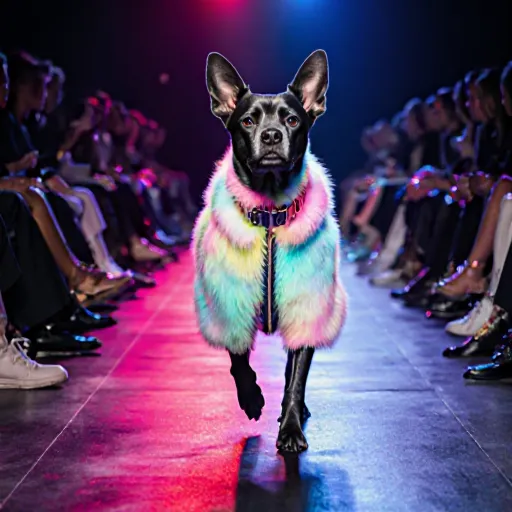
Walk in Style—Your Pup’s New Fashion Statement
Bark‑Bold Boutique: Strut Your Dog in the Latest Couture
Table of Contents
- 1. Urban Streetwear Revival
- 2. Sustainable Fabrics Take Center Stage
- 3. Bold Color Blocking in Everyday Wear
- 4. Retro 90s Prints Reimagined
- 5. Athleisure Elevated with Luxury Details
- 6. Minimalist Monochrome Palettes
- 7. Statement Outerwear: Oversized Coats & Jackets
- 8. Tech-Integrated Fashion Accessories
- 9. Gender-Neutral Silhouettes and Fabrics
- 10. Handcrafted Leather & Upcycled Denim
- 11. Eco-Friendly Dye Techniques
- 12. Functional Fashion for Outdoor Adventures
- 13. Vintage-Inspired Accessories and Jewelry
- Conclusion: The Future of Dog Fashion
- FAQ
1. Urban Streetwear Revival
The past few months have seen a powerful resurgence of urban streetwear, blending nostalgic throwbacks with futuristic aesthetics. Brands are no longer confined to the classic hoodie-and-sneaker combo; instead, they’re embracing bold graphics, oversized silhouettes, and sustainable materials.
Top Dog Fashion Trends This Year
- Retro Sportswear Reimagined: Think 90s varsity jackets paired with high‑cut joggers. Brands like Supreme and Stussy have released limited‑edition collaborations that echo the era’s iconic logos while using eco‑friendly fabrics.
- Tech‑Fabric Integration: Breathable, moisture‑wicking textiles are making their way into everyday tees. Look for jackets with integrated UV protection or reflective panels for night‑time street style.
- Cultural Fusion Prints: African wax patterns, Japanese wave motifs, and Mexican folk art are merging on oversized hoodies and bucket hats, reflecting a globalized aesthetic.
- Sustainable Sneakers: Brands like Adidas Parley and Nike’s Flyknit line continue to push recycled materials into mainstream streetwear shoes, appealing to eco‑conscious consumers.
- Monochrome Minimalism: Black‑on‑black layering with subtle metallic accents is a staple for those who prefer understated yet impactful looks.
Practical Styling Advice
- Layering Essentials: Start with an oversized graphic tee, add a cropped windbreaker, and finish with distressed denim. This creates depth without overwhelming the silhouette.
- Mix Textures: Combine soft cotton sweatpants with a sleek leather jacket or a faux‑fur vest for contrast.
- Accessorize Wisely: A statement backpack, snapback hat, and chunky sneakers can tie the outfit together. Avoid overloading with too many logos; let one piece stand out.
- Color Blocking: Pair neutral base layers (white or gray) with a pop of color—neon green, electric blue, or hot pink—for visual interest.
- Sustainable Shopping: Prioritize second‑hand marketplaces like Depop or ThredUp for vintage finds. When buying new, opt for brands that disclose their supply chain practices.
By blending these trends with thoughtful layering and sustainable choices, you can create a streetwear look that’s both cutting‑edge and conscious—perfect for the urban fashion enthusiast of 2025.
2. Sustainable Fabrics Take Center Stage
In 2025, sustainability isn’t just a buzzword—it’s the cornerstone of fashion innovation. Designers are shifting from conventional materials to eco‑friendly alternatives that reduce environmental impact while delivering premium aesthetics and comfort. Below we explore the leading sustainable fabrics, how they’re being used in top dog trends this year, and practical tips for incorporating them into your wardrobe.
1. Organic Cotton
- What it is: Grown without synthetic pesticides or fertilizers, organic cotton preserves soil health and reduces water usage.
- Trend example: High‑profile runway shows in Paris showcased oversized denim jackets made from organic cotton, paired with recycled polyester lining for a modern twist.
- Practical advice: Look for certifications like GOTS (Global Organic Textile Standard) on labels. When shopping online, filter by “organic” under material options.
2. Tencel® (Lyocell)
- What it is: A cellulose fiber derived from sustainably harvested eucalyptus trees using a closed‑loop process that recycles almost all chemicals and water.
- Trend example: Sustainable athleisure pieces featuring Tencel blends were highlighted in the “Future of Work” collection, emphasizing breathability and moisture management.
- Practical advice: Tencel feels silky yet durable. Pair it with natural fibers for a balanced look, and wash on gentle cycles to preserve its texture.
3. Recycled Polyester (rPET)
- What it is: Made from post‑consumer plastic bottles, rPET cuts down on virgin polyester production by up to 80%.
- Trend example: Streetwear brands released limited‑edition jackets featuring bold prints printed directly onto rPET fabric, showcasing the material’s versatility.
- Practical advice: Ensure the garment is labeled “Made from recycled materials.” To extend its life, avoid high heat and use a mild detergent.
4. Hemp & Bamboo Blends
- What it is: Both fibers grow rapidly with minimal water and no pesticides. Hemp offers natural UV resistance; bamboo provides softness and antimicrobial properties.
- Trend example: Sustainable fashion week highlighted a line of minimalist jumpsuits crafted from hemp‑bamboo blends, celebrating understated elegance.
- Practical advice: These fabrics wrinkle less than cotton but may feel slightly heavier. For everyday wear, choose lighter blends and machine wash cold.
5. Bio‑Based Polyesters (e.g., Polylactic Acid – PLA)
- What it is: Derived from corn starch or sugarcane, PLA offers a renewable alternative to petroleum‑based polyester.
- Trend example: A collaboration between a luxury label and a sustainability NGO produced a capsule collection of silk‑like PLA scarves, spotlighting the material’s sheen.
- Practical advice: PLA is heat‑sensitive; avoid ironing above 110°C. Dry clean when necessary to preserve finish.
6. Upcycled Denim & Leather Alternatives
- What it is: Repurposing leftover denim scraps or using faux leather made from mushroom mycelium, cork, or pineapple fibers.
- Trend example: A streetwear brand’s “Reclaimed” line featured jackets stitched from upcycled denim and a vegan leather lining sourced from mushroom leather.
- Practical advice: Check for the “Upcycled” label. For faux leather, clean with a damp cloth and avoid harsh chemicals to maintain texture.
7. Practical Ways to Adopt Sustainable Fabrics Today
- Read Labels Carefully: Look for certifications (GOTS, OEKO‑Tex, Fair Trade) and specific fiber names.
- Support Transparent Brands: Follow companies that publish supply chain reports or partner with NGOs.
- Shop Secondhand & Rental Services: Vintage stores often carry high‑quality sustainable pieces; rental platforms can reduce demand for new production.
- Care Properly: Reduce water usage by washing in cold water, using eco‑friendly detergents, and line‑drying whenever possible.
By choosing garments woven from these sustainable fibers, you’re not only staying on trend but also contributing to a healthier planet. Whether you’re a fashion enthusiast or an everyday shopper, the shift toward eco‑conscious fabrics is here to stay—and it’s never been easier to make a positive impact.
3. Bold Color Blocking in Everyday Wear
This year’s Top Dog Fashion Trends spotlight bold color blocking as a statement of confidence and playfulness. Rather than sticking to subtle neutrals, designers are pairing vibrant hues—think electric blue with hot pink, emerald green with mustard yellow, or classic red with teal—to create eye‑catching silhouettes that work in both casual and polished settings.
How to Start Small
- Statement Sleeves: Pair a cobalt blue blazer with a crisp white tee and a pop of neon yellow on the cuffs. The contrast keeps the look grounded while adding intrigue.
- Patterned Bottoms: Opt for high‑waisted trousers in a bold geometric print that incorporates two or three colors. Match them with a solid top in one of those hues to maintain balance.
- Accessorize Wisely: A bright handbag or shoes can act as the single color block, turning an otherwise muted outfit into a runway‑ready ensemble.
Mixing Pastels with Power Colors
For those who prefer a softer approach, blend pastel tones (mint green, blush pink) with stronger accents like burgundy or navy. This technique keeps the outfit approachable while still nodding to the trend’s daring spirit.
Practical Tips for Everyday Wear
- Start with a Neutral Base: A charcoal gray or black tee allows bright blocks to pop without overwhelming your complexion.
- Use the Rule of Thirds: Allocate roughly 60% neutral, 30% primary color block, and 10% accent. This keeps outfits cohesive.
- Consider Your Skin Tone: Warm undertones shine in oranges and yellows; cool tones look great with blues and greens.
- Layer Smartly: A cropped jacket in a contrasting color can create depth while staying wearable for work or weekend outings.
Example Outfits
Casual Day: Navy bomber jacket, white tee, mustard yellow chinos, and electric blue sneakers.
Office Ready: Emerald green blazer, black blouse, teal pencil skirt, and a red clutch.
Final Thought
Bold color blocking isn’t just for high fashion—by selecting one or two standout pieces and balancing them with neutrals, you can incorporate this trend into your everyday wardrobe. Experiment, trust your instincts, and let the colors speak for themselves.
4. Retro 90s Prints Reimagined
The 1990s are back in a big way, but fashion is giving them a fresh twist. This year’s top dog trends—think bold graphics, oversized silhouettes, and nostalgic color palettes—are being reinterpreted with modern sensibilities. Below you’ll find concrete examples, styling tips, and how to make these retro prints work for any wardrobe.
1. Graphic Tees: From Band Logos to Abstract Art
- Band logos revisited: Classic rock band tees are resurfacing with a twist—think pastel gradients or minimalist line art instead of heavy, saturated colors.
- Abstract pop‑art prints: Vibrant splashes and geometric shapes reminiscent of 90s streetwear now appear on oversized shirts, giving you that effortless “I just stepped out” vibe.
2. Denim Revamped: Distressed Meets Minimalist
While distressed denim was a staple in the 90s, this year it’s paired with clean lines and subtle distressing. Look for:
- Lightly faded “washed out” jeans that still maintain a crisp silhouette.
- Denim jackets featuring minimalistic logos or retro-inspired patches placed strategically on the chest or sleeve.
3. Bold Color Blocking & Pastel Mixes
The 90s were all about neon, but contemporary takes favor softer palettes. Try:
- A pastel hoodie (mint, lavender, baby pink) layered over a crisp white tee with an eye‑catching graphic.
- Color-blocked leggings or joggers—think teal and mustard, navy and coral—to create visual interest without overwhelming the look.
4. Accessories: From Bucket Hats to Chunky Sneakers
- Bucket hats: Modern bucket hats now come in metallic finishes or with subtle embroidered logos that nod to iconic 90s streetwear brands.
- Chunky sneakers: The “dad shoe” trend is back, but designers are adding unexpected details like reflective stripes or retro branding.
Practical Styling Advice
- Balance the look: Pair a bold graphic tee with neutral bottoms (black jeans, white joggers) to keep the outfit from feeling too busy.
- Layer smartly: A cropped denim jacket over a loose tank top gives a layered 90s vibe while staying on trend.
- Accessorize minimally: Choose one statement piece—like a chunky watch or a neon belt—to anchor the retro elements.
- Play with proportions: Combine oversized tops with fitted bottoms (or vice versa) to stay true to the era’s love for volume and contrast.
Where to Shop
Major brands like Nike, Adidas, and ASOS are releasing limited‑edition retro lines. Indie labels such as Supreme, Off‑White, and KITH also offer reinterpretations of classic 90s graphics with a high‑fashion twist.
By merging nostalgic prints with contemporary tailoring and color theory, you can create looks that honor the past while staying firmly rooted in this year’s top dog trends. Experiment boldly—retro never looked so fresh!
5. Athleisure Elevated with Luxury Details
In 2025, athleisure has moved beyond functional comfort into the realm of high‑fashion luxury. Brands are marrying performance fabrics with opulent embellishments, creating pieces that look as good on a runway as they do at the gym.
Key Trends to Watch
- Silk‑Infused Performance Fabrics: Think breathable yet silky smooth—ideal for layering over workout gear or wearing straight out of the shower.
- Gold‑Threaded Zippers & Hardware: Subtle metallic accents on joggers, hoodies, and sneakers add a touch of glam without compromising functionality.
- Cuff‑Detail Trousers: Drawstring or elastic cuffs with embroidered logos or micro‑studs give classic leggings a luxe twist.
- Monochrome Velvet Joggers: Soft velvet paired with matte leather patches turns everyday joggers into statement pieces.
- Oversized Tailored Track Jackets: Structured silhouettes in high‑end fabrics like cashmere blends or recycled nylon offer a polished look for both work and play.
How to Incorporate Luxury Athleisure Into Your Wardrobe
- Layer with Purpose: Pair a silk‑infused hoodie under a tailored blazer. The contrast of textures elevates the outfit while keeping it relaxed.
- Accessorize Wisely: A minimalist gold‑chain necklace or a sleek leather crossbody bag can complement athleisure pieces without overwhelming them.
- Mix High and Low: Combine a high‑price velvet jogger with a budget-friendly graphic tee. The contrast keeps the look balanced and approachable.
- Footwear Matters: Choose shoes that blend performance and style—think running sneakers with leather overlays or minimalist trainers with gold accents.
- Pay Attention to Fit: Even luxurious athleisure needs a good fit. Opt for slightly tapered cuts over baggier styles for a more polished appearance.
Brands Leading the Charge
- Gucci x Nike Collaboration: Limited‑edition sneakers featuring recycled nylon and gold‑trimmed laces.
- Balenciaga’s “Puffer” Line: Oversized, quilted jackets made from sustainable down with subtle logo embroidery.
- Adidas by Stella McCartney: High‑performance leggings in bamboo‑fiber blends with sleek metallic accents.
By blending performance technology with luxury details, athleisure has become a versatile wardrobe staple that can transition from the gym to an evening out. Keep these trends and tips in mind when shopping or styling, and you'll stay ahead of the curve while enjoying both comfort and style.
6. Minimalist Monochrome Palettes
In a world where bold prints and saturated hues once dominated runways, the current year is all about clean lines, subtle contrasts, and a refined monochromatic approach. Think of it as “less is more” taken to a new level—where each shade is chosen for its ability to create depth without overpowering the silhouette.
Why Monochrome Works This Season
- Simplicity meets sophistication: A single color family allows designers to focus on texture, cut, and proportion.
- Versatility for everyday wear: From office attire to weekend casuals, a monochrome outfit can be dressed up or down with ease.
- Easy coordination: When you’re sticking to one hue, matching accessories becomes a breeze.
Key Color Families Dominating the Runways
- Soft Neutrals: Ivory, beige, and warm greys dominate minimalism. Look for oversized blazers or tailored trousers in these tones.
- Deep Charcoal & Black: These are the go-to choices for evening wear. Think long coats, silk gowns, and sleek leather jackets.
- Earthy Greens & Olive Tones: A subtle nod to nature, these shades bring a calm energy to casual outfits—think jumpsuits or oversized knitwear.
Practical Styling Tips
Create depth with texture: Pair a matte cotton tee with a glossy leather jacket, or layer a chunky wool sweater over a silk camisole. The contrast in feel keeps the look interesting without adding color.
Play with proportions: A long-line coat paired with high-waisted trousers can elongate the frame, while a cropped top under a tailored blazer adds dimension.
Accessorize wisely: When you’re wearing a monochrome outfit, choose accessories that either match or provide a subtle pop—think metallic jewelry or a structured handbag in a slightly different shade of the same color family.
Real‑World Examples
- Brand Spotlight: COS: Their “White Trousers & White Blazer” set is a perfect illustration of how a single hue can be elevated with different fabrics.
- Street Style: Look for the oversized charcoal hoodie paired with black leggings—simple, comfortable, and effortlessly chic.
Where to Shop
If you’re looking to add monochrome staples to your wardrobe, consider these retailers:
Remember, the essence of minimalist monochrome is about harmony. Keep your color palette limited, experiment with textures and proportions, and let each piece speak for itself.
7. Statement Outerwear: Oversized Coats & Jackets
In 2025 the most talked‑about outerwear is all about oversized silhouettes. Think roomy wool blends, oversized parkas, and dramatic trench coats that make a bold fashion statement while still keeping you warm. The trend is driven by comfort, versatility, and an emphasis on making a strong visual impact without compromising functionality.
Top Dog Fashion Trends This Year
- Chunky Knits & Wool‑Corduroy Coats: Thick, plush fabrics give an instant “luxury” vibe. Brands like Balenciaga and Off‑White have released oversized wool‑corduroy coats in muted earth tones that pair perfectly with both streetwear and tailored looks.
- Utility‑Inspired Parkas: Oversized parkas with multiple pockets, detachable hoods, and reflective detailing are trending. Look for the new Aurora Borealis collection from North Face, featuring recycled polyester and a faux fur lining.
- Pastel Overlays: Pastel-colored oversized jackets layered over neutral base layers add a playful contrast. The Chanel “Pale Spring” line showcases pastel trench coats with exaggerated collars.
- Mixed Textures: Combining leather, faux fur, and knit in one garment is becoming mainstream. The Gucci “Hybrid” jacket uses a leather front panel with a knitted back for a striking asymmetry.
- Sustainable Materials: Vegan leather and recycled fibers are increasingly used for oversized jackets, reflecting the industry’s shift toward eco‑friendly fashion. Check out Stella McCartney’s “Future Forward” line featuring hemp‑based outerwear.
How to Style an Oversized Coat or Jacket
- Balance Proportions: Pair a voluminous coat with fitted bottoms—think skinny jeans, tailored trousers, or a pencil skirt—to avoid looking too bulky.
- Layer Smartly: Under the oversized jacket, wear a slim‑cut turtleneck or a fitted sweater. This keeps the silhouette clean and adds an extra layer of warmth.
- Play with Color Blocking: If your coat is neutral, add a pop of color with a bright scarf, hat, or bag.
- Footwear Matters: Chunky boots or sleek leather sneakers complement the oversized look without adding extra bulk to the lower body.
Practical Tips for Buying Oversized Outerwear
- Check the Length: The coat should cover your hips; if it’s too short, you’ll lose the statement effect.
- Try It On With Your Typical Bottoms: Test how it feels with the jeans or trousers you usually wear to ensure a comfortable fit.
- Consider the Fabric Weight: Heavier wool coats are great for winter, but for transitional seasons opt for lighter cashmere blends.
- Look at the Details: Functional features like removable hoods, adjustable cuffs, and multiple pockets add both style and utility.
Whether you’re going for a luxe aesthetic or a utilitarian vibe, oversized coats and jackets are a versatile staple that will keep you stylishly warm throughout the season. Keep an eye on these top dog trends and experiment with textures, colors, and proportions to make this statement outerwear truly yours.
8. Tech-Integrated Fashion Accessories
As wearable technology moves from novelty to everyday necessity, designers are blending style with smartness in ways that feel effortless. This year’s top dog fashion trends show how accessories can be both functional and statement pieces.
1. Smart‑Chic Jewelry
- Bluetooth‑Enabled Bracelets: Think sleek leather bands with a discreet OLED display that syncs to your phone for notifications, heart rate monitoring, and even temperature alerts.
- Smart Rings: A minimalist ring that tracks sleep cycles and offers contactless payment via NFC. Brands like Ringsense have released limited editions featuring interchangeable crystal accents.
- Practical Tip: Choose a band with an adjustable clasp to keep the tech components comfortable across different wrist sizes.
2. AI‑Powered Eyewear
- Smart Glasses: Lightweight frames that record audio, display real‑time subtitles, or translate foreign languages on the fly—perfect for travelers and professionals.
- AR Contact Lenses (Prototype Stage): Though still in beta, these lenses project navigation cues directly into your field of vision. Look out for collaborations between tech giants and high‑fashion houses this fall.
- Practical Tip: When selecting smart glasses, opt for models with a removable battery pack so you can swap power without sacrificing style.
3. Wearable Tech in Footwear
- Self‑Cleaning Sneakers: Integrated UV panels cleanse the sole and upper material during travel or workout sessions.
- Temperature‑Regulating Insoles: Using phase‑change materials, these insoles keep your feet cool in summer and warm in winter while tracking step count.
- Practical Tip: Pair tech shoes with a minimalist shoe bag that houses charging cables and spare batteries.
4. Fashionable Fitness Bands & Smart Watches
- Luxury‑Grade Smartwatches: Brands like Luminary and ChronoTech offer gold‑plated cases, interchangeable straps, and health monitoring features tailored for executives.
- Gesture‑Controlled Fitness Bands: These bands interpret hand movements to control music or navigate apps—ideal for on‑the‑go workouts.
- Practical Tip: Choose a band with customizable watch faces so you can switch between professional and casual looks effortlessly.
5. Eco‑Smart Accessories
- Solar‑Powered Backpacks: Integrated solar panels charge your devices while keeping the pack lightweight and ergonomic.
- Biosensor Wallets: Detect when you’re in a high‑security area and lock automatically, using RFID and biometric authentication.
- Practical Tip: Look for accessories made from recycled PET or biodegradable polymers to align with sustainable fashion initiatives.
How to Integrate Tech Accessories into Your Wardrobe
- Start Small: Begin with a single smart accessory, such as a fitness band, and gauge how it fits your daily routine.
- Match Materials: Pair tech accessories made of similar textures (e.g., matte leather bracelets with matte smartwatch bands) to maintain visual cohesion.
- Keep It Functional: Prioritize accessories that solve a problem—charging, health tracking, or contactless payments—to avoid clutter.
- Stay Updated: Tech trends evolve rapidly; subscribe to newsletters from both fashion houses and tech reviewers to stay ahead.
By thoughtfully selecting and styling these tech‑integrated accessories, you can stay on the cutting edge of fashion while enjoying practical benefits—making this year’s trend a smart investment for any wardrobe.
9. Gender-Neutral Silhouettes and Fabrics
The past few seasons have seen a clear shift toward garments that transcend traditional gender lines. Designers are embracing gender‑neutral silhouettes, pairing them with fabrics that offer versatility, comfort, and style. Below we break down the key trends, provide real‑world examples, and give practical tips for readers who want to incorporate these looks into their wardrobes.
1. Oversized & Tailored Blends
- Oversized Trousers: Wide‑leg trousers in relaxed fits are perfect for both men and women. Look for models with a slight taper at the ankle to keep the silhouette balanced.
- Tailored Jackets: A straight‑cut blazer with minimal lapels offers a polished look that works on either gender. Pair it with jeans or chinos for an everyday aesthetic.
- Cropped, Longline Sweaters: Sweaters that hit just below the hips or mid-thigh create a relaxed yet structured feel. Neutral colors like charcoal, taupe, and navy are especially versatile.
2. Fabrics That Matter
Material choice is crucial when crafting gender‑neutral pieces. Here are the fabrics leading the charge this year:
- Cotton‑Linen Blends: These breathable mixes keep you cool in summer and warm enough for cooler months, making them ideal for layering.
- Tencel (Lyocell): Known for its silky feel and excellent drape, Tencel offers moisture‑wicking properties that keep the wearer comfortable throughout the day.
- Recycled Polyester & Nylon: Sustainable fabrics are a staple in eco‑friendly fashion. They retain shape well and are easy to care for—perfect for workwear or casual wear.
3. How to Style Gender‑Neutral Pieces
Here’s a quick guide on combining these silhouettes and fabrics in everyday outfits:
- Work‑to‑Weekend Transition: Pair an oversized linen blazer with slim chinos and loafers for the office. Swap the loafers for sneakers when heading out after hours.
- Layering Tips: Combine a Tencel longline sweater over a plain tee and add a lightweight cotton jacket on top for varied weather conditions.
- Accessorizing: Keep accessories minimal. A simple leather belt, a canvas backpack, or a neutral‑tone watch can tie the look together without overpowering the silhouette.
4. Designer Spotlights
Several high‑profile brands have nailed gender‑neutral fashion this year:
- Patagonia’s “Unisex” Collection:
- Features oversized windbreakers made from recycled nylon, perfect for anyone looking to stay warm and stylish.
- Acerinox’s “Neutral Line”:
- Offers tailored jackets in Tencel blends that fit comfortably on both men and women.
- Everlane’s “Core Essentials”:
- Showcases wide‑leg trousers made from organic cotton‑linen, available in a spectrum of neutral colors.
If you’re ready to refresh your wardrobe with gender‑neutral pieces that are both sustainable and stylish, start by exploring these silhouettes and fabrics. Look for brands that prioritize ethical production, and remember: the best outfits feel good on anyone.
10. Handcrafted Leather & Upcycled Denim
In 2025, the “sustainability meets luxury” mantra is driving a surge in handcrafted leather goods and upcycled denim pieces that are as eco‑friendly as they are stylish. Designers are revisiting classic silhouettes while infusing them with modern functionality, making these materials indispensable for any fashion-forward wardrobe.
1. Handcrafted Leather: From Raw to Refined
- Natural Tanning & Finish: Look for leather that uses vegetable or mushroom tanning instead of chrome. These processes preserve the material’s breathability and give it a distinctive patina over time.
- Artisanal Detailing: Hand‑stitching, embossing, and hand‑painted motifs add character. A small leather bag with a custom monogram or a jacket featuring hand‑stitched pockets showcases the maker’s skill.
- Eco‑Friendly Dyes: Brands are using plant‑based dyes (e.g., indigo from natural sources) to reduce chemical runoff. Check for certifications like Leatherman or Lush Leather Initiative.
- Practical Tips:
- Clean with a soft, damp cloth and apply a light conditioning oil (like lanolin) every six months.
- Avoid direct sunlight for extended periods to prevent cracking.
- Store in a cool, dry place; use cedar blocks or natural dehumidifiers to keep odors at bay.
2. Upcycled Denim: Reimagining Classic Threads
- From Jeans to Jackets: Denim jackets made from repurposed old jeans are now a staple. They often feature patchwork sleeves or embroidered logos that tell the story of their origins.
- Innovative Cut‑outs & Embellishments: Think strategically placed cut‑outs, distressed edges, and hand‑sewn patches. These details add an edge while keeping production waste minimal.
- Color Palette: This year’s trend leans toward muted earth tones—deep indigo, faded rust, and charcoal grey—paired with unexpected accents like metallic thread or recycled plastic beads.
- Practical Tips:
- Wash denim in cold water and air‑dry to preserve color integrity.
- Use a fabric protector spray to reduce friction damage when layering over other garments.
- Donate or recycle any excess denim scraps; many thrift stores now accept them for community projects.
3. How These Trends Fit Into the “Top Dog” Fashion Scene
High‑profile designers and streetwear brands are collaborating to bring handcrafted leather and upcycled denim into mainstream fashion:
- Maison & Tailor x Denim Collective: A limited‑edition line featuring hand‑stitched leather wallets paired with recycled denim jackets.
- Urban Trailblazer Collaboration: Sneakers made from upcycled denim canvas and leather soles that promise both comfort and durability.
When selecting pieces, prioritize authenticity: look for maker tags, documentation of sourcing, and a transparent supply chain. By investing in these thoughtfully crafted items, you’re not only staying on trend but also championing a more sustainable fashion future.
11. Eco-Friendly Dye Techniques
In 2025 the fashion industry is leaning heavily into sustainability, and one of the most visible shifts is in how fabrics are colored. From natural plant dyes to waterless dyeing processes, designers are proving that style and stewardship can coexist. Below you’ll find a deep dive into the techniques that are leading the pack this year, along with real‑world examples from top dog fashion brands and practical steps you can take as a maker or retailer.
1. Natural Plant Dyes – The Color of Heritage
- Mangosteen & Hibiscus: Used by Stella McCartney for vibrant pinks and oranges, these dyes require minimal water and produce a soft finish that’s perfect for delicate fabrics.
- Indigo from Wild Indigo Bush: Patagonia has adopted this method for its classic denim line, ensuring no synthetic chemicals are introduced.
- Practical tip: Pre‑treat natural dyes with a small amount of citric acid to improve color fastness. Store the dye solution in airtight containers to preserve potency.
2. Bio‑Based Synthetic Dyes – The Future of Fast Fashion
Chemical dyes made from biomass derivatives are gaining traction because they mimic the performance of traditional synthetic dyes while cutting down on toxic runoff. Brands like Everlane have released a “Bio‑Dye” collection that is certified by the Global Organic Textile Standard (GOTS).
How to implement:
- Source dyes from suppliers with Ellen’s List compliance.
- Run a small batch test on a fabric swatch to confirm color yield and wash durability.
3. Waterless Dyeing – Less is More
The waterless dye process, pioneered by companies like Biomimicry, uses a supercritical CO₂ medium to transport dyes into fibers. This method can reduce water usage by up to 90% and eliminates the need for post‑treatment chemicals.
Case study: Ralph Lauren’s “Waterless” line incorporated this technique for its premium wool blends, resulting in a smoother finish and higher color consistency across batches.
4. Digital Fabric Printing – Precision & Sustainability
Advanced digital printers can deposit pigment directly onto fabric with micron‑level precision, cutting down on excess dye usage. The Levi’s “Print on Demand” initiative uses this method for custom denim, reducing waste by eliminating unsold inventory.
- Eco‑Ink Options: Look for inks that are soy‑based or derived from algae.
- Tip: Pair digital printing with low‑energy printers to further cut your carbon footprint.
5. Dyeing by Recycled Materials – Closing the Loop
Upcycling old garments into new textiles not only reduces waste but also offers unique color palettes. Brands such as Patagonia’s Worn Wear program collect used jackets, dye them with natural dyes, and sell them at a fraction of their original price.
Implementation advice:
- Create a partnership with local textile recyclers.
- Use a small, controlled dye bath to maintain the integrity of recycled fibers.
Practical Checklist for Brands & Makers
- Audit your supply chain: Verify that all dyes meet OEKO-TEX Standard 100 or equivalent.
- Educate your team: Conduct workshops on waterless dyeing and natural dye preparation.
- Invest in technology: Consider digital printers with low‑ink consumption features.
- Communicate transparently: Highlight eco‑dye methods on product tags and marketing materials.
By integrating these eco‑friendly dye techniques, designers not only stay ahead of the latest fashion trends but also champion a healthier planet. Whether you’re a small studio or a global brand, the tools are available—and the time to act is now.
12. Functional Fashion for Outdoor Adventures
When you hit the trail or the beach, your gear should keep pace with both your body and the environment. The latest “top dog” fashion trends blend performance technology, sustainability, and style so that you can look good while staying protected.
1. Ultra‑Light Waterproof Jackets
- Material: GORE‑TEX Pro‑Lite or eVent™ membranes with a breathable, wind‑proof outer layer.
- Key Features: Packable down hood, pit‑zip ventilation, and reinforced cuffs that stay snug in wind.
- Practical Tip: Store the jacket in a dry bag when not in use; this keeps it ready for sudden weather changes.
2. Recycled‑Polyester Activewear
Brands are turning ocean plastic into high‑performance fabrics that wick moisture and resist UV rays.
- Example: Patagonia’s “Renewed” line, made from 100 % recycled polyester.
- Benefits: Lower carbon footprint + lightweight feel; perfect for long runs or hikes.
- Practical Tip: Pair with a moisture‑wicking base layer to keep sweat at bay and avoid chafing.
3. Convertible Pants & Shorts
Multi‑functionality is king. Convertible trousers turn into shorts with a simple zip, letting you adapt to temperature shifts.
- Popular Models: Columbia’s “Convertible Quick Dry” and The North Face’s “Flex Trek”.
- Practical Tip: Choose pants with a built‑in compression sleeve for added support during steep climbs.
4. Sustainable Footwear with Smart Traction
The newest hiking boots feature biodegradable midsoles and interchangeable outsole plates that adapt to rock, mud, or snow.
- Example: Merrell’s “Sustain” line uses recycled EVA foam.
- Practical Tip: Keep a spare set of laces in your pack; quick changes can mean the difference between a comfortable trek and an injury.
5. Tech‑Enabled Accessories
From solar‑charged backpacks to GPS‑integrated headlamps, gear is now smarter than ever.
- Backpacks: The Arc'teryx Bora AR 45 with integrated solar panel for charging devices.
- Headlamps: Black Diamond Spot 400 with an adjustable beam and a “Trail Mode” that conserves battery when you’re moving fast.
13. Vintage-Inspired Accessories and Jewelry
When it comes to making a statement, vintage accessories are the ultimate power move. This year, designers and street‑style influencers alike have turned back the clock for a modern twist on classic looks. Below you’ll find the most talked‑about trends, real‑world examples of how to wear them, and practical tips so you can incorporate these pieces into your wardrobe without breaking the bank.
1. Chunky Gold Chains – The “Statement Necklace” Staple
- Trend Insight: Think of oversized gold chains in a single strand or layered with delicate links. It’s all about that bold, unapologetic vibe.
- How to Wear: Pair a chunky chain with a simple white tee and high‑waisted jeans for an effortless day look. For evenings, layer it over a silk blouse and add a pair of gold hoop earrings to amplify the glam factor.
- Practical Tip: Look for “gold vermeil” or 14k gold plated options if you’re budget conscious; they hold up well with daily wear and still look luxurious.
2. Retro Brooches – From Pin‑Up to Contemporary
- Trend Insight: Vintage brooches in floral or animal motifs are back, especially the “pin‑up” style with bright colors.
- How to Wear: Pin a brooch on the lapel of a blazer for office chic, or tuck it into the cuff of a cardigan for a relaxed vibe. For a full vintage look, stack multiple brooches in varying sizes.
- Practical Tip: Many boutique stores sell miniaturized versions that are easier to incorporate into modern outfits without looking too “old‑school.”
3. Feather‑Detail Headbands – The Ultimate Hair Accessory
- Trend Insight: Feathers in pastel shades or metallics bring a playful, boho touch to everyday hairstyles.
- How to Wear: Place the headband at the crown for an up‑do, or tuck it behind one ear for a subtle edge. Combine with a loose, flowy dress for a beach‑ready look.
- Practical Tip: Opt for synthetic feathers if you’re allergic to natural ones; they maintain their shape and are easier to clean.
4. Statement Sunglasses – The “Glamorous Retro” Look
- Trend Insight: Oversized frames in bold colors or with mirrored lenses evoke the late ‘70s glam era.
- How to Wear: Pair them with a tailored jumpsuit for a runway‑ready outfit, or throw on a denim jacket and sneakers for casual streetwear.
- Practical Tip: Choose lenses that provide UV protection; many vintage‑style frames now come in polarized options without compromising the look.
5. Vintage Leather Belts – The “Retro Belt” Statement
- Trend Insight: Wide leather belts with ornate buckles (think hammered metal or filigree) are trending as a statement accessory.
- How to Wear: Cinch a high‑waisted skirt or dress for a retro silhouette, or loop it over your shoulders on a long coat for an avant‑garde twist.
- Practical Tip: Look for belts with adjustable widths; this allows you to repurpose the belt across multiple outfit styles.
6. Gold Drop Earrings – The “Vintage Chic” Touch
- Trend Insight: Long gold drop earrings that mimic the silhouette of antique brooches are a subtle yet eye‑catching trend.
- How to Wear: Layer them over a simple stud earring set for a balanced look, or wear them solo with a low‑cut neckline to let the jewelry shine.
- Practical Tip: If you’re prone to tarnishing, consider gold-plated alternatives with a protective coating that can be cleaned easily.
7. Vintage-Inspired Clutches – The “Mini‑Bag” Revival
- Trend Insight: Small, structured clutches in rich textures like velvet or embossed leather echo the 1950s aesthetic.
- How to Wear: Carry it with a midi dress for cocktail events, or use it as an extra pocket when going out for brunch.
- Practical Tip: Check for hidden pockets inside; many modern reproductions incorporate a small zipper compartment for phones and cards.
8. Vintage‑Style Watches – The “Retro Timepiece” Appeal
- Trend Insight: Classic analog watches with round faces, leather straps, or enamel dials are back in vogue.
- How to Wear: Pair a vintage watch with a tailored blazer for business attire, or stack it with modern smartwatch bands for a tech‑savvy look.
- Practical Tip: Look for watches with quartz movement; they’re more affordable yet deliver the same aesthetic charm.
9. Brocade & Paisley Scarves – The “Print Revival”
- Trend Insight: Rich brocade fabrics and paisley patterns bring a luxurious, old‑world feel to modern scarves.
- How to Wear: Drape over the shoulders of a tailored coat or tie around your neck for a dramatic statement. Use it as a headwrap for an avant‑garde look.
- Practical Tip: Wash them by hand or use a gentle cycle; these fabrics can shrink if treated harshly.
10. Vintage‑Inspired Hats – The “Retro Cap” Edition</h
Conclusion: The Future of Dog Fashion
As we look ahead, dog fashion is poised to become even more personalized, sustainable, and tech‑enabled. The industry’s next wave will blend high style with functional benefits that cater to the health, comfort, and individuality of our four‑legged companions.
1. Smart Wearables for Dogs
- Activity & Health Monitors: Just like human fitness trackers, smart collars will track heart rate, sleep patterns, and daily activity levels—alerting owners to potential health issues before they become serious.
- Temperature‑Controlled Clothing: Built‑in cooling or heating elements (similar to the ChillBand line) help dogs maintain optimal body temperature in extreme weather.
- GPS & Safety Features: Integrated GPS modules paired with geofencing alerts give peace of mind during hikes, runs, or walks in unfamiliar areas.
2. Eco‑Friendly Materials and Ethical Production
Consumers are increasingly demanding transparency. Brands that use recycled polyester, organic cotton, and plant‑based dyes will capture a growing market segment. Look for certifications such as Oeko-Tex Standard 100 or Fair Trade Certified.
3. Customization & Personalization Platforms
Online configurators allow owners to design their dog’s wardrobe from scratch—selecting fabrics, colors, and even adding embroidered names or QR‑coded tags that link to a pet profile. This trend mirrors the human fashion industry’s move toward on-demand production.
4. Functional Fashion Meets Aesthetic Appeal
Future collections will continue blending style with practicality:
- Water‑Resistant Raincoats: Lightweight, breathable fabrics that keep dogs dry during storms.
- Anti‑Slip Boots: Rubber soles for better traction on slick surfaces.
- UV‑Protective Sleeves: Fabrics with built‑in UV protection to safeguard sensitive skin.
5. Influencer & Celebrity Partnerships
Just as human fashion sees collaborations between designers and influencers, pet brands are partnering with popular dog owners, veterinarians, and animal‑advocacy figures to showcase new lines on social media platforms like Instagram Reels, TikTok, and YouTube.
Below are the standout trends that defined this year’s canine couture:
- Minimalist Tailored Looks: Clean lines, muted colors, and structured silhouettes echo the “smart casual” vibe popular among humans.
- Patterned Prints & Bold Graphics: From geometric shapes to whimsical cartoon characters, prints add personality while remaining comfortable.
- Seasonal Layering Sets: Coordinated jackets, vests, and sweaters that can be mixed and matched across seasons.
- Pet‑Friendly Tech Accessories: Smart collars with interchangeable bands that double as fashion statements.
In conclusion, dog fashion is evolving into a sophisticated blend of style, technology, and sustainability. By embracing these trends, brands can offer products that not only look great but also enhance the well‑being of our beloved pets.
FAQ
What are the most popular dog fashion trends this year?
This year, designers and pet owners alike have gravitated toward three standout themes:
- Sustainable & Eco‑Friendly Materials – Recycled polyester, bamboo fibers, and organic cotton dominate. Look for labels that list their sourcing practices.
- Bold Prints & Patterns – From geometric abstract designs to vintage florals, prints are everywhere. Small dogs get miniaturized patterns; large breeds often sport oversized motifs.
- Functional Layering – Weather‑proof coats that double as fashion statements. Waterproof shell jackets with detachable hoods and breathable inner linings are a must for active pups.
Example: The “Urban Nomad” line by Paws & Prints features recycled nylon shells in neon stripes, perfect for city adventures.
How can I choose the right size and fit?
Dog clothing is rarely one‑size‑fits‑all. Follow these steps:
- Measure your dog’s chest circumference – Wrap a soft tape measure around the widest part of the rib cage.
- Consult the brand’s size chart. Most charts provide height, weight, and chest measurements.
- Check fit reviews on retailer sites. Many customers mention whether a garment runs small or large.
Tip: If your dog is between sizes, opt for the larger one; you can always add an adjustable strap to tighten.
What fabrics are best for sensitive skin?
Choose materials that minimize irritation:
- Organic cotton – Soft, breathable, and hypoallergenic.
- Bamboo viscose – Naturally antibacterial and moisture‑wicking.
- Low‑lint polyester blends – These reduce shedding of fibers onto your dog’s fur.
Always run a patch test by placing the garment on a small area for 24 hours before full use.
How do I care for my dog’s stylish wardrobe?
Proper maintenance extends the life of your pet’s fashion:
- Hand wash or gentle cycle – Use a mild, fragrance‑free detergent. Avoid bleach.
- Air dry – Tumble drying can shrink fabrics and damage elastic components.
- Stain removal – Pre‑treat spots with a pet‑safe stain remover before washing.
For high‑end pieces, consider professional dry cleaning to preserve color integrity.
Can I mix and match different brands?
Yes! Layering is a key trend. Combine a lightweight bamboo hoodie with a waterproof nylon shell for versatility. Just ensure:
- The colors complement each other.
- All garments have similar fit standards (e.g., adjustable waistbands).
- You’re comfortable with varying care instructions—some fabrics may require special handling.
Example: Pair a “Coastal Breeze” cotton T‑shirt with a “Rain Guard” waterproof jacket for beach days.
Where can I find the best deals on top dog fashion?
Keep an eye on these sources:
- Seasonal sales – Look for end‑of‑season clearance at major pet retailers.
- Brand newsletters – Sign up for exclusive promo codes.
- Third‑party marketplaces like Etsy or Amazon Prime—often feature independent designers with unique styles.
Remember to read return policies; dog apparel can be a trial and error process.
What’s the future of dog fashion beyond this year?
Emerging trends include:
- Smart clothing – Built‑in GPS trackers and health monitors.
- Customizable prints via print‑on‑demand services.
- Greater emphasis on inclusive sizing, ensuring all breeds—from chihuahuas to great danes—have access to stylish options.
Stay tuned for next year’s “Tech & Tail” runway showcases at the International Pet Fashion Expo.
Products
-
 Fish Meal
Price range: ₹1,999.00 through ₹2,999.00
Fish Meal
Price range: ₹1,999.00 through ₹2,999.00
-
 FATTENING BROILER FEED
Price range: ₹2,299.00 through ₹2,349.00
FATTENING BROILER FEED
Price range: ₹2,299.00 through ₹2,349.00
-
 LAYER COUNTRY FEED
Price range: ₹1,549.00 through ₹1,649.00
LAYER COUNTRY FEED
Price range: ₹1,549.00 through ₹1,649.00
-
 COUNTER BROILER FEED
Price range: ₹1,199.00 through ₹1,299.00
COUNTER BROILER FEED
Price range: ₹1,199.00 through ₹1,299.00
-
 LACTATING PIG FEED
Original price was: ₹2,299.00.₹1,740.00Current price is: ₹1,740.00.
LACTATING PIG FEED
Original price was: ₹2,299.00.₹1,740.00Current price is: ₹1,740.00.
-
 Maize
Original price was: ₹1,650.00.₹1,300.00Current price is: ₹1,300.00.
Maize
Original price was: ₹1,650.00.₹1,300.00Current price is: ₹1,300.00.
-
 GESTATION PIG FEED (Phase 1)
Original price was: ₹2,249.00.₹1,699.00Current price is: ₹1,699.00.
GESTATION PIG FEED (Phase 1)
Original price was: ₹2,249.00.₹1,699.00Current price is: ₹1,699.00.
-
 Pre Starter Broiler Feed
Price range: ₹2,399.00 through ₹2,499.00
Pre Starter Broiler Feed
Price range: ₹2,399.00 through ₹2,499.00
-
 FINISHER PIG FEED
Original price was: ₹2,299.00.₹1,749.00Current price is: ₹1,749.00.
FINISHER PIG FEED
Original price was: ₹2,299.00.₹1,749.00Current price is: ₹1,749.00.
-
 Broiler Premix
Original price was: ₹820.00.₹699.00Current price is: ₹699.00.
Broiler Premix
Original price was: ₹820.00.₹699.00Current price is: ₹699.00.