
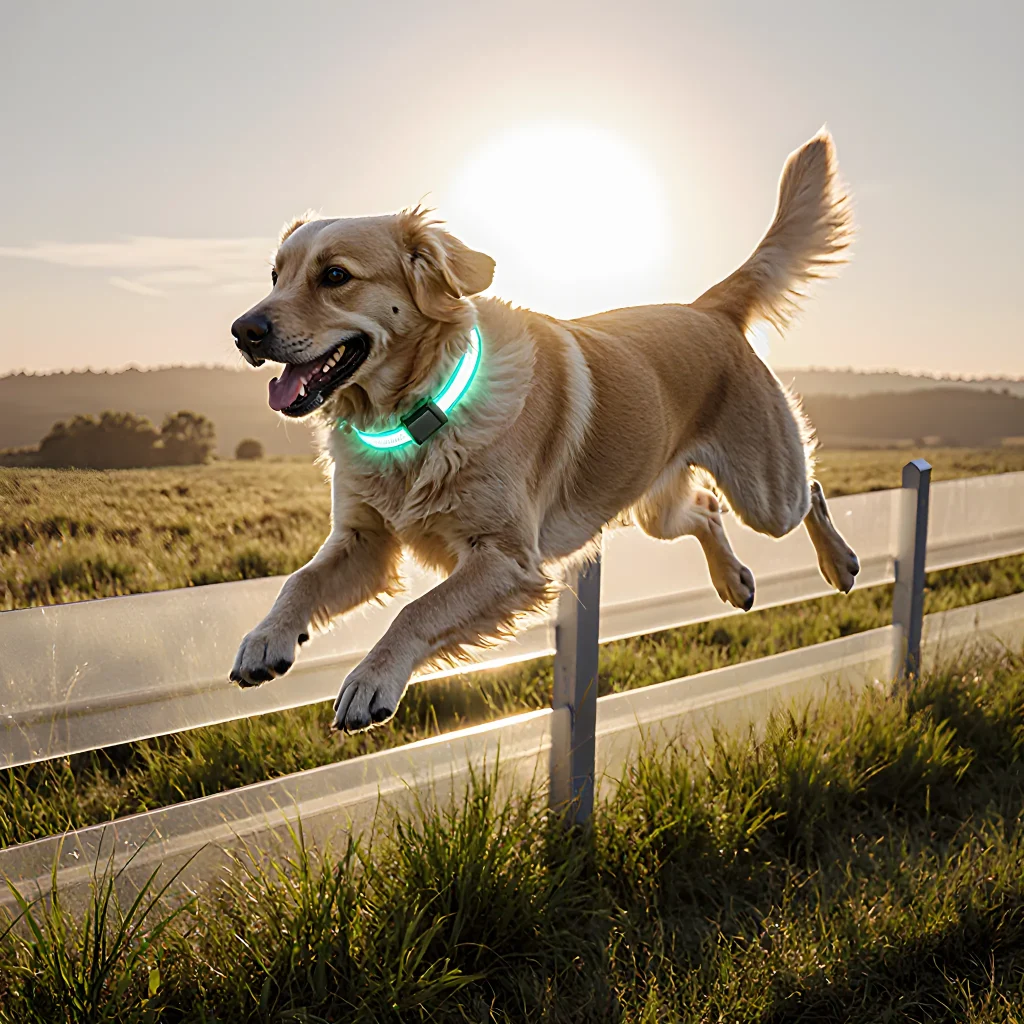
Track Your Canine Adventure in Style
Excited Explorers: GPS Dog Rings Outshine Rigid Perimeters
Table of Contents
- Introduction
- What is a GPS Dog Fence?
- How Traditional Fencing Works for Dogs
- Key Features of GPS Dog Fences
- Benefits Over Traditional Barriers
- Limitations of GPS Dog Fences
- Common Problems with Traditional Fencing
- Cost Comparison: Initial and Ongoing Expenses
- Installation Considerations for Each Type
- Safety and Health Implications
- Maintenance Requirements
- Case Studies: Small vs. Large Yards
- Hybrid Solutions: Combining GPS and Traditional Fencing
- Conclusion
- FAQ
Introduction
GPS Dog Fences vs Traditional: Which Is Best for Your Yard?
When it comes to keeping your canine companion safe while giving them the freedom to roam, owners are often faced with two main options: a traditional electronic fence that relies on boundary wires and a modern GPS-based system that uses satellite navigation. Both approaches have their merits, but the right choice depends largely on your yard’s layout, budget, and how much control you want over your dog’s movement.
- Boundary Wire: A thin copper wire is buried around the perimeter of your yard. The system creates a magnetic field that the collar detects.
- Collar Signal: Once the dog approaches the boundary, the collar emits a mild electric shock (or a beep) to discourage further movement.
- Installation: Typically requires digging a shallow trench along the fence line and laying out the wire. Professional installation can cost $200–$400, but DIY kits are available for as little as $80.
GPS fences use satellite data to create a virtual perimeter, eliminating the need for physical wires. A collar with an integrated GPS receiver and a mobile app lets you set “geo-fence” zones on a map.
- Precision: GPS can define complex shapes—roundabouts, irregular borders, or even multiple zones (e.g., a safe play area and a restricted zone).
- Battery Life: Collars are battery powered; most last 3–6 months on a single charge. Some models support solar panels for extended use.
- Cost: Initial outlay ranges from $150 to $350, with a yearly subscription (for cloud services) of $30–$60.
| Traditional Fence | GPS Fence | |
|---|---|---|
| Installation Effort | Moderate (digging, wire laying) | Low (just install collar & app) |
| Boundary Flexibility | Fixed; cannot change without re‑wiring | Highly flexible; edit zones instantly |
| Accuracy in Complex Terrains | Good for straight lines, but struggles with trees/structures | Excellent—even on uneven ground or multi‑story properties |
| Maintenance Costs | Minimal (wire rarely needs replacement) | Subscription + battery replacements |
| Reliability in Bad Weather | Excellent—wire isn’t affected by rain or wind | Variable—GPS signal can degrade under heavy canopy, but most collars have redundancy. |
- Your yard is large and irregularly shaped: GPS fences let you contour the perimeter exactly to your property lines without digging.
- You have a small, flat backyard with clear boundaries: A traditional fence can be cheaper upfront and simpler to maintain.
- You plan to move or relocate often: GPS systems are portable; just take the collar and app to your new home.
- Budget constraints: If you need a quick, low‑cost solution, start with a DIY traditional kit. Upgrade later if you want advanced features.
The Greens, who own a 0.5‑acre suburban lot surrounded by trees and a neighbor’s fence, opted for a GPS system after their dog, Max, frequently slipped through gaps in the traditional wire. They used an app to create a circular “play zone” with a 10‑meter buffer around the house. When Max tried to leave the zone, his collar emitted a gentle vibration and then a mild shock if he persisted. The system worked flawlessly even on windy days, and they could expand the perimeter when their dog grew larger without re‑installing any wires.
Choose a traditional fence if you prefer a one‑time investment with minimal ongoing costs and your yard is straightforward. Opt for GPS fencing when you need boundary flexibility, plan to move, or want advanced features like real‑time tracking and multiple zones. Whichever system you pick, always pair it with proper training—collars are a tool, not a substitute for obedience.
What is a GPS Dog Fence?
A GPS dog fence is a virtual boundary system that uses satellite navigation (GPS) signals to keep your pet within a designated area without the need for physical wires or posts. The setup typically consists of three main components:
- Base Station: A small, weather‑proof unit that sends out a GPS signal and defines the perimeter by allowing you to draw a boundary on a companion app.
- Dog Collar or Clip: Equipped with a GPS receiver and a low‑power transmitter. The collar constantly monitors its position relative to the base station’s zone.
- Smartphone App or Web Dashboard: Lets you create, modify, and monitor fences in real time. Most apps also provide alerts when your dog approaches the boundary or leaves it entirely.
The collar emits a warning sound (and sometimes a mild vibration) as the animal nears the edge of the zone, giving it ample opportunity to turn back. If the dog crosses the line, the system can trigger an alarm or send you a notification—depending on your settings.
How GPS Dog Fences Compare to Traditional Wire‑Based Systems
| Feature | GPS Fence | Traditional Wire Fence |
|---|---|---|
| Installation Time | 5–15 minutes (just set up the base and collar) | Several hours or days (digging, running wire, installing posts) |
| Cost of Materials | $200–$600 for a starter kit; occasional battery replacement | $1000+ depending on yard size and post material (wood, metal, concrete) |
| Maintenance | Battery checks, firmware updates via app | Periodic inspection for damage, rust, or sagging wire |
| Flexibility | Change boundaries on the fly—ideal for seasonal gardens or moving pets | Hard to modify once installed; requires physical work |
| Accuracy | Typically ±10–30 ft, depending on GPS signal quality and collar design | Exact (within a few inches) if properly buried and tensioned |
| Safety for Pets | No physical barrier—reduces risk of entanglement or injury | Risk of getting caught on the wire; can be hazardous in hot weather (heat conduction) |
When to Choose a GPS Fence Over a Traditional One
- Small or Medium Yards: If you have a fenced lawn but want the flexibility to change boundaries for different activities (e.g., playtime vs. quiet time).
- Pets that Like to Explore: Dogs that wander beyond your yard can be safely contained without the frustration of a physical fence.
- Urban or Condo Living: Many city regulations prohibit running wires; GPS fences work under balconies, patios, and shared spaces.
- Pets with Sensitivities: Dogs that are anxious around loud noises—GPS systems typically use a gentle tone rather than an electric shock.
Practical Tips for Maximizing Your GPS Fence’s Effectiveness
- Test the Boundary Early: Walk your dog along the perimeter with the collar on. If it doesn’t trigger, adjust the “warning zone” distance in the app.
- Keep an Eye on Battery Life: Most collars have a low‑battery indicator. Set reminders to recharge or replace batteries before they fail during critical moments.
- Use Multiple Zones: Create separate “play,” “sleep,” and “danger” zones for different times of day, especially if you have multiple pets with varying activity levels.
- Combine With Visual Markers: Even though the fence is virtual, placing a low‑profile flag or painted line near the boundary can help your dog recognize where to stop.
- Train Your Dog’s Response: Reward calm behavior when the collar sounds. Over time, the dog learns that staying inside the zone feels comfortable and safe.
In summary, a GPS dog fence offers unmatched convenience and adaptability for modern pet owners, especially those who value flexibility and minimal maintenance. While traditional wire fences still provide precise containment, they come with higher installation costs and less versatility. Evaluate your yard’s size, your pet’s temperament, and your lifestyle to decide which system best suits your needs.
How Traditional Fencing Works for Dogs
Traditional dog fences—whether wood, chain-link, or vinyl—rely on a physical barrier to keep your pet safely inside the yard. While they may seem simple, their effectiveness depends on several factors: the type of fence material, height, spacing between posts, and how well the design matches your dog's behavior.
Key Components of a Traditional Fence
- Posts: Typically made from treated lumber or metal. Proper spacing (usually 8–10 feet) ensures structural stability.
- Mesh or Panels: Chain-link offers durability and visibility, while vinyl is low-maintenance but can be more expensive.
- Gate(s): Must be secure yet easy to operate. Consider a self-closing gate for added safety.
Design Tips for Maximum Effectiveness
- Height Matters: Dogs can jump or climb. A minimum of 6 feet is recommended for most breeds; larger dogs may require up to 8–10 feet.
- No Gaps: Ensure the fence has no gaps or loose sections that a curious dog could exploit. Check every corner and joint regularly.
- Secure Grounding: For electric fencing, grounding is essential. Even with a non-electric barrier, secure anchoring prevents sagging or leaning.
Practical Examples
Consider the case of “Molly,” a 12‑year‑old Labrador who loves to chase squirrels. Her owners installed an 8-foot chain-link fence with a self-closing gate and treated posts spaced 9 feet apart. After three months, Molly no longer attempted to climb or jump over the barrier.
In contrast, “Rex,” a Border Collie, was given a 5‑foot vinyl fence without proper post spacing. Within weeks, he managed to slip through a loose panel and wander into a neighbor’s garden. This illustrates how even minor design oversights can compromise safety.
Maintenance Checklist
| Date | Task |
|---|---|
| Monthly | Inspect posts for rot or corrosion; tighten screws and bolts. |
| Quarterly | Check gate latch, replace worn hinges. |
| Annually | Apply fresh coat of paint or sealant to wooden posts. |
Comparing Traditional Fencing to GPS Dog Fences
While a traditional fence offers an unmistakable physical boundary, it can be limiting in irregularly shaped yards or when multiple pets require different boundaries. GPS dog fences provide a virtual perimeter that adapts to your yard’s contours and allows you to set separate zones for each animal.
Pro Tip: Combine the two systems—install a traditional fence for general containment, then overlay a GPS boundary for extra flexibility (e.g., keeping puppies out of specific areas while letting adults roam freely).
When to Choose One Over the Other
- Traditional Fence: Ideal for small yards with simple geometry, low maintenance budgets, and owners who prefer a tangible barrier.
- GPS Fence: Best suited for large or irregular lots, multi‑pet households needing individualized boundaries, or situations where physical fences are impractical (e.g., wooded areas).
Ultimately, the choice depends on your yard’s layout, your dog’s temperament, and how much control you want over its roaming habits. By understanding both systems’ strengths and limitations, you can design a safe, comfortable environment that keeps your furry friend happy—and out of trouble.
Key Features of GPS Dog Fences
The shift from traditional electric fences to GPS-enabled systems has brought a range of powerful features that make managing your dog’s territory easier, safer, and more flexible. Below are the most impactful attributes you’ll encounter when choosing a GPS dog fence, along with real‑world examples and actionable tips for maximizing their benefits.
1. Precise Boundary Control
- Customizable perimeters: Draw your yard’s exact shape on a map app or the vendor’s portal—no more straight lines that ignore trees, hedges, or uneven terrain.
- Multiple zones: Create separate “play,” “feeding,” and “rest” areas with distinct boundaries and alert levels.
2. Real‑Time Location Tracking
Unlike a static electric line, GPS fences provide live updates on your dog’s whereabouts via an app or web dashboard. This lets you:
- Spot wandering during walks.
- Receive instant alerts when the dog breaches the boundary.
- Check historical movement patterns to identify trouble spots.
3. Adaptive Alert Levels
Instead of a single shock, GPS systems offer tiered responses:
- Soft reminder (e.g., vibration or audible cue):** First line of warning when the dog approaches the edge.
- Moderate deterrent (low‑intensity static shock or stronger audio):** If the dog continues, it receives a more noticeable stimulus.
- Maximum deterrent (high‑intensity shock):** Last resort for persistent boundary breaches.
4. Mobile App Integration
Vendor apps often include:
- Map overlay of your yard and dog’s current position.
- Push notifications for boundary events.
- Battery status alerts for both the collar and base unit.
- Remote control to temporarily open or close zones (useful when you’re away).
5. Energy Efficiency & Low Maintenance
The GPS collar typically runs on a rechargeable battery lasting several weeks, while the base unit is powered by a standard outlet or solar panel in some models. Compared to traditional fences that require constant line checks and potential rewiring after storms, GPS systems demand minimal upkeep.
6. Compatibility with Existing Infrastructure
- Hybrid setups: Combine a GPS fence for the main yard with a physical wall or existing electric line to cover hard-to‑reach corners.
- Integration with smart home devices: Some systems can trigger smart lights, door locks, or cameras when a boundary breach is detected.
7. Safety & Comfort Features
Modern GPS collars often come with:
- Built‑in safety switches that disable the deterrent if the dog is in distress.
- Temperature sensors to prevent overheating during hot weather.
- Waterproof construction for outdoor use.
8. Cost-Effectiveness Over Time
While the upfront cost of a GPS system may be higher than a traditional line, consider:
- No need to replace damaged wires after storms or renovations.
- Reduced veterinary costs from fewer accidents.
- Potential savings on electric power if the fence uses low‑power components.
9. Scalability for Multiple Dogs
Many GPS fences allow you to add more collars without installing new hardware, making them ideal for households with several pets.
10. Environmental and Aesthetic Advantages
With no visible wires or posts, your yard retains its natural look—important for landscaping or pet owners who value a clean aesthetic.
Practical Advice: How to Choose the Right GPS Fence for Your Yard
- Assess yard size and shape: Larger, irregular yards benefit most from GPS precision.
- Check local regulations: Some municipalities have rules about electronic fencing.
- Consider your dog’s temperament: Highly curious or high‑energy breeds may need stricter alert thresholds.
- Read reviews on battery life and app usability: A smooth user experience reduces frustration.
- Test a demo unit if possible: Many vendors offer trial periods to ensure compatibility with your dog’s behavior.
By weighing these features against your specific needs, you’ll make an informed decision that keeps both your dog safe and your yard under control—without the hassle of traditional electric fences.
Benefits Over Traditional Barriers
When it comes to keeping your canine companion safe while giving them the freedom to explore, GPS dog fences often come out ahead of conventional physical barriers such as chains, electric shock collars, or invisible fences that rely on wired boundaries. Below are the key advantages—illustrated with real‑world examples and actionable tips—to help you decide if a GPS system is right for your yard.
1. Flexibility & Freedom
- No permanent wires or poles: Traditional invisible fences require a wire run along the perimeter, which can be costly to install and difficult to modify when landscaping changes. A GPS fence uses satellite positioning; you simply set virtual boundaries in an app.
- Dynamic boundary adjustments: If your dog loves to wander into the neighbor’s garden or around a new tree, you can instantly shift the virtual perimeter from your phone—no digging or re‑wiring needed.
2. Cost‑Effectiveness Over Time
- Lower initial outlay: The average price for a GPS collar (including the receiver and subscription) ranges from $50 to $150, compared with $200–$400+ for wired invisible fences plus installation fees.
- No recurring labor costs: Traditional fences often require annual maintenance or repairs; GPS systems need only occasional battery replacements and software updates.
3. Precision & Safety Features
- Accurate boundary detection: GPS collars use real‑time satellite data, giving a margin of error as low as 5–10 feet. Traditional electric fences can sometimes misfire or fail to trigger if the dog is too far from the wire.
- Multiple safety layers: Most GPS systems combine a gentle audio/visual cue with a gradual vibration before sending an audible warning, reducing the risk of startling your pet—something that shock collars cannot do.
4. Ease of Use for Pet Owners
- Intuitive mobile app: Set zones, adjust sensitivity, and view real‑time location on a map—all from a smartphone. Traditional fences require you to physically install hardware or consult with a technician.
- Remote monitoring: Receive push notifications if your dog breaches the boundary, allowing immediate action without having to be physically present at home.
5. Compatibility With Varied Environments
- Urban & suburban settings: GPS systems work well even in densely built areas where laying wire is impractical or prohibited by HOA rules.
- Large acreage: For farms or ranches, a single GPS collar can cover miles of pasture—far beyond the reach of most wired fences.
6. Minimal Impact on Landscape & Aesthetics
- No intrusive hardware: Traditional invisible fences often require buried wires and visible poles, which can detract from garden aesthetics or interfere with irrigation systems.
- Environmentally friendly: GPS collars use rechargeable batteries and no chemical agents (unlike some electric shock devices).
Practical Tips for Transitioning to a GPS Fence
- Choose the right collar size: Measure your dog’s chest circumference; collars that are too loose or tight can affect comfort and signal accuracy.
- Calibrate the boundary early: Walk through the perimeter once to allow the GPS module to lock onto satellite signals before you set virtual limits.
- Test with a “soft” warning first: Begin with gentle vibrations or visual cues so your dog associates the signal with an impending boundary breach.
- Keep firmware updated: Manufacturers release updates that improve GPS accuracy and add new features; set reminders to check for updates quarterly.
In summary, a GPS dog fence offers unparalleled flexibility, cost savings, precise control, and user convenience—making it an attractive alternative to traditional physical barriers. Whether you’re a homeowner with a sprawling backyard or a pet parent in a densely populated area, the benefits of GPS technology can provide peace of mind while keeping your furry friend safe.
Limitations of GPS Dog Fences
While GPS dog fences offer a modern, flexible alternative to traditional electric or wireless boundaries, they come with their own set of constraints that can affect performance and suitability for certain yards. Below we break down the most common limitations, illustrate them with real‑world examples, and provide practical tips to mitigate these issues.
1. Signal Interference & Coverage Gaps
- Urban Canyon Effect: In dense city environments or areas surrounded by tall buildings, GPS signals can reflect off structures (multipath) and result in inaccurate location data. A dog might receive a false “inside” signal when it is actually outside the intended boundary.
- Vegetation & Terrain: Thick tree cover, dense shrubbery, or uneven terrain can attenuate GPS signals. In a wooded backyard, a dog may wander beyond the fence without triggering a warning.
Practical Advice: Combine GPS with other sensors (e.g., accelerometer, proximity to a base station) for hybrid boundary detection. Install the collar’s antenna on a higher mount or use an external antenna if your model supports it.
2. Battery Life & Power Management
- GPS collars rely on internal batteries that must power continuous signal acquisition, data processing, and communication with the base unit. High‑activity dogs (e.g., terriers or border collies) consume more battery than low‑energy breeds.
- When the collar’s battery depletes, the device will stop functioning entirely—leaving your dog unprotected until you recharge it.
Practical Advice: Choose a model with a proven battery life of at least 48–72 hours for active dogs. Use solar‑powered or replaceable batteries where possible, and always keep spare batteries on hand for long trips.
3. Cost & Ongoing Maintenance
- The initial purchase price of a GPS collar (often $200–$400) is significantly higher than the cost of a traditional wireless boundary ($50–$150). This can be prohibitive for budget‑conscious pet owners.
- Subscription fees for cellular or satellite connectivity can add an extra $5–$15 per month. In contrast, traditional fences typically require no recurring costs.
Practical Advice: Evaluate the long‑term value: if you frequently relocate your dog or have a large property that would be impractical to wire, the GPS solution may pay off over time. Look for refurbished units or promotional bundles to reduce upfront costs.
4. Learning Curve & Technical Setup
- Setting up a GPS boundary involves configuring a base station, defining virtual perimeters on an app, and calibrating the collar’s sensitivity settings—steps that can be confusing for non‑tech users.
- In case of firmware updates or software glitches, troubleshooting may require contacting customer support or visiting online forums.
Practical Advice: Choose a brand with intuitive mobile apps and detailed video tutorials. Keep the user manual handy and consider enrolling in an onboarding session offered by some retailers.
5. Potential for False Positives & Negatives
- A collar might issue a warning if it misinterprets a GPS drift, causing your dog to feel anxious or even injuring itself while attempting to correct the perceived boundary breach.
- Conversely, a weak signal may fail to trigger a warning when the dog actually crosses the line, undermining trust in the system.
Practical Advice: Fine‑tune the collar’s tolerance settings (e.g., “soft” vs. “hard” boundary thresholds) and test in your yard before full deployment. Regularly monitor GPS accuracy logs if available.
6. Limited Functionality with Large or Multi‑Dog Households
- Most GPS collars are designed for single dogs; using multiple collars can be expensive and logistically challenging (e.g., assigning unique boundary zones, managing separate battery packs).
- In multi‑dog households, one collar’s signal may interfere with another if the base station is overloaded.
Practical Advice: If you have more than one dog, consider whether a traditional fence can accommodate all pets simultaneously. Alternatively, look for multi‑collar support or separate base stations to avoid interference.
7. Environmental & Weather Sensitivity
- Heavy rain, snow, or extreme heat can affect the collar’s electronics and signal reception. In some models, the metal casing may corrode over time if not properly sealed.
- Waterproof ratings vary; a collar rated IP67 may survive a short dip in water but not prolonged immersion.
Practical Advice: Inspect seals and waterproofing annually. For dogs that love swimming or live in humid climates, opt for collars with higher IP ratings (IP68) and consider using a secondary protective case.
8. Regulatory & Privacy Concerns
- Some jurisdictions require owners to obtain consent before tracking pets via GPS, especially if the collar uses cellular data that could be intercepted.
- The collection of location data may raise privacy concerns for users who want to limit third‑party access.
Practical Advice: Review local regulations and the manufacturer’s privacy policy. Choose a system that offers on‑device data storage rather than cloud‑only options if privacy is paramount.
9. Physical Wear & Collar Fit
- A collar that’s too tight can cause discomfort, while one that’s loose may shift during activity, altering GPS accuracy.
- Repeated chewing or exposure to rough terrain can damage the collar’s housing and antenna.
Practical Advice: Use a collar with an
Common Problems with Traditional Fencing
While a physical fence is the most visible way to keep your dog inside or outside, it often comes with hidden drawbacks that can frustrate both pet owners and their four‑legged companions. Below are some of the most frequent issues you’ll encounter, along with real‑world examples and practical solutions—especially when you’re weighing a GPS dog fence against a traditional setup.
1. Physical Damage & Wear
- Impact from Collisions: A curious or energetic dog may hit the fence with its head, tail, or paws—especially in the spring when they’re running around. Over time, this can dent or break posts and rails.
- Weather‑Related Degradation: Metal rusts, wooden fences rot, and plastic components become brittle under UV exposure.
Practical Tip: Use galvanized steel or aluminum for durability. Add a protective sealant to wood, and consider installing a “dog‑friendly” fence topper (e.g., woven mesh) that can absorb impacts better than solid boards.
2. Incomplete Coverage
- Gaps & Openings: Traditional fences often leave small gaps—under the posts, between rails, or at corners—that a clever dog can squeeze through.
- Perimeter Leaks: Even a well‑built fence may have “soft spots” where the wall is slightly lower than the rest of the barrier.
Practical Tip: Inspect your fence at least twice a year, especially after storms or heavy snow melt. Install a wire mesh extension on top and bottom to seal gaps, and use a “dog‑proof” post cap that extends beyond the fence height.
3. Maintenance & Cost Over Time
- Ongoing Repairs: Every chip or break means time and money for patching or replacing sections.
- Replacement Frequency: A typical wooden fence may need full replacement every 5–10 years, depending on climate and usage.
Practical Tip: Opt for low‑maintenance materials like composite fencing or PVC. If you choose wood, treat it with a high‑quality preservative to extend its life by at least 15%.
4. Limited Flexibility & Scalability
- Changing Yard Layouts: Adding new garden beds or pathways can require cutting and re‑building sections of the fence.
- Multi‑Dog Coordination: Traditional fences do not differentiate between dogs—every animal has to stay within the same boundary, which may not be ideal for households with multiple pets of different sizes or behaviors.
Practical Tip: Use modular fence panels that can be rearranged without major construction. Pair a physical barrier with a GPS collar to set dynamic zones (e.g., “play area” vs. “off‑limits zone”) for each dog.
5. Safety & Accessibility Issues
- Tripping Hazards: Low posts or uneven ground can trip people walking or jogging around the yard.
- Limited Human Access: In emergencies, a rigid fence may delay rescue attempts if it’s not easy to open quickly.
Practical Tip: Install a quick‑release latch on at least one side of the fence. Add “dog‑friendly” gates that are wide enough for both pets and humans to pass through without obstruction.
6. Psychological Stress for Dogs
- Boredom & Anxiety: A static boundary can feel restrictive, especially if the dog spends most of its time in a confined space.
- No Escape Routes: Some dogs become frustrated if they cannot explore beyond the fence without risking injury or breaking it.
Practical Tip: Combine a physical fence with environmental enrichment—add climbing posts, scent trails, or interactive toys within the fenced area. Use GPS collars to allow safe roaming in designated “free‑play” zones while still keeping the dog out of danger.
7. Installation Complexity
- Permitting & Regulations: Many municipalities require permits or specific heights for fences, adding paperwork and potential delays.
- Professional Labor Costs: Properly installing a sturdy fence often requires hiring a contractor, especially if the terrain is uneven.
Practical Tip: Plan your fence design with local regulations in mind. If you’re DIY‑friendly, use pre‑cut panels and simple post anchors to reduce labor costs.
8. Environmental Impact
- Habitat Fragmentation: Physical fences can block wildlife movement and alter local ecosystems.
- Resource Use: Manufacturing metal or wood fences consumes significant resources and emits CO₂ during production.
Practical Tip: Choose eco‑friendly materials like recycled plastic composite or sustainably sourced timber. If you’re concerned about wildlife, consider installing “wildlife corridors” through the fence—small openings that allow small animals to pass safely.
9. Limited Control Over Dog Behavior
- No Real‑Time Feedback: Traditional fences do not provide instant alerts if a dog attempts to climb or dig beneath it.
- Lack of Behavioral Reinforcement: Dogs may learn that the fence is just another obstacle rather than a boundary, especially if they repeatedly attempt to breach it without consequence.
Practical Tip: Pair your fence with a GPS collar and a training app. The app can log incidents when the dog approaches or tries to cross the fence, allowing you to adjust training
Cost Comparison: Initial and Ongoing Expenses
When deciding between a GPS dog fence and a traditional wired or virtual fence, it’s crucial to look beyond the sticker price and factor in both upfront and recurring costs. Below is an in‑depth breakdown that will help you estimate your total investment over time.
1. Initial Setup Costs
- GPS Dog Fence:
- Hardware kit (receiver collar + base unit): $150–$300 per dog, depending on brand and features.
- Installation (if using a professional installer): $50–$200. Many systems can be set up DIY‑style, saving you the installer fee.
- Mobile data plan: Some GPS units require an active cellular connection; expect an additional $10–$20/month for a prepaid SIM card or a dedicated data plan.
- Traditional Wired Fence:
- Wiring (copper/HDPE cable): $0.50–$1.00 per foot, depending on depth and material quality.
- Installation labor: $300–$700 for a 1‑acre yard; costs rise with yard size and terrain complexity.
- Fence posts & anchor bolts: $5–$10 each, typically 8–12 posts per acre.
- Traditional Virtual Fence (no physical wire):
- Base unit + collar: $200–$400 per dog.
- Installation labor: $0 if you DIY; professional setup may cost $100–$300.
- No cellular data needed (uses radio frequency).
2. Ongoing Expenses
- GPS Dog Fence:
- Cellular service fee: $10–$30/month, depending on provider and data usage.
- Battery replacement for collars: $20–$40 every 1–2 years (most GPS collars have a replaceable lithium battery).
- Software subscription (optional): Some systems charge $5–$15/month for advanced mapping features or cloud storage.
- Traditional Wired Fence:
- Electrical power cost: Approximately $0.05–$0.10 per day, translating to $18–$36/year (based on a 30‑V system running for 12 hours/day).
- Mileage wear & tear: Wiring can degrade over time; expect replacement every 5–7 years in harsh climates.
- Traditional Virtual Fence:
- No monthly service fee (except for occasional firmware updates).
- Battery replacement for collar: $20–$40 every 1–2 years.
3. Total Cost Over 5 Years (Example)
| System | Initial Cost (per dog) | Annual Recurring Fees | Total 5‑Year Cost (per dog) |
|---|---|---|---|
| GPS Dog Fence | $250 | $200 ($40/month + $20 battery) | $1,250 |
| Traditional Wired Fence (per dog) | $400 (install + collar) | $30/year (power & maintenance) | $650 |
| Virtual Fence (no wire) | $300 | $20/year (battery) | $500 |
4. Practical Tips to Reduce Costs
- Bundle Multiple Dogs: Some GPS systems offer discounted collar rates when you purchase a second or third collar.
- Choose the Right Plan: Opt for a low‑data plan if your dog stays mostly inside; higher data plans are unnecessary for small yards.
- DIY Installation: For wired fences, consider a DIY approach. Many manufacturers provide step‑by‑step guides and pre‑cut cable kits.
- Inspect Regularly: Check the GPS collar battery and wiring integrity at least twice a year to catch issues before they become expensive repairs.
- Leverage Seasonal Discounts: Retailers often run promotions on pet fencing during spring or back‑to‑school seasons.
Ultimately, while GPS dog fences may carry higher upfront and monthly costs, their flexibility—no buried wires, easy relocation, and real‑time tracking—often justifies the expense for many pet owners. Traditional wired fences are typically cheaper over a long period but come with installation labor and limited mobility. Virtual fences sit somewhere in between, offering a balance of cost and convenience.
Installation Considerations for Each Type
Choosing between a GPS-based system and a traditional wire or invisible fence involves more than just the price tag. The installation process can vary dramatically, affecting how quickly you can get your dog safely contained and how much ongoing maintenance you'll need.
GPS Dog Fence Installation
- Minimal Physical Infrastructure: A GPS system requires only a base station (or sometimes just the mobile app) and the collar. This means no digging, no wires to route along your property line, and virtually zero visual impact.
- Site Survey: While you don’t need to lay out lines, it’s still wise to conduct a quick survey of any major obstacles (fences, trees, power lines) that could interfere with GPS signals or create blind spots. Mark these areas in the app if possible.
- Boundary Setup: Using the manufacturer’s mobile app, trace your property perimeter on a map interface. The system will automatically generate a virtual boundary and calculate a safe “no-go” zone for your dog.
- Collar Placement & Testing: Attach the collar to your dog’s harness or directly to their collar. Turn on the device, then walk the boundary to ensure the collar vibrates (or beeps) at the correct distances. Adjust the sensitivity if needed.
- Power Management: Most GPS collars rely on rechargeable batteries. Schedule regular charging times—many models offer a “sleep mode” that conserves power when the dog is indoors or sleeping.
Traditional Wire Fence Installation
- Physical Labor & Cost: You’ll need to dig trenches (if using buried wire) or stake out boundary posts. This can be time-consuming and may require hiring a professional if you’re not comfortable with DIY.
- Post Placement: For a buried-wire fence, stakes are usually placed every 15–20 feet along the property line. For an invisible fence that uses overhead wires, poles must support the wire at a consistent height (typically 4–6 ft).
- Wire Laying & Grounding: After staking out, lay the wire and secure it with staples or bury it to prevent tripping hazards. Connect the wire to a power source (often a dedicated outlet or solar panel) and ensure proper grounding to avoid electrical interference.
- Boundary Markers: Traditional fences often rely on visible markers or signs for both you and other property owners. This can be an advantage in shared spaces where you need to show that the fence is functional.
- Maintenance & Repairs: Over time, wires can sag, posts may rot, or pets might chew through sections. Regular inspections are essential—especially after storms or heavy use.
Practical Tips for Both Systems
- Test Frequently: Whether GPS or wired, test the boundary at least once a week to ensure reliability.
- Educate Your Dog: Use positive reinforcement training so your dog understands that the boundary is a rule, not a punishment.
- Backup Power: For GPS collars with battery life, consider a solar charger or spare batteries. For wired fences, keep a backup outlet or generator in case of power outages.
- Consider Hybrid Solutions: Some owners combine GPS for large properties with invisible wire in high-traffic areas to provide extra security.
- Check Local Regulations: Certain municipalities have rules about fence types, especially for pets. Verify compliance before installing.
Ultimately, the installation complexity depends on your yard’s size, terrain, and how much time you’re willing to invest upfront versus ongoing maintenance. GPS fences offer a low‑maintenance, flexible solution, while traditional wired fences provide tangible physical barriers that can be more reassuring for some pet owners.
Safety and Health Implications
When deciding between GPS dog fences and traditional electric or physical boundaries, it’s essential to consider how each system affects your pet’s safety, health, and overall well‑being. Below we break down the key factors that can influence the choice of fencing technology for a healthy, stress‑free environment.
1. Physical Injury Risks
- Traditional Electric Fences: These fences deliver a mild shock when a dog contacts the wire or fence post. While designed to be harmless, some dogs—especially those with medical conditions (e.g., heart disease, seizure disorders) or very sensitive skin—can experience burns or increased anxiety.
- GPS Fences: Since GPS fences rely on wireless signals and collar commands, there is no physical contact. However, a sudden stop when the collar emits a buzz can cause jerking injuries if the dog is running at high speed. Proper training mitigates this risk.
2. Allergies and Skin Irritation
Electric fences can exacerbate skin conditions or allergic reactions, particularly in dogs with hypersensitive paws or ear infections. GPS collars are typically hypoallergenic, but the collar itself may cause irritation if not fitted correctly.
3. Psychological Well‑Being
- Shock Stress: The unpredictable nature of an electric shock can create fear and anxiety, potentially leading to behavioral issues such as aggression or avoidance.
- Consistent Signals: GPS fences provide consistent auditory cues (e.g., a gentle buzz) that help dogs learn boundaries without the threat of pain. However, if signals are too loud or inconsistent, they may still cause confusion.
4. Training Requirements
GPS systems typically require an initial training period where the dog associates the buzz with boundary limits. This can take anywhere from a few days to several weeks depending on the dog’s temperament. Traditional fences, while easier to install, often rely on instinctual avoidance rather than learned behavior.
5. Environmental Factors
- Signal Interference: GPS accuracy can be affected by dense foliage, tall buildings, or underground cables, potentially causing false boundaries that may startle the dog.
- Weather Resilience: Both systems are generally weather‑proof, but electric fences can malfunction in extreme heat or after heavy storms if wires become damaged.
6. Longevity and Maintenance
Electric fence components (wires, posts, energizers) require regular inspection for damage or corrosion, which could lead to accidental shocks. GPS collars need battery replacements or charging; outdated firmware can reduce signal reliability.
7. Cost vs. Benefit Analysis
While GPS fences may have a higher upfront cost and ongoing subscription fees, the potential reduction in injury risk and improved behavioral outcomes often justify the investment for households with sensitive or high‑energy dogs.
Practical Tips for Safe Implementation
- Start Small: Begin training your dog on a contained area before expanding to full yard coverage.
- Regular Checks: Inspect electric fence wires, posts, and GPS signal strength weekly.
- Consult Your Vet: Discuss any pre‑existing health conditions that might affect the choice of fence type.
- Use a Comfort Collar: For GPS systems, choose collars with adjustable straps and soft padding to prevent chafing.
- Monitor Behavior: Watch for signs of distress (e.g., pacing, whining) after the fence is installed and adjust intensity or boundaries as needed.
Ultimately, the safest option depends on your dog’s individual health profile, temperament, and the specific layout of your yard. By weighing these safety and health implications carefully, you can choose a fencing solution that keeps your canine companion both physically safe and emotionally content.
Maintenance Requirements
When deciding between a GPS dog fence and a traditional electric or wireless boundary system, one of the most critical factors to consider is how much upkeep each option demands over time.
1. Physical Wear and Tear
- Traditional Fences: The wire or netting that makes up an electric fence can fray, sag, or break due to weather exposure, foot traffic, or accidental damage from pets. Every year you should inspect the tension of the wire, replace any worn sections, and ensure the grounding rod remains secure.
- GPS Fences: Because they rely on satellite signals rather than a physical boundary, GPS fences are immune to wear-and-tear on a fence line itself. The only “physical” component that may require replacement is the collar or transmitter unit if it gets damaged by chewing or rough play.
2. Battery and Power Management
- Traditional Fences: Most electric fences need a reliable power source (usually a transformer). If you have a remote location without easy access to mains electricity, you’ll likely rely on solar panels or battery backups, which must be checked regularly for charge capacity.
- GPS Fences: The collar’s battery typically lasts several months. Owners should set a reminder to recharge or replace the battery before it dies mid‑night—otherwise your dog could wander off without the protective signal. Some newer models offer solar charging pads, which reduce the need for manual recharging.
3. Signal Accuracy and Interference
- Traditional Fences: The boundary is fixed, so there’s no risk of signal drift. However, you must ensure that the fence line remains clear of obstructions (like new tree growth or construction) that could interfere with the electric pulse.
- GPS Fences: Accuracy can be affected by tall buildings, dense foliage, or underground cables. Periodically run a “test” by walking your dog along the intended perimeter to verify that the collar’s boundary aligns correctly. If you notice lag or false positives, consider relocating the satellite antenna (if applicable) or updating firmware.
4. Software and Firmware Updates
- Traditional Fences: Usually no software involved; maintenance is purely hardware‑centric.
- GPS Fences: Many GPS collars come with companion apps that allow you to adjust boundary zones, receive alerts, and view activity logs. Keep the app and collar firmware up to date to benefit from bug fixes, improved battery efficiency, and new feature releases (e.g., “safe‑zone” mode for vacations).
5. Cost of Replacement Parts
- Traditional Fences: Wire replacement can be inexpensive per foot, but if a large section is damaged you might need to bring in a professional installer.
- GPS Fences: Collars are typically sold as a unit and may come with a limited warranty. If the collar fails, replacement costs can be higher than a simple wire repair, though many manufacturers offer refurbished units at reduced prices.
6. Practical Tips for Minimizing Maintenance
- Set Up Routine Checks: Schedule monthly inspections—look for loose wires, broken components, or battery levels.
- Use Durable Materials: If you opt for a traditional fence, choose UV‑resistant wire and corrosion‑proof connectors. For GPS collars, select models rated “waterproof” and with reinforced straps.
- Keep Software Updated: Enable automatic updates on your smartphone app to avoid missing critical patches.
- Document Your Perimeter: Maintain a map or photo log of the boundary. This helps when you need to replace or repair components and ensures consistency if you hand over the system to another caretaker.
In summary, GPS fences offer lower physical maintenance but require diligent battery management and occasional firmware updates. Traditional fences demand regular inspections for wear and power reliability but have minimal electronic upkeep. Choosing the right option depends on your yard’s layout, your willingness to perform routine checks, and how much you value a hassle‑free perimeter system.
Case Studies: Small vs. Large Yards
When it comes to keeping your canine companion safe and contained, the choice between a GPS-based system and a traditional wire fence can feel overwhelming. The decision often hinges on the size of your yard, the terrain, and how much flexibility you want in managing boundaries. Below we break down real-world scenarios for both small and large yards, complete with practical tips and concrete examples.
Small Yards (≤ 0.5 acres)
- Pros of GPS:
- No need to install physical wires – perfect for tight spaces or plots with ornamental landscaping.
- Easily adjustable boundaries: just drag a line on the app and your dog’s collar receives an updated signal.
- Reduced maintenance; no sagging wires, rust, or damage from pets chewing through.
- Cons of GPS:
- Reliability depends on satellite coverage and terrain obstructions (e.g., dense trees).
- Initial cost can be higher if you need a high-end collar with multiple sensors.
Case Study 1: Urban Apartment Complex
Scenario: A two‑story apartment building in downtown Chicago has a shared courtyard of about 0.3 acres. The residents want to keep their dogs safe without installing a physical fence that would require permits.
Solution: Install a GPS boundary that follows the existing perimeter walkways. Residents can set up the app once, then simply move the boundary if they decide to add a garden or patio later. The collar’s “safe zone” feature allows owners to designate a smaller play area for short walks, giving them control over how much freedom their dog gets.
Large Yards (> 0.5 acres)
- Pros of Traditional Wire:
- Highly reliable: no dependency on satellite signals or batteries (except for the control box).
- Provides a physical deterrent that can be more intimidating to curious wildlife.
- Low ongoing costs once installed.
- Cons of Traditional Wire:
- Installation is labor-intensive and may require permits, especially for large plots.
- Hard to modify boundaries after installation; adding a new garden or changing the shape can be costly.
- Risk of pets chewing through wires if not properly secured.
Case Study 2: Suburban Farmhouse
Scenario: A 1.8‑acre farm in rural Iowa has rolling hills, a pond, and a mix of trees and open pasture. The homeowner wants to keep their dog from wandering into the fields while still allowing it some freedom on the property.
Solution: Combine a traditional wire fence along the perimeter with GPS boundary layers for interior zones (e.g., around the pond). This hybrid approach offers the reliability of a physical barrier where needed and the flexibility of GPS in areas that are hard to fence, like steep slopes or wetlands. The homeowner can use the GPS app to set a “no-go” zone near the pond during rainy days when the water level rises.
Practical Advice for Choosing Between Systems
- Assess Terrain: Dense tree cover, tall hedges, or buildings can block GPS signals. If your yard has many obstructions, a wired system may be more dependable.
- Consider Maintenance: Wired fences require occasional tightening and checking for rust. GPS systems need battery replacement in collars (usually every 6–12 months) and periodic firmware updates via the app.
- Think About Future Changes: If you anticipate adding a pool, garden, or expanding your property, GPS gives you the flexibility to re‑draw boundaries without costly rewiring.
- Budget for Longevity: Initial installation costs can be higher for GPS collars, but wired fences have ongoing maintenance and potential repair costs. Compare the total cost of ownership over 5–10 years.
- Test Before Committing: Many manufacturers offer demo kits or trial periods. Use these to test signal strength in your yard before making a final purchase.
Bottom Line
For small yards where space is at a premium and flexibility matters, GPS dog fences often provide the best blend of convenience and control. In large or complex landscapes that demand robust barriers, a traditional wire fence (or a hybrid system) tends to offer greater reliability and peace of mind. Ultimately, your choice should align with yard size, terrain, maintenance willingness, and long‑term plans for property changes.
Hybrid Solutions: Combining GPS and Traditional Fencing
While both GPS‑based pet containment systems and conventional electric or physical fences have their merits, many owners find that a hybrid approach delivers the best balance of safety, flexibility, and cost‑effectiveness. By strategically pairing a GPS collar with a traditional fence (or vice versa), you can create a multi‑layered boundary that compensates for each system’s limitations.
Why Go Hybrid?
- Redundancy: If one system fails—say the GPS signal drops or the battery on an electric fence is low—the other keeps your pet contained.
- Cost Savings: A full‑scale electric fence can be expensive to install and maintain. Adding a GPS collar reduces the amount of fencing you need while still protecting off‑limits areas.
- Behavioral Flexibility: GPS fences are great for outdoor excursions or large properties, whereas traditional fences provide a hard physical barrier in high‑traffic zones (e.g., near driveways).
Typical Hybrid Setups
- GPS Collar + Electric Fence: Use the GPS collar as your primary containment tool for general yard and neighborhood use. Install an electric fence along the perimeter or around a play area where you want an extra layer of safety.
- GPS Collar + Physical (Wood or Chain‑Link) Fence: Combine the GPS system with a low‑height, visual barrier that deters dogs from jumping over while still allowing them to see and interact with their surroundings.
- Dual GPS Zones + Traditional Fencing for Sensitive Areas: Set up multiple GPS zones—one large “play” zone and one smaller “no‑go” zone (e.g., near a pool). Add a physical fence around the most dangerous spot to reinforce the boundary.
Practical Tips for Implementation
- Map Your Property: Before buying equipment, use a GPS mapping app or a professional surveyor to chart your yard’s perimeter and any critical zones. This will help you decide where to place the traditional fence relative to the GPS boundary.
- Check Interference: Metal structures and large trees can weaken electric fence signals. If you plan to use an electric component, test signal strength in those spots first.
- Battery Management: Both GPS collars and electric fences rely on batteries. Keep spare batteries or solar chargers handy, especially during long summer days when your pet is active outside.
- Educate Your Pet: Gradually introduce the hybrid system in short sessions. Let your dog learn to respond to the GPS collar’s vibrations before adding a physical fence—this prevents confusion and reduces stress.
- Regular Maintenance Checks: Inspect both systems weekly: trim foliage that may block GPS signals, test the electric fence’s voltage, and ensure the GPS collar fits snugly and is free of damage.
Case Study: The Johnsons’ Backyard
The Johnson family owns a 0.5‑acre suburban lot with a large tree line that blocks satellite signals in one corner. They installed a GPS collar for their Labrador, which covers the entire yard but struggles to detect the boundary behind the trees. To solve this, they added a short strip of electric fence along the back fence where the signal was weak. The result: the dog can roam freely across most of the property, yet the hybrid system prevents accidental entry into the cul-de‑sac area adjacent to a neighbor’s driveway.
Conclusion
A hybrid approach lets you tailor containment to your yard’s unique layout and your pet’s behavior. By combining GPS technology with a traditional fence—electric or physical—you gain redundancy, cost efficiency, and greater peace of mind that your dog stays safe while still enjoying the freedom it deserves.
Conclusion
After exploring the pros and cons of both GPS dog fences and traditional boundary systems, it’s clear that neither option is a one‑size‑fits‑all solution. The right choice depends on your specific yard layout, budget, pet behavior, and long‑term maintenance preferences.
When to Choose a GPS Dog Fence
- Large or Irregularly Shaped Yards: GPS fences excel in expansive or uneven terrain where running a wire around every corner would be costly and impractical.
- Pets That Love to Explore: If your dog tends to roam off the curb, a GPS fence provides an invisible boundary that is less likely to be breached.
- Future‑Proofing: Modern GPS systems can integrate with smartphone apps, allowing you to monitor your pet’s location in real time and receive alerts if they cross a virtual line.
When Traditional Fencing Is the Better Choice
- Cost‑Sensitive Projects: Installing a physical fence is often cheaper upfront, especially for small to medium yards with clear boundaries.
- High Security Needs: If you require an unbreakable barrier—such as for highly aggressive or escape-prone dogs—a solid wire or chain link fence may be preferable.
- Low Maintenance: Once installed, a traditional fence requires minimal upkeep compared to the battery changes and firmware updates of GPS systems.
Hybrid Solutions: The Best of Both Worlds
Many pet owners are now combining both technologies. A physical perimeter keeps pets within a safe zone, while a GPS system acts as an additional safety net in case the fence is breached or damaged. This dual approach maximizes security and peace of mind.
Practical Steps to Make Your Decision
- Measure Your Yard: Calculate square footage, identify obstacles, and map out potential boundary lines.
- Assess Dog Behavior: Note how far your dog typically ventures, their obedience level, and any past escape incidents.
- Set a Budget: Include initial installation costs, ongoing maintenance (batteries, replacement wires), and potential repair expenses.
- Consult Professionals: Talk to local fence installers and GPS system vendors; ask for case studies or testimonials from owners with similar yard conditions.
- Test the System: If possible, start with a trial period—install a temporary GPS collar or a small section of wire—to gauge effectiveness before committing fully.
Ultimately, the best fence for your yard is one that balances safety, convenience, and cost while aligning with your dog’s unique needs. Whether you opt for an invisible GPS boundary, a sturdy traditional fence, or a hybrid approach, the goal remains the same: keeping your beloved pet safe, happy, and within reach.
FAQ
What is the main difference between a GPS dog fence and a traditional invisible fence?
A traditional invisible fence uses a buried wire that sends an electric pulse to your dog's collar when it crosses the boundary. A GPS fence, on the other hand, relies on satellite navigation data (GPS) combined with a receiver collar that triggers a gentle warning or mild shock if the dog steps outside the pre‑set virtual perimeter.
Which system is more reliable in areas with poor Wi‑Fi or cellular coverage?
The GPS fence depends on satellite signals, which are generally available anywhere outdoors. However, it may need a local base station (often a smartphone or dedicated hub) that communicates via 4G/LTE or Wi‑Fi to update boundary data. Traditional fences only require the buried wire; they are unaffected by network outages.
Are GPS dog fences safer for dogs with medical conditions?
Both systems use mild shocks, but GPS collars can be programmed to deliver a very low‑level alert first and only resort to shock if the boundary is repeatedly crossed. Many models also include “no‑shock” zones (e.g., near water or furniture). Traditional fences usually deliver a single level of pulse regardless of circumstances.
What is the cost difference and long‑term maintenance?
- Initial cost: Traditional invisible fences typically range from $200–$400 for a full installation (wire, base unit, collar). GPS systems can start at $300 but often require additional equipment like a smart hub ($100–$200) and possibly a subscription for firmware updates.
- Maintenance: Traditional wire must be inspected for damage every 3–5 years. GPS collars need battery replacements (every 6–12 months depending on usage) and occasional firmware upgrades.
Can I use a GPS fence if my yard has a complex layout or multiple properties?
Yes. The GPS boundary can be drawn in the app, allowing you to create irregular shapes, add “no‑go” zones (like flower beds), and even set separate perimeters for different dogs. Traditional fences struggle with non‑rectangular boundaries unless you bury more wire, which increases cost.
What about privacy concerns or interference with other electronic devices?
The GPS system uses satellite signals and a local radio link; it does not emit high‑frequency pulses that can interfere with Wi‑Fi routers, baby monitors, or medical implants. Traditional fences use low‑frequency AC pulses along the buried wire; while generally safe, there have been rare reports of interference with certain electronic equipment if the wire is near power lines.
How do I train my dog to respect a GPS fence?
- Start with a low‑level alert: Most GPS collars emit a gentle chirp or vibration when the boundary is approached.
- Use positive reinforcement: Reward your dog for stopping at the boundary and turning back. Use treats, praise, or a favorite toy.
- Gradually increase sensitivity: Once the dog reliably stops, you can set a stricter boundary level that triggers a mild shock if it’s crossed again.
- Consistency is key: Keep the same boundary settings and training routine. Avoid changing zones frequently as this confuses the dog.
Can I combine both systems for extra safety?
Yes, some owners use a traditional invisible fence as a backup to a GPS system. This dual‑layer approach ensures that if the GPS signal is lost or the collar battery dies, the buried wire will still keep your dog contained.
What legal considerations should I be aware of?
In many regions, invisible fences are regulated. Check local ordinances for restrictions on buried wires or GPS devices. Additionally, ensure that any shock level complies with animal welfare standards (e.g., the American Veterinary Society of Animal Welfare).
Where can I purchase a GPS dog fence system?
- Online retailers: Amazon, Chewy, and specialized pet tech stores.
- Direct from manufacturers: Companies like Rover's Smart Fence, GoDogGPS, or SafeDog GPS offer full kits with installation guides.
- Professional installers: Some pet service companies provide custom boundary design and installation for an additional fee.
If you’re still uncertain which fence type best suits your yard, consider factors such as the size of your property, the number of dogs, budget constraints, and how tech‑savvy you are. A quick test run with a demo collar (many manufacturers offer trial periods) can also help you make an informed decision.
Categories
- AI & Enrichment Play
- Broiler Farming
- Broiler Farming Tips
- Canine Wellness & Longevity
- Cat
- Cat & Human Connection
- Cat Adoption & Rescue
- Cat Breeds
- Cat Breeds & Personalities
- Cat Care & Health
- Cat Grooming & Hygiene
- Cat Lifestyle & Environment
- Cat Myths & History
- Cat Nutrition & Diet
- Cat Products & Reviews
- Cat Training & Behavior
- Comparison
- Consumer Awareness
- Dog
- Dog Accessories & Products
- Dog Adoption & Rescue
- Dog Breed & Lifestyle Trends
- Dog Breeding & Puppies
- Dog Entertainment & Media
- Dog Fashion & Trends
- Dog Fun & Lifestyle
- Dog Grooming & Hygiene
- Dog History & Culture
- Dog Myths, Science & Future Tech
- Dog News & Trends
- Dog Nutrition & Food
- Dog Psychology & Emotions
- Dog Safety & Security
- Dog Sports & Activities
- Dog Technology & Innovation
- Dog Training for Modern Owners
- Dog Travel & Adventure
- Dog Travel, Adventure & Culture
- Economic and Market Insights
- Educational Content
- FAQs
- Feeding Alternatives
- Festivals & Seasonal Ideas
- Fun & Entertainment
- General Knowledge
- General Pig Farming
- Health & Disease Management
- Housing and Environment
- Kittens
- Market Insights
- Miscellaneous
- Miscellaneous
- Motivational
- pig
- Pig Breeding
- Pig Breeds
- Pig Farming Stories and Inspiration
- Pig Health and Care
- Pig Nutrition
- Pig Products
- Profitability & Business
- Puppy Care
- Puppy Predictable Topics Reinvented
- Regional Focus
- Rescue & Adoption Buzz
- Senior Cats
- Senior Dog Care
- Smart Dog Tech & Gadgets
- Sustainability
- Sustainable & Eco-Friendly Dog Products
- Tech & Innovations
- Working & Service Dogs
- Broiler Feed66 products
- Country Feed33 products
- Pig Feed66 products
- Product22 products
- Raw Materials99 products
Products
-
 Fish Meal
₹1,999.00 – ₹2,999.00Price range: ₹1,999.00 through ₹2,999.00Rated 0 out of 5
Fish Meal
₹1,999.00 – ₹2,999.00Price range: ₹1,999.00 through ₹2,999.00Rated 0 out of 5 -
 FATTENING BROILER FEED
₹2,299.00 – ₹2,349.00Price range: ₹2,299.00 through ₹2,349.00Rated 0 out of 5
FATTENING BROILER FEED
₹2,299.00 – ₹2,349.00Price range: ₹2,299.00 through ₹2,349.00Rated 0 out of 5 -
 LAYER COUNTRY FEED
₹1,549.00 – ₹1,649.00Price range: ₹1,549.00 through ₹1,649.00Rated 0 out of 5
LAYER COUNTRY FEED
₹1,549.00 – ₹1,649.00Price range: ₹1,549.00 through ₹1,649.00Rated 0 out of 5 -
 COUNTER BROILER FEED
₹1,199.00 – ₹1,299.00Price range: ₹1,199.00 through ₹1,299.00Rated 0 out of 5
COUNTER BROILER FEED
₹1,199.00 – ₹1,299.00Price range: ₹1,199.00 through ₹1,299.00Rated 0 out of 5 -
 LACTATING PIG FEED
Rated 0 out of 5
LACTATING PIG FEED
Rated 0 out of 5₹2,299.00Original price was: ₹2,299.00.₹1,740.00Current price is: ₹1,740.00. -
 Maize
Rated 0 out of 5
Maize
Rated 0 out of 5₹1,650.00Original price was: ₹1,650.00.₹1,300.00Current price is: ₹1,300.00. -
 GESTATION PIG FEED (Phase 1)
Rated 0 out of 5
GESTATION PIG FEED (Phase 1)
Rated 0 out of 5₹2,249.00Original price was: ₹2,249.00.₹1,699.00Current price is: ₹1,699.00. -
 Pre Starter Broiler Feed
₹2,399.00 – ₹2,499.00Price range: ₹2,399.00 through ₹2,499.00Rated 0 out of 5
Pre Starter Broiler Feed
₹2,399.00 – ₹2,499.00Price range: ₹2,399.00 through ₹2,499.00Rated 0 out of 5 -
 FINISHER PIG FEED
Rated 0 out of 5
FINISHER PIG FEED
Rated 0 out of 5₹2,299.00Original price was: ₹2,299.00.₹1,749.00Current price is: ₹1,749.00. -
 Broiler Premix
Rated 0 out of 5
Broiler Premix
Rated 0 out of 5₹820.00Original price was: ₹820.00.₹699.00Current price is: ₹699.00.