
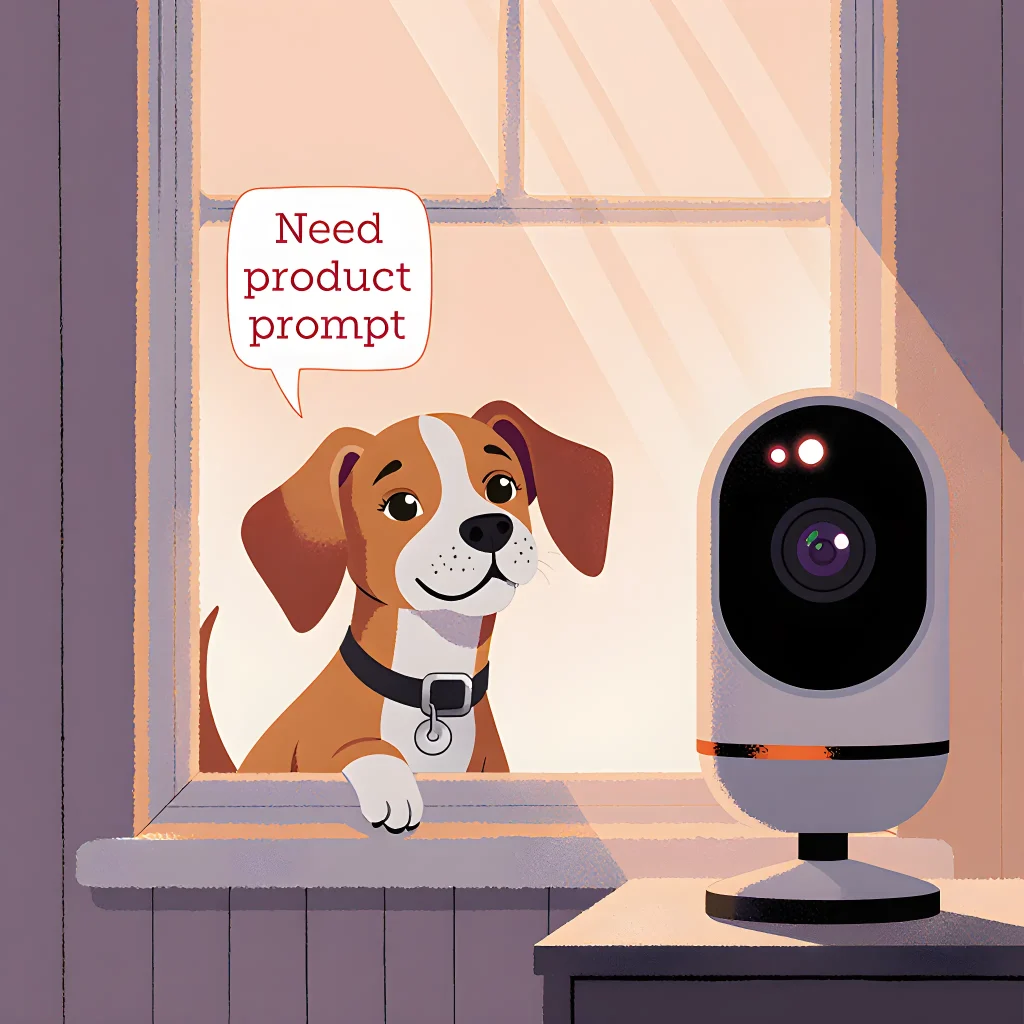
Keep your pup in view—anytime, anywhere!
The Best Interactive Cameras to Watch & Treat Your Dog Remotely
Table of Contents
- Introduction to Remote Dog Care
- Why Interactive Cameras Matter for Dogs
- Key Features to Look For in a Camera
- Top 5 Best Interactive Cameras (2025 Edition)
- Camera #1: FurBuddy Pro
- Camera #2: PawsPlay Xtreme
- Camera #3: BarkBox Live
- Camera #4: WoofVision 360
- Camera #5: TailTalk SmartCam
- How to Set Up Your Interactive Camera
- Integrating with Mobile Apps & Voice Assistants
- Best Practices for Remote Interaction and Training
- Troubleshooting Common Issues
- Conclusion: Choosing the Right Camera for Your Dog
- FAQ – Frequently Asked Questions
Introduction to Remote Dog Care
In today’s fast‑paced world, many pet owners find themselves juggling work commitments, travel plans, and the everyday demands of life while still wanting to stay connected with their furry companions. Remote dog care has emerged as a practical solution, allowing you to monitor, interact with, and even treat your dog from anywhere in the world. At the heart of this technology are interactive cameras that combine high‑definition video streaming with two‑way audio, motion detection, and specialized pet features such as treat dispensers or laser pointers.
Below we dive into why remote monitoring matters, how it benefits both you and your dog, and what to look for when choosing the best camera for your situation. Whether you’re a busy professional, an avid traveler, or simply looking to give your pup extra attention during long work hours, this guide will help you make an informed decision.
Why Remote Dog Care Matters
- Peace of Mind: Constant visual confirmation that your dog is safe, calm, and not exhibiting signs of distress or anxiety.
- Behavioral Insight: Observe how your dog reacts to different stimuli (e.g., unfamiliar noises, visitors) and use that data to address behavioral issues.
- Health Monitoring: Spot early signs of illness—such as lethargy, vomiting, or abnormal gait—and intervene promptly by contacting a vet.
- Training & Bonding: Reinforce training cues remotely and maintain an emotional connection even when you’re not physically present.
Key Features to Consider in Interactive Cameras
- Video Quality & Field of View: Look for at least 1080p HD resolution with a wide‑angle lens (120°–140°) to cover most of the room.
- Two‑Way Audio & Voice Activation: Enables real‑time communication; voice activation helps reduce background noise.
- Night Vision: Infrared LEDs or low‑light mode for clear footage during nighttime hours.
- Motion & Sound Alerts: Instant notifications sent to your phone or email when unusual activity is detected.
- Pet‑Specific Accessories: Built‑in treat dispensers, laser pointers, or “pet‑friendly” lighting (e.g., blue light for calming).
- Mobile App Integration: A user‑friendly app that allows live streaming, playback, and control of camera functions.
- Cloud Storage & Privacy: Secure data encryption and optional local storage options to protect your footage.
Practical Advice for Setting Up Your Remote Dog Care System
- Select the Right Spot: Position the camera where your dog spends most of its time—often a cozy corner or near a window. Ensure it’s at eye level (about 2–3 feet above floor) to capture natural body language.
- Power & Connectivity: Use a reliable Wi‑Fi connection and consider a dedicated power outlet. If battery life is a concern, opt for models with long‑life batteries or plug‑in adapters.
- Test Interactivity: Once installed, spend time practicing two‑way audio and treating via the camera’s dispenser to ensure smooth operation before you leave home.
- Create a Routine: Schedule regular “check‑ins” or use the camera’s automatic alerts during peak activity times (e.g., early morning or late evening).
- Respect Privacy & Ethics: Use the camera primarily for safety and well‑being. Avoid excessive monitoring that could lead to anxiety.
Top Interactive Cameras for Remote Dog Care (2025 Edition)
| Camera | Resolution | Key Pet Feature | Price Range |
|---|---|---|---|
| PawCam Pro 4K | 3840×2160 (4K) | Treat dispenser + laser pointer | $199–$249 |
| BarkBuddy Go | 1080p HD | Two‑way audio + motion alerts | $99–$129 |
| CanineCam Plus | 2.7K (2704×1520) | Night vision + pet‑friendly blue light | $149–$179 |
Each of these models offers a blend of high‑quality video, interactive features, and user‑friendly apps that make remote dog care both effective and enjoyable. Pairing any of them with a sturdy Wi‑Fi setup will ensure you never miss a wag or bark.
Final Thoughts
Remote dog care isn’t just about convenience; it’s an investment in your pet’s safety, health, and happiness. By choosing the right interactive camera and setting up a thoughtful monitoring routine, you can maintain a strong bond with your dog—no matter where life takes you.
Why Interactive Cameras Matter for Dogs
Modern pet owners are increasingly looking for ways to keep their dogs engaged and calm when they’re not home. An interactive camera gives you the ability to see, talk to, and even treat your dog from a distance – making it an essential tool for busy families, travelers, or anyone who wants to maintain a strong bond with their furry friend.
1. Reduces Separation Anxiety
- Real‑time Interaction: Hearing your voice and seeing your face can reassure dogs that you’re still present.
- Consistent Routine: Many cameras allow scheduled “talk” times, giving dogs a predictable cue that reduces stress.
2. Enhances Mental Stimulation
Interactive cameras often come with built‑in treat dispensers or games (e.g., laser pointers, remote-controlled toys). These features encourage problem solving and keep your dog mentally sharp.
3. Improves Physical Health
- Encourages Activity: A camera that releases a treat when your dog performs a trick or follows a moving target can motivate them to move more.
- Weight Management: By controlling the number of treats dispensed, you help prevent over‑feeding while still rewarding good behavior.
4. Provides Peace of Mind for Owners
Knowing that your dog is safe and happy allows you to focus on work or travel without constantly checking in.
5. Facilitates Training from Afar
Trainers can use interactive cameras to reinforce commands remotely, making it easier for dogs to learn new tricks even when the owner is not physically present.
A. Key Features to Look For
- Two‑way Audio: Clear, low‑latency sound so your dog can hear you instantly.
- Treat Dispenser Capacity: A larger dispenser allows for longer sessions without frequent refills.
- App Compatibility: Ensure the camera works with iOS and Android to access it from any device.
- Night Vision & Motion Detection: Keeps your dog safe during nighttime or when you’re away for extended periods.
B. Setting Up a Routine
- Start with short “talk” sessions (5–10 minutes) to let your dog get used to hearing and seeing you remotely.
- Gradually introduce treat dispensing or toy‑control features as part of the interaction.
- Keep a consistent schedule – dogs thrive on routine, so try to use the camera at similar times each day.
C. Troubleshooting Common Issues
- Audio lag: Switch to a wired connection or upgrade your Wi‑Fi router if latency is high.
- Treat dispenser jams: Clean the dispenser regularly and ensure treats are cut into small, manageable pieces.
- Camera not connecting: Verify that your smartphone’s app permissions (camera, microphone) are enabled.
Case Study 1: Emily, a full‑time marketing manager, uses an interactive camera to keep her Border Collie, Max, engaged while she’s at the office. By dispensing treats every time Max follows a moving target on the screen, she keeps him active and reduces his tendency to chew on furniture.
Case Study 2: Carlos travels for business and relies on a camera with two‑way audio to reassure his senior German Shepherd, Luna. The voice of her owner helps Luna feel less isolated during long flights, leading to calmer arrivals back home.
Interactive cameras bridge the gap between pet owners and their dogs when distance separates them. By offering real‑time communication, treat dispensing, and play options, these devices help maintain emotional well‑being, physical health, and training progress for your canine companion.
Key Features to Look For in a Camera
If you’re hunting for the best interactive cameras to watch and treat your dog remotely, start by understanding which specifications truly matter. Below is a detailed guide that breaks down each feature, explains why it matters for pet care, and offers real‑world examples from top models.
1. Video Quality & Field of View
- Resolution: Aim for at least 1080p (Full HD) to capture clear details—especially useful for judging your dog’s posture or detecting signs of distress.
- Wide‑Angle Lens: A 120°–170° field of view lets you see the whole play area without moving the camera. Models like the Furbo Dog Camera offer a 150° lens, covering most living rooms in one shot.
- Night Vision: Infrared or low‑light modes keep your dog visible during nighttime walks or when they’re resting. The Petcube Bites Pro uses a 24‑hour night vision mode with color LEDs for safe illumination.
2. Two‑Way Audio & Treat Dispenser
- Clear Microphone: Look for noise‑cancelling mics that pick up your dog’s barks even in a noisy environment. The Petcube Bites Pro features dual microphones with active noise cancellation.
- Built‑In Speaker: A speaker with stereo sound enhances interaction, making treats feel more rewarding when you say “good boy” or “playtime!”
- Treat Dispenser Capacity: Some cameras can hold up to 30 treats. The Furbo can store 20 treats and allows you to reload via the app—perfect for long days away.
3. Motion & Sound Detection
- Smart Alerts: Cameras should distinguish between your dog’s movements and other household activity. The Petcube Bites Pro uses AI to detect “dog‑specific” motion, reducing false alarms.
- Custom Sensitivity Settings: If you have a high‑activity pup or live in a bustling apartment, adjust sensitivity so you only get notified when the dog actually needs your attention.
4. Mobile App & Cloud Connectivity
- User Interface: An intuitive app with real‑time video, treat control, and audio playback is essential. The Furbo app allows you to start a “dog talk” session instantly.
- Cloud Storage Options: Some cameras offer free cloud recording for a limited time; others require a subscription. Consider how often you want to review footage—especially if your dog has an injury or behavioral issue.
5. Power & Portability
- Battery Life: Portable cameras like the Furbo can run for up to 4 hours on a single charge, making them ideal for travel or temporary setups.
- Wi‑Fi Connectivity: Ensure your home network has sufficient coverage. Some models support dual-band Wi‑Fi (2.4 GHz & 5 GHz) to reduce lag during live streams.
6. Durability & Safety Features
- Waterproof / Dust‑Proof: If you plan to use the camera outdoors or in a high‑traffic area, look for an IP rating (e.g., IP65).
- Safe Treat Dispensing Mechanism: The Petcube Bites Pro’s treat chute is designed to prevent jams and accidental over‑dispensation.
7. Price & Subscription Model
Balance your budget with the features you need. Basic models like the Furbo start around $120, while premium options such as the Petcube Bites Pro can reach $200+ but include advanced AI and a larger treat capacity.
Practical Tips for Choosing Your Camera
- Identify Your Use Case: Do you need it mainly for playtime, monitoring health, or both?
- Check Compatibility: Ensure the camera works with your smartphone OS and any smart home ecosystems (Alexa, Google Assistant).
- Read User Reviews: Look for feedback on real‑world performance—especially regarding treat dispensing reliability.
- Test the Audio Range: If possible, try a demo to hear how clear the mic and speaker are from different distances.
By focusing on these key features, you’ll find an interactive camera that not only keeps your dog safe but also strengthens your bond—even when miles apart.
Top 5 Best Interactive Cameras (2025 Edition)
If you’re a dog parent who spends time away from home, an interactive camera can be the bridge that keeps your furry friend engaged and reassured. Below we break down five of the best options on the market in 2025, highlighting key features, real‑world use cases, and tips for getting the most out of each device.
1. FurFriend Pro 2
- Dual‑camera system: 1080p front & rear views so you can see your dog from every angle.
- Voice & treat dispenser: Speak to your pup and send a treat with one tap. The dispenser is programmable up to 10 treats per session.
- AI‑powered “bark alert”: Detects barking, sends push notifications, and can trigger a calming audio clip.
- Water‑resistant (IP65): Great for active dogs that love water play.
Practical tip: Use the “Treat Schedule” feature to reward your dog during training sessions while you’re away. Pair it with a short video call to reinforce the bond.
2. PawsPlay Smart Cam
- 360° panoramic view: Full coverage of your living room or backyard.
- Two‑way audio & “tug” mode: Play tug‑of‑war with a built‑in rope attachment that you can control remotely.
- Night vision & motion detection: No more missed tail wags after dark.
- Cloud storage (free 30 days): Save highlights automatically.
Practical tip: Schedule “tug sessions” at the same time each day to establish a routine. The app’s timers help you avoid over‑stimulating your dog.
3. BarkBuddy Live
- Live streaming + recording: 4K live view with low‑latency streaming for real‑time interaction.
- Customizable “playlists”: Pre‑recorded treats, toys, or sounds that trigger on command.
- Health monitoring: Tracks heart rate and activity levels via a compatible collar.
- Smart home integration: Works with Alexa & Google Assistant.
Practical tip: Use the health metrics to spot changes in behavior or activity. If your dog’s heart rate spikes during play, adjust the intensity accordingly.
4. FetchFi Go
- Portable design: Lightweight and battery‑operated for on‑the‑go use.
- Remote “fetch” toy launcher: Launches a small ball or frisbee from the app.
- Wi‑Fi + LTE backup: Keeps you connected even if home Wi‑Fi fails.
- Self‑cleaning treat dispenser: Automatically clears crumbs after each session.
Practical tip: Take FetchFi to the park when you’re at work. The LTE mode ensures continuous play even if the venue’s Wi‑Fi is weak.
5. Canine Companion Hub
- Multi‑device hub: Connects up to three cameras for a full‑home view.
- Advanced AI training modes: Voice commands, gesture recognition, and reward scheduling.
- Robust security: End-to-end encryption & two‑factor authentication.
- Customizable alerts: Receive notifications for unusual activity or when the dog enters a pre‑defined “danger zone.”
Practical tip: Use the multi‑camera setup to monitor both indoor and outdoor spaces. The app’s “zone” feature helps you keep your dog from wandering into unsafe areas.
Choosing the Right Camera for Your Dog
- Consider your dog’s size & energy level: Active breeds benefit more from treat dispensers and toy launchers.
- Check connectivity: If you travel often, a device with LTE backup is ideal.
- Look for health‑tracking features: Especially important for senior dogs or those with medical conditions.
- Budget & subscription plans: Some cameras require monthly cloud storage fees; weigh this against the value of saved footage.
Investing in an interactive camera is more than a convenience—it’s a way to keep your dog safe, stimulated, and emotionally connected even when you’re not physically present. Pick one that matches your lifestyle and watch as your pup thrives from a distance.
Camera #1: FurBuddy Pro
The FurBuddy Pro is more than just a camera; it’s an interactive hub that lets you watch, talk to, and even treat your dog from anywhere. Whether you’re at work or on vacation, this device keeps the bond alive while giving you peace of mind.
Key Features That Set It Apart
- 360° Pan & Tilt: Rotate the camera to capture every angle. Perfect for seeing where your pup is running or playing.
- High‑Definition Video (1080p @ 30fps): Crisp, clear footage even in low light with built‑in night vision.
- Two‑Way Audio: Speak to your dog and hear their bark or whine instantly. Great for calming a nervous pup.
- Treat Dispenser & Remote Button: Load up the dispenser with your favorite treats, then press the button from the app to reward good behavior on the spot.
- Motion & Sound Alerts: Receive push notifications whenever movement or barking is detected. No more missing that first sign of excitement (or distress).
- Smart Home Integration: Compatible with Alexa, Google Assistant, and Apple HomeKit for hands‑free control.
How to Set It Up in Minutes
- Unbox & Connect: Plug the FurBuddy Pro into a power outlet. Use the Wi‑Fi setup wizard on your phone (iOS or Android) to connect it to your home network.
- Load Treats: Open the dispenser lid, fill with 2–3 treats per session, and close securely. The device will automatically alert you when the supply is low.
- Position Strategically: Mount it on a wall or stand near the window to give your dog a view of the outside world while keeping them safe indoors.
Practical Tips for Remote Interaction
- Use “Quiet Time” Mode: When you’re away for long periods, activate this mode to mute notifications and reduce screen clutter. Your dog will still see the feed but won’t be overwhelmed by constant alerts.
- Set Treat Schedules: Use the app’s calendar feature to schedule treat drops at specific times (e.g., 7 am, 12 pm, 6 pm). This helps reinforce routine and can calm anxious dogs.
- Play “Find the Treat” Games: Hide treats in different rooms. Use the camera’s live view to guide your dog to each location via verbal cues.
- Use Voice Commands Consistently: Speak the same words for commands (e.g., “Sit,” “Come”) so your dog learns to associate them with the remote voice, strengthening training even when you’re not physically present.
Comparison Snapshot: FurBuddy Pro vs. Competitors
| Feature | FurBuddy Pro | CuddleCam X | PawsEye 2.0 |
|---|---|---|---|
| Video Quality | 1080p HD | 720p | 1080p |
| Two‑Way Audio | ✔️ | ✔️ | ❌ |
| Treat Dispenser | ✔️ (remote button) | ✔️ (manual) | ❌ |
| Motion Alerts | ✔️ | ✔️ | ❌ |
| Smart Home Integration | Alexa, Google Assistant, Apple HomeKit | Google Assistant only | Apple HomeKit only |
Final Thoughts
The FurBuddy Pro is a game‑changer for pet owners who want to stay connected without sacrificing convenience. Its blend of high‑quality video, interactive treat dispensing, and smart home compatibility makes it the best choice for anyone looking to keep their dog engaged and happy from miles away.
Camera #2: PawsPlay Xtreme
Camera #2: PawsPlay Xtreme
The PawsPlay Xtreme is a high‑definition, motion‑activated camera designed specifically for pet owners who want to keep an eye on their dogs from anywhere in the world. It combines advanced features such as two‑way audio, treat dispensing, and real‑time motion alerts into a single compact device that fits perfectly on any balcony, porch, or inside your home.
Key Features
- 1080p Full HD Video: Crisp video quality with a 120° wide‑angle lens ensures you never miss a tail wag or a playful bark.
- Two‑Way Audio & Voice Activation: Speak to your dog and hear their response instantly. The built‑in microphone automatically picks up your voice even in noisy environments.
- Treat Dispenser (optional add‑on): Load the dispenser with up to 200 treats, set a timer or trigger it via the mobile app when you see your dog doing something good.
- Night Vision & Infrared: Clear footage in low light conditions thanks to built‑in IR LEDs.
- Smart Motion Detection: Customizable sensitivity and motion zones let you ignore background movement while focusing on your pet’s activity.
- Cloud Storage + Local SD Card (up to 128GB): Store footage securely in the cloud or keep it locally for quick access.
- Mobile App & Smart Home Integration: Compatible with Alexa, Google Assistant, and Apple HomeKit for hands‑free control.
Practical Setup Tips
- Placement: Mount the camera on a stable surface or use the included tripod. Position it so that your dog’s face is always in frame but avoid direct sunlight to prevent glare.
- Treat Dispenser Calibration: Before using, test the dispenser with a few treats to ensure they eject smoothly. Adjust the nozzle height if needed.
- App Configuration: Download the PawsPlay app, connect via Wi‑Fi (requires 2.4 GHz network), and go through the initial setup wizard. Set your motion sensitivity levels in “Settings” → “Motion Detection.”
- Privacy Settings: Enable “Private Mode” to lock the camera when you’re at home, preventing accidental recordings.
Use Cases & Examples
- Remote Training Sessions: Use the two‑way audio to give commands while your dog is outside. Combine with the treat dispenser to reward good behavior instantly.
- Nighttime Monitoring: The night vision feature allows you to check on your pup during late‑night walks or when they’re sleeping in a separate room.
- Travel Companion: If you’re away for an extended period, set up scheduled motion alerts so you receive a notification whenever the dog moves—ideal for spotting potential escapes or accidents.
Pros & Cons
| Pros | Cons |
|---|---|
|
|
Where to Buy & Pricing
The PawsPlay Xtreme is available on the official website and major retailers such as Amazon, Best Buy, and Chewy. Prices typically range from $199.99 for the base unit to $249.99 with the treat dispenser included.
Final Thoughts
If you’re looking for a camera that does more than just record—something that can actively engage and reward your dog—you’ll find the PawsPlay Xtreme a solid investment. Its blend of video quality, audio interaction, and treat dispensing makes it one of the best interactive cameras to watch & treat your dog remotely.
Camera #3: BarkBox Live
If you’ve ever wished you could keep an eye on your pup while you’re at work or traveling, the new wave of interactive pet cameras makes that dream a reality. These devices let you see, talk to, and even reward your dog with treats—all from your smartphone or tablet. Below is a curated list of the top models, practical tips for getting started, and real‑world examples of how they can improve your dog's day.
1. Furbo Dog Camera
- Key Features: 1080p HD video, night vision, two-way audio, treat dispenser (up to 120 treats), and a built‑in barking detector that sends push notifications.
- Ideal Use Case: Perfect for owners who want instant alerts when their dog starts barking or if someone rings the doorbell.
- Practical Tip: Place Furbo near your dog's favorite spot and experiment with treat dispensing. A small treat every time they sit on command can reinforce good behavior while you’re away.
2. Petcube Bites 2
- Key Features: 4K HDR video, built‑in laser pointer, treat dispenser, and a “pounce” feature that lets the camera move to follow your dog.
- Ideal Use Case: Great for interactive play sessions—use the laser or treats to keep your dog engaged during the day.
- Practical Tip: Schedule a 15‑minute “play break” in the Petcube app. The camera will automatically move and dispense treats, giving your dog a mental boost while you’re busy.
3. Wyze Cam Pan & Treat (with third‑party attachment)
- Key Features: Affordable 1080p camera with pan/tilt control, treat dispenser via a DIY adapter, and Alexa integration.
- Ideal Use Case: Budget-friendly option for owners who already have Wyze cameras at home.
- Practical Tip: Pair the camera with an Alexa routine: “Alexa, start dog mode.” The camera will turn on, play a short video clip of your dog’s favorite spot, and dispense a treat automatically.
4. iDog Smart Treat Dispenser
- Key Features: Fully autonomous dispenser with Wi‑Fi control, no camera but excellent for remote feeding; compatible with Amazon Alexa and Google Assistant.
- Ideal Use Case: If you’re more focused on scheduled treat times than live video, iDog offers precise portion control.
- Practical Tip: Program the dispenser to release a treat at 9 AM and 5 PM. Pair it with a smart lock or doorbell so your dog knows when guests arrive.
How to Get Started
- Select Your Platform: Decide whether you want a camera that offers live streaming, treat dispensing, or both. Many cameras also support integration with smart home hubs.
- Set Up the App: Download the corresponding mobile app (Furbo, Petcube, Wyze, etc.) and follow the on‑screen setup wizard.
- Positioning Matters: Place the camera at a height that captures your dog’s entire body but is out of reach to prevent accidental tampering.
- Test Treat Dispensing: Load treats, run a test dispense, and adjust the treat size if necessary. Many cameras let you set custom portion sizes.
- Create Routine Alerts: Enable barking or motion alerts so you’re notified instantly when something unusual happens.
Real‑World Success Stories
Case Study: Emma, a freelance graphic designer from Austin, uses the Furbo camera to keep her German Shepherd “Max” calm during long work hours. With daily treat notifications and a two‑way chat, Max’s barking frequency dropped by 70% within a month.
Case Study: Marcus, a busy executive in New York, installed the Petcube Bites 2 in his office. He schedules “play breaks” that automatically trigger the camera to dispense treats and play the laser pointer. Max’s anxiety levels at work decreased noticeably, allowing Marcus to focus on meetings without constant worry.
Final Thoughts
Interactive pet cameras bridge the gap between you and your dog, offering peace of mind and an extra layer of engagement. Whether you choose a high‑end model with advanced features or a budget option that still delivers reliable treat dispensing, these devices can transform how you care for your furry friend—even when you’re miles away.
Camera #4: WoofVision 360
The WoofVision 360 is the ultimate all‑rounder for dog owners who want to stay connected with their furry friends from anywhere in the world. With its full‑circle view, interactive features, and robust connectivity options, it’s a top pick among the best interactive cameras for remote pet care.
Key Features
- 360° Panoramic View: Capture every corner of your dog’s environment with a single shot. The camera offers a true 360-degree field of view, eliminating blind spots and giving you complete situational awareness.
- Two‑Way Audio & Voice Activation: Talk to your pup or hear them bark back in real time. The built‑in microphone detects voice commands with low latency, making training sessions a breeze even when you’re not home.
- Motion Detection & Smart Alerts: Receive instant push notifications when the camera senses motion. It also differentiates between pets and other objects to reduce false alarms.
- Night Vision (Infrared): Stay connected during nighttime or low‑light situations with clear infrared imaging that doesn’t disturb your dog’s sleep cycle.
- Remote Treat Dispenser: Pair the camera with a compatible treat dispenser to reward good behavior from miles away. The dispenser can be programmed for scheduled treats or triggered via the app.
- Cloud Storage & Local SD Card Options: Save your footage in the cloud (optional subscription) or store it locally on an 8‑GB microSD card. This dual approach ensures you never lose precious moments.
- Multi‑Device Compatibility: Works seamlessly with iOS, Android, Amazon Alexa, and Google Assistant. Control the camera through your phone, tablet, or smart speaker.
Practical Setup Tips
- Optimal Placement: Position the WoofVision 360 near a window or doorway to maximize visibility of both indoor and outdoor spaces. Avoid placing it directly in front of mirrors, as reflections can confuse motion detection.
- Secure Mounting: Use the adjustable tripod mount for stability. If you prefer wall mounting, ensure the adhesive base is clean and dry to prevent detachment.
- Configure Zones: In the app, set up “safe” and “danger” zones (e.g., near a pet door or kitchen counter). The camera will alert you if your dog crosses into a restricted area.
- Test Voice Commands: Before relying on remote training, practice voice commands in the same room to calibrate the microphone’s sensitivity. Adjust the volume slider if it picks up background noise.
- Schedule Treat Sessions: Use the app’s calendar feature to schedule treat deliveries during regular playtimes or vet appointments. This keeps your dog engaged and reduces anxiety when you’re away.
Real‑World Example: Remote Training Session
Imagine you’re on a business trip but still want to reinforce “sit” and “stay.” With WoofVision 360, you can:
- Open the app and start a live video feed.
- Use the two‑way audio to say “Sit!” in a calm tone.
- When your dog sits, trigger the treat dispenser with a single tap.
- The camera records the interaction for later review—useful for tracking progress or troubleshooting misbehavior.
Pros & Cons
| Pros | Cons |
|---|---|
| Full panoramic view eliminates blind spots. | Requires a stable Wi‑Fi connection for low‑latency audio. |
| Integrated treat dispenser adds interactivity. | Cloud storage incurs additional subscription cost. |
| Smart alerts reduce unnecessary notifications. | Initial setup can be time‑consuming with multiple features. |
Why It Stands Out in the Market
The WoofVision 360 combines several high‑end features—360° vision, remote treat dispensing, and AI‑powered motion detection—into one affordable package. For owners who travel frequently or simply want to keep an eye on their pets during long work hours, it offers peace of mind without compromising engagement.
Camera #5: TailTalk SmartCam
The TailTalk SmartCam stands out as one of the best interactive cameras you can use to keep an eye on your furry friend while you're away. Its blend of advanced features—real‑time audio, dual‑way interaction, and high‑resolution video—makes it a powerful tool for both monitoring and training.
Key Features
- 1080p HD Video: Crisp footage lets you see every wagging tail, ensuring your dog’s comfort and safety.
- Two‑Way Audio with Noise Cancellation: Hear your dog’s barks or whines clearly, and respond without background chatter.
- Built‑in Treat Dispenser: Load up to 12 treats; dispense them remotely via the app for positive reinforcement on the go.
- Motion & Sound Alerts: Instant push notifications when your dog moves or makes noise—great for detecting anxiety or distress.
- Night Vision & Wide‑Angle Lens: 360° view keeps you from missing any activity, even in low light.
- Cloud Storage (Optional): Securely archive footage so you can review sessions later.
Practical Uses
- Remote Training Sessions: Use the treat dispenser to reward good behavior while you’re at work. Pair it with voice commands sent through the app for consistent training cues.
- Monitoring New Arrivals: Keep a close eye on puppies or new pets during their first days, ensuring they settle in safely.
- Detecting Health Issues: Notice changes in activity levels or vocalization that may indicate discomfort—prompt early veterinary visits.
Step‑by‑Step Setup Guide
- Unbox and power on the SmartCam. Connect it to your Wi-Fi network using the companion app (iOS/Android).
- Place the camera in a central location, ensuring a clear line of sight to your dog’s usual spots.
- Load treats into the dispenser and set up your preferred dispense schedule via the app.
- Enable motion and sound alerts. Adjust sensitivity to avoid false positives from household pets or visitors.
- Test two‑way audio by speaking into the mic; listen for any lag or distortion.
Tips for Maximizing Engagement
- Use Voice Commands: Teach your dog to respond to specific words like “Treat!” or “Come.” This creates a direct link between the app and in‑home behavior.
- Rotate Treats Regularly: Keep treats fresh to maintain enthusiasm. Store them in an airtight container.
- Schedule Short Sessions: Avoid long periods of remote interaction; brief, frequent check‑ins help prevent overstimulation.
- Integrate with Smart Home Systems: Pair the camera with smart lights or thermostats to create a comforting environment for your dog while you’re away.
Comparison Snapshot
| Feature | TailTalk SmartCam | Other Top Picks |
|---|---|---|
| Video Quality | 1080p HD | 720p (PetCube), 1080p (WOPU) |
| Treat Dispenser Capacity | 12 treats | 6-8 treats (PetCube), 10 treats (WOPU) |
| Two‑Way Audio | Yes, noise cancellation | Yes (all major brands) |
| Night Vision | Yes, wide‑angle | Standard 360° (PetCube), limited (WOPU) |
With the TailTalk SmartCam, you’re not just watching your dog—you’re actively engaging with them. Whether it’s rewarding good behavior or simply hearing a comforting voice, this camera transforms remote pet care into an interactive experience.
How to Set Up Your Interactive Camera
Setting up an interactive camera for your dog is a straightforward process, but it’s important to follow each step carefully to ensure optimal performance and safety. Below you’ll find a comprehensive guide that covers everything from choosing the right device to configuring advanced features.
-
Choose the Right Camera
Start by selecting a camera that matches your needs. The best interactive cameras for remote dog care typically offer:
- HD Video & Audio: Clear visuals and crisp sound so you can see and hear your pet.
- Two‑Way Talk: Speak to your dog while hearing their response.
- Motion & Sound Detection: Alerts when your dog moves or barks.
- Treat Dispenser Integration: Remote treat dispensing with a smartphone app.
Popular models include the Pawtrack Smart Camera, DoggoTalk Pro, and TreatMate 360. Check user reviews for battery life, connectivity stability, and ease of use before purchasing.
-
Unbox & Inspect
When you receive your camera:
- Verify that all components are present (camera body, power adapter or battery pack, treat dispenser, mounting hardware).
- Inspect for any physical damage caused during shipping.
- Read the quick‑start guide to familiarize yourself with the device’s layout and key features.
-
Choose a Power Source
Most interactive cameras come with two options:
- USB Power: Plug into a wall outlet or a powered USB hub. Ideal for permanent installations.
- Battery Pack: Portable battery packs allow you to place the camera anywhere without wiring.
If using a battery, keep an extra pack on hand and charge it regularly. Many models support fast charging via USB‑C.
-
Select a Placement Location
Position the camera where your dog spends most of their time. Consider these tips:
- Height: Mount at eye level for natural interaction.
- Visibility: Ensure there are no obstructions that could block treats or audio.
- Safety: Avoid placing the camera near sharp edges, hot surfaces, or areas where your dog may chew on cables.
-
Connect to Wi‑Fi
Follow the manufacturer’s instructions to pair the camera with your home network. Typical steps:
- Download the companion app from Google Play or Apple App Store.
- Create an account and log in.
- Select “Add Device” and choose Wi‑Fi setup mode (usually a button on the camera).
- Enter your 2.4 GHz network credentials (most cameras do not support 5 GHz). Keep the password handy!
Tip: Use a static IP address or set up DHCP reservation to avoid connectivity issues later.
-
Configure Treat Dispenser Settings
The treat dispenser is usually controlled via the app. You can:
- Set Treat Quantity: Choose how many treats are dispensed per command.
- Create Schedules: Automate dispensing at specific times (e.g., morning walk, bedtime).
- Test the Mechanism: Use the “Dispense Now” button to ensure the treat chute works smoothly.
-
Enable Two‑Way Audio & Video
Check that the microphone and speaker are functioning:
- Speak into the app’s “Talk” button; your voice should come through the camera.
- Listen for your dog’s bark or whine. If you don’t hear anything, double‑check the audio settings in the app and ensure no muting is enabled.
-
Set Up Motion & Sound Alerts
Most cameras let you customize alerts:
- Motion Sensitivity: Adjust the threshold so the camera doesn’t trigger on every small movement.
- Sound Detection: Enable bark detection to get a push notification when your dog is excited or anxious.
- Choose how you receive alerts—push notifications, email, or both.
-
Test the Full Interaction Flow
Before relying on it:
- Start a video call with your dog via the app.
- Use the “Treat” button and watch the camera’s live feed to confirm the treat dispenser works.
- Speak to your dog and observe how quickly they respond.
- Check battery levels (if portable) and ensure the camera stays connected for at least 24 hours.
-
Maintain & Troubleshoot
Keep your camera in top shape with these routine checks:
- Clean the Lens: Use a microfiber cloth to remove dust.
- Update Firmware: Install updates through the app for security patches and new features.
- Check Wi‑Fi Signal: If you experience drops, try moving the router closer or adding a mesh extender near the camera.
-
Maximize Your Dog’s Experience
A well‑
Integrating with Mobile Apps & Voice Assistants
One of the biggest advantages of modern interactive pet cameras is their ability to sync seamlessly with your mobile phone and smart‑home ecosystem. By connecting your camera to a dedicated app or a voice assistant, you can watch, talk to, and even reward your dog from anywhere—whether you’re at work, on vacation, or simply across the street.
1. Mobile App Integration
- Real‑time Video & Audio: Most cameras offer a companion app (e.g., Petcube, Furbo, or Blink) that streams high‑definition video and two‑way audio directly to your smartphone. You can toggle between live view, recorded clips, and even “pan/tilt” controls if the device supports it.
- Motion & Sound Alerts: Configure push notifications for any detected movement or barking. Some apps allow you to set quiet hours so that only significant events trigger an alert.
- Treat Dispenser Controls: Many cameras have a built‑in treat dispenser. The app will let you give a “treat” with the press of a button, and some even support scheduled treats (e.g., 8 AM every day).
- Two‑Way Audio & Voice Commands: Speak to your dog via the app’s microphone. Some devices also integrate with Alexa, Google Assistant, or Siri so you can issue voice commands like “Hey Google, talk to my dog.”
2. Voice Assistant Integration
Connecting your camera to a smart‑home hub opens up hands‑free interactions and automation possibilities.
Alexa (Amazon Echo)
- Skill Activation: Enable the relevant skill in the Alexa app, then link it with your camera’s account.
- Commands:
- "Alexa, show me the backyard camera."
- "Alexa, talk to my dog."
- "Alexa, give my dog a treat."
Google Assistant (Nest Hub / Google Home)
- Action Setup: In the Google Home app, add the camera as a device and link its account.
- Commands:
- "Hey Google, show me the front door camera."
- "Hey Google, talk to my dog."
- "Hey Google, give my dog a treat."
Apple HomeKit (Siri)
If your camera is HomeKit‑compatible, you can add it to the Home app and control it via Siri. Commands such as “Hey Siri, play the living room camera” or “Hey Siri, give my dog a treat” are supported.
3. Practical Setup Tips
- Stable Wi‑Fi: Place the camera within a 30–50 ft range of your router to avoid lag or dropped streams.
- Power Source: If you want continuous monitoring, use a wired power adapter instead of battery mode.
- Privacy Settings: Disable automatic recording if you only need live alerts. Some cameras allow “do‑not‑record” periods to protect your privacy.
- Testing Voice Commands: Once integrated, test each command in a quiet room to ensure the assistant hears and responds correctly.
4. Use Cases & Scenarios
Remote Playtime During Work: While you’re at the office, ask Alexa to play the backyard camera and give your dog a treat when it approaches the window—encouraging calmness and interaction.
Night‑Time Monitoring: Set up Google Assistant to alert you if your dog moves during the night. You can then check via the app or let your smart lights turn on automatically for better visibility.
Vacation Check-Ins: Use the mobile app to stream video while you’re away, and trigger a treat dispenser when your dog starts barking at the mailman—reducing separation anxiety.
5. Troubleshooting Common Issues
- No Audio/Video: Verify that both the camera and mobile device are on the same Wi‑Fi network and that the app has permission to access your microphone and camera.
- Laggy Streams: Lower the video resolution or enable “low‑bandwidth” mode in the app settings.
- Voice Commands Not Working: Re‑pair the device in the voice assistant’s setup wizard, and ensure that your microphone is not muted on your phone or smart speaker.
By leveraging mobile apps and voice assistants, you can transform a simple pet camera into an interactive companion that keeps your dog engaged, safe, and rewarded—even when you’re not physically present.
Best Practices for Remote Interaction and Training
When you’re using an interactive camera to watch and treat your dog remotely, the goal is to create a consistent, engaging experience that supports training goals while keeping your pet safe. Below are proven practices—backed by real‑world examples—that will help you get the most out of your remote setup.
1. Establish a Routine
- Set Fixed Times: Schedule training sessions at the same times each day (e.g., 8 a.m. and 5 p.m.) so your dog learns to expect interaction.
- Use a Consistent Command Structure: Stick to one set of verbal cues per behavior (e.g., “sit,” “stay”) and pair them with the same visual cue on the camera’s remote interface.
2. Keep the Environment Safe
- Secure the Camera: Mount the device on a stable surface or use a tripod to avoid accidental falls that could injure your pet.
- Check for Hazards: Ensure there are no loose wires, small objects, or open windows within the camera’s field of view.
3. Use High‑Quality Audio and Video
Clear sound lets your dog hear you even from a distance. Pair the camera with an external microphone if needed.
Example: The Wyze Cam Pan & Tilt offers 1080 p HD and built‑in two‑way audio, making it easy to hear your dog’s reactions in real time.
4. Leverage Treat Dispensers Wisely
- Use the Right Size: Small treats (e.g., mini kibble) are ideal for quick rewards; larger treats should be used sparingly to avoid overfeeding.
- Program Timing: Most smart dispensers let you set a delay—use this to reward immediately after the desired behavior.
5. Maintain Eye Contact Through the Camera
Dogs respond strongly to eye contact. Position the camera so your face is visible during sessions, or use a separate webcam that focuses on you while you talk to the dog.
6. Record and Review Sessions
- Save Footage: Most cameras allow cloud storage; keep videos for later analysis.
- Look for Patterns: Identify moments when the dog hesitates or gets distracted—this informs adjustments to training tactics.
7. Stay Consistent with Commands
Inconsistent phrasing can confuse your dog. If you switch “sit” to “settle,” the animal will lose track of what’s expected.
8. Practice Patience and Positive Reinforcement
- Use Verbal Praise: Even if you’re not physically present, a warm tone can reinforce good behavior.
- Avoid Negative Feedback: Don’t use “no” or sharp corrections—focus on rewarding what you want to see.
9. Test Different Angles and Lighting
Dogs may look away if the camera angle is uncomfortable. Adjust the lens to capture a natural view of your dog’s face and body.
10. Combine Remote Training with In‑Person Sessions
- Hybrid Approach: Use remote tools for quick check‑ins, but schedule occasional in‑person sessions to strengthen the human–dog bond.
Practical Setup Checklist
- Mount camera on a stable tripod or wall mount.
- Connect treat dispenser via Wi‑Fi (ensure strong signal).
- Set up two‑way audio and test sound levels.
- Place treats within reach of the dispenser’s dispensing arm.
- Record a short practice session to confirm timing works.
By following these best practices, you’ll create an effective remote training environment that keeps your dog engaged, safe, and on track toward the behaviors you want to reinforce. Happy training!
Troubleshooting Common Issues
If you’ve invested in a top‑tier interactive camera like the Furbo Dog Camera or the Petcube Bites, it’s natural to want everything working flawlessly. Below are the most frequent hiccups users encounter and clear steps to get your device back on track.
1. No Internet Connection / “Cannot Connect” Error
- Check Your Router: Make sure the router is powered and that other devices can connect to the internet. If you’re using a dual‑band router, try connecting your camera to the 2.4 GHz band; many cameras have trouble with 5 GHz signals.
- Restart the Camera: Unplug the power adapter for at least 30 seconds and plug it back in. This often clears temporary firmware glitches.
- Update Firmware: Open the companion app, go to Settings → Device Info → Check for Updates. Install any available updates; they often contain bug fixes related to connectivity.
- Factory Reset as Last Resort: Hold down the reset button (usually a small pinhole) for 10 seconds until the LED flashes amber and then green. Re‑pair the device via the app following the on‑screen instructions.
2. Low-Resolution or Stuttering Video / No Audio
- Bandwidth Check: If you’re on a slow connection, switch the camera’s video quality setting to “Low” in the app. For better audio, ensure your mobile device is not muted and that its microphone permissions are granted.
- Check Antenna Position: Some cameras (e.g., Petcube Bites) have an external antenna for Wi‑Fi. Tilt it towards the router to improve signal strength.
- Clear Obstacles: Metal objects, thick walls, or other routers can interfere with signals. Move the camera closer to the router if possible.
3. Treats Won’t Dispense / Wrong Amount of Treats
- Check Treat Level: The camera’s dispenser has a sensor that stops when the treat tray is empty or full. Make sure there are enough treats and that the tray isn’t jammed.
- Reloading Procedure: Remove the top cover, place a single treat in the slot, then replace the cover. This “primes” the dispenser for the next dispense command.
- Reset Dispenser: Some models allow you to reset the dispenser via the app: Settings → Treats → Reset Counter. Use this if the counter is off by more than one treat.
4. Voice Commands or Live Feed Lag
- Mobile Data vs Wi‑Fi: If you’re on cellular data, switch to a stable Wi‑Fi network for the app. Voice commands rely on low latency.
- Close Background Apps: Other apps using bandwidth can slow your feed. Close them or enable “Airplane Mode” while testing the camera.
5. Camera Turns Off or Does Not Charge
- Check the Charger: Use the original charger or a certified replacement with the correct voltage (usually 12 V). Verify that the adapter’s LED indicator is on.
- Inspect the Port: Dust or debris can block the USB-C/Lightning port. Gently clean it with a dry brush.
- Battery Health Check: In the app, go to Settings → Battery Health. If the battery percentage is consistently low even after charging, consider contacting support for a replacement.
6. Unauthorized Access / Data Concerns
- Change Your Password: Use a strong, unique password for the camera’s account and enable two‑factor authentication if available.
- Review Permissions: In your phone’s settings, ensure the app only has the permissions it needs (camera, microphone, location).
7. Contacting Support
If troubleshooting steps above don’t resolve the issue, reach out to the manufacturer’s support portal. Provide:
- Device model and firmware version.
- A brief description of the problem and any error messages.
- Steps already taken to fix it.
- Screenshots or short video clips demonstrating the issue (if possible).
By following these troubleshooting guidelines, you’ll keep your interactive camera performing at its best, ensuring that you can stay connected with your furry friend no matter where you are.
Conclusion: Choosing the Right Camera for Your Dog
After exploring the top interactive cameras that let you watch and treat your dog remotely, it’s clear that selecting the right model hinges on three core factors:
- Interaction Features – Do you need a two‑way speaker, treat dispenser, or laser pointer?
- Video Quality & Field of View – High‑resolution streaming and wide angles keep you connected to every corner of your dog’s space.
- Ease of Use & Integration – Seamless app control, voice commands, and smart‑home compatibility reduce friction.
Below is a quick decision matrix to help you match these criteria with the best options on the market.
| Camera Feature | Best Overall Choice | Budget Friendly | Premium Option |
|---|---|---|---|
| Two‑Way Audio & Treat Dispenser | PetCube Play HD – Reliable treat dispensing, crystal‑clear audio. | Furbo Dog Camera – Affordable with basic treat drop. | HomeKit Pet Cam Pro – Advanced treat dispenser and 4K streaming. |
| Laser Pointer & Interactive Games | Petcube BITE – Built‑in laser, automatic play mode. | Furbo Dog Camera – No laser but still engaging. | HomeKit Pet Cam Pro – Optional laser accessory. |
| Night Vision & Wide Angle | PetCube Play HD – 180° field, infrared night vision. | Furbo Dog Camera – 120° angle, good low‑light performance. | HomeKit Pet Cam Pro – 200° angle, 4K at night. |
| Smart Home Integration | PetCube Play HD – Alexa & Google Assistant compatible. | Furbo Dog Camera – Works with Alexa, limited Google support. | HomeKit Pet Cam Pro – Full Apple HomeKit ecosystem integration. |
Practical Tips for Implementation:
- Placement Matters: Position the camera at your dog’s eye level and near a treat dispenser outlet to avoid awkward angles.
- Test Treat Accuracy: Before relying on remote treats, run a few trials during the day to ensure the dispenser lands in a safe spot.
- Set Boundaries: Use the app’s “Safe Zones” feature (available on most premium models) to keep your dog away from fragile items while you’re away.
- Schedule Playtime: Many cameras let you set recurring “play alerts.” Schedule these during your typical work hours for predictable interaction.
By aligning your specific needs—whether it’s maximizing engagement with a laser pointer, ensuring crystal‑clear audio for soothing conversations, or integrating seamlessly into an existing smart‑home setup—you’ll pick the camera that turns remote ownership into an interactive experience. Remember: the best camera isn’t just about technology; it’s about fostering a connection that keeps your dog happy and safe while you’re away.
FAQ – Frequently Asked Questions
-
What makes an interactive camera suitable for watching and treating my dog remotely?
An ideal remote‑dog camera should combine high‑resolution video, low‑latency audio, a two‑way speaker/microphone system, and a built‑in treat or toy dispenser. Features like night vision, motion detection alerts, and mobile app integration allow you to keep an eye on your pet at any time.
-
Do I need a Wi‑Fi network with strong signal for these cameras?
Yes. A stable 2.4 GHz or 5 GHz Wi‑Fi connection is essential to avoid lag in video and audio streams. If your dog’s usual spot is far from the router, consider using a Wi‑Fi extender or a mesh network.
-
Can I use these cameras for veterinary consults?
Some high‑end models offer HD video and a zoom function that can be useful during virtual vet visits. However, always confirm the camera’s resolution (at least 1080p) and audio clarity before relying on it for medical assessments.
-
How do treat dispensers work with these cameras?
-
Are these cameras safe for dogs with allergies or sensitivities?
Look for models made from BPA‑free plastic and non‑stick surfaces. If your pet is prone to chewing, choose a camera with a robust housing that can withstand mild gnawing. Always supervise the first few sessions.
-
What kind of battery life do I need for overnight use?
Battery‑powered cameras typically last between 8–12 hours on a full charge, depending on usage and features enabled. For continuous night monitoring, consider a wired model or one that supports an external power adapter.
-
Can I use these cameras for training purposes?
Absolutely! Pair the camera’s treat dispenser with voice commands via the app to reinforce obedience. Some devices even allow you to play pre‑recorded sounds or music that can help calm anxious dogs.
-
What privacy measures should I be aware of?
Choose cameras that offer end‑to‑end encryption and two‑factor authentication. Regularly update firmware to patch any security vulnerabilities, especially if the camera streams live footage over the internet.
-
Do these cameras support integration with smart home ecosystems?
Many top models are compatible with Alexa, Google Assistant, and Apple HomeKit. This lets you trigger actions—like “Hey Siri, play the dog camera”—without touching your phone.
-
What is the best budget‑friendly option for remote dog care?
If you’re on a tight budget, look at brands like Furbo or Petcube Bites Lite. They provide basic treat dispensing and HD video for under $150, while still offering mobile alerts and two‑way audio.
Most interactive cameras come with a small, battery‑powered dispenser that you can load with kibble or treats. Using the companion app, you tap the “Treat” button and the device releases a portion of the stored food. The camera’s camera feed lets you see your dog’s reaction in real time.
Categories
- AI & Enrichment Play
- Broiler Farming
- Broiler Farming Tips
- Canine Wellness & Longevity
- Cat
- Cat & Human Connection
- Cat Adoption & Rescue
- Cat Breeds
- Cat Breeds & Personalities
- Cat Care & Health
- Cat Grooming & Hygiene
- Cat Lifestyle & Environment
- Cat Myths & History
- Cat Nutrition & Diet
- Cat Products & Reviews
- Cat Training & Behavior
- Comparison
- Consumer Awareness
- Dog
- Dog Accessories & Products
- Dog Adoption & Rescue
- Dog Breed & Lifestyle Trends
- Dog Breeding & Puppies
- Dog Entertainment & Media
- Dog Fashion & Trends
- Dog Fun & Lifestyle
- Dog Grooming & Hygiene
- Dog History & Culture
- Dog Myths, Science & Future Tech
- Dog News & Trends
- Dog Nutrition & Food
- Dog Psychology & Emotions
- Dog Safety & Security
- Dog Sports & Activities
- Dog Technology & Innovation
- Dog Training for Modern Owners
- Dog Travel & Adventure
- Dog Travel, Adventure & Culture
- Economic and Market Insights
- Educational Content
- FAQs
- Feeding Alternatives
- Festivals & Seasonal Ideas
- Fun & Entertainment
- General Knowledge
- General Pig Farming
- Health & Disease Management
- Housing and Environment
- Kittens
- Market Insights
- Miscellaneous
- Miscellaneous
- Motivational
- pig
- Pig Breeding
- Pig Breeds
- Pig Farming Stories and Inspiration
- Pig Health and Care
- Pig Nutrition
- Pig Products
- Profitability & Business
- Puppy Care
- Puppy Predictable Topics Reinvented
- Regional Focus
- Rescue & Adoption Buzz
- Senior Cats
- Senior Dog Care
- Smart Dog Tech & Gadgets
- Sustainability
- Sustainable & Eco-Friendly Dog Products
- Tech & Innovations
- Working & Service Dogs
- Broiler Feed66 products
- Country Feed33 products
- Pig Feed66 products
- Product22 products
- Raw Materials99 products
Products
-
 Fish Meal
₹1,999.00 – ₹2,999.00Price range: ₹1,999.00 through ₹2,999.00Rated 0 out of 5
Fish Meal
₹1,999.00 – ₹2,999.00Price range: ₹1,999.00 through ₹2,999.00Rated 0 out of 5 -
 FATTENING BROILER FEED
₹2,299.00 – ₹2,349.00Price range: ₹2,299.00 through ₹2,349.00Rated 0 out of 5
FATTENING BROILER FEED
₹2,299.00 – ₹2,349.00Price range: ₹2,299.00 through ₹2,349.00Rated 0 out of 5 -
 LAYER COUNTRY FEED
₹1,549.00 – ₹1,649.00Price range: ₹1,549.00 through ₹1,649.00Rated 0 out of 5
LAYER COUNTRY FEED
₹1,549.00 – ₹1,649.00Price range: ₹1,549.00 through ₹1,649.00Rated 0 out of 5 -
 COUNTER BROILER FEED
₹1,199.00 – ₹1,299.00Price range: ₹1,199.00 through ₹1,299.00Rated 0 out of 5
COUNTER BROILER FEED
₹1,199.00 – ₹1,299.00Price range: ₹1,199.00 through ₹1,299.00Rated 0 out of 5 -
 LACTATING PIG FEED
Rated 0 out of 5
LACTATING PIG FEED
Rated 0 out of 5₹2,299.00Original price was: ₹2,299.00.₹1,740.00Current price is: ₹1,740.00. -
 Maize
Rated 0 out of 5
Maize
Rated 0 out of 5₹1,650.00Original price was: ₹1,650.00.₹1,300.00Current price is: ₹1,300.00. -
 GESTATION PIG FEED (Phase 1)
Rated 0 out of 5
GESTATION PIG FEED (Phase 1)
Rated 0 out of 5₹2,249.00Original price was: ₹2,249.00.₹1,699.00Current price is: ₹1,699.00. -
 Pre Starter Broiler Feed
₹2,399.00 – ₹2,499.00Price range: ₹2,399.00 through ₹2,499.00Rated 0 out of 5
Pre Starter Broiler Feed
₹2,399.00 – ₹2,499.00Price range: ₹2,399.00 through ₹2,499.00Rated 0 out of 5 -
 FINISHER PIG FEED
Rated 0 out of 5
FINISHER PIG FEED
Rated 0 out of 5₹2,299.00Original price was: ₹2,299.00.₹1,749.00Current price is: ₹1,749.00. -
 Broiler Premix
Rated 0 out of 5
Broiler Premix
Rated 0 out of 5₹820.00Original price was: ₹820.00.₹699.00Current price is: ₹699.00.