
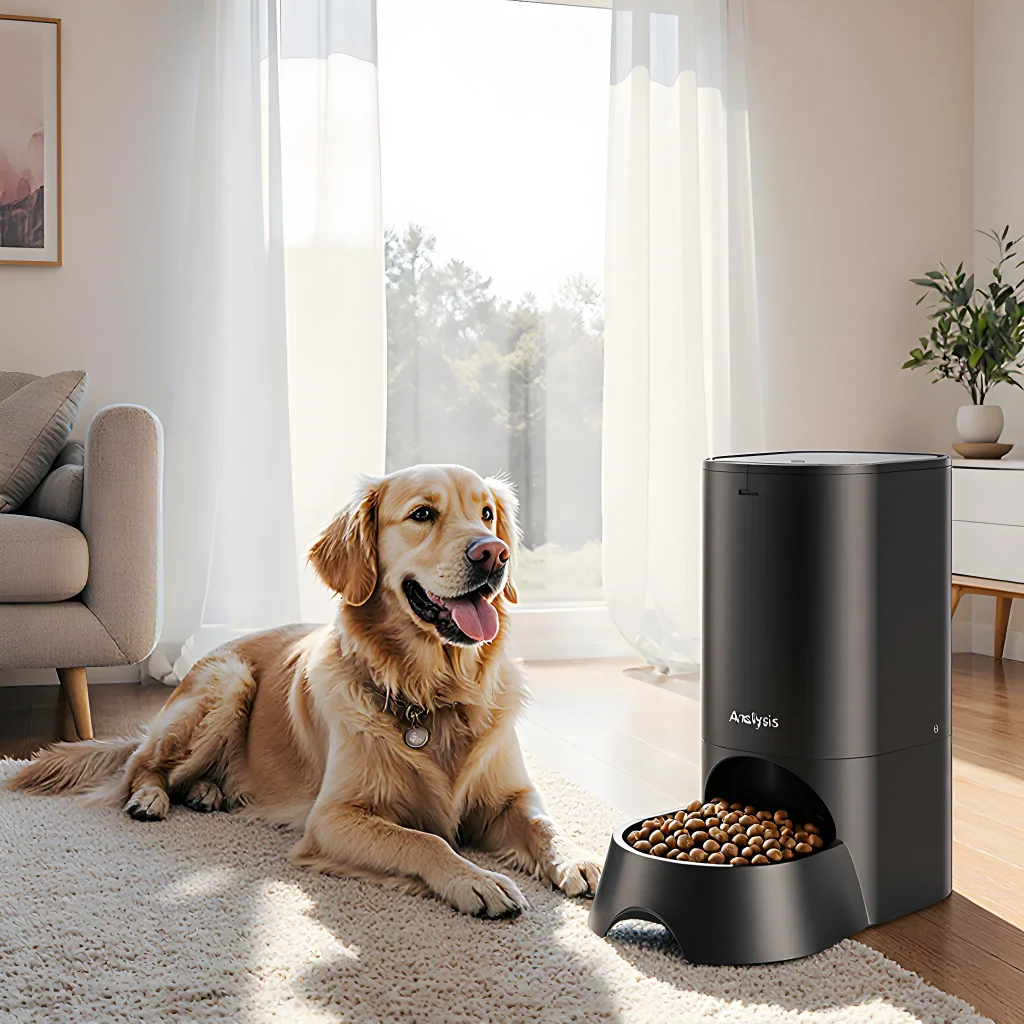
Smart Savings for Furry Friends
Affordable Tech Options for Everyday Dog Owners
Table of Contents
- Introduction
- 1. Budget‑Friendly Dog Food Options
- 2. Affordable Supplements and Vitamins
- 3. Basic Healthcare Essentials on a Budget
- 4. Cost‑Effective Vaccination Strategies
- 5. Low‑Cost Sterilization and Spay Clinics
- 6. Cheap Shelter and Bedding Alternatives
- 7. Budget-Friendly Toys and Entertainment
- 8. Inexpensive Training Tools and Techniques
- 9. Cost‑Effective Grooming Solutions
- 10. Affordable Transportation for Vet Visits
- 11. Discounted Pet Insurance Plans
- 12. DIY Hygiene Products on a Budget
- 13. Smart Shopping Tips and Couponing
- Conclusion
- FAQ
Introduction
If you’re a pet parent who loves gadgets but doesn’t want to break the bank, there’s a growing ecosystem of budget‑friendly tech that can make caring for your dog easier and more enjoyable. From smart collars to DIY solutions, these tools help you monitor health, keep your pup safe, and even entertain them—all without draining your wallet.
1. Smart Collars on a Shoestring
- FitBark GPS Collar (≈$60) – Offers real‑time location tracking, activity monitoring, and a simple app interface. It’s battery‑powered for up to two weeks.
- Garmin Alpha 100 (≈$120) – A step up that adds voice commands and waypoint creation; great for hiking companions.
Practical tip: Pair a smart collar with a basic “free” tracking app like Google Maps or OpenStreetMap by sharing the GPS feed. This way you keep cost low while still getting real‑time updates.
2. DIY Health Monitoring
- Raspberry Pi + Heart Rate Sensor (≈$30) – Build a simple device that records your dog’s heart rate and syncs data to Google Sheets for trend analysis.
- Open‑Source Dog Activity Tracker (≈$25) – Use an accelerometer module with Arduino to log steps and activity periods.
Step‑by‑step: Connect the sensor to a Raspberry Pi, write a Python script to read data every minute, and push it to a Google Sheet via the Sheets API. You’ll have a live dashboard of your dog’s daily activity without buying expensive commercial devices.
3. Low‑Cost Safety Gear
- LED Dog Collar (≈$15) – Improves visibility during nighttime walks; many models come with a pull‑string to keep the lights on.
- Portable Water Bottle with Built‑in Bowl (≈$20) – Keeps your dog hydrated on long trips; some brands are made from BPA‑free materials.
Pro tip: Look for multi‑function items, such as a collar that doubles as a leash or a water bottle that folds into a bag. This reduces clutter and saves money.
4. Budget-Friendly Entertainment
- Homemade Treat Dispenser (≈$10) – Use an old yogurt container, cut holes for treats, and roll it on the floor to keep your dog busy.
- DIY Puzzle Toy with PVC Pipes (≈$15) – Construct a simple maze that hides kibble; great for mental stimulation.
Tip: Repurpose household items—an empty milk carton can become a chew toy, and a plastic bottle can turn into a squeaky feeder. This keeps your pup engaged while saving money.
5. Subscription‑Free Training Apps
- Dog Trainer (iOS/Android) – Free version offers basic training videos and habit tracking.
- Paw Patrol Dog Training App – Offers step‑by‑step guidance for common commands; no subscription needed.
Advice: Combine these apps with a consistent routine. Record progress in a simple notebook or spreadsheet to see improvement over time.
Putting It All Together
- Select one smart collar for location and activity monitoring.
- Add a DIY health monitor if you’re tech‑savvy; otherwise, rely on the collar’s built‑in metrics.
- Equip your dog with LED safety gear for night walks.
- Create homemade toys to keep them mentally stimulated.
- Use free training apps for daily lessons and track results manually.
By combining a few inexpensive gadgets, a bit of DIY creativity, and consistent routines, you can give your dog the benefits of modern technology without spending a fortune. Happy tech‑tailing!
1. Budget‑Friendly Dog Food Options
Finding high‑quality dog food that won’t break the bank is a common challenge for everyday pet owners. Fortunately, there are plenty of cost‑effective brands and feeding strategies that keep your pup healthy without draining your wallet.
1. Bulk Buying & Store Brands
- Bulk Purchase: Buying in bulk (e.g., 20–30 lb bags) often reduces the price per pound by 10–15%. Look for reputable suppliers or wholesale clubs that offer discounts on large quantities.
- Store‑Brand Alternatives: Many supermarkets now carry their own line of dog food. Brands such as Great Value, 365 Everyday Value, and Trader Joe’s provide balanced nutrition at a fraction of premium prices.
2. Seasonal Sales & Coupons
Keep an eye on seasonal promotions, clearance racks, and digital coupons from pet‑food retailers. Signing up for loyalty programs (e.g., Chewy’s “Chewy Rewards”) can unlock additional savings.
3. Homemade & DIY Meals
Preparing simple, nutritionally balanced meals at home can be surprisingly economical:
- Protein Base: Cook lean meats (chicken breast, turkey, or lean beef) and mix with cooked grains (brown rice, quinoa).
- Vegetables: Add carrots, peas, or sweet potatoes for vitamins.
- Supplements: A daily multivitamin for dogs (or a small amount of fish oil) ensures all micronutrients are covered.
Use a food scale to portion meals according to your dog’s weight and activity level, preventing overfeeding while keeping costs low.
4. Portion Control & Feeding Schedule
Over‑feeding is a hidden expense. Use measuring cups or a kitchen scale to give the exact amount recommended by the food label or your veterinarian. Split meals into two smaller portions per day to maintain energy levels and reduce spillage.
5. Affordable Tech Tools for Every Dog Owner
Technology can help you manage feeding budgets efficiently:
- Smart Scale & App Integration: Devices like the Fitbit Aria Smart Scale paired with a pet‑tracking app allow you to log portions and monitor weight trends automatically.
- Meal Planning Apps: Free or low‑cost apps (e.g., Dog Food Planner) generate weekly menus based on your budget, dietary preferences, and the dog’s nutritional needs.
- Price‑Comparison Extensions: Browser add‑ons such as Honey or Rakuten automatically apply coupon codes when shopping for pet supplies online.
- Smart Food Dispensers: Affordable models like the PetSafe SmartFeeder can be programmed to dispense precise portions at set times, reducing waste and helping you stick to your budget.
Practical Advice Summary
- Shop Smart: Compare unit prices, buy in bulk, and use coupons.
- DIY When Possible: Homemade meals can cut costs by up to 30% if prepared correctly.
- Use Tech: Leverage smart scales, apps, and price‑comparison tools to track expenses and avoid over‑spending.
- Monitor Health: Regular vet check‑ups ensure your dog’s nutritional needs are met without excess cost.
By combining these strategies—thrifty shopping habits, portion control, homemade nutrition, and affordable tech—you can keep your dog well-fed and healthy while staying within a modest budget.
2. Affordable Supplements and Vitamins
While premium brands can be tempting, many high‑quality supplements are available at budget prices without compromising safety or efficacy. Below is a curated list of affordable options, complete with dosage guidance, real‑world examples, and practical tips for integrating them into your dog’s routine.
1. Omega‑3 Fish Oil (EPA & DHA)
- Why it matters: Supports skin health, reduces joint inflammation, and promotes a shiny coat.
- Budget pick: VetriScience Omega-3 – $12 for a 1‑month supply (≈$0.40 per dose).
- Dosing example: For a 30 lb dog, use one capsule (400 mg) once daily.
- Practical tip: Mix the oil into wet food or a treat to mask any fishy taste.
2. Glucosamine & Chondroitin Complex
- Why it matters: Helps maintain cartilage integrity, especially for active breeds and seniors.
- Budget pick: K9 Natural Care Glucosamine – $14 for a 60‑dose bottle ($0.23 per dose).
- Dosing example: 1 tablet (500 mg) once daily for dogs up to 50 lb; double for heavier dogs.
- Practical tip: Store in a cool, dry place and use the same bottle for both glucosamine and chondroitin if they’re combined.
3. Multivitamin Gummies
- Why it matters: Provides essential B‑vitamins, vitamin C, zinc, and selenium in a palatable form.
- Budget pick: PetHonesty Dog Vitamins – $18 for 60 gummies ($0.30 per gummy).
- Dosing example: One gummy per day for dogs up to 40 lb; two for larger dogs.
- Practical tip: Use a treat dispenser or attach the gummy to a favorite chew to ensure consumption.
4. Probiotic Chews
- Why it matters: Supports gut flora, aids digestion, and boosts immunity.
- Budget pick: Purina Pro Plan Veterinary Diets FortiFlora – $20 for a 60‑chew pack ($0.33 per chew).
- Dosing example: One chew daily for dogs up to 35 lb; two for heavier dogs.
- Practical tip: Incorporate into the morning walk routine – give the chew as a reward after a short stroll.
5. Vitamin D & Calcium Blend (For Puppies)
- Why it matters: Essential for bone development and preventing rickets.
- Budget pick: Doggy Nutrition Calcium-D – $15 for a 30‑dose bottle ($0.50 per dose).
- Dosing example: One tablet daily for puppies under 12 months; adjust based on weight.
- Practical tip: Mix the tablet with wet food to ensure full ingestion.
6. Affordable Tech Integration: Smart Treat Dispensers
To streamline supplement delivery, consider inexpensive smart treat dispensers that can be programmed via a smartphone app. These devices allow you to:
- Set reminder alerts: Never miss a dose.
- Track consumption history: Review logs for veterinary consultations.
- Adjust portions remotely: Perfect for traveling or when you’re not at home.
Popular budget models include the PetSafe Smart Treat Dispenser ($45) and the Treat Buddy Pro ($38), both compatible with iOS and Android. Pair them with your supplements to create a seamless, tech‑enabled routine that saves time and reduces stress for both you and your dog.
Practical Checklist
- Read the label: Confirm dosage per weight class.
- Start slowly: Introduce one supplement at a time to monitor tolerance.
- Use a consistent schedule: Morning or evening – pick what fits your routine.
- Rotate with treats: Prevent boredom and ensure daily compliance.
- Consult the vet: Discuss any new supplement, especially if your dog has pre‑existing conditions.
By selecting these affordable yet effective supplements and leveraging smart tech tools, you can maintain your dog’s health without breaking the bank. Happy supplementing!
3. Basic Healthcare Essentials on a Budget
When it comes to keeping your furry friend healthy, you don’t have to break the bank. By focusing on preventive care and choosing affordable tech tools, everyday dog owners can maintain their pets’ wellbeing without overspending.
1. Routine Check‑Ups & Vaccinations
- Annual Vet Visits: Even if you’re on a tight budget, an annual check‑up can catch issues early and save money down the line. Look for local community clinics or veterinary schools that offer reduced rates.
- Vaccination Schedule: Keep up with core shots (Rabies, Distemper, Parvovirus). Many pet stores carry vaccination kits, but it’s safest to have a vet administer them.
2. Affordable Grooming Tools
- Brush & Comb: A high‑quality slicker brush or a wide‑tooth comb can reduce shedding and skin irritation. Prices range from $10–$20.
- Bath Supplies: Use gentle, hypoallergenic shampoos. Bulk buying often cuts costs by up to 30%.
3. DIY Dental Care
- Dental Chews & Toys: Look for brands that contain natural abrasives like calcium carbonate; they’re cheaper than dental gels and still effective.
- Home Toothbrushing: Invest in a dog‑friendly toothbrush ($5–$10) and use a small amount of pet toothpaste. Consistency is key—aim for at least three times per week.
4. Affordable Health Monitoring Tech
Modern technology can help you track your dog’s health metrics without costly vet visits.
- Smart Collars: Devices like the FitBark 2 ($80–$100) monitor activity levels, sleep patterns, and even heart rate. They provide alerts if your dog is unusually inactive or restless.
- Temperature & Heart Rate Monitors: Simple clip‑on sensors (e.g., iFet) can be used at home to spot fevers early. Prices start around $30.
- Mobile Apps: Free apps such as PawTrack or Pet First Aid by American Red Cross offer symptom checklists, medication reminders, and basic medical information.
5. Preventive Supplements on a Budget
- Joint Health: Glucosamine‑chondroitin supplements can be purchased in bulk for $25–$35 per month.
- Omega‑3 Fatty Acids: Fish oil capsules or dog‑specific fish‑oil drops are inexpensive and support coat, skin, and joint health. Look for products priced under $15/month.
6. DIY First Aid Kit
A well‑stocked first aid kit can save you an emergency vet trip:
- Bandages & gauze ($5–$10)
- Antiseptic wipes ($4–$7)
- Digital thermometer ($15–$20)
- Scissors and tweezers (bundled for $8–$12)
Practical Tips to Keep Costs Low
- Shop Seasonal Sales: Many pet stores run clearance sales after holidays; stock up on grooming supplies or supplements.
- Bulk Purchases: Buying in larger quantities often reduces the unit price—especially for food, treats, and medications.
- Community Resources: Join local dog‑owner groups or Facebook communities to share tips and sometimes even swap supplies.
- Prevent Rather Than Treat: Consistent exercise, balanced nutrition, and regular grooming reduce the likelihood of costly illnesses.
By combining these budget‑friendly healthcare essentials with affordable tech options, you can ensure your dog stays healthy and happy without draining your wallet. Remember, prevention is always cheaper—and more humane—than treatment.
4. Cost‑Effective Vaccination Strategies
A healthy dog starts with a solid vaccination plan, but the cost can be intimidating for many pet owners. By combining smart purchasing habits, leveraging technology, and planning ahead, you can keep your canine protected without breaking the bank.
1. Build a Vaccination Calendar
- Track dates in a digital calendar: Use Google Calendar or a dedicated pet‑care app (e.g., PetDesk) to set recurring reminders for core vaccines—Rabies, DHPP/DAST, and Bordetella.
- Batch appointments: Schedule all routine shots at the same vet visit. Many clinics offer “bundle” discounts when multiple vaccines are administered together.
2. Shop Smart for Vaccine Supplies
If you’re a DIY owner who prefers home visits, consider purchasing vaccine kits from reputable online suppliers such as PetAg or VetMeds.com. Look for bulk‑purchase discounts and compare shipping costs.
Example: Rabies Vaccine Bundle
| Vendor | Price (USD) | Shipping |
|---|---|---|
| PetAg | $25.00 | Free over $50 |
| VetMeds.com | $28.00 | $4.99 flat rate |
| Cheaper Alternatives (generic) | $15.00 | Free shipping |
While generics are cheaper, verify that they meet local regulatory standards and carry a valid FDA approval or equivalent.
3. Use Affordable Tech for Monitoring & Reminders
- Smartphone apps: PetFirstAid and DogBuddy allow you to log vaccination dates, receive alerts, and store digital copies of veterinary records.
- Wearable trackers: Devices like the FitBark can sync with your phone to notify you when a vet visit is due based on your dog’s activity level.
- IoT-enabled pill dispensers: Some models, such as the SmartPet Dispenser, can store vaccine vials and remind you of reconstitution times via push notifications.
4. Take Advantage of Community Resources
Many animal shelters, community centers, and universities offer low‑cost or free vaccination clinics for pet owners in need. Check local listings on PetFinder or contact your county’s veterinary extension office.
5. Negotiate with Your Veterinarian
Don’t hesitate to ask about payment plans or sliding‑scale fees, especially if you’re a low‑income owner. Some vets provide discount vouchers for essential vaccines that can be used at other clinics later in the year.
Practical Checklist for Everyday Dog Owners
- Create a vaccination log (digital or paper).
- Set up calendar reminders one month before each due date.
- Compare vaccine prices online and consider bulk purchases.
- Use a pet‑care app to store records and receive alerts.
- Explore local free vaccination events or community programs.
- Ask your vet about payment options if cost is an issue.
Bottom line: By combining organized scheduling, savvy shopping, and the right tech tools, you can keep your dog’s vaccinations up to date while staying within a reasonable budget. Happy, healthy pups don’t have to come with a hefty price tag!
5. Low‑Cost Sterilization and Spay Clinics
Spaying or neutering is one of the most effective ways to control pet overpopulation, improve health, and reduce behavioral problems. However, many owners worry about the cost of surgery. The good news is that a growing number of clinics offer low‑price packages without compromising quality. Below we outline how these clinics work, what technology they use, and practical tips for getting your dog sterilized on a budget.
1. What Makes a Clinic “Low‑Cost”?
- Bulk Purchasing of Supplies: Clinics that treat large volumes of animals often buy surgical instruments, anesthesia, and sutures in bulk, reducing per‑case costs.
- Volunteer Staff: Many low‑cost facilities rely on veterinary students or volunteer vets who receive training but do not charge full salaries.
- Community Partnerships: Sponsorships from pet food companies and local businesses can offset expenses. Some clinics partner with animal rescue groups to share resources.
- Simplified Post‑Op Care: Instead of extended hospital stays, patients are discharged home the same day, minimizing facility charges.
2. Affordable Technology Used in Low‑Cost Clinics
Modern veterinary tech is increasingly accessible and can be integrated into budget programs without inflating costs.
- Portable Ultrasound Devices:
Used pre‑op to confirm pregnancy status or rule out complications. Compact models cost <$5,000, a fraction of the price of larger machines.
- Digital Anesthesia Monitoring:
Small, reusable monitors track heart rate, oxygen saturation, and capnography. A single unit can be shared across multiple surgeries.
- Surgical Staplers & Suture Kits:
Stapling is faster than hand‑suturing, reducing anesthesia time by up to 30%. Reusable staplers are inexpensive once purchased ($300–$500) and last for years.
- Low‑Cost Imaging (X‑ray):
Some clinics use refurbished X‑ray units or portable digital radiography, which can be leased at <$200/month. This allows quick assessment of the surgical site without expensive equipment.
3. How to Find a Low‑Cost Spay/Neuter Clinic Near You
- Check Local Animal Shelters: Many shelters run “Spay & Neuter Clinics” in partnership with universities or nonprofits.
- Use Online Directories: Websites like SpayNeuter.org and PetFinder.com list clinics by zip code, with cost ranges.
- Ask Your Regular Vet: Even if your primary vet charges high fees, they may know of subsidized options or can offer a discounted rate for the procedure itself.
- Contact Veterinary Schools: Many universities run teaching hospitals where students perform surgeries under supervision. Fees are often 50–70% lower than private practices.
4. Practical Tips to Keep Costs Down
- Schedule in Bulk: Some clinics offer “Spay/Neuter Days” where multiple pets receive surgery on the same day. Group scheduling can reduce individual fees.
- Use Home‑Based Post‑Op Care: Bring your own lightweight bandage kit and follow the clinic’s instructions for wound care. Avoid unnecessary vet visits by preparing a clean, safe environment at home.
- Bring Your Own Food & Water: Many clinics provide a free meal, but bringing your dog’s regular food can save $5–$10 per visit.
- Ask About Payment Plans: Some low‑cost clinics allow payment in installments or accept credit cards with no interest for up to 12 months.
- Check for Grants & Coupons: Organizations like the Humane Society of the United States offer vouchers that cover part of the surgery fee. Keep an eye on local pet‑related charities for similar offers.
5. Success Stories: Real Dogs, Real Savings
Case Study 1 – “Buddy” (9‑month‑old Labrador Mix)
- Owner: Jane Doe, 28 years old, lives in a rural town.
- Clinic: Rural Veterinary Teaching Hospital.
- Cost: $125 for neutering (including anesthesia and post‑op medication).
- Outcome: Buddy recovered within 48 hours; no complications. Jane saved $300 compared to local private practice ($425).
Case Study 2 – “Luna” (3‑year‑old Chihuahua)
- Owner: Miguel Ramirez, student.
- Clinic: City Animal Shelter Spay/Neuter Clinic.
- Cost: $90 for spaying (includes a week of pain medication).
- Outcome: Luna was discharged same day; no post‑op visits needed. Miguel used the savings to purchase a new leash and collar.
6. Frequently Asked Questions (FAQs)
- What’s the difference between spaying and neutering?
- Spaying is ovariohysterectomy for females; neutering is castration for males. Both prevent reproduction and reduce certain health risks.
- Do low‑cost clinics use proper anesthesia monitoring?
- Yes, most comply with American Veterinary Medical Association (AVMA) guidelines. Portable monitors are standard equipment.
- Is the surgery as safe at a low‑cost clinic?
- Safety depends on staff qualifications and facility standards rather than cost. Verify that the clinic follows aseptic technique and has emergency protocols.
By leveraging community resources, modern technology, and smart planning, everyday dog owners can access reliable sterilization services without breaking the bank.
6. Cheap Shelter and Bedding Alternatives
When you’re on a budget, it’s easy to think that your dog must settle for a less comfortable home. The truth is, there are plenty of inexpensive yet high‑quality options that combine durability, comfort, and even tech‑savvy features without breaking the bank.
1. DIY Dog House from Reclaimed Wood
- Materials: Use pallets or old wooden crates (often free from local businesses). Cover with weather‑proof spray paint.
- Insulation: Add a layer of recycled foam insulation to keep the interior warm in winter and cool in summer.
- Ventilation & Tech: Install a small, battery‑powered LED light or a solar‑charged night lamp so your dog can see the way out at dusk.
- Cost: $20–$50 depending on local availability of materials.
2. PVC Pipe Dog Shelters
PVC pipes are inexpensive, lightweight, and easy to assemble into a sturdy frame. Use a waterproof tarp or a recycled canvas as the roof.
- Build Time: Less than an hour with basic tools.
- Optional Tech Upgrade: Attach a low‑power Wi‑Fi temperature sensor (e.g., DHT22) to a Raspberry Pi Zero W. Log indoor temps and alert you via email if it drops below your dog’s comfort threshold.
- Cost: $15–$30 for pipes, tarp, and the sensor kit.
3. Recycled Cardboard Dog Beds
Cardboard is surprisingly supportive when layered properly. Combine it with a foam mattress (often found at discount pet stores) to create a cozy bed that’s also eco‑friendly.
- Construction: Cut two large cardboard boxes, glue them together side‑by‑side, then lay the foam on top. Cover with an old T‑shirt or quilt for extra softness.
- Tech Twist: Embed a small Bluetooth beacon (like a cheap BLE tag) inside the cardboard to track your dog’s location if they wander off.
- Cost: $10–$20, mostly for foam and any additional textiles.
4. Low‑Cost Orthopedic Dog Beds with Smart Features
Many budget brands now offer orthopedic memory‑foam beds that also come with built‑in heating pads or cooling gels.
- Smart Heating: Some models include a thermostatic switch that you can program via a smartphone app (often using Bluetooth).
- Cooling Gel Layer: In hot climates, choose a bed with an integrated gel pad that keeps the surface cool for up to 8 hours.
- Price Range: $30–$60 depending on size and features.
5. Affordable Portable Dog Beds (Travel-Friendly)
If you’re a frequent traveler, look for beds that fold into a small pouch and come with a lightweight frame.
- Tech Feature: Some travel beds now include a tiny USB‑powered fan or heater, perfect for keeping your dog comfortable on long flights.
- Examples:
- “Travel Dog Bed” – $25, folds into a 12x8 inch pouch.
- “Portable Comfort” – $35, comes with a USB fan (USB 5V).
Practical Tips for Maintaining Cheap Shelter and Bedding
- Regular Cleaning: Wash bedding weekly in hot water. For DIY shelters, rinse with a mild detergent and let dry fully.
- Check Ventilation: Ensure airflow to prevent mold. If you’re using a cardboard bed, replace the outer layer after a month.
- Monitor Tech Devices: Change batteries or recharge solar panels regularly. Keep firmware up to date if your devices connect via Wi‑Fi.
- Upgrade Gradually: Start with a basic shelter and add smart features (temperature sensors, GPS tags) as your budget allows.
By combining creative DIY approaches with affordable tech accessories, you can provide a safe, comfortable, and even high‑tech environment for your dog without spending a fortune.
7. Budget-Friendly Toys and Entertainment
Keeping your pup entertained doesn’t have to break the bank. Below are practical ideas that combine low cost with high play value, plus a few affordable tech gadgets that can keep your dog mentally stimulated without draining your wallet.
1. DIY Treat‑Dispensing Toys
- Frozen Kibble Ball: Mix kibble with water or low‑fat yogurt, pour into a clean plastic bottle, freeze, and let your dog gnaw at it for hours.
- Hollowed‑Out Towel: Roll up a towel, place treats inside, tie it loosely, and watch your dog try to unravel the secret.
2. Recycled Household Items
- Cardboard Boxes: Cut out openings for paws and let your dog explore the “mystery box.” Add crinkly paper for extra sensory fun.
- Bottle Toys: Remove caps, fill a plastic bottle with dry food or chews, seal it, and roll around. The sound of food moving inside is irresistible.
3. Interactive Puzzle Games on a Budget
Many affordable puzzle toys are available online for under $15. Look for designs that require your dog to flip lids or slide panels to access treats.
4. Affordable Tech Options for Everyday Dog Owners
- Smart Treat Dispenser (e.g., Furbo Mini): Prices start around $80. It allows you to drop a treat and talk to your dog via an app, keeping them engaged even when you’re away.
- Motion‑Activated Laser Toys: Small, battery‑powered laser toys (under $25) can keep dogs chasing the light for hours—just supervise to avoid eye injury.
- Bluetooth Speakers with Built‑In Games: Some speakers have preloaded games that respond to your dog’s barks or movements; they’re inexpensive and double as music players.
5. Rotation System for Long‑Term Engagement
Instead of buying new toys constantly, rotate a few favorites every week. This keeps the novelty alive without extra cost.
6. Safety Tips When Using Budget Toys
- Always supervise play to prevent choking on small parts.
- Inspect toys regularly for wear and tear; replace broken pieces promptly.
- Avoid toys with loose strings or frayed edges that could be ingested.
By combining creative DIY projects, repurposed household items, and a few affordable tech gadgets, you can provide endless entertainment for your dog while staying budget‑friendly. Happy playing!
8. Inexpensive Training Tools and Techniques
Training doesn’t have to break the bank. With a few smart choices and some creativity, you can equip yourself with effective tools that are both budget‑friendly and highly functional.
- DIY Treat Dispenser: Use a plastic bottle with the top cut off and small holes drilled in the cap. Fill it with kibble or peanut butter treats; as your dog nudges the bottle, treats spill out. It’s an inexpensive way to reward quick commands.
- Clicker Alternatives: If a commercial clicker is too pricey, try a simple plastic cup lid that makes a distinct “click” sound when tapped. The key is consistency and clarity of the cue sound.
- Training Whistle (or a Sharp Bell): A small whistle or even a kitchen bell can serve as a high‑frequency cue for commands like “come.” These items are usually under $5.
- Paper Towel Roll Treats: Wrap small treats in a rolled paper towel and tie with a rubber band. The dog learns to untangle the roll, reinforcing problem‑solving skills while keeping costs low.
Techniques That Save Money
- Positive Reinforcement Only: Focus on rewarding desired behaviors instead of punishing undesired ones. This reduces the need for expensive training aids and builds a stronger bond.
- Consistency Over Intensity: Short, frequent training sessions (5–10 minutes) are more effective than long, sporadic ones. It also cuts down on mental fatigue for both you and your dog.
- Use Everyday Items: A rolled-up sock can act as a tug toy; an empty cardboard box can become a safe hiding spot or a makeshift agility tunnel.
Technology can streamline training and monitoring without draining your wallet. Here are some budget‑friendly gadgets that deliver real value.
| Device | Price Range | Key Features | Why It’s Worth It |
|---|---|---|---|
| Wyze Cam Pan (Indoor Security Camera) | $30–$40 | 360° view, motion detection, two‑way audio | Track your dog’s playtime and spot any unwanted behavior. |
| Tiny Home Dog Tracker (Bluetooth) | $15–$25 | Bluetooth proximity alerts, simple app interface | Keeps your pup within a safe radius when you’re busy. |
| Amazon Echo Dot (Smart Speaker) | $35–$45 | Voice commands, timers, pet‑friendly routines | Set “playtime” reminders or play calming music on command. |
Practical Tips for Using Tech:
- Pair the Tiny Home Dog Tracker with a phone that has a low battery mode to conserve power while still monitoring your dog’s location.
- Use the Wyze Cam Pan's motion alerts to create “good behavior” logs—review them weekly to spot patterns and adjust training accordingly.
- Program the Echo Dot with a “calm down” routine that plays soft music when your dog shows signs of excitement, helping to reinforce calmness without manual intervention.
By combining simple DIY tools with affordable tech, you can create an effective, engaging training environment that respects both your budget and your dog’s learning style.
9. Cost‑Effective Grooming Solutions
Grooming doesn’t have to break the bank. With a little planning and smart shopping, you can keep your pup looking fresh while staying within budget.
1. DIY Grooming at Home
- Brushes & Combines: A good quality slicker brush (around $15) removes loose fur and mats. For a deeper clean, pair it with a metal comb for stubborn tangles.
- Dog Shampoo & Conditioner: Look for hypoallergenic formulas that are gentle on sensitive skin; brands like Earthbath or Paws & Co. offer packs around $10–$12. Use a conditioner after shampoo to keep coats shiny and reduce static.
- Dryers: A basic pet dryer can cost as low as $25. For larger dogs, consider an adjustable fan or a homemade “air drying” station using a towel and fan combo.
2. Affordable Grooming Tools
| Tool | Typical Price | Why It’s Worth It |
|---|---|---|
| Electric Nail Trimmer | $12–$20 | Fast, safe, and reusable. Save on vet nail trims. |
| Dog Ear Cleaner (bottle + cotton swabs) | $8–$10 | Prevents infections; one bottle lasts months. |
| Waterless Shampoo Spray | $15–$18 | Great for quick clean‑ups, especially on short-haired breeds. |
3. Subscription Services & Bulk Deals
Many pet supply sites offer a subscription model: you pay once every month and receive discounted grooming kits (shampoo, conditioner, brush). For example, Pawsome Supplies offers a bundle at $25 per month versus buying items separately.
4. Community & Free Resources
- Local Dog Clubs: They often host free grooming workshops or provide discounted tools for members.
- YouTube Tutorials: Channels like “The Doggie Groomer” walk you through brushing, bathing, and nail trimming with minimal equipment.
5. When to Seek Professional Help
While DIY grooming is economical, some situations require a pro: severe matting, skin conditions, or large breeds that are difficult to manage at home. Look for groomers who offer package deals or “first‑visit discounts.” A quick comparison of local rates (often $30–$50 per session) can reveal hidden savings if you schedule multiple services together.
6. Practical Tips to Stretch Your Budget
- Schedule Regular Baths: Less frequent, deeper cleanings reduce shampoo usage and keep coats healthy longer.
- Use Natural Alternatives: Baking soda mixed with water can be a gentle deodorizer for between baths.
- Re‑use Towels: Wash at home instead of renting dryer sheets or commercial towels.
- Shop Seasonal Sales: Many pet stores run end‑of‑season sales where grooming kits can drop 30–50% off.
By combining smart purchases, DIY techniques, and community resources, everyday dog owners can keep their pets groomed without compromising quality or budget.
10. Affordable Transportation for Vet Visits
Affordable Transportation for Vet Visits
- Carpooling with Friends or Family: Coordinate with other dog owners in your neighborhood who need a ride. Split the fuel cost and keep it budget‑friendly.
- Public Transit Hacks: Many city buses allow pets on board for free or a small fee. Look up pet‑friendly routes and schedule visits during off‑peak hours to avoid crowds.
- Ride‑Share Discounts: Apps like Uber and Lyft often offer “Pet Friendly” rides at a slightly higher rate. Use promo codes from local veterinary clinics that partner with ride‑share services for discounted fares.
- Electric Bike or Scooter Rentals: In urban areas, electric bikes can be rented for short trips to the clinic. They’re cheaper than taxis and give you fresh air for your pup.
Affordable Tech Options for Everyday Dog Owners
- Smart Collars: Devices like the FitBark 2 or Whistle Go Explore provide GPS tracking, activity monitoring, and health alerts—all at under $100. They help you keep an eye on your dog’s wellness between vet visits.
- Home Health Monitors: Portable blood pressure cuffs and pulse oximeters (e.g., PetKit) let you check basic vitals at home, reducing the need for emergency trips.
- Telehealth Platforms: Services such as Vetster or PlushCare offer virtual consultations for minor issues. A quick video call can resolve many problems without a physical visit.
- Automatic Feeder & Water Dispenser: Smart feeders like the Litter-Robot ensure your dog’s nutrition stays on schedule, preventing weight‑related health concerns that would otherwise require vet visits.
Practical Advice for Budget Travelers
- Create a Vet Visit Calendar: Schedule routine checkups in advance to take advantage of clinic discounts or bundled services.
- Ask the vet for a “Take‑Home” Pack with medication and instructions so you can manage minor ailments at home.
- Use Pet Insurance Plans that cover transportation costs; many providers offer plans starting around $10/month.
- Keep an Emergency Fund: Set aside a small monthly amount for unexpected vet trips or tech upgrades.
By combining smart travel choices with affordable technology, everyday dog owners can keep their pets healthy without breaking the bank.
11. Discounted Pet Insurance Plans
If you’re a dog owner who wants the best care without breaking the bank, it’s time to explore pet insurance plans that pair smart technology with low-cost coverage. Below are several practical strategies and real‑world examples to help you make an informed decision.
1. Tiered Coverage Plans: Pick What You Need
- Basic Accident & Illness: Covers surgeries, medications, and diagnostic tests. Ideal for healthy dogs that need protection against unexpected events.
- Add‑On Wellness Packages: Includes routine vet visits, vaccinations, flea & tick prevention, and dental cleanings. Often available at a flat monthly rate (e.g., $10/month).
- Optional Telehealth Add‑Ons: Many insurers now offer virtual consultations for minor ailments—great for quick triage without leaving home.
2. Leverage Smart Devices to Lower Premiums
Insurers recognize that tech-savvy owners keep their pets healthier, so they reward you with discounts:
- Smart Collars & Activity Trackers: Devices like the FitBark or Whistle Go Explore monitor heart rate, sleep patterns, and activity levels. Insurers often grant a 5–10% discount if you upload data regularly.
- Home Health Monitors: A simple pulse oximeter or temperature probe can catch early signs of illness. Some plans allow a “home check” discount for owners who submit readings via an app.
- Automatic Medication Dispensers: Tools such as the PetCare Dosing System ensure your dog receives the right dose on time, reducing medication errors that can lead to costly vet visits. Insurers may offer a small premium reduction for using these systems.
3. Compare Top Providers with Tech‑Friendly Features
| Provider | Base Monthly Cost (Avg.) | Tech Discount Available? | Notable Tech Features |
|---|---|---|---|
| Paws & Claws Insurance | $12–$18 | Yes (5% off for smart collar) | Telehealth, Wellness add‑ons, “Pet Health Score” dashboard. |
| DoggieCare Plans | $10–$15 | Yes (10% off for activity tracker) | AI symptom checker, monthly health insights via app. |
| Furry Friends Coverage | $9–$14 | No direct tech discount but offers a free home monitor kit with premium plans. | Real‑time vitals monitoring, automatic claim submissions. |
4. Practical Tips for Maximizing Savings
- Annual or Multi‑Year Plans: Lock in lower rates by paying yearly upfront—often a 5–7% discount versus monthly payments.
- Deductible Choice: Opt for a higher deductible ($250–$500) to reduce your premium; just ensure you have the funds for out‑of‑pocket costs if an incident occurs.
- Bundle with Other Pets: Many insurers allow bundling multiple animals under one policy, which can cut overall monthly cost by 15–20%.
- Use Wellness Credits: Some plans issue wellness credits that can be applied to future claims—use them strategically for routine procedures like spay/neuter or dental cleanings.
5. Step‑by‑Step: Signing Up with a Tech‑Friendly Provider
- Assess Your Dog’s Needs: Consider age, breed predispositions, and current health status.
- Research Plans: Use comparison tools (e.g., PetInsurance.com) to filter by tech discounts.
- Gather Device Data: If you already own a smart collar or activity tracker, upload the data to your insurer’s portal to claim your discount.
- Apply for Coverage: Complete the online application—most providers allow instant quotes and e‑signatures.
- Set Up Wellness Add‑Ons: Activate telehealth or wellness packages during checkout for additional savings.
By combining a thoughtfully selected insurance plan with everyday tech tools, you can keep your dog healthy, reduce vet costs, and enjoy peace of mind—all while staying budget‑friendly.
12. DIY Hygiene Products on a Budget
Keeping your pup clean doesn’t have to break the bank. By combining simple DIY recipes with inexpensive tech gadgets, you can maintain excellent hygiene while saving money and reducing waste.
1. Homemade Shampoo & Conditioner
- Baking Soda Bath: Mix ½ cup baking soda with 1 gallon of warm water. It neutralizes odors and softens fur.
- Coconut Oil Conditioner: Melt 2 tbsp coconut oil, add a few drops of lavender essential oil (optional), and apply after rinsing. It moisturizes skin and adds shine.
- Tip: Store both in an airtight container to keep them fresh for up to 3 months.
2. DIY Ear Cleaning Solution
Combine equal parts white vinegar and water (or use a commercial ear cleaner). Apply with a cotton ball, avoiding the ear canal’s inner walls. This prevents infection without expensive vet prescriptions.
3. Homemade Toothpaste
- Cinnamon & Baking Soda Paste: Mix 1 tsp baking soda, ½ tsp cinnamon powder, and a few drops of water to form a paste.
- Use a soft toothbrush or your finger to rub the paste onto teeth twice weekly. Cinnamon has natural antibacterial properties.
4. Budget-Friendly Tech: Smart Pet Grooming Tools
Invest in a few affordable gadgets that streamline grooming routines:
- Clipper with Adjustable Speed: A basic clipper kit (~$30) can shave excess fur quickly, especially useful for breeds like Poodles or Schnauzers.
- Electric Nail Trimmer: A small handheld trimmer ($15–$25) reduces the risk of cutting too close and eliminates the need for sharp scissors.
- Automatic Fur Rake (e.g., "PetGlide"): At $20–$30, it removes loose hair while you walk your dog—great for shedding breeds.
5. Water‑Saving Shower Attachment
Install a low‑flow showerhead ($10) to reduce water usage during bath time. Combine with the homemade shampoo for an eco‑friendly, budget grooming routine.
6. Reusable Grooming Towel
A microfiber towel (costs $5–$10) absorbs excess moisture and can be washed repeatedly, cutting down on disposable paper towels.
Practical Advice & Safety Tips
- Patch Test: Before using any homemade solution on a large area, test it on a small skin patch to ensure no allergic reaction.
- Ventilation: Use essential oils sparingly; some dogs are sensitive to strong scents.
- Regular Check‑ups: Even with DIY care, schedule annual vet visits for dental and ear health checks.
By blending these simple recipes with cost‑effective tech tools, you can keep your dog looking and feeling great without draining your wallet. Happy grooming!
13. Smart Shopping Tips and Couponing
If you’re a dog owner looking to keep your tech budget low while still getting the best tools for pet care, smart shopping is essential. Below are practical strategies that combine online research, coupon hunting, and timing purchases to snag great deals on everyday dog‑tech gadgets.
1. Start with a Needs Assessment
- Identify the core problem: Is it tracking exercise, monitoring health, or simply keeping your pup entertained?
- List the features you truly need (e.g., GPS range, waterproofing, battery life). This narrows options and prevents impulse buys.
2. Use Price‑Comparison Tools
Websites like PriceCharting, Google Shopping, and Shopzilla allow you to enter a product name and instantly view prices across multiple retailers. Pay attention to:
- Shipping fees – sometimes the cheapest price includes free shipping.
- Return policies – higher costs may be justified by better support.
3. Search for Coupons Before Checkout
Before you even add a product to your cart, search:
- Coupons.com
- Groupon
- Browser extensions like Honey or Rakuten automatically apply the best coupon codes.
Tip: If a site offers a “first‑time buyer” discount, create a new email account to take advantage of it. Many retailers give an extra 10–15% off for first orders.
4. Take Advantage of Seasonal Sales
- Back‑to‑School & Black Friday: Tech gadgets often drop 20–40% during these periods.
- Holiday Seasons: Christmas and New Year sales are ideal for high‑end items like smart collars or health monitors.
- End‑of‑Quarter Clearances: Retailers clear inventory before new product releases, offering deep discounts.
5. Join Reward Programs
Many pet tech brands run loyalty programs that give you points per purchase or exclusive coupons. For example:
- BarkBox Rewards: Earn a free month after three purchases.
- PetSafe Points Program: Redeem points for discounted accessories.
6. Opt for Bundles or Subscriptions
Look for bundle offers that combine a smart collar with a subscription to a health‑monitoring service. These bundles often shave 15–25% off the total cost compared to buying items separately.
7. Case Study: The Smart Dog Collar
Suppose you want an affordable GPS collar with health tracking:
- Research: Compare the FitBark 2, Garmin Alpha 100, and Tractive GPS Collar.
- Price‑compare: Find that the FitBark 2 is $99 on Amazon, $94 on Walmart, and $89 on Target.
- Coupong: Honey applies a 10% coupon from a retailer, bringing it down to $79.90.
- Bundle: The manufacturer offers a bundle with a 3‑month subscription for $5/month instead of $8/month. Total savings: ~$35 over a year.
8. Read Reviews & Warranty Terms
A cheap price is great, but consider:
- Customer reviews: Look for recurring issues like battery life or firmware updates.
- Warranty coverage: A longer warranty can offset a higher upfront cost.
By combining thorough research, coupon hunting, timing purchases, and leveraging loyalty programs, you’ll equip your dog with the latest tech without breaking the bank. Happy shopping!
Conclusion
As a responsible pet owner, you want the best care for your dog without breaking the bank. Thankfully, the market now offers a wide range of budget‑friendly technologies that combine convenience, safety, and health monitoring—all designed with everyday life in mind.
- Smart Collars & Activity Trackers: Devices like the FitBark Lite or Dogtra Tracker provide real‑time activity logs, GPS location, and even heart‑rate monitoring for just a few dollars per month. These are perfect for owners who need to keep an eye on their pup’s exercise habits without investing in expensive veterinary gadgets.
- Automated Feeders & Portion Control: Budget options such as the PetSafe SmartFeeder or CleverFeed let you schedule meals and control portions via a smartphone app. They’re especially useful for busy families, helping maintain a consistent diet while keeping costs down.
- Interactive Toys & Chews: Affordable tech toys—think the Pawz Interactive Treat Dispenser or the SmartDog Puzzle Toy—keep dogs mentally stimulated and reduce destructive behavior. Many come with adjustable difficulty settings, so they grow with your pet.
- Health Monitoring Apps & Platforms: Free or low‑cost apps such as PetDesk and PawTrack help you schedule vet appointments, track medication reminders, and log health data. They’re a practical way to stay organized without the need for pricey software.
- Home Safety Enhancements: Simple tech like motion‑activated night lights or smart doorbells (e.g., Wyze Cam) can provide peace of mind and keep your dog safe when you’re away. These devices are often available at a fraction of the cost of premium security systems.
By selecting these affordable tech solutions, you’ll not only enhance your dog’s quality of life but also save money over time. Remember to read reviews, compare warranties, and choose products that match your specific needs—whether it’s monitoring daily activity, ensuring proper nutrition, or keeping your furry friend safe at home.
Investing in smart yet budget‑friendly tools is a win-win: you provide better care for your beloved pet while staying within your household budget. Embrace these options today and see the difference they can make in both your life and your dog’s well‑being.
FAQ
- What are the most budget-friendly tech gadgets that can improve my dog’s daily life?
-
- Automatic Treat Dispenser (e.g., K9 Companion): $30–$50. Set a schedule or trigger via smartphone to give treats when you’re away.
- Smart Pet Feeder (BarkBox SmartFeeder): $80–$120. Portion control and voice commands help maintain healthy weight.
- GPS Collars (e.g., Tractive Go, Jiobit): $50–$100 with a 3‑month free data plan. Ideal for hiking or city walks.
- Water Bottle with Built‑in Filter (Hydro Flask Pet Edition): $25–$40. Keeps your dog hydrated on long trips.
- How can I use a smartphone app to monitor my dog’s health without breaking the bank?
-
Many free or low‑cost apps pair with inexpensive sensors:
- Activity Trackers: FitDog (free) syncs with a $10 wristband to log steps, rest periods, and sleep.
- Health Journals: PawTrack (free) lets you record weight, diet, and vet visits. Export data for sharing with your vet.
- Behavior Monitoring: BarkAlert (in‑app purchase $5) uses sound detection to warn of excessive barking or distress.
- Are there affordable options for keeping my dog safe during long walks?
-
- LED Reflective Strips: $5–$10. Stick to collar or harness for night visibility.
- Portable Water Dispenser (Travel‑Tote): $15. Folds into a backpack, perfect for hikes.
- Cooling Vest (DogCooler V2): $20–$30. Uses phase‑change material; no batteries needed.
- How do I choose a smart collar that won’t hurt my dog’s neck?
-
Look for collars with:
- Adjustable straps: Ensures the collar fits snugly but not tight.
- Soft, breathable fabric: Reduces irritation during long wear.
- Built‑in safety release: Quick‑pull mechanism in case of accidental snag.
Always test the collar for 10–15 minutes before full use to confirm comfort.
- What are some cost‑effective ways to train my dog using tech?
-
- Voice‑Activated Training Apps: Pawsome Trainer (free) uses simple commands and rewards. Pair with a $15 treat dispenser.
- Reward‑Based Clickers: <$10 clicker + <$5 reward treats = <$15 total.
- Video Calls for Socialization: Use free video apps to show your dog familiar faces or calming videos while you’re away.
- Can I integrate multiple devices without a high-end smart home hub?
-
Yes! Most budget gadgets connect via Wi‑Fi or Bluetooth and can be managed through a single free app:
- IFTTT (If This Then That): Free. Create recipes like “When GPS collar sends location → send notification to phone.”
- Google Home Mini ($30–$40): Voice assistant for controlling smart feeders or lights.
- Bluetooth Mesh (e.g., Meshify Pet):** $20. Connects multiple low‑power devices like motion sensors and LED strips.
- What are the best practices for data privacy with pet tech?
-
- Read Terms of Service: Ensure no location data is sold to third parties.
- Use Local Storage: Prefer apps that store data on-device rather than in the cloud.
- Secure Passwords: Use unique, strong passwords for each device account.
- How can I maintain and extend the life of my dog’s tech gear?
-
- Regular Cleaning: Wipe down collars, feeders, and sensors with mild soap after each use.
- Battery Care: Store batteries in a cool place; replace rechargeable packs every 12–18 months.
- Firmware Updates: Enable automatic updates to keep devices secure and functional.
By combining affordable gadgets, free or low‑cost apps, and smart habits, everyday dog owners can enhance their pets’ safety, health, and happiness without a hefty price tag. Start small—pick one or two tools that address your biggest needs—and expand as you see fit.
Categories
- AI & Enrichment Play
- Broiler Farming
- Broiler Farming Tips
- Canine Wellness & Longevity
- Cat
- Cat & Human Connection
- Cat Adoption & Rescue
- Cat Breeds
- Cat Breeds & Personalities
- Cat Care & Health
- Cat Grooming & Hygiene
- Cat Lifestyle & Environment
- Cat Myths & History
- Cat Nutrition & Diet
- Cat Products & Reviews
- Cat Training & Behavior
- Comparison
- Consumer Awareness
- Dog
- Dog Accessories & Products
- Dog Adoption & Rescue
- Dog Breed & Lifestyle Trends
- Dog Breeding & Puppies
- Dog Entertainment & Media
- Dog Fashion & Trends
- Dog Fun & Lifestyle
- Dog Grooming & Hygiene
- Dog History & Culture
- Dog Myths, Science & Future Tech
- Dog News & Trends
- Dog Nutrition & Food
- Dog Psychology & Emotions
- Dog Safety & Security
- Dog Sports & Activities
- Dog Technology & Innovation
- Dog Training for Modern Owners
- Dog Travel & Adventure
- Dog Travel, Adventure & Culture
- Economic and Market Insights
- Educational Content
- FAQs
- Feeding Alternatives
- Festivals & Seasonal Ideas
- Fun & Entertainment
- General Knowledge
- General Pig Farming
- Health & Disease Management
- Housing and Environment
- Kittens
- Market Insights
- Miscellaneous
- Miscellaneous
- Motivational
- pig
- Pig Breeding
- Pig Breeds
- Pig Farming Stories and Inspiration
- Pig Health and Care
- Pig Nutrition
- Pig Products
- Profitability & Business
- Puppy Care
- Puppy Predictable Topics Reinvented
- Regional Focus
- Rescue & Adoption Buzz
- Senior Cats
- Senior Dog Care
- Smart Dog Tech & Gadgets
- Sustainability
- Sustainable & Eco-Friendly Dog Products
- Tech & Innovations
- Working & Service Dogs
- Broiler Feed66 products
- Country Feed33 products
- Pig Feed66 products
- Product22 products
- Raw Materials99 products
Products
-
 Soya Doc (Soyabean Meal)
₹2,449.00 – ₹2,699.00Price range: ₹2,449.00 through ₹2,699.00Rated 0 out of 5
Soya Doc (Soyabean Meal)
₹2,449.00 – ₹2,699.00Price range: ₹2,449.00 through ₹2,699.00Rated 0 out of 5 -
 Farm Fresh Eggs
₹10.00 – ₹15.00Price range: ₹10.00 through ₹15.00Rated 0 out of 5
Farm Fresh Eggs
₹10.00 – ₹15.00Price range: ₹10.00 through ₹15.00Rated 0 out of 5 -
 LAYER COUNTRY FEED
₹1,549.00 – ₹1,649.00Price range: ₹1,549.00 through ₹1,649.00Rated 0 out of 5
LAYER COUNTRY FEED
₹1,549.00 – ₹1,649.00Price range: ₹1,549.00 through ₹1,649.00Rated 0 out of 5 -
 FATTENING BROILER FEED
₹2,299.00 – ₹2,349.00Price range: ₹2,299.00 through ₹2,349.00Rated 0 out of 5
FATTENING BROILER FEED
₹2,299.00 – ₹2,349.00Price range: ₹2,299.00 through ₹2,349.00Rated 0 out of 5 -
 FINISHER BROILER FEED
₹2,199.00 – ₹2,299.00Price range: ₹2,199.00 through ₹2,299.00Rated 0 out of 5
FINISHER BROILER FEED
₹2,199.00 – ₹2,299.00Price range: ₹2,199.00 through ₹2,299.00Rated 0 out of 5 -
 STARTER COUNTRY FEED
₹1,699.00 – ₹1,799.00Price range: ₹1,699.00 through ₹1,799.00Rated 0 out of 5
STARTER COUNTRY FEED
₹1,699.00 – ₹1,799.00Price range: ₹1,699.00 through ₹1,799.00Rated 0 out of 5 -
 COUNTER BROILER FEED
₹1,199.00 – ₹1,299.00Price range: ₹1,199.00 through ₹1,299.00Rated 0 out of 5
COUNTER BROILER FEED
₹1,199.00 – ₹1,299.00Price range: ₹1,199.00 through ₹1,299.00Rated 0 out of 5 -
 Fish Meal
₹1,999.00 – ₹2,999.00Price range: ₹1,999.00 through ₹2,999.00Rated 0 out of 5
Fish Meal
₹1,999.00 – ₹2,999.00Price range: ₹1,999.00 through ₹2,999.00Rated 0 out of 5 -
 Pre Starter Broiler Feed
₹2,399.00 – ₹2,499.00Price range: ₹2,399.00 through ₹2,499.00Rated 0 out of 5
Pre Starter Broiler Feed
₹2,399.00 – ₹2,499.00Price range: ₹2,399.00 through ₹2,499.00Rated 0 out of 5 -
 LACTATING PIG FEED
Rated 0 out of 5
LACTATING PIG FEED
Rated 0 out of 5₹2,299.00Original price was: ₹2,299.00.₹1,740.00Current price is: ₹1,740.00.