
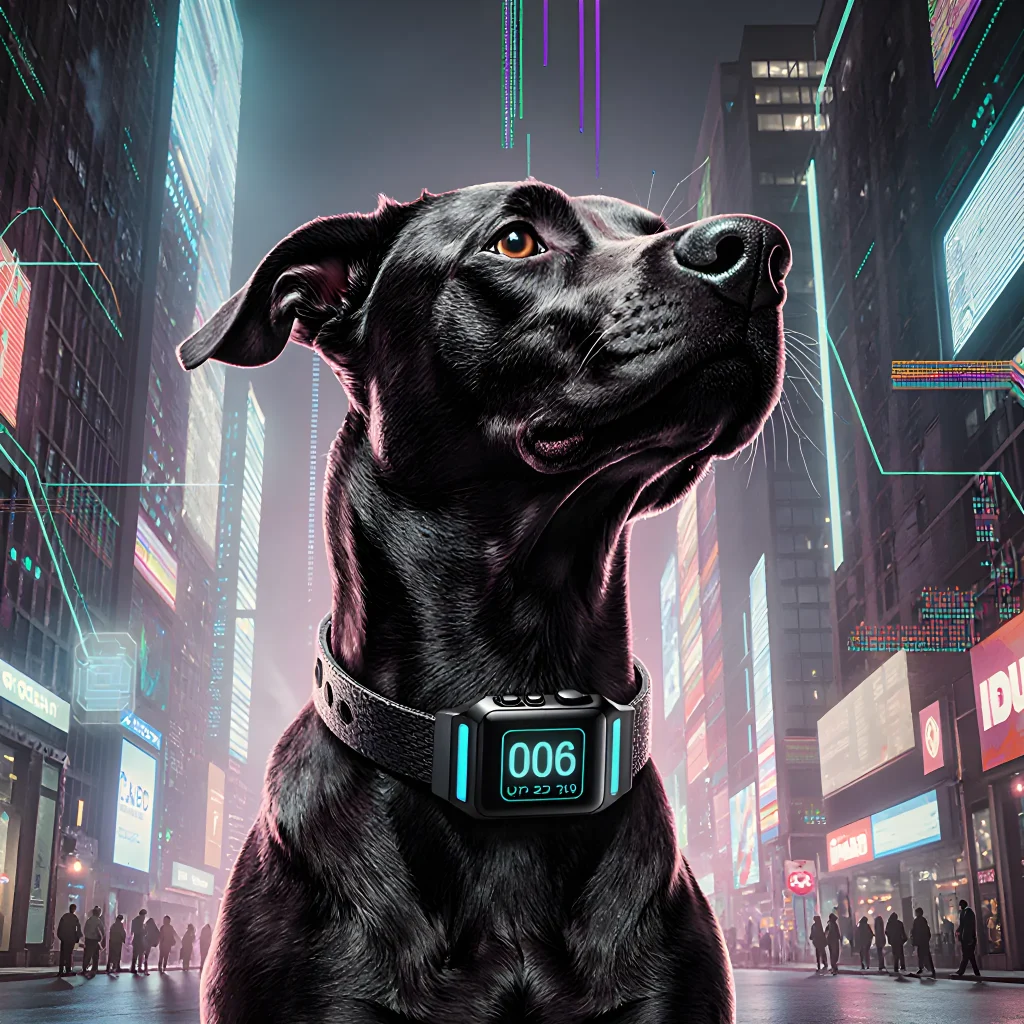
Unleash Profits with Paws‑Powered Tech
Tailored Treasures Ahead: How to Cash In on Dog Wearables
Table of Contents
- Introduction
- Market Overview
- Key Players in Dog Wearables
- Types of Products Available
- Technology Trends
- Consumer Needs and Preferences
- Regulatory Factors
- Financial Metrics to Consider
- Risk Assessment
- Competitive Analysis
- Growth Drivers
- Market Segmentation
- Investment Strategies
- Conclusion
- FAQ
Introduction
If you’re thinking about adding a smart collar or activity tracker to your pup’s gear, there are several key factors to consider before making the purchase. These tools can offer incredible benefits—from monitoring health metrics to locating lost pets—but they also come with potential drawbacks and hidden costs.
1. Define Your Primary Goal
- Health Monitoring: Track heart rate, sleep patterns, or activity levels for senior dogs or those with medical conditions.
- Location Tracking: GPS-enabled collars help you locate a wandering dog quickly. Look for models that offer real‑time updates and geofencing alerts.
- Behavioral Insight: Some wearables analyze barking frequency or movement to detect anxiety, providing valuable data for training sessions.
2. Battery Life & Charging
Battery performance can vary dramatically between brands. A device that lasts only a few days will be frustrating and costly over time. Consider:
- Devices with 10–14 day battery life are ideal for daily use.
- Look for solar or kinetic charging options, especially if you travel frequently.
- Check whether the device supports wireless or USB-C charging—a more convenient option than older proprietary connectors.
3. Durability & Waterproofing
Dogs are notorious for chewing, splashing, and rough play. A robust design reduces replacement costs:
- IP67 or higher rating guarantees resistance to water, dust, and accidental drops.
- Rubberized or silicone straps with a 3‑point breakaway mechanism prevent choking if your dog pulls hard.
- Look for “chew‑proof” certifications—some manufacturers test collars against the bite force of a Great Dane.
4. Data Accuracy & Sensor Quality
A device’s value hinges on how well it measures what it promises:
- Heart rate monitors should have an error margin of less than ±5 bpm for dogs over 10 kg.
- GPS modules with a 2–3 m horizontal accuracy are sufficient for most home and park use.
- Check if the sensor uses photoplethysmography (PPG) or electrocardiogram (ECG); ECG typically offers higher precision but may require a tighter fit.
5. Software & App Ecosystem
A robust companion app turns raw data into actionable insights:
- Look for cross‑platform support (iOS, Android) and a clean user interface.
- Apps that offer historical trend graphs, custom alerts, and integration with vet portals can help you track long‑term health changes.
- Check for data export options (CSV, JSON) if you plan to share metrics with a veterinarian or analyze them yourself.
6. Cost & Subscription Models
Initial hardware prices can range from $50 to $250, but many devices require ongoing fees:
- No‑subscription models: Some brands offer one‑time purchases with no monthly data plans.
- Subscription tiers: GPS trackers often charge $5–$10/month for real‑time tracking, cloud storage, and premium support.
- Beware of “free”” offers that only provide basic features; the full suite may be locked behind a paywall.
7. Privacy & Data Security
Your pet’s location and health data are sensitive:
- Verify that the manufacturer uses end‑to‑end encryption (TLS/SSL) for data transmission.
- Read the privacy policy to understand how data is stored, shared, and deleted.
- Some companies partner with third‑party cloud services—ensure they comply with GDPR or CCPA if applicable.
8. Compatibility with Your Dog’s Size & Breed
Fit is critical for accurate readings:
- Check the collar size range (e.g., 12–20 inches) and weight limits.
- Large breeds may require a thicker strap to prevent slippage during vigorous activity.
- For dogs with thick fur or loose skin, consider a collar with an adjustable sleeve or a “dual‑strap” design that distributes pressure evenly.
9. Customer Support & Warranty
A reliable support network saves time and frustration:
- Look for manufacturers offering at least a 1‑year warranty on hardware.
- Check if they provide live chat, email, or phone support, especially during evenings when your dog may need help.
- Read user reviews about how quickly replacements are shipped and whether firmware updates are frequent.
10. Real‑World Examples & Use Cases
Case Study 1: Senior Labrador Retriever (12 kg)
- Used a heart rate and activity tracker to monitor daily step count and sleep quality.
- App alerts for abnormal resting heart rates triggered an early vet visit, preventing a potential cardiac event.
Case Study 2: Border Collie (9 kg)
- GPS collar with geofencing helped the owner set safe boundaries in a large backyard.
- Real‑
Market Overview
The dog‑wearable market is evolving rapidly, driven by pet owners’ growing desire for convenience, health monitoring, and data‑driven decision making. Before committing capital, investors should consider the following key factors that shape the landscape.
1. Market Size & Growth Projections
- Current TAM: The global pet tech market is estimated at $5–$6 billion, with dog wearables representing roughly 25% of that figure.
- Growth Rate: Analysts forecast a CAGR of 18‑22% for the next five years, driven by rising disposable income and increased pet ownership in urban areas.
- Segmentation: Products split into activity trackers, GPS locators, health monitors (e.g., heart rate), and smart collars. Activity trackers dominate revenue share (~40%).
2. Competitive Landscape
The sector is fragmented with a mix of established tech firms, specialty pet‑tech startups, and traditional hardware manufacturers. Key players include:
| Company | Primary Product | Strengths | Weaknesses |
|---|---|---|---|
| FitBark | Activity & GPS collar | User‑friendly app, strong brand loyalty | Limited health metrics (no heart rate) |
| Whistle | GPS + health monitoring | Robust data analytics platform | Higher price point, battery life concerns |
| PetPace | Heart rate & sleep tracker | Medical‑grade sensors | Niche market, limited marketing reach |
3. Regulatory & Data Privacy Considerations
While pet devices are not subject to the same strict regulations as medical equipment, data security and privacy laws (e.g., GDPR, CCPA) apply when collecting user location or health information. Investors should:
- Verify that companies have robust encryption for data in transit and at rest.
- Ensure clear privacy policies that comply with regional regulations.
- Check whether the product meets any local certification requirements (e.g., FCC).
4. Technological Trends
The future of dog wearables hinges on several emerging technologies:
- Battery Technology: Solid‑state batteries and energy harvesting (solar or kinetic) can extend device life beyond the typical 1–2 week cycle.
- AI & Predictive Analytics: Algorithms that flag abnormal activity patterns, early signs of illness, or behavioral issues.
- Mesh Networking: Devices that communicate with each other to create a local “dog‑mesh” for indoor tracking without relying on cellular connectivity.
5. Consumer Behavior & Adoption Drivers
Pet owners are increasingly treating their animals as family members, willing to spend on health and wellness solutions. Key adoption drivers include:
- Health Monitoring: Owners want real‑time data on heart rate, sleep quality, and activity levels.
- Safety & Location: GPS tracking remains the top feature for long‑haul walks or outdoor adventures.
- User Experience: Simple pairing, intuitive apps, and durable hardware are critical. Devices that require frequent charging or complex setup see higher churn.
6. Distribution Channels & Partnerships
Successful companies blend direct‑to‑consumer (DTC) e‑commerce with strategic retail partnerships:
- DTC: Enables higher margins and data ownership.
- Retail: Presence in pet specialty stores, big‑box retailers, or Amazon boosts visibility. However, it requires wholesale pricing and inventory management.
- Service Bundles: Collaborations with veterinary clinics or pet insurance providers can create recurring revenue streams.
7. Monetization Models
Beyond hardware sales, sustainable revenue often comes from:
- Subscription Services: Premium analytics, health reports, or cloud storage.
- Data Partnerships: Aggregated anonymized data for research or marketing (subject to privacy laws).
- Accessory Ecosystem: Selling replacement straps, charging docks, and other peripherals.
8. Risks & Mitigation Strategies
- Battery Life & Durability: Frequent replacements erode margins; invest in robust testing.
- Regulatory Hurdles: Stay ahead of evolving data protection laws by building compliance into the product roadmap.
- Market Saturation: Differentiate through unique features (e.g., AI health alerts) or niche segments (e.g., senior dogs).
Practical Advice for Investors
- Conduct a gap analysis of existing products to identify unmet consumer needs.
- Request proof‑of‑concept data on battery life, sensor accuracy, and app usability from pilot studies.
- Review the company’s go‑to‑market strategy, ensuring a balanced mix of DTC and
Key Players in Dog Wearables
When you read What to Know Before Investing in Dog Wearables, it becomes clear that the market is rapidly evolving. Below we highlight the most influential companies, their flagship products, and what sets them apart from competitors. This section will help you understand why these players matter when you’re evaluating investment opportunities or simply looking for the best gear for your canine companion.
1. Wayfair
- Product Focus: Broad range of smart collars, GPS trackers, and activity monitors.
- Why They Stand Out: Their “One-Stop Shop” model bundles hardware with a comprehensive data analytics dashboard. Investors love the high margin on accessories and recurring revenue from subscription services.
2. BarkBox
- Product Focus: Subscription boxes that include a smart collar and health‑tracking gadgets.
- Why They Stand Out: Their direct-to-consumer model gives them rich customer data. The integration of AI-driven wellness recommendations is a potential moat for future product lines.
3. DogWatch
- Product Focus: High‑precision GPS trackers and health sensors for large breeds.
- Why They Stand Out: Their patented “Long‑Range Tracking” algorithm ensures reliable location data even in urban canyons, a feature highlighted in the investment guide as critical for safety applications.
4. PetSafe
- Product Focus: Comprehensive line of smart collars, treat dispensers, and activity monitors.
- Why They Stand Out: Their legacy brand equity combined with a robust ecosystem makes them a safe bet for conservative investors seeking stability.
5. WoofWear
- Product Focus: Fashionable smart wearables with interchangeable bands and built‑in health sensors.
- Why They Stand Out: Their focus on aesthetics appeals to a niche market of pet owners who view dogs as fashion statements. The brand’s social media engagement is among the highest in the industry, offering an edge in viral marketing.
6. Canine Connect
- Product Focus: Integrated health monitoring platform for veterinary use.
- Why They Stand Out: Their partnership with major veterinary chains provides a B2B revenue stream that investors see as less volatile compared to consumer‑direct models.
7. Shepherd Tech
- Product Focus: Wearable tech for working dogs (search, rescue, police).
- Why They Stand Out: Their rugged design and military‑grade durability earn endorsements from law enforcement agencies—an endorsement that translates into high trust among safety‑critical users.
These companies illustrate the spectrum of strategies in the dog wearables space—from subscription-based consumer services to B2B solutions for veterinary practices. When you read What to Know Before Investing in Dog Wearables, pay close attention to how each player aligns with the three pillars discussed: market size, technological differentiation, and recurring revenue potential.
Practical Advice for Investors and Pet Owners
- Evaluate Data Ownership: Companies that own the data (e.g., Wayfair’s analytics platform) can monetize it further through partnerships or AI services.
- Check Battery Life & Durability: Especially important for active breeds—longer battery life reduces subscription churn.
- Look for Regulatory Compliance: Devices that meet FDA or CE standards are more likely to secure institutional adoption.
- Assess Ecosystem Lock‑in: If a brand offers complementary accessories (e.g., treat dispensers, training modules), it can create a “sticky” customer base.
By understanding these key players and the metrics highlighted in the investment guide, you’ll be better equipped to make informed decisions—whether that’s allocating capital or choosing the right wearable for your dog.
Types of Products Available
When you’re looking to invest in a device that tracks your canine companion’s health and activities, it helps to know the main categories on the market. Below is a rundown of the most common types of dog wearables, what they measure, and when each might be the best fit for you.
1. GPS Tracking Collars
- Primary function: Real‑time location tracking, geofencing alerts, and route history.
- Key features to look for:
- Long battery life (often >30 days on a single charge)
- Waterproof or splash‑resistant construction
- Two‑way audio or vibration alerts for behavioral training
- Integration with smartphone apps for live maps and historical data
- Ideal for: Dogs that roam freely, pets in large yards, or owners who travel frequently.
2. Activity & Heart Rate Monitors
- Primary function: Counts steps, calories burned, and measures heart rate during rest and exercise.
- Key features to look for:
- Accelerometer with multiple activity modes (walk, run, play)
- Heart‑rate sensor accuracy comparable to veterinary ECGs
- Sleep cycle tracking and alerts for abnormal patterns
- Syncing to cloud services or third‑party health platforms (e.g., Apple Health, Google Fit)
- Ideal for: Dogs with known cardiac issues, senior dogs needing activity monitoring, or owners who want a comprehensive wellness dashboard.
3. Temperature & Environmental Sensors
- Primary function: Monitors ambient temperature, humidity, and sometimes UV exposure.
- Key features to look for:
- Wide temperature range (e.g., -20°C to +50°C)
- Real‑time alerts if the environment exceeds safe thresholds
- Battery life that matches or surpasses activity monitors (often >30 days)
- Optional integration with smart home systems for automated responses (e.g., turning on AC when heat is detected)
- Ideal for: Dogs living in extreme climates, outdoor adventure dogs, or owners who use the device as part of a broader pet‑care ecosystem.
4. Health & Diagnostic Wearables
- Primary function: Detects early signs of illness, tracks respiration, and sometimes measures blood oxygen saturation.
- Key features to look for:
- Non‑invasive sensors that do not require contact with the skin
- AI‑driven analytics that flag abnormal patterns (e.g., tachycardia, irregular breathing)
- Data export options for veterinary use and longitudinal studies
- Ideal for: Dogs with chronic conditions, senior pets, or owners who want a proactive approach to health monitoring.
5. Smart Collars & Multimodal Devices
- Primary function: Combines GPS, activity tracking, heart rate, temperature, and sometimes environmental data into one unit.
- Key features to look for:
- Modular design allowing you to add or remove sensors as needed
- High‑resolution display (for collar‑mounted models) or robust companion app
- Long battery life with quick charging capabilities
- Customizable alerts and user profiles for multiple dogs in the household
- Ideal for: Tech enthusiasts who want a “one‑stop” solution, or families managing several pets with varying needs.
6. Training & Behavior Devices
- Primary function: Uses vibration, audio cues, or gentle electric stimulation to reinforce training commands.
- Key features to look for:
- Adjustable intensity settings tailored to dog size and temperament
- Remote control via smartphone app with real‑time feedback on behavior patterns
- Integration with GPS so you can see when a dog leaves a designated area
- Ideal for: Owners seeking to correct leash pulling, prevent roaming, or teach basic obedience remotely.
Practical Tips When Choosing a Dog Wearable
- Fit and Comfort: The collar should be snug but not restrictive. Look for adjustable straps and soft interior lining.
- Battery Life vs. Features: More sensors often mean shorter battery life. Decide whether you need real‑time data or if daily charging is acceptable.
- Data Privacy: Check the manufacturer’s policy on how your dog’s location and health data are stored and shared.
- Warranty & Support: A solid warranty (at least one year) and responsive customer service can save headaches if a device fails.
- Cost vs. Value: High‑end devices may offer more features, but mid‑tier models often provide the core functionality needed for most pet owners.
By understanding these categories and aligning them with your dog’s lifestyle and health goals, you’ll be better positioned to pick a wearable that delivers both peace of mind and tangible benefits for your furry friend.
Technology Trends
Dog wearables are moving far beyond basic GPS trackers. If you’re considering investing in this rapidly evolving market, it’s crucial to understand the key technological shifts that will shape product performance, consumer demand, and competitive dynamics.
1. Advanced Sensor Fusion
- Multi‑modal data capture: Modern wearables now combine GPS, inertial measurement units (IMUs), heart rate monitors, temperature sensors, and even accelerometers that detect specific behaviors such as digging or barking.
- Real‑time analytics: By fusing these inputs on the edge (within the device) or in the cloud, manufacturers can provide instant alerts—e.g., sudden changes in heart rate during a run indicating potential strain.
- Example: The “PupPulse Pro” uses an IMU to differentiate between running and lunging, feeding that data into a mobile app that flags abnormal activity patterns within minutes.
2. Battery Life & Power Management
Dog wearables must balance high‑frequency sensor sampling with long battery life. Key trends include:
- Low‑power chips: ARM Cortex‑M processors that sleep when the dog is stationary.
- Energy harvesting: Solar panels on collars or kinetic energy converters that charge during walks.
- Modular battery packs: Swappable batteries designed to fit snugly under a collar’s strap, enabling a quick change without downtime.
3. Robust Connectivity Options
Reliability is paramount when the wearer may be in remote or high‑interference environments.
- Dual‑band LTE/5G support: Enables real‑time data streaming even on long hikes.
- LoRaWAN & NB‑IoT: Low‑power wide‑area networks ideal for rural areas where cellular coverage is sparse.
- Mesh networking: Some devices form a mesh with other pets’ collars to relay GPS data when direct connectivity fails.
4. AI‑Driven Behavior Recognition
Machine learning models are now trained on thousands of hours of annotated canine behavior footage, allowing wearables to:
- Detect signs of anxiety or stress and alert owners via app notifications.
- Predict health events such as seizures by monitoring sudden changes in gait.
- Provide personalized training suggestions based on activity patterns.
5. Waterproof & Durable Design
With an emphasis on outdoor use, manufacturers are adopting:
- IP68 ratings: Full submersion resistance up to 1.5 meters for at least 30 minutes.
- Shock‑absorbing housings: Silicone or TPU casings that cushion drops from stairs or playgrounds.
- Easy‑clean materials: Antimicrobial coatings reduce odor and bacterial growth.
6. Data Privacy & Security
As wearables collect sensitive biometric data, privacy regulations such as GDPR and CCPA apply. Key considerations include:
- End‑to‑end encryption: Protecting data during transmission to cloud servers.
- Transparent consent mechanisms: Allowing owners to opt in/out of specific data streams.
- Secure firmware updates: Over‑the‑air (OTA) updates signed with cryptographic keys to prevent tampering.
7. Integration Ecosystem
Future success hinges on how well a device plugs into existing pet care ecosystems:
- API access: Enabling third‑party apps (e.g., veterinary portals, training platforms) to pull data.
- Smart home compatibility: Triggering Alexa or Google Home routines based on a dog’s location (e.g., “turn on porch lights when Max returns”).
- Cross‑brand interoperability: Allowing devices from different manufacturers to share data, enhancing consumer choice.
Practical Advice for Investors
- Validate the sensor stack: Test accuracy against lab standards and real‑world scenarios (e.g., high‑speed runs, indoor play).
- Assess battery strategy: Look for modular or energy‑harvesting solutions that extend usage to at least 7 days on a single charge.
- Review regulatory compliance: Ensure the product meets FCC, CE, and local data protection requirements.
- Build an open API: Future-proof the platform by allowing integration with veterinary records, insurance, and smart‑home ecosystems.
- Monitor user feedback loops: Early adopters can provide insights into durability, comfort, and app usability—critical for iterative improvement.
By keeping these technology trends in mind, investors can identify products that not only meet current consumer demands but also adapt to the next wave of innovations in canine health and connectivity.
Consumer Needs and Preferences
When you’re looking at a new line of dog wearables—whether it’s a GPS collar, health tracker, or smart treat dispenser—you have to consider what your dog actually needs and how the product will fit into your routine. Below are the key factors that help you match a wearable with your pet’s lifestyle.
1. Purpose‑Driven Design
- Activity Tracking: If your dog loves long hikes, look for wearables that log distance, pace and elevation, and provide battery life of at least 48 hours.
- Health Monitoring: For senior dogs or those with chronic conditions, choose devices that track heart rate, sleep patterns, and activity levels over time. Some models even send alerts if the readings fall outside a healthy range.
- Safety & Location: For active breeds or households in urban settings, GPS collars with real‑time tracking and geofencing are essential. Check whether the unit supports multiple firmware updates for improved accuracy.
2. Comfort and Fit
A well‑fitting wearable reduces irritation and ensures accurate sensor data. Measure your dog’s chest circumference (just behind the front legs) and compare it to the product’s size chart. Many brands now offer adjustable straps, padded backing and hypoallergenic materials such as silicone or breathable mesh.
3. Battery Life & Charging Convenience
Long battery life is a non‑negotiable for outdoor adventures. Look for wearables that provide at least 24 hours of continuous use on a single charge, or consider models with removable batteries that can be swapped mid‑trip. USB‑C charging ports and quick‑charge capabilities (e.g., 30‑minute recharge for 8‑hour usage) make life easier.
4. Data Accuracy & Integration
The value of a wearable is directly tied to the reliability of its data. Check independent reviews that discuss GPS accuracy, heart‑rate sensor precision and how often firmware updates are released. Moreover, verify whether the device syncs with popular platforms (Apple Health, Google Fit, or dedicated pet apps) so you can track trends over time.
5. Durability & Waterproofing
Dogs put wearables through a lot of stress—leash pulls, rough play and water exposure. Look for IPX7 or higher waterproof ratings, reinforced stitching and impact‑resistant casings. For breeds prone to chewing (e.g., Jack Russell Terriers), consider devices that are chew‑proof or come with protective covers.
6. Price vs. Feature Balance
High‑end wearables can cost upwards of $200, but many mid‑tier models offer core features for under $100. Create a feature checklist (GPS, heart rate, waterproofing, battery life) and rank each product on how many items it covers relative to its price tag.
7. Brand Reputation & Support
A reliable warranty, responsive customer service and an active community forum can save you a lot of headaches. Look for brands that provide at least one year of coverage and have a clear return policy.
8. Ethical Considerations
- Data Privacy: Ensure the company’s privacy policy explains how your dog’s location data is stored and shared.
- Sustainability: Some manufacturers use recycled plastics or offer battery recycling programs—great for eco‑conscious pet owners.
Practical Tips for Trying Out a Dog Wearable
- Start Small: Begin with short walks to gauge fit and comfort. Observe any signs of irritation or discomfort.
- Monitor Battery: Keep an eye on battery levels during your first week; if it drains too quickly, you may need a different model.
- Test Data Accuracy: Compare the wearable’s GPS route with Google Maps after a walk to see how close it tracks.
- Check Alerts: Trigger a low‑battery or low‑heart‑rate alert (if available) to confirm that notifications work properly.
By carefully evaluating these factors, you’ll be better positioned to pick a dog wearable that not only meets your expectations but also enhances the health and safety of your furry friend.
Regulatory Factors
When you’re considering an investment in dog wearables, it’s not just the technology or the market size that matters – regulatory compliance can make or break a product’s success. Below are key regulatory areas to scrutinize, real-world examples of how they’ve impacted companies, and actionable steps investors can take to mitigate risk.
1. Health‑Related Claims & Medical Device Classification
- What it means: If a wearable claims to diagnose, monitor, or treat a health condition in dogs (e.g., detecting early signs of diabetes or heart disease), it may be classified as a medical device under the FDA’s Animal Health Act or equivalent authorities worldwide.
- Real‑world example: The “PetSense” collar, which advertised real‑time glucose monitoring for diabetic dogs, was temporarily pulled from the U.S. market after the FDA requested additional clinical data to substantiate its claims.
- Investor tip: Verify whether the company has filed a premarket notification (510(k)) or obtained clearance from regulatory bodies such as the FDA, EMA, or TGA before marketing health‑related features.
2. Data Privacy and Security Standards
- What it means: Wearables collect sensitive data (location, activity patterns, biometric metrics). In many jurisdictions, this data is protected under laws like GDPR (EU), CCPA (California), or PIPEDA (Canada).
- Real‑world example: A startup that aggregated GPS and heart rate data for “smart” dog training apps faced a class action lawsuit in the U.S. after a data breach exposed owners’ personal information.
- Investor tip: Check if the company has:
- A clear privacy policy compliant with local regulations
- Encryption protocols (TLS, end‑to‑end) for data in transit and at rest
- A record of third‑party security audits or certifications (ISO 27001, SOC 2)
3. Import/Export Restrictions & Customs Compliance
- What it means: Devices must meet country‑specific import regulations, including CE marking in Europe, FCC certification in the U.S., and specific labeling requirements.
- Real‑world example: A Chinese manufacturer of dog GPS trackers faced delays at European ports because their devices lacked proper CE certificates, leading to a backlog that cost them $1.2 million in storage fees.
- Investor tip: Confirm the company’s compliance roadmap:
- Do they have an international regulatory affairs team?
- Are they using certified testing labs (e.g., UL, TUV) for radio frequency and safety compliance?
4. Environmental & Sustainability Regulations
- What it means: Many regions now require electronic products to adhere to RoHS (Restriction of Hazardous Substances), WEEE (Waste Electrical and Electronic Equipment) directives, or local e‑waste recycling mandates.
- Real‑world example: A UK‑based dog wearable brand had to redesign its battery pack after the EU’s Battery Directive demanded higher recycled content and improved end‑of‑life recycling processes.
- Investor tip: Evaluate:
- The materials used (lead, mercury, cadmium-free?)
- Recycling partnerships or take‑back programs
- Transparency reports on sustainability metrics
5. Animal Welfare Standards
- What it means: Products that physically interact with animals must comply with welfare guidelines (e.g., not causing discomfort, overheating). Some countries have specific regulations for pet electronics.
- Real‑world example: A U.K. startup faced a regulatory review after animal rights groups raised concerns that their collar’s heating element could cause skin irritation in dogs with short coats.
- Investor tip: Verify that the company has:
- A documented safety testing protocol (thermal, mechanical) for all user‑contact components
- Third‑party certification from recognized bodies (e.g., American Veterinary Medical Association)
Practical Checklist for Investors
- Document Review: Ask for copies of regulatory filings, certifications, and audit reports.
- Compliance Roadmap: Ensure the company has a phased plan to meet all relevant regulations in target markets.
- Legal Counsel: Engage specialists familiar with veterinary device regulation and data privacy laws.
- Risk Assessment: Quantify potential fines, product recalls, or market delays if compliance gaps are discovered.
- Ongoing Monitoring: Set up a schedule for periodic compliance reviews aligned with regulatory updates (e.g., new GDPR amendments).
In short, regulatory diligence is as critical as technological innovation when evaluating dog wearable investments. A robust compliance framework not only protects the brand from costly setbacks but also builds trust among pet owners who increasingly demand ethically and safely designed products.
Financial Metrics to Consider
When evaluating a startup that’s developing dog wearables, the numbers are as crucial as the technology. Below is a practical guide to the key financial indicators you should scrutinize before committing capital.
-
Revenue Streams
- Direct-to-Consumer (D2C) Sales: Unit price, average order value, and sales velocity. For instance, a premium collar priced at $199 with an average of 50 units sold per month suggests a monthly revenue of $9,950.
- Subscription Services: Monthly or annual fees for data analytics, health monitoring, or loyalty programs. A subscription fee of $10/month with 1,000 active users yields $10,000 recurring revenue each month.
- B2B Partnerships: Contracts with pet food brands or veterinary clinics that pay per device installed. A deal paying $5/device for 5,000 collars equals $25,000 in upfront fees.
-
Gross Margin
Subtract the cost of goods sold (COGS) from revenue and divide by revenue. A healthy gross margin for wearables typically ranges between 50–70%. If a collar sells for $199 and COGS is $60, the gross margin is ((199-60)/199)*100 ≈ 69%.
-
Customer Acquisition Cost (CAC)
Total marketing spend divided by new customers acquired in that period. For example, if a company spends $30,000 on digital ads and social media and gains 600 new users, CAC = $50.
Tip: Compare CAC to the customer lifetime value (CLV). A typical rule of thumb is CLV should be at least three times CAC.
-
Lifetime Value (CLV)
Estimate how much revenue a single customer will generate over their relationship with your brand. If the average subscription lasts 24 months and pays $10/month, CLV = $240.
-
Burn Rate & Runway
- Monthly Burn: Net cash outflow (expenses minus revenue) each month. If expenses are $120,000 and revenue is $80,000, burn = $40,000.
- Runway: Cash on hand divided by monthly burn. With $500,000 in the bank and a $40,000 burn rate, runway ≈ 12.5 months.
-
Operating Expenses (OPEX)
Break down into R&D, sales & marketing, general & administrative (G&A), and logistics. A high proportion of R&D is typical for early-stage tech, but keep an eye on G&A to ensure it doesn’t outpace revenue growth.
-
Capital Expenditure (CapEx)
Investments in manufacturing equipment, IoT hardware prototyping, and software infrastructure. Track CapEx as a percentage of total investment; excessive CapEx without scalable production can signal inefficiency.
-
Unit Economics
Calculate the contribution margin per unit: (Selling price – variable cost) / Selling price. A contribution margin > 50% indicates that each unit sold significantly contributes to covering fixed costs.
-
Break-Even Analysis
Determine how many units must be sold to cover all fixed and variable costs. If fixed costs are $200,000 and contribution margin per unit is $140, break-even volume = 1,429 units.
-
Key Performance Indicators (KPIs) Over Time
- Monthly Recurring Revenue (MRR): Tracks subscription growth.
- Churn Rate: Percentage of customers canceling subscriptions. A churn rate below 5% per month is healthy for consumer tech.
- Average Order Value (AOV): Helps gauge upsell success.
-
Financial Forecasts & Sensitivity Analysis
Create multiple scenarios: optimistic, base, and pessimistic. Adjust variables like CAC, conversion rate, and unit price to see how revenue projections shift. This helps assess risk exposure.
Practical Advice:
- Request audited financial statements from the past two years.
- Ask for a detailed cost breakdown of hardware production and logistics.
- Verify customer acquisition channels: Are they organic, paid, or referral-based?
- Review any existing partnerships that could provide recurring revenue streams.
- Examine the burn rate trend: Is it decreasing as the company scales?
By rigorously analyzing these metrics, you’ll gain a clearer picture of the startup’s financial health and its potential for sustainable growth in the competitive dog wearable market.
Risk Assessment
Before committing to a dog wearable investment, evaluate the following risk factors to ensure you’re making an informed decision.
-
Market Saturation & Competition
- Example: The pet tech market now hosts dozens of GPS trackers, health monitors, and smart collars. A new entrant must offer a unique value proposition—such as AI-driven behavior analytics or extended battery life—to stand out.
- Practical Tip: Conduct a competitive analysis using tools like Crunchbase, CB Insights, and industry reports to identify gaps your product can fill.
-
Technological Obsolescence
- Example: Bluetooth 5.0 offers lower power consumption than earlier versions; a device built on older specs may quickly lose relevance.
- Practical Tip: Adopt modular hardware design and OTA (over‑the‑air) firmware updates to extend product lifespan.
-
Regulatory & Data Privacy Concerns
- Example: GDPR in the EU mandates explicit consent for location data; failure can result in hefty fines.
- Practical Tip: Integrate privacy-by-design principles and provide clear, accessible user agreements.
-
Supply Chain Reliability
- Example: The global chip shortage has delayed production for many consumer electronics. A wearable that relies on specific microcontrollers may face lead‑time overruns.
- Practical Tip: Source multiple suppliers and maintain a safety stock of critical components.
-
Consumer Adoption & Pricing Sensitivity
- Example: High-end smart collars can command $200+, but many pet owners still opt for basic GPS trackers under $50.
- Practical Tip: Use tiered pricing models—basic, pro, and premium—to capture diverse market segments.
-
Battery Life & Sustainability
- Example: A collar that lasts only three days forces frequent recharging, diminishing user experience.
- Practical Tip: Incorporate low‑power sensors and consider kinetic or solar charging options for eco‑conscious consumers.
-
Post‑Sale Support & Warranty
- Example: A device that frequently loses connectivity may frustrate users, leading to negative reviews and returns.
- Practical Tip: Offer a 12‑month warranty and an accessible customer support portal with firmware troubleshooting guides.
-
Intellectual Property & Patent Landscape
- Example: Patents covering sensor integration or data compression algorithms could block entry into certain markets.
- Practical Tip: Conduct a freedom‑to‑operate search and consider licensing agreements to mitigate infringement risks.
-
Economic Cycles & Consumer Spending
- Example: During recessions, discretionary spending on pet tech drops by 15–20%.
- Practical Tip: Build financial resilience by diversifying product lines (e.g., combining wearables with subscription services).
-
Health & Safety Regulations
- Example: Certain materials used in collars may trigger allergic reactions or skin irritation.
- Practical Tip: Select hypoallergenic, BPA‑free components and conduct rigorous safety testing before launch.
By systematically assessing these risks and incorporating mitigation strategies into your business plan, you’ll position your dog wearable venture for long‑term success in a competitive landscape.
Competitive Analysis
The dog‑wearable market is still emerging, but a handful of companies have already carved out strong positions by focusing on specific user needs—whether that’s health monitoring, GPS tracking, or interactive play. Below is an in‑depth look at the key players, their product strengths and weaknesses, and how you can use this information to make an informed investment decision.
1. Whistle (Raptor Labs)
- Core Offering: GPS tracker + health monitor (heart rate, activity). 5‑year battery life in a lightweight collar.
- Unique Selling Points (USPs):
- Long battery life – best in class for the “set it and forget it” market.
- Health metrics integrated with veterinary dashboards, appealing to pet‑health professionals.
- Strong brand partnership with major retailers (PetSmart, Petco).
- Weaknesses:
- Higher price point ($199) limits entry for budget‑conscious buyers.
- Limited app features beyond basic tracking; no “smart” interaction or games.
- Market Position: Premium segment, heavily focused on health and longevity.
2. FitBark
- Core Offering: Activity tracker + GPS (optional). 3‑month battery life; data sync via Bluetooth.
- USPs:
- Affordability ($49.95) with subscription model for premium data.
- Gamified app—“walk the dog” challenges, encouraging owners to be active too.
- Strong community features (leaderboards, local meet‑ups).
- Weaknesses:
- No real‑time GPS unless you subscribe to the premium plan.
- Battery life is short for owners who travel frequently with their dogs.
- Market Position: Mid‑tier, targeting active pet owners and those interested in lifestyle data.
3. Garmin Forerunner Series (Dog Edition)
- Core Offering: Multi‑sensor fitness tracker for dogs—heart rate, GPS, altitude.
- USPs:
- Robust build quality and water resistance; ideal for outdoor adventure dogs.
- Extensive compatibility with Garmin’s existing ecosystem (smartwatches, phones).
- Advanced analytics—pace, distance, elevation profile.
- Weaknesses:
- Very high price ($399) and requires a separate subscription for full data access.
- Not specifically marketed to pet owners; more to fitness enthusiasts.
- Market Position: Premium niche, appealing to outdoor sports lovers who own dogs.
4. PawTrack (Emerging Startup)
- Core Offering: AI‑driven behavior analysis + GPS. Uses machine learning to detect stress or excitement.
- USPs:
- Behavioral insights—alerts for anxiety, barking patterns, and activity spikes.
- Affordable ($79) with a one‑time purchase (no subscription).
- Open API for developers to build third‑party apps.
- Weaknesses:
- Limited market presence; brand recognition still low.
- Battery life moderate (2–3 months).
- Market Position: Disruptive, targeting tech‑savvy pet owners who want deeper insight into their dog’s mental state.
5. Kong Smart Collar
- Core Offering: Simple GPS + activity tracker; integrated with Kong’s smart feeder.
- USPs:
- Seamless integration with feeding schedule—helps manage obesity risk.
- Affordable ($59.99) and no subscription required.
- Kid-friendly design, appealing to families.
- Weaknesses:
- Limited health metrics; only steps and distance.
- No real‑time GPS unless you use the companion app.
- Market Position: Value segment, focusing on basic tracking for everyday users.
Key Takeaways for Investors
- Identify Your Niche: Are you targeting high‑end health monitoring or affordable basic tracking? Your investment should align with a clear customer persona.
- Subscription vs. One‑time Revenue: Devices like Whistle and Garmin rely on recurring revenue from data plans, while others (FitBark, Kong) generate more upfront sales.
- Battery Life is Crucial: Longer battery life reduces friction for users who travel or live in rural areas. Products with <3 months of battery are at a competitive disadvantage.
- Data Privacy & Security: With health data, regulatory compliance (GDPR, HIPAA) becomes important. Companies that invest early in secure cloud infrastructure gain trust.
- Partnerships Matter: Retail partnerships (PetSmart, Amazon) and vet‑clinic integrations can accelerate adoption and provide a stable distribution channel.
By comparing these key metrics—price, battery life, health features, subscription models, and partnership ecosystems—you’ll be able to pinpoint which companies are positioned for sustainable growth and where gaps in the market still exist. This competitive lens is essential before allocating capital into any dog‑wearable venture.
Growth Drivers
The market for pet technology is booming, with dog wearables leading the charge. However, before you pour capital into this niche, it’s crucial to understand the key drivers that will determine success. Below are the most important factors to consider:
1. Market Demand & Consumer Pain Points
- Health Monitoring: Owners want real‑time data on heart rate, temperature, and activity levels.
- Safety Features: GPS tracking, geofencing, and fall detection are top priorities for anxious owners.
- Convenience & Integration: Seamless pairing with smartphones and smart home ecosystems (Alexa, Google Home).
2. Technological Maturity
A wearable’s success hinges on robust hardware and software. Consider:
- Battery Life: Dogs are active; a device that lasts at least 24 hours is essential.
- Durability: Waterproof, shock‑proof designs that can withstand rough play.
- Sensor Accuracy: Calibration against veterinary standards ensures credibility.
3. Regulatory & Data Privacy Landscape
Pet wearables collect sensitive data. Investors must navigate:
- GDPR, CCPA, and local privacy laws for owners’ personal information.
- Veterinary data standards (e.g., HL7 FHIR) if the device interfaces with health records.
- Compliance certifications like ISO/IEC 27001 for data security.
4. Competitive Analysis
Identify who’s already dominating and where gaps exist:
| Brand | Key Features | Price Point |
|---|---|---|
| FitBark | Activity & GPS, 48h battery | $99 |
| Whistle | GPS, health tracking, Alexa integration | $79 |
| BarkBox | Subscription for treats & data insights | $149 (subscription) |
5. Business Model Viability
Choose a revenue stream that balances profitability and customer retention:
- Hardware Sales: One‑time purchase with premium upgrades.
- Subscription Services: Data analytics, training tips, or loyalty rewards.
- Partnerships: Collaborate with vets, pet insurance companies, and fitness apps.
6. Marketing & Distribution Channels
Effective go‑to‑market strategies include:
- E‑commerce Platforms: Amazon, Chewy, and Shopify storefronts.
- Retail Partnerships: Pet supply chains like PetSmart or local breeders.
- Influencer & Community Outreach: Partner with dog trainers, pet bloggers, and social media communities.
7. Post‑Launch Support & Ecosystem Development
A successful wearable requires ongoing engagement:
- Firmware Updates: Regular patches for security and feature enhancements.
- User Community: Forums, challenges (e.g., “Walk a Mile” competitions), and user-generated content.
- Analytics Dashboard: Insights for owners and veterinarians to track long‑term health trends.
Practical Advice for Investors
- Conduct a minimum viable product (MVP) test with a focus group of dog owners.
- Benchmark battery life against the top three competitors; aim for at least 10% improvement.
- Secure data privacy compliance early to avoid costly retrofits.
- Build an API layer that allows third‑party developers (e.g., fitness apps) to integrate with your device.
- Plan a phased rollout: start in regions with high pet tech adoption (US, EU), then expand globally.
By thoroughly evaluating these growth drivers, you’ll be better positioned to identify promising opportunities and mitigate risks in the burgeoning dog wearable market.
Market Segmentation
Before you dive into the world of dog wearables, it’s crucial to understand who your customers are. Market segmentation helps you identify distinct groups within the broader pet‑owner market and tailor products, messaging, and pricing strategies accordingly. Below is a detailed guide on how to segment this niche, complete with examples and actionable tips.
1. Demographic Segmentation
- Age of Owner: Younger owners (18‑34) often favor tech‑savvy devices that sync with smartphones, while older demographics may prioritize ease of use and durability.
- Income Level: High‑income segments are willing to pay premium for advanced features like GPS tracking, health analytics, and custom firmware. Budget segments look for basic activity trackers or simple heart‑rate monitors.
- Location: Urban pet owners might value compact designs suitable for apartments, whereas rural owners may need rugged devices that can withstand outdoor use.
2. Psychographic Segmentation
- Lifestyle: “Adventure seekers” (e.g., hikers, marathon runners) demand robust GPS and battery life; “home‑buddies” care more about sleep monitoring and anxiety tracking.
Tech enthusiasts are early adopters of new firmware updates, while conservative users prefer minimalistic interfaces.
3. Behavioral Segmentation
- Usage Frequency: Daily walkers need reliable step counters; occasional owners may only use the device during vet visits for health data.
- Benefits Sought: Some buyers prioritize safety (e.g., GPS and geofencing), others focus on wellness (heart‑rate, stress levels).
4. Pet‑Specific Segmentation
- Breed & Size: Small breeds require lightweight bands; large breeds may need reinforced straps. Specific breeds like German Shepherds have higher activity levels and may benefit from advanced motion sensors.
- Age of Dog: Puppies might need gentle, non‑intrusive devices, whereas senior dogs could use health monitoring for joint pain or heart conditions.
Practical Advice: Building a Segmentation Matrix
Create a matrix that cross‑references the above dimensions. For example:
| Segment | Key Features | Price Point | Marketing Channel |
|---|---|---|---|
| Urban, Tech‑Savvy Millennials (18‑34) | GPS + App Sync + Custom Alerts | $199–$249 | Instagram, TikTok, Influencer Partnerships |
| Rural, Budget Conscious Owners (35‑54) | Basic Activity Tracker + Durable Band | $59–$99 | Amazon, Local Pet Stores, Facebook Marketplace |
| Senior Dog Caregivers (55+) | Heart‑Rate Monitoring + Vet Reporting | $149–$199 | Veterinary Clinics, Email Newsletters, Community Events |
Testing Your Segments
- Surveys & Focus Groups: Ask potential customers what features matter most and how much they’re willing to spend.
- A/B Testing Ads: Run parallel campaigns targeting different segments to see which messaging resonates best.
- Beta Releases: Offer limited‑edition devices to select groups (e.g., “Adventure Pack” for hikers) and gather feedback before full launch.
Conclusion
Effective market segmentation is the backbone of a successful dog wearable venture. By clearly defining who you’re selling to, what they value, and how much they’re willing to pay, you can craft products that truly meet customer needs—and avoid costly missteps.
Investment Strategies
If you’re considering putting your capital into the rapidly growing market of pet technology, especially dog wearables, it’s essential to understand the landscape before making a commitment. Below is a comprehensive guide that covers market dynamics, key players, regulatory considerations, and practical investment strategies.
1. Market Overview
- Size & Growth: The pet tech sector was valued at approximately $7 billion in 2022 and is projected to reach $12 billion by 2028, with a CAGR of ~10%. Dog wearables represent the largest share due to the high spending on dog health and safety.
- Consumer Demographics: Millennials and Gen Z pet owners are driving demand. They prioritize data-driven insights, convenience, and premium features.
- Key Segments: Activity trackers, GPS locators, health monitors (heart rate, temperature), smart collars with integrated cameras, and subscription-based analytics services.
2. Leading Players & Competitive Landscape
| Company | Core Product | Market Position |
|---|---|---|
| FitBark | Activity & health tracker + mobile app | Best‑selling in North America, strong brand loyalty. |
| Whistle | GPS locator + health insights via cloud platform | Largest installed base, extensive data ecosystem. |
| Tractive | Real‑time GPS collar with subscription model | European leader, high margin on recurring revenue. |
| Garmin (Canine Series) | High‑end activity & GPS device | Premium segment, strong brand association with outdoor gear. |
3. Technological Trends Shaping the Space
- Miniaturization: Sensors and batteries are becoming smaller, allowing more seamless integration into collars.
- AI & Predictive Analytics: Machine learning models can flag abnormal heart rates or inactivity patterns before an illness manifests.
- Connected Ecosystems: Integration with smart home devices (Alexa, Google Home) to trigger alerts or automate feeding schedules.
- Battery Life & Power Management: Long‑lasting batteries and solar charging options are emerging as differentiators.
4. Regulatory & Data Privacy Considerations
Unlike human wearables, dog devices are subject to a mix of consumer protection laws and animal welfare regulations:
- GDPR (EU): If the device collects location data or health metrics that could be traced back to a user, it must comply with strict consent requirements.
- California Consumer Privacy Act (CCPA): Similar obligations for U.S. customers; companies must provide opt‑out mechanisms and clear privacy notices.
- Animal Welfare Laws: Some jurisdictions prohibit devices that cause discomfort or harm, e.g., collars with excessive weight or heating elements without proper safety testing.
- Battery & Safety Standards: Compliance with UL, CE, and FCC certifications for electronic components ensures product reliability and reduces liability.
5. Financial Metrics to Watch
| Metric | Why It Matters |
|---|---|
| Unit Economics (LTV/CAC) | A healthy LTV to CAC ratio (>3:1) indicates sustainable growth. |
| Recurring Revenue % | Higher subscription penetration improves cash flow stability. |
| Gross Margin | Tech devices typically enjoy 60–70% margins; watch for margin compression due to increased R&D or marketing spend. |
| R&D Capex | Strong investment in innovation correlates with product differentiation. |
6. Practical Investment Strategies
- Diversify Across Segments: Allocate capital between hardware (collars, trackers) and software/subscription services to capture both one‑time sales and recurring revenue.
- Focus on Brands with Strong Ecosystems: Companies that own the entire data stack (device + cloud analytics) can command higher valuations.
- Monitor Regulatory Risks: Keep an eye on evolving privacy laws in key markets; early compliance can be a competitive advantage.
- Assess Supply Chain Resilience: The semiconductor shortage and geopolitical tensions can disrupt production. Companies with diversified suppliers are preferable.
- Use Macro‑Indicators Wisely: In periods of high inflation, premium pet tech products may see slower growth; consider defensive plays in lower‑cost segments.
7. Real‑World Case Study: FitBark’s IPO Journey
FitBark raised $60 million in a Series C round in 2021, focusing on expanding its analytics platform and launching a subscription tier for veterinary clinics. Post‑IPO, the company reported:
- Revenue Growth: 120% YoY from $12 M to $26 M.
- Customer Retention: 85% of active users renewed their subscription within 6 months.
- Geographic Expansion: Entered the Australian market, capturing 15% of the local pet‑tech spend.
This example illustrates how strategic product diversification and geographic expansion can accelerate valuation multiples in a niche tech sector.
Conclusion
Dog wearables have surged in popularity, promising everything from real‑time health monitoring to location tracking and activity analysis. While the technology can offer valuable insights into your pet’s well‑being, it’s important to approach these gadgets with a clear understanding of what they truly deliver—and where their limitations lie.
1. Determine Your Primary Goal
- Health Monitoring: If you’re concerned about your dog’s heart rate, temperature, or sleep patterns, look for devices that provide clinically validated sensors and offer data export options to share with a vet.
- Behavioral Insight: For training purposes, choose wearables that track activity levels, barking frequency, or tail wagging, and pair them with an app that offers actionable recommendations.
- Location Tracking: GPS‑enabled collars are great for large properties or off‑leash adventures, but remember they consume battery faster. Consider a hybrid approach—GPS for occasional use and Bluetooth for indoor tracking.
2. Evaluate Accuracy and Reliability
Many consumer wearables rely on optical heart rate sensors that can be affected by movement or fur thickness. Look for products with:
- Independent third‑party validation studies.
- Clear error margins (e.g., ±5 bpm for heart rate).
- User reviews highlighting consistency over time.
3. Consider Comfort and Durability
A comfortable fit is critical; an ill‑fitting collar can cause chafing or discourage your dog from wearing it. Pay attention to:
- Materials: breathable mesh, silicone padding.
- Weight distribution: avoid bulk at the base of the neck.
- Water resistance: especially for active breeds that splash around.
4. Battery Life and Charging Logistics
Battery performance varies widely:
- Typical lifespans range from 24 hours (high‑frequency GPS) to 7 days (low‑power activity trackers).
- Some models offer solar charging or swappable batteries.
- Check if the device has a dedicated charging dock or requires USB.
5. Data Privacy and Security
Your dog’s data is personal information. Ensure that:
- The app encrypts data both in transit (TLS) and at rest.
- You can delete or export data easily.
- The company has a clear privacy policy regarding third‑party sharing.
6. Integration with Veterinary Care
Some platforms allow direct data sync to your vet’s EMR system, which can streamline health assessments:
- Look for API access or official partnerships with veterinary software.
- Check if the app offers alerts for abnormal vitals that can trigger a remote consult.
7. Cost vs. Value Over Time
A high upfront price may be offset by long‑term savings—fewer vet visits, better training outcomes, or peace of mind during hikes. Compare:
- Initial purchase cost.
- Monthly/annual subscription fees (some devices require a data plan).
- Replacement parts such as batteries or straps.
8. Real‑World Use Cases
Case Study: Golden Retriever with Early-Onset Arthritis
- Device: A heart rate and activity tracker that alerts when daily steps drop below a threshold.
- Outcome: The owner noticed a decline in movement two weeks before the vet appointment, prompting early intervention and pain management.
Case Study: Border Collie on Off‑Leash Agility Training
- Device: GPS collar with real‑time location streaming.
- Outcome: The trainer could monitor the dog’s route, ensuring safety and providing instant feedback during training sessions.
9. Final Checklist Before Purchase
- Identify your primary need: health, behavior, or location.
- Research accuracy claims and independent reviews.
- Check comfort specifications and material quality.
- Verify battery life and charging options.
- Review privacy policies and data handling practices.
- Consider integration with your vet’s systems.
- Calculate total cost of ownership over 1–3 years.
- Test the device on a short trial period if possible.
Investing in a dog wearable can be transformative, but only when you align the technology with your pet’s specific needs and lifestyle. By taking the time to assess accuracy, comfort, data security, and long‑term value, you’ll ensure that the gadget you choose truly enhances your dog’s health and happiness—rather than becoming just another piece of tech clutter.
FAQ
1. What exactly are dog wearables?
Dog wearables are devices that can be attached to a pet’s collar or harness—ranging from simple GPS trackers to advanced health monitors with heart‑rate sensors, activity counters, and even temperature gauges. They sync data to your phone or cloud service so you can keep an eye on your dog’s location, behavior patterns, and overall wellbeing.
2. Why should I consider investing in a wearable for my dog?
- Safety first: GPS trackers let you locate your dog instantly if they wander off.
- Health monitoring: Many wearables log sleep cycles, activity levels, and heart rate—useful for spotting early signs of illness.
- Behavior insights: Some devices provide data on how often a dog chews, bites, or sleeps—helping you adjust training or diet.
3. What features should I look for before buying?
- Battery life: Aim for at least 7–10 days on a single charge; some models offer solar or rechargeable options.
- Durability: Look for IP67+ waterproofing and rugged housings that can withstand rough play.
- Data accuracy: GPS devices with at least 3–5 m precision are ideal; heart‑rate monitors should have validated algorithms.
- App integration: A user‑friendly app that syncs real‑time data, offers alerts, and provides historical trends is essential.
- Size & fit: Ensure the device fits your dog’s collar or harness without causing discomfort.
4. How do I decide between a simple GPS tracker and an all‑in‑one health monitor?
If you’re mainly concerned with location, a lightweight GPS tracker might suffice—especially for small breeds or short walks. However, if your dog has medical conditions (e.g., heart issues) or you want to track activity levels for weight management, an all‑in‑one health monitor will give you richer data and actionable insights.
5. Can wearables replace regular vet visits?
No. While they provide valuable real‑time data, they’re not a substitute for professional veterinary care. Use the wearable as an early warning system; any concerning trends should prompt a check‑up.
6. What about privacy and data security?
- Choose brands that encrypt GPS coordinates and health metrics.
- Check if the app allows you to delete data or export it for your own records.
- Avoid devices that sell your pet’s location history to third parties.
7. How do I maintain and care for the device?
- Charge regularly: Keep a charging schedule; many devices support quick‑charge modes.
- Clean after use: Use a damp cloth to wipe off sweat or mud. Do not submerge in water unless rated waterproof.
- Check firmware updates: Manufacturers often release bug fixes and new features via the app.
8. Are there any legal considerations?
Some regions require a permit for GPS tracking devices, especially if they can be used to monitor people or livestock. Always read local regulations before purchasing.
9. What’s the typical price range?
- Basic GPS trackers: $30–$70.
- Mid‑tier health monitors (heart rate + GPS): $80–$150.
- Premium all‑in‑one devices with advanced analytics and subscription services: $160–$300+.
10. How do I choose the right brand?
Look for customer reviews, warranty terms, and after‑sales support. Brands like Whistle, FitBark, and Garmin have established reputations for reliability and robust data privacy policies.
Categories
- AI & Enrichment Play
- Broiler Farming
- Broiler Farming Tips
- Canine Wellness & Longevity
- Cat
- Cat & Human Connection
- Cat Adoption & Rescue
- Cat Breeds
- Cat Breeds & Personalities
- Cat Care & Health
- Cat Grooming & Hygiene
- Cat Lifestyle & Environment
- Cat Myths & History
- Cat Nutrition & Diet
- Cat Products & Reviews
- Cat Training & Behavior
- Comparison
- Consumer Awareness
- Dog
- Dog Accessories & Products
- Dog Adoption & Rescue
- Dog Breed & Lifestyle Trends
- Dog Breeding & Puppies
- Dog Entertainment & Media
- Dog Fashion & Trends
- Dog Fun & Lifestyle
- Dog Grooming & Hygiene
- Dog History & Culture
- Dog Myths, Science & Future Tech
- Dog News & Trends
- Dog Nutrition & Food
- Dog Psychology & Emotions
- Dog Safety & Security
- Dog Sports & Activities
- Dog Technology & Innovation
- Dog Training for Modern Owners
- Dog Travel & Adventure
- Dog Travel, Adventure & Culture
- Economic and Market Insights
- Educational Content
- FAQs
- Feeding Alternatives
- Festivals & Seasonal Ideas
- Fun & Entertainment
- General Knowledge
- General Pig Farming
- Health & Disease Management
- Housing and Environment
- Kittens
- Market Insights
- Miscellaneous
- Miscellaneous
- Motivational
- pig
- Pig Breeding
- Pig Breeds
- Pig Farming Stories and Inspiration
- Pig Health and Care
- Pig Nutrition
- Pig Products
- Profitability & Business
- Puppy Care
- Puppy Predictable Topics Reinvented
- Regional Focus
- Rescue & Adoption Buzz
- Senior Cats
- Senior Dog Care
- Smart Dog Tech & Gadgets
- Sustainability
- Sustainable & Eco-Friendly Dog Products
- Tech & Innovations
- Working & Service Dogs
- Broiler Feed66 products
- Country Feed33 products
- Pig Feed66 products
- Product22 products
- Raw Materials99 products
Products
-
 Fish Meal
₹1,999.00 – ₹2,999.00Price range: ₹1,999.00 through ₹2,999.00Rated 0 out of 5
Fish Meal
₹1,999.00 – ₹2,999.00Price range: ₹1,999.00 through ₹2,999.00Rated 0 out of 5 -
 FATTENING BROILER FEED
₹2,299.00 – ₹2,349.00Price range: ₹2,299.00 through ₹2,349.00Rated 0 out of 5
FATTENING BROILER FEED
₹2,299.00 – ₹2,349.00Price range: ₹2,299.00 through ₹2,349.00Rated 0 out of 5 -
 LAYER COUNTRY FEED
₹1,549.00 – ₹1,649.00Price range: ₹1,549.00 through ₹1,649.00Rated 0 out of 5
LAYER COUNTRY FEED
₹1,549.00 – ₹1,649.00Price range: ₹1,549.00 through ₹1,649.00Rated 0 out of 5 -
 COUNTER BROILER FEED
₹1,199.00 – ₹1,299.00Price range: ₹1,199.00 through ₹1,299.00Rated 0 out of 5
COUNTER BROILER FEED
₹1,199.00 – ₹1,299.00Price range: ₹1,199.00 through ₹1,299.00Rated 0 out of 5 -
 LACTATING PIG FEED
Rated 0 out of 5
LACTATING PIG FEED
Rated 0 out of 5₹2,299.00Original price was: ₹2,299.00.₹1,740.00Current price is: ₹1,740.00. -
 Maize
Rated 0 out of 5
Maize
Rated 0 out of 5₹1,650.00Original price was: ₹1,650.00.₹1,300.00Current price is: ₹1,300.00. -
 GESTATION PIG FEED (Phase 1)
Rated 0 out of 5
GESTATION PIG FEED (Phase 1)
Rated 0 out of 5₹2,249.00Original price was: ₹2,249.00.₹1,699.00Current price is: ₹1,699.00. -
 Pre Starter Broiler Feed
₹2,399.00 – ₹2,499.00Price range: ₹2,399.00 through ₹2,499.00Rated 0 out of 5
Pre Starter Broiler Feed
₹2,399.00 – ₹2,499.00Price range: ₹2,399.00 through ₹2,499.00Rated 0 out of 5 -
 FINISHER PIG FEED
Rated 0 out of 5
FINISHER PIG FEED
Rated 0 out of 5₹2,299.00Original price was: ₹2,299.00.₹1,749.00Current price is: ₹1,749.00. -
 Broiler Premix
Rated 0 out of 5
Broiler Premix
Rated 0 out of 5₹820.00Original price was: ₹820.00.₹699.00Current price is: ₹699.00.