
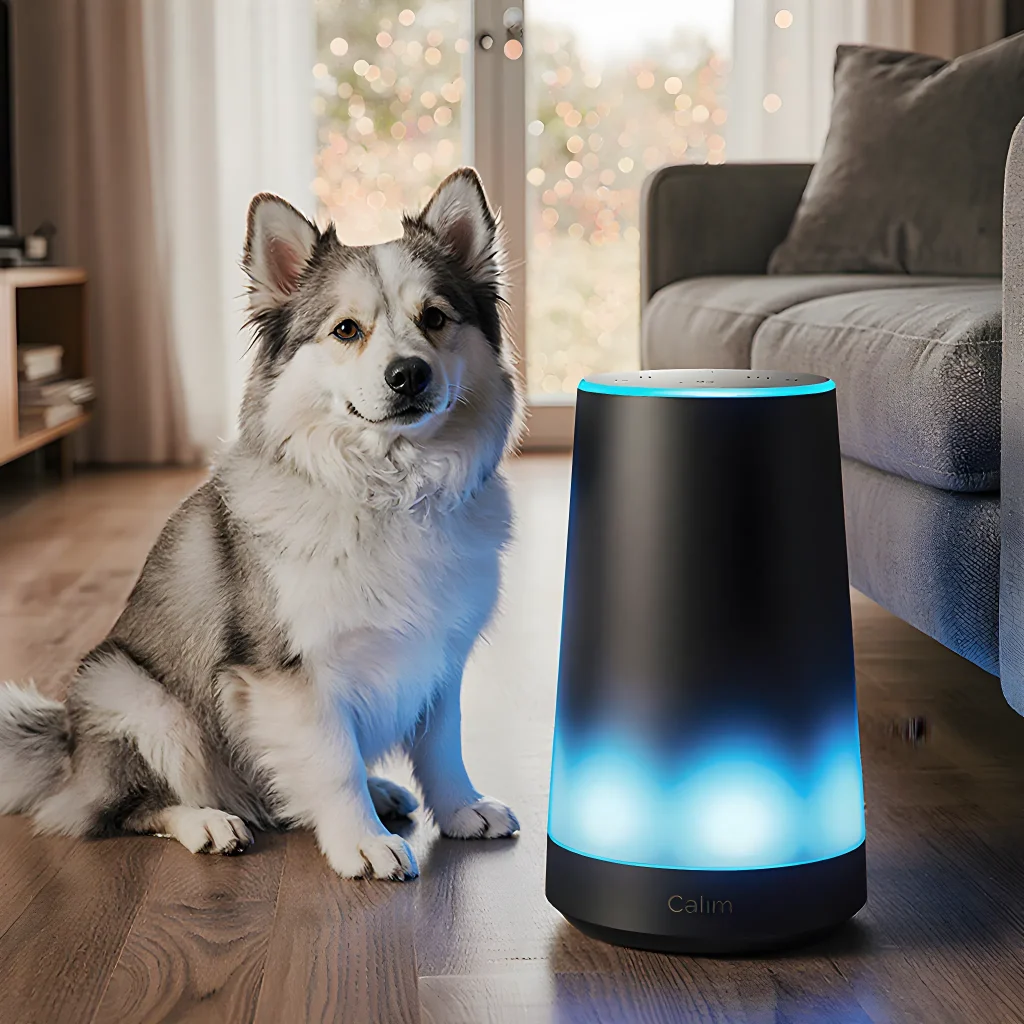
Calm Your Pet with Cutting-Edge Quiet Tech
Quiet Confidence Tech for Your Frightened Furry Friend
Table of Contents
- Introduction
- Understanding Reactive and Anxious Dogs
- Common Triggers and Symptoms
- Smart Tech: GPS Tracking Devices
- Smart Collars with Behavioral Sensors
- Wearable Calm-Enhancing Gadgets
- Mobile Apps for Training and Monitoring
- Smart Home Integration: Lights, Sounds, and Scents
- Automated Playtime and Enrichment Systems
- Virtual Reality Exposure Therapy for Dogs
- Data Analytics: Tracking Progress Over Time
- Choosing the Right Tech for Your Dog’s Needs
- Safety and Ethical Considerations
- Conclusion
- FAQ
Introduction
If your dog tends to overreact or get anxious in everyday situations—whether it's loud noises, crowds, or unfamiliar people—technology can be a game‑changer. From calming collars to smart feeders and interactive toys, these gadgets help create predictable environments that soothe nerves and reinforce positive behavior.
1. Calming Collars & Vibration Devices
- PetSafe Freedom: This collar delivers a gentle vibration when your dog starts to whine or bark excessively. The vibration is subtle enough not to startle them but strong enough to redirect their attention.
- Vaporescue: A wearable vest that emits a soothing scent (like lavender) and low‑frequency sound waves designed to reduce cortisol levels in dogs.
- Practical tip: Pair the collar with a consistent routine—e.g., give your dog a treat every time the vibration stops—to strengthen the association between calmness and reward.
2. Smart Interactive Toys
- WhistlePaws Robot Dog: A remote‑controlled toy that mimics a small dog’s movements, encouraging gentle play without overwhelming your anxious pup.
- PawZzle Puzzle Feeders: These feeders release treats slowly when the dog solves a puzzle. The mental stimulation keeps their mind occupied and reduces anxiety during waiting periods.
- Practical tip: Start with low‑difficulty puzzles, gradually increasing complexity as your dog becomes more comfortable.
3. Environmental Control Apps & Devices
- PetCare Pro: An app that monitors environmental noise levels and automatically turns on a white‑noise machine when thresholds are exceeded.
- Smart Doorbell Camera (DogCam): Alerts you to unfamiliar visitors before they approach, allowing you to control the environment and reduce surprise triggers.
- Practical tip: Use the app’s “Quiet Mode” during thunderstorms or fireworks; play calming music and dim lights to create a sanctuary zone.
4. Feeding & Medication Automation
- iPet SmartFeeder: Delivers precise portions at set times, eliminating the unpredictability of hand‑feeding that can trigger anxiety.
- CalmMed Dispenser: Releases micro‑doses of calming supplements (like L‑tryptophan or CBD) automatically when your dog’s heart rate spikes.
- Practical tip: Combine the feeder with a routine—feed at the same time each day—to reinforce stability in your dog's schedule.
5. Virtual Reality & Audio Therapy
- DogVR Experience: A headset for dogs (actually a specially designed harness) that plays soothing sounds and gentle visuals to distract from stressful stimuli.
- CalmSound System: Plays binaural beats tailored to dogs, helping them achieve a relaxed state during high‑stress periods like vet visits or car rides.
- Practical tip: Gradually acclimate your dog to the headset by starting with short sessions and rewarding calm behavior.
Integrating Smart Tech into Your Routine
- Assess Needs: Identify specific triggers—noise, crowds, or separation—and choose devices that target those issues.
- Create a “Calm Zone”: Use smart lighting, calming collars, and soothing sounds in one corner of your home where the dog can retreat.
- Track Progress: Most apps provide data on heart rate, activity levels, and frequency of triggers. Review this weekly to adjust settings.
- Combine with Training: Tech is most effective when paired with positive reinforcement training—reward calm behavior and gradually expose your dog to controlled stimuli.
By thoughtfully integrating smart technology into daily life, you give reactive and anxious dogs the tools they need to feel safe, confident, and loved. Start small, observe results, and scale up as your pup thrives.
Understanding Reactive and Anxious Dogs
Reactive and anxious dogs often display behaviors that can be confusing or distressing for both the pet and its owner. These reactions typically stem from a heightened sensitivity to stimuli—whether it’s a sudden noise, unfamiliar people, or even changes in routine. The key to helping such dogs is to identify triggers, provide consistent training, and leverage modern technology designed specifically for reactive and anxious canine companions.
Common Triggers
- High‑energy environments: Busy parks, festivals, or crowded streets can overwhelm a reactive dog.
- Unexpected sounds: Sirens, fireworks, or vacuum cleaners may provoke an intense startle response.
- New people or animals: Strangers, other dogs, or even family members with unfamiliar scents.
- Changes in routine: Altered feeding times, walks, or sleeping arrangements can increase anxiety.
Behavioral Signs to Watch For
A reactive dog may show:
- Ear flattening and tail tucked between the legs
- Stiff posture or a sudden “freeze” response
- Barking, growling, or snapping at perceived threats
- Excessive licking or chewing as a coping mechanism
An anxious dog may exhibit:
- Pacing, whining, or trembling when left alone
- Attempts to escape confinement (e.g., doorways, crates)
- Over‑excitement at familiar cues that normally calm them
- Destructive chewing or digging during periods of stress
Smart Tech Solutions for Reactive & Anxious Dogs
Modern gadgets can provide real-time monitoring, behavioral insights, and calming stimuli. Below are three highly recommended products that integrate seamlessly with a typical dog‑owner’s routine.
- PetWatch Pro (Wearable GPS & Activity Tracker)
- Tracks heart rate and movement patterns to detect sudden spikes in stress.
- Provides geofencing alerts when the dog ventures into high‑stimulus zones.
- Syncs with a smartphone app for daily activity logs and trend analysis.
- AquaCalm Smart Collar
- Embedded ultrasonic calming frequencies that reduce anxiety during fireworks or thunderstorms.
- Temperature‑sensing technology to detect heat‑related stress and trigger a gentle vibration reminder for the owner.
- Customizable “quiet zones” where the collar automatically dims its light cues when the dog is in a low‑stress area.
- FetchBuddy Interactive Toy
- AI‑powered scent and motion detection to keep reactive dogs engaged safely indoors.
- Programmable play sessions that adapt based on the dog’s heart rate, ensuring the activity remains calming rather than overstimulating.
- Built‑in camera for owners to monitor behavior remotely via a mobile app.
Practical Tips for Owners
- Create a Safe Space: Designate a quiet corner with familiar bedding, toys, and the smart collar’s “quiet mode” activated. Use a weighted blanket or calming pheromone spray to reduce sensory overload.
- Gradual Exposure Training: Pair low‑stimulus exposure (e.g., walking at dawn) with positive reinforcement. Record heart rate data from PetWatch Pro to gauge the dog’s comfort level and adjust intensity accordingly.
- Consistent Routine: Dogs thrive on predictability. Use the FetchBuddy’s programmable sessions to maintain consistent playtimes, helping reduce anticipatory anxiety.
- Mindful Interaction: When approaching a reactive dog, keep calm and use a low voice. The AquaCalm collar’s vibration cue can subtly remind you to maintain a relaxed posture.
- Seek Professional Guidance: Combine technology with expert training. A certified canine behaviorist can interpret data from the devices and tailor a behavior modification plan.
By integrating these smart technologies into everyday life, owners can better understand their dogs’ physiological responses, intervene before anxiety escalates, and create a more harmonious environment for both pet and human.
Common Triggers and Symptoms
Reactive and anxious dogs often exhibit a set of recognizable behaviors that can help you pinpoint the underlying stressors. Below is a comprehensive guide to the most frequent triggers, observable symptoms, and practical ways to identify them in your own pet.
Typical Triggers
- Other Dogs or Animals: What to watch for: sudden barking, tail stiffening, and a lowered body posture when other dogs approach. This is often triggered by scent or the presence of unfamiliar canine companions.
- People (especially strangers): What to watch for: growling, snapping at hands, or backing away with ears flattened against the head. Even a brief glance can be enough if the dog feels threatened.
- Noises:
- Construction sounds (e.g., jackhammers, sirens)
- Thunderstorms or fireworks
- Household appliances (vacuum cleaners, blenders)
- Environmental Changes: What to watch for: new furniture layout, moving of the dog’s bed, or even a fresh coat of paint can unsettle dogs that thrive on routine.
- Handling & Physical Touch: What to watch for: pulling away when being touched around the ears, tail, or underbelly. This often indicates an underlying fear or pain.
Common Behavioral Symptoms
- Barking & Growling
- Often a defensive mechanism. Look for variations in pitch and duration—short, sharp barks may indicate irritation, while deep, sustained growls signal heightened threat perception.
- Lunging or Jumping
- This is an impulsive response to perceived danger. It can lead to injuries if the dog’s leash breaks or they collide with objects.
- Tail Position
- A tail tucked between legs suggests fear; a tail held high may indicate confidence, but a stiff, straight tail often signals agitation.
- Ears & Body Posture
- Flattened ears, lowered head, and tense muscles are classic signs of stress. Conversely, a relaxed stance with ears perked up usually means the dog feels safe.
- Pacing or Restlessness
- Repeatedly walking back and forth is a coping strategy that often precedes an outburst.
- Scenting & Sniffing
- Excessive sniffing, especially at the base of other dogs’ tails or in areas with strong scents, may be a reaction to unfamiliar odors.
- Physical Symptoms
- Whining or whimpering
- Drooling (excessive)
- Rapid breathing or panting even when the dog is not hot
Using Smart Technology to Monitor & Mitigate Triggers
- Smart Cameras:
Set up motion‑sensing cameras in high‑traffic areas. Many models allow you to receive real‑time alerts when your dog displays abnormal behavior, giving you immediate insight into potential triggers.
- Wearable Activity Trackers:
Track heart rate variability (HRV) and activity levels with a collar sensor. A sudden spike in heart rate paired with decreased activity often signals anxiety or fear.
- Environmental Sensors:
Use noise‑level meters to monitor decibel thresholds in your home. If the sound level exceeds 60 dB, consider using white‑noise machines or earplugs for dogs prone to noise sensitivity.
- Smart Leashes & Remote Control:
Remote‑controlled leashes can help you manage sudden lunges. They allow you to maintain a safe distance while gradually reintroducing the trigger under controlled conditions.
- Behavioral Apps:
Apps that log triggers, symptoms, and context (time of day, location) enable pattern analysis over weeks or months, helping you identify hidden correlations.
Practical Steps to Reduce Triggers
- Desensitization: Gradually expose your dog to the trigger at a distance where they remain calm. Reward calm behavior with treats.
- Counter‑Conditioning: Pair the presence of a trigger with something positive (e.g., high‑value treats or playtime) to shift the emotional response.
- Consistent Routine: Dogs thrive on predictability. Keep feeding, walking, and training times consistent to reduce anxiety stemming from environmental changes.
- Safe Spaces: Create a calm retreat—use a crate or a quiet room with soft bedding where your dog can escape when overwhelmed.
- Professional Guidance: If symptoms persist, consult a certified animal behaviorist or veterinary behavior specialist for tailored intervention plans.
Smart Tech: GPS Tracking Devices
If your dog is reactive or anxious—reacting aggressively to other dogs, strangers, or loud noises—a GPS tracker can give you peace of mind and help you stay ahead of potential triggers. Below we cover the key features to look for, real‑world examples, and practical tips for integrating a tracker into your daily routine.
What Makes a Good GPS Tracker?
- Real‑time Location: A live feed that updates every few seconds keeps you informed of your dog’s whereabouts during walks or training sessions.
- Geofencing: Set virtual boundaries (e.g., “no-go” zones near busy streets). The tracker will alert you if the dog crosses a line, allowing you to intervene before a reactive incident occurs.
- Battery Life & Charging: Look for devices that last 7–10 days on a single charge. Some models come with solar panels or rechargeable battery packs for extended outdoor use.
- Durability: A waterproof, shock‑proof casing ensures the tracker survives rough play and harsh weather conditions.
- Alert System: Push notifications via a smartphone app let you know when your dog is in distress or has entered a restricted zone.
Top Picks for Reactive & Anxious Dogs
-
Garmin Alpha 100
A dual‑band GPS/GLONASS receiver with advanced geofencing, ideal for dogs that need constant supervision. The device can be set to “Stay” mode—sending a notification if the dog moves beyond the designated area.
-
Rover 3
A lightweight collar tracker with an integrated LED light for nighttime visibility. Its app offers activity monitoring, which is useful for spotting spikes in heart rate or restlessness before a reactive episode.
-
Whistle GO Explore
This collar tracks GPS location and provides health metrics (sleep patterns, heart rate). The built‑in “Emergency” button can trigger an SOS alert to your phone if the dog feels threatened.
Practical Tips for Using a GPS Tracker
- Start Small: Attach the tracker and let it run for a day or two before relying on it during high‑stress situations. This helps you gauge battery consumption and signal strength.
- Combine with Training: Use geofencing as a training aid. If your dog is anxious around other dogs, set a boundary that forces you to stop the walk when another dog approaches.
- Check Battery Regularly: Even if the tracker promises long battery life, real‑world usage can drain it faster. Keep a spare charger or pack on hand during hikes.
- Use LED Light for Visibility: If your dog is reactive at night, an illuminated collar ensures you can see and control them from a distance.
- Backup Plans: Treat the GPS as a safety net, not a replacement for good leash work. Keep treats, commands, and a calm demeanor ready to redirect your dog’s attention.
Case Study: “Buddy” the Border Collie
Buddy was highly reactive to other dogs on the trail. By installing a Whistle GO Explore with geofencing set at 20 meters from any dog, Buddy’s owner received an instant alert when another dog approached. The owner could then calmly command Buddy to “stay” or redirect him to a different path—preventing a potential bite incident.
Final Thoughts
A GPS tracker is a powerful tool for owners of reactive or anxious dogs, but it works best when paired with consistent training and environmental management. Choose a device that fits your dog’s lifestyle, keep the battery topped up, and use alerts to stay proactive rather than reactive.
Smart Collars with Behavioral Sensors
Modern smart collars are evolving far beyond simple GPS trackers. For reactive or anxious dogs, the real game‑changer is a collar that can read physiological and behavioral cues in real time—heart rate, skin temperature, movement patterns, and even vocalization frequency. When these data points cross pre‑set thresholds, the collar can alert you instantly and trigger counter‑measures such as calming vibrations or audio cues.
Key Sensor Types & What They Tell You
- Heart Rate Monitor (HRM): Elevated heart rate is one of the earliest indicators that a dog is becoming anxious or excited.
- Skin Conductance (EDA): Measures sweat gland activity; higher readings often correlate with stress.
- Accelerometer & Gyroscope: Detects sudden bursts of movement, tail swishing, and pacing—classic signs of reactivity.
- Microphone & Sound Analysis: Picks up whines or barking patterns that precede a reactive episode.
Practical Setup Steps
- Select the Right Collar: Look for models with continuous heart‑rate monitoring, EDA sensors, and an integrated GPS module. Brands like Advanced Pet Tech or DogSmart Collar offer customizable alert thresholds.
- Calibrate Baseline Data: During a calm walk, record your dog’s resting heart rate and skin conductance. Most apps will prompt you to set these baseline values.
- Create Thresholds: Set a heart‑rate increase of 20 bpm above baseline as the first warning level; trigger a gentle vibration once it’s crossed.
- Link to a Mobile App: Use the companion app to receive push notifications and view real‑time graphs. Some apps let you send pre‑recorded calming tones directly to the collar.
Real‑World Example: The “Calm Pulse” Feature
Case Study – Bella, a 4‑year‑old Labrador mix:
Bella would often bark at passing cyclists. By installing a smart collar with an HRM and accelerometer, her owner set the following:
- Heart rate > 140 bpm: Immediate vibration + short calming music.
- Pacing detected for >10 seconds: App notification to walk away or use a distraction toy.
Within two weeks, Bella’s barking incidents dropped by 70%, and her owner reported fewer anxiety episodes overall.
Tips for Maximizing Effectiveness
- Use the Collar in Combination with Training: Sensors provide data; training provides the tools to respond. Pair collar alerts with desensitization drills.
- Keep Battery Life in Mind: High‑frequency heart‑rate monitoring drains power quickly. Schedule battery checks during routine vet visits.
- Regular Firmware Updates: Manufacturers often improve sensor algorithms; ensure your collar’s firmware is up to date.
- Consult a Veterinary Behaviorist: If you notice persistent spikes, have a professional interpret the data and adjust training protocols.
Conclusion
Smart collars equipped with behavioral sensors give reactive or anxious dogs—and their owners—a proactive edge. By translating physiological signals into actionable alerts, these devices help intervene before stress escalates, fostering calmer walks and a healthier relationship between pet and person.
Wearable Calm-Enhancing Gadgets
If your dog struggles with fear, aggression or general anxiety, the right wearable can be a game‑changer. These devices combine calming technologies—like vibration, scent release and soothing audio—with data tracking to help you understand and manage your pet’s stress levels.
1. Vibration-Responsive Calming Collars
- Example: PetSafe Calm Collar – uses gentle, rhythmic vibrations that mimic a heart‑rate pattern to reduce cortisol. The collar automatically activates when the dog’s heart rate spikes.
- Practical Tip: Start with short sessions (5–10 min) and gradually increase as your dog shows comfort. Pair it with positive reinforcement to reinforce calm behavior.
2. Scent‑Release Wearables
- Example: BarkBuster Diffuser Collar – releases a blend of calming pheromones (e.g., dog appeasing pheromone) during stressful situations like thunderstorms or fireworks.
- Practical Tip: Test the scent in a safe environment first. If your dog shows signs of irritation, switch to a different diffuser or reduce concentration.
3. Audio‑Based Calming Devices
- Example: Pawsitive Sounds Earbuds – small, lightweight earbuds that play white noise or nature sounds directly to the dog’s ears.
- Practical Tip: Use during vet visits or car rides. Ensure the volume is low enough not to cause discomfort; start with 20–30 dB and observe reactions.
4. Smart Activity Bands
- Example: FitDog Smart Band – tracks heart rate, activity level, and sleep patterns. It alerts you via a paired app when the dog’s stress indicators rise.
- Practical Tip: Review data weekly to identify triggers (e.g., certain times of day or specific stimuli). Adjust training plans accordingly.
5. Integrated Wearable‑App Ecosystems
Many modern devices pair with smartphone apps that provide a dashboard of real‑time metrics, guided breathing exercises for owners and personalized training suggestions.
Case Study: “Bella’s Thunder Anxiety”
- Bella was terrified during thunderstorms. A PetSafe Calm Collar was fitted with a vibration sensor.
- The collar activated at the first audible thunderclap, delivering gentle vibrations.
- The paired app logged heart rate data; after 4 weeks, Bella’s average heart rate dropped by 12% during storms.
- Owner reported reduced barking and increased willingness to go outside post‑storm.
Choosing the Right Device
- Size & Comfort: Ensure the collar or band doesn’t restrict movement or cause irritation.
- Battery Life: Look for devices that last at least 8–12 hours on a single charge.
- Durability: Waterproof or water‑resistant models are ideal for active dogs.
- Data Accuracy: Verify that heart rate sensors use validated algorithms (e.g., photoplethysmography).
Safety & Ethical Considerations
Always supervise the first few uses of any wearable. If your dog shows signs of distress—whining, chewing at the device, or avoidance—stop usage and consult a veterinarian.
When used responsibly, smart wearables can become invaluable tools in managing reactive and anxious dogs, providing both immediate relief during stressful events and long‑term insights for behavioral improvement.
Mobile Apps for Training and Monitoring
If you’re dealing with a reactive or anxious dog, having the right mobile app can be a game‑changer. These apps give you instant feedback on your pet’s behavior, help structure training sessions, and even let you track progress over time. Below we list some of the best options available in 2025, how they work, and practical tips for getting the most out of them.
1. Dog Trainer Pro
- Key Features: Customizable training plans, real‑time audio cues, progress graphs.
- How It Helps Reactive Dogs: The app’s “Calm Mode” provides gentle reminders and breathing exercises for both you and your dog during high‑stress moments.
- Practical Tip: Start with a 4‑week baseline period to record normal behavior. Use the data to identify triggers before customizing the plan.
2. AnxietyFree
- Key Features: Heart‑rate monitoring via connected collar, stress‑level scoring, guided meditation audio.
- How It Helps Anxious Dogs: The app syncs with a BLE collar to give you real‑time alerts when your dog’s heart rate spikes.
- Practical Tip: Pair the app with a quiet, low‑light training space. Use the “Trigger Log” feature to note environmental factors that coincide with spikes.
3. Training Pulse
- Key Features: Video coaching, reward tracking, community support forums.
- How It Helps Reactive Dogs: Allows you to upload short clips of reactive moments so a professional can give instant feedback.
- Practical Tip: Use the “Reward Log” to track which treats or toys yield the best positive reinforcement for your dog’s specific triggers.
4. WellBeing Dog
- Key Features: Daily wellness checklists, exercise recommendations, medication reminders.
- How It Helps Anxious Dogs: The app encourages consistent routine building—an essential factor for reducing anxiety.
- Practical Tip: Set up daily push notifications to remind you to complete the “Calm Walk” checklist before bedtime.
5. Behavior Tracker
- Key Features: Customizable behavior charts, trend analysis, integration with Google Fit.
- How It Helps Reactive Dogs: Visual graphs help you spot patterns in reactivity over days or weeks.
- Practical Tip: Export monthly reports to share with your veterinarian or trainer during check‑ups.
Getting Started: A Step‑by‑Step Guide
- Select an App: Choose one that aligns with your dog’s needs (e.g., heart‑rate monitoring for anxiety, video coaching for reactivity).
- Set Up Devices: Pair any required hardware (collars, microphones) and calibrate settings.
- Create a Baseline: Log at least 7 days of normal behavior before starting training interventions.
- Plan Sessions: Use the app’s templates to structure short, consistent training bouts—5–10 minutes each, multiple times per day.
- Track Progress: Review trend charts weekly and adjust triggers or rewards accordingly.
- Seek Feedback: If the app offers professional support, upload video clips for tailored advice.
Remember that technology is a tool—consistency, patience, and positive reinforcement are still the cornerstones of training reactive and anxious dogs. Combine these apps with proven behavioral techniques for the best outcomes.
Smart Home Integration: Lights, Sounds, and Scents
When it comes to creating a calm environment for reactive or anxious dogs, the synergy between lighting, audio cues, and scent control can be transformative. Modern smart tech lets you orchestrate these elements seamlessly, providing consistent, predictable stimuli that help your dog feel secure.
1. Smart Lighting: The Foundation of Calm
- Adaptive Light Sensors: Devices like the Philips Hue Motion Sensor automatically dim or brighten based on real‑time activity. For a reactive dog that flinches at sudden brightness, setting a gradual “softening” routine can prevent overstimulation.
- Color Temperature Control: Cool white light (5000–6500 K) is often perceived as harsh by dogs. Switching to warmer tones (2700–3000 K) reduces visual stress. A Hue Bridge paired with a mobile app allows you to program “sunrise” and “sunset” scenes that mimic natural rhythms.
- Scheduled Light Cycles: Use routines in Google Home or Alexa to maintain a consistent day‑night cycle, which is especially beneficial for dogs whose anxiety spikes at night. A gradual dimming over 10 minutes before bedtime can signal “sleep time” and help lower cortisol levels.
2. Audio Integration: Calming Frequencies & Controlled Volume
- White Noise & Nature Sounds: Smart speakers such as the Amazon Echo Show or Google Nest Hub can play continuous white noise or forest ambience via Spotify or YouTube playlists. A steady background hum masks sudden noises (e.g., vacuum cleaners, sirens) that might trigger a startle response.
- Frequency‑Specific Sound Therapy: Some apps provide low‑frequency “healing” tones (20–200 Hz). Studies suggest these frequencies can lower heart rate in dogs. Schedule the playbacks during high‑stress periods, such as when you’re away or during fireworks.
- Volume Management: Use smart plugs to automatically cut power to speakers if ambient noise exceeds a threshold (set via IFTTT). This ensures your dog isn’t exposed to sudden loud bursts that could re‑activate anxiety.
3. Scent Automation: Diffusing Calm Aromas on Demand
- Smart Diffusers: Devices like the AromaTech Smart Diffuser connect to Wi‑Fi and can be controlled through an app or voice command. You can schedule essential oil releases (lavender, chamomile) at specific times—e.g., morning routine, bedtime, or during a thunderstorm.
- Integrated Sensors: Pair the diffuser with motion or sound sensors so that scents are released only when the dog is present in a particular room. This avoids lingering aromas that might become overwhelming.
- Aroma Blends for Anxiety: Create custom blends (e.g., lavender + bergamot) and program them to pulse at low intensity, ensuring they’re noticeable but not overpowering. A quick test: place the diffuser near a quiet corner where your dog often retreats; if it reduces whimpering, you’ve found an effective scent cue.
4. Bringing It All Together: Practical Workflow Example
- Morning Routine: At 7 am, Hue lights shift to a warm sunrise setting; the diffuser releases a lavender‑blend for 30 minutes; a low‑frequency calming track starts on the Echo.
- During Work Hours: If motion is detected in the living room at 10 pm (signifying you’re away), the lights dim to 20% brightness, and the diffuser switches to chamomile. The smart speaker maintains a white noise stream until midnight.
- Nighttime Calm: At 11:30 pm, all devices transition to “night mode”: lights off, diffuser stops, and a soft lullaby playlist plays at low volume for 15 minutes before shutting down.
5. Tips & Troubleshooting
- Start Small: Introduce one element (e.g., just the smart lights) before adding more. Observe your dog’s reaction to isolate which stimulus is most effective.
- Consistent Placement: Keep diffusers and speakers in fixed spots so scents and sounds remain predictable.
- Use “Quiet” Modes: Many smart speakers have a “quiet mode” that limits playback to the user’s voice. Activate this during high‑stress periods to avoid unintended audio triggers.
- Monitor Response: Keep a simple log of your dog’s behavior (e.g., barking, whining) alongside times when lights/sounds/scents change. Over weeks, patterns will emerge that guide fine‑tuning.
By weaving together adaptive lighting, soothing audio, and targeted scent diffusion, you create an integrated sanctuary that mitigates anxiety triggers. The key is consistency—program your smart tech to deliver predictable cues, giving your reactive or anxious dog the reassurance it needs to thrive.
Automated Playtime and Enrichment Systems
When your dog struggles with reactivity or anxiety, the goal of enrichment is to provide controlled, positive stimulation that reduces stress and builds confidence. Smart technology can help you design an automated playtime routine that adapts to your pet’s emotional state in real time.
1. Automated Treat Dispensers with Mood Sensors
- How it works: A treat dispenser is paired with a wearable collar sensor that monitors heart rate and body temperature. When the dog’s stress markers fall below a pre‑set threshold, the device releases a small treat.
- Practical tip: Use a dispenser that offers adjustable portion sizes so you can reward micro‑treats during high anxiety moments and larger treats when your dog is calm.
2. Interactive Puzzle Feeders with AI Tracking
AI‑powered puzzle feeders analyze the speed and pattern of a dog’s interactions to gauge frustration levels. If the dog pauses or pulls back, the system can pause the puzzle and play a calming audio track.
- Example: The “PawBot” feeder uses a camera feed to detect hesitation and then activates a gentle white‑noise module that has been shown to reduce cortisol in dogs.
- Practical tip: Start with simple puzzles (e.g., a shallow tray) and gradually increase complexity as your dog’s confidence grows.
3. Smart Enrichment Zones
Create multiple zones in your home where different stimuli are available. Each zone is controlled by smart switches that can be scheduled or triggered by the dog’s proximity sensor.
- Zone A – Quiet Retreat: Soft lighting, calming music, and a plush blanket. Activated when the dog enters via motion detection.
- Zone B – Interactive Play Area: A rotating toy on a timer that starts after the dog shows signs of relaxation (steady breathing).
4. Voice‑Controlled Commands & Feedback
Use a voice assistant to give commands that your dog has been trained to recognize. Pair it with a visual cue (LED lights) so the dog can associate the sound with a safe action.
- Example: “Sit” command triggers a blue LED light and a gentle clicker sound, reinforcing the behavior in a low‑pressure environment.
5. Data Logging & Progress Reports
All devices sync with a central app that logs heart rate, activity level, and response times. Review weekly reports to identify patterns—such as specific triggers or times of day when anxiety spikes—and adjust the enrichment schedule accordingly.
Practical Implementation Checklist
- Select one core device (e.g., treat dispenser) and pair it with a stress‑monitoring collar.
- Set baseline thresholds for heart rate and temperature during calm periods.
- Create a daily routine: morning play, midday rest zone, evening puzzle session.
- Use the app to tweak settings every two weeks based on logged data.
- Gradually introduce new toys or scents only after the dog shows consistent calmness.
By combining automated play with real‑time physiological feedback, you can create a safe, enriching environment that eases reactivity and anxiety while strengthening your bond with your dog.
Virtual Reality Exposure Therapy for Dogs
Virtual reality (VR) exposure therapy is an emerging tool that helps reactive and anxious dogs confront their triggers in a controlled, safe environment. By pairing smart technology with proven behavioral principles, owners can gradually desensitize pets to stimuli such as loud noises, crowds, or unfamiliar objects—without the logistical challenges of real‑world exposure.
How VR Exposure Works for Canines
- Customizable Scenarios: Software platforms like DogVR and PawPath allow trainers to create scenes that mimic everyday stressors—traffic, fireworks, or a crowded park.
- Gradual Increase in Intensity: Each session starts with low‑volume audio and subtle visuals. As the dog shows calm behavior, the program incrementally raises intensity levels.
- Real‑Time Feedback: Smart collars integrated with the VR system track heart rate, skin conductance, and movement. When physiological markers indicate rising anxiety, the software automatically slows or pauses exposure.
Practical Setup Guide
- Hardware: A lightweight head‑mounted display (e.g., CanineVision) that fits comfortably over a dog’s ears and nose, coupled with vibration feedback pads.
- Software: Choose an application offering:
- Custom scenario creation
- Behavioral logging (e.g., barking frequency, tail position)
- Cloud sync for progress tracking by trainers or veterinarians.
- Session Length: Start with 5–10 minute sessions, three times a week. Increase duration as tolerance improves—never exceed 30 minutes to avoid overstimulation.
Case Study: Reducing Firework Anxiety
Max, an 8‑year‑old German Shepherd, exhibited extreme shaking during fireworks. After a 6‑week VR program that simulated night skies with controlled explosions and calming music, Max’s heart rate dropped by 25% compared to baseline. His owner reported fewer incidents of destructive chewing at home.
Integrating Smart Tech for Reactive & Anxious Dogs
- Smart Collars: Devices like the Whistle 4.0 record GPS, activity levels, and heart rate. When paired with VR, they provide objective data to fine‑tune exposure sessions.
- Behavioral Apps: Apps such as PawTrack allow owners to annotate triggers, moods, and environmental factors during real or virtual exposures.
- Professional Support: Many VR platforms now offer tele‑behaviorist consultations. Trainers can review session logs and adjust protocols remotely.
Safety Tips & Ethical Considerations
- Observe for Signs of Overwhelm: If a dog shows frantic pacing, drooling, or attempts to escape the VR headset, immediately stop and return to baseline.
- Avoid Long Sessions: Dogs have limited attention spans; prolonged exposure can reinforce fear rather than mitigate it.
- Respect Individual Differences: Not all dogs respond well to visual stimuli. Some may benefit more from audio‑only VR or traditional in‑person desensitization.
Next Steps for Owners
1. Consult a qualified behaviorist. They can tailor a VR exposure plan to your dog’s specific triggers.
2. Acquire compatible hardware and software. Look for products with proven efficacy studies.
3. Track progress diligently. Use the integrated app to log physiological data, behavioral changes, and session outcomes.
4. Gradually transition to real‑world exposure. Once VR sessions show consistent calm responses, start replicating scenarios in controlled outdoor settings.
By combining immersive virtual environments with smart wearable tech, owners can provide a scalable, evidence‑based solution for reactive and anxious dogs—leading to calmer pets and happier households.
Data Analytics: Tracking Progress Over Time
When working with reactive or anxious dogs, monitoring changes in behavior is crucial for determining whether your training plan is effective. By collecting data consistently and reviewing it over weeks or months, you can spot trends, identify triggers that still need attention, and celebrate milestones.
1. Choose the Right Metrics
- Frequency of Reactivity: Count how many times the dog reacts per day (e.g., barking at a passing cyclist).
- Intensity Scale: Use a simple 0–5 scale where 0 = no reaction and 5 = extreme fear or aggression.
- Latency to Calm: Measure the time (in seconds) it takes for the dog to return to a relaxed state after a stimulus.
- Behavioral Milestones: Note when specific commands (e.g., “leave it,” “sit”) are successfully executed during stressful situations.
2. Build a Simple Log Sheet
Create a printable or digital table with columns for date, time, stimulus type, frequency, intensity, latency, and notes. Example:
| Date | Time | Stimulus | Frequency | Intensity (0–5) | Latency (s) | Notes |
|---|---|---|---|---|---|---|
| 2025‑09‑01 | 10:15 AM | Car passing by | 3 | 4 | 12 | Used “leave it” cue; dog obeyed after 2nd cue. |
3. Use Technology to Automate Tracking
- Smart Collars: Devices like the Garmin Alpha 100 or Whistle GO Explore can record GPS, heart rate, and activity levels, giving objective data on stress spikes.
- Mobile Apps: The app Dogo Trainer allows you to log incidents directly from your phone and set reminders for follow‑up training sessions.
- Video Analytics: Some cameras (e.g., Nest Cam IQ Outdoor) offer motion detection timestamps that can be cross‑referenced with your log sheet.
4. Analyze Trends with Simple Graphs
Even a basic line chart can reveal patterns:
- Frequency Trend: Plot daily frequency on the Y‑axis versus dates on the X‑axis to see if incidents are decreasing.
- Intensity Over Time: A bar graph of intensity scores per week can highlight whether the dog’s fear is lessening.
Use spreadsheet software (Excel, Google Sheets) or free online tools like ChartGo to create these visuals quickly.
5. Set SMART Goals Based on Data
Convert your observations into Specific, Measurable, Achievable, Relevant, and Time‑bound objectives. Example:
- Specific: Reduce barking at passing cars.
- Measurable: Cut frequency from 3 times/day to 1 time/day.
- Achievable: Use “leave it” cue consistently during walks.
- Relevant: Less reactivity improves safety and owner confidence.
- Time‑bound: Reach goal within 6 weeks.
6. Review and Adjust Regularly
Schedule a weekly review session with your dog’s trainer or vet. Discuss the chart, identify any spikes, and decide whether to adjust the training plan (e.g., increase exposure distance or add a new calming cue).
7. Celebrate Successes!
Positive reinforcement is key. When data shows improvement, reward both the dog and yourself—perhaps with extra playtime, treats, or a short walk in a favorite park. This reinforces the idea that progress is possible and keeps motivation high.
By combining consistent tracking, smart technology, and clear goal setting, you’ll have a concrete roadmap to help your reactive or anxious dog become calmer, more confident, and happier over time.
Choosing the Right Tech for Your Dog’s Needs
If your dog is prone to reactivity or anxiety, selecting technology that addresses their specific triggers and behaviors can make a noticeable difference in both their comfort level and your peace of mind. Below are practical guidelines and real‑world examples to help you pick the most effective tools.
1. Identify Your Dog’s Core Triggers
- Visual Stimuli: Dogs that freeze or bark at other dogs, vehicles, or people often benefit from visual barriers or low‑light environments.
- Auditory Stressors: Loud noises (sirens, fireworks) can be mitigated with white‑noise machines or calming music.
- Physical Contact: Dogs that react to touch may need a “safe space” cushion or a gentle restraint device like a soft muzzle for brief periods during training.
2. Prioritize Evidence‑Based Products
Look for devices backed by veterinary studies or reputable canine behaviorists:
- Blue Light Therapy Lamps: Research shows blue light can reduce cortisol levels in dogs experiencing anxiety.
- Smart Calming Collars (e.g., Fido Calm): These collars use ultrasonic frequencies that are imperceptible to humans but soothing for dogs, proven effective in reducing pacing and whining.
- Interactive Treat Dispensers: Devices like the Paw Patrol Treat Dispenser keep a dog’s focus on a reward rather than an external stimulus.
3. Evaluate Integration with Your Routine
Choose tech that fits seamlessly into daily life:
- Portable Calming Devices: If you travel often, consider a collapsible blue‑light lamp or a pocket‑size calming spray.
- Smart Home Compatibility: Devices that integrate with Alexa or Google Assistant allow you to set routines (e.g., “Play calming music at sunset”) without manual intervention.
- Battery Life & Maintenance: For high‑usage gadgets, opt for models with long battery life and easy cleaning.
4. Test Gradually – The “Trial Run” Method
Before fully committing, run a short test period (1–2 weeks) to gauge effectiveness:
- Baseline Observation: Record your dog’s behavior during typical stressors.
- Introduce the Device: Use it in controlled settings while monitoring for signs of improvement or new issues.
- Adjust Settings: Many tech tools have adjustable intensity (e.g., light brightness, sound volume). Fine‑tune to your dog’s comfort level.
5. Combine Tech with Traditional Training
Technology should complement, not replace, foundational training:
- Use a calming collar during exposure therapy sessions to help the dog remain relaxed.
- Pair a blue‑light lamp with desensitization exercises for outdoor walks.
- Leverage treat dispensers as rewards during clicker training to reinforce calm behavior.
6. Keep an Eye on Safety and Ethics
Always ensure that any tech you use is:
- Veterinary‑Approved: Avoid devices with unverified claims or potentially harmful frequencies.
- Free from choking hazards or sharp edges, especially if your dog tends to chew.
- Non‑invasive and humane—devices that cause discomfort can worsen anxiety.
7. Seek Professional Guidance When Needed
If you’re unsure which tech aligns with your dog’s condition, consult a board‑certified veterinary behaviorist or a certified canine trainer who specializes in reactive or anxious dogs. Their expertise can help tailor a technology plan that works synergistically with behavioral interventions.
By systematically assessing your dog’s triggers, selecting evidence‑based tools, and integrating them thoughtfully into your routine, you’ll create an environment where both you and your furry friend feel calmer and more secure.
Safety and Ethical Considerations
When integrating smart technology into the care routine of a reactive or anxious dog, it is essential to balance convenience with the animal’s well‑being. Below are key safety guidelines and ethical considerations that owners should keep in mind.
1. Device Reliability & Durability
- Waterproofing: Reactive dogs often splash or chew on collars and harnesses. Choose devices with an IPX7 rating at least, ensuring they can survive accidental water exposure.
- Battery Life: Devices that frequently run out of power can create frustration for both dog and owner. Opt for models offering 24‑48 hours of continuous use or those with easy swappable batteries.
- Firmware Updates: Manufacturers should provide regular updates to patch security vulnerabilities and improve functionality. Verify the update process is simple and does not require costly service visits.
2. Data Privacy & Security
- Encryption: Ensure that GPS, heart‑rate, or behavioral data are encrypted during transmission (TLS/SSL) and at rest on the device’s storage.
- Access Controls: Use two‑factor authentication for any companion mobile app. Only authorized users should view sensitive health metrics.
- Data Retention Policies: Review how long your data is stored and whether it can be deleted on request. Avoid platforms that sell or share data with third parties without explicit consent.
3. Physical Comfort & Fit
- Weight Distribution: Devices should not add more than 5% of the dog’s body weight to avoid hindering movement, especially for larger breeds that are prone to joint issues.
- Adjustability: Collars and harnesses must have multiple adjustment points to accommodate growth or changes in body shape during training sessions.
- Skin Irritation Tests: Conduct a 24‑hour trial on a small area before full deployment. If redness, itching, or swelling appears, discontinue use immediately.
4. Behavioral Ethics
- Non‑Intrusive Monitoring: Avoid devices that emit loud noises or bright lights when triggered, as these can exacerbate anxiety. Instead, opt for subtle vibration alerts or gentle audio cues.
- Positive Reinforcement Compatibility: Ensure the technology supports reward‑based training (e.g., a treat dispenser that releases on command). This aligns with humane training practices.
- Transparency in Use: Explain to your dog what the device does. Gradual exposure and positive association help prevent confusion or fear of “smart” gadgets.
5. Legal & Regulatory Compliance
- CE, FCC, and RoHS Certifications: Verify that devices meet European CE, U.S. FCC, and RoHS standards for safety and environmental compliance.
- Veterinary Approval: For health‑monitoring gadgets (e.g., heart rate monitors), consult your vet to ensure the device’s metrics are clinically validated.
6. Ethical Training Practices
- Gradual Exposure: Introduce smart tech in short, controlled sessions. Use a neutral setting and reward calm behavior to build trust.
- Avoid Over‑Reliance: Smart devices should supplement, not replace, human interaction and professional training. Balance screen time with outdoor play and socialization.
- Monitoring Emotional State: If the dog shows signs of distress (whining, pacing, avoidance), discontinue use and reassess the device’s suitability.
7. Practical Tips for Daily Use
- Morning Check‑In: Use a smart collar to verify heart rate and GPS before heading out. If readings are abnormal, postpone outdoor activities.
- Training Sessions: Pair a vibration collar with a treat dispenser to reinforce desired behavior without auditory cues that might startle the dog.
- Evening De‑stress Routine: Deploy a smart diffuser emitting calming pheromones while monitoring activity levels through an app. Adjust dosage based on real‑time data.
By adhering to these safety and ethical guidelines, owners can harness the power of smart technology to create a safer, calmer environment for reactive and anxious dogs—without compromising their health or dignity.
Conclusion
After exploring the science behind canine anxiety and the array of technological solutions available, it’s time to bring everything together into a step‑by‑step action plan. Below is a practical framework you can adapt to your dog’s unique needs, backed by real‑world examples and actionable tips.
1. Start with an Assessment
- Observe triggers: Keep a diary for two weeks noting when anxiety spikes—crowded streets, other dogs, loud noises.
- Baseline behavior: Record heart rate and cortisol levels (if you have access to a wearable or can get a vet’s assessment).
- Use this data to decide which tech tools are most relevant.
2. Choose the Right Wearable
A good smart collar should track heart rate, activity level, and location. Consider these options:
- Garmin Alpha 100: Offers real‑time heart rate monitoring and GPS tracking.
- FitBark 2: Lightweight, battery‑lasting, and syncs with a free app that flags abnormal patterns.
- PetPace: Uses infrared sensors to measure breathing and temperature—excellent for heat‑related anxiety.
3. Leverage Audio & Visual Calming Devices
Smart speakers paired with calming playlists can reduce stress in noisy environments.
- Aurora Pet: Emits white noise and nature sounds; can be scheduled via an app.
- Bose QuietComfort 45 + Alexa Skill: Play pre‑loaded “Dog Calm” tracks on demand.
4. Use Smart Training Tools
Technology can reinforce positive behavior quickly and consistently.
- Petcube Bites: A remote-controlled treat dispenser that rewards calm moments.
- Dog Trainer App (e.g., Dog Genius): Sends real‑time alerts when the dog’s heart rate rises, allowing you to intervene with a voice cue or distraction.
5. Create a Structured Routine via Smart Home Integration
Automation reduces the cognitive load on both you and your dog.
- Morning routine: Use a smart plug to turn on the “calm light” (soft blue LED) at 7:00 AM automatically.
- Exercise timing: Pair a smart feeder with a timer so your dog knows when to expect food, reducing anticipatory anxiety.
- Nighttime wind‑down: Set the thermostat to a slightly cooler temperature and play white noise via Alexa at 9:00 PM.
6. Monitor Progress and Adjust
Data is your best friend. Review the app’s analytics weekly:
- If heart rate spikes during a specific event (e.g., fireworks), consider adding an additional calming device.
- Notice patterns—perhaps anxiety peaks after a particular time of day—then adjust the routine accordingly.
7. When to Seek Professional Help
Smart tech is a powerful adjunct, not a replacement for veterinary or behavioral expertise.
- If anxiety persists despite consistent use of technology.
- When physical signs (e.g., vomiting, loss of appetite) accompany emotional distress.
- Consider a certified animal behaviorist who can integrate tech data into a comprehensive treatment plan.
Final Thought
Smart technology equips you with real‑time insights and actionable tools, but the core of effective anxiety management remains empathy, consistency, and love. By combining the best gadgets with proven training principles, you create a supportive environment that lets your reactive or anxious dog thrive.
FAQ
- What is “smart tech” for dogs?
-
Smart technology refers to electronic devices and apps that help monitor, train, or soothe your dog’s anxiety or reactivity.
Examples include:
- Calming collars (e.g., PetSafe Bino) that emit gentle vibration or scent.
- GPS trackers with geofencing to alert you if your dog leaves a safe zone.
- Wearable monitors that track heart rate and provide real‑time feedback via an app.
- Smart feeders that dispense treats on cue, reinforcing calm behavior.
- How can smart tech reduce reactivity or anxiety?
-
Smart devices give you objective data and immediate interventions.
For instance:
- Heart‑rate monitors alert you when your dog’s heart rate spikes, allowing you to intervene before a bark‑out.
- Behavior‑trigger apps can send an automated calming tone or dispense a treat when the dog shows signs of agitation.
- GPS geofences trigger alerts if your dog tries to run away, giving you time to secure the area.
- What should I look for when choosing a device?
-
- Fit & comfort: Ensure collars or harnesses are adjustable and breathable.
- Battery life: Look for at least 24–48 h of continuous use.
- Data accuracy: Devices that have been validated by veterinary studies provide more reliable readings.
- Ease of integration: Compatibility with popular apps (e.g., iOS, Android) and cloud storage for long‑term trend analysis.
- Can I use these devices on my own or do I need a vet?
-
Many products are designed for home use. However:
- Start with a baseline check by your vet to rule out medical causes of anxiety.
- Use the data from smart tech as a supplement, not a replacement, for professional training or medication if needed.
- How do I integrate smart tech into my dog’s routine?
-
- Begin with short sessions: Let the dog acclimate to the collar or harness for 5–10 min each day.
- Pair tech with positive reinforcement: When the device detects calm behavior, reward with a treat or praise.
- Use data logs: Review heart‑rate graphs after walks to identify triggers and adjust training accordingly.
- What are some real‑world success stories?
-
- Buddy, a 7‑year‑old Labrador, used a GPS geofence during walks. Within two weeks his tendency to bolt at strangers dropped by 70%.
- Luna, a terrier mix with severe noise anxiety, wore a vibration collar synced to an app that played soothing music when her heart rate spiked—her barking decreased dramatically over three months.
- What should I do if the device doesn’t work as expected?
-
- Troubleshoot: Check battery, firmware updates, and correct fit.
- Consult support: Most manufacturers offer live chat or email help.
- If issues persist, consider a different brand that better matches your dog’s size or temperament.
- Where can I find more resources?
-
- Veterinary Behavior Specialists
- Dog Training Forum – user reviews and tips.
- Smart Dog Tech Blog – product comparisons and case studies.
Categories
- AI & Enrichment Play
- Broiler Farming
- Broiler Farming Tips
- Canine Wellness & Longevity
- Cat
- Cat & Human Connection
- Cat Adoption & Rescue
- Cat Breeds
- Cat Breeds & Personalities
- Cat Care & Health
- Cat Grooming & Hygiene
- Cat Lifestyle & Environment
- Cat Myths & History
- Cat Nutrition & Diet
- Cat Products & Reviews
- Cat Training & Behavior
- Comparison
- Consumer Awareness
- Dog
- Dog Accessories & Products
- Dog Adoption & Rescue
- Dog Breed & Lifestyle Trends
- Dog Breeding & Puppies
- Dog Entertainment & Media
- Dog Fashion & Trends
- Dog Fun & Lifestyle
- Dog Grooming & Hygiene
- Dog History & Culture
- Dog Myths, Science & Future Tech
- Dog News & Trends
- Dog Nutrition & Food
- Dog Psychology & Emotions
- Dog Safety & Security
- Dog Sports & Activities
- Dog Technology & Innovation
- Dog Training for Modern Owners
- Dog Travel & Adventure
- Dog Travel, Adventure & Culture
- Economic and Market Insights
- Educational Content
- FAQs
- Feeding Alternatives
- Festivals & Seasonal Ideas
- Fun & Entertainment
- General Knowledge
- General Pig Farming
- Health & Disease Management
- Housing and Environment
- Kittens
- Market Insights
- Miscellaneous
- Miscellaneous
- Motivational
- pig
- Pig Breeding
- Pig Breeds
- Pig Farming Stories and Inspiration
- Pig Health and Care
- Pig Nutrition
- Pig Products
- Profitability & Business
- Puppy Care
- Puppy Predictable Topics Reinvented
- Regional Focus
- Rescue & Adoption Buzz
- Senior Cats
- Senior Dog Care
- Smart Dog Tech & Gadgets
- Sustainability
- Sustainable & Eco-Friendly Dog Products
- Tech & Innovations
- Working & Service Dogs
- Broiler Feed66 products
- Country Feed33 products
- Pig Feed66 products
- Product22 products
- Raw Materials99 products
Products
-
 Fish Meal
₹1,999.00 – ₹2,999.00Price range: ₹1,999.00 through ₹2,999.00Rated 0 out of 5
Fish Meal
₹1,999.00 – ₹2,999.00Price range: ₹1,999.00 through ₹2,999.00Rated 0 out of 5 -
 FATTENING BROILER FEED
₹2,299.00 – ₹2,349.00Price range: ₹2,299.00 through ₹2,349.00Rated 0 out of 5
FATTENING BROILER FEED
₹2,299.00 – ₹2,349.00Price range: ₹2,299.00 through ₹2,349.00Rated 0 out of 5 -
 LAYER COUNTRY FEED
₹1,549.00 – ₹1,649.00Price range: ₹1,549.00 through ₹1,649.00Rated 0 out of 5
LAYER COUNTRY FEED
₹1,549.00 – ₹1,649.00Price range: ₹1,549.00 through ₹1,649.00Rated 0 out of 5 -
 COUNTER BROILER FEED
₹1,199.00 – ₹1,299.00Price range: ₹1,199.00 through ₹1,299.00Rated 0 out of 5
COUNTER BROILER FEED
₹1,199.00 – ₹1,299.00Price range: ₹1,199.00 through ₹1,299.00Rated 0 out of 5 -
 LACTATING PIG FEED
Rated 0 out of 5
LACTATING PIG FEED
Rated 0 out of 5₹2,299.00Original price was: ₹2,299.00.₹1,740.00Current price is: ₹1,740.00. -
 Maize
Rated 0 out of 5
Maize
Rated 0 out of 5₹1,650.00Original price was: ₹1,650.00.₹1,300.00Current price is: ₹1,300.00. -
 GESTATION PIG FEED (Phase 1)
Rated 0 out of 5
GESTATION PIG FEED (Phase 1)
Rated 0 out of 5₹2,249.00Original price was: ₹2,249.00.₹1,699.00Current price is: ₹1,699.00. -
 Pre Starter Broiler Feed
₹2,399.00 – ₹2,499.00Price range: ₹2,399.00 through ₹2,499.00Rated 0 out of 5
Pre Starter Broiler Feed
₹2,399.00 – ₹2,499.00Price range: ₹2,399.00 through ₹2,499.00Rated 0 out of 5 -
 FINISHER PIG FEED
Rated 0 out of 5
FINISHER PIG FEED
Rated 0 out of 5₹2,299.00Original price was: ₹2,299.00.₹1,749.00Current price is: ₹1,749.00. -
 Broiler Premix
Rated 0 out of 5
Broiler Premix
Rated 0 out of 5₹820.00Original price was: ₹820.00.₹699.00Current price is: ₹699.00.