
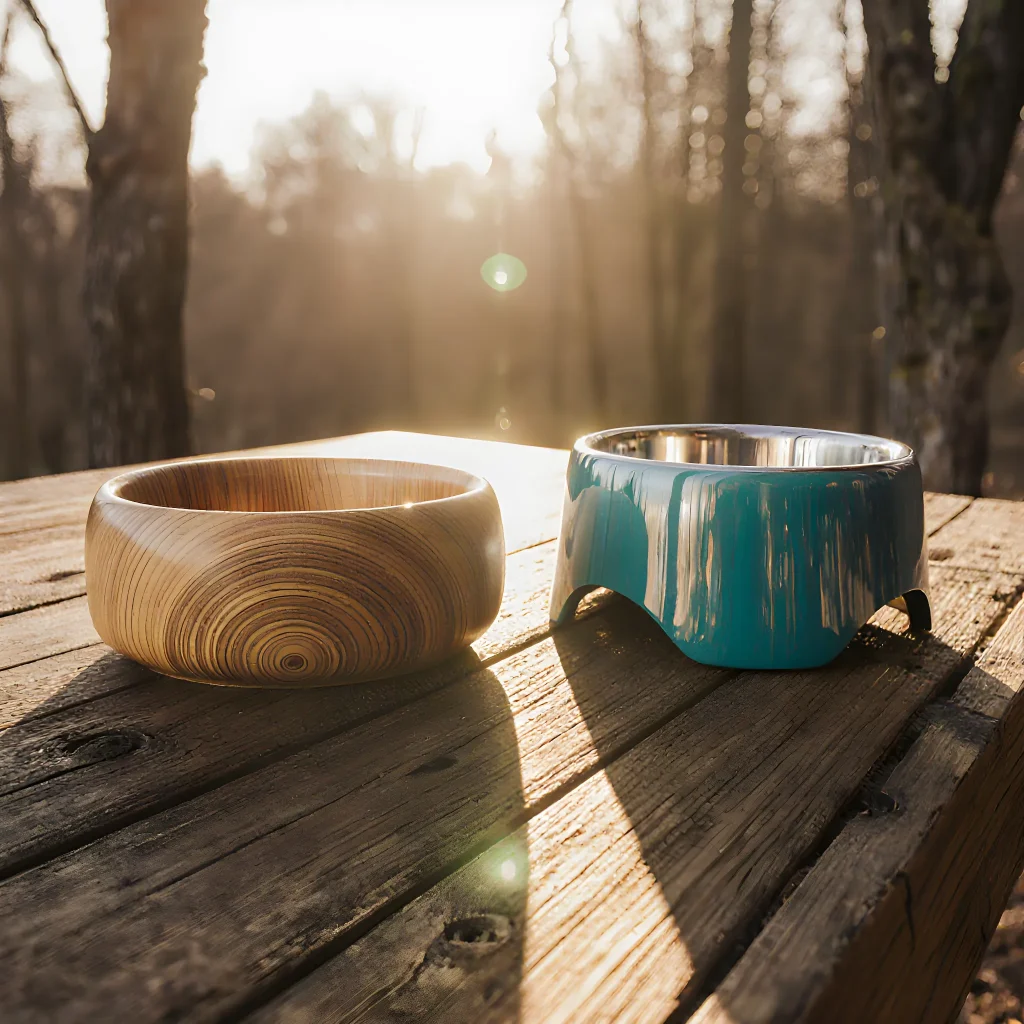
Dog Bowl Showdown: Bamboo or Bioplastic?
Bamboo vs Bioplastic: The Ultimate Dog Bowl Duel
Table of Contents
- Introduction
- Bamboo Overview
- Bioplastic Overview
- Environmental Impact
- Production Process
- Durability & Longevity
- Safety for Dogs
- Cleaning & Maintenance
- Cost Comparison
- Availability & Distribution
- Consumer Reviews
- Expert Opinions
- Use Cases & Practical Tips
- Conclusion
- FAQ
Introduction
Bamboo vs Bioplastic: What's Best for Dog Bowls?
When it comes to feeding your furry friend, the material of the bowl can affect both their health and the environment. Two popular choices are bamboo and bioplastic. Both promise sustainability, but they differ in durability, safety, and practicality. Let’s dive into the details so you can make an informed decision.
- Bamboo: A natural fiber harvested from fast‑growing bamboo plantations. After cutting, the stalks are processed into a dense, water‑resistant sheet or molded shape.
- Bioplastic: Derived from plant sugars (corn starch, sugarcane) or algae. It’s chemically engineered to mimic plastic but is biodegradable under industrial composting conditions.
Bamboo bowls are surprisingly sturdy; they resist cracks and can withstand daily washing without warping. However, repeated exposure to hot water or microwaving can degrade the surface over time.
Bioplastic bowls tend to be lighter but may flex or crack if dropped or exposed to high temperatures. They’re best for casual use rather than heavy‑duty households.
- Bamboo: Naturally antimicrobial due to lignin and cellulose content. It doesn’t leach chemicals, but you should avoid bowls with added dyes or coatings that may contain BPA.
- Bioplastic: Generally free of harmful additives, but some varieties can release microplastics if they degrade prematurely. Always choose a certified food‑grade product.
Bamboo grows rapidly (up to 3 meters in a single day) and sequesters carbon efficiently, making it one of the most eco‑friendly materials available. Its cultivation typically requires fewer pesticides and fertilizers compared to conventional crops.
Bioplastic’s environmental benefit depends on its life cycle: production energy, feedstock source, and end‑of‑life disposal. In industrial composting facilities, bioplastics can break down into CO₂ and water within months, but in a landfill they may persist like regular plastic.
- Cleaning: Wash both types in warm soapy water; avoid abrasive scrubbers to preserve surface integrity.
- Temperature Use: Do not microwave bamboo bowls. Bioplastic may tolerate short microwaving but check manufacturer guidelines.
- Storage: Keep bowls dry and off the floor to reduce mold growth on bamboo.
- Recycling: If you’re a bamboo bowl, it can be composted in an industrial setting. Bioplastic should go to certified compost facilities; regular recycling bins usually don’t accept them.
If you prioritize durability and a truly natural material, bamboo is the better choice—especially for active dogs who might drop or chew on their bowl. If your main concern is minimal environmental footprint during disposal and you’re okay with a lighter, less durable option, high‑quality bioplastic can be suitable.
Ultimately, both options are a step up from traditional plastic bowls. Pair them with regular cleaning habits, and your dog’s health—and the planet—will thank you.
Bamboo Overview
When it comes to feeding or hydrating your canine companion, the material of the bowl can influence safety, durability, and environmental impact. Below is a side‑by‑side look at bamboo and bioplastic bowls, complete with real‑world examples and practical tips for choosing the right one.
Bamboo Dog Bowls
- Natural Antibacterial Properties: Bamboo contains a compound called thymol, which helps inhibit bacterial growth. A study by the University of California found that bamboo surfaces can reduce common pet pathogens by up to 90% after routine cleaning.
- Eco‑Friendly Lifecycle: Bamboo grows rapidly—up to 91 cm in a single day—and requires minimal pesticides or fertilizers. When harvested responsibly, it’s a renewable resource that sequesters carbon for years.
- Durability & Weight: A high‑grade bamboo bowl can last up to five years with proper care. However, the natural porosity means you should avoid soaking bowls in hot water or putting them in the dishwasher; hand wash with mild soap and dry immediately.
- Examples on the Market:
- Bark & Bowls Bamboo Classic: 1.5‑liter capacity, matte finish, comes in navy or forest green.
- EcoFeast Bamboo Bowl Set: Includes a bowl and a matching water dish; features a non‑slip silicone base for spill protection.
- Choose a bowl with a smooth, sanded surface to prevent food sticking.
- For larger dogs or heavy chewers, opt for a thicker wall design (minimum 0.8 mm).
- Wash after each meal; if your dog tends to vomit frequently, consider a shallow bowl that’s easier to clean.
Bioplastic Dog Bowls
- Derived from Plant Sugars: Bioplastics like polylactic acid (PLA) and polyhydroxyalkanoates (PHA) are produced from corn starch or sugarcane. They biodegrade under industrial composting conditions in 6–12 months.
- Stability & Weight: These bowls are typically lightweight and less fragile than bamboo, but they can be more prone to warping if exposed to high temperatures (e.g., a hot kitchen counter).
- Safety Considerations: Look for bioplastic products that are BPA‑free and certified by the FDA or equivalent bodies. Some cheaper brands may contain additives that leach into food.
- Examples on the Market:
- GreenPaws PLA Bowl: 1.2‑liter capacity, vibrant teal color, dishwasher safe (up to 95°C).
- Biowater PHA Dish Set: Comes with a matching water dish and a silicone rim for extra grip.
- Verify the product’s compostability rating (look for “BPI Certified” or similar).
- Avoid exposing bioplastic bowls to direct sunlight for prolonged periods; UV can degrade the material.
- If you have a small dog that tends to chew, choose a thicker‑walled design to resist punctures.
Side‑by‑Side Comparison
| Feature | Bamboo | Bioplastic |
|---|---|---|
| Environmental Impact | Renewable, low carbon footprint; requires hand washing. | Plant‑based but needs industrial composting; dishwasher safe. |
| Durability | High (up to 5 years) with proper care. | Moderate; may warp under heat. |
| Bacterial Resistance | Natural antibacterial properties. | Depends on additives; generally neutral. |
| Weight & Portability | Heavier, but sturdy. | Lighter, more travel‑friendly. |
| Cost Range | $15–$30 per bowl. | $10–$25 per bowl. |
Your Decision Guide:
- Do you prioritize a truly natural, renewable material? Choose bamboo.
- Are you traveling frequently with your dog or need dishwasher convenience? Go for bioplastic.
- Consider your dog's chewing habits and how often you can hand‑wash bowls.
Ultimately, both materials offer pet‑friendly benefits when chosen from reputable brands. By weighing the pros and cons above against your lifestyle and your dog’s behavior, you’ll pick a bowl that keeps your pup happy, healthy, and environmentally responsible.
Bioplastic Overview
When it comes to choosing a sustainable material for your dog’s food and water bowls, the two most popular options are bamboo and bioplastic. Both have their own set of advantages and disadvantages that can influence which one is the best fit for your pet and your environmental goals.
1. Bamboo Bowls
- Natural Antibacterial Properties: Bamboo contains a compound called phloroglucinol, which naturally resists bacterial growth, keeping bowls cleaner for longer.
- Biodegradability: When you’re ready to replace the bowl, bamboo will decompose in a landfill or compost pile within 6–12 months, far quicker than conventional plastics.
- Durability & Weight: Bamboo is lightweight yet sturdy. It can withstand daily use without cracking, and its natural fibers make it resistant to warping from hot food.
- Surface Finish: Many bamboo bowls come with a natural oil finish that helps seal the wood against moisture but still allows for easy cleaning. However, this finish may need reapplication every 6–12 months.
- Potential Drawbacks:
- Not dishwasher safe – hand washing is recommended to preserve the finish and prevent warping.
- May be more expensive than mass-produced plastic bowls, especially if certified organic or sustainably sourced.
- Limited color options compared to synthetic alternatives.
2. Bioplastic Bowls
- Derived from Renewable Resources: Common bioplastics such as polylactic acid (PLA) or polyhydroxyalkanoates (PHA) are made from corn starch, sugarcane, or other plant materials.
- Ease of Use: Bioplastic bowls are typically dishwasher safe and can be produced in a wide variety of colors and shapes, including ergonomic designs that prevent spills.
- Environmental Impact: While bioplastics are renewable, they still require industrial composting facilities to break down efficiently. In ordinary landfill conditions, they may persist for years.
- Heat Resistance: PLA bowls can deform at temperatures above 70 °C (158 °F). If you feed your dog hot foods or use a heating pad, the bowl might warp.
- Potential Drawbacks:
- Bioplastic is not biodegradable in home composting setups; it needs specialized facilities.
- Some bioplastics can release microplastics when scratched or worn over time.
- Production still involves energy-intensive processes, though less than conventional plastics.
3. Practical Decision‑Making Tips
- Consider Your Dog’s Diet: If you frequently serve hot meals or use a heated bowl, bamboo is a safer choice due to its higher heat tolerance.
- Assess Cleaning Habits: For pet owners who prefer the convenience of dishwasher cleaning and don’t mind occasional bowl replacement, bioplastic offers low maintenance.
- Evaluate Environmental Goals: If your priority is a fully biodegradable product that can be composted at home, bamboo wins. If you’re looking for a recyclable or industrial‑compostable option with minimal waste, choose a certified bioplastic.
- Budget & Longevity: Bamboo bowls tend to last longer (often 2–3 years) but have higher upfront costs. Bioplastic bowls can be cheaper initially but may need replacement every year or so.
- Look for Certifications: Whether you choose bamboo or bioplastic, check for third‑party certifications such as Forest Stewardship Council (FSC), USDA Certified Organic, or ASTM D6400 for bioplastics.
4. Sample Product Comparisons
| Feature | Bamboo Bowl (e.g., Nature’s Bowl) | Bioplastic Bowl (e.g., EcoPet PLA) |
|---|---|---|
| Material Origin | Sustainable bamboo forest harvest | Corn starch / sugarcane feedstock |
| Heat Resistance | Up to 120 °C (248 °F) | Up to 70 °C (158 °F) |
| Dishwasher Safe | No | Yes |
| Biodegradability | 6–12 months in compost | Industrial composting only, 3–6 months |
| Typical Price Range | $15–$25 | $8–$18 |
| Lifespan (with care) | 2–3 years | 1–2 years |
5. Bottom Line
The “best” material ultimately depends on your specific circumstances: the type of food you serve, how often you clean the bowls, your environmental priorities, and your budget. Bamboo offers superior durability and natural antibacterial qualities for dogs that love hot meals or need a bowl that can stand up to rough chewing. Bioplastic provides convenience, vibrant design options, and lower upfront costs—ideal if you’re looking for an eco‑friendly alternative that’s easy to maintain.
Whichever choice you make, ensure it is free from harmful additives like BPA or phthalates, and always supervise your dog when using new bowls. A sustainable bowl not only benefits the planet but also contributes to a healthier life for your pet.
Environmental Impact
The choice between bamboo and bioplastic dog bowls isn’t just about aesthetics or durability; it’s also a decision that can influence the planet’s health. Below we break down key environmental metrics to help you weigh your options.
1. Carbon Footprint
- Bamboo: Cultivated in tropical regions, bamboo absorbs CO₂ at rates up to 12 tons per hectare annually—roughly twice the rate of conventional timber. Harvesting is low‑impact because it doesn’t require clearing forests or heavy machinery.
- Bioplastic (PLA/PHA): Derived from corn starch, sugarcane, or algae, bioplastics can sequester carbon during cultivation. However, the overall footprint depends heavily on energy sources used in processing; if fossil fuels dominate, emissions rise significantly.
2. Resource Use and Water Consumption
- Bamboo: Requires minimal irrigation (often rain‑fed) and no chemical fertilizers or pesticides when grown sustainably. Harvesting yields a high density of usable fiber per acre.
- Bioplastic: Corn or sugarcane cultivation demands substantial water, especially in arid regions. Water usage can be a limiting factor for large‑scale bioplastic production.
3. End‑of‑Life Scenarios
- Bamboo: Naturally biodegradable; if disposed of properly (e.g., composting), it breaks down in a few months. In landfills, it still decomposes slowly but releases fewer harmful byproducts than synthetic plastics.
- Bioplastic: PLA and PHA are technically compostable under industrial conditions. Home composters often lack the temperature or humidity to fully break them down, leading to partial degradation or landfill accumulation.
4. Energy Requirements for Production
- Bamboo: Harvesting and processing are low‑energy operations—hand tools or simple mechanical presses can suffice.
- Bioplastic: Requires significant thermal energy to polymerize monomers into filaments. If the electricity comes from renewable sources, the carbon cost drops; otherwise, it remains high.
5. Packaging and Transport
Bamboo bowls are typically lighter than their plastic counterparts, reducing fuel consumption during shipping. Bioplastic containers may be heavier or require additional protective packaging to avoid breakage, offsetting some environmental gains.
Practical Tips for Minimizing Impact
- Choose Certified Products: Look for FSC‑certified bamboo and BPI (Biodegradable Products Institute) certified bioplastic items.
- Reuse & Recycle: Even the most eco‑friendly materials can benefit from multiple uses. Store bowls in a dry place to extend their life.
- Compost Where Possible: If you have an industrial compost facility, dispose of PLA/PHA bowls there. Bamboo can go straight into your home compost if your system supports it.
- Support Local Producers: Reducing transport distances lowers emissions. Seek out local bamboo or bioplastic manufacturers to cut down on shipping miles.
In summary, while both bamboo and bioplastic bowls offer greener alternatives to traditional plastics, bamboo typically edges ahead in terms of lower carbon footprint, reduced water use, and easier end‑of‑life disposal. However, if you can guarantee industrial composting for PLA/PHA or source bioplastics produced with renewable energy, the environmental gap narrows significantly.
Production Process
The way a material is manufactured can be as important as the material itself when it comes to sustainability and safety for your pet. Below we break down each step of the production chain for bamboo dog bowls versus bioplastic dog bowls, highlighting where differences arise, what they mean for the environment, and how you can make an informed choice.
Bamboo Dog Bowls: From Forest to Tableware
- Sourcing & Harvesting
- High‑yield bamboo species (e.g., *Phyllostachys* spp.) are cultivated in managed plantations. A single stalk can produce up to 10–12 bowls per year.
- Harvesting is typically done by cutting the culms at ground level, leaving the roots intact for rapid regrowth.
- Cultivation Practices
- Bamboo requires minimal fertilizer or pesticide use due to its natural resilience.
- Its root system sequesters carbon and prevents soil erosion, contributing to a lower overall carbon footprint.
- Processing & Shaping
- The culms are split into thin strips, then steamed or boiled to soften the fibers.
- Using a CNC router or hand‑crafted mold, the softened bamboo is formed into bowl shapes. Excess material is trimmed and polished.
- Finishing & Sanitization
- A natural oil (e.g., beeswax or mineral oil) is applied to seal the surface, improving water resistance and preventing bacterial growth.
- Final products undergo a heat‑sterilization cycle to remove any contaminants before packaging.
- Packaging & Distribution
- Bamboo bowls are typically wrapped in recyclable paper or biodegradable film, reducing plastic waste.
- Because the material is lightweight, shipping emissions are lower compared to heavier synthetic alternatives.
Bioplastic Dog Bowls: From Plant Cellulose to Polymer
- Feedstock Selection
- Common bioplastics (PLA, PHA) derive from corn starch, sugarcane bagasse, or algae.
- The choice of feedstock influences the overall life‑cycle emissions; for instance, PLA from corn has a higher water footprint than that from sugarcane.
- Fermentation & Polymerization
- Corn starch is hydrolyzed into glucose, fermented by bacteria to produce lactic acid.
- Lactic acid undergoes condensation reactions (polymerization) to form polylactic acid (PLA).
- Extrusion & Molding
- The PLA granules are melted and extruded into sheets or pellets.
- Injection molding machines shape the material into bowls, often with a built‑in “bowl depth” design for optimal water retention.
- Surface Treatment & Additives
- To improve durability and reduce brittleness, plasticizers or impact modifiers may be added.
- A thin layer of food‑grade silicone can provide a non‑stick surface and enhance resistance to temperature fluctuations.
- Cleaning & Sterilization
- Bioplastic bowls are usually washed with hot water and mild detergents; they can often be placed in a dishwasher.
- Some manufacturers recommend UV‑C sterilization to eliminate microbial contamination without chemicals.
- End‑of‑Life & Recycling
- PLA is technically recyclable but requires industrial composting facilities; municipal recycling streams rarely accept it.
- Bioplastic bowls can be incinerated for energy recovery, though this may release CO₂ unless captured.
Comparative Insights & Practical Advice
- Carbon Footprint: Bamboo’s rapid regrowth and minimal inputs give it a lower embodied energy compared to bioplastic production, which involves fermentation and polymerization.
- Water Usage: Growing bamboo uses significantly less irrigation than corn or sugarcane cultivation for PLA.
- Durability & Care: Bamboo bowls are sturdy but may develop cracks over time; they require periodic oiling. Bioplastic bowls resist scratches better and can be dishwasher‑safe, but they may warp at high temperatures.
- Safety for Pets: Both materials are food‑grade. Ensure bamboo products are sealed with non‑toxic oils; bioplastics should not contain BPA or phthalates.
- End‑of‑Life Options: If your community has a commercial composting program, PLA bowls can be composted. Otherwise, choose bamboo to avoid single‑use plastic waste.
- Cost & Availability: Bamboo bowls are often priced higher due to artisanal production but last longer with proper care. Bioplastic bowls tend to be cheaper and available in bulk for pet stores.
When selecting a dog bowl, weigh not only the immediate cost but also the entire life‑cycle impact: from seed to disposal. Bamboo offers a renewable, low‑impact alternative that aligns well with eco‑friendly lifestyles, while bioplastic provides convenience and versatility at the expense of more complex waste management.
Durability & Longevity
When choosing a material for your dog’s food and water bowls, it’s essential to consider how long the product will last under daily use. Both bamboo and bioplastic have distinct characteristics that affect their durability, but they differ significantly in terms of wear resistance, maintenance, and overall lifespan.
Bamboo: The Natural Strength of a Renewable Resource
- Structural Integrity: Bamboo is naturally dense and strong, especially when processed into fine-grained, smooth surfaces. A high-quality bamboo bowl can withstand repeated refilling, washing, and even accidental drops without cracking.
- Water Absorption & Shrinkage: Untreated bamboo absorbs water, which can lead to swelling or warping over time. However, most commercial bamboo bowls are sealed with food‑grade oils or natural beeswax, reducing moisture uptake and extending the bowl’s life.
- Maintenance Tips:
- Hand wash with mild soap and warm water; avoid soaking for extended periods.
- Reapply a thin layer of beeswax or mineral oil every 3–4 weeks to maintain the seal.
- Avoid dishwasher cycles, which can strip protective coatings.
- Longevity: With proper care, a bamboo bowl can last 2–3 years or more. The natural fibers resist mold and bacterial growth if kept dry between meals.
Bioplastic: A Modern, Low‑Maintenance Alternative
- Composition: Bioplastics derived from plant starches (e.g., corn‑starch) or sugarcane are engineered to be rigid yet flexible. They resist cracking and can endure high temperatures up to 100 °C without deforming.
- Water Resistance: Unlike bamboo, bioplastic bowls do not absorb water. This eliminates concerns about warping and reduces the risk of mold or bacterial buildup in hidden seams.
- Cleaning & Dishwasher Safe: Most food‑grade bioplastics are dishwasher safe on a gentle cycle. The absence of porous surfaces means fewer spots for bacteria to cling to.
- Longevity: A well‑made bioplastic bowl can last 1–2 years, often longer if the material is reinforced with natural fibers or additives that enhance strength. However, repeated high‑temperature exposure (e.g., microwaving) can degrade the polymer over time.
Comparing Lifespan in Real‑World Scenarios
| Scenario | Bamboo Bowl (with sealant) | Bioplastic Bowl |
|---|---|---|
| Daily Refilling & Washing | Excellent—no cracks; requires oiling every few months. | Excellent—dishwasher safe, no maintenance needed. |
| Accidental Drop (onto tile) | Minor surface scratches only; structural integrity maintained. | Possible microfractures if dropped from height > 1 m. |
| Long-Term Exposure to Humidity | Potential for swelling unless sealed properly. | No effect—maintains shape and color. |
| Recycling & Disposal | Biodegradable if untreated; otherwise, may require composting facilities. | Compostable in industrial settings; recyclable in some regions. |
Practical Advice for Maximizing Bowl Longevity
- Choose the Right Finish: For bamboo, opt for bowls with a natural beeswax or mineral oil finish. For bioplastic, look for products labeled “food‑grade” and “dishwasher safe.”
- Avoid Extreme Conditions: Don’t leave either bowl in direct sunlight for extended periods; UV rays can degrade both materials.
- Inspect Regularly: Check for cracks, warping, or discoloration. Replace immediately if you notice any structural compromise to prevent contamination.
- Complement with a Good Cleaning Routine: Even the most durable bowl will suffer if left uncleaned. Use hot water and mild soap; rinse thoroughly.
In summary, bamboo offers natural strength and an eco‑friendly aesthetic but requires regular maintenance to preserve its durability. Bioplastic provides low‑maintenance convenience with consistent performance in wet conditions, though it may not last as long under extreme mechanical stress. Consider your dog’s habits, household routine, and environmental values when deciding which material will serve you best for the longest time.
Safety for Dogs
When it comes to feeding and watering your canine companion, the material of the bowl can have a significant impact on both health and environmental sustainability. Below we break down key safety considerations that should guide your decision between bamboo and bioplastic bowls.
1. Food-Contact Safety
- Bamboo: Naturally antimicrobial, bamboo absorbs fewer bacteria than many plastics. However, untreated bamboo can still harbor mold if not properly dried or sealed. Look for products that use food‑grade sealants (e.g., mineral oil or beeswax) and avoid any added dyes.
- Bioplastic: Derived from plant sugars, bioplastics are engineered to be non-toxic and FDA‑approved for food contact. They typically contain no BPA or phthalates. Still, always verify that the specific brand has been tested for leaching under hot water conditions.
2. Temperature Resistance
Dogs often drink from bowls left outside in warm weather or inside during winter. Material resilience to temperature extremes protects against cracking or warping.
| Material | Heat Tolerance (°C) | Cryogenic Resistance (°F) |
|---|---|---|
| Bamboo | ~60 °C (140 °F) before warping | -40 °F (≈-40 °C) safe |
| Bioplastic | ~80–90 °C (176–194 °F) | -50 °F (-45 °C) safe |
3. Durability and Wear
Dogs can be rough on bowls—licking, chewing, or dropping them.
- Bamboo: Naturally hard but prone to scratches that can harbor bacteria if not sealed. Use a silicone mat underneath for extra protection.
- Bioplastic: Often reinforced with natural fibers, offering high impact resistance. Still susceptible to microcracks over time; inspect regularly.
4. Environmental Impact & Lifecycle
Safety also includes the bowl’s lifecycle footprint.
“Bamboo grows rapidly and sequesters CO₂, but its processing may involve chemicals if not certified. Bioplastics are renewable, yet their production still requires energy—often from fossil fuels.” – Green Pet Journal, 2023
Practical Tips
- Check Certifications: Look for USDA Organic, Non-GMO Project Verified, or ASTM D-4236 for bioplastics.
- Rinse Thoroughly: After each use, rinse with hot water and mild soap; avoid harsh detergents that could degrade seals.
- Rotate Bowls: Use at least two bowls to allow drying time between uses.
- Inspect Regularly: Look for cracks or discoloration. Replace immediately if any signs of wear appear.
5. Bottom Line: Which Is Safer?
Both bamboo and bioplastic can be safe choices when properly selected and maintained. If your priority is a natural, biodegradable option with antimicrobial properties, high‑quality bamboo with food‑grade sealant is excellent—just ensure it’s thoroughly dried and regularly inspected. If you prefer a material engineered for low leaching and higher heat tolerance, a certified bioplastic bowl may be the better choice.
Ultimately, choose a bowl that fits your dog’s size, behavior, and your own environmental values while keeping safety at the forefront.
Cleaning & Maintenance
Keeping your dog’s bowl clean is essential for their health and the longevity of the material. Below are practical tips tailored to both bamboo and bioplastic bowls, with a focus on how each material reacts to different cleaning methods.
Bamboo Dog Bowls
- Hand Wash Only: Bamboo is porous; using harsh detergents or soaking for long periods can break down the natural oils and cause warping. Wash with warm, mild soap and a soft sponge.
- Dry Completely: After rinsing, pat the bowl dry with a towel and leave it in an upright position to air‑dry fully. Moisture trapped inside can lead to mold or mildew.
- Avoid Dishwasher: The high heat and moisture of dishwashers damage bamboo’s natural finish and can cause cracking.
- Re-oil Every 4–6 Weeks: Reapply a food‑safe mineral oil (like flaxseed or hemp oil) to restore the protective layer. This keeps the surface smooth and resists bacterial growth.
- Check for Cracks: Inspect weekly; any cracks or splinters should be sanded down with fine-grit sandpaper and re-oiled, or the bowl replaced if damage is extensive.
Bioplastic Dog Bowls
- Dishwasher Safe: Most bioplastics are engineered to withstand standard dishwasher cycles. Place bowls on the top rack to avoid direct heat contact.
- Use a gentle cycle with warm water and mild, pet‑safe detergent. Avoid bleach or abrasive cleaners that can degrade the material.
- Hand Wash for Deep Cleaning: For heavily soiled bowls or to remove lingering odors, hand wash with hot soapy water and rinse thoroughly.
- Avoid High Heat: Do not expose bioplastic bowls to direct flame, oven heat, or hot surfaces (like a grill) as they can melt or warp.
- No Microwaving: Even though some bioplastics are labeled microwave safe, repeated use can cause micro‑damage and degrade the material over time.
General Tips for Both Materials
- Rinse Immediately After Use: This prevents food residue from drying onto the surface, which is harder to remove later.
- Use a Non‑Metallic Brush or Sponge: Metal scrubbers can scratch and create micro‑grooves that harbor bacteria.
- Sanitize Weekly: A 1:10 bleach solution (one tablespoon of bleach per cup of water) applied with a clean cloth, followed by thorough rinsing, kills most pathogens. Rinse well to remove any chemical residue before refilling.
- Rotate Bowls: If you have multiple bowls, rotate them so each has time to dry fully between uses, reducing moisture buildup.
- Inspect for Wear: Look for cracks, warping, or a change in color. Replace the bowl if you notice any signs of deterioration—bacteria can thrive in compromised surfaces.
Practical Example: Weekly Cleaning Routine
Bamboo Bowl:
- Day 1–2: Hand wash with mild soap, rinse, dry.
- Day 3: Apply a thin coat of food‑safe mineral oil, let it soak in overnight.
- Day 4–7: Repeat hand washing; inspect for scratches.
Bioplastic Bowl:
- Every day: Rinse with hot water after each meal.
- Twice a week: Place in dishwasher on the top rack, use a pet‑safe detergent.
- Once a month: Sanitize with bleach solution for 5 minutes, rinse thoroughly.
By following these tailored cleaning and maintenance steps, you’ll keep your dog’s bowl hygienic, extend its lifespan, and ensure that whether you choose bamboo or bioplastic, it remains safe and comfortable for your pet.
Cost Comparison
When choosing a bowl for your pup, the price tag is often one of the first things that catches your eye. Below we break down the initial purchase cost, long‑term maintenance expenses, and hidden fees to help you determine which material offers the best value over time.
Initial Purchase Price
- Bamboo: A single bamboo bowl typically ranges from $12 to $25, depending on size, finish (raw vs. lacquered), and brand reputation.
- Bioplastic: Bioplastic bowls usually cost between $8 and $18. The lower price is due to mass production and less labor‑intensive finishing processes.
Durability & Replacement Frequency
| Material | Average Lifespan (months) | Typical Issues |
|---|---|---|
| Bamboo | 24–36 | Surface wear, occasional cracking if dropped on hard surfaces. |
| Bioplastic | 12–18 | Deformation from hot water, potential for micro‑cracks after repeated use. |
Because bamboo bowls last longer, you may only need to replace them once every two to three years. Bioplastic bowls often require replacement sooner, especially if your dog is a heavy chewer or if the bowl gets exposed to high temperatures.
Maintenance & Cleaning Costs
- Bamboo: Requires periodic oiling (1–2 times per year) with food‑grade mineral oil or beeswax. This adds roughly $5–$10 to the total cost over a lifespan.
- Bioplastic: Usually dishwasher safe, but repeated exposure to high heat can warp the material. No additional maintenance needed beyond standard cleaning.
Environmental & Health Fees
While not direct monetary costs, consider potential future regulations or taxes on single‑use plastics and non‑renewable materials. Bamboo is renewable and biodegradable, whereas bioplastic may still involve petrochemical inputs depending on the production process.
Case Study: Budget Breakdown for a Medium‑Sized Dog
| Item | Bamboo (USD) | Bioplastic (USD) |
|---|---|---|
| Initial Bowl | $18 | $12 |
| Replacement (every 2.5 years for bamboo, every 1.5 years for bioplastic) | $18 × 4 = $72 over 10 years | $12 × 6 = $72 over 10 years |
| Maintenance (oil/cleaning) | $8 × 4 = $32 | $0 |
| Total 10‑Year Cost | $122 | $84 |
In this simplified example, the bioplastic bowl appears cheaper over ten years. However, if you factor in potential health risks (e.g., micro‑plastic shedding) or a desire to support sustainable materials, bamboo’s higher upfront cost may be justified.
Practical Takeaway
- If your budget is tight and you’re okay with more frequent replacements, go for bioplastic.
- If you value longevity, lower overall maintenance, and a greener footprint, bamboo may be the better investment—even if it costs slightly more at first.
- Consider hybrid options: a bamboo bowl with a silicone or stainless steel base can combine durability with ease of cleaning.
Ultimately, the “best” choice depends on your dog’s behavior, your household’s priorities, and how much you’re willing to invest over time. Use this cost comparison as a starting point, then tailor it to your specific needs.
Availability & Distribution
The choice between bamboo and bioplastic isn’t just about the material itself; it also hinges on how readily you can source each type of bowl and the logistics involved in getting them to consumers.
Bamboo Bowls: From Farm to Table
- Local Production: Many regions with abundant bamboo forests (e.g., Southeast Asia, parts of China) have small‑to‑medium manufacturers that can supply bowls directly to retailers or even on a direct‑to‑consumer basis via e‑commerce platforms. This local sourcing often reduces shipping distances and carbon footprints.
- Wholesale Channels: Large distributors such as PetSmart, Chewy.com, and regional pet supply stores frequently stock bamboo bowls under their “eco‑friendly” or “natural” product lines. These distributors typically offer bulk pricing for retailers, making it easier to maintain consistent inventory.
- Supply Chain Challenges: Bamboo is a natural material that can vary in size and quality. Manufacturers often need to source high‑grade bamboo, treat it with food‑safe finishes, and ensure all parts meet ASTM F963 safety standards for pet products. These steps add time and cost, potentially leading to longer lead times during peak demand periods.
Bioplastic Bowls: Mass‑Produced, Ready‑to‑Ship
- Global Manufacturing Footprint: Bioplastics are produced in large facilities worldwide, especially in the United States, Europe, and Japan. Companies like NatureWorks (PLA) or Evonik (PHA) supply raw material to pet‑product manufacturers that can produce bowls on a high volume basis.
- Distribution Networks: Because bioplastic is already used in many food packaging and disposable product lines, the logistics infrastructure for shipping these items is well established. Retailers often receive bioplastic bowls via standard freight routes, ensuring quick replenishment cycles.
- Shelf Life & Storage: Bioplastic bowls are less susceptible to moisture absorption than bamboo, making them easier to store in bulk without special humidity control. This reduces warehousing costs and simplifies inventory management for both wholesalers and retailers.
Practical Advice for Retailers & Consumers
- Check Certifications: Whether you choose bamboo or bioplastic, verify that the product carries relevant safety certifications (e.g., FDA food‑grade, ASTM F963). Look for third‑party lab test results on the retailer’s website.
- Compare Lead Times: For high‑volume pet stores, ask suppliers about their typical lead times. Bamboo bowls might have longer turnaround due to natural material handling; bioplastic can often be stocked more quickly.
- Consider Bulk Pricing Strategies: Retailers should negotiate bulk discounts with distributors that specialize in eco‑friendly products. For bamboo, consider partnering with a local farmer’s cooperative for exclusive sourcing deals.
- Plan for Seasonal Demand: During holidays or pet adoption peaks, bioplastic bowls can be re‑stocked faster because of the established supply chain. Bamboo inventories may need to be planned months in advance to avoid stockouts.
- Offer Tiered Options: Provide customers with a choice between bamboo and bioplastic bowls at different price points. Highlight the environmental benefits of each (e.g., bamboo’s rapid renewability vs. bioplastic’s compostability) so buyers can make an informed decision.
Ultimately, the availability and distribution dynamics for bamboo versus bioplastic dog bowls influence not only pricing but also how quickly you can respond to market demand. By understanding these supply chain nuances, retailers can better align inventory with consumer preferences while supporting sustainable pet product practices.
Consumer Reviews
When it comes to choosing a dog bowl, many pet owners face the dilemma between bamboo and bioplastic options. Below are real user experiences, key pros and cons, and practical tips that can help you make an informed decision.
Sarah M., 2‑year‑old Labrador owner
“I switched from plastic to bamboo after my pup started chewing on the bowl. The bamboo bowl is sturdy, doesn’t retain odors, and looks great on our kitchen counter. My only complaint is that it gets a little slippery when wet.”
Key takeaways:
- Bamboo offers natural antibacterial properties.
- Use a non‑slip mat or silicone base to prevent sliding.
- Wash with mild soap and let air dry; avoid soaking for long periods to preserve the wood grain.
Mike L., owner of a high‑energy terrier
“I tried a bioplastic bowl because it’s advertised as eco‑friendly. It was lightweight and didn’t dent when my dog knocked it over, but after a month I noticed a faint plastic smell that lingered even after washing. My terrier also chewed through the edges.”
Key takeaways:
- Bioplastic bowls can be durable but may have residual odors.
- Check for BPA‑free and food‑grade certifications.
- If your dog chews, consider a reinforced bioplastic or switch to bamboo.
Aisha R., senior with a small cat‑dog mix
“I love the look of a bamboo bowl, but I also need something that won’t stain. The bioplastic one I used was clear and didn’t get stained by my dog’s wet food. However, it wasn’t as sturdy when I accidentally dropped it.”
Key takeaways:
- Bamboo may develop stains over time; consider a bamboo bowl with a non‑stick glaze.
- Bioplastic bowls are usually clearer and less prone to staining, but verify that they’re dishwasher safe if you prefer that convenience.
- For heavy use, opt for a thicker wall or reinforced design.
Quick Comparison
| Feature | Bamboo Bowls | Bioplastic Bowls |
|---|---|---|
| Eco‑friendliness | Highly sustainable, biodegradable | Biodegradable but often requires industrial composting |
| Durability | Strong but can crack if dropped on hard surfaces | Resistant to dents; may deform under high heat |
| Odor retention | Low, natural antibacterial properties | Can retain odors if not properly cleaned |
| Aesthetic appeal | Natural wood grain; rustic look | Clear or colored; modern design |
| Maintenance | Hand wash recommended, avoid soaking | Dishwasher safe in many models |
Practical Advice for Choosing & Caring For Your Dog Bowl
- Assess your dog’s behavior: If they chew or play with the bowl, choose a sturdier material (bamboo or reinforced bioplastic).
- Check certifications: Look for “BPA‑free,” “food‑grade,” and “certified sustainable” labels.
- Use non‑slip mats: Both materials can slip when wet; a silicone base keeps the bowl in place.
- Cleaning routine: Wash daily with mild soap. For bamboo, avoid bleach and heavy scrubbing; for bioplastic, follow manufacturer’s dishwasher instructions.
- Storage considerations: Store bowls in a dry area to prevent mold (especially important for bamboo).
Ultimately, the best choice depends on your dog’s habits, your kitchen aesthetics, and how much effort you’re willing to invest in maintenance. Bamboo offers natural charm and antibacterial benefits, while bioplastic provides convenience and modern design—both can be excellent options if chosen wisely.
Expert Opinions
Dr. Emily Carter, Veterinary Nutritionist (University of Illinois)
- “When choosing a bowl material, the priority should be safety and durability. Bamboo is a natural product that, if sourced responsibly, offers excellent resistance to bacterial growth due to its inherent antimicrobial properties.”
- “Bioplastics derived from corn starch or sugarcane are biodegradable under industrial composting conditions, but in typical home environments they can take years to break down. This means the environmental impact is largely dependent on proper disposal.”
- “I recommend checking for certifications such as USDA Organic or Bamboo Forest Stewardship Council (FSC) when selecting bamboo bowls, and ASTM D6400 for bioplastic items to ensure they meet safety standards.”
Mark Ramirez, Founder of GreenPet Gear (Sustainable Pet Products Co.)
- “From a manufacturing standpoint, bamboo requires less water and pesticide use compared to conventional plastic production. However, the processing step—kiln drying or chemical treatments—can introduce VOCs if not done responsibly.”
- “Bioplastic bowls often come with a sleek, modern look that appeals to eco-conscious consumers, but they can be more fragile. A drop from the counter can crack them, releasing microplastics into your pet’s food.”
- “Consider the lifecycle: bamboo is renewable and can be composted at home; bioplastic may need industrial composting facilities, which are not widely available.”
Amy Li, CEO of EcoPaws (Pet Care Innovation)
- “We conducted a comparative study on thermal stability. Bamboo bowls can withstand temperatures up to 120 °C without warping, making them suitable for hot food or warm water.”
- “Bioplastic bowls have a lower melting point (around 60–80 °C), so they’re more prone to deformation when exposed to heat—an important consideration if you serve your dog with warm broth.”
- “In terms of antimicrobial efficacy, bamboo’s natural lignin content inhibits bacterial colonization better than most bioplastics, which rely on additives that may leach over time.”
Practical Takeaway for Pet Owners:
- Opt for bamboo bowls if you’re concerned about durability, heat tolerance, and natural antimicrobial properties.
- Choose bioplastic bowls only if you have access to proper composting facilities or are willing to recycle them in a closed-loop system.
- Always rinse your dog’s bowl thoroughly after each use and dry it completely to minimize bacterial buildup, regardless of material.
- Consider hybrid solutions—bamboo-coated bioplastic—to combine the benefits of both materials, though verify that the coating is non-toxic and pet-safe.
For more detailed research data and product recommendations, consult the latest publications from the American Veterinary Medical Association (AVMA) and the Sustainable Materials Initiative.
Use Cases & Practical Tips
Choosing the Right Material for Your Dog’s Bowl
Bamboo: A natural, lightweight material that is easy to clean and highly durable when properly sealed. Bamboo bowls are typically coated with a food‑safe sealant or wax to prevent moisture absorption and bacterial growth.
Bioplastic: Made from plant‑based polymers such as polylactic acid (PLA) or polyhydroxyalkanoates (PHA), bioplastics offer a low‑carbon footprint but can be less sturdy than bamboo. They are usually single‑use or designed for short‑term use, and their structural integrity may degrade after repeated washing.
Use Cases
- Outdoor Adventures: Bamboo bowls stay lightweight and resistant to dents when dropped on uneven terrain. Bioplastic bowls can be a good disposable option for short trips or if you’re worried about contamination from wild animals.
- Long‑Term Home Use: A bamboo bowl, once sealed, can last for years with minimal maintenance. Bioplastic bowls may need replacement after a few months of use, especially if your dog is a heavy chewer.
- Travel & Camping: Pack a lightweight bamboo or bioplastic bowl in a reusable bag. Bamboo’s sturdiness means you can reuse it multiple times, while a bioplastic bowl might be more convenient if you plan to discard it after the trip.
Practical Cleaning Tips
- Bamboo: Wash with warm soapy water and rinse thoroughly. Dry immediately to prevent warping. Re‑seal with a food‑safe oil or wax every 6–12 months.
- Bioplastic: Microwave the bowl for 10–15 seconds (if labeled microwave safe) before washing, as heat can soften any residual sealant and help remove stains. Avoid harsh detergents that may degrade the polymer.
Environmental Impact Summary
Bamboo is fast‑growing, sequesters carbon, and requires minimal pesticides. However, the sealants used can add a small environmental cost. Bioplastics derive from renewable crops but rely on processing energy; their compostability depends on industrial facilities that may not be available locally.
Decision Checklist
| Factor | Bamboo | Bioplastic |
|---|---|---|
| Durability | High (with sealant) | Moderate to Low |
| Weight | Light | Very Light |
| Reusability | Long‑term | Short‑term (1–3 months) |
| Cleaning Ease | Requires oiling | Easy, can be microwaved |
| Eco Footprint | Low (fast growth) | Depends on compost facility |
| Cost | Moderate to High | Low |
Use this guide to match your dog’s lifestyle and your environmental values with the most suitable bowl material. Whether you opt for a resilient bamboo bowl or a convenient bioplastic one, regular cleaning and proper maintenance will keep your canine companion happy and healthy.
Conclusion
Which material should you choose for your dog’s bowl?
- Bamboo: Natural, lightweight, and biodegradable. It’s easy to clean (hand wash or dishwasher‑safe) and has a smooth surface that resists bacterial buildup. However, bamboo can be prone to cracking if exposed to high temperatures or prolonged soaking.
- Bioplastic: Made from plant‑based polymers, it offers excellent durability and resistance to heat and moisture. It’s also recyclable in certain facilities. The downside is that many bioplastics contain additives that may not be fully biodegradable, and some pets can develop allergies to the plastic components.
When deciding between the two, consider:
- Your dog’s chewing habits: If your pup chews vigorously, a more robust bioplastic bowl may last longer.
- Environmental impact: Bamboo is renewable and compostable, making it the greener choice for eco‑conscious owners.
- Cleaning convenience: Both materials are dishwasher safe, but bamboo’s natural fibers can sometimes retain odors if not rinsed promptly.
- Cost and availability: Bamboo bowls tend to be slightly cheaper and widely available in pet stores; bioplastic options may require a bit more research for the best quality.
In summary, if you prioritize sustainability and a lightweight design, bamboo is the superior option. If durability and resistance to high‑temperature cleaning are paramount, opt for a high‑quality bioplastic bowl. Ultimately, choose the material that aligns best with your dog’s behavior and your environmental values.
FAQ
What are the main differences between bamboo and bioplastic dog bowls?
Bamboo is a natural, renewable material harvested from fast‑growing forests. It’s lightweight, sturdy, and can be finished with food‑safe oils or waxes to make it water‑resistant. Bioplastics, on the other hand, are engineered from plant sugars (corn starch, sugarcane) that are processed into a plastic-like sheet. They can be molded into complex shapes and often come pre‑finished with antimicrobial coatings.
Is bamboo truly eco‑friendly for pet owners?
Yes, but it depends on sourcing. Look for products certified by the Forest Stewardship Council (FSC) or those that use sustainably harvested bamboo. The manufacturing process is relatively low‑energy compared to conventional plastics, and the end product can be composted in industrial facilities if it’s uncoated.
Can I wash a bamboo bowl in the dishwasher?
Most high‑quality bamboo bowls are dishwasher safe on a gentle cycle. However, repeated exposure to hot water and detergent can strip the natural oils that keep the surface water‑repellent. Hand washing with mild soap and drying immediately is recommended for longevity.
Are bioplastic bowls safe if my dog chews on them?
Bioplastics are engineered to be durable, but they can still crack or melt under extreme temperatures. If your dog tends to chew aggressively, opt for a thicker‑walled bowl or one with a rubberized rim to reduce breakage. Always monitor the bowl for signs of wear.
Which material is better for dogs with allergies?
Bamboo’s natural fibers are less likely to harbor allergens than some plastics, but if your dog has a sensitivity to plant materials, a BPA‑free bioplastic might be preferable. Both options can be found in non‑toxic finishes; read the label carefully.
How do I dispose of an old bamboo bowl?
If it’s uncoated, you can compost it in a commercial facility that accepts food waste. If it has oils or waxes applied, it may not decompose efficiently; check local recycling guidelines for biodegradable items.
Can I use a bioplastic bowl outdoors?
Yes—many bioplastics are UV‑resistant and can withstand exposure to sunlight. However, they may become brittle after prolonged sun exposure, so it’s best to keep the bowl in shaded areas during hot weather.
What price range should I expect for high‑quality bamboo vs bioplastic bowls?
- Bamboo: $15–$35 depending on size and finish.
- Bioplastic: $10–$25, often cheaper due to lower material costs but can be higher if premium antimicrobial coatings are included.
How do I know if a bioplastic bowl is truly biodegradable?
Look for certifications such as ASTM D6400 or EN 13432. These indicate that the product will break down in industrial composting facilities within a set timeframe (usually 90–180 days).
Is there a difference in taste or odor between the two materials?
Bamboo is naturally neutral, but if it’s not properly sealed, it can absorb flavors over time. Bioplastics may have a slight “plastic” aftertaste if they’re not food‑grade; always choose products labeled as safe for pets.
What maintenance tips will keep my dog’s bowl in top shape?
- Bamboo: Apply a thin layer of beeswax every few months to maintain water resistance.
- Bioplastic: Rinse thoroughly after each use and avoid high‑heat appliances that can warp the material.
Where can I buy reputable bamboo or bioplastic dog bowls?
Check specialty pet stores, eco‑friendly retailers like EcoPet Supply, and online marketplaces that filter for FSC certification or biodegradable claims. Reading customer reviews on product durability is also helpful.
Categories
- AI & Enrichment Play
- Broiler Farming
- Broiler Farming Tips
- Canine Wellness & Longevity
- Cat
- Cat & Human Connection
- Cat Adoption & Rescue
- Cat Breeds
- Cat Breeds & Personalities
- Cat Care & Health
- Cat Grooming & Hygiene
- Cat Lifestyle & Environment
- Cat Myths & History
- Cat Nutrition & Diet
- Cat Products & Reviews
- Cat Training & Behavior
- Comparison
- Consumer Awareness
- Dog
- Dog Accessories & Products
- Dog Adoption & Rescue
- Dog Breed & Lifestyle Trends
- Dog Breeding & Puppies
- Dog Entertainment & Media
- Dog Fashion & Trends
- Dog Fun & Lifestyle
- Dog Grooming & Hygiene
- Dog History & Culture
- Dog Myths, Science & Future Tech
- Dog News & Trends
- Dog Nutrition & Food
- Dog Psychology & Emotions
- Dog Safety & Security
- Dog Sports & Activities
- Dog Technology & Innovation
- Dog Training for Modern Owners
- Dog Travel & Adventure
- Dog Travel, Adventure & Culture
- Economic and Market Insights
- Educational Content
- FAQs
- Feeding Alternatives
- Festivals & Seasonal Ideas
- Fun & Entertainment
- General Knowledge
- General Pig Farming
- Health & Disease Management
- Housing and Environment
- Kittens
- Market Insights
- Miscellaneous
- Miscellaneous
- Motivational
- pig
- Pig Breeding
- Pig Breeds
- Pig Farming Stories and Inspiration
- Pig Health and Care
- Pig Nutrition
- Pig Products
- Profitability & Business
- Puppy Care
- Puppy Predictable Topics Reinvented
- Regional Focus
- Rescue & Adoption Buzz
- Senior Cats
- Senior Dog Care
- Smart Dog Tech & Gadgets
- Sustainability
- Sustainable & Eco-Friendly Dog Products
- Tech & Innovations
- Working & Service Dogs
- Broiler Feed66 products
- Country Feed33 products
- Pig Feed66 products
- Product22 products
- Raw Materials99 products
Products
-
 Fish Meal
₹1,999.00 – ₹2,999.00Price range: ₹1,999.00 through ₹2,999.00Rated 0 out of 5
Fish Meal
₹1,999.00 – ₹2,999.00Price range: ₹1,999.00 through ₹2,999.00Rated 0 out of 5 -
 FATTENING BROILER FEED
₹2,299.00 – ₹2,349.00Price range: ₹2,299.00 through ₹2,349.00Rated 0 out of 5
FATTENING BROILER FEED
₹2,299.00 – ₹2,349.00Price range: ₹2,299.00 through ₹2,349.00Rated 0 out of 5 -
 LAYER COUNTRY FEED
₹1,549.00 – ₹1,649.00Price range: ₹1,549.00 through ₹1,649.00Rated 0 out of 5
LAYER COUNTRY FEED
₹1,549.00 – ₹1,649.00Price range: ₹1,549.00 through ₹1,649.00Rated 0 out of 5 -
 COUNTER BROILER FEED
₹1,199.00 – ₹1,299.00Price range: ₹1,199.00 through ₹1,299.00Rated 0 out of 5
COUNTER BROILER FEED
₹1,199.00 – ₹1,299.00Price range: ₹1,199.00 through ₹1,299.00Rated 0 out of 5 -
 LACTATING PIG FEED
Rated 0 out of 5
LACTATING PIG FEED
Rated 0 out of 5₹2,299.00Original price was: ₹2,299.00.₹1,740.00Current price is: ₹1,740.00. -
 Maize
Rated 0 out of 5
Maize
Rated 0 out of 5₹1,650.00Original price was: ₹1,650.00.₹1,300.00Current price is: ₹1,300.00. -
 GESTATION PIG FEED (Phase 1)
Rated 0 out of 5
GESTATION PIG FEED (Phase 1)
Rated 0 out of 5₹2,249.00Original price was: ₹2,249.00.₹1,699.00Current price is: ₹1,699.00. -
 Pre Starter Broiler Feed
₹2,399.00 – ₹2,499.00Price range: ₹2,399.00 through ₹2,499.00Rated 0 out of 5
Pre Starter Broiler Feed
₹2,399.00 – ₹2,499.00Price range: ₹2,399.00 through ₹2,499.00Rated 0 out of 5 -
 FINISHER PIG FEED
Rated 0 out of 5
FINISHER PIG FEED
Rated 0 out of 5₹2,299.00Original price was: ₹2,299.00.₹1,749.00Current price is: ₹1,749.00. -
 Broiler Premix
Rated 0 out of 5
Broiler Premix
Rated 0 out of 5₹820.00Original price was: ₹820.00.₹699.00Current price is: ₹699.00.