
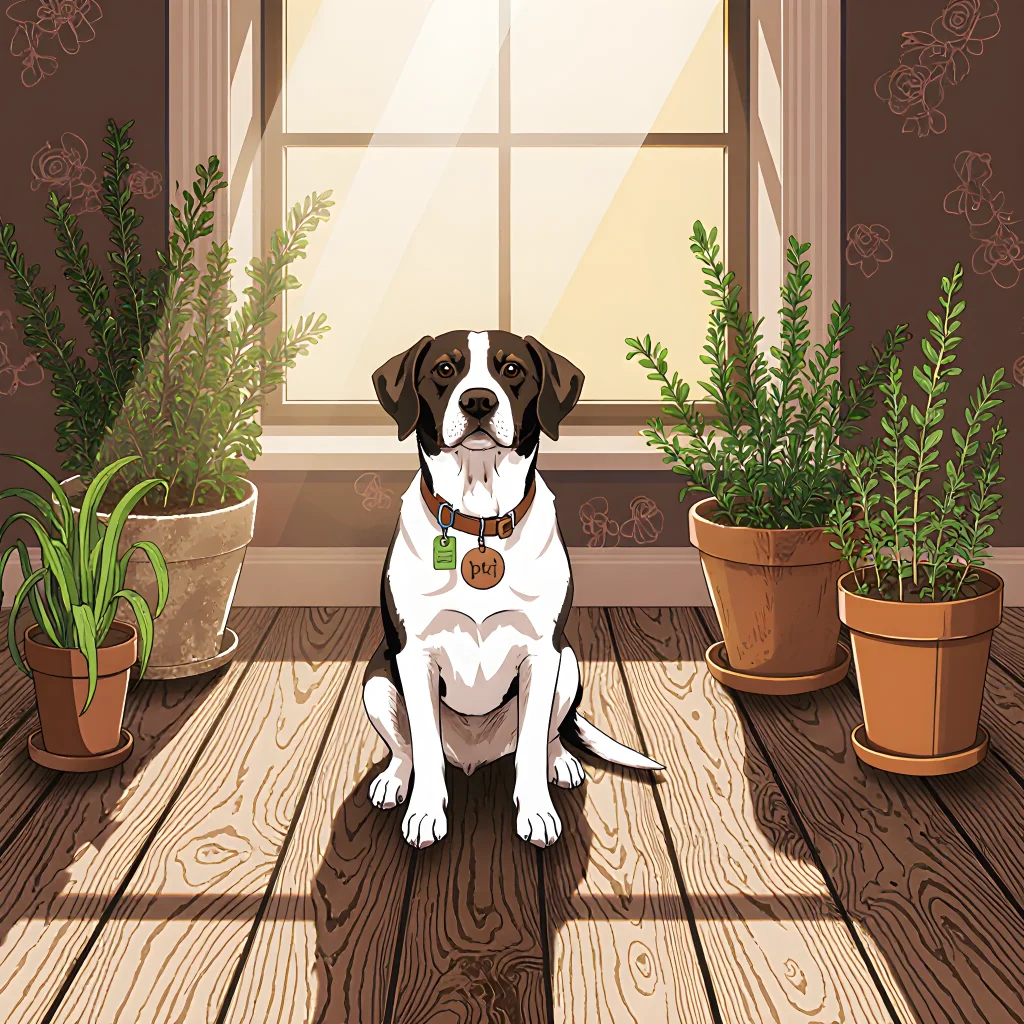
Turn your home into a green, dog‑friendly haven
How to Make Your Home Dog-Friendly and Eco-Friendly
Table of Contents
- Choosing Dog-Friendly Flooring Options
- Creating a Safe Outdoor Play Area
- Using Non-Toxic Cleaning Products for Pets
- Eco-Friendly Pet Bedding and Accessories
- Setting Up a Sustainable Dog Waste Disposal System
- Planting Dog-Approved, Low-Maintenance Gardens
- Installing Energy-Efficient Lighting for Pet Safety
- Choosing Sustainable Dog Food and Treats
- Managing Indoor Temperature with Green Solutions
- Creating a Natural, Dog-Friendly Meditation Space
- Using Recycled Materials for DIY Pet Toys
- Setting Up an Eco-Friendly Water Station
- Planning a Green Grooming Routine
- Conclusion: The Benefits of a Dog- and Eco-Friendly Home
- FAQ: Common Questions About Dog-Friendly Eco Homes
Choosing Dog-Friendly Flooring Options
If you’re looking to keep your home both dog‑friendly and eco‑friendly, the floor is one of the most critical surfaces to consider. Dogs are active, they scratch, dig, and sometimes slip on slick surfaces, so the right flooring can protect your pets’ paws, reduce maintenance, and lower your environmental footprint.
Key Criteria for Dog‑Friendly Flooring
- Durability: Look for materials that withstand heavy traffic, scratching nails, and accidental spills. High‑density vinyl, sealed hardwood, or engineered bamboo are good choices.
- Non‑Slip Surface: Dogs can slip on glossy tiles or smooth laminate. Textured finishes or anti‑slip coatings help keep them safe.
- Easy to Clean: Spills and accidents happen. Flooring that is waterproof, stain‑resistant, and easy to wipe down saves time and reduces the need for harsh chemicals.
- Low VOC Emissions: Opt for low‑volatile organic compound (VOC) adhesives, finishes, or flooring products certified by Green Seal or similar eco‑certification bodies.
Popular Eco‑Friendly Flooring Options
1. Bamboo (Engineered or Solid)
Bamboo grows quickly and uses fewer resources than traditional hardwood. Engineered bamboo, in particular, is less prone to warping and can be finished with low‑VOC sealants.
2. Cork
Cork is harvested from the bark of cork oak trees without harming the tree itself, making it a renewable resource. It’s naturally anti‑slip, shock‑absorbent, and resists mold and mildew—great for dog paws.
3. Recycled Vinyl Flooring
Some manufacturers now produce vinyl from post‑consumer waste. Look for products with recycled content percentages and a “no VOC” label. They’re waterproof and easy to maintain.
4. Natural Stone (e.g., Slate, Granite)
If you prefer a more luxurious look, choose a stone that has been sealed with a low‑VOC sealant. While not as forgiving as carpet, properly finished stone can be slip‑resistant and durable.
Practical Tips for Installation and Maintenance
- Use a Dog‑Friendly Rug or Mat: In high‑traffic areas (kitchen, living room), place a non‑slip dog mat to reduce wear on the floor.
- Seal Regularly: For hardwood or bamboo, reseal every 3–5 years with a low‑VOC product to protect against scratches and stains.
- Immediate Spill Cleanup: Wipe up liquids immediately using a microfiber cloth. Avoid harsh cleaners; instead, use a vinegar‑water solution (1:10 ratio) for safe, eco‑friendly cleaning.
- Trim Nail Length: Keep your dog’s nails trimmed to reduce scratching damage on floors.
Balancing Style and Function
You don’t have to sacrifice aesthetics for functionality. Many eco‑friendly flooring options come in a range of colors, patterns, and textures that can complement any décor while staying dog‑safe. For example:
- Patterned bamboo planks give a classic look but with the added benefit of a subtle texture to reduce slipping.
- Cork tiles in earthy tones provide warmth and are easy to replace if damaged.
- Recycled vinyl with “tree” or “forest” motifs adds visual interest while keeping the floor low‑maintenance.
Final Checklist Before Purchase
| Feature | Yes/No |
|---|---|
| Durable to scratching? | ✔️ |
| Non‑slip finish? | ✔️ |
| Waterproof or highly water‑resistant? | ✔️ |
| Low VOC, eco‑certified? | ✔️ |
| Easy to clean with natural cleaners? | ✔️ |
By carefully selecting a flooring material that meets these criteria and following the maintenance tips above, you’ll create a home that’s both welcoming for your dog and kind to the planet.
Creating a Safe Outdoor Play Area
Designing an outdoor space that’s both safe for your dog and environmentally responsible requires thoughtful planning, the right materials, and ongoing maintenance. Below is a step‑by‑step guide with concrete examples and eco‑friendly tips to help you build a welcoming play area.
1. Choose the Right Location
- Sun vs Shade: Dogs often seek shade on hot days, so pick a spot that offers natural shade from trees or install a pergola with a lightweight canvas cover made from recycled polyester.
- Ground Cover: Avoid bare soil; opt for low‑maintenance ground covers such as clover, native grasses, or rubber mulch made from recycled tires. These options reduce dust, prevent erosion, and provide cushioning for paws.
2. Define Boundaries Safely
A clear boundary keeps your dog within a safe zone and protects surrounding plants.
- Natural Fencing: Use living hedges (e.g., holly or boxwood) that can be trimmed to the desired height. This provides a soft barrier that blends with landscaping.
- Eco‑Friendly Barriers: If you prefer hard fencing, choose composite materials made from recycled plastic and wood fibers, which require no paint and are low maintenance.
- Soft Edges: Line the fence perimeter with a layer of mulch or interlocking rubber tiles to cushion any accidental collisions.
3. Provide Proper Drainage
Water accumulation can create muddy, slippery patches that are hazardous for dogs and damaging to plants.
- French Drains: Install a shallow trench filled with gravel and perforated pipe to channel rainwater away from the play area.
- Permeable Pavers: Use interlocking pavers designed for high permeability, allowing water to seep through rather than pooling on top.
4. Add Dog‑Friendly Features
Enhance the play area with features that stimulate your dog’s senses while being mindful of the environment.
- Natural Obstacles: Incorporate sturdy, untreated logs or reclaimed wooden crates for agility training. Ensure they’re sanded to avoid splinters.
- Water Play: A shallow kiddie pool filled with filtered water can provide a safe cooling spot. Use natural bioreactors (e.g., floating plants) to keep the water clean without chemicals.
- Scent Trails: Create scent trails using herbs like rosemary or lavender that are non-toxic and add pleasant aromas for both dog and human.
5. Use Sustainable Materials
Select materials that minimize environmental impact while ensuring durability.
- Bamboo: A fast‑growing, renewable resource ideal for fencing or furniture.
- Cork: Harvested from cork oak trees without harming them; perfect for floor mats or stepping stones.
- Recycled Rubber: Found in many dog toys and as ground cover; it’s non‑toxic and highly resilient.
6. Incorporate Shade Structures
A shade structure protects both your dog and plants from UV damage.
- Tent‑style Canopy: Install a frame with a canvas cover made from recycled polyester. Opt for a color that complements the surrounding garden.
- Living Roofs: Build a small pergola and plant succulents or vines on its underside; this not only shades but also enhances biodiversity.
7. Maintain the Area
Regular upkeep keeps the space safe, clean, and eco‑friendly.
- Weed Control: Use organic mulches that suppress weeds while adding nutrients to the soil as they decompose.
- Pest Management: Encourage beneficial insects like ladybugs by planting companion herbs; avoid chemical pesticides.
- Cleaning Routine: Rinse the play area with a gentle, biodegradable soap solution and allow it to dry naturally.
8. Safety Checklist Before Letting Your Dog Play
| Check Item | Status |
|---|---|
| All fencing secure and no gaps | |
| No sharp edges or splinters | |
| Water source clean and safe | |
| Shade structure stable | |
| Ground cover free of debris |
By following these guidelines, you’ll create an outdoor play area that’s enjoyable for your dog, sustainable for the planet, and low‑maintenance for you. Happy building!
Using Non-Toxic Cleaning Products for Pets
When you’re cleaning a home that’s shared with dogs, the safest approach is to choose products that are free from harsh chemicals and pet toxins. Dogs have sensitive noses, skin, and digestive systems, so even well‑intentioned cleaners can cause irritation or accidental ingestion.
Why Non‑Toxic Matters
- Avoiding Respiratory Irritation: Many conventional cleaners contain ammonia, bleach, or fragrances that trigger coughing, sneezing, and throat irritation in pets.
- Skin Health: Pet skin can become dry, itchy, or inflamed if exposed to chlorine or alcohol‑based wipes.
- Preventing Accidental Poisoning: Dogs often lick surfaces after cleaning. Non‑toxic products reduce the risk of ingestion of harmful substances.
How to Identify Safe Products
- Look for Certifications: Look for labels such as ECOCERT, Green Seal, or Safer Choice. These indicate that the product meets stringent safety standards.
- Check Ingredient Lists: Avoid products containing quaternary ammonium compounds (quat), formaldehyde, phthalates, and synthetic fragrances.
- Opt for “Pet‑Safe” Claims: Many brands now offer lines specifically marketed as pet safe; however, always verify the ingredient list.
DIY Pet‑Friendly Cleaners
Making your own cleaning solutions is simple and guarantees zero toxic ingredients. Below are a few recipes that are effective against dirt, odors, and bacteria while being gentle on pets.
- Baking Soda & Vinegar Floor Cleaner:
- 1 cup white vinegar
- 1 cup warm water
- 2 teaspoons baking soda (optional for extra deodorizing)
- Spray in a 16‑oz bottle, shake well.
- Lemon‑Herb Disinfectant Spray:
- 1 cup distilled water
- 1/4 cup white vinegar
- 10 drops lavender essential oil (optional)
- 5 drops lemon essential oil
- Shake before use; great for countertops and door handles.
- Oatmeal & Aloe Pet Wipe:
- 1 cup distilled water
- 2 tablespoons colloidal oatmeal
- 1 tablespoon aloe vera gel (food grade)
- Soak cotton pads in mixture; wipe surfaces or your dog’s paws after walks.
Practical Cleaning Routine for a Dog‑Friendly Home
- Daily Spot‑Clean: Use the oatmeal & aloe wipes on high‑traffic areas and your dog’s bedding to keep odors at bay.
- Weekly Deep Clean: Employ the vinegar solution for floors, and the lemon‑herb spray for all washable surfaces. Finish with a dry microfiber cloth to avoid leaving any residue that could be ingested.
- Ventilation is Key: Open windows or use fans after cleaning so any lingering scents dissipate quickly.
Safety Tips When Using Commercial Non‑Toxic Products
- Always read the label for “pet safe” statements and confirm no hidden chemicals.
- Test a small area first to ensure your dog’s skin doesn’t react negatively.
- Keep all cleaning solutions out of reach when pets are unsupervised; store in child‑proof cabinets if necessary.
By selecting non‑toxic cleaners—whether commercial or homemade—you create a healthier, safer environment for your dog while maintaining the cleanliness and freshness of your home. This approach aligns with both pet wellness and environmental stewardship, ensuring that every cleaning session benefits everyone in the household.
Eco-Friendly Pet Bedding and Accessories
Choosing sustainable bedding and accessories for your dog isn’t just good for the planet – it also promotes a healthier, odor‑free home environment. Below we dive into the best materials, DIY options, and practical tips to keep your furry friend comfortable while minimizing environmental impact.
1. Sustainable Bedding Materials
- Organic Cotton: Grown without synthetic pesticides or fertilizers, organic cotton is breathable and soft. Look for certifications such as GOTS (Global Organic Textile Standard) to ensure genuine eco‑friendly production.
- Bamboo Fabric: Naturally antimicrobial and highly absorbent, bamboo bedding keeps your dog cool in summer and warm in winter. It’s also renewable because bamboo grows up to 91 cm per day!
- Cork & Hemp Mixes: These fibers offer excellent insulation and durability. They’re harvested without cutting down trees or plants, making them a zero‑waste option.
- Recycled Polyester (R‑Poly): Made from post‑consumer plastic bottles, recycled polyester reduces landfill waste. Pair it with natural fibers for added softness.
When shopping, check labels for “BPA‑free,” “phthalate‑free,” and “non‑toxic dyes.” Avoid cheap faux fur or synthetic blends that can harbor bacteria and emit harmful chemicals.
2. Sustainable Dog Accessories
- Biodegradable Poop Bags: Made from plant‑based polymers, these bags break down in compost or soil within weeks.
- Natural Fiber Leashes & Collars: Hemp, jute, and recycled nylon are strong yet lightweight. Look for collars with a “crush test” rating to ensure they won’t split under tension.
- Reusable Food Bowls: Stainless steel or silicone bowls eliminate single‑use plastic. Some brands embed natural charcoal filters that keep food fresh longer.
- Plant‑Based Grooming Products: Shampoo, conditioner, and flea sprays made from essential oils (e.g., tea tree, lavender) reduce chemical exposure.
Tip: When purchasing accessories, support brands that use recycled packaging or offer a return/recycle program for old items.
3. DIY Eco‑Friendly Bedding & Accessories
DIY Organic Cotton Dog Bed
- Materials: 2‑yard organic cotton canvas, natural rubber foam (1‑inch thick), eco‑friendly thread.
- Cutting: Cut the canvas into a rectangle (36" x 48") and fold in half to create a pillow shape.
- Sewing: Stitch the sides, leaving a small opening for filling. Thread the foam inside, then sew the opening closed.
- Finishing Touches: Add a removable organic cotton cover (washable and machine‑safe).
Recycled Bottle Poop Bag Maker
Convert 2-liter PET bottles into reusable poop bags: cut the bottle’s neck, attach a small rubber suction cup to seal. This keeps waste contained while allowing you to reuse the bag multiple times.
By crafting your own items, you reduce packaging waste and can customize sizes to fit your dog perfectly.
4. Caring for Eco‑Friendly Products
- Wash with Mild Detergent: Use eco‑friendly, fragrance‑free detergents to avoid skin irritation.
- Air Dry Whenever Possible: Reduce energy use by sun‑drying bedding and accessories.
- Rotate Items: Alternate between multiple beds or blankets to extend lifespan and keep surfaces fresh.
- Inspect for Wear: Replace cracked leashes, frayed collars, or worn‑out pads promptly to maintain safety.
Remember: A well‑maintained eco product lasts longer, saving you money and reducing your environmental footprint.
5. Where to Find Eco‑Friendly Pet Products
- Local Farmers’ Markets: Many vendors sell handmade, organic pet items.
- Online Platforms: Check sites like Etsy for “handmade” or “organic” tags. Brands such as Paws & Plant and Green Pooch Co. specialize in sustainable gear.
- Retail Chains: PetSmart’s “Eco‑Friendly Collection” offers certified organic bedding and biodegradable bags.
Support local artisans and small businesses – they often use less packaging and have lower carbon footprints than large manufacturers.
Setting Up a Sustainable Dog Waste Disposal System
When you’re building an eco‑friendly home that’s also dog‑friendly, waste management is a key component. A well‑planned disposal system reduces environmental impact, keeps your yard clean, and helps maintain a healthy space for both pets and people.
1. Choose the Right Collection Method
- Biodegradable Poop Bags: Use bags made from plant‑based polymers (e.g., cornstarch or sugarcane). These break down faster in landfills and compost piles.
- Reusable Collection Containers: Some pet owners invest in collapsible, silicone poop scoops that can be emptied into a sealed bag. This reduces the number of single‑use bags needed.
- Doggie Litter Boxes: For indoor dogs or those with limited outdoor access, consider an indoor litter box made from recycled plastic. Use compostable litter for an extra green touch.
2. Set Up a Dedicated Disposal Station
Create a small, weather‑proof station in your yard or on the porch where you can quickly drop bags into a sealable container. Label it clearly to avoid confusion with regular trash.
- Materials: A sturdy plastic bin with a lid works well. Add a compost bag inside for organic waste, and a separate trash bag for non‑compostables (like broken bags).
- Placement: Position the station near a door or outside a kitchen cabinet so it’s easy to access when you’re on walks.
3. Composting Dog Waste Safely
Composting dog waste can reduce landfill use, but it requires careful handling to avoid pathogens.
- Use a Dedicated Compost Bin: Keep a separate bin for pet waste; do not mix with food scraps or garden waste.
- Add a Heat Source: Dog waste needs to reach temperatures of 140°F (60°C) for several days to kill harmful bacteria. Use a composting system that reaches this temperature, such as a hot compost pile or a specialized pet‑waste compost bin with a heat‑generating core.
- Add Carbon Materials: Mix dog waste with dry leaves, straw, or shredded newspaper to maintain the right carbon-to-nitrogen ratio (about 25:1).
- Avoid Composting in Food Gardens: Never use pet‑waste compost on edible plants. It’s best suited for ornamental lawns, shrubs, or non‑edible areas.
4. Alternatives to Traditional Disposal
If you prefer not to compost, consider these low‑impact options:
- Biodegradable Disposals: Some municipalities accept dog waste in special biodegradable bags that break down in municipal landfills.
- Dog Waste Disposal Stations: In urban areas, public “doggie stations” often feature a sealed container and are designed for quick bag disposal. These can be installed near parks or along walking paths.
5. Practical Tips for Everyday Use
- Carry a Small Bag on Walks: Keep a small, reusable bag (e.g., a silicone pouch) in your backpack or pocket. This reduces the need for disposable bags.
- Double‑Bag When Needed: If you’re walking through wet or muddy areas, double‑bag the waste to prevent leaks.
- Use a Poop Scoop Tool: A simple scoop can help collect waste more efficiently and reduce direct contact. Store it in your dog’s leash bag for easy access.
- Teach Your Dog “Leave It” Commands: Train your dog to stay away from certain areas (like compost piles) to keep the disposal system safe.
6. Educate and Engage Your Community
Encourage neighbors, friends, and local pet owners to adopt similar practices. Share your setup on social media or community forums—simple visuals of your compost bin, station layout, and bag choices can inspire others.
7. Example Setup: The “Eco‑Dog” Station
Materials:
- 1 gallon plastic container with lid (sealed)
- 1 compost bag for dog waste
- Biodegradable poop bags (cornstarch‑based)
- Reusable silicone scoop
- Label “Dog Waste – Compost Only”
Steps:
- Place the container in a shaded corner of your patio.
- When you return from a walk, drop the bag into the compost bag and seal it.
- Transfer the sealed bag to your dedicated dog‑waste compost bin each week.
This simple system keeps waste organized, reduces contamination, and supports a sustainable home environment that’s both pet‑friendly and eco‑conscious.
Planting Dog-Approved, Low-Maintenance Gardens
If you want a garden that your dog can romp in without getting hurt or staining the soil, and you also want to keep maintenance low, start by selecting plants that are both dog‑safe and hardy. The key is choosing species that thrive with minimal watering, fertilizing, and pruning.
Dog‑Safe Plants to Consider
- Lavender (Lavandula spp.) – A fragrant, drought‑tolerant herb that repels insects. Dogs love the scent but should avoid ingesting large amounts.
- Thyme (Thymus vulgaris) – Low‑growing and hardy; it can be used as a natural mulch or ground cover in walkways.
- Yarrow (Achillea millefolium) – Tolerant of foot traffic, produces attractive yellow blooms, and is easy to propagate from cuttings.
- Borage (Borago officinalis) – Attracts pollinators, provides a soft, edible herb for the dog’s snack, and thrives in poor soil.
- Marigold (Tagetes spp.) – Known to deter pests; their bright flowers add color while being safe for pets.
Soil Preparation Tips
- Test Your Soil: Use a simple home test kit to check pH and nutrient levels. Most dog‑safe plants prefer slightly acidic to neutral soil (pH 6–7).
- Add Organic Matter: Mix compost or well‑rotted manure into the top 8–10 inches to improve drainage and fertility.
- Create Raised Beds: Raised beds make it easier to control soil quality, reduce weeds, and keep muddy areas away from high‑traffic zones.
Watering for Low Maintenance
Many of the plants listed above are drought tolerant. Still, establishing them requires a consistent watering schedule:
- Early Morning Watering: Water in the early morning to reduce evaporation and keep leaves dry, which helps prevent fungal diseases.
- Use Drip Irrigation: A drip line or soaker hose delivers water directly to the root zone, minimizing waste and keeping foliage dry for your dog’s safety.
- Mulch: Spread a 2–3 inches layer of organic mulch (pine needles, shredded bark) around plants to retain moisture and suppress weeds.
Practical Low‑Maintenance Tips
- Self‑Watering Planters: For container gardens, use self‑watering pots that keep the soil moist without daily attention.
- Natural Pest Control: Encourage beneficial insects like ladybugs by planting marigolds and borage. Avoid chemical pesticides that can be harmful to pets.
- Regular Harvesting: Trim herbs like thyme and lavender regularly; this encourages bushier growth and prevents over‑sprawl into dog paths.
- Seasonal Clean‑up: At the end of each growing season, remove spent flowers and leaf litter to keep pathways clear for your dog’s paws.
Integrating Dog Safety with Eco‑Friendliness
Combining a pet‑friendly garden with eco‑responsibility is straightforward:
- Use Recycled Materials: Build low walls or trellises from reclaimed wood or recycled plastic.
- Rainwater Harvesting: Install a rain barrel to capture runoff for garden irrigation, reducing reliance on municipal water.
- Compost Dog Food Scraps: If your dog’s food is safe for composting (check with local guidelines), incorporate it into the soil amendment process.
Sample Garden Layout
Below is a simple layout that balances aesthetics, dog safety, and low maintenance:
|--- Raised Bed (Lavender + Thyme) ---|
|   Pathway (Pavers)                  |
|--- Low Wall with Borage & Marigold  |
|   Dog Play Zone (Mulched Area)      |
|--- Compost Bin (Dog‑Safe)           |
In this setup, the raised bed keeps muddy soil away from your dog’s favorite play area. The path allows easy access for both you and your pet, while the low wall provides a visual boundary without being too high to discourage climbing.
By following these guidelines, you’ll create a garden that is not only welcoming to your canine companion but also easy to maintain and environmentally responsible. Happy planting!
Installing Energy-Efficient Lighting for Pet Safety
When you’re upgrading your home to be both eco‑friendly and dog‑friendly, lighting is one of the most overlooked yet crucial elements. Pets—especially dogs—are highly sensitive to light intensity, color temperature, and motion. By choosing the right energy‑efficient fixtures and placement strategies, you can reduce electricity usage while keeping your furry friends safe and comfortable.
Why Energy‑Efficient Lighting Matters for Dogs
- Reduced Heat Emission: LED bulbs produce far less heat than incandescent or halogen lamps, preventing hot spots that can cause burns or discomfort to a dog’s paws and ears.
- Lower Energy Bills: Switching to LEDs cuts electricity consumption by up to 75%, freeing budget for pet‑friendly upgrades such as non‑slip rugs or automatic feeders.
- Longer Lifespan: LED fixtures can last 25,000–50,000 hours—far longer than traditional bulbs—meaning fewer replacements and less waste.
Selecting the Right Bulbs
When choosing bulbs for pet safety, consider these specifications:
- Color Temperature (Kelvin): Aim for 2700K–3000K (warm white). Warmer light is less harsh on a dog’s eyes and creates a calming environment.
- Lumen Output: For living rooms or play areas, 800–1,200 lumens per fixture is adequate. Higher outputs can cause glare that triggers eye strain in dogs.
- CRI (Color Rendering Index): A CRI of 80+ ensures natural color perception for your pet’s vision and helps you spot subtle changes in their behavior.
- Dimmable Feature: Dimmers allow gradual light transitions, preventing sudden bright flashes that can startle dogs during nighttime walks or bedtime routines.
Placement Strategies for Safety
Proper fixture placement reduces trip hazards and keeps your pet’s eyes safe from direct glare.
- Low‑Mount LED Recessed Lights: Install at a height of 6–8 feet in play areas to avoid eye contact with bright spots while maintaining ambient illumination.
- Motion‑Activated Night Lights: Use motion sensors to trigger low‑intensity LEDs (200–300 lumens) in hallways. This prevents sudden darkness and reduces the risk of your dog bumping into furniture.
- Under‑Cabinet LED Strips: In kitchen or pantry areas, place strips below cabinets to illuminate food storage zones without exposing dogs to bright overhead lights that could cause eye fatigue.
Practical Installation Tips
- Use Heat‑Resistant Covers: Even LEDs can generate localized heat; add silicone or metal covers over fixtures near high‑traffic pet zones to diffuse warmth.
- Secure Wiring: Keep all electrical wires out of reach by using conduit and cable management. Dogs often chew on exposed cords, which can lead to electric shocks.
- Test for Glare: After installation, walk around with your dog in the room. If you see reflections or a “glint” that looks like a spotlight, adjust the fixture angle or add diffusers.
- Integrate Smart Controls: Pair LED fixtures with smart bulbs (e.g., Philips Hue) and set schedules that mimic natural daylight patterns—bright during daytime, dim at dusk—to support your dog’s circadian rhythm.
Case Study: A Dog‑Friendly Home Upgrade
Background: Emily, a single mother of two dogs and an eco‑conscious homeowner, wanted to reduce her monthly energy bill while ensuring her pets were safe in the newly renovated living space.
- Action Taken: She replaced all incandescent fixtures with 2700K LED bulbs (800 lumens) and installed motion‑activated night lights along hallway pathways.
- Outcome: Energy consumption dropped by 48% over six months. Her dogs no longer had accidental burns on their paws from hot floor spots, and she reported fewer nighttime “sudden startle” incidents.
Final Thoughts
Energy‑efficient lighting isn’t just a green choice—it’s a practical safety measure for your pets. By selecting warm, dimmable LEDs, placing fixtures strategically, and securing all wiring, you create a home that feels safe, welcoming, and sustainable.
For more ideas on how to make your home both dog‑friendly and eco‑friendly, check out our guide: How to Make Your Home Dog-Friendly and Eco-Friendly.
Choosing Sustainable Dog Food and Treats
When you’re aiming to make your home dog‑friendly and eco‑friendly, the food you feed your pet is a critical component. The production of conventional dog food often relies on high‑impact ingredients such as grain‑based fillers, animal by‑products, and synthetic additives that can burden the environment. By selecting sustainably sourced foods and treats, you reduce your carbon footprint, support responsible farming practices, and provide your canine companion with wholesome nutrition.
1. Look for Certified Organic and Non-GMO Labels
- USDA Organic: Guarantees that ingredients were grown without synthetic pesticides or fertilizers.
- Non‑GMO Project Verified: Ensures no genetically modified crops are used.
2. Prioritize Animal Protein Sources with Lower Environmental Impact
Traditional meat proteins (beef, pork) have high greenhouse gas emissions and land use requirements. Consider dog foods that feature:
- Poultry or fish: Generally lower carbon footprints.
- Insect protein: Emerging as a highly sustainable alternative; companies like Protix and Entomo Farms produce insect‑based kibble that’s rich in essential amino acids.
3. Embrace Plant‑Based Options When Appropriate
Many brands now offer vegan or vegetarian formulas tailored for dogs with specific health needs (e.g., sensitive stomachs). Look for:
- High‑quality legumes: Lentils, chickpeas, and peas provide protein while requiring fewer resources.
- Whole grains: Brown rice or quinoa can replace wheat as a filler.
4. Check for Traceability and Transparency
A reputable manufacturer will disclose the source of each ingredient. This transparency allows you to verify that suppliers follow humane, regenerative practices.
5. Choose Eco‑Friendly Packaging
- Recyclable or compostable bags: Some brands use PET or paper-based packaging.
- Bulk refills: Stores like Pet Food Depot offer refill stations that eliminate single‑use plastic.
6. Homemade Treats as a Sustainable Alternative
Baking treats at home lets you control ingredients and reduce packaging waste. Try simple recipes:
- Peanut Butter & Banana Bites: Blend ripe banana, natural peanut butter (no xylitol), and oats; shape into small balls and bake at 350°F for 12 minutes.
- Sweet Potato Chews: Slice sweet potatoes thinly, drizzle with olive oil, sprinkle rosemary, and bake until crisp.
7. Seasonal & Local Sourcing
Whenever possible, purchase locally produced ingredients or foods made from seasonal produce to reduce transportation emissions.
Practical Checklist for Your Next Grocery Run
| Item | What to Look For |
|---|---|
| Protein Source | Chicken, fish, or insect protein; avoid beef/pork if possible. |
| Carbohydrate Fillers | Whole grains, legumes; avoid corn, wheat. |
| Added Sugars & Artificial Preservatives | None; look for natural preservation like vitamin E. |
| Packaging | Recyclable or bulk refill options. |
By integrating these sustainable choices into your dog’s diet, you’re not only supporting planetary health but also ensuring that your furry friend receives balanced nutrition. Remember: the transition can be gradual—mix a small portion of new food with familiar kibble over several days to allow your pet’s digestive system to adjust comfortably.
Managing Indoor Temperature with Green Solutions
Keeping your home comfortable while minimizing environmental impact is possible with a few smart, eco‑friendly choices. Below are practical strategies that not only reduce energy consumption but also create a healthier living space for you and your four‑legged friends.
1. Optimize Natural Air Flow
- Cross‑ventilation: Open windows on opposite sides of a room to create a breeze that cools the space without relying on air conditioning.
- Use window blinds or curtains: During hot days, keep direct sunlight out while allowing cooler night breezes in. For winter, close them at night to trap heat.
- Install operable windows with screens: Screens let air circulate but keep pests and pets (and their paws) from escaping.
2. Choose Eco‑Friendly Insulation
Replacing old insulation with sustainable options can dramatically reduce heating and cooling loads.
- Cellulose (recycled paper): Excellent for attics, walls, and crawl spaces; it’s fire‑resistant when treated with borates.
- Cork: Naturally compressible, good thermal & acoustic properties. Works well in living rooms and bedrooms.
- Sheep’s wool: Breathable, moisture‑regulating, and biodegradable—ideal for eco‑friendly homeowners who also want pet comfort.
3. Upgrade Your Heating & Cooling System
A high‑efficiency furnace or heat pump can cut energy use by up to 30 %. Pair it with a smart thermostat for precision control.
- Smart thermostat programming: Set schedules that match your daily routine, lowering temperature when you’re away and raising it just before you return.
- Zoning systems: Allow different rooms to have independent temperature settings—useful if some areas are used more often or house pets that prefer cooler spots.
4. Implement Passive Cooling
Passive cooling uses design and materials to keep a home cool without mechanical intervention.
- Roofing choices: Light‑colored or reflective roofs reflect sunlight, reducing heat absorption. Add roof insulation for extra benefit.
- Thermal mass walls: Concrete or stone walls absorb heat during the day and release it at night, stabilizing indoor temperatures.
- Shading devices: Install pergolas, awnings, or strategically planted trees to block direct sun on windows.
5. Keep Your Dog Comfortable and Safe
When implementing green temperature solutions, ensure your dog’s well‑being is not compromised:
- Ventilation screens: Use pet‑friendly mesh that allows airflow but prevents dogs from slipping through gaps.
- Cooling mats & fans: Place a non‑slip cooling mat in sunny spots and a small, quiet fan near the dog’s resting area.
- Heat‑reflective bedding: Use white or light‑colored bedding to keep the surface cool during hot days.
6. Track Energy Usage and Maintain Systems
Regular checks help sustain efficiency over time.
- Check HVAC filters: Replace or clean them every 1–3 months to maintain airflow.
- Inspect insulation: Look for gaps, moisture, or compression that reduce effectiveness.
- Use a home energy monitor: Track real‑time consumption and identify spikes that may indicate leaks or equipment failure.
7. Simple DIY Ideas to Get Started
- DIY window film: Apply a reflective, pet‑safe film to reduce solar gain.
- Planting shade trees: Choose fast‑growing species like willow or oak; they provide natural cooling and improve air quality.
- Green roof patches: Install a shallow garden on a flat roof—great for small spaces and adds insulation.
By combining these green solutions, you’ll create an indoor environment that stays comfortable year‑round, saves money, and keeps both humans and dogs happy. Start with one or two changes, then gradually expand your eco‑friendly makeover for maximum impact.
Creating a Natural, Dog-Friendly Meditation Space
When you design a meditation corner that welcomes both your inner calm and your canine companion, the key is to blend serenity with safety. Below are practical steps, real‑world examples, and eco‑friendly tips inspired by the principles of “How to Make Your Home Dog‑Friendly and Eco‑Friendly.”
1. Choose a Low‑Maintenance, Natural Surface
- Hardwood or Bamboo Flooring: These materials are durable, easy to clean, and have natural antibacterial properties. They also add warmth that feels comforting for dogs.
- Reclaimed Wood Mats: For a truly eco‑friendly choice, use mats made from reclaimed wood. They provide cushioning for your dog’s paws while keeping the space free of synthetic materials.
2. Create an Intuitive Flow with Natural Elements
- Plant Selection: Low‑to‑mid growth plants like spider plants, pothos, or succulents are non‑poisonous and provide fresh oxygen for you and a gentle visual distraction for your dog.
- Water Feature: A small, low‑flow fountain can mask ambient noise. Use a sealed reservoir to prevent accidental ingestion and choose a ceramic bowl that’s easy to rinse.
3. Dog‑Safe Meditation Furniture
Opt for furniture with rounded corners and non‑slip surfaces:
- Cushioned Floor Seat: A low, padded floor seat that can double as a dog’s resting spot.
- Dog‑Friendly Meditation Cushion: Look for organic cotton or hemp fillings; these are breathable and washable.
4. Maintain Cleanliness with Eco‑Friendly Products
Use plant‑based cleaning solutions to wipe down surfaces, avoiding harsh chemicals that can irritate a dog’s sensitive skin. For example, a mix of vinegar and water is effective for removing pet odors while being biodegradable.
5. Incorporate Sensory Stimuli That Calm Both You and Your Dog
- Aromatherapy: Use essential oils safe for dogs—such as lavender or chamomile—in a diffuser, but keep the concentration low to avoid overwhelming your pet.
- Soundscapes: Play nature sounds (rainfall, ocean waves) at a gentle volume. Consider using a speaker with a built‑in timer so it doesn’t run indefinitely.
6. Establish Boundaries with Visual Cues
Place a small, low wall or bamboo screen to create a defined meditation area while still allowing your dog to see you. This visual cue helps prevent the dog from entering areas that might have hot surfaces or fragile décor.
7. Practical Routine for Shared Space
- Pre‑Meditation Walk: Take a short walk before meditating to expend your dog’s excess energy, reducing the likelihood of restlessness during your session.
- Post‑Meditation Playtime: After you finish, give your dog a quick game or treat. This reinforces positive behavior and keeps them mentally stimulated.
8. Recycling & Upcycling Ideas
Convert old picture frames into small planters for herbs like mint or basil—both safe for dogs and useful in meditation breathing exercises. Use reclaimed pallets to build a low meditation bench, then finish with an eco‑friendly sealant.
9. Safety Checklist
- No loose wires or cords that could be chewed.
- All plants are verified as non‑toxic to dogs (check reliable pet safety databases).
- Essential oils used in minimal amounts and never directly sprayed on the dog.
By combining these elements, you’ll create a meditation space that nurtures your own tranquility while respecting your dog’s needs—an eco‑friendly sanctuary for both of you.
Using Recycled Materials for DIY Pet Toys
Using recycled materials to create pet toys is a smart way to keep your furry friend entertained while reducing waste and saving money. Below are step‑by‑step projects, safety tips, and creative ideas that align with the principles of making your home both dog‑friendly and eco‑friendly.
- Materials: Old cotton t-shirts, kitchen scissors, rubber band or string.
- Instructions:
- Cut the shirt into strips about 1–2 inches wide and 12–18 inches long.
- Braid the strips together until you reach the desired thickness. Secure each end with a rubber band or twist it tightly.
- If you want extra durability, wrap a thin layer of old fabric over the braid and sew or glue it in place.
- Why It Works: The soft cotton is gentle on gums, while the braided structure resists shredding. Dogs love chewing on this natural “rope” for mental stimulation and dental health.
- Materials: Clean plastic water bottles (1‑ or 2‑liter), rubber bands, a small treat or kibble.
- Instructions:
- Remove the cap and wipe the bottle clean. Make sure no plastic fragments remain inside.
- Place a treat in the middle of the bottle. Tie a rubber band around the neck to keep it sealed, or use a snap‑on closure if you have one.
- Optional: Cover the top with a towel for extra cushioning and to reduce loud squeaks.
- Safety Tip: Never leave a plastic bottle open in a location where your dog can swallow it. Use only when supervised, or create a “toy” by filling the bottle with water and sealing it tightly.
- Materials: Old jeans (cut into strips), dried beans or rice, sewing needle and thread.
- Instructions:
- Cut the denim into strips about 1 inch wide. Thread them onto a long piece of string to create a small bag shape.
- Sew or knot each end securely, then fill with beans or rice for weight and texture.
- Close the top with a snap or a button that can be removed for cleaning.
- Benefits: The denim’s rough surface helps clean teeth while the weighted filling keeps the toy from floating away during play.
- Materials: Old cardboard boxes, scissors or box cutter, treats.
- Instructions:
- Create a series of interconnected tunnels by cutting openings in the sides of each box.
- Arrange them into a maze on the floor. Hide treats at various points to encourage sniffing and exploration.
- Seal edges with tape or glue to prevent tearing during enthusiastic play.
- Why It’s Great: Cardboard is lightweight, biodegradable, and offers a safe environment for interactive puzzle play that stimulates your dog’s mind and senses.
- Materials: Old rubber bands, sturdy string or twine.
- Instructions:
- Wrap several rubber bands around a thick piece of string to form a loop.
- Secure the ends with knots or a small metal clasp.
- Adjust thickness by adding more or fewer bands for different chew strengths.
- Safety Note: Only use rubber bands that are free from sharp edges and ensure they do not unravel into small pieces your dog could ingest.
Practical Tips for a Dog‑Friendly, Eco‑Friendly Home
- Rotate Toys: Keep interest high by rotating recycled toys every few weeks. This reduces wear and extends the life of each item.
- Regular Inspection: Check toys for frayed edges or loose parts that could become choking hazards.
- Cleaning Routine: Wash cotton-based toys in a mild detergent, rinse thoroughly, and air‑dry. Cardboard and plastic items can be wiped with a damp cloth.
- Safe Storage: Store all DIY toys in a dry area to prevent mold growth or degradation of materials.
By repurposing everyday household items into engaging pet playthings, you not only reduce environmental impact but also provide your dog with safe, stimulating, and cost‑effective entertainment. Incorporating these projects into your routine supports the broader goal of creating a truly dog‑friendly and eco‑conscious home.
Setting Up an Eco-Friendly Water Station
Creating a sustainable watering system for your home is as simple as it is rewarding. Whether you’re looking to reduce plastic waste, lower water consumption, or simply give your pets a healthier hydration option, the principles below will guide you through building an eco‑friendly water station that works for everyone.
1. Choose Sustainable Materials
- Recycled Plastic Bottles: Repurpose large bottles (2–5 L) by cutting them into shallow troughs or “cups.” Seal the cut edges with food‑safe silicone to prevent leaks.
- Bamboo or Cork Containers: These natural fibers are renewable and biodegradable. A bamboo tub can be lined with a thin layer of silicone for water retention.
- Copper or Stainless Steel Pipes: For a more permanent station, use recycled metal piping to create a drip system that delivers steady flow without wasteful spillage.
2. Design an Efficient Flow System
Instead of letting water sit in a bowl where it can stagnate and become a breeding ground for bacteria, consider these options:
- Gravity‑Fed Drip Irrigation: Attach a slow‑release tap to the top of your container. The water will trickle out at a controlled rate, ensuring fresh supply without over‑watering.
- Solar‑Powered Pump: Use a small solar panel to power an inline pump that circulates water through a filtration system. This setup is perfect for outdoor gardens or pet areas.
3. Incorporate Natural Filtration
A simple filter can keep the water clean while using minimal resources:
- Activated Charcoal Layer: Place a thin layer of activated charcoal at the bottom of your container. It absorbs impurities and improves taste.
- Sand & Gravel Strainer: Add a mesh filter filled with fine sand or gravel to trap debris before water reaches your pet’s bowl.
4. Keep Your Station Pet‑Friendly
If you have dogs or other animals, ensure the station is safe and comfortable:
- Low‑Profile Design: Dogs can’t knock over tall bottles easily if the base is sturdy and the height is low enough to avoid spills.
- Non‑Toxic Materials: Verify that all components are free from BPA, phthalates, or heavy metals. Food‑grade silicone seals are a reliable choice.
- Easy Cleaning Access: Install removable lids or use containers with wide mouths so you can rinse them out with soap and water regularly.
5. Reduce Water Waste
Every drop counts. Here are a few tricks to minimize waste:
- Use a Timer: Program your solar pump or drip system to run only during cooler parts of the day (early morning or late evening). This prevents evaporation during peak heat.
- Collect Runoff: Place a shallow basin underneath the station to catch any overflow. The collected water can be reused for watering plants.
6. Maintenance Checklist
Keep your eco‑friendly water station running smoothly with these simple steps:
- Weekly Inspection: Check for cracks, leaks, or clogged filters. Replace any worn components promptly.
- Monthly Deep Clean: Remove all debris and scrub the interior with a mild soap solution. Rinse thoroughly to avoid residue buildup.
- Seasonal Adjustments: In winter, ensure the water does not freeze by using insulated containers or relocating the station indoors.
7. DIY Example: Recycled Bottle Water Bowl
Step‑by‑step guide for a quick, budget‑friendly setup:
- Cut the top third off a 5 L bottle to create an open bowl.
- Seal the cut edges with food‑safe silicone.
- Line the bottom with a thin layer of activated charcoal and a mesh filter.
- Attach a small, low‑flow tap at the top for continuous dispensing.
- Place the bowl in a shaded area to reduce evaporation.
By following these guidelines, you’ll create a water station that’s not only sustainable and efficient but also safe and enjoyable for your pets. Happy building!
Planning a Green Grooming Routine
Creating an eco‑friendly grooming routine for your dog doesn’t mean you have to sacrifice quality or convenience. By selecting sustainable products, minimizing waste, and adopting smart habits, you can keep your pup clean while reducing your environmental footprint.
1. Choose Green Grooming Products
- Biodegradable shampoos and conditioners: Look for brands that use plant‑based surfactants (e.g., coconut or oat‑derived) and avoid sulfates, parabens, and synthetic fragrances.
- Eco‑friendly brushes: Opt for natural bristle brushes made from bamboo handles or recycled materials. These reduce plastic waste and are gentle on your dog’s skin.
- Reusable wipes: Instead of disposable wipes, use a microfiber cloth that can be washed after each use. This cuts down on single‑use plastic consumption.
2. Reduce Water Usage
Water is the biggest resource used during grooming. Implement these water‑saving tactics:
- Short, efficient rinses: Keep each rinse to 30–45 seconds by using a handheld showerhead with a low‑flow nozzle.
- Collect runoff: Place a shallow basin under the tap and direct water into it. Reuse that water for watering plants or cleaning floors.
- Dry with a towel first: Pat your dog dry with a microfiber towel before using a blow dryer set on low heat to cut down on energy use.
3. Minimize Packaging Waste
Many grooming products come in plastic containers that are difficult to recycle.
- Buy bulk refill stations at local pet stores or online. Bring your own container and fill it up with shampoo, conditioner, or paw balm.
- If you prefer single‑use bottles, choose brands that offer biodegradable packaging or recyclable glass containers.
4. Use Natural Paw Care
Paws are often the first part of a dog to show signs of wear and tear. Keep them healthy with green alternatives:
- Oatmeal paw balm: Mix plain oatmeal with coconut oil and beeswax for a soothing, antibacterial solution.
- Homemade paw spray: Blend apple cider vinegar, water, and a drop of tea tree oil (in low concentration) to create a natural disinfectant that dries quickly.
5. Train Your Dog for Efficient Grooming
A well‑trained dog means fewer repeated grooming sessions and less product waste.
- Positive reinforcement: Reward with treats or play after each successful grooming step.
- Desensitization to water: Start by letting your dog sniff the shower head, then gradually introduce a gentle spray while offering praise.
6. Plan Grooming Sessions Around Your Schedule
By scheduling grooming during off‑peak hours (early morning or late evening), you can use cooler temperatures, reducing the need for blow dryers and keeping water usage efficient.
7. Compostable Aftercare
If your dog has a shedding coat, collect loose hair in a bag of biodegradable material. Once it’s full, compost it (if local regulations allow) or use it as mulch around the garden to enrich soil.
8. Keep Records for Continuous Improvement
Track how much water you use per session and note product usage. Over time, adjust your routine to reduce waste further—perhaps by switching to a more concentrated shampoo or adding an extra rinse only when necessary.
- ✓ Use biodegradable shampoo/conditioner
✓ Reuse towels and wash them in cold water - ✓ Handheld low‑flow showerhead
✓ Collect runoff for plant irrigation - ✓ Bring own refill container or choose recyclable packaging
✓ Compost shedding hair - ✓ Train dog with treats and positive reinforcement
✓ Schedule sessions during cooler times of day
By integrating these green grooming practices, you’ll give your dog the care they deserve while supporting a healthier planet. Happy eco‑grooming!
Conclusion: The Benefits of a Dog- and Eco-Friendly Home
Creating a living space that respects both your canine companion and the planet is more than just a trend – it’s a lifestyle choice that delivers tangible rewards. When you combine dog‑friendly design with eco‑conscious materials, you’ll notice improvements in health, finances, and community well‑being.
1. Healthier Living for You and Your Dog
- Reduced allergens: Using non‑synthetic floor coverings such as bamboo or cork limits dust mites and mold spores that can trigger allergies in both humans and dogs.
- Improved air quality: Low‑VOC paints, natural wood finishes, and activated charcoal air purifiers help eliminate volatile organic compounds that can irritate pets’ sensitive respiratory systems.
- Safe surfaces for play: Non‑slippery rugs and textured mats reduce the risk of injuries when your dog runs or slides during playtime.
2. Cost Savings Over Time
Although some eco‑friendly products have a higher upfront cost, they often pay for themselves through longevity and lower maintenance.
| Item | Initial Cost | Lifetime (years) | Annual Savings |
|---|---|---|---|
| Bamboo flooring | $8 per sq ft | 15–20 | $200 |
| Recycled‑fiber rug | $150 | 10 | $60 |
| LED lighting (dog‑safe) | $30 per fixture | 25 | $90 |
3. Environmental Impact
Every eco‑friendly choice reduces your carbon footprint:
- Lower energy consumption: Energy‑star appliances and smart thermostats cut heating and cooling usage.
- Waste reduction: Reusable pet food containers, biodegradable waste bags, and compostable toys keep more material out of landfills.
- Sustainable sourcing: Products made from responsibly harvested wood or recycled metals support fair trade practices.
4. Enhanced Community Reputation
A dog‑ and eco‑friendly home sets a positive example for neighbors, encouraging others to adopt similar habits. This can lead to:
- Neighborhood pet‑friendly parks and shared green spaces.
- Local businesses offering sustainable pet products.
- A stronger sense of stewardship among residents.
5. Practical Tips for Maintaining the Balance
- Regular cleaning: Vacuum with a HEPA filter weekly and spot‑clean spills immediately to keep dust at bay.
- Natural pet shampoos: Switch to plant‑based formulas that are free from harsh chemicals.
- Seasonal adjustments: Use breathable fabrics in summer and insulated blankets in winter to maintain comfortable temperatures without excessive heating or cooling.
By integrating these strategies, you’ll create a home where your dog feels safe, healthy, and loved while simultaneously protecting the planet. The synergy between pet care and environmental responsibility not only enriches your everyday life but also contributes to a more sustainable future for all.
FAQ: Common Questions About Dog-Friendly Eco Homes
- What are the first steps to make my home both dog‑friendly and eco‑friendly?
-
The key is to choose materials that are safe for pets, low in VOCs (volatile organic compounds), and sustainably sourced.
- Flooring: Bamboo or cork are excellent choices. They’re durable, slip‑resistant for dogs, and require fewer chemicals during manufacturing.
- Paint: Look for water‑based paints with a “zero VOC” label. Brands like Benjamin Moore’s Natura or Sherwin‑Williams’ Harmony are pet‑friendly once fully cured.
- Ventilation: Install an energy‑efficient heat‑pump system that keeps indoor air fresh without using harmful refrigerants.
- How can I protect my dog’s paws from hot floors and cold tiles?
-
Dog paws are sensitive to temperature extremes. Consider:
- Rug placement: Use thick, low‑pile rugs in high‑traffic areas.
- Insulated flooring: In colder climates, add a layer of foam or cork under hardwood for better thermal regulation.
- Flooring choice: In hot climates, opt for cool‑to‑touch tiles like porcelain or engineered stone with a matte finish to reduce heat buildup.
- Which kitchen materials are safe for dogs that love to chew?
-
Chewing is natural, but you don’t want your dog gnawing on toxic surfaces.
- Copper or stainless steel countertops: These are non‑porous and easy to clean. They also resist staining from food spills.
- Quartz or granite: Choose varieties with minimal natural oils; they’re durable and have a smooth finish that’s less likely to harbor bacteria.
- Avoid high‑gloss enamelware, which can chip and expose harmful coatings.
- How do I manage pet hair without compromising indoor air quality?
-
Regular cleaning combined with smart technology keeps allergens low:
- Vacuuming: Use a HEPA‑filtered vacuum that captures fine fur and dander.
- Air purifiers: Place units with activated carbon filters near sleeping areas to trap odors.
- Pet‑friendly textiles: Choose washable, anti‑static curtains and bedding made from organic cotton or bamboo blends.
- Can I use natural pest control methods that are safe for my dog?
-
Yes. Avoid chemical pesticides and opt for pet‑safe alternatives:
- Neem oil spray: Effective against fleas and ticks, but apply only after your dog has dried off.
- Essential oils: Lavender or peppermint can repel insects; dilute them well and keep the area ventilated.
- Regular grooming: A clean coat reduces parasite load. Use a pet‑friendly flea comb and wash bedding in hot water (above 60 °C).
- What eco‑friendly materials are best for creating a safe play area?
-
A dog’s play zone should be durable, easy to clean, and free from toxic substances.
- Natural rubber mats: Provide cushioning and are slip‑resistant. Look for products certified by the Rubber Product Safety Institute (RPSI).
- Recycled plastic tiles: These can be used as a temporary patio or poolside area; they’re water‑proof and low maintenance.
- Grass alternatives: Artificial grass made from biodegradable fibers offers a soft surface while reducing maintenance.
- How can I ensure my dog’s safety during holiday décor?
-
Decorations often contain small, sharp or toxic elements. Keep these tips in mind:
- Use LED lights instead of incandescent bulbs to reduce heat and fire risk.
- Choose ornaments made from non‑toxic glass or wood; avoid those with lead paint.
- Keep cords out of reach by using cord covers or securing them behind furniture.
- What are some energy‑saving habits that also protect my dog’s health?
-
Energy efficiency often overlaps with pet safety:
- Smart thermostats: Keep indoor temperatures between 68–72 °F (20–22 °C) to avoid heat stress.
- Insulated windows: Reduce drafts that can cause respiratory irritation in dogs with allergies.
- Use curtains or blinds that filter UV rays, protecting both your dog’s skin and the home’s interior surfaces from fading.
- How do I choose pet‑friendly furniture while staying eco‑conscious?
-
Opt for pieces that combine durability with sustainable sourcing:
- Reclaimed wood sofas: These are sturdy and have a natural look.
- Organic cotton or hemp upholstery: Breathable fabrics that resist staining.
- Look for third‑party certifications like ECOLOGO or Green Seal to ensure low environmental impact.
- Is it possible to have a “green
Categories
- AI & Enrichment Play
- Broiler Farming
- Broiler Farming Tips
- Canine Wellness & Longevity
- Cat
- Cat & Human Connection
- Cat Adoption & Rescue
- Cat Breeds
- Cat Breeds & Personalities
- Cat Care & Health
- Cat Grooming & Hygiene
- Cat Lifestyle & Environment
- Cat Myths & History
- Cat Nutrition & Diet
- Cat Products & Reviews
- Cat Training & Behavior
- Comparison
- Consumer Awareness
- Dog
- Dog Accessories & Products
- Dog Adoption & Rescue
- Dog Breed & Lifestyle Trends
- Dog Breeding & Puppies
- Dog Entertainment & Media
- Dog Fashion & Trends
- Dog Fun & Lifestyle
- Dog Grooming & Hygiene
- Dog History & Culture
- Dog Myths, Science & Future Tech
- Dog News & Trends
- Dog Nutrition & Food
- Dog Psychology & Emotions
- Dog Safety & Security
- Dog Sports & Activities
- Dog Technology & Innovation
- Dog Training for Modern Owners
- Dog Travel & Adventure
- Dog Travel, Adventure & Culture
- Economic and Market Insights
- Educational Content
- FAQs
- Feeding Alternatives
- Festivals & Seasonal Ideas
- Fun & Entertainment
- General Knowledge
- General Pig Farming
- Health & Disease Management
- Housing and Environment
- Kittens
- Market Insights
- Miscellaneous
- Miscellaneous
- Motivational
- pig
- Pig Breeding
- Pig Breeds
- Pig Farming Stories and Inspiration
- Pig Health and Care
- Pig Nutrition
- Pig Products
- Profitability & Business
- Puppy Care
- Puppy Predictable Topics Reinvented
- Regional Focus
- Rescue & Adoption Buzz
- Senior Cats
- Senior Dog Care
- Smart Dog Tech & Gadgets
- Sustainability
- Sustainable & Eco-Friendly Dog Products
- Tech & Innovations
- Working & Service Dogs
- Broiler Feed66 products
- Country Feed33 products
- Pig Feed66 products
- Product22 products
- Raw Materials99 products
Products
-
 Fish Meal
₹1,999.00 – ₹2,999.00Price range: ₹1,999.00 through ₹2,999.00Rated 0 out of 5
Fish Meal
₹1,999.00 – ₹2,999.00Price range: ₹1,999.00 through ₹2,999.00Rated 0 out of 5 -
 FATTENING BROILER FEED
₹2,299.00 – ₹2,349.00Price range: ₹2,299.00 through ₹2,349.00Rated 0 out of 5
FATTENING BROILER FEED
₹2,299.00 – ₹2,349.00Price range: ₹2,299.00 through ₹2,349.00Rated 0 out of 5 -
 LAYER COUNTRY FEED
₹1,549.00 – ₹1,649.00Price range: ₹1,549.00 through ₹1,649.00Rated 0 out of 5
LAYER COUNTRY FEED
₹1,549.00 – ₹1,649.00Price range: ₹1,549.00 through ₹1,649.00Rated 0 out of 5 -
 COUNTER BROILER FEED
₹1,199.00 – ₹1,299.00Price range: ₹1,199.00 through ₹1,299.00Rated 0 out of 5
COUNTER BROILER FEED
₹1,199.00 – ₹1,299.00Price range: ₹1,199.00 through ₹1,299.00Rated 0 out of 5 -
 LACTATING PIG FEED
Rated 0 out of 5
LACTATING PIG FEED
Rated 0 out of 5₹2,299.00Original price was: ₹2,299.00.₹1,740.00Current price is: ₹1,740.00. -
 Maize
Rated 0 out of 5
Maize
Rated 0 out of 5₹1,650.00Original price was: ₹1,650.00.₹1,300.00Current price is: ₹1,300.00. -
 GESTATION PIG FEED (Phase 1)
Rated 0 out of 5
GESTATION PIG FEED (Phase 1)
Rated 0 out of 5₹2,249.00Original price was: ₹2,249.00.₹1,699.00Current price is: ₹1,699.00. -
 Pre Starter Broiler Feed
₹2,399.00 – ₹2,499.00Price range: ₹2,399.00 through ₹2,499.00Rated 0 out of 5
Pre Starter Broiler Feed
₹2,399.00 – ₹2,499.00Price range: ₹2,399.00 through ₹2,499.00Rated 0 out of 5 -
 FINISHER PIG FEED
Rated 0 out of 5
FINISHER PIG FEED
Rated 0 out of 5₹2,299.00Original price was: ₹2,299.00.₹1,749.00Current price is: ₹1,749.00. -
 Broiler Premix
Rated 0 out of 5
Broiler Premix
Rated 0 out of 5₹820.00Original price was: ₹820.00.₹699.00Current price is: ₹699.00.