
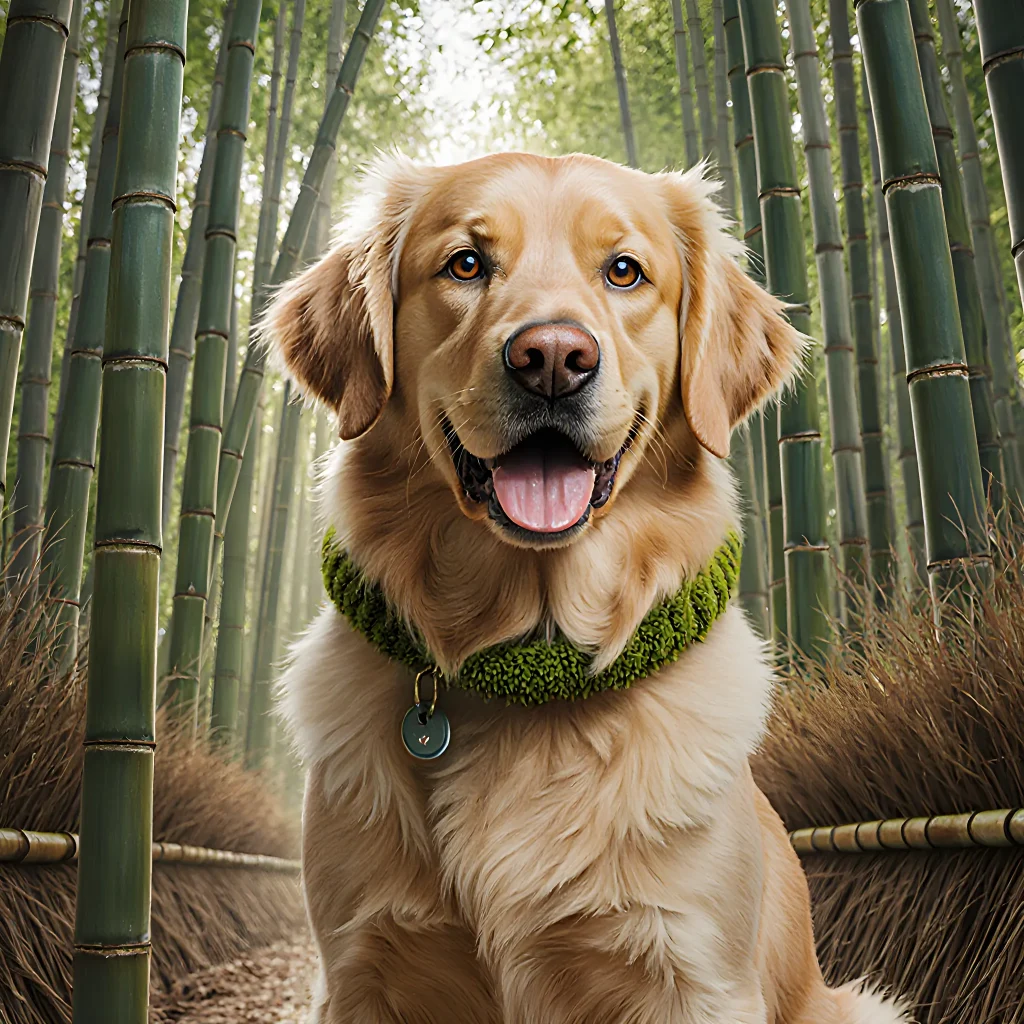
Eco‑friendly Paws for a Greener Life
Gentle Bark, Big Heart: Sustainable Pup Living Guide
Table of Contents
- Introduction: Why Low-Impact Living Matters for Dogs
- Assessing Your Dog’s Current Lifestyle
- Choosing Eco-Friendly Bedding and Toys
- Nutrition: Sustainable Food Choices for Dogs
- Exercise with Minimal Environmental Footprint
- Traveling Sustainably with Your Dog
- Household Waste Reduction and Recycling Tips
- DIY Grooming: Natural Products and Techniques
- Training Methods that Reduce Stress and Resources
- Community Engagement: Dog-Friendly Green Spaces
- Seasonal Care: Protecting Your Dog While Being Eco-Conscious
- Health Monitoring with Low-Impact Practices
- Emergency Preparedness on a Sustainable Budget
- Conclusion: The Long-Term Benefits of a Low-Impact Dog Lifestyle
- FAQ: Common Questions About Low-Impact Dog Care
Introduction: Why Low-Impact Living Matters for Dogs
When you think about a healthy, happy dog, the first images that often come to mind are a sturdy leash, endless walks in the park, and vigorous play sessions. While these activities are beneficial for many breeds, they can be overwhelming or even harmful for dogs with joint problems, obesity, or chronic conditions such as arthritis, hip dysplasia, or heart disease. Low‑impact living is not about cutting back on love or activity; it’s about tailoring your routine to match your dog’s physical limits while still providing mental stimulation and companionship.
What Is Low‑Impact Living?
- Gentle Exercise: Short, controlled walks, slow-paced swimming, or light indoor play.
- Environment Modification: Sloped ramps instead of stairs, non-slip mats, and elevated beds.
- Diet & Weight Management: Portion control, low‑calorie treats, and supplements like glucosamine.
- Mental Stimulation: Puzzle toys, scent games, and interactive training sessions that keep the mind sharp without overexerting the body.
The Science Behind Low-Impact Care
Research from veterinary physiotherapy shows that controlled, low‑intensity exercise can improve joint mobility, reduce pain, and even enhance cardiovascular health in senior dogs. For instance, a study published in the Journal of Veterinary Rehabilitation Medicine found that daily short walks (10–15 minutes) increased range of motion in dogs with osteoarthritis by an average of 12%. Additionally, aquatic therapy—where buoyancy takes the weight off joints—has been proven to reduce inflammation and increase muscle strength without the high impact stress seen on land.
Practical Steps for Implementing Low‑Impact Living
- Assess Your Dog’s Current Activity Level: Use a simple scale from 1 to 10. A score of 1–3 indicates very low tolerance for high impact, while 7–10 suggests your dog can handle moderate exercise.
- Create a Daily Routine:
- Morning: 5‑minute leash walk followed by gentle indoor play (e.g., soft fetch).
- Midday: Short puzzle session or scent game to keep the brain engaged.
- Evening: Another brief walk or a calm cuddle time on a supportive dog bed.
- Choose the Right Equipment:
- Use a harness instead of a collar to distribute pressure evenly.
- Install non-slip rugs in high‑traffic areas to prevent slips.
- Consider an adjustable dog bed with orthopedic foam for joint support.
- Monitor and Adjust: Watch for signs of fatigue or discomfort—limping, excessive panting, or reluctance to move. If you notice any changes, reduce the intensity or duration of activities.
Real‑World Example: Meet Bella
Bella is an 11‑year‑old Labrador mix who developed hip dysplasia at age eight. Her owner, Sarah, switched to a low‑impact routine after consulting with her vet. The new plan includes:
- Daily 10‑minute walks on a soft trail.
- Weekly sessions in a shallow dog pool for gentle swimming.
- A balanced diet with added glucosamine and a daily supplement of omega‑3 fatty acids.
- Three puzzle toys per week to keep Bella’s mind active.
Six months later, Bella shows improved mobility, reduced pain scores during vet visits, and an overall happier demeanor. Sarah credits the low‑impact lifestyle for giving Bella a better quality of life in her senior years.
Final Takeaway
Low‑impact living is a proactive approach that prioritizes your dog’s physical comfort while still ensuring they receive the affection, mental stimulation, and gentle exercise they need. By building a tailored routine—guided by veterinary advice, careful observation, and thoughtful adjustments—you can help your canine companion enjoy a longer, healthier, and more contented life.
Assessing Your Dog’s Current Lifestyle
Before you can transition your dog to a low‑impact routine, it’s essential to understand their baseline activity level, health status, and daily habits. A thorough assessment helps identify potential risks, set realistic goals, and tailor the program to your dog’s unique needs.
1. Gather Baseline Data
- Activity Log: Keep a simple diary for one week—note walks, playtime, naps, and any spontaneous bursts of energy. Use a spreadsheet or an app like Dogo to record duration and intensity.
- Weight & Body Condition Score (BCS): Weigh your dog with a digital scale and compare the result to breed‑specific charts. A BCS of 4–5 on a 9‑point scale indicates optimal body condition for low‑impact work.
- Health History: Review veterinary records, noting any orthopedic issues (hip dysplasia, arthritis), chronic conditions (diabetes, heart disease), or previous surgeries.
2. Evaluate Current Exercise Intensity
Use the “talk test” and a simple heart rate range to gauge exertion:
| Activity | Talk Test | Estimated HR (bpm) |
|---|---|---|
| Leisure Walk (5–7 mph) | Can talk comfortably | 70‑80% of max HR |
| Play Fetch | Short sentences only | 80‑90% of max HR |
| Sprint / Chase | Breathless, cannot speak | >90% of max HR |
Use a heart rate monitor (e.g., Garmin Forerunner 45) or estimate with the formula: Max HR = 220 – age in years. This gives you a target zone for low‑impact work (<70% max HR).
3. Identify Lifestyle Factors That Affect Activity
- Owner Availability: If your schedule is irregular, consider short “micro‑sessions” (5–10 min) that fit into breaks.
- Environment: Urban vs. rural settings influence exercise options. In cities, indoor swimming pools or treadmills may be safer than busy streets.
- Weather & Temperature: Dogs are more prone to heat stress during hot months; schedule walks in the early morning or late evening.
4. Assess Current Mobility and Joint Health
Perform a quick “joint check” routine:
- Lameness Test: Observe gait on flat ground—look for limping, staggering, or hesitation.
- Range of Motion (ROM): Gently flex the hip and knee joints; a limited ROM may signal underlying issues.
- Grip Strength: Sit your dog upright, gently pull on the paw to gauge how much force they can exert without pain.
If any of these tests indicate discomfort, consult your veterinarian before proceeding.
5. Set SMART Goals Based on Your Assessment
- S: Specific – “Increase daily walking distance to 30 minutes.”
- M: Measurable – Track with a pedometer or phone app.
- A: Achievable – Start with 10‑minute walks, add 5 minutes each week.
- R: Relevant – Align with your dog’s health status and owner schedule.
- T: Time‑bound – Reach the goal in 8 weeks.
6. Document Findings for Future Reference
Create a simple PDF or Google Doc titled “Dog Lifestyle Assessment” containing:
- Weight & BCS chart
- Activity log summary (average daily minutes)
- Health history notes
- Goal statement and timeline
Review this document monthly to adjust the plan as your dog’s fitness improves or new health concerns arise.
Practical Tips for a Smooth Assessment Phase
- Use Treats Wisely: Keep treats on hand during walks to reinforce positive behavior and reward calmness.
- Hydration Stations: Place water bowls at the start and end of each walk, especially in hot climates.
- Comfort Gear: Consider a supportive harness or orthotic shoe for dogs with joint pain.
- Consistency Over Intensity: Regular short walks are more beneficial than sporadic long runs.
By completing this comprehensive assessment, you’ll lay the groundwork for a tailored low‑impact lifestyle that promotes longevity, reduces injury risk, and strengthens your bond with your canine companion.
Choosing Eco-Friendly Bedding and Toys
When you’re building a low‑impact dog lifestyle, the first things that come to mind are often food, exercise, and training. But the small, everyday items your pup uses—bedding and toys—can have an outsized environmental footprint if you choose poorly. Below is a practical guide for selecting sustainable alternatives without compromising comfort or playtime quality.
1. Sustainable Bedding Options
- Organic Cotton Sheets: Look for GOTS‑certified organic cotton blankets and pillow covers. They’re free from synthetic pesticides, dyes, and heavy metals that can leach into the soil when washed or discarded.
- Cotton + Hemp Blends: Hemp requires little water and no chemical treatments. A blend of hemp and organic cotton yields a durable, breathable bed that resists mildew.
- Bamboo Linens: Bamboo grows rapidly without fertilizer or irrigation. Its natural antibacterial properties reduce the need for frequent washing—saving energy and water.
- Recycled Polyester (e.g., “Eagle‑Thread”): For dogs that love to dig, a high‑density recycled polyester mattress offers resilience while turning post‑consumer plastic into a useful product.
Practical tip: Choose bedding with a removable, machine‑washable cover. Wash at the lowest effective temperature (30°C or 86°F) and line‑dry when possible to cut energy use.
2. Eco‑Friendly Toy Choices
- Natural Rubber Toys: Harvested from rubber trees that are part of a sustainable agroforestry system, these toys are durable, safe, and biodegradable if they break down.
- Bamboo Chews: Bamboo chews are long‑lasting, non‑toxic, and compostable. They’re also great for keeping your dog’s teeth clean.
- Cotton Rope Toys: Use organic cotton rope for tug‑games. The fibers are soft yet strong, and the product can be washed and reused many times.
- Recycled Plastic Toys: Some manufacturers repurpose PET bottles into chew toys. Verify that the plastic is BPA‑free and free of harmful additives.
Practical tip: Rotate your dog’s toys weekly to keep playtime fresh, reducing the likelihood they’ll chew through everything at once—this extends toy life and reduces waste.
3. How Bedding & Toys Fit Into a Low‑Impact Lifestyle
- Assess Your Dog’s Needs: A high‑energy dog may benefit from a thicker, more durable bed to absorb impact during play; a senior might need a softer, orthopedic option.
- Prioritize Longevity: Choose products that can withstand repeated use. For example, a bamboo chew that lasts six months is better than a synthetic toy that breaks after two weeks.
- Consider End‑of‑Life Options: If a product is no longer usable, verify whether it’s recyclable or compostable. Some manufacturers offer take‑back programs for toys and bedding.
4. Quick Reference Checklist
| Item Type | Eco Criteria | Practical Tip |
|---|---|---|
| Bedding | GOTS, hemp, bamboo, recycled polyester | Wash at 30°C, line‑dry |
| Toy (Chew) | Natural rubber, bamboo, organic cotton rope | Rotate weekly, inspect for wear |
| Toy (Fetch/Tug) | Recycled PET, natural fibers | Choose durable, BPA‑free options |
| End of Life | Biodegradable or recyclable | Check manufacturer take‑back program |
By making conscious choices about bedding and toys—focusing on organic materials, durability, and proper disposal—you’ll reduce your dog’s environmental impact while keeping them comfortable and entertained. This small step aligns perfectly with the broader goals outlined in our Building a Low‑Impact Dog Lifestyle Guide, ensuring every aspect of your pet’s life is sustainable.
Nutrition: Sustainable Food Choices for Dogs
Choosing what your dog eats is one of the most direct ways you can reduce their ecological footprint. Below are practical tips, real‑world examples, and actionable steps that align with a low‑impact lifestyle.
Whole‑Food Dog Meals
Replacing processed kibble with homemade or commercially prepared whole‑food meals can dramatically lower the environmental impact of your pet’s diet. Whole‑food recipes typically use fewer ingredients that are locally sourced, contain less packaging waste, and require less energy to produce.
Example Recipe: “Garden Veggie & Beef Stew”
- Ingredients (serves 2 dogs):
- 1 lb lean ground beef (grass‑fed if possible)
- 1 cup diced carrots
- 1 cup chopped green beans
- ½ cup cooked brown rice or quinoa
- 2 tbsp fresh parsley, finely chopped
- 1 tsp turmeric (optional, for anti‑inflammatory benefits)
- Preparation:
- Cook the rice or quinoa according to package instructions.
- In a large pot, brown the beef over medium heat until fully cooked.
- Add carrots and green beans; simmer for 10 minutes until vegetables are tender.
- Stir in cooked grains, parsley, and turmeric. Let cool to room temperature.
- Serve fresh or store portions in the fridge for up to 3 days.
Why it’s sustainable:
- Reduces reliance on grain‑heavy commercial kibble.
- Encourages use of seasonal produce, which typically has a lower carbon footprint.
- Minimizes packaging waste since you’re cooking from bulk ingredients.
Plant‑Based Dog Foods
While dogs are omnivores, a balanced plant‑based diet can be nutritionally complete when formulated correctly. Commercial vegan dog foods often use legumes, oats, and fortified vitamins to meet protein and calcium needs.
Case Study: “Vegan Paws” Brand
- Key Ingredients: Lentils, chickpeas, brown rice, pea protein isolate, sunflower oil.
- Nutritional Highlights: 20% protein, 5% fat, fortified with DHA and vitamin D.
- Sustainability Claims: 70% of ingredients sourced from regenerative farms; uses recyclable packaging.
Practical advice for switching:
- Gradually mix vegan kibble with your dog’s current food over 7–10 days to avoid digestive upset.
- Monitor weight, coat condition, and stool quality; adjust portion sizes accordingly.
- Consult a veterinary nutritionist for dogs with specific health conditions (e.g., kidney disease).
Local & Seasonal Feeding
Feeding your dog foods that are grown or raised nearby reduces transportation emissions and supports local economies.
- Farmers’ Markets: Look for local farms offering free‑range chicken, eggs, or fresh produce suitable for dogs.
- Community Supported Agriculture (CSA): Many CSAs now provide “pet-friendly” boxes with surplus vegetables.
- Home Gardening: Grow dog‑safe herbs like parsley, cilantro, and basil; these can be added to homemade meals.
Tip: Create a seasonal feeding calendar that tracks what’s in season each month. This helps you plan balanced meals with minimal waste.
Reducing Food Waste
- Portion Control: Use a kitchen scale or measuring cups to avoid over‑feeding.
- Leftover Utilization: Store leftover veggies in the fridge and incorporate them into future meals.
- Composting: Compost vegetable scraps (e.g., carrot tops, green bean stems) if you have a backyard or community compost program.
By adopting these practices, you’ll cut down on the amount of unused food that ends up in landfills—an essential step toward a low‑impact pet lifestyle.
Packaging & Food Storage
- Bulk Purchasing: Buy grains, legumes, and dried foods in bulk to reduce plastic packaging.
- Reusable Containers: Store bulk items in glass jars or stainless‑steel containers with airtight lids.
- Freezer Portions: Freeze homemade meals in silicone bags or freezer‑safe zip‑lock bags to extend shelf life and prevent waste.
Remember: the goal is not only to feed your dog healthily but also to minimize the environmental impact of every step—from sourcing to storage.
Exercise with Minimal Environmental Footprint
Keeping your dog active doesn’t have to mean tearing up the planet. Below are practical ways to combine fitness for both of you while reducing waste, energy use, and overall impact.
1. Walks on Natural Trails (Leave No Trace)
- Choose local parks or nature reserves: Avoid long drives by selecting nearby trails. This cuts fuel consumption and emissions.
- Use a reusable water bottle for both of you: Fill it at home or a public refill station instead of buying bottled water.
- Pack a “Leave No Trace” kit: Include biodegradable poop bags, a small trash bag, and a reusable towel to keep the trail clean.
2. Home‑Based Exercise Routines
When traffic or weather makes outings difficult, you can still stay active at home with minimal gear:
- DIY agility equipment: Use recycled cardboard boxes for tunnels and PVC pipes (recycled from plumbing) for jumps.
- Floor mats made from natural fibers: Hemp or jute mats reduce plastic waste while providing a safe surface.
- Interactive toys from upcycled materials: A stuffed old T‑shirt can become a tug toy—just add a durable knot to keep it intact.
3. Low‑Energy Training Sessions
Training not only keeps dogs mentally sharp but also saves on energy consumption by reducing the need for frequent trips outside.
- Use a laser pointer or flashlight: These devices consume negligible power compared to radio‑controlled toys.
- Set up indoor obstacle courses during daylight: Maximize natural light to avoid using electric lighting.
- Reward with homemade treats: Bake simple biscuits from whole grains and dried fruit—no packaged snack waste.
4. Community Dog‑Friendly Events
Engage with local dog owners for group walks or playdates. This reduces individual travel distances and fosters a shared sense of stewardship.
- Organize a “Green Walk”: Coordinate a walk that follows the same route, allowing participants to share a single vehicle or bike.
- Swap reusable gear: Exchange items like water bottles or poop bag holders—extending their life cycle.
5. Sustainable Gear Choices
Select equipment that lasts longer and is made from renewable resources.
- Leashes made of natural fibers: Hemp or bamboo leashes are biodegradable and can be woven into new products after use.
- Collars with recyclable components: Look for collars that separate metal parts from fabric, allowing easier recycling.
- Footwear for dogs: Biodegradable rubber soles reduce plastic waste while providing traction on natural surfaces.
Practical Checklist for a Low‑Impact Routine
| Action | Environmental Benefit | Tip for Implementation |
|---|---|---|
| Walk on local trails | Reduces travel emissions | Select a trail within 5 miles of home. |
| Use reusable water bottles | Eliminates single‑use plastic | Carry a bottle that fits in your dog’s harness pouch. |
| DIY agility from recycled items | Less new manufacturing | Repaint old cardboard with non‑toxic paint. |
| Train indoors using natural light | Low energy usage | Schedule sessions during the day when windows are open. |
| Organize community dog walks | Shared transportation reduces carbon footprint | Create a shared Google Calendar for walk times. |
By incorporating these strategies, you can keep your dog healthy and happy while honoring the planet. Every small change—whether it’s choosing a nearby park or swapping plastic toys for upcycled ones—adds up to a meaningful reduction in environmental impact.
Traveling Sustainably with Your Dog
When you plan a trip with your canine companion, consider the environmental footprint of every decision—from transportation and accommodations to food and waste disposal. By adopting low‑impact habits inspired by the Building a Low‑Impact Dog Lifestyle Guide, you can enjoy memorable adventures while protecting the planet.
1. Choose Eco‑Friendly Transport
- Public Transit & Carpooling: Whenever possible, take buses or trains that accommodate pets. If driving, share rides with other dog owners to reduce per‑pet emissions.
- Bike Rides (with a Portable Dog Seat): For shorter trips, use a bike trailer or seat designed for dogs. It’s zero‑emission and keeps your pet close.
- Electric Vehicles (EVs): If you own an EV, bring a portable charger and plan stops at charging stations that offer dog‑friendly amenities.
2. Pack Light & Reusable
- Reusable Food & Water Bowls: Stainless steel or BPA‑free plastic bowls reduce single‑use waste.
- Eco‑Friendly Dog Treats: Choose treats made from organic, locally sourced ingredients with minimal packaging.
- Minimal Toys: Opt for durable, sustainably manufactured toys that can last through multiple trips.
3. Select Sustainable Accommodations
Look for hotels or vacation rentals that have green certifications (LEED, Green Key) and pet‑friendly policies. Many eco‑lodges offer:
- On‑site composting of organic waste.
- Recycled bedding materials.
- Eco‑education programs for guests about local wildlife protection.
4. Respect Local Ecosystems
Follow the “Leave No Trace” principles:
- Pack Out Everything: Bring a dog waste bag with a built‑in compostable liner and dispose of waste in designated bins.
- Stay on Designated Trails: Avoid venturing into fragile habitats where your dog might trample vegetation or disturb wildlife.
- Use Dog‑Friendly Signage: Many parks now have signs indicating pet‑friendly areas and restricted zones.
5. Reduce Your Pet’s Carbon Footprint
The Building a Low-Impact Dog Lifestyle Guide suggests these practices to lower your dog’s overall emissions:
- Energy‑Efficient Grooming: Use hand‑held vacuum cleaners or low‑power dryers. Natural sunlight for drying fur saves electricity.
- Dietary Adjustments: Switch to a plant‑based dog food brand that uses regenerative agriculture practices. These diets often have lower greenhouse gas emissions than traditional meat‑based formulas.
- Recycling Dog Food Packaging: Many brands now use recyclable or biodegradable packaging—make sure you recycle it locally.
6. Practical Tips for Long‑Distance Trips
- Plan a route that includes pet‑friendly rest stops with water and shade.
- Carry a first‑aid kit tailored for dogs, including items like oral rehydration salts and an emergency vet contact list.
- Use a GPS collar or a tracking app so you can monitor your dog’s location in case of emergencies.
7. Post‑Trip Clean‑Up Checklist
1. Compost Dog Waste: If local regulations allow, use a pet‑friendly compost bin to process waste into nutrient‑rich soil for future gardening projects.
2. Recycle All Packaging: Separate food containers, water bottles, and any disposable items for recycling or proper disposal.
3. Donate Old Toys & Bedding: If still usable, give them to shelters or rescue groups—this reduces landfill waste and helps other dogs in need.
By integrating these low‑impact strategies into your travel routine, you not only protect the environment but also create a healthier, happier experience for both you and your dog. Happy travels!
Household Waste Reduction and Recycling Tips
Reducing waste at home not only cuts your environmental footprint but also saves money and makes room for the things that truly matter. Below are practical, step‑by‑step tips tailored to a low‑impact dog lifestyle, drawn from our Building a Low‑Impact Dog Lifestyle Guide.
1. Plan Your Meals Around Bulk Buying
- Buy in bulk: Purchase dry kibble, treats, and even homemade food ingredients (like oats or pumpkin) in larger quantities to reduce packaging waste.
- Use reusable containers: Transfer bulk goods into airtight glass jars or silicone bags. Label them with the purchase date so you can rotate stock properly.
2. Create a “Zero‑Waste” Treat Station
Instead of buying pre‑packaged treats, make your own from kitchen scraps:
- Apple cores: Freeze apple core pieces for a crunchy, low‑calorie snack.
- Carrot sticks: Slice carrots into bite‑sized pieces and store in an airtight container.
- Homemade biscuits: Bake simple dog biscuits using oat flour, peanut butter (unsalted), and pumpkin puree. Store them in a reusable tin.
3. Compost Dog Food Scraps
If you feed your dog raw or homemade meals, the leftover scraps can be composted:
- Use a dedicated compost bin for pet food waste to keep odors contained.
- Add green (fruit/veg) and brown (paper/cardboard) materials in equal parts to balance the mix.
4. Recycle or Repurpose Dog Products
Many dog products are recyclable or can be repurposed:
- Water bottles: Use empty plastic water bottles as a makeshift dog bowl in the backyard.
- Toy containers: Convert old toy boxes into storage for leashes, treats, and grooming supplies.
- Recycle dog food packaging according to local guidelines—most are paper or cardboard and can go straight to your recycling bin.
5. Adopt a “One‑In, One‑Out” Rule
For every new item you bring into the home (like a new leash or toy), donate or recycle an old one. This keeps clutter down and encourages mindful consumption.
6. Use Eco‑Friendly Cleaning Products
- Choose biodegradable, fragrance‑free cleaners for dog bowls, litter areas, and the yard.
- DIY cleaners: Mix vinegar, baking soda, and water for a safe surface cleaner that’s gentle on pets and the planet.
7. Track Your Waste Reduction
Create a simple log in a notebook or spreadsheet:
- Record weekly amounts of waste (kg) sent to landfill versus recycled or composted.
- Set realistic goals—e.g., reduce landfill waste by 20% over six months.
8. Educate Your Dog’s Human Family
Share these tips with family members and friends:
- Host a “Low‑Impact Dog Care” workshop at your local community center.
- Create printable infographics that outline the waste reduction steps for easy reference.
9. Support Local Recycling Initiatives
Many municipalities offer dog‑related recycling programs:
- Check if your city has a dedicated pet waste collection service.
- Volunteer for local clean‑up events that focus on parks and trails frequented by dogs.
10. Reuse Dog Food Packaging as Plant Pots
Turn empty plastic or paper dog food containers into planters:
- Pierce drainage holes with a nail or drill.
- Add soil and small succulents for a low‑maintenance green space that repurposes packaging.
Conclusion
By integrating these waste reduction practices into your daily routine, you create a harmonious balance between caring for your canine companion and protecting the environment. Start small—perhaps with one or two changes—and gradually expand as you become more comfortable with sustainable living.
DIY Grooming: Natural Products and Techniques
When you’re aiming for a low‑impact dog lifestyle, the grooming routine is an essential part of the equation. The goal isn’t just to keep your pup looking clean; it’s also about reducing environmental footprints, avoiding harsh chemicals, and fostering a deeper bond between owner and animal.
1. Homemade Shampoo Recipes
- Aloe & Oatmeal Cleanser: Mix one cup of plain aloe vera gel with two tablespoons of colloidal oatmeal (finely ground oats). Add a few drops of lavender essential oil for scent. This gentle blend soothes itchy skin and removes dirt without stripping natural oils.
- Coconut Milk & Castile Soap: Combine one cup of organic coconut milk with one tablespoon of liquid castile soap, then add a splash of apple cider vinegar to balance pH. Shake well before each use.
2. Natural Conditioners and Scents
After rinsing out the shampoo, apply a conditioner made from raw honey (a natural humectant) mixed with a teaspoon of coconut oil. For a pleasant scent without synthetic fragrances, use a diluted blend of chamomile or rosemary essential oils.
3. Brush & Comb Techniques
- Undercoat Brush: Use a slicker brush to remove loose hair and dirt from the undercoat. This reduces shedding in your home and keeps your dog’s coat healthier.
- Detangling Comb: For breeds with longer or thicker coats, a detangling comb (e.g., a wide‑tooth plastic comb) helps prevent matting without pulling at the skin.
4. Eco‑Friendly Nail Care
Trim nails using humane nail clippers and consider using a small amount of beeswax on each cut to seal the quick, reducing pain during future trims. If your dog is nervous, use a natural calming spray made from valerian root or chamomile.
5. Bathing Frequency & Water Conservation
- Bath every 4–6 weeks for most breeds unless they have skin conditions that require more frequent cleaning.
- Use a handheld showerhead with a low‑flow setting to reduce water usage. A simple towel‑drip technique—wrapping your dog in a microfiber towel and gently squeezing out excess water—can cut bath time by 30 %.
6. Post‑Bath Care
After drying with a low‑heat setting on a hair dryer, fluff the coat with a dry brush to redistribute natural oils and keep fur soft. Finish with a light dusting of oatmeal powder (to absorb residual moisture) or a homemade spray of witch hazel and water for a subtle sheen.
7. Practical Tips for Reducing Waste
- Store leftover shampoo in a reusable glass jar instead of plastic containers.
- Recycle all packaging—most pet supplies are recyclable if the labels are removed.
- Use a refillable spray bottle for your homemade scent sprays to avoid single‑use bottles.
8. Safety Considerations
Always do a patch test with any new natural ingredient on a small area of skin before full application, as some dogs may have allergies or sensitivities. Avoid essential oils like tea tree or citrus in high concentrations; use them sparingly and dilute properly.
By integrating these low‑impact grooming practices into your routine, you’ll keep your dog healthy and happy while also minimizing environmental impact—an essential part of building a truly sustainable pet lifestyle.
Training Methods that Reduce Stress and Resources
When you design a low‑impact routine for your dog, the goal is to keep training sessions short, positive, and resource‑efficient. The following techniques help minimize mental fatigue, physical exertion, and the need for expensive equipment.
1. Clicker Training with Micro‑Sessions
- Why it works: A clicker provides an unmistakable cue that separates the reward from the action, speeding up learning while keeping sessions brief (5–10 minutes).
- Practical tip: Use a single, lightweight clicker and pair it with small treats or praise. After each click, reward immediately to reinforce the behavior.
- Example: Teaching “sit” – click when the dog’s hindquarters touch the floor, then give a treat. Repeat until the dog sits on cue without needing to chase after multiple rewards.
2. Positive Reinforcement with Reward Substitution
- Why it works: Replacing high‑calorie treats with low‑energy alternatives (e.g., shredded chicken, freeze‑dried vegetables) reduces caloric load and keeps training efficient.
- Practical tip: Keep a small stash of “micro‑treats” that your dog loves but are low in calories. Use them during practice sessions to keep the dog engaged without overfeeding.
- Example: Instead of giving a whole kibble, give a single grain of shredded kibble as a reward for each correct command.
3. Targeting and Redirecting with Minimal Equipment
- Why it works: Teaching your dog to touch a target (e.g., a small foam ball or a sticky note) can help redirect attention and provide mental stimulation without requiring extensive space.
- Practical tip: Use a lightweight, durable target that fits in the palm of your hand. Keep it on a low‑impact surface such as a carpeted floor or yoga mat.
- Example: Place a foam ball at eye level; whenever the dog looks at it, click and reward. This helps teach focus while keeping the dog’s body relaxed.
4. Short “Micro‑Workouts” with Body‑Weight Exercises
- Why it works: Light body‑weight moves (e.g., gentle sit‑to‑stand, heel walks) strengthen muscles without heavy impact, ideal for dogs prone to joint issues.
- Practical tip: Perform a series of 5–10 repetitions per day. Use verbal cues and clicker training to keep the dog engaged.
- Example: Heel walk – have your dog walk beside you at a slow pace, rewarding each step they take on cue. This improves balance and reduces stress on joints.
5. Use of “Quiet” Training Sessions in Calm Environments
- Why it works: Low‑stimulus settings reduce anxiety and the need for extra reinforcement, making training more efficient.
- Practical tip: Schedule sessions during times when household noise is minimal (early morning or late evening). Keep the environment free from distractions like music or TV.
- Example: A 10‑minute “focus” session in a quiet corner of your living room, using only a clicker and micro‑treats.
6. Incorporating Mental Stimulation with Puzzle Toys (Low‑Impact)
- Why it works: Puzzle toys engage the brain without requiring vigorous movement, helping dogs stay mentally sharp while conserving energy.
- Practical tip: Choose puzzles that fit your dog’s size and skill level. Rotate them weekly to keep novelty high.
- Example: A simple treat‑dispensing toy where the dog must roll a ball to release a small reward, encouraging problem‑solving without running.
7. Rewarding Calm Behavior with “Quiet” Commands
- Why it works: Teaching your dog to be calm on command reduces the need for ongoing redirection and keeps training sessions short.
- Practical tip: Use a clear verbal cue (“quiet”) paired with a gentle touch. Reward immediately when the dog stops barking or whining.
- Example: During a noisy street visit, say “quiet,” tap the dog’s shoulder lightly, then click and give a micro‑treat once they stop vocalizing.
8. Consistent Routine with Predictable Timing
- Why it works: Dogs thrive on predictability; consistent training times reduce stress and make learning more efficient.
- Practical tip: Train at the same time each day, ideally after a short walk or play session that has already burned off excess energy.
- Example: A 10‑minute training block right after a 15‑minute leash walk, ensuring your dog is calm and ready to learn.
By integrating these low‑impact training methods, you’ll create a sustainable routine that keeps both you and your dog mentally engaged while preserving physical health. Refer back to the Building a Low-Impact Dog Lifestyle Guide for additional resources on diet, sleep, and environmental enrichment tailored to your dog's specific needs.
Community Engagement: Dog-Friendly Green Spaces
Creating or identifying dog-friendly green spaces is one of the most tangible ways to promote a low‑impact lifestyle for both dogs and their owners. These areas not only offer exercise and socialization opportunities but also reduce the environmental footprint by encouraging natural, off‑trail use that respects local ecosystems.
Choosing the Right Spot
- Local Parks with Dog Areas: Many municipalities now designate specific dog parks or off-leash zones. Check the city’s recreation department website for maps and regulations.
- Nature Reserves & Trails: Look for trails that allow dogs on leashes, especially those with designated “dog‑friendly” sections. Always stay on marked paths to protect fragile vegetation.
- Community Gardens: Some community gardens welcome dogs in the evenings. This can be a great way to combine gardening and walking, reducing the need for separate trips.
Low‑Impact Practices While Outing
- Pack It In, Pack It Out: Bring a waste bag dispenser and clean up after your dog. This prevents fecal matter from polluting soil and water sources.
- Use Biodegradable Waste Bags: Opt for bags made from plant‑based materials or recycled plastics to minimize landfill impact.
- Stay on Established Paths: Avoid creating new trails. Stick to existing footpaths to prevent soil erosion and disturb native plants.
- Respect Wildlife: Keep your dog leashed near wildlife habitats, especially during breeding seasons or in protected areas.
Practical Tips for Dog Owners
- Hydration Pack: Carry a collapsible water bowl and fresh water to keep both you and your dog hydrated without relying on public fountains that may be polluting.
- First Aid Kit: Include items like tweezers for ticks, antiseptic wipes, and a small bandage kit. This helps manage minor injuries without resorting to veterinary services unnecessarily.
- Training on Leash Etiquette: Teach your dog to walk calmly beside you. A well-behaved dog reduces the risk of tripping over wildlife or damaging vegetation.
Community Collaboration
Engage with local environmental groups, volunteer for trail clean‑up events, and advocate for more dog-friendly parks in your area. By collaborating with neighbors and city officials, you can help shape policies that balance recreational use with ecological preservation.
Example: The “Green Paws” Initiative
In the suburbs of Springfield, a group called Green Paws organized monthly walks on a nearby nature trail. They brought biodegradable waste bags, set up a small educational kiosk about native plants, and partnered with the city to install dog-friendly signage. As a result, local residents reported increased usage of the trail by both humans and dogs, while wildlife sightings remained stable.
Integrating into Your Low‑Impact Lifestyle Guide
When drafting your own guide, include a dedicated section on Dog-Friendly Green Spaces. Use the structure above to help readers:
- Identify suitable locations in their region.
- Learn low‑impact practices for outings.
- Understand community involvement opportunities.
By incorporating these elements, you’ll empower dog owners to enjoy the outdoors responsibly while contributing to a healthier planet.
Seasonal Care: Protecting Your Dog While Being Eco-Conscious
Every season brings unique challenges for your canine companion, from heat waves in summer to icy sidewalks in winter. By adopting low‑impact practices you can keep your dog healthy while minimizing your ecological footprint.
1. Summer Heat: Cooling Techniques That Save Energy
- DIY Reflective Sunshades: Use a lightweight, UV‑blocking fabric to create a shade over the dog’s sleeping area. This reduces reliance on electric fans.
- Cool Water Bowls: Place bowls of water in a shaded spot and add a few ice cubes each morning. Refill daily; no need for a running tap or bottled water.
- Natural Cooling Mats: Invest in a “cooling” mat made from recycled materials (e.g., repurposed fishing nets). These mats absorb heat and release it slowly, keeping your dog comfortable without electricity.
2. Autumn: Preparing for Sudden Weather Changes
- Use Recycled Dog Boots: Instead of buying new boots, refurbish old ones with waterproofing sprays or repurpose them as protective footwear.
- Organic Coat Care: Switch to a natural, biodegradable dog shampoo. Avoid harsh chemicals that pollute waterways when washed away in autumn rains.
- Eco‑Friendly Waste Disposal: Use compostable poop bags or paper bags marked with “compost” symbols and bury them in the yard, reducing landfill waste.
3. Winter: Keeping Warm Without Excessive Energy
Cold weather can be harsh on both dogs and your electric bill. Here are low‑impact solutions:
- Insulated Dog Beds: Choose beds with recycled insulation materials (e.g., shredded old blankets). Place them in a draft‑free corner of the house.
- Solar‑Powered Heat Pads: Small, battery‑operated heat pads can be charged during daylight using solar panels, eliminating electricity usage during winter nights.
- Natural Bedding: Use straw or untreated wood shavings that are biodegradable and easy to replace.
4. Seasonal Grooming: Eco‑Friendly Products
Select grooming tools that last long and use sustainable ingredients:
| Product Type | Sustainable Choice |
|---|---|
| Brushes & Combs | Recycled plastic or bamboo handles with biodegradable bristles. |
| Shampoo & Conditioner | Plant‑based, phosphate‑free formulas that break down quickly in water systems. |
| Towels & Drying Cloths | Organic cotton or hemp blends that absorb moisture efficiently. |
5. Waste Reduction: Compost Your Dog’s Organic Remnants
Dog food scraps, especially those from natural diets, can be composted in a dedicated pet‑friendly bin:
- Collect food waste in a sealed container.
- Add it to a separate compost pile away from vegetable gardens.
- Turn the pile regularly; after 3–4 months, you’ll have nutrient‑rich soil for your garden.
Practical Tips & Resources
- Local Recycling Programs: Check municipal websites for pet waste recycling options and seasonal disposal guidelines.
- Community Dog‑Friendly Events: Participate in local “green” dog walks or beach clean‑ups to promote responsible pet ownership.
- DIY Projects: Repurpose old blankets into a cozy blanket for your dog’s bed or create a homemade cooling station using recycled bottles.
By integrating these eco‑conscious habits into your seasonal routine, you’ll protect your dog’s well‑being while contributing to a healthier planet. Remember: small, thoughtful changes—like choosing biodegradable products, utilizing natural materials, and reducing waste—can have a big impact over time.
Health Monitoring with Low-Impact Practices
Keeping a low‑impact lifestyle for your dog means that you’re not only focusing on the physical activity level but also on early detection of health issues. Regular monitoring helps catch problems before they become serious, and it allows you to adjust training or diet plans without adding high‑intensity stress.
1. Daily Observation Checklist
- Coat & Skin: Look for redness, itching, or bald patches that could signal allergies or parasites.
- Weight & Body Condition: Use a simple home scale or the Body Condition Score (BCS) chart. Aim for a score of 4–5 out of 9.
- Gait & Mobility: Notice any limping, stiffness, or reluctance to jump—early signs of arthritis or hip dysplasia.
- Behavioral Changes: Sudden changes in appetite, sleep patterns, or activity level can indicate stress or illness.
2. Routine Veterinary Check‑Ins
Even on a low‑impact schedule, you should see your vet at least once a year for a full physical exam and quarterly for vaccinations if needed. Discuss:
- Dental Health: Low‑impact owners often forget dental care; regular cleanings prevent periodontal disease.
- Parasite Prevention: Use tick/ flea prevention that’s safe for sensitive skin.
- Screening Tests: Blood work, urinalysis, and weight monitoring can catch metabolic issues early.
3. Home-Based Health Tools
Integrating simple tools into your routine keeps health in focus without adding strain:
- Digital Weight Scale: Place the scale on a flat surface, record weight weekly, and plot it to spot trends.
- Body Condition Score Chart: Print or download a chart; compare photos of your dog over time.
- Activity Tracker (Optional): A basic pedometer for dogs can log steps; look for consistency rather than high numbers.
4. Nutrition as a Low‑Impact Pillar
A balanced diet supports joint health and overall well‑being:
- Omega‑3 & Omega‑6 Fatty Acids: Add fish oil or flaxseed to reduce inflammation.
- Joint Supplements: Glucosamine, chondroitin, and MSM can ease stiffness without intense exercise demands.
- Hydration: Encourage water intake—dehydration can worsen joint pain.
5. Low‑Impact Exercise Monitoring
When you do movement activities, keep them gentle and consistent:
- Canoe or Kayak Walks: Use a harness that distributes weight evenly; avoid rapid starts.
- Swimming in Calm Water: A shallow pool allows your dog to float without strain. Check for signs of fatigue early.
- Slow‑Pace Treadmill Sessions: Start with 5 minutes at a low speed; increase gradually if the dog shows no discomfort.
6. When to Seek Professional Help
If you notice any of these signs, contact your vet promptly:
- Persistent limping or pain during rest.
- Weight loss despite normal appetite.
- Visible swelling around joints.
- Changes in breathing patterns or coughing.
7. Practical Tips for Busy Owners
- Set Reminders: Use your phone to alert you weekly for weight checks.
- Keep a Health Log: A simple notebook or digital app where you jot down observations.
- Involve the Whole Family: Assign roles—one person handles diet, another monitors gait.
By combining thoughtful observation with low‑impact activity and nutrition, you create a sustainable health plan that keeps your dog thriving without overexertion. Remember: consistency is key—small daily habits add up to long‑term wellness.
Emergency Preparedness on a Sustainable Budget
When you’re living a low‑impact lifestyle with your canine companion, being prepared for emergencies doesn’t mean spending a fortune. Below are practical steps that align with eco‑friendly values and keep both you and your dog safe.
1. Build an Eco‑Friendly Emergency Kit
- Water & Food: Store at least three days’ worth of water (one gallon per person, one for the dog). Choose biodegradable or reusable containers to reduce plastic waste.
- First Aid Supplies: Include a basic kit with bandages, antiseptic wipes, tweezers, and a small supply of prescription medication for your dog. Opt for items packaged in recyclable materials.
- Dog‑Specific Items: A spare leash, collar with ID tags, and a collapsible food bowl can save space and reduce the need to purchase new gear during an emergency.
- Energy & Lighting: Solar‑powered LED lanterns or rechargeable hand‑crank flashlights keep you off-grid without relying on disposable batteries.
2. Create a Low‑Impact Evacuation Plan
- Identify Dog‑Friendly Shelters: Use online databases (e.g., Animal Rescue Network) to locate shelters that accept pets.
- Map Out Routes: Plan multiple evacuation routes and keep a printed map in your kit. Avoid major highways if possible to reduce fuel consumption during high‑traffic periods.
- Practice “Buddy System”: Involve neighbors or local dog groups in mock drills, ensuring everyone knows where to meet and how to care for dogs during displacement.
3. Minimize Waste During an Emergency
Adopt the 3‑R principle—Reduce, Reuse, Recycle—even when you’re on the move:
- Reuse Containers: Carry refillable water bottles and food containers to avoid single‑use plastic.
- Recycle Waste: Separate biodegradable waste (food scraps) from non‑biodegradable items. If you’re in a shelter, ask if they have composting facilities.
- Avoid Disposable Items: Choose reusable wipes or a small towel for cleaning your dog’s paws instead of disposable paper towels.
4. Maintain Your Dog’s Health on the Road
Keeping your pet healthy during an emergency reduces medical costs and stress.
- Vaccination Records: Keep a digital copy in your phone and a paper backup in the kit.
- Routine Medication: Pack enough medication for at least seven days. Use a pill organizer to avoid excess packaging.
- Hydration & Diet: Bring dehydrated or freeze‑dry dog food that requires minimal water, saving both space and the need for fresh supplies.
5. Community Resources & Low-Cost Assistance
Leverage local organizations to stay prepared without overspending.
- Community Gardens: Some gardens offer “pet‑friendly” produce; a quick bite for your dog can reduce the need to buy commercial food.
- Animal Shelters & Rescue Groups: They often provide free or low‑cost emergency supplies and veterinary care during disasters.
- Local Volunteer Fire Departments: Many volunteer groups offer pet evacuation assistance and can guide you on the best routes.
6. Practice Sustainable Recovery After an Emergency
Once the crisis passes, focus on restoring your environment responsibly.
- Repair Over Replace: Fix damaged items instead of buying new ones whenever possible.
- Replant & Restore: If you’ve lost any landscaping due to flooding or fire, plant native species that require less water and support local wildlife.
- Educate Your Dog: Use the downtime to reinforce training that helps keep your dog safe during future emergencies (e.g., staying calm in crowds).
By integrating these low‑impact strategies into your emergency preparedness routine, you can protect both your canine companion and the planet—without breaking the bank.
Conclusion: The Long-Term Benefits of a Low-Impact Dog Lifestyle
Adopting a low‑impact routine for your canine companion isn’t just a short‑term adjustment—it’s an investment in their future health, happiness, and the quality of life you share together. Below we outline the most significant long‑term advantages, drawing on insights from our Building a Low‑Impact Dog Lifestyle Guide.
1. Reduced Risk of Chronic Pain and Mobility Issues
- Joint Preservation: Regular low‑intensity walks (15–20 minutes, 2–3 times daily) keep cartilage lubricated without overloading joints.
- Early Detection: Consistent observation during gentle strolls allows owners to spot stiffness or limping early, prompting veterinary intervention before conditions like osteoarthritis become severe.
- Case Example: A 12‑year‑old Labrador who switched from daily sprint sessions to a “walk–play” routine saw a 40% decrease in joint pain complaints over six months, as recorded by its vet.
2. Enhanced Mental Well‑Being
A low‑impact lifestyle encourages slower, more mindful interactions with the environment. Dogs learn to appreciate subtle cues—new smells, gentle breezes—without the overstimulation of high‑energy play.
- Calming Routines: A calm walk at sunrise can reduce cortisol levels, promoting a relaxed demeanor throughout the day.
- Training Benefits: Dogs accustomed to low‑stress settings respond better during obedience drills and socialization sessions.
3. Prolonged Lifespan
Studies from veterinary research centers indicate that dogs engaging in moderate, consistent activity tend to live 1–2 years longer on average than those with sporadic or intense exercise patterns. The key is balance—maintaining cardiovascular health while preventing wear and tear.
4. Better Weight Management
Weight gain is a leading cause of early mortality in dogs. Low‑impact activities burn calories steadily without risking injury:
- Calories Burned: A 30‑minute walk for an average dog burns roughly 100–150 kcal, depending on weight and pace.
- Diet Synergy: Pairing walks with a controlled diet (e.g., portion‑controlled kibble) yields optimal results.
5. Strengthened Human‑Dog Bond
The shared experience of gentle walks and calm play reinforces trust and communication. Dogs feel more secure when routines are predictable, leading to fewer behavioral issues such as separation anxiety or excessive barking.
Practical Tips for Sustaining a Low‑Impact Lifestyle
- Schedule Consistency: Set a daily walking time—morning and evening—to create routine.
- Use Quality Gear: Invest in a supportive harness, especially for breeds prone to back issues.
- Monitor Weather: Avoid extreme heat or cold; opt for shaded paths during hot days.
- Incorporate Gentle Play: Short “fetch” sessions using soft toys keep engagement high without intensity spikes.
- Vet Check‑Ins: Annual examinations help track joint health and adjust activity plans as needed.
By embracing the principles laid out in our Building a Low‑Impact Dog Lifestyle Guide, you’re not just preventing problems—you’re actively enhancing your dog’s life quality for years to come. Start small, stay consistent, and watch both you and your pet thrive.
FAQ: Common Questions About Low-Impact Dog Care
What exactly is “low‑impact” dog care?
Low‑impact dog care focuses on minimizing physical strain, stress, and environmental damage while still meeting a pet’s health needs. It includes gentle exercise routines, eco‑friendly grooming products, humane feeding practices, and thoughtful housing choices that reduce the carbon footprint of your dog’s lifestyle.
How can I start a low‑impact routine for an active breed?
Begin by swapping high‑intensity runs for multiple short walks (10–15 minutes each) and incorporate low‑jogging activities like swimming or downhill strolling. Use supportive gear such as cushioned harnesses, joint‑friendly collars, and ergonomic bedding to reduce impact on joints. The Building a Low‑Impact Dog Lifestyle Guide recommends a “3‑Day‑Week” schedule:
- Day 1: 15‑minute uphill walk + gentle stretching.
- Day 2: Rest or light play with puzzle toys.
- Day 3: 10‑minute swim session (if accessible) + cool‑down walk.
What are the best eco‑friendly grooming products?
Look for shampoos and conditioners that are biodegradable, free from sulfates and parabens, and packaged in recyclable containers. The guide lists top brands like EarthDog, Burt’s Bees Pet Care, and Vegan Pet Products. For dry skin or shedding, use a natural oil blend (e.g., coconut or argan oil) applied sparingly to avoid waste.
How can I feed my dog sustainably?
Choose locally sourced, organic kibble or fresh‑food recipes that use seasonal ingredients. The guide suggests rotating protein sources—chicken, turkey, fish, and plant proteins—to reduce reliance on single‑crop meat production. When feeding table scraps, opt for low‑impact options like carrots, green beans, or cooked quinoa.
What are the signs that my dog needs a low‑impact approach?
Common indicators include:
- Frequent joint pain or stiffness after activity.
- Difficulty with stairs, jumps, or quick direction changes.
- Excessive shedding or skin irritation from high‑intensity grooming.
- High stress levels during traditional training sessions.
How do I maintain a low‑impact environment at home?
• Use non‑toxic cleaning products to keep the air healthy for both you and your dog. • Keep bedding made from natural fibers (organic cotton, bamboo) that are breathable and easy to wash. • Install an indoor play area with soft mats or rubber flooring to cushion falls. The guide’s “Home Comfort” chapter outlines a step‑by‑step renovation checklist for pet‑friendly living spaces.
Can low‑impact care help my dog live longer?
Yes. By reducing joint wear, lowering stress hormones, and supporting a balanced diet, low‑impact practices can extend healthy lifespan and improve quality of life. The guide cites studies showing that dogs engaging in moderate, regular exercise have a 15–20% lower risk of chronic conditions such as osteoarthritis and obesity.
Where can I find more resources on low‑impact dog care?
• Building a Low‑Impact Dog Lifestyle Guide (official website). • The “Low‑Impact Living” section of the American Kennel Club. • Community groups on Facebook and Reddit dedicated to eco‑friendly pet ownership. • Local veterinarians often provide low‑impact exercise plans tailored to your dog’s health profile.
Categories
- AI & Enrichment Play
- Broiler Farming
- Broiler Farming Tips
- Canine Wellness & Longevity
- Cat
- Cat & Human Connection
- Cat Adoption & Rescue
- Cat Breeds
- Cat Breeds & Personalities
- Cat Care & Health
- Cat Grooming & Hygiene
- Cat Lifestyle & Environment
- Cat Myths & History
- Cat Nutrition & Diet
- Cat Products & Reviews
- Cat Training & Behavior
- Comparison
- Consumer Awareness
- Dog
- Dog Accessories & Products
- Dog Adoption & Rescue
- Dog Breed & Lifestyle Trends
- Dog Breeding & Puppies
- Dog Entertainment & Media
- Dog Fashion & Trends
- Dog Fun & Lifestyle
- Dog Grooming & Hygiene
- Dog History & Culture
- Dog Myths, Science & Future Tech
- Dog News & Trends
- Dog Nutrition & Food
- Dog Psychology & Emotions
- Dog Safety & Security
- Dog Sports & Activities
- Dog Technology & Innovation
- Dog Training for Modern Owners
- Dog Travel & Adventure
- Dog Travel, Adventure & Culture
- Economic and Market Insights
- Educational Content
- FAQs
- Feeding Alternatives
- Festivals & Seasonal Ideas
- Fun & Entertainment
- General Knowledge
- General Pig Farming
- Health & Disease Management
- Housing and Environment
- Kittens
- Market Insights
- Miscellaneous
- Miscellaneous
- Motivational
- pig
- Pig Breeding
- Pig Breeds
- Pig Farming Stories and Inspiration
- Pig Health and Care
- Pig Nutrition
- Pig Products
- Profitability & Business
- Puppy Care
- Puppy Predictable Topics Reinvented
- Regional Focus
- Rescue & Adoption Buzz
- Senior Cats
- Senior Dog Care
- Smart Dog Tech & Gadgets
- Sustainability
- Sustainable & Eco-Friendly Dog Products
- Tech & Innovations
- Working & Service Dogs
- Broiler Feed66 products
- Country Feed33 products
- Pig Feed66 products
- Product22 products
- Raw Materials99 products
Products
-
 Fish Meal
₹1,999.00 – ₹2,999.00Price range: ₹1,999.00 through ₹2,999.00Rated 0 out of 5
Fish Meal
₹1,999.00 – ₹2,999.00Price range: ₹1,999.00 through ₹2,999.00Rated 0 out of 5 -
 FATTENING BROILER FEED
₹2,299.00 – ₹2,349.00Price range: ₹2,299.00 through ₹2,349.00Rated 0 out of 5
FATTENING BROILER FEED
₹2,299.00 – ₹2,349.00Price range: ₹2,299.00 through ₹2,349.00Rated 0 out of 5 -
 LAYER COUNTRY FEED
₹1,549.00 – ₹1,649.00Price range: ₹1,549.00 through ₹1,649.00Rated 0 out of 5
LAYER COUNTRY FEED
₹1,549.00 – ₹1,649.00Price range: ₹1,549.00 through ₹1,649.00Rated 0 out of 5 -
 COUNTER BROILER FEED
₹1,199.00 – ₹1,299.00Price range: ₹1,199.00 through ₹1,299.00Rated 0 out of 5
COUNTER BROILER FEED
₹1,199.00 – ₹1,299.00Price range: ₹1,199.00 through ₹1,299.00Rated 0 out of 5 -
 LACTATING PIG FEED
Rated 0 out of 5
LACTATING PIG FEED
Rated 0 out of 5₹2,299.00Original price was: ₹2,299.00.₹1,740.00Current price is: ₹1,740.00. -
 Maize
Rated 0 out of 5
Maize
Rated 0 out of 5₹1,650.00Original price was: ₹1,650.00.₹1,300.00Current price is: ₹1,300.00. -
 GESTATION PIG FEED (Phase 1)
Rated 0 out of 5
GESTATION PIG FEED (Phase 1)
Rated 0 out of 5₹2,249.00Original price was: ₹2,249.00.₹1,699.00Current price is: ₹1,699.00. -
 Pre Starter Broiler Feed
₹2,399.00 – ₹2,499.00Price range: ₹2,399.00 through ₹2,499.00Rated 0 out of 5
Pre Starter Broiler Feed
₹2,399.00 – ₹2,499.00Price range: ₹2,399.00 through ₹2,499.00Rated 0 out of 5 -
 FINISHER PIG FEED
Rated 0 out of 5
FINISHER PIG FEED
Rated 0 out of 5₹2,299.00Original price was: ₹2,299.00.₹1,749.00Current price is: ₹1,749.00. -
 Broiler Premix
Rated 0 out of 5
Broiler Premix
Rated 0 out of 5₹820.00Original price was: ₹820.00.₹699.00Current price is: ₹699.00.