
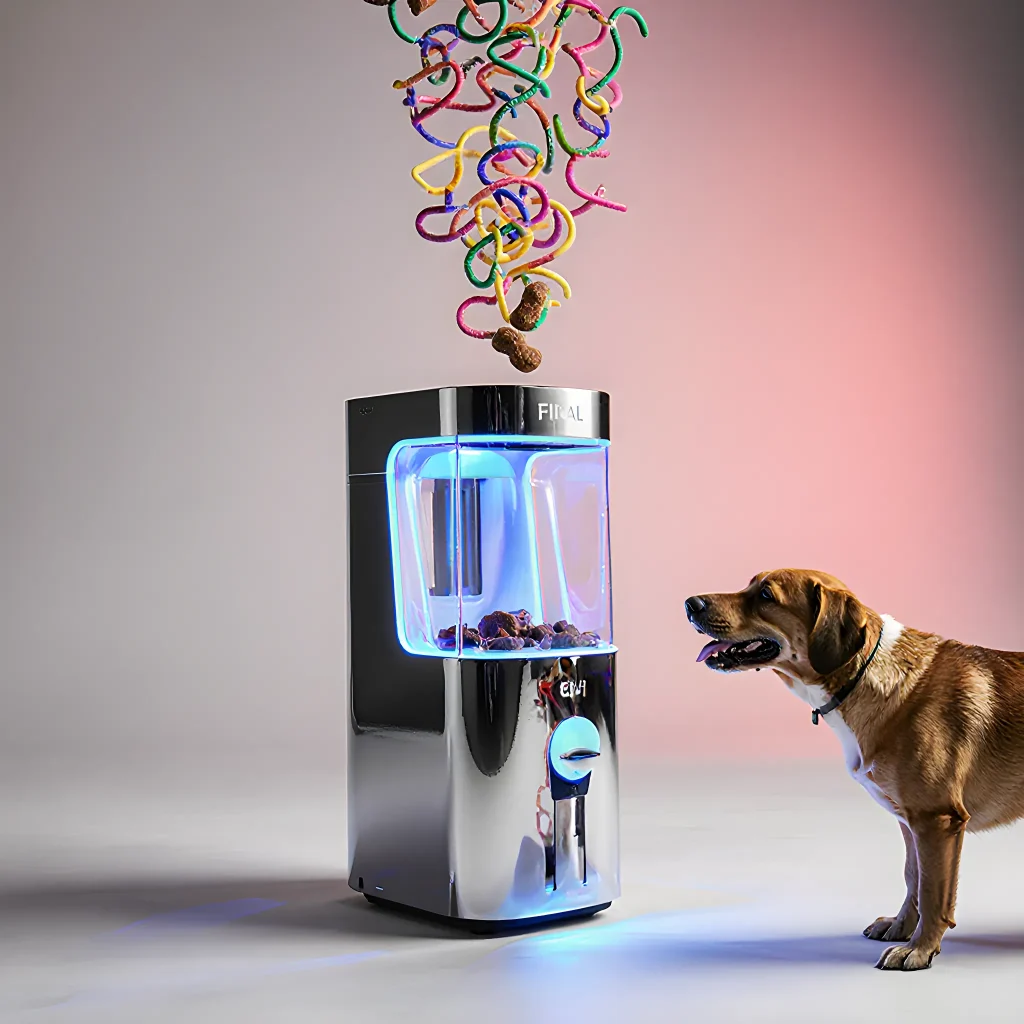
Unleash Fun with Trim Tails Treasures!
Trim Tails Treasures: Innovative Dispensing Toys for Dogs
Table of Contents
- Introduction
- Why Weight-Control Toys Are Important for Dogs
- How Food Dispensing Toys Work
- Key Features to Look For
- Material Safety and Durability
- Dog Size Compatibility
- Food Type Adaptability
- Mental Stimulation Benefits
- Energy Burn‑Out and Exercise Integration
- Top 5 Recommended Brands
- How to Use Effectively for Weight Control
- Maintenance and Cleaning Tips
- Common Mistakes to Avoid
- Conclusion
- FAQ
Introduction
When it comes to keeping our four‑legged friends healthy and happy, diet management is as crucial as exercise. For dogs that need to maintain a specific weight—whether they're prone to obesity or recovering from surgery—a balanced caloric intake can make all the difference. However, simply counting kibble can become monotonous for both owner and pup, often leading to overeating or boredom. This is where food dispensing toys step in as an innovative solution that blends nutrition with enrichment.
A food dispensing toy, also known as a puzzle feeder or interactive bowl, is designed to release small portions of kibble or treats gradually as the dog manipulates the device. By encouraging problem‑solving and slow eating, these toys help control calorie consumption while providing mental stimulation. For weight‑controlled dogs, they offer several tangible benefits:
- Portion Control: The toy limits how much food can be released at one time, preventing accidental overfeeding.
- Reduced Boredom Eating: Dogs that are mentally engaged are less likely to chase stray kibble or indulge in scavenging behaviors.
- Slower Consumption: Slowing down the eating pace mimics natural foraging, which can aid digestion and promote satiety.
- Enrichment & Exercise: The mental challenge burns calories and keeps dogs active without requiring extra walks.
Below are practical tips on selecting the right toy, integrating it into a weight‑control plan, and monitoring progress:
Choosing the Right Toy for Your Dog’s Size and Ability
- Size Matters: A toy too small can be swallowed; one too large may not provide enough challenge. Measure your dog’s muzzle width or refer to manufacturer size charts.
- Difficulty Level: Many toys come in easy, medium, and hard settings. Start with the simplest option and gradually increase complexity as your pup masters each level.
- Material Safety: Opt for BPA‑free plastics or food‑grade silicone that can withstand chewing and cleaning.
Integrating Food Dispensing Toys into a Weight‑Control Regimen
- Gradual Introduction: Begin by feeding a small portion of kibble into the toy, allowing your dog to explore. This helps them associate the toy with positive outcomes.
- Consistent Feeding Schedule: Use the toy only at designated meal times—avoid offering it as a snack or during walks to prevent accidental over‑feeding.
- Monitor Intake: Keep a food diary that records how much kibble is placed into the toy versus what remains after each session. Adjust portions if your dog consistently leaves uneaten food, which could indicate inadequate calorie provision.
- Combine with Exercise: Pair puzzle play with brisk walks or play sessions to maximize calorie expenditure and reinforce healthy habits.
Practical Examples of Popular Food Dispensing Toys
| Toy Name | Difficulty Level | Ideal Dog Size | Key Features |
|---|---|---|---|
| Outward Hound Fun Feeder Slo Bowl | Easy to Medium | Small to Large | Wide openings, adjustable ridges, dishwasher safe |
| Nina Ottosson Dog Tornado Puzzle Toy | Medium to Hard | Small to Medium | Multiple compartments, sliding pieces, customisable difficulty |
| Trixie Pet Products Treat Ball | Easy | All sizes (adjustable opening) | Rotating ball mechanism, simple to load treats, encourages sniffing |
Monitoring Success and Adjusting the Plan
The ultimate goal is a stable, healthy weight. Regular weigh‑ins—once every two weeks—combined with body condition scoring can reveal whether your dog’s intake via the dispensing toy aligns with their energy needs. If weight loss stalls or slows excessively, consider:
- Increasing the number of feeding sessions per day while keeping portions consistent.
- Choosing a higher difficulty toy to further slow consumption.
- Consulting your veterinarian for a revised caloric prescription.
By thoughtfully integrating food dispensing toys into a weight‑controlled diet, you give your dog an engaging way to manage calories while fostering mental sharpness and overall well‑being. The next sections will dive deeper into selecting specific products, customizing portion sizes, and troubleshooting common challenges.
Why Weight-Control Toys Are Important for Dogs
Managing a dog’s weight is more than just monitoring calories—it’s about creating a balanced routine that keeps the animal physically active, mentally stimulated, and emotionally satisfied. Food dispensing toys designed specifically for weight‑controlled dogs play a pivotal role in achieving these goals.
1. Slowing Down Eating Pace
- Problem: Many overweight dogs tend to gulp their food, which can lead to digestive upset and rapid calorie intake.
- Solution: Toys such as the PetSafe Busy Buddy Twist 'n Treat or the KONG Classic with a hollow insert force dogs to work for each bite. The resistance and puzzle element naturally slow down consumption, giving the body time to signal satiety.
- Practical Tip: Start by filling the toy with small portions of low‑calorie treats (e.g., freeze‑dried pumpkin) and gradually increase the amount as your dog masters the mechanism.
2. Enhancing Mental Stimulation
Weight control isn’t just about calories; it’s also about preventing boredom, which can trigger overeating or destructive behaviors.
- Example: The Outward Hound Fun Feeder Slo Bowl combines a food puzzle with a slow‑release mechanism. Dogs must manipulate the device to get each morsel, providing cognitive engagement that can last 15–20 minutes.
- Practical Tip: Rotate toys weekly. A new challenge keeps the dog curious and less likely to overeat out of frustration or boredom.
3. Encouraging Physical Activity
Food dispensing toys often require a certain level of movement—whether it’s rolling, pulling, or shaking—to access treats.
- Case Study: The Nylabone Dura Chew Textured Dog Toy has embedded treat pockets that release kibble when the dog chews vigorously. This promotes chewing and jaw exercise while rewarding healthy chewing habits.
- Practical Tip: Pair a food‑dispensing toy with a short walk or play session. The combined mental and physical effort can lead to more effective calorie expenditure.
4. Reducing Calorie Intake Without Sacrificing Satisfaction
Because the toys require work, dogs naturally eat fewer calories per feeding session while still feeling rewarded.
- Example: Using a low‑calorie kibble in a KONG Wobbler can reduce total intake by up to 30% compared to standard bowl feeding, as dogs spend time retrieving each bite.
- Practical Tip: Monitor your dog’s weight weekly and adjust the toy’s difficulty level (e.g., tightening a twist‑and‑treat or using a higher‑level puzzle) to keep calorie intake aligned with target goals.
5. Promoting Healthy Eating Habits
Food dispensing toys can help establish regular feeding schedules and discourage grazing throughout the day.
- Example: The Trixie Dog Activity Center features multiple compartments that release treats at timed intervals. This encourages dogs to wait their turn, reinforcing patience and consistent meal times.
- Practical Tip: Use the toy only during scheduled meals. Avoid giving it as a constant snack source; this ensures it remains a tool for controlled feeding rather than an additional calorie sink.
6. Enhancing Owner–Dog Interaction
When owners participate in puzzle‑feeding sessions, they strengthen the bond and can better monitor their dog’s eating behavior.
- Example: A simple activity like filling a Busy Buddy Bristle Toy with small bits of wet food allows you to observe how quickly your dog works for treats, providing insight into potential overeating tendencies.
- Practical Tip: Schedule 10–15 minute sessions twice a day. Use these moments to give gentle praise and reinforce that the toy is a source of positive attention, not just food.
Choosing the Right Toy for Your Dog
Not all toys are created equal. Consider the following factors:
- Dog’s Size & Strength: Larger breeds may need sturdier, higher‑capacity toys.
- Chewing Habits: Aggressive chewers require durable materials like nylon or rubber.
- Behavioral Goals: If the focus is on reducing eating speed, opt for slow feeders; if you want to increase exercise, choose toys that involve pulling or rolling.
By integrating food dispensing toys into a comprehensive weight‑control plan—combining diet modification, regular exercise, and behavioral strategies—you give your dog the best chance of achieving a healthy weight while maintaining joy and curiosity in everyday life.
How Food Dispensing Toys Work
If you’re looking to keep a weight‑controlled dog mentally stimulated while managing portion sizes, food dispensing toys can be a game changer. These devices are engineered to release kibble or treats in response to specific actions—such as rolling, shaking, nudging, or biting—so your dog must work for every bite.
Core Mechanisms Behind the Toys
- Rotational Wheels: The most common design. A horizontal wheel spins when the dog pushes on it with its nose or paws. Each full rotation opens a small compartment that releases a measured amount of food.
- Sliding Gates: These toys have a vertical gate that slides open as the dog presses a lever or pulls a string. The gate drops a set portion into a bowl below.
- Press‑and‑Drop Dispensers: A button or panel is pressed repeatedly; each press triggers an internal spring to push food out of a chute.
- Puzzle Boxes: More complex toys combine multiple moving parts—rotating disks, spinning wheels, and sliding doors—to create a sequence that the dog must solve before the kibble is released.
Why They’re Ideal for Weight‑Controlled Dogs
- Portion Control: Because each mechanism dispenses only a small, predictable amount of food, you can set up a feeding schedule that aligns with your dog’s caloric needs.
- Reduced Boredom: Dogs often overeat when left alone with a bowl. Food dispensing toys transform mealtime into an engaging activity, reducing the likelihood of “food‑driven” chewing or begging.
- Calorie Tracking: Many manufacturers provide charts that detail how many kibble pieces are released per rotation or press, allowing precise calorie calculations.
Practical Tips for Choosing the Right Toy
| Feature | What to Look For | Why It Matters |
|---|---|---|
| Material Quality | Hard, non‑porous plastic or stainless steel | Durable and safe for chewing; easy to clean |
| Portion Size Settings | Adjustable wheel diameter or gate size | Allows you to tailor portions as your dog’s weight changes |
| Complexity Level | Easy, medium, or advanced puzzles | Match the toy’s difficulty to your dog’s intelligence and training level |
| Size Compatibility | Appropriate for your dog’s breed/size | A small toy can be frustrating for a large dog; too big, and it may become uninteresting |
Step‑by‑Step Setup Guide
- Fill the Toy: Place the kibble into the designated compartment. For rotating wheels, fill each slot with a single piece; for sliding gates, place a small handful.
- Calibrate Portion Size: If your toy has adjustable settings, experiment by letting your dog dispense one portion and count the pieces. Adjust until you reach the desired calorie count.
- Introduce Gradually: Start with short play sessions (5–10 minutes) to gauge how quickly your dog works through a portion. Increase duration as they become comfortable.
- Combine with Structured Meals: Use the toy during mealtime or as a supplement between scheduled meals, ensuring total daily calories stay within limits.
Maintenance & Safety Checklist
- Wash after every use with warm soapy water; rinse thoroughly to avoid residue buildup.
- Inspect for cracks or loose parts—replace if any damage is found.
- Avoid overfilling, which can cause the toy to jam and frustrate your dog.
- Never use toys made from plastic that contains BPA or phthalates; opt for food‑grade materials.
By understanding how these toys function and selecting one that fits your dog’s size, temperament, and weight‑control goals, you can turn feeding time into an enriching activity that supports healthy eating habits.
Key Features to Look For
- Adjustable Difficulty Levels
A good toy should let you set how hard it is for your dog to get the treat.- Some models have sliding discs or interchangeable wheels that change the number of turns needed.
- Look for a “slow” mode if your pup tends to eat too fast; this forces them to work more, burning extra calories.
- Portion Control Settings
Weight‑controlled dogs need precise calorie intake.- Choose a toy that allows you to pre‑measure portions—either by weight or by filling slots marked in grams.
- Many toys come with a built‑in scale or have adjustable cavities that limit how many kibble pieces fit at once.
- Durable, Non‑Toxic Materials
Your dog will be chewing and manipulating the toy constantly.- Opt for high‑density polyethylene or medical‑grade silicone—both resistant to chewing wear.
- Avoid toys with small detachable parts that could break off and become choking hazards.
- Easy Cleaning & Dishwasher Safe
Hygiene is critical, especially for dogs on a strict diet.- Look for models with removable parts that can be washed in the dishwasher or boiled.
- A smooth interior surface prevents food from sticking and reduces bacterial buildup.
- Multiple Feeding Modes
Variety keeps your dog mentally stimulated.- Rotating between “slow release,” “random drop,” and “challenge puzzle” modes can help prevent boredom and overeating.
- Some toys feature a timer or an automatic dispenser that releases food at set intervals, helping you pace their meals.
- Size & Weight Compatibility
A toy too large can be intimidating; one too small may not hold enough kibble.- Check the recommended weight range on the packaging and compare it to your dog’s size.
- For smaller breeds, look for a “mini” version that still offers adjustable difficulty.
- Noise Level
Some dogs get spooked by clattering toys.- A quiet mechanism—like rubberized gears or smooth plastic rollers—reduces noise while maintaining functionality.
- Warranty & Customer Support
A solid warranty signals manufacturer confidence in durability.- Look for at least a one‑year guarantee on parts and a responsive customer service team for troubleshooting.
- Price vs. Value
While higher price doesn’t always mean better, extremely cheap toys often lack the features needed for weight control.- Create a budget of $30–$70 for a high‑quality dispenser that offers adjustability, durability, and easy cleaning.
- Read reviews to ensure the toy lives up to its claims—especially regarding portion control accuracy.
Material Safety and Durability
Why it matters
- Dogs with reduced appetite or medical conditions often need to eat slowly; a toy that breaks easily can lead to choking hazards.
- Weight‑controlled dogs may chew more aggressively, so the toy must withstand higher forces without splintering or releasing small pieces.
1. Food‑Grade Materials
Look for toys labeled as food‑grade silicone, high‑density polyethylene (HDPE), or polypropylene (PP). These materials are:
- Non‑toxic and free from BPA, phthalates, and heavy metals.
- Certified by organizations such as the FDA, NSF, or EU’s REACH regulation.
2. Scratch & Tear Resistance
Weight‑controlled dogs often use their teeth to manipulate food portions. A durable toy will:
- Feature reinforced seams (double‑stitched or glued) that resist ripping.
- Contain a hard outer shell with a soft, chewable interior to absorb biting force.
3. Size & Shape Considerations
A toy that is too small can be swallowed; one that is too large may not be easily manipulated. Choose:
- Pieces no smaller than the dog’s muzzle width (roughly 1–2 cm for most breeds).
- Smooth edges and rounded corners to prevent cuts on gums or tongue.
4. Cleaning & Hygiene
After each use, wash the toy with mild soap and hot water. For hard‑to‑clean toys:
- Use a dishwasher‑safe version if labeled safe for it.
- Check for cracks or discoloration; replace immediately if found.
5. Real‑World Examples
- KONG Classic Dog Toy: Made from non‑toxic rubber, has a hollow center for treats, and is rated for “medium to large” dogs. Its thick walls resist chewing and it can be sterilized in the dishwasher.
- Outward Hound Fun Feeder Slo-Bowl™: Constructed from BPA‑free plastic with a textured surface that slows down eating, reducing the risk of overeating.
- Nylabone DuraChew Textured Dog Chews: Designed for heavy chewers, these are made from durable nylon and can be used as both a treat dispenser and a chew toy.
6. Practical Tips for Owners
- Inspect weekly: Look for cracks, loose seams, or splintering.
- Rotate toys: Provide at least three different dispensing toys to keep the dog engaged and reduce wear on any single item.
- Use a “chew timer”: Limit playtime with chewable toys to 10–15 minutes per session, especially for dogs prone to over‑chewing.
Bottom line: Choose food dispensing toys that combine food‑grade safety, robust construction, and easy maintenance. This ensures your weight‑controlled dog enjoys a healthy eating pace without risking injury or ingesting harmful materials.
Dog Size Compatibility
Weight‑controlled dogs benefit from slow‑feed toys that keep them mentally stimulated while limiting calorie intake. However, not every toy works well for every dog size. Below is a practical guide to help you match the right food‑dispensing toy with your dog’s body weight and muzzle dimensions.
1. Small Dogs (≤ 20 lb / ≤ 9 kg)
- Recommended Toys:
- Outward Hound Fun Feeder Slo Bowl – a low‑profile, sloped bowl that prevents overeating.
- KONG Classic Puzzle Toy (Small) – small enough to fit in their mouth comfortably.
- Pawaboo Smart Food Tube (Mini) – adjustable tube length ensures they can’t gulp too fast.
- Key Considerations:
- Check the opening size: it should match your dog’s muzzle width to avoid choking.
- Use smaller kibble or finely shredded food to prevent blockage.
- Start with short play sessions (5–10 min) and gradually increase as they get used to the toy.
2. Medium Dogs (21–50 lb / 9–23 kg)
- Recommended Toys:
- KONG Classic Puzzle Toy (Medium) – sturdy and larger, ideal for medium breeds.
- Outward Hound Slo-Mo Feeder Bowl – a deeper bowl that slows down eating pace.
- Pawaboo Smart Food Tube (Standard) – adjustable length with a safety valve to control flow rate.
- Key Considerations:
- Ensure the toy’s diameter is not so wide that your dog cannot comfortably hold it while eating.
- Use a mix of kibble and wet food to increase chew time without adding too many calories.
- Inspect for cracks or wear after each use; replace if damaged to prevent ingestion of small parts.
3. Large Dogs (51–90 lb / 23–41 kg)
- Recommended Toys:
- KONG Classic Puzzle Toy (Large) – robust construction for stronger chewers.
- Outward Hound Slo‑Mo Feeder Bowl XL – a larger bowl that offers more surface area and slower flow.
- Pawaboo Smart Food Tube (XL) – built with reinforced tubing to withstand heavier jaws.
- Key Considerations:
- Use a larger opening so your dog can comfortably ingest food while playing.
- For high‑calorie diets, consider filling the toy with a low‑fat protein source (e.g., boiled chicken) and supplementing with a small amount of kibble to meet calorie goals.
- Monitor chewing time; large dogs may finish quickly. Rotate toys or add a second feeder to keep them engaged longer.
4. Extra‑Large Dogs (91+ lb / 41+ kg)
- Recommended Toys:
- KONG Classic Puzzle Toy (Extra Large) – specifically engineered for the biggest breeds.
- Outward Hound Slo‑Mo Feeder Bowl XL+ – a very large, low‑profile bowl that slows eating pace.
- Pawaboo Smart Food Tube (XL+) – reinforced with thicker walls for heavy chewers.
- Key Considerations:
- Check that the toy’s weight does not become a choking hazard if it breaks apart.
- Use low‑calorie, high‑fiber fillers (e.g., cooked lentils) to stretch meal portions without adding excess calories.
- Because they may finish toys quickly, consider using a combination of slow feeders and puzzle mats for extended engagement.
Practical Tips for All Sizes
- Start Small: Introduce the toy gradually. Begin with small amounts of food to avoid frustration.
- Monitor Intake: Track how much your dog consumes while playing to ensure calorie goals are met.
- Rotate Toys: Keep interest high by rotating between different slow‑feed toys and puzzle games.
- Clean Regularly: Wash toys with warm, soapy water after each use to prevent bacterial growth.
- Observe Behavior: If your dog shows signs of choking or distress, discontinue the toy and consult a vet.
By selecting a food‑dispensing toy that matches your dog’s size and chewing style, you can effectively manage weight while providing mental enrichment. Remember: the goal is to slow down eating, not to starve. Pair these toys with balanced nutrition and regular exercise for optimal health outcomes.
Food Type Adaptability
When choosing a food‑dispensing toy for a weight‑controlled dog, it’s essential to consider the type of kibble or wet food you plan to use. Not all foods are created equal in terms of texture, moisture content, and size—each factor can affect how well a toy functions and how much your dog enjoys it.
1. Kibble Size & Texture
- Small kibble (e.g., standard dry dog food): Works best in toys with larger, shallow compartments or perforated wheels that allow the kibble to move freely without clogging.
- Large kibble or “chunk” foods: Requires toys with deeper chambers or slotted designs. Avoid narrow channels that can trap large pieces and create choking hazards.
- Moisture‑rich kibbles (e.g., dehydrated meats): These can stick to toy surfaces, leading to buildup. Look for materials with smooth finishes or consider a toy designed specifically for wet foods.
2. Wet vs. Dry Food Compatibility
Wet foods pose unique challenges: they’re heavier and more slippery, which can cause toys to tip over or become clogged. Here are some tips:
- Use shallow bowls or “soft” dispensing cups: These allow the dog to scoop out a small portion without the toy tipping.
- Choose rubber or silicone toys with wide openings: This prevents wet food from getting stuck and makes cleaning easier.
- Consider adding a small amount of dry kibble: Mixing dry and wet foods can help balance texture and reduce clumping in the toy.
3. Portion Control Features
Some dispensing toys come with adjustable slots or compartments that let you control how much food is released at a time—an invaluable feature for dogs on weight‑control diets:
- Sliding gates: Move the gate to allow only a handful of kibble per turn.
- Rotating wheels with marked sections: Each click releases a predetermined portion.
- Timed release mechanisms: Set the toy to dispense food at specific intervals, preventing over‑feeding during play sessions.
4. Cleaning & Maintenance
Proper cleaning is crucial for maintaining a healthy environment and ensuring the toy’s longevity:
- Disassemble regularly: Remove all detachable parts to clean thoroughly.
- Use mild, pet‑safe detergents: Avoid harsh chemicals that could leave residues toxic to dogs.
- Dry completely before reassembly: Moisture can lead to mold growth and unpleasant odors.
5. Practical Examples
- Case Study A – “The Treat Spinner”: Ideal for standard kibble; its large, perforated wheel prevents clogging and offers a moderate challenge for dogs with a tendency to gulp.
- Case Study B – “Mug & Spoon”: Designed for wet foods; the shallow bowl keeps the food stable while allowing controlled scooping.
- Case Study C – “Puzzle Bowl”: Features adjustable compartments that can be set to dispense 1–2 kibble pieces per interaction—perfect for dogs on a strict calorie plan.
By matching the toy’s design with your dog’s food preferences and weight‑control needs, you’ll create an engaging, healthy experience that keeps them mentally stimulated while managing their caloric intake.
Mental Stimulation Benefits
Food‑dispensing toys are more than just a fun way to keep your dog occupied; they’re an excellent tool for cognitive enrichment, especially when you’re managing your pet’s weight. By turning meal time into a problem‑solving activity, these toys engage multiple brain functions:
- Problem Solving & Critical Thinking: Dogs must figure out how to manipulate the toy (roll it, twist it, push buttons) to access treats. This encourages analytical thinking and memory retention.
- Spatial Awareness: Navigating around the toy’s obstacles helps dogs develop a better sense of their environment, which can translate into improved leash manners and reduced anxiety in new settings.
- Patience & Self‑Control: Instead of grabbing food immediately, dogs learn to wait for the right moment. This impulse control is invaluable when you’re trying to prevent overeating or discourage begging at the table.
- Stress Reduction: Engaging in a mentally stimulating activity releases endorphins, reducing cortisol levels and promoting calmness—an essential component of overall well‑being for weight‑controlled dogs.
Choosing the Right Toy for Your Weight‑Controlled Dog
When selecting a food dispensing toy, consider the following factors to ensure it supports both mental stimulation and calorie control:
- Difficulty Level:
- Beginner: Simple puzzle plates with large openings for kibble or small treats.
- Intermediate: Toys that require rolling or nudging to release a portion of the food.
- Advanced: Multi‑layered puzzles where dogs must solve several steps in sequence.
- Portion Control Features:
- Some toys allow you to adjust the size of openings, effectively limiting how many treats are released at once.
- Look for “sized‑to‑portion” models that only dispense a single kibble per puzzle cycle.
- Material & Durability: Dogs with a strong bite may damage flimsy toys. Opt for BPA‑free plastic or rubber, and read reviews on wear resistance.
- Cleaning Ease: A toy that’s dishwasher safe or has removable parts simplifies maintenance—essential to prevent bacterial buildup when you’re feeding your dog healthy portions.
Practical Tips for Using Food Dispensing Toys Effectively
- 1. Start Small
- Begin with a toy that releases only one treat at a time. This helps prevent overconsumption while your dog learns the mechanics.
- 2. Pair with a Calorie‑Controlled Diet
- Use the toy as part of a balanced meal plan. If you’re feeding 30 % fewer calories than usual, let the puzzle provide the extra mental reward without adding extra fat.
- 3. Monitor Weight and Activity Levels
- Track your dog’s weight weekly. Adjust the toy’s difficulty or treat size if you notice a plateau or unexpected gain.
- 4. Rotate Toys Regularly
- A new challenge keeps your dog engaged. Switching between a rolling ball, a sliding puzzle, and a maze plate can maintain interest for weeks.
- 5. Use Treats Wisely
- Select low‑calorie or homemade treats (e.g., boiled egg whites, freeze‑dried chicken) to keep the calorie budget tight while still rewarding effort.
Real‑World Example: “The Puzzle Plate” Success Story
Sarah’s 12‑year‑old Labrador, Max, weighed 90 lbs and was on a weight‑control plan. She introduced a medium‑difficulty puzzle plate that only released one small kibble per rotation. Over six weeks:
- Weight Loss: Max lost 12 lbs (13% of his body weight).
- Cognitive Engagement: He spent an average of 10 minutes daily solving the puzzle, reducing destructive chewing at home.
- Behavioral Improvement: Max’s impulse to beg during meal times decreased by 70%, as he learned to wait for the toy to dispense treats.
This case illustrates how integrating a food‑dispensing toy into a structured diet can amplify both physical and mental health benefits for weight‑controlled dogs.
Energy Burn‑Out and Exercise Integration
When it comes to managing a dog’s weight, the goal is twofold: reduce calorie intake while increasing daily activity. Food dispensing toys are an excellent bridge between these objectives, turning mealtime into a low‑calorie, high‑energy workout.
How They Work
- Slow Feeding: Toys like the KONG Wobbler or the Nina Ottosson treat maze force dogs to manipulate the toy with paws and head, prolonging meal time from a few minutes to 15–30 minutes.
- Problem Solving: Puzzle toys require cognitive effort. A dog must figure out how to roll or lift sections of the toy to release kibble, stimulating both mind and body.
- Physical Engagement: Some dispensers are designed for tugging or rolling on the floor, encouraging locomotion that burns additional calories beyond the food itself.
Practical Tips for Integration
- Start Small: If your dog is new to puzzle toys, begin with a low‑effort model and gradually increase difficulty. This prevents frustration and ensures consistent engagement.
- Monitor Portion Sizes: Use the same kibble quantity you would normally feed. The toy simply extends the time it takes to consume that amount, not the amount itself.
- Combine with Structured Walks: Schedule a short walk (10–15 minutes) immediately after the dog finishes the toy. This reinforces positive behavior and adds predictable exercise.
- Rotate Toys: Keep your dog’s interest high by rotating between different puzzle types every 2–3 days. Novelty reduces boredom, which can lead to overeating or inactivity.
- Use as a Reward: After an exercise session, give the dog a treat‑dispensing toy instead of hand‑treats. This keeps calories in check while rewarding effort.
Example Routine for a 60‑lb Weight‑Controlled Dog
| Time | Activity | Calories Burned (approx.) |
|---|---|---|
| 7:00 AM | Breakfast in KONG Wobbler | ≈30–40 |
| 7:15 AM | Short walk (10 min) | ≈50 |
| 8:00 PM | Dinner in Nina Ottosson Maze | ≈30–40 |
| 8:15 PM | Evening play session (tug on floor toy) | ≈70 |
Measuring Success
- Track Weight: Weigh your dog weekly to ensure a steady, safe weight loss of 1–2 % per week.
- Log Activity: Keep a simple log of toy usage time and walk duration. Over time, you’ll see increased activity correlating with improved body condition.
- Adjust Food Intake: If weight loss stalls, reduce kibble by 5–10 % while keeping the same toy routine to maintain calorie deficit.
By integrating food dispensing toys into your dog’s daily routine, you create a synergistic system where eating becomes an active exercise. This not only aids in weight control but also enriches your pet’s life with mental stimulation and physical health.
Top 5 Recommended Brands
Choosing a food‑dispensing toy that balances enrichment with portion control is essential for dogs on a weight‑controlled diet. Below are five brands that combine durability, adjustable difficulty levels, and safety features designed specifically for maintaining healthy body condition.
-
Outward Hound – KONG Classic Dog Toy
- Material & Safety: Made from high‑grade, food‑safe rubber; no small parts that could be chewed off.
- Portion Control Feature: The toy’s hollow core can hold up to 4 oz of kibble or treats. Use a measuring cup to fill it exactly to the dog’s daily allotment, preventing over‑feeding.
- Adjustable Difficulty: Add a second KONG or fill with a thicker paste (e.g., peanut butter) for slower release, encouraging longer playtime and burning extra calories.
- Practical Tip: Clean the toy after each use; rinse with warm water and mild soap to keep bacteria at bay.
-
West Paw – Doggie Dazzler
- Material & Safety: BPA‑free, non‑toxic plastic with a soft inner lining to protect delicate teeth.
- Portion Control Feature: Comes with 3 removable compartments (1 oz each) that can be filled with kibble or low‑calorie treats. The compartments are sized for dogs up to 50 lb, ideal for medium‑size breeds.
- Adjustable Difficulty: The toy’s rotating wheel allows you to lock or unlock the compartments, giving trainers fine control over how fast food is released.
- Practical Tip: Use a small scoop to distribute kibble evenly across compartments; this ensures each segment releases at roughly the same rate.
-
Trixie – Bark 'n' Treat Ball
- Material & Safety: Heavy‑duty, chew‑resistant plastic with a non‑slip base.
- Portion Control Feature: The ball’s interior is divided into 4 equal sections. Fill each section with the exact amount of food your vet recommends for a single meal.
- Adjustable Difficulty: By rolling the ball on a flat surface, you can slow or speed up the release—great for training sessions that require focus.
- Practical Tip: Rotate the ball’s direction after each play session to keep your dog guessing and engaged.
-
PuppyPal – Food Puzzle Cube
- Material & Safety: Food‑grade silicone with a textured surface that’s easy to clean.
- Portion Control Feature: The cube contains 6 chambers; each can hold up to 0.5 oz of kibble, making it perfect for small and large breeds alike.
- Adjustable Difficulty: Use the sliding lid to cover or uncover specific chambers, controlling how quickly food is accessed.
- Practical Tip: Pair this cube with a chew‑proof bowl to prevent your dog from swallowing small pieces accidentally.
-
Nylabone – Smart Food Dispenser
- Material & Safety: Durable nylon with a soft interior lining to protect teeth and gums.
- Portion Control Feature: The dispenser has 8 slots, each calibrated for 0.75 oz of food—ideal for large breeds on strict calorie limits.
- Adjustable Difficulty: Incorporate a “slow‑release” mode by partially covering the slots with a silicone flap; this forces your dog to work harder for each bite.
- Practical Tip: Store the dispenser in a cool, dry place to keep kibble fresh and prevent mold growth.
Choosing the Right Toy for Your Dog’s Size & Activity Level
- Small Breeds (≤20 lb): Opt for toys with smaller compartments or the PuppyPal Food Puzzle Cube to match their lower calorie needs.
- Medium Breeds (21–50 lb): The West Paw Doggie Dazzler or KONG Classic offers a good balance of portion control and playtime.
- Large Breeds (>50 lb): Nylabone Smart Food Dispenser and Trixie Bark ’n’ Treat Ball are designed to hold larger food portions while still encouraging controlled release.
Remember: Always supervise your dog during the first few sessions with any new toy, especially if they have a history of chewing through toys too quickly. Rotate toys weekly to keep mental stimulation fresh and to prevent boredom‑induced over‑eating.
How to Use Effectively for Weight Control
Food‑dispensing toys are more than just a fun way to keep your dog occupied; when used strategically, they can become an integral part of a weight‑control plan. Below is a step‑by‑step guide that blends practical tips with real‑world examples to help you maximize the benefits while keeping your pup healthy.
1. Choose the Right Toy for Your Dog’s Size and Chewing Style
- Small Dogs (≤20 lb): Opt for toys like the KONG Classic Small or Nylabone DuraChew. They’re small enough to handle but robust enough to resist over‑chewing.
- Medium Dogs (21–50 lb): The KONG XL, TeddiBIRD 3‑in‑1 Puzzle Toy, or Pawz Squeak Ball are ideal because they provide a moderate challenge and can hold more kibble.
- Large Dogs (51–90 lb): For bigger breeds, consider the KONG XL with a larger filling capacity or the Puppy‑Proof Puzzle Bowl, which offers adjustable difficulty levels.
2. Start With Small Portions and Gradually Increase
Begin by filling the toy with only one or two kibble pieces. Observe how long it takes your dog to retrieve them. If they finish too quickly (under 5 minutes), increase the portion size slightly. The goal is to stretch the meal time to 10–15 minutes, which helps reduce the risk of overeating.
3. Pair with a Rewarding Routine
- Pre‑Meal Play: Give your dog a short walk or an interactive play session before you hand over the toy. This helps burn off excess energy and sets a calm tone for eating.
- Post‑Meal Praise: Once they finish, offer verbal praise and a gentle pat. Positive reinforcement strengthens the association between the toy and healthy eating habits.
4. Monitor Calorie Intake Carefully
Because food dispensing toys can increase the total amount of food your dog consumes, it’s crucial to adjust their overall daily ration accordingly:
- Calculate Baseline Calories: Use a reputable weight‑management calculator (e.g., PetMD’s guide) to determine the appropriate daily calories for your dog’s target weight.
- Subtract Toy Calories: If you’re adding 10 kcal from kibble in a toy, subtract that amount from their regular meal portions.
- Track Progress: Weigh your dog weekly and adjust the toy filling size or frequency if necessary.
5. Use Low‑Calorie Treats When Needed
If you want to encourage puzzle solving without adding extra calories, use low‑calorie treats such as:
- Freeze‑dried chicken or turkey slices (≈2 kcal per slice)
- Baby carrots or apple slices (≈5 kcal each)
- Commercial “diet” treat lines (e.g., Pedigree Diet Bites)
6. Clean Toys Regularly to Prevent Bacterial Growth
A dirty toy can harbor bacteria that may affect your dog’s digestion and overall health, potentially negating weight‑control efforts:
- Daily Rinse: Wash with warm soapy water after each use.
- Deep Clean Weekly: Soak in a mild bleach solution (1 cup bleach per gallon of water) for 10 minutes, then rinse thoroughly.
- Avoid Plastic Toys that Melt: After repeated exposure to food moisture, some plastics can leach chemicals. Opt for BPA‑free or silicone alternatives if you notice warping.
7. Integrate with Your Dog’s Exercise Plan
Food dispensing toys should complement, not replace, regular exercise:
- Morning Walk + Toy Feeding: Feed the toy right after a brisk walk to utilize the energy spent.
- Evening Puzzle Session: Use the toy as part of a calm evening routine rather than an intense activity that might leave your dog too energized before bedtime.
8. Watch for Behavioral Signs
Keep an eye out for:
- Over‑eagerness: If your dog is constantly seeking the toy or showing signs of distress when it’s not available, reduce frequency.
- Digestive Issues: Gas, diarrhea, or vomiting may indicate too many treats or a change in kibble type. Consult your vet if symptoms persist.
9. Practical Example: A 40‑lb Labrador’s Weight‑Control Routine
Morning: After a 30‑minute walk, give the dog a KONG XL filled with 2 kcal chicken pieces and 1 kcal kibble. Allow 12 minutes for completion.
Noon: A quick play session followed by a 5‑minute puzzle bowl with low‑calorie carrots.
Evening: Feed the remaining daily calories in two portions: one in a standard bowl and one via the KONG XL to keep them occupied while you wind down.
10. Keep a Log for Long‑Term Success
Track:
- Date, time, toy used, portion size, and calories added.
- Your dog’s weight and body condition score each
Maintenance and Cleaning Tips
Keeping your dog’s food‑dispensing toy clean is essential not only for the animal’s health but also to ensure the device functions properly over time. Below are practical, step‑by‑step guidelines that will help you maintain a hygienic environment for your weight‑controlled canine companion.
1. Daily Quick Wipe‑Down
- Materials Needed: Mild dish soap, warm water, soft cloth or sponge, and a small brush (e.g., toothbrush).
- Procedure:
- Fill a basin with lukewarm water and add a few drops of mild dish soap.
- Submerge the toy’s outer shell and any removable parts. Gently scrub using the soft cloth or sponge, focusing on crevices where kibble can accumulate.
- Use the small brush to clean around the dispensing mechanism—especially if it’s a rotating wheel or sliding door.
- Rinse thoroughly with clean water to remove any soap residue that could attract bacteria.
- Dry completely using a towel, then air‑dry for at least 24 hours before reassembling and refilling.
2. Weekly Deep Clean
- Materials Needed: Baking soda, white vinegar or a pet‑safe disinfectant (e.g., diluted hydrogen peroxide), hot water, and a clean cloth.
- Procedure:
- Disassemble the toy as much as possible. Remove all food residue from each compartment.
- Create a paste of baking soda with a small amount of water; apply it to any stubborn stains or odors.
- Let it sit for 10–15 minutes, then scrub lightly.
- Wipe down the surfaces with a cloth dampened in a mixture of one part white vinegar to two parts hot water (or follow your disinfectant’s instructions).
- Rinse thoroughly and dry completely before reassembly.
3. Periodic Inspection for Wear and Tear
- Check the dispensing mechanism every month for smooth operation. Look for cracks, missing parts, or signs of wear that could trap food particles.
- If a component is damaged, replace it immediately to avoid food contamination and potential choking hazards.
- Ensure all seals and gaskets remain intact; if they become brittle, consider swapping them out with new ones from the manufacturer.
4. Storage Practices
- Store the toy in a dry, ventilated area away from direct sunlight to prevent plastic degradation.
- If you’re not using it for an extended period (e.g., during holidays), clean it thoroughly and store it with a small towel inside to absorb any residual moisture.
5. Safe Cleaning Products
Always use pet‑safe cleaning solutions. Avoid harsh chemicals such as bleach, ammonia, or strong detergents that could leave residues harmful to dogs if ingested. Opt for biodegradable, non‑toxic options whenever possible.
6. Quick Tips for Busy Owners
- Use a dishwasher-safe toy: Some manufacturers design toys that can be safely washed in the dishwasher on a gentle cycle.
- Dryer method: After cleaning, you can tumble dry the toy on low heat to speed up drying (ensure it’s fully dry before refilling).
- Microfiber cloths: These are great for removing crumbs quickly and don’t leave lint behind.
7. When to Replace Your Toy
If the toy shows significant signs of wear—such as cracked plastic, broken dispensing mechanisms, or persistent odors that cleaning can’t eliminate—it’s time to replace it. A well‑maintained toy not only promotes healthy weight control but also extends its lifespan.
8. Practical Example: Daily Routine for a 20 lb Dog on a Food Dispensing Puzzle
- Morning: After breakfast, wipe the exterior with a damp cloth and replace any removed parts.
- Evening: During playtime, remove the toy, rinse it in warm soapy water, then let it air‑dry. Reassemble before refilling for the next session.
By integrating these maintenance steps into your routine, you’ll keep your dog’s feeding experience safe, enjoyable, and supportive of their weight‑control goals.
Common Mistakes to Avoid
Food dispensing toys can be a fantastic tool for mental stimulation and controlled feeding, but they’re not a free‑for‑all solution. Below are the most frequent pitfalls owners fall into, along with actionable advice to keep your dog healthy and happy.
1. Using Too Much Food in One Session
- What happens: Overloading a toy can lead to an instant calorie spike, undermining weight‑control efforts.
- Practical tip: Stick to the daily calorie budget and divide it across multiple feeding sessions. If your dog normally eats 200 kcal per day, use no more than 50 kcal in a single toy session.
2. Choosing Toys That Are Too Easy
- What happens: A dog that solves the puzzle instantly consumes food too quickly, causing rapid weight gain and frustration.
- Practical tip: Start with a medium‑difficulty toy (e.g., a Kong filled with kibble or a treat ball) and only move to harder versions once your dog consistently takes 5–10 minutes to finish.
3. Ignoring Dog’s Size and Strength
- What happens: A toy that is too large or too heavy can encourage over‑eating or even lead to injury if the dog strains to open it.
- Practical tip: Match the toy’s dimensions and material weight to your dog’s breed. Small breeds may benefit from a lightweight puzzle ball, while larger dogs might need a sturdier treat dispenser.
4. Forgetting About Chewing Habits
- What happens: Dogs that chew excessively can break apart the toy and swallow small pieces, posing a choking hazard.
- Practical tip: Inspect toys regularly for wear. Replace any that show cracks or missing parts after each use. For highly aggressive chewers, opt for “no‑break” materials like reinforced rubber or silicone.
5. Overlooking Cleaning Requirements
- What happens: Food residue can harbor bacteria and mold, leading to gastrointestinal upset.
- Practical tip: Wash all toys after each use with hot soapy water or a dishwasher‑safe cycle. Dry them completely before refilling.
6. Using Treats That Are Too Calorific
- What happens: High‑fat treats can double‑dip your calorie budget, especially if the dog finishes a toy in minutes.
- Practical tip: Choose low‑calorie options such as freeze‑dried vegetables, lean meat chunks, or commercial weight‑control kibble. Even a single treat can add 50–100 kcal.
7. Not Monitoring Progress
- What happens: Without tracking weight and body condition score, you’ll never know if the toy is helping or harming your dog’s goal.
- Practical tip: Weigh your dog weekly and record a Body Condition Score (BCS) on a 1‑9 scale. Adjust portions in the toy accordingly.
8. Using Toys as a One‑Size‑Fits‑All Solution
- What happens: Every dog’s appetite, metabolism, and activity level differ. A generic toy may not suit your specific needs.
- Practical tip: Pair the toy with a tailored feeding plan. Combine it with scheduled meals and regular exercise to achieve balanced weight management.
9. Neglecting Behavioral Signals
- What happens: A dog that is overly anxious or obsessive about the toy may develop compulsive behaviors.
- Practical tip: Watch for signs of frustration (e.g., whining, pawing). If observed, reduce toy difficulty or limit use to short bursts.
10. Relying Solely on Toys for Calorie Control
- What happens: Treat‑dispensing toys can’t replace the need for a comprehensive diet plan and exercise routine.
- Practical tip: Use the toy as a supplement, not a substitute. Keep a balanced meal schedule and incorporate daily walks or play sessions to burn excess calories.
By steering clear of these common mistakes, you’ll harness the full benefits of food dispensing toys—enhanced mental stimulation, controlled calorie intake, and a happier, healthier companion.
Conclusion
When it comes to managing your dog’s weight while keeping them mentally stimulated, food dispensing toys can be a game‑changer. They slow down eating, provide enrichment, and help you monitor portion sizes in a fun way. Below is a quick reference guide that pulls together the key points discussed in this post and gives you actionable next steps.
1. Pick a Toy That Matches Your Dog’s Size & Bite Strength
- Small dogs (≤20 lb): Look for toys rated “small” or “toy” on the packaging, such as KONG Squeak, Nylabone Dura Chew, or a small puzzle feeder.
- Medium dogs (21–50 lb): Medium‑rated KONGs, Buster Tunnels, or the PetSafe Busy Buddy “Chewy” are great options.
- Large dogs (>50 lb): Choose heavy‑duty toys like the KONG Classic (large), the Nylabone Dura Chew Extreme, or the West Paw Zogoflex Ruff Ruff. These can withstand powerful jaws and longer play sessions.
2. Start with a Simple Design
If your dog is new to food dispensing toys, begin with a straightforward model—no maze or hidden compartments—to avoid frustration. Once they master the basics, you can graduate them to more complex puzzles.
3. Use the Right Portion Size
- Measure out exactly the amount of food that would normally fit in a standard bowl for the meal.
- Fill the toy once or twice a day, depending on your feeding schedule and the dog’s appetite.
- Monitor how long it takes to finish. If they’re finishing too quickly (<5 min), increase the difficulty by using a harder material or adding a puzzle element.
4. Combine with Structured Feeding Times
Don’t let your dog graze on treats all day. Schedule toy feeding sessions at consistent times (e.g., breakfast, lunch, dinner) to reinforce routine and help them learn when they can expect food.
5. Keep Safety in Mind
- Inspect toys for cracks or small pieces before each use.
- Avoid giving high‑fat treats; opt for low‑calorie options like baby carrots, apple slices (no seeds), or commercial weight‑control kibble.
- If your dog chews aggressively and starts shredding the toy, switch to a sturdier model.
6. Monitor Progress & Adjust
Track weight changes weekly and adjust portions or toy difficulty accordingly. If you see a plateau in weight loss, consider reducing portion size by 10–15% or increasing the puzzle complexity to extend playtime.
7. Mix It Up for Variety
- Alternate between KONGs, Puzzle Mates, and treat‑dispensing balls to keep your dog engaged.
- Use a “chew‑and‑hide” strategy: hide kibble in a soft toy that needs shredding (like a Zogoflex chew) for an extra mental challenge.
8. Practical Example Routine
Morning: Feed the dog a small portion of low‑calorie kibble in a KONG Classic (medium). Let them work on it for 10–15 minutes, then reward with praise.
Noon: Offer a handful of baby carrots in a PetSafe Busy Buddy “Chewy.” This will keep the dog occupied while you handle other tasks.
Evening: Use a puzzle feeder like the Outward Hound Dog Activity Center with a portion of their usual dinner. Let them solve it before moving on to the next meal.
9. Final Tips
- Always supervise first use, especially if your dog is prone to chewing through toys.
- Wash all toys regularly with mild soap and warm water; rinse thoroughly to avoid residue buildup.
- If you notice excessive weight loss or lethargy, consult your vet before continuing the toy feeding program.
By thoughtfully selecting the right food dispensing toy, setting consistent portion sizes, and monitoring progress, you can help your dog stay on a healthy weight trajectory while keeping their mind sharp and engaged. Happy playing!
FAQ
- What is a food‑dispensing toy?
A food‑dispensing toy (also called a puzzle feeder) is any interactive device that releases kibble or treats gradually as your dog manipulates it. Common types include:
- Ball‑type dispensers – e.g., the Outward Hound Fun Feeder Ball. Your dog rolls the ball to get food.
- Maze or puzzle bowls – e.g., the Nebula Spherical Food Dispenser, which has multiple chambers that your dog must open.
- Squeaky or treat‑filled chew toys – e.g., the KONG Classic with a Treat Pad.
- How do they help with weight control?
They slow down eating, increase chewing time, and reduce the rate at which calories are consumed. By forcing your dog to work for each bite:
- Satiety signals kick in sooner.
- The same amount of kibble takes longer to finish.
- Dogs often eat fewer overall portions because they become full faster.
- Can I use them with a prescription diet?
Yes, but follow these guidelines:
- Choose a toy that can be filled with the exact portion size prescribed by your vet.
- Avoid adding extra treats or higher‑calorie kibble; stick to the prescribed formula.
- If your dog has a sensitive stomach, start with small amounts of kibble in the toy and monitor for any digestive upset.
- What size toy should I pick?
Select based on your dog's breed, jaw strength, and chewing style:
- Small breeds (e.g., Chihuahua, Toy Poodle): choose a toy with small chambers or low difficulty.
- Medium to large breeds (e.g., Labrador, German Shepherd): opt for larger, sturdier models that can hold more kibble.
- For dogs that are strong chewers, consider toys made from high‑impact rubber or silicone.
- How often should I use a food‑dispensing toy?
A balanced approach works best:
- Use the toy once or twice daily, especially during meal times.
- If your dog is on a strict calorie count, limit the toy to one meal per day to avoid accidental over‑feeding.
- Alternate with regular kibble feeding to keep your dog’s routine varied and engaging.
- Will my dog become bored?
Dogs love variety. Rotate toys every few days or mix up the puzzle difficulty:
- Add a small amount of wet food or freeze‑dried meat to make it more enticing.
- Use different types of treats (e.g., dental chews, low‑calorie biscuits) to keep the challenge fresh.
- What if my dog starts chewing through the toy?
Inspect toys regularly for wear and tear. Replace any that show cracks or loose parts. For extremely strong chewers, consider professional‑grade puzzle feeders like the PetSafe Busy Buddy Twist 'n Treat, designed to withstand tougher bites.
- Can these toys replace my dog's regular meals?
No. Food‑dispensing toys are supplemental and should not replace a nutritionally balanced diet. They’re meant to enhance meal time, not substitute for the calories and nutrients your dog needs each day.
- How do I clean my food‑dispensing toy?
- Most puzzle feeders are dishwasher safe on a gentle cycle; otherwise wash with warm soapy water.
- Avoid using harsh chemicals that can leach into the kibble.
- Dry thoroughly before refilling to prevent mold growth.
- Where can I buy quality food‑dispensing toys?
Reputable pet retailers and specialty stores are your best bet. Look for:
- Durability ratings (e.g., “rated for medium to heavy chewers”).
- Positive customer reviews focusing on longevity.
- Warranty or return policy in case the toy fails prematurely.
Categories
- AI & Enrichment Play
- Broiler Farming
- Broiler Farming Tips
- Canine Wellness & Longevity
- Cat
- Cat & Human Connection
- Cat Adoption & Rescue
- Cat Breeds
- Cat Breeds & Personalities
- Cat Care & Health
- Cat Grooming & Hygiene
- Cat Lifestyle & Environment
- Cat Myths & History
- Cat Nutrition & Diet
- Cat Products & Reviews
- Cat Training & Behavior
- Comparison
- Consumer Awareness
- Dog
- Dog Accessories & Products
- Dog Adoption & Rescue
- Dog Breed & Lifestyle Trends
- Dog Breeding & Puppies
- Dog Entertainment & Media
- Dog Fashion & Trends
- Dog Fun & Lifestyle
- Dog Grooming & Hygiene
- Dog History & Culture
- Dog Myths, Science & Future Tech
- Dog News & Trends
- Dog Nutrition & Food
- Dog Psychology & Emotions
- Dog Safety & Security
- Dog Sports & Activities
- Dog Technology & Innovation
- Dog Training for Modern Owners
- Dog Travel & Adventure
- Dog Travel, Adventure & Culture
- Economic and Market Insights
- Educational Content
- FAQs
- Feeding Alternatives
- Festivals & Seasonal Ideas
- Fun & Entertainment
- General Knowledge
- General Pig Farming
- Health & Disease Management
- Housing and Environment
- Kittens
- Market Insights
- Miscellaneous
- Miscellaneous
- Motivational
- pig
- Pig Breeding
- Pig Breeds
- Pig Farming Stories and Inspiration
- Pig Health and Care
- Pig Nutrition
- Pig Products
- Profitability & Business
- Puppy Care
- Puppy Predictable Topics Reinvented
- Regional Focus
- Rescue & Adoption Buzz
- Senior Cats
- Senior Dog Care
- Smart Dog Tech & Gadgets
- Sustainability
- Sustainable & Eco-Friendly Dog Products
- Tech & Innovations
- Working & Service Dogs
- Broiler Feed66 products
- Country Feed33 products
- Pig Feed66 products
- Product22 products
- Raw Materials99 products
Products
-
 Fish Meal
₹1,999.00 – ₹2,999.00Price range: ₹1,999.00 through ₹2,999.00Rated 0 out of 5
Fish Meal
₹1,999.00 – ₹2,999.00Price range: ₹1,999.00 through ₹2,999.00Rated 0 out of 5 -
 FATTENING BROILER FEED
₹2,299.00 – ₹2,349.00Price range: ₹2,299.00 through ₹2,349.00Rated 0 out of 5
FATTENING BROILER FEED
₹2,299.00 – ₹2,349.00Price range: ₹2,299.00 through ₹2,349.00Rated 0 out of 5 -
 LAYER COUNTRY FEED
₹1,549.00 – ₹1,649.00Price range: ₹1,549.00 through ₹1,649.00Rated 0 out of 5
LAYER COUNTRY FEED
₹1,549.00 – ₹1,649.00Price range: ₹1,549.00 through ₹1,649.00Rated 0 out of 5 -
 COUNTER BROILER FEED
₹1,199.00 – ₹1,299.00Price range: ₹1,199.00 through ₹1,299.00Rated 0 out of 5
COUNTER BROILER FEED
₹1,199.00 – ₹1,299.00Price range: ₹1,199.00 through ₹1,299.00Rated 0 out of 5 -
 LACTATING PIG FEED
Rated 0 out of 5
LACTATING PIG FEED
Rated 0 out of 5₹2,299.00Original price was: ₹2,299.00.₹1,740.00Current price is: ₹1,740.00. -
 Maize
Rated 0 out of 5
Maize
Rated 0 out of 5₹1,650.00Original price was: ₹1,650.00.₹1,300.00Current price is: ₹1,300.00. -
 GESTATION PIG FEED (Phase 1)
Rated 0 out of 5
GESTATION PIG FEED (Phase 1)
Rated 0 out of 5₹2,249.00Original price was: ₹2,249.00.₹1,699.00Current price is: ₹1,699.00. -
 Pre Starter Broiler Feed
₹2,399.00 – ₹2,499.00Price range: ₹2,399.00 through ₹2,499.00Rated 0 out of 5
Pre Starter Broiler Feed
₹2,399.00 – ₹2,499.00Price range: ₹2,399.00 through ₹2,499.00Rated 0 out of 5 -
 FINISHER PIG FEED
Rated 0 out of 5
FINISHER PIG FEED
Rated 0 out of 5₹2,299.00Original price was: ₹2,299.00.₹1,749.00Current price is: ₹1,749.00. -
 Broiler Premix
Rated 0 out of 5
Broiler Premix
Rated 0 out of 5₹820.00Original price was: ₹820.00.₹699.00Current price is: ₹699.00.