
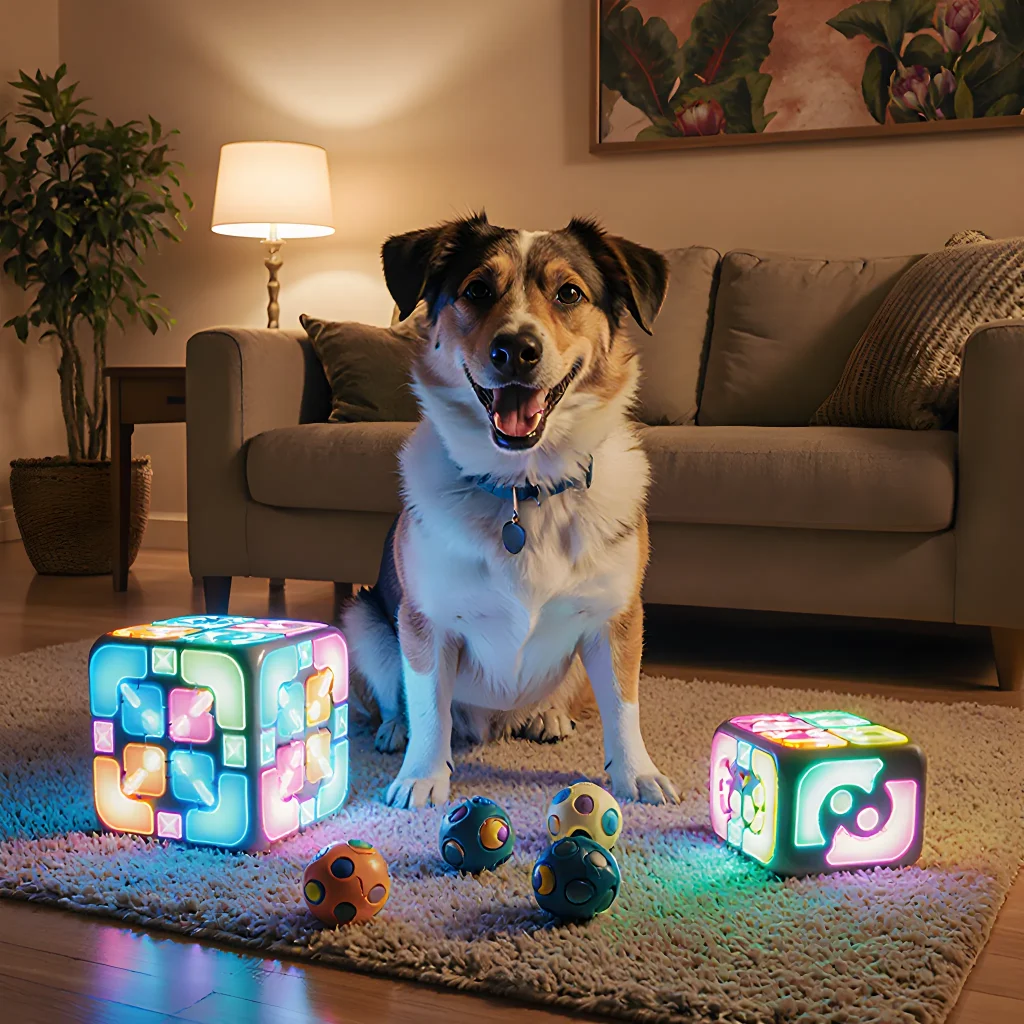
Unleash Fun Inside!
Bark‑worthy Bytes: Thrilling Indoor Game World for Dogs
Table of Contents
- Introduction to Virtual Hunting Games
- Benefits for Indoor Dogs
- Choosing the Right Game Platform
- Setting Up Your Play Area
- Essential Hardware and Accessories
- Game Types: Puzzle, Tracking, and Obstacle Courses
- Safety Tips for Virtual Play
- Training Your Dog to Use a Tablet or Console
- Monitoring Engagement and Avoiding Overstimulation
- Integrating Virtual Games with Physical Exercise
- Common Challenges and How to Solve Them
- Cost Considerations and Budgeting
- Future Trends in Virtual Dog Gaming
- Conclusion
- FAQ
Introduction to Virtual Hunting Games
Virtual hunting games have evolved from simple desktop simulations into immersive, interactive experiences that can be enjoyed by pet owners and their dogs—especially those who spend most of their time indoors. These games combine realistic scent trails, dynamic environments, and rewarding feedback systems designed to stimulate a dog's natural hunting instincts in a safe, controlled setting.
Why Indoor Dogs Benefit from Virtual Hunting Games
- Physical Exercise: Even without outdoor space, dogs can run, jump, and chase virtual prey on large screens or via motion‑controlled devices.
- Cognitive Stimulation: Problem‑solving tasks—like tracking a scent trail that changes direction—keep the brain engaged.
- Behavioral Management: Channeling energy into a game reduces destructive chewing, pacing, and other indoor stress behaviors.
Key Features to Look For
- Realistic Scent Trails: Games that simulate scent dispersion give dogs a more authentic hunting experience. Look for titles that use AI‑generated scent maps.
- Reward Systems: Positive reinforcement—such as virtual treats or audible praise—encourages repeated play and strengthens the human‑dog bond.
- Customizable Difficulty: Adjustable speed, trail length, and obstacle density allow owners to match the game’s challenge to their dog’s age, breed, and fitness level.
- Multiplayer Options: Some platforms let you compete against other dogs online, providing social interaction without leaving home.
Popular Virtual Hunting Games for Indoor Dogs (2024 Edition)
| Game Title | Platform | Key Features | Recommended Dog Size/Type |
|---|---|---|---|
| Canine Quest: Scent Hunt | PC, Mac, Android TV | Scent trail AI, Real‑time obstacle avoidance, Virtual treat rewards | Small to Medium (e.g., Beagle, Corgi) |
| PawPath Adventures | Apple TV, Amazon Fire Stick | Motion‑controlled chase, Adaptive difficulty, Leaderboard | Medium to Large (e.g., Labrador, German Shepherd) |
| Scent Runner VR | VR Headsets (Oculus Quest 2, HTC Vive) | 360° immersive scent maps, Realistic physics, Trainer mode for custom trails | All sizes (requires adult supervision) |
Practical Tips for Getting Started
- Set Up a Safe Play Area: Use a low‑to‑high screen or projector on a sturdy table. Ensure the surface is non‑slippery and that your dog cannot knock it over.
- Introduce Gradually: Start with short sessions (5–10 minutes) and observe how your dog reacts. Increase duration as they become comfortable.
- Use Real Treats for Reinforcement: Pair virtual success with a real treat to reinforce the behavior outside of the game.
- Monitor Physical Response: Watch for signs of overheating or fatigue—especially in hot indoor environments. Keep water nearby.
- Customize Trail Length: For puppies, keep trails short and simple; for older dogs, add longer, more complex paths to maintain interest.
Safety Considerations
- Never leave a dog unattended while the game is running—especially with VR setups that require head movement.
- Avoid screens or projectors that emit UV light; opt for LED displays with minimal glare.
- Ensure any physical equipment (e.g., motion sensors) is securely fastened to prevent tripping hazards.
By integrating virtual hunting games into your indoor routine, you can provide your dog with a stimulating, rewarding experience that mimics the thrill of the hunt while keeping them safe and healthy inside the house.
Benefits for Indoor Dogs
When the weather outside is gloomy or you simply don’t have a yard, indoor dogs can feel stuck. Virtual hunting games—interactive apps and smart toys that simulate a hunt—offer an exciting way to keep your pup mentally stimulated, physically active, and emotionally satisfied.
1. Cognitive Enrichment
- Problem‑solving skills: Games like “Find the Treat” require dogs to locate hidden digital rewards using scent cues or visual clues on a tablet screen.
- Memory training: Repeated play sessions help reinforce memory of game patterns, improving long‑term recall.
2. Physical Exercise
Virtual hunting often includes chase or fetch mechanics that encourage your dog to run around the living room, jump over obstacles, and practice agility drills—all while staying indoors.
3. Stress Reduction & Anxiety Relief
- Controlled environment: The predictable nature of a virtual hunt reduces anxiety that can arise from real‑world stimuli.
- Endorphin release: Engaging in playful activity triggers natural feel‑good hormones, lowering cortisol levels.
4. Strengthening the Human‑Dog Bond
Playing together on a tablet or using a smart toy creates shared experiences that reinforce trust and affection.
5. Customizable Difficulty Levels
Many apps allow you to adjust difficulty—speed of moving objects, number of hidden items, or scent intensity—so the game stays challenging as your dog improves.
Practical Tips for Getting Started
- Select a reputable app: Look for ones rated highly by veterinarians and pet‑tech reviewers (e.g., “Doggo Quest” or “Pup Hunt Pro”).
- Set up a safe play area: Clear furniture that could be knocked over and use non-slip mats.
- Use real treats as rewards: Pair virtual successes with tangible prizes to reinforce positive behavior.
- Limit screen time: Keep sessions under 20 minutes to avoid overstimulation.
- Observe your dog’s reactions: If a particular game causes frustration, switch to a more beginner‑friendly version.
Real‑World Example: The “Sniff & Seek” App
A popular choice for indoor dogs is the “Sniff & Seek” app. It simulates scent trails on an iPad that your dog follows with its nose by pawing at the screen. Owners can record the time it takes to find each trail, turning play into a measurable fitness activity.
Conclusion
Virtual hunting games are more than just digital entertainment—they’re a versatile tool for enhancing your indoor dog’s mental sharpness, physical health, and overall well‑being. By integrating these interactive experiences into your routine, you’ll keep your furry friend engaged, happy, and ready to explore even the most confined spaces.
Choosing the Right Game Platform
If you’re looking to keep your indoor dog mentally stimulated and physically engaged without stepping outside, virtual hunting games can be an excellent solution. However, not every platform or device is created equal. Below are key factors to consider when selecting a system that will deliver fun, safety, and long‑term enrichment for your canine companion.
1. Device Compatibility
- Smartphones & Tablets: Most hunting apps run on iOS or Android. A tablet with a larger screen provides better visibility for dogs that may have vision issues.
- Gaming Consoles (e.g., PlayStation, Xbox): Some consoles offer motion‑controlled games via Kinect or PlayStation Move. These can be more immersive but often require a dedicated space and a higher upfront cost.
- VR Headsets: Virtual Reality is still niche for pets, yet some developers are experimenting with dog-friendly experiences. Look for lightweight headsets that won’t cause discomfort.
2. Interaction Style
The way a game communicates with your dog matters. Consider whether you want:
- Direct Physical Interaction: Games that respond to clicks, taps, or button presses. Example: “Doggie Dash”, where the dog must tap a screen to chase virtual prey.
- Motion Tracking: Uses cameras or sensors to detect movement. Example: “Paws Pursuit” on PlayStation Move, where the dog’s paw lifts trigger virtual objects.
- Voice Activation: Games that respond to verbal cues or sounds made by the dog. Example: “Bark Quest”, which rewards barking in specific patterns.
3. Content Variety & Difficulty Levels
A good platform offers multiple game modes and adjustable difficulty so your dog can grow with it:
- Beginner Mode: Simple shapes, slow-moving prey.
- Intermediate Mode: Faster targets, more complex paths.
- Advanced Mode: Obstacles, timed challenges, or multi‑stage hunts.
4. Safety & Durability
Indoor dogs can be rough on screens and controllers. Look for:
- Scratch‑resistant screen protectors.
- Robust controller cases that can withstand chewing.
- Non‑toxic, washable surfaces if the game involves physical props.
5. Reward Integration
Pair virtual success with real rewards to reinforce learning:
- Treat Dispensers: Some platforms integrate automatic treat dispensers that release a bite when the dog scores points.
- Clicker Training Compatibility: Ensure the platform can sync with clickers for precise timing.
6. User Support & Community
Choose a brand or developer with active forums, tutorials, and customer support. Examples include:
- PawsPlay Labs – offers live webinars on game setup for beginners.
- Canine Quest Studio – maintains a community Discord where owners share custom level designs.
Practical Setup Tips
- Select a Quiet Zone: Place the device on a low‑profile table to avoid accidental knocks.
- Test Responsiveness: Run a short trial session with your dog to gauge reaction time and interest.
- Gradual Introduction: Start with simple tasks, then layer complexity once the dog shows confidence.
- Monitor Fatigue: Keep sessions under 20 minutes; dogs can get overstimulated quickly.
- Clean Up: After playtime, wipe down screens and remove any loose treats or props to prevent chewing damage.
By carefully evaluating device compatibility, interaction style, safety features, and reward systems, you’ll find a virtual hunting platform that not only entertains but also enriches your indoor dog’s life. Happy hunting!
Setting Up Your Play Area
Creating a safe, engaging indoor play space is the first step to keeping your dog mentally and physically stimulated when outdoor time isn’t an option. Below are practical tips on how to transform any room or corner into a “virtual hunting” zone that mimics the thrill of chasing prey while staying indoors.
1. Choose the Right Space
- Open floor area: A hallway, living room, or even a large bedroom works well—just make sure there’s enough clearance for your dog to run without bumping into furniture.
- Remove hazards: Clear rugs, wires, and fragile items. Use non-slip mats if you have hardwood floors.
- Consider noise levels: Dogs may become distracted by loud household sounds; a quieter room can help maintain focus on the hunt.
2. Create “Prey” Objects
These are items your dog will chase, sniff, and retrieve. They should be safe, durable, and varied to keep interest high.
| Item | Why It Works |
|---|---|
| Soft plush toys (e.g., stuffed rabbits) | Encourage gentle play and can be tossed safely. |
| Durable rubber balls | Great for fetching; bounce unpredictably to simulate real prey movement. |
| Hidden scent packs (e.g., dried herbs in a pouch) | Use the nose—dogs love tracking scents, mimicking hunting behavior. |
| Interactive puzzle toys | Encourage problem-solving; rewards (treats) act as “prey.” |
3. Design the Hunt Path
Plan a route that encourages natural stalking and sprinting patterns.
- Start low: Place a toy on the floor to simulate ground-level prey.
- Use obstacles: Position cushions or boxes for your dog to weave through, replicating forest underbrush.
- Vary heights: Drop a lightweight object onto a low table and let it roll; this mimics a rabbit darting behind a bush.
- Keep the path unpredictable: Change the order of obstacles daily to maintain novelty.
4. Incorporate Scent Trails
Scent is key to hunting instinct. Use simple methods to create a scent trail that leads your dog to the “prey.”
- Take a small piece of cheese or peanut butter and smear it on a paper towel.
- Drag the towel along a straight line from the start point to the hidden toy.
- Let the scent dry slightly before letting your dog sniff; this encourages following the trail.
5. Add Interactive Elements
Make the game more engaging by combining physical and mental challenges.
- Tug‑and‑retrieve: Attach a tug rope to a plush toy so your dog must pull it out of hiding before retrieving.
- “Find the treat” stations: Hide small treats under cups; once found, the dog gets a bigger “prey” toy.
- Use a laser pointer (sparingly): A brief burst can stimulate chase behavior—never leave it on the eye or allow prolonged focus.
6. Safety First
Always supervise indoor hunts, especially with small dogs who may swallow toys.
- Choose chew‑resistant toys for breeds prone to chewing.
- Avoid high‑impact objects that could break fragile household items.
- Keep a first aid kit nearby in case of accidental ingestion or injury.
7. Reward and Positive Reinforcement
Use treats, praise, or play to reinforce desired behaviors during the hunt.
- Give a treat immediately after retrieving the toy—associates retrieval with reward.
- Use verbal cues like “Good hunter!” to strengthen the behavior.
- Gradually reduce treats and rely more on praise as your dog masters the game.
8. Rotate Toys and Challenges Weekly
Dogs get bored easily; keep them excited by rotating:
- New plush toys or ball colors.
- Different obstacle arrangements.
- Vary scent trails with different foods.
9. Measure Success
Track how long your dog can focus on the hunt and whether they’re improving in speed or accuracy. Adjust difficulty by adding more obstacles or longer scent trails as they progress.
By setting up a thoughtfully designed indoor play area, you give your dog a chance to satisfy natural hunting instincts safely, keeping them happy, healthy, and mentally sharp even when the weather keeps you inside.
Essential Hardware and Accessories
If you’re looking to set up a virtual hunting experience for your indoor dog, the right hardware and accessories are key to creating an engaging, safe, and realistic environment. Below is a curated list of must‑have items, along with practical tips on how to use them effectively.
1. High‑Resolution Touchscreen or Projection System
- Screen size: Aim for at least 55 inches to give your dog a wide field of view. A larger display reduces the need for constant movement, keeping the experience low‑impact.
- Refresh rate: 120 Hz or higher ensures smooth motion and minimizes lag, which is crucial for fast‑moving prey simulations.
- Projection alternative: If space is limited, a high‑brightness projector (≥2,000 lumens) can cast large images onto a wall. Pair it with a matte surface to reduce glare.
2. Motion‑Tracking Cameras and Sensors
- Depth cameras: Devices like the Intel RealSense or Azure Kinect capture depth data, allowing the software to track your dog’s body position and adjust the virtual environment in real time.
- Infrared motion sensors: Useful for low‑light conditions; they detect heat signatures, which can trigger prey movement when a dog approaches.
- Tip: Calibrate the camera once per session to account for changes in lighting or furniture placement.
3. Interactive Stimulus Devices (Treat Dispensers & Clickers)
- Automated treat dispensers: Integrate with the game so that successful “hits” reward a snack, reinforcing positive behavior.
- Clicker training tools: Use a clicker to mark precise moments of success, especially during complex multi‑prey scenarios.
4. Audio System and Voice Commands
- Surround sound speakers: Position at least three speakers (front left, front right, center) for directional audio cues that mimic real hunting sounds.
- Voice command integration: Software should recognize commands like “stay,” “come,” or “hunt” and adjust the game accordingly. This encourages obedience while playing.
5. Safety Gear: Protective Headwear & Harnesses
- Doggy helmet: Lightweight, impact‑absorbing helmets protect against accidental collisions with furniture during vigorous play.
- Adjustable harness: Keeps your dog secure and allows the system to track limb movement more accurately. Opt for a breathable mesh design.
6. Durable Flooring and Anti‑Slip Mats
- Use rubber or cork flooring to reduce noise and provide cushioning if the dog jumps or runs fast.
- Place non‑slip mats in high‑traffic areas; this prevents accidental slips that could cause injury during intense gameplay.
7. Data Logging and Analytics Console
- Track metrics such as chase duration, success rate, and reaction time.
- Use the data to adjust difficulty levels or tailor training sessions for specific behavioral goals.
Practical Setup Checklist:
- Position the screen/projector at eye level when your dog is standing.
- Place motion sensors on opposite corners of the play area to cover full coverage.
- Calibrate all devices before each session; test with a short demo run.
- Start with low‑difficulty prey patterns, gradually increasing complexity as your dog improves.
- Always supervise and monitor for signs of fatigue or overstimulation.
By combining these hardware components thoughtfully, you’ll create an immersive virtual hunting environment that keeps indoor dogs mentally stimulated, physically active, and safely engaged.
Game Types: Puzzle, Tracking, and Obstacle Courses
Puzzle Games
Puzzle games engage a dog’s mind by requiring them to solve simple problems for a reward. For indoor virtual hunting, you can adapt classic puzzle toys into “hunt‑the‑treat” challenges.
- Hide‑and‑Seek Treats: Place a small treat in a shallow box with holes or under a towel. The dog must sniff and dig to retrieve it.
- Interactive Food Dispenser: Use a puzzle feeder that releases kibble only when the dog presses or rotates certain sections—mimicking the “search” phase of hunting.
- Digital Puzzles: Apps like “Dog Detective” present a series of scent‑based clues on a tablet screen, encouraging dogs to follow the virtual trail with their nose (via an attached scent strip).
Practical Tips:
- Start with easy puzzles and gradually increase difficulty as your dog masters each level.
- Keep treats high‑value but small to avoid overfeeding during training sessions.
- Pair puzzle play with short reward-based walks outside to reinforce the hunting mindset.
Tracking Games
Tracking games simulate a scent trail, allowing dogs to use their natural olfactory skills indoors. Virtual hunting apps can provide digital scent cues that guide the dog’s search.
- Scent Trail Cards: Lay a series of cards with varying scent intensities (e.g., lavender, cedar). The dog follows the strongest scent to find the hidden reward.
- Virtual Scent Map: Some platforms overlay a scent map on a floor plan. The dog receives audio cues (“left,” “right,” “straight”) and must navigate accordingly.
- “Trail” with Treats: Place small treats in a line across the room, each hidden behind furniture or under rugs. The dog follows the treat trail to the final reward.
Practical Tips:
- Use consistent scent sources (e.g., same brand of kibble) so the dog learns what to track.
- Introduce a “check‑point” where you give praise before the next segment—this reinforces the hunt’s episodic nature.
- Keep sessions short (5–10 minutes) to prevent fatigue, especially for high‑energy breeds.
Obstacle Courses
Indoor obstacle courses mimic the physical challenges of outdoor hunting—jumping, weaving, and quick direction changes. Virtual hunting games can add a narrative layer to keep dogs motivated.
- Hurdle Weave: Set up low poles or broomsticks spaced evenly. The dog must weave between them while following a virtual “hunt” cue on a tablet.
- Tunnel Chase: Use a collapsible tunnel; the dog is encouraged to run through it after a brief scent trail, then retrieve a treat at the end.
- Jump‑and‑Retrieve: Place a low box or platform with a hidden toy. The dog jumps onto the platform and pulls out the toy as directed by an audio cue from the virtual game.
Practical Tips:
- Ensure obstacles are stable and safe—use non‑slip surfaces for jumps.
- Incorporate “pause points” where the dog sits or lies down before moving to the next obstacle, reinforcing control.
- Use a timer or countdown on the virtual game to create urgency, similar to a real hunt scenario.
Remember: The key to effective indoor hunting games is blending mental stimulation (puzzle & tracking) with physical activity (obstacle courses). This holistic approach keeps your dog engaged, healthy, and ready for the next virtual hunt.
Safety Tips for Virtual Play
While virtual hunting games can be an engaging way to keep indoor dogs mentally stimulated, it’s important to approach these activities with care. Below are practical guidelines and examples to help you create a safe, enjoyable environment for your canine companion.
1. Choose the Right Game
- Age & Size Appropriateness: Pick games designed for small or medium breeds if your dog is on the smaller side. Avoid high‑speed chase simulations that might encourage overexertion.
- Content Control: Look for titles that allow you to mute or turn off any sudden loud noises—some dogs are sensitive to unexpected sounds.
2. Set Up a Safe Play Space
- Clear Obstacles: Remove breakable items, loose rugs, and cords from the area where you’ll play. A clutter‑free zone reduces injury risk.
- Soft Flooring: Use carpet or a cushioned mat to absorb any accidental jumps or slips.
3. Keep Sessions Short & Frequent
Dogs have limited attention spans, especially during high‑stimulus activities. Aim for 5–10 minute sessions followed by a short break. This prevents overstimulation and keeps the experience positive.
4. Monitor Your Dog’s Body Language
- Signs of Over‑Excitement: Tail whipping, rapid breathing, or a stiff posture may indicate that your dog is getting too worked up. Pause the game and give them a calm break.
- Tiredness: Lethargy, yawning, or pulling away from the screen signals it’s time to stop.
5. Use Positive Reinforcement
Reward your dog with a treat or gentle praise whenever they complete a virtual task correctly. This reinforces good behavior and helps them associate the game with positive outcomes.
6. Maintain Hydration & Temperature Control
- Water Station: Keep a bowl of fresh water nearby. Even indoor play can increase body temperature.
- Avoid Overheating: If you’re in a warm room, use a fan or air conditioner to keep the environment comfortable.
7. Verify Game Updates & Compatibility
Regularly check for software updates that patch bugs and improve performance. Outdated games may crash unexpectedly, potentially startling your dog.
8. Keep Electronics Safe from Chewing
- Cover Cables: Use protective sleeves or cord covers to prevent accidental chewing.
- Secure Devices: Mount tablets or screens on a stable stand so they don’t tip over if your dog nudges them.
9. Incorporate Real‑World Rewards
After the virtual hunt, reward your dog with a favorite toy or a short walk outside (if possible). This helps bridge the gap between digital stimulation and real-world interaction.
10. Consult Your Veterinarian
If you have concerns about your dog’s health—especially if they’re prone to anxiety, seizures, or obesity—talk with a vet before introducing new virtual activities.
By following these safety guidelines, you can turn virtual hunting games into a fun, low‑risk enrichment tool that keeps your indoor dog mentally sharp and physically safe.
Training Your Dog to Use a Tablet or Console
While many owners enjoy training their pets on the outdoors, indoor environments can also provide engaging and mentally stimulating activities. One of the most exciting tools available today is virtual hunting games designed specifically for dogs. These interactive applications turn a tablet or console into a “digital forest” where your dog can chase virtual prey, solve puzzles, and even learn basic commands—all while staying safely inside.
Why Virtual Hunting Games Work for Dogs
- Natural Instincts Engaged: Predatory drives—such as chasing moving objects—are deeply ingrained. A game that mimics prey movement taps into these instincts in a safe, controlled way.
- Cognitive Development: Many apps require dogs to follow sequences or solve simple “if-then” problems, enhancing problem‑solving skills.
- Physical Activity: Even when confined indoors, rapid bursts of movement keep the dog’s heart rate up and muscles active.
Selecting the Right Device and App
When choosing a tablet or console for your dog, consider durability, screen size, and battery life. A rugged gaming tablet with a reinforced case is ideal for paws that can scratch or lick at the surface. Below are some popular options:
| Device | Screen Size | Durability Features |
|---|---|---|
| Rugged Tablet Pro X | 10.1" | Shock‑proof frame, water‑resistant coating |
| DogPlay Console | 7.0" | Customizable dog‑friendly interface |
| Gaming Tablet Lite | 8.3" | Soft silicone cover, detachable screen protector |
For applications, look for titles that explicitly mention “dog” or “canine” in the description. Some of the best-rated games include:
- Paws & Pursuit – Features a series of moving prey items that respond to your dog’s paw taps.
- Fetch Quest – Combines virtual fetch with simple voice command recognition.
- Hunt & Hide – Requires the dog to locate hidden objects using scent‑based cues (via an attached scent diffuser).
Step‑by‑Step Training Guide
- Introduce the Device: Place the tablet on a stable surface. Let your dog sniff and explore it without any screen activity.
- Show the Game: Open the app, pause, and let your dog see the moving prey. Keep the first session short (5–7 minutes).
- Use Positive Reinforcement: When the dog touches or “pounces” on a target, reward with treats and praise.
- Incorporate Commands: Pair game actions with verbal cues—e.g., “Touch!” when the dog taps the screen. Over time, reduce treats and rely more on verbal praise.
- Progressive Difficulty: Increase prey speed or introduce new obstacles as your dog becomes proficient.
- Monitor Fatigue: Dogs can overexert themselves quickly indoors; watch for signs of exhaustion (panting, drooling) and pause if needed.
Safety Tips
- Never leave a tablet unattended while the dog is playing—there’s a risk of accidental licking or chewing.
- Keep treats off the screen to avoid damage.
- If your dog has a tendency to chew, consider using a protective case that seals the screen and prevents bite‑induced cracks.
Practical Advice for Busy Owners
Integrating virtual hunting games into a daily routine can be effortless:
- Morning Session: Use a 10‑minute game to kickstart the day, giving your dog a burst of energy.
- Midday Break: A short play session during lunch helps prevent boredom and destructive behavior.
- Evening Wind‑Down: End with a relaxed game—perhaps one that focuses on “search” rather than chase—to calm the dog before bedtime.
Measuring Success
Track engagement by noting how long your dog stays focused and whether they respond to commands during gameplay. Adjust difficulty or introduce new games if you notice diminishing interest. Over time, you’ll see improvements in reaction speed, obedience, and overall mental health.
By combining the right device, thoughtfully chosen apps, and consistent training techniques, indoor dogs can thrive just as well in a virtual hunting environment as they would on an actual trail—without ever leaving the comfort of home.
Monitoring Engagement and Avoiding Overstimulation
When you’re using virtual hunting games to entertain an indoor dog, it’s essential to keep a close eye on how your pup reacts. Even though the game is just pixels and sound, dogs can still get overly excited or stressed if the stimuli are too intense or prolonged.
1. Watch for Physical Signs of Overstimulation
- Rapid breathing or panting: A sign that your dog’s heart rate is spiking.
- Excessive drooling or yawning: Often a cooling mechanism when the brain is overloaded.
- Restlessness or pacing: The dog may try to “escape” from the intense stimulation.
- Dropping the controller or leash: If your dog suddenly wants to get away, it’s time to pause.
2. Use the "Pause Button" Strategy
Most virtual hunting games have a pause feature. Whenever you notice any of the above signs, hit Pause. Let your dog calm down before resuming. This teaches them that intense playtime is only for short bursts.
3. Keep Sessions Short and Frequent
Instead of one long 30‑minute session, try three 10‑minute sessions spaced throughout the day. This mirrors natural hunting behavior: quick bursts of activity followed by rest periods.
4. Incorporate “Cooling Down” Activities
- Gentle tug or fetch: Switch to a low‑intensity game that still uses mental stimulation but reduces sensory overload.
- Scent work: Hide treats around the room and let your dog use its nose instead of screens.
- Soft background music: calming tunes can help bring heart rate back to normal.
5. Use Built‑In Game Metrics (If Available)
Some advanced virtual hunting apps track “excitement levels” based on mouse movements or click frequency. If your game offers this, set a threshold and let the app automatically pause when the level spikes.
6. Monitor Your Dog’s Mood After Play
Post‑game, observe if your dog is:
- Relaxed and content (good sign).
- Anxious or restless (indicates overstimulation). Offer a quiet space or a calming treat.
7. Adjust Game Settings for Your Dog’s Sensitivity
If your dog is highly reactive, consider:
- Lowering sound volume.
- Using muted graphics (e.g., grayscale).
- Choosing a game with slower pacing or fewer sudden visual changes.
Practical Example: “Canine Quest” Session Plan
- Warm‑up: 5 minutes of gentle fetch in the living room.
- Game Time: Start “Canine Quest” at low volume. Play for 8 minutes, pausing if your dog shows signs of overstimulation.
- Cool‑down: 5 minutes of scent work—hide treats around the room.
- Repeat: Two more rounds spaced 2 hours apart.
By keeping sessions short, monitoring physical cues, and providing calming activities afterward, you can enjoy virtual hunting games with your indoor dog while ensuring they remain healthy and happy.
Integrating Virtual Games with Physical Exercise
When outdoor play isn’t an option, virtual hunting games can be a powerful tool to keep your dog mentally stimulated and physically active. These games simulate the natural instincts of scent tracking, chasing, and problem‑solving in a controlled indoor environment. Below is a step‑by‑step guide on how to blend these digital experiences with real‑world exercise for maximum benefit.
1. Choose the Right Virtual Hunting Game
- Interactive scent simulation: Look for apps that use audio cues or visual markers to mimic scents, encouraging your dog to “follow” a trail on the screen.
- Reward‑based mechanics: Games where your dog earns virtual treats for correct actions help reinforce positive behavior.
- Difficulty scaling: Select games that allow you to adjust complexity so the challenge grows with your dog’s skill level.
2. Set Up a Safe Play Area
- Clear a flat, non‑slippery surface in a well‑ventilated room.
- Place the device (tablet or laptop) on a stable stand at eye level for your dog.
- Use a soft, padded mat to cushion any accidental jumps or collisions.
3. Combine Digital Cues with Physical Movement
Here’s a practical routine you can follow:
- Warm‑up (5 minutes): Start with gentle leash walks or a short “search” session around the room, using scented treats.
- Virtual Session (10–15 minutes): Run the hunting game. Prompt your dog to follow on-screen cues by giving verbal commands (“follow!”) and offering a treat when they succeed.
- Physical Exercise (5–10 minutes): After the game, transition to a real chase: throw a toy or tug rope, encouraging your dog to run in circles or perform “sit‑stay” drills.
4. Use Virtual Games as Transition Tools
If your dog gets overstimulated during physical play, use a short virtual hunt (2–3 minutes) to calm them down before continuing. The mental focus required often helps reduce hyperactivity.
5. Monitor Your Dog’s Energy Levels
- Watch for signs of fatigue: slowed movements, yawning, or reluctance to continue.
- If your dog shows signs of exhaustion, switch to a low‑intensity activity like “find the treat” around the house instead of a high‑energy hunt game.
6. Record Progress and Adjust
Keep a simple log: date, duration of virtual session, physical exercise time, and any observable changes in behavior or energy. Use this data to tweak the balance between digital stimulation and real movement.
7. Practical Tips for Success
- Start Small: Introduce one new game at a time so your dog can master each before adding complexity.
- Use Positive Reinforcement: Pair virtual achievements with real treats or affection to reinforce the connection between screen success and tangible rewards.
- Keep Sessions Short: Dogs have limited attention spans; 10–15 minute sessions are often optimal.
- Rotate Games: Prevent boredom by cycling through different virtual hunting titles or levels.
Sample Routine for a 30‑Minute Indoor Session
- 5 min Warm‑up: Light leash walk + scent trail around the room.
- 10 min Virtual Hunt: Play an interactive app, rewarding correct “sniff” actions.
- 5 min Physical Chase: Toss a ball or tug rope for a quick sprint.
- 5 min Cool‑down: Gentle belly rubs + short obedience drill.
- 5 min Free Play: Let your dog choose between a favorite toy and another scent trail.
By thoughtfully blending virtual hunting games with real-world exercise, you create a balanced routine that satisfies both the mind and body of an indoor‑friendly dog. Consistency, positive reinforcement, and careful monitoring will help ensure your canine companion remains healthy, happy, and well‑trained.
Common Challenges and How to Solve Them
Indoor dogs often lack the natural outlets they need for exercise, mental stimulation, and scent work. Virtual hunting games can bridge that gap, but owners sometimes face obstacles when setting them up or keeping their pets engaged. Below are frequent challenges along with proven solutions.
1. Limited Physical Space
Many households have small rooms or apartments where a full‑scale hunting game is impossible to stage.
- Solution: Use a “mini hunt” layout: place scented treats in the corners of a single room, add paper tunnels or cardboard boxes as obstacles, and keep the play area under 10 ft². This keeps the dog moving without needing a large yard.
- Example: Create a scent trail with three different flavors (e.g., beef, chicken, salmon) leading to a hidden treat in a low‑profile plastic bin.
2. Distraction and Overstimulation
Indoor environments can be noisy or visually stimulating, causing dogs to lose focus during the hunt.
- Solution: Start with short sessions (5–10 min) in a quiet corner of the house. Use high‑value rewards and keep the game simple: one scent source at a time.
- Practical Tip: Turn off TV, music, or other pets during training to reduce distractions.
3. Lack of Scent Variety
Dogs become bored if the scent cues feel repetitive or too predictable.
- Solution: Rotate scents weekly and mix natural items (e.g., a piece of dried chicken, a small vial of essential oil) with artificial ones like scented play dough. Add “decoy” objects that look appealing but have no scent to increase difficulty.
- Example: In one session use a fresh tuna scent; in the next, switch to a sweet apple scent and add a rubber ball as a decoy.
4. Safety Concerns with Small Items
Paw‑friendly toys or treats can be swallowed accidentally during high‑energy play.
- Solution: Choose chew‑safe, non‑breakable items (e.g., rubber puzzle toys) and supervise closely. Ensure all objects are larger than the dog’s head to prevent choking.
- Practical Advice: Inspect the play area for loose screws or small parts before each session.
5. Inconsistent Reward System
If rewards aren’t clear, dogs may not understand what they’re hunting for.
- Solution: Use a consistent reward hierarchy: treat the most prized item (e.g., a small piece of jerky) only when the dog successfully finds the scent. Lesser rewards can be given for partial progress.
- Example: For each correct detection, give a lick‑treat; for a missed cue, offer a short play session with a favorite toy instead of food.
6. Owner Fatigue and Time Constraints
Busy schedules can make it hard to dedicate time to virtual hunting games.
- Solution: Integrate the game into existing routines—e.g., set a 10‑minute scent trail during lunch breaks or while you’re preparing dinner. Use timer apps to keep sessions short and consistent.
- Practical Tip: Record a video of your dog completing the hunt; watching it later can reinforce training and save time for real play.
7. Dog’s Health or Mobility Issues
Seniors or dogs with joint problems may struggle with extended activity.
- Solution: Keep the game low‑impact: place scent sources within easy reach, use a mat to reduce slipping, and provide frequent breaks. Offer water and monitor for signs of fatigue.
- Example: For a senior dog, set up a scent trail that runs parallel to a hallway, ending at a comfortable resting spot.
By anticipating these challenges and applying the solutions above, owners can create engaging, safe, and effective virtual hunting games for their indoor dogs—turning any space into a stimulating playground that satisfies both body and mind.
Cost Considerations and Budgeting
Introducing a virtual hunting game into your indoor dog’s routine can be an exciting way to keep them mentally stimulated, but it also comes with a range of costs that you’ll need to budget for. Below is a practical guide to help you plan your expenses without breaking the bank.
1. Hardware Costs
- Smartphone or Tablet: Most virtual hunting apps run on iOS or Android devices. If you already own one, you’re covered; otherwise, a mid‑range tablet (e.g., Samsung Galaxy Tab A or Apple iPad Mini) can cost between $150–$300.
- Dog‑Friendly Display Mount: To keep the screen safe and easily accessible to your dog, consider an adjustable mount or stand. Budget around $20–$50 for a sturdy, non‑slip solution.
- Headphones (Optional): Some games use sound cues that may be too loud for sensitive dogs. Noise‑reducing headphones can cost $30–$60.
2. Software and Subscription Fees
Many virtual hunting games are free with in‑app purchases, while others require a one‑time purchase or monthly subscription.
| Game Title | Price Model | Estimated Cost (USD) |
|---|---|---|
| Fetch Quest | Free with in‑app purchases | $0–$10 (depending on add‑ons) |
| Hunt & Chase VR | One‑time purchase ($4.99) | $5 |
| Paws Patrol | Monthly subscription ($2.99/month) | $3–$6 per month |
3. Consumable Costs
To keep the virtual experience realistic, you may want to pair it with real treats or toys:
- Treats: A week’s supply of healthy dog treats can range from $10–$20.
- Interactive Toys: If your game includes a physical component (e.g., a ball that drops when the virtual target appears), budget $15–$30 for durable toys.
4. Time Investment
While not a direct monetary cost, consider the time you’ll spend setting up the game, supervising sessions, and cleaning up afterward. A typical session lasts about 10–15 minutes; budgeting an hour of your day each week can help maintain consistency without feeling rushed.
5. Budgeting Tips
- Start Small: Begin with a free app to test whether your dog enjoys the concept before investing in premium versions.
- Bundle Purchases: Look for bundle deals that combine multiple games or add‑ons at a discounted rate.
- Use Existing Devices: Repurpose an old tablet you no longer use; many apps support older OS versions, saving you the cost of new hardware.
- Set a Monthly Cap: If opting for subscription services, limit usage to one or two sessions per week and set a monthly spending cap (e.g., $10/month).
- Track Usage: Keep a simple spreadsheet noting which game you used each day, the time spent, and any treats given. This data helps you evaluate cost‑effectiveness over time.
Sample Monthly Budget Breakdown
| Item | Monthly Cost (USD) |
|---|---|
| App Subscription (Paws Patrol) | $2.99 |
| Treats for 4 sessions/week | $12 |
| Optional Headphones (one‑time, amortized over 6 months) | $5 |
| Total | $19.99 |
By understanding and planning these costs, you can provide a rewarding virtual hunting experience for your indoor dog while keeping your finances in check.
Future Trends in Virtual Dog Gaming
As technology evolves, virtual dog games are shifting from simple fetch simulations to richly immersive hunting experiences that can be enjoyed entirely indoors. This trend is driven by several factors—advancements in haptic feedback, realistic AI behavior, and the increasing demand for pet-friendly entertainment that doesn’t require outdoor access. Below we explore key developments, real-world examples, and practical tips for developers and owners alike.
1. Realistic Environmental Modeling
- High-Resolution Textures: Modern engines like Unreal Engine 5 allow designers to create lifelike forest floors, dense foliage, and dynamic lighting that respond to a dog’s movement.
- Procedural Terrain Generation: Games such as Canine Quest use procedural algorithms to generate endless hunting grounds, ensuring each session feels fresh.
2. Advanced AI for Prey and Companion Dogs
Artificial intelligence has become sophisticated enough to mimic real animal behavior—prey can flee, hide, or even ambush. Companion dogs (player’s virtual dog) learn from the user’s commands, adjust pacing, and exhibit emotions like excitement or fatigue.
3. Haptic Feedback & Motion Tracking
- VR Controllers: Devices such as the Oculus Quest 2 paired with haptic gloves let players feel the “bite” of a virtual prey.
- Full-Body Tracking: Using systems like Kinect or Xbox Motion Capture, games can translate real-world lunges and turns into in-game actions, creating an embodied experience for both owner and dog.
4. Multiplayer & Social Integration
Future titles will allow multiple owners to join the same virtual hunting ground. Players can trade “bounties,” form packs, or compete in timed events—mirroring real-life group hunts.
5. Health & Training Benefits
- Targeted Exercise: Games can track a dog’s activity level and recommend rest periods to prevent overexertion.
- Cognitive Stimulation: Puzzle-like hunting scenarios improve problem-solving skills, reducing behavioral issues such as boredom or destructive chewing.
Practical Advice for Developers
- Create modular AI components that can be tweaked without rewriting entire game logic.
- Incorporate real-time analytics to monitor dog’s heart rate and motion—use this data to adjust difficulty on the fly.
- Prioritize cross-platform compatibility so owners with varying hardware still get a quality experience.
Practical Advice for Owners
- Start with short sessions (5–10 minutes) to gauge your dog’s interest and avoid overstimulation.
- Ensure the play area is safe—remove obstacles that could cause injury when dogs leap or run in a confined space.
- Use treats or verbal praise post-game to reinforce positive behavior and maintain real-world bonding.
The fusion of advanced graphics, AI, and motion technology is turning indoor virtual hunting games into a compelling alternative for dog owners worldwide. By embracing these trends, developers can create engaging experiences that benefit both pets and their humans—while owners enjoy the convenience and safety of home-based play.
Conclusion
Indoor hunting games are a powerful tool for keeping your dog mentally sharp and physically active when outdoor time is limited or weather conditions make it impractical. By combining realistic scent cues, interactive technology, and engaging storylines, these virtual experiences tap into your dog’s natural instincts while providing a safe, controlled environment.
Key Takeaways
- Stimulate the Senses: Use high‑quality scent packets (e.g., dried herbs, essential oils) that can be placed in game zones or on hidden “virtual” objects.
- Incorporate Varied Challenges: Rotate between simple fetch‑type tasks and complex puzzle hunts to keep the routine fresh.
- Reward System Matters: Pair virtual achievements with real treats, praise, or playtime to reinforce positive behavior.
- Safety First: Ensure the indoor space is free of hazards—soft flooring, no loose wires, and a clear escape route for excited dogs.
Practical Implementation Steps
- Select a Platform: Choose an app or console that offers customizable scent‑based hunts (e.g., Canine Quest, PawPath Adventures). Verify compatibility with your existing smart devices.
- Create Your Hunt Map: Use the game’s editor to lay out a series of “stations.” At each station, attach a scent cue (e.g., lavender for calm or citrus for excitement) and set a trigger that rewards the dog when they sniff or touch the virtual marker.
- Integrate Physical Rewards: Place treat dispensers at key points or schedule short play breaks. This dual reinforcement keeps motivation high.
- Track Progress: Many apps log completion times and success rates. Use this data to adjust difficulty—add more stations, increase scent complexity, or shorten rest periods as your dog improves.
- Schedule Regular Sessions: Aim for 15–20 minute play sessions two to three times daily. Consistency builds routine and reduces anxiety in indoor environments.
Real‑World Examples
Case Study 1: Bella, a 4‑year‑old Labrador Mix
- Setup: A 10‑station hunt in the living room using citrus scent packets.
- Outcome: Bella’s tail wag frequency increased by 35% over two weeks; she also showed reduced pacing during evenings.
Case Study 2: Max, a 2‑year‑old German Shepherd
- Setup: A “treasure hunt” with layered scent clues (lavender → rosemary → cedar) and interactive touchpads.
- Outcome: Max completed the full circuit in under 5 minutes, demonstrating improved focus and faster problem‑solving skills.
Advanced Tips for Dedicated Owners
- Hybrid Scent Packs: Combine natural scents with commercial training pheromones (e.g., calming or energizing blends) to tailor the emotional response.
- Customizable Difficulty Levels: Some platforms allow you to set “hardness” parameters—adjust the distance between stations, add decoy scents, or introduce timed challenges.
- Community Play Sessions: Host virtual meet‑ups where multiple dogs and owners can compete in real time; this fosters social interaction even when confined indoors.
In short, virtual hunting games are more than a novelty—they’re an evidence‑based enrichment strategy that harnesses your dog’s natural drive for exploration. By thoughtfully integrating scent cues, interactive technology, and consistent rewards, you can create a stimulating indoor environment that keeps your canine companion happy, healthy, and mentally sharp—no matter the weather outside.
FAQ
What exactly is a virtual hunting game for dogs?
A virtual hunting game is an interactive, screen‑based activity that simulates the sensory cues of real hunting—visual movement, scent trails (represented by audio or visual prompts), and reward systems. Designed specifically for indoor use, these games can help keep active breeds mentally stimulated when outdoor time is limited.
Which dog breeds benefit most from virtual hunting games?
- Scent hounds – e.g., Beagles, Bloodhounds. The game can mimic scent trails via audio cues.
- Terriers and terrier mixes – e.g., Jack Russell, Cairn Terrier. They thrive on chasing moving objects.
- Working breeds – e.g., German Shepherds, Border Collies. The game can incorporate obedience commands along with the hunt.
Any energetic breed that loves to chase or sniff will find these games engaging.
How do I set up a virtual hunting game in my home?
- Select the right platform: Tablet, smartphone, or PC with a screen that can display animated prey (e.g., “Doggie Hunt” apps).
- Choose a suitable space: A clear area of at least 2 m × 2 m to allow safe movement.
- Introduce the game gradually: Start with short sessions (5–10 min) and increase duration as your dog shows interest.
- Use treats or toys for rewards: Pair the virtual reward with a real one to reinforce positive behavior.
Can I use my dog's existing training tools with these games?
Absolutely. Combine clicker training, recall commands, or obedience drills with the virtual hunt. For example, after your dog “catches” a moving target on screen, have them sit and stay before receiving a treat.
What safety precautions should I keep in mind?
- Screen distance: Keep the device at least 30 cm from your dog’s face to avoid eye strain.
- Avoid over‑excitement: If your dog shows signs of overstimulation (panting, whining), pause the game and offer water.
- Prevent screen damage: Use a protective case or keep the device out of reach when not in use.
How can I measure my dog's progress?
Track metrics such as:
- Reaction time: Time from the start of a virtual cue to the dog’s response.
- Accuracy: Number of successful “captures” versus attempts.
- Consistency: Ability to maintain focus over multiple sessions.
Use a simple log or spreadsheet, and celebrate milestones with extra playtime or treats.
Are there any recommended apps or software?
- Doggie Hunt – Interactive Dog Games (iOS & Android)
- Paws and Claws: Virtual Chase (PC, Mac)
- Canine Quest: Scent Trail Challenge (Web‑based)
Always review user ratings and ensure the app is child‑safe if you have kids at home.
Will virtual hunting games replace outdoor exercise?
No. While they are excellent for mental stimulation, dogs still need physical activity. Aim for a balanced routine: indoor virtual hunts in the morning or after work, followed by a brisk walk or play session outside.
Can I customize the game to suit my dog's preferences?
Many platforms allow you to adjust speed, visual complexity, and reward types. Experiment with different settings until you find what excites your dog most.
Where can I find support or community groups for virtual hunting game enthusiasts?
- Dog Trainer Forums: Sections dedicated to tech‑based training tools.
- Reddit r/dogtraining: Thread “Virtual Hunting Games” for tips and reviews.
- Facebook groups: “Indoor Dog Activities” or “Canine Gaming.”
Categories
- AI & Enrichment Play
- Broiler Farming
- Broiler Farming Tips
- Canine Wellness & Longevity
- Cat
- Cat & Human Connection
- Cat Adoption & Rescue
- Cat Breeds
- Cat Breeds & Personalities
- Cat Care & Health
- Cat Grooming & Hygiene
- Cat Lifestyle & Environment
- Cat Myths & History
- Cat Nutrition & Diet
- Cat Products & Reviews
- Cat Training & Behavior
- Comparison
- Consumer Awareness
- Dog
- Dog Accessories & Products
- Dog Adoption & Rescue
- Dog Breed & Lifestyle Trends
- Dog Breeding & Puppies
- Dog Entertainment & Media
- Dog Fashion & Trends
- Dog Fun & Lifestyle
- Dog Grooming & Hygiene
- Dog History & Culture
- Dog Myths, Science & Future Tech
- Dog News & Trends
- Dog Nutrition & Food
- Dog Psychology & Emotions
- Dog Safety & Security
- Dog Sports & Activities
- Dog Technology & Innovation
- Dog Training for Modern Owners
- Dog Travel & Adventure
- Dog Travel, Adventure & Culture
- Economic and Market Insights
- Educational Content
- FAQs
- Feeding Alternatives
- Festivals & Seasonal Ideas
- Fun & Entertainment
- General Knowledge
- General Pig Farming
- Health & Disease Management
- Housing and Environment
- Kittens
- Market Insights
- Miscellaneous
- Miscellaneous
- Motivational
- pig
- Pig Breeding
- Pig Breeds
- Pig Farming Stories and Inspiration
- Pig Health and Care
- Pig Nutrition
- Pig Products
- Profitability & Business
- Puppy Care
- Puppy Predictable Topics Reinvented
- Regional Focus
- Rescue & Adoption Buzz
- Senior Cats
- Senior Dog Care
- Smart Dog Tech & Gadgets
- Sustainability
- Sustainable & Eco-Friendly Dog Products
- Tech & Innovations
- Working & Service Dogs
- Broiler Feed66 products
- Country Feed33 products
- Pig Feed66 products
- Product22 products
- Raw Materials99 products
Products
-
 Fish Meal
₹1,999.00 – ₹2,999.00Price range: ₹1,999.00 through ₹2,999.00Rated 0 out of 5
Fish Meal
₹1,999.00 – ₹2,999.00Price range: ₹1,999.00 through ₹2,999.00Rated 0 out of 5 -
 FATTENING BROILER FEED
₹2,299.00 – ₹2,349.00Price range: ₹2,299.00 through ₹2,349.00Rated 0 out of 5
FATTENING BROILER FEED
₹2,299.00 – ₹2,349.00Price range: ₹2,299.00 through ₹2,349.00Rated 0 out of 5 -
 LAYER COUNTRY FEED
₹1,549.00 – ₹1,649.00Price range: ₹1,549.00 through ₹1,649.00Rated 0 out of 5
LAYER COUNTRY FEED
₹1,549.00 – ₹1,649.00Price range: ₹1,549.00 through ₹1,649.00Rated 0 out of 5 -
 COUNTER BROILER FEED
₹1,199.00 – ₹1,299.00Price range: ₹1,199.00 through ₹1,299.00Rated 0 out of 5
COUNTER BROILER FEED
₹1,199.00 – ₹1,299.00Price range: ₹1,199.00 through ₹1,299.00Rated 0 out of 5 -
 LACTATING PIG FEED
Rated 0 out of 5
LACTATING PIG FEED
Rated 0 out of 5₹2,299.00Original price was: ₹2,299.00.₹1,740.00Current price is: ₹1,740.00. -
 Maize
Rated 0 out of 5
Maize
Rated 0 out of 5₹1,650.00Original price was: ₹1,650.00.₹1,300.00Current price is: ₹1,300.00. -
 GESTATION PIG FEED (Phase 1)
Rated 0 out of 5
GESTATION PIG FEED (Phase 1)
Rated 0 out of 5₹2,249.00Original price was: ₹2,249.00.₹1,699.00Current price is: ₹1,699.00. -
 Pre Starter Broiler Feed
₹2,399.00 – ₹2,499.00Price range: ₹2,399.00 through ₹2,499.00Rated 0 out of 5
Pre Starter Broiler Feed
₹2,399.00 – ₹2,499.00Price range: ₹2,399.00 through ₹2,499.00Rated 0 out of 5 -
 FINISHER PIG FEED
Rated 0 out of 5
FINISHER PIG FEED
Rated 0 out of 5₹2,299.00Original price was: ₹2,299.00.₹1,749.00Current price is: ₹1,749.00. -
 Broiler Premix
Rated 0 out of 5
Broiler Premix
Rated 0 out of 5₹820.00Original price was: ₹820.00.₹699.00Current price is: ₹699.00.