
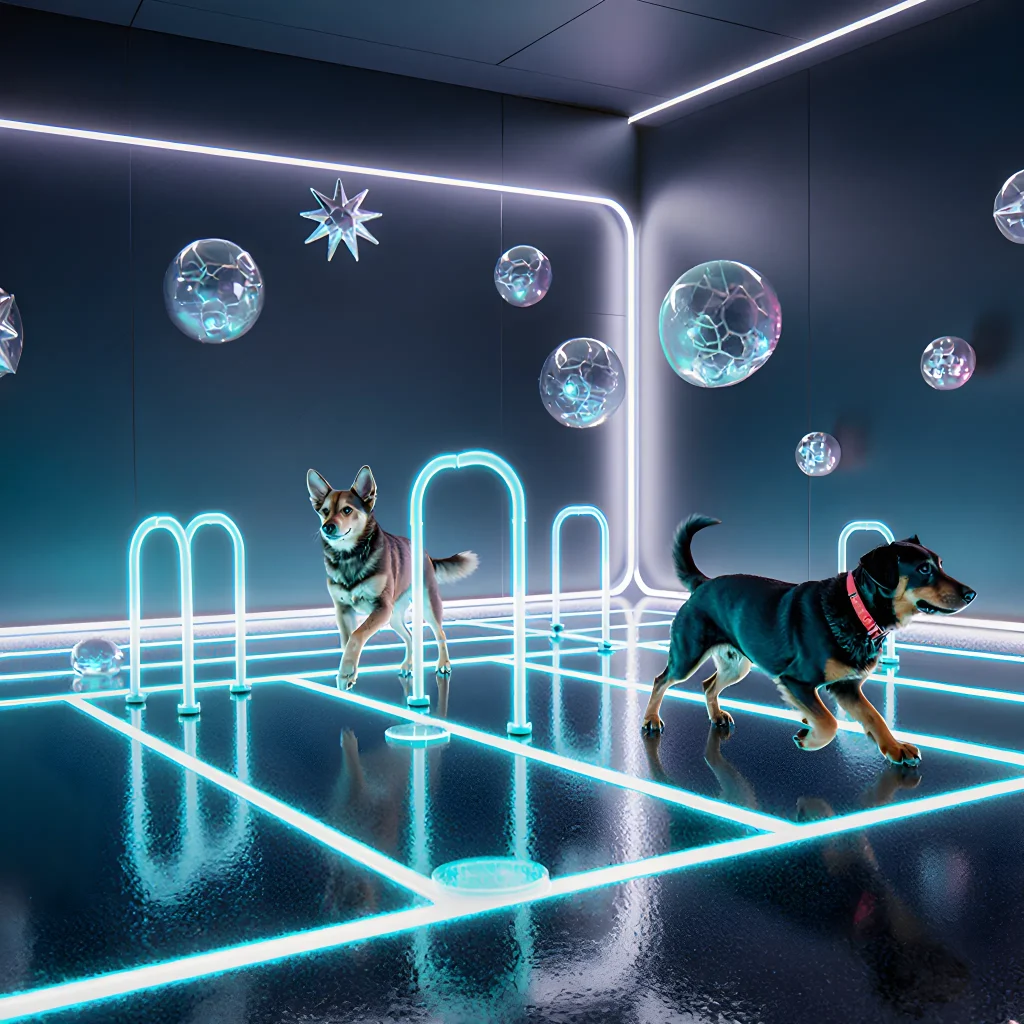
Unleash Tomorrow’s Tail Wag
Combining Tech & Play: The Future of Dog Enrichment
Table of Contents
- Introduction
- The Importance of Enrichment for Dogs
- Technology Trends Shaping Pet Care
- Smart Toys: From Treat Dispensers to Interactive Games
- Wearable Devices that Track Mood and Activity
- AI‑Powered Training Aids and Voice Recognition
- Virtual Reality for Canine Exploration (VR for Dogs)
- Apps that Connect Owners, Trainers, and Therapists
- Gamification of Exercise: Challenges and Rewards
- Safety Considerations When Introducing Tech to Dogs
- Case Studies: Successful Integration of Tech & Play
- Future Innovations on the Horizon
- Practical Tips for Owners to Start Today
- Conclusion
- FAQ
Introduction
As technology continues to evolve at a rapid pace, it’s reshaping how we care for and engage with our canine companions. From interactive toys that adapt to your dog’s preferences to smart feeders that monitor nutrition, the intersection of tech and play is unlocking new horizons for enrichment. The goal isn’t just to entertain; it’s about fostering mental stimulation, physical activity, and stronger human‑dog bonds through intelligent design.
Why Technology Matters in Enrichment
- Personalization: Devices can learn a dog’s pace, favorite scents, or problem areas and tailor challenges accordingly.
- Consistency: Smart systems provide routine stimulation even when owners are busy or away.
- Data‑Driven Insights: Sensors record activity levels, heart rate, and response times, helping trainers fine‑tune programs.
Practical Tech‑Enhanced Play Ideas
- Interactive Puzzle Feeders
Smart feeders like the PetSafe SmartFeeder release kibble based on a dog’s puzzle-solving progress. You can set difficulty levels, schedule feeding times, and track consumption via an app.
- Motion‑Activated Toys
Toys such as the Buster Ball or iFetch use motion sensors to bounce unpredictably, encouraging chase behavior that mimics natural prey instincts.
- Virtual Playdates
Platforms like Doggie Live TV stream live bird and squirrel videos, letting dogs watch and react in real time. Pair with a camera‑connected treat dispenser for interactive reward sessions.
- GPS Tracking & Activity Monitoring
Collars like the Whistle GO Explore track location, heart rate, and activity patterns. Use the data to design walks that hit optimal exercise levels without overexertion.
- AI‑Driven Training Apps
Apps such as PetCoach AI analyze voice commands, body language, and success rates to recommend customized training drills.
Integrating Tech into Daily Routine
“Start small: choose one gadget that addresses a specific need—like an interactive puzzle for boredom. Once your dog masters it, layer in another feature (e.g., app tracking) to deepen engagement.” – Dr. Emily Rojas, Canine Behaviorist
- Set Clear Goals: Define what you want—mental stimulation, weight control, or obedience reinforcement.
- Schedule Sessions: Treat tech play like a structured training session: 10–15 minutes per day, with gradual intensity increases.
- Observe & Adjust: Monitor body language for signs of frustration or fatigue. If the dog seems overwhelmed, reduce difficulty or pause for a break.
- Keep Human Interaction High: Tech should supplement, not replace, your direct interaction. Follow up each tech session with physical affection and verbal praise.
Future Trends to Watch
- AI‑Powered Companion Robots that respond to scent cues.
- Augmented Reality (AR) games where dogs chase virtual objects projected onto real surfaces.
- Biometric wearables that adjust enrichment intensity based on stress hormone levels.
By thoughtfully blending technology with traditional play, owners can create a dynamic enrichment ecosystem that keeps their dogs mentally sharp, physically fit, and emotionally bonded. The future of dog care isn’t about replacing the human touch—it’s about amplifying it through smart, responsive tools.
The Importance of Enrichment for Dogs
Enrichment is more than just a fun activity—it’s a vital component of a healthy, happy canine life. When dogs are mentally stimulated and physically challenged, they experience lower stress levels, reduced destructive behaviors, and improved overall well-being.
Why Enrichment Matters
- Mental Stimulation: Dogs have a natural curiosity that, if left unmet, can lead to boredom and anxiety. Puzzle toys, scent work, and training sessions keep their brains active.
- Physical Exercise: Movement improves cardiovascular health, muscle tone, and joint flexibility. Even short walks or play sessions can make a difference.
- Behavioral Health: Engaged dogs are less likely to develop problem behaviors such as chewing, digging, or excessive barking.
- Owner‑Dog Bonding: Shared enrichment activities strengthen trust and communication between you and your pet.
Combining Tech & Play: The Future of Dog Enrichment
Modern technology is opening new horizons for canine enrichment. From interactive feeders to smart training devices, tech-driven play offers precision, variety, and measurable progress.
Smart Puzzle Toys
These toys adjust difficulty based on your dog’s performance. For example, the KONG Smart Treat Dispenser uses a motion sensor to release treats only when the dog solves a puzzle. This keeps training sessions dynamic and prevents the dog from becoming complacent.
App‑Controlled Games
- Fetch Apps: Devices like DoggyGo pair with an app that tracks fetch distance, speed, and frequency. Owners can set goals and monitor progress over time.
- Training Bots: The PuppyPal Robot offers interactive voice commands, rewards, and behavior feedback, allowing for consistent training even when you’re away.
Virtual Reality & Augmented Reality
Emerging VR platforms let dogs explore simulated environments—think a virtual park or beach. These experiences can reduce anxiety in shelter settings or help desensitize fearful dogs to new stimuli without real‑world risks.
Practical Tips for Integrating Tech into Daily Enrichment
- Start Small: Introduce one tech toy at a time and observe your dog’s reaction. Overloading can cause confusion or frustration.
- Set Clear Goals: Whether it’s improving fetch accuracy or solving a puzzle, define measurable objectives to track progress.
- Combine with Traditional Play: Use tech toys as supplements—not replacements—for classic activities like tug‑of‑war and obstacle courses.
- Maintain Human Interaction: Even the most advanced device requires human guidance. Keep training sessions interactive and reward-based.
- Regular Updates & Maintenance: Keep firmware updated, batteries charged, and cleaning protocols in place to ensure safety and longevity.
Case Study: Tech‑Enhanced Enrichment for a High‑Energy Border Collie
Owner Sarah used a combination of a smart treat dispenser, an app‑controlled fetch robot, and weekly virtual agility courses. Within three months, her dog’s destructive chewing dropped by 70%, and his overall energy levels were channeled into structured play rather than unproductive behaviors.
Conclusion
Enrichment is a cornerstone of responsible pet ownership. By blending traditional play with innovative technology, owners can provide dogs with the mental stimulation and physical exercise they need—while also gaining valuable insights into their pets’ health and behavior.
Technology Trends Shaping Pet Care
Modern pet owners are no longer satisfied with simply providing food and shelter for their dogs. They seek ways to keep their companions mentally stimulated, physically active, and emotionally fulfilled. The convergence of technology and playful interaction is rapidly redefining how we enrich our canine friends. From AI‑powered toys that adapt to a dog’s learning curve to wearable devices that monitor stress levels during playtime, the future of dog enrichment looks smarter, safer, and more engaging than ever before.
1. Smart Toys That Learn and Adapt
- AI‑Based Puzzle Games: Devices like PupJoy’s Interactive Maze use computer vision to track a dog’s movements, adjusting puzzle difficulty in real time based on success rates.
- Voice‑Controlled Fetch Bots: Products such as the FetchMaster 2.0 can be commanded via smartphone or voice assistant (“Go fetch!”), then navigate obstacles and return with a ball, providing exercise while teaching obedience.
- Self‑Regulating Treat Dispensers: Toys like SmartTreat Pro dispense treats only after a dog solves a riddle or completes a training sequence, reinforcing positive behavior without overfeeding.
2. Wearable Sensors for Real‑Time Feedback
Wearables such as the DogSense Band monitor heart rate variability, body temperature, and activity levels. By integrating with a mobile app, owners receive alerts if a dog becomes overly excited or stressed during play.
“I was shocked to see how my Labrador’s heart rate spiked during the new interactive ball game,” says Jenna L., a pet tech enthusiast. “The DogSense Band let me pause and cool him down before he overexerted himself.”
3. Augmented Reality (AR) Play Experiences
- AR Hide‑and‑Seek: Using a tablet or AR glasses, dogs can “see” virtual objects hidden around the house and pursue them with real physical rewards.
- Virtual Obstacle Courses: Apps like Canine Quest project 3D hurdles onto the floor, guiding dogs through a dynamic course that changes shape each session.
4. Data‑Driven Enrichment Planning
Many platforms now aggregate data from toys, wearables, and training apps to generate personalized enrichment plans. For instance, the Pawsitive Playbook algorithm recommends new games based on a dog’s age, breed, activity level, and past preferences.
Practical Advice for Owners
- Start with One Device: Avoid overwhelming your dog. Introduce one tech toy or wearable at a time.
- Observe Body Language: Even the smartest device can’t replace human intuition. Look for signs of fatigue, frustration, or excitement.
- Set Playtime Limits: Use timers on smart toys to prevent overexertion and maintain a healthy routine.
- Regularly Update Firmware: Manufacturers often release new features and safety patches; keep devices up‑to‑date.
- Combine Tech with Human Interaction: Use tech as a supplement, not a replacement. Follow up a smart game session with belly rubs or a short walk.
Looking Ahead
As machine learning models become more sophisticated and sensors smaller and cheaper, we can expect future enrichment tools to seamlessly blend physical activity, cognitive challenge, and emotional bonding. Imagine a “smart backyard” where lights, sounds, and toys adjust automatically to your dog’s mood—creating an ever‑evolving playground that grows with them.
Embracing these technologies not only keeps dogs entertained but also promotes better health, stronger human‑dog relationships, and a deeper understanding of our four‑legged companions’ needs. The future of pet care is here—one playful click at a time.
Smart Toys: From Treat Dispensers to Interactive Games
Modern dog owners are increasingly looking for ways to keep their pets mentally stimulated and physically active, especially when they’re left alone at home or during busy workdays. The rise of “Smart Toys”—gadgets that combine technology with play—has opened up a world of possibilities for enriching your dog’s daily routine.
1. Treat‑Dispensing Robots
- Example: Puppy SmartTreat – A programmable device that releases treats in response to specific commands or sounds, encouraging problem solving and obedience.
- Practical Tips:
- Start with low‑value treats so your dog learns the pattern without over‑eating.
- Use a timer function to vary intervals; this prevents predictability, keeping the game engaging.
- Pair with short training sessions (5–10 minutes) for maximum cognitive benefit.
2. Interactive Puzzle Toys
These toys often feature hidden compartments or movable parts that dogs must manipulate to uncover a reward. They can be wired to an app, allowing owners to track completion time and difficulty level.
- Example: CleverCanine PuzzleBox – A modular puzzle with adjustable obstacles; the accompanying app logs progress and suggests new challenges.
- Practical Tips:
- Gradually increase puzzle complexity to match your dog’s skill level.
- Use the app’s analytics to identify which puzzles are most effective for specific breeds or temperaments.
- Rotate between different models every 2–3 weeks to maintain novelty.
3. Voice‑Activated Games
Voice‑activated toys respond to your dog’s vocalizations or even human commands, creating a dynamic interaction that can be especially useful for puppies learning basic obedience.
- Example: BarkBuddy Interactive Speaker – Emits pre-recorded phrases and rewards the dog when it repeats them correctly.
- Practical Tips:
- Use a clear, consistent tone to avoid confusing your dog.
- Incorporate positive reinforcement by pairing correct responses with treats or petting.
- Keep sessions short (5–7 minutes) to prevent overstimulation.
4. Smart Fetch and Tug Devices
These devices automatically launch a ball or tug toy at set intervals, encouraging active play without constant human involvement.
- Example: FetchMaster Pro – A motorized launcher that can be programmed for distance and speed, with safety sensors to stop if an obstacle is detected.
- Practical Tips:
- Start with short distances to build confidence in the device’s safety features.
- Use a secure outdoor space to prevent accidents.
- Pair with a remote control app so you can adjust settings on the fly based on your dog’s energy level.
5. Smart Cameras and Remote Interaction
Pet cameras with built‑in treat dispensers or laser pointers allow owners to interact remotely, making it feel like they’re present even when away.
- Example: PawsCam Plus – Live video feed, two‑way audio, and a detachable treat dispenser controlled via smartphone.
- Practical Tips:
- Use the camera during short work breaks to reward good behavior.
- Set up scheduled “playtime” alerts that trigger automatic toy releases.
- Monitor your dog’s reaction to ensure they’re comfortable with the remote interaction.
Integrating Smart Toys into a Daily Routine
While these gadgets are exciting, they should complement, not replace, traditional training and human interaction. A balanced enrichment plan might look like this:
- Morning Walk + Basic Commands (15–20 min)
- Interactive Puzzle or Treat Dispenser Session (10 min)
- Short “Fetch” or Tug Play (5 min)
- Evening Relaxation with a Smart Camera Check‑In (if needed)
By thoughtfully incorporating smart toys, you can keep your dog mentally sharp, physically active, and emotionally satisfied—turning everyday play into an engaging enrichment experience.
Wearable Devices that Track Mood and Activity
The rise of smart technology has made it possible to monitor a dog’s physical health, emotional state, and daily habits in real time. By combining these data streams with playful enrichment, owners can create a holistic routine that promotes both wellness and joy for their canine companions.
Key Features to Look For
- Heart‑Rate Monitoring: Detects stress or excitement by tracking pulse variations.
- GPS & Activity Tracking: Counts steps, distance, and active minutes, helping you gauge exercise levels.
- Temperature Sensors: Alerts owners when a dog is overheating during walks or play sessions.
- Behavioral Analytics: Uses machine learning to flag unusual patterns such as increased pacing or lethargy.
- Bluetooth & Wi‑Fi Connectivity: Sends alerts straight to your smartphone or home hub.
Popular Products on the Market
| Device | Core Features | Price Range | Best For |
|---|---|---|---|
| FitBark 2 | Heart‑rate, GPS, activity, sleep tracking | $60–$80 | All‑breed fitness monitoring |
| Whistle Go Plus | GPS, health stats, weather alerts | $70–$90 | Outdoor adventure lovers |
| Garmin Alpha 100 | Advanced GPS, voice commands, activity log | $200–$250 | Active hunters and trainers |
Integrating Tech with Playful Enrichment
According to the research paper “Combining Tech & Play: The Future of Dog Enrichment,” the synergy between wearable data and interactive toys can significantly boost a dog’s mental stimulation. Here are practical ways to merge both worlds:
- Smart Puzzle Toys: Pair a puzzle feeder with an app that tracks how long it takes your dog to solve each challenge, adjusting difficulty in real time.
- Interactive Fetch Apps: Use a GPS‑enabled ball that records distance traveled and returns to you automatically, encouraging longer play sessions while monitoring activity levels.
- Therapeutic Play Sessions: When heart‑rate data indicates stress, trigger a calming playlist or light therapy via a connected smart speaker.
Practical Tips for Owners
- Start with short monitoring periods to let your dog acclimate to the wearable.
- Sync data weekly with an enrichment planner; note any spikes in activity or restlessness.
- Use alerts as cues to change activities: a sudden rise in heart‑rate during a walk may signal the need for a break or a mental puzzle.
- Regularly clean and check the device’s fit—loose straps can cause discomfort and skew readings.
Future Outlook
As machine learning models evolve, wearables will not only track but also predict behavioral patterns. Imagine a collar that suggests a specific game when it detects boredom or recommends a gentle walk after detecting elevated heart‑rate from an intense play session. This anticipatory approach turns data into proactive enrichment—exactly the vision set out in “Combining Tech & Play.”
AI‑Powered Training Aids and Voice Recognition
The convergence of artificial intelligence (AI) with traditional dog training has opened up a whole new realm of interactive, adaptive learning tools. By combining real‑time audio analysis, natural language processing, and machine‑learning algorithms, modern training aids can now respond to your pet’s vocal cues, body language, and even subtle behavioral changes. This section delves into how these technologies work, showcases practical examples, and offers actionable advice for owners who want to integrate AI tools into their enrichment routine.
How Voice Recognition Works in Dog Training
- Audio Capture: A built‑in microphone on a collar or handheld device records the dog’s bark, whine, and even human commands.
- Feature Extraction: The AI system analyzes pitch, duration, rhythm, and spectral patterns to differentiate between a command (“sit”) and an excited bark.
- Model Training: Using supervised learning, the device is trained on thousands of labeled audio samples from diverse breeds, ages, and environments.
- Real‑Time Feedback: Once a command is recognized, the system triggers haptic feedback (e.g., vibration) or visual cues (LED light) to reinforce correct behavior.
Practical Examples of AI Training Aids
- Smart Collar “PawSpeak”:
This collar pairs with a smartphone app. When it hears the word “stay,” it vibrates to signal compliance and logs the duration of the stay in a cloud‑based dashboard.
- Interactive Training Mat “BarkBoard”:
The mat uses embedded microphones and pressure sensors to detect a dog’s position. When a command is spoken, it lights up corresponding squares, guiding the dog to move into the correct spot.
- Home Assistant Integration (Alexa/Google Home):
By linking your voice assistant with a pet‑specific skill, you can issue commands while away from home. The AI listens for the command and sends an audible cue through a connected speaker in the dog’s zone.
Benefits of AI Voice Recognition for Enrichment
- Consistency: Machines interpret commands with near‑perfect accuracy, eliminating human error or miscommunication.
- Adaptive Learning: The AI adjusts difficulty based on the dog’s performance—e.g., extending “stay” duration when the dog consistently obeys.
- Data‑Driven Insights: Owners receive analytics on command success rates, time to compliance, and behavioral trends over weeks.
- Remote Training: Trainers can monitor progress from afar, sending corrective prompts or praise via the app.
Step‑by‑Step Guide: Integrating AI Tools into Your Routine
- Select a Device: Choose a collar or mat that supports voice recognition and has a companion app. Look for reviews on latency and battery life.
- Set Up the App: Pair the device with your phone, calibrate the microphone sensitivity, and personalize command vocabulary (e.g., “come,” “heel”).
- Start with Simple Commands: Teach basic obedience first. Use the AI’s feedback to reinforce correct responses.
- Gradually Increase Complexity: Introduce distractions (other dogs, loud noises) and let the AI adjust cue strength accordingly.
- Review Analytics Weekly: Check progress charts in the app. If a command’s success rate drops, retrain the model with new audio samples.
Common Pitfalls & How to Avoid Them
- Background Noise: Ensure training sessions occur in quiet rooms or use noise‑cancellation features.
- Over‑Reliance on Tech: Blend AI cues with traditional hand signals and treats to keep the dog’s learning holistic.
- Data Privacy: Verify that your device complies with GDPR or local data protection laws—some apps store audio recordings in third‑party clouds.
Future Trends
As AI models become more sophisticated, we anticipate real‑time emotion detection, multimodal learning (audio + visual cues), and cross‑device ecosystems where a smart home can coordinate with wearable trainers for seamless enrichment. Keep an eye on open‑source platforms like TensorFlow Lite that allow owners to fine‑tune models on their own hardware—giving you ultimate control over your dog’s training journey.
Virtual Reality for Canine Exploration (VR for Dogs)
As technology evolves, so does the way we enrich our canine companions’ lives. Virtual Reality (VR) isn’t just a playground for humans—it’s becoming an innovative tool to stimulate dogs mentally and physically, especially in environments where traditional enrichment is limited.
Why VR Works for Dogs
- Multi‑sensory stimulation: VR can simulate sights, sounds, and even smells (via scent‑diffusion attachments) that trigger a dog’s natural curiosity.
- Controlled exposure: Trainers can gradually introduce new stimuli—like busy streets or crowded parks—in a safe setting to reduce anxiety.
- Customizable difficulty: Levels of complexity can be tailored to each dog's breed, age, and temperament.
Practical Setup for Home Use
- Select a lightweight headset: Devices like the DogVR Lite use soft padding and adjustable straps to keep the headpiece comfortable.
- Choose compatible content: Libraries such as DogVR Library offer scenarios ranging from a quiet meadow to a bustling city block.
- Integrate scent modules: Attach a scent diffuser that releases “fresh grass” or “wet pavement” to enhance realism.
- Safety first: Start with short sessions (5–10 minutes) and monitor for signs of overstimulation—head tilting, whining, or pacing.
Enrichment Scenarios
| Scenario | Targeted Benefit | Suggested Duration |
|---|---|---|
| Forest Trail with Bird Calls | Mental stimulation, scent tracking | 10–15 minutes |
| Busy Dog Park with Playful Canines (animated) | Sociability, anxiety reduction | 5–7 minutes |
| Beach Sunset with Seagull Swoops | Relaxation, visual enrichment | 8–12 minutes |
Troubleshooting & Tips
- Motion sickness: Use a “stabilized” mode that limits rapid head movements.
- Attachment issues: Ensure the headset fits snugly but not too tight; replace padding if it becomes worn.
- Engagement tracking: Pair VR sessions with treat‑based training to reinforce positive responses.
Looking Ahead
Future developments may include haptic feedback that simulates the feel of a breeze or ground texture, AI‑driven adaptive narratives that respond to a dog’s reactions in real time, and integration with smart collars for biometric monitoring. By blending technology with play, we’re opening new avenues for enriching our dogs’ lives—making every day an adventure, even from the comfort of home.
Apps that Connect Owners, Trainers, and Therapists
In today’s digital age, a growing number of applications are bridging the gap between pet owners, professional trainers, and veterinary therapists. By combining data‑driven insights with engaging play features, these apps help create holistic enrichment plans tailored to each dog’s unique needs.
Key Features to Look For
- Behavior Tracking: Log training sessions, leash walks, and social interactions. Many apps generate trend reports that highlight progress or potential issues.
- Health Dashboards: Connect with your vet’s EMR (Electronic Medical Record) to sync weight, medication schedules, and diagnostic results.
- Interactive Games & Challenges: Built‑in puzzle toys, scent games, or obedience quizzes that reward real‑time achievements.
- Community Forums: Peer support for owners, trainers, and therapists to share tips, success stories, and troubleshoot common problems.
Top Apps in the Market (as of 2025)
- PawSync – Integrates with smart collars and provides a unified dashboard for owners, trainers, and therapists. Features include GPS‑based activity mapping, mood analytics from accelerometer data, and customizable training modules.
- CanineCoach – Focuses on behavior modification. Owners can set up daily routines while trainers monitor compliance via video uploads. Therapists receive alerts when a dog’s stress indicators spike during play sessions.
- TherapyTails – Designed for veterinary rehabilitation, this app connects physiotherapists with owners to schedule at‑home exercises, track pain scores, and log therapeutic games.
Practical Advice for Getting Started
- Choose One Hub: Pick an app that offers seamless data sync across all parties. Avoid fragmented systems that require manual entry.
- Set Realistic Goals: Use the app’s goal‑setting feature to establish measurable milestones—e.g., “Walk 30 minutes daily” or “Reduce barking during play by 50%.”
- Leverage Gamification: Encourage your dog with in‑app rewards. Many platforms award badges for completing training challenges, which can be shared on social media to motivate consistency.
- Review Data Together: Schedule weekly virtual meetings where the owner, trainer, and therapist review the dashboard, adjust enrichment activities, and celebrate wins.
Case Study: The “Happy Paws” Program
A mid‑size rescue dog named Max had chronic anxiety during car rides. Using PawSync, his owner logged daily travel sessions, while a trainer introduced gradual desensitization exercises through the app’s guided play module. A therapist monitored physiological data (heart rate variability) via a wearable collar. Over six weeks, Max’s anxiety scores dropped from 8/10 to 2/10, and he began enjoying car rides.
Future Trends
- AI‑Powered Play Recommendations: Algorithms will suggest the most effective enrichment activities based on a dog’s temperament profile.
- Virtual Reality Interaction: Owners can guide dogs through immersive scent or sound experiences, recorded and analyzed by therapists.
- Blockchain for Data Security: Ensuring privacy while allowing secure sharing among stakeholders.
By integrating these technology‑driven tools into everyday routines, owners, trainers, and therapists can collaborate more effectively, ensuring each dog receives the enrichment, exercise, and care it deserves.
Gamification of Exercise: Challenges and Rewards
When you treat your dog’s daily walk or play session as a game, the experience becomes far more engaging for both of you. By combining technology with classic enrichment principles—like those highlighted in *Combining Tech & Play: The Future of Dog Enrichment*—you can create structured challenges that keep your pup mentally sharp and physically fit.
Why Gamify? The Science Behind It
- Positive Reinforcement Loop: Every successful challenge triggers dopamine release, making the activity feel rewarding. This is the same mechanism that keeps humans addicted to video games.
- Cognitive Stimulation: Dogs who solve puzzles or navigate obstacle courses show higher problem‑solving scores in later life.
- Behavioral Modification: Gamified tasks redirect energy toward productive outlets, reducing destructive behaviors.
Core Elements of a Dog Game Plan
- Clear Objective: A specific goal—e.g., “fetch the blue ball and bring it back” or “navigate the agility course in under 30 seconds.”
- Progressive Difficulty: Start with simple tasks; add complexity (more obstacles, longer distances) as your dog masters each level.
- Immediate Feedback: Use clickers, verbal cues, or vibration collars to signal correct behavior instantly.
- Reward System: Treats, praise, toys, or a brief “play break” act as rewards. The reward should be proportional to effort and difficulty.
Tech‑Powered Tools for Gamified Exercise
| Device / App | Key Features | Practical Use Case |
|---|---|---|
| Dog Lingo Interactive Trainer | Voice‑activated commands, progress tracking, reward scheduler. | Set a daily “fetch” challenge; the app logs attempts and suggests new tasks based on success rate. |
| Smart Collars (e.g., Whistle 3) | GPS tracking, heart‑rate monitoring, vibration alerts. | Track distance covered during obstacle courses; trigger a vibration cue when the dog completes a lap. |
| Augmented Reality Apps (e.g., “Doggie Quest”) | Virtual objects to chase, treasure hunts, interactive puzzles. | Create a scavenger hunt in the backyard where your dog follows AR cues to find hidden treats. |
Sample Gamified Routine: “The Agility Adventure”
- Warm‑Up (5 min): Light jog with a clickable treat dispenser that drops a treat when the dog follows the scent trail.
- Level 1 – Tunnel Dash: Dog must run through a tunnel and trigger a sensor to unlock a reward. If successful, move to Level 2.
- Level 2 – Hurdle Sprint: Increase hurdle height gradually; use a smart collar to pulse when the dog clears each jump.
- Level 3 – Puzzle Box: A box with multiple compartments hides treats. The dog must figure out which compartment contains the treat, guided by an AR hint on their phone.
- Cool‑Down (5 min): Gentle stretch and a “play break” where you let your dog chase a laser pointer for 2 minutes.
Practical Tips for Success
- Start Small: If your dog is new to agility, begin with a single obstacle before adding layers.
- Use Consistent Signals: The same verbal cue should always mean the same action to avoid confusion.
- Keep Sessions Short: Dogs have limited attention spans; 10–15 minutes of focused play is often enough.
- Document Progress: Use a simple spreadsheet or app notes to track times, errors, and rewards. This data helps tailor future challenges.
- Safety First: Ensure obstacles are dog‑safe (no sharp edges), and always supervise tech devices that could get chewed or swallowed.
Beyond the Backyard: Community & Competition
Many local dog clubs host “Gamified Walks” where participants earn points for completing tasks at various stations. These community events foster socialization and allow dogs to experience new environments—an essential component of enrichment highlighted in *Combining Tech & Play*.
Final Thought
By weaving technology, structured challenges, and tangible rewards into your dog’s exercise routine, you transform mundane walks into stimulating adventures. Not only does this improve physical fitness, but it also strengthens the bond between you and your furry companion.
Safety Considerations When Introducing Tech to Dogs
While technology can enrich a dog's life, it also introduces new risks that owners must manage carefully. Below are practical guidelines and real‑world examples to help you keep your furry friend safe while exploring tech‑based enrichment.
1. Start with Low‑Risk Devices
- Smart Treat Dispensers: These are usually battery powered, have no moving parts that could get caught in a dog's mouth, and can be programmed for timed releases. Test the dispenser alone first to ensure it works reliably before letting your dog interact with it.
- Interactive Cameras (e.g., Furbo, Petcube): The camera itself is passive; only the built‑in treat or laser features pose a risk if misused. Ensure the treats are of an appropriate size and that the laser is never pointed at your dog's eyes.
2. Avoid Small Parts That Can Be Ingested
Many tech toys contain small buttons, LEDs, or circuit boards that could be swallowed if a dog chews on them. Always check the product’s Pet Safe certification and avoid any device with parts smaller than 1.5 cm.
3. Secure Wiring and Connectivity
- Cables: Run cables along walls or use cable protectors to prevent chewing. Consider wireless alternatives where possible.
- Wi‑Fi Security: Ensure your network is password protected to avoid unauthorized access that could alter device behavior (e.g., turning on a laser at inappropriate times).
4. Monitor Interaction Time
Even the best tech can overstimulate or tire a dog if used excessively. Follow the manufacturer’s recommended daily usage time and observe your dog's body language for signs of fatigue or frustration.
5. Validate Software Updates Safely
Firmware updates may change device functionality. Before applying an update, read release notes to check for new features that could increase risk (e.g., higher laser power). Test the updated device in a controlled environment before allowing free play.
6. Keep Devices Out of Reach When Not In Use
A dog may be tempted to chew on or ingest parts when left unattended. Store tech toys and accessories in a drawer, tote bag, or other secure location.
7. Educate All Household Members
Children and guests should understand how to use the devices properly. Provide simple instructions (e.g., “Do not pull on the cable” or “Only point laser at floor”) and supervise initial interactions.
8. Consult a Veterinarian for Special Needs Dogs
If your dog has dental issues, joint pain, or sensory sensitivities, discuss tech enrichment options with your vet to avoid exacerbating health problems.
9. Use Protective Covers When Needed
- Camera Lenses: Some models have fragile glass lenses that can break if knocked over. Consider a protective sleeve or mounting the camera on a stable surface.
- Laser Devices: Ensure the laser is always pointed away from reflective surfaces to prevent accidental eye exposure.
10. Review Feedback and Report Issues
If you notice a device malfunctioning or a dog reacting negatively, report it to the manufacturer promptly. Many companies have dedicated support lines for pet‑technology safety concerns.
By combining thoughtful planning with practical safeguards, owners can harness technology’s benefits while keeping their dogs safe and happy.
Case Studies: Successful Integration of Tech & Play
1. The “Smart Fetch” System – A Collaboration Between a Start‑Up and a Rescue Shelter
Background: A small tech start‑up, Apex PetTech, partnered with the local animal rescue shelter to pilot its new “Smart Fetch” system. The goal was to provide interactive play for dogs that had been in foster care for extended periods.
Technology: A lightweight robotic ball equipped with a micro‑controller, Bluetooth connectivity, and an adjustable speed profile. The ball’s path is pre‑programmed via a simple mobile app, allowing caregivers to set random or patterned routes.
Results: Over six months, 48 dogs participated in daily sessions. Behavioral assessments showed a 35% reduction in anxiety‑related behaviors (e.g., pacing, barking) and a 22% increase in voluntary activity levels. Staff reported that the tech-enabled play also improved bonding with volunteers.
Practical Takeaway: Start small by testing one device on a limited number of dogs; use data logging to refine difficulty levels. Ensure the robot’s speed and size are adjustable for different breeds.
2. “Fetch & Learn” – A Mobile App + Interactive Toy Bundle
Background: CanineCompanion Inc. developed a mobile app that pairs with an interactive fetch toy. The company launched the product in collaboration with a university’s veterinary behavior department.
Technology: A plush ball embedded with motion sensors and a Bluetooth speaker. When the dog retrieves it, the ball vibrates and plays pre‑recorded praise sounds triggered by the app.
Results: The study involved 30 dogs over an eight‑week period. Owners reported a 40% increase in positive reinforcement usage during playtime. Dogs also showed improved focus on command training sessions following the interactive fetch routine.
Practical Takeaway: Integrate auditory feedback to reinforce desired behaviors. Provide clear, step‑by‑step tutorials within the app so owners can customize reward schedules.
3. “Puzzle Path” – Augmented Reality (AR) for Indoor Exploration
Background: A research lab at TechU collaborated with a dog training center to create an AR game that encourages indoor exploration.
Technology: Using a tablet or phone, owners project virtual obstacles onto the floor. The dog must navigate around them while following scent trails embedded in the environment. The app tracks progress and offers dynamic difficulty adjustments based on the dog's performance.
Results: After 12 weeks, participants reported a 28% increase in problem‑solving behaviors and an overall boost in cognitive engagement. Owners noted that dogs seemed less bored during typical indoor sessions.
Practical Takeaway: Keep the AR environment simple to avoid overwhelming dogs; use high‑contrast visual cues so they can see virtual objects clearly. Pair the game with scent-based rewards for a multisensory experience.
4. “Smart Treat Dispenser” – Reinforcement Learning for Obedience Training
Background: A pet‑tech company, Pawsitive AI, partnered with a professional obedience school to test its automated treat dispenser.
Technology: The dispenser uses computer vision to detect when a dog sits or stays. Upon correct behavior, it releases a calibrated treat and logs the event for the trainer’s app.
Results: Over 20 dogs trained with this system, obedience scores improved by an average of 30% compared to traditional hand‑treat methods. The automated feedback also reduced trainer bias and ensured consistent reinforcement timing.
Practical Takeaway: Combine visual detection with auditory cues to reinforce learning. Train the device on a small set of behaviors before scaling up to full obedience programs.
Future Innovations on the Horizon
As technology continues to evolve at a rapid pace, the intersection of tech and play is poised to redefine how we enrich our canine companions. Below are some emerging trends that promise to make enrichment more engaging, personalized, and accessible than ever before.
1. AI‑Powered Interactive Toys
- Adaptive difficulty: Toys that analyze a dog’s play patterns in real time and adjust challenge levels—think fetch balls that change speed or puzzle feeders that alter the complexity of hidden treats.
- Emotion detection: Cameras paired with facial‑expression algorithms can gauge excitement or frustration, prompting the toy to switch modes (e.g., from a tug rope to a calm scent diffuser).
2. Virtual Reality (VR) and Augmented Reality (AR)
- VR training simulations: Owners can practice obedience drills in virtual environments—imagine teaching “stay” on a simulated beach with realistic wind and sand sounds.
- AR scent trails: Using smart glasses or AR-enabled devices, owners could project invisible scent lines for dogs to follow, adding a new dimension to scent work training.
3. Wearable Health & Enrichment Gadgets
- Smart collars with built‑in games: Collars that emit gentle vibrations or play music when the dog’s heart rate drops too low, encouraging movement and preventing sedentary behavior.
- Activity‑tracking headsets: Lightweight headbands that monitor eye movements to determine focus levels during training sessions, allowing owners to tweak difficulty in real time.
4. Blockchain‑Based Reward Systems
- Tokenized treats: Dogs can earn digital tokens for completing enrichment tasks; these tokens can be redeemed for physical treats or premium content—think a “doggie loyalty program” that rewards smart play.
- Secure data sharing: Owners can share health and behavior metrics across veterinary networks without compromising privacy, ensuring holistic care.
5. Community‑Driven Enrichment Platforms
- Shared enrichment plans: Pet owners create, rate, and modify enrichment routines that others can adopt—similar to fitness apps but for dogs.
- Live streaming playdates: Owners can host virtual play sessions where multiple dogs interact in a shared digital space, fostering socialization even when physical distance is required.
Practical Tips for Getting Started
- Start small: Introduce one new tech gadget at a time to avoid overwhelming your dog.
- Observe and adapt: Use built‑in analytics (if available) to monitor how your dog responds, then tweak settings accordingly.
- Prioritize safety: Ensure all devices are pet‑safe—no small parts that could be swallowed, no toxic materials, and secure battery compartments.
- Stay informed: Join online forums or local meetups to share experiences and learn best practices from other tech‑savvy owners.
By embracing these innovations, you can create a richer, more stimulating environment that supports both your dog’s physical health and mental well‑being—while keeping playtime fresh, engaging, and future‑ready.
Practical Tips for Owners to Start Today
Combining technology with playful activities isn’t just a futuristic concept—it's an actionable strategy you can implement right now. Below are concrete steps, tools, and routine ideas that make enrichment both fun and easy for you and your dog.
1. Start Small: One Tech Tool at a Time
- Smart Treat Dispenser: Begin with a simple device like the Pawbo Buddy. Program it to release treats on a schedule or in response to your dog’s bark. This adds anticipation and mental stimulation without overwhelming you.
- Interactive Camera: Set up a pet camera (e.g., Kairos Pet Cam) that lets you talk to your dog while away. Use the “talk” feature as a cue for quick training drills, reinforcing obedience even from afar.
2. Create a Routine That Blends Play & Tech
- **Morning Warm‑Up:** After a short walk, give your dog a puzzle toy that dispenses kibble (e.g., KONG SmartTreat). This encourages problem‑solving before the day’s distractions.
- **Midday Check‑In:** Use a smart feeder to deliver a small snack at 12 pm. Pair it with a voice command you practiced earlier (“Sit,” “Stay”). The tech acts as a cue, reinforcing training.
- **Evening Game Night:** Switch on an interactive app like BarkBuddy, which streams motion‑based games onto your tablet. Let your dog chase the virtual ball—this adds physical exercise while keeping the brain engaged.
3. Leverage DIY Projects for Customization
Not all dogs respond to commercial gadgets. Build simple enrichment devices:
- DIY Treat Maze: Use cardboard boxes and a small motorized wheel (Arduino or Raspberry Pi) to create a moving maze that releases treats when your dog navigates correctly.
- Sound‑Activated Toy: Connect a microphone module to an Arduino, then program it to trigger a toy’s vibration or light whenever the dog barks. This encourages controlled vocalization and reward seeking.
4. Monitor Progress with Data Tracking
Many smart devices log activity. Export your dog’s data (steps, treat consumption, interaction time) into a spreadsheet or use a pet‑tracking app to spot trends:
- Identify peak engagement times and schedule enrichment accordingly.
- Track behavioral changes after introducing new tech—e.g., reduced anxiety during separation when using interactive cameras.
5. Keep the Human Connection Strong
Technology should supplement, not replace, human interaction:
- Always finish a tech session with a physical cuddle or a short training drill.
- Use voice recordings from your phone to “talk” to your dog during long absences; the familiar tone can calm and reassure.
6. Safety First: Vet Tech Choices Carefully
Before adding gadgets:
- Check that all devices are pet‑safe (no small parts, non-toxic materials).
- Read reviews and confirm battery life is adequate for your dog’s size.
- Consult your vet if you have concerns about anxiety or health conditions that might be affected by new stimuli.
7. Join Communities & Share Experiences
Online forums (e.g., PawSpective Reddit, Dogster Community) are goldmines for:
- DIY tutorials and code snippets.
- Product reviews and troubleshooting tips.
- Success stories that can inspire your own enrichment plan.
Takeaway: The future of dog enrichment is a blend of playful curiosity and smart technology. Start with one tool, observe how your dog responds, then layer in additional devices or DIY projects as you grow comfortable. Consistency, data tracking, and maintaining the human bond are key to creating a vibrant, mentally stimulating life for your canine companion.
Conclusion
As technology continues to weave itself into everyday life, the realm of canine enrichment is poised for a transformative leap. By blending interactive gadgets with classic play concepts, owners can create dynamic environments that cater to both the mental and physical needs of their pets.
Why Tech Matters in Dog Enrichment
- Personalization: Smart toys adjust difficulty based on a dog's performance, ensuring consistent challenge without frustration.
- Data Tracking: Wearable collars record activity levels, heart rate, and sleep patterns—valuable for monitoring health and tailoring training sessions.
- Remote Interaction: Apps that allow owners to play fetch or give commands from a distance help maintain engagement during workdays.
Practical Ways to Merge Tech with Traditional Play
- Interactive Fetch: Use a GPS-enabled ball that emits a sound when it lands, encouraging dogs to chase and retrieve. Pair it with an app that logs each fetch session for review.
- Obstacle Course on Wheels: Set up a modular obstacle frame that can be reconfigured via a smartphone controller. The dog’s movements trigger lights or sounds, adding sensory layers to the exercise.
- Virtual Puzzle Games: Tablets with pet-friendly touchscreens can host puzzle apps where dogs swipe or press icons to release treats. These games sharpen problem‑solving skills while providing immediate reward.
Safety & Ethical Considerations
While tech offers exciting possibilities, it’s essential to balance screen time with real-world interaction. Always supervise new gadgets, ensure they are made from non-toxic materials, and avoid over-reliance on digital stimulation at the expense of human companionship.
Looking Ahead
Emerging technologies—such as AI-driven scent simulations or haptic feedback devices—promise to further blur the line between virtual and tangible play. By staying informed and adopting these tools responsibly, owners can enrich their dogs’ lives in ways that were unimaginable a decade ago.
Reference: Combining Tech & Play: The Future of Dog Enrichment
FAQ
- What are the most effective tech gadgets for dog enrichment?
-
- Smart Treat Dispensers: Devices like the PetSafe Smart Feed automatically release treats when your dog solves a puzzle or follows a voice command. They encourage problem‑solving and can be programmed to reward specific behaviors.
- Toy Robots & Interactive Balls: Products such as the “Puppy Power” ball or the “iFetch” robot move unpredictably, stimulating a dog’s chase instincts while providing physical exercise.
- Camera‑Enabled Play Stations: The Furbo Dog Camera lets you watch, talk to, and toss treats remotely. It also records activity patterns, helping owners adjust play schedules.
- How can I integrate tech into my dog’s daily routine without over‑stimulating them?
-
- Start Small: Introduce one gadget per week and observe your dog’s reaction. If they show signs of anxiety (e.g., excessive barking, pacing), pause or remove the device.
- Set Time Limits: Use a timer to restrict play sessions with tech toys to 10–15 minutes. This mimics natural energy bursts and prevents over‑excitement.
- Pair with Traditional Play: Follow up tech play with a classic fetch or tug session to balance mental stimulation with physical release.
- Can tech toys help dogs with behavioral issues?
-
Yes, when used correctly. For example:
- Anxiety: A calm‑inducing “soothing” device that emits low‑frequency sounds can reduce cortisol levels during stressful events.
- Boredom & Destructive Chewing: Puzzle feeders like the “Nina Ottosson Dog Maze” keep dogs mentally occupied, reducing chewing on household items.
- Obedience Training: Smart clickers that vibrate or emit a gentle tone after a correct response reinforce learning in a consistent, non‑verbal way.
- What safety considerations should I keep in mind when choosing tech enrichment tools?
-
- Durability: Look for toys rated “dog‑safe” and made from non-toxic, chew‑resistant materials.
- Battery Management: Avoid gadgets with exposed batteries. Use rechargeable models or ensure proper battery covers are in place to prevent accidental ingestion.
- Water Resistance: If your dog loves water play, choose waterproof versions (e.g., “iFetch” waterproof edition) to avoid damage and electrical hazards.
- How do I measure the effectiveness of tech enrichment for my dog?
-
- Behavioral Observation: Keep a simple log noting play duration, enthusiasm level, and any changes in restlessness or aggression.
- Health Metrics: Track weight, coat condition, and joint health. A well‑stimulated dog often shows improved overall wellness.
- Owner Feedback: Ask family members to rate the dog's mood before and after tech play sessions on a 1–5 scale.
- What are some DIY tech enrichment ideas?
-
If you’re budget‑conscious or enjoy crafting, try these:
- Create a “self‑feeding” puzzle by hiding treats in a cardboard box with sliding panels.
- Use an old remote control to build a simple obstacle course that the dog must navigate to reach a reward.
- Attach a small Bluetooth speaker to a chew toy and play calming music or recorded human voice cues during playtime.
- How often should I update or replace tech enrichment devices?
-
Most gadgets have a lifespan of 6–12 months depending on usage. Signs that it’s time for an upgrade include:
- Reduced engagement (dog ignores the toy).
- Visible wear or broken components.
- Battery life significantly shorter than advertised.
- Can tech enrichment help senior dogs?
-
Absolutely. For older canines, low‑impact options like puzzle feeders that require minimal physical effort or interactive cameras that provide mental stimulation without demanding vigorous activity are ideal.
Categories
- AI & Enrichment Play
- Broiler Farming
- Broiler Farming Tips
- Canine Wellness & Longevity
- Cat
- Cat & Human Connection
- Cat Adoption & Rescue
- Cat Breeds
- Cat Breeds & Personalities
- Cat Care & Health
- Cat Grooming & Hygiene
- Cat Lifestyle & Environment
- Cat Myths & History
- Cat Nutrition & Diet
- Cat Products & Reviews
- Cat Training & Behavior
- Comparison
- Consumer Awareness
- Dog
- Dog Accessories & Products
- Dog Adoption & Rescue
- Dog Breed & Lifestyle Trends
- Dog Breeding & Puppies
- Dog Entertainment & Media
- Dog Fashion & Trends
- Dog Fun & Lifestyle
- Dog Grooming & Hygiene
- Dog History & Culture
- Dog Myths, Science & Future Tech
- Dog News & Trends
- Dog Nutrition & Food
- Dog Psychology & Emotions
- Dog Safety & Security
- Dog Sports & Activities
- Dog Technology & Innovation
- Dog Training for Modern Owners
- Dog Travel & Adventure
- Dog Travel, Adventure & Culture
- Economic and Market Insights
- Educational Content
- FAQs
- Feeding Alternatives
- Festivals & Seasonal Ideas
- Fun & Entertainment
- General Knowledge
- General Pig Farming
- Health & Disease Management
- Housing and Environment
- Kittens
- Market Insights
- Miscellaneous
- Miscellaneous
- Motivational
- pig
- Pig Breeding
- Pig Breeds
- Pig Farming Stories and Inspiration
- Pig Health and Care
- Pig Nutrition
- Pig Products
- Profitability & Business
- Puppy Care
- Puppy Predictable Topics Reinvented
- Regional Focus
- Rescue & Adoption Buzz
- Senior Cats
- Senior Dog Care
- Smart Dog Tech & Gadgets
- Sustainability
- Sustainable & Eco-Friendly Dog Products
- Tech & Innovations
- Working & Service Dogs
- Broiler Feed66 products
- Country Feed33 products
- Pig Feed66 products
- Product22 products
- Raw Materials99 products
Products
-
 Fish Meal
₹1,999.00 – ₹2,999.00Price range: ₹1,999.00 through ₹2,999.00Rated 0 out of 5
Fish Meal
₹1,999.00 – ₹2,999.00Price range: ₹1,999.00 through ₹2,999.00Rated 0 out of 5 -
 FATTENING BROILER FEED
₹2,299.00 – ₹2,349.00Price range: ₹2,299.00 through ₹2,349.00Rated 0 out of 5
FATTENING BROILER FEED
₹2,299.00 – ₹2,349.00Price range: ₹2,299.00 through ₹2,349.00Rated 0 out of 5 -
 LAYER COUNTRY FEED
₹1,549.00 – ₹1,649.00Price range: ₹1,549.00 through ₹1,649.00Rated 0 out of 5
LAYER COUNTRY FEED
₹1,549.00 – ₹1,649.00Price range: ₹1,549.00 through ₹1,649.00Rated 0 out of 5 -
 COUNTER BROILER FEED
₹1,199.00 – ₹1,299.00Price range: ₹1,199.00 through ₹1,299.00Rated 0 out of 5
COUNTER BROILER FEED
₹1,199.00 – ₹1,299.00Price range: ₹1,199.00 through ₹1,299.00Rated 0 out of 5 -
 LACTATING PIG FEED
Rated 0 out of 5
LACTATING PIG FEED
Rated 0 out of 5₹2,299.00Original price was: ₹2,299.00.₹1,740.00Current price is: ₹1,740.00. -
 Maize
Rated 0 out of 5
Maize
Rated 0 out of 5₹1,650.00Original price was: ₹1,650.00.₹1,300.00Current price is: ₹1,300.00. -
 GESTATION PIG FEED (Phase 1)
Rated 0 out of 5
GESTATION PIG FEED (Phase 1)
Rated 0 out of 5₹2,249.00Original price was: ₹2,249.00.₹1,699.00Current price is: ₹1,699.00. -
 Pre Starter Broiler Feed
₹2,399.00 – ₹2,499.00Price range: ₹2,399.00 through ₹2,499.00Rated 0 out of 5
Pre Starter Broiler Feed
₹2,399.00 – ₹2,499.00Price range: ₹2,399.00 through ₹2,499.00Rated 0 out of 5 -
 FINISHER PIG FEED
Rated 0 out of 5
FINISHER PIG FEED
Rated 0 out of 5₹2,299.00Original price was: ₹2,299.00.₹1,749.00Current price is: ₹1,749.00. -
 Broiler Premix
Rated 0 out of 5
Broiler Premix
Rated 0 out of 5₹820.00Original price was: ₹820.00.₹699.00Current price is: ₹699.00.