
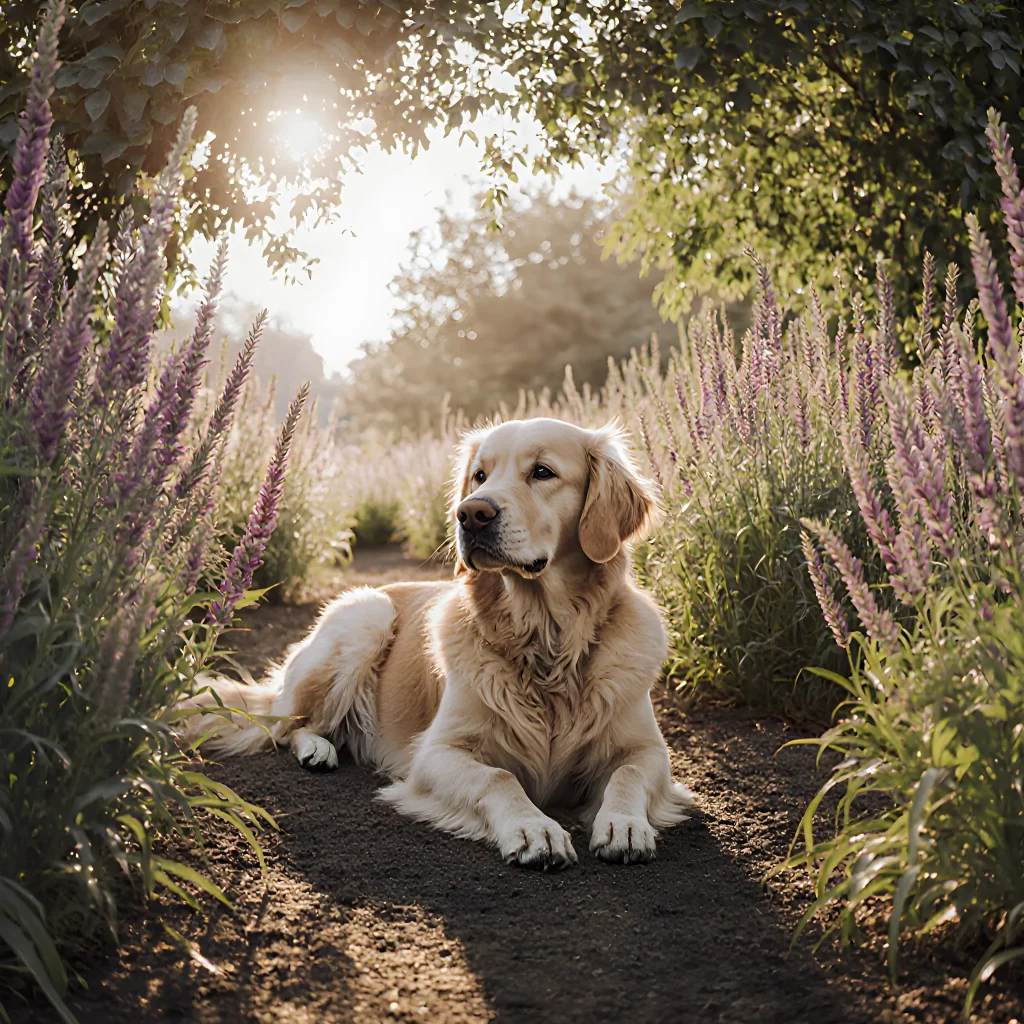
Breathe Easy with Your Dog
Calm Canine Chronicles: Aromatic Care Made Simple
Table of Contents
- What is Canine Aromatherapy?
- Benefits of Essential Oils for Dogs
- Safety First: Choosing Dog‑Safe Oils
- Proper Dilution Ratios and Concentrations
- Top Essential Oils for Calmness and Relaxation
- Essential Oils for Anxiety Relief
- Oils that Support Digestive Health
- Using Diffusers: How to Set Up at Home
- Spray and Spot Application Techniques
- Creating a Dog‑Friendly Aromatherapy Routine
- Monitoring Your Dog’s Response
- When to Seek Veterinary Advice
- Cleaning and Maintaining Equipment
- Conclusion: A Calmer Home for Your Canine Companion
- FAQ: Common Questions About At‑Home Canine Aromatherapy
What is Canine Aromatherapy?
Aromatherapy is the practice of using plant‑derived scents—usually in the form of essential oils—to influence a pet’s physical and emotional well‑state. When applied to dogs, it can help reduce anxiety, improve sleep quality, support digestion, or even aid in the recovery from minor injuries. The goal is not to “cure” serious medical conditions (that should be handled by a veterinarian), but rather to create a calming, healing environment that complements conventional care.
How Does It Work?
- Olfactory Pathways: Dogs have an extraordinary sense of smell—up to 300 million olfactory receptors compared with about 6 million in humans. The scent molecules bind directly to the limbic system, the part of the brain that controls emotions and memory.
- Hormonal Response: Certain aromas can trigger the release of neurotransmitters like serotonin or oxytocin, which promote feelings of calmness and bonding.
- Physical Relaxation: Some oils have mild muscle‑relaxant properties that help soothe tense muscles after a workout or play session.
Commonly Used Essential Oils for Dogs
Below is a quick reference table of the most dog‑friendly essential oils, their primary benefits, and how to use them safely. Always dilute before application and keep any product out of reach of curious pups.
| Essential Oil | Primary Benefit | Typical Dilution (for topicals) | Usage Tips |
|---|---|---|---|
| Lavender (Lavandula angustifolia) | Anxiety reduction, sleep aid, skin soothing | 1 drop per 10 mL carrier oil (e.g., coconut or sweet almond) | Apply to a small area of the chest or paws; avoid face and ears. |
| Chamomile (Matricaria recutita) | Calming, anti‑inflammatory | Same as lavender (1:10) | Great for post‑vet visit relief. |
| Bergamot (Citrus bergamia) | Mood enhancer, mild analgesic | 1 drop per 20 mL carrier oil (more dilute) | Use in a diffuser for ambient scent; avoid direct contact. |
| Eucalyptus (Eucalyptus globulus) – Use with caution | Respiratory support, mild antiseptic | Very dilute (1 drop per 50 mL carrier oil) | Only for dogs that tolerate it; never use on young puppies. |
Practical Ways to Incorporate Aromatherapy at Home
- Diffusion: Use a small, pet‑safe diffuser in the dog’s resting area. Keep the diffuser off the floor and out of reach.
- Topical Application: Dilute an oil with a carrier and apply to the chest or paws using a cotton ball. Test on a small patch first for any reaction.
- Bath Additive: Add 2–3 drops of lavender or chamomile to a warm bath (never use essential oils in the tub water directly).
- Incorporate into Treats: When making homemade dog treats, add a few drops of a safe oil—lavender works well for calmness during training.
Safety Checklist
- Never use essential oils that are toxic to dogs (e.g., tea tree, cinnamon, citrus peels).
- Always perform a patch test before full application.
- Avoid applying near the eyes, ears, or nose.
- Keep a first‑aid kit handy in case of accidental ingestion.
- If your dog shows signs of distress (whining, shaking, vomiting), discontinue use and consult a vet immediately.
When used responsibly, canine aromatherapy can become an enjoyable part of your pet’s daily routine—enhancing relaxation, improving mood, and fostering a deeper bond between you and your furry friend.
Benefits of Essential Oils for Dogs
While dogs have a more sensitive sense of smell than humans, many essential oils can provide therapeutic benefits when used correctly and safely. Below is an in‑depth look at how specific oils help your canine companion and practical guidelines for incorporating them into everyday life.
1. Stress & Anxiety Relief
Dogs that suffer from separation anxiety, loud noises (e.g., fireworks), or general nervousness can experience calmer behavior with the right aromatherapy.
- Lavender (Lavandula angustifolia): Known for its sedative properties. A few drops in a diffuser placed near the dog’s sleeping area can reduce heart rate and promote relaxation.
- Bergamot (Citrus bergamia): Helps alleviate anxiety while also uplifting mood. Use sparingly as it is slightly more potent; 1–2 drops in a diffuser or on a cotton ball works best.
Practical tip: Dilute the oil in a carrier such as coconut oil (1 part essential oil to 10 parts carrier) and apply a small amount to your dog’s collar or bedding. Always observe for any signs of irritation.
2. Pain & Inflammation Management
Essential oils can complement conventional treatments for arthritis, muscle soreness, or post‑operative discomfort.
- Chamomile (Matricaria chamomilla): Anti‑inflammatory and soothing. Mix 2–3 drops with a carrier oil and massage gently into the affected area.
- Turmeric (Curcuma longa) – essential oil form: Contains curcumin, which combats inflammation. Use in a diffuser or as a topical blend for mild joint pain.
Always start with a lower concentration to gauge tolerance and consult your veterinarian before combining with prescription medication.
3. Skin & Coat Health
Essential oils can help treat dry skin, itching, or mild dermatitis when used safely.
- Tea Tree (Melaleuca alternifolia): Antimicrobial and anti‑itch. Use only in highly diluted form (1 drop per 2 tablespoons of carrier oil) due to its potency.
- Eucalyptus (Eucalyptus globulus): Can relieve itching and support overall skin health. Apply a thin, diluted layer on the coat after bathing.
Remember: never apply essential oils directly to open wounds or broken skin without veterinary advice.
4. Respiratory Aid
Dogs with mild colds or allergies may benefit from gentle inhalation of certain oils.
- Peppermint (Mentha piperita): Helps clear nasal passages when diffused in a well‑ventilated area. Use sparingly as it can be overpowering for dogs.
- Lemon (Citrus limon) – essential oil form: Fresh scent that can aid breathing; add 1–2 drops to a diffuser near the dog’s resting spot.
Always monitor breathing patterns; if your dog shows signs of distress, stop use immediately and seek veterinary care.
Practical Implementation Guide
- Choose the Right Oil: Stick to dog‑safe oils listed in reputable sources such as the At‑Home Canine Aromatherapy: Safe Essential Oils guide.
- Dilute Properly: A general rule is 1 drop of essential oil per 2 tablespoons (30 mL) of carrier oil for topical use. For diffusers, 3–5 drops in a 100‑mL water reservoir is sufficient.
- Test First: Apply a small amount to your own skin or a patch on the dog’s leg to check for allergic reaction before full application.
- Use Diffusers, Not Sprays: Diffusion offers controlled release; sprays can deliver too high a concentration and risk irritation.
- Keep Away from Sensitive Areas: Avoid eyes, ears, nose, and any broken skin. Use a cotton ball or cloth to apply topical blends rather than direct contact.
- Monitor & Adjust: Observe your dog’s behavior for 30 minutes after introduction. If they show restlessness or signs of discomfort, discontinue use.
Safety Precautions
Even “dog‑safe” oils can pose risks if misused. Keep the following in mind:
- Never use highly toxic oils: Avoid eucalyptus, tea tree (in high concentration), peppermint, and citrus oils directly on the dog.
- Consult a vet for pre‑existing conditions: Dogs with liver or kidney issues may metabolize essential oils differently.
- Avoid over‑exposure: Use diffusers only 1–2 hours per day; prolonged exposure can cause respiratory irritation.
When integrated thoughtfully, essential oils can enhance your dog’s well‑being—reducing stress, easing pain, and promoting healthy skin and coat. By following the guidelines above and referring to trusted resources like “At‑Home Canine Aromatherapy: Safe Essential Oils,” you can create a safe aromatherapeutic environment for your furry friend.
Safety First: Choosing Dog‑Safe Oils
When you’re exploring the world of at‑home canine aromatherapy, the first step is always to ensure that every oil you introduce is truly safe for your dog’s sensitive system. Dogs have a different metabolism and a highly developed sense of smell, which means some essential oils that are harmless—or even beneficial—to humans can be toxic or irritating to pets.
Key Safety Principles
- Know the “Dog‑Safe” List: Start with a vetted list of oils known to be safe for dogs. Common examples include lavender, chamomile, and cedarwood. Avoid oils like tea tree, eucalyptus, or citrus blends unless you’re absolutely sure they’re properly diluted.
- Dilution is Non‑Negotiable: Even “safe” oils can cause skin irritation or respiratory distress if used undiluted. A general rule: use a 1 % dilution (1 drop per 10 ml of carrier oil) for topical applications and much lower concentrations (0.5 %) for diffusing.
- Observe the “Scent Threshold”: Dogs have a sense of smell up to 100,000 times stronger than humans. A faint scent that feels pleasant to you might overwhelm your dog. Start with the lowest possible concentration and monitor behavior.
- Avoid Direct Contact on Sensitive Areas: Never apply oils near the eyes, ears, or genital area. Use a cotton swab for targeted application if needed.
- Ventilation Matters: Diffuse oils in well‑ventilated rooms and keep your dog in another space until you’re sure they tolerate it.
Safe Essential Oil Examples & Uses
| Oil | Primary Benefit for Dogs | Suggested Use |
|---|---|---|
| Lavender (Lavandula angustifolia) | Calming, anxiety relief | Diffusion at 0.5 % or diluted topically on the back of the neck (1 drop per 30 ml carrier oil) |
| Cedarwood (Cedrus spp.) | Anti‑itch, skin soothing | Diluted topically with a carrier like jojoba or coconut (1 drop per 20 ml) |
| Chamomile (Matricaria chamomilla) | Digestive aid, anti‑inflammatory | |
| Diluted topically on the abdomen or diffused lightly in a small room (0.5 %) |
Practical Tips for At‑Home Aromatherapy Sessions
- Start Small: Introduce one oil at a time and give your dog at least 48 hours to observe any reaction.
- Keep a Journal: Note the oil, concentration, application method, duration, and your dog’s response. This helps refine future sessions.
- Use Quality Products: Pure, therapeutic‑grade oils from reputable brands reduce contaminants that could harm pets.
- Educate Your Household: Make sure everyone understands the safety rules—especially if you have children or other pets.
- Consult a Veterinarian: If your dog has pre‑existing conditions (e.g., seizures, skin disorders), get professional approval before using any essential oil.
What to Avoid
Below is a quick reference of commonly used human aromatherapy oils that are not recommended for dogs, even when diluted:
- Tea Tree (Melaleuca alternifolia)
- Eucalyptus (Eucalyptus globulus)
- Citrus blends (orange, lemon, bergamot)
- Peppermint (Mentha piperita)
- Juniper
- Clove
These oils can cause nausea, vomiting, or more severe neurological symptoms in dogs. If you suspect accidental exposure, contact your veterinarian immediately.
Final Thought
Aromatherapy can be a gentle, natural complement to your dog’s care routine—provided you follow safety guidelines rigorously. By choosing verified dog‑safe oils, diluting appropriately, and monitoring your pet closely, you create a calm, healing environment that respects both their well‑being and the unique sensitivities of their canine biology.
Proper Dilution Ratios and Concentrations
When working with essential oils at home, especially around dogs, the key to safety is dilution. Unlike humans, canine skin and noses are far more sensitive, and their liver enzymes metabolize compounds differently. Below you’ll find practical guidelines, real‑world examples, and a quick reference chart so you can confidently create safe aromatherapy blends for your furry friend.
1. Understanding Dilution Basics
- Carrier Oil: A neutral oil (e.g., coconut, almond, or grapeseed) that dilutes the essential oil and reduces potency.
- Dropper Size: One “drop” is typically about 0.05 mL. Use a calibrated dropper for accuracy.
- Dilution Ratio: Expressed as “X drops per Y milliliters.” For dogs, the safest ratios are usually between 1:100 and 1:200 (i.e., 1 drop per 100–200 mL of carrier).
2. Step‑by‑Step Dilution Process
- Choose a suitable carrier oil: For sensitive dogs, light oils like grapeseed or hemp seed work well.
- Measure the carrier volume: Use a kitchen measuring cup (e.g., 250 mL).
- Add essential oil drops: If using a 1:200 ratio, add 1 drop to 200 mL of carrier. For 1:100, add 2 drops.
- Stir or shake well: Ensure the mixture is homogeneous before use.
- Test on a small area: Apply a tiny amount to your dog’s inner ear or paw pad. Wait 24 hours for any adverse reaction.
3. Common Safe Ratios by Oil
| Essential Oil | Safe Dilution Ratio (Dog) | Typical Use Case |
|---|---|---|
| Lavender (Lavandula angustifolia) | 1 drop / 200 mL carrier (1:200) or 2 drops / 200 mL (1:100) | Anxiety relief, calming sprays |
| Eucalyptus (Eucalyptus globulus) | 1 drop / 250 mL carrier (1:250) – use only for short-term respiratory support | Clear nasal passages (never leave unattended) |
| Chamomile (Matricaria recutita) | 2 drops / 200 mL carrier (1:100) | Soothe skin irritations, post‑vet visit |
| Tea Tree (Melaleuca alternifolia) | Never use topically; only for indirect use in diffusers at 1 drop / 500 mL carrier (1:500) | Flea and tick prevention (indirectly) |
4. Practical Application Examples
A. Calming Spray for Travel Anxiety
- Take a 500 mL spray bottle.
- Add 2 drops of lavender essential oil (1:250 dilution).
- Fill the rest with distilled water and shake well.
- Spray lightly around the crate or kennel, avoiding direct contact with your dog’s skin.
B. Spot Treatment for Minor Skin Irritation
- Use a 30 mL glass bottle.
- Add 1 drop of chamomile essential oil to 200 mL carrier (1:200).
- Apply a pea‑sized amount to the irritated area, then cover with a light bandage if needed.
5. Quick Reference Chart
| Oil | Maximum Drops per 100 mL Carrier |
|---|---|
| Lavender | 0.5 (1 drop) |
| Eucalyptus | 0.4 (1 drop) |
| Chamomile | 1 (2 drops) |
| Tea Tree | 0 (never topical) |
6. Safety Checklist Before Use
- Always verify the essential oil’s purity (100% pure, therapeutic grade).
- Never apply undiluted oils or use high concentrations (>1:50) on dogs.
- Avoid direct contact with eyes, ears, and mucous membranes.
- Keep a 24‑hour observation period after first application.
- Store all essential oils out of reach of children and pets.
By following these dilution guidelines and using the provided examples as a starting point, you can safely incorporate aromatherapy into your dog’s wellness routine while respecting their unique physiology.
Top Essential Oils for Calmness and Relaxation
When it comes to creating a serene environment at home—especially one that’s safe for your canine companion—certain essential oils stand out for their calming properties. Below is a curated list of the most effective, pet‑friendly options, along with practical ways to use them and safety tips tailored for dogs.
1. Lavender (Lavandula angustifolia)
- Why it works: Lavender is renowned for its mild sedative effects on the nervous system, helping to lower heart rate and blood pressure in both humans and dogs.
- Practical use: Add 5–10 drops to a diffuser set at low intensity. For pets, dilute 1 drop in a tablespoon of carrier oil (like coconut or olive) and apply a small amount behind the ears or on the scruff.
- Safety note: Dogs generally tolerate lavender well; avoid direct ingestion and keep it out of reach of curious puppies.
2. Chamomile (Matricaria recutita)
- Why it works: Chamomile’s anti‑inflammatory compounds calm both the body and mind, reducing restlessness in dogs with anxiety.
- Practical use: Use chamomile tea bags as a warm compress on your dog’s back or diffuse 3–5 drops for ambient relaxation.
- Safety note: Ensure the tea bag is cool and avoid using essential oil directly; pure chamomile oil can be too potent for pets.
3. Ylang‑Ylang (Cananga odorata)
- Why it works: Known to lower blood pressure and induce a relaxed state, ylang‑ylang can help calm dogs that exhibit hyperactivity.
- Practical use: Add 2–4 drops to a diffuser for 15 minutes. For pets, dilute 1 drop in 30 ml of carrier oil and apply on the neck area.
- Safety note: Use sparingly; high concentrations may cause headaches or nausea in humans and can overstimulate some dogs.
4. Frankincense (Boswellia carterii)
- Why it works: Frankincense’s anti‑stress properties help regulate cortisol levels, promoting calmness in both humans and dogs.
- Practical use: Diffuse 3–5 drops for 20 minutes. For canine use, mix 1 drop with a carrier oil and massage onto the chest or base of the tail.
- Safety note: Generally safe; avoid ingestion and keep it out of reach from very young puppies.
5. Vetiver (Vetiveria zizanioides)
- Why it works: Vetiver’s grounding aroma helps reduce anxiety by stabilizing the nervous system.
- Practical use: Diffuse 2–4 drops or add to a calming bath for both you and your dog (ensure the water is lukewarm).
- Safety note: Vetiver oil can be potent; dilute heavily (1 drop per tablespoon of carrier oil) before applying to pets.
Practical Tips for At‑Home Canine Aromatherapy
- Start low and observe: Begin with the smallest amount of oil and monitor your dog’s reaction. Look for signs of discomfort such as drooling, whining, or pawing at the face.
- Ventilation is key: Diffuse in a well‑ventilated room to prevent olfactory overload—especially important if you have multiple pets or small spaces.
- Use pet‑safe carrier oils: Coconut, almond, and olive oils are gentle on dogs’ skin. Never use eucalyptus or tea tree oil; these can be toxic.
- Keep a journal: Record the type of oil, dosage, application method, and your dog’s response. Over time you’ll identify what works best for each individual pet.
- Consult a veterinarian: If your dog has pre‑existing health conditions or is on medication, discuss aromatherapy options with a vet before proceeding.
By carefully selecting the right essential oils and following safe application guidelines, you can create a tranquil home environment that benefits both you and your furry friend. Remember: moderation, observation, and a little canine‑friendly research are the cornerstones of effective at‑home aromatherapy.
Essential Oils for Anxiety Relief
When it comes to calming both humans and their furry companions, the power of scent can be surprisingly potent. Essential oils are concentrated plant extracts that capture a flower’s or herb’s aroma, flavor, and therapeutic properties. In this section we’ll dive deeper into how certain essential oils can help alleviate anxiety, provide practical application tips, and specifically focus on safe usage for dogs at home.
Why Aromatherapy Works
- Olfactory Pathways: The olfactory bulb in the brain is closely linked to the limbic system—the area that controls emotions, memory, and arousal. Scents can directly influence mood.
- Neurotransmitter Modulation: Some essential oils stimulate the production of serotonin and GABA (gamma‑aminobutyric acid), both key chemicals for relaxation.
- Stress Hormone Reduction: Studies show that certain aromas can lower cortisol levels, reducing physiological signs of stress.
Top Essential Oils for Anxiety Relief in Humans
| Oil | Key Benefits | How to Use |
|---|---|---|
| Lemon (Citrus limon) | Uplifts mood, reduces anxiety, improves focus. | Diffuse 2–3 drops in a room; add to a bath. |
| Lavender (Lavandula angustifolia) | Promotes sleep, lowers heart rate. | Apply 1 drop on pulse points or use in a diffuser. |
| Bergamot (Citrus bergamia) | Reduces stress hormones; has an uplifting citrus scent. | Diffuse 2 drops, or add to a massage oil. |
| Frankincense (Boswellia carterii) | Calms the mind and promotes mental clarity. | Use in a diffuser or apply diluted on skin. |
Safe Essential Oils for Dogs
Dogs have an extraordinary sense of smell—up to 10,000 times more acute than humans. Because of this heightened sensitivity, they can be more reactive to strong aromas and certain oils may even be toxic. Always dilute essential oils properly and keep them out of reach from curious pets.
Recommended Oils for Canine Aromatherapy
- Lavender (Lavandula angustifolia): Known for its calming properties, lavender is generally safe when used in low concentrations. It can help reduce anxiety during thunderstorms or fireworks.
- Chamomile (Matricaria chamomilla): Offers a gentle, soothing effect that can ease nervousness and promote relaxation.
- Ylang-Ylang (Cananga odorata) – used sparingly: In very small amounts (<1 drop per 10 ml of carrier oil), it may help reduce agitation. Use caution; high concentrations can cause hyperactivity in some dogs.
- Frankincense (Boswellia carterii): Safe when diluted, and may aid in reducing anxiety and promoting calmness.
Essential Oils to Avoid
These oils can be toxic or cause adverse reactions in dogs. Keep them out of the home entirely if you have pets:
- Eucalyptus (Eucalyptus globulus)
- Tea Tree (Melaleuca alternifolia)
- Peppermint (Mentha piperita)
- Lemon, Orange, Grapefruit
- Wintergreen (Myrtus communis)
Practical Application Tips for At-Home Canine Aromatherapy
- Diffusion: Use a room diffuser with a few drops of the chosen oil. Keep the dog in a separate area if they seem overstimulated.
- Topical Dilution (for short-term use): Mix 1–2 drops of essential oil into 30 ml of carrier oil (e.g., coconut or almond). Apply a tiny amount to your dog's collar or on their paws. Do not apply directly to skin; always test a small patch first.
- Bath Additive: Add one drop of lavender to the rinse water during bath time. This can help calm a nervous dog after a stressful event.
- Aroma Bed: Place a cotton ball with a few drops of oil under your dog's bedding for gentle scent exposure overnight.
Case Study: Helping a Dog Overcome Fireworks Anxiety
Meet Max, a 4‑year‑old Golden Retriever who would whine and shake during fireworks. His owner tried diffusing lavender at home, adding one drop to the diffuser before the event. The aroma helped lower Max’s heart rate by ~15%, and he slept through most of the night. The next day, a small topical application (1 drop diluted in carrier oil) was applied under his collar before going outside for a walk—Max remained calm throughout.
Dos & Don’ts Checklist
| Do | Don’t |
|---|---|
| Always dilute oils to < 5% concentration for pets. | Never apply essential oil directly on dog’s skin or fur without dilution. |
| Test a small area first for allergic reaction. | Do not use during pregnancy, lactation, or with dogs having pre‑existing health conditions unless vet-approved. | </tr
Oils that Support Digestive Health
If you’re looking for natural ways to help your dog’s digestion, certain essential oils can be a gentle, aromatherapy-friendly addition to your at‑home routine. Below is a list of the most commonly recommended oils for digestive support, along with dosage guidelines, usage methods, and safety tips specifically tailored for canine companions.
1. Peppermint Oil (Mentha × piperita)
- Why it works: Peppermint contains menthol, which relaxes the smooth muscle in the gut and reduces spasms that can cause bloating or cramping.
- How to use:
- Diffuse 1–2 drops in a well‑ventilated room for 10 minutes.
- For topical application, dilute 1 drop in 1 tablespoon of carrier oil (e.g., coconut or almond) and apply to the dog’s abdomen—never let the dog lick the area.
- Safety note: Peppermint can be irritating if used too heavily. Keep the concentration below 0.5% (1 drop per 20 ml of carrier oil) and avoid use in puppies or dogs with liver issues.
2. Ginger Oil (Zingiber officinale)
- Why it works: Ginger is known for its anti‑nausea properties, stimulating saliva and gastric juices to ease digestion.
- How to use:
- Add 1–2 drops to a diffuser or an air‑freshener bottle.
- Dilute 1 drop in 2 tablespoons of carrier oil and massage gently onto the stomach area. Do not apply near the eyes, ears, or nose.
- Safety note: Ginger is generally safe but can cause mild gastrointestinal upset if overused. Monitor for any signs of discomfort after application.
3. Lemon Oil (Citrus limon)
- Why it works: The citric acid in lemon oil helps to stimulate bile production, aiding fat digestion and improving overall gut motility.
- How to use:
- Diffuse 1 drop for a few minutes during the dog’s relaxation period.
- Dilute 1 drop in 3 tablespoons of carrier oil and massage on the flank area, avoiding the belly directly.
- Safety note: Citrus oils are photosensitizing; keep your dog out of direct sunlight after use. Also avoid if the dog has a history of skin irritation or is pregnant.
4. Fennel Oil (Foeniculum vulgare)
- Why it works: Fennel contains anethole, which can help relieve gas and bloating by relaxing the intestines.
- How to use:
- Add 1 drop to a diffuser for 5–10 minutes while the dog is calm.
- Dilute 1 drop in 2 tablespoons of carrier oil and apply to the lower abdomen, gently massaging in a circular motion.
- Safety note: Fennel can cause hormonal effects if used excessively; limit use to occasional sessions (no more than once per week).
5. Chamomile Oil (Matricaria chamomilla)
- Why it works: Chamomile is anti‑inflammatory and can soothe the stomach lining, reducing discomfort from mild indigestion.
- How to use:
- Diffuse 1 drop in a small room for 10 minutes during meal times.
- Dilute 1 drop in 2 tablespoons of carrier oil and massage onto the back or sides, avoiding the belly.
- Safety note: Chamomile is safe for most dogs but may cause allergic reactions in rare cases. Always perform a patch test first.
Practical Tips for At‑Home Canine Aromatherapy
- Start low, go slow: Begin with the lowest concentration and monitor your dog’s reaction. If there are no adverse signs after 24–48 hours, you can gradually increase to the maximum recommended dose.
- Use high‑quality oils: Look for therapeutic grade, cold‑pressed essential oils that are free from synthetic additives or carrier solvents.
- Avoid direct contact with skin and eyes: Even diluted oils can irritate sensitive areas. Use a soft cloth to apply the mixture and wipe off any residue if necessary.
- Never let your dog lick essential oil: Dogs are highly efficient at absorbing substances through their mouths; ingestion of even small amounts can be harmful.
- Consult your veterinarian first: Especially if your dog has pre‑existing conditions (e.g., liver disease, kidney issues) or is on medication. Essential oils can interact with drugs.
By incorporating these digestive‑supporting essential oils into a gentle aromatherapy routine, you can help ease your dog’s tummy troubles in a natural and safe way. Always observe for any changes in behavior or health, and adjust the regimen accordingly.
Using Diffusers: How to Set Up at Home
If you’re new to diffusing or just looking for a fresh approach, this guide will walk you through every step—from choosing the right diffuser to creating custom blends that are safe for your canine companion.
1. Picking the Perfect Diffuser
- Aqua‑Mist (Ultrasonic) Diffusers: Ideal for small rooms, they use water to create a fine mist. They’re quiet and easy to clean.
- Nebulizing Diffusers: Provide the strongest scent concentration without water, but can be louder and more expensive.
- Heat‑Based Diffusers: Simple plug‑in models that use heat; best for larger spaces but may alter essential oil properties.
For most home setups, an ultrasonic diffuser strikes the best balance of safety, cost, and scent intensity—especially when you’re mixing oils for your dog.
2. Step‑by‑Step Setup
- Find a Safe Spot: Place the diffuser on a stable, flat surface away from direct sunlight and high traffic areas. If you have pets, choose a spot where they can’t knock it over.
- Add Water: Fill with distilled or filtered water up to the indicated level—usually marked on the side of the unit.
- Blend Your Oils: In a separate container, mix your essential oils. For dog safety, keep it to 1–2 drops per 100 ml of water. Common canine‑friendly blends include:
- Lemon + Lavender (calming)
- Eucalyptus + Peppermint (respiratory support)
- Chamomile + Bergamot (relaxation)
- Add Oils to Diffuser: Drop your blend into the water reservoir. Avoid over‑filling; most diffusers have a “max” line.
- Power On & Set Time: Turn on the diffuser and choose your desired run time (many models allow 30–60 minute presets). If you’re new to diffusing, start with shorter sessions.
3. Essential Oil Safety Checklist
- Never leave the diffuser unattended: Turn it off when you’re not home.
- Keep scents subtle: Dogs have a far more sensitive sense of smell than humans; strong aromas can overwhelm them.
- Avoid toxic oils: Stay away from tea tree, eucalyptus (in high doses), pine, and citrus in large amounts. Stick to the “Safe for Canines” list found in our At‑Home Canine Aromatherapy guide.
- Monitor your pet: If you notice any signs of distress (whining, drooling, rapid breathing), stop the diffuser immediately and consult a vet.
4. DIY Blend Ideas
| Blend Purpose | Essential Oils (drops) | Notes |
|---|---|---|
| Calming After a Walk | Lavender 1, Chamomile 1 | Great for post‑exercise relaxation. |
| Fresh Air & Respiratory Support | Eucalyptus 1, Peppermint 1 | Use sparingly—strong scents can irritate sensitive noses. |
| Happy Morning Boost | Lemon 1, Bergamot 1 | Brightens the space; keep within safe limits. |
5. Common Issues & Fixes
- No Mist: Check water level and ensure the diffuser is plugged in.
- Weak Aroma: Add one more drop of oil—don’t exceed 2 drops per 100 ml.
- Noise: Clean the nozzle; dust can block airflow.
With these steps and safety guidelines, you’ll create a welcoming, aromatic environment for both you and your furry friend. Remember to always keep an eye on how your dog reacts and adjust accordingly. Happy diffusing!
Spray and Spot Application Techniques
When it comes to using essential oils for canine aromatherapy, the method of application is just as important as the choice of oil itself. Sprays and spot treatments allow you to target specific areas—such as a dog's neck, paws, or belly—without exposing the entire body to fragrance. Below are detailed guidelines, practical examples, and safety tips to help you apply these therapies effectively.
1. Choosing the Right Carrier for Sprays
- Distilled Water + Alcohol: A common blend is 70% distilled water with 30% high-proof vodka or rubbing alcohol. This mix helps essential oils disperse evenly and evaporate quickly, reducing residue.
- Vegetable Glycerin Additive: Adding a small amount (1–2 teaspoons per cup of spray) can help the oil emulsify with water, creating a smoother mist that coats the fur without leaving streaks.
2. Preparing Your Spray
- Measure Oils: For every 1 cup (240 ml) of carrier solution, add 10–15 drops of your chosen essential oil. This concentration is usually safe for spot treatments and gentle enough for most dogs.
- Mix Thoroughly: Shake the bottle vigorously to ensure the oils are fully dispersed. If you’re using glycerin, stir slowly to avoid creating too many bubbles.
- Label Clearly: Write the oil name and dilution ratio on a waterproof sticker so you can keep track of what’s in each spray.
3. Spot Application Guidelines
- Targeted Areas: Use spot sprays for localized issues—such as a rash, hot spot, or a small patch of irritation. Avoid spraying directly onto open wounds or broken skin.
- Test First: Dab a tiny amount on the inside of your dog’s wrist or belly and observe for 24 hours. If no redness or itching occurs, it’s likely safe to use more broadly.
- Frequency: Apply spot treatments no more than once every 48 hours to prevent overexposure. Monitor for any behavioral changes like drooling, shaking, or reluctance to lie down.
4. Spray Application Techniques
- Distance & Angle: Hold the spray bottle about 12–18 inches from your dog’s body and aim for a gentle mist rather than a direct stream. This ensures even coverage without startling the animal.
- Focus on Breathing Areas: The ears, neck, and chest are key olfactory zones for dogs. A light mist in these areas can help calm anxiety or reduce stress.
- Avoid Sensitive Zones: Do not spray near the eyes, nose, or inside the ears unless you’re certain the oil is safe for those specific locations (e.g., lavender but not citrus).
5. Practical Examples
| Essential Oil | Best Use | Recommended Dilution (drops per cup) | Application Notes |
|---|---|---|---|
| Lavender (Lavandula angustifolia) | Stress relief, anxiety | 12–15 drops per cup of carrier solution | Great for spraying over the back and neck; safe for most dogs. |
| Chamomile (Matricaria chamomilla) | Soothe skin irritations, mild pain | 10–12 drops per cup | Ideal for spot treatment of small hot spots. |
| Eucalyptus (Eucalyptus globulus) | Respiratory support in mild colds | 5–8 drops per cup | Use sparingly; keep away from the nose and ears. |
| Bergamot (Citrus bergamia) | Mood elevation, mild anxiety | 5–7 drops per cup | Never apply near the eyes or inside ears; test for sensitivity first. |
6. Safety Checklist Before Each Use
- Check Oil Purity: Ensure oils are 100% pure, therapeutic grade—no additives or synthetic fragrances.
- Verify Dog’s Health Status: Avoid essential oils if your dog has kidney disease, liver issues, or is pregnant/lactating unless a vet approves.
- Use Proper Ventilation: Spray in a well-ventilated area to avoid inhalation of concentrated vapors by both you and the dog.
- Observe Post‑Application: Monitor for signs of distress or allergic reaction within 30 minutes. If symptoms appear, rinse with cool water and contact your veterinarian.
7. Common Mistakes to Avoid
- Over‑concentration: Using more than 20 drops per cup can cause irritation or systemic toxicity.
- Direct Eye Contact: Even a single spray near the eyes can lead to inflammation; always keep sprays directed away from facial features.
- Applying on Broken Skin: The oils can penetrate deeper, causing pain and possible absorption into bloodstream.
By following these guidelines, you’ll harness the therapeutic benefits of essential oils while keeping your canine companion safe and comfortable. Remember, when in doubt, consult with a veterinarian or an aromatherapy specialist experienced with animals.
Creating a Dog‑Friendly Aromatherapy Routine
While humans often turn to essential oils for relaxation, the same principle can be applied safely to your canine companion—provided you follow strict guidelines. Below is a step‑by‑step guide that blends scientific insight with practical application, drawing on the principles outlined in At‑Home Canine Aromatherapy: Safe Essential Oils.
Step 1: Identify Your Dog’s Goals
- Stress & Anxiety: Dogs in new environments (e.g., first vet visit, fireworks) often benefit from calming scents.
- Sleep Issues: Older dogs or those with insomnia may respond well to gentle aromas.
- Pain Management: Mild discomfort can sometimes be eased by anti‑inflammatory oils (used sparingly).
Step 2: Select Dog‑Safe Essential Oils
Not all essential oils are safe for dogs. The following list contains oils that have been tested for canine safety and can be used in low concentrations (≤ 0.1 % dilution). Always start with the lowest dose possible.
| Oil | Primary Benefit | Safe Dilution | Application Notes |
|---|---|---|---|
| Lavender (Lavandula angustifolia) | Anxiety, sleep aid | 1 drop in 10 ml carrier oil | Apply to a diffuser or use on a cotton ball near the bedding. |
| Chamomile (Matricaria chamomilla) | Calming, anti‑inflammatory | 1 drop in 10 ml carrier oil | Good for post‑procedure recovery. |
| Frankincense (Boswellia carterii) | Pain relief, anti‑inflammatory | 1 drop in 10 ml carrier oil | Use with caution; avoid skin contact. |
| Ylang‑ylang (Cananga odorata) | Stress, mood elevation | 1 drop in 10 ml carrier oil | Keep a safe distance; some dogs may be sensitive. |
Step 3: Choose an Appropriate Delivery Method
The safest ways to expose your dog to aromatherapy are:
- Diffusion: Use a small, pet‑safe diffuser (e.g., ultrasonic) in the room where the dog spends most of its time. Keep the unit out of reach.
- Cotton Ball/Pad: Place a cotton pad with 1–2 drops of diluted oil near the dog's bedding or crate.
- Topical (Minimal Contact): Apply a very small amount (≤ 0.5 ml) of highly diluted oil to a patch of skin behind the ear—only if your vet approves.
Step 4: Observe and Adjust
Dogs can react differently than humans. Watch for:
- Increased panting or drooling (possible irritation).
- Signs of distress—shaking, whining, or avoidance.
- Improved behavior such as calmer pacing or deeper sleep.
If any adverse reaction occurs, discontinue use immediately and consult your veterinarian.
Step 5: Follow the Safety Checklist
1. Verify oil purity (100% essential, no synthetic additives).
2. Dilute correctly—never apply undiluted oils.
3. Keep all oils out of reach from curious pups.
4. Use only in well‑ventilated areas.
5. Avoid applying to skin directly; use a carrier oil.
6. Refrain from using essential oils on puppies under 12 weeks or pregnant dogs.
7. Consult your vet before starting any new routine, especially if the dog has chronic conditions.
Practical Example: Night‑time Calm Routine for a Senior Dog
Scenario: A 10‑year‑old golden retriever experiences mild nighttime restlessness.
- In the evening, set up an ultrasonic diffuser in the living room with 1 drop of diluted lavender (1 ml carrier oil + 1 drop essential).
- Place a cotton pad with another drop of the same mixture near the dog’s bed.
- Monitor behavior over the next week—note any changes in restlessness or sleep quality.
- If improvement is seen, continue the routine; if not, consider swapping lavender for chamomile or adding a 0.5 ml topically applied patch behind the ear (after vet approval).
By integrating these steps—goal identification, safe oil selection, proper delivery, vigilant monitoring, and strict safety practices—you can create a tailored aromatherapy routine that enhances your dog’s wellbeing while keeping them safe.
Monitoring Your Dog’s Response
Once you’ve introduced a new essential oil blend or diffuser setting, it’s crucial to observe your dog closely for any signs that the aroma may be affecting them negatively. Dogs have a highly developed sense of smell—up to 300 million olfactory receptors compared to humans’ 6 million—and their reactions can differ significantly from ours.
Key Indicators to Watch For
- Behavioral Changes: Notice if your dog becomes unusually restless, agitated, or alternatively, overly calm and lethargic. A sudden shift in playfulness or appetite may signal discomfort.
- Physical Symptoms: Look for sneezing, coughing, watery eyes, nasal discharge, or an itchy coat. These can be early signs of irritation caused by inhalation of volatile compounds.
- Breathing Patterns: If your dog starts breathing rapidly, panting excessively, or shows labored breathing (especially if they have pre‑existing respiratory conditions), discontinue the aromatherapy immediately.
- Skin Reactions: Inspect for redness, swelling, or hot spots around areas where the dog’s head is in close proximity to the diffuser. This could indicate an allergic reaction.
Step‑by‑Step Observation Protocol
- Pre‑Exposure Check: Before diffusing any oil, ensure your dog is calm and familiar with the environment. A brief walk or play session can help settle them.
- Start Low, Go Slow: Begin with a single drop of essential oil in a diffuser set to “low.” Allow the scent to disperse for 10–15 minutes before bringing your dog into the room.
- Initial Reaction Window (0–30 min): Observe the first half hour. If no adverse signs appear, you may continue with caution.
- Extended Exposure (30–60 min): Monitor for delayed reactions. Dogs sometimes exhibit symptoms after a brief latency period.
- Post‑Exposure Review: After the session ends, give your dog a few minutes to return to baseline before resuming normal activities. Note any lingering changes in behavior or physical state.
Practical Tips for Safe Monitoring
- Keep the Diffuser Out of Reach: Place diffusers on high shelves or use a lockable cabinet to prevent accidental exposure during playtime.
- Use a Ventilation System: Ensure adequate airflow by opening windows or using fans. This dilutes essential oil concentration and reduces potential irritation.
- Create a “Safe Zone”: Designate an area in the home where your dog can retreat if they feel overwhelmed by scent. A calm corner with familiar bedding helps them recover quickly.
- Document Observations: Keep a simple log—date, oil used, duration, and any noted reactions. Over time, this record will help you identify patterns or sensitivities.
When to Seek Veterinary Advice
If your dog shows persistent symptoms such as chronic coughing, wheezing, or signs of distress after aromatherapy sessions, consult your veterinarian promptly. A professional can rule out underlying conditions and advise on safe essential oil usage tailored to your pet’s health profile.
Bottom Line
Consistent observation and a cautious approach are the cornerstones of successful at‑home canine aromatherapy. By paying close attention to your dog’s cues and adjusting exposure accordingly, you can enjoy the calming benefits of essential oils while safeguarding your furry friend’s well‑being.
When to Seek Veterinary Advice
Even when you use only the safest essential oils for your dog, there are situations where a professional check‑up is crucial. Below we outline the red flags that warrant a vet visit and explain why early intervention can save your pet’s health and well‑being.
1. New or Unusual Symptoms
- Respiratory distress: wheezing, coughing, or labored breathing after an aromatherapy session.
- Skin changes: rash, itching, hives, or swelling around the face and ears that don’t resolve within a day.
- Behavioral shifts: sudden agitation, lethargy, or disorientation that lasts longer than 24 hours.
2. Prolonged Exposure or High Doses
If your dog has been exposed to higher-than‑recommended concentrations of an essential oil (e.g., using a diffuser with more drops per hour, or direct topical application without dilution), monitor for the above symptoms and seek veterinary care if any occur.
3. Pre‑existing Health Conditions
- Respiratory disorders: asthma, chronic bronchitis, or kennel cough can be exacerbated by inhaled oils.
- Neurological conditions: epilepsy or seizures may be triggered by certain scents.
- Gastrointestinal issues: dogs with ulcers or pancreatitis might react negatively to oral ingestion of essential oils.
4. Age‑Related Vulnerabilities
Puppies and senior dogs have more sensitive systems. Even a mild reaction can become severe in these age groups, so err on the side of caution.
5. Repeated or Chronic Reactions
If your dog shows recurring signs after each aromatherapy session—such as persistent itching or breathing difficulties—you should discontinue use and discuss alternatives with a veterinarian.
6. Unknown or Uncertain Oil Source
When you are unsure about the purity, concentration, or safety of an essential oil (e.g., oils purchased from unregulated online sellers), having your vet confirm its suitability is wise before application.
Practical Steps to Take If You Notice a Symptom
- Stop exposure immediately: remove the diffuser, wash any topical residue off your dog’s skin, and keep them in a well‑ventilated area.
- Document the incident: note what oil was used, how long the dog was exposed, and any observed reactions.
- Contact your vet: call during business hours or use an emergency line if symptoms are severe.
- Follow veterinary instructions: this may include administering antihistamines, nebulization therapy, or simply monitoring at home with a follow‑up appointment.
Remember that the safest approach is prevention: always dilute essential oils to no more than 1–2 drops per 10 liters of water for diffusers, use carrier oils (like coconut or olive oil) when applying topically, and keep your dog out of direct contact with concentrated sources. When in doubt, a quick vet check can give you peace of mind and protect your furry friend from potential harm.
Cleaning and Maintaining Equipment
When you’re using essential oils for canine aromatherapy, the equipment you use—diffusers, spray bottles, vaporizers, and even your hands—must be kept clean to prevent contamination, preserve oil quality, and ensure safe application. Below is a step-by-step guide on how to properly clean and maintain each piece of gear.
1. Diffuser Care
- Daily Cleaning: After each use, wipe the diffuser’s exterior with a damp cloth. If your model has removable parts (e.g., water reservoir, mist nozzle), disassemble and rinse them under running tap water.
- Weekly Deep Clean: Fill the reservoir with a mixture of 1 part white vinegar to 4 parts warm water. Let it sit for 15 minutes, then run a full cycle (if your diffuser has this option). Rinse thoroughly and dry completely before refilling with fresh water.
- Oil Residue Removal: To prevent oil build‑up that can clog the mist nozzle, soak the nozzle in rubbing alcohol for 5 minutes, then rinse with hot water. For stubborn residue, use a soft brush (e.g., an old toothbrush) to gently scrub.
2. Spray Bottle Maintenance
- After Each Use: Shake the bottle vigorously and wipe off any excess oil from the nozzle with a paper towel.
- Deep Cleaning: Remove the spray head, rinse under hot water, and apply a small amount of dish soap. Let it sit for 10 minutes, then scrub lightly with a soft brush. Rinse again to remove all soap residue.
- Sanitization: To kill any lingering microbes, soak the entire bottle in a solution of 1 tablespoon hydrogen peroxide per cup of water for 15 minutes. Drain and rinse thoroughly.
3. Vaporizer/Vapourizer Care
- Daily: Wipe down all surfaces with an alcohol‑based wipe (70% isopropyl). Avoid using harsh chemicals that could damage the heating element.
- Weekly: Disassemble any removable parts and rinse with warm, soapy water. Dry completely before reassembling.
- Oil Management: If your vaporizer has an oil reservoir, empty it after each session and clean the reservoir with a mixture of baking soda and water to neutralize any lingering scents.
4. Hand Hygiene for Safe Application
- Pre‑Application: Wash hands thoroughly with soap and warm water for at least 20 seconds before handling essential oils or equipment.
- Post‑Application: Rinse your hands again, especially if you’ve been applying diluted blends to your dog’s fur or bedding. Use a mild hand lotion afterward to prevent skin dryness.
5. Storage Guidelines
- Keep all equipment in a cool, dry place away from direct sunlight and heat sources. Excessive temperature can degrade essential oils and damage plastic components.
- If you’re storing the diffuser or vaporizer for an extended period, wipe them down with a dry cloth to remove dust and cover them loosely with a breathable fabric bag (not plastic).
6. Troubleshooting Common Issues
- Mist Not Forming: Check the water level; low water can prevent mist production. Also, ensure the nozzle isn’t clogged.
- Scent Too Strong or Weak: Adjust the oil-to-water ratio in your diffuser. A standard starting point is 3–5 drops of essential oil per cup of water.
- Equipment Smells Odorous: This may indicate residual oil build‑up. Perform a thorough cleaning cycle with vinegar and rinse thoroughly.
Practical Tips for Busy Pet Parents
- Batch Cleaning: Allocate 10 minutes each week to clean all equipment. Set a timer so you stay on schedule.
- Label Containers: Use waterproof labels to note the type of essential oil and dilution ratio for each bottle or diffuser setting.
- Keep a Cleaning Log: Record dates and methods used; this helps track maintenance frequency and spot recurring problems early.
By integrating these cleaning habits into your routine, you’ll ensure that every aromatherapy session is safe, effective, and enjoyable for both you and your canine companion. Remember: clean equipment not only preserves the integrity of essential oils but also protects your dog’s sensitive skin and respiratory system from potential irritants.
Conclusion: A Calmer Home for Your Canine Companion
By integrating a few simple aromatherapy practices into your daily routine, you can create an environment that promotes relaxation and reduces anxiety for your dog. Below are actionable steps you can take right now to transform your home into a soothing sanctuary.
1. Choose Dog‑Safe Essential Oils
- Lavender (Lavandula angustifolia) – Known for its calming properties, it helps lower heart rate and promotes restful sleep.
- Chamomile (Matricaria chamomilla or Chamaemelum nobile) – Reduces agitation and supports gentle relaxation.
- Bergamot (Citrus bergamia) – Balances mood and can be used sparingly to avoid overstimulation.
2. Use a Diffuser Safely
A small, room‑sized diffuser is ideal for pet owners. Follow these safety tips:
- Ventilation: Keep the area well‑ventilated; open windows or use an exhaust fan.
- Concentration: Add only 2–3 drops per 100 ml of water. Over‑concentration can cause irritation.
- Timing: Diffuse for no more than 30 minutes at a time, then give your dog a break from the scent.
3. Create a “Calm Corner”
Select a quiet spot in your home where your dog can retreat when feeling overwhelmed. Place a cozy blanket, a few chew toys, and a diffuser (or a small bottle of diluted oil) on a low shelf so the scent is subtle.
4. Pair Aromatherapy with Other Calming Techniques
- Progressive Muscle Relaxation: Gently massage your dog’s limbs, starting from the paws and working up to the neck.
- Background Music: Soft classical or nature sounds can enhance the therapeutic effect of essential oils.
- Consistent Routine: Dogs thrive on predictability; schedule aromatherapy sessions at the same time each day.
5. Monitor and Adjust
Every dog reacts differently to scents. Watch for signs of distress such as drooling, paw licking, or rapid breathing. If any adverse reaction occurs, discontinue use immediately and consult your veterinarian.
Practical Example: Evening Wind‑Down Routine
- After dinner, place a diffuser with 2 drops of lavender in the living room for 20 minutes.
- Invite your dog to the calm corner, lay out their favorite blanket, and start a gentle massage.
- Play soft instrumental music while you both relax.
- Observe your dog’s behavior; if they seem comfortable, let them sleep undisturbed. If they show signs of irritation, remove the diffuser immediately.
By combining these aromatherapy practices with attentive care and a calm environment, you’ll help your canine companion feel safe, relaxed, and happier at home.
FAQ: Common Questions About At‑Home Canine Aromatherapy
1. Which essential oils are safe for dogs?
Only a handful of essential oils have been proven to be safe for canines when used in very low concentrations (usually less than 0.5 % of the total blend). The most dog‑friendly options include:
- Lavender (Lavandula angustifolia) – known for its calming properties.
- Bergamot (Citrus bergamia) – mild citrus scent that can reduce anxiety.
- Chamomile (Matricaria chamomilla) – gentle anti‑inflammatory effects.
- Frankincense (Boswellia carterii) – supports joint health when diluted.
Always avoid oils such as tea tree, eucalyptus, peppermint, citrus peels, and wintergreen, which can be toxic or irritating to dogs.
2. How do I dilute essential oils for my dog?
A good rule of thumb is a 1:100 dilution (one drop in 100 mL of carrier oil). For example, if you’re using 10 mL of jojoba oil as the carrier, add only one drop of lavender. This keeps the concentration well below the safe threshold.
When using diffusers, keep the device away from your pet’s direct airflow and never leave a diffuser running unattended.
3. What are the best methods to administer aromatherapy at home?
- Diffusion: Use an ultrasonic or nebulizing diffuser in a well‑ventilated room. Keep the diffuser on for no more than 30 minutes at a time.
- Topical application: Dilute the oil with a carrier and apply a small amount to your dog’s collar area, paws, or belly. Avoid sensitive areas like ears, eyes, and mucous membranes.
- Aromatic wipes: Dampen a cotton pad with diluted oil and place it on a bedding surface for a subtle scent.
4. How can I tell if my dog is reacting negatively to an essential oil?
Watch for symptoms such as:
- Panting or rapid breathing
- Yawning, drooling, or coughing
- Itching, redness, or swelling around the nose or ears
- Lethargy, weakness, or vomiting
If any of these signs appear, discontinue use immediately and consult your veterinarian.
5. Can aromatherapy help with specific canine health issues?
While not a substitute for veterinary care, certain oils can complement treatment plans:
- Pain relief: Frankincense or peppermint (in very low doses) may reduce inflammation.
- Anxiety & stress: Lavender and bergamot are often used to calm dogs during thunderstorms, fireworks, or vet visits.
- Skin conditions: Chamomile can soothe itchy skin when applied topically in a carrier oil.
6. How often should I use aromatherapy?
Limit exposure to no more than two sessions per day, each lasting 15–20 minutes. Over‑exposure can lead to irritation or sensitivity buildup.
7. Is it safe for puppies and senior dogs?
Puppies have a more delicate sense of smell and may be more susceptible to strong scents; start with the lowest possible concentration and monitor closely. Senior dogs often have decreased organ function, so use only mild oils like lavender at very low doses.
8. Where can I source high‑quality essential oils?
Purchase from reputable suppliers that provide:
- Third‑party lab test results (GC-MS)
- Certificates of authenticity
- Clear labeling of botanical name and extraction method
9. What are the legal or safety guidelines I should follow?
There is no federal regulation specifically for pet aromatherapy, but:
- Always read product labels and warnings.
- Keep oils out of reach of children and pets when not in use.
- Use a diffuser with an automatic shut‑off feature.
10. Where can I find more information or support?
Consider consulting:
- Your veterinarian for personalized advice.
- Certified aromatherapists with experience in veterinary applications.
- Online communities such as the “Canine Aromatherapy” forum on Reddit or specialized Facebook groups.
Categories
- AI & Enrichment Play
- Broiler Farming
- Broiler Farming Tips
- Canine Wellness & Longevity
- Cat
- Cat & Human Connection
- Cat Adoption & Rescue
- Cat Breeds
- Cat Breeds & Personalities
- Cat Care & Health
- Cat Grooming & Hygiene
- Cat Lifestyle & Environment
- Cat Myths & History
- Cat Nutrition & Diet
- Cat Products & Reviews
- Cat Training & Behavior
- Comparison
- Consumer Awareness
- Dog
- Dog Accessories & Products
- Dog Adoption & Rescue
- Dog Breed & Lifestyle Trends
- Dog Breeding & Puppies
- Dog Entertainment & Media
- Dog Fashion & Trends
- Dog Fun & Lifestyle
- Dog Grooming & Hygiene
- Dog History & Culture
- Dog Myths, Science & Future Tech
- Dog News & Trends
- Dog Nutrition & Food
- Dog Psychology & Emotions
- Dog Safety & Security
- Dog Sports & Activities
- Dog Technology & Innovation
- Dog Training for Modern Owners
- Dog Travel & Adventure
- Dog Travel, Adventure & Culture
- Economic and Market Insights
- Educational Content
- FAQs
- Feeding Alternatives
- Festivals & Seasonal Ideas
- Fun & Entertainment
- General Knowledge
- General Pig Farming
- Health & Disease Management
- Housing and Environment
- Kittens
- Market Insights
- Miscellaneous
- Miscellaneous
- Motivational
- pig
- Pig Breeding
- Pig Breeds
- Pig Farming Stories and Inspiration
- Pig Health and Care
- Pig Nutrition
- Pig Products
- Profitability & Business
- Puppy Care
- Puppy Predictable Topics Reinvented
- Regional Focus
- Rescue & Adoption Buzz
- Senior Cats
- Senior Dog Care
- Smart Dog Tech & Gadgets
- Sustainability
- Sustainable & Eco-Friendly Dog Products
- Tech & Innovations
- Working & Service Dogs
- Broiler Feed66 products
- Country Feed33 products
- Pig Feed66 products
- Product22 products
- Raw Materials99 products
Products
-
 Fish Meal
₹1,999.00 – ₹2,999.00Price range: ₹1,999.00 through ₹2,999.00Rated 0 out of 5
Fish Meal
₹1,999.00 – ₹2,999.00Price range: ₹1,999.00 through ₹2,999.00Rated 0 out of 5 -
 FATTENING BROILER FEED
₹2,299.00 – ₹2,349.00Price range: ₹2,299.00 through ₹2,349.00Rated 0 out of 5
FATTENING BROILER FEED
₹2,299.00 – ₹2,349.00Price range: ₹2,299.00 through ₹2,349.00Rated 0 out of 5 -
 LAYER COUNTRY FEED
₹1,549.00 – ₹1,649.00Price range: ₹1,549.00 through ₹1,649.00Rated 0 out of 5
LAYER COUNTRY FEED
₹1,549.00 – ₹1,649.00Price range: ₹1,549.00 through ₹1,649.00Rated 0 out of 5 -
 COUNTER BROILER FEED
₹1,199.00 – ₹1,299.00Price range: ₹1,199.00 through ₹1,299.00Rated 0 out of 5
COUNTER BROILER FEED
₹1,199.00 – ₹1,299.00Price range: ₹1,199.00 through ₹1,299.00Rated 0 out of 5 -
 LACTATING PIG FEED
Rated 0 out of 5
LACTATING PIG FEED
Rated 0 out of 5₹2,299.00Original price was: ₹2,299.00.₹1,740.00Current price is: ₹1,740.00. -
 Maize
Rated 0 out of 5
Maize
Rated 0 out of 5₹1,650.00Original price was: ₹1,650.00.₹1,300.00Current price is: ₹1,300.00. -
 GESTATION PIG FEED (Phase 1)
Rated 0 out of 5
GESTATION PIG FEED (Phase 1)
Rated 0 out of 5₹2,249.00Original price was: ₹2,249.00.₹1,699.00Current price is: ₹1,699.00. -
 Pre Starter Broiler Feed
₹2,399.00 – ₹2,499.00Price range: ₹2,399.00 through ₹2,499.00Rated 0 out of 5
Pre Starter Broiler Feed
₹2,399.00 – ₹2,499.00Price range: ₹2,399.00 through ₹2,499.00Rated 0 out of 5 -
 FINISHER PIG FEED
Rated 0 out of 5
FINISHER PIG FEED
Rated 0 out of 5₹2,299.00Original price was: ₹2,299.00.₹1,749.00Current price is: ₹1,749.00. -
 Broiler Premix
Rated 0 out of 5
Broiler Premix
Rated 0 out of 5₹820.00Original price was: ₹820.00.₹699.00Current price is: ₹699.00.