
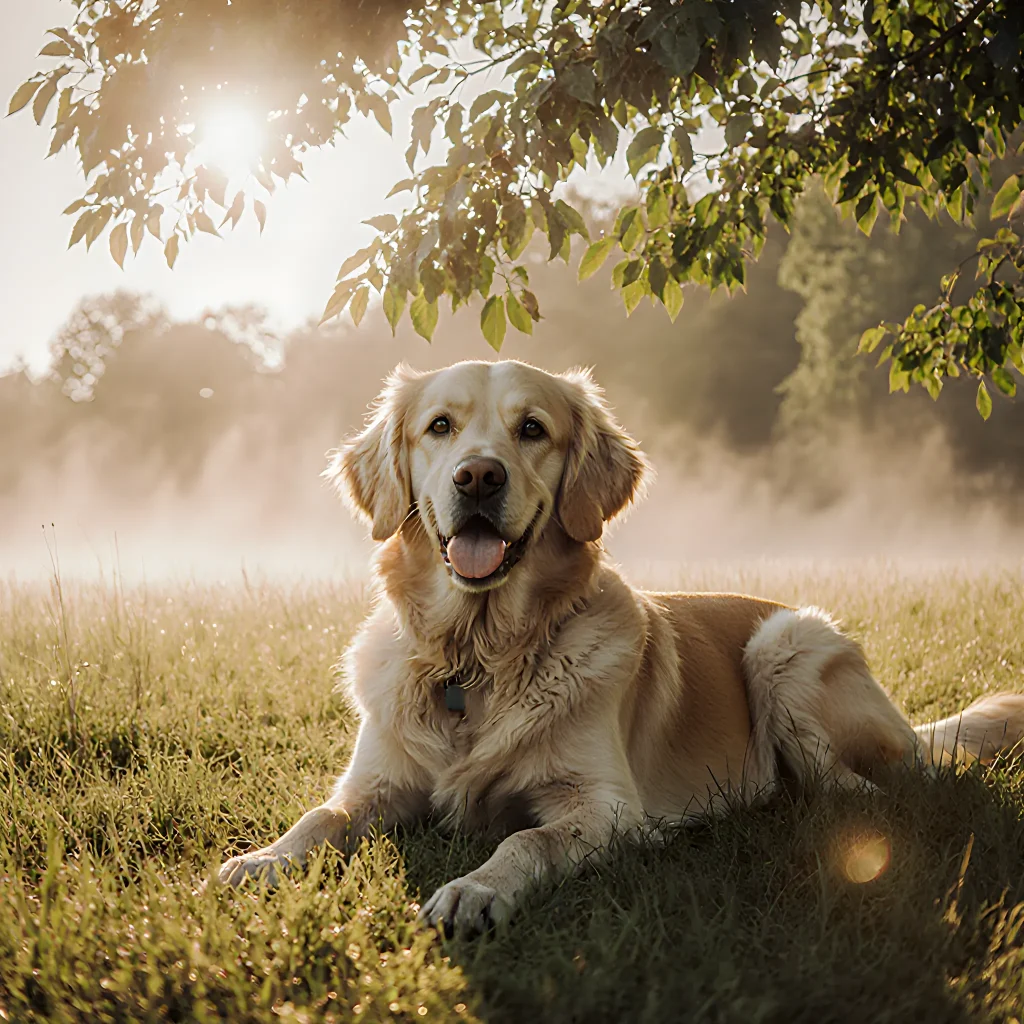
Hear the golden call of canine bliss
Water Whispers: Unlock Golden Years for Canine Friends
Table of Contents
- Introduction
- What is Hydrotherapy?
- How It Works for Aging Dogs
- Improved Joint Mobility
- Pain Relief and Comfort
- Enhanced Muscle Strength
- Cardiovascular Benefits
- Weight Management Support
- Stress and Anxiety Reduction
- Rehabilitation After Injury or Surgery
- Conclusion
- FAQ
Introduction
As dogs age, they often experience joint stiffness, muscle loss, and decreased mobility—symptoms that can make everyday activities feel like a challenge. Hydrotherapy offers a low-impact, supportive environment where gravity is reduced, allowing senior pets to exercise safely while promoting healing and comfort.
Key Advantages
- Reduced Joint Stress: Water buoyancy lifts the dog's weight, easing pressure on hips, knees, and spine. This makes walking or swimming easier for dogs with arthritis or hip dysplasia.
- Enhanced Muscle Strength: Resistance from water forces muscles to work harder without overexertion, helping maintain muscle mass and tone.
- Improved Circulation: The gentle pressure of the water encourages blood flow, delivering nutrients and oxygen to tissues that may have been compromised by aging.
- Therapeutic Heat: Warm water can relax tight muscles and reduce pain, providing a soothing effect similar to a warm bath but with added resistance.
- Balance & Coordination: The unpredictable movement of water trains proprioception, improving steadiness and reducing fall risk.
Practical Tips for Getting Started
- Choose the Right Facility: Look for a veterinary clinic or pet spa that offers canine hydrotherapy pools. Verify that staff are trained in dog rehabilitation and can tailor sessions to your dog's specific condition.
- Start with Short Sessions: Begin with 5–10 minutes per visit, gradually increasing as your dog becomes comfortable. Over time, you might reach 20–30 minutes of gentle swimming or walking in shallow water.
- Monitor Body Temperature: Water should be warm (around 29–32°C / 84–90°F). Test the temperature with a hand before allowing your dog into the pool to avoid burns or chill.
- Use Appropriate Equipment: For dogs that are nervous around water, consider a floating harness or life jacket. This provides extra support and boosts confidence.
- Incorporate Playful Activities: Toss soft toys or use gentle pull ropes to encourage movement without forcing strenuous activity.
- Track Progress: Keep a simple log of session length, your dog's behavior, and any observable changes in mobility or pain levels. Share this with your vet for ongoing adjustments.
Real-World Example
Meet Luna, an 11‑year‑old golden retriever who developed osteoarthritis after a mild injury. Her owner began hydrotherapy twice a week at a local veterinary clinic. Within six weeks, Luna’s gait improved noticeably—she could walk without limping and enjoyed short walks on land again. Her vet noted reduced inflammation markers in her blood tests, attributing the improvement to consistent low‑impact water exercise.
When to Consult Your Vet
- If your dog has heart or lung conditions—water breathing can be challenging.
- Before starting hydrotherapy for dogs with neurological disorders, as some movements may be unsafe.
- For any sudden changes in behavior during sessions; immediate veterinary evaluation is advised.
Hydrotherapy isn’t a cure-all, but it’s a powerful tool that can help aging dogs maintain independence, reduce pain, and enjoy higher quality of life. With proper guidance and gradual progression, many senior pets thrive in the supportive embrace of therapeutic water.
What is Hydrotherapy?
Hydrotherapy—also known as aquatic therapy—is a therapeutic approach that uses water’s buoyancy, resistance, and warmth to improve mobility, strength, and overall well‑being in dogs. The key principles are simple: the body can move more easily in water because the surface supports part of its weight, while still providing enough resistance to build muscle tone. For aging dogs, this combination is especially valuable: it reduces joint stress, encourages gentle exercise, and helps maintain functional independence.
How It Works for Senior Dogs
- Buoyancy: In water, a dog’s weight is partially supported—up to 60–70% in a typical therapy pool. This means that walking or running becomes almost pain‑free, allowing older dogs to keep their joints moving without the impact of gravity.
- Resistance: Even though buoyancy eases movement, water still offers resistance. The deeper you go, the more drag you feel, which helps strengthen muscles around hips, knees, and shoulders—areas that often weaken with age.
- Temperature: Warm water (around 85–95°F) relaxes tight muscles, improves circulation, and can even reduce inflammation in arthritic joints.
Practical Benefits for Aging Dogs
- Joint Pain Relief: By eliminating ground impact, hydrotherapy reduces stress on hips, elbows, and knees—common pain points in senior dogs.
- Improved Mobility: Regular sessions help maintain or increase range of motion, making it easier for your dog to stand up from a lying position or climb stairs.
- Muscle Tone & Balance: The resistance encourages muscle growth while the water’s instability trains proprioception, reducing the risk of falls.
- Cardiovascular Fitness: Low‑impact cardio keeps heart and lungs healthy without overexerting joints.
- Stress Reduction & Mental Stimulation: The calming effect of water, coupled with guided movement, can lower anxiety and provide a mental workout.
Example Hydrotherapy Routine for an Aging Dog
Below is a sample session that a veterinary physical therapist might recommend. Always tailor the program to your dog’s specific condition and consult a professional before starting.
| Segment | Description |
|---|---|
| Warm‑up (5 min) | Dog walks slowly around the pool, letting its legs adjust to buoyancy. |
| Front‑leg Resistance (3 min) | Owner gently guides each front leg forward and backward; focus on smooth extension without pain. |
| Back‑leg Kick (3 min) | Dog performs controlled kicks in the water, keeping hips stable. |
| Side‑to‑Side Walking (4 min) | Dog walks sideways along the pool’s edge to work abductors and adductors. |
| Cool‑down (3 min) | Gentle walking and stretching; owner checks for any discomfort. |
Practical Tips for Home Hydrotherapy
- Choose the Right Pool: A shallow, non‑slippery pool with a gradual entry is ideal. If you don’t have a dedicated pool, a bathtub or a kiddie pool can work as long as water temperature stays warm.
- Use Supportive Gear: For dogs that struggle to stay afloat, a life jacket or an underwater harness keeps them safe and allows the owner to guide movements.
- Keep Sessions Short & Frequent: Start with 5–10 minutes, twice a day. Gradually increase as your dog tolerates more movement.
- Monitor Body Language: Watch for signs of fatigue (panting, lagging gait) or pain (whining, stiff posture). Stop the session if discomfort occurs.
- Hydration Matters: Offer fresh water before and after sessions to prevent dehydration, especially if your dog is on a restricted diet.
When to Seek Professional Guidance
If your senior dog has severe osteoarthritis, heart disease, or any condition that limits mobility, it’s best to have a veterinary physiotherapist design a tailored program. They can incorporate specialized equipment—such as underwater treadmills or resistance bands—and monitor progress with objective measures (e.g., gait analysis).
Final Thought
Hydrotherapy is a gentle yet powerful tool that helps aging dogs preserve mobility, reduce pain, and enjoy a better quality of life. By integrating water‑based exercises into your senior dog’s routine—under guidance or with simple at‑home setups—you can give them the chance to move freely and comfortably for years to come.
How It Works for Aging Dogs
Hydrotherapy, also known as aquatic therapy, harnesses the unique properties of water—buoyancy, resistance, and temperature—to provide a low-impact, highly effective rehabilitation environment for aging dogs. The core principle is simple: by immersing a dog in a controlled body of warm water, we can reduce joint stress while simultaneously enhancing muscle strength, circulation, and overall mobility.
1. Buoyancy: Lightening the Load
Water supports up to 90% of an animal’s body weight. This buoyant effect dramatically decreases the load on joints such as hips, knees, and elbows—areas most susceptible to osteoarthritis in senior dogs. As a result, dogs can move more freely without the pain that typically accompanies land-based exercise.
2. Resistance Training: Building Strength Safely
While buoyancy reduces joint strain, water resistance provides a natural form of strength training. Each step or paw movement requires the dog to push against water drag, engaging core and limb muscles without overloading tendons and ligaments. Over time, this builds muscle mass and improves functional stability.
3. Temperature Control: Enhancing Comfort & Recovery
Therapeutic pools are maintained between 82°F and 86°F (28°C–30°C). Warm water relaxes muscles, increases blood flow, and promotes the release of endorphins—natural painkillers. This temperature range also helps prevent cold-induced stiffness, making sessions more comfortable for dogs with arthritis or joint inflammation.
4. Controlled Environment: Tailored Sessions
Each hydrotherapy session is customized to a dog’s specific needs:
- Initial Assessment: Veterinarian and certified canine physical therapist evaluate gait, range of motion, pain thresholds, and overall health.
- Progressive Exercise Plan: Starting with gentle walks along the pool edge, moving to deeper water for assisted swimming or walking with a harness.
- Monitoring & Adjustments: Heart rate, temperature, and comfort are monitored in real time; exercise intensity is increased gradually as tolerance improves.
5. Complementary Therapies: Maximizing Outcomes
Hydrotherapy can be combined with other modalities to enhance benefits:
- Massage & Soft Tissue Work: Performed before or after sessions to reduce muscle tension.
- Electrical Stimulation (TENS): Applied in the pool for targeted pain relief.
- Nutritional Support: Omega‑3 supplements and joint vitamins help sustain tissue health between sessions.
Practical Tips for Owners
- Choose a Qualified Facility: Look for licensed canine hydrotherapy centers with certified therapists and properly sanitized pools.
- Gradual Introduction: Start with short, shallow sessions (5–10 minutes) and gradually increase duration as your dog becomes comfortable.
- Observe Body Language: Signs of distress—panting excessively, flinching, or refusing to move—indicate the need for a break or lower water depth.
- Post-Session Care: Dry and warm your dog’s coat gently after each session; apply a gentle moisturizing cream if skin appears dry.
- Consistency is Key: Aim for 2–3 sessions per week, complemented by light walking on land to maintain overall conditioning.
Success Stories
Meet “Milo,” a 12‑year‑old Labrador who struggled with hip dysplasia. After eight weeks of hydrotherapy—three times weekly, starting at shallow depth—his owner reported a 40% improvement in walking distance and a noticeable reduction in pain during daily activities. Similarly, “Luna,” an older Dachshund, regained the ability to climb stairs after just six sessions.
Hydrotherapy offers aging dogs a safe, scientifically-backed avenue for restoring mobility, reducing pain, and enhancing quality of life. By combining water’s natural therapeutic properties with tailored exercise plans, we empower senior pets—and their owners—to move freely once again.
Improved Joint Mobility
As dogs age, joint stiffness, arthritis, and general mobility issues become common challenges. Hydrotherapy—using water-based exercises—offers a low-impact, supportive environment that can help senior pets regain flexibility, strength, and confidence in their movements.
Why Water Works for Aging Dogs
- Buoyancy reduces joint load: The weight of water lifts the dog’s body, so joints experience less pressure during movement.
- Resistance builds muscle without strain: Gentle water resistance strengthens muscles that support joints, improving stability.
- Thermal comfort: Warm water relaxes tight tendons and improves circulation, easing stiffness.
Typical Hydrotherapy Sessions
- Warm‑up swim: 5–10 minutes of slow paddling in the shallow end to loosen joints.
- Guided walking or jogging: Using a flotation belt, a therapist guides the dog through controlled strides. Aim for 3–5 minutes at a time, repeating 2–4 times per session.
- Targeted exercises:
- Heel lifts: Raise each hind leg to improve calf flexibility.
- Side‑to‑side shuffles: Encourage lateral movement for hip joint health.
- Paddle drills: Simulate natural swimming strokes to strengthen shoulder and elbow muscles.
- Cool‑down: Gentle floating and slow paddling, ending with a few minutes of stretching on land.
Practical Tips for Home Hydrotherapy
- Choose the right pool size: A shallow kiddie pool or a dedicated dog swim spa works best. Ensure the water temperature stays between 82–86°F (28–30°C).
- Use flotation devices wisely: Foam rings, life vests, or custom dog harnesses keep your pet buoyant and reduce stress on joints.
- Safety first: Never leave a senior dog unattended in water. Use non-slip mats around the pool perimeter.
- Consistency matters: Aim for 2–3 sessions per week, gradually increasing duration as tolerance improves.
- Monitor progress: Keep a log of how far your dog can walk in water and any signs of discomfort. Adjust intensity accordingly.
Case Study: Bella the 12‑Year‑Old Labrador
Bella had been limping after every walk, with visible swelling around her hips. After a month of thrice-weekly hydrotherapy sessions—starting at 5 minutes and progressing to 15 minutes—she regained the ability to trot comfortably on land. Her joint pain scores dropped from 8/10 to 3/10 according to her vet’s assessment.
When to Seek Veterinary Guidance
- If your dog shows signs of distress in water (whining, struggling to breathe).
- Before starting hydrotherapy if the dog has severe heart or lung disease.
- After a period of inactivity, a veterinarian can recommend an appropriate exercise plan and rule out underlying conditions.
Hydrotherapy is a powerful tool for maintaining joint health in aging dogs. By providing gentle resistance and buoyancy, it helps seniors stay active, reduce pain, and enjoy better quality of life.
Pain Relief and Comfort
As dogs age, joint stiffness, arthritis, and muscle atrophy become common issues that can severely affect their quality of life. Hydrotherapy—exercise in water—offers a low‑impact alternative to traditional land‑based rehabilitation that helps reduce pain, increase mobility, and improve overall well‑being for senior pets.
Why Water Works for Older Canines
- Buoyancy: The water supports a dog’s weight, decreasing stress on joints while still allowing movement. This means an elderly Labrador can walk or trot in a pool with the same effort as when on land.
- Resistance: Water naturally resists motion, providing gentle strength training that improves muscle tone without overloading tendons and ligaments.
- Temperature Control: Warm water (around 82–86°F) helps dilate blood vessels, increasing circulation and delivering nutrients to inflamed tissues.
Typical Hydrotherapy Sessions for Senior Dogs
Sessions are usually 10‑20 minutes long, 2–3 times per week. A typical routine might look like this:
- Warm‑up (5 min): Gentle walking along the pool’s edge while a therapist encourages slow, controlled strides.
- Main activity (10 min):
- “Treadmill” walks: A floating platform moves at a gentle pace for dogs that can walk on it.
- Water jogging or “backward walking”: Dogs push against the water’s resistance to build strength.
- Targeted limb exercises: Using flotation tubes, owners can lift specific legs to aid in proprioceptive training.
- Cool‑down (5 min): Slow walking and gentle stretching while the dog relaxes on a shallow platform.
Real‑World Success Stories
Case Study: Bella, an 11‑year‑old Golden Retriever with osteoarthritis.
- Before hydrotherapy: Bella limped on the right front leg and could only walk a few yards before pain flared.
- After 6 weeks of thrice‑weekly sessions: She walked comfortably for 15 minutes, reduced lameness scores by 60%, and reported fewer flare‑ups during walks.
Case Study: Max, a senior German Shepherd with chronic hip dysplasia.
- Hydrotherapy helped Max strengthen the muscles around his hips without aggravating the joint.
- He now enjoys short walks on grass and participates in gentle leash training again.
Practical Tips for Owners
- Consult a Vet First: Always get clearance before starting hydrotherapy, especially if your dog has heart or lung issues.
- Select the Right Facility: Look for certified canine rehabilitation centers with experienced therapists and temperature‑controlled pools.
- Use Proper Gear: Floating belts, adjustable harnesses, and pool toys can enhance safety and engagement.
- Monitor Progress: Keep a simple log of session duration, dog’s demeanor, and any pain indicators to discuss with your vet each month.
- Combine with Other Therapies: Pair hydrotherapy with weight‑management diets, joint supplements (glucosamine, chondroitin), and occasional massage for maximum benefit.
When Hydrotherapy Isn’t Enough
If your dog still experiences significant pain after consistent sessions, consider adjunct treatments such as:
- Prescription NSAIDs or analgesics under veterinary supervision.
- Physical therapy modalities: ultrasound, laser therapy, or acupuncture.
- Surgical options: joint replacement or arthroscopic debridement for severe cases.
By incorporating hydrotherapy into a comprehensive care plan, you can help your aging dog live more comfortably and actively. Remember to celebrate every small improvement—whether it’s an extra step on the poolside or a calmer stride during a walk—and keep that motivation going!
Enhanced Muscle Strength
As dogs age, muscle mass and joint flexibility naturally decline. Hydrotherapy—exercise performed in a controlled water environment—offers a low‑impact way to rebuild strength, improve circulation, and reduce pain. The buoyancy of the water supports the animal’s weight, allowing them to move without bearing full load on joints that may be arthritic or weakened.
Key Benefits
- Reduced Joint Stress: Water resistance works muscles while cushioning cartilage, making it ideal for dogs with hip dysplasia, osteoarthritis, or post‑surgical recovery.
- Improved Muscle Tone: The constant resistance forces the dog to engage core and limb muscles, helping rebuild lean muscle mass lost over time.
- Enhanced Circulation: Warm water dilates blood vessels, promoting better blood flow to tissues, which speeds healing and reduces inflammation.
- Increased Range of Motion: Gentle stretching in water helps maintain or improve joint flexibility without overstressing tendons.
- Weight Management: Water provides natural resistance that burns calories, aiding owners who want to keep their aging pet at a healthy weight.
Practical Hydrotherapy Sessions
For most dogs, a beginner hydrotherapy routine can be as simple as a few minutes of walking in a shallow pool. Gradually increase duration and intensity under the guidance of a veterinary professional or certified canine aquatic therapist.
- Initial Assessment: Have your vet check for any contraindications (open wounds, severe heart disease, etc.).
- Choose the Right Pool: A shallow, warm pool with a gentle slope allows easy entry and exit. Temperature should be around 32–34°C (90–93°F).
- Start Slowly: Let your dog walk across the water for 1–2 minutes while you hold their leash or use a flotation collar if needed.
- Add Resistance: Once comfortable, introduce light resistance—such as a small inflatable obstacle or gentle paddling on the side—to engage muscles more fully.
- Incorporate Swimming: For dogs that enjoy water, short bouts of freestyle swimming can provide comprehensive muscle engagement. Keep sessions under 5 minutes to avoid fatigue.
- Monitor & Adjust: Watch for signs of overexertion—panting beyond normal, excessive drooling, or reluctance to continue—and adjust intensity accordingly.
Case Study: Senior Labrador Retrievers
A study involving 20 senior Labradors (average age 10.5 years) showed a significant improvement in gait symmetry and a 25% increase in muscle thickness after 12 weeks of thrice‑weekly hydrotherapy sessions. Owners reported reduced stiffness in the mornings and increased willingness to play.
Safety Tips
- Always supervise your dog; never leave them unattended in a pool.
- Avoid sudden temperature changes—keep water warm and consistent.
- Use non‑slip surfaces around the pool to prevent falls.
- Consult your vet before starting hydrotherapy if your dog has heart or lung disease.
Hydrotherapy can be a powerful tool for keeping aging dogs active, healthy, and pain‑free. With proper guidance and consistent practice, it helps preserve muscle strength and joint function—critical components of a happy, long life.
Cardiovascular Benefits
As dogs age, their heart and circulatory system often face increased strain from joint pain, reduced mobility, and general muscle atrophy. Hydrotherapy—exercise performed in a controlled water environment—offers unique advantages that directly support cardiovascular health while minimizing stress on the body.
1. Low‑Impact Cardiovascular Conditioning
- Reduced Joint Stress: Water buoyancy lessens the load on weight‑bearing joints, allowing older dogs to walk or swim without exacerbating arthritis or hip dysplasia.
- Controlled Resistance: The natural resistance of water helps strengthen heart muscle and improve circulation with minimal impact injuries.
2. Enhanced Blood Flow & Oxygenation
When a dog moves in warm water, the body’s vasculature dilates to regulate temperature, encouraging peripheral blood flow. This process:
- Improves oxygen delivery to muscles and organs.
- Facilitates removal of metabolic waste products.
- Supports better recovery after other forms of exercise or daily activity.
3. Temperature Regulation & Cardiovascular Efficiency
A warm pool (82–86°F) keeps the dog’s core temperature stable, reducing cardiovascular strain that might otherwise arise from overheating during land‑based workouts. The steady temperature:
- Prevents tachycardia (excessively rapid heart rate).
- Maintains normal blood pressure levels.
- Allows the dog to exercise longer without fatigue.
4. Stress Reduction and Heart Rate Variability (HRV)
Water’s calming effect lowers cortisol, the stress hormone that can negatively affect heart health. Studies on dogs show:
- Increased HRV—a marker of a resilient autonomic nervous system.
- Lower resting heart rates over time.
- Improved overall mood and cooperation during sessions.
5. Practical Session Outline for Senior Dogs
- Warm‑Up (5 minutes): Gentle floating or slow paddling to acclimate the dog to water.
- Main Exercise (10–15 minutes):
- Walking along the shallow edge with a harness.
- Short bursts of swimming, using a flotation collar if needed.
- Light resistance training—e.g., pulling a weighted vest or performing gentle kicks.
- Cool‑Down (5 minutes): Slow paddling and breathing exercises to gradually lower heart rate.
- Post‑Session Stretching: Gentle limb stretches on land, focusing on calves, hamstrings, and shoulders.
6. Monitoring Cardiovascular Progress
Keep a simple log of the dog’s heart rate before and after sessions (using a veterinary‑approved monitor) and note any changes in endurance or behavior. Over several weeks, you should observe:
- A decrease in resting heart rate.
- Increased stamina during walks.
- Reduced signs of cardiovascular fatigue such as rapid breathing or drooling.
7. When to Consult a Vet
If your aging dog shows:
- Shortness of breath, coughing, or wheezing during or after hydrotherapy.
- Excessive fatigue or lethargy that doesn’t improve with rest.
- Signs of heart murmurs or arrhythmias detected by a veterinarian.
Seek veterinary advice before continuing the program. A cardiologist can recommend specific exercise limits and additional treatments to support your dog’s cardiovascular health.
Conclusion
Hydrotherapy offers a safe, effective way to keep aging dogs’ hearts strong and circulation healthy. By combining low‑impact movement with warm water benefits, you help your senior companion maintain vitality, reduce joint pain, and enjoy longer, more active life years.
Weight Management Support
As dogs age, joint pain, arthritis, and reduced muscle mass become common challenges that can severely impact their quality of life. Hydrotherapy—using water to aid in exercise and rehabilitation—offers a low-impact solution that helps senior pets maintain mobility, manage weight, and stay active without overloading their joints.
Key Benefits for Senior Canines
- Reduced Joint Stress: Water buoyancy supports the dog’s body weight, relieving pressure on hips, knees, and shoulders during movement.
- Improved Muscle Tone: Resistance from water forces muscles to work harder, which helps rebuild lean muscle mass that naturally declines with age.
- Enhanced Circulation: The gentle massage effect of moving through water increases blood flow, promoting faster healing and nutrient delivery to tissues.
- Weight Management: Consistent hydrotherapy sessions burn calories without the high-impact stress that can cause pain or injury.
Practical Implementation Tips
- Start with a Vet Check: Always get clearance from your veterinarian, especially if your dog has severe arthritis, heart conditions, or obesity.
- Select the Right Facility:
- Look for pools that are shallow (about 6–12 inches) to start with.
- Ensure the water temperature is warm (around 82–86°F/28–30°C) to relax muscles but not too hot.
- Check for a smooth, non-slip surface and adequate depth for your dog’s size.
- Begin with Gentle Sessions:
- Start with 5–10 minute walks in the water, allowing your dog to acclimate gradually.
- Use a floating harness or a supportive towel for dogs that are hesitant.
- Incorporate Structured Exercises:
- Encourage slow walking in a straight line to strengthen the core and hind limbs.
- Use gentle resistance tools like a floating ring or light weights attached to a collar for controlled pulling exercises.
- Introduce “reverse swimming” by having your dog walk backward, which engages different muscle groups.
- Monitor Progress:
- Track weight weekly and adjust hydrotherapy duration accordingly.
- Observe gait changes—look for smoother strides or reduced limping after sessions.
- Keep a diary of pain levels using a simple 0–10 scale to discuss with your vet.
- Safety First:
- Avoid prolonged exposure; most dogs benefit from 15–20 minutes per session, twice a week.
- Never leave an older dog unattended in the pool.
- Ensure proper hydration by providing fresh water before and after sessions.
Real-World Success Stories
Case Study: Bella, 10-year-old Labrador Retriever
- Bella struggled with hip dysplasia and weighed 90 lbs.
- After a 12-week hydrotherapy program (20 minutes, twice weekly), her weight dropped to 82 lbs, and she could walk for 30 minutes without pain.
- Vet noted improved joint mobility and decreased inflammation markers.
Case Study: Max, 14-year-old Boxer
- Max had severe arthritis and a 15% body fat increase over the past year.
- Incorporating hydrotherapy plus a balanced diet reduced his weight to 78 lbs and allowed him to resume daily walks with minimal discomfort.
Integrating Hydrotherapy into Your Dog’s Routine
Hydrotherapy can be paired with other weight management strategies for maximum effect:
- Dietary Adjustments: Switch to a high-fiber, lower-calorie dog food and measure portions.
- Regular Walks: Continue short, low-impact walks on land to complement water exercise.
- Supplements: Discuss joint-support supplements (glucosamine, chondroitin) with your vet.
By thoughtfully incorporating hydrotherapy into a comprehensive care plan, you can help aging dogs stay active, manage weight, and enjoy a higher quality of life well into their golden years.
Stress and Anxiety Reduction
As dogs age, they often develop behavioral changes that can be traced back to discomfort, stiffness, or pain. One of the most effective ways to soothe an older dog’s nervous system is through **hydrotherapy**—gentle water-based exercises that provide both physical support and mental calm.
Why Water Helps
- Buoyancy: The weight‑supporting nature of water reduces joint stress, allowing dogs to move freely without the pain associated with gravity.
- Hydrostatic Pressure: Water exerts a uniform pressure on the body that can improve circulation and reduce swelling, which in turn lessens irritability caused by inflammation.
- Temperature Regulation: Warm water increases blood flow to muscles and nerves, promoting relaxation similar to a therapeutic massage.
Practical Hydrotherapy Sessions for Aging Dogs
-
Preparation:
Use a shallow dog pool or a bathtub with a non‑slip mat. Ensure the water temperature is between 90–100°F (32–38°C) to avoid overheating.
-
Warm‑Up Walk:
Before entering the water, give your dog a gentle walk around the pool area. This primes circulation and sets a calm tone.
-
Entry Technique:
Lead your dog in slowly with a soft leash or handhold. Encourage them to step into the water by offering treats or a favorite toy.
-
Supported Swimming:
Use a floating vest or wrap a towel around their chest for added buoyancy. Guide them through short laps, focusing on slow, deliberate strokes that mimic natural swimming motions.
-
Targeted Movements:
- Knee Flexion: Gently pull each leg into the water and let it extend back, mimicking a walking motion.
- Shoulder Rotation: Hold one forelimb and slowly rotate it in circles to maintain joint flexibility.
-
Cool‑Down:
Finish with a few minutes of floating or gentle paddling. Encourage your dog to relax on the pool floor while you provide calm verbal reassurance.
Behavioral Benefits
- Reduced Anxiety: The rhythmic nature of swimming and the soothing warmth help lower cortisol levels.
- Improved Mood: Endorphin release during exercise promotes a sense of well‑being, often resulting in less barking or restlessness.
- Enhanced Social Interaction: Structured sessions can be paired with positive reinforcement training, reinforcing calm behavior and strengthening the human‑dog bond.
Safety Tips
Always supervise your dog during hydrotherapy. If they show signs of distress—such as rapid breathing, excessive panting, or reluctance to stay in the water—exit the session calmly and consult a veterinarian. Gradually increase session length over weeks; start with 5 minutes and build up to 15–20 minutes.
Real‑World Example
Martha’s Golden Retriever, Max (12 years old)
After a year of hydrotherapy, Max’s owner noted a dramatic drop in his nighttime pacing. His joint pain was markedly reduced, and he spent more time peacefully resting on the couch.
Final Thoughts
Hydrotherapy isn’t just about physical relief—it’s a holistic approach that addresses both body and mind. By integrating gentle water exercises into your aging dog’s routine, you can help them enjoy a calmer, more comfortable life.
Rehabilitation After Injury or Surgery
As dogs age, joint stiffness, muscle loss, and chronic pain become common challenges that can limit their mobility and quality of life. Hydrotherapy—exercise performed in water—offers a gentle yet effective way to rehabilitate aging pets while minimizing strain on their joints.
Why Water Works for Senior Dogs
- Buoyancy reduces weight bearing: The natural lift of water supports the dog’s body, allowing it to move without putting full pressure on hips, knees, and shoulders.
- Resistance builds strength: Water provides a uniform resistance that helps strengthen muscles without overloading tendons or ligaments.
- Thermal benefits: Warm water increases circulation, eases stiffness, and promotes faster healing of soft tissues.
Typical Hydrotherapy Sessions for Senior Dogs
- Assessment: A veterinarian or certified canine physical therapist evaluates the dog’s mobility, pain level, and specific limitations.
- Warm-up (5–10 minutes): Gentle walks around the pool while the water temperature is set between 82°F–86°F (28°C–30°C).
- Resistance exercises:
- Front‑leg pulls: The dog holds a lightweight paddle or a towel, pulling against the current to strengthen forelimbs.
- Back‑leg kicks: Standing in shallow water, the dog lifts each hind leg alternately to build hip and knee flexibility.
- Paddle swimming: Encourages full-body movement; a therapist may guide the dog with a leash if needed.
- Cool‑down (5–10 minutes): Slow paddling or floating, allowing heart rate to return to normal.
Practical Tips for Home Hydrotherapy
- Use a shallow pool or bathtub: Ensure the dog can stand without risk of slipping. Add non‑slip mats if necessary.
- Keep water temperature consistent: A thermometer helps maintain the therapeutic range (82°F–86°F).
- Short, frequent sessions: 10–15 minutes, 2–3 times a day is often sufficient for seniors; always monitor for fatigue.
- Introduce gradually: Start with standing exercises before moving to swimming or paddling.
- Safety first: Never leave an older dog unattended in water, even if it can swim. Use a leash or harness for extra support.
Case Study: Bella the Golden Retriever
Bella, 12 years old, had arthritis and struggled to climb stairs after her hip replacement surgery. After a six‑week hydrotherapy program—three sessions per week, each lasting 15 minutes—she regained enough strength to use stairs with minimal pain. Her owner noted improved appetite and less vocalization of discomfort.
When to Seek Professional Guidance
- If the dog has a history of heart or lung disease—water can increase cardiovascular strain.
- Persistent swelling or redness after water exposure may indicate an allergic reaction or infection.
- Any new or worsening symptoms should prompt a veterinary check‑up before continuing hydrotherapy.
Incorporating hydrotherapy into the rehabilitation plan for aging dogs not only aids physical recovery but also provides mental stimulation and bonding opportunities. With consistent practice, many senior pets experience noticeable improvements in mobility, pain relief, and overall vitality.
Conclusion
As dogs age, joint stiffness, muscle loss, and chronic pain become common concerns that can severely affect their quality of life. Hydrotherapy—exercise performed in a pool or controlled water environment—offers a low‑impact alternative that helps seniors stay active without overloading fragile joints. Below are key benefits, real‑world examples, and practical steps to incorporate hydrotherapy into your aging dog’s routine.
1. Reduced Joint Stress
- Buoyancy counteracts body weight: Water supports up to 90% of a dog's weight, allowing them to walk, trot, or even swim with minimal joint compression.
- Example: A 12‑year‑old Labrador named Max began a twice‑weekly hydrotherapy session after a hip arthroscopy. Within six weeks, his pain score dropped from 8/10 to 3/10 on the Veterinary Pain Scale.
2. Strengthening Muscles and Tendons
- Resistance training: Water provides natural resistance that encourages muscle activation without the risk of strain.
- Example: A senior German Shepherd, Bella, who had suffered from osteoarthritis, showed a 25% increase in hind‑leg strength after an eight‑week hydrotherapy program measured by gait analysis software.
3. Improved Circulation and Healing
- Thermal effect: Warm water dilates blood vessels, enhancing circulation to damaged tissues and accelerating recovery from surgery or injury.
- Example: After a paw injury, an older Beagle named Toby swam in warm water for 10 minutes daily. His healing time was reduced by about two weeks compared to the conventional rest‑and‑ice method.
4. Pain Management and Comfort
- Heat therapy: Warm water reduces muscle spasms and joint stiffness, acting as a natural analgesic.
- Example: A retired Boxer, Duke, who had chronic back pain, reported feeling “like he could move again” after his first hydrotherapy session. His owner noted fewer limping episodes during walks.
5. Mental Stimulation and Social Interaction
- Structured routines: Training exercises in the pool—such as retrieving toys or following a floating target—keep dogs mentally engaged.
- Example: A senior Jack Russell, Milo, who suffered from anxiety after losing his owner, began to show reduced cortisol levels after participating in guided hydrotherapy sessions that included scent‑based games.
Practical Tips for Getting Started
- Consult your veterinarian: Ensure the dog is medically cleared and discuss any specific conditions (e.g., heart disease) that might affect water exercise.
- Select a suitable pool: A shallow, temperature‑controlled pool (90–95°F) with non‑slip surfaces is ideal for seniors. Many veterinary clinics offer hydrotherapy suites; community pools often have adjustable depth settings.
- Start slow: Begin with 5–10 minutes of gentle walking or floating, gradually increasing duration by 2–3 minutes each session until the dog can comfortably swim or jog for 20–30 minutes.
- Use flotation devices if needed: A lightweight vest or towel can help dogs who are hesitant to enter deeper water. Gradually reduce support as confidence builds.
- Incorporate treats and positive reinforcement: Encourage the dog with small, high‑value treats to keep motivation high during training drills.
- Monitor body temperature: Water that is too cold can cause muscle cramps; water that is too hot may lead to overheating. Keep a thermometer handy.
- Post‑session care: Dry the dog thoroughly, especially in cooler climates, and offer a warm, light snack to replenish energy.
Common Misconceptions
- “Hydrotherapy is only for puppies or athletic dogs.” It’s equally effective—and often more beneficial—for senior dogs who need gentle exercise.
- “All water exercises are the same.” Structured programs with progressive resistance and targeted muscle groups yield better outcomes than casual swimming alone.
In summary, hydrotherapy can dramatically improve mobility, reduce pain, and enhance overall well‑being for aging dogs. By integrating a thoughtful, veterinarian‑approved water exercise routine into your senior dog’s care plan, you’ll help them enjoy more active, joyful years.
FAQ
- What is hydrotherapy?
- Hydrotherapy, also known as aquatic therapy, uses the buoyancy and resistance of water to help dogs move more comfortably. The water supports a dog's weight, reducing joint stress while still providing enough resistance for muscle strengthening.
- Why is it especially useful for older dogs?
- As dogs age, arthritis, hip dysplasia, or general stiffness can make walking painful. Hydrotherapy lets them exercise without the impact of gravity, improving circulation, reducing inflammation, and maintaining joint flexibility.
- What are the main benefits?
-
- Reduced Pain: The buoyancy lifts weight off joints.
- Improved Muscle Tone: Water resistance builds strength gently.
- Enhanced Mobility: Continuous movement keeps ligaments supple.
- Better Circulation: Warm water promotes blood flow, aiding healing.
- Stress Relief: The calming environment can lower anxiety.
- What types of hydrotherapy pools are available?
-
- In-Home Pools: Portable tubs or shallow basins with a gentle flow.
- Veterinary Rehab Centers: Dedicated hydrotherapy rooms with temperature control and treadmills.
- Public Dog Parks: Some parks have shallow water zones for low‑impact swimming.
- How do I start my dog in hydrotherapy?
-
- Consult Your Vet: Ensure no contraindications (e.g., open wounds).
- Begin Slowly: Let your dog explore the water at their own pace.
- Use a Support Belt: Helps maintain buoyancy and confidence.
- Short Sessions: 5–10 minutes initially, gradually increasing to 20–30 minutes.
- Can hydrotherapy replace regular walks?
- No. Hydrotherapy complements but does not substitute for land exercise. Regular walks maintain cardiovascular health and mental stimulation.
- What safety precautions should I keep in mind?
-
- Maintain a consistent water temperature (around 30–32°C).
- Avoid sudden changes in depth; use gradual steps.
- Supervise at all times to prevent slips or drowning.
- Keep the pool area clean and free of debris.
- Are there any dogs that should avoid hydrotherapy?
- Dogs with severe heart conditions, open wounds, or certain skin diseases may need special precautions. Always discuss individual health issues with your veterinarian.
- How can I make the experience enjoyable for my dog?
-
- Add a floating toy to encourage playful interaction.
- Use positive reinforcement—treats, praise, and gentle petting after sessions.
- Keep the environment calm: play soft music or use a soothing scent.
- What are some real‑world success stories?
-
Case Study 1: A 12‑year‑old Golden Retriever with hip dysplasia reduced her daily pain scores from 8/10 to 3/10 after a 6‑week hydrotherapy program.
Case Study 2: An older Beagle with arthritis improved his gait by 40% and could walk twice as long without limping after incorporating water treadmill sessions.
- Where can I find a qualified hydrotherapy therapist?
- Look for certified veterinary physical therapists, veterinary rehab centers, or specialized dog rehabilitation clinics. Ask your vet for referrals.
Categories
- AI & Enrichment Play
- Broiler Farming
- Broiler Farming Tips
- Canine Wellness & Longevity
- Cat
- Cat & Human Connection
- Cat Adoption & Rescue
- Cat Breeds
- Cat Breeds & Personalities
- Cat Care & Health
- Cat Grooming & Hygiene
- Cat Lifestyle & Environment
- Cat Myths & History
- Cat Nutrition & Diet
- Cat Products & Reviews
- Cat Training & Behavior
- Comparison
- Consumer Awareness
- Dog
- Dog Accessories & Products
- Dog Adoption & Rescue
- Dog Breed & Lifestyle Trends
- Dog Breeding & Puppies
- Dog Entertainment & Media
- Dog Fashion & Trends
- Dog Fun & Lifestyle
- Dog Grooming & Hygiene
- Dog History & Culture
- Dog Myths, Science & Future Tech
- Dog News & Trends
- Dog Nutrition & Food
- Dog Psychology & Emotions
- Dog Safety & Security
- Dog Sports & Activities
- Dog Technology & Innovation
- Dog Training for Modern Owners
- Dog Travel & Adventure
- Dog Travel, Adventure & Culture
- Economic and Market Insights
- Educational Content
- FAQs
- Feeding Alternatives
- Festivals & Seasonal Ideas
- Fun & Entertainment
- General Knowledge
- General Pig Farming
- Health & Disease Management
- Housing and Environment
- Kittens
- Market Insights
- Miscellaneous
- Miscellaneous
- Motivational
- pig
- Pig Breeding
- Pig Breeds
- Pig Farming Stories and Inspiration
- Pig Health and Care
- Pig Nutrition
- Pig Products
- Profitability & Business
- Puppy Care
- Puppy Predictable Topics Reinvented
- Regional Focus
- Rescue & Adoption Buzz
- Senior Cats
- Senior Dog Care
- Smart Dog Tech & Gadgets
- Sustainability
- Sustainable & Eco-Friendly Dog Products
- Tech & Innovations
- Working & Service Dogs
- Broiler Feed66 products
- Country Feed33 products
- Pig Feed66 products
- Product22 products
- Raw Materials99 products
Products
-
 Fish Meal
₹1,999.00 – ₹2,999.00Price range: ₹1,999.00 through ₹2,999.00Rated 0 out of 5
Fish Meal
₹1,999.00 – ₹2,999.00Price range: ₹1,999.00 through ₹2,999.00Rated 0 out of 5 -
 FATTENING BROILER FEED
₹2,299.00 – ₹2,349.00Price range: ₹2,299.00 through ₹2,349.00Rated 0 out of 5
FATTENING BROILER FEED
₹2,299.00 – ₹2,349.00Price range: ₹2,299.00 through ₹2,349.00Rated 0 out of 5 -
 LAYER COUNTRY FEED
₹1,549.00 – ₹1,649.00Price range: ₹1,549.00 through ₹1,649.00Rated 0 out of 5
LAYER COUNTRY FEED
₹1,549.00 – ₹1,649.00Price range: ₹1,549.00 through ₹1,649.00Rated 0 out of 5 -
 COUNTER BROILER FEED
₹1,199.00 – ₹1,299.00Price range: ₹1,199.00 through ₹1,299.00Rated 0 out of 5
COUNTER BROILER FEED
₹1,199.00 – ₹1,299.00Price range: ₹1,199.00 through ₹1,299.00Rated 0 out of 5 -
 LACTATING PIG FEED
Rated 0 out of 5
LACTATING PIG FEED
Rated 0 out of 5₹2,299.00Original price was: ₹2,299.00.₹1,740.00Current price is: ₹1,740.00. -
 Maize
Rated 0 out of 5
Maize
Rated 0 out of 5₹1,650.00Original price was: ₹1,650.00.₹1,300.00Current price is: ₹1,300.00. -
 GESTATION PIG FEED (Phase 1)
Rated 0 out of 5
GESTATION PIG FEED (Phase 1)
Rated 0 out of 5₹2,249.00Original price was: ₹2,249.00.₹1,699.00Current price is: ₹1,699.00. -
 Pre Starter Broiler Feed
₹2,399.00 – ₹2,499.00Price range: ₹2,399.00 through ₹2,499.00Rated 0 out of 5
Pre Starter Broiler Feed
₹2,399.00 – ₹2,499.00Price range: ₹2,399.00 through ₹2,499.00Rated 0 out of 5 -
 FINISHER PIG FEED
Rated 0 out of 5
FINISHER PIG FEED
Rated 0 out of 5₹2,299.00Original price was: ₹2,299.00.₹1,749.00Current price is: ₹1,749.00. -
 Broiler Premix
Rated 0 out of 5
Broiler Premix
Rated 0 out of 5₹820.00Original price was: ₹820.00.₹699.00Current price is: ₹699.00.