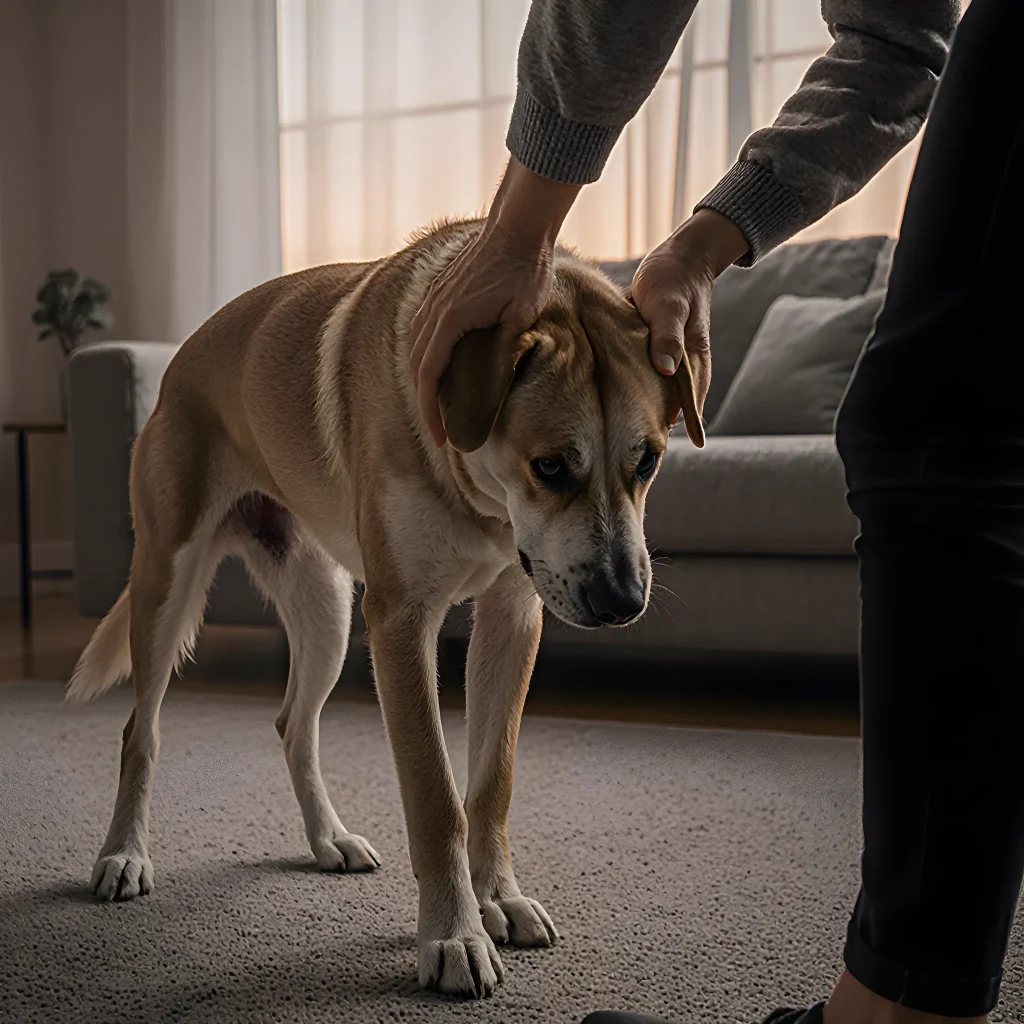
Massage is more than a pampering activity; it’s an evidence‑based therapy that can reduce anxiety, ease chronic discomfort, and improve overall well‑being in dogs. Below are practical techniques tailored to target stress and pain areas, along with step‑by‑step instructions and safety tips.
1. The “Relaxing Strokes” (Swedish‑Style)
Goal: Increase circulation, calm the nervous system.
How to do it:
Place your dog on a firm yet comfortable surface. Use a towel if needed for warmth.
Start at the neck and move down the spine using long, gentle strokes that follow the muscle fibers.
Apply light pressure—just enough to feel a slight resistance but not painful.
Finish with short, circular motions over the shoulders and chest.
2. “Deep Tissue Rub” for Chronic Pain
This technique targets specific muscle groups that often carry tension from repetitive strain or injury.
Identify the problem area: Common spots include the hips, shoulders, and lower back.
Apply pressure: Use your fingertips or knuckles to apply firm, steady pressure for 10–15 seconds.
Move in small circles: Gradually increase radius as the muscle relaxes.
Check comfort level: If the dog shows signs of discomfort (whining, flinching), reduce pressure or stop.
3. “Tennis Ball Relief” for Joint Pain
A simple DIY tool that helps release tension around hips and knees.
Place a tennis ball under the dog’s hindquarters while it lies on its side.
Gently roll the ball forward and backward, allowing gravity to massage the joint area.
Limit the session to 2–3 minutes per leg.
4. “Calming Breathing Cue” (Integrating with Massage)
Combining deep breathing with touch amplifies relaxation.
Hold your dog’s paw gently and inhale slowly for 4 counts.
Allow the dog to exhale naturally while you continue a light stroke on its back.
Repeat 3–5 times, watching for signs of calmness (steady breathing, relaxed ears).
Practical Tips & Safety Checklist
Start slow: New dogs may need a few minutes to adjust to touch.
Watch body language: Avoid areas where the dog pulls away or shows tension.
Avoid bones & joints: Do not massage over fractures, surgical sites, or hot spots.
Consult a vet: Especially if your dog has arthritis, hip dysplasia, or other chronic conditions.
Use natural oils cautiously: Some dogs are allergic to essential oils; always do a patch test first.
Real‑World Example: “Bella’s Back Pain”
Bella, a 10‑year‑old Labrador, complained of stiffness after her daily walk. A routine session using the deep tissue rub on her lower back and a gentle tennis ball roll for hips reduced her pain score from 7/10 to 2/10 within two weeks. Her owner noted improved gait and less whimpering during walks.
Conclusion
Regular massage can be an invaluable part of your dog’s health routine, especially for stress‑related tension and chronic pain. By mastering these techniques and respecting your pet’s limits, you’ll help them stay relaxed, active, and happier every day.
Benefits of Massage for Stress Relief
Massage therapy isn’t just a luxury; it’s a scientifically supported method to reduce stress and alleviate pain. When applied correctly, massage can lower cortisol levels, boost serotonin production, and improve circulation—all key factors in managing both mental and physical discomfort.
1. Hormonal Regulation
Cortisol Reduction: Studies show that a single 30‑minute session can cut cortisol levels by up to 20%. Lower cortisol means less anxiety, better sleep, and improved mood.
Serotonin & Dopamine Increase: Gentle strokes stimulate the release of these “feel‑good” neurotransmitters, creating a natural high that counters stress hormones.
2. Improved Circulation
Massage increases blood flow to muscles and organs, delivering oxygen and nutrients while removing metabolic waste products such as lactic acid. This enhanced circulation accelerates recovery from muscle tension and reduces the risk of chronic pain.
3. Nervous System Modulation
The vagus nerve is activated during deep, rhythmic massage strokes. Stimulating this nerve can lower heart rate and blood pressure, promoting a state of calm known as parasympathetic dominance.
4. Pain Relief & Injury Prevention
Myofascial Release: Targeting tight fascia releases adhesions that cause chronic pain.
Reduced Inflammation: Massage promotes lymphatic drainage, which helps clear inflammatory cytokines from tissues.
5. Practical Tips for Home Massage
Set the Mood: Dim lights, play soft music, and use a clean, comfortable surface.
Use Warm Oil or Lotion: Warmth helps relax muscles; choose an oil that suits your skin type.
Start Slow: Begin with light strokes to warm the area before moving into deeper techniques.
Focus on Breathing: Encourage slow, diaphragmatic breathing to enhance relaxation.
6. Dog Massage Techniques for Stress and Pain
Just as humans benefit from massage, dogs also experience significant stress relief and pain reduction through targeted techniques. Below are practical methods you can use with your canine companion:
A. Back and Spine Strokes
Technique: Place the dog in a comfortable lying position, palm on the back, moving from tail to shoulder.
Benefits: Relieves tension in the spinal muscles, improves flexibility, and reduces anxiety.
B. Shoulder & Neck Relief
Technique: Use gentle kneading around the shoulder blades with fingertips or knuckles.
Benefits: Eases stiffness caused by prolonged sitting or inactivity, and helps calm nervous tension.
C. Paw Massage
Technique: Gently rub the pads of each paw with circular motions.
Benefits: Stimulates circulation, reduces inflammation in joints, and can alleviate mild arthritis pain.
D. Head & Ear Toning
Technique: Lightly press the ear flaps while offering a calm voice.
Benefits: Encourages relaxation, reduces fear or aggression associated with noise stress.
E. Breathing Guidance
Encourage slow, deep breaths by gently placing your hand on the dog’s belly and guiding a calm inhale/exhale rhythm. This helps activate the vagus nerve in dogs, mirroring human relaxation responses.
7. When to Seek Professional Help
If your dog shows signs of chronic pain, swelling, or limited mobility, consult a veterinary physiotherapist.
For severe anxiety or behavioral issues, consider integrating massage with other therapeutic modalities such as hydrotherapy or aromatherapy.
By incorporating these massage techniques into your routine—whether for yourself or your dog—you can create a holistic approach to stress relief that nurtures both mind and body. Regular practice not only reduces immediate discomfort but also builds resilience against future episodes of anxiety and pain.
Benefits of Massage for Pain Management
Massage therapy has long been recognized as a powerful tool for reducing pain, enhancing mobility, and improving overall well‑being. When applied correctly, it stimulates circulation, releases tension in muscles and connective tissue, and activates the body's natural healing pathways. Below are key benefits that make massage an essential component of any pain management plan—along with practical examples from canine massage techniques that can inspire human applications.
1. Increased Blood Flow and Oxygenation
How it helps: Massage promotes vasodilation, allowing more blood—and therefore oxygen and nutrients—to reach sore tissues. This accelerates repair and reduces inflammation.
Canine example: When a dog receives gentle kneading around the shoulder blades, the therapist stimulates lymphatic drainage, encouraging fluid circulation in that area.
Practical tip for humans: Use rhythmic effleurage strokes on the upper back or legs to improve blood flow before engaging in more intense therapeutic work.
2. Reduction of Muscle Tension and Spasm
How it helps: By applying sustained pressure, massage breaks up tight muscle fibers and releases myofascial adhesions that often cause chronic pain.
Canine example: The “deep tissue” technique used on a dog’s hindquarters can relieve the stiffness in the gluteal muscles, which are similar to human hamstrings.
Practical tip for humans: Incorporate trigger point release by pressing slowly with fingertips or a small massage ball along tension points such as the lower trapezius or quadriceps.
3. Release of Endorphins and Pain‑Modulating Neurotransmitters
How it helps: Massage stimulates the release of endorphins, serotonin, and dopamine—neurochemicals that naturally diminish pain perception.
Canine example: After a full‑body massage, dogs often display relaxed body language and reduced vocalization, indicating lower stress levels.
Practical tip for humans: Combine massage with deep breathing or meditation to maximize endorphin production.
4. Improved Range of Motion (ROM)
How it helps: Gentle stretching and mobilization during massage loosen joints, allowing for greater flexibility and decreased stiffness.
Canine example: A dog’s hip joint can be gently flexed and extended to improve ROM after a period of inactivity or injury.
Practical tip for humans: Integrate active mobilization exercises post‑massage, such as shoulder circles or ankle pumps, to maintain gains in flexibility.
5. Stress Reduction and Autonomic Balance
How it helps: Massage lowers cortisol levels while boosting parasympathetic tone, leading to a calmer nervous system and less pain amplification.
Canine example: Dogs that receive regular “relaxation” massages often show lower heart rates and more contented behavior, reflecting reduced sympathetic arousal.
Practical tip for humans: Schedule massage sessions during times of high stress (e.g., before exams or major deadlines) to help regulate your nervous system.
6. Enhanced Healing of Soft Tissue Injuries
How it helps: By removing metabolic waste and promoting nutrient delivery, massage speeds up the recovery of muscle strains, ligament sprains, and tendonitis.
Canine example: Post‑operative dogs often receive gentle massage on the surgical site to prevent adhesions and scar tissue formation.
Practical tip for humans: After an acute injury, begin with light effleurage and progress to deeper techniques only once pain subsides, ensuring you do not impede healing.
7. Psychological Benefits: Improved Mood and Sleep
How it helps: The calming effect of massage can reduce anxiety, depression, and insomnia—all conditions that exacerbate pain perception.
Canine example: A dog that receives a calming massage often sleeps more soundly and shows less nighttime restlessness.
Practical tip for humans: Incorporate massage into your bedtime routine; the release of tension can promote deeper, restorative sleep.
8. Practical Applications: Translating Dog Massage to Human Care
Many dog massage techniques are directly adaptable to human therapy because the underlying anatomy and physiological responses share common principles:
Soft‑tissue kneading (Pawing): Mimic the rhythmic, circular motions used on a dog's hindquarters by applying similar strokes along your own hamstrings or calves.
Lymphatic drainage: Use light, directional pressure from the center of the body outward to emulate how therapists drain fluid from a dog's paws and legs.
Trigger point release on the back of the neck: The same gentle compression used on a dog’s neck can relieve tension in human upper trapezius and cervical muscles.
By integrating these insights into your own or your clients’ pain‑management plan, you can harness the full spectrum of benefits that massage offers—mirroring the restorative care dogs receive through specialized canine massage techniques.
Preparing Your Dog for a Massage Session
A well‑prepared dog is more relaxed, responsive, and likely to enjoy the massage.
Below are practical steps you can follow before you begin, along with specific
techniques that target stress relief and pain management.
1. Choose the Right Time of Day
After a walk or play session: Your dog will be tired but not exhausted, which helps them settle into a calm state.
Avoid the middle of their active periods (early morning or late evening) when they may be hyper‑alert.
2. Create a Comfortable Environment
Temperature: Keep the room warm (around 70–75°F). A cooler environment can cause muscle stiffness.
Soft flooring: Use a non‑slippery rug or a massage table with cushioning. This prevents accidental slips and provides gentle support for joints.
Quiet space: Minimize loud noises, bright lights, and sudden movements that could startle your dog.
3. Warm‑Up the Dog
A gentle warm‑up increases blood flow to muscles, making them more pliable.
Try a short, low‑intensity walk or a few slow stretches (e.g., shoulder rolls).
4. Hydration and Nutrition
Offer fresh water at least 30 minutes before the session.
A light snack can help maintain energy levels, but avoid heavy meals that might cause discomfort.
5. Introduce Yourself to Massage Tools
If you’re using tools such as a massage ball or a vibrating pad,
let your dog sniff and explore them first.
This reduces anxiety and builds trust.
6. Use Positive Reinforcement
Treats: Have small, high‑value treats ready to reward calm behavior.
Verbal praise: Speak in a soothing tone throughout the session.
Hand signals: Consistent cues (e.g., “good” or “yes”) help your dog associate relaxation with positive outcomes.
7. Gradual Introduction to Touch
Start by lightly stroking the areas you plan to massage, such as the neck and shoulders.
This primes your dog’s skin and nervous system for deeper contact.
8. Time Your Session Wisely
For most dogs, a 10–15 minute massage is sufficient. Over‑massage can lead to soreness or agitation.
Monitor your dog’s body language; if they start pulling away, it’s time to pause.
9. Post‑Massage Care
Hydration: Offer water again after the session.
Cool-down walk: A gentle stroll helps flush out any residual tension.
Observation: Check for unusual swelling or pain in joints; if you notice anything concerning, consult your vet.
Dog Massage Techniques for Stress and Pain
Below are three evidence‑based techniques that address both stress reduction
and musculoskeletal discomfort. Each technique includes step‑by‑step instructions.
1. Gentle Circular Motions (Stress Relief)
Start at the base of the neck: Place your palm flat and apply light pressure.
Move in small circles: Keep the hand moving slowly, 2–3 cm in diameter.
Continue along the spine to the tail base, maintaining a gentle rhythm.
This technique activates parasympathetic nerves and promotes relaxation.
Use about 30 seconds per area; observe if your dog’s breathing slows.
2. Trigger Point Release (Pain Management)
Identify the trigger point: Feel for a tight, tender spot in the muscle.
Apply steady pressure: Use your thumb or knuckles to press into the point for 10–20 seconds.
Release gradually: Ease off slowly while watching for signs of discomfort.
This method helps release muscle knots and reduce localized pain.
For dogs with arthritis, apply gentle pressure on affected joints (e.g., hips or knees) to improve range of motion.
3. The “Back‑to‑Front” Stroke (Joint Mobility)
Place one hand on the shoulder blade: Keep fingers lightly spread.
The other hand supports the hind leg: Apply a light, rhythmic stroke from the hip toward the front of the body.
Repeat 3–5 times per side, using slow, steady movements.
This technique encourages joint lubrication and reduces stiffness,
especially in older dogs or those recovering from injury.
Creating a Calm Environment
A peaceful setting is the foundation of any effective dog massage session. When a dog feels safe and relaxed, the body’s nervous system shifts from a state of alertness to one of calm, which enhances the therapeutic benefits of touch.
Choose a Quiet Space: Pick a room or outdoor area with minimal noise and distractions. Avoid places where people are constantly moving around or where loud equipment (like vacuum cleaners) is used.
Comfortable Temperature: Dogs are sensitive to temperature extremes. Aim for a warm, but not hot, environment—ideally between 68°F–75°F (20°C–24°C). If you’re outdoors, consider the time of day and shade or shelter from wind.
Soft Lighting: Dim, natural light reduces visual overstimulation. If indoors, use a soft lamp or cover bright windows with sheer curtains to create gentle illumination.
Comfortable Flooring: Soft rugs or a padded mat provide a supportive surface for both you and your dog. Avoid hard floors that can cause discomfort when the dog lies down for extended periods.
Calming Scents: Dogs have a highly developed sense of smell. Use mild, dog-friendly scents like lavender or chamomile in diffusers or lightly scented blankets—avoid strong perfumes or cleaning chemicals.
Practical Setup Checklist
Item
Description
Soft blanket or padded mat
Provides a supportive base.
Quiet playlist (or silence)
Background music can be soothing if low volume; otherwise, silence is often best.
Labeled water bowl
Keep water within reach for hydration breaks.
First aid kit
For any unexpected injuries or emergencies.
Timer
Track session duration and intervals.
Step‑by‑Step: Preparing the Space for Massage
Clear the area: Remove toys, food bowls, or any items that could distract the dog during massage.
Lay out the mat or blanket: Smooth out wrinkles to avoid pressure points.
Set the temperature: Use a thermostat or fan if needed; test the surface with your hand before placing the dog on it.
Introduce calming scents: Lightly spray a diffuser and allow the scent to settle for a few minutes.
Invite the dog in calmly: Use a gentle voice, let them sniff the area, and encourage them to lie down at their own pace.
Integrating Massage Techniques with a Calm Setting
A calm environment enhances specific massage techniques that target stress and pain:
Gentle Strokes (Swedish-style): Slow, long strokes along the spine and limbs help release tension. In a quiet setting, these strokes feel more like comforting petting rather than an intervention.
Pressure Points (Shiatsu-inspired): When the dog is relaxed, you can apply gentle pressure to trigger points that alleviate pain in joints or muscles. A calm backdrop ensures the dog doesn’t react defensively.
Paw and Leg Massage: Dogs often hide discomfort in their paws and legs. In a tranquil setting, they’re more likely to lie flat, allowing you to massage each joint without resistance.
Tips for Maintaining Calmness During the Session
Speak softly: Your voice is a powerful cue; keep it low and steady.
Use slow movements: Rapid motions can startle or increase anxiety.
Watch body language: If the dog shows signs of discomfort (tucked tail, stiff posture), pause and reassess.
Short breaks: Let the dog rest between techniques to prevent overstimulation.
By meticulously setting up a calm environment and integrating gentle massage techniques, you create an optimal healing experience that reduces stress and alleviates pain for your canine companion.
Basic Hand Positions and Techniques
When performing a dog massage to alleviate stress or pain, the way you place your hands on the animal’s body is just as important as the strokes themselves. Below are the fundamental hand positions and techniques that form the backbone of an effective canine massage routine.
1. The Palm‑Flat Hold
How to position: Place the entire palm on a broad, flat area such as the chest or flank. Keep your fingers relaxed and spread apart to increase surface contact.
When to use it: Ideal for applying gentle, even pressure over large muscle groups (e.g., the pectoral muscles) where you want to promote relaxation without overstimulation.
Practical tip: Use a slow, circular motion with the wrist while keeping your forearm steady. This creates a “warm blanket” effect that calms nervous dogs.
2. The Finger‑Tip Touch (Tapping)
How to position: With fingers curled, tap lightly along the spine or on tender points such as the base of the tail.
When to use it: Best for stimulating nerve endings and encouraging circulation in areas that are prone to stiffness (e.g., lumbar region).
Practical tip: Keep taps light—about 1–2 cm deep—to avoid discomfort. Count the taps silently or with a metronome rhythm of 4 beats per second for consistency.
3. The Finger‑Curl (Squeeze)
How to position: Curl your fingers around a muscle bundle, then gently squeeze as if holding a small ball.
When to use it: Useful for targeting the shoulder blades or upper back where muscle tension often accumulates.
Practical tip: Apply just enough pressure to feel the muscle fibers without causing pain. Release slowly, allowing the muscle to relax before repeating.
4. The Wrist‑Roll (Longitudinal Stroke)
How to position: Extend your forearm along a long muscle line (e.g., the hamstrings) and use your wrist to roll the hand over the skin.
When to use it: Perfect for moving blood flow along major muscle groups, especially after a period of rest or exercise.
Practical tip: Keep the motion slow—about 1–2 cm per second—and adjust pressure based on your dog's feedback (e.g., relaxed breathing vs. tense shoulders).
5. The Heel‑Push (Pressure Point Release)
How to position: Place the heel of one hand over a specific trigger point, such as the base of the tail or along the vertebral column.
When to use it: Targeting chronic pain points or spots that feel “tight” after walking or running.
Practical tip: Apply steady pressure for 5–10 seconds, then release. If the dog shows signs of discomfort, reduce force immediately.
6. The Palm‑To‑Palm (Joint Glide)
How to position: Place both palms on a joint area (e.g., shoulder or hip) and glide them outward together, mimicking the natural movement of that joint.
When to use it: Ideal for improving joint flexibility in dogs with arthritis or after injury.
Practical tip: Use a light “glide” rather than a firm push. Maintain a steady rhythm and observe the dog’s reaction; if they resist, slow down.
Combining Techniques for a Full Routine
Warm‑up: Start with palm‑flat holds on the chest and flank to relax major muscle groups.
Deepening: Transition to finger‑curl squeezes along the shoulder blades, followed by wrist‑roll strokes over the hamstrings.
Targeted Relief: Apply heel‑push pressure on any identified trigger points and finish with palm‑to‑palm joint glides around hips and shoulders.
Remember: Every dog reacts differently. Use your senses—look for relaxed ears, soft eyes, and steady breathing—to gauge if the massage is beneficial or needs adjustment. Consistency, gentle pressure, and a calm environment are key to maximizing stress relief and pain reduction through hand‑based techniques.
Back and Spine Massage Methods
When a dog experiences stress, anxiety, or chronic pain—whether from injury, arthritis, or simply the pressures of daily life—a focused back and spine massage can be transformative. Below is a step‑by‑step guide that combines gentle pressure, rhythmic strokes, and targeted release points to help your canine companion relax and recover.
1. Preparation: Setting the Stage
Create a calm environment: Choose a quiet room with low noise and dim lighting. A familiar blanket or rug helps your dog feel secure.
Warm up your hands: Rub them together or use a light warm compress so the pressure feels soothing, not cold.
Use a lubricant (optional): A pet‑safe massage oil or natural shea butter reduces friction and enhances glide.
2. The “Longitudinal Glide” – Gentle Strokes Along the Spine
Begin at the base of the neck, moving down toward the tail. This stroke encourages blood flow and releases tension in the muscle layers that run parallel to the spine.
Place your palm on the dog's back, aligning it with the spine.
Apply light to moderate pressure, following the natural curve of the vertebrae.
Use a steady rhythm—about 2–3 strokes per second—and maintain contact for 15–20 seconds before shifting to the next segment.
Key Points:
Keep your fingers slightly curved so they fit the contour of the spine.
If the dog shows signs of discomfort, reduce pressure or switch to a lighter touch.
These squeezes work on the transverse muscle bands that cross the back and help relieve stiffness in the thoracic region.
Place both hands on either side of the spine, just above a rib.
Gently squeeze the muscles together while keeping your fingers along the ribs.
Hold for 3–5 seconds and release slowly. Repeat 4–6 times per segment.
4. “Spinal Release” – The Gentle Tapping Technique
Light tapping or “percussive” strokes can stimulate nerve endings, encouraging relaxation in the spinal cord area.
With your fingertips, tap lightly along the spine from the neck down to the tail.
Use a gentle rhythm—about 4–5 taps per second—and avoid hard impact.
Feel for areas that feel firmer or tighter; you may spend slightly longer there (up to 10 seconds).
5. “Foam Roller Relief” – Using a Low‑Density Roller
A soft foam roller can provide deeper, self‑adjusted pressure that is especially helpful for dogs with mild arthritis or muscle soreness.
Place the dog on its side and position the foam roller under the spine.
Gently roll back and forth, allowing the dog to adjust the pressure by moving its weight.
Stop if the dog whines or pulls away—this indicates too much pressure.
6. Cool‑Down: Gentle Strokes & Breath Work
After completing the main techniques, finish with soft strokes to soothe the nervous system.
Use a feather or your fingertips to lightly tap across the back.
Encourage slow, deep breaths by gently holding the dog's neck and letting it inhale through its nose.
Finish with a gentle head rub—this signals “all done” and reinforces bonding.
Practical Tips for Success
Duration: Keep sessions to 5–10 minutes per dog, especially if they are new to massage.
Frequency: For chronic pain or stress, consider 2–3 times a week. For acute injury recovery, daily short sessions may be beneficial.
Observe body language: A relaxed tail, soft eyes, and calm breathing indicate comfort; twitching whiskers, flattened ears, or avoidance suggest the need to adjust pressure.
Complementary care: Pair massage with hydration, balanced nutrition, and veterinary guidance for best results.
By mastering these back and spine massage methods, you can help your dog alleviate pain, reduce stress, and maintain a healthier, happier life. Remember to always tailor the pressure and duration to each individual dog's needs—every canine is unique in how it responds to touch.
Leg and Paw Techniques for Pain Relief
When your dog is dealing with joint stiffness, arthritis, or a minor injury, targeted massage can help reduce inflammation, improve circulation, and ease discomfort in the legs and paws. Below are practical techniques you can use at home, along with examples of how to apply them safely.
1. Gentle Leg Massage
Start with a warm-up: Lightly rub your dog's back and sides for 2–3 minutes to loosen the muscles.
Use slow, circular strokes: Begin at the hip, moving down the thigh toward the knee. Keep pressure light (about the weight of a small apple) and adjust based on your dog’s reaction.
Include the shin area: Massage the front portion of the lower leg with gentle back-and-forth motions to stimulate blood flow around the tendons.
2. Kneading the Calves
This technique is similar to kneading dough—apply gentle pressure and release repeatedly.
Position: Sit with your dog’s leg resting on a soft surface (e.g., a pillow).
Action: Use the pads of both hands to push downward toward the knee, then lift. Repeat 5–10 times per leg.
Tip: If your dog has a sensitive area or shows signs of pain, stop immediately and consult a vet.
3. Paw Massage and Reflexology
Paws are rich in pressure points that can influence overall well-being. A gentle paw massage can calm nerves and alleviate muscle tension.
Hold the paw: Gently grasp your dog’s foot between thumb and forefinger, avoiding too much force on the toes.
Press each toe joint: Apply a light squeeze for 2–3 seconds per toe. Move to the pads and then to the heel.
Reflex points: The area just below the knee (the “knee pad”) is a key reflex point; gentle circular strokes here can help relieve pain in the hindquarters.
4. Leg Stretching and Flexibility Exercises
Stretching helps maintain joint range of motion, especially for dogs with arthritis.
Front leg stretch: Hold your dog’s front paw and gently pull it backward until you feel a mild resistance in the shoulder area. Hold for 5 seconds, then release. Repeat 3–4 times.
Back leg extension: Gently lift each hind leg while supporting the pelvis, keeping the knee bent slightly. This encourages gluteal muscle engagement and improves circulation.
5. Applying Heat or Cold After Massage
Depending on your dog’s condition, you may want to apply a warm compress (for stiffness) or an ice pack wrapped in a towel (for acute inflammation). Use for 10–15 minutes and monitor the dog’s comfort.
Practical Tips for Safe Massage Practice
Observe body language: A relaxed tail, soft eyes, and gentle breathing indicate comfort. Twitching or pulling away signals discomfort.
Start small: Begin with short sessions (5–10 minutes) and gradually increase as your dog tolerates.
Use pet-safe oils or lotions: If you wish to use a lubricant, ensure it’s non-toxic and formulated for dogs. Avoid essential oils unless specifically recommended by a veterinarian.
Consult with a professional: For chronic pain conditions, a licensed veterinary massage therapist can tailor techniques to your dog’s specific needs.
By incorporating these leg and paw massage techniques into your routine, you can help reduce pain, improve mobility, and enhance your dog’s overall quality of life. Remember to always proceed gently, respect your pet’s limits, and seek veterinary advice when necessary.
Neck and Shoulder Massages for Relaxation
When you’re looking for a quick way to unwind after a long day, focusing on the neck and shoulders is key. These areas tend to hold the most tension because of our posture habits—looking down at phones, hunching over desks, or carrying heavy bags.
Release of Endorphins: Light to moderate pressure activates the parasympathetic nervous system, triggering a natural “feel‑good” response.
Improved Posture: Regular massages help maintain proper alignment, reducing strain on surrounding joints.
Step‑by‑Step Technique (Human & Dog Parallel)
Warm‑Up: Start with a light circular rub using your fingertips or thumbs. For dogs, use the same motion on their neck and upper back; gentle strokes mimic how we feel comforted by a pet’s touch.
Apply Pressure: Use your palm to press into the base of the skull and move down toward the shoulder blades. Adjust pressure based on comfort—dogs often respond best to moderate, steady pressure.
Stretch & Release: Slowly pull each arm out to the side, hold for a few seconds, then release. For dogs, gently guide their limbs in a similar motion; this helps stretch spinal muscles and encourages relaxation.
Finish with Light Tapping: Use quick, light taps along the collarbone and upper back. Dogs often react positively to these gentle “tickles,” signaling reduced anxiety.
Practical Tips for Home Use
Use a massage oil or lotion—especially if you have dry skin or your dog has sensitive coat.
Keep sessions short (5–10 minutes) to avoid overstimulation.
Pair with deep breathing: inhale for 4 seconds, exhale for 6. This amplifies the relaxation response.
Dog Massage Insight: Stress Relief
Just as humans benefit from neck and shoulder work, dogs experience similar benefits:
Reduced Cortisol: Light pressure lowers stress hormone levels in pets.
Improved Mobility: Regular massages keep joints supple—important for older or overweight dogs.
Bond Strengthening: The tactile interaction reinforces trust, reducing separation anxiety.
Remember: always observe your dog’s reaction. If they pull away or whine, lighten the pressure or stop altogether. For humans, if you feel pain rather than relief, consult a professional to ensure proper technique.
Facial and Ear Massage for Stress Reduction
Just as a professional dog massage can ease tension in an anxious pup, a gentle facial and ear massage on humans can help lower cortisol levels, improve circulation, and promote overall relaxation. Below is a step‑by‑step guide that mirrors the principles used in canine massage, adapted for human use.
1. Preparation
Environment: Dim lighting, soft music, and a comfortable surface (e.g., a yoga mat or padded chair).
Tools: A light oil or lotion (almond, jojoba, or coconut) to reduce friction. For dogs, a small amount of dog‑safe massage oil is often used; the same principle applies for humans.
Positioning: Sit upright with shoulders relaxed or lie on your back with a pillow under the head. The face should be free from tension in the jaw and neck.
2. Facial Massage Techniques (Inspired by Dog “Head and Neck” Massage)
Temple Circles: Place both thumbs on each temple. Apply gentle pressure and move in small clockwise circles for 30 seconds per side. Dogs often receive this to calm their head muscles.
Jaw Release: Using the thumb of one hand, place it just below the lower lip. Gently massage upward toward the ear lobe, mimicking how a groomer might smooth a dog's jawline. This helps release tension that can accumulate from chewing or speaking.
Eyebrow Smoothing: With fingertips, trace from the inner corner of each eye outward along the brow bone, applying light pressure. Dogs’ owners often use this to ease anxiety around the face.
Circular Cheek Strokes: Place both thumbs under the cheekbones and perform slow, circular strokes toward the ears. This encourages lymphatic drainage—an effect seen in dog massage when therapists work on the neck area.
3. Ear Massage Techniques (Mirroring Dog “Ear” Massage)
Outer Ear Rotation: Gently hold the outer ear with one hand and rotate it clockwise, then counter‑clockwise for about 10–15 seconds. This helps relieve pressure similar to how a groomer massages a dog's ears during a bath.
Inner Ear Pressure Points: Use your fingertips to apply light pressure along the inner ear’s helix (the curved edge). Many dog massage manuals recommend this to soothe the auditory nerves, and it works similarly for humans.
Base of Ear Release: With both hands, place thumbs on the base of each ear. Apply a gentle squeeze while slowly moving upward toward the scalp. This technique is often used in canine massages to relax the neck‑to‑ear region.
4. Integrating Breathing Exercises
While massaging, encourage slow diaphragmatic breathing: inhale for 4 seconds, hold for 2, exhale for 6. This synchronizes the nervous system with physical relaxation—just as a calm dog’s breathing becomes steady during a soothing massage.
5. Practical Tips & Common Mistakes
Pressure: Use moderate pressure; too hard can cause bruising or discomfort, just like over‑tensioned strokes on a dog's neck.
Duration: Spend about 5–7 minutes total for facial and ear areas. Dogs often get shorter sessions to avoid overstimulation.
Skin Sensitivity: If you have sensitive skin, use fewer oils or skip the oil entirely. In canine massage, therapists sometimes rely on a light touch if a dog has allergies.
Post‑Massage Hydration: Drink water afterward to help flush out any released toxins—mirroring the recommendation for dogs after a full-body massage.
6. When to Seek Professional Help
If you experience chronic facial tension, migraines, or ear pain that doesn’t improve with self‑massage, consider consulting a licensed therapist. Just as some dog owners bring their pets to veterinary massage specialists for persistent issues, a professional can tailor techniques to your specific needs.
7. Summary
By applying gentle facial and ear strokes—drawing inspiration from proven dog massage techniques—you can reduce stress, improve circulation, and promote a sense of calm. Consistency is key: even a brief 5‑minute routine each day can yield noticeable benefits over time.
Using Essential Oils Safely in Dog Massage
Essential oils can enhance a dog massage by adding aromatic benefits and subtle therapeutic effects, but they must be used with caution. Dogs have highly sensitive noses and different skin tolerances than humans, so following these guidelines will help keep your canine companion safe and comfortable.
1. Choose Dog‑Safe Oils
Lavender (Lavandula angustifolia): Calming, reduces anxiety, and has mild analgesic properties.
Chamomile (Matricaria chamomilla): Anti‑inflammatory, soothing for joint pain.
Bergamot (Citrus bergamia): Uplifting scent that can help with stress relief when used sparingly.
Eucalyptus (Eucalyptus globulus) – diluted only: Helpful for respiratory issues but should be used at very low concentrations.
2. Dilution Ratios
Never apply undiluted essential oil directly to your dog’s skin. A safe dilution is typically 0.5–1% of the carrier oil (e.g., 1 drop of essential oil per 20 drops of coconut or almond oil). For a quick reference:
Essential Oil
Dilution Ratio
Lavender
1:20 (5%)
Chamomile
1:30 (3.3%)
Bergamot
1:40 (2.5%)
3. Test for Sensitivity
Before a full massage, perform a patch test:
Apply a small amount of the diluted blend to a shaved area (e.g., inside the ear or on the flank).
Wait 24 hours for any redness, itching, or swelling.
If no reaction occurs, you can proceed with confidence.
4. Application Techniques
During a massage that targets stress and pain:
Warm the oil mixture: Gently warm the carrier‑oil blend in your hands before applying. This helps the scent disperse without shocking the dog’s senses.
Use light strokes: Apply the diluted oil with gentle, circular motions along muscle groups (neck, shoulders, back). Avoid deep tissue pressure if the dog shows signs of discomfort.
Incorporate aromatherapy zones: Place a small amount of essential oil on a cloth or cotton ball and let the dog sniff during rest periods. This can enhance relaxation without direct skin contact.
5. Avoid Sensitive Areas
Keep oils away from:
Eyes, ears, nose, and mouth
Open wounds or irritated skin
Highly sensitive regions such as the paws and tail base (some dogs are particularly ticklish there)
6. Monitor for Adverse Reactions
Signs to watch out for include:
Itching, redness, or rash in the area of application
Drooling, pawing at the face, or licking excessively
Lethargy, vomiting, or difficulty breathing (rare but serious)
If any of these occur, discontinue use immediately and consult your veterinarian.
7. Store Oils Properly
Keep essential oils out of reach of children and pets in a cool, dark place. Use opaque glass bottles to protect from light degradation.
8. Practical Example: Lavender‑Infused Neck Massage for Stress Relief
Blend 5 drops of lavender with 100 ml of sweet almond oil (1:20 dilution).
Warm the mixture slightly and apply a thin layer along the dog’s neck.
Use gentle, clockwise strokes for 5 minutes, pausing to let your dog breathe deeply.
Finish with a calm petting session while the scent lingers in the air.
By combining proper dilution, careful application, and attentive monitoring, essential oils can become a valuable adjunct to massage techniques aimed at reducing stress and alleviating pain in dogs. Always prioritize your dog’s safety and comfort above all else.
When to Avoid Massage (Medical Conditions)
While massage can be a powerful tool for alleviating stress and pain in dogs, there are certain medical conditions where it is either contraindicated or should be approached with extreme caution. Understanding these situations helps you make informed decisions about whether to proceed with a session or consult a professional.
1. Acute Injuries
Any recent sprain, strain, or fracture should keep your dog away from massage for at least 24–48 hours after the injury and until pain relief medication (if prescribed) has worn off. Massage can increase blood flow to the area, potentially exacerbating swelling or disrupting the healing process.
2. Inflammatory Conditions
Arthritis & osteoarthritis: While gentle massage can help with chronic joint pain, intense manipulation may aggravate inflammation. Use light pressure and focus on surrounding muscle groups rather than directly over the affected joints.
Rheumatoid arthritis: The autoimmune nature of this disease means that any increase in inflammation could worsen symptoms. Consult a vet before incorporating massage into your routine.
3. Skin Disorders and Open Wounds
If your dog has dermatitis, hot spots, or any open wounds, avoid massaging over these areas to prevent infection spread and irritation. Treat the underlying skin issue first and consider a topical antiseptic before attempting gentle massage elsewhere.
4. Cardiovascular Issues
Heart disease: Dogs with congestive heart failure or arrhythmias may experience increased blood pressure from massage, potentially triggering cardiac events.
Blood clotting disorders: Massage can dislodge clots in the bloodstream; thus, it is best avoided until a vet clears your dog’s condition.
5. Neurological Disorders
Conditions such as seizures, spinal cord injuries, or neuropathies require careful handling. Deep tissue manipulation near the spine can worsen symptoms or trigger an episode. Stick to gentle, superficial strokes and avoid pressure on the neck and back.
6. Respiratory Problems
Dogs with chronic bronchitis, asthma, or heart‑related breathing issues may find massage stressful if it involves deep abdominal work. Focus on calming techniques such as slow breathing exercises rather than full body massage.
7. Pregnancy and Nursing Dogs
During late pregnancy or while nursing, the hormone changes can make a dog’s joints and connective tissue more lax. Heavy pressure may cause discomfort or injury to the pup or mother. Opt for light, supportive strokes around the belly and back only if your vet approves.
8. Recent Surgery
Any surgical site should remain free of manipulation until fully healed—usually 2–4 weeks post‑op depending on the procedure. Massage can increase blood flow to the area, potentially causing bleeding or delayed healing.
Practical Tips for Safe Massage in Sensitive Conditions
Always start with a vet check: Get clearance before beginning massage if your dog has any chronic condition.
Observe body language: Signs of discomfort—panting, whining, pulling away—mean you should stop immediately.
Use low pressure and short sessions: Begin with 5–10 minutes and gradually increase as tolerated.
Focus on non‑problem areas: If the hind legs are arthritic, massage the front legs or neck instead.
Keep a log: Note any changes in behavior or pain levels to discuss with your vet during follow‑up visits.
Remember: when in doubt, consult your veterinarian. They can recommend specific contraindications for your dog’s unique health profile and may even suggest alternative therapies—such as hydrotherapy, acupuncture, or controlled exercise—that complement massage without risking harm.
Post-Massage Care and Monitoring
After you’ve completed a calming or therapeutic massage session for your canine companion, it’s essential to give them the right aftercare to maximize benefits and ensure their safety.
1. Let Them Rest in a Quiet Space
Environment: Choose a low‑traffic area of your home where the dog can lie down without interruptions—preferably on a soft, supportive mat or blanket.
Duration: Allow at least 10–15 minutes of quiet rest. This helps the body process the relaxation response and consolidates the massage benefits.
2. Monitor Physical Responses
Keep an eye on how your dog reacts in the hours following the massage.
Increased Calmness: A reduction in panting, drooling, or rapid breathing often signals that the stress‑relieving techniques worked.
Any Signs of Discomfort: Persistent stiffness, whining, or reluctance to move can indicate that a particular pressure point was too deep or that an underlying issue is present. If you notice these signs, discontinue further massage on that area and consult your veterinarian.
3. Hydration & Nutrition
Massage stimulates circulation, so it’s important to replenish fluids:
Water: Offer fresh water immediately after the session. Dehydration can counteract the benefits of increased blood flow.
Light Meal: If your dog is usually fed post‑exercise, a small snack or portion of their regular meal can help restore energy without overwhelming their system.
4. Gentle Post‑Massage Exercise
Short, low‑intensity movement helps maintain the benefits of improved circulation and joint mobility:
Leash Walks: A brief walk (5–10 minutes) at a relaxed pace encourages blood flow without overexerting the muscles.
Play Sessions: Light tug or fetch play, ensuring you avoid high‑impact activities that could strain recently massaged areas.
5. Use of Heat & Cold (When Appropriate)
Depending on the specific technique used and the area targeted, heat or cold can be applied after massage:
Heat Packs: For muscle relaxation, a warm compress (wrapped in a towel) for 5–10 minutes can help soothe tightness. Ensure it’s not too hot to avoid burns.
Cold Packs: If the massage was aimed at reducing inflammation or pain in a joint, a cold pack applied gently for 10 minutes may reduce swelling. Always use a barrier (e.g., towel) between the skin and the ice pack.
6. Keep an Eye on Long‑Term Progress
Track changes over days or weeks to gauge effectiveness:
Behavioral Observations: Note any improvements in activity levels, appetite, and overall demeanor.
Physical Checks: Observe joints and muscles for reduced stiffness or increased range of motion. A simple “sit‑and‑stand” test can reveal if the dog is more comfortable moving.
7. When to Seek Veterinary Advice
If you notice any of the following after a massage session, contact your vet promptly:
Severe or prolonged pain and refusal to move certain limbs.
Persistent vomiting, diarrhea, or other gastrointestinal upset.
Signs of infection at the skin surface (redness, swelling, discharge).
Sudden changes in behavior such as aggression or extreme lethargy.
8. Record Keeping for Future Sessions
Create a simple log sheet with:
Date and time of massage.
Techniques used (e.g., gentle kneading, light pressure on the spine).
Areas massaged and duration per area.
Post‑massage observations (rest period, any discomfort).
This helps you refine your approach over time and provides useful information for your vet if needed.
9. Practical Tips for Consistency
Routine: Aim for a consistent schedule—once or twice a week for stress relief, more frequently for chronic pain management (under vet guidance).
Environment Prep: Dim lights and play soft background music to create a soothing atmosphere.
Reward System: Offer a favorite treat after the session to reinforce positive associations with massage.
By combining thoughtful post‑massage care with vigilant monitoring, you’ll help your dog reap maximum benefits from both stress‑relief and pain‑management techniques—leading to happier, healthier days ahead.
Conclusion: Integrating Massage into Daily Routine
Incorporating gentle massage into your everyday schedule doesn’t have to be time‑consuming or complicated. By setting aside just 5–10 minutes each day, you can create a steady rhythm of relaxation that benefits both you and your dog.
1. Start with a Quick “Pre‑Session” Check
Dog’s mood: If your pup is excited or hyperactive, give them a short play session first to expend excess energy.
Your own readiness: Sit in a quiet corner, take three deep breaths, and ground yourself with a brief meditation. This helps you remain present during the massage.
2. Choose a Consistent Time Slot
Consistency trains your dog’s nervous system to expect calm touches at specific times. Ideal slots include:
Morning: after waking up, before breakfast.
Afternoon: during a mid‑day break or after a walk.
Evening: right before bedtime.
3. Keep the Session Short and Focused
A 5–10 minute session can be highly effective if you target key muscle groups:
Shoulder & neck: Use gentle circular strokes to relieve tension.
Lumber & hips: Light kneading along the spine helps release stiffness.
Paws: Massage each paw pad with small, rhythmic motions to calm nerves.
4. Use Dog‑Friendly Techniques for Stress and Pain
Below are proven methods that reduce anxiety and alleviate discomfort in dogs:
Progressive Muscle Relaxation (PMR): Tense a muscle group briefly, then release while maintaining a slow breathing pattern. This mimics human PMR and helps your dog feel grounded.
“Hold & Release” on the hindquarters: Gently hold the rear leg for 3–5 seconds, then release. Repeat on each leg; this encourages circulation and reduces soreness.
Light “Squeeze” on the chest: Using a gentle pressure with your fingertips, mimic a calm hug. This can reduce cortisol levels and promote oxytocin release.
5. Pair Massage with Other Relaxation Practices
Aromatherapy: A drop of lavender essential oil on the dog’s collar (ensure it is safe for pets) complements massage by enhancing calmness.
Calming music: Soft, low‑tempo tunes can lower heart rate during and after the session.
Hydration & nutrition: A small water bowl nearby encourages your dog to stay hydrated; a balanced diet supports muscle health.
6. Observe and Adjust
Watch for signs of discomfort or excitement. If the dog pulls away, pause and reassess pressure or technique. Over time, you’ll learn each dog’s preferred strokes and pressure levels.
7. End with Positive Reinforcement
Finish each session with a treat or gentle petting to reinforce the association between massage and positive feelings. This builds anticipation for future sessions.
Practical Tips for Busy Owners
Set a reminder: Use your phone’s alarm to cue “Massage Time.”
Involve family members: Rotate who performs the massage; consistency of touch is key.
Record progress: Keep a short log of daily sessions and any noticeable changes in behavior or pain levels.
By weaving these simple steps into your day, you create a nurturing routine that promotes physical comfort and emotional well‑being for both you and your canine companion. Consistency is the cornerstone—over weeks and months, regular massage can become an essential part of your dog’s wellness toolkit.
FAQ – Common Questions About Dog Massage
What is the purpose of a dog massage?
A dog massage serves several therapeutic purposes:
Stress relief: Gentle strokes help lower cortisol levels and increase oxytocin, creating a calming effect.
Pain management: Massage stimulates blood flow to sore muscles, reduces inflammation, and can lessen chronic pain from arthritis or injury.
Improved mobility: Stretching techniques enhance joint flexibility and muscle elasticity, aiding in rehabilitation.
Bond strengthening: Physical contact promotes trust between owner and pet.
Which massage techniques are best for stress relief?
Below are specific strokes that target relaxation:
Long, slow strokes (Effleurage): Run your hand from the base of the neck down the spine, then across the chest and belly. Use moderate pressure, gradually increasing as your dog becomes comfortable.
Pawing strokes: Gently press along the sides of the legs with circular motions to soothe muscle tension in the hindquarters.
Light tapping (Tapotement): Use a feather or soft fingertip to lightly tap over the ribcage and abdomen. This rhythmically encourages breathing and reduces anxiety.
Always observe your dog's body language; if they stiffen or pull away, ease off the pressure.
What techniques help with pain management?
For dogs experiencing muscular or joint discomfort, these targeted methods are effective:
Compression (Petrissage): Use your thumb and forefinger to knead muscle groups—especially along the spine, shoulders, and hips. This improves circulation and reduces stiffness.
Trigger point release: Locate tender spots by gently pressing with a knuckle or a massage ball; hold for 15–30 seconds until you feel relief. Apply only if the dog tolerates it well.
Myofascial release: Place your hand flat on the flank and apply steady, low pressure while moving slowly along the muscle fibers. This technique loosens tight fascia that may be contributing to pain.
How long should a massage session last?
Beginners: Start with 5–10 minutes, focusing on one area (e.g., back or hind legs). Gradually increase to 15–20 minutes as your dog adapts.
Experienced clients: A full-body massage can last up to 30 minutes. However, always monitor for signs of fatigue or discomfort.
Can I use oils or lotions during a dog massage?
Use only pet-safe, hypoallergenic products. Avoid essential oils like tea tree or peppermint unless specifically formulated for dogs.
A light coat of natural coconut or almond oil can reduce friction and soothe dry skin.
Always perform a patch test on a small area first to rule out allergic reactions.
What signs indicate that the massage is too intense?
Watch for:
Puppy pulling away or refusing to stay still.
Facial tension, narrowed eyes, or ears flattened against the head.
Rapid breathing or panting beyond normal levels.
A sudden stiffening of muscles or an abrupt change in posture.
If any of these occur, pause immediately and reassess your technique.
Should I consult a veterinarian before starting massage therapy?
Yes—especially if your dog has:
Known medical conditions (arthritis, heart disease, skin disorders).
Recent surgeries or injuries.
Suspected allergies to massage tools or oils.
A vet can provide guidance on safe pressure levels and contraindications.
How often should I give my dog a massage?
Frequency depends on the dog's needs:
For stress relief: Once or twice weekly is usually sufficient.
For pain management (e.g., arthritis): 3–5 times per week can help maintain mobility.
During rehabilitation after injury: Daily sessions may be recommended by a physiotherapist.
What tools can enhance the massage experience?
A soft, rubberized massager ball for gentle trigger point work on hard-to-reach spots.
Massage gloves with silicone rings to provide consistent pressure.
Heat packs (warm, not hot) placed briefly over tense muscles can increase blood flow.
How do I keep my dog comfortable during a massage?
Choose a quiet, warm room with minimal distractions.
Use a non-slip surface or a padded mat to support your dog's weight.
Offer treats or praise after each session to reinforce positive associations.
Allow breaks if the dog seems restless; resume only when they are calm again.