
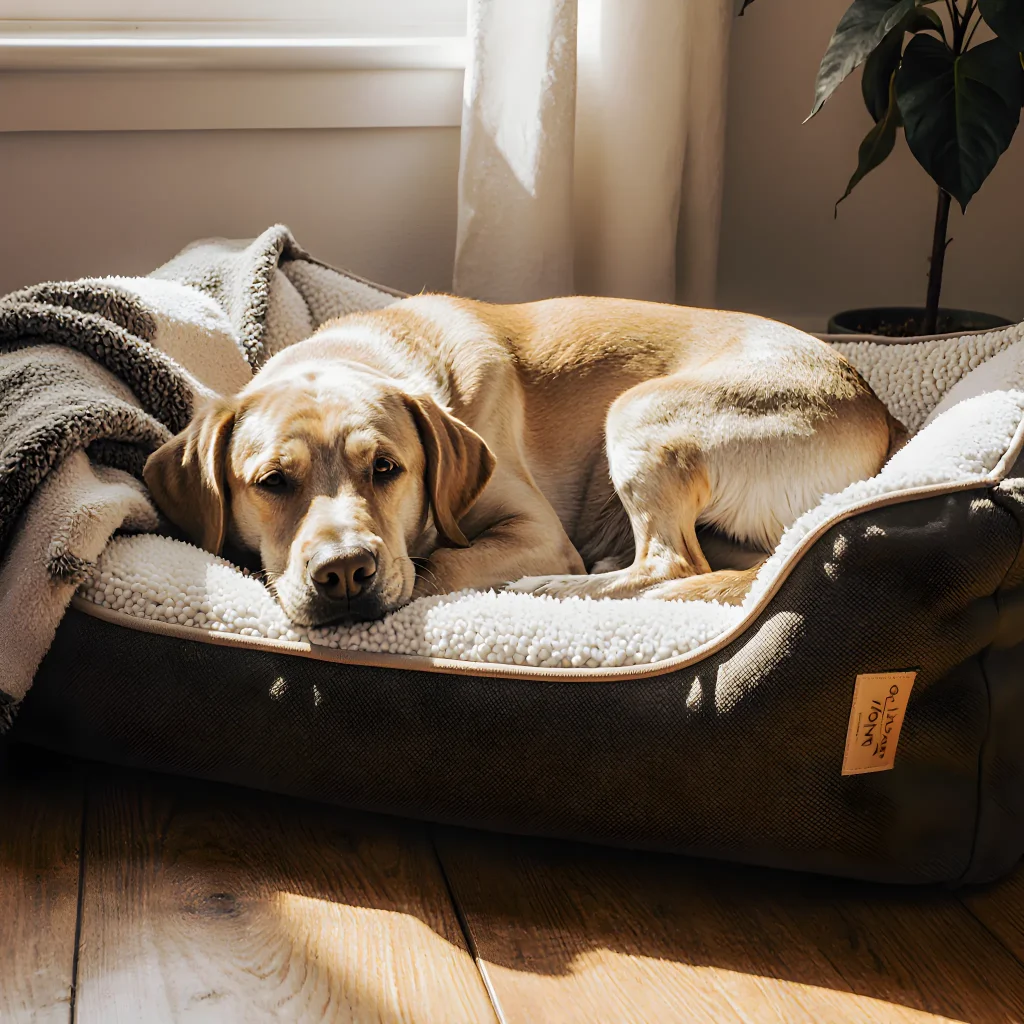
Paws & Relaxation
Creating a Senior Dog Comfort Zone at Home
Table of Contents
- Introduction
- Assessing Space
- Choosing Bedding
- Temperature Control
- Lighting
- Noise Reduction
- Safety Hazards
- Accessibility Features
- Enrichment Activities
- Health Monitoring
- Feeding Area
- Water Station
- Social Interaction
- Maintenance Schedule
- Conclusion
- FAQ
Introduction
As dogs age, their physical and emotional needs shift dramatically. A well‑designed comfort zone can reduce stress, ease mobility issues, and give your senior pup the sense of security they crave. Below are detailed steps, practical examples, and actionable tips to transform a corner of your home into a haven for your aging companion.
1. Choose the Right Spot
- Low‑Entry Area: Pick a room or hallway with minimal steps. A low threshold or a small ramp can make it easier for a dog with arthritis to get in and out.
- Quiet Corner: Avoid high‑traffic zones. A secluded nook reduces noise, light, and foot traffic—ideal for a dog that may become startled by sudden movements.
- Consistent Temperature: Keep the zone away from drafts or direct sunlight. Many senior dogs prefer a stable, slightly warm environment.
2. Provide Comfortable Bedding
Memory‑foam or orthopedic beds are a game changer for joint pain and stiffness. Look for:
- Non‑Slip Surface: Prevents slips on hardwood or tile.
- Easy Clean‑Up: Removable covers that can be washed in the dryer.
- Elevated Beds: Helps dogs get up and down without overexertion.
3. Install Easy‑Access Features
Help your senior dog move around with minimal effort:
- Ramps or Steps: Use a small, sturdy ramp to reach beds or couches.
- Non‑Slip Mats: Place in walkways and near the bed to reduce slipping.
- Handrails (if needed): For dogs that require extra support when walking around.
4. Add Sensory Stimulation
Sensory enrichment can calm anxiety and promote mental engagement:
- Aromatherapy: Use dog‑safe essential oils like lavender or chamomile in a diffuser (ensure the room is well ventilated).
- Soft Music: Gentle classical or nature sounds can lower cortisol levels.
- Textured Toys: Provide chew toys with varied textures to stimulate oral health and provide comfort.
5. Ensure Proper Lighting
Aged eyes may need more light, but too bright can be overwhelming:
- Layered Lighting: Use a combination of ambient (ceiling), task (desk lamp), and accent lights.
- Night Light: A small LED night light helps your dog navigate safely at night.
6. Maintain Hygiene and Safety
A senior dog’s immune system can be weaker, so keep the area clean and safe:
- Regular Cleaning: Vacuum or sweep daily to remove fur and dust.
- Check for Hazards: Secure loose wires, small objects, or anything that could become a choking hazard.
- Temperature Monitoring: Use a thermometer to keep the room within 68–72°F (20–22°C).
7. Monitor Health and Comfort
Observe your dog’s behavior in the comfort zone to fine‑tune adjustments:
- Sleep Patterns: Does your dog sleep longer or shorter than usual? Adjust bedding or lighting accordingly.
- Mobility: Notice if the dog hesitates moving between rooms—consider adding more ramps or a smaller threshold.
- Behavioral Cues: Signs of anxiety (whining, pacing) may indicate that the zone needs calmer surroundings.
Practical Example: The “Cozy Corner” Setup
- Choose a quiet corner in the living room with a low threshold.
- Place an orthopedic memory‑foam bed on a non‑slip mat.
- Add a small ramp that leads to the bed for easy access.
- Hang a soft, fabric pillow or blanket for extra warmth.
- Set up a low‑powered night light and a small speaker playing gentle music.
- Keep a shallow bowl of fresh water within reach, using a spill‑proof dish to avoid accidents.
With these steps, your senior dog will have a safe, soothing space that promotes rest, reduces pain, and enhances overall quality of life. Regularly reassess the zone as your dog’s needs evolve—adaptation is key to continued comfort.
Assessing Space
A senior dog’s comfort zone is only as good as the space you give it, so start by walking through your home with your canine companion in mind.
- Identify Quiet Corners: Look for areas that are away from high-traffic pathways—under a hallway desk, beside a window, or even inside a closet that can be converted into a small den. These spots should feel secluded yet accessible.
- Check Temperature and Ventilation: Older dogs often struggle with temperature extremes. Measure the ambient temperature in potential zones; use a thermometer to ensure it stays between 65–75°F (18–24°C). Add a fan or heater as needed, but avoid drafts that could chill your pet.
- Consider Flooring: Hard surfaces can be tough on arthritic joints. Look for areas with carpet, rugs, or even a foam dog mat. If you have hardwood floors, place a thick rug under the bed to cushion each step.
- Accessibility Matters: Senior dogs may find stairs challenging. Prefer spots on the ground floor or provide ramps if your chosen location is above a flight of steps. Ensure there are no loose rugs or cords that could trip them.
- Proximity to Essentials: Position the comfort zone close to food, water, and medication storage for easy access. If your dog has mobility issues, keep these items within arm’s reach or on a low shelf.
Practical Tips for Evaluating Space
- Walk the Dog Around: Take your senior dog for a short stroll and note where they naturally pause or seek shade. These instinctive choices often point to ideal locations.
- Use a Temporary Setup: Place a temporary bed (e.g., a folded blanket) in several candidate spots. Observe how the dog uses each area over a few days—do they settle down? Do they avoid it?
- Measure Dimensions: Ensure the space is large enough for your dog to lie down comfortably without feeling cramped, yet not so big that they feel lost or exposed.
Example: Transforming a Kitchen Nook into a Senior Dog Oasis
Suppose you have a small corner under the kitchen sink. Here’s how to turn it into a cozy zone:
- Step 1: Clear out any clutter and install a low, padded dog bed.
- Step 2: Add a washable rug that covers the floor beneath the bed for extra cushioning.
- Step 3: Place a small shelf with water and treats within arm’s reach. If your dog has trouble standing, add a non-slip mat on top of the shelf to help them balance.
- Step 4: Ensure there are no sharp corners or loose wires in the area; use cable covers if needed.
With these adjustments, your senior dog will have a dedicated, safe, and comfortable space right where they need it most.
Choosing Bedding
When selecting a bed for your senior dog, the primary goal is to provide comfort, support, and safety. A good mattress will reduce joint pain, prevent pressure sores, and make it easier for your pet to get in and out of bed.
1. Material Matters
- Memory Foam: Excellent for dogs with arthritis or hip dysplasia because it contours to the body and distributes weight evenly.
- Orthopedic Foam: Denser than memory foam, offering extra support for very heavy or large breeds. Look for a minimum of 3–4 inches thickness.
- Cotton/Canvas Covers: Breathable and washable; ideal if you want to keep the bed clean without replacing it often.
2. Size & Shape Considerations
- Measure your dog’s length from nose to tail tip, then add an extra 6–8 inches for freedom of movement.
- If your senior dog prefers a flat surface rather than a raised platform, choose a low‑profile bed. Raised beds can help with circulation but may be harder for older dogs to climb onto.
3. Temperature Regulation
- Cooling Gel: Great for hot climates or dogs that overheat easily. Gel layers keep the surface cool without being too hard.
- Heated Pads (with safety locks): Useful in colder months; ensure they have a temperature limit and auto‑off feature to avoid burns.
4. Washability & Durability
- Look for removable, machine‑washable covers. Senior dogs may drool or scratch more often, so easy cleaning is essential.
- Check the stitching and seams; reinforced corners prevent wear from frequent use.
5. Safety Features
- No Slip Bottom: Prevents the bed from sliding on hardwood or tile floors, which is important for dogs that may move suddenly when waking up.
- Soft edges reduce injury risk if your dog falls or rolls off accidentally.
Practical Tips for Your Senior Dog’s Comfort Zone
- Test the Bed: Before placing it in the comfort zone, let your dog try lying on it in a neutral area. Observe if they flop or struggle to get comfortable.
- Gradual Transition: If you switch to a new bed type (e.g., from a foam mattress to an orthopedic one), give your dog time to adjust. Place both beds side by side for a week before removing the old one.
- Use Supportive Accessories: Add a small, non‑slip rug or mat under the bed to provide extra traction and keep bedding clean.
- Monitor Joint Health: After installing a new bed, check your dog’s gait over time. If you notice less limping or fewer pauses when standing up, it’s likely working well.
Recommended Products (as of 2025)
- PetFit Orthopedic Memory Foam Bed: 4” thick, removable cover, no slip bottom. Ideal for dogs over 50 lbs with arthritis.
- CoolBreeze Gel Cooling Pad: 2” thick, lightweight, perfect for hot climates or heat‑sensitive seniors.
- Heated Dog Bed Pro (with safety lock): Built‑in thermostat, auto‑off after 30 minutes. Great for winter months.
By carefully choosing the right bedding and following these practical steps, you’ll create a sanctuary that supports your senior dog’s health, reduces discomfort, and encourages restful sleep—all essential components of a well‑designed comfort zone at home.
Temperature Control
As dogs age, their bodies lose some of the ability to regulate heat efficiently. A senior dog’s skin becomes thinner, circulation slows, and many breeds develop a higher risk of overheating or hypothermia. By creating an optimal temperature environment at home, you give your furry friend a better chance of staying comfortable, active, and healthy.
Why Temperature Matters for Older Dogs
- Reduced Thermoregulation: Aging dogs have less efficient sweat glands (they mainly pant) and reduced blood flow to the skin, making it harder to cool down.
- Joint & Muscle Sensitivity: Warmth can help loosen stiff joints and ease muscle aches, while cold can exacerbate stiffness.
- Respiratory & Cardiovascular Stress: Extreme temperatures increase heart rate and breathing effort, which older hearts may struggle to handle.
Practical Tips for Managing Indoor Temperature
1. Create a “Dog Comfort Zone” with Controlled Heating/Cooling
- Choose the Right Spot: Place a low, padded bed in a shaded corner of a room that stays cool during hot months and retains warmth during cold spells.
- Use a Portable Heater or Fan: A small, energy‑efficient heater (like an oil‑filled radiator) can keep the area warm for winter. In summer, a quiet oscillating fan or a window-mounted vent fan helps circulate air without blowing directly on your dog.
- Thermostat Control: Set a thermostat to maintain 68–72°F (20–22°C) in the comfort zone. If you’re away for long periods, consider a programmable smart plug that powers a heater or fan only when needed.
2. Monitor Humidity Levels
Dry air can irritate skin and exacerbate joint pain. Use a humidifier in the dog’s room during winter months, especially if you live in a dry climate. Aim for 40–50% relative humidity.
3. Provide Proper Bedding Materials
- Memory Foam Pads: Offer support without trapping heat.
- Cooling Gel Mattresses: For hot climates, these help dissipate body heat.
- Keep bedding clean and replace it regularly to avoid bacterial buildup that can worsen skin conditions.
4. Use Temperature‑Sensitive Grooming Practices
During winter, give your dog a short shower with lukewarm water (not hot) to keep the coat clean without causing chills. In summer, avoid bathing right before bedtime as it can lower core body temperature.
Seasonal Adjustments: A Quick Reference Table
| Season | Ideal Temperature (°F) | What to Do |
|---|---|---|
| Winter | 68–72°F | Use heater, add blankets, keep bedding dry. |
| Spring | 70–75°F | Maintain moderate temperature; use fan if needed. |
| Summer | 68–72°F | Use fan or air‑conditioning, provide cool water, keep bedding breathable. |
| Fall | 70–75°F | Keep the room slightly cooler; add blankets if your dog feels cold. |
Monitoring Your Dog’s Comfort
Watch for signs that the temperature is off:
- Overheating: Excessive panting, drooling, or a flushed face.
- Cold Stress: Shivering, stiff movements, or seeking warmer spots repeatedly.
If you notice any of these symptoms, adjust the heating/cooling setup immediately. A simple thermometer placed near your dog’s bed can help you keep track of ambient temperature over time.
Final Thoughts
By thoughtfully controlling indoor temperatures and creating a dedicated comfort zone, you provide a safe haven that supports your senior dog’s health and wellbeing. Small adjustments—like adding a fan or a heated pad—can make a big difference in how your beloved companion experiences the seasons.
Lighting
A senior dog’s vision can be affected by cataracts, retinal degeneration, or general aging. Proper lighting not only helps them navigate safely but also reduces stress and anxiety. Below are practical steps to design a comfortable light environment.
1. Use Soft, Diffuse Light
- LED strip lights: Install warm‑white LED strips along the walls of your dog’s sleeping area. These provide gentle illumination without harsh glare.
- Place a low‑profile night light (e.g., motion‑activated) in corners or behind furniture to illuminate pathways during nighttime walks around the house.
2. Maximize Natural Light, But Protect from UV
Natural daylight is beneficial for mood and circadian rhythm, but UV rays can worsen eye conditions.
- UV‑blocking curtains: Hang blackout or UV‑filtering blinds on windows the dog frequently uses. This allows you to control brightness while protecting sensitive eyes.
- Position the dog’s bedding near a window that receives indirect sunlight, ensuring they can enjoy the view without direct glare.
3. Highlight Safe Pathways
Use contrasting colors for floor mats or rugs to help your senior dog identify edges and transitions between surfaces.
- High‑contrast strips: Apply a strip of non‑slip tape in a bright color (e.g., yellow) along the perimeter of their bed or crate.
- Place a “welcome mat” with a distinct pattern at entry points to signal safe areas.
4. Reduce Glare and Reflections
Reflective surfaces can be confusing for dogs with visual impairment.
- Anti‑glare paint: Use matte or satin finishes on walls near the dog’s resting area.
- Cover shiny fixtures (e.g., glass lamps) with frosted covers or wrap them in fabric to soften light output.
5. Implement a Night‑time Light Schedule
Dogs rely on predictable lighting cues for sleep and activity cycles.
- Set up a programmable LED lamp that dims gradually at bedtime, mimicking sunset. This helps your senior dog wind down naturally.
- Use a motion‑activated night light in the hallway so they can safely navigate to their bathroom or crate without needing full brightness.
6. Test and Adjust
Observe how your dog reacts to different lighting setups:
- If they seem hesitant to enter a room, increase illumination by adding a floor lamp or adjusting the angle of existing lights.
- Conversely, if they appear agitated in bright light, switch to warmer tones (2700K–3000K) and reduce intensity.
Practical Tips & Resources
- LED bulbs: Choose “soft white” LEDs (2700K) for a soothing ambiance.
- Smart lighting: Use a smart bulb that can be dimmed via voice assistant or app—ideal for quick adjustments based on your dog’s mood.
- Consult with an ophthalmologist if you notice sudden changes in vision. They can recommend specific light wavelengths to aid visual health.
By thoughtfully designing the lighting environment, you’ll create a safe, calming space that supports your senior dog’s comfort and wellbeing throughout their golden years.
Noise Reduction
Older dogs are often more sensitive to sudden sounds, bright lights, or changes in their environment. Creating a quiet sanctuary at home can help reduce stress, prevent anxiety‑related behaviors, and improve overall quality of life. Below are practical steps you can take to minimize noise disturbances for your senior companion.
1. Identify the Main Noise Sources
- Traffic & Construction: Loud engines, jackhammering, or delivery trucks.
- Household Appliances: Vacuum cleaners, washing machines, and dryers.
- Family Activities: Children playing, loud conversations, or music.
- External Events: Fire alarms, sirens, or neighbor parties.
2. Choose the Right Location
Select a room or corner that naturally blocks external noise—think basements, rooms with double‑pane windows, or spaces away from busy hallways.
Room Layout Tips:
- Soft Flooring: Use rugs or carpet to absorb sound.
- Closed Doors: Keep the door shut and consider adding a small door draft stopper.
- Minimal Furniture: Avoid clutter that can reflect noise; instead, use soft cushions and blankets.
3. Sound‑Absorbing Materials
Adding acoustic panels or foam can dramatically reduce echo and ambient noise.
- DIY Acoustic Panels: Sew fabric over foam or use cork tiles.
- Commercial Options: Look for “sound‑proofing” curtains or wall panels designed for pet spaces.
- Window Treatments: Heavy drapes or double glazing help block outside noise.
4. Use White Noise Machines
A gentle, consistent background sound can mask sudden noises and soothe a nervous dog.
- Types of Machines: Fans, white noise apps, or specialized pet calming devices.
- Volume Settings: Keep it low enough to be unobtrusive but high enough to cover ambient sounds.
- Placement: Position the device away from your dog’s sleeping area to avoid overstimulation.
5. Create a “Quiet Cue” Routine
Train your dog to associate a specific word or gesture with the calm environment.
- Introduce the Cue: While in the quiet zone, say “calm” and reward with treats.
- Reinforce Consistency: Use the cue every time you bring your dog into this space.
- Gradual Exposure: Slowly expose your dog to small noise bursts while using the cue to maintain calmness.
6. Manage Daily Noise Exposure
Plan activities around quieter times of day and minimize exposure to loud environments.
- Walk Timing: Choose early morning or late evening for walks when traffic is light.
- Home Maintenance: Schedule noisy chores (e.g., power washing) on days when your dog can stay in the quiet zone.
- Social Visits: Encourage visitors to keep voices low and use the quiet cue during visits.
7. Monitor Your Dog’s Response
Watch for signs of stress—whining, pacing, drooling, or avoidance—and adjust your noise‑reduction plan accordingly.
| Behavior | Possible Cause | Action |
|---|---|---|
| Whining or barking | Loud noises | Increase sound dampening, use white noise. |
| Pacing or restlessness | Sudden changes in environment | Create a consistent routine. |
| Avoidance of certain rooms | Past negative experiences | Reassure with treats and calm cues. |
8. Example: The “Quiet Corner” Setup
Imagine a small, carpeted corner in the living room with a low‑profile dog bed, a soft blanket, a few plush toys, and a white noise machine set to a gentle fan sound. Add a pair of thick curtains over the window and a small acoustic panel on one wall. Your senior dog can retreat here during thunderstorms or when guests arrive.
9. Final Tips
- Regular Check‑Ins: Reassess the noise level after major renovations or seasonal changes.
- Professional Help: If your dog shows persistent anxiety, consult a veterinary behaviorist.
- Patience & Consistency: Building a calm environment takes time—stay consistent and monitor progress.
By thoughtfully reducing noise in the home, you can create a sanctuary that promotes peace, safety, and comfort for your senior dog.
Safety Hazards
When creating a senior dog comfort zone, safety should be the top priority. Older dogs are more vulnerable to injuries and health complications, so identifying and mitigating hazards in your home can prevent accidents and promote their well‑being.
1. Slip‑Resistant Flooring
- Problem: Wet or dusty floors become slick, increasing the risk of slips, especially on stairs.
- Solution: Install non‑slip mats or rugs with a rubber backing in high‑traffic areas. Consider vinyl or laminate flooring that’s easy to clean and less prone to slipping.
- Example: A senior dog named “Milo” started skidding on the kitchen tiles after a spill. After adding a low‑profile, anti‑slip mat in front of the stove, Milo’s confidence improved dramatically.
2. Secure Windows and Doors
- Problem: Older dogs may wander out or become trapped by open windows or doors.
- Solution: Install child‑proof locks, safety screens, or pet gates that keep windows securely shut while still allowing ventilation.
- Example: “Bella” would often slip through a slightly ajar door. A simple sliding door lock prevented her from running into traffic outside.
3. Avoid Sharp Corners and Edges
- Problem: Hard edges on furniture or appliances can cause cuts or bruises if a senior dog slips or jumps.
- Solution: Cover sharp corners with protective pads, use padded furniture covers, or relocate heavy objects away from frequent activity zones.
- Example: A corner of the sofa had a sharp metal brace that injured “Max”’s paw during a fall. Adding a soft corner protector eliminated future injuries.
4. Keep Hazardous Items Out of Reach
- Problem: Older dogs may chew on electrical cords, cleaning chemicals, or small objects that pose choking hazards.
- Solution: Use cord covers, lock cabinets for cleaning supplies, and remove small decorative items from accessible areas.
- Example: “Luna” started chewing on a loose power strip. Installing a cord concealer kept her safe and the cords hidden.
5. Temperature Control & Ventilation
- Problem: Senior dogs are sensitive to extreme temperatures; overheating or hypothermia can quickly become serious.
- Solution: Use fans, air conditioning, and heating pads (with temperature controls) in appropriate areas. Ensure windows have proper ventilation but remain secure.
- Example: During a summer heatwave, “Rex” would sit on the floor where it was too hot. Adding a cooling mat and a small fan kept him comfortable.
6. Accessible Bathroom Areas
- Problem: Stairs or uneven surfaces can cause falls when dogs need to use the bathroom.
- Solution: Install a pet ramp, non‑slip mats in bathrooms, and consider an outdoor dog toilet area if space allows.
- Example: “Sally” had difficulty climbing the stairs to her indoor litter box. A small ramp solved the problem without adding extra strain.
7. Proper Lighting
- Problem: Poor lighting can lead to missteps and accidents, especially for dogs with vision loss.
- Solution: Ensure pathways are well lit at night using motion‑sensor lights or LED strips. Use nightlights in key rooms.
- Example: “Buddy” would bump into furniture when coming back from the yard at dusk. Adding a dimmable hallway light reduced his collisions.
8. Regular Inspection and Maintenance
- Problem: Wear and tear can create new hazards over time—loose rugs, frayed wires, cracked tiles.
- Solution: Conduct monthly safety checks: tighten screws on furniture, replace worn mats, and patch up any cracks in flooring.
- Example: A loose floorboard near the living room had caused “Daisy” to trip. Fixing it prevented future falls.
By systematically addressing these safety hazards, you’ll create a secure, comfortable environment that lets your senior dog enjoy their golden years with confidence and peace of mind.
Accessibility Features
Creating a comfortable and accessible environment for your senior dog involves thoughtful design choices that reduce strain on joints, enhance safety, and promote overall well‑being. Below are key features you can incorporate into your home to support an aging canine companion.
-
Non‑Slip Flooring:
- Why it matters: Senior dogs often have reduced muscle tone and balance issues, making slippery surfaces a tripping hazard.
- Practical tip: Use rubber mats or textured vinyl in high‑traffic areas such as hallways, kitchens, and bathrooms. For an extra layer of safety, consider placing non‑slip pads under furniture legs.
-
Raised Bed or Platform:
- Why it matters: A raised bed reduces the effort required to climb onto a sleeping surface, easing pressure on hip joints.
- Practical tip: Build a low‑profile platform using sturdy plywood and cushions. Ensure the height is no more than 6–8 inches off the floor for easy access.
-
Step‑Free Entryways:
- Why it matters: Stairs can be a major obstacle for dogs with arthritis or mobility issues.
- Practical tip: Install a dog ramp at the front door or convert a low threshold into a smooth, wide path. Use non‑slip tape on the ramp’s surface to prevent slipping.
-
Temperature Control:
- Why it matters: Older dogs can be more sensitive to extreme temperatures, which may exacerbate joint pain or lead to heatstroke.
- Practical tip: Place a fan in the room during hot weather and use a small space heater with a thermostat for cooler days. Keep the sleeping area away from drafty windows or direct sunlight.
-
Easy‑Access Water Station:
- Why it matters: Hydration is crucial for joint health and overall metabolism, yet reaching a high water bowl can be difficult for stiff dogs.
- Practical tip: Use a shallow, wide basin that sits at floor level. Consider an automatic water dispenser to ensure constant availability.
-
Low‑Impact Exercise Options:
- Why it matters: Regular movement helps maintain muscle tone and joint flexibility, but high-impact activities can cause pain.
- Practical tip: Introduce short walks on grass or a treadmill set to a gentle incline. Swimming in a shallow pool provides resistance training without joint stress.
-
Quiet, Dedicated Rest Area:
- Why it matters: Senior dogs benefit from consistent sleep patterns and a calm environment free of loud household activity.
- Practical tip: Place the bed in a corner away from doorways or noisy appliances. Use blackout curtains to reduce visual stimuli that might disturb their rest.
-
Accessible Medications and Supplements:
- Why it matters: Easier access to daily meds encourages compliance, especially when the dog is less enthusiastic about taking pills.
- Practical tip: Use a small drawer or pill organizer within reach of the dog's bed. Label each compartment clearly and consider a taste‑masking solution for pills.
-
Monitoring Devices:
- Why it matters: Early detection of pain or changes in activity levels can prevent serious health issues.
- Practical tip: Wearable activity trackers for dogs help you track steps, sleep quality, and heart rate. Pair them with a mobile app that sends alerts if your dog’s activity drops significantly.
-
Professional Consultation:
- Why it matters: Tailoring the environment to your dog's specific needs often requires expert input.
- Practical tip: Schedule a home visit with a veterinary behaviorist or an animal‑centric interior designer. They can recommend custom modifications such as padded flooring, specialized bedding, or adaptive equipment.
By integrating these accessibility features into your home, you create a safe, supportive sanctuary that lets your senior dog enjoy the golden years with comfort and dignity.
Enrichment Activities
As dogs age, their needs change dramatically—especially when it comes to comfort and safety. A dedicated “comfort zone” in your home can help reduce stress, encourage rest, and support overall health for your senior companion.
1. Choose the Right Location
- Quiet corner or hallway: Pick a spot away from high-traffic areas to minimize noise and foot traffic.
- Near a window with natural light but avoid direct sunlight that can heat up the floor.
- Consider proximity to your own seating area so you can keep an eye on them without being intrusive.
2. Optimize Bedding for Joint Health
- Orthopedic beds: Memory foam or latex mattresses support joints and relieve pressure points.
- Use a non-slip mat underneath to prevent sliding on hardwood or tile.
- Keep bedding clean: wash regularly with pet-safe detergent and dry completely to avoid mildew.
3. Temperature & Ventilation Control
- Senior dogs often struggle with temperature regulation; keep the area at a moderate temperature (68–72°F).
- Use a fan or air conditioner for hot days, and a heating pad (with safety switch) for cooler nights.
- Ensure proper airflow—install a small vent or keep a window slightly open if safe to do so.
4. Minimize Hazards & Provide Easy Access
- Remove loose rugs, cords, and sharp objects that could cause injury.
- Install step stools or ramps if your dog has trouble jumping onto the bed.
- Place a sturdy dog crate or low platform in front of the bedding for easy entry and exit.
5. Incorporate Sensory Stimulation
- Aromatherapy: Use dog-safe essential oils (e.g., lavender) in a diffuser—keep concentration low to avoid overstimulation.
- Soft background music or white noise can reduce anxiety and mimic the calm environment of a den.
- Offer a few chew toys or a stuffed plush for gentle engagement without forcing activity.
6. Maintain Routine & Monitor Health
- Place a water bowl within easy reach; consider an elevated bowl if mobility is limited.
- Keep a food bowl on the floor or low platform to avoid stretching and back strain.
- Regularly check for signs of pain, swelling, or changes in gait—consult your vet if anything seems off.
7. Practical Setup Example
Case Study: Bella, an 11‑year‑old Golden Retriever.
- Bella’s comfort zone is a corner of the living room with a memory foam bed, a padded step stool, and a low crate.
- A small fan circulates air, while a portable heater maintains warmth during winter.
- She has a shallow water bowl next to her bed and a chew toy that’s easy to pick up.
- The zone is kept quiet by placing a sound‑absorbing rug nearby.
By thoughtfully designing a senior dog comfort zone, you provide a sanctuary that respects their changing needs while keeping them safe, relaxed, and happy throughout the golden years.
Health Monitoring
Once your senior dog has a cozy comfort zone set up, the next step is to keep a close eye on their health. Regular monitoring helps you catch early signs of illness or discomfort and allows you to adjust care plans promptly.
1. Daily Check‑Ins: The Quick Health Survey
- Weight & Body Condition: Use a kitchen scale for small dogs or a bathroom scale for larger breeds. Track weight weekly; a sudden loss of 5–10 % can indicate medical issues.
- Body Temperature: A healthy dog’s temperature ranges from 101°F to 102.5°F (38.3°C–39.2°C). Use a digital rectal thermometer and record daily readings for trends.
- Respiration & Heart Rate: Count breaths per minute (10–20) and heartbeats (60–140). Watch for rapid breathing or an irregular pulse, especially after exercise or during rest.
- Skin & Coat Condition: Look for dryness, itching, redness, or lumps. A shiny coat is a good sign of proper nutrition; dullness may suggest underlying problems.
2. Routine Veterinary Visits: The Baseline and Beyond
Schedule an annual exam, but consider semi‑annual visits if your dog has chronic conditions (arthritis, heart disease, diabetes). During these appointments:
- Bloodwork & Urinalysis: Detect kidney or liver issues early.
- Dental Check: Oral health affects overall well‑being; cleanings may be required every 6–12 months.
- Vaccination Updates: Keep boosters current, especially for canine parvovirus and distemper.
3. Home Monitoring Tools & Apps
- Thermometer with Bluetooth: Sync readings to a smartphone app; many apps flag abnormal trends automatically.
- Activity Trackers: Wearable collars (e.g., FitBark) record steps, rest periods, and heart rate. Compare activity levels week‑to‑week.
- Feeding Logs: Apps like PetDesk allow you to log meals, portion sizes, and any changes in appetite or vomiting episodes.
4. Signs That Call for Immediate Attention
- Sudden weight loss or gain.
- Persistent lethargy or refusal to move.
- Changes in bowel movements (diarrhea, constipation).
- Vomiting or coughing that lasts more than a day.
- Unexplained pain: whining when touched, limping, or difficulty rising.
5. Integrating Monitoring Into the Comfort Zone Setup
Place your dog’s monitoring devices in their comfort zone so data collection feels natural:
- Position a thermometer near the sleeping area—dogs often rest close to heat sources, making it easy to check temperature.
- Use a small, quiet camera that captures movement patterns during sleep and naps.
- Keep feeding bowls on a low table or padded tray so your senior dog can reach them without strain; this also makes food consumption easier to track.
6. Sample Weekly Health Log Template
| Date | Weight (lb) | Temp (°F) | Respirations/min | Heart Rate/bpm | Notes |
|---|---|---|---|---|---|
| 2025‑08‑01 | 70.3 | 101.8 | 14 | 78 | Normal; slight limp after walk. |
By embedding health monitoring into the daily routine of your senior dog’s comfort zone, you’ll maintain a proactive approach to wellness. Early detection and consistent care are key to ensuring that golden years remain joyful and healthy.
Feeding Area
As dogs age, their needs change—softness, accessibility, and calm become paramount. A dedicated feeding area that incorporates these principles can help your senior pup feel secure, comfortable, and well‑nourished.
1. Choose the Right Location
- Quiet Corner: Pick a spot away from high traffic zones or loud appliances to reduce stress.
- Stable Flooring: Use non-slip mats on hardwood or tile, or consider a rubber floor mat if the area is prone to moisture. This protects joints and prevents slips.
- Temperature Control: Avoid placing the feeding zone in direct sunlight or near drafty vents. A slightly cooler spot helps older dogs with heat sensitivity.
2. Optimize Tabletop/Counter Height
- Low Countertops: Install a low, wide counter (12–15 inches) to reduce the effort needed for your dog to reach their food bowl.
- Adjustable Platforms: For dogs with hip or knee issues, consider an adjustable feeding station that can be raised or lowered as needed.
3. Select Appropriate Bowls
- Elevated Bowls: Raised bowls keep the neck at a neutral angle and reduce strain on joints.
- Non-Slip Bottoms: Ensure the bowl stays in place, especially for dogs that move around during meals.
- Material Matters: Stainless steel or ceramic bowls are easier to clean and less likely to harbor bacteria compared to plastic.
4. Incorporate Comfort Items
- Orthopedic Beds: Place a memory‑foam bed next to the feeding area for post‑meal rest.
- Soft Blankets: Add a plush blanket or a dog‑safe fleece for warmth, especially in cooler months.
- Calming Aids: Consider a diffuser with pheromone sprays (e.g., Adaptil) or a calming music playlist to soothe anxiety.
5. Maintain Cleanliness and Hygiene
- Daily Cleaning: Wash bowls, mats, and blankets each day with hot, soapy water.
- Sanitization Schedule: Use a pet‑safe disinfectant once a week to kill germs that can affect older dogs’ immune systems.
6. Monitor Feeding Patterns
- Regular Check‑Ins: Observe how quickly your dog eats; delayed or hesitant eating may indicate dental pain or digestive issues.
- Portion Control: Adjust meal sizes based on weight and activity level to prevent obesity, which can exacerbate mobility problems.
7. Add Sensory Stimulation
- Visual Comfort: Place a window or a picture of a calm outdoor scene near the feeding area to provide visual stimulation without overstimulation.
- Aromatic Relief: Light a subtle, dog‑friendly essential oil diffuser (e.g., lavender) after meals for relaxation.
8. Encourage Routine and Predictability
- Consistent Timing: Feed at the same times each day to help your senior dog anticipate meals, reducing anxiety.
- Gentle Guidance: Use a calm voice and gentle touch when guiding them to the feeding spot; avoid forceful handling that could cause stress.
9. Safety First: Avoid Hazards
- No Sharp Edges: Keep knives, scissors, or other sharp objects out of reach.
- Cords Out of Reach: Hide electrical cords to prevent chewing and potential electrocution.
- Secure Items: Anchor heavy objects so they don’t tip over when the dog nudges them.
10. Regular Veterinary Check‑Ups
Work with your vet to tailor the feeding zone to any specific medical conditions—arthritis, vision loss, or dental issues may require additional adaptations.
By thoughtfully designing a senior dog feeding area that prioritizes accessibility, comfort, and safety, you’ll give your beloved companion a dignified, stress‑free eating experience. Remember: small adjustments can make a huge difference in their quality of life.
Water Station
As dogs age, their metabolism slows, they lose muscle mass, and many experience joint pain or arthritis. One of the simplest ways to keep a senior dog healthy is by ensuring they have constant access to fresh, cool water. A well‑designed water station can reduce the risk of dehydration, urinary tract infections, and even kidney disease—common issues in older dogs.
Why Fresh Water Matters for Seniors
- Dehydration: Older dogs have a reduced thirst drive. A water station placed at eye level encourages them to drink more often.
- Kidney Health: Adequate hydration helps flush toxins and supports kidney function, which can decline with age.
- Mobility & Joint Pain: Warm water can soothe stiff joints, especially if the station is placed near a heat source or in a sunny spot.
Choosing the Right Bowl
Material: Stainless steel or ceramic bowls are easy to clean and resist bacteria. Avoid plastic as it can harbor odors and scratches that trap dirt.
Bowl Size: A larger bowl reduces the amount of water a dog must lift each time, which is gentler on arthritic paws.
Shape & Depth: Shallow bowls (2–3 inches deep) are easier for seniors to reach. Consider a bowl with non‑slip bottom or place it on a silicone mat to prevent slipping.
Strategic Placement
- Eye Level: Position the water station at the dog’s eye level so they don’t have to lift their head too high—reducing neck strain.
- Near Favorite Resting Spot: Place the bowl next to a cozy blanket or orthopedic bed. This encourages drinking while resting.
- Quiet Corner: Avoid placing it in high‑traffic areas where noise may startle them and cause hesitation.
Maintaining Water Quality
- Daily Refills: Fresh water should be added at least twice a day—morning and evening.
- Weekly Cleaning: Wash the bowl with mild soap, rinse thoroughly, and dry completely. This prevents bacterial growth that can harm seniors.
- Filter Options: Consider a small water filter or adding a drop of dog‑safe UV sterilizer if your senior has sensitive kidneys.
Enhancing the Experience
Adding a touch of flavor can entice a reluctant drinker. A few drops of low‑sodium chicken broth, or a small amount of plain yogurt (for lactose‑tolerant dogs), can make water more appealing. Always monitor for any allergic reactions or digestive upset before making it a routine.
Practical Checklist
| Task | Frequency |
|---|---|
| Refill water | Morning & Evening |
| Clean bowl | Weekly |
| Inspect for cracks or scratches | Monthly |
| Check water temperature (cool but not cold) | Daily |
Real‑World Example
Molly, a 12‑year‑old golden retriever: Her owner moved her water bowl from the kitchen to the living room near her favorite orthopedic pillow. Molly now drinks more consistently, and her vet noted improved urine pH levels during the next check‑up.
Bottom Line
A thoughtfully placed, easily accessible water station is a cornerstone of senior dog comfort. By combining proper bowl choice, strategic placement, and diligent maintenance, you give your aging companion the hydration they need to stay healthy, happy, and active.
Maintenance Schedule
A well‑planned maintenance routine keeps your senior dog's comfort zone safe, clean, and welcoming. Below is a practical checklist you can adapt to fit your schedule and the specific needs of your older companion.
- Daily Tasks (5–10 minutes):
- Check bedding for moisture or soiling; replace as needed.
- Ensure water bowl is filled with fresh, cool water and the surface is free of debris.
- Inspect the area for any loose rugs or cords that could cause tripping.
- Gently wipe down surfaces with a damp cloth to remove dust or allergens.
- Weekly Tasks (15–20 minutes):
- Wash the dog’s bedding in warm, pet‑safe detergent; dry on low heat.
- Vacuum or sweep the floor to reduce dust and hair buildup.
- Check for any signs of wear on cushions or mats—replace if they’re flattened or torn.
- Trim nails if needed (or schedule a grooming visit).
- Monthly Tasks (30–45 minutes):
- Deep clean the comfort zone: mop hard floors, wipe down walls or curtains.
- Inspect all furniture for cracks or loose joints; tighten screws or replace components if necessary.
- Rotate bedding and cushions to even out wear patterns.
- Check ventilation—ensure fans or air‑conditioning vents are dust‑free.
- Quarterly Tasks (1–2 hours):
- Replace old mattresses or cushions with new, supportive options designed for senior dogs.
- Update the layout if your dog’s mobility has changed—add ramps, non‑slip mats, or a step‑up platform.
- Test safety features: verify that rugs have non‑slip backing and that no cords are within reach.
- Review the overall environment for new allergens (e.g., new plants or cleaning products).
- Annual Tasks (2–3 hours):
- Deep clean all fabrics with a professional upholstery cleaner.
- Inspect the structural integrity of any custom-built features like built‑in beds or shelving.
- Consult with your veterinarian to confirm that the current comfort zone meets your dog’s evolving medical needs.
Pro Tips:
- Use a low‑scent, hypoallergenic cleaner for all surfaces—senior dogs often have sensitive skin and a heightened sense of smell.
- Keep the comfort zone in a quiet corner away from high traffic areas; this helps reduce stress and keeps your dog calm.
- Introduce soft lighting (e.g., LED night lights) to assist dogs with vision changes during nighttime wanderings.
- Consider a thermostatic heating pad if your dog shows signs of arthritis or cold sensitivity—but always supervise its use and keep it at a safe temperature.
- Periodically check the temperature and humidity levels; seniors can be more susceptible to overheating or dehydration.
By following this schedule, you’ll ensure that your senior dog’s comfort zone remains a sanctuary of safety, warmth, and tranquility throughout their golden years.
Conclusion
As your furry companion ages, their needs evolve from playful energy to gentle comfort. By thoughtfully crafting a senior dog comfort zone at home, you’re investing in both their physical well‑being and emotional peace of mind.
Key Takeaways:
- Location matters: Place the space on a quiet floor level with easy access to doors and windows for fresh air.
- Temperature control: Use non‑slip rugs, draft blockers, and a fan or heater depending on climate to maintain a steady, comfortable temperature.
- Soft bedding: Orthopedic beds or memory foam pads provide joint support for arthritic dogs. Keep blankets clean and replace them when they lose shape.
- Safety first: Remove sharp corners, secure loose cords, and keep the area free of clutter to prevent falls.
- Routine and stimulation: Offer chew toys that are easy on teeth, provide puzzle feeders for mental engagement, and schedule gentle play sessions or short walks to encourage movement without overexertion.
- Health monitoring: Place a small water bowl within arm’s reach and use a timer or reminder app to ensure your dog drinks regularly. Keep a log of appetite, bathroom habits, and energy levels for vet visits.
- Comfort cues: Add familiar scents—like a worn t-shirt or a favorite blanket—to help reduce anxiety during transitions.
By integrating these elements, you create an environment where your senior dog can relax, recover, and enjoy the golden years with dignity. Remember that each dog is unique; observe their preferences and adjust the space as needed. A well‑designed comfort zone not only prolongs physical health but also deepens the bond you share, turning everyday moments into cherished memories.
FAQ
- What are the key elements of a senior dog comfort zone?
-
- Soft, orthopedic bedding: Look for memory‑foam or gel‑infused pads that relieve joint pressure.
- Temperature control: Keep the area cool in summer (fan or air conditioning) and warm in winter (heating pad or insulated floor).
- Easy access: Place the bed on a low platform or provide ramps so your dog can get up without strain.
- Quiet, low‑traffic zone: Minimize loud noises and foot traffic to reduce stress.
- How do I choose the right bed for a senior dog?
-
A good rule of thumb is to select a bed that:
- Is at least as wide and deep as your dog’s body, so they can stretch fully.
- Has a removable, washable cover for hygiene.
- Includes a non‑slip base to prevent sliding on hardwood or tile.
Examples:
- Comfort Zone Orthopedic Bed: 18”×24”, memory foam, machine washable cover.
- Soft Nest Heated Pad: 16”×20”, built‑in heat setting, waterproof.
- How can I make the comfort zone more inviting?
-
Use scent and texture:
- Essential oils (dog‑safe): A few drops of lavender on a towel can calm anxiety.
- Toys with familiar textures: Soft plushies or old chew toys keep the area engaging without overstimulation.
Also, consider placing a small piece of your clothing (with your scent) nearby; it can provide reassurance.
- What should I avoid in a senior dog’s comfort zone?
-
- Hard surfaces: Avoid placing the bed on concrete or tile without cushioning.
- Sharp corners: Ensure furniture edges are rounded or covered.
- Excessive heat sources: Never leave a heating pad on unattended; use a timer and temperature‑controlled unit.
- How often should I clean the comfort zone?
-
Wash bedding every week or as needed. Vacuum the surrounding floor to remove dander, and wipe down any surfaces with a pet‑safe cleaner twice a month.
- Can I use a crate for my senior dog?
-
Yes—if your dog is comfortable with it. Use an open, well‑ventilated crate lined with orthopedic bedding. Keep the door open or partially closed so they can move freely.
- What if my senior dog has vision or hearing loss?
-
- Consistent layout: Keep furniture and bedding in the same spots to reduce confusion.
- Soft lighting: Use low‑intensity night lights to help them navigate safely at night.
- How can I monitor my senior dog’s comfort level?
-
Watch for signs like reluctance to enter the zone, excessive licking of bedding, or changes in sleep patterns. Adjust temperature, bedding firmness, or noise levels accordingly.
Pro Tip: Create a “comfort corner” by placing your dog’s favorite toys, treats, and a small water bowl nearby. Rotate items weekly to keep the space stimulating yet familiar.
Categories
- AI & Enrichment Play
- Broiler Farming
- Broiler Farming Tips
- Canine Wellness & Longevity
- Cat
- Cat & Human Connection
- Cat Adoption & Rescue
- Cat Breeds
- Cat Breeds & Personalities
- Cat Care & Health
- Cat Grooming & Hygiene
- Cat Lifestyle & Environment
- Cat Myths & History
- Cat Nutrition & Diet
- Cat Products & Reviews
- Cat Training & Behavior
- Comparison
- Consumer Awareness
- Dog
- Dog Accessories & Products
- Dog Adoption & Rescue
- Dog Breed & Lifestyle Trends
- Dog Breeding & Puppies
- Dog Entertainment & Media
- Dog Fashion & Trends
- Dog Fun & Lifestyle
- Dog Grooming & Hygiene
- Dog History & Culture
- Dog Myths, Science & Future Tech
- Dog News & Trends
- Dog Nutrition & Food
- Dog Psychology & Emotions
- Dog Safety & Security
- Dog Sports & Activities
- Dog Technology & Innovation
- Dog Training for Modern Owners
- Dog Travel & Adventure
- Dog Travel, Adventure & Culture
- Economic and Market Insights
- Educational Content
- FAQs
- Feeding Alternatives
- Festivals & Seasonal Ideas
- Fun & Entertainment
- General Knowledge
- General Pig Farming
- Health & Disease Management
- Housing and Environment
- Kittens
- Market Insights
- Miscellaneous
- Miscellaneous
- Motivational
- pig
- Pig Breeding
- Pig Breeds
- Pig Farming Stories and Inspiration
- Pig Health and Care
- Pig Nutrition
- Pig Products
- Profitability & Business
- Puppy Care
- Puppy Predictable Topics Reinvented
- Regional Focus
- Rescue & Adoption Buzz
- Senior Cats
- Senior Dog Care
- Smart Dog Tech & Gadgets
- Sustainability
- Sustainable & Eco-Friendly Dog Products
- Tech & Innovations
- Working & Service Dogs
- Broiler Feed66 products
- Country Feed33 products
- Pig Feed66 products
- Product22 products
- Raw Materials99 products
Products
-
 Soya Doc (Soyabean Meal)
₹2,449.00 – ₹2,699.00Price range: ₹2,449.00 through ₹2,699.00Rated 0 out of 5
Soya Doc (Soyabean Meal)
₹2,449.00 – ₹2,699.00Price range: ₹2,449.00 through ₹2,699.00Rated 0 out of 5 -
 Farm Fresh Eggs
₹10.00 – ₹15.00Price range: ₹10.00 through ₹15.00Rated 0 out of 5
Farm Fresh Eggs
₹10.00 – ₹15.00Price range: ₹10.00 through ₹15.00Rated 0 out of 5 -
 LAYER COUNTRY FEED
₹1,549.00 – ₹1,649.00Price range: ₹1,549.00 through ₹1,649.00Rated 0 out of 5
LAYER COUNTRY FEED
₹1,549.00 – ₹1,649.00Price range: ₹1,549.00 through ₹1,649.00Rated 0 out of 5 -
 FATTENING BROILER FEED
₹2,299.00 – ₹2,349.00Price range: ₹2,299.00 through ₹2,349.00Rated 0 out of 5
FATTENING BROILER FEED
₹2,299.00 – ₹2,349.00Price range: ₹2,299.00 through ₹2,349.00Rated 0 out of 5 -
 FINISHER BROILER FEED
₹2,199.00 – ₹2,299.00Price range: ₹2,199.00 through ₹2,299.00Rated 0 out of 5
FINISHER BROILER FEED
₹2,199.00 – ₹2,299.00Price range: ₹2,199.00 through ₹2,299.00Rated 0 out of 5 -
 STARTER COUNTRY FEED
₹1,699.00 – ₹1,799.00Price range: ₹1,699.00 through ₹1,799.00Rated 0 out of 5
STARTER COUNTRY FEED
₹1,699.00 – ₹1,799.00Price range: ₹1,699.00 through ₹1,799.00Rated 0 out of 5 -
 COUNTER BROILER FEED
₹1,199.00 – ₹1,299.00Price range: ₹1,199.00 through ₹1,299.00Rated 0 out of 5
COUNTER BROILER FEED
₹1,199.00 – ₹1,299.00Price range: ₹1,199.00 through ₹1,299.00Rated 0 out of 5 -
 Fish Meal
₹1,999.00 – ₹2,999.00Price range: ₹1,999.00 through ₹2,999.00Rated 0 out of 5
Fish Meal
₹1,999.00 – ₹2,999.00Price range: ₹1,999.00 through ₹2,999.00Rated 0 out of 5 -
 Pre Starter Broiler Feed
₹2,399.00 – ₹2,499.00Price range: ₹2,399.00 through ₹2,499.00Rated 0 out of 5
Pre Starter Broiler Feed
₹2,399.00 – ₹2,499.00Price range: ₹2,399.00 through ₹2,499.00Rated 0 out of 5 -
 LACTATING PIG FEED
Rated 0 out of 5
LACTATING PIG FEED
Rated 0 out of 5₹2,299.00Original price was: ₹2,299.00.₹1,740.00Current price is: ₹1,740.00.
Social Interaction
As dogs age, their social needs evolve. They may become more selective about who they interact with and how often they engage in play. The goal is to provide a safe, low‑stress environment where your senior can enjoy gentle companionship without overexertion.
1. Invite Familiar Faces
2. Create “Quiet Play” Sessions
Traditional high‑energy games can be too demanding for older dogs. Instead, opt for short, low‑impact activities:
3. Structured Social Visits
Arrange controlled playdates with other senior dogs or calm puppies. This provides companionship while keeping the energy level appropriate.
4. Use Positive Reinforcement
Reward calm behavior with treats, praise, or gentle petting. This reinforces the idea that a relaxed state is desirable.
5. Keep a Consistent Routine
Dogs thrive on predictability. Schedule social interactions at similar times each day so your senior dog knows what to expect and can prepare mentally.
6. Monitor Health Indicators During Interaction
7. Provide a Comfortable “Social Corner”
Designate an area with soft bedding, favorite toys, and easy access to water. This space acts as a safe retreat where your senior can regroup after social sessions.
Practical Tips for Setting Up the Social Corner
8. Incorporate Gentle Grooming Sessions
Light brushing or ear cleaning can be both soothing and an opportunity for bonding. Use a soft brush and keep sessions short—5 minutes is plenty.
9. Encourage Human‑Dog Interaction Through Voice
Your voice has calming effects on dogs. Speak softly during quiet moments, using familiar names or phrases your dog responds to positively.
10. Seek Professional Guidance When Needed
If you notice persistent changes in social behavior—withdrawal, aggression, or excessive clinginess—consult a veterinarian or animal behaviorist for tailored advice.