
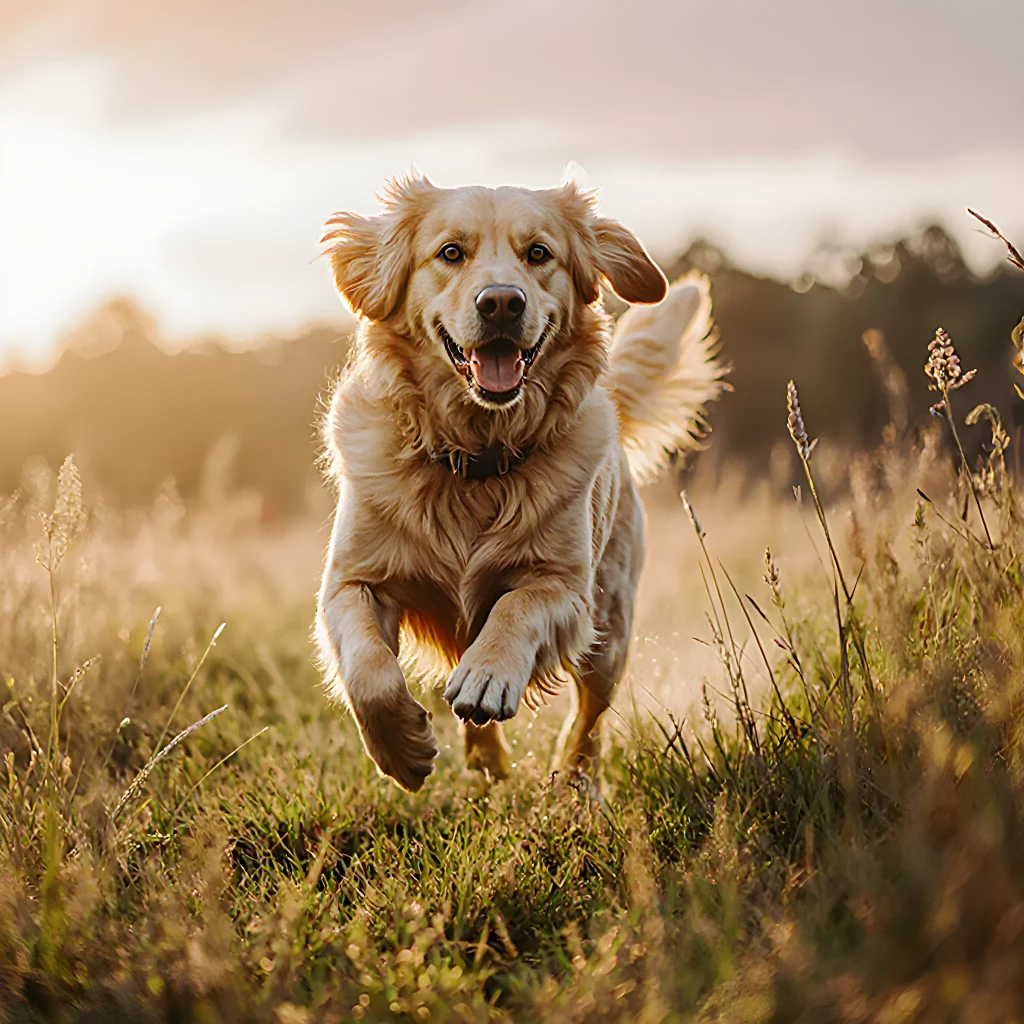
Track Your Pup’s Power Daily
Daily Dog Metabolic Tracking: Unlock Vibrant Canine Energy
Table of Contents
- Introduction to Metabolic Fitness
- Understanding Your Dog’s Baseline Activity
- Daily Exercise Goals for Different Breeds
- Monitoring Food Intake and Portion Control
- Tracking Water Consumption
- Using a Digital Activity Tracker
- Heart Rate Monitoring Basics
- Weight and Body Condition Scoring
- Sleep Patterns and Restful Recovery
- Behavioral Indicators of Metabolic Health
- Adjusting Exercise for Seasonal Changes
- Integrating Vet Check‑Ins into Your Routine
- Creating a Daily Log Sheet
- Conclusion
- FAQ
Introduction to Metabolic Fitness
Metabolic fitness refers to how efficiently your dog’s body uses energy and maintains a healthy weight. It is influenced by diet, exercise, genetics, and overall health. Understanding this concept helps you spot early signs of obesity or metabolic disorders such as hypothyroidism and insulin resistance.
Why Daily Monitoring Matters
Daily tracking gives you real‑time insight into your dog’s energy balance:
- Weight changes – A loss or gain of just a few pounds can signal health issues.
- Activity levels – Consistent activity patterns indicate good fitness; sudden drops may mean pain or illness.
- Food intake – Over‑feeding or under‑eating can quickly disrupt metabolic equilibrium.
- Behavioral cues – Lethargy, restlessness, or excessive panting are red flags.
Practical Daily Tracking Tips
- Use a digital scale: Weigh your dog at the same time each day (preferably in the morning) to minimize fluctuations caused by food or water intake.
- Log activity with an app: Tools like PawTrack or DoggieFit allow you to record walks, playtime, and rest periods. Set daily goals (e.g., 30 minutes of brisk walking) and monitor compliance.
- Record food portions: Keep a simple spreadsheet or use a feeding app that calculates caloric intake based on the brand and amount fed.
- Note behavioral changes: A quick journal entry—“Panting after short walk” or “Refused to eat” – can help identify patterns before they become serious problems.
- Check vital signs: If you have a pet monitor, track heart rate and temperature once a week. Sudden changes may indicate metabolic stress.
When to Seek Veterinary Advice
If you notice:
- A consistent weight gain of more than 2–3% in a month.
- Sudden lethargy or loss of appetite lasting over 48 hours.
- Excessive panting, drooling, or unusual thirst.
- Visible changes in muscle mass (e.g., decreased muscle tone).
Schedule a vet visit. Early detection of conditions such as hypothyroidism, diabetes mellitus, or Cushing’s disease can significantly improve prognosis.
Sample Daily Log Template
| Date | Weight (lb/kg) | Food Intake (kcal) | Walk Duration (min) | Activity Level | Notes |
|---|---|---|---|---|---|
| 2025‑09‑10 | 30.2 / 13.7 | 520 | 45 | Good | Enjoyed extra chew toy. |
By integrating these daily habits, you’ll maintain your dog’s metabolic health and catch potential problems early. Consistency is key—small, regular adjustments can prevent large health setbacks down the road.
Understanding Your Dog’s Baseline Activity
Before you can make meaningful changes to your dog’s routine or diet, it’s essential to establish what “normal” looks like for them. A baseline activity profile gives you a reference point against which you’ll measure progress, spot deviations that may signal health issues, and tailor exercise plans that match their age, breed, and lifestyle.
1. Why Baseline Matters
- Health Monitoring: Sudden drops in activity can hint at pain, illness, or metabolic changes.
- Goal Setting: Knowing the starting point lets you set realistic milestones (e.g., increase daily steps by 10% each month).
- Breed-Specific Needs: Some breeds naturally move more; a baseline helps differentiate between breed traits and potential over/under‑exertion.
2. How to Capture Baseline Activity
Use a combination of tools and observation for a comprehensive picture:
- Activity Trackers:
- Wearable devices (e.g., FitBark, Whistle) record steps, heart rate, and sleep patterns.
- Set the tracker to “baseline mode” for at least two weeks. Keep the device on during all waking hours.
- Daily Logs:
- Record walk duration, distance (use a GPS-enabled phone or smartwatch), and any exercise sessions.
- Note rest periods: how long the dog sleeps, naps, or sits quietly.
- Include qualitative notes—e.g., “seemed energetic,” “stiff after walk.”
- Video & Photos:
- Short clips during walks or play sessions can reveal gait quality and endurance.
- Use a consistent angle (e.g., from the side) to compare over time.
- Veterinary Baseline:
- During routine check‑ups, ask your vet for a metabolic fitness assessment.
- They may recommend a treadmill test or body composition analysis (DEXA scan).
3. Key Metrics to Track
| Metric | Description | Typical Range (by Age/Breed) |
|---|---|---|
| Daily Steps | Total steps taken per day. | Small breeds: 10,000–20,000; Large breeds: 15,000–30,000 |
| Active Minutes | Minutes spent in moderate to vigorous activity. | 50–120 minutes |
| Resting Heart Rate (RHR) | Heart beats per minute while at rest. | 40–70 bpm (varies by size) |
| Sleep Duration | Total hours slept in a 24‑hour period. | 12–18 hours |
| Body Condition Score (BCS) | Visual assessment of fat and muscle. | 5/9 or 6/9 is ideal for most dogs. |
4. Practical Example: Setting a Baseline for “Buddy” the Labrador
Scenario: Buddy, 4 years old, currently walks twice daily (15 min each). You want to assess his baseline activity.
- Equip Buddy with a FitBark tracker and sync data weekly.
- Maintain a log: “Morning walk – 12 min, 1,200 steps; Evening walk – 17 min, 1,600 steps.”
- Record sleep: 14 hrs/night.
- Vet check‑up confirms BCS of 6/9 and RHR of 55 bpm.
- After two weeks, average daily steps = 2,900; active minutes = 45.
This baseline shows Buddy is slightly below the typical activity range for his breed. You can now plan a progressive increase—e.g., add an extra 5 min to each walk per week until reaching 60 active minutes/day.
5. Using Baseline Data for Daily Monitoring
Once you have baseline numbers, daily monitoring becomes actionable:
- Alert System: Set your tracker or phone app to flag days when steps drop below 80% of the average.
- Trend Analysis: Review weekly charts; a gradual decline may indicate fatigue or early arthritis.
- Immediate Response: If Buddy shows reduced activity and increased lethargy, consult your vet sooner rather than later.
6. Adjusting for Life Events
Life changes—new household members, seasonal weather, or travel—can alter activity patterns. Re‑establish a new baseline after any significant event to keep the data relevant.
7. Summary Checklist
- Track steps and active minutes for ≥2 weeks.
- Log sleep duration, heart rate, and body condition.
- Create a weekly summary chart.
- Review with vet annually or after health changes.
- Adjust exercise goals based on baseline trends.
By investing time in understanding your dog’s baseline activity, you set the stage for proactive care that keeps them healthy, happy, and fit throughout their life.
Daily Exercise Goals for Different Breeds
Keeping track of your dog’s energy levels, weight, and overall health on a day‑to‑day basis is the key to tailoring exercise that meets each breed’s unique needs. Below are practical steps you can incorporate into your routine, complete with examples for common breeds.
Daily Observation Checklist
- Morning Energy: Does your dog wake up eager to play or do they seem sluggish? A brisk walk can reveal if their heart rate is in a healthy range.
- Post‑Exercise Recovery: How long does it take for them to calm down after a run? Prolonged panting may signal overexertion.
- Food Intake & Appetite: Note any changes. A sudden drop in appetite could indicate fatigue or health issues.
- Weight Check: Weigh your dog every 4–6 weeks and record the value. Small fluctuations are normal, but a steady decline may require adjusting exercise intensity.
- Behavioral Cues: Watch for signs of boredom (chewing furniture) or frustration (growling during walks).
Breed‑Specific Exercise Guidelines
| Breed | Recommended Daily Activity | Monitoring Tips |
|---|---|---|
| Labrador Retriever | 45–60 minutes of mixed activity (running, swimming, fetch) | Check for a steady heart rate post‑run; if the pulse stays high after 5 minutes of rest, reduce intensity. |
| German Shepherd | 60–75 minutes of high‑intensity play and obedience drills | Watch for signs of joint pain; if they hesitate to jump, consider a lower impact routine. |
| Poodle (Toy) | 30–45 minutes of brisk walking with short bursts of play | Monitor weight closely—small breeds can gain or lose pounds quickly. Adjust food portions if they’re gaining too fast. |
| Bulldog | 20–30 minutes of gentle walks, no high‑impact activity |
Tools & Apps to Track Metabolic Fitness
- PetLog: Record daily walks, food intake, and weight. The app will alert you if your dog’s weight trend is off.
- Doggie Pulse Monitor: A wearable that tracks heart rate and activity levels in real time.
- Google Sheets or Excel: Create a simple spreadsheet with columns for date, activity duration, observed energy level, and weight. Use conditional formatting to flag deviations.
Quick Reference: Daily Check‑In Questions
- Did my dog look excited or lethargic during exercise?
- How long did it take them to recover (cool down) after activity?
- Are there any new aches, pains, or behavioral changes?
- Is the current food portion consistent with their weight trend?
By integrating these daily monitoring practices into your routine, you’ll be able to fine‑tune exercise plans that keep every breed at peak metabolic fitness—healthy, happy, and ready for the next adventure.
Monitoring Food Intake and Portion Control
When you’re tracking your dog’s metabolic fitness, the first and most critical step is to understand exactly how much food your pet is consuming each day. Even a well‑planned diet can lead to weight gain or loss if portions are not carefully managed.
1. Start with Accurate Measurements
- Use a Digital Kitchen Scale: A scale gives you precise grams, which is far more accurate than measuring cups that can be unevenly filled.
- Measure Every Meal: Even treats count toward daily caloric intake. Record them in the same log as your main meals.
2. Calculate Your Dog’s Caloric Needs
Use the Basal Metabolic Rate (BMR) formula, then adjust for activity level:
BMR = 70 × (weight in kg)^0.75
Multiply by an activity factor: sedentary (1.2), moderate (1.4), active (1.6). This gives the daily caloric target.
3. Divide Calories into Portions
Once you have a total daily calorie goal, split it into two or three meals to mimic natural eating patterns. For example, a 40‑lb dog with a 1.4 activity factor might need ~800 calories/day; divide into 400 cal for breakfast and 400 cal for dinner.
4. Track and Adjust
- Log Daily Intake: Keep a spreadsheet or use a pet‑tracking app to record grams, calories, and feeding times.
- Weigh Weekly: Compare weight changes to the caloric intake. A loss of 1–2 lbs per month is healthy; more than that may indicate overfeeding.
- Tweak Portions: If your dog’s weight plateaus or rises, reduce each portion by ~5–10%. Increase if they’re losing too quickly.
5. Practical Examples
| Dog | Weight (kg) | BMR | Daily Calories (activity factor 1.4) | Meal Split (grams of dry food @ 3.5 cal/g) |
|---|---|---|---|---|
| Max, 18 kg | 18 | 70×18^0.75 ≈ 420 kcal | 588 kcal | 168 g (two meals) |
| Luna, 12 kg | 12 | 70×12^0.75 ≈ 310 kcal | 434 kcal | 124 g (two meals) |
6. Incorporate Treats Wisely
Limit treats to 10% of total daily calories. If Luna’s daily goal is 434 kcal, keep treats under ~43 kcal (≈12 g of low‑calorie chew).
7. Adjust for Life Stage & Health Conditions
- Puppies: Higher protein and calorie density; use puppy formulas.
- Senior Dogs: Lower activity → reduce calories, increase fiber.
- Medical Issues (e.g., diabetes): Consult a vet for specialized diets and portion adjustments.
8. Use Technology to Stay Consistent
Apps like Pupford, PetDesk, or simple spreadsheet templates can automate calorie calculations, send reminders, and generate progress graphs that align with your daily metabolic fitness tracking.
By combining precise measurement, calculated caloric goals, consistent logging, and regular weight checks, you’ll create a reliable foundation for monitoring your dog’s metabolic health. This structured approach ensures that every bite contributes positively to your pet’s overall well‑being.
Tracking Water Consumption
One of the most straightforward ways to gauge your dog's metabolic health is by keeping a close eye on how much water they drink each day. Dogs that are metabolically active, recovering from illness, or experiencing changes in diet often show noticeable shifts in their fluid intake.
Why Water Intake Matters
- Metabolic Rate Indicator: A healthy dog typically drinks between 1–2 ounces of water per pound of body weight daily. Deviations from this range can signal metabolic changes.
- Kidney & Liver Function: Adequate hydration supports filtration and detoxification processes, essential for maintaining metabolic balance.
- Thermoregulation: Water helps regulate body temperature; a drop in intake may lead to overheating or dehydration.
How to Measure Daily Intake
- Use a Measuring Cup: Fill a standard measuring cup (e.g., 8 oz) with fresh water and let your dog drink from it. Record the volume after each feeding session.
- Track Over 24 Hours: Sum all measured portions plus any extra drinking to get a daily total.
- Adjust for Weight: Divide the total ounces by your dog's weight in pounds to see if you’re within the recommended range.
Practical Tips for Accurate Tracking
- Consistent Timing: Measure at the same times each day (e.g., before meals) to account for circadian variations.
- Separate Water Sources: Provide one bowl for drinking and another for cleaning if you use a spill‑proof dispenser; this prevents double counting.
- Record in a Journal or App: Use a simple notebook, spreadsheet, or pet health app to log daily intake along with notes on activity level and weather conditions.
Interpreting the Numbers
| Daily Water Intake (oz) | Weight Range (lbs) | Interpretation |
|---|---|---|
| ~1 oz per lb | 10–30 | Normal |
| 0.5–0.8 oz per lb | 10–30 | Potential dehydration or reduced metabolic activity |
| 1.5–2 oz per lb | 10–30 | High metabolism, increased activity, or recovery from illness |
When to Seek Veterinary Advice
If you notice consistent changes—such as a sudden drop below 0.5 oz per lb, excessive thirst (polydipsia), or lethargy—contact your veterinarian promptly. These could be early signs of kidney disease, thyroid disorders, or other metabolic issues.
Integrating Water Tracking with Other Metrics
- Weight Monitoring: Pair water intake data with daily weigh‑ins to detect subtle weight loss/gain trends.
- Activity Logs: Record exercise sessions; increased activity often correlates with higher fluid needs.
- Food Intake: Note changes in diet (e.g., shift from dry kibble to wet food) as this can affect hydration.
By systematically tracking water consumption, you create a reliable baseline that helps you detect early metabolic shifts and keep your canine companion healthy and hydrated.
Using a Digital Activity Tracker
Digital activity trackers for dogs have evolved from simple step counters to sophisticated devices that monitor heart rate, sleep cycles, and even stress levels. When paired with daily metabolic fitness monitoring, these gadgets become powerful tools for maintaining your dog’s health and preventing obesity or other metabolic disorders.
1. Choosing the Right Tracker
- FitBark Pro: Offers GPS, heart‑rate monitoring, and a dedicated calorie‑burn algorithm tailored to canine physiology.
- Whistle Go Explore: Lightweight, water‑resistant, and integrates with a cloud platform that tracks activity trends over time.
- Garmin Alpha 100: Ideal for working dogs; includes advanced metrics like VO₂ max estimation.
2. Setting Up Baseline Metrics
Before you start tracking, establish baseline values:
- Resting Heart Rate (RHR): Measure in the morning before any activity.
- Average Daily Steps: Record for one week to capture normal behavior.
- Sleep Quality: Use the tracker’s sleep mode to gauge REM cycles and total rest time.
3. Integrating Tracker Data with Metabolic Calculations
Many trackers provide a daily “calorie burn” estimate based on heart rate and movement. Combine this with the dog’s weight and activity level to compute:
# Daily Caloric Needs (DCN) = Basal Metabolic Rate (BMR) × Activity Factor
# BMR can be approximated: 70 × (Weight in kg)^0.75
# Activity Factor ranges from 1.2 (sedentary) to 2.5 (highly active)
4. Practical Daily Workflow
- Morning: Check RHR and overnight sleep data; note any deviations.
- Midday: Record a short walk or play session, ensuring the tracker logs heart rate spikes.
- Evening: Review total steps, calories burned, and compare against DCN. Adjust food portions if daily intake exceeds recommended calories by more than 10%.
5. Using Alerts to Prevent Metabolic Issues
Set up alerts for:
- Consistently high heart rates during low‑intensity activity—may indicate stress or heat exhaustion.
- Below‑average steps coupled with increased RHR—possible early sign of weight gain.
- Poor sleep quality over multiple nights—can affect metabolism and behavior.
6. Example: A Week in the Life of “Buddy”
Monday: Buddy logged 12,000 steps, RHR 80 bpm, and burned 550 calories. His DCN was calculated at 600 calories; we reduced his lunch portion by 10%.
Wednesday: Steps dropped to 7,500 due to a rainy day. RHR spiked to 95 bpm during the short walk. We added an extra 200 calorie treat but monitored next day’s activity closely.
Friday: Sleep quality was low (only 4 hours of REM). Buddy’s RHR hovered at 90 bpm for most of the day, prompting a vet visit that confirmed mild anxiety.
7. Long‑Term Benefits
- Preventing Obesity: Continuous monitoring helps catch weight gain early.
- Optimizing Training Regimens: Data-driven adjustments to exercise intensity and duration.
- Early Disease Detection: Sudden metabolic changes can signal thyroid issues, diabetes, or cardiac problems.
By integrating a digital activity tracker with daily metabolic fitness monitoring, you create a proactive health plan that adapts to your dog’s unique needs. Consistency is key—make data review a part of your routine and adjust feeding, exercise, and care based on the insights you gather.
Heart Rate Monitoring Basics
Monitoring your dog’s heart rate is a cornerstone of assessing metabolic fitness and overall health. By establishing baseline values, tracking changes over time, and correlating these with activity levels, you can make informed decisions about training intensity, diet adjustments, and veterinary care.
Why Heart Rate Matters
- Indicator of Fitness: A lower resting heart rate typically signals better cardiovascular conditioning.
- Stress Detection: Elevated rates can reveal anxiety, pain, or environmental stressors.
- Recovery Insight: Monitoring post‑exercise heart rates helps gauge how quickly your dog recovers.
How to Measure Heart Rate
- Locate the Pulse:
- Cervical (neck): Place two fingers just below the jawline on the left side of the neck.
- Paw (digital pulse): Gently press the pad of the front paw with your thumb and index finger.
- Count Beats: Use a stopwatch or timer to count beats for 15 seconds, then multiply by four. For more accuracy, count for 30 seconds and divide by two.
- Record Consistently: Measure at the same time of day (e.g., morning) and under similar conditions to reduce variability.
Tools & Technology
| Device | Pros | Cons |
|---|---|---|
| Manual Pulse Oximeter (handheld) | Portable, inexpensive, no battery required. | Requires skill to place correctly; can be affected by fur thickness. |
| Smartphone Apps | Convenient, often free. | Accuracy varies; needs a stable surface and good lighting. |
| Dog‑specific Wearable (e.g., Garmin Alpha 100) | Continuous monitoring, integrates with training data. | Higher cost, battery maintenance. |
Daily Monitoring Routine
Follow this simple daily routine to keep a reliable log:
- Morning Check: Record resting heart rate before feeding or exercise.
- Pre‑Exercise Check: Note heart rate right before a walk, run, or agility session.
- Post‑Exercise Recovery: Measure again 5 minutes after activity to see how quickly it returns toward baseline.
- Evening Review: Capture another resting measurement before bedtime.
Interpreting the Numbers
Heart rates vary by breed, age, and size. Below is a general guide for adult dogs (under 10 years):
- Resting: 60–140 bpm (average ~90 bpm)
- Moderate Activity: 120–180 bpm
- High Intensity: 180–250+ bpm
Use these ranges as a reference. If your dog’s heart rate consistently falls outside expected zones, consult a veterinarian.
Practical Tips for Accuracy
- Minimize Noise: Quiet environment reduces stress and false elevations.
- Consistent Positioning: Use the same spot on the neck or paw each time.
- Temperature Check: Cold dogs may have a slightly higher resting rate; warm them gently before measuring.
- Record in a logbook or use a spreadsheet with columns for date, time, location, activity level, and heart rate.
Integrating Heart Rate Data into Training Plans
Use the data to fine‑tune training intensity:
- Baseline Assessment: Determine your dog’s resting HR. A lower baseline suggests good conditioning.
- Target Zones: During workouts, aim for moderate activity zones (120–180 bpm) to build endurance without overexertion.
- Recovery Monitoring: If post‑exercise HR remains high after 5 minutes, reduce session length or intensity next time.
When to Seek Veterinary Advice
- Resting heart rate consistently above 140 bpm in an adult dog.
- Sudden spikes during calm periods.
- Inconsistent or erratic readings that don’t align with activity levels.
By integrating daily heart‑rate checks into your routine, you’ll gain a clear picture of your dog’s metabolic fitness and can make proactive adjustments to training, nutrition, and health care. Happy monitoring!
Weight and Body Condition Scoring
Keeping an eye on your dog’s weight is one of the most reliable ways to gauge its overall metabolic health. A simple, repeatable method called the Body Condition Score (BCS) allows you to monitor changes over time and catch potential problems early.
What Is Body Condition Scoring?
The BCS system rates a dog on a scale of 1–9, where 1 is emaciated and 9 is morbidly obese. Scores between 4 and 5 are considered ideal for most breeds. Each number corresponds to specific visual and tactile cues you can check in the field.
How to Perform a BCS Check
- Stand behind your dog. Feel for the rib cage, spine, hips, and tail base. A well‑conditioned dog should have a slight “waist” between the ribs and hips.
- Feel the lumbar area. There should be a faint pad of fat, but no excessive cushion.
- Check the rib cage. You should be able to feel the ribs easily with a light pinch. If they’re buried under fat, you may be scoring above 5.
- Look for a “tail tuck.” A healthy dog’s tail usually hangs at a slight angle and does not drag on the ground.
Practical Daily Monitoring Tips
- Set a routine. Check your dog’s BCS once a month, ideally at the same time of day (e.g., after dinner). Consistency helps you spot subtle trends.
- Use a reference chart. Keep a laminated BCS chart near the feeding area. This visual aid reduces subjectivity and speeds up your checks.
- Pair with weight measurement. Weigh your dog on a digital scale weekly, then cross‑reference the number with its BCS. If the weight rises by more than 5% in a month but the BCS stays stable, investigate dietary changes or activity levels.
- Track changes over time. Use a simple spreadsheet or a mobile app to log scores and weights. This data is invaluable during vet visits.
When to Seek Veterinary Advice
If your dog’s BCS drifts outside the 4–5 range for more than two consecutive checks, or if you notice rapid weight loss/gain despite no changes in diet or exercise, schedule a vet appointment. Early detection of conditions such as hypothyroidism, Cushing’s disease, or metabolic syndrome can improve outcomes.
Real‑World Example
“I started checking my Labrador’s BCS every month after realizing she was gaining weight quickly. When her score went from 5 to 6 in March, I reduced the portion size and added a daily walk. By June, her score returned to 5 and her weight stabilized.” – Sarah L., Pet Owner
Final Thoughts
Body Condition Scoring is an empowering tool that turns subjective observations into actionable data. By integrating daily monitoring with regular veterinary check‑ups, you can keep your dog’s metabolic fitness on track and enjoy a healthier, happier life together.
Sleep Patterns and Restful Recovery
Just as humans need a good night’s sleep to recover from the day’s exertions, dogs also rely on quality rest for optimal metabolic health. Monitoring your dog’s sleep habits can give you early insight into their overall fitness level and help you adjust training or diet plans accordingly.
Why Sleep Matters for Metabolic Fitness
- Hormonal Balance: Adequate sleep regulates cortisol, insulin, and leptin—key hormones that influence appetite, energy expenditure, and fat storage.
- Mitochondrial Health: During deep sleep stages, cells repair mitochondria, the powerhouses that drive muscle activity. Poor rest can impair this process, leading to decreased stamina.
- Immune Function: Restful nights strengthen immune defenses, reducing inflammation that can hinder metabolic rate and recovery.
Key Sleep Metrics to Track Daily
| Metric | What It Indicates | Target Range (Adult Dog) |
|---|---|---|
| Total Sleep Time | Overall restfulness. | 12–14 hours. |
| Deep Sleep Duration | Quality restorative phase. | 30–45 minutes per night. |
| Wakeful Periods | Fragmentation or restlessness. | Fewer than 5 brief awakenings. |
| Sleep Latency | Time taken to fall asleep after settling down. | Under 10 minutes. |
Practical Ways to Monitor and Improve Sleep
- Use a Dog Activity Tracker: Devices like the FitBark or Garmin Alpha 100 record sleep stages, heart rate variability, and activity levels. Sync data daily to your phone for trend analysis.
- Create a Consistent Routine: Dogs thrive on predictability. Schedule walks, meals, and bedtime at the same times each day to reinforce circadian rhythms.
- Designate a Quiet Resting Spot: A cozy crate or padded bed in a low‑traffic area reduces noise disruptions. Consider adding a white‑noise machine if your home is noisy.
- Limit Evening Stimulation: Avoid intense play sessions within two hours of bedtime; instead, opt for gentle grooming or short calm walks to wind down.
- Monitor Temperature and Ventilation: Dogs are sensitive to heat. Keep the sleeping area cool (around 68–72°F) and ensure adequate airflow.
- Address Health Issues Promptly: Chronic pain, dental problems, or thyroid disorders can disturb sleep. Work with your vet to manage underlying conditions.
Interpreting Sleep Data in the Context of Metabolic Fitness
When you see a sudden drop in deep sleep duration or an increase in wakeful periods, it may signal:
- Overtraining: Your dog might be fatigued from recent intense sessions. Reduce intensity or add extra rest days.
- Nutritional Imbalance: Low protein or inadequate calories can hinder muscle recovery. Reassess diet composition with a vet or pet nutritionist.
- Stress or Anxiety: New environments, loud noises, or changes in household routine can disrupt sleep. Implement calming aids like pheromone diffusers or anxiety wraps.
Daily Monitoring Workflow
1.  Log sleep metrics from the tracker each morning.
2.  Compare with last week’s averages—look for deviations >10%.
3.  If anomalies are detected:
    a.  Check recent activity logs (steps, playtime).
    b.  Review feeding times and meal composition.
    c.  Note any environmental changes or health concerns.
4.  Adjust training intensity or diet if necessary.
5.  Document changes in a notebook or digital spreadsheet for trend analysis.
By integrating sleep monitoring into your daily routine, you gain a powerful tool to fine‑tune your dog’s metabolic fitness plan—ensuring they stay energetic, healthy, and ready for the next adventure.
Behavioral Indicators of Metabolic Health
While a veterinarian’s exam and lab work are essential for diagnosing metabolic issues in dogs, many owners can spot early warning signs through everyday observation. By paying close attention to your dog’s daily behavior, you’ll catch subtle changes that may indicate the onset or progression of conditions such as diabetes, hypothyroidism, or Cushing’s disease.
1. Appetite and Eating Patterns
- Increased Thirst & Water Intake: A sudden surge in drinking can be a sign of uncontrolled blood sugar levels (polyuria/polydipsia). Note the volume—if your dog is drinking more than usual or using multiple bowls, record it.
- Weight Loss Despite Normal Appetite: If your pup continues to eat normally but loses weight, especially if accompanied by increased urination, consider testing for diabetes.
- Changes in Food Preference: A sudden dislike for familiar food or a craving for sweet foods may hint at metabolic dysregulation.
2. Energy Levels & Activity
- Lethargy or Fatigue: Dogs with early-stage hypothyroidism often appear tired, even after a good night's sleep.
- Excessive Restlessness: Hyperactivity in the morning that fades later can be an indicator of Cushing’s disease or insulin resistance.
- Sudden Drop in Exercise Tolerance: If your dog normally jogs for 20 minutes but now stalls after a few steps, schedule a vet visit.
3. Urination and Bathroom Habits
- Frequent Trips to the Yard: More than three bathroom breaks per day may signal diabetes or kidney issues.
- Large Volumes in One Go: A single, large urination can be a red flag for Cushing’s disease.
4. Skin and Coat Condition
- Dry, Dull Coat: Hypothyroidism often manifests as a rough coat with patchy hair loss.
- Fleas or Itchy Spots Without an Allergy Trigger: Persistent itching can be linked to hormonal imbalances.
5. Breathing and Heart Rate
- Rapid Breathing (Tachypnea): Short, rapid breaths during rest may indicate metabolic acidosis or thyroid issues.
- Elevated Heart Rate: A heart rate above 140 bpm in a resting dog could be a symptom of Cushing’s disease or other endocrine disorders.
6. Mood and Cognitive Function
- Apathy or Irritability: Dogs with poor glucose control often display mood swings or reduced responsiveness.
- Disorientation: Confusion or difficulty recognizing familiar places can be a sign of advanced diabetes complications.
Practical Monitoring Tips
- Create a Daily Log: Use a notebook or a smartphone app to record feeding times, water consumption, bathroom trips, and activity duration. Consistency helps spot trends early.
- Weigh Your Dog Weekly: A scale that’s accurate for dogs is essential—track weight changes in real time.
- Check Pulse & Respiration: Learn to count your dog’s pulse at the base of the neck and observe breathing patterns during rest. Note any deviations from baseline.
- Use a Camera or Video: A short clip of your dog’s daily routine can reveal subtle changes in gait, posture, or behavior that you might miss live.
When to Seek Veterinary Care
If you notice any of the following combined with a behavioral change:
- Persistent weight loss or gain without dietary changes
- Unexplained excessive thirst or urination
- Significant shifts in energy levels
- New skin issues or hair loss
- Breathing difficulties or rapid heart rate
Schedule a vet appointment promptly. Early detection and treatment of metabolic conditions can dramatically improve your dog’s quality of life.
Case Study: Spot the Signs Early
Buddy, a 7‑year‑old Labrador, started showing increased thirst and more frequent trips to the yard. His owner noted that Buddy also seemed less enthusiastic during walks. A quick weight check revealed he had lost 4 pounds over two weeks. Within one week of visiting the vet, blood work confirmed early-stage diabetes, and with diet adjustment and insulin therapy, Buddy’s health stabilized.
Conclusion
Monitoring behavioral indicators daily empowers owners to act swiftly when metabolic issues arise. Combine these observations with regular veterinary check‑ups for a proactive approach to your dog’s metabolic fitness.
Adjusting Exercise for Seasonal Changes
Just as humans need to adapt their workout routine with the seasons, so does your dog. Temperature fluctuations, daylight hours, and even humidity can affect how much activity a pet can handle safely. Below are practical guidelines, sample schedules, and monitoring tips to keep your canine companion healthy all year round.
1. Summer – Keep Cool & Hydrated
- Time of Day: Early morning or late evening when temperatures drop below 70°F (21°C). Avoid midday heat, especially for breeds with short muzzles (e.g., Boxers, Bulldogs).
- Exercise Duration: Reduce by 20–30% compared to winter. If a normal walk is 45 minutes, cut it down to 30–35 minutes.
- Surface Matters: Asphalt can burn paws; opt for grass or shaded paths.
- Hydration Stations: Carry a collapsible water bowl and offer water every 10–15 minutes. Use an electrolyte solution if your dog sweats heavily.
2. Winter – Warm Up & Protect Extremities
- Pre‑Exercise Warm‑Up: A brisk 5‑minute walk to increase core temperature, especially for small or short‑haired breeds.
- Exercise Duration: Maintain regular length but add a cool‑down period. If your dog gets stiff after the run, give them a gentle massage.
- Paw Protection: Use paw wax or booties to shield against ice melt and road salt.
- Indoor Alternatives: For harsh weather days, consider indoor fetch, tug‑of‑war, or agility courses using household items.
3. Spring & Autumn – Transition Periods
- Variable Weather: Expect sudden rain showers or heat spikes. Keep an eye on the forecast and be prepared to shorten walks if conditions change.
- Allergy Considerations: Some dogs develop skin irritation from pollen or mold. Use hypoallergenic wipes post‑walk and monitor for itching.
4. Daily Monitoring of Metabolic Fitness
To fine‑tune your dog’s exercise routine, track key metabolic indicators daily using a simple log sheet:
- Heart Rate (HR): Use a digital heart rate monitor or count beats per minute after rest. Target range:
• Puppies: 120–160 bpm
• Adults: 90–130 bpm
• Seniors: 80–110 bpm - Respiration Rate (RR): Count breaths per minute while resting. Normal ranges:
• Puppies: 30–45 breaths/min
• Adults: 18–30 breaths/min
• Seniors: 15–25 breaths/min - Body Temperature: Use a digital rectal thermometer. Normal: 101–102.5°F (38.3–39.2°C). A rise above 103°F may indicate overheating.
- Behavioral Observations: Note signs of fatigue, panting, or reluctance to continue exercise.
Enter the data into a spreadsheet or a pet‑tracking app each morning and evening. Look for trends: if HR consistently rises during walks in summer, consider shortening sessions further or adding more breaks.
5. Practical Tips & Tools
- Wearable Tech: GPS collars with activity trackers can log distance, pace, and elevation changes.
- Pedometers for Dogs: Simple devices attach to the collar and record steps per day.
- Smart Water Bottles: Some bottles dispense water at set intervals or alert you when hydration is low.
- Seasonal Supplements: Omega‑3 fatty acids help maintain coat health in winter; joint supplements (glucosamine, chondroitin) can be useful during high‑impact seasonal activities.
By aligning your dog’s exercise routine with the seasons and monitoring metabolic fitness daily, you’ll ensure optimal performance, reduce injury risk, and keep your furry friend thriving all year long.
Integrating Vet Check‑Ins into Your Routine
A dog’s metabolic health is the foundation of a long, happy life. While regular vet visits are essential for detecting disease early, you can complement those appointments with daily habits that keep your pup’s metabolism humming smoothly. Below are practical steps, real‑world examples, and actionable tips to help you become an active partner in your dog’s metabolic well‑being.
1. Keep a Daily Activity Log
- Why it matters: Dogs burn calories at different rates depending on breed, age, and health status. A log helps you see patterns that might indicate weight gain or loss.
- How to do it:
- Use a simple notebook or an app like DogLog or My Dog Diary.
- Record the duration and intensity of each walk, play session, or training drill.
- Note any changes in appetite or behavior (e.g., lethargy after a long run).
- Example: After noticing that Bella’s energy dips during the summer heat, you adjust her routine to include early morning walks and shorter play sessions.
2. Measure and Track Body Condition Score (BCS)
The BCS is a quick visual assessment ranging from 1 (emaciated) to 9 (obese). Regular checks provide early warning of metabolic imbalance.
- Learn the standard scoring chart for your dog’s breed.
- Perform the check once a month, preferably at the same time of day.
- Record the score in your log; plot it on a graph to spot trends.
Practical tip: Use a soft hand or a small towel when handling a very thin dog to avoid injury.
3. Monitor Food Intake with Portion Control
- Use measuring cups or a digital kitchen scale for consistency.
- Adjust portions based on weight changes, activity level, and vet recommendations.
- Keep the feeding schedule fixed—most dogs thrive on routine.
4. Incorporate Structured Exercise Routines
Dogs need both aerobic (walking, jogging) and anaerobic (fetch, agility drills) activities to maintain metabolic health.
| Dog Age | Aerobic Time | Anabolic Activity |
|---|---|---|
| Puppy (6–12 mo) | 10–15 min 3×/day | Toy fetch, gentle tug-of-war |
| Adult (1–7 yr) | 30–45 min 2×/day | Agility course, structured training |
| Seniors (8+ yr) | 20–25 min 2×/day | Low‑impact games, mental stimulation |
5. Watch for Early Signs of Metabolic Disruption
Spotting subtle changes can prevent serious conditions such as obesity or hypothyroidism.
- Lethargy or sudden weight loss/gain: May indicate thyroid issues.
- Changes in coat quality: Dry, dull fur can signal metabolic imbalance.
- Altered urination patterns: Frequent trips to the bathroom may hint at diabetes.
6. Leverage Technology for Continuous Monitoring
Wearable devices (e.g., FitBark, Whistle Go Explore) track activity, heart rate, and sleep patterns.
- Sync data with your vet’s records during visits.
- Set alerts for abnormal readings (e.g., unusually low daily steps).
7. Plan Your Vet Visits Strategically
Use the data you’ve collected to make each appointment purposeful.
- Bring your activity log and body condition chart.
- Discuss any trends or concerns (e.g., a sudden increase in weight).
- Ask for targeted tests—thyroid panels, glucose tolerance tests, or metabolic panels if needed.
8. Create a Balanced Meal Plan with Your Vet’s Guidance
A vet can recommend the right caloric intake and nutrient balance based on your dog’s age, weight, and activity.
- Choose high‑quality commercial foods or homemade recipes.
- Avoid excessive treats—limit to 5–10% of daily calories.
- Consider supplements (omega‑3 fatty acids, glucosamine) if advised.
9. Foster Mental Stimulation for Metabolic Health
Cognitive engagement reduces stress hormones that can disrupt metabolism.
- Rotate puzzle toys weekly.
- Teach new tricks or commands every month.
- Use scent games to keep the brain active.
10. Stay Consistent and Review Quarterly
The key to metabolic fitness is consistency—track, adjust, repeat.
- At each quarterly review, compare current data with previous periods.
- If trends show deviation from baseline, tweak diet or exercise accordingly.
- Celebrate milestones (e.g., maintaining ideal weight for six months).
By weaving
Creating a Daily Log Sheet
A well‑structured daily log sheet is the backbone of any effective metabolic fitness program for dogs. It turns abstract goals into concrete, trackable data that helps you spot trends, adjust nutrition or exercise plans, and celebrate milestones.
1. Choose Your Format
- Paper Notebook: Simple and portable. Use a pre‑printed template or create your own with lined sections for each metric.
- Spreadsheet (Excel, Google Sheets): Ideal for calculations, graphs, and automated reminders.
- Mobile App: Apps like “PetLog” or “Dog Diary” allow photo uploads, voice notes, and sync across devices.
2. Core Sections to Include
- Date & Time: Record the exact time of each entry—especially important for feeding and exercise logs.
- Weight (kg/lbs): Weigh your dog using a consistent scale and method (e.g., standing on a platform scale, weighing after a walk). Note any deviations from baseline.
- Body Condition Score (BCS): Use the 9‑point BCS chart. Record the score and a brief note if it changes.
- Food Intake: Log brand, quantity (grams or cups), and any treats or supplements. Include calorie count if available.
- Exercise Details: Duration, intensity (e.g., light walk vs. vigorous run), and activity type. Add a quick note on how your dog seemed—energetic, sluggish, etc.
- Hydration: Number of water bowls filled or liters consumed if you measure it.
- Behavior & Mood: Quick 1‑2 sentence description (e.g., “Playful during walk, rested at home”). This helps correlate physical changes with emotional well‑being.
- Health Observations: Any signs of discomfort, itching, or unusual behavior. Include vet notes if applicable.
- Notes & Adjustments: What you plan to tweak tomorrow—diet, walk route, new treat, etc.
3. Sample Spreadsheet Layout
| Date | Time | Weight (kg) | BCS | Food (g) | Calories | Exercise (min) | Intensity | Water (L) | Mood | Notes |
|---|---|---|---|---|---|---|---|---|---|---|
| 2025‑09‑11 | 08:00 AM | 25.3 | 4/9 | 180 | 900 | 30 | Moderate | 0.5 | Energetic, sniffed around garden | Plan to add 10 g of protein powder tomorrow. |
4. Tips for Consistency
- Set a routine: Log at the same times each day—morning after breakfast, evening post‑walk.
- Use alarms or calendar reminders to avoid forgetting entries.
- Keep it short: Aim for 5–10 minutes per log. The more time-consuming it is, the less likely you’ll keep up.
- Review weekly: Summarize trends in a separate “Weekly Summary” section or chart.
5. Turning Data into Action
Once you have at least two weeks of data, look for patterns:
- Weight trend vs. calorie intake: If weight rises despite stable calories, consider activity level or hidden treats.
- BCS and exercise: A drop in BCS after increased walking may indicate you need to boost calories.
- Mood shifts: Persistent lethargy could signal overtraining or a medical issue—consult your vet.
Use these insights to tweak feeding portions, adjust walk distances, or schedule veterinary check‑ups. A dynamic log sheet keeps you and your dog on the same page for optimal metabolic health.
Conclusion
The key to long‑term health for any dog is consistent, data‑driven monitoring of its metabolic status. By tracking a few simple metrics every day, you can catch early signs of metabolic imbalance—whether it’s a subtle rise in resting heart rate or an unexpected change in weight—and adjust nutrition, exercise, and medication accordingly.
1. Daily Weight Check
- Why it matters: A steady loss of 0.5–1 lb (≈2–4 kg) per month can indicate early onset of hypothyroidism or Cushing’s disease.
- How to do it: Use a digital scale at the same time each morning after your dog has urinated and before feeding. Record the weight in a logbook or an app such as DogoTrack.
- What to look for: A sudden drop of >2 lb (≈1 kg) in 48 hours warrants an immediate vet visit.
2. Resting Heart Rate (RHR)
The resting heart rate is a sensitive indicator of metabolic stress and cardiovascular health.
- Measurement: Place your hand on the dog’s chest in a quiet room; count beats for 15 seconds, multiply by four.
- Normal ranges:
- Small breeds (≤20 lb): 70–120 bpm
- Large breeds (>50 lb): 60–100 bpm
- Alert thresholds: RHR >140 bpm or a sudden increase of >20 bpm over the baseline should prompt evaluation for thyroid dysfunction, anemia, or pain.
3. Activity Tracking
Modern wearable collars (e.g., FitBark, PawTrack) provide step counts, distance, and activity intensity.
- Daily goal: Aim for at least 10 k steps or 30 minutes of moderate activity, adjusted by breed size.
- Detecting changes: A drop of >25% in daily step count can signal joint pain or metabolic slowdown.
4. Food Intake Logging
Precise measurement of food portions helps maintain optimal body condition.
- Tools: Use a kitchen scale and a measuring cup; record the grams of dry kibble or calories per meal.
- Adjustments: If weight loss exceeds 0.5 lb/month, reduce portions by 10–15 %. Conversely, if weight gain >1 lb/month, cut calories similarly.
5. Daily Wellness Checklist
Create a simple table to tick off each day:
| Date | Weight (lb) | RHR (bpm) | Steps | Food (g) | Notes |
|---|---|---|---|---|---|
| 2025‑09‑11 | 45.2 | 88 | 12,300 | 350 | No change in behavior. |
Practical Tips for Consistency
- Set reminders: Use your phone or a smart watch to alert you at the same time each morning.
- Keep it simple: Limit the checklist to five items so it feels doable, not burdensome.
- Involve the whole family: Assign one person to record data and another to handle feeding or walks.
- Review weekly: At each vet visit, bring your logbook. Graph trends over weeks to spot patterns that may be invisible in daily snapshots.
When to Seek Veterinary Care
Even with meticulous monitoring, some changes require professional intervention. Contact your veterinarian if you notice:
- A persistent weight loss >1 lb/month.
- An RHR that consistently exceeds the upper normal limit.
- Sudden lethargy or refusal to walk despite adequate steps recorded previously.
- Any unexplained behavioral changes such as increased irritability or excessive thirst.
By integrating these daily checks into your routine, you empower yourself to act before minor imbalances become major health issues. Consistency is the cornerstone of metabolic fitness—watch the numbers, trust the patterns, and keep your dog thriving.
FAQ
Keeping a close eye on your dog’s metabolic health is essential for preventing obesity, diabetes, and other chronic conditions. Below are step‑by‑step guidelines, real‑world examples, and practical tools that make daily monitoring both manageable and effective.
1. Establish a Baseline
- Weighing: Use a calibrated digital scale every morning before feeding. Record the weight in a notebook or an app like PetDesk.
- Body Condition Score (BCS): Learn the 9‑point BCS system; mark your dog’s score each week to track trends.
- Blood Glucose: If your vet recommends, use a home glucometer for dogs. Take readings after an overnight fast and note them in a log.
2. Daily Activity Tracking
Activity directly influences metabolic rate. Use these methods to quantify movement:
- Pedometers & Smart Collars: Devices like the FitBark track steps, heart rate, and sleep patterns.
- Exercise Log: Record duration and intensity of walks or play sessions. Example: “Morning walk – 30 min brisk; afternoon fetch – 15 min moderate.”
- Calorie Burn Estimation: A rough rule is that a medium‑sized dog burns ~1.5 calories per pound per hour of walking. Adjust based on age and breed.
3. Nutrition Monitoring
- Portion Control: Measure food with a standard cup or scale. Example: “Golden Retriever, 30 kg → 1 cup dry kibble + 2 tbsp wet food.”
- Food Diary: Log every meal and treat. Use spreadsheet columns for calories, protein, fat, and fiber.
- Adjustments: If weight gain exceeds 0.5% of body weight per month, reduce calories by 10–15% and reassess in 4 weeks.
4. Health Check‑Ins
Regular vet visits (every 6 months or as advised) help catch metabolic issues early:
- Blood Panels: Fasting glucose, insulin, triglycerides, and cholesterol.
- Liver & Kidney Function: ALT, AST, BUN, creatinine levels provide insight into overall metabolism.
- Body Temperature & Heart Rate: Elevated resting heart rate can indicate metabolic stress.
5. Use Technology Wisely
- Apps: PetMinder, DogoTrack, and My Dog Health Log allow you to input weight, activity, and food data.
- Wearables: Smart collars can sync with your phone, providing real‑time graphs of steps, heart rate, and sleep quality.
- Data Export: Export CSV files for deeper analysis or sharing with your vet.
6. Practical Daily Routine Example
07:00 – Weigh dog (5.4 kg)
07:15 – Record BCS (score 5/9)
07:30 – Morning walk: 35 min brisk
08:15 – Breakfast: 1 cup kibble + 2 tbsp wet food (350 kcal)
12:00 – Treat: 1 small peanut butter biscuit (25 kcal)
18:00 – Evening play: 20 min fetch
19:00 – Dinner: 1 cup kibble + 2 tbsp wet food (350 kcal)
22:00 – Final weigh (5.3 kg) and note any changes
7. Interpreting the Data
- Stable Weight & BCS: Indicates good metabolic balance.
- Weight Gain >0.5% per month: Reduce calories or increase activity by 10–15%.
- Sudden Weight Loss: Possible underlying health issue; schedule a vet visit.
- High Resting Heart Rate (>160 bpm for small breeds): May signal metabolic strain; reassess diet and exercise.
8. Tips & Tricks
- Set reminders on your phone to weigh and record data at the same time each day.
- Use color‑coded labels in your spreadsheet for quick visual assessment (green = stable, yellow = slight change, red = significant change).
- Involve family members: assign one person to track food, another to log activity.
- Celebrate milestones: a healthy dog is a happy companion!
By integrating these daily practices into your routine, you’ll empower yourself with actionable insights that keep your dog’s metabolism in top shape. Consistency is key—small adjustments over time lead to lasting health benefits.
Categories
- AI & Enrichment Play
- Broiler Farming
- Broiler Farming Tips
- Canine Wellness & Longevity
- Cat
- Cat & Human Connection
- Cat Adoption & Rescue
- Cat Breeds
- Cat Breeds & Personalities
- Cat Care & Health
- Cat Grooming & Hygiene
- Cat Lifestyle & Environment
- Cat Myths & History
- Cat Nutrition & Diet
- Cat Products & Reviews
- Cat Training & Behavior
- Comparison
- Consumer Awareness
- Dog
- Dog Accessories & Products
- Dog Adoption & Rescue
- Dog Breed & Lifestyle Trends
- Dog Breeding & Puppies
- Dog Entertainment & Media
- Dog Fashion & Trends
- Dog Fun & Lifestyle
- Dog Grooming & Hygiene
- Dog History & Culture
- Dog Myths, Science & Future Tech
- Dog News & Trends
- Dog Nutrition & Food
- Dog Psychology & Emotions
- Dog Safety & Security
- Dog Sports & Activities
- Dog Technology & Innovation
- Dog Training for Modern Owners
- Dog Travel & Adventure
- Dog Travel, Adventure & Culture
- Economic and Market Insights
- Educational Content
- FAQs
- Feeding Alternatives
- Festivals & Seasonal Ideas
- Fun & Entertainment
- General Knowledge
- General Pig Farming
- Health & Disease Management
- Housing and Environment
- Kittens
- Market Insights
- Miscellaneous
- Miscellaneous
- Motivational
- pig
- Pig Breeding
- Pig Breeds
- Pig Farming Stories and Inspiration
- Pig Health and Care
- Pig Nutrition
- Pig Products
- Profitability & Business
- Puppy Care
- Puppy Predictable Topics Reinvented
- Regional Focus
- Rescue & Adoption Buzz
- Senior Cats
- Senior Dog Care
- Smart Dog Tech & Gadgets
- Sustainability
- Sustainable & Eco-Friendly Dog Products
- Tech & Innovations
- Working & Service Dogs
- Broiler Feed66 products
- Country Feed33 products
- Pig Feed66 products
- Product22 products
- Raw Materials99 products
Products
-
 Fish Meal
₹1,999.00 – ₹2,999.00Price range: ₹1,999.00 through ₹2,999.00Rated 0 out of 5
Fish Meal
₹1,999.00 – ₹2,999.00Price range: ₹1,999.00 through ₹2,999.00Rated 0 out of 5 -
 FATTENING BROILER FEED
₹2,299.00 – ₹2,349.00Price range: ₹2,299.00 through ₹2,349.00Rated 0 out of 5
FATTENING BROILER FEED
₹2,299.00 – ₹2,349.00Price range: ₹2,299.00 through ₹2,349.00Rated 0 out of 5 -
 LAYER COUNTRY FEED
₹1,549.00 – ₹1,649.00Price range: ₹1,549.00 through ₹1,649.00Rated 0 out of 5
LAYER COUNTRY FEED
₹1,549.00 – ₹1,649.00Price range: ₹1,549.00 through ₹1,649.00Rated 0 out of 5 -
 COUNTER BROILER FEED
₹1,199.00 – ₹1,299.00Price range: ₹1,199.00 through ₹1,299.00Rated 0 out of 5
COUNTER BROILER FEED
₹1,199.00 – ₹1,299.00Price range: ₹1,199.00 through ₹1,299.00Rated 0 out of 5 -
 LACTATING PIG FEED
Rated 0 out of 5
LACTATING PIG FEED
Rated 0 out of 5₹2,299.00Original price was: ₹2,299.00.₹1,740.00Current price is: ₹1,740.00. -
 Maize
Rated 0 out of 5
Maize
Rated 0 out of 5₹1,650.00Original price was: ₹1,650.00.₹1,300.00Current price is: ₹1,300.00. -
 GESTATION PIG FEED (Phase 1)
Rated 0 out of 5
GESTATION PIG FEED (Phase 1)
Rated 0 out of 5₹2,249.00Original price was: ₹2,249.00.₹1,699.00Current price is: ₹1,699.00. -
 Pre Starter Broiler Feed
₹2,399.00 – ₹2,499.00Price range: ₹2,399.00 through ₹2,499.00Rated 0 out of 5
Pre Starter Broiler Feed
₹2,399.00 – ₹2,499.00Price range: ₹2,399.00 through ₹2,499.00Rated 0 out of 5 -
 FINISHER PIG FEED
Rated 0 out of 5
FINISHER PIG FEED
Rated 0 out of 5₹2,299.00Original price was: ₹2,299.00.₹1,749.00Current price is: ₹1,749.00. -
 Broiler Premix
Rated 0 out of 5
Broiler Premix
Rated 0 out of 5₹820.00Original price was: ₹820.00.₹699.00Current price is: ₹699.00.