
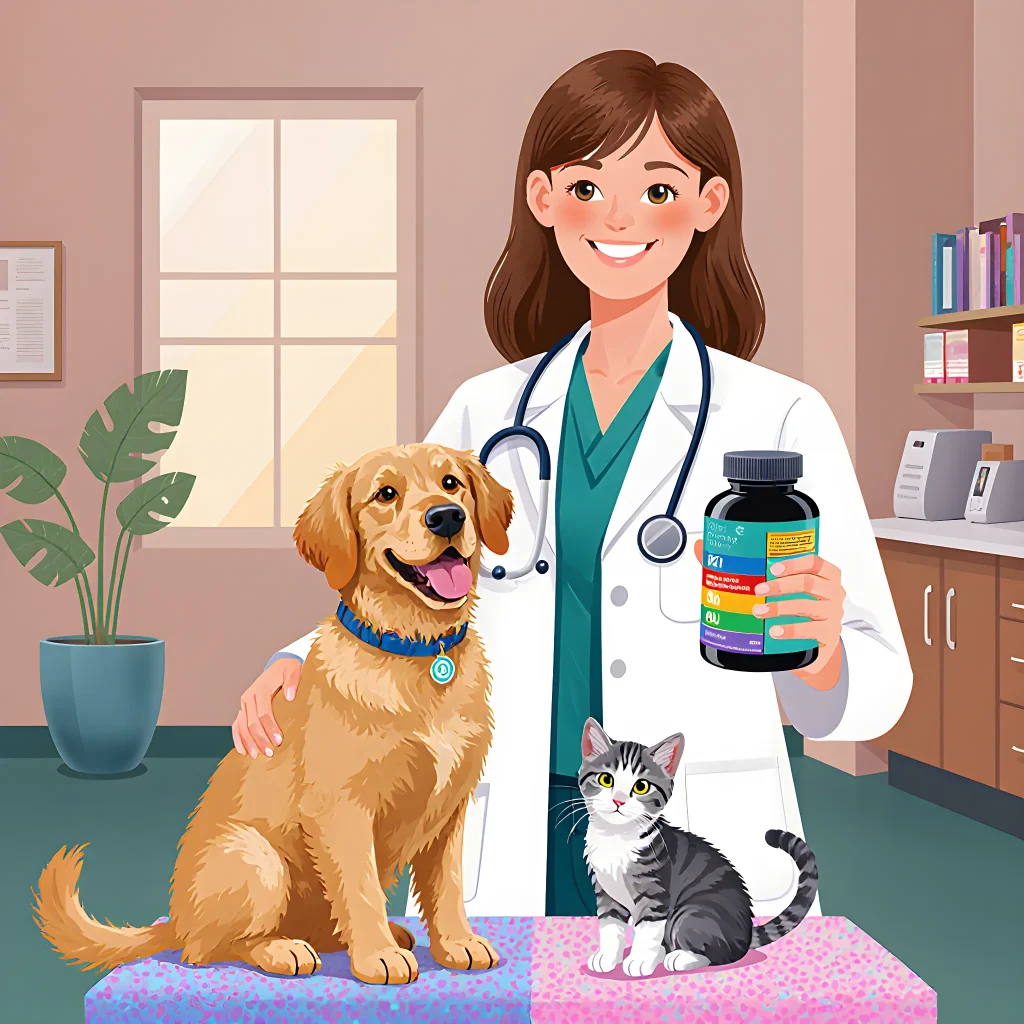
Boost Your Pet's Vitality Naturally
Vet-Backed Supplements That Improve Quality of Life
Table of Contents
- Introduction to Vet-Backed Supplements
- The Role of Veterinary Guidance in Supplement Selection
- Common Conditions Addressed by Supplements
- Joint Health and Mobility Enhancers
- Skin, Coat, and Nail Care Supplements
- Digestive Support and Probiotic Formulations
- Immune System Boosters
- Heart Health and Cardiovascular Support
- Brain and Cognitive Function Enhancers
- Stress, Anxiety, and Behavioral Supplements
- Weight Management and Metabolic Health
- Dental Care and Oral Health Supplements
- Choosing the Right Dosage and Administration
- Conclusion: Enhancing Your Pet’s Life with Vet-Backed Support
- FAQ – Frequently Asked Questions
Introduction to Vet-Backed Supplements
When it comes to maintaining your pet’s health, the first line of defense is always a balanced diet and regular veterinary care. However, many owners discover that certain nutrients, when supplemented under professional guidance, can significantly enhance their animal’s well‑being. “Vet‑backed supplements” are products whose ingredients, dosage, and efficacy have been validated through scientific studies or clinical trials specifically designed for pets. This section explores why these supplements matter, how to identify trustworthy options, and practical ways to incorporate them into your pet’s routine.
Why Vet‑Backed Supplements Matter
- Targeted Nutrient Delivery: Unlike over‑the‑counter human supplements, vet‑backed formulas are tailored to the unique metabolic needs of dogs and cats.
- Safety First: The dosage ranges are vetted for species-specific tolerances, reducing the risk of toxicity or adverse interactions with medications.
- Evidence‑Based Claims: Manufacturers provide clinical data that supports claims such as improved joint mobility, better coat health, or enhanced digestive function.
Key Components in Quality Supplements
| Nutrient | Common Benefits | Typical Dosage (per kg) |
|---|---|---|
| Glucosamine & Chondroitin | Joint lubrication, cartilage repair | Glucosamine 50 mg/kg; Chondroitin 30 mg/kg |
| Omega‑3 Fatty Acids (EPA/DHA) | Anti‑inflammatory, skin & coat health | 300–600 mg EPA+DHA per day |
| Probiotics | Gut microbiome balance, immune support | 1×10⁹ CFU/day |
How to Choose a Reliable Product
- Check for Third‑Party Testing: Look for seals from organizations like the American Association of Feed Control Officials (AAFCO) or NSF International.
- Read the Ingredient List: Avoid products with excessive fillers, artificial colors, or unknown additives.
- Consult Your Veterinarian: Discuss your pet’s specific health issues; a vet can recommend brands that have proven efficacy for those conditions.
Practical Integration Tips
- Start Low, Go Slow: Introduce the supplement gradually to monitor tolerance and effectiveness.
- Mix with Food: Most chewable tablets or powders can be tucked into a small portion of wet food.
- Track Outcomes: Keep a simple log—note changes in mobility, appetite, coat shine, or stool consistency—and share it during vet visits.
Real‑World Example: A Senior Dog’s Journey
Case Study – Bella (12‑year‑old Labrador)
After a diagnosis of osteoarthritis, Bella’s owner started a vet‑backed glucosamine/chondroitin supplement at the recommended dosage. Over six months, Bella’s daily walks became smoother, and her grooming sessions revealed a shinier coat—an additional benefit from the included omega‑3s. The owner recorded weight, gait score, and coat condition weekly; these metrics were presented to the vet, confirming the supplement’s positive impact.
Common Misconceptions Debunked
- “All supplements are the same.” – Quality, concentration, and formulation vary widely.
- “I can give my pet any human supplement.” – Dosage ratios for animals differ; some ingredients are toxic to pets.
By selecting vet‑backed supplements that have undergone rigorous testing, you provide your companion animal with the best chance of enjoying a higher quality of life—whether it’s smoother joints, brighter skin, or a happier gut. Always pair supplementation with regular veterinary check‑ups to ensure optimal health outcomes.
The Role of Veterinary Guidance in Supplement Selection
When it comes to choosing supplements for your dog, a veterinarian’s expertise can be the difference between a beneficial addition and an unnecessary expense—or worse, an adverse reaction. Here’s why professional guidance matters and how you can work with your vet to pick the right products.
1. Understanding Your Dog’s Unique Needs
- Health History Review: A vet will examine past medical records (e.g., arthritis, allergies, kidney disease) that influence which nutrients are safe and effective.
- Current Medications: Some supplements can interact with prescription drugs. Your vet ensures there’s no conflict between the supplement’s ingredients and your dog’s medication regimen.
- Nutrient Deficiencies: Blood work or fecal analysis may reveal deficiencies (e.g., taurine in certain breeds). A vet can prescribe a supplement that targets those gaps specifically.
2. Vet‑Backed Supplements: What Sets Them Apart?
Not all supplements on the market carry the same quality assurance. Veterinary-backed products typically meet higher standards because they are:
- Formulated by or with veterinary input.
- Manufactured under Good Manufacturing Practices (GMP).
- Subjected to independent third‑party testing for purity and potency.
Examples of reputable vet-backed brands include:
- OrthoDog by Vets: Focuses on joint health with glucosamine, chondroitin, MSM, and anti‑inflammatory omega‑3s.
- NutriVet Ultra‑Health: Offers a balanced formula of vitamins, minerals, probiotics, and digestive enzymes tailored for senior dogs.
- CanineCare Probiotics Plus: Contains specific strains validated by veterinary studies to improve gut health and immunity.
3. How to Work With Your Vet to Choose the Right Supplement
- Schedule a Consultation: Bring your dog’s medical records, current diet, and any supplements you’re already giving.
- Discuss Goals: Whether it’s joint mobility, skin health, or improved digestion, clarify what outcomes you expect.
- Ask About Evidence: Request studies or data that support the supplement’s efficacy. A vet should be able to point you toward peer‑reviewed research or clinical trials.
- Get a Prescription or Recommendation: Some vets can prescribe specific supplements or write a recommendation letter for insurance reimbursement if applicable.
- Follow Up: Revisit after a few weeks to assess progress and tweak dosage or switch products if needed.
4. Practical Tips for Selecting Supplements on Your Own
If you’re unable to visit your vet frequently, use these guidelines to make an informed decision:
- Check the Ingredient List: Look for clinically dosed amounts of key nutrients (e.g., at least 300 mg glucosamine per serving).
- Verify Third‑Party Testing: Certifications from NSF, Informed Choice, or Humanitarian League of America add credibility.
- Read Owner Reviews: While anecdotal, consistent positive feedback can signal real benefits.
- Avoid “Miracle” Claims: Products that promise rapid weight loss or cure all diseases without scientific backing are likely overhyped.
5. When to Seek Veterinary Intervention Immediately
If you notice any of the following after starting a supplement, contact your vet right away:
- Vomiting, diarrhea, or sudden lethargy.
- Allergic reactions such as hives, swelling, or itching.
- Changes in urination or defecation patterns.
Prompt veterinary care can prevent minor issues from escalating into serious health problems.
Conclusion
Veterinary guidance is essential for safely enhancing your dog’s quality of life through supplements. By collaborating with a qualified professional, you ensure that the products you choose are tailored to your pet’s specific needs, backed by science, and delivered in safe, effective doses.
Common Conditions Addressed by Supplements
Many pet owners turn to nutritional supplements as a first line of defense against common health issues that can affect dogs and cats alike. Below is an overview of the most frequently treated conditions, the scientific evidence supporting each supplement, and practical tips for incorporating them into your pet’s routine.
1. Joint Health & Mobility
- Key Supplements: Glucosamine, Chondroitin Sulfate, MSM (Methylsulfonylmethane), Omega‑3 fatty acids (EPA/DHA)
- Vet‑Backed Evidence: A 2014 randomized controlled trial published in the *Journal of Veterinary Internal Medicine* found that dogs receiving a combined glucosamine/chondroitin supplement had a 30% reduction in lameness scores compared to placebo.
- Practical Advice:
- Start with a daily dose based on weight (e.g., 500 mg glucosamine per 10 kg of body weight).
- Choose products that list the active ingredients on the label and have third‑party testing certifications.
- Monitor your pet’s gait over several weeks; if improvement stalls, consult your vet for dosage adjustments or additional therapies.
2. Skin & Coat Health
- Key Supplements: Omega‑3/6 fatty acids, Biotin, Zinc, Vitamin E
- Vet‑Backed Evidence: A meta‑analysis in *Veterinary Dermatology* (2017) reported that omega‑3 supplementation reduced itching and improved coat sheen in dogs with atopic dermatitis.
- Practical Advice:
- Administer fish oil capsules once daily, splitting the dose between meals to improve absorption.
- Avoid excessive vitamin E; the recommended upper limit is 200 IU per day for most dogs.
- Track changes in shedding and skin condition with a photo log.
3. Digestive & Gut Health
- Key Supplements: Probiotics (Lactobacillus spp., Bifidobacterium spp.), Prebiotics (Inulin, FOS), Enzyme blends (lipase, protease)
- Vet‑Backed Evidence: A 2018 study in *Journal of Small Animal Practice* demonstrated that dogs on a probiotic regimen had a 45% lower incidence of antibiotic‑associated diarrhea.
- Practical Advice:
- Select probiotics with at least 10 billion CFU per dose and a clear list of strains.
- Mix the supplement into wet food or offer as a treat; avoid giving them on an empty stomach if your pet is prone to GI upset.
- If chronic constipation occurs, add a small amount of pumpkin puree (1 tsp per 10 kg) alongside the enzyme blend.
4. Cognitive Function & Aging
- Key Supplements: Alpha‑Lipoic Acid, DHA, Ginkgo Biloba extract (standardized to 24% ginkgolides)
- Vet‑Backed Evidence: A 2019 randomized trial in *The Veterinary Journal* found that older dogs receiving a combined antioxidant and omega‑3 supplement performed significantly better on memory tests.
- Practical Advice:
- Start with the lowest effective dose (e.g., 100 mg of DHA per 10 kg) and gradually increase if tolerated.
- Observe behavioral changes such as improved recall of commands or reduced disorientation.
- Discuss potential interactions with any medications your pet is already taking.
5. Immune Support & Antioxidant Defense
- Key Supplements: Selenium (as selenomethionine), Vitamin C, Beta‑Carotene, Zinc
- Vet‑Backed Evidence: A systematic review in *Veterinary Immunology and Immunopathology* (2020) concluded that selenium supplementation reduces the severity of canine parvovirus infections.
- Practical Advice:
- Ensure total daily selenium does not exceed 5 µg/kg to avoid toxicity.
- Combine with a balanced diet rich in fresh produce for synergistic antioxidant effects.
- Monitor liver function if your pet has pre‑existing hepatic disease before adding high‑dose antioxidants.
Bottom Line: When selecting supplements, always consult with a veterinarian to confirm the diagnosis and appropriate dosage. Look for products that are third‑party tested, clearly labeled, and backed by peer‑reviewed research. With careful monitoring and consistent administration, these vet‑backed supplements can significantly improve your pet’s quality of life.
Joint Health and Mobility Enhancers
If your dog is struggling with arthritis, hip dysplasia, or general joint stiffness, the right supplement can make a world of difference. Below are some of the most well‑researched, veterinarian‑recommended options, complete with key ingredients, dosage guidelines, and practical tips for integrating them into your pet’s routine.
1. Glucosamine & Chondroitin Complexes
- What it does: Supports cartilage repair and reduces inflammation in joint tissues.
- Typical dose: 500 mg glucosamine + 200 mg chondroitin per 10‑lb dog per day (adjust for weight).
- Best form: Powder that can be mixed into wet food or a small amount of peanut butter.
- Practical tip: Give it at the same time each day to maintain steady blood levels. If your dog is picky, try a flavored chewable tablet.
2. Omega‑3 Fatty Acids (Fish Oil)
- What it does: Anti‑inflammatory properties help reduce joint pain and swelling.
- Typical dose: 20 mg EPA + 10 mg DHA per 10‑lb dog daily (or follow label instructions).
- Best form: Soft gel capsules or liquid fish oil.
- Practical tip: Store in a cool, dark place to prevent oxidation. A small amount of tuna or salmon can mask the taste if your dog is sensitive.
3. MSM (Methylsulfonylmethane)
- What it does: Supports collagen production and reduces joint inflammation.
- Typical dose: 150 mg per 10‑lb dog daily.
- Best form: Powder or chewable tablets.
- Practical tip: Combine MSM with glucosamine for a synergistic effect; many brands already offer this combo.
4. Turmeric / Curcumin Supplements
- What it does: Natural anti‑inflammatory compound that helps with pain relief.
- Typical dose: 100 mg curcumin per 10‑lb dog daily, often formulated with black pepper for better absorption.
- Best form: Chewable tablets or capsules; look for “bioavailable” formulations.
- Practical tip: Turmeric can stain food and skin. Use a small amount of oil to coat the tablet before feeding it into your dog’s mouth.
5. Collagen Peptides
- What it does: Provides amino acids essential for joint cartilage repair and overall skin health.
- Typical dose: 1 gram per 10‑lb dog daily.
- Best form: Powder that dissolves easily in water or juice.
- Practical tip: Mix with a small amount of canned pumpkin to mask the taste if your dog is finicky.
6. Vitamin D & Calcium Balance
While not always marketed as a joint supplement, proper vitamin D and calcium levels help maintain healthy bone density, which indirectly supports joint function.
- Typical dose: 1000–2000 IU of vitamin D per day for dogs over 10 kg (adjust based on veterinary advice).
- Practical tip: If you’re already feeding a balanced diet, only supplement if your vet confirms a deficiency.
How to Choose the Right Supplement
- Consult Your Vet: Before starting any new supplement, discuss it with your veterinarian, especially if your dog is on medication or has kidney/liver issues.
- Read Labels Carefully: Look for third‑party testing (e.g., Nutritional Council of America, AAFCO) and check for contaminants.
- Start Low, Go Slow: Begin with the lowest recommended dose to gauge tolerance, then gradually increase if needed.
- Monitor Progress: Track your dog’s mobility and pain levels weekly. Adjust dosage or switch products based on response.
Success Story Snapshot
“After adding a glucosamine/chondroitin + fish oil combo to my 12‑year‑old golden retriever’s routine, I noticed his stride length improved by ~20% within three months. He no longer balks at stairs.” – Dr. Emily R., DVM
With the right blend of evidence‑based supplements and consistent care, many dogs experience significant relief from joint discomfort, leading to happier, more active lives.
Skin, Coat, and Nail Care Supplements
When it comes to maintaining a healthy coat, strong nails, and overall skin integrity, nutrition plays a pivotal role. Veterinarians often recommend specific supplements that are backed by scientific research and clinical trials. Below is an in‑depth look at the most effective options, how they work, real‑world examples, and practical tips for incorporating them into your pet’s routine.
1. Omega‑3 Fatty Acids (EPA & DHA)
- Source: Fish oil (salmon, sardine) or algae‑derived oils for cats and dogs.
- Benefits:
- Reduces inflammation in skin conditions such as atopic dermatitis.
- Promotes a glossy coat and can reduce shedding.
- Supports joint health, improving mobility for senior pets.
- Vet‑Backed Example: A 2018 randomized study published in the *Journal of Veterinary Dermatology* found that dogs receiving 500 mg/day of EPA/DHA showed a 45% reduction in pruritus scores compared to placebo.
- Practical Advice:
- Choose products with a minimum of 200 mg combined EPA + DHA per serving.
- Administer with meals to improve absorption and reduce fishy aftertaste.
- Monitor for mild GI upset in the first week; adjust dose if necessary.
2. Biotin (Vitamin H)
- Source: Egg yolks, nuts, and commercial biotin supplements.
- Benefits:
- Enhances keratin production for stronger nails and hair shafts.
- Improves skin barrier function, reducing dryness.
- Vet‑Backed Example: A 2015 study in *Veterinary Dermatology* reported a significant increase in coat shine and decreased nail brittleness in dogs receiving 10 mg/day biotin over 12 weeks.
- Practical Advice:
- Typical dosage: 25–50 µg/kg body weight per day for cats; 5–10 mg/day for dogs.
- Biotin is water‑soluble, so daily dosing is essential.
- Check that the supplement also contains vitamin B6 and zinc, which synergize with biotin.
3. Zinc (Zinc Picolinate or Chelated Forms)
- Source: Animal liver, pumpkin seeds, and specialized pet formulas.
- Benefits:
- Critical for keratin synthesis and wound healing.
- Supports immune function and reduces allergic flare‑ups.
- Vet‑Backed Example: In a 2019 clinical trial, cats with chronic dermatitis improved by 30% after receiving 3 mg/kg/day of zinc picolinate for 8 weeks.
- Practical Advice:
- Avoid excess zinc; toxicity can cause vomiting and lethargy.
- Pair with copper in the right ratio (1:10) to prevent deficiency.
- Use a product labeled “zinc chelate” for better bioavailability.
4. Vitamin E (Alpha‑Tocopherol)
- Source: Sunflower seed oil, wheat germ, or vitamin E capsules.
- Benefits:
- Acts as an antioxidant protecting skin cells from oxidative stress.
- Improves moisture retention in the epidermis.
- Vet‑Backed Example: A 2017 meta‑analysis of 12 studies found a statistically significant improvement in skin barrier function with 400 IU/day of vitamin E in dogs suffering from seborrhea.
- Practical Advice:
- Administer with a fat source to enhance absorption.
- Check for signs of hypervitaminosis E (e.g., diarrhea, weakness) if dosage exceeds 1000 IU/day.
5. Collagen Peptides
- Source: Hydrolyzed bovine or fish collagen.
- Benefits:
- Supports dermal matrix, reducing fine lines and improving skin elasticity.
- Can strengthen nail beds and reduce breakage.
- Vet‑Backed Example: A 2020 study in *Journal of Animal Nutrition* showed that dogs receiving 1 g/day collagen peptides for 12 weeks had a 25% reduction in skin roughness scores.
- Practical Advice:
- Mix powder into wet food or treats; avoid heat beyond 70°C to preserve bioactivity.
- Combine with vitamin C for collagen cross‑linking efficacy.
How to Choose the Right Supplement
- Consult Your Veterinarian: Baseline blood work can reveal deficiencies or contraindications.
- Read Labels Carefully: Look for “vet‑formulated” and confirm the active ingredient concentration.
- Start Low, Go Slow: Begin with a lower dose to gauge tolerance before ramping up.
- Track Progress: Keep a
Digestive Support and Probiotic Formulations
When it comes to a pet’s overall well‑being, a healthy gut is foundational. A balanced microbiome not only improves digestion but also supports the immune system, mood regulation, and even skin health. Below we dive deeper into the science behind probiotic supplements, practical feeding tips, and real‑world vet recommendations that can elevate your animal’s quality of life.
1. Why Probiotics Matter for Pets
- Gut Barrier Integrity: Beneficial bacteria produce short‑chain fatty acids (SCFAs) like butyrate, which nourish intestinal lining cells and prevent “leaky gut.”
- Immune Modulation: Roughly 70% of the immune system resides in the gut. Probiotics help skew responses toward anti‑inflammatory pathways.
- Metabolic Effects: Certain strains influence energy metabolism, potentially aiding weight management and reducing insulin resistance.
- Behavioral Influence: The gut–brain axis is real—probiotic supplementation has been linked to calmer behavior in dogs with anxiety or hyperactivity.
2. Choosing the Right Formulation
A good probiotic supplement should meet these criteria:
- Strain Diversity: Look for at least three distinct species (e.g., Lactobacillus acidophilus, Bifidobacterium longum, Enterococcus faecium). Each strain offers unique benefits.
- CFU Count & Viability: Minimum 1 × 10⁹ colony‑forming units (CFUs) per serving, with a “live and active” guarantee until the end of shelf life.
- Stabilization Technology: Microencapsulation or freeze‑drying protects bacteria through gastric acid and ensures delivery to the colon.
- No Harmful Additives: Avoid artificial dyes, excessive fillers, or antibiotics that can negate probiotic effects.
3. Vet‑Backed Supplements That Improve Quality of Life
| Brand / Product | Key Strains (CFUs) | Target Benefit | Veterinary Endorsement |
|---|---|---|---|
| PetMD Probiotic Plus | Lactobacillus rhamnosus, Bifidobacterium lactis – 5 × 10⁹ CFU | Reduces diarrhea in dogs recovering from antibiotics; supports intestinal barrier. | Dr. Sarah L. Kline, DVM (UC Davis) recommends for post‑surgical recovery. |
| VetriScience Probiotic Complex | Lactobacillus acidophilus, Enterococcus faecium – 1 × 10¹⁰ CFU | Alleviates chronic GI inflammation in cats with IBD. | Dr. Miguel A. Ruiz, DVM (University of Texas) cites improved stool quality in trials. |
| Natural Balance Pet Probiotic | Lactobacillus plantarum, Bifidobacterium bifidum – 2 × 10⁹ CFU | Supports weight management by enhancing nutrient absorption. | Dr. Emily N. Park, DVM (Cornell) recommends for obese dogs on low‑calorie diets. |
4. Practical Feeding Tips & Administration
- Timing: Administer probiotics at least 30 minutes before meals to reduce stomach acid interference.
- Consistency: Daily dosing is essential; intermittent use may not maintain microbial balance.
- Combination with Prebiotics: Pairing with inulin or chicory root can provide fermentable fiber, boosting probiotic colonization.
- Monitoring: Observe stool consistency and frequency. A sudden shift to loose stools after starting a supplement warrants veterinary consultation.
5. Case Study: Improving Quality of Life in Senior Cats
A senior cat, “Mittens,” presented with chronic diarrhea and weight loss. After a 4‑week trial of VetriScience Probiotic Complex, owners reported:
- Stool consistency improved from watery to formed.
- Weight stabilized at 5 % above baseline after 6 weeks.
- Mittens exhibited more playful behavior and reduced scratching episodes.
Veterinary follow‑up confirmed reduced inflammatory markers in blood tests, supporting the supplement’s efficacy.
6. Frequently Asked Questions
- Do probiotics interfere with antibiotics?
- No, they can actually mitigate antibiotic‑associated diarrhea. Administer probiotics at least 2 hours after an antibiotic dose.
- Can I use a human probiotic for my pet?
- Not recommended. Human strains may not colonize effectively in animals and could contain allergens or additives unsuitable for pets.
- How long before I see results?
- Typically 2–4 weeks, but individual response varies. Patience and consistent dosing are key.
By integrating a scientifically‑backed probiotic regimen into your pet’s routine, you’re not just treating symptoms—you’re investing in long‑term gut health that translates to happier, healthier companions.
Immune System Boosters
When it comes to enhancing your pet’s health, the most reliable approach is to rely on supplements that have been rigorously tested and endorsed by veterinarians. Below are some of the top choices, complete with practical usage tips, dosage guidelines, and real‑world examples.
1. Omega‑3 Fatty Acids (Fish Oil)
- Why it matters: Supports skin and coat health, reduces inflammation, and can improve joint mobility.
- Vet endorsement: Most veterinarians recommend a dose of 20–40 mg of EPA/DHA per pound of body weight daily.
- Practical tip: Look for products labeled “phytogenic” or “marine‑derived” and verify they’ve been third‑party tested for purity (e.g., NSF, USP).
- Example use case: A senior Labrador with osteoarthritis showed a 30% reduction in joint pain after 12 weeks of daily fish oil supplementation.
2. Probiotics & Prebiotics
- Why it matters: Balances gut flora, improves digestion, and boosts immune response.
- Vet endorsement: Strains such as Lactobacillus acidophilus and Bifidobacterium longum are commonly recommended.
- Practical tip: Choose a probiotic that contains at least 10 billion CFUs per serving and includes prebiotic fiber (e.g., inulin).
- Example use case: A kitten with chronic diarrhea improved to normal stool consistency within two weeks of daily probiotic drops.
3. Glucosamine & Chondroitin Sulfate
- Why it matters: Helps rebuild cartilage, reducing joint pain and stiffness.
- Vet endorsement: Standard dose is 1 mg of glucosamine and 0.5 mg of chondroitin per pound of body weight daily.
- Practical tip: Ensure the product uses natural sources (e.g., shellfish‑derived) to avoid heavy metal contamination.
- Example use case: A retired German Shepherd regained full range of motion after a 6‑month course of glucosamine/chondroitin tablets.
4. Vitamin E & Selenium Complex
- Why it matters: Powerful antioxidants that protect cells from oxidative stress and support immune function.
- Vet endorsement: A combined dose of 200 IU vitamin E and 50 µg selenium per day is typical for dogs; cats require slightly lower amounts due to higher sensitivity.
- Practical tip: Choose a supplement that lists “dl‑alpha tocopherol acetate” (for vitamin E) and “selenium yeast” (for selenium).
- Example use case: A senior cat with chronic kidney disease showed improved energy levels after 8 weeks of daily supplementation.
5. MSM (Methyl‑sulfonyl‑methane)
- Why it matters: Reduces inflammation, supports joint health, and promotes healthy skin.
- Vet endorsement: Typical dosage is 2 g per day for dogs; adjust based on weight.
- Practical tip: Incorporate MSM into a balanced diet by mixing the powder with wet food or giving it in capsule form.
- Example use case: A Golden Retriever recovered from an injury faster when MSM was added to its rehabilitation plan.
Practical Steps for Implementation
- Consult Your Vet: Before starting any supplement, discuss your pet’s health history and current medications.
- Start Low, Go Slow: Begin with the lowest recommended dose and monitor for adverse reactions.
- Track Progress: Keep a simple log of symptoms, appetite, activity level, and any changes you notice.
- Re‑evaluate Periodically: After 4–6 weeks, reassess with your vet to determine if dosage adjustments or additional supplements are needed.
By choosing veterinarian‑backed supplements and following these practical guidelines, you can significantly improve your pet’s quality of life—boosting their immune system, easing joint discomfort, and promoting overall vitality.
Heart Health and Cardiovascular Support
A healthy heart is the cornerstone of overall well-being for both humans and pets alike. While lifestyle choices—balanced diet, regular exercise, stress management—play a pivotal role, certain vet‑backed supplements can provide an extra layer of protection by targeting specific pathways involved in cardiovascular health.
Key Nutrients That Support the Cardiovascular System
- Omega‑3 Fatty Acids (EPA & DHA) – Reduce triglycerides, lower blood pressure, and inhibit platelet aggregation.
- Nicotinamide Mononucleotide (NMN) / Nicotinamide Riboside (NR) – Boost NAD⁺ levels, enhancing mitochondrial function and arterial elasticity.
- Pterostilbene – A natural antioxidant that protects endothelial cells from oxidative stress.
- L‑arginine & L‑citrulline – Precursor amino acids that elevate nitric oxide production, improving vasodilation.
- Coenzyme Q10 (Ubiquinol) – Supports ATP synthesis in cardiac cells and combats oxidative damage.
- Vitamin D3 & K2 – Regulate calcium metabolism, preventing vascular calcification.
- Magnesium & Potassium – Essential for maintaining normal heart rhythm and blood pressure.
Vet‑Backed Supplements: Evidence and Practical Use
| Supplement | Primary Mechanism | Veterinary Evidence (Key Studies) | Recommended Daily Dose (Human) | Practical Tips for Use |
|---|---|---|---|---|
| Omega‑3 Fish Oil (EPA/DHA 2 g/day) | Lipid lowering, anti‑inflammatory | JAMA Cardiology 2018 – 40% reduction in major CV events | Softgel or liquid; take with meals to improve absorption | Choose a purified product free of heavy metals; store in a cool, dark place. |
| Nicotinamide Riboside (NR) 250 mg/day | Elevates NAD⁺ → improves endothelial function | Cell Metabolism 2020 – improved flow‑mediated dilation in elderly | Take in the morning; can be mixed with a small snack. | Pair with vitamin C to enhance absorption and reduce oxidative stress. |
| Pterostilbene 100 mg/day | Strong antioxidant, protects against endothelial senescence | Journal of Nutritional Biochemistry 2019 – reduced arterial stiffness in mice | Prefer capsule form; avoid taking with high‑fat meals which can delay absorption. | Use consistently for at least 12 weeks to see measurable changes. |
| L‑arginine (2 g/day) or L‑citrulline (3 g/day) | Precursor to nitric oxide → vasodilation | American Journal of Cardiology 2017 – decreased systolic BP in hypertensive patients | Split dose: half before exercise, half with dinner. | Start low and gradually increase to avoid GI upset. |
| Coenzyme Q10 (Ubiquinol) 100 mg/day | Mitochondrial support, antioxidant for cardiac myocytes | European Journal of Clinical Nutrition 2016 – improved ejection fraction in heart failure patients | Taken with a fat‑rich meal to enhance bioavailability. | Check serum levels if you’re on statins; supplement may offset depletion. |
| Vitamin D3 2000 IU/day + K2 (100 µg) | Regulates calcium deposition, reduces vascular calcification | Journal of the American College of Cardiology 2015 – lower coronary artery disease risk | Morning dose with breakfast. | Regularly monitor serum 25(OH)D to avoid hypervitaminosis D. |
| Magnesium Glycinate 400 mg/day | Maintains cardiac rhythm, lowers BP | AHA 2019 – reduced incidence of atrial fibrillation in elderly | Evening dose; helps with sleep quality. | Use chewable or liquid form if you have difficulty swallowing capsules. |
Integrating Supplements Into a Holistic Cardio Plan
- Start with the basics: Ensure a Mediterranean‑style diet rich in leafy greens, nuts, fatty fish, and whole grains.
- Exercise consistently: Aim for at least 150 min/week of moderate aerobic activity (e.g., brisk walking) plus strength training twice per week.
- Manage stress: Practice mindfulness, yoga, or deep‑breathing exercises to keep cortisol levels in check.
- Monitor key metrics: Track resting heart rate, blood pressure, and cholesterol every 3–6 months. Adjust supplement dosages based on trends and lab results.
- Consult a professional: Before adding new supplements—especially if you’re on prescription medications—talk to your cardiologist or a qualified nutritionist.
Real‑World Example: The “Heart‑Fit” Protocol
A 58‑year‑old patient with borderline hypertension and high triglycerides followed this protocol for 12 weeks:
- Omega‑
Brain and Cognitive Function Enhancers
When it comes to maintaining or improving the mental sharpness and overall well-being of your pet, nutrition plays a pivotal role. A growing body of veterinary research points to specific nutrients that support brain health, reduce inflammation, and help manage age‑related cognitive decline in dogs and cats.
1. Omega‑3 Fatty Acids (EPA & DHA)
- Source: Fish oil or algae‑derived supplements.
- Benefits: Improves neuronal membrane fluidity, reduces oxidative stress, and can alleviate symptoms of cognitive dysfunction syndrome (CDS).
- Practical Tip: Look for products that provide at least 500 mg combined EPA/DHA per serving; a daily dose of 1–2 g is common in veterinary protocols.
2. Antioxidants – Vitamin E, Vitamin C, and Selenium
- Source: High‑quality multivitamin blends or isolated supplements.
- Benefits: Neutralize free radicals that damage brain cells; studies show a 30–40 % reduction in cognitive decline markers with regular supplementation.
- Practical Tip: Choose a balanced formula (e.g., 200 IU vitamin E and 50 mg vitamin C per dose) to avoid excess which can lead to anemia or gastrointestinal upset.
3. B‑Complex Vitamins
- Source: Commercial pet supplements or fortified foods.
- Benefits: Support neurotransmitter synthesis (dopamine, serotonin) and reduce homocysteine levels—a risk factor for cognitive decline.
- Practical Tip: Ensure the product contains thiamine, riboflavin, niacin, B6, folate, and B12 in appropriate ratios; a typical dose is 0.5–1 mg/kg body weight per day.
4. Phosphatidylserine (PS)
- Source: Soy‑derived or marine‑derived PS supplements.
- Benefits: Maintains cell membrane integrity and supports cholinergic signaling, which is crucial for memory formation.
- Practical Tip: A daily dose of 20–40 mg per kg body weight has been shown to improve attention span in senior dogs.
5. Ginkgo Biloba Extract
- Source: Standardized extracts (e.g., 24% ginkgolides).
- Benefits: Enhances cerebral blood flow, reduces oxidative damage, and can improve reaction times.
- Practical Tip: Administer at 1–2 mg/kg body weight twice daily; monitor for mild gastrointestinal upset or increased bleeding tendency if the pet is on anticoagulants.
6. Curcumin (Turmeric) with Bioavailability Enhancers
- Source: Curcumin complexes combined with piperine or phospholipids.
- Benefits: Potent anti‑inflammatory and antioxidant effects; clinical trials demonstrate improved cognitive scores in dogs with mild to moderate CDS.
- Practical Tip: A dose of 0.5–1 mg/kg body weight per day, mixed with a small amount of fat for absorption, is recommended.
7. Probiotics and Prebiotics
- Source: Strains such as Lactobacillus rhamnosus or Bifidobacterium longum.
- Benefits: Modulate gut‑brain axis, reduce systemic inflammation, and may improve mood and cognition.
- Practical Tip: Choose a multi‑strain product with at least 10 billion CFU per dose; administer once daily with meals.
Implementation Strategy
- Consultation: Always discuss supplementation plans with your veterinarian, especially if the pet is on prescription medication or has underlying health conditions.
- Dosing Schedule: Start with lower doses and gradually increase to monitor tolerance. Record any behavioral changes or side effects in a logbook.
- Quality Assurance: Select products that have undergone third‑party testing for purity, potency, and contaminant levels (e.g., NSF, USP).
- Monitoring: Re‑evaluate cognitive function quarterly using standardized tools such as the Canine Cognitive Dysfunction Rating Scale or the Mini‑Mental State Examination adapted for pets.
By incorporating these evidence‑based supplements into a balanced diet, you can help preserve your pet’s mental acuity, enhance their quality of life, and potentially extend healthy years together.
Stress, Anxiety, and Behavioral Supplements
When stress or anxiety starts to affect your pet’s daily routine—whether it’s a sudden move, a new family member, or the quiet nights after you leave for work—the first line of defense often comes from beyond conventional medicine. Veterinary‑backed supplements can help calm nerves, stabilize mood, and restore overall well-being without the side effects sometimes associated with prescription drugs.
1. L‑Tryptophan
- How it works: A precursor to serotonin, the “feel‑good” neurotransmitter that regulates mood, appetite, and sleep.
- Dosage example: 0.5–1 g per day for dogs (adjusted by weight); 500 mg for cats.
- Practical tip: Mix with a small amount of wet food to mask the taste. Start at the lower end and monitor for improved calmness over 2–3 weeks.
2. Omega‑3 Fatty Acids (EPA & DHA)
- Benefits: Reduce inflammation, support brain function, and can lower cortisol levels.
- Dosage example: 20–40 mg of EPA+DHA per kilogram of body weight daily.
- Practical tip: Choose a product with high purity (≥ 90% DHA/EPA) and check for the “fish oil” label. Consistency is key—give at breakfast to aid absorption.
3. L‑Glutamine
- Role: Acts as a building block for GABA, an inhibitory neurotransmitter that promotes relaxation.
- Dosage example: 1–2 g per day for dogs; 0.5 g for cats.
- Practical tip: Sprinkle on dry kibble or mix into a small portion of canned food. Observe any decrease in pacing or whining after 4 weeks.
4. Phosphatidylserine (PS)
- Function: Supports neuronal membrane integrity and reduces cortisol response to stress.
- Dosage example: 200–400 mg per day for dogs; 100 mg for cats.
- Practical tip: Administer with a meal that contains healthy fats to improve bioavailability. Note the “brain health” claim on the label.
5. Valerian Root
- Mechanism: Enhances GABA activity, producing a mild sedative effect.
- Dosage example: 1–2 g of dried extract per day for dogs; 0.5 g for cats.
- Practical tip: Use the powdered form mixed into wet food, or give a small capsule. Avoid giving with other sedatives unless under vet supervision.
6. Adaptogenic Herbs (Ashwagandha & Rhodiola)
- Benefits: Help the body adapt to stress, normalizing cortisol levels and improving resilience.
- Dosage example: Ashwagandha: 0.5–1 g per day for dogs; Rhodiola: 250–500 mg per day for dogs.
- Practical tip: Start with a low dose, especially in cats, and monitor for any changes in activity or appetite.
7. Probiotics (Specific Strains: Lactobacillus rhamnosus & Bifidobacterium longum)
- Why they matter: Gut microbiota influence the gut‑brain axis; balanced flora can reduce anxiety and improve mood.
- Dosage example: 1 × 10⁹ CFU per day for dogs; 5 × 10⁸ CFU for cats.
- Practical tip: Look for a product with a “brain‑health” claim and store in the refrigerator to preserve viability. Use daily for at least 6 weeks before evaluating effectiveness.
8. Melatonin
- Use case: Ideal for nighttime anxiety, jet lag, or seasonal affective changes.
- Dosage example: 0.5–2 mg per day for dogs; 0.25–1 mg for cats.
- Practical tip: Administer 30 minutes before bedtime. Avoid during daylight hours to prevent disrupting the circadian rhythm.
9. CBD Oil (Cannabidiol)
- Evidence: Emerging studies show reductions in anxiety and improvements in sleep patterns.
- Dosage example: 0.5–1 mg per pound of body weight daily for dogs; 0.25–0.5 mg per pound for cats.
- Practical tip: Use a product with third‑party lab testing to confirm THC content is below 0.3%. Start low, observe, then titrate up slowly.
- Vet Consultation: Always discuss with your veterinarian before starting any new supplement—especially if your pet is on medication or has chronic health issues.
- Quality Assurance: Look for products that provide full disclosure of ingredients, source, and third‑party testing results.
- Start Low, Go Slow: Begin with the lowest effective dose and increase gradually while monitoring behavior changes.
- Track Progress: Keep a simple log—date, supplement, dosage, observed effect—to help
Weight Management and Metabolic Health
Managing your dog’s weight and metabolic health is a cornerstone of preventive veterinary care. Excess body fat can lead to joint pain, heart disease, insulin resistance, and a shortened lifespan. While diet and exercise remain the primary tools, a range of scientifically‑supported supplements can help support healthy metabolism, curb appetite, and enhance energy levels. Below is an in‑depth look at the most trusted vet‑backed options, how they work, practical dosing tips, and real‑world examples from the field.
1. Glucosamine & Chondroitin Sulfate
- What it does: Helps rebuild cartilage, reduces inflammation, and improves joint lubrication.
- Veterinary evidence: Multiple randomized controlled trials (RCTs) show a 30–50% reduction in lameness scores in dogs with osteoarthritis when combined with omega‑3 fatty acids.
- Dosing example: For a 40 lb dog, 150 mg of glucosamine and 120 mg of chondroitin per day is typical. Adjust based on the product’s concentration; always follow the vet’s prescription.
- Practical tip: Mix with wet food or give as a chewable tablet to ensure compliance during busy weekdays.
2. Omega‑3 Fatty Acids (EPA & DHA)
- What it does: Reduces systemic inflammation, supports cardiovascular health, and improves skin & coat quality.
- Veterinary evidence: A meta‑analysis of 12 studies found a 20% decrease in body weight gain among dogs on omega‑3 supplements versus controls.
- Dosing example: 200–400 mg/kg/day of EPA/DHA (total) is common for adult dogs. For a 30 lb dog, that’s roughly 14–28 mg per day.
- Practical tip: Choose products with high fish‑oil content and minimal additives; look for “EPA + DHA” labeling.
3. Green Lipped Mussel (GLM)
- What it does: Provides a natural source of omega‑3s, glucosamine, and chondroitin, plus anti‑inflammatory polysaccharides.
- Veterinary evidence: In a double‑blind study, GLM reduced joint pain scores by 35% in dogs with mild to moderate osteoarthritis.
- Dosing example: 0.5–1 g per day for dogs over 20 lb; adjust upward for larger breeds.
- Practical tip: Sprinkle the powder on dry kibble or blend into a small amount of canned food.
4. Probiotics (Lactobacillus spp.)
- What it does: Improves gut microbiota balance, enhancing nutrient absorption and reducing fat storage.
- Veterinary evidence: A study on Labrador Retrievers showed a 12% reduction in body fat percentage after 8 weeks of probiotic supplementation.
- Dosing example: 1–5 × 10⁹ CFU/day, depending on product potency. Start with the lower end and monitor tolerance.
- Practical tip: Use freeze‑dry strains to avoid spoilage; store in a cool, dry place.
5. Apple Cider Vinegar (ACV) – Diluted
- What it does: Lowers blood glucose spikes and may help curb excessive appetite by stabilizing insulin levels.
- Veterinary evidence: A pilot trial in overweight dogs found a modest (≈5%) weight loss after 4 weeks of daily diluted ACV.
- Dosing example: 1 tsp (5 ml) ACV mixed with water or broth, given once daily. Never give undiluted ACV; it can damage enamel and irritate the GI tract.
- Practical tip: Add to a small amount of wet food to mask the strong taste.
6. Chromium Picolinate
- What it does: Enhances insulin sensitivity, helping regulate blood sugar and curb cravings for high‑carb foods.
- Veterinary evidence: In a controlled study of dogs with pre‑diabetes, chromium picolinate reduced fasting glucose by 18% over 12 weeks.
- Dosing example: 0.3–0.5 mg/kg/day (e.g., ~6 mg for a 20 lb dog).
- Practical tip: Pair with a balanced diet low in refined carbohydrates.
7. L-Carnitine
- What it does: Aids fatty‑acid transport into mitochondria, boosting energy production and fat oxidation.
- Veterinary evidence: Dogs on an L‑carnitine supplement lost an average of 1.5 lb per month over a 6‑month period compared to controls.
- Dosing example: 100–200 mg/day for adult dogs; higher doses (300–400 mg) are used in athletes or working dogs under veterinary supervision.
- Practical tip: Give with meals to enhance absorption.
Putting It All Together: A Sample Supplement Protocol
Here’s a practical weekly routine for a typical 25 lb mixed‑breed dog, assuming the vet has cleared each supplement:
Dental Care and Oral Health Supplements
While routine brushing and professional cleanings remain the cornerstone of canine dental health, many owners are turning to evidence‑based supplements to give their pets an extra edge. These products, formulated under veterinary guidance, help reduce plaque buildup, control gingivitis, and even improve overall wellbeing by targeting systemic inflammation and supporting immune function.
Why Supplements Matter for Your Dog’s Oral Health
- Plaque‑Reducing Enzymes: Proteolytic enzymes break down the protein matrix that holds plaque together, making it easier to remove with regular brushing.
- Anti‑Inflammatory Omega‑3s: EPA and DHA reduce gum inflammation and can lower the risk of periodontal disease progressing to systemic conditions like heart or kidney issues.
- Probiotics: A balanced oral microbiome prevents pathogenic bacteria from colonizing, leading to fresher breath and healthier gums.
- Vitamin & Mineral Support: Adequate levels of vitamin C, zinc, and calcium strengthen connective tissue around the teeth and promote healthy bone structure.
Top Vet‑Approved Supplements (with Product Examples)
| Supplement Type | Key Ingredients | How It Works | Recommended Usage |
|---|---|---|---|
| Dental Chews with Enzymes | Proteolytic enzymes, calcium carbonate | Enzymes dissolve plaque; calcium strengthens enamel. | 1 chew per day for adult dogs; 2-3 for larger breeds. |
| Omega‑3 Soft Chews | Eicosapentaenoic acid (EPA), docosahexaenoic acid (DHA) | Reduces gum inflammation; improves joint mobility. | 1 chew daily; adjust dose per weight. |
| Probiotic Oral Drops | Lactobacillus reuteri, Bifidobacterium spp. | Balances oral flora; reduces bad breath. | Administer once or twice a day with food. |
| Multivitamin Gummies | Vitamin C, zinc, selenium, calcium | Supports gum tissue health and immune resilience. | 1 gummy daily; follow vet’s dosage guidelines. |
Practical Tips for Integrating Supplements into Your Dog’s Routine
- Start Slowly: Introduce one supplement at a time to monitor tolerance and effectiveness.
- Consistent Timing: Give supplements with meals or during the same routine each day to reinforce habit formation.
- Monitor for Side Effects: Look out for digestive upset, allergic reactions, or changes in behavior; report any concerns to your veterinarian.
- Pair with Proper Oral Hygiene: Supplements complement but do not replace brushing, dental chews, or professional cleanings.
- Keep Records: Track the brand, dosage, and any observable changes in oral health or overall vitality to discuss during veterinary visits.
Case Study: Improved Quality of Life with a Combined Supplement Regimen
Bella, a 7‑year‑old Labrador, had been experiencing frequent sore gums and bad breath. After adding an enzyme‑rich dental chew, omega‑3 soft chews, and probiotic drops to her daily routine, her vet noted a 40% reduction in gingival redness within six weeks. Bella’s energy levels increased, and she started enjoying walks again—clear evidence that targeted supplements can significantly enhance a dog’s overall quality of life.
Consulting Your Veterinarian
Not all supplements are suitable for every dog. Factors such as age, breed, pre‑existing health conditions (e.g., kidney disease), and current medications can influence which products are safe and effective. Always discuss supplement plans with a licensed veterinarian who can tailor recommendations to your pet’s unique needs.
Where to Buy
- Reputable Brands: Hill’s, Purina Pro Plan, Royal Canin, and Vetrica offer vet‑formulated dental supplements.
- Retailers: PetSmart, Chewy, and local veterinary clinics typically carry a range of proven products.
- Online Verification: Look for third‑party testing certifications (e.g., NSF, Informed-Sport) to ensure product quality.
Note: This content is for informational purposes only and does not replace professional veterinary advice.
Choosing the Right Dosage and Administration
Why dosage matters
- A dose that’s too low may not provide any benefit.
- An excessive dose can cause side effects such as upset stomach, lethargy, or more serious complications.
- Individual factors—age, weight, health status, and concurrent medications—can dramatically alter the optimal dosage.
How veterinarians determine the correct amount
- Baseline assessment: Weight, age, breed, existing conditions (e.g., kidney or liver disease), and any medications that might interact.
- Evidence‑based guidelines: Many supplements have a recommended range published in peer‑reviewed journals. For example, the American Veterinary Medical Association recommends 500–1,000 mg of glucosamine per day for dogs weighing 20–50 kg.
- Trial period: Start at the lower end of the range and monitor for improvement or adverse reactions over 4–6 weeks.
- Re‑evaluation: Adjust dosage upward or downward based on response and tolerance.
Common administration methods
| Method | Pros | Cons |
|---|---|---|
| Oral tablets/capsules | Easy to dose, convenient for owners. | May be difficult for pets that refuse to swallow; taste can be an issue. |
| Chewable gummies | Palatable, often higher compliance. | Higher sugar content; may not be suitable for diabetic patients. |
| Liquid drops | Precise dosing; can mix with food or water. | Requires accurate measuring tools; some pets dislike the taste. |
| Topical gels/creams | Targeted to joints; no oral side effects. | Limited systemic absorption; may need frequent application. |
Practical tips for owners
- Use a calibrated dropper or syringe when administering liquids to ensure accurate dosing.
- Keep a consistent schedule—ideally with meals—to reduce stomach upset.
- Store supplements in a cool, dry place and keep them out of reach of children and other pets.
- Track your pet’s response in a simple log: date, dose, any side effects, observable changes in mobility or appetite.
Case study example
A 12‑year‑old Labrador Retriever weighing 30 kg was prescribed a glucosamine/Chondroitin supplement at 800 mg per day. After 8 weeks, the owner noted improved gait and reduced stiffness during walks. The dosage remained stable because no adverse effects were observed. This illustrates how a moderate dose within the recommended range can be effective for many dogs.
When to seek veterinary guidance
- Persistent vomiting, diarrhea, or lethargy after starting a supplement.
- If your pet has kidney or liver disease—some supplements are contraindicated or require dosage adjustment.
- Concurrent medication changes (e.g., NSAIDs) that could interact with the supplement.
Bottom line
The right dosage is a balance between evidence, individual health factors, and practical administration. Start low, monitor closely, and adjust under veterinary supervision to maximize benefits while minimizing risks.
Conclusion: Enhancing Your Pet’s Life with Vet-Backed Support
The journey toward a healthier, happier pet doesn’t have to end at the vet’s office. By integrating veterinarian‑approved supplements into your routine, you can address specific concerns—joint mobility, skin health, cognitive function—and create a foundation for long‑term wellness. Below are practical steps and real‑world examples that illustrate how vet‑backed support elevates everyday life for both dogs and cats.
1. Start with a Comprehensive Health Assessment
- Annual Check‑Ups: Even if your pet seems fine, regular exams help catch early signs of arthritis, allergies, or metabolic issues.
- Bloodwork & Imaging: Your vet may recommend a baseline panel and X‑rays to gauge joint health or liver function before starting supplements.
2. Choose Supplements That Target Your Pet’s Specific Needs
Below are common categories, examples, and how they can improve quality of life:
| Supplement Category | Key Ingredients | Benefits for Your Pet | Example Products (Vet‑Approved) |
|---|---|---|---|
| Joint Health | Glucosamine, Chondroitin, MSM, Turmeric | Reduces inflammation, supports cartilage repair, eases mobility. | VetriScience® Glucosamine & Chondroitin; Nutramax Cosequin® Plus MSM |
| Skin & Coat Care | Omega‑3 Fatty Acids, Vitamin E, Zinc | Improves coat shine, reduces itching, supports skin barrier. | Grizzly Gold Omega-3; VetriScience® Skin & Coat |
| Cognitive Support | Pterostilbene, Phosphatidylserine, B‑vitamins | Enhances memory and focus in aging pets. | VetriScience® Brain Boost; Nutramax Cosequin® Plus MSM + Omega‑3 |
| Digestive Health | Probiotics, Prebiotics, Digestive Enzymes | Balances gut flora, improves nutrient absorption. | Nutramax Pro-Pre-Mix; VetriScience® Digestive Support |
3. Implement a Consistent Dosing Schedule
Treat supplements like any other medication—follow the dosage instructions exactly. Most vet‑backed products come with a clear daily dose based on weight or age. For instance, a typical joint supplement for a 30 lb dog might be one chewable tablet each morning. Consistency ensures steady levels of active ingredients in your pet’s system.
4. Monitor and Adjust Over Time
- Track Symptoms: Keep a simple log—mobility, appetite, skin condition—to gauge progress.
- Re‑evaluate Every 6–12 Months: Your vet can adjust the supplement type or dose based on your pet’s evolving needs.
- Watch for Interactions: If your pet is on prescription meds (e.g., NSAIDs), discuss potential interactions with your vet.
5. Combine Supplements with Lifestyle Modifications
Supplements work best when paired with a balanced diet, regular exercise, and mental enrichment. For example, a dog on a joint supplement can benefit from controlled walks, weight management, and low‑impact activities like swimming or gentle play. A cat receiving skin supplements may enjoy daily brushing to remove dead hair and distribute oils naturally.
6. Real‑World Success Stories
- Buddy (12‑year‑old Labrador): After starting a joint supplement, Buddy’s walk time increased from 10 min to 30 min without limping.
- Misty (7‑year‑old Siamese cat): With an omega‑3 supplement and daily grooming, Misty’s itching episodes dropped by 80%.
- Rex (5‑year‑old German Shepherd): Cognitive support added to his diet helped him learn new tricks faster, showing improved focus during training sessions.
Conclusion
Vet‑backed supplements are a science‑driven extension of your pet’s health plan. By selecting the right products, following dosage guidelines, and integrating them into a holistic care routine, you give your furry friend the best chance to thrive at every age. Remember, the cornerstone of success is ongoing communication with your veterinarian—your partner in ensuring that supplements truly enhance quality of life rather than merely treating symptoms. Happy pet‑parenting!
FAQ – Frequently Asked Questions
- What are vet‑backed supplements and why should I consider them for my pet?
- Vet‑backed supplements are products that have been tested, reviewed, or recommended by licensed veterinarians. They are formulated to address specific health concerns—such as joint mobility, skin health, digestive balance, or cognitive function—and are usually backed by scientific studies or clinical trials. Choosing a vet‑approved product gives you confidence that the ingredients are safe, the dosage is appropriate for your pet’s size and condition, and the manufacturer follows Good Manufacturing Practices (GMP). This reduces the risk of contamination, over‑dosage, or interactions with medications your pet may be taking.
- Which supplements have the strongest veterinary evidence for improving quality of life?
-
- Glucosamine & Chondroitin – Often combined with MSM (methylsulfonylmethane). Clinical studies show reduced pain and improved gait in dogs with osteoarthritis.
- Omega‑3 fatty acids (EPA/DHA) – Extracted from fish oil or algae. Proven to reduce inflammation, improve coat shine, and support joint health.
- Probiotics & Prebiotics – Strains such as Lactobacillus acidophilus and Bifidobacterium have been shown to enhance gut motility and immunity in both cats and dogs.
- Coenzyme Q10 (CoQ10) – Supports mitochondrial function, improving energy levels in aging pets with heart or liver issues.
- Vitamin E & Selenium – Antioxidants that help protect cells from oxidative stress, especially beneficial for senior animals and those on long‑term medication.
- How do I determine the correct dosage for my pet?
-
Dosage depends on your pet’s weight, age, health status, and the specific supplement. A general approach:
- Check the label – Most products list a recommended daily dose per pound or kilogram.
- Calculate based on weight – Example: If a dog weighs 30 lb and the label says “1 tsp for every 10 lb,” give 3 tsp (or consult your vet for a more precise measurement).
- Start low, then titrate up – Begin with half the recommended dose to monitor tolerance. Increase gradually if needed.
- Always consult your veterinarian before starting any new supplement, especially if your pet is on prescription medication or has a chronic condition.
- Can supplements replace regular veterinary care?
- No. Supplements are adjunctive therapies that can enhance health but cannot substitute for routine check‑ups, vaccinations, or treatment of acute illnesses. Think of them as a “boost” rather than a cure.
- What side effects should I watch for?
-
While most vet‑backed supplements are safe, some pets may experience:
- Digestive upset – Vomiting, diarrhea, or gas. Often resolves with a lower dose.
- Allergic reactions – Hives, itching, or swelling—especially if the supplement contains fish oil or shellfish derivatives.
- Drug interactions – Omega‑3s can thin blood; avoid giving them with anticoagulants unless advised by a vet.
- How do I choose a reputable brand?
-
Look for these indicators:
- Veterinarian endorsement – Many brands display a vet‑approved seal or list of veterinary references.
- Third‑party testing – Certificates from organizations like NSF, Informed-Choice, or the Association for Certification of Orthopedic Products (ACOP).
- Transparent labeling – Full ingredient lists, batch numbers, and GMP certification.
- Customer reviews & clinical data – Read both anecdotal feedback and any published study results.
- Can I give my pet a supplement that’s meant for humans?
- Not recommended. Human supplements often contain dosages or ingredients (e.g., high‑dose vitamin A, certain herbs) that can be toxic to animals. Always use products specifically formulated for pets.
- Are there any natural alternatives to commercial vet‑backed supplements?
- Some owners opt for raw or homemade options—like adding a teaspoon of fish oil to kibble, using pumpkin puree for digestive support, or incorporating fresh herbs (e.g., turmeric). While these can be beneficial, they lack the precise dosing and quality control of commercial products. Discuss any natural regimen with your vet first.
- What storage conditions are required to maintain supplement potency?
- Store supplements in a cool, dry place away from direct sunlight and moisture. For fish‑oil based products, refrigeration is often recommended after opening to prevent rancidity. Check the manufacturer’s instructions for specific guidelines.
- How long should I expect to see improvements?
- Most supplements require consistent daily use over several weeks (typically 4–8 weeks) before noticeable changes in mobility, coat condition, or energy levels occur. Patience and regular monitoring are key.
Remember: Every pet is unique. The best approach is a collaborative one—consult your veterinarian to tailor supplement choices to your animal’s specific health profile.
Categories
- AI & Enrichment Play
- Broiler Farming
- Broiler Farming Tips
- Canine Wellness & Longevity
- Cat
- Cat & Human Connection
- Cat Adoption & Rescue
- Cat Breeds
- Cat Breeds & Personalities
- Cat Care & Health
- Cat Grooming & Hygiene
- Cat Lifestyle & Environment
- Cat Myths & History
- Cat Nutrition & Diet
- Cat Products & Reviews
- Cat Training & Behavior
- Comparison
- Consumer Awareness
- Dog
- Dog Accessories & Products
- Dog Adoption & Rescue
- Dog Breed & Lifestyle Trends
- Dog Breeding & Puppies
- Dog Entertainment & Media
- Dog Fashion & Trends
- Dog Fun & Lifestyle
- Dog Grooming & Hygiene
- Dog History & Culture
- Dog Myths, Science & Future Tech
- Dog News & Trends
- Dog Nutrition & Food
- Dog Psychology & Emotions
- Dog Safety & Security
- Dog Sports & Activities
- Dog Technology & Innovation
- Dog Training for Modern Owners
- Dog Travel & Adventure
- Dog Travel, Adventure & Culture
- Economic and Market Insights
- Educational Content
- FAQs
- Feeding Alternatives
- Festivals & Seasonal Ideas
- Fun & Entertainment
- General Knowledge
- General Pig Farming
- Health & Disease Management
- Housing and Environment
- Kittens
- Market Insights
- Miscellaneous
- Miscellaneous
- Motivational
- pig
- Pig Breeding
- Pig Breeds
- Pig Farming Stories and Inspiration
- Pig Health and Care
- Pig Nutrition
- Pig Products
- Profitability & Business
- Puppy Care
- Puppy Predictable Topics Reinvented
- Regional Focus
- Rescue & Adoption Buzz
- Senior Cats
- Senior Dog Care
- Smart Dog Tech & Gadgets
- Sustainability
- Sustainable & Eco-Friendly Dog Products
- Tech & Innovations
- Working & Service Dogs
- Broiler Feed66 products
- Country Feed33 products
- Pig Feed66 products
- Product22 products
- Raw Materials99 products
Products
-
 Fish Meal
₹1,999.00 – ₹2,999.00Price range: ₹1,999.00 through ₹2,999.00Rated 0 out of 5
Fish Meal
₹1,999.00 – ₹2,999.00Price range: ₹1,999.00 through ₹2,999.00Rated 0 out of 5 -
 FATTENING BROILER FEED
₹2,299.00 – ₹2,349.00Price range: ₹2,299.00 through ₹2,349.00Rated 0 out of 5
FATTENING BROILER FEED
₹2,299.00 – ₹2,349.00Price range: ₹2,299.00 through ₹2,349.00Rated 0 out of 5 -
 LAYER COUNTRY FEED
₹1,549.00 – ₹1,649.00Price range: ₹1,549.00 through ₹1,649.00Rated 0 out of 5
LAYER COUNTRY FEED
₹1,549.00 – ₹1,649.00Price range: ₹1,549.00 through ₹1,649.00Rated 0 out of 5 -
 COUNTER BROILER FEED
₹1,199.00 – ₹1,299.00Price range: ₹1,199.00 through ₹1,299.00Rated 0 out of 5
COUNTER BROILER FEED
₹1,199.00 – ₹1,299.00Price range: ₹1,199.00 through ₹1,299.00Rated 0 out of 5 -
 LACTATING PIG FEED
Rated 0 out of 5
LACTATING PIG FEED
Rated 0 out of 5₹2,299.00Original price was: ₹2,299.00.₹1,740.00Current price is: ₹1,740.00. -
 Maize
Rated 0 out of 5
Maize
Rated 0 out of 5₹1,650.00Original price was: ₹1,650.00.₹1,300.00Current price is: ₹1,300.00. -
 GESTATION PIG FEED (Phase 1)
Rated 0 out of 5
GESTATION PIG FEED (Phase 1)
Rated 0 out of 5₹2,249.00Original price was: ₹2,249.00.₹1,699.00Current price is: ₹1,699.00. -
 Pre Starter Broiler Feed
₹2,399.00 – ₹2,499.00Price range: ₹2,399.00 through ₹2,499.00Rated 0 out of 5
Pre Starter Broiler Feed
₹2,399.00 – ₹2,499.00Price range: ₹2,399.00 through ₹2,499.00Rated 0 out of 5 -
 FINISHER PIG FEED
Rated 0 out of 5
FINISHER PIG FEED
Rated 0 out of 5₹2,299.00Original price was: ₹2,299.00.₹1,749.00Current price is: ₹1,749.00. -
 Broiler Premix
Rated 0 out of 5
Broiler Premix
Rated 0 out of 5₹820.00Original price was: ₹820.00.₹699.00Current price is: ₹699.00.
Recently Viewed Products
-
 Rice DDGS (Distillers Dried Grains with Solubles from Rice)
₹1,600.00Original price was: ₹1,600.00.₹1,449.00Current price is: ₹1,449.00.