
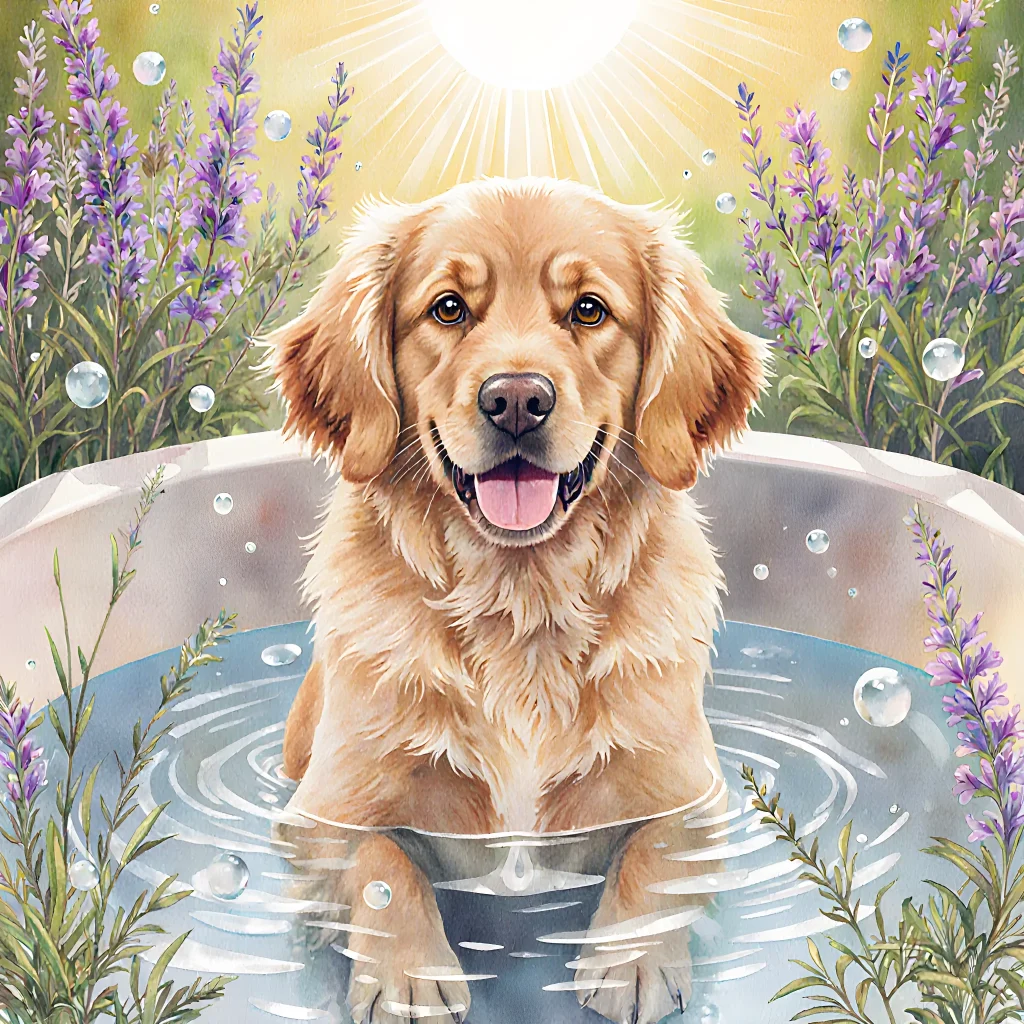
Pamper Your Pup in Style
Pup Glow Rituals: Homemade Spa Secrets Unleashed!
Table of Contents
- Introduction
- Why DIY Dog Facial Masks?
- Materials Needed
- Preparing Your Dog for the Spa Session
- Step 1: Cleanse the Face
- Step 2: Apply the Mask
- Step 3: Set the Timing
- Step 4: Remove the Mask
- Step 5: Rinse and Dry
- Common Natural Ingredients & Their Benefits
- Tips for Safety and Comfort
- When to Avoid Facial Masks
- Frequency Recommendations
- Conclusion
- FAQ
Introduction
If you’re a pet parent who loves to pamper your four‑legged friend, homemade facial masks can be a gentle way to keep your dog’s skin healthy and their coat shiny. Unlike human skincare products that often contain alcohol or fragrances harmful to pets, a DIY dog mask is tailored for the canine skin’s unique pH and sensitivity.
Why Facial Masks Matter for Dogs
- Skin Hydration: Dogs shed dry, flaky skin—especially in winter or after long baths. A hydrating mask replenishes moisture without stripping natural oils.
- Oil Control: Over‑oily noses can lead to bacterial growth and infections. Masks with mild astringent properties help balance sebum production.
- Allergy Relief: Dogs with itchy skin or allergies benefit from soothing ingredients like oatmeal or chamomile that calm irritation.
Key Ingredients & Their Benefits
| Ingredient | Dog‑Friendly Properties | Typical Use |
|---|---|---|
| Plain Yogurt (plain, unsweetened) | Contains probiotics that help balance skin flora. | 1–2 tbsp mixed with a small amount of water. |
| Oatmeal (finely ground) | Anti‑inflammatory; absorbs excess oil. | 1–3 tsp blended into the mask base. |
| Coconut Oil | Hydrating and antibacterial. | 1 tsp melted, then cooled before mixing. |
| Chamomile Tea (cool, unsweetened) | Soothe irritated skin. | Use as the liquid component instead of water. |
| Aloe Vera Gel | Cooling effect; promotes healing. | 1–2 tsp blended with yogurt or oatmeal. |
Step‑by‑Step Guide to Making a Simple Mask
- Gather Ingredients: 1 tbsp plain yogurt, 1 tsp coconut oil (melted), 2 tsp finely ground oatmeal.
- Mix Base: In a bowl, combine the yogurt and melted coconut oil until smooth. Add the oatmeal and stir until you get a thick paste.
- Test Temperature: Ensure the mixture is lukewarm—dogs will feel uncomfortable if it’s too hot or cold.
- Apply Carefully: Using a soft cloth or your fingers, gently spread a thin layer over your dog’s face (avoid eyes, ears, and nostrils). Use small circles to help circulation.
- Leave On: Let the mask sit for 5–7 minutes. Observe how your dog reacts; if they seem restless or uncomfortable, remove immediately.
- Rinse Thoroughly: With lukewarm water and a damp cloth, wipe away all residue. Pat dry with a towel—no rubbing to prevent irritation.
- Reward! Give your dog a treat or extra cuddle to reinforce the spa experience as positive.
Safety Tips & Precautions
- No Human Cosmetics: Avoid ingredients like essential oils, fragrances, and dyes. Even small amounts can cause allergic reactions.
- Allergy Testing: Try a small patch on the inner thigh before applying to the face. Wait 24 hours for any redness or swelling.
- Eye & Ear Protection: Keep mask away from the eyes and ears—use a soft towel as a barrier if needed.
- Frequency: Once every 2–3 weeks is sufficient. Over‑masking can dry out skin.
- Consult Your Vet: If your dog has chronic skin conditions, allergies, or injuries, get professional advice before starting a DIY regimen.
Advanced Variations for Different Skin Types
| Skin Issue | Mask Variation | How It Helps |
|---|---|---|
| Dry, flaky skin | Add 1 tsp honey (raw) to the base. | Honey is a natural humectant—draws moisture into skin. |
| Acne or bacterial spots | Include 1/4 tsp baking soda (sparingly). | Baking soda neutralizes pH and has mild antibacterial properties. |
| Allergic itching | Add 1 tsp chamomile tea instead of water. | Chamomile’s anti‑inflammatory effect soothes itchiness. |
How to Make the Experience Enjoyable for Your Dog
- Create a Calm Environment: Soft music, a quiet room, and your presence make the spa session comforting.
- Use Treats & Praise: Positive reinforcement during application helps build trust.
- Keep Sessions Short: Dogs often have shorter attention spans; 5–10 minutes is usually enough.
With these simple, safe ingredients and steps, you can give your dog a spa day that nurtures their skin while keeping them happy and healthy. Remember: consistency, observation,
Why DIY Dog Facial Masks?
When it comes to giving your canine companion a spa day at home, homemade facial masks can be a game‑changer. Unlike commercial products that often contain synthetic fragrances or harsh chemicals, DIY recipes let you tailor ingredients specifically for your dog’s skin type and sensitivities.
1. Customization to Your Dog’s Needs
- Dry Skin: Use honey (a natural humectant), plain yogurt, and a drop of olive oil to lock in moisture.
- Oily or Acne‑Prone Skin: A mixture of bentonite clay, apple cider vinegar, and water helps absorb excess sebum without stripping the skin.
- Allergic Sensitivities: Avoid common allergens (dairy, gluten) by substituting with oat milk, rice flour, or coconut oil.
2. Ingredient Transparency
Knowing exactly what’s on your dog’s skin means you can quickly spot potential irritants. For example, a simple green tea + oatmeal mask is soothing for itchy patches and contains antioxidants that help reduce inflammation.
3. Cost‑Effectiveness
A typical mask recipe uses pantry staples—plain yogurt, honey, or oats—that cost a few dollars for several applications. In contrast, premium pet grooming products can run $30–$50 per bottle.
4. Bonding Experience
The gentle application process encourages calm interaction and strengthens the human‑dog bond. While you massage the mask into your dog’s fur, you’re also providing tactile reassurance that can reduce anxiety during vet visits or grooming sessions.
5. Safety First: How to Keep It Risk‑Free
- Patch Test: Apply a small amount on the inside of your dog’s wrist for 24 hours before full use.
- Avoid Sensitive Areas: Never apply masks near the eyes, ears, or nose. Use a soft cloth to wipe any accidental contact.
- Use Dog‑Safe Ingredients: Steer clear of onions, garlic, grapes, chocolate, and xylitol—all toxic to dogs.
- Rinse Thoroughly: After the mask’s recommended time (usually 5–10 minutes), rinse with lukewarm water and pat dry with a towel.
Practical Recipe Examples
- Honey & Yogurt Hydration Mask
- 1 tbsp plain yogurt (unsweetened)
- 1 tsp honey
- ½ tsp coconut oil (optional for extra shine)
- Mash together, apply to the face and neck, leave 5–7 minutes, rinse.
- Bentonite Clay Acne Mask
- 1 tsp bentonite clay
- 1 tbsp apple cider vinegar (diluted with water)
- Mix until smooth, apply to problem areas, leave 3–5 minutes, rinse.
- Oatmeal & Green Tea Soothing Mask
- ½ cup finely ground oatmeal
- 1 brewed green tea (cooled)
- Mix, apply to itchy spots, leave 5 minutes, rinse.
When to Skip the Mask
If your dog has open wounds, severe skin conditions, or is on medication that could interact with topical treatments, consult a veterinarian before applying any DIY mask. Additionally, dogs that are prone to licking should be supervised to prevent ingestion of ingredients.
Conclusion
DIY dog facial masks offer a safe, economical, and highly customizable way to pamper your pet’s skin. By choosing wholesome ingredients, following safety guidelines, and tailoring recipes to your dog’s unique needs, you can create spa moments that are both enjoyable and beneficial for their health.
Materials Needed
Before you start your homemade dog facial mask adventure, gather these simple yet essential items. A well‑equipped kit ensures a smooth process and the best results for your pup’s skin.
- Clean, natural base: Choose one of the following as your mask’s foundation:
- Plain plain yogurt – rich in lactic acid, it gently exfoliates and moisturises.
- Unsweetened applesauce – provides antioxidants and a mild astringent effect.
- Coconut milk (unsweetened) – offers deep hydration and a pleasant scent.
- Targeted add‑ins:
- Aloe vera gel – soothing for irritated skin or after sun exposure.
- Oatmeal (finely ground) – great for calming itching and reducing inflammation.
- Chamomile tea (cooled) – a gentle anti‑inflammatory option for sensitive faces.
- Mixing tools:
- A small bowl and spoon or whisk.
- A silicone spatula (helps with even mixing).
- Optional: a hand mixer for a smoother consistency if you’re dealing with thicker bases like yogurt.
- Application supplies:
- A soft, clean towel or microfiber cloth (to gently wipe the mask on and off).
- Soft cotton pads for precise application around delicate eye areas.
- Optional: a small brush with soft bristles to help spread the mixture evenly.
- Safety essentials:
- A clean, well‑ventilated space – ensure your dog stays calm and comfortable.
- Fresh water for rinsing (if you plan to wash the mask off).
- Clean hands or gloves to avoid transferring oils or bacteria onto your pup’s face.
- Optional storage:
- A small airtight container for leftover mix (use within 24 hrs).
- Refrigeration if you prefer a cooler application – especially helpful on hot days.
Remember, the key to a successful DIY dog facial mask is simplicity and safety. Stick with natural, pet‑safe ingredients, keep all tools clean, and always monitor your dog for any signs of irritation or discomfort during and after application.
Preparing Your Dog for the Spa Session
Before you dive into a DIY dog facial mask routine, it’s essential to set up a calm and comfortable environment for your pup. A relaxed dog will get more out of the spa experience and reduce the risk of injury or stress.
1. Choose the Right Time
- After a Walk: A short walk helps flush out dirt and excess oils, making it easier to apply a mask.
- Not Too Hot or Cold: Aim for a temperature between 68–72°F (20–22°C). Extreme temperatures can cause discomfort.
2. Gather Your Supplies
A well‑organized kit saves time and reduces confusion during the session. Here’s what you’ll need:
- Soft microfiber towel or plush bathcloth
- Dog‑safe facial mask ingredients (see recipe below)
- Small mixing bowl and spoon
- Brush with soft bristles for gentle detangling
- Pet‑friendly wipes or a damp washcloth for rinsing
- A shallow dish of warm water for rinsing the mask off
3. Test Your Mask on a Small Area First
Even natural ingredients can trigger allergies. Apply a thin layer to your dog’s ear flap or inside the ear and wait 24 hours for any adverse reaction before proceeding with the full facial application.
4. Keep the Session Short & Positive
- Duration: A mask should sit on a dog's face for no longer than 10–12 minutes to avoid drying out or irritating sensitive skin.
- Reinforce with Treats: Offer small, frequent treats and praise throughout the session. This creates positive associations.
5. Safety Tips for Handling Sensitive Areas
A dog's eyes and ears are delicate. Use a soft brush to gently lift any hair that may block visibility or mask contact, but never press directly on the eye surface. When applying a mask near the ear canal, keep it just outside the opening.
This mask is gentle, soothing, and perfect for dogs with dry or irritated skin around the face.
Ingredients
- 1 tablespoon raw honey (unpasteurized)
- 1 teaspoon finely ground oatmeal (plain, no additives)
- 2 teaspoons plain Greek yogurt (unsweetened)
- A few drops of chamomile essential oil (optional – ensure it’s pet‑safe and used sparingly)
Instructions
- In a small bowl, mix the honey, oatmeal, and Greek yogurt until you get a smooth paste.
- Add one drop of chamomile oil if desired. Mix again.
- Using a clean brush or your fingertips, apply a thin layer to your dog’s face, avoiding the eyes and ears.
- Let it sit for 8–10 minutes. Keep an eye on any signs of irritation.
- Rinse gently with warm water using a damp washcloth. Pat dry with a microfiber towel.
Practical Variations
- Coconut Oil & Aloe: Replace honey with 1 tablespoon coconut oil and add 2 teaspoons aloe vera gel for extra moisturizing power.
- Green Tea Infusion: Brew a cup of green tea, let it cool, then mix 1 teaspoon into the mask base for antioxidants.
When to Skip the Mask
If your dog has open wounds, severe skin conditions (e.g., dermatitis), or is on medication that affects skin healing, consult your vet before using any DIY product.
- Check for Residue: Ensure no mask remains under the whiskers or in the ears.
- Monitor Skin Reaction: Over the next 24 hours, look for redness, itching, or swelling. If any of these occur, rinse thoroughly and contact your vet.
- Reward Time: End the session with a favorite treat or a short playtime to reinforce positive feelings about spa visits.
With careful preparation, safe ingredients, and attentive care, you can transform a routine grooming day into a luxurious spa experience that keeps your dog looking fresh and feeling pampered.
Step 1: Cleanse the Face
Before you dive into any DIY mask, you must start with a clean canvas. Think of cleansing as the “pre‑prep” stage in canine skincare: just as a dog’s skin needs to be free of dirt and oils before a grooming session, your human face requires a gentle yet effective cleanse to open pores and remove surface grime.
Why Cleanse First?
- Pore unclogging: Removing sweat, sebum, and environmental pollutants helps the mask penetrate deeper.
- Enhanced absorption: A clean skin surface allows active ingredients (like honey or oatmeal) to be absorbed more efficiently.
- Preventing irritation: Residual makeup or dirt can react with mask components, leading to redness or breakouts.
Choosing the Right Cleanser
Select a cleanser that matches your skin type. For example:
- Oily/Acne‑prone: Gel cleansers with salicylic acid or tea tree oil.
- Dry/Sensitive: Creamy, fragrance‑free cleansers enriched with ceramides.
- Combination: Micellar water or gentle foaming formulas.
A Simple Dog‑Inspired Cleanse Routine
- Wet the face: Use lukewarm water to dampen your skin; avoid hot water which can strip natural oils.
- Apply cleanser: Dot a pea‑size amount of product onto fingertips and massage in circular motions for 30–60 seconds. This mimics brushing a dog’s coat—gentle yet thorough.
- Rinse thoroughly: Swish water around your mouth to remove all residue, just as you’d rinse a dog after a bath.
- Pat dry: Use a clean towel; avoid rubbing which can cause micro‑tears and irritation.
Practical Tips for Busy Skincare Lovers
- Pre‑packaged kits: Many brands offer “cleanse & mask” kits that include a cleanser, mask, and instructions—perfect for on‑the‑go routines.
- Time‑saving trick: If you’re in a hurry, use a cleansing wipe or micellar pad; just be sure it’s alcohol‑free to avoid drying your skin.
- Nighttime prep: Cleanse twice—once at the end of the day and again before bed—to remove sunscreen, pollution, and sweat from the night shift.
Common Mistakes & How to Avoid Them
- Using too much cleanser: Excess foam can strip oils. Stick to a thin layer.
- Rubbing aggressively: This can inflame pores, especially around the eyes.
- Skipping moisturizer after cleansing: Even oily skin benefits from a lightweight lotion; otherwise, your skin may overcompensate by producing more oil.
Bottom line: Think of cleansing as giving your face a fresh, clean “coat” before you apply the DIY dog‑inspired facial mask. A well‑cleaned surface ensures that every ingredient—be it honey, oatmeal, or yogurt—works its best for smoother, healthier skin.
Step 2: Apply the Mask
After you’ve selected a gentle, pet‑safe mask formula (see Step 1 for ingredient options) and mixed it to the right consistency, it’s time to apply it safely and effectively. Below are detailed instructions, tips, and safety checks that will help your canine friend enjoy a spa‑like experience without any stress or discomfort.
Tools You’ll Need
- Soft-bristle brush or pet-friendly sponge: For even application.
- Gloves (optional):** Protect your hands from any residual scent or ingredients.
- A small bowl of cool water: **For rinsing.
- Towel or microfiber cloth: **To dry the face after rinsing.
Preparation Checklist
- Choose a calm, quiet environment. Dim lighting and a pleasant scent (e.g., lavender essential oil – 1–2 drops) can help your dog relax.
- Brush your dog’s coat thoroughly to remove tangles that might trap the mask on hair rather than skin.
- Make sure you’re wearing a clean towel and have all tools within reach before starting.
Application Procedure
- Test a small patch: Apply a tiny amount of mask on the inside of your dog’s wrist or behind an ear. Wait 5–10 minutes for any allergic reaction (redness, itching). If none, proceed.
- Section the face:
- Divide the face into three zones: eyes and eyebrows, cheeks, and nose/mouth area.
- This helps avoid accidental contact with sensitive eye areas.
- Apply to the first zone:
- Hold a small amount of mask in your hand and gently spread it over the cheeks, using light circular motions.
- Avoid the eyelids; just keep the mask at least 1 cm away from the eye openings.
- If you’re using an essential oil (e.g., chamomile), apply only to the cheek area where the skin is thicker and less sensitive.
- Move to the second zone:
- Repeat the same gentle application on the nose/mouth area, ensuring no mask enters the nostrils or mouth.
- If your dog has a dry or cracked lip line, a thin layer of honey can help soothe; apply sparingly and rinse thoroughly later.
- Final touch:
- Apply a very light dusting of the mask over the hair near the ears (if desired), but avoid the inner ear canal.
- This helps protect the outer skin without affecting hearing.
- Let it sit: Allow the mask to remain on your dog’s face for 5–7 minutes. Keep your dog still; if they become agitated, pause and offer a treat or gentle petting to calm them.
Rinsing & Drying
- Using the cool water bowl, gently splash the face with lukewarm water. Avoid forceful rinses that could irritate the skin.
- Wipe away excess moisture with a towel; do not rub hard – just pat dry.
- If you used honey or a thicker mask, rinse until no residue remains to prevent greasiness or potential bacterial growth.
Post‑Application Care
- Inspect the skin for any redness or irritation. If you notice any adverse reaction, discontinue use and consult your veterinarian.
- Apply a light coat of pet-safe moisturizer (e.g., coconut oil diluted with water) if the skin feels dry after rinsing.
- Give your dog a gentle brush to remove any remaining mask residue from fur.
Practical Tips for Different Breeds
| Breed Type | Skin Sensitivity Notes | Mask Application Advice |
|---|---|---|
| Short‑haired breeds (e.g., Beagle) | Generally low risk; watch for dry skin. | Use a thinner mask, rinse quickly to avoid buildup. |
| Long‑haired breeds (e.g., Afghan Hound) | Hair can trap residue; prone to matting. | Apply only on the skin surface; use a brush to remove mask from hair post‑rinsing. |
| Breeds with facial folds (e.g., Bulldog) | High moisture retention, risk of infection. | Avoid deep folds; apply sparingly and rinse thoroughly. |
Safety Checkpoints
- Never let your dog lick the mask directly from the container – it may contain unripe ingredients or essential oils that can be toxic if ingested.
- If you’re using any new ingredient (e.g., a particular fruit puree), keep a record of the batch and observe for 24 hours for delayed reactions.
- Keep your mask recipe in a sealed container; never mix with other household cleaning products.
Remember, the goal is to enhance your dog’s natural beauty while ensuring their comfort and
Step 3: Set the Timing
Timing is everything when it comes to giving your pup a spa experience that feels luxurious without being stressful. Below are practical guidelines, real‑world examples, and quick tips so you can tailor the duration of each step to fit your dog’s temperament, coat type, and skin sensitivity.
1. Pre‑Mask Prep (5–10 minutes)
- Shampooing: Use a gentle, hypoallergenic dog shampoo. A short rinse (30–60 seconds) keeps the skin clean without stripping natural oils.
- Drying: Pat your dog dry with a towel or use a low‑heat hair dryer set on “cool.” Avoid over‑drying; you want the skin slightly damp for mask adhesion.
- Inspect Skin: Look for redness, irritation, or wounds. If any are present, skip the mask and consult your vet.
2. Mask Application (3–5 minutes)
- Apply a thin, even layer of the DIY mask (e.g., oatmeal + honey + plain yogurt). Use a small brush or clean fingertips for precision.
- Make sure the edges are sealed to prevent dripping onto the eyes or ears.
- Mark the time with a timer so you can stay consistent across sessions.
3. Mask Retention Time (10–15 minutes)
The ideal retention period balances moisture absorption with comfort:
- Small dogs or sensitive skin: 8–10 minutes to avoid overheating and irritation.
- Large breeds or thick coats: 12–15 minutes allows the mask to penetrate deeper without drying out.
Practical Tip: If your dog is anxious, start with a shorter time (5 minutes) and gradually increase as they become more comfortable. Use soothing music or a calm voice to keep them relaxed.
4. Removal & Rinse (2–3 minutes)
- Gently wipe away the mask with a damp cloth. Avoid scrubbing, which can irritate the skin.
- Rinse any residual product with lukewarm water; this helps prevent buildup and ensures no residue remains that could cause itching.
5. Post‑Mask Care (5 minutes)
- Apply a light, dog‑safe moisturizer or aloe gel if the skin feels tight.
- Reward your pup with treats and affection—positive reinforcement makes future sessions smoother.
Timing Checklist for Quick Reference
| Step | Suggested Time |
|---|---|
| Pre‑Mask Prep | 5–10 min |
| Mask Application | 3–5 min |
| Retention | 10–15 min (adjust to size/skin) |
| Removal & Rinse | 2–3 min |
| Post‑Mask Care | 5 min |
By keeping these timing guidelines in mind, you’ll create a spa routine that’s both effective and stress‑free for your canine companion.
Step 4: Remove the Mask
Step 4: Remove the Mask
Once your dog’s skin has had a chance to rest and recover from the masking treatment—usually after about 12–24 hours—it’s time to gently remove the mask. Removing it carefully will preserve the benefits of the ingredients while preventing any irritation or residue buildup.
What You’ll Need
- A soft, damp microfiber towel or a clean washcloth (avoid rough fabrics).
- Warm water (not hot—dogs are sensitive to temperature).
- Optional: a small amount of mild dog shampoo if the mask contains oil‑based ingredients that may leave a film.
Step-by-Step Removal Process
- Inspect the Mask Area: Check for any loose or torn pieces. If you notice any, remove them carefully with tweezers to avoid pulling on your dog’s skin.
- Moisten the Towel: Dip the towel in warm water and wring it out so that it is damp but not dripping. A moist surface helps lift the mask without pulling.
- Gently Wipe the Mask: Starting from the center of your dog’s face, lightly wipe outward toward the ears and cheeks. Use a circular motion to avoid tugging at the skin. If you encounter resistance, pause and let the mask soften further with more moisture.
- Rinse Thoroughly (if Needed): Some masks—especially those containing oil or aloe—may leave a slight sheen. Rinse the area with a clean damp cloth to remove any residue. Avoid using a shower or running water directly on your dog’s face unless you’re certain it’s safe for their skin.
- Dry the Skin: Pat the area dry with a fresh, dry towel. Do not rub vigorously; gentle patting preserves the natural barrier of the skin and prevents irritation.
Common Pitfalls to Avoid
- **Forcing the Mask Off:** If the mask feels stuck or is pulling at your dog’s skin, stop immediately. Let it sit for a few more minutes or add a little more warm water to loosen it.
- **Using Hot Water:** High temperatures can burn delicate facial skin and trigger allergic reactions.
- **Rubbing Too Hard:** Excessive friction can damage the epidermis, especially in dogs with sensitive skin or conditions like dermatitis.
Aftercare Tips
- Check for Residual Oil: If you used an oil‑based mask (e.g., coconut or olive oil), a light wash with mild dog shampoo can help remove any excess and prevent greasiness.
- Observe Skin Reaction: Over the next 24 hours, watch for redness, swelling, or itching. Mild irritation is normal after a facial mask, but persistent symptoms may warrant a vet visit.
- Hydration Boost: Apply a small amount of dog‑safe moisturizer (like a plain aloe gel) to soothe the skin and restore moisture balance.
Practical Example: Removing an Aloe & Honey Mask on a Golden Retriever
After 18 hours, you notice your golden retriever’s face looks fresh but slightly shiny. You dip a damp towel in lukewarm water, wring it out, and start wiping from the nose outward. The mask lifts easily; a few gentle strokes are enough. A quick rinse with a clean cloth removes any honey residue. Finally, you pat the skin dry and notice no signs of irritation—your dog’s coat looks smooth and healthy.
Key Takeaway
Removing your dog’s facial mask is as important as applying it. Gentle, moisture‑assisted removal protects sensitive skin, preserves the therapeutic benefits of the mask, and keeps your pup comfortable throughout the spa experience.
Step 5: Rinse and Dry
After the mask has had its time to work on your pup’s skin, it’s crucial to rinse thoroughly and dry properly. A clean, dry coat not only feels great but also prevents any residual ingredients from causing irritation.
1. Choosing the Right Water Temperature
- Warm water (around 37°C / 98°F):** This temperature is gentle on your dog’s skin and helps dissolve most mask ingredients without shocking their system.
- Avoid hot or cold water, which can cause discomfort or even damage sensitive areas.
2. Rinsing Technique
- Wet the entire face: Use a handheld showerhead or a gentle spray bottle to keep the flow controlled.
- Use a mild, fragrance‑free cleanser (optional):** If your dog’s skin is particularly sensitive, follow up with a small amount of pet‑safe cleanser to remove any leftover residue.
- Focus on the corners: These areas often trap mask particles; ensure you rinse them thoroughly.
3. Drying Methods
- Towel‑dry gently: Pat the face and ears dry with a soft towel—avoid rubbing, which can irritate freshly treated skin.
- Blow dryer on low heat (optional):** If your dog tolerates it, use a pet‑friendly blow dryer set to “cool” or “low.” Keep it at least 30 cm away from the face and move continuously.
- Air‑dry in a well‑ventilated area: Let the dog rest for a few minutes; this allows natural evaporation without added heat.
4. Post‑Rinse Care
After drying, inspect the skin for any lingering redness or irritation. If your dog shows signs of discomfort, apply a thin layer of hypoallergenic pet moisturizer (e.g., aloe gel formulated for dogs) to soothe the area.
5. Cleaning Your Tools
- Wash the mask bowl and any utensils with warm soapy water to prevent bacterial buildup.
- Let them air‑dry completely before storing to avoid moisture retention.
Practical Example: Aloe & Oatmeal Mask Rinse
After letting the aloe–oatmeal mask sit for 15 minutes:
- Turn on a gentle shower and let warm water flow over the dog’s face.
- Use your palm to swirl the water around, ensuring all oats are washed away.
- Towel‑dry the ears first—these are prone to moisture buildup—and then pat the rest of the face dry.
- If you notice any oily residue, dab a small amount of pet shampoo and rinse again.
Safety Tip
Never use human soaps or shampoos on dogs, as they can be too harsh. Stick to products specifically labeled “pet safe.” Also, keep the rinsing process calm; sudden movements may cause anxiety for some dogs.
Common Natural Ingredients & Their Benefits
If you’re looking to pamper your pup with a gentle, spa‑like experience at home, the best place to start is with natural ingredients that are safe for dogs and effective at soothing their skin. Below is a detailed guide on which ingredients work well in DIY dog facial masks, what benefits they offer, and how to use them safely.
1. Aloe Vera
- Why it works: Rich in vitamins A, C, and E, aloe vera is a natural anti‑inflammatory agent that soothes irritated skin and reduces redness.
- Benefits for dogs: Helps calm itching from allergies or hot spots, moisturizes dry facial fur, and promotes healing of minor cuts or scrapes.
- How to use: Use a pure aloe gel (100% aloe vera) – no added fragrances. Apply a thin layer on the cleaned face with a soft cloth, leave for 5–7 minutes, then rinse with lukewarm water. Always test a small patch first.
2. Coconut Oil
- Why it works: Contains lauric acid which has antibacterial properties and is highly moisturizing.
- Benefits for dogs: Reduces dryness, improves skin barrier function, and can help with mild dandruff on the face.
- How to use: Warm a teaspoon of virgin coconut oil until it becomes liquid. Gently massage onto the dog’s face in circular motions, then wipe off excess with a damp cloth. Avoid the eyes.
3. Oatmeal
- Why it works: Colloidal oatmeal is a natural emollient that soothes itching and calms irritated skin.
- Benefits for dogs: Ideal for dogs with allergies, hot spots, or eczema on the face. It also helps absorb excess oil without drying out the skin.
- How to use: Grind plain rolled oats into a fine powder and mix with warm water to create a paste. Apply gently, leave for 5 minutes, then rinse thoroughly. For extra relief, add a few drops of chamomile tea (cooled).
4. Honey (Raw or Manuka)
- Why it works: Naturally antibacterial and anti‑inflammatory.
- Benefits for dogs: Helps heal minor cuts, reduces bacterial growth on the skin, and moisturizes dry patches.
- How to use: Use a small amount of raw honey (or 1–2 drops of Manuka honey) mixed with a bit of plain yogurt or aloe gel. Apply sparingly, avoiding the eyes. Rinse after 5 minutes.
5. Chamomile
- Why it works: Contains apigenin and other compounds that reduce inflammation and calm irritated skin.
- Benefits for dogs: Excellent for dogs with allergic reactions, hot spots, or post‑surgery recovery on the face.
- How to use: Brew a strong chamomile tea, let it cool, then apply to the dog’s face using a cotton ball. Leave for 5–10 minutes and rinse gently. Alternatively, add a few drops of chamomile essential oil (only if diluted with a carrier oil) but keep eye contact away.
6. Green Tea
- Why it works: High in antioxidants and has mild astringent properties.
- Benefits for dogs: Reduces excess oil, soothes inflammation, and can help with acne‑like breakouts on the face.
- How to use: Brew green tea, cool it, then apply with a soft cloth. Rinse after 5 minutes. For extra benefits, mix with a teaspoon of plain yogurt.
7. Rice Water
- Why it works: Rich in vitamins B and E, it is gentle on the skin.
- Benefits for dogs: Improves skin elasticity, reduces dryness, and can help with minor acne or fungal infections.
- How to use: Boil a cup of rice, let the water cool, then apply to the face using a soft cloth. Leave 5 minutes before rinsing with warm water.
Safety Tips for All Ingredients
- Patch test: Always start with a small area of skin (e.g., behind the ear) to ensure no allergic reaction.
- Avoid the eyes: Even mild irritants can cause stinging. Use cotton swabs for precise application near the eye area.
- No added fragrances or dyes: These can trigger allergies in dogs.
- Keep it short: Facial masks should last no more than 10 minutes to prevent overstimulation of sensitive skin.
- Consult a vet if: Your dog has open wounds, severe dermatitis, or is on medication that might interact with topical treatments.
By choosing these simple, natural ingredients and following the guidelines above, you can give your canine companion a spa‑like facial mask that’s both safe and effective. Treat it as a bonding activity—talk to your dog in a soothing voice, keep treats handy, and celebrate every gentle wipe!
Tips for Safety and Comfort
When creating a homemade facial mask for your pup, keep these practical guidelines in mind to ensure both safety and a pleasant experience.
- Know Your Dog’s Skin Sensitivity
- Start with a small patch test: apply a thin layer of the chosen ingredient on a discreet area (like behind the ear) and wait 24–48 hours for any reaction.
- If your dog has a history of allergies or skin conditions, consult your veterinarian before proceeding.
- Select Dog‑Safe Ingredients
Here are some common, gentle options:
- Aloe vera gel – soothing and hydrating.
- Oatmeal slurry – great for itchy or irritated skin.
- Chamomile tea (cooled) – mild anti‑inflammatory properties.
- Honey (raw, local) in tiny amounts – antibacterial and moisturizing.
Avoid human cosmetics containing fragrances, alcohols, or parabens. Also steer clear of essential oils like tea tree or eucalyptus unless your vet confirms they’re safe for dogs.
- Create a Simple Mask Recipe
Ingredients: 1 tablespoon oatmeal, 2 tablespoons warm water
Instructions:
1. Grind the oatmeal into a fine powder using a coffee grinder or blender.
2. Mix with warm water to form a thick paste.
3. Apply a thin layer to your dog’s face (avoiding eyes, ears, and nose).
4. Leave for 5–10 minutes, then rinse gently with lukewarm water.
- Maintain Proper Hygiene
- Use clean hands or a soft brush to apply the mask.
- Avoid sharing tools between dogs to prevent cross‑infection.
- Wash any reusable containers or brushes with hot, soapy water after each use.
- Monitor for Discomfort
Watch your dog’s reaction during and after the mask:
- If they scratch, lick excessively, or seem distressed, rinse immediately with water.
- Stop the treatment if redness, swelling, or blistering occurs.
- Keep Sessions Short and Infrequent
A single session of 5–10 minutes is usually sufficient. Repeating every few weeks is enough to maintain healthy skin without over‑exposing your dog to any potential irritants.
- Provide a Comfortable Environment
- Choose a calm, well‑ventilated room.
- Use a non‑slip mat or towel on the floor to keep your dog steady and secure.
- Offer treats or gentle praise afterward to reinforce positive behavior.
- When in Doubt, Ask the Vet
If you’re unsure about an ingredient or notice any adverse reaction, consult your veterinarian before continuing. They can recommend safe products tailored to your dog’s specific needs.
By following these safety and comfort tips, you’ll give your canine companion a spa experience that’s both enjoyable and skin‑friendly.
When to Avoid Facial Masks
If you’re thinking about treating your canine companion with a homemade spa day, it’s essential to know when a facial mask might do more harm than good. While DIY dog facial masks can be a fun and inexpensive way to pamper your pet, certain situations call for caution—or a complete skip.
1. Skin Conditions and Irritation
- Allergic reactions: If your dog has recently developed itching, redness, or swelling around the face, avoid any mask that contains new ingredients. Even natural oils can trigger an allergic response.
- Open wounds or cuts: Applying a mask over broken skin can delay healing and introduce bacteria.
- Dermatitis or eczema: These conditions are often exacerbated by topical products, especially those with fragrances or preservatives.
2. Sensitive Areas
The area around the eyes is particularly delicate. Using a mask that contains strong essential oils (like tea tree or eucalyptus) can cause irritation or even damage to your dog’s vision if it drips into the eye socket.
3. Age and Health Considerations
- Puppies: Their skin is thinner and more permeable; they are also more likely to lick off or ingest mask ingredients.
- Elderly dogs: Older animals may have decreased immune function, making them more susceptible to infections from improper application.
- Chronic illnesses: Dogs with conditions such as diabetes, thyroid disorders, or autoimmune diseases should avoid topical treatments unless approved by a veterinarian.
4. Ingredient Safety
Not all “natural” ingredients are safe for dogs. For example:
- Citrus oils (orange, lemon): Can cause photosensitivity.
- Garlic or onion powder: Toxic if ingested in large amounts.
- Pine needles or resin: May irritate the skin and mucous membranes.
5. Application Technique
If you’re new to DIY pet care, a mistake in technique—like leaving a mask on for too long or using too much pressure—can cause discomfort or burns. Always start with a minimal amount and observe your dog’s reaction.
Practical Advice: How to Decide
- Check the skin: Look for redness, lesions, or scabs. If any are present, skip the mask.
- Do a patch test: Apply a small amount of your chosen ingredient on a discreet spot (e.g., behind the ear) and wait 24 hours.
- Read labels carefully: Avoid ingredients known to be harmful or irritating.
- Consult a vet: Especially if your dog has pre-existing health issues.
- Observe closely during application: If the dog shows signs of discomfort—whining, rubbing the face excessively, licking fur intensely—remove the mask immediately.
When in Doubt, Skip It
As a rule of thumb: if you’re unsure about any ingredient or your dog’s reaction, it’s safer to skip the facial mask altogether. A gentle wipe with a damp cloth or a short bath can still give your pup a spa‑like feel without risking skin damage.
Resources for Safe DIY Masks
- VetStreet: Essential Oils for Dogs (What’s Safe, What’s Not)
- ASPCA: Dog Skin Care Tips
- PetMD: Hypoallergenic Skin Care for Dogs
By respecting these guidelines, you can enjoy a fun, safe spa day with your dog—without compromising their health.
Frequency Recommendations
Just like humans, dogs benefit from regular skin care, but their sensitive noses and delicate facial skin require a gentler approach. Below is a practical guide on how often to use a homemade dog facial mask without overdoing it.
1. Frequency Guidelines by Skin Type
- Normal/Healthy Skin: 1–2 times per month. A light, hydrating mask with ingredients like plain yogurt or mashed pumpkin will keep the skin supple without causing irritation.
- Dry or Brittle Skin: 3–4 times per month. Use a richer formula that includes carrier oils (e.g., coconut oil) and a bit of honey for extra moisture.
- Allergic or Sensitive Skin: Once every two weeks is enough. Stick to hypoallergenic ingredients such as oat milk, aloe vera gel, or diluted chamomile tea.
2. Seasonal Adjustments
Dogs’ skin reacts to weather changes just like ours. Here’s how to tweak the frequency:
| Season | Mask Frequency | Recommended Ingredients |
|---|---|---|
| Spring / Summer | 2–3 times per month | Coolant aloe, cucumber puree, and a dash of vitamin E oil. |
| Fall | 1–2 times per month | Warm pumpkin, oatmeal, and honey. |
| Winter | 3–4 times per month | Coconut oil, shea butter, and a small amount of yogurt. |
3. Signs Your Dog Needs a Mask (or Not)
Watch for these indicators to decide when to treat your pup:
- Itchy or flaky skin: Time for a moisturizing mask.
- Redness, swelling, or hot spots: Skip the mask and consult a vet first.
- Loose or shedding fur around the face: A weekly mask can help reinforce the coat’s health.
4. Practical Tips for Applying DIY Masks Safely
- Patch Test First: Apply a small amount of your chosen recipe on the inside of the dog’s wrist. Wait 24 hours to ensure no reaction.
- Use Clean Hands or Gloves: Prevent contamination and keep the mask pure.
- Gentle Application: Use a soft cloth or a pet-safe brush to spread the mask evenly over the face, avoiding the eyes and ears.
- Let It Sit Briefly: 5–10 minutes is enough. Over‑soaking can dry out the skin.
- Rinse with Cool Water: Use a damp cloth to remove residue; never use hot water as it can scorch sensitive facial skin.
- Dry Gently: Pat the face dry with a towel—no rubbing, which could cause irritation.
5. Sample Mask Recipes and Their Ideal Frequency
| Mask Recipe | Best Use Frequency |
|---|---|
| Plain Yogurt + Oatmeal (1 tbsp yogurt, 2 tsp oatmeal) | Normal skin – once a month. |
| Aloe Vera Gel + Honey (2 tbsp gel, 1 tsp honey) | Dry skin – twice a month. |
| Cucumber & Chamomile Tea (pureed cucumber, cooled chamomile tea) | Sensitive skin – once every two weeks. |
Remember: consistency is key, but over‑masking can strip natural oils. Adjust the schedule based on your dog’s response and always keep an eye out for any adverse reactions.
Conclusion
When it comes to pampering our four‑legged friends, a homemade facial mask can be both fun and beneficial—provided you follow a few essential safety guidelines. Below is a concise recap of what we’ve covered, plus some extra tips that will help you create the perfect spa experience for your pup.
Key Takeaways
- Choose Safe Ingredients: Stick to natural, pet‑friendly components such as plain yogurt, honey, oatmeal, or aloe vera gel. Avoid anything with added sugars, artificial colors, or essential oils that could irritate your dog’s skin.
- Test First: Apply a small amount of the mask on a patch of skin (e.g., inside the ear flap) to check for allergic reactions before using it all over the face.
- Keep It Moisturizing, Not Stripping: The goal is to hydrate and soothe, not to strip natural oils. Add a tablespoon of coconut oil or a few drops of pet‑safe vitamin E if your dog’s skin feels dry.
- Limit Contact with Eyes: Even the mildest ingredients can cause irritation. Keep the mask away from the eyes and use a gentle wipe to remove any residue afterward.
- Follow Up With Care: After removing the mask, rinse the face with lukewarm water and pat dry with a soft towel. A light coat of pet‑safe moisturizer can help lock in hydration.
Practical DIY Mask Recipes
1. Oatmeal & Yogurt Soothing Mask
Ingredients:
- ½ cup plain Greek yogurt (unsweetened)
- ¼ cup finely ground oatmeal
- 1 tsp honey (optional, for extra moisture)
Mix until smooth. Apply to the dog’s face in gentle circles, avoiding the eyes. Leave on for 5–7 minutes, then rinse with warm water and pat dry.
2. Aloe & Coconut Oil Hydration Mask
Ingredients:
- 2 tbsp pure aloe vera gel (ensure it’s pet‑safe)
- 1 tsp coconut oil, melted
- 1 drop of vitamin E oil (optional)
Blend the ingredients together. Apply a thin layer to the face, let sit for 3–5 minutes, then rinse off with cool water.
3. Honey & Oat Cleanser
Ingredients:
- 1 tbsp honey
- 2 tbsp warm water
- ½ tsp ground oatmeal
This light cleanser is perfect for a quick refresh. Massage onto the face, rinse thoroughly, and give your pup a gentle pat‑down.
Safety Checklist Before You Start
- Read Labels: Even “natural” products can contain additives that are unsafe for pets.
- Check Your Dog’s Health: If your dog has skin conditions, allergies, or is on medication, consult your vet before using any new product.
- Keep It Short‑Term: Treat the mask as a spa day, not a daily routine. Over‑exposure can dry out the skin.
Wrap‑Up Thoughts
DIY dog facial masks are an excellent way to bond with your pet while giving them a touch of luxury. By selecting safe ingredients, performing patch tests, and following these practical guidelines, you’ll ensure that every spa day is both enjoyable and healthy for your furry friend.
Happy pampering!
FAQ
1. Why should I consider a facial mask for my dog?
A gentle facial mask can help remove excess oil, dirt, and allergens that accumulate around your dog's eyes, ears, and muzzle. It also offers a calming spa experience, strengthening the bond between you and your pet.
2. What ingredients are safe for dogs?
- Aloe Vera Gel – soothing for irritated skin.
- Oatmeal (ground into a fine powder) – anti‑inflammatory and great for itchy spots.
- Honey (raw, local honey is best) – antibacterial and moisturizing.
- Chamomile tea (cooled) – calming and reduces redness.
- Cold water or a damp cloth – to rinse off the mask without harsh chemicals.
Always avoid essential oils, citrus, chocolate, onions, garlic, and any ingredient that could be toxic to dogs.
3. How do I make a simple oatmeal‑aloe mask?
- Grind 1/4 cup of plain rolled oats into a fine powder using a coffee grinder or blender.
- Melt 2 tablespoons of pure aloe vera gel in a microwave-safe bowl for 10–15 seconds.
- Mix the oatmeal powder with the melted aloe until you get a thick, spreadable paste.
- Apply a small amount (about the size of a pea) to your dog's muzzle and ears using a clean cotton swab or your fingertips. Gently massage in circular motions.
- Leave it on for 5–7 minutes, then wipe away with a damp cloth or rinse with cool water.
Test the temperature of the mask before application to ensure it's not too hot.
4. How often should I give my dog a facial mask?
Once every 2–3 weeks is sufficient for most dogs, especially if they have normal skin conditions. If your pet has a specific skin issue (eczema, allergies), consult your vet for an adjusted schedule.
5. What signs indicate my dog is uncomfortable or allergic?
- Rubbing or licking the face excessively.
- Redness, swelling, or a rash that spreads.
- Whining or reluctance to stay still during the application.
- Any sudden change in behavior or appearance.
If you notice any of these signs, stop immediately and rinse thoroughly with water. Contact your veterinarian if symptoms persist.
6. How can I make the experience more enjoyable for my dog?
- Use a calm voice: Speak softly to keep them relaxed.
- Offer treats: Small, dog‑safe snacks after the mask helps create positive associations.
- Keep it short: A quick 5‑minute session is usually enough; longer can be stressful.
- Create a cozy environment: Use a soft towel and a quiet room, perhaps with soothing music.
7. Can I use the same mask for dogs with skin conditions?
For dogs with dermatitis, hot spots, or other dermatologic issues, always consult a veterinarian before applying any homemade remedy. Your vet may prescribe medicated ointments that are safer and more effective than DIY solutions.
8. How do I store leftover mask?
Keep it in an airtight container in the refrigerator for up to 48 hours. Always check for mold or unpleasant odors before re‑applying. If you notice any changes, discard the batch.
9. What should I avoid when making a dog facial mask?
- Avoid commercial human face masks containing alcohol or fragrances.
- Never use essential oils like peppermint, tea tree, or eucalyptus; they can be toxic to dogs.
- Avoid ingredients that can cause irritation such as citrus peels, chocolate, onions, and garlic.
10. Where can I learn more about dog skincare?
Reputable sources include the American Kennel Club (AKC), Veterinary Partner, and your local veterinary clinic. Always verify that information is up‑to‑date and evidence‑based before applying it to your pet’s routine.
Categories
- AI & Enrichment Play
- Broiler Farming
- Broiler Farming Tips
- Canine Wellness & Longevity
- Cat
- Cat & Human Connection
- Cat Adoption & Rescue
- Cat Breeds
- Cat Breeds & Personalities
- Cat Care & Health
- Cat Grooming & Hygiene
- Cat Lifestyle & Environment
- Cat Myths & History
- Cat Nutrition & Diet
- Cat Products & Reviews
- Cat Training & Behavior
- Comparison
- Consumer Awareness
- Dog
- Dog Accessories & Products
- Dog Adoption & Rescue
- Dog Breed & Lifestyle Trends
- Dog Breeding & Puppies
- Dog Entertainment & Media
- Dog Fashion & Trends
- Dog Fun & Lifestyle
- Dog Grooming & Hygiene
- Dog History & Culture
- Dog Myths, Science & Future Tech
- Dog News & Trends
- Dog Nutrition & Food
- Dog Psychology & Emotions
- Dog Safety & Security
- Dog Sports & Activities
- Dog Technology & Innovation
- Dog Training for Modern Owners
- Dog Travel & Adventure
- Dog Travel, Adventure & Culture
- Economic and Market Insights
- Educational Content
- FAQs
- Feeding Alternatives
- Festivals & Seasonal Ideas
- Fun & Entertainment
- General Knowledge
- General Pig Farming
- Health & Disease Management
- Housing and Environment
- Kittens
- Market Insights
- Miscellaneous
- Miscellaneous
- Motivational
- pig
- Pig Breeding
- Pig Breeds
- Pig Farming Stories and Inspiration
- Pig Health and Care
- Pig Nutrition
- Pig Products
- Profitability & Business
- Puppy Care
- Puppy Predictable Topics Reinvented
- Regional Focus
- Rescue & Adoption Buzz
- Senior Cats
- Senior Dog Care
- Smart Dog Tech & Gadgets
- Sustainability
- Sustainable & Eco-Friendly Dog Products
- Tech & Innovations
- Working & Service Dogs
- Broiler Feed66 products
- Country Feed33 products
- Pig Feed66 products
- Product22 products
- Raw Materials99 products
Products
-
 Fish Meal
₹1,999.00 – ₹2,999.00Price range: ₹1,999.00 through ₹2,999.00Rated 0 out of 5
Fish Meal
₹1,999.00 – ₹2,999.00Price range: ₹1,999.00 through ₹2,999.00Rated 0 out of 5 -
 FATTENING BROILER FEED
₹2,299.00 – ₹2,349.00Price range: ₹2,299.00 through ₹2,349.00Rated 0 out of 5
FATTENING BROILER FEED
₹2,299.00 – ₹2,349.00Price range: ₹2,299.00 through ₹2,349.00Rated 0 out of 5 -
 LAYER COUNTRY FEED
₹1,549.00 – ₹1,649.00Price range: ₹1,549.00 through ₹1,649.00Rated 0 out of 5
LAYER COUNTRY FEED
₹1,549.00 – ₹1,649.00Price range: ₹1,549.00 through ₹1,649.00Rated 0 out of 5 -
 COUNTER BROILER FEED
₹1,199.00 – ₹1,299.00Price range: ₹1,199.00 through ₹1,299.00Rated 0 out of 5
COUNTER BROILER FEED
₹1,199.00 – ₹1,299.00Price range: ₹1,199.00 through ₹1,299.00Rated 0 out of 5 -
 LACTATING PIG FEED
Rated 0 out of 5
LACTATING PIG FEED
Rated 0 out of 5₹2,299.00Original price was: ₹2,299.00.₹1,740.00Current price is: ₹1,740.00. -
 Maize
Rated 0 out of 5
Maize
Rated 0 out of 5₹1,650.00Original price was: ₹1,650.00.₹1,300.00Current price is: ₹1,300.00. -
 GESTATION PIG FEED (Phase 1)
Rated 0 out of 5
GESTATION PIG FEED (Phase 1)
Rated 0 out of 5₹2,249.00Original price was: ₹2,249.00.₹1,699.00Current price is: ₹1,699.00. -
 Pre Starter Broiler Feed
₹2,399.00 – ₹2,499.00Price range: ₹2,399.00 through ₹2,499.00Rated 0 out of 5
Pre Starter Broiler Feed
₹2,399.00 – ₹2,499.00Price range: ₹2,399.00 through ₹2,499.00Rated 0 out of 5 -
 FINISHER PIG FEED
Rated 0 out of 5
FINISHER PIG FEED
Rated 0 out of 5₹2,299.00Original price was: ₹2,299.00.₹1,749.00Current price is: ₹1,749.00. -
 Broiler Premix
Rated 0 out of 5
Broiler Premix
Rated 0 out of 5₹820.00Original price was: ₹820.00.₹699.00Current price is: ₹699.00.