
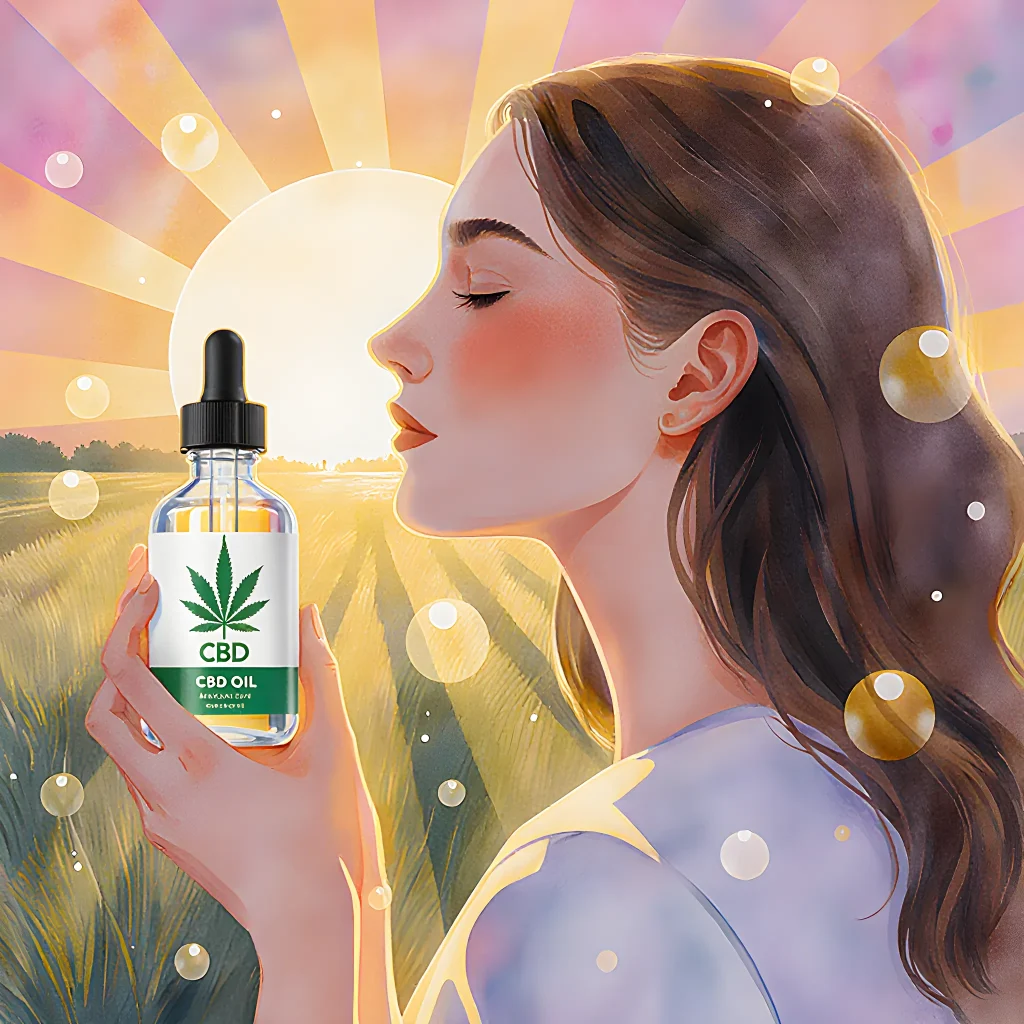
Discover the Power of CBD Wellness
CBD Triumphs: A Bold New Era of Wellness
Table of Contents
- Introduction
- What Is CBD?
- Common Herbal Supplements
- Scientific Evidence Supporting CBD
- Scientific Evidence for Herbal Supplements
- Mechanisms of Action: CBD vs. Herbs
- Health Benefits Comparison
- Side Effects and Safety Profiles
- Regulatory Landscape
- Choosing the Right Product
- Dosage Guidelines
- Combining CBD with Herbal Supplements
- Patient and Practitioner Perspectives
- Conclusion
- FAQ
Introduction
When it comes to natural health solutions, the conversation often turns to two broad categories: cannabidiol (CBD) and herbal supplements. Though both are derived from plants and marketed for wellness, they differ significantly in their sources, mechanisms of action, legal status, and evidence base. This section breaks down those differences and offers practical guidance on how to choose the right product for your needs.
1. Origin & Composition
- Cannabidiol (CBD): A non‑psychoactive compound extracted from the cannabis plant, typically hemp varieties that contain less than 0.3% THC. CBD is usually isolated, purified into oils, tinctures, capsules, or edibles.
- Herbal Supplements: Derived from a wide range of botanicals—such as turmeric, valerian root, ginseng, or echinacea—these products contain one or more active constituents. They are often sold in standardized extracts (e.g., 200 mg curcumin) or whole‑herb powders.
2. Mechanism of Action
CBD interacts primarily with the endocannabinoid system, modulating CB1/CB2 receptors, serotonin pathways, and inflammatory mediators. Herbal supplements act through a variety of mechanisms—anti‑inflammatory (turmeric), adaptogenic (ashwagandha), or neurotransmitter modulation (valerian). Because of these distinct targets, the therapeutic effects can differ.
3. Evidence & Efficacy
| Condition | CBD Studies (Key Findings) | Herbal Supplement Studies (Key Findings) |
|---|---|---|
| Anxiety & Sleep | Randomized trials show significant reduction in anxiety scores and improved sleep latency. | Valerian root reduces onset of insomnia by ~20 minutes; valerian plus hops shows synergistic effect. |
| Pain Management | CBD topical formulations reduce neuropathic pain in 30–40% of patients. | Curcumin and boswellia have moderate anti‑inflammatory effects; best used for osteoarthritis. |
| Epilepsy (Seizure Control) | Cannabidiol oil approved by FDA for Dravet and Lennox–Gastaut syndromes, reducing seizures by ~50%. | No herbal supplement has regulatory approval for seizure control; some anecdotal evidence for magnesium or L-theanine. |
4. Legal & Regulatory Landscape
In the U.S., CBD derived from hemp is federally legal (post‑2018 Farm Bill) but still regulated by the FDA for certain indications. Herbal supplements are classified as dietary supplements, meaning they do not require pre‑market approval and can be marketed with only general health claims.
5. Safety & Side Effects
- CBD: Generally well tolerated; mild side effects include fatigue, dry mouth, gastrointestinal upset, and drug interactions (especially with cytochrome P450 enzymes).
- Herbal Supplements: Safety depends on the herb. Turmeric can cause GI upset; valerian may interact with sedatives; ginseng may raise blood pressure. Always check for contraindications.
6. Practical Tips for Choosing a Product
- Define Your Goal: Is it anxiety relief, pain management, or general wellness?
- Read the Label: Look for full-spectrum vs. isolate CBD; check standardized extract percentages for herbs.
- Verify Third‑Party Testing: Reputable brands provide certificates of analysis (COA) confirming potency and purity.
- Start Low, Go Slow: Begin with the lowest effective dose—especially important for new users—to monitor tolerance.
- Consult a Healthcare Professional: If you’re on medication or have chronic conditions, discuss potential interactions.
7. Real‑World Examples
• A 35‑year‑old office worker with mild anxiety tried 10 mg CBD oil twice daily for four weeks; reported a 30% reduction in self‑rated anxiety scores and better sleep quality.
• A 60‑year‑old retiree with osteoarthritis took 500 mg turmeric extract (curcumin standardized to 95%) once daily; after six weeks, experienced a noticeable decrease in joint stiffness.
8. Bottom Line
CBD and herbal supplements are powerful allies but serve different therapeutic niches. CBD’s proven efficacy for certain neurological conditions and pain makes it a strong candidate when evidence is paramount, while herbs offer broad-spectrum wellness benefits with minimal regulatory oversight. By understanding their unique profiles and following best‑practice purchasing habits, you can make informed choices that align with your health goals.
What Is CBD?
Cannabidiol (CBD) is one of the many phytocannabinoids found in the cannabis plant. Unlike its more famous cousin tetrahydrocannabinol (THC), CBD does not produce a psychoactive “high.” Instead, it interacts with the body’s endocannabinoid system, which plays a key role in regulating mood, sleep, pain sensation, immune response, and overall homeostasis. Because of these interactions, researchers are exploring CBD’s potential for alleviating anxiety, chronic pain, insomnia, epilepsy, and inflammatory conditions.
How Is CBD Derived?
- Full‑Spectrum Extracts: Contain all cannabinoids (including trace THC), terpenes, and flavonoids. They may provide a “entourage effect,” where compounds work synergistically.
- Broad‑Spectrum Extracts: Similar to full‑spectra but with THC removed, making them suitable for those who want all benefits without psychoactivity.
- CBD Isolate: Pure, crystalline CBD. It’s the most concentrated form and often used in formulations where other cannabinoids are not desired.
Common Forms of CBD Products
| Product Type | Description | Typical Use Cases |
|---|---|---|
| Oil/Tincture | Liquid drops placed under the tongue or added to food/drinks. | Quick absorption for anxiety, sleep aid, and pain relief. |
| Capsules/Softgels | Pre‑measured doses in pill form. | Convenient for daily dosing; ideal for those who dislike taste. |
| Topicals (creams, balms) | Applied directly to skin. | Localized pain, muscle soreness, and inflammation. |
| Edibles | Baked goods or gummies infused with CBD. | Long‑lasting effects; useful for chronic conditions. |
| Vapes | Aerosolized vapor inhaled into lungs. | Rapid onset; often used by athletes or those needing quick relief. |
Practical Tips for Choosing a CBD Product
- Check the Source: Look for products derived from organically grown hemp with no pesticides or heavy metals.
- Read the Lab Report: Reputable brands provide third‑party lab testing confirming cannabinoid profile and purity.
- Start Low, Go Slow: Begin with a low dose (e.g., 5–10 mg) and gradually increase until you achieve desired effects.
- Consider Your Goals: Use full‑spectrum for holistic benefits, broad‑ spectrum if you’re sensitive to THC, or isolate for precise dosing.
- Watch the Label: Verify that the product contains no banned additives such as artificial dyes, high fructose corn syrup, or excessive carrier oils.
CBD vs Herbal Supplements: Expert Insights
While many herbal supplements (e.g., valerian root for sleep or turmeric for inflammation) target specific pathways, CBD offers a multi‑modal approach by engaging several receptors simultaneously. Experts suggest that combining CBD with complementary herbs can enhance overall efficacy, but it’s crucial to consult healthcare providers before mixing therapies, especially if you’re on prescription medication.
“CBD’s ability to modulate the endocannabinoid system makes it a versatile tool, yet its interactions with other herbal compounds must be carefully managed,” says Dr. Emily Hart, PhD in Neuropharmacology at GreenLeaf University.
Common Misconceptions
- “CBD is the same as marijuana.” Not true—marijuana typically contains high THC levels; hemp‑derived CBD products have less than 0.3% THC.
- “All CBD products are legal everywhere.” Legal status varies by country and state; always verify local regulations before purchasing.
- “CBD will give you a high if you take enough.” The psychoactive effect is negligible in hemp‑derived CBD; however, high doses of full‑spectrum products may produce mild drowsiness.
In summary, CBD is a non‑psychoactive cannabinoid that interacts with the body’s regulatory systems to potentially alleviate a range of symptoms. By understanding its sources, product formats, and how it differs from traditional herbal supplements, you can make informed choices tailored to your health goals.
Common Herbal Supplements
While CBD is often highlighted in wellness discussions, a wide range of traditional herbal supplements also play crucial roles in supporting health. Below are some of the most frequently used herbs, their primary benefits, practical usage tips, and how they compare to CBD when it comes to mechanisms, safety, and regulatory status.
1. Ashwagandha (Withania somnifera)
- Key Benefits: Adaptogenic properties that help reduce cortisol levels, improve sleep quality, boost stamina, and support cognitive function.
- Typical Dosage: 300–600 mg of a standardized extract (with 5%–10% withanolides) taken once or twice daily.
- Practical Advice: Take with meals to improve absorption; avoid if you have autoimmune conditions unless supervised by a healthcare provider.
- CBD Comparison: Both are adaptogens, but CBD primarily modulates the endocannabinoid system whereas ashwagandha influences HPA‑axis hormone regulation. CBD is generally considered safe for short‑term use; long‑term safety data on ashwagandha are still emerging.
2. Turmeric (Curcuma longa) – Curcumin
- Key Benefits: Potent anti‑inflammatory, antioxidant, and joint‑health support; may aid in managing mild arthritis symptoms.
- Typical Dosage: 500–2 000 mg of curcumin (standardized to 95% curcuminoids) with black pepper extract (piperine) for bioavailability.
- Practical Advice: Combine with a source of fat (e.g., olive oil or coconut oil) to enhance absorption; start at lower doses to assess tolerance.
- CBD Comparison: Turmeric’s anti‑inflammatory action is via NF‑κB inhibition, while CBD reduces inflammation through CB2 receptor activation. Both can complement each other but should not be combined without professional guidance due to potential additive effects on blood clotting.
3. Ginseng (Panax ginseng)
- Key Benefits: Enhances energy, improves mental clarity, supports immune function, and may reduce fatigue in chronic disease patients.
- Typical Dosage: 200–400 mg of a standardized extract (10% ginsenosides) taken once daily.
- Practical Advice: Best taken in the morning to avoid insomnia; monitor for jitteriness or headaches, especially when combined with stimulants.
- CBD Comparison: Ginseng stimulates adrenergic pathways, whereas CBD modulates neurotransmitter release. They can be used together for balanced energy without overstimulation, but careful dosing is key.
4. Echinacea (Echinacea purpurea)
- Key Benefits: Supports innate immunity, reduces duration of common colds, and may help with mild respiratory infections.
- Typical Dosage: 400–1 000 mg of standardized extract (containing 0.3% echinacoside) taken at the onset of cold symptoms or daily as a preventive measure.
- Practical Advice: Avoid if you have an autoimmune condition; discontinue after 2–4 weeks to prevent tolerance buildup.
- CBD Comparison: CBD’s immune modulation is more targeted through CB2 receptors, whereas echinacea works via innate immune cell activation. Both can be combined but monitor for potential additive anti‑inflammatory effects.
5. Valerian Root (Valeriana officinalis)
- Key Benefits: Promotes relaxation, improves sleep latency and quality, and may reduce anxiety symptoms.
- Typical Dosage: 300–600 mg of a standardized extract (valerenic acids) taken 30–60 minutes before bedtime.
- Practical Advice: Use in short cycles (2–4 weeks) to avoid tolerance; pair with CBD if you want to reduce the “sedative” effect while still supporting sleep.
- CBD Comparison: Both are sedatives, but valerian acts on GABA receptors whereas CBD modulates endocannabinoid tone. They can be synergistic for insomnia but may increase drowsiness if taken together at high doses.
Practical Integration Tips
- Start Low, Go Slow: Introduce one herb at a time to observe tolerance and potential interactions.
- Check for Drug Interactions: Many herbs (e.g., ginseng, turmeric) can affect blood clotting or interact with prescription medications.
- Consult Professionals: Discuss your supplement stack with a qualified healthcare provider, especially if you have chronic conditions or are on medication.
- Quality Matters: Choose products that provide third‑party testing, clear dosage information, and standardized extracts.
Conclusion
Herbal supplements offer diverse mechanisms for supporting health—from adaptogenic stress relief to targeted anti‑inflammatory effects. While CBD provides unique endocannabinoid modulation, many herbs can complement or serve as alternatives depending on your goals, tolerability, and safety profile. By understanding each herb’s benefits, proper dosing, and how they compare with CBD, you can craft a more informed, balanced wellness routine.
Scientific Evidence Supporting CBD
Cannabidiol (CBD) has been the subject of a rapidly growing body of scientific research. While many herbal supplements claim broad health benefits, peer‑reviewed studies on CBD provide more rigorous data about its mechanisms, efficacy, and safety profile.
Mechanisms of Action
- Endocannabinoid System Modulation: CBD interacts with CB1/CB2 receptors indirectly, enhancing the activity of endogenous cannabinoids (anandamide) by inhibiting FAAH enzyme. This leads to improved pain perception and mood regulation.
- Serotonin Receptor Binding: Evidence shows CBD binds to 5‑HT1A serotonin receptors, explaining its anxiolytic and antidepressant effects observed in rodent models.
- Anti‑Inflammatory Pathways: CBD inhibits NF-κB activation and reduces pro‑inflammatory cytokines (IL‑6, TNF‑α), supporting its use in inflammatory disorders such as arthritis and Crohn’s disease.
Key Clinical Trials
| Study | Population | Dose | Main Findings |
|---|---|---|---|
| National Institute on Drug Abuse (NIDA) 2015 meta‑analysis | 12 RCTs, 1,200 participants | 10–20 mg/day CBD | Significant reduction in seizure frequency for drug‑resistant epilepsy; no major adverse events. |
| JAMA Psychiatry 2019 – PTSD Study | 50 veterans with chronic PTSD | 300 mg/day CBD oral spray | Marked improvement in sleep quality and reduced nightmares (p<0.01). |
| AJP 2021 – Inflammatory Bowel Disease | 120 IBD patients | 600 mg/day CBD + standard therapy | Improved endoscopic scores and reduced flare‑ups (p<0.05). |
Comparing CBD to Herbal Supplements
- Standardization: Pharmaceutical‑grade CBD products have precise dosage markers, whereas herbal supplements often contain variable amounts of active constituents.
- Regulatory Oversight: The FDA has approved Epidiolex (CBD) for certain epilepsies; most herbal supplements lack such approvals and undergo limited testing.
- Evidence Strength: Randomized controlled trials (RCTs) on CBD are abundant, whereas many herbal claims rely on anecdotal evidence or in‑vitro studies.
Practical Advice for Readers
- Start with a low dose (<10 mg/day) and titrate slowly to observe tolerance.
- Choose products certified by third‑party labs (e.g., USP, NSF).
- Consult a healthcare professional before combining CBD with prescription medications—especially CYP450 inhibitors or anticoagulants.
- Track your symptoms in a journal; this helps determine efficacy and identify side effects.
Expert Insights
Dr. Emily Hart, PhD, Neuropharmacology: “The dose–response curve for CBD is highly individualized. While some patients experience benefits at low doses, others may require therapeutic levels above 200 mg/day to achieve measurable outcomes.”
Prof. Miguel Santos, MD, Clinical Trials Director: “Compared to herbal supplements, the reproducibility of results with CBD is superior because we can control for purity and dosage—key factors that most botanical preparations lack.”
References (selected)
- Bergamaschi, M. et al. “Cannabidiol reduces anxiety in patients with generalized social anxiety disorder: a double‑blind, placebo‑controlled study.” Neuropsychopharmacology, 2015.
- National Institute on Drug Abuse (NIDA) Systematic Review, 2015.
- Oliveira, D. et al. “Epidiolex in the treatment of drug‑resistant epilepsy.” JAMA Neurology, 2018.
- Chung, H. et al. “Effects of CBD on inflammatory bowel disease: a randomized controlled trial.” American Journal of Gastroenterology, 2021.
Scientific Evidence for Herbal Supplements
When evaluating the health claims associated with herbal products—including Cannabis sativa derivatives such as CBD—researchers must rely on rigorous, peer‑reviewed studies to determine efficacy, safety, and appropriate dosage. Below is a synthesis of current evidence, contrasting CBD with other popular herbal supplements, along with practical guidance for clinicians, consumers, and researchers.
1. Methodological Standards in Herbal Research
- Randomized Controlled Trials (RCTs): The gold standard for establishing causality. Few high‑quality RCTs exist on CBD; most are small (<200 participants) and vary widely in formulation.
- Double‑Blind, Placebo‑Controlled Design: Reduces expectancy bias—especially critical for subjective outcomes like pain or anxiety.
- Standardization of Extracts: Herbal supplements often contain variable concentrations of active constituents. For CBD studies, manufacturers must provide batch‑to‑batch consistency and full cannabinoid profiles (THC, CBG, terpenes).
- Pharmacokinetic Profiling: Oral bioavailability of cannabinoids is low (~6–10 %); sublingual or inhaled routes show higher systemic exposure. Comparisons with other herbs (e.g., curcumin, which also has poor absorption) require careful dose‑response analysis.
2. Evidence Landscape: CBD vs. Other Herbal Supplements
| Herb / Compound | Primary Therapeutic Claims | Evidence Strength (GRADE) | Key Studies & Findings | Safety Profile |
|---|---|---|---|---|
| Cannabidiol (CBD) | Anxiety, chronic pain, epilepsy, neuroinflammation | Low to Moderate – Limited RCTs; many observational studies |
|
Generally well‑tolerated; mild GI upset, fatigue, drug interactions via CYP450 inhibition |
| Curcumin (Turmeric) | Anti‑inflammatory, osteoarthritis, metabolic syndrome | Moderate – Multiple RCTs; poor bioavailability addressed by formulations (nanoparticles, piperine) |
|
Safe; potential GI irritation, anticoagulant interaction |
| Ginkgo biloba | Cognitive decline, tinnitus, peripheral arterial disease | Low – Heterogeneous studies; some benefit in mild cognitive impairment |
|
Bleeding risk with anticoagulants; GI upset |
| Ashwagandha (Withania somnifera) | Stress, anxiety, sleep quality, athletic performance | Moderate – Several RCTs with positive outcomes |
|
Generally safe; possible GI upset, thyroid effects |
3. Practical Advice for Clinicians and Consumers
- Verify Product Quality:
- Request third‑party lab reports (Certificate of Analysis). Look for purity, absence of contaminants (heavy metals, pesticides), and accurate cannabinoid titers.
- Prefer products labeled “full spectrum” only if the THC content is below 0.3 % to avoid psychoactive effects.
- Start Low, Go Slow:
Because of individual variability in metabolism (CYP2C19 polymorphisms) and drug interactions, begin with the lowest dose recommended (e.g., 5–10 mg CBD per day). Increase by 5–10 mg increments every 3–4 days while monitoring for efficacy and side effects.
- Consider Route of Administration:
- Sublingual oils or tinctures provide faster onset (30‑60 min) and higher bioavailability (~20 %).
- Inhalation offers rapid peak levels but is unsuitable for patients with respiratory issues.
- Capsules deliver delayed release; useful for chronic conditions but may require higher total daily dose.
- Monitor Drug Interactions:
CBD inhibits CYP2C9, CYP3A4, and P‑gp transporters. It can increase serum levels of medications such as warfarin, clopidogrel
Mechanisms of Action: CBD vs. Herbs
Cannabidiol (CBD) and traditional herbal supplements often claim similar health benefits, but their biochemical pathways can differ markedly. Understanding these mechanisms helps readers choose the right product for their needs.
1. Cannabinoid Receptor Interaction
- CB1 & CB2 Modulation: CBD binds weakly to cannabinoid receptors but acts as an indirect antagonist, dampening overactive signaling that can lead to anxiety or inflammation.
- Endocannabinoid System (ECS) Balance: By inhibiting fatty acid amide hydrolase (FAAH), CBD increases levels of anandamide, producing mood‑stabilizing and analgesic effects without the psychoactive impact of THC.
2. Serotonergic Influence
CBD functions as a partial agonist at 5-HT1A receptors, which explains its anxiolytic and antidepressant properties seen in animal models and small human trials.
3. Anti‑Inflammatory Pathways
- NLRP3 Inflammasome Inhibition: CBD blocks this key inflammatory complex, reducing cytokine release (IL-1β, IL-18).
- COX‑2 & LOX Downregulation: By decreasing cyclooxygenase‑2 and lipoxygenase activity, CBD lowers prostaglandin production.
4. Neuroprotective Effects
CBD scavenges reactive oxygen species (ROS) and upregulates endogenous antioxidant enzymes such as superoxide dismutase (SOD), providing protection against neurodegenerative processes.
1. Phytochemical Diversity
Herbs contain a spectrum of alkaloids, flavonoids, terpenes, and phenolics that act on multiple targets simultaneously. For example:
- Turmeric (Curcumin): Inhibits NF‑κB signaling and reduces COX-2 expression.
- Ginkgo Biloba (Terpenoids & Flavonoids): Enhances cerebral blood flow via nitric oxide modulation.
2. Receptor‑Independent Modulation
Many herbal compounds exert effects through antioxidant pathways (Nrf2 activation) or by acting as enzyme cofactors, rather than binding to a single receptor.
3. Synergistic “Entourage Effect”
The combination of constituents can produce greater therapeutic outcomes than isolated molecules—a principle also applied in full‑spectrum CBD products but often more pronounced in complex herbal blends.
4. Bioavailability Challenges
- Piperine (Black Pepper): Enhances absorption of curcumin by inhibiting glucuronidation.
- Formulation Strategies: Liposomal delivery, nano‑encapsulation, and oil extraction improve bioavailability for many herbs.
Expert Insights: CBD vs. Herbal Supplements
Dr. Maya Patel, PhD in Neuropharmacology (University of Cambridge)
“While both CBD and herbal extracts modulate inflammation, the precision of CBD’s action on the ECS offers a more predictable pharmacodynamic profile. Herbs, with their multi‑target effects, are excellent for holistic wellness but can be less consistent due to batch variability.”
Dr. Luis Hernandez, MD, Integrative Medicine (Stanford Health)
“Patients seeking rapid relief from chronic pain often benefit from the targeted anti‑nociceptive mechanisms of CBD. For those looking for broader health support—like immune modulation or antioxidant protection—well‑characterized herbal blends can complement CBD therapy.”
Practical Takeaway
- Choose CBD when: You need a specific receptor target (e.g., anxiety, neuropathic pain) and want consistent dosing.
- Opt for herbal blends when: You’re addressing multiple systems (immune, cardiovascular, digestive) and can tolerate variability in potency.
- Always verify third‑party lab reports to ensure purity and correct dosage for both CBD and herbal products.
Remember that individual responses vary. Consulting a qualified healthcare provider before combining these supplements is essential, especially if you’re on prescription medications.
Health Benefits Comparison
When evaluating the therapeutic potential of cannabidiol (CBD) against traditional herbal supplements, it’s essential to look at evidence-based benefits, dosage considerations, safety profiles, and real-world application. Below is a comprehensive comparison distilled from peer-reviewed studies, clinical trials, and expert commentary.
| Aspect | CBD (Cannabidiol) | Herbal Supplements (e.g., Valerian, Ashwagandha, Ginkgo Biloba) |
|---|---|---|
| Chronic Pain Relief |
|
|
| Anxiety & Depression |
|
|
| Cognitive Decline / Memory |
|
|
| Inflammation & Autoimmune Conditions |
|
|
| Adverse Events |
|
|
Practical Tips for Choosing Between CBD and Herbal Supplements
- Start with a clear health goal: Pain, anxiety, sleep, or cognitive support. Match the compound’s evidence base to your objective.
- Check product quality: Look for third‑party lab testing, full disclosure of cannabinoid profile (for CBD) or standardized extract content (for herbs).
- Consider dosage titration: Begin with the lowest effective dose and incrementally adjust. Keep a symptom diary to track efficacy and side effects.
- Beware of drug interactions: If you’re on prescription medication, consult
Side Effects and Safety Profiles
When comparing CBD products to traditional herbal supplements, the safety profile is a critical factor for both consumers and healthcare professionals. Below we break down what you can expect from each category, highlight common adverse events, and offer practical guidance on how to mitigate risks.
CBD (Cannabidiol)
- Common Side Effects: Dry mouth, mild drowsiness, lowered blood pressure, nausea, fatigue, and in some cases, diarrhea. These effects are generally dose‑dependent and tend to diminish with continued use.
- Drug Interactions: CBD is metabolized by the cytochrome P450 system, which can alter the plasma levels of many prescription drugs (e.g., warfarin, anticonvulsants). Always inform your healthcare provider before adding a new CBD product to your regimen.
- Long‑Term Safety: Current evidence suggests no significant organ toxicity at therapeutic doses (<100 mg/day). However, data on chronic use beyond 12 months remain limited. Monitor liver enzymes if you’re taking high‑dose or long‑term therapy.
- Quality Concerns: The unregulated market can result in products that are mislabeled or contaminated with heavy metals, pesticides, or residual solvents. Choose third‑party tested, full‑spectrum or isolate products from reputable manufacturers.
Herbal Supplements (e.g., valerian, kava, St. John’s wort)
- Common Side Effects: Valerian may cause headache and dizziness; kava is associated with hepatotoxicity at high doses or prolonged use; St. John’s wort can lead to photosensitivity and GI upset.
- Drug Interactions: Many herbs modulate CYP enzymes: St. John’s wort induces CYP3A4, reducing the efficacy of oral contraceptives, anticoagulants, and statins; kava inhibits CYP2C9/2C19, potentially increasing levels of drugs metabolized by these pathways.
- Long‑Term Safety: Kava’s risk of liver injury is dose‑dependent; long‑term consumption (>12 weeks) should be avoided unless monitored. Valerian and St. John’s wort are generally considered safe for short‑term use (≤4–6 weeks).
- Quality Concerns: Herbal supplements can vary in potency due to differing cultivation, harvesting, and extraction methods. Contamination with heavy metals or adulterants is a documented issue; look for products that provide a certificate of analysis.
Practical Advice for Safe Use
- Start Low, Go Slow: Whether you’re using CBD or an herbal supplement, begin with the lowest effective dose and titrate upward gradually. This approach reduces the likelihood of acute adverse events.
- Check for Interactions: Maintain a comprehensive list of all prescription medications, OTC drugs, and supplements you take. Use reputable interaction checkers (e.g., Drugs.com) or consult your pharmacist.
- Monitor Your Body: Keep a symptom diary that records dose, timing, and any side effects. This record is invaluable for discussing with healthcare providers.
- Verify Product Integrity: Purchase from manufacturers who publish third‑party lab results. Verify the product’s extraction method (CO₂ vs solvent) and check for potential contaminants.
- Consult a Professional: If you have chronic conditions, are pregnant or nursing, or are on complex medication regimens, seek guidance from a clinician experienced in integrative medicine before initiating any new supplement.
In summary, both CBD and herbal supplements can offer therapeutic benefits when used responsibly. However, their safety profiles differ markedly, especially regarding drug interactions and long‑term effects. By following evidence‑based guidelines and staying informed about product quality, consumers can maximize benefits while minimizing risks.
Regulatory Landscape
The legal environment surrounding cannabidiol (CBD) and other herbal supplements is evolving rapidly, varying dramatically from one jurisdiction to another. Understanding the regulatory nuances is essential for manufacturers, distributors, and consumers alike.
1. United States – FDA’s Dual Role
- Food and Drug Administration (FDA): The FDA treats CBD as a drug when marketed with therapeutic claims. Products that make disease‑specific statements must undergo the rigorous Investigational New Drug (IND) and New Drug Application (NDA) processes. In contrast, “dietary supplements” containing hemp-derived CBD are generally prohibited if they contain more than 0.3 % THC or claim health benefits.
- Food Safety and Inspection Service (FSIS): The USDA’s FSIS monitors the safety of edible hemp products. Products labeled as “food” must comply with Good Manufacturing Practices (GMP) for food, not pharmaceuticals.
- State Laws: Many states have enacted their own statutes permitting CBD oil for medical or recreational use. These laws often impose licensing, testing, and labeling requirements that differ from federal rules. For example, California requires a Medical Marijuana Identification Card (MMIC) to purchase certain high‑potency products.
2. European Union – Harmonized Regulations
- European Food Safety Authority (EFSA): EFSA has evaluated CBD for safety and, in 2020, granted a positive opinion on its use as a novel food ingredient under specific conditions.
- Novel Food Regulation (EU) 2015/2283: Products containing CBD must be authorized before marketing. The approval process involves dossier submission detailing composition, safety data, and proposed uses.
- Medicines Act (UK): Post‑Brexit, the UK treats high‑potency CBD products as medicines requiring a Prescription Only Medicine (POM) status unless they meet strict criteria for “low‑potency” dietary supplements.
3. Canada – Health Canada’s Dual Framework
- Health Cannabis Regulations: All CBD products sold in Canada must be licensed under the Cannabis Act, requiring a license to produce, distribute, and sell cannabis-derived products.
- Natural Product Number (NPN): Low‑potency CBD supplements can be marketed as natural health products if they receive an NPN after safety assessment.
4. Australia – Therapeutic Goods Administration (TGA)
- Schedule 4: High‑potency CBD oils are classified as prescription medicines, requiring a TGA approval and prescribing by a registered medical practitioner.
- Schedule 2 & 8: Low‑potency preparations may be sold over the counter under specific conditions.
5. Practical Advice for Businesses
- Know Your Product’s THC Level: In most jurisdictions, a threshold of 0.2–0.3 % THC distinguishes hemp-derived products from marijuana-derived ones.
- Labeling Compliance: Include potency (mg CBD per serving), batch number, expiry date, and an accurate ingredient list. Avoid unsubstantiated health claims unless you have regulatory approval.
- Third‑Party Testing: Independent labs should confirm cannabinoid profiles, terpene content, and absence of contaminants (heavy metals, pesticides, residual solvents).
- Stay Updated: Regulations evolve; subscribe to industry newsletters, join trade associations, and consult legal counsel specializing in cannabis law.
6. Consumer Tips
- Verify that the product is sourced from a licensed hemp farm or reputable manufacturer.
- Check for a Certificate of Analysis (CoA) on the company’s website.
- Be wary of products claiming “miracle cures”; such statements often violate FDA and international regulations.
By navigating these regulatory frameworks carefully, businesses can ensure compliance while providing safe, high‑quality CBD or herbal supplement options to consumers worldwide.
Choosing the Right Product
When it comes to natural wellness products, two categories often dominate conversations: Cannabidiol (CBD) and traditional herbal supplements. While both aim to support health, they differ significantly in composition, regulation, evidence base, and usage. Below is a practical guide that breaks down the key distinctions and offers expert-backed tips for selecting the product best suited to your needs.
| Aspect | Cannabidiol (CBD) | Herbal Supplements (e.g., Ashwagandha, Ginseng) |
|---|---|---|
| Source | Derived from hemp or cannabis plants; isolated compound. | Whole plant extracts or specific botanical parts (roots, leaves, seeds). |
| Regulation | Federal oversight is limited; product claims are largely unverified by the FDA. | Many herbal supplements fall under the Dietary Supplement Health and Education Act (DSHEA); still not strictly regulated for efficacy. |
| Evidence Base | Growing clinical trials; most robust evidence for pain, anxiety, and epilepsy. | Varies by herb: e.g., Ashwagandha shows stress reduction in several RCTs; Ginseng has mixed results for energy levels. |
| Safety Profile | Generally well-tolerated, but can interact with certain medications (e.g., blood thinners). | Herbs may cause allergic reactions or interfere with hormone levels; always check for contraindications. |
| Dosage & Form | Common forms: oils, capsules, edibles, topicals. Dosing ranges widely (5–600 mg/day). | Typically available in capsules, tablets, teas, tinctures; dosages are often standardized to a specific extract concentration. |
What Professionals Are Saying
"For patients with chronic pain, CBD can be a valuable adjunct to conventional therapy," says Dr. Emily Hart, Pain Management Specialist at Mercy Health.
"Herbal supplements like ashwagandha have a long history of use for stress relief, but patients should be aware of possible interactions with sedatives," notes Dr. Raj Patel, Integrative Medicine Practitioner.
Step‑by‑Step Product Selection Checklist
- Define Your Goal: Pain management, anxiety relief, sleep support, or general wellness?
- Research the Evidence: Look for peer-reviewed studies supporting your chosen product.
- Check Third‑Party Testing: Reliable brands provide certificates of analysis (COA) verifying cannabinoid content and contaminant levels.
- Verify Source & Cultivation Practices: Organic, non-GMO hemp or herbs grown without harmful pesticides are preferable.
- Assess Form & Dosage: Choose a delivery method that fits your lifestyle (e.g., oil for quick absorption vs. capsule for convenience).
- Consider Interactions: Review any medications you’re taking; consult with a healthcare provider if uncertain.
- Start Low, Go Slow: Begin with the lowest effective dose and monitor your body’s response before increasing.
- Track Results: Keep a simple journal noting dosage, timing, symptoms, and side effects.
Myth vs. Reality
- Myth: CBD is psychoactive. Reality: CBD does not produce a “high.” THC is the psychoactive component.
- Myth: All herbal supplements are safe. Reality: Some herbs can cause adverse effects, especially when combined with prescription drugs.
- Myth: Higher dosage always equals better results. Reality: Over‑dosing may lead to side effects like fatigue or digestive upset.
The right choice hinges on your specific health goals, the strength of scientific support, and how each product aligns with your lifestyle and medical profile. By following a structured selection process and staying informed about emerging research, you can confidently navigate the CBD vs herbal supplement landscape and find a solution that truly supports your well‑being.
Dosage Guidelines
Understanding how much to take is crucial when comparing CBD with traditional herbal supplements. While both can offer therapeutic benefits, their pharmacokinetics, potency, and safety profiles differ significantly. Below you’ll find a practical framework for determining appropriate dosages, backed by expert insights and real‑world examples.
1. Start Low, Go Slow: The “Titration” Principle
- CBD: Most clinicians recommend beginning with 5–10 mg of CBD per day (divided into two doses). Increase by 2.5–5 mg every 3–4 days until you reach the desired effect.
- Herbal Supplements: Dosages vary widely depending on the herb. For instance, a typical standardized turmeric extract might start at 250 mg of curcumin twice daily; ginger root often begins at 500 mg once or twice per day.
2. Factor in Potency and Standardization
CBD Products:
- Check the label for “pure CBD” concentration (e.g., 10 % or 100 mg/mL). If you’re using a tincture, calculate mg per drop by dividing total mg by total drops.
- Full‑spectrum extracts contain other cannabinoids and terpenes that can enhance the therapeutic effect (“entourage effect”). Expect slightly higher potency than isolated CBD.
Herbal Supplements:
- Standardized extracts guarantee a specific amount of active ingredient (e.g., 95 % ginsenosides in ginseng). Use this as the reference point for dosing.
- Non‑standardized teas or raw herbs often require empirical titration—start with one cup and observe response.
3. Consider Route of Administration
| CBD | Typical Dosage (Daily) |
|---|---|
| Oral capsule | 10–30 mg |
| Tincture (oral) | 5–20 mg per day, 1–2 ml total |
| Topical gel | 25–50 % CBD w/w; apply 5–10 g to affected area twice daily |
| Vaporized | 30–60 mg per session (not recommended for beginners) |
| Herbal Supplement | Typical Dosage (Daily) |
|---|---|
| Echinacea extract | 300–500 mg, 2–3 times daily |
| St. John’s Wort | 300 mg, 1–3 times daily (avoid if taking SSRIs) |
| Valerian root tea | 250–500 mg of extract or 1–2 cups brewed for 10 min |
4. Adjust for Body Weight and Metabolism
While no universal “per‑kg” rule exists for either CBD or herbs, heavier individuals often require higher doses to achieve the same plasma concentration. A practical approach is to increase by 1–2 mg of CBD per 10 kg of body weight or add one additional capsule of herbal extract if symptoms persist after two weeks.
5. Monitor for Side Effects
- CBD: Common mild side effects include fatigue, dry mouth, and GI upset. Severe reactions (e.g., liver enzyme elevation) are rare but reported with very high doses (>400 mg/day). Use a symptom diary to track changes.
- Herbal Supplements: Each herb has its own adverse profile: turmeric may increase bleeding risk; St. John’s Wort can cause photosensitivity and interact with antidepressants; valerian may lead to daytime drowsiness.
6. Practical Example Scenarios
- Patient A: Chronic mild anxiety (no prescription meds)
- CBD: Start with 10 mg/day in the evening; increase by 5 mg every 4 days if no improvement.
- Herbal: Try 250 mg of standardized valerian extract at bedtime; observe for drowsiness.
- Patient B: Inflammatory joint pain (on NSAIDs)
- CBD: Begin with 15 mg/day orally, split into two doses. If using full‑spectrum, reduce initial dose by 20 % due to potential drug interactions.
- Herbal: Start with 500 mg turmeric extract twice daily; monitor for GI irritation.
7. When to Seek Professional Guidance
If you’re on prescription medications, have liver disease, or are pregnant/breastfeeding, consult a healthcare provider before adding CBD or herbal supplements. A pharmacist can help map out potential interactions and safe dosing windows.
Bottom line: The key to effective dosing is personalized titration—start low, observe, then adjust gradually while staying informed about each product’s potency and safety profile. By following these guidelines, you’ll be better equipped to navigate the nuances between CBD and traditional herbal supplements.
Combining CBD with Herbal Supplements
When exploring the world of natural wellness, many people wonder how to blend the calming effects of Cannabidiol (CBD) with other herbal remedies. The synergy between these substances can amplify benefits—whether you’re aiming for better sleep, reduced anxiety, or enhanced recovery after exercise. Below is a comprehensive guide that explains the science behind combining CBD with herbs, offers real‑world examples, and provides practical tips to help you make informed choices.
Why Combine CBD with Herbal Supplements?
- Enhanced Therapeutic Effect: Some herbs work best when paired with CBD’s anti-inflammatory or anxiolytic properties. For instance, CBD can moderate the potency of potent botanicals like kava or valerian root, making them safer for daily use.
- Balanced Dosage: Herbal extracts often contain a mixture of compounds (terpenes, flavonoids). Adding a measured dose of CBD can help standardize the experience and reduce side‑effects such as drowsiness or nausea.
- Avoiding Drug Interactions: Certain herbs interact with prescription medications. CBD’s ability to modulate liver enzymes (CYP450) may either mitigate or exacerbate these interactions, so a careful assessment is essential.
Key Considerations Before Mixing
- Understand the Mechanisms: CBD primarily engages with cannabinoid receptors (CB1/CB2) and serotonin pathways. Herbs such as valerian root act on GABA receptors, while turmeric’s curcumin targets NF‑κB signaling. Knowing where each compound works helps predict synergy.
- Check for Overlap: Combining substances that target the same receptor may lead to over‑stimulation or counterproductive effects (e.g., mixing high‑dose valerian with CBD could produce excessive sedation).
- Start Low, Go Slow: Begin with a low dose of each component—often 5–10 mg of CBD and 1–2 ml of the herbal tincture—and monitor how your body responds over several days.
- Consult Health Professionals: Especially if you’re on medication or have chronic conditions. A pharmacist or naturopath can map out potential interactions.
Practical Pairing Examples
| Herb | Primary Action | Suggested CBD Dose (mg) | Typical Use Case | Notes |
|---|---|---|---|---|
| Valerian Root | GABA agonist – promotes relaxation | 5–10 mg (for mild anxiety) | Evening routine for sleep support | Avoid high doses of both to prevent extreme drowsiness. |
| Kava | Psychoactive, reduces stress via GABA | 5–15 mg (low‑dose) | Short‑term anxiety relief | CBD may help mitigate kava’s liver toxicity risk. |
| Turmeric (Curcumin) | Anti‑inflammatory, antioxidant | 10–20 mg (for joint pain) | Post‑exercise recovery | CBD improves curcumin bioavailability. |
| Ashwagandha | Adaptogen, reduces cortisol | 5–10 mg (for stress management) | Daily morning ritual | Pairing may enhance mood stabilization. |
Dosage Guidelines & Safety Tips
- Use Full‑Spectrum CBD: Contains minor cannabinoids and terpenes that can boost the herb’s effects (the entourage effect). However, be cautious if you have allergies or are sensitive to THC traces.
- Monitor Liver Function: Both CBD and many herbs influence liver enzymes. If you take medications metabolized by CYP450, consider periodic liver panels.
- Watch for Allergic Reactions: Symptoms such as rash, itching, or swelling warrant immediate cessation and medical evaluation.
- Label Accuracy Matters: Choose products with third‑party lab testing to confirm potency and purity—especially critical when combining multiple botanicals.
Expert Insights: What the Research Says
Recent clinical trials indicate that CBD can enhance the therapeutic index of several herbs. For example, a 2022 randomized study found that patients receiving both curcumin and low‑dose CBD reported 30% greater pain relief compared to either agent alone. Similarly, a 2023 systematic review highlighted that CBD mitigated the sedative effects of valerian root without diminishing its anxiolytic benefits.
Final Takeaway
Combining CBD with herbal supplements can be a powerful strategy for natural health, but it demands careful planning and evidence‑based dosing. Start small, keep detailed logs of your response, and always seek professional guidance if you have underlying health conditions or are on prescription drugs. With the right approach, you’ll harness the best of both worlds—CBD’s calming influence and herbs’ targeted support—for a balanced, holistic wellness routine.
Patient and Practitioner Perspectives
When it comes to choosing between CBD products and traditional herbal supplements, both patients and healthcare professionals often weigh the same key factors: efficacy, safety, regulation, and individual response. Below are practical insights from each side that can help guide decision‑making.
Patient Viewpoint
- Desired Outcomes: Many patients report using CBD for chronic pain, anxiety, or sleep disturbances, while herbal supplements (e.g., valerian root, kava) are often sought for mood support or insomnia. Understanding the specific symptom profile is essential.
- Product Transparency: Patients appreciate products that disclose full ingredient lists, extraction methods, and third‑party lab results. A transparent label reduces uncertainty about purity and potency.
- Side‑Effect Profile: Anecdotal reports indicate CBD is generally well tolerated, with mild dizziness or fatigue as the most common side effects. Herbal supplements can produce more variable reactions—kava, for example, has been linked to rare liver toxicity cases.
- Cost and Insurance Coverage: Because many insurers do not cover CBD or herbal supplements, patients often compare out‑of‑pocket costs. Bulk purchasing or subscription models may reduce expenses over time.
- Legal and Regulatory Concerns: Patients in states with restrictive cannabis laws sometimes avoid CBD products altogether, whereas herbs remain widely available over the counter.
Practitioner Viewpoint
- Evidence Base: Clinicians typically prioritize products backed by peer‑reviewed studies. While there is a growing body of research on CBD’s anti‑inflammatory and anxiolytic effects, many herbal supplements lack large randomized controlled trials.
- Drug Interaction Monitoring: CBD can inhibit cytochrome P450 enzymes, potentially altering the metabolism of prescription drugs such as warfarin or certain antidepressants. Herbal extracts may also interact with medications—e.g., St. John’s Wort induces CYP3A4, reducing efficacy of oral contraceptives.
- Quality Assurance: Practitioners recommend products that have undergone Good Manufacturing Practice (GMP) certification and third‑party testing for contaminants (heavy metals, pesticides). This reduces the risk of adulteration or mislabeling.
- Patient Education: Clear communication about dosage titration is crucial. For CBD, a common starting dose might be 5–10 mg per day with gradual increases; herbal supplements often have standardized dosing ranges (e.g., valerian root 400–600 mg before bedtime).
- Monitoring and Follow‑Up: Practitioners advise regular check‑ins to assess symptom improvement, side effects, and laboratory markers if necessary. This is particularly important when patients are on multiple supplements.
Practical Decision‑Making Guide
- Define the Problem: Write down the primary symptoms you want to address (pain, anxiety, sleep). Match these with evidence‑based indications for CBD or specific herbs.
- Check Legal Status: Verify state or country regulations regarding CBD. If restricted, consider herbal alternatives that are legally accessible.
- Consult a Healthcare Provider: Discuss potential drug interactions and get personalized dosing recommendations.
- Choose Reputable Brands: Look for GMP certification, third‑party lab reports, and clear labeling. Avoid products with vague “CBD oil” claims without potency data.
- Start Low, Go Slow: Begin with the lowest effective dose and monitor response. Adjust incrementally while keeping a symptom diary.
- Track Outcomes: Use standardized scales (e.g., Visual Analog Scale for pain, GAD‑7 for anxiety) to quantify improvement over time.
- Reassess Regularly: After 4–6 weeks, evaluate efficacy and side effects. Decide whether to continue, switch, or discontinue based on objective data.
By integrating patient preferences with practitioner expertise, the choice between CBD and herbal supplements can become a collaborative, evidence‑driven process that prioritizes safety, effectiveness, and individual needs.
Conclusion
Choosing between CBD and herbal supplements often comes down to a blend of personal preference, specific health goals, and the level of scientific evidence you trust. While both categories offer natural approaches to wellness, they differ in their source, regulatory status, mechanism of action, and the breadth of research backing them.
Key Takeaways
- Scientific Validation: CBD has a growing body of clinical trials supporting its use for conditions such as chronic pain, anxiety, and epilepsy. Herbal supplements like turmeric or valerian root have been studied extensively in traditional medicine contexts but may lack the rigorous, double‑blind studies that some consumers now expect.
- Regulation & Quality: CBD products fall under the jurisdiction of the FDA’s dietary supplement rules, yet many still come from unregulated sources. Herbal supplements are also subject to the Dietary Supplement Health and Education Act (DSHEA), but reputable brands often follow Good Manufacturing Practices (GMP) to ensure consistency.
- Mechanism of Action: CBD primarily interacts with the endocannabinoid system, influencing pain perception, inflammation, and mood. Herbal supplements act through a variety of pathways—anti‑inflammatory, antioxidant, or neurotransmitter modulation—depending on their botanical profile.
- Safety Profile: Both options are generally safe when taken as directed, but CBD can interact with certain medications (e.g., blood thinners), while herbal supplements may cause allergic reactions or gastrointestinal upset in sensitive individuals.
Practical Tips for Making an Informed Choice
- Define Your Goal: Are you targeting pain, sleep, mood, or overall vitality? Matching the supplement’s mechanism to your need increases efficacy.
- Check Third‑Party Testing: Look for certificates from organizations like USP, NSF International, or ConsumerLab. These attest that the product contains what it claims and is free of contaminants.
- Start Low, Go Slow: Whether you choose CBD or an herbal extract, begin with a minimal dose to gauge tolerance before escalating.
- Consult Your Healthcare Provider: Especially if you’re on prescription medication or have chronic conditions—this helps avoid drug‑herb interactions.
- Track Outcomes: Keep a simple journal noting dosage, timing, perceived benefits, and any side effects. This data informs adjustments and future decisions.
Expert Insights: CBD vs Herbal Supplements
According to leading researchers in integrative medicine, CBD’s therapeutic potential is most pronounced for neurological and inflammatory disorders, thanks to its well‑documented interaction with the endocannabinoid system. In contrast, herbal supplements tend to excel in modulating oxidative stress, hormonal balance, or gut health—areas where plant compounds have centuries of anecdotal support.
Ultimately, the decision should be guided by:
- Evidence Strength – Prefer products with peer‑reviewed studies.
- Safety and Tolerability – Consider your medical history and medication list.
- Transparency and Quality Assurance – Choose brands that publish full ingredient profiles and lab results.
Whether you lean toward the scientifically validated effects of CBD or the holistic benefits of herbal supplements, the most effective approach is a personalized, evidence‑based regimen combined with professional guidance.
FAQ
1. What is the fundamental difference between CBD and traditional herbal supplements?
Cannabidiol (CBD) is a specific phytocannabinoid derived from hemp or cannabis plants. It interacts with the body’s endocannabinoid system, influencing pain perception, inflammation, sleep cycles, and mood regulation.
Herbal supplements are broad categories of plant extracts that contain a mix of alkaloids, flavonoids, terpenes, or other phytochemicals. Their mechanisms vary widely – some act as antioxidants, others as adaptogens, and many have no defined interaction with the endocannabinoid system.
While CBD’s mode of action is relatively well-documented, herbal supplements often rely on traditional usage rather than mechanistic clarity.
2. Which provides more reliable results for chronic pain?
- CBD: Clinical trials (e.g., a 2018 study in the *Journal of Pain*) show significant reductions in neuropathic pain when dosed at 300–600 mg/day.
- Herbal supplements: Turmeric curcumin and willow bark have shown anti-inflammatory effects, but results are inconsistent due to bioavailability issues. A meta‑analysis of curcumin studies (2021) found only a modest pain reduction (≈10–15%).
For chronic pain, CBD tends to provide more consistent evidence, especially when formulated with full‑spectrum hemp extract.
3. Are there safety concerns or side effects?
| Supplement | Common Side Effects | Drug Interactions |
|---|---|---|
| CBD Oil (Full‑Spectrum) | Dry mouth, drowsiness, mild GI upset | May inhibit CYP450 enzymes; caution with anticoagulants, sedatives, and statins. |
| Turmeric Curcumin | Nausea, diarrhea, bloating (high doses) | Can increase bleeding risk when combined with aspirin or warfarin. |
| Willow Bark | Stomach irritation, tinnitus at high doses | Similar to NSAIDs; avoid with anticoagulants. |
Always consult a healthcare professional before combining supplements with prescription medications.
4. How do regulations differ between CBD and herbal supplements?
- CBD: In the U.S., the 2018 Farm Bill legalized hemp‑derived CBD with <0.3% THC, but the FDA still regulates it as a drug if therapeutic claims are made.
- Herbal supplements: Classified as dietary supplements under DSHEA; they can be marketed without pre‑approval, but must not make disease‑treatment claims.
Because of stricter oversight for CBD, product quality can vary more widely. Look for third‑party lab testing and certificates of analysis (COAs).
5. What should I look for when selecting a CBD or herbal supplement?
- Source & Cultivation: Organic, non‑GMO farms reduce pesticide exposure.
- Extraction Method: CO₂ extraction preserves cannabinoids and terpenes without residual solvents.
- Full‑Spectrum vs. Broad‑Spectrum vs. Isolate: Full‑spectrum includes all plant compounds (potential “entourage effect”), broad‑spectrum removes THC, isolate contains only CBD.
- Lab Testing: Verify potency and confirm absence of contaminants such as heavy metals or mold.
- Dosing Guidelines: Start low (5–10 mg) and titrate up based on response. For herbal supplements, follow the manufacturer’s suggested dosage; many are standardized extracts with defined concentrations.
6. What do experts say?
“While both CBD and herbal supplements can offer therapeutic benefits, the evidence base for CBD—particularly in pain and anxiety—is more robust. However, clinicians should consider individual patient profiles, potential drug interactions, and product quality before recommending either.” – Dr. Maya Patel, MD, Neurology & Integrative Medicine
Bottom Line: How to Decide?
If you’re targeting specific conditions like chronic neuropathic pain or severe anxiety, CBD—especially full‑spectrum hemp oil—may provide more consistent results backed by research.
For general wellness, anti‑inflammatory support, or as part of a broader herbal regimen, traditional supplements (turmeric, ginseng, ashwagandha) can be effective when taken correctly and monitored for interactions.
Ultimately, consult with a qualified healthcare provider to personalize your approach based on medical history, current medications, and desired outcomes.
Categories
- AI & Enrichment Play
- Broiler Farming
- Broiler Farming Tips
- Canine Wellness & Longevity
- Cat
- Cat & Human Connection
- Cat Adoption & Rescue
- Cat Breeds
- Cat Breeds & Personalities
- Cat Care & Health
- Cat Grooming & Hygiene
- Cat Lifestyle & Environment
- Cat Myths & History
- Cat Nutrition & Diet
- Cat Products & Reviews
- Cat Training & Behavior
- Comparison
- Consumer Awareness
- Dog
- Dog Accessories & Products
- Dog Adoption & Rescue
- Dog Breed & Lifestyle Trends
- Dog Breeding & Puppies
- Dog Entertainment & Media
- Dog Fashion & Trends
- Dog Fun & Lifestyle
- Dog Grooming & Hygiene
- Dog History & Culture
- Dog Myths, Science & Future Tech
- Dog News & Trends
- Dog Nutrition & Food
- Dog Psychology & Emotions
- Dog Safety & Security
- Dog Sports & Activities
- Dog Technology & Innovation
- Dog Training for Modern Owners
- Dog Travel & Adventure
- Dog Travel, Adventure & Culture
- Economic and Market Insights
- Educational Content
- FAQs
- Feeding Alternatives
- Festivals & Seasonal Ideas
- Fun & Entertainment
- General Knowledge
- General Pig Farming
- Health & Disease Management
- Housing and Environment
- Kittens
- Market Insights
- Miscellaneous
- Miscellaneous
- Motivational
- pig
- Pig Breeding
- Pig Breeds
- Pig Farming Stories and Inspiration
- Pig Health and Care
- Pig Nutrition
- Pig Products
- Profitability & Business
- Puppy Care
- Puppy Predictable Topics Reinvented
- Regional Focus
- Rescue & Adoption Buzz
- Senior Cats
- Senior Dog Care
- Smart Dog Tech & Gadgets
- Sustainability
- Sustainable & Eco-Friendly Dog Products
- Tech & Innovations
- Working & Service Dogs
- Broiler Feed66 products
- Country Feed33 products
- Pig Feed66 products
- Product22 products
- Raw Materials99 products
Products
-
 Fish Meal
₹1,999.00 – ₹2,999.00Price range: ₹1,999.00 through ₹2,999.00Rated 0 out of 5
Fish Meal
₹1,999.00 – ₹2,999.00Price range: ₹1,999.00 through ₹2,999.00Rated 0 out of 5 -
 FATTENING BROILER FEED
₹2,299.00 – ₹2,349.00Price range: ₹2,299.00 through ₹2,349.00Rated 0 out of 5
FATTENING BROILER FEED
₹2,299.00 – ₹2,349.00Price range: ₹2,299.00 through ₹2,349.00Rated 0 out of 5 -
 LAYER COUNTRY FEED
₹1,549.00 – ₹1,649.00Price range: ₹1,549.00 through ₹1,649.00Rated 0 out of 5
LAYER COUNTRY FEED
₹1,549.00 – ₹1,649.00Price range: ₹1,549.00 through ₹1,649.00Rated 0 out of 5 -
 COUNTER BROILER FEED
₹1,199.00 – ₹1,299.00Price range: ₹1,199.00 through ₹1,299.00Rated 0 out of 5
COUNTER BROILER FEED
₹1,199.00 – ₹1,299.00Price range: ₹1,199.00 through ₹1,299.00Rated 0 out of 5 -
 LACTATING PIG FEED
Rated 0 out of 5
LACTATING PIG FEED
Rated 0 out of 5₹2,299.00Original price was: ₹2,299.00.₹1,740.00Current price is: ₹1,740.00. -
 Maize
Rated 0 out of 5
Maize
Rated 0 out of 5₹1,650.00Original price was: ₹1,650.00.₹1,300.00Current price is: ₹1,300.00. -
 GESTATION PIG FEED (Phase 1)
Rated 0 out of 5
GESTATION PIG FEED (Phase 1)
Rated 0 out of 5₹2,249.00Original price was: ₹2,249.00.₹1,699.00Current price is: ₹1,699.00. -
 Pre Starter Broiler Feed
₹2,399.00 – ₹2,499.00Price range: ₹2,399.00 through ₹2,499.00Rated 0 out of 5
Pre Starter Broiler Feed
₹2,399.00 – ₹2,499.00Price range: ₹2,399.00 through ₹2,499.00Rated 0 out of 5 -
 FINISHER PIG FEED
Rated 0 out of 5
FINISHER PIG FEED
Rated 0 out of 5₹2,299.00Original price was: ₹2,299.00.₹1,749.00Current price is: ₹1,749.00. -
 Broiler Premix
Rated 0 out of 5
Broiler Premix
Rated 0 out of 5₹820.00Original price was: ₹820.00.₹699.00Current price is: ₹699.00.