
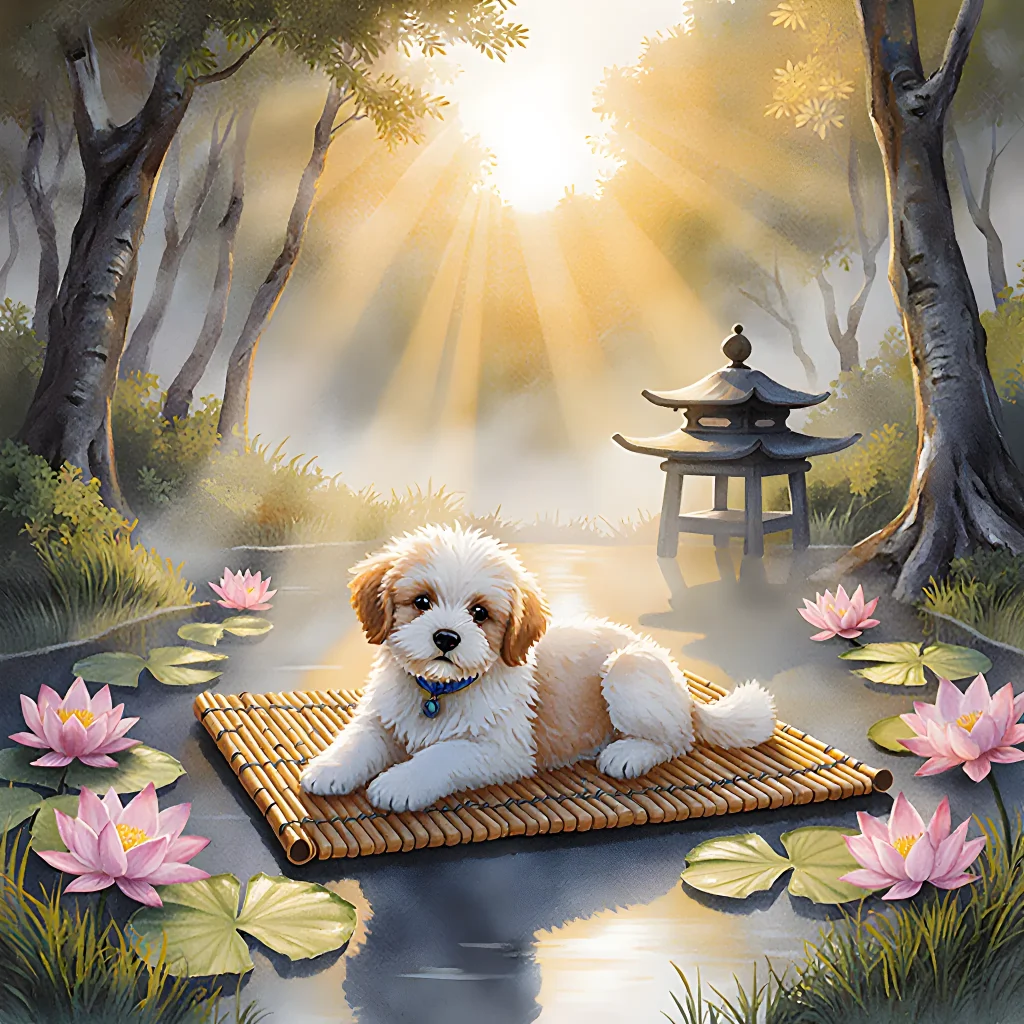
Pamper Your Pup: Zen Retreat Secrets
Zen Canine Retreat: Blissful Puppy Pampering Secrets
Table of Contents
- Choosing the Right Location
- Preparing a Safe Environment
- Gathering Puppy‑Friendly Supplies
- Setting a Calm Atmosphere
- Gentle Grooming Techniques
- Bath Time Basics for Puppies
- Drying Without Stress
- Paw Massage and Muscle Relaxation
- Healthy Treat Breaks
- Cooling Stations for Warm Days
- Playtime to End the Spa Day
- Post‑Spa Care and Observation
- Recording Your Puppy’s Preferences
- Conclusion
- FAQ
Choosing the Right Location
A calm and safe environment is essential when you’re planning a spa day for your pup. The right setting not only keeps your puppy comfortable but also helps them relax during grooming, massage, and pampering activities.
1. Indoor vs Outdoor: Pros & Cons
- Indoor:
- No weather interruptions—no rain or extreme heat.
- Controlled temperature; you can keep the room at a comfortable 70–75°F.
- Fewer distractions (less traffic, fewer noises).
- Outdoor:
- Fresh air and natural light boost mood and circulation.
- Ideal for dogs that love a bit of space; you can set up a shaded area with a low table or mat.
- Must be protected from wind, insects, and direct sun—use umbrellas or a portable tent.
2. Safety First: Flooring & Surface Choices
The floor should be non-slip to prevent accidental slips during washing or massage. Some options:
- Rubber mats: Great for indoor use; they absorb water and are easy to clean.
- Waterproof vinyl tiles: Durable, inexpensive, and can be laid over carpet.
- Outdoor grass or a tarp with a rubber backing: Provides natural cushioning but ensure it’s free of sharp objects.
3. Space Planning: Layout for Each Activity
Divide your space into distinct zones to keep the flow smooth and prevent cross-contamination between wet and dry areas.
- Washing Station: A shallow tub or bucket with a gentle, pet-safe shampoo. Place towels nearby for quick drying.
- Drying & Grooming Zone: A low table or counter where you can brush, trim nails, and apply any calming sprays. Keep grooming tools within arm’s reach.
- Massage Corner: A comfortable chair or padded mat with a soft blanket for your puppy to lie on while you give a gentle massage.
4. Noise & Light Control
- Use curtains or blinds to block out bright street lights that might startle sensitive pups.
- Play calming music (e.g., classical or nature sounds) at low volume; avoid loud TV or radio.
- Keep the area free of sudden movements—no quick doors, no high-traffic paths nearby.
5. Practical Tips for a Successful Spa Day
- Pre‑spa walk: Take your puppy for a short stroll to expend some energy before the pampering session.
- Temperature check: Ensure the room is not too hot; a fan or air conditioning can keep the area breezy.
- Hydration station: Place a shallow bowl of water within reach for your puppy to drink between activities.
- Positive reinforcement: Use treats and praise throughout to reinforce calm behavior.
- Emergency kit: Keep a first‑aid box, extra towels, and a spare leash handy in case of sudden needs.
6. Sample Layout Diagram (Textual)
Imagine a rectangular room:
- Left corner: Washing Station (tub + shampoo).
- Center: Drying & Grooming Zone (table, brushes).
- Right side: Massage Corner (chair or mat).
- Windows with blinds on the back wall to let in natural light while blocking street noise.
- A small shelf above the table for treats and toys.
By thoughtfully selecting a safe, calm location and organizing your space efficiently, you’ll create an enjoyable spa day that keeps both you and your puppy happy and relaxed.
Preparing a Safe Environment
A calm and secure setting is the foundation of any successful Puppy Spa Day. When your pup feels safe, the grooming process becomes less stressful for both of you. Below are step-by-step guidelines, practical tips, and real‑world examples to help you create that perfect spa atmosphere.
1. Choose a Quiet Space
- Location: Pick a room or area with minimal foot traffic—ideally one that’s away from loud appliances, televisions, and neighbors’ conversations.
- Temperature: Keep the room comfortably warm (around 70–75°F). Puppies are sensitive to cold; a drafty space can increase anxiety.
- Lighting: Use soft, indirect lighting. Natural daylight is best, but if that’s not possible, opt for a gentle lamp or LED strip with a warm hue.
2. Create a Comfortable Grooming Station
The grooming station should feel like a mini‑spa retreat rather than a clinical setting.
- Shower or Tub: Use a shallow pet bathtub with non‑slip mats to prevent falls. If you’re using a regular shower, install a small, child‑sized shower head and set the water temperature to lukewarm (not hot).
- Tools at Hand: Keep all grooming tools—brushes, combs, scissors, nail clippers, ear wipes—within arm’s reach. This reduces the need for you to move around too much, which can startle your pup.
- Water Bowl & Towel: Place a small, shallow bowl of cool water nearby for rinsing and a towel for drying. Having everything in one spot keeps the area tidy and prevents accidental slips.
3. Use Calming Aids Wisely
Certain tools can help soothe nerves without overwhelming your puppy:
- Aromatherapy: A diffuser with a light scent of lavender or chamomile can calm anxious dogs. Test a small area first to ensure your pup isn’t sensitive to the fragrance.
- Music & Sounds: Soft instrumental music or white noise can mask external noises. Some grooming products come with built‑in calming sounds—try them out during a trial run.
- Calming Treats & Chews: Offer small, low‑calorie treats before and after the spa session to create positive associations. A chew toy can also keep your pup occupied while you work on grooming tasks.
4. Keep the Space Clean and Organized
A cluttered area can trigger anxiety in dogs that are already nervous about new smells or textures.
- Clean Surfaces: Wipe down the counter, mat, and any other surfaces with a pet‑safe disinfectant before you start. A clean scent is less intimidating than a chemical one.
- Remove Unnecessary Items: Only leave items that are essential for grooming. Remove toys or household objects that might distract your puppy.
- Ventilation: Open a window or use a fan to circulate air, ensuring the space doesn’t feel stuffy.
5. Establish a Routine and Positive Reinforcement
Puppies thrive on predictability. By creating a clear sequence of steps, you reduce uncertainty.
- Pre‑Grooming Warm‑Up: Start with a gentle petting session or a short walk to expend excess energy and lower cortisol levels.
- Introduce Grooming Tools: Let your pup sniff the brush, comb, and other tools before using them. This helps demystify unfamiliar objects.
- Use Treats as Rewards: After each successful grooming step (e.g., brushing, ear cleaning), reward with a treat or a few minutes of playtime.
- End on a High Note: Finish the session with a cuddle or a favorite toy. This reinforces that spa days are enjoyable and safe.
6. Test Run: A Mini “Spa Day” Before the Big Event
Before you commit to a full grooming session, run a mini‑spa day with just a few steps—like brushing and a quick bath. Observe how your pup reacts:
- If they remain calm and engaged, proceed with the full routine.
- If signs of stress appear (whining, shaking, or attempting to escape), pause and reassess the environment. Perhaps reduce the duration of each step or introduce a new calming aid.
7. Safety Checklist for the Grooming Day
Use this quick reference to ensure everything is ready before you begin:
| Item | Status |
|---|---|
| Shallow tub with non‑slip mat | ✔️ |
| Water at lukewarm temperature (38–40°C) | ✔️ |
| Brushes, combs, scissors, nail clippers | ✔️ |
| Calming treats & chew toy | ✔️ |
| Aromatherapy diffuser set to low intensity | ✔️ |
| Soft instrumental music or white noise source | ✔️ |
| Towels and clean water bowl ready | ✔️ |
| Clean, organized space with minimal distractions | ✔️ |
By meticulously preparing a safe environment—one that’s quiet, warm, well‑organized, and infused with calming elements—you give your puppy the best chance to enjoy their spa day. Remember: patience, positive reinforcement, and consistency are your most powerful tools.
Gathering Puppy‑Friendly Supplies
A well‑planned puppy spa day starts with the right tools and ingredients. Below is a comprehensive list of items you’ll need, along with practical tips on selecting and using each one safely.
- Puppy‑Safe Shampoo: Look for a fragrance‑free, hypoallergenic formula that’s pH balanced for dogs. Avoid human shampoos, which can irritate the skin. If you’re unsure, ask your vet or pet store staff for recommendations.
- Conditioner (Optional): Some puppies have drier coats; a lightweight conditioner helps keep fur soft and detangles. Use a product specifically made for dogs to avoid residue buildup.
- Drying Towel or Low‑Heat Hair Dryer: A thick, absorbent towel is the easiest way to dry most breeds. For larger dogs or those that are anxious about noise, consider a low‑heat dryer with a diffuser attachment. Test the temperature on your own arm before using it on the puppy.
- Puppy Brush / Comb: Choose a brush suited to your pup’s coat type—soft bristles for short hair, slicker brushes for longer or curly coats. Regular brushing reduces shedding and keeps skin healthy.
- Towels & Washcloths: Keep several clean towels handy so you can switch between wet and dry stages without prolonging the bath time. Use a small washcloth to gently wipe around sensitive areas like ears and eyes.
- Water‑Proof Eye Protection (Optional): A lightweight dog goggles or an eye shield can prevent shampoo from getting into the puppy’s eyes, especially for breeds with large, hanging eyelids.
- Puppy‑Friendly Ear Cleaner: If your pup has a tendency to develop ear infections, keep a gentle ear wipe or cotton ball and a vet‑approved cleaning solution on hand.
- First Aid Kit (Basic): Include gauze pads, antiseptic wipes, and a small bottle of pet‑safe pain reliever (only if prescribed by a vet). This ensures you’re prepared for minor cuts or accidental scratches during the spa session.
- Treats & Reward System: High‑value treats like chicken jerky or small pieces of cheese help reinforce positive behavior. Keep them within reach to reward calmness throughout the process.
- Water‑Proof Toys (Optional): A rubber ball or chew toy can keep your pup entertained and reduce anxiety while you’re washing or drying their coat.
Practical Setup Tips
- Create a Calm Environment: Choose a quiet room with minimal distractions. Turn off loud music or TV, dim the lights, and consider playing soft instrumental music to soothe your puppy.
- Pre‑Bath Routine: Before you start, give your pup a short walk to expend some energy. A tired dog is typically calmer during grooming.
- Temperature Check: Ensure the water is lukewarm—about 37–38°C (98–100°F). Too hot or too cold can cause discomfort.
- Gentle Handling: Use a non‑slip mat in the tub or shower area to prevent slipping. Hold your puppy gently but securely, especially when rinsing their ears and eyes.
- Time Management: Keep bath sessions short—no longer than 10–15 minutes—to avoid overheating. If you need more time (e.g., for a long coat), break it into two shorter sessions with breaks in between.
Safety Reminders
- Avoid using human soaps or shampoos; they can cause itching and skin irritation.
- Never leave a puppy unattended in water, even for a few seconds.
- If your puppy shows signs of distress (whining, shaking, pawing at the water), pause immediately and finish the session calmly.
- After drying, inspect the coat for mats or skin issues. If you notice redness or bumps, consult your vet before proceeding with further grooming.
With these supplies and a calm approach, you’ll set the stage for a relaxing, enjoyable spa day that strengthens the bond between you and your puppy while keeping their coat healthy and shiny.
Setting a Calm Atmosphere
A spa day isn’t just about bubbles and grooming—it’s an opportunity to build trust, soothe anxiety, and reinforce positive behavior. Below are step‑by‑step instructions, real‑world examples, and practical tips that you can adapt for any pup.
Step 1: Set Up a Safe, Quiet Space
- Choose a low‑traffic room: A bedroom or a spare office with minimal foot traffic keeps distractions at bay.
- Use calming scents: Diffuse a light lavender or chamomile essential oil (always use pet‑safe blends) to promote relaxation.
- Control lighting: Dim the lights or use soft, warm bulbs. A small lamp with a “night mode” setting can mimic a gentle twilight environment.
- Temperature & ventilation: Keep the room comfortably cool (around 68–72°F) and ensure good airflow; avoid drafts directly on the puppy.
Step 2: Start with a Gentle Brush
Brushing removes loose fur, reduces shedding, and stimulates circulation. Use a slicker brush for short coats or a wide‑tipped comb for long fur.
- Introduce the brush: Let your puppy sniff it first; reward with treats.
- Brush slowly: Go in the direction of hair growth, keeping pressure light.
- Encourage calmness: Offer a treat after every 30 seconds of brushing to associate grooming with positive reinforcement.
Step 3: Optional Calm‑Inducing Bath
If your puppy enjoys water, a lukewarm bath can be soothing. Use a non‑irritating dog shampoo and keep the duration short.
- Pre‑bath prep: Place a rubber mat in the tub to prevent slipping.
- Temperature check: Test water with your elbow; it should feel warm, not hot.
- Rinse thoroughly: Avoid residual shampoo that can irritate skin.
Step 4: Dry & Massage
Use a towel or a pet dryer set on low heat. A gentle massage can release tension.
- Towel dry: Pat the coat, starting from the head and working downwards.
- Massage technique: Use circular motions along the neck, shoulders, and back. Keep pressure light; stop if your puppy shows signs of discomfort.
Step 5: Treats, Toys, and Quiet Play
After grooming, give a high‑value treat (e.g., a small piece of chicken or a kibble treat). Offer a favorite chew toy or puzzle feeder to keep their mind engaged.
- Use calming music: Classical or ambient tracks can maintain a relaxed mood.
- Monitor body language: Watch for signs of stress—panting, yawning, or tucked tail—and give them space if needed.
Practical Tips & Common Pitfalls
- Consistency matters: A regular spa schedule (e.g., once a month) helps puppies anticipate and feel secure.
- Never force: If your puppy resists, pause and try again later. Positive reinforcement beats coercion.
- Use the right tools: A soft brush for sensitive skin; a slicker for dense coats. Avoid metal combs that can scratch.
- Watch for allergies: New shampoos or scents may trigger itching—switch to hypoallergenic products if needed.
Case Study: Bella, the Shy Beagle
Bella was highly anxious around strangers. A calm spa day helped her become more comfortable in new settings:
- Quiet room & lavender scent.
- Gentle brushing with treats after every 30 seconds.
- Short, lukewarm bath followed by a low‑heat dryer.
- Treats + puzzle feeder for 15 minutes post‑grooming.
Within weeks, Bella approached new people with less fear and even greeted the mailman without backing away.
Gentle Grooming Techniques
Grooming can be an intimidating experience for both you and your puppy if it’s approached too aggressively. By turning the routine into a calming spa day, you’ll build trust, reduce anxiety, and make future grooming sessions smoother.
1. Set the Scene: Create a Puppy‑Friendly Environment
- Choose a quiet room: Minimize loud noises (e.g., vacuum, TV) and keep the temperature comfortable (around 70°F/21°C).
- Use calming scents: A faint diffuser with lavender or chamomile can help soothe nerves. Avoid strong fragrances that might trigger allergies.
- Soft lighting: Natural light or a gentle lamp reduces shadows and makes the space feel welcoming.
2. Prepare Your Grooming Kit in Advance
Having everything within reach eliminates interruptions, which can startle your pup.
- Bowl of warm water: For rinsing or a gentle splash.
- Dog‑safe shampoo and conditioner: Choose hypoallergenic formulas for sensitive skin.
- Brushes & combs: Pick a slicker brush for loose hair, a pin brush for fine coat, and a detangling comb for tangles.
- Towels & drying mat: Keep them close so you can dry the pup quickly after bathing.
3. Start with Positive Association
Turn each grooming step into a reward session.
- Hand massage: Before brushing, gently rub your puppy’s ears, neck, and shoulders to relax muscles.
- Use treats strategically: Offer small, soft biscuits every time you touch a new area (e.g., paws, ears). This reinforces calm behavior.
- Speak softly: Use a soothing tone; avoid abrupt noises that could startle the pup.
4. Gentle Brushing & Detangling Techniques
- Start from the head down: Brush gently around the face, ears, and neck first to acclimate your puppy.
- Work in short sections: Break the body into manageable segments—front legs, torso, hindquarters, tail—to keep the process predictable.
- Use a detangling spray: For puppies with longer coats, lightly mist the fur to ease knots before brushing.
5. Bathing as a Spa Experience
- Temperature check: Warm water (not hot) feels like a gentle hug; test with your wrist.
- Slow, deliberate rinses: Hold the faucet over the body rather than spraying directly. This reduces the “water shock” sensation.
- Shampooing rhythm: Massage in circular motions—this mimics a gentle massage and keeps the pup relaxed.
6. Ear & Nail Care with a Calm Touch
- Ears: Use cotton balls lightly dampened with ear cleaner; avoid inserting anything deep into the canal.
- Nails: Trim in short bursts, offering treats after each nail. If your puppy resists, pause and resume when calm.
7. Drying & Final Touches
- Low‑heat dryer or towel: Use a dog‑specific dryer on low heat or wrap the pup in a microfiber towel to absorb excess water.
- Finish with a gentle pat: Lightly pat the coat to remove any remaining moisture, then reward with a treat and praise.
8. Post‑Spa Routine: Keep It Positive
After grooming, give your puppy extra playtime or a short walk—this reinforces that grooming leads to fun activities.
Practical Tips & Common Mistakes
- Don’t rush: A quick, frantic session can create negative associations. Allow the pup to acclimate at their pace.
- Avoid harsh chemicals: Human shampoos or soaps can irritate canine skin; always use dog‑specific products.
- Watch for signs of stress: Lip licking, whining, or trying to escape are cues to pause and reassess.
By treating grooming as a spa day—calming, rewarding, and structured—you’ll help your puppy view it as a positive experience rather than a dreaded chore. Consistency and patience are key; over time, the routine will become second nature for both of you.
Bath Time Basics for Puppies
Bringing a puppy into the shower can feel like an intimidating task, but with a calm approach and a few key steps you can turn bath time into a soothing experience that strengthens your bond.
1. Choose the Right Environment
- Temperature: Use lukewarm water (about 37–38°C). Test with your wrist or a thermometer to ensure it’s not too hot or cold.
- Location: A sink, bathtub, or even a shallow kiddie pool works. If you’re outdoors, bring a portable shower head and keep the area dry on the floor to prevent slipping.
- Noise & Lighting: Dim lights and play soft music or white noise to create a calming atmosphere.
2. Gather Supplies Beforehand
Having everything at hand reduces stress for both you and your puppy.
- Puppy shampoo (no human products – they’re too harsh)
- Conditioner or a gentle detangler if the coat is long
- Towels, a dry brush, and a non-slip mat
- A cup or handheld sprayer for rinsing
- Optional: A small treat jar for rewarding calm behavior
3. Prep the Puppy Safely
Before you even touch water, make sure your pup feels secure.
- Brush First: Remove mats and loose hair to avoid tangles during the wash.
- Dry Shampoo or Detangler: If the puppy is extremely nervous, a quick dry shampoo can give you time to acclimate them to the environment.
4. The Actual Wash
- Start by wetting the coat from neck to tail, avoiding the ears and eyes.
- Apply a small amount of puppy shampoo; work into a lather gently.
- Use your hand or a soft washcloth for delicate areas like the face and paws.
- Rinse thoroughly—any residue can cause itching or irritation.
5. Post‑Bath Care
What you do after the bath is just as important as the wash itself.
- Towel Dry: Pat gently, never rub hard; use a dry towel to absorb excess water.
- Brush Again: This removes any remaining loose hair and distributes natural oils.
- Reward: Offer a treat or play session—this reinforces that bath time is positive.
6. Safety Tips for Sensitive Puppies
- If your puppy has skin conditions (eczema, allergies), consult a vet before using any shampoo.
- Never leave a puppy unattended in water—slipping is a real risk.
- Avoid using hot tubs or steam rooms; the heat can be overwhelming.
7. Making It a Spa Day
Transform bath time into an entire spa experience that promotes relaxation and grooming confidence:
- Pre‑Bath Massage: Lightly massage the shoulders, back, and legs to release tension.
- Coat Treatments: After rinsing, apply a puppy-friendly conditioner or natural oil (like coconut oil) for extra shine.
- Quiet Time: Keep the room dim and offer a favorite blanket to rest on while you finish drying.
8. When to Seek Professional Help
If your puppy is extremely fearful or has medical issues that make home bathing risky, consider a professional groomer who specializes in sensitive breeds. Many groomers offer “calm grooming” services where they use sedation techniques and quiet rooms.
By approaching bath time with preparation, patience, and positivity, you’ll not only keep your puppy clean but also nurture their confidence and well‑being—turning a routine task into a cherished bonding ritual.
Drying Without Stress
After a bath or a playful splash in the backyard, getting your pup dry can be as exciting—or as stressful—as the bath itself. A calm drying routine not only keeps your puppy comfortable but also reinforces positive associations with grooming.
1. Choose the Right Dryer
- Low‑heat, pet‑specific models: Look for dryers that have a “pet” setting or an adjustable temperature control. High heat can burn sensitive skin and cause anxiety.
- Quiet operation: Dogs are often startled by loud noises. A quiet dryer (under 65 dB) will reduce startle reactions.
- Air‑flow control: Some dryers come with a “soft” or “nozzle” attachment that diffuses the airflow, making it feel like a gentle breeze rather than a blast.
2. Prepare Your Pup Beforehand
Just as you would prepare yourself for a spa day, prep your puppy to feel secure:
- Keep the room warm: A cozy temperature (around 22–24°C) helps prevent chills.
- Use a towel or drying mat first: Pat the fur dry with a soft towel, focusing on areas that hold water like the belly and ears. This reduces the amount of time needed in the dryer.
- Offer treats and praise: Keep a small bowl of favorite treats within reach so your pup associates drying with rewards.
3. Positioning for Comfort
The way you hold or position your puppy during drying can make all the difference.
- Side‑by‑side: Place your pup on a towel or mat, holding them gently at the shoulder or waist. This keeps their body relaxed and prevents sudden movements that might trigger a startle response.
- Back support: If your puppy is small, use one hand to support their back while you hold the front legs. For larger dogs, a towel draped over their shoulders can provide extra comfort.
4. The Drying Technique
Follow these steps for an efficient and stress‑free dry:
- Start with the lowest heat setting: Begin drying from the head down, moving in a circular motion to mimic natural wind.
- Keep distance: Maintain about 12–18 inches between the dryer nozzle and your puppy’s skin. This distance reduces the risk of overheating or startling them.
- Move steadily: Keep the dryer moving in a consistent pattern—head, neck, ears, back, belly, legs—to avoid concentrating heat on one spot.
5. Incorporate Play and Rewards
Turn drying time into a playful session to reinforce calm behavior:
- Short game breaks: Pause every few minutes to give your puppy a quick chew or tug toy, then resume drying.
- Use a favorite scent: Spray a light pet‑safe fragrance on the towel before starting. A familiar scent can be soothing and remind them of positive experiences.
6. Post‑Drying Care
After the dryer, give your puppy a final check:
- Inspect for tangles: Gently comb through any remaining damp fur to avoid matting.
- Offer a treat and affection: A final reward solidifies the positive association with the entire grooming process.
- Check skin health: Look for redness or irritation. If you notice anything unusual, consult your vet.
7. Common Mistakes to Avoid
- Using a dryer at too high a temperature—can burn sensitive skin.
- Leaving the dryer on for extended periods without moving it—may cause heat spots and anxiety.
- Forgetting to reward or praise during drying, which can make your pup feel uncertain.
Conclusion
Drying is a critical part of the spa day that can either reinforce calmness or trigger stress. By selecting the right equipment, preparing your puppy with treats and a warm environment, positioning them comfortably, and incorporating playful rewards throughout, you’ll create a drying routine that feels like a gentle breeze rather than an intimidating process. This not only keeps their coat healthy but also strengthens the bond between you and your furry friend.
Paw Massage and Muscle Relaxation
Just like humans, puppies benefit from gentle massage to relieve muscle tension, improve circulation, and promote overall relaxation. A well‑executed paw massage can also help reduce anxiety during a spa day.
Why Massage Works for Puppies
- Increases blood flow: Stimulates capillaries around joints and muscles.
- Reduces cortisol levels: Lowers stress hormones, making the pup calmer.
- Improves joint mobility: Helps maintain flexibility as puppies grow rapidly.
Step‑by‑Step Massage Routine
- Start with a calm environment: Dim lights, play soft music, and keep the room temperature comfortable (70–75°F).
- Warm up the paws: Gently rub each paw with a warm towel for 1–2 minutes to loosen the pads.
- Apply light pressure: Use your thumb to apply gentle circular motions along the paw pad, moving toward the ball of the foot.
- Work on the toes: Slowly lift each toe and massage the webbing between them. Avoid pressing too hard—puppies have delicate bones.
- Target the ankle area: Use small, gentle circles along the ankle joint, then tap lightly with your fingertips to encourage circulation.
- Finish with a soothing stroke: Run your hand from the heel up toward the knee, ending with a soft pat on the leg.
Practical Tips for a Successful Session
- Keep sessions short: Puppies have limited attention spans—5 to 7 minutes per paw is usually enough.
- Use natural oils sparingly: A drop of organic coconut oil can add a subtle fragrance, but avoid essential oils that may be toxic (e.g., tea tree).
- Watch for signs of discomfort: If the pup pulls away or whines, stop and reassess your pressure.
- Combine with gentle play: A short game of fetch after massage can reinforce positive associations.
Example Routine: “Puppy Spa Day” Package
A typical spa day might look like this (all steps are optional and should be tailored to the individual pup’s temperament):
- Arrival & Greeting: Let the puppy sniff a calm scent (lavender sachet) while you pet them.
- Paw Massage (10 minutes total): Two rounds of the routine above, alternating between front and back paws.
- Gentle Bath & Drying: Use lukewarm water, a mild puppy shampoo, and a soft towel.
- Cozy Rest Period: Place a plush blanket in a quiet corner with a calming toy.
- Reward Time: Offer a healthy treat (e.g., boiled chicken or commercial chew) after the massage.
Remember, consistency and patience are key. Over time, your puppy will associate paw massages with comfort and trust—turning every spa day into a cherished bonding experience.
Healthy Treat Breaks
A well‑planned treat schedule not only keeps your pup’s energy steady but also reinforces the calm, safe environment you’re cultivating during a puppy spa day. Below are practical guidelines and snack ideas that align with the calming theme of the spa experience.
- Timing Matters: Offer treats at the same intervals each day (e.g., every 45 minutes) so your puppy learns to anticipate calm, positive moments rather than impulsively demanding food.
- Size & Texture: Use small, bite‑sized pieces that are easy to chew. Soft, moist treats (like mashed pumpkin or plain yogurt) are soothing and less likely to cause frustration if a puppy struggles with chewing.
- Flavor Pairing for Calmness:
- Chamomile‑infused biscuits: Add dried chamomile flowers into homemade oat biscuits. Chamomile is known for its mild sedative properties, helping the pup relax during massage or grooming.
- Blueberry and Greek yogurt bites: Blend frozen blueberries with plain Greek yogurt to create a chilled treat that’s both antioxidant‑rich and cooling.
- Rewarding Good Behavior: Use treats as immediate reinforcement for calm behavior during the spa day. For instance, give a small piece when your puppy remains still while being brushed or when they tolerate a gentle massage stroke.
- Hydration Reminders: Pair treats with water breaks. A cool, fresh cup of water after each treat session keeps your pup hydrated and promotes healthy digestion.
- Allergy Awareness: If your puppy has known sensitivities (e.g., to grains or dairy), opt for hypoallergenic options such as sweet potato chews or commercial grain‑free treats. Always read ingredient labels carefully.
Sample Treat Schedule for a 2‑Hour Spa Session
| Time | Treat Type | Duration of Activity |
|---|---|---|
| 0:00 – 0:05 | Chamomile biscuit (small) | Pre‑grooming calm session |
| 0:15 – 0:20 | Blueberry yogurt bite | Post‑brush relaxation |
| 0:30 – 0:35 | Soft peanut butter chew (no xylitol) | During gentle massage |
| 0:45 – 0:50 | Hydration water break + small dried apple slice | Rest period |
| 1:00 – 1:05 | Chamomile biscuit (small) | Final cool‑down stretch |
By integrating these treat strategies, you create a predictable, soothing rhythm that supports your puppy’s overall well‑being while making the spa day both enjoyable and beneficial.
Cooling Stations for Warm Days
When the temperature rises, keeping your puppy comfortable and hydrated is essential. A dedicated cooling station not only protects them from heat stress but also turns a simple walk into a refreshing spa experience.
1. Portable Ice Bath Tub
- What to use: A shallow plastic kiddie pool or a large, sturdy tub that can hold 5–10 gallons of water.
- Cooling method: Fill the tub with cool (not cold) water and add ice cubes. The water temperature should stay between 70°F and 80°F to avoid shocking your pup’s system.
- Practical tip: Place a non-slip mat inside so the puppy can slip in safely. Keep the tub covered with a towel when not in use to maintain coolness.
2. DIY Wet Bandana or Cooling Vest
- Bandana: Soak a lightweight cotton bandana, wring it out, and tie it around your puppy’s neck. The evaporative cooling effect can lower body temperature by up to 5°F.
- Cooling vest: Purchase or craft a vest with gel packs that you can chill in the fridge for an hour before use. Insert them into pockets on the front and back of the vest.
3. Cooling Mat with Water Spritz
- How it works: These mats have a reservoir that you can fill with water. When your puppy lies on the mat, water slowly seeps through to keep them cool.
- Installation: Place the mat in a shaded area or under a canopy. Use a small spray bottle to mist the mat every 15–20 minutes for extra refreshment.
4. Shade and Hydration Combo
- Shade structure: A pop-up canopy, umbrella, or even a simple tarp can provide shade over any of the cooling stations.
- Hydration station: Set up a portable water bowl with a built‑in splash guard. Add a few ice cubes to keep the water cool and refill frequently.
5. Cooling Treats & Food
- Freeze small portions of low-sodium broth or plain yogurt in silicone molds for instant cooling treats.
- Use chilled kibble or a mix of kibble with ice cubes for an extra cool snack.
Practical Safety Checklist
- Check water temperature: Ensure it’s not below 70°F to avoid hypothermia.
- Monitor breathing: A puppy should pant but not wheeze. If you see labored breathing, move them to a cooler area immediately.
- Limit exposure time: No more than 20–30 minutes in a cooling station per session during peak heat.
- Inspect equipment: Ensure no sharp edges or loose parts that could injure your puppy.
Example Routine for a Warm Day Puppy Spa Session
- Start in Shade: Let the pup rest on a shaded mat while you hydrate them.
- Ice Bath Time: Guide them into the kiddie pool, let them splash for 5–10 minutes, then dry and wrap with a towel.
- Cool Vest Break: Slip on the cooling vest for a relaxed walk around the yard.
- Refresh Treats: Offer frozen broth treats between activities.
- Final Check: Observe the pup’s body temperature (should be about 100–102°F) and ensure they’re not overheating before ending the session.
By integrating these cooling stations into your puppy spa day, you’ll keep your little friend safe, comfortable, and thoroughly refreshed even on the hottest days.
Playtime to End the Spa Day
After a calming, safe spa session, it’s essential to give your puppy a gentle play routine that reinforces relaxation while providing mental stimulation. A well‑structured playtime helps solidify the positive associations formed during the spa and ensures your pup leaves feeling content, balanced, and ready for restful sleep.
1. Choose Low‑Impact Games
- Gentle Tug-of-War: Use a soft rope toy and keep the pull light—just enough to encourage interaction without overstimulation.
- Slow Fetch: Toss a lightweight ball or plush toy a short distance, letting your puppy retrieve it at their own pace. This encourages movement without high intensity.
- Interactive Puzzle Toys: Offer a treat‑dispenser puzzle that requires minimal exertion but keeps the mind engaged.
2. Keep Sessions Short and Predictable
Puppies have short attention spans, especially after a soothing spa routine. Aim for 5–10 minute play bursts followed by a brief calm period. Use a consistent cue—like “Play!”—to signal the start and “Quiet” to signal winding down.
3. Incorporate Gentle Physical Touch
- Back Rubs: While playing, lightly stroke along your puppy’s back or side—areas that are usually calming when touched.
- Head Nuzzles: Encourage your pup to nuzzle their head into a soft pillow or blanket; this reinforces bonding and relaxation.
4. End with a Quiet Calm Routine
After play, transition to a quiet activity such as:
- “Settling” Time: Place your puppy on a comfortable mat and gently pet them while softly speaking.
- Quiet Music or White Noise: Soft background sounds can help maintain the calm atmosphere created during the spa.
5. Observe Body Language
Watch for signs of overstimulation—rapid breathing, tail twitching, or a stiff posture. If these occur, pause play and give your puppy a few minutes to relax before resuming.
Practical Tips for Parents
- Use a Routine: Consistency is key—play at the same time each day to help puppies anticipate and feel secure.
- Keep Toys Accessible: Place favorite toys within reach so your pup can self‑engage without needing constant supervision.
- Reward Calm Behavior: Offer treats or praise when your puppy transitions smoothly from play to calm, reinforcing the desired behavior.
By integrating gentle, structured play after a spa day, you help cement the sense of safety and relaxation that makes every puppy’s experience truly restorative. Remember: the goal is not just fun—it's about fostering an environment where your pup feels safe, loved, and ready to recharge.
Post‑Spa Care and Observation
After your puppy has enjoyed the spa day, it’s essential to monitor their condition and continue gentle care routines. A calm, safe environment helps reinforce the positive experience and ensures any potential issues are caught early.
1. Immediate Post‑Spa Check‑In
- Skin inspection: Look for redness, swelling, or irritation around the ears, face, paws, and belly. A mild flush is normal after a bath but persistent redness may indicate an allergic reaction.
- Coat condition: Gently feel the fur to ensure no tangles remain. If you notice mats, use a slicker brush or comb slowly from the tip of the hair toward the skin.
- Temperature & heart rate: A relaxed puppy will have a normal resting heart rate (60–120 bpm) and a body temperature around 101°F–102.5°F. If your pup is shivering, lethargic or breathing rapidly, contact your vet.
2. Hydration & Nutrition
Water is crucial after bathing. Offer fresh water in a shallow dish and encourage drinking with gentle encouragement. A small snack—like a bite-sized kibble piece or a chew toy—can help the puppy feel settled.
Example: Post‑Spa Snack Routine
- Place a damp towel on the floor for a quick dry-down.
- Serve a small portion of wet food or a low‑fat treat.
- Give them a few minutes to relax in their crate with a favorite blanket.
3. Continued Grooming Tips
- Ear care: Use a vet‑approved ear cleaner once or twice a week to prevent wax buildup and infections.
- Paw maintenance: Trim paw pads gently after each bath to avoid excess callus. Check for cuts or foreign objects between the toes.
- Dental hygiene: Brush your puppy’s teeth with a soft brush and dog‑safe toothpaste 2–3 times per week to prevent plaque buildup.
4. Observation Schedule
Keep an eye on your pup for the first 48 hours after the spa day:
| Time | What to Observe |
|---|---|
| Immediately After Bath | Skin redness, behavior changes. |
| 6 Hours Post‑Spa | Activity level, appetite, water intake. |
| 12 Hours Post‑Spa | Coat dryness, ear moisture. |
| 24 Hours Post‑Spa | Any signs of discomfort or itching. |
5. When to Call the Vet
- Persistent itching, scratching, or licking at any area.
- Redness that worsens or spreads beyond the bathing area.
- Swelling of ears, face, or paws.
- Signs of pain: whimpering, reluctance to move, or limping.
6. Positive Reinforcement & Routine Building
After each spa session, reward your puppy with a favorite treat or extra playtime. This creates an association between grooming and positive outcomes, making future baths easier to manage.
Practical Tip: Spa‑Day Calendar
Create a simple chart in a notebook or digital app to track:
- Bath frequency (every 3–4 weeks)
- Ear cleaning days
- Dental brushing schedule
- Any observed reactions or concerns.
By staying attentive and following these post‑spa care steps, you’ll help your puppy stay healthy, happy, and confident in their grooming routine.
Recording Your Puppy’s Preferences
One of the most valuable tools for creating a successful puppy spa day is a detailed log of what makes your pup feel safe, calm, and happy. By documenting preferences, you’ll be able to tailor every touch, scent, and sound to suit their unique personality.
Sensory Preferences
- Textures: Some puppies love a soft bamboo brush; others prefer a rubber massager. Note which feels most soothing by observing how your pup reacts after each session.
- Aromas: Lavender is universally calming, but some pups might be sensitive to strong essential oils. Test with a diluted diffuser and record whether the scent makes them relaxed or fussy.
- Sounds: Soft classical music can help; however, high‑pitch dog-friendly playlists may actually excite certain breeds. Keep a log of which tracks reduce barking and which increase alertness.
Physical Comfort
Track the exact positioning that keeps your puppy at ease during grooming:
- Support Level: Does your pup need a firm pillow under their head, or do they prefer to lie flat on a plush surface?
- Temperature: Some dogs feel best with a slightly warm towel; others may get overstimulated by heat. Adjust the water temperature and note changes in behavior.
- Pressure Sensitivity: Identify areas that are trigger points—like the ears or tail—and keep those zones free from direct contact during brushing.
Behavioral Indicators
Use a simple rating system (1–5) to quantify how calm your puppy appears after each spa activity:
| Activity | Calmness Rating (1 = distressed, 5 = relaxed) | Notes |
|---|---|---|
| Soft brush strokes | 4 | Puppy’s tail wagging slowly; no whining. |
| Lavender diffuser (10 min) | 3 | Minor sniffing, slight drool—might need lower concentration. |
| Water rinse (cold vs. warm) | 5 (warm) / 2 (cold) | Warm water keeps pup relaxed; cold triggers startle response. |
Practical Tips for Documentation
- Use a Notebook or App: Keep all entries in one place—whether a physical journal or a dedicated dog‑care app—to track changes over time.
- Photographic Evidence: Take before/after photos of grooming sessions to visually confirm improvements in coat shine and skin health.
- Consistency is Key: Record after every spa day, even if the routine was unchanged. Subtle shifts can indicate developing sensitivities or growing confidence.
Using Your Log to Plan Future Spa Days
Once you have a month’s worth of data, look for patterns:
- If your puppy consistently rates “warm water” high, make that a standard.
- When a particular scent scores low, remove it from the routine entirely.
- Use the rating table to set goals—e.g., raise the calmness score for brushing from 3 to 4 by introducing a new brush type or altering stroke length.
By systematically recording and reviewing your puppy’s preferences, you’ll create an environment that is not only calming but also deeply personalized. This approach turns each spa day into a predictive science—one that guarantees comfort, reduces anxiety, and strengthens the bond between you and your four‑legged friend.
Conclusion
Transform an ordinary grooming session into a soothing retreat for your pup by turning it into a “spa day.” Below are practical steps, examples, and tips to keep the experience gentle, enjoyable, and stress‑free.
1. Set the Scene
- Temperature & Lighting: Keep the room at a comfortable 70–75°F (21–24°C). Use soft, indirect light or a dimmed lamp to avoid bright glare that can overstimulate your dog.
- Aromatherapy: A diffuser with a puppy‑safe essential oil blend (e.g., lavender & chamomile) can promote relaxation. Make sure the room is well ventilated and test for any allergic reactions on a small patch of skin first.
- Music or White Noise: Low‑tempo classical music, nature sounds, or a white noise machine can mask sudden noises and help calm your pup.
2. Pre‑Spa Prep
- Short Walk: A brief walk (5–10 minutes) helps expend excess energy, making the puppy more receptive to grooming.
- Positive Reinforcement: Offer treats and praise before any touch. This establishes a positive association with the spa environment.
3. Gentle Grooming Routine
- Bath Time: Use lukewarm water and a hypoallergenic, puppy‑specific shampoo. Rinse thoroughly to avoid residue that can cause itching.
- Towel Dry & Blow‑Dry: Pat the pup dry with a soft towel first; then use a blow dryer on the lowest heat setting with a cool air setting for short intervals. Keep the dryer moving to prevent hot spots.
- Brush & Comb: Choose brushes that match your puppy’s coat type (e.g., slicker brush for dense coats, soft bristle for sensitive skin). Brush in gentle strokes, avoiding tugging or pulling on mats.
4. Pampering Touches
- Mild Massage: Gently massage the neck, shoulders, and back using circular motions with your fingertips. This improves circulation and reduces muscle tension.
- Nail Care: Trim nails carefully; use a dog nail clipper or a grinder. If you’re unsure, have a professional groomer demonstrate once so you can replicate the technique safely.
5. Treat Time & Rewards
During and after the spa day, offer high‑value treats (small pieces of cooked chicken or commercial dog treats). Pair each grooming step with a treat to reinforce calm behavior. End the session with a favorite chew or playtime.
6. Post‑Spa Care
- Cooling Down: Allow the puppy to rest in a quiet corner for a few minutes before reintroducing them to normal activities.
- Observation: Monitor your pup for signs of irritation, redness, or discomfort. If any skin issues arise, consult your veterinarian.
7. Consistency is Key
Schedule spa days every 4–6 weeks to maintain coat health and strengthen the bond between you and your puppy. Regular, calm grooming sessions help reduce future anxiety around baths and handling.
By creating a calm, safe environment and using gentle techniques, you can turn grooming into a delightful spa experience that benefits both your puppy’s physical well‑being and emotional comfort.
FAQ
- What should I bring to a puppy spa day?
-
- Comfortable blanket or towel – to keep your pup cozy during the session.
- Non‑slip mat – ensures safety on wet surfaces.
- Calming treats – choose a small, low‑calorie snack like baby carrots or a few pieces of commercial calming chews.
- Water bottle & bowl – keep your puppy hydrated throughout the day.
- Favorite toy or chew – helps redirect attention if they get anxious.
- How do I prepare my puppy for a spa day?
-
- Trim nails beforehand: Long nails can slip and cause injury on wet floors.
- Shorten fur around the ears & paws to prevent mats from forming during washing.
- Introduce a water routine at home – let them get used to a gentle stream of lukewarm water.
- Use positive reinforcement – reward calm behavior with treats and praise.
- What temperature should the spa water be?
-
A steady 98°F (37°C) is ideal. It’s warm enough to soothe muscles but not so hot that it risks burns or discomfort.
- Can I use human shampoo on my puppy?
-
No. Human shampoos contain higher pH levels and fragrances that can irritate a puppy’s skin and eyes. Always choose a gentle, vet‑recommended dog shampoo formulated for sensitive skin.
- How long should the bath last?
-
Typically, a 5–10 minute soak is sufficient. Over‑bathing can strip natural oils and lead to dryness or irritation.
- What are some calming techniques during the spa day?
-
- Use a spray bottle for a mist of cool water – this feels gentle and helps keep them relaxed.
- Play soft background music or use a white‑noise machine to mask sudden sounds.
- Maintain eye contact and speak softly – reassuring tone reduces anxiety.
- Offer a chew treat during drying to keep them distracted from the towel wrap.
- How do I safely dry my puppy?
-
- Wrap your pup in a fluffy towel and gently pat, avoiding vigorous rubbing that can cause skin irritation.
- If you use a dryer, set it to the lowest heat setting and keep it at least 12 inches away from the puppy’s body.
- For extra calmness, place a small fan nearby to circulate cool air while you finish drying.
- What should I do if my puppy gets upset during the spa day?
-
Pause immediately. Offer a treat or toy, let them sniff the surroundings, and avoid forcing any activity. Gradually reintroduce steps once they appear calm.
- How often should I give my puppy a spa day?
-
Once every 4–6 weeks is generally adequate for most breeds, but adjust based on your puppy’s coat type and skin sensitivity. Over‑washing can lead to dryness.
- Where can I find additional resources or professional help?
-
- PetMD – Grooming Tips
- AKC Puppy Grooming Guide
- Local veterinary clinic or certified dog groomer for personalized advice.
Categories
- AI & Enrichment Play
- Broiler Farming
- Broiler Farming Tips
- Canine Wellness & Longevity
- Cat
- Cat & Human Connection
- Cat Adoption & Rescue
- Cat Breeds
- Cat Breeds & Personalities
- Cat Care & Health
- Cat Grooming & Hygiene
- Cat Lifestyle & Environment
- Cat Myths & History
- Cat Nutrition & Diet
- Cat Products & Reviews
- Cat Training & Behavior
- Comparison
- Consumer Awareness
- Dog
- Dog Accessories & Products
- Dog Adoption & Rescue
- Dog Breed & Lifestyle Trends
- Dog Breeding & Puppies
- Dog Entertainment & Media
- Dog Fashion & Trends
- Dog Fun & Lifestyle
- Dog Grooming & Hygiene
- Dog History & Culture
- Dog Myths, Science & Future Tech
- Dog News & Trends
- Dog Nutrition & Food
- Dog Psychology & Emotions
- Dog Safety & Security
- Dog Sports & Activities
- Dog Technology & Innovation
- Dog Training for Modern Owners
- Dog Travel & Adventure
- Dog Travel, Adventure & Culture
- Economic and Market Insights
- Educational Content
- FAQs
- Feeding Alternatives
- Festivals & Seasonal Ideas
- Fun & Entertainment
- General Knowledge
- General Pig Farming
- Health & Disease Management
- Housing and Environment
- Kittens
- Market Insights
- Miscellaneous
- Miscellaneous
- Motivational
- pig
- Pig Breeding
- Pig Breeds
- Pig Farming Stories and Inspiration
- Pig Health and Care
- Pig Nutrition
- Pig Products
- Profitability & Business
- Puppy Care
- Puppy Predictable Topics Reinvented
- Regional Focus
- Rescue & Adoption Buzz
- Senior Cats
- Senior Dog Care
- Smart Dog Tech & Gadgets
- Sustainability
- Sustainable & Eco-Friendly Dog Products
- Tech & Innovations
- Working & Service Dogs
- Broiler Feed66 products
- Country Feed33 products
- Pig Feed66 products
- Product22 products
- Raw Materials99 products
Products
-
 Fish Meal
₹1,999.00 – ₹2,999.00Price range: ₹1,999.00 through ₹2,999.00Rated 0 out of 5
Fish Meal
₹1,999.00 – ₹2,999.00Price range: ₹1,999.00 through ₹2,999.00Rated 0 out of 5 -
 FATTENING BROILER FEED
₹2,299.00 – ₹2,349.00Price range: ₹2,299.00 through ₹2,349.00Rated 0 out of 5
FATTENING BROILER FEED
₹2,299.00 – ₹2,349.00Price range: ₹2,299.00 through ₹2,349.00Rated 0 out of 5 -
 LAYER COUNTRY FEED
₹1,549.00 – ₹1,649.00Price range: ₹1,549.00 through ₹1,649.00Rated 0 out of 5
LAYER COUNTRY FEED
₹1,549.00 – ₹1,649.00Price range: ₹1,549.00 through ₹1,649.00Rated 0 out of 5 -
 COUNTER BROILER FEED
₹1,199.00 – ₹1,299.00Price range: ₹1,199.00 through ₹1,299.00Rated 0 out of 5
COUNTER BROILER FEED
₹1,199.00 – ₹1,299.00Price range: ₹1,199.00 through ₹1,299.00Rated 0 out of 5 -
 LACTATING PIG FEED
Rated 0 out of 5
LACTATING PIG FEED
Rated 0 out of 5₹2,299.00Original price was: ₹2,299.00.₹1,740.00Current price is: ₹1,740.00. -
 Maize
Rated 0 out of 5
Maize
Rated 0 out of 5₹1,650.00Original price was: ₹1,650.00.₹1,300.00Current price is: ₹1,300.00. -
 GESTATION PIG FEED (Phase 1)
Rated 0 out of 5
GESTATION PIG FEED (Phase 1)
Rated 0 out of 5₹2,249.00Original price was: ₹2,249.00.₹1,699.00Current price is: ₹1,699.00. -
 Pre Starter Broiler Feed
₹2,399.00 – ₹2,499.00Price range: ₹2,399.00 through ₹2,499.00Rated 0 out of 5
Pre Starter Broiler Feed
₹2,399.00 – ₹2,499.00Price range: ₹2,399.00 through ₹2,499.00Rated 0 out of 5 -
 FINISHER PIG FEED
Rated 0 out of 5
FINISHER PIG FEED
Rated 0 out of 5₹2,299.00Original price was: ₹2,299.00.₹1,749.00Current price is: ₹1,749.00. -
 Broiler Premix
Rated 0 out of 5
Broiler Premix
Rated 0 out of 5₹820.00Original price was: ₹820.00.₹699.00Current price is: ₹699.00.