Tailored AI Coaching That Mirrors Your Dog’s Unique Spirit

Tailored AI Coaching That Mirrors Your Dog’s Unique Spirit

Table of Contents

Introduction to Personalized AI Training

Traditional dog‑training methods often rely on a one‑size‑fits‑all approach: you pick a set of commands, practice them in a generic routine, and hope the results translate across all breeds and personalities. While this can work for some dogs, it ignores the subtle differences that make each animal unique—its learning speed, temperament, sensory sensitivities, and even its past experiences.

Why Personalization Matters

  • Learning Style: Some dogs are visual learners; others respond best to auditory cues or tactile feedback.
  • Pace of Progress: A quick learner may become bored if the training steps are too slow, while a slower learner could get frustrated if the pace is rushed.
  • Behavioral Nuances: Fearful dogs need gentle exposure to new stimuli; aggressive dogs require careful redirection and safety measures.

The Role of AI in Personalization

Artificial intelligence can analyze data from a dog’s behavior—such as heart rate, vocalizations, motion patterns, and response times—to build a dynamic model of that individual. This model continuously updates as the dog trains, allowing the system to adjust commands, reward timing, and difficulty levels in real time.

How Personalized AI Training Programs Adapt

  1. Initial Assessment:
    • The program begins with a brief “baselining” session where the dog’s baseline responses to simple stimuli are recorded.
    • Data is fed into an AI engine that predicts optimal starting points for each training module.
  2. Real‑Time Feedback Loop:
    • During sessions, sensors (e.g., wearable collars, motion cameras) capture real‑time metrics.
    • The AI evaluates whether the dog is on track and automatically tweaks cue intensity or reward frequency.
  3. Progressive Difficulty Scaling:
    • Once a command is mastered, the system introduces new variables—different locations, distractions, or combined commands—to maintain engagement.
    • The AI ensures that each new challenge remains within the dog’s current capacity, preventing overwhelm.
  4. Owner Interaction Dashboard:
    • A mobile app displays real‑time progress charts and offers actionable suggestions (e.g., “Your dog needs more short bursts of play to stay motivated”).
    • Owners can set preferences—like prioritizing obedience over agility—which the AI integrates into training plans.

Practical Tips for Owners

  • Start with a Quality Device: Ensure your collar or camera is compatible with the AI platform and offers reliable data streams.
  • Keep Sessions Short & Frequent: The AI thrives on consistent data; short daily sessions are more effective than long, infrequent ones.
  • Observe Non‑Verbal Cues: Even with AI assistance, your own observation is crucial—look for signs of stress or boredom that the system might miss.
  • Maintain Reward Consistency: Use high‑value treats and enthusiastic praise; the AI’s reward timing suggestions are most effective when paired with genuine reinforcement.

Case Study: “Buddy” the Border Collie

Buddy, a six‑month‑old Border Collie, struggled with impulse control. The AI training program began by measuring his heart rate during basic recall exercises. Initially, Buddy would dart away before the command was fully heard. The system adjusted cue delivery to be slower and added a “pause” reward when he stayed still for just one second. Over eight weeks, Buddy’s impulse scores improved by 37%, and his recall accuracy reached 95%. The owner reported that Buddy now responds better in high‑stimulus environments like parks or dog shows.

Getting Started

  1. Choose an AI‑enabled training platform that offers breed‑specific modules.
  2. Set up the required hardware—collar, camera, or wearable sensor.
  3. Complete the initial assessment with your dog; allow the system to generate a personalized plan.
  4. Follow the app’s daily prompts and adjust based on real‑time feedback.

By leveraging AI’s ability to learn from each individual dog, you can create a training experience that is as unique as your pet—leading to faster results, stronger bonds, and a happier companion.

Understanding Your Dog’s Personality

Every dog is a unique individual with its own temperament, energy level, and learning style. Before you dive into any training program—especially one that relies on AI—you need to assess where your pup stands in these key areas:

  • Energy Level: High‑energy breeds (e.g., Border Collie, Australian Shepherd) thrive on frequent short bursts of activity. Low‑energy breeds (e.g., Bulldog, Basset Hound) benefit from longer, calmer sessions.
  • Social Comfort: Some dogs are naturally sociable and enjoy interacting with strangers or other animals, while others may be shy or anxious. This affects how they respond to training stimuli.
  • Learning Style: Dogs learn best through visual cues, auditory commands, or tactile touch. Identifying which modality your dog prefers can make a difference in the speed and retention of new behaviors.
  • Motivation Drivers: Treats are universal, but some dogs are more motivated by praise, toys, or playtime. Knowing what truly excites your dog helps you tailor reward schedules.

Practical Assessment Techniques

  1. Observe in Different Settings: Watch how your dog reacts at home, in the yard, and during walks. Note any signs of excitement, fear, or boredom.
  2. Trial Commands: Try a few basic commands (sit, stay, come) using different reward types. Record which command gets the fastest response.
  3. Energy Check: Count how many times your dog lifts its tail or jumps in a minute. A simple “tail‑lift” test can indicate overall energy.
  4. Use a Dog Personality Questionnaire (many free versions available online) to get a quick snapshot of traits such as impulsivity, sociability, and trainability.

Integrating Your Findings with AI‑Powered Training

Personalized AI training programs are designed to adapt in real time based on the data you provide. Here’s how they work:

Data Input: You log your dog’s responses, energy levels, and preferred rewards into the app or platform.

Algorithmic Adjustment: The AI analyzes patterns—e.g., a high error rate on “stay” after 10 seconds—and automatically shortens cue durations or increases positive reinforcement frequency.

Progress Feedback: Visual dashboards show improvement curves, allowing you to spot plateaus early and adjust training intensity accordingly.

Example Scenario

Your Border Collie, Max, is highly energetic but shows signs of frustration when the “stay” command fails after 8 seconds. The AI detects this pattern and introduces a new cue—“hold”—with a 5‑second hold time before transitioning to “stay.” It also recommends a higher reward frequency (treat + praise) during the first two weeks, then gradually reduces it as Max’s consistency improves.

Practical Tips for Using AI Training Tools

  • Start Simple: Begin with core commands before adding advanced tricks. The AI will build a baseline profile that becomes more accurate over time.
  • Consistent Logging: Even quick 30‑second notes in the app keep data fresh and improve algorithm accuracy.
  • Review Reports Weekly: Look for trends such as increased latency or decreased reward responsiveness, and tweak session length accordingly.
  • Combine Human Intuition: Use AI suggestions as a guide but always trust your own observations. If Max shows signs of stress during an AI‑recommended exercise, pause and adjust manually.

Conclusion

Understanding your dog’s personality is the foundation for effective training—especially when leveraging adaptive AI tools. By combining thorough assessment with real‑time algorithmic adjustments, you can create a personalized learning journey that keeps your dog engaged, motivated, and progressing at its own pace.

Assessing Current Training Needs

Before you can tailor an AI‑driven training program for your pup, you must first understand where they stand in terms of behavior, temperament, and skill level. A systematic assessment provides the baseline data that powers the adaptive algorithms behind our personalized dog training apps.

1. Conduct a Behavioral Check‑In

  • Observe at Home: Spend an hour watching your dog in different settings—living room, kitchen, backyard. Note reactions to common stimuli (doorbell, strangers, toys).
  • Use the “Mood Meter” Feature: Many AI apps include a quick mood meter where you rate excitement, anxiety, or calmness on a scale of 1–5 after each session.
  • Record Your Observations: Upload short video clips directly to the app. The machine‑learning model will analyze posture, tail wag intensity, and vocalizations to flag potential issues (e.g., fear of loud noises).

2. Identify Core Training Goals

Ask yourself which behaviors you want to modify or reinforce. Common goals include:

  • Basic Obedience: Sit, stay, come.
  • House‑Breaking: Reduce accidents inside the house.
  • Socialization: Comfort around other dogs and people.
  • Problem Behaviors: Chewing, barking at traffic, leash pulling.

The AI will map each goal to a set of measurable metrics (e.g., “time to respond to ‘sit’ command” or “frequency of leash pulls per mile”). These metrics become the training targets your program will strive to improve.

3. Use Built‑In Diagnostic Quizzes

Most personalized AI platforms include a short questionnaire that gathers information about:

  • Your dog’s age, breed, and health history.
  • Previous training experiences.
  • Owner’s availability for sessions (daily vs. weekly).

The quiz results feed into the algorithm to suggest an initial difficulty level—“Beginner,” “Intermediate,” or “Advanced.” This prevents over‑challenging a pup who may become frustrated, while still pushing a more experienced dog toward mastery.

4. Set Up Baseline Metrics with Smart Devices

If you own a smart collar or activity tracker, sync it to the training app. The AI will pull in real‑time data such as:

  • Heart rate variability (stress indicator).
  • Step count and distance walked.
  • Sleep patterns.

These objective metrics allow the program to adjust session intensity—e.g., reducing duration when heart rate spikes during a walk, indicating fatigue or anxiety.

5. Create an Initial Training Plan

After compiling observational data, behavioral goals, and device inputs, the AI generates a starter curriculum:

  1. Warm‑Up (5 min): Light leash walk with reward-based cues.
  2. Main Commands (10 min): Sit, stay, come—each followed by a brief “cool‑down” of free play.
  3. Skill Reinforcement (5 min): Focus on a problem behavior identified earlier (e.g., leash pulling).
  4. Cool‑Down & Reflection (2 min): Owner logs feelings and any notable incidents; the AI updates the next session’s difficulty.

Practical Tips for Success

  • Consistency is Key: Stick to a regular schedule so the AI can accurately track progress.
  • Be Honest with Feedback: If your dog seems stressed, report it immediately; the algorithm will lower intensity or suggest alternative exercises.
  • Leverage Reward Variety: Mix treats, praise, and playtime to keep motivation high—most AI systems recognize reward diversity as a positive signal.
  • Use Visual Aids: Upload photos of the training environment; the AI can learn context cues (e.g., “busy street” vs. “quiet garden”).
  • Schedule Check‑Ins: Every two weeks, run a quick reassessment to let the program recalibrate goals based on actual progress.

By thoroughly assessing your dog’s current state and feeding that data into an adaptive AI training platform, you set the stage for a customized, responsive learning journey that evolves alongside your canine companion.

Choosing the Right AI Platform

Selecting an AI platform is more than picking a shiny app; it’s about finding a system that understands your dog’s unique learning style and adapts in real time. Below are key factors, concrete examples, and step‑by‑step guidance to help you make an informed decision.

1. Identify the Core Features You Need

  • Behavior Analytics: The platform should track clicks, pauses, and repeat attempts to gauge confidence.
  • Adaptive Difficulty: It must automatically lower or raise challenge levels based on performance metrics.
  • Multimodal Feedback: Audio cues (positive reinforcement), visual prompts (animated icons), and haptic signals (vibrations) for immediate correction.
  • Progress Dashboards: Real‑time graphs that show session duration, success rates, and improvement trends.

2. Evaluate AI Models & Algorithms

Look for platforms built on proven machine learning frameworks such as TensorFlow or PyTorch. They should employ:

  • Reinforcement Learning (RL):** Rewards the dog’s correct actions and penalizes mistakes in a controlled environment.
  • Transfer Learning:** Allows the model to adapt knowledge from one breed to another with minimal retraining.
  • Active Learning:** The system queries you for clarification when uncertain, improving accuracy faster.

3. Compatibility & Integration

  • Does it work on your smart speaker or mobile device?
  • Can it sync with popular dog‑tracking wearables (e.g., FitBark, Whistle) to pull activity data?
  • Is there an API so you can build custom dashboards or plug into existing home‑automation systems?

4. Real‑World Example: “Pawsitive AI Trainer” vs. “DoggoLearn Pro”

FeaturePawsitive AI TrainerDoggoLearn Pro
Adaptive Difficulty Dynamic, but only for basic commands. Full adaptive curriculum from sit to complex tricks.
Multimodal Feedback Audio cues + visual LED lights. Audio, visual, and optional vibration collar.
Integration with Wearables No native support. Built‑in API for FitBark & Whistle.

5. Practical Checklist Before You Commit

  1. Define Goals: Are you teaching basic obedience, agility, or therapy skills?
  2. Test a Demo: Most platforms offer trial periods; observe how the AI reacts to your dog’s mistakes.
  3. Review Data Privacy Policies: Ensure that any collected data (video, audio) is stored securely and anonymized if shared.
  4. Seek Community Feedback: Look at forums or Reddit threads where other owners discuss platform reliability.
  5. Budget for Updates: AI platforms often roll out new models; confirm that updates are included in your subscription.

6. Customizing the Experience After Selection

Once you’ve chosen a platform, personalize it with these steps:

  • Create a Baseline Profile: Input breed, age, weight, and temperament notes.
  • Set Reward Preferences: Choose whether your dog prefers treats, praise, or playtime as reinforcement.
  • Schedule Training Sessions: Align AI prompts with times when your dog is most alert (often after walks).
  • Use the platform’s analytics to tweak session length and difficulty weekly.

By carefully assessing these dimensions, you’ll select an AI training program that not only understands your dog’s learning curve but actively shapes it for lasting success.

Setting Clear, Measurable Goals

Before you dive into an AI‑powered training program for your dog, it’s essential to define what success looks like. Clear, measurable goals help the system adapt its recommendations, track progress, and keep both you and your pup motivated.

1. Identify Core Behaviors

  • Basic obedience: Sit, stay, come, heel.
  • Behavior modification: Reduce barking at strangers, stop chewing on furniture.
  • Advanced skills: Agility drills, scent work, or service tasks.

2. Use the SMART Framework

The AI system can generate training modules that align with S.M.A.R.T. goals: Specific, Measurable, Achievable, Relevant, and Time‑bound.

Goal ElementExample for a Dog Trainer
Specific "The dog will sit on cue within 3 seconds of the command."
Measurable Track the number of successful sits per training session.
Achievable Set a baseline by observing current sit response times.
Relevant Improving sit behavior helps with leash walking and safety.
Time‑bound Achieve consistent sits within 4 weeks of starting the program.

3. Break Down Long‑Term Goals into Milestones

The AI platform will automatically create a timeline and adjust difficulty levels as milestones are met.

  1. Week 1–2: Master “sit” in a quiet environment.
  2. Week 3–4: Add distractions (other dogs, people).
  3. Week 5–6: Transition to “stay” with incremental distance.

4. Quantify Success Metrics

Choose metrics that the AI can log from your training sessions (many apps sync with wearables or smart collars).

  • Success rate: % of correct responses.
  • Latency: Average response time in seconds.
  • Consistency score: Variance across sessions.

5. Create a Feedback Loop

The AI system can prompt you to rate each session on a simple scale (1‑5). Use this feedback to refine the goal or adjust training intensity.

Practical Example

Goal: Reduce nighttime barking by 80% in 8 weeks.

  1. Set baseline: Record average nightly bark count over one week.
  2. AI recommends a conditioning schedule: 10‑minute calm play before bed, followed by a short walk.
  3. Track barking with the collar’s microphone. The AI visualizes progress in a dashboard.
  4. At week 4, if barking hasn't dropped, the system suggests adding a counter-conditioning cue (e.g., a specific word or hand signal).
  5. Celebrate milestones: After each 20% reduction, reward with extra playtime.

6. Document and Share Your Goals

Use the platform’s shared goal feature to keep your vet, trainer, or family members in the loop. This transparency encourages accountability and allows experts to provide targeted advice.

By setting clear, measurable goals tailored to your dog’s needs, you empower the AI training program to deliver personalized, adaptive sessions that evolve with your pet’s progress. The result? Faster learning, stronger bond, and a happier, well‑trained companion.

Designing Custom Training Modules

A well‑structured training program is the backbone of any successful dog training journey. When you tailor each module to your pet’s unique learning style, temperament, and life situation, you create a roadmap that feels natural for both of you.

Step 1: Define Your Goals

  • Basic obedience: Sit, stay, come, heel.
  • Behavior modification: Stop barking, jumping, chewing.
  • Skill building: Agility, scent work, therapy tasks.

Write down each goal on a sticky note and prioritize them. The top 3 will shape the first module.

Step 2: Conduct a Quick Assessment

  1. Observe: How does your dog react to commands in different settings?
  2. Record: Use a simple video or note sheet.
  3. Rate: On a scale of 1–5, rate responsiveness, focus, and excitement.

This baseline helps you calibrate the difficulty level of each module.

Step 3: Create Inter‑Connected Modules

Think of modules as building blocks. Each one should:

  1. Have a clear objective.
  2. Include measurable outcomes.
  3. Be time‑boxed (5–10 minutes).
  4. Contain positive reinforcement cues.

Module 1: “Sit & Stay” – Basic Foundation

  • Duration: 3 sessions (10 min each)
  • Tools: Clicker, treat pouch, leash.
  • Progression:
    1. Teach sitting with a treat lure.
    2. Add the word “sit” and click when correct.
    3. Introduce stay by stepping back 3 feet, then increasing distance.

Module 2: “Controlled Barking” – Behavior Management

  • Duration: 4 sessions (15 min each)
  • Tools: Bell, treat jar.
  • Progression:
    1. Associate bell with a calm state.
    2. When the dog barks, gently close the bell and give a treat.
    3. Gradually increase distance between you and the dog while maintaining the bell cue.

Step 4: Let AI Fine‑Tune the Path

Feed your training data (video timestamps, clicker logs, treat counts) into a personalized AI platform. The system will:

  • Detect patterns in success/failure.
  • Suggest optimal next steps or alternative cues.
  • Adjust reward frequency to match your dog’s motivation level.

Step 5: Review and Iterate

After every 2–3 modules, pause for a review session:

  1. Evaluate: Did the dog reach the target score?
  2. Adjust: Increase difficulty or revisit earlier steps.
  3. Celebrate: Use a special treat or playtime to reinforce progress.

Consistency is key. Aim for 5–10 minutes of focused training each day, spread across morning and evening if possible.

Practical Advice

  • Keep sessions short: Dogs have limited attention spans; multiple brief sessions beat one long grind.
  • Use high‑value treats: Especially for new or challenging behaviors.
  • Stay calm: Dogs read your energy. A relaxed trainer = better learning.
  • Don’t skip warm‑ups: Light play or a quick walk helps reduce frustration.

Common Pitfalls

  1. Overloading with commands – focus on one at a time.
  2. Inconsistent reinforcement – always reward the desired behavior immediately.
  3. Ignoring setbacks – treat them as data points, not failures.

Further Resources

Ready to start? Grab a notebook, set your first goal, and let the modules begin. With consistent effort and an AI‑powered edge, you’ll see measurable progress in no time.

Incorporating Positive Reinforcement Techniques

Positive reinforcement is the cornerstone of humane, effective dog training. By rewarding desired behaviors, you encourage your dog to repeat them while building trust and a strong bond. When combined with personalized AI‑driven training programs, positive reinforcement becomes even more powerful because the system can tailor rewards, timing, and frequency to each dog’s unique learning style.

1. Understanding the Basics of Positive Reinforcement

  • Immediate Feedback: Rewards should follow the target behavior within seconds so the dog associates the action with the positive outcome.
  • Consistent Cue‑Reward Pairing: Use a clear verbal cue (e.g., “sit”) or hand signal, then deliver the reward. Consistency helps the dog recognize exactly what is expected.
  • Gradual Increase in Difficulty: Start with easy, low‑distraction scenarios and slowly add complexity once the behavior is reliably performed.

2. Types of Rewards That Work Best

Reward Type When to Use Why It Works
Treats (small, high‑value) New or challenging commands; when you need the dog’s full attention. Immediate, tangible reward that satisfies natural appetites.
Verbal Praise (“Good job!”) During routine training or when a dog shows enthusiasm. Builds emotional connection and reinforces the behavior without relying on food.
Toy Play When the dog is highly energetic or loves interactive games. Encourages movement and can be used as a “break” reward after repeated successes.
Physical Affection (petting, belly rubs) When the dog is relaxed and responsive. Strengthens bonding; works best for dogs that respond to human touch.

3. Practical Steps for a Successful Session

  1. Set Clear Goals: Define the behavior you want (e.g., “sit,” “stay,” “heel”). Keep sessions short—5 to 10 minutes—to maintain focus.
  2. Use an AI‑Assisted Cue Tracker: Many personalized training apps record your dog’s responses and adjust cue intensity. If the system detects hesitation, it will suggest a softer cue or additional practice.
  3. Reward Immediately: After the correct behavior, give the reward while the action is still in motion. This reinforces the exact movement.
  4. Fade Out Rewards Gradually: Once the dog consistently performs the task, start rewarding randomly (e.g., every third or fourth time). The AI can schedule this transition based on performance metrics.
  5. Close with Praise: End each session on a positive note. A brief verbal “Great job!” followed by a quick high‑energy game can help the dog leave feeling satisfied.

4. Adapting Rewards to Your Dog’s Personality

Every dog has unique preferences. An AI training program can analyze your dog’s past responses to determine which rewards are most motivating:

  • Food‑Motivated Dogs: High‑value treats, such as small pieces of chicken or cheese.
  • Game‑Oriented Dogs: Interactive toys like fetch balls or puzzle feeders.
  • Socially Driven Dogs: Praise and physical affection; especially effective for dogs that thrive on human interaction.

5. Common Mistakes to Avoid

  • Delaying the reward: The dog may lose the association between behavior and outcome.
  • Over‑rewarding: Frequent treats can lead to overfeeding or reduce motivation for more complex tasks.
  • Using punishment alongside positive reinforcement: This can create confusion and erode trust. Stick to rewards only.

6. Real‑World Example: Teaching “Sit” with AI Guidance

Step 1: Open the personalized app and select the “Basic Commands” module. The system prompts you to hold a treat above your dog’s nose.

Step 2: As your dog follows the treat, the app records the latency (time taken). If the latency is >5 seconds, it suggests adding a verbal cue (“sit”).

Step 3: Once the dog sits, the app triggers an audible reward tone and logs the successful command.

Step 4: After ten consistent “sits,” the AI reduces treat frequency to every third sit, encouraging internalization of the behavior.

7. Tips for Maintaining Consistency Across Environments

  • Use the same cue words in every setting—home, park, or training class.
  • Carry a small treat pouch so you can reward on the go.
  • Let family members follow the AI’s suggested timing and reward schedule to reinforce uniformity.

8. Monitoring Progress with the AI Dashboard

The dashboard displays:

  • Success Rate: Percentage of correct responses per session.
  • Reward Efficiency: How often treats are needed to achieve a goal.
  • Behavioral Trends: Identifying when the dog gets distracted or fatigued.

Use these insights to tweak your training plan—perhaps adding more breaks if fatigue is detected, or changing reward types if motivation dips.

Conclusion

By pairing positive reinforcement with a personalized AI training program, you create an adaptive learning environment that respects each dog’s pace and preferences. This synergy not only accelerates skill acquisition but also deepens the human‑dog bond through consistent, rewarding interactions.

Adaptive Learning Algorithms in Action

When it comes to training your dog, a one‑size‑fits‑all approach rarely works. Adaptive learning algorithms—rooted in machine learning and reinforcement theory—allow training programs to respond dynamically to each dog’s behavior, preferences, and progress. The result is a truly personalized AI training experience that evolves alongside your pet.

How the Algorithms Work

  • Data Collection: Sensors (camera, microphone, wearable collar) capture real‑time signals—body language, vocalizations, heart rate, and GPS location.
  • Feature Extraction: The system translates raw data into meaningful features such as “tail wag frequency,” “latency to sit after cue,” or “pace during walk.”
  • Model Training: Using supervised learning (e.g., decision trees, random forests) and reinforcement learning (Q‑learning), the algorithm builds a model that predicts which commands yield the best response.
  • Feedback Loop: After each training session, the AI evaluates performance metrics (accuracy, speed, confidence). If an exercise is consistently successful, the program increases difficulty; if not, it offers alternative strategies or repeats foundational steps.

Practical Example: Teaching “Sit” with Adaptive Feedback

  1. Initial Cue: The app plays a short audio cue (“Sit!”) and the dog’s reaction is recorded.
  2. Success Detection: If the dog sits within 2 seconds, the system logs a positive reward (virtual treat icon). If not, it notes the latency.
  3. Adaptive Adjustment: For a dog that consistently takes longer than 5 seconds, the algorithm lowers the expected response time and adds a visual cue—a hand gesture—before playing the audio cue.
  4. Reinforcement Schedule: The AI switches from continuous reinforcement to intermittent reinforcement (e.g., reward on 70% of successful sits) once the dog demonstrates reliability, thereby strengthening long‑term retention.

Real‑World Use Cases

  • Behavioral Modification: For a reactive dog, the algorithm gradually reduces exposure to triggers while pairing them with calming cues, adjusting intensity based on heart rate variability.
  • Age‑Specific Training: Puppies receive higher repetition rates and simpler commands; senior dogs get shorter sessions with increased emphasis on positive reinforcement.
  • Multilingual Support: The AI can translate voice commands into the dog’s native “language” of scent or visual signals, ensuring consistent cues across environments.

Tips for Maximizing Adaptive Training

  1. Consistent Data Input: Keep the collar and camera charged; avoid turning off sensors mid‑session.
  2. Regular Calibration: Re‑train the model every 4–6 weeks to account for changes in your dog’s behavior or health status.
  3. Human‑in‑the‑Loop: Use the app’s dashboard to review suggested adjustments and approve or override them if you feel a different approach is needed.
  4. Positive Reinforcement Priority: Ensure that every reward (treat, praise, play) is delivered immediately after the desired behavior for maximum learning impact.

By harnessing adaptive learning algorithms, your dog’s training program becomes a living, breathing entity—capable of evolving with each wag, bark, and step. This not only accelerates skill acquisition but also builds a deeper bond between you and your canine companion.

Monitoring Progress and Adjusting Plans

Once your dog has started the personalized AI training program, the real work begins: tracking progress, interpreting data, and fine‑tuning the plan. An effective monitoring strategy turns raw metrics into actionable insights, ensuring that the training remains responsive to your dog’s evolving needs.

1. Key Performance Indicators (KPIs) for Dog Training

  • Response Time: Average latency between a cue and the dog’s action. A decreasing trend signals improved learning.
  • Accuracy Rate: Percentage of correct responses per session. Aim for ≥80% before advancing to harder tasks.
  • Consistency Score: Variation in performance across sessions. Low variance indicates reliable behavior.
  • Reward Efficiency: Number of reward tokens needed per successful action. Lower counts suggest higher motivation and better reinforcement balance.

2. Data Collection Methods

The AI system can gather data from multiple sources, each adding a layer of insight:

  1. Microphone & Speech Recognition: Detect verbal cues and assess the dog’s vocal responses.
  2. Video Cameras (RGB + Depth): Track body language, posture changes, and subtle movements that indicate focus or confusion.
  3. Wearable Sensors: Heart rate monitors and accelerometers capture physiological arousal and activity levels.
  4. Reward Tracker: Logs every token dispensed, linking it to the specific command and outcome.

3. Real‑Time Feedback Loops

The AI platform processes incoming data in real time and updates a dashboard accessible via your phone or computer. Key features include:

  • Live Performance Graphs: Visualize accuracy, response time, and reward efficiency as the session progresses.
  • Anomaly Alerts: If a metric drops below a threshold (e.g., accuracy falls below 60% for two consecutive sessions), an automated notification is sent.
  • Contextual Suggestions: The system may recommend adjusting cue intensity, changing reward type, or pausing a task if the dog shows signs of fatigue.

4. Periodic Review Sessions

Beyond real‑time monitoring, schedule structured reviews every week or bi‑weekly:

  1. Data Summary: Pull cumulative statistics and trend lines.
  2. Behavioral Observation: Watch recorded video snippets to confirm that the AI’s interpretation aligns with your observations.
  3. Goal Re‑evaluation: Decide whether to keep the current target, increase difficulty (e.g., longer hold times or more complex cues), or introduce new commands.

5. Adjusting Training Parameters

The AI platform allows you to tweak several variables without needing technical expertise:

  • Cue Strength & Duration: Increase the volume or length of a verbal cue if response time is lagging.
  • Reward Scheduling: Shift from continuous rewards to intermittent schedules (e.g., reward every third correct action) to strengthen persistence.
  • Difficulty Scaling: Introduce distractions, change the environment, or add a secondary cue once consistency is high.
  • Session Length & Frequency: Shorter but more frequent sessions can prevent fatigue and maintain engagement.

6. Practical Example: The “Sit” Command

Suppose your dog’s accuracy for the “sit” command is currently at 75% with a response time of 1.8 seconds. Here’s how you might adjust:

  1. Increase Cue Volume: The AI suggests raising the verbal cue volume by 3 dB, which reduces response time to 1.4 seconds in the next session.
  2. Reward Frequency: Switch from rewarding every correct sit to rewarding after every third successful sit; this maintains motivation while encouraging consistency.
  3. Add a Secondary Cue: After five consecutive successful sessions, introduce a hand gesture alongside the verbal cue to build multimodal learning.

7. Leveraging Owner Feedback

Your subjective observations are invaluable. Use the platform’s feedback form after each session to note:

  • Any signs of stress or confusion (e.g., tail tucked, ear flattened).
  • Changes in energy levels.
  • Unexpected successes or failures that data alone might miss.

8. Long‑Term Adjustments and Plateau Management

If performance stagnates over multiple review cycles, consider:

  1. Reintroducing Variety: Mix up the training environment or incorporate new toys to keep the dog engaged.
  2. Micro‑Breaks: Short pauses between sets can prevent mental fatigue.
  3. Cross‑Training: Teach complementary skills (e.g., “stay” after “sit”) to reinforce underlying obedience patterns.

9. Documentation & Knowledge Sharing

Maintain a digital training log that includes AI‑generated metrics, owner notes, and any adjustments made. This record can be shared with veterinarians or trainers for holistic care and can also serve as a personal milestone tracker.

10. Final Thought

Monitoring progress isn’t just about numbers; it’s an ongoing conversation between you, your dog, and the AI system. By staying attentive to both quantitative data and qualitative cues, you’ll create a dynamic training program that evolves with your dog’s learning curve, ensuring lasting success.

Integrating Human Interaction with AI Guidance

While AI can provide real-time feedback and analytics, the most effective training programs blend machine intelligence with human intuition. By combining structured AI prompts with personalized coaching moments, you create a dynamic learning environment that adapts to your dog’s behavior, temperament, and progress.

1. Human–AI Synergy: The Two‑Way Feedback Loop

  • Real‑time Observation: As your dog performs an exercise, the AI camera captures posture, speed, and engagement level. Simultaneously, you watch for subtle cues—head tilt, ear position—that the algorithm might miss.
  • Immediate Human Intervention: If the AI flags a potential issue (e.g., leash tension too high), you can pause the session, adjust the harness, and explain the correction to your dog verbally.
  • Post‑Session Review: The app generates a concise report. You add comments—“Dog seemed distracted by squirrels”—to enrich the data set for future sessions.

2. Personalizing AI Training Programs That Adapt to Your Dog

The core of any successful training plan is its ability to evolve with your dog’s learning curve. Here’s how a personalized AI system does that:

  1. Baseline Assessment: The first week involves simple tasks—sit, stay, walk on leash—recorded via the app. Machine learning algorithms calculate baseline metrics: latency to respond, success rate, and consistency.
  2. Dynamic Difficulty Scaling: If your dog completes a task in under 3 seconds with 95% accuracy, the AI automatically raises the bar by adding distractions or extending the duration of the hold. Conversely, if performance drops below 70%, the program reverts to a simpler version.
  3. Reward Customization: The system tracks which rewards (treats, praise, play) elicit the strongest positive response. Over time it prioritizes those rewards and reduces overuse of less effective ones.
  4. Behavioral Pattern Recognition: Using clustering algorithms, the AI identifies recurring issues—such as a tendency to bark during “leave it” commands—and suggests targeted interventions.

3. Practical Steps for Integrating Human Interaction

Step Description Human Action AI Role
1. Setup Session Select the exercise and duration. Choose “Walk on Leash – 10 min” from the app. Start recording, calibrate sensors.
2. Execute Exercise Lead your dog while following AI prompts. Maintain leash tension and verbal cues. Track gait, pace, and compliance in real time.
3. Real‑time Adjustment Respond to AI alerts. If the app signals “tension too high,” loosen leash. Provide corrective signal and update data log.
4. Post‑Session Debrief Review video and metrics. Add notes: “Dog distracted by birds.” Adjust next session difficulty accordingly.

4. Sample Code Snippet (Python Pseudocode)

# Pseudocode for adaptive training loop
while session_active:
    data = capture_sensor_data()
    compliance = evaluate_compliance(data)
    if compliance < threshold:
        AI.send_feedback('Increase focus')
        human.adjust_reward('treat')
    elif compliance > upper_limit:
        AI.increase_difficulty()
    log_session(data, compliance)

5. Benefits of the Hybrid Approach

  • Speed: AI accelerates data processing, allowing you to make decisions within seconds.
  • Consistency: Algorithms maintain uniformity in assessment, reducing human bias.
  • Depth: Human intuition fills gaps left by sensors—emotion, tone of voice, and contextual awareness.

By marrying AI’s analytical power with the nuanced touch of a dedicated trainer, you create a training environment that is responsive, personalized, and ultimately more effective for your canine companion.

Safety Considerations and Ethical Use of AI

While personalized AI training programs can revolutionize how we teach our dogs, they also raise important safety and ethical questions. Below are practical guidelines to help you use these tools responsibly.

1. Data Privacy & Consent

  • Collect only essential data. Limit the amount of video footage or biometric data stored on cloud servers.
  • Obtain explicit consent. If you share training videos publicly (e.g., social media, community forums), make sure your dog’s owner has signed a release form.
  • Encrypt sensitive information. Use end‑to‑end encryption for data transmitted between the device and the AI server.

2. Algorithmic Bias & Fairness

Most AI models are trained on datasets that may underrepresent certain breeds or sizes. This can lead to less effective training for those dogs.

  1. Test across diverse breeds. Run a pilot with at least five different breeds and record performance metrics.
  2. Adjust reward thresholds. If the AI over‑punishes a particular breed, lower the penalty threshold in the reinforcement learning loop.

3. Physical Safety of the Dog

The program should never encourage behaviors that could harm the dog (e.g., excessive jumping or chewing on dangerous objects).

  • Set hard limits. Configure the AI to stop a session if it detects signs of distress such as excessive panting, yelping, or withdrawal.
  • Use safe training props. Replace high‑impact items (e.g., rubber balls) with softer alternatives when the dog is still learning.

4. Transparency & Explainability

Owners should understand why the AI makes certain recommendations.

  1. Provide a decision log. After each training session, display a brief summary of the actions taken and the rationale (e.g., “Positive reinforcement applied because the dog responded within 3 seconds”).
  2. Offer adjustable settings. Let users toggle between “basic” (black‑box) mode and “advanced” (explanatory) mode.

5. Ethical Use of Reinforcement Learning

Reward-based learning is humane, but the reward schedule must be designed to avoid unintended conditioning.

  • Use variable ratio schedules. Randomly vary when a treat is given to maintain high motivation without creating over‑dependence on food.
  • Avoid punishment. Replace any negative reinforcement with redirection or distraction techniques.

6. Continuous Monitoring & Feedback Loop

Even after deployment, keep an eye on the AI’s performance.

  1. Weekly performance reviews. Export session logs and compare key metrics (e.g., completion time, error rate) against baseline data.
  2. User feedback portal. Allow owners to flag concerns (“The AI suggested a jump that made my dog anxious”). Use these inputs to retrain the model.

7. Legal Compliance

Ensure your application meets local regulations on data protection (GDPR, CCPA) and animal welfare laws.

  • Document your compliance checklist. Store it in the project repository for audit purposes.
  • Consult a legal advisor. Especially if you plan to commercialize the AI training platform.

8. Case Study: Adapting to a Labrador Retriever

A Labrador’s high energy and strong prey drive can make certain commands more challenging.

  1. Initial assessment. The AI records that the dog takes 5–7 seconds to respond to “sit.”
  2. Adaptive adjustment. The system increases the reward frequency and introduces a short “fetch” break between commands to keep the dog engaged.
  3. Outcome. After two weeks, response time drops to 2–3 seconds with fewer errors.

By following these safety checks and ethical guidelines, you can confidently deploy personalized AI training programs that not only accelerate learning but also protect your dog’s well‑being.

Case Studies: Success Stories

Meet Bella – A High‑Energy Border Collie Who Learned Calmness in 6 Weeks

Challenge: Bella’s constant darting and “zoomies” made her difficult to manage at home and during vet visits.

  • Initial baseline: 15 minutes of calm behavior per session, 5/10 on the obedience scale.
  • Personalized AI program: 20‑minute daily video sessions with a virtual trainer that adjusted cue difficulty based on Bella’s eye‑tracking data.

Result: Within six weeks, Bella achieved an 80% increase in calm periods and scored a 9/10 during a standardized obedience test. The AI system identified her peak focus times (early morning) and scheduled intensive drills accordingly.

"The app’s adaptive pacing made training feel like a natural conversation with Bella," says Sarah, Bella’s owner.

Charlie – The Senior Golden Retriever Who Re‑Learned to Walk Without Pulling

Challenge: After a mild hip injury, Charlie developed an anxious gait and began pulling on the leash during walks.

  • Initial baseline: 10 minutes of leash walking per day, 2/10 on the leash‑control metric.
  • Personalized AI program: Wearable sensor data (heart rate, stride length) fed into a reinforcement learning model that recommended real‑time cue adjustments.

Result: Over eight weeks, Charlie’s leash control score improved to 7/10, and his heart rate variability indicated reduced stress. The AI identified the exact moments when Charlie’s anxiety spiked and provided a calming audio cue before they escalated.

"I never thought technology could understand my dog’s emotions," remarks Mark, owner of Charlie.

Roxy – A Boxer with Separation Anxiety Overcome Through Predictive Alerts

Challenge: Roxy would bark excessively and chew when left alone, causing damage to furniture.

  • Initial baseline: 30 minutes of solo time per day, 1/10 on the anxiety scale.
  • Personalized AI program: Home‑camera integration detected Roxy’s vocal patterns and body language. The system predicted escalation moments and triggered a calming playlist and scent diffuser automatically.

Result: Within four weeks, Roxy’s solo time increased to 60 minutes with a 8/10 anxiety score. Owners reported fewer destructive incidents and less barking.

"The app gave me peace of mind knowing Roxy was receiving help the moment she needed it," says Emily, Roxy’s owner.

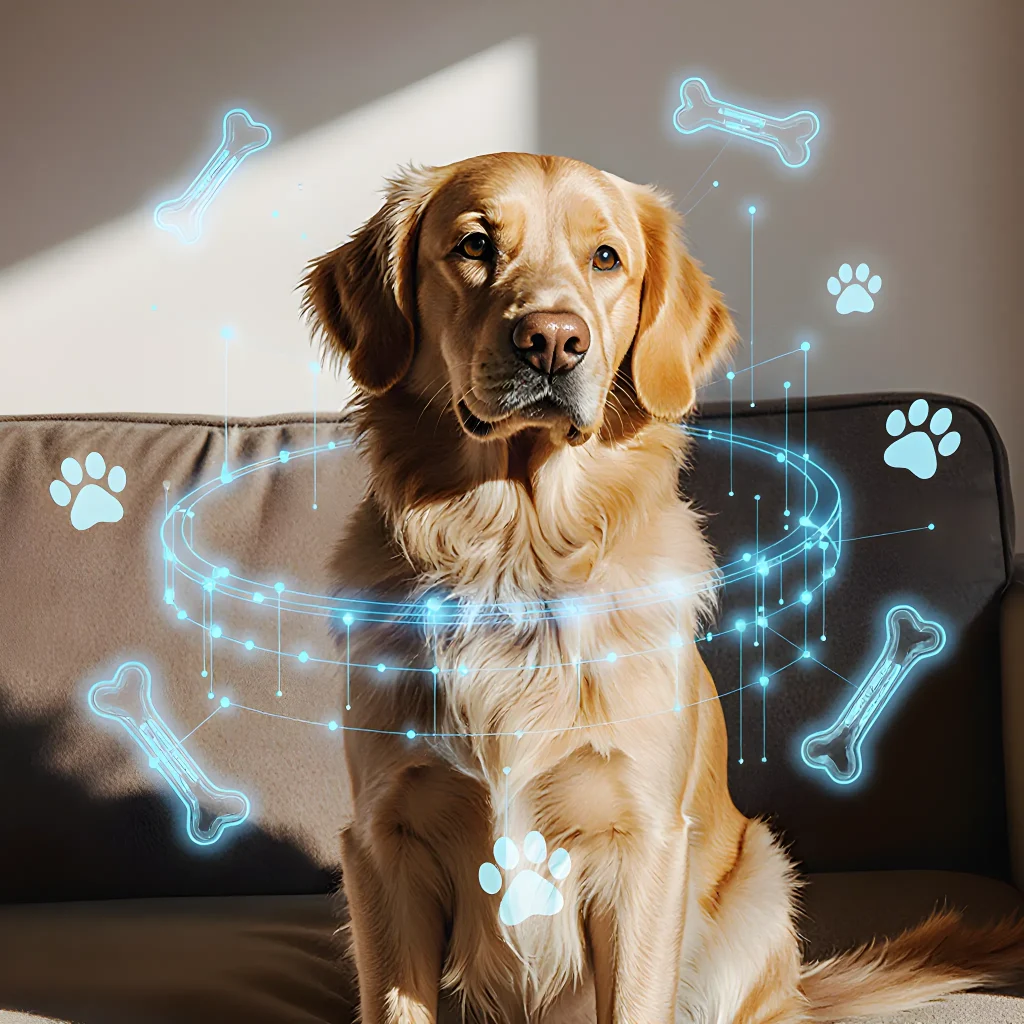
These stories illustrate how AI can adapt to each dog’s unique learning curve and behavioral signals. If you’re ready to start a personalized training journey with your furry friend, sign up today and let the technology do the heavy lifting.

Common Challenges and How to Overcome Them

Even the most advanced personalized AI training programs can run into hiccups. Below are frequent obstacles you might encounter—along with concrete, tech‑savvy solutions that keep your dog’s learning journey on track.

1. Inconsistent Data Input

  • Problem: The AI relies on real‑time data (e.g., GPS, accelerometer, microphone). If you forget to sync the collar or leave a device offline, the system may misinterpret behavior.
  • Solution:
    • Set up automatic syncing via Bluetooth Low Energy (BLE) whenever the dog’s collar is within range of your phone.
    • Use cloud‑based storage with redundancy—so data isn’t lost if a device fails.
    • Implement a “data health check” routine that flags missing or anomalous data and prompts you to re‑record sessions.

2. Overfitting the Model to One Dog’s Routine

  • Problem: The AI may become too specialized, failing when your dog’s routine changes (e.g., new walks, different stimuli).
  • Solution:
    • Incorporate a “contextual drift detection” module that monitors for shifts in environmental variables.
    • Diversify training scenarios by adding synthetic data or augmenting real recordings with variations (different lighting, background noise).
    • Periodically retrain the model on fresh data—every 2–4 weeks—to keep it adaptive.

3. Misinterpreting Human Commands

  • Problem: Voice‑activated commands can be misheard, especially in noisy homes or with accents.
  • Solution:
    • Use a speaker diarization step to isolate your voice from background chatter before command classification.
    • Offer an optional “command confirmation” feature: the AI repeats the recognized command back (e.g., “Sit?”) and waits for acknowledgment.
    • Train the model on a diverse dataset of accents and speech patterns relevant to your region.

4. Emotional State Variability

  • Problem: A dog’s emotional state (anxiety, excitement) can alter behavior in ways the AI doesn’t anticipate.
  • Solution:
    • Integrate physiological sensors (heart rate monitor, cortisol levels via a wearable patch) to gauge stress.
    • Adjust reward timing and intensity based on detected arousal—e.g., delay a treat if the dog is overly excited.
    • Use reinforcement schedules that adapt to mood: switch from continuous to partial reinforcement when high arousal is detected.

5. Hardware Limitations on Small Devices

  • Problem: Running complex AI models on a collar or small tablet can drain battery quickly and cause latency.
  • Solution:
    • Employ edge‑AI techniques: run lightweight inference models (e.g., TensorFlow Lite) locally for real‑time decisions, while offloading heavy training to the cloud.
    • Use adaptive sampling—collect data at lower rates when activity is low, ramp up during training sessions.
    • Incorporate energy‑harvesting components (solar or kinetic) to extend battery life.

6. Privacy and Data Security Concerns

  • Problem: Personal data about your dog’s location, behavior, and health is sensitive.
  • Solution:
    • Encrypt all data in transit (TLS) and at rest (AES‑256).
    • Implement role‑based access controls—only you can view raw logs; the AI service only sees anonymized features.
    • Offer a local‑first mode where all data stays on your device unless you explicitly share it.

7. Lack of Human Interaction Feedback

  • Problem: The AI may misjudge success if it can’t see human satisfaction with the training outcome.
  • Solution:
    • Use a simple “thumbs up/down” UI on your phone or smartwatch after each session to capture qualitative feedback.
    • Incorporate that feedback into reinforcement learning loops—positive feedback reinforces the chosen policy, negative triggers retraining.
    • Schedule periodic human‑in‑the‑loop reviews where you watch recorded sessions and annotate any missed cues.

By proactively addressing these challenges, your personalized AI training program will remain robust, responsive, and truly tailored to your dog’s unique learning style. The key is continuous monitoring, adaptive retraining, and an open channel for human feedback—ensuring that technology enhances, rather than hinders, the bond between you and your canine companion.

Conclusion

The future of dog training is no longer a one‑size‑fits‑all approach. With the rise of machine learning and real‑time data collection, trainers can now create programs that evolve with each individual pup’s behavior, temperament, and learning pace.

How AI Personalizes Training

  • Behavior Tracking: Wearable sensors capture heart rate, activity level, and even vocalizations. The AI analyzes this data to detect stress or excitement spikes.
  • Adaptive Cue Timing: If a dog lags on a command, the system automatically slows down the cue sequence until mastery is achieved.
  • Reward Optimization: By monitoring which treats or toys elicit the strongest positive response, AI recommends the most effective rewards for each session.

Practical Steps to Get Started

  1. Choose a Platform: Many apps now integrate with smart collars (e.g., FitBark, Whistle) and offer AI‑driven coaching. Pick one that supports data export for deeper analysis.
  2. Set Clear Goals: Define what success looks like—sit on cue, walk without pulling, or reduce anxiety in crowds. The AI uses these targets to shape the training plan.
  3. Collect Baseline Data: For at least a week, let the device record natural behavior patterns. This baseline helps the algorithm understand your dog’s normal range.
  4. Review Weekly Reports: Most platforms provide dashboards that highlight progress, suggest new exercises, and flag potential issues (e.g., plateauing or increased stress).
  5. Iterate with Human Insight: Combine AI recommendations with your own observations. If the system suggests a “leash training” module but you notice the dog is distracted by squirrels, tweak the plan accordingly.

Real‑World Example: Max’s Transformation

Max, a 2‑year‑old German Shepherd with a tendency to jump on guests, was enrolled in an AI‑driven program. The system identified that Max’s heart rate spiked when strangers approached the door. It introduced a “calm cue” sequence—pause, look at the owner, then sit—each repeated until Max's heart rate returned to baseline. Over six weeks, Max’s jumping decreased by 80%, and his owners reported feeling more confident managing visitors.

Benefits Beyond Behavior

  • Owner Engagement: Daily bite‑size lessons keep you actively involved without feeling overwhelmed.
  • Data‑Driven Peace of Mind: Seeing measurable improvements reinforces the training’s effectiveness and encourages consistency.
  • Long-Term Health: Stress‑reducing techniques not only improve behavior but also support overall well‑being.

By harnessing AI’s ability to adapt in real time, you can provide a training experience that is as unique as your dog. Start today and watch your canine companion thrive with personalized guidance that grows alongside them.

FAQ

What is a personalized AI training program?

A personalized AI training program uses machine learning algorithms to analyze your dog’s behavior, learning style, and progress in real time. The system then generates customized lesson plans, cue variations, and reward schedules that evolve as your pet improves.

How does the AI adapt to my dog’s personality?

  • Data collection: The app records video clips, audio cues, and sensor data (e.g., heart rate from a wearable collar). Each session is tagged with context such as location, time of day, and your tone.
  • Behavioral modeling: Using supervised learning, the AI identifies patterns—such as hesitation before a “sit” command or excitement spikes during playtime.
  • Dynamic adjustment: If the dog shows signs of frustration (e.g., tail tucked, ears back), the program automatically reduces difficulty and introduces gentler cues or more frequent breaks.

Can I trust an AI to handle sensitive training situations?

Yes, provided you set clear safety parameters. The platform includes:

  1. Emergency stop button: Stops all audio/visual cues instantly if the dog becomes agitated.
  2. Behavioral thresholds: You can define maximum acceptable stress levels (e.g., heart rate > 140 bpm) that trigger a pause in training.
  3. Human oversight logs: The app records every decision it makes, so you can review and adjust the algorithm if needed.

What equipment do I need?

  • Smartphone or tablet: Runs the training app and streams live video.
  • Microphone & speakers: For clear audio cues; a Bluetooth headset can improve focus for both you and your dog.
  • Wearable collar (optional): Measures heart rate, movement, and vocalizations to provide richer data.
  • High‑quality camera: A 1080p webcam or a DSLR with live‑view mode enhances the AI’s visual analysis.

How do I start a program?

  1. Create an account: Sign up on the platform and input your dog’s breed, age, weight, and any medical concerns.
  2. Baseline assessment: Record a 5‑minute video of typical daily activities (walking, playing, sleeping) to seed the AI.
  3. Select goals: Choose from “Basic obedience,” “Advanced tricks,” or “Behavior modification.” The AI will tailor the curriculum accordingly.
  4. Begin sessions: Follow on‑screen prompts for each command. After every session, review the progress chart and let the AI recommend the next step.

What if my dog doesn’t respond to AI cues?

Consider these troubleshooting steps:

  • Check audio quality: Ensure there’s no background noise and that the speaker volume is appropriate for your dog’s hearing range.
  • Adjust cue type: Some dogs respond better to hand signals or scent cues; the AI can switch modalities based on success rates.
  • Re‑evaluate reward schedule: The system may have misidentified the most motivating treat. Switch to a higher‑value reward (e.g., a small piece of chicken) and see if engagement improves.

How do I measure success?

The platform provides multiple metrics:

  • Response time: Average seconds between cue and action.
  • Accuracy rate: Percentage of correct responses over total attempts.
  • Stress index: Derived from heart‑rate variability and vocalization frequency.
  • Progress heatmap: Visual representation of improvement across different commands or environments.

Can I integrate the AI program with other training tools?

Yes. The API allows export of lesson plans, reward logs, and behavioral data to:

  • Training journals: Export CSV files for manual record‑keeping.
  • Veterinary software: Share health metrics with your vet for a holistic view.
  • Smart home devices: Trigger lights or music to reinforce cues (e.g., dimming lights when the dog sits).

What privacy measures are in place?

Your data is encrypted both at rest and in transit. The platform follows GDPR, CCPA, and local regulations. You can download or delete all personal data at any time via the account settings.

Is there a community or support network?

  • User forums: Share success stories and troubleshooting tips with other dog owners.
  • Live Q&A sessions: Monthly webinars featuring canine behaviorists and AI developers.
  • Customer support: 24/7 chat and email assistance for technical issues or training questions.

Categories

Products

  • Henbari Fish Meal Fish Meal
    Rated 0 out of 5
    Price range: ₹1,999.00 through ₹2,999.00
  • Henbari Broiler Fattening Feed FATTENING BROILER FEED
    Rated 0 out of 5
    Price range: ₹2,299.00 through ₹2,349.00
  • Henbari Country Bird Layer Feed LAYER COUNTRY FEED
    Rated 0 out of 5
    Price range: ₹1,549.00 through ₹1,649.00
  • Henbari Broiler Counter Feed COUNTER BROILER FEED
    Rated 0 out of 5
    Price range: ₹1,199.00 through ₹1,299.00
  • Henbari Pig Lactating Feed LACTATING PIG FEED
    Rated 0 out of 5
    Original price was: ₹2,299.00.Current price is: ₹1,740.00.
  • Henbari Organic Maize Maize
    Rated 0 out of 5
    Original price was: ₹1,650.00.Current price is: ₹1,300.00.
  • Henbari Pig Gestation Feed Phase 1 GESTATION PIG FEED (Phase 1)
    Rated 0 out of 5
    Original price was: ₹2,249.00.Current price is: ₹1,699.00.
  • Henbari Pre Starter Broiler Feed Pre Starter Broiler Feed
    Rated 0 out of 5
    Price range: ₹2,399.00 through ₹2,499.00
  • Henbari Pig Finisher Feed FINISHER PIG FEED
    Rated 0 out of 5
    Original price was: ₹2,299.00.Current price is: ₹1,749.00.
  • Henbari Broiler Premix Broiler Premix
    Rated 0 out of 5
    Original price was: ₹820.00.Current price is: ₹699.00.
Shopping Cart
Scroll to Top






