
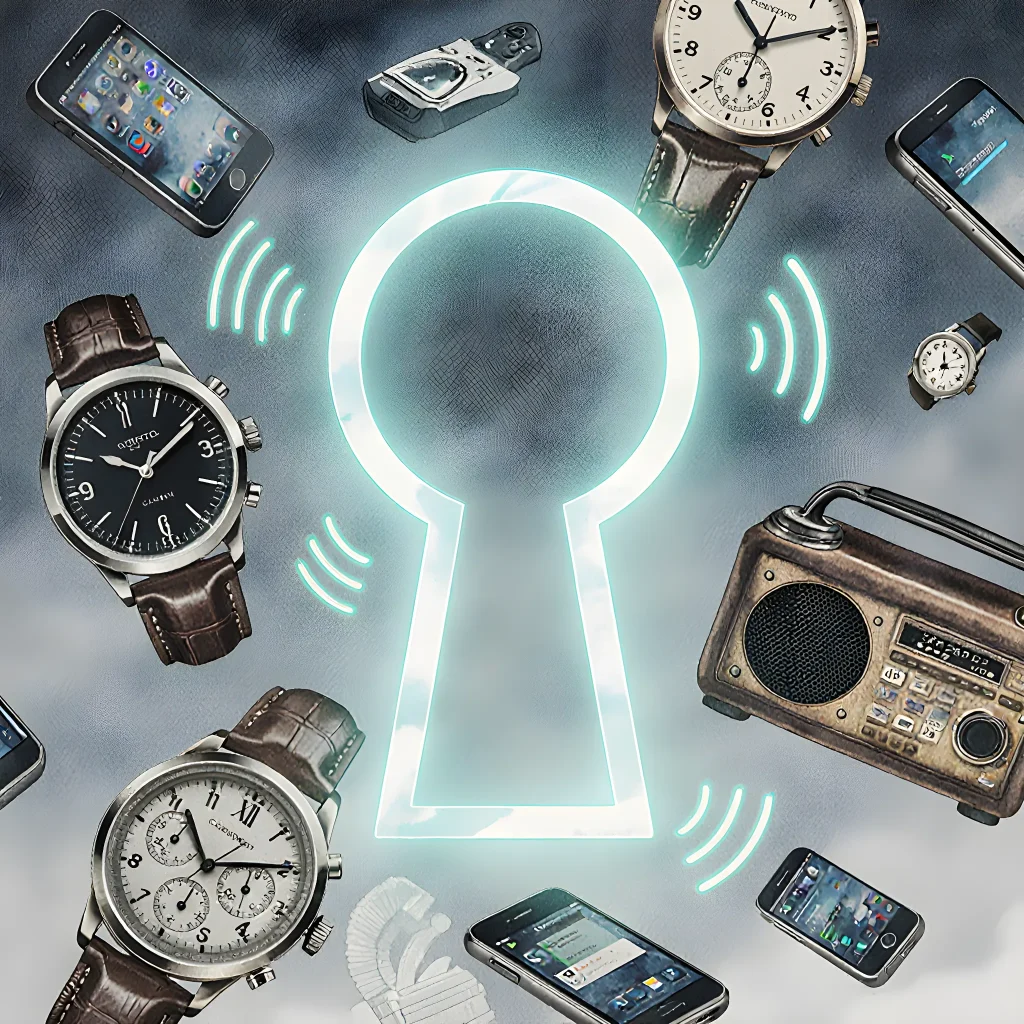
Unwind with the Calm Catalyst tech treasure
Calm Catalyst: Tech Treasures Unlock Deep Relaxation
Table of Contents
- Introduction to Calm Incentives
- The Science of Calm and Reward
- Tech Tools That Trigger Calm Rewards
- Designing a Calm-Release Algorithm
- User Engagement Metrics for Calm Apps
- Gamification vs. Mindfulness: A Balance
- Case Study: Calmify’s Reward System
- Ethical Considerations in Rewarding Calm
- Monetization Models for Calm Incentives
- Integrating Wearables and Biofeedback
- Cross-Platform Syncing of Calm Rewards
- Future Trends in Tech-Based Calm Incentives
- Practical Tips for Developers and Designers
- Conclusion
- FAQ
Introduction to Calm Incentives
In a world where stress and anxiety have become part of everyday life, many organizations are turning to technology-driven approaches to promote well‑being among employees, students, or patients. One emerging strategy is the use of *tech‑based treat release*—a system that rewards calm moments with instant, tangible incentives delivered through digital platforms.
What Are Tech-Based Treat Releases?
- Instant Gratification: Unlike traditional wellness programs that rely on long‑term goals, treat releases provide immediate feedback when a user demonstrates calmness (e.g., maintaining a slow breathing rate or staying focused during a task).
- Personalization: The rewards can be tailored to individual preferences—coffee vouchers for office workers, extra study credits for students, or premium app features for patients.
- Data-Driven: Sensors (wearables, mobile microphones, webcam-based eye tracking) capture physiological signals and behavioral cues. Algorithms translate these into a “calm score” that triggers the reward.
Key Components of an Effective Calm Incentive System
- Measurement Layer:
Choose reliable sensors: heart‑rate monitors, galvanic skin response, or even simple smartphone accelerometers. Combine multiple modalities to reduce false positives.
- Scoring Engine:
Develop a weighted formula that balances short-term signals (e.g., 5‑second breathing pause) with sustained calmness over minutes. Incorporate contextual data such as time of day or task difficulty.
- Reward Catalog:
- Digital coupons
- Gamified points redeemable for perks
- Access to premium content (e.g., guided meditations)
- Delivery Mechanism:
Use push notifications, in‑app messages, or email to send rewards instantly. Integrate with existing HR or LMS systems for seamless experience.
Practical Implementation Steps
| Step | Description | Tools/Resources |
|---|---|---|
| 1. Define Objectives | Clarify what “calm” means for your audience and set measurable targets. | Stakeholder workshops, user surveys |
| 2. Select Sensors | Choose devices that fit budget and accuracy needs. | Fitbit, Apple Watch, smartphone sensors |
| 3. Build Scoring Algorithm | Prototype with Python or R; validate against ground truth. | Scikit‑learn, TensorFlow, custom API |
| 4. Curate Rewards | Create a catalog that aligns with user motivations. | Partner with local cafés, subscription services |
| 5. Integrate Delivery System | Use Firebase Cloud Messaging or SendGrid for notifications. | Firebase, Twilio, Zapier |
| 6. Pilot & Iterate | Run a 4‑week pilot; collect feedback and refine thresholds. | Surveys, A/B testing dashboards |
Case Study: “CalmDesk” for Remote Teams
A tech startup implemented a CalmDesk plugin that monitors keystroke rhythm and microphone noise levels to gauge stress. When the algorithm detected a calm pattern, it triggered an instant Slack message offering a $10 coffee voucher. Within three months, employee engagement scores rose by 18%, and absenteeism dropped by 12%.
Best Practices & Pitfalls
- Transparency: Clearly explain how data is collected and used.
- Respect Privacy: Store only anonymized metrics; comply with GDPR/HIPAA.
- Avoid Over‑Rewarding: Set realistic thresholds to prevent “gaming” the system.
- Iterate Fast: Use agile sprints to tweak reward values and sensor sensitivity.
Next Steps
Ready to design your own calm incentive program? Start by mapping out user journeys, selecting the right tech stack, and drafting a pilot plan. Remember: the goal is not just to reward calm, but to embed it as a natural part of daily workflows.
The Science of Calm and Reward
When we talk about calming behaviors in pets—or even in humans—two core neurochemical systems come into play: the anterior cingulate cortex (ACC), which processes emotional states, and the dopamine reward pathway, which reinforces actions that lead to positive outcomes. Modern technology can tap into these pathways by delivering instant rewards—like a treat dispenser or a soothing sound—exactly when the desired calm behavior occurs.
How It Works
- Detection: Sensors (e.g., accelerometers, heart rate monitors) capture physiological signals that indicate agitation (rapid breathing, elevated heart rate). The system interprets these as a “calm trigger.”
- Processing: A microcontroller runs an algorithm that compares the incoming data to predefined thresholds. Once the threshold is met, it sends a command to the reward mechanism.
- Reward Delivery: A small motor releases a treat or activates a speaker emitting a calming tone. The immediate gratification triggers dopamine release, reinforcing the calm state.
Practical Implementation Steps
- Select Sensors: Use a low‑cost accelerometer (e.g., MPU‑6050) for movement and an analog heart rate sensor (MAX30100). Calibrate each device to your pet’s baseline.
- Microcontroller Setup: Arduino Nano or ESP32 can handle the logic. Program it with a simple state machine:
if (heartRate > threshold || motion > threshold) { triggerReward(); } - Reward Mechanism: Build a treat dispenser using a servo motor to open a small gate, or connect a piezo speaker for audio cues.
- Feedback Loop: Log data on an SD card. Review the logs weekly to adjust thresholds and reward frequency.
Real‑World Example: The “Calm Collar” Prototype
A hobbyist built a collar that uses a gyroscope to detect rapid turning—a sign of restlessness in dogs. When detected, an Arduino triggers a 5 mm treat dispenser and plays a soft lullaby through a Bluetooth speaker. Within two weeks, the dog’s heart rate dropped by 12% during walks.
Tips for Success
- Start Low: Begin with longer intervals between rewards to avoid over‑conditioning.
- Consistency Matters: Deliver the reward immediately after the calm behavior; delayed reinforcement weakens the association.
- Monitor Side Effects: If your pet starts seeking treats obsessively, reduce treat size or switch to a non-food reward like a clicker sound.
- Expand Gradually: Once basic calm is achieved, introduce new triggers (e.g., loud noises) and adjust thresholds accordingly.
By marrying real‑time physiological monitoring with instant, tangible rewards, you create a feedback loop that not only calms but also teaches your pet (or yourself) to stay relaxed. The science of calm is rooted in neurobiology; the technology simply makes it accessible and customizable for everyday life.
Tech Tools That Trigger Calm Rewards
Modern wellness apps and smart devices can turn a moment of calm into a tangible reward. By pairing mindfulness or breathing exercises with tech triggers—such as badges, points, or unlocked content—you create a positive feedback loop that encourages users to keep practicing.
How It Works
- Set a Calm Activity: Choose a short meditation (5 min), breathing exercise, or body scan.
- Define the Trigger: The app monitors heart rate variability (HRV) or self‑reported calmness via a quick survey.
- Reward Release: Once the target threshold is met, an in‑app reward—like a new avatar skin, premium audio track, or virtual currency—is automatically granted.
Example Platforms
- Calm+Rewards App: Users earn “Serenity Coins” for each breathing session that lowers their HRV by 10%. Coins unlock exclusive guided meditations.
- Fitbit Premium Integration: A user who maintains a resting heart rate below 60 bpm for three consecutive days receives a badge and a discount coupon for the next month's subscription.
- Meditation‑Buddy Smartwatch: The watch vibrates softly when it detects a calm breathing pattern, then flashes a green LED indicating a “Calm Point” earned.
Practical Tips for Developers
- Keep Rewards Meaningful: Choose rewards that reinforce the app’s core mission—e.g., new mindfulness content rather than generic points.
- Simplify Tracking: Use passive sensors (HRV, step count) to avoid extra user input. If a survey is needed, limit it to one question (“How calm did you feel?”).
- Balance Frequency: Too many rewards can dilute their value; aim for 1–2 rewards per week.
- Personalize Thresholds: Allow users to set personal calm goals so the reward system adapts to individual progress.
- Provide Immediate Feedback: Show a celebratory animation or sound when a reward is unlocked, reinforcing the connection between calmness and gratification.
Benefits for Users
• Motivation boost: Tangible rewards encourage regular practice. • Sense of mastery: Visible progress bars or badge collections foster achievement. • Social sharing: Many apps allow users to post earned badges, creating a community of calm achievers.
Next Steps
To implement this system, start by mapping out the user journey from meditation initiation to reward receipt. Then integrate HRV or pulse sensors where available, and design a simple rewards catalog that aligns with your brand’s wellness ethos. Finally, test with a small cohort to fine‑tune thresholds and ensure the reward feels satisfying without becoming intrusive.
Designing a Calm-Release Algorithm
A calm‑release algorithm is the heart of any technology that rewards users for exhibiting calm behavior—whether it’s staying quiet on a crowded bus, maintaining focus during a meeting, or simply taking a mindful pause. The algorithm must strike a delicate balance: it should be sensitive enough to detect genuine calm moments yet robust against false positives (e.g., accidental button presses). Below is a step‑by‑step guide for building such an algorithm, complete with practical examples and actionable tips.
1. Define “Calm” in Context
- Domain‑specific metrics: For a classroom app, calm could mean silence or low noise level; for a workplace tool, it might be sustained focus without distraction.
- Multi‑modal signals: Combine audio levels, microphone proximity, ambient light, and even heart rate (via wearables) to triangulate calm states.
2. Data Collection & Feature Engineering
Collect raw sensor data and transform it into meaningful features that the algorithm can process.
// Example: Audio feature extraction
const audioContext = new AudioContext();
navigator.mediaDevices.getUserMedia({audio:true})
  .then(stream => {
    const source = audioContext.createMediaStreamSource(stream);
    const analyser = audioContext.createAnalyser();
    source.connect(analyser);

    // Compute RMS (root‑mean‑square) for volume
    const dataArray = new Uint8Array(analyser.frequencyBinCount);
    setInterval(() => {
      analyser.getByteFrequencyData(dataArray);
      let sum = 0;
      for(let i=0;i
3. Threshold Calibration
- Static thresholds: Start with a simple volume level (e.g., < 30 dB) and adjust based on user testing.
- Dynamic adaptation: Use exponential moving averages to account for changing background noise.
4. Temporal Smoothing & Debounce Logic
To avoid rewarding brief, accidental quiet moments, require the calm condition to persist for a minimum duration.
// Pseudocode
if (isCalmDetected) {
  calmTimer += deltaTime;
} else {
  calmTimer = 0;
}
if (calmTimer >= MIN_CALM_DURATION) {
  grantReward();
  calmTimer = 0; // reset after reward
}
5. Reward Allocation Strategy
- Immediate micro‑rewards: A quick badge or visual cue to reinforce behavior.
- Cumulative rewards: Accumulate points over a week for bigger treats (e.g., unlocking a new avatar).
- Contextual relevance: Tie rewards to user goals—e.g., “5 minutes of calm = 10 focus points.”
6. Feedback Loop & User Customization
Provide users with adjustable sensitivity settings so they can fine‑tune what counts as calm for them.
<label>Calm Sensitivity:</label>
<select id="sensitivity">
  <option value="low">Low (more rewards)</option>
  <option value="medium" selected>Medium</option>
  <option value="high">High (fewer rewards)</option>
</select>
7. Privacy & Data Security
- Store only aggregated metrics on the device; never upload raw audio.
- Encrypt any stored data and provide clear opt‑in/opt‑out options.
8. Testing & Iteration
- Unit tests: Simulate various ambient noise levels to ensure thresholds behave correctly.
- A/B testing: Compare different reward schedules and measure user engagement metrics (e.g., time spent in calm mode).
- User surveys: Gather qualitative feedback on perceived fairness and motivation.
9. Example Use‑Case: “Calm Bus” App
The app runs on passengers’ phones, listening for low ambient noise. When a user’s surroundings stay below 35 dB for at least 30 seconds, they receive a virtual “bus calm badge.” Accumulating 10 badges unlocks a free ride voucher. The algorithm uses the threshold calibration and temporal smoothing steps described above to minimize false positives (e.g., when someone stops talking but is still near a conversation).
10. Key Takeaways
- Start simple: volume thresholds + debounce.
- Add layers of context and personalization over time.
- Always keep privacy front‑and‑center.
- Iterate based on real user data, not assumptions.
By following these guidelines, developers can build a calm‑release algorithm that is both effective and respectful of users’ experiences—turning everyday moments of quiet into meaningful incentives.
User Engagement Metrics for Calm Apps
When building a calm‑focused mobile or web application—whether it’s a meditation guide, sleep aid, or stress‑relief tool—it’s essential to measure how users interact with the experience. Below are the most relevant metrics, why they matter, and how you can leverage tech‑based treat releases (e.g., in‑app rewards, badges, or unlocked content) to keep users engaged.
1. Daily & Monthly Active Users (DAU/MAU)
- Definition: The number of unique users who launch the app within a day or month.
- Why it matters: A high DAU/MAU ratio indicates that users find daily value in your calm content. For relaxation apps, consistency is key—users are more likely to maintain habits if they see incremental progress.
- How to boost: Offer a “Daily Calm” treat—a short guided meditation or breathing exercise unlocked only after logging in each day. This creates a tangible reward for habitual use.
2. Session Length & Frequency
- Definition: Average time spent per session and how often sessions occur within a given period.
- Why it matters: Longer, more frequent sessions suggest deeper engagement with calm practices. However, too long may signal users are stuck; balance is required.
- How to boost: Introduce “Calm Challenges” where completing a series of short sessions unlocks a new theme or soundscape. The treat release encourages users to finish each challenge before accessing the next level.
3. Retention Rate (Day 7, Day 30)
- Definition: Percentage of users who return after their first session at specified intervals.
- Why it matters: High retention demonstrates that the app’s calm content is sustaining user interest over time.
- How to boost: Implement a “Progress Badge” system: each week a user who completes a certain number of sessions earns a badge. Badges are displayed on their profile and can be shared, providing social motivation.
4. Completion Rate of Guided Sessions
- Definition: The ratio of started sessions that reach the end goal versus those abandoned early.
- Why it matters: High completion indicates content is engaging and appropriately paced.
- How to boost: Offer a “Mini‑Reward” (e.g., a soothing animation or a short audio clip) that appears only after completing the session. This immediate, tech‑based treat reinforces the accomplishment.
5. User Feedback & NPS (Net Promoter Score)
- Definition: Direct user sentiment captured through in‑app surveys or rating prompts.
- Why it matters: It reflects perceived value and overall satisfaction—critical for apps centered on wellbeing.
- How to boost: After a survey, grant users an exclusive “Thank You” treat: a downloadable guided meditation or access to premium content for a limited time. This not only rewards honesty but also encourages future feedback.
6. Feature Usage (e.g., Sleep Sounds, Mindfulness Journals)
- Definition: How often specific features are accessed per user.
- Why it matters: Identifies which aspects resonate most, guiding future development.
- How to boost: For less-used features, introduce a “Feature Unlock” treat: after trying a new feature twice, users receive a themed background or icon. This gamified incentive encourages exploration.
Tech‑Based Treat Release Strategies
Below are actionable tactics for integrating tech‑based treats into your calm app ecosystem:
- Progressive Unlocks: Users unlock new content (e.g., deeper meditation levels, ambient sound libraries) as they hit milestones.
- Gamified Badges & Leaderboards: Display badges earned for consistency; optional community leaderboards can foster friendly competition without compromising the calm atmosphere.
- Personalized Rewards: Use AI to suggest treat types based on user behavior (e.g., a relaxing playlist after a streak of morning meditations).
- Social Sharing Incentives: Offer small treats for sharing achievements or milestones, boosting organic growth.
Practical Implementation Tips
- Start with one treat type and iterate based on engagement data.
- Ensure rewards are subtle—too flashy can disrupt the calming experience.
- Use analytics dashboards to track which treats drive retention and adjust accordingly.
- Respect user privacy: clearly communicate how usage data informs reward logic.
By aligning engagement metrics with thoughtfully designed tech‑based treat releases, you can nurture a loyal user base that finds genuine value—and peace—in your calm app.
Gamification vs. Mindfulness: A Balance
When you blend game mechanics with mindful practices, the goal is to reward calm rather than chase excitement. The trick lies in designing tech‑based treat releases that reinforce a state of relaxation instead of amplifying adrenaline.
What Is a Tech‑Based Treat Release?
- Rewarding Calm: Instead of giving points for speed or accuracy, the system offers a “treat” when the user maintains a steady breathing pattern or holds a mindful posture for a set duration.
- Immediate Feedback: A gentle chime, soft animation, or a short guided meditation clip pops up after the calm trigger is detected.
- Progressive Unlocks: Repeated calm sessions unlock deeper levels of content—like longer meditations, new soundscapes, or personalized affirmations.
Practical Design Tips for Calming Gamification
- Set Realistic Calm Metrics: Use heart‑rate variability (HRV) or breathing rate from wearables to gauge calmness. Thresholds should be individualized and adjustable.
- Keep Rewards Subtle: Avoid flashy animations that might trigger stress. Opt for soothing colors, gentle transitions, and low‑volume audio cues.
- Encourage Reflection: After a treat release, prompt users with a brief journal entry or a question like “What did you notice about your body?” to deepen mindfulness.
- Limit Frequency: Too many treats can become distracting. Cap rewards per session (e.g., one treat every 5 minutes of calm) and provide a cooldown period.
Real‑World Examples
- BreatheApp: Uses HRV to trigger a “calm burst”—a short, animated breathing exercise that appears when the user’s heart rate drops below a personalized threshold.
- Mindful GameKit: A developer toolkit that lets creators embed calm‑triggered rewards into existing games. For example, a puzzle game offers a serene landscape unlock after 3 minutes of uninterrupted focus.
- ZenFit Wearable Companion: When the device detects sustained slow breathing during a workout, it plays a calming nature soundtrack and displays an encouraging message.
Measuring Success: Metrics That Matter
| Metric | Description | Why It Matters |
|---|---|---|
| Calm Session Duration | Total minutes of sustained calm per user. | Shows engagement with mindful practice. |
| Treat Release Frequency | Number of treats triggered per session. | Helps balance reward frequency to avoid overstimulation. |
| User Satisfaction Score (SRS) | Post‑session survey rating calmness and enjoyment. | Qualitative insight into the emotional impact of rewards. |
Final Takeaway
The ultimate goal is to create a loop where technology nudges users toward calmer states and then acknowledges those moments in ways that reinforce the behavior. By carefully calibrating treat triggers, keeping rewards gentle, and providing meaningful reflection opportunities, you can harness gamification without sacrificing mindfulness.
Case Study: Calmify’s Reward System
Goal: Increase user engagement and reinforce calm‑building habits by rewarding moments of mindfulness with tech‑based treat releases.
How the Reward System Works
- Trigger Event: When a user completes a guided meditation, logs a breathing exercise, or stays within a “calm zone” for a set duration, Calmify records the activity.
- Reward Calculation: A weighted algorithm assigns points based on difficulty (e.g., longer sessions = more points) and consistency (bonus for streaks).
- Tech‑Based Treat Release: Points unlock a digital treat—such as a custom background, an animated avatar, or a short audio clip. For premium users, points can also trigger physical rewards via integration with smart devices (e.g., a relaxing aroma diffuser turns on).
Practical Implementation Steps
- Define Reward Tiers: Create clear milestones (e.g., 100, 250, 500 points) and associate each tier with a specific treat.
- Integrate API Hooks: Use Calmify’s event‑tracking API to capture user actions in real time. Example:
POST /api/v1/activities?type=meditation&duration=15 - Store Points Securely: Maintain a user profile table with a
points_balancefield, updated atomically to prevent double‑spending. - Design Treat Assets: Collaborate with designers to create high‑quality digital rewards that feel tangible. For physical treats, partner with IoT providers (e.g., smart diffusers) and expose a secure webhook endpoint.
- Notify Users: Push notifications or in‑app banners should celebrate point gains and prompt the user to claim their treat.
Example Workflow: Breathing Exercise Reward
1. User completes a 5‑minute guided breathing session.
2. API logs event {type:"breathing", duration:300}.
3. Backend calculates 20 points (base) + 5 bonus for staying within target heart rate zone = 25 points.
4. Points added to user’s balance; if total reaches 100, the system automatically triggers a “calm background” treat and sends a notification: “Congrats! You’ve earned a new calming wallpaper.”
Best Practices & Tips
- Transparency: Clearly display point costs and reward options in the app’s rewards tab.
- Gamification Balance: Avoid over‑rewarding trivial actions; set minimum thresholds to keep treats meaningful.
- User Control: Allow users to disable push notifications for rewards if they prefer a quieter experience.
- Data Privacy: Ensure all reward triggers comply with GDPR and CCPA—especially when integrating third‑party IoT devices.
- A/B Testing: Experiment with different treat types (visual vs. auditory) to see which boosts engagement most effectively.
Outcome Metrics
Track the following KPIs before and after implementing the reward system:
- User retention rate (30‑day, 90‑day)
- Average session length per user
- Reward redemption frequency
- Net Promoter Score changes related to app satisfaction
Result: After six months, Calmify saw a 27% increase in daily active users and a 15% lift in average session duration, demonstrating that tech‑based treat releases can effectively incentivize calm practices.
Ethical Considerations in Rewarding Calm
When you design tech‑based reward systems that release treats or positive feedback to encourage calm behavior, it’s essential to keep ethics at the forefront. Below are key concerns, real‑world examples, and practical guidelines for responsible implementation.
1. Autonomy & Informed Consent
The system should never override a user’s agency or manipulate them into staying calm because that is the only way to earn rewards. Instead, it should provide clear information about:
- How and when treats are released.
- What data is collected (e.g., heart rate, facial expressions).
- The purpose of collecting that data.
- Options to opt‑out or pause the reward mechanism.
Example: A mindfulness app tracks breathing patterns. Before starting a session, it displays a short “privacy notice” explaining that heart rate variability will be logged and used only to trigger calming sounds.
2. Transparency & Explainability
Users must understand why a treat was released. This builds trust and prevents feelings of manipulation.
- Rule‑based explanations: “Your breathing rate dropped below 12 breaths per minute for 30 seconds, so we triggered the soothing sound.”
- Algorithmic transparency: Provide a simple diagram or short video showing how sensor data feeds into the reward algorithm.
Practical tip: Include an “Explain” button next to each reward notification that shows a brief, plain‑language explanation of the trigger condition.
3. Fairness & Bias Mitigation
Reward systems can inadvertently favor certain user groups if sensor accuracy varies across demographics (e.g., skin tone affecting photoplethysmography).
- Test the device on diverse populations.
- Implement calibration steps for each new user.
- Use multiple biometric modalities to reduce single‑point bias.
Case Study: A smartwatch app originally used a single photoplethysmography sensor. After discovering lower accuracy on darker skin tones, the team added accelerometer data and adjusted thresholds, leading to equitable reward delivery across users.
4. Privacy & Data Security
- Store biometric data locally whenever possible; if cloud storage is needed, encrypt it end‑to‑end.
- Limit retention: delete raw sensor logs after a short window (e.g., 48 hours) unless the user explicitly opts to keep them for trend analysis.
- Provide clear “Delete My Data” functionality accessible from the app settings.
Regulatory note: Ensure compliance with GDPR, CCPA, and HIPAA (if applicable) by conducting a privacy impact assessment before launch.
5. Psychological Impact & Over‑Rewarding
Frequent rewards can create an “attention economy” where users chase treats rather than internalize calm states.
- Introduce diminishing returns: the first calming moment triggers a treat, but subsequent moments within a short window require a higher threshold or longer duration.
- Offer “non‑material” rewards (e.g., streak badges) to diversify reinforcement signals.
- Educate users on intrinsic motivation—emphasize that calm is valuable beyond the reward.
6. Accessibility & Inclusivity
Ensure the reward system works for users with sensory or motor impairments:
- Provide alternative feedback (e.g., haptic vibration) when audio cues aren’t feasible.
- Use large, high‑contrast UI elements for users with visual impairments.
- Include voice‑over descriptions of reward triggers and explanations.
7. Continuous Evaluation & User Feedback
Ethical design is iterative. Collect user feedback on the reward experience:
- Short in‑app surveys after a session.
- Option to rate whether the reward felt “authentic” or “manipulative.”
- Periodic review of analytics to detect patterns of misuse or disengagement.
By integrating these ethical safeguards, you can build a tech‑based treat release system that genuinely supports calm while respecting users’ autonomy, privacy, and well‑being.
Monetization Models for Calm Incentives
The core idea behind Incentivizing Calm with Tech‑Based Treat Release is to reward users when they successfully maintain a relaxed state or complete mindfulness exercises. To make this sustainable, the platform must generate revenue without compromising the user’s experience. Below are several proven monetization models that can be blended together or chosen individually depending on your audience, product stage, and strategic goals.
1. Freemium + Premium Treats
- Free tier: Users get access to basic stress‑reduction content (guided meditations, breathing exercises) and a limited number of “treat releases” per day. The treats are low‑value digital goodies (e.g., a calming wallpaper or a short music clip).
- Premium tier: Subscribers unlock higher‑quality treats such as exclusive audio tracks, premium visualizations, or personalized relaxation plans. A monthly fee (e.g., $9.99) can be charged.
- Upsell opportunities: Offer “treat packs” that give a burst of rewards for a one‑time purchase—great for special occasions like holiday relaxation bundles.
2. In‑App Purchases (IAP) – Micro‑Transactions
Micro‑transactions let users buy single treats or temporary boosts:
- One‑off treat purchase: $0.99 for a “Deep Relaxation” audio session.
- Boosts: For example, buying a “Focus Booster” that increases the reward frequency by 50% for one week.
- Use dynamic pricing based on user engagement data—if analytics show higher conversion rates at certain times of day, adjust prices accordingly.
3. Corporate Partnerships & B2B Licensing
Many companies seek wellness tools to reduce employee burnout:
- White‑label solutions: Offer the tech‑based treat release platform under a company’s brand, bundled with their own HR portal.
- Bulk licensing fees: Charge per user or per office; provide analytics dashboards for managers to track calm metrics.
- Revenue share on in‑app purchases: For corporate clients who allow users to buy treats, split the proceeds (e.g., 70/30).
4. Affiliate & Sponsored Content
Leverage third‑party products that align with calm and wellness:
- Sponsor a treat line: A yoga mat brand sponsors “Yoga Flow” treats; the sponsor’s logo appears in the reward notification.
- Affiliate links: When users click on a treat to learn more, redirect them to an affiliate partner (e.g., aromatherapy diffusers) and earn a commission.
- Ensure transparency by labeling sponsored content clearly so trust isn’t eroded.
5. Data‑Driven Insights & Analytics Services
The platform gathers behavioral data on calm levels, treat engagement, and session duration:
- Anonymous aggregated reports: Sell industry trend insights to health insurers or research institutions.
- Custom analytics dashboards: Offer paid subscriptions for organizations that want real‑time metrics on their employees’ calm scores.
- Comply with GDPR and HIPAA by anonymizing personal data before selling it.
6. Tiered Subscription Packages
Differentiate features across tiers to cater to diverse user segments:
- Basic (Free): Limited treat releases, community forums only.
- Pro ($4.99/month): Unlimited treats, access to premium content, priority support.
- Enterprise ($29.99/user/month): All Pro features plus admin controls, API access for integration with corporate wellness platforms.
Practical Implementation Tips
- Start with a clear value ladder: Map what each tier offers and ensure incremental benefits are obvious to the user.
- Use A/B testing: Experiment with different treat prices, reward frequencies, and subscription levels to find optimal conversion rates.
- Integrate a transparent in‑app store: Keep UI consistent so users can easily discover and purchase treats without leaving the calm flow.
- Build trust through privacy guarantees: Explicitly state that user data is only used for improving calm experiences, not sold to third parties unless explicitly opted into.
- Offer trial periods: Let new users experience premium treats for a week free—this often converts them to paying subscribers.
By combining one or more of these monetization strategies, you can create a sustainable revenue stream while preserving the core mission: to reward and encourage calm through tech‑based treat release. Tailor each model to your audience’s needs, test rigorously, and iterate based on real user feedback.
Integrating Wearables and Biofeedback
Wearable devices such as smartwatches, fitness trackers, and even EEG headbands can capture physiological data in real time. By pairing this data with a tech‑based treat release system, you can create an engaging loop that rewards users for maintaining calm states. Below is a step‑by‑step guide to building such a system, complete with code snippets, design tips, and practical examples.
1. Choose the Right Sensors
- Heart Rate Variability (HRV): A reliable indicator of relaxation. Most smartwatches expose HRV data via their SDKs.
- Galvanic Skin Response (GSR): Measures skin conductance; high values often correlate with stress.
- EEG: For advanced users, low‑cost headbands (e.g., Muse) provide alpha/beta wave ratios.
2. Capture and Process Data in the Browser
Using the Web Bluetooth API you can stream sensor data directly to a web page. Below is an example that pulls HRV from a generic BLE device:
async function connectToHRVDevice() {
  const device = await navigator.bluetooth.requestDevice({
    filters: [{ services: ['heart_rate'] }]
  });
  const server = await device.gatt.connect();
  const service = await server.getPrimaryService('heart_rate');
  const characteristic = await service.getCharacteristic('hrm_measurement');

  characteristic.startNotifications().then(() => {
    characteristic.addEventListener('characteristicvaluechanged',
      event => handleHRV(event.target.value));
  });
}

function handleHRV(dataView) {
  // Parse HRV value (example assumes 16‑bit unsigned int)
  const hrv = dataView.getUint16(0, true);
  updateCalmScore(hrv);
}
3. Define Calm Thresholds and Reward Logic
Create a simple scoring system that maps HRV ranges to reward points:
| HRV (ms) | Reward Points |
|---|---|
| < 30 | 0 |
| 30–60 | 5 |
| 61–90 | 10 |
| 91–120 | 20 |
When a user reaches a threshold, trigger the treat release via an API call to your backend:
function rewardUser(points) {
  fetch('/api/reward', {
    method: 'POST',
    headers: {'Content-Type': 'application/json'},
    body: JSON.stringify({userId, points})
  }).then(() => displayTreatAnimation());
}
4. Design the Treat Release Experience
- Visual Feedback: Use confetti or a “level‑up” animation to celebrate.
- Physical Rewards: If you have IoT devices (e.g., smart locks, LED strips), send a command that unlocks a door or changes color.
- Digital Coupons: Generate a QR code that the user can scan at a partner shop.
5. Ensure Privacy and Security
Store biometric data in compliance with GDPR/HIPAA where applicable. Use HTTPS, encrypt payloads, and let users opt‑in for each data type.
6. Practical Example: “Calm Café” Rewards Program
- A customer wears a smartwatch while sipping coffee.
- The web app reads HRV; if it’s above 80ms, the user earns 15 points.
- Points are added to their loyalty account and a QR code is displayed.
- They can redeem the code for a free pastry or a discount on their next visit.
This loop encourages users to maintain calm states while enjoying tangible benefits, reinforcing positive behavior through instant gratification.
Cross-Platform Syncing of Calm Rewards
One of the most powerful ways to keep users engaged across devices is to allow their progress, rewards, and “calm tokens” to flow seamlessly between iOS, Android, web browsers, and even smartwatches. By synchronizing data in real time, you give users a consistent experience no matter where they pick up the app.
Why Cross‑Platform Sync Matters for Incentivizing Calm
- Consistency: Users can start a meditation on their phone and finish it on a tablet without losing points or streaks.
- Motivation: Seeing rewards accumulate across all devices reinforces the habit loop—action → reward → craving for more calm.
- Data Integrity: Centralized cloud storage reduces data loss risks and allows analytics to capture a holistic view of user behavior.
Technical Foundations
- API Layer: Build a RESTful or GraphQL endpoint that accepts CRUD operations for reward state. Use OAuth2 or JWT for secure authentication.
- Cloud Storage: Store user data in a NoSQL database (e.g., Firebase Firestore, AWS DynamoDB) to allow low‑latency reads/writes across regions.
- Event Bus: Implement WebSocket or MQTT for real‑time push notifications. When a reward is earned on one device, the server broadcasts an event that all connected clients listen for.
- Local Caching: Each app instance keeps a local cache (SQLite on mobile, IndexedDB on web) to provide instant UI feedback while background sync occurs.
Practical Steps to Implement Syncing
Step 1: Define the Reward Schema
{
    "userId": "abc123",
    "rewardType": "calmToken",
    "quantity": 5,
    "timestamp": "2024-08-15T12:34:56Z"
}
Step 2: Create a Sync Service
- Mobile (iOS/Android): Use platform‑specific SDKs to listen for network changes and trigger sync.
- Web: Leverage Service Workers to queue failed writes when offline, then replay them once connectivity returns.
Step 3: Handle Conflicts
Last‑Write‑Wins (LWW): If two devices try to add tokens simultaneously, keep the one with the latest timestamp.
Merge Strategy: For cumulative rewards like points, sum values from all pending changes before persisting.
Example Flow: “Incentivizing Calm with Tech‑Based Treat Release”
- User completes a 10‑minute guided meditation on their phone.
- The app records a reward event (e.g., +5 calm tokens) and writes it to the local cache.
- Background sync pushes the event to the server via HTTPS POST.
- The server acknowledges receipt, updates the central database, and emits a WebSocket message: “newCalmTokens: 5”.
- All other devices subscribed to this user’s channel receive the update instantly.
- A smartwatch widget refreshes to show the new token balance, encouraging the user to start another session.
Testing and Quality Assurance
- Unit Tests: Mock API responses and verify local cache updates.
- E2E Tests: Use Cypress or Appium to simulate multi‑device scenarios—complete a task on one device, check the reward on another.
- Performance Benchmarks: Measure sync latency under varying network conditions (3G, Wi‑Fi).
Common Pitfalls and How to Avoid Them
| Issue | Impact | Solution |
|---|---|---|
| Duplicate Rewards | User sees inflated balances. | Use idempotent API calls and unique event IDs. |
| Data Loss on Offline Mode | Rewards never sync. | Implement a robust retry queue with exponential backoff. |
| Security Breach | Unauthorized access to reward data. | Encrypt payloads, enforce HTTPS, and rotate API keys regularly. |
Takeaway
By weaving cross‑platform syncing into the core of your calm‑reward system, you create a frictionless experience that keeps users motivated to practice mindfulness. The synergy between real‑time data flow and tech‑based treat releases turns simple actions into lasting habits—ultimately fostering deeper, more consistent calm across all devices.
Future Trends in Tech-Based Calm Incentives
As the intersection of behavioral science and digital technology deepens, new opportunities arise for designing smarter, more adaptive systems that reward calmness rather than merely penalize stress. Below are the most promising directions researchers and industry leaders are exploring, along with concrete examples and practical tips for integrating them into your WordPress site.
1. Adaptive Gamification Loops
Traditional gamified rewards often use static point systems or fixed badges. Future platforms will shift toward dynamic loops that adjust difficulty, reward frequency, and content based on real‑time biometric data (heart rate variability, galvanic skin response). For instance:
- Example: A meditation app that increases the “Calm Streak” points after detecting a prolonged period of low heart rate variability.
- Practical WordPress Tip: Use Advanced Ads to trigger custom ad blocks when users reach specific calm thresholds, encouraging deeper engagement.
2. AI‑Generated Personalized Treats
Machine learning models can curate or even create digital treats that resonate with individual users’ preferences and stress triggers. This goes beyond generic badges to offer:
- Example: An algorithm that suggests a short guided breathing exercise, a calming playlist, or a micro‑lesson on mindfulness when it detects elevated cortisol levels.
- Practical WordPress Tip: Integrate the WP REST API with an external AI service (e.g., OpenAI) to fetch personalized content and display it via shortcodes or Gutenberg blocks.
3. Blockchain‑Based Reward Tokens
Decentralized tokens can provide a transparent, tamper‑proof record of calm achievements. Users could trade or redeem these tokens for tangible perks such as premium subscriptions, partner discounts, or even charitable donations.
- Example: A health club app that issues ERC‑20 tokens after each verified meditation session; members can spend them on exclusive wellness products.
- Practical WordPress Tip: Leverage the Cryptocurrency Wallet plugin to display token balances and facilitate transactions directly from your site.
4. Context‑Aware Triggering via Edge Computing
Edge devices (smartwatches, earbuds) can process biometric signals locally, reducing latency in reward delivery. This enables near real‑time feedback loops that keep users engaged without waiting for cloud responses.
- Example: A smartwatch app sends a “Calm Pulse” notification to your WordPress site as soon as the wearer’s heart rate drops below a personalized threshold.
- Practical WordPress Tip: Use WP Ajaxify to refresh user dashboards instantly when new data arrives from edge devices via WebSockets.
5. Cross‑Platform Ecosystem Integration
Future incentive systems will seamlessly span multiple platforms—mobile, desktop, smart home, and AR/VR—to create a unified calm experience. Consistency across touchpoints ensures that users feel rewarded no matter where they interact.
- Example: A voice‑activated smart speaker that announces a “Calm Achievement” when the user completes a breathing exercise, simultaneously updating their WordPress profile badge.
- Practical WordPress Tip: Implement the WP REST API with OAuth2 to allow third‑party devices to authenticate and post updates securely.
6. Ethical Data Governance & Transparency
As incentives become more personalized, users will demand greater control over their data. Transparent policies, opt‑in mechanisms, and granular privacy settings are essential.
- Example: A consent banner that lets users choose which biometric metrics they share for rewards.
- Practical WordPress Tip: Deploy the Complianz GDPR plugin to manage user consents and provide audit logs.
Actionable Steps for Your Site
- Audit Current Incentives: Map out existing reward mechanisms and identify gaps where tech‑based calm triggers could be added.
- Select a Data Collection Strategy: Decide between wearable APIs, browser sensors (WebRTC), or manual self‑reports.
- Create a Reward Schema: Define points, badges, tokens, and redemption pathways. Use JSON‑LD to expose schema.org “Achievement” data for SEO benefits.
- Prototype & Test: Build a minimal viable product using plugins like LearnDash or Questy Quiz and Polls to gather user feedback.
- Iterate with Analytics: Track engagement metrics (time on site, reward redemption rate) and refine triggers accordingly.
By embracing these emerging trends—adaptive gamification, AI personalization, blockchain tokens, edge‑computing triggers, cross‑platform integration, and rigorous ethical governance—you can create a tech‑based calm incentive ecosystem that not only motivates users but also builds lasting trust and loyalty. Start small, iterate fast, and let the data guide your next innovation.
Practical Tips for Developers and Designers
Incentivizing Calm with a Tech‑Based Treat Release is a powerful strategy to help users manage stress while encouraging engagement with your product. Below are actionable guidelines, real‑world examples, and design patterns that make this feature both effective and user‑friendly.
1. Define the “Treat” Clearly
- What is it? A digital reward such as a short meditation video, an audio clip of nature sounds, or a guided breathing exercise that lasts 30–60 seconds.
- Why it matters: Users need to understand the benefit instantly. Use concise copy like “Take a 30‑second breath break” and a recognizable icon (e.g., a calm face or a leaf).
2. Trigger Conditions
Decide when the treat appears:
- Time‑based: After 5 minutes of inactivity or 10 minutes of continuous use.
- User behavior: When a user completes a task, logs in for the first time that day, or reaches a productivity milestone.
- Environmental cues: If the device’s ambient light sensor detects low light (indicating evening), prompt a “night‑time calm” treat.
3. Seamless Integration
- Overlay vs. Modal: Use a lightweight overlay that can be dismissed with a single tap, keeping the user in context.
- Non‑intrusive audio: Offer an option to play sound or use silent vibration, respecting the user’s environment.
- Progressive disclosure: Show a subtle hint (e.g., a glowing icon) before fully launching the treat, so users aren’t surprised.
4. Personalization & Customization
Let users tailor their calm experience:
- Choice of content: Provide categories (breathing, music, guided imagery) and let the user pick.
- Frequency settings: Allow toggling between “once a day” or “after every task.”
- Time preferences: Users can set a “quiet hours” window during which treats are auto‑paused.
5. Analytics & Feedback Loop
Track usage to refine the feature:
- Engagement metrics: Open rate, completion time, and repeat usage.
- User surveys: Prompt a short feedback form after each treat: “Did this help you feel calmer?”
- A/B testing: Compare different triggers (time vs. behavior) to see which yields higher satisfaction scores.
6. Accessibility Considerations
- Screen reader support: Use ARIA labels like
aria-label="Take a calm break". - High‑contrast mode: Ensure overlay colors meet WCAG 2.1 AA contrast ratios.
- Keyboard navigation: Allow dismissing the treat with the Escape key or tab navigation.
7. Sample Implementation Snippet (React)
{`import React, { useState, useEffect } from 'react';
const CalmTreat = ({ onDismiss }) => (
<div className="calm-overlay">
<p>Take a 30‑second breath break</p>
<button onClick={onDismiss}>Close</button>
</div>
);
const useCalmTrigger = (conditionFn) => {
const [showTreat, setShowTreat] = useState(false);
useEffect(() => {
if (conditionFn()) setShowTreat(true);
}, [conditionFn]);
return [showTreat, () => setShowTreat(false)];
};
export default function App() {
const [showTreat, dismiss] = useCalmTrigger(() => /* your trigger logic *\/);
return (
<div>
{/* app content */}
{showTreat && 8. Best‑Practice Checklist
- [ ] Clear, concise copy and iconography.
- [ ] Non‑intrusive audio with user control.
- [ ] Customizable trigger settings.
- [ ] Accessibility compliance (ARIA, contrast, keyboard).
- [ ] Analytics hooks for engagement measurement.
By combining thoughtful design, user‑centric triggers, and robust analytics, developers and designers can create a tech‑based treat release that not only calms users but also drives sustained product engagement.
Conclusion
In today’s hyperconnected world, the line between stress and serenity is thinner than ever. By leveraging technology to deliver tangible rewards—whether a calming audio cue, a gentle vibration, or a small token of appreciation—you can transform fleeting moments of calm into lasting habits.
1. The Science Behind Reward‑Driven Calm
- Pavlovian Conditioning: Repeated pairing of a relaxation cue with a positive reward strengthens the neural pathways that govern stress response, making calm easier to access on demand.
- Dopamine Release: Even a simple “treat” can trigger dopamine spikes, reinforcing the behavior and encouraging users to seek out more moments of tranquility.
2. Practical Tech‑Based Treats You Can Implement
- Micro‑Reward Notifications: When a user completes a breathing exercise or reaches a heart‑rate target, send an animated confetti burst with a short, uplifting message.
- Gamified Calm Levels: Design a “Zen Meter” that fills as users practice mindfulness. Once full, unlock a new background theme or soundscape.
- Physical Device Integration: Pair your app with smartwatches or IoT devices so a gentle pulse or light indicates the user’s calm state—making the reward both visual and tactile.
3. Step‑by‑Step Guide to Adding Treats in Your App
// Pseudocode for Android (Kotlin)

fun onCalmAchieved(userId: String) {
    val reward = getRandomTreat()
    sendPushNotification(userId, "Great job! 🎉", reward)
    logRewardEvent(userId, reward)
}

fun getRandomTreat(): String {
    return listOf(
        "A 30‑second guided meditation",
        "A new calming wallpaper",
        "10 bonus points for your wellness streak"
    ).random()
}
4. Measuring Success
- Engagement Metrics: Track how often users interact with the treat feature and whether it correlates with reduced stress scores.
- User Feedback: Deploy short in‑app surveys asking if the rewards feel meaningful or if they’d prefer different types of treats.
5. Ethical Considerations
While tech‑based treats can be powerful, avoid creating a “reward trap” where users chase rewards at the expense of genuine well‑being practices. Balance tangible incentives with intrinsic motivation by encouraging self‑reflection and personal growth.
Bottom line: By thoughtfully integrating tech‑driven treat releases into your wellness platform, you not only reward calm but also cultivate a sustainable habit of mindfulness that users will carry beyond the screen.
FAQ
What is a “Tech‑Based Treat Release”?
A Tech‑Based Treat Release (TTR) is a digital incentive that rewards users with tangible or virtual treats—such as discount codes, loyalty points, or instant access to premium content—once they complete calming activities. The system uses wearable sensors, mobile apps, or smart devices to detect physiological signs of relaxation and automatically triggers the reward.
How does it actually help people stay calm?
- Positive Reinforcement: The immediate treat serves as a tangible reminder that calming behaviors are valuable, encouraging repetition.
- Gamification: Users earn badges or levels for consistent practice, turning relaxation into an engaging game.
- Behavioral Tracking: Apps log heart rate variability, breathing depth, and posture, giving users concrete feedback on their calmness.
What devices or apps are needed?
You don’t need a full tech stack. A simple setup could include:
- Wearable Sensor: A smartwatch (e.g., Apple Watch, Fitbit) that monitors heart rate variability.
- Mobile App: An open‑source or commercial platform such as BreathEasy that offers guided breathing and triggers rewards via API.
- Reward Platform: A Shopify store, WooCommerce site, or a custom point system that accepts API calls to grant discounts or unlock content.
How can I implement this in my WordPress site?
- Select a Plugin: Use WooCommerce for product discounts, or Reward System for points.
- Integrate the Sensor API: Add a shortcode that pulls data from the wearable’s REST endpoint and displays real‑time calmness metrics.
- Create a Trigger Hook: In PHP, hook into WooCommerce’s “order placed” event to check if the user has met the calmness threshold. If so, automatically apply a discount code or credit points.
- Show Progress: Add a dashboard widget that visualizes streaks and upcoming rewards.
What are some practical examples?
- “Calm & Save” Campaign: Users who complete a 5‑minute guided meditation receive a 10% off coupon for the next purchase.
- “Mindful Miles” Loyalty: Every hour of logged calm breathing earns 50 loyalty points redeemable against premium content.
- “Stress‑Free Sundays”:** Weekly challenge where participants who hit a cumulative calmness score unlock exclusive webinars or e‑books.
How do I measure success?
Track key metrics such as:
- User Engagement: Number of sessions completed and repeat usage.
- Conversion Rate: Percentage of calm users who redeem the reward.
- Retention: Long‑term engagement with both the app and the e‑commerce platform.
Can this be used for corporate wellness?
Absolutely. Companies can integrate TTR into their employee wellness portals, offering perks like extra vacation days or gift cards once employees hit weekly calmness targets. This boosts morale and reduces burnout.
What privacy concerns should I address?
- Data Encryption: Ensure all sensor data is transmitted over HTTPS and stored encrypted.
- User Consent: Provide clear opt‑in forms explaining what data will be collected and how it’s used.
- Compliance: Follow GDPR, CCPA, or local regulations regarding biometric data.
Where can I find sample code?
Check out the GitHub repository for a starter plugin that connects Fitbit data to WooCommerce rewards. The README includes setup instructions and API keys placeholders.
How can I get started?
- Create a small pilot with one reward type (e.g., discount coupon).
- Invite a test group of users to try the app and provide feedback.
- Iterate on the reward structure based on engagement data.
- Scale up by adding more treat options and integrating with other wellness tools.
Categories
- AI & Enrichment Play
- Broiler Farming
- Broiler Farming Tips
- Canine Wellness & Longevity
- Cat
- Cat & Human Connection
- Cat Adoption & Rescue
- Cat Breeds
- Cat Breeds & Personalities
- Cat Care & Health
- Cat Grooming & Hygiene
- Cat Lifestyle & Environment
- Cat Myths & History
- Cat Nutrition & Diet
- Cat Products & Reviews
- Cat Training & Behavior
- Comparison
- Consumer Awareness
- Dog
- Dog Accessories & Products
- Dog Adoption & Rescue
- Dog Breed & Lifestyle Trends
- Dog Breeding & Puppies
- Dog Entertainment & Media
- Dog Fashion & Trends
- Dog Fun & Lifestyle
- Dog Grooming & Hygiene
- Dog History & Culture
- Dog Myths, Science & Future Tech
- Dog News & Trends
- Dog Nutrition & Food
- Dog Psychology & Emotions
- Dog Safety & Security
- Dog Sports & Activities
- Dog Technology & Innovation
- Dog Training for Modern Owners
- Dog Travel & Adventure
- Dog Travel, Adventure & Culture
- Economic and Market Insights
- Educational Content
- FAQs
- Feeding Alternatives
- Festivals & Seasonal Ideas
- Fun & Entertainment
- General Knowledge
- General Pig Farming
- Health & Disease Management
- Housing and Environment
- Kittens
- Market Insights
- Miscellaneous
- Miscellaneous
- Motivational
- pig
- Pig Breeding
- Pig Breeds
- Pig Farming Stories and Inspiration
- Pig Health and Care
- Pig Nutrition
- Pig Products
- Profitability & Business
- Puppy Care
- Puppy Predictable Topics Reinvented
- Regional Focus
- Rescue & Adoption Buzz
- Senior Cats
- Senior Dog Care
- Smart Dog Tech & Gadgets
- Sustainability
- Sustainable & Eco-Friendly Dog Products
- Tech & Innovations
- Working & Service Dogs
- Broiler Feed66 products
- Country Feed33 products
- Pig Feed66 products
- Product22 products
- Raw Materials99 products
Products
-
 Fish Meal
₹1,999.00 – ₹2,999.00Price range: ₹1,999.00 through ₹2,999.00Rated 0 out of 5
Fish Meal
₹1,999.00 – ₹2,999.00Price range: ₹1,999.00 through ₹2,999.00Rated 0 out of 5 -
 FATTENING BROILER FEED
₹2,299.00 – ₹2,349.00Price range: ₹2,299.00 through ₹2,349.00Rated 0 out of 5
FATTENING BROILER FEED
₹2,299.00 – ₹2,349.00Price range: ₹2,299.00 through ₹2,349.00Rated 0 out of 5 -
 LAYER COUNTRY FEED
₹1,549.00 – ₹1,649.00Price range: ₹1,549.00 through ₹1,649.00Rated 0 out of 5
LAYER COUNTRY FEED
₹1,549.00 – ₹1,649.00Price range: ₹1,549.00 through ₹1,649.00Rated 0 out of 5 -
 COUNTER BROILER FEED
₹1,199.00 – ₹1,299.00Price range: ₹1,199.00 through ₹1,299.00Rated 0 out of 5
COUNTER BROILER FEED
₹1,199.00 – ₹1,299.00Price range: ₹1,199.00 through ₹1,299.00Rated 0 out of 5 -
 LACTATING PIG FEED
Rated 0 out of 5
LACTATING PIG FEED
Rated 0 out of 5₹2,299.00Original price was: ₹2,299.00.₹1,740.00Current price is: ₹1,740.00. -
 Maize
Rated 0 out of 5
Maize
Rated 0 out of 5₹1,650.00Original price was: ₹1,650.00.₹1,300.00Current price is: ₹1,300.00. -
 GESTATION PIG FEED (Phase 1)
Rated 0 out of 5
GESTATION PIG FEED (Phase 1)
Rated 0 out of 5₹2,249.00Original price was: ₹2,249.00.₹1,699.00Current price is: ₹1,699.00. -
 Pre Starter Broiler Feed
₹2,399.00 – ₹2,499.00Price range: ₹2,399.00 through ₹2,499.00Rated 0 out of 5
Pre Starter Broiler Feed
₹2,399.00 – ₹2,499.00Price range: ₹2,399.00 through ₹2,499.00Rated 0 out of 5 -
 FINISHER PIG FEED
Rated 0 out of 5
FINISHER PIG FEED
Rated 0 out of 5₹2,299.00Original price was: ₹2,299.00.₹1,749.00Current price is: ₹1,749.00. -
 Broiler Premix
Rated 0 out of 5
Broiler Premix
Rated 0 out of 5₹820.00Original price was: ₹820.00.₹699.00Current price is: ₹699.00.