
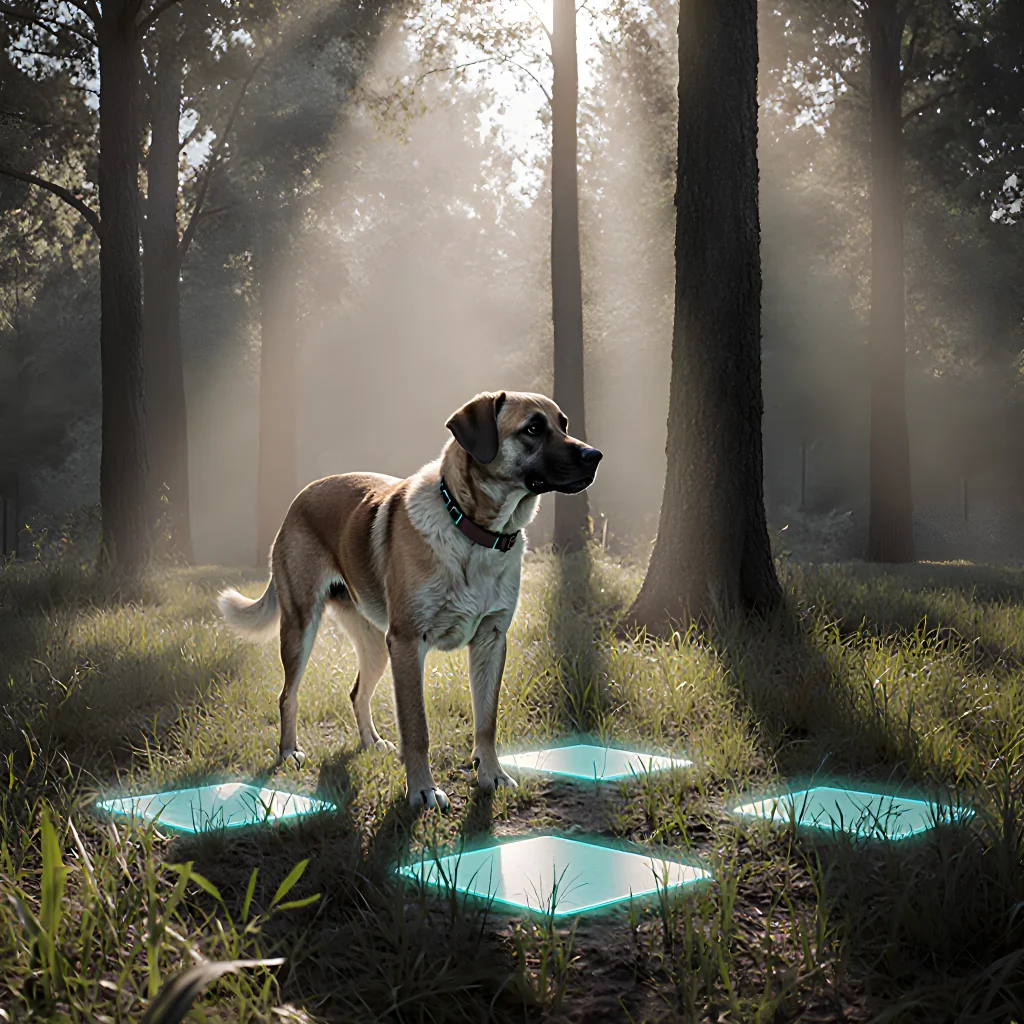
Elevate Your Dog’s Skills with Gentle Tech
Gentle Growth: Subtle Tech Boosting Veteran Canine Mastery
Table of Contents
- Introduction
- Understanding the Aging Dog’s Body
- Assessing Your Dog’s Health Before Training
- Choosing Gentle Tech Tools for Older Dogs
- Positive Reinforcement Techniques
- Short, Frequent Training Sessions
- Low-Impact Exercise and Mobility Workouts
- Using Smart Collars for Gentle Guidance
- Apps and Wearables to Track Progress
- Adapting Training Goals Over Time
- Nutrition and Supplements for Active Aging Dogs
- Managing Pain and Joint Issues During Training
- Behavioral Adjustments: Patience, Consistency, Compassion
- Conclusion
- FAQ
Introduction
Training Aging Dogs with Gentle Tech Tools
As dogs age, their physical and cognitive abilities change. Traditional training methods that rely on speed, high intensity, or sharp commands can become stressful or even painful for senior pets. Fortunately, a growing array of gentle technology tools—smart collars, motion‑sensing devices, and interactive apps—offers owners new ways to keep aging dogs engaged, healthy, and well‑trained without overexertion.
- Reduced Physical Strain: Devices like weighted harnesses or padded collars help distribute pressure evenly, preventing joint discomfort.
- Cognitive Stimulation: Smart treat dispensers and puzzle toys with adjustable difficulty keep the brain active, slowing age‑related decline.
- Objective Progress Tracking: GPS trackers and activity monitors provide real data on steps, heart rate, and sleep patterns—critical for spotting early signs of illness.
1. Smart Collars with Adjustable Sensitivity
These collars emit gentle vibrations or low‑volume tones instead of harsh shocks. Owners can set sensitivity thresholds so that only the slightest cue triggers feedback—ideal for dogs who are easily startled.
- Calibrate: Start with the lowest setting and observe your dog’s reaction.
- Pair with Positive Reinforcement: Immediately reward with a treat or affection when the collar signals a correct behavior.
- Monitor Battery Life: Most collars last 24–48 hours; replace batteries promptly to avoid missed cues.
2. Motion‑Sensing Activity Trackers
Wearable trackers record daily movement, heart rate variability, and even sleep quality. By comparing week‑over‑week data, you can identify subtle changes that might indicate arthritis flare-ups or early cognitive issues.
- Set a baseline activity level during the first week.
- Use the app’s alert feature to notify you if steps drop by more than 20%.
- Share data with your veterinarian during check‑ups for a comprehensive health picture.
3. Interactive Treat Dispensers (e.g., Auto-Feeder, Puzzle Feeders)
These devices encourage problem‑solving at a pace the dog can manage. They also help regulate portion sizes and prevent overeating—an important consideration for aging dogs prone to obesity.
Example: A puzzle feeder with adjustable compartments allows you to increase difficulty as your dog’s dexterity improves.
4. Voice‑Activated Training Apps
Apps like PawsPlay and BarkSmart provide guided training sessions tailored for senior dogs, emphasizing short bursts of activity and mental cues over physical exertion.
- Choose modules that focus on obedience review rather than agility.
- Use the built‑in timer to keep sessions under 10 minutes.
- Record progress via screenshots or app logs for reference during vet visits.
- Start Slow: Introduce one device at a time to avoid overwhelming your dog.
- Observe Body Language: Signs of discomfort—ear flattening, tail tucked—signal you should reduce intensity or remove the device.
- Keep Training Positive: Pair tech cues with treats, praise, and gentle petting to build trust.
- Regular Maintenance: Clean collars, replace batteries, and update app software to ensure safety and effectiveness.
Bella struggled with traditional clicker training due to arthritis. By switching to a vibration collar and a motion sensor tracker, her owner noticed a 30% increase in daily steps over three months. The tracker also flagged an early drop in heart rate variability, prompting a vet visit that caught a mild infection before it worsened.
Gentle tech tools empower owners to maintain and even improve their aging dogs’ quality of life. By combining low‑impact physical cues with data‑driven insights, you can create a training environment that respects your pet’s evolving needs while keeping them mentally sharp and physically comfortable.
Understanding the Aging Dog’s Body
As your canine companion grows older, their physiology shifts in ways that can dramatically affect how they learn and respond to training. A deep appreciation of these changes allows you to tailor your approach, ensuring both safety and effectiveness.
1. Musculoskeletal Changes
- Reduced joint flexibility: Osteoarthritis is common in dogs over 8–10 years. Tight joints can make rapid pivots or sudden stops uncomfortable.
- Decreased muscle mass (sarcopenia): Older dogs often lose lean tissue, reducing their ability to execute high‑energy commands like “jump” or “run.”
2. Neurological Considerations
- Cognitive decline: Similar to mild dementia in humans, aging can lead to confusion and slower reaction times.
- Reduced sensory acuity: Vision and hearing may deteriorate, making auditory cues less reliable.
3. Cardiovascular & Respiratory Impact
- Heart rate variability decreases; strenuous activity can cause tachycardia or arrhythmias.
- Breathing becomes shallow, especially during exertion, increasing the risk of heat stress.
4. Practical Training Adjustments
To accommodate these changes, incorporate gentle tech tools that provide real‑time feedback and reduce physical strain:
| Tool | How It Helps | Practical Example |
|---|---|---|
| Smart Collars with GPS & Heart‑Rate Monitoring | Track activity levels and detect abnormal heart rates during training. | Use the collar’s app to set a maximum daily step count; if the dog exceeds it, the collar vibrates gently to encourage rest. |
| Wireless Clickers with Visual Feedback | Provide an additional cue for dogs with hearing loss. | Attach a small LED light to the clicker; when you click, the dog sees the flash, reinforcing the association. |
| Low‑Impact Exercise Platforms (e.g., padded treadmills) | Allow controlled movement without joint stress. | Set a slow speed and use a treat lure to guide the dog, gradually increasing duration as tolerance improves. |
| Cognitive Enrichment Apps for Dogs | Stimulate brain function through interactive games. | Use an app that presents simple puzzles on a tablet; reward the dog with treats when they solve them, strengthening problem‑solving skills. |
5. Sample Training Routine Using Gentle Tech Tools
- Warm‑up (5 min): Walk the dog at a comfortable pace while wearing the GPS collar; monitor heart rate.
- Basic Obedience (10 min): Use the visual clicker for “sit” and “stay.” Reward with treats and gentle praise.
- Low‑Impact Agility (8 min): Set up a short course on the padded treadmill; use the collar’s vibration cue to signal when to stop or turn.
- Cognitive Game (5 min): Engage with a tablet app that requires the dog to touch icons in sequence.
- Cool‑down (5 min): Slow walk, monitor heart rate; use the collar’s data to ensure it returns to baseline.
6. Key Takeaways
- Always consult your veterinarian before starting a new training program for an aging dog.
- Choose tools that reduce physical demand and compensate for sensory or cognitive changes.
- Monitor physiological data (heart rate, step count) to avoid overexertion.
- Keep sessions short, frequent, and positive—older dogs thrive on consistency rather than intensity.
By integrating gentle tech tools into your training routine, you can preserve your aging dog’s mobility, keep their mind sharp, and maintain a strong bond—all while respecting the natural changes that come with age.
Assessing Your Dog’s Health Before Training
Before you begin any training program—especially one that incorporates gentle technology like Training Aging Dogs with Gentle Tech Tools—it’s essential to evaluate your dog’s overall health. A healthy foundation not only improves learning outcomes but also safeguards against injury and stress.
1. Schedule a Veterinary Check‑Up
- Baseline Health Assessment: Have the vet perform a full physical exam, bloodwork, and vaccinations to confirm your dog is fit for activity.
- Age‑Specific Tests: For senior dogs, ask about joint health (X‑ray or ultrasound), kidney function, and heart screening. These tests help you tailor the training intensity.
2. Identify Existing Conditions
Chronic conditions such as arthritis, hip dysplasia, or dental disease can influence how a dog reacts to new stimuli:
- Arthritis: Look for limping or stiffness after rest. Use a soft orthotic pad on training mats to reduce joint pressure.
- Vision or Hearing Loss: Older dogs may rely more on scent or touch cues. Pair gentle tech tools (e.g., vibration collars) with familiar smells during sessions.
3. Evaluate Energy Levels and Motivation
Measure how long your dog can sustain activity before showing signs of fatigue:
- Walk Test: Take a brisk walk for 10 minutes. Note if the dog pulls or lags.
- Reward Response: Offer favorite treats during the walk; observe how quickly they react to rewards.
Use these observations to set realistic training goals and rest intervals, especially when using gentle tech tools that may require additional focus.
4. Assess Cognitive Function
Senior dogs can experience cognitive decline. Simple memory tests help gauge their learning capacity:
- Object Retrieval Test: Place a treat under one of three bowls and observe if the dog chooses correctly over multiple trials.
- Obstacle Navigation: Set up a small obstacle course and see how many times the dog hesitates or misjudges distances.
If performance is inconsistent, consider slowing down training pace or using visual cues to reinforce learning.
5. Incorporate Gentle Tech Tools Thoughtfully
The Training Aging Dogs with Gentle Tech Tools program offers devices like:
- Soft‑Tactile Stimulators: Deliver gentle vibrations to help focus attention without overstimulation.
- Low‑Impact Activity Trackers: Monitor heart rate and steps, ensuring your dog stays within safe exertion limits.
Before integrating these tools:
- Test each device on a short, low‑pressure session to gauge comfort.
- Adjust settings (volume, vibration intensity) based on your dog’s response.
- Use the data from activity trackers to refine training schedules—e.g., shorter sessions during cooler parts of the day for heat‑sensitive breeds.
6. Create a Health Log
Maintain a simple spreadsheet or notebook recording:
- Veterinary visits and test results
- Daily activity metrics (steps, heart rate)
- Behavioral notes (irritability, sleep patterns)
This log will help you spot trends, adjust training intensity, and communicate effectively with your vet.
Practical Takeaway
“Start slow. Use gentle tech tools as supportive aids rather than crutches. Regular health checks, combined with a thoughtful training plan, create the safest environment for an aging dog to thrive.”
Choosing Gentle Tech Tools for Older Dogs
Why Choose Gentle Tech?
Older dogs often face mobility issues, chronic pain, and sensory decline. Conventional training tools—such as loud clickers or heavy leashes—can be intimidating or even harmful. Gentle tech offers low‑impact, high‑efficacy solutions that respect your senior pup’s comfort while still delivering clear communication.
Key Features to Look For
- Soft‑tipped clickers: Replace the classic plastic clicker with one made from silicone or foam. The sound is less startling, and the tip reduces jaw strain during repeated clicks.
- Lightweight, adjustable leashes: Look for nylon or braided cords that weigh under 200 g and come with a quick‑release buckle. This allows you to keep your dog’s neck free from unnecessary tension.
- Quiet vibration collars: For dogs that are sensitive to auditory cues, a gentle vibration collar can provide a non‑auditory signal without the risk of startling or causing discomfort.
- Comfortable harnesses: A well‑fitted vest‑style harness distributes pressure evenly across the chest and shoulders, preventing strain on the neck and back—critical for dogs with arthritis or hip dysplasia.
Practical Tips for Using Gentle Tech in Training
- Start with a baseline: Before introducing any new tool, observe how your dog reacts to its presence. Allow them to sniff and inspect the device without pressure.
- Pair tech with positive reinforcement: Use treats or praise immediately after a successful cue. This builds a clear association between the gentle signal and a rewarding outcome.
- Keep sessions short: Older dogs have shorter attention spans and may tire quickly. Aim for 5–10 minute training blocks, with plenty of breaks.
- Monitor body language: Watch for signs of discomfort—such as stiffening, whining, or avoidance—and adjust the tool’s fit or intensity accordingly.
- Gradual progression: Once your dog responds reliably to a gentle cue in a quiet setting, slowly introduce mild distractions (e.g., a second walker). This ensures the training remains effective without overwhelming them.
Real‑World Example: Training an 11‑Year‑Old Labrador for “Sit” with a Soft Clicker
Step 1: Place the soft clicker in your hand and demonstrate a sit while gently holding the dog’s collar.
Step 2: When the dog lifts its head to look at you, lightly press the leash and say “sit” softly. The moment the dog lowers into a sit position, give a gentle click followed by a treat.
Step 3: Repeat 5–10 times in a calm environment. Once the dog consistently sits after the cue and click, start adding a small distraction—such as a low‑volume music track—and observe if the response remains steady.
Choosing the Right Product: A Quick Comparison Chart
| Tool | Weight | Sound Level (dB) | Adjustability | Best For |
|---|---|---|---|---|
| Silicone Clicker | ~30 g | 60–70 | Yes (handle grip) | Senior dogs with sensitive hearing |
| Lightweight Leash | <200 g | N/A | Yes (length & buckle) | Arthritic joints, hip dysplasia |
| Vibration Collar | ~100 g | N/A | Yes (intensity slider) | Anxious or deaf seniors |
| Comfort Harness | ~150 g | N/A | Yes (multiple straps) | Back pain, obesity |
Final Thoughts
Choosing gentle tech tools isn’t just about the devices themselves; it’s a philosophy of empathy and respect for your aging companion. By integrating soft‑tipped clickers, lightweight leashes, vibration collars, and comfortable harnesses into a structured training routine—paired with consistent positive reinforcement—you can help your older dog maintain confidence, mobility, and joy well into their golden years.
Positive Reinforcement Techniques
When working with senior dogs, the goal is to keep training sessions short, engaging, and low‑stress. Positive reinforcement—rewarding desired behavior rather than punishing undesired behavior—is especially effective for aging pets because it builds confidence without overstimulating them.
1. Use High‑Value Treats
- Why it matters: Older dogs often have reduced appetite or specific dietary restrictions, so choose treats that are both nutritionally appropriate and highly motivating—soft pâtés, freeze‑dried chicken, or small pieces of cheese.
- Practical tip: Keep a stash of “reward” treats in a small container on your training mat. This allows you to give multiple rewards without having to pause for the owner to fetch more.
2. Clicker Training with Gentle Tech Tools
- Clicker basics: A clicker provides a consistent, audible cue that marks the exact moment of correct behavior. For senior dogs, this precision helps avoid confusion when they may take longer to process commands.
- Smartphone apps: Apps like Pet Trainer Pro or DogClicker allow you to record a custom click sound and adjust volume—useful if the dog is sensitive to loud noises.
- Practical advice: Pair the click with a gentle verbal cue (“good boy”) immediately after. This builds an association between the click, the word, and the reward.
3. Rewarding Body Language
- Gentle petting: A slow, stroked hand can be a powerful reward for dogs with arthritis or joint pain. Avoid rubbing over bony areas; focus on the base of the neck and shoulders.
- Eye contact: Maintaining soft eye contact while giving praise reinforces trust—especially important for older dogs who may feel more vulnerable.
4. Short, Frequent Sessions
- Session length: Aim for 5–10 minute blocks, three times a day. Older dogs have shorter attention spans and may tire quickly.
- Tech integration: Use a timer app to alert you when the session is over—this keeps sessions consistent without relying on memory.
5. Incorporate “Gentle Tech” for Motivation
- Reward dispensers: Devices like PupJoy or Doggie Treat Dispenser release a treat when the dog performs a specific action (e.g., pressing a lever). This adds a fun, interactive element that can keep an aging dog engaged.
- Video feedback: Record short clips of training moments and review them together. Seeing their own progress can boost confidence and help identify any subtle signs of discomfort or pain.
6. Consistent Timing and Routine
- Why it helps: Senior dogs thrive on predictability. Use the same cue words, rewards, and training locations each session to reduce anxiety.
- Practical tip: Pair training with a familiar activity—e.g., train “sit” before a short walk or during snack time. The routine reinforces learning while integrating natural triggers.
7. Monitor Physical Comfort
- Check for pain: Watch for signs like limping, reluctance to jump, or sudden withdrawal. If noticed, pause training and consult a vet before continuing.
- Adjust rewards: If the dog seems hesitant about treats due to weight concerns, switch to low‑calorie options or incorporate praise and gentle petting as primary rewards.
8. Celebrate Small Wins
- Incremental goals: Break complex commands into smaller steps (e.g., “sit” → “stay” → “come”). Reward each successful step to build confidence.
- Positive reinforcement logs: Keep a simple journal or use an app like Dog Trainer Log to track progress. Seeing improvement over time is motivating for both dog and owner.
By combining gentle tech tools with classic positive reinforcement principles, you create a training environment that respects the physical and emotional needs of aging dogs while still fostering learning and bonding.
Short, Frequent Training Sessions
When working with senior dogs, the key to success is consistency without overtaxing their energy or mental stamina. Short, frequent training sessions—ideally 5–10 minutes each—allow you to reinforce new behaviors while respecting your dog’s natural limits.
Why Short Sessions Work Best for Aging Dogs
- Reduced Fatigue: Older dogs often tire quickly; brief workouts keep them alert without exhausting them.
- Enhanced Focus: A shorter timeframe keeps the dog’s attention on the task, reducing distractions and frustration.
- Positive Reinforcement Cycle: Frequent success boosts confidence—essential for a senior who may feel insecure about their aging body.
Practical Tips to Structure Your Sessions
- Choose the Right Time of Day: Early morning or late afternoon, when your dog is most comfortable and less prone to overheating.
- Keep the Environment Calm: Minimize loud noises or sudden movements that could startle a sensitive senior.
- Use Gentle Tech Tools:
- Clicker Training: A clicker provides precise timing for rewards, helping seniors associate cues with outcomes quickly.
- Electronic Treat Dispensers: Set to deliver a single treat per correct response—no more than one or two treats per session.
- Quiet Voice Recordings: Play short, familiar phrases (“Sit,” “Come”) at a low volume to reinforce verbal commands without overstimulation.
- Focus on One Skill Per Session: Stick to one cue (e.g., “Down” or “Heel”) to avoid cognitive overload.
- End with a Positive Note: Finish each session with a free play or gentle petting to leave your dog feeling happy and relaxed.
Example Session Plan (10 Minutes)
| Time | Activity | Tech Tool Used |
|---|---|---|
| 0:00–0:02 | Warm‑up: Gentle walk on a soft surface. | N/A |
| 0:02–0:04 | Teach “Sit” with clicker + treat. | Clicker, Treat Dispenser (1 treat) |
| 0:04–0:06 | Practice “Down” using a soft verbal cue and a short voice recording. | Voice Recorder (low volume), Clicker |
| 0:06–0:08 | Reinforce “Come” with a gentle tug on the leash. | Leash, Treat Dispenser (1 treat) |
| 0:08–0:10 | Cool‑down: Free play and petting. | N/A |
Monitoring Progress
- Keep a Training Log: Note the dog's response time, number of correct cues, and any signs of fatigue or discomfort.
- Adjust Intensity: If your dog shows signs of strain (panting, limping), shorten sessions further or insert more rest breaks.
By combining short, focused training with gentle technology, you can help your aging companion maintain mental sharpness and physical comfort while strengthening the bond between you.
Low-Impact Exercise and Mobility Workouts
As our canine companions age, their joints and muscles lose elasticity, making high‑impact activities uncomfortable or even painful. Low‑impact exercise keeps them active, maintains muscle tone, and supports joint health without overloading the body.
Why Low‑Impact Matters
- Reduced Joint Stress: Gentle movements protect hips, knees, and shoulders from excessive compression.
- Improved Circulation: Slow, controlled motions increase blood flow to muscles and cartilage.
- Enhanced Mobility: Regular practice keeps the range of motion fluid and prevents stiffness.
Key Components of a Low‑Impact Routine
- Warm‑Up (5–10 min)
- Short leash walk at a relaxed pace.
- Gentle shoulder rolls or neck stretches—ask your vet for specific guidance if needed.
- Core Strengthening
- Seated Leg Lifts: While seated, lift each leg slowly, hold 2–3 seconds, and lower. Repeat 5 times per leg.
- Belly‑to‑Back Stretch: Place a soft mat on the floor, have your dog lie on its belly, then gently press the back of the mat to encourage gentle arching.
- Joint Mobility Drills
- Hip Circles: While standing or lying down, move each hip joint in a controlled circle—5–10 repetitions per side.
- Knee Flexion/Extension: Hold the dog’s leg and slowly bend then straighten. Use your hand to guide if necessary.
- Cool‑Down (5 min)
- Slow, deep breathing while holding the dog in a relaxed pose.
- Light back rubs or gentle massage to soothe muscles.
Integrating Gentle Tech Tools
Modern technology can enhance these workouts, making them more engaging and effective for aging dogs.
1. Wearable Activity Trackers
- Track steps, heart rate, and rest periods.
- Set daily goals that are realistic for senior dogs (e.g., 300–500 steps).
- Use data to adjust intensity—if the heart rate stays below a target zone, increase duration slightly.
2. Smart Treat Dispensers
- Encourage movement by rewarding with treats after each exercise set.
- Program timed rewards to keep the dog motivated without overfeeding.
3. Interactive Play Apps & Virtual Reality
While not a substitute for physical activity, virtual play can stimulate mental engagement and light motion:
- Apps that project moving objects on the floor—dogs chase gently, stimulating locomotion.
- Virtual reality setups (e.g., “DogVR”) that simulate walking in a park—great for dogs with mobility issues.
4. Tele‑Vet Monitoring
Use video calls to have a veterinarian review your dog’s exercise form, ensuring no strain is being placed on vulnerable joints.
Practical Tips for Home Implementation
- Consistency Over Intensity: Aim for daily short sessions rather than sporadic long ones.
- Use Soft Surfaces: Carpets or yoga mats reduce impact on joints.
- Observe Body Language: Watch for signs of fatigue, limping, or discomfort—stop immediately if any occur.
- Keep Sessions Fun: Combine exercise with playtime; a playful dog is more likely to participate fully.
- Consult Your Vet: Before starting any new routine, especially if your dog has arthritis or other conditions.
Sample Weekly Schedule
| Day | Activity | Duration | Tech Tool Used |
|---|---|---|---|
| Mon, Wed, Fri | Leash walk + core drills | 10 min walk, 5 min drills | Activity tracker |
| Tue, Thu | Joint mobility + cool‑down | 8 min total | Smart treat dispenser (reward after each set) |
| Sat | Interactive app play + light stretching | 15 min | Virtual reality app |
| Sun | Rest & massage | N/A | N/A |
By combining gentle, structured movements with supportive tech tools, you can help your aging dog maintain mobility, enjoy life longer, and reduce the risk of joint degeneration.
Using Smart Collars for Gentle Guidance
A smart collar is more than just a tool that emits a static vibration or beep; it’s an intelligent companion that can adapt its signals to your dog’s behavior, mood, and the environment. When training aging dogs—whose senses may be dulled, joints stiffened, or cognition slowed—a gentle, responsive approach is essential.
Why Smart Collars Are Ideal for Senior Dogs
- Low‑Intensity Signals: Many smart collars offer a spectrum of vibration strengths and audible tones that can be tuned to avoid startling an older dog.
- Contextual Learning: With GPS or proximity sensors, the collar can differentiate between a familiar park path and a new street, sending appropriate reminders only when needed.
- Progress Tracking: Built‑in data logging lets you see how often your dog responds to each cue, helping you adjust training intensity over time.
Step‑by‑Step Setup for Gentle Guidance
- Choose the Right Collar: Look for models that allow manual adjustment of vibration frequency and audible tone. Brands like PetSafe Pulse, Vetroneo Smart Collar, or FitBark Smart Collar provide a range of settings.
- Calibrate the Intensity: Start with the lowest vibration setting and observe your dog’s reaction. Increase gradually until you notice subtle behavioral changes (e.g., head lift, ear perk) without causing discomfort.
- Define Clear Commands: Pair a verbal cue (“Sit,” “Stay”) with the collar’s signal. Use a consistent tone of voice and gesture so the dog learns to associate the gentle buzz with the desired action.
- Short, Frequent Sessions: Older dogs have shorter attention spans. Keep training sessions under 10 minutes, focusing on one command at a time.
- Positive Reinforcement: Immediately reward successful responses with treats or affection. This reinforces the gentle cue rather than the device itself.
Practical Examples
Example 1 – Gentle “Come” Cue:
- Place the collar on your senior dog and set it to a mild vibration.
- When you call, use a soft, upbeat voice: “Hey buddy!”
- If the dog doesn’t respond within 5 seconds, activate the collar’s vibration. Observe if they turn their head or start walking toward you.
- Once they approach, reward them with a small treat and praise.
Example 2 – “Stay” in a Crowded Area:
- While outside, use the collar’s GPS feature to detect when you’re entering a busy park.
- The collar sends a gentle buzz if the dog moves beyond a set distance from you.
- Combine this with your verbal cue “Stay” and reward when they hold position.
Troubleshooting Common Issues
| Issue | Possible Cause | Solution |
|---|---|---|
| Dog ignores vibration | Vibration too weak or dog’s hearing impaired | Increase intensity slightly; try a louder audible tone. |
| Dog becomes anxious when collar is on | Device too heavy or uncomfortable fit | Check collar size; ensure it’s snug but not tight. Use a softer fabric lining. |
| Battery drains quickly | Frequent use of high‑intensity settings | Limit intensity to essential cues; schedule charging sessions between training. |
Integrating Smart Collars into Daily Routines
Beyond formal training, smart collars can help reinforce gentle guidance during everyday activities:
- Leash Walks: Use the collar to remind your dog to stay on the left side of the path without the need for constant tugging.
- Mud or Snow: If your senior dog tends to get distracted by smells, a subtle vibration can bring their focus back to you.
- Medication Reminders: Pair the collar’s timer with a small treat when it’s time for medicine; this builds a positive association.
By combining thoughtful device settings, consistent verbal cues, and plenty of praise, smart collars become a compassionate training ally that respects your aging dog’s unique needs while fostering confidence and cooperation.
Apps and Wearables to Track Progress
When training an aging dog, monitoring health metrics and activity levels becomes crucial. Modern apps and wearables give you real‑time data that can help fine‑tune your dog's routine, detect early signs of discomfort, and keep the training gentle yet effective.
1. Smart Collars & Activity Trackers
- Garmin Alpha 50:
- Tracks GPS location, heart rate, and activity levels.
- Built‑in “treat dispenser” can reward your dog during a walk.
- Battery life up to 5 days on normal use.
- Whistle GO Explore:
- Provides activity, sleep, and temperature data.
- Cloud‑based analytics let you set custom alerts when your dog’s heart rate rises above a threshold.
- Waterproof and lightweight – ideal for senior dogs with limited mobility.
2. Dedicated Dog Health Apps
- PetDesk:
- Schedule vet appointments, record medication doses, and log daily food intake.
- Syncs with most smart collars to pull activity data automatically.
- Built‑in “Daily Walk” feature that reminds you to keep walks short but frequent.
- Dogster Health Tracker:
- Tracks weight, body condition score (BCS), and caloric intake.
- Provides personalized nutrition plans based on age, breed, and activity level.
- Includes a “Gentle Training” section with exercises tailored for seniors.
3. Wearable Sensors for Joint Health
- FitBark:
- Measures joint flexion angles and can detect stiffness or limping patterns.
- Data is visualized in a simple graph within the app, making it easy to spot trends over weeks.
- Ideal for monitoring progress after physiotherapy sessions.
4. Practical Tips for Using Tech with Aging Dogs
- Start Slow: Introduce the collar or app in a calm environment. Let your dog sniff and examine it before attaching.
- Keep Sessions Short: Even if the device can record long periods, limit initial wear time to 15–20 minutes to avoid anxiety.
- Review Data Together: Sit with your dog while looking at the app. Point out “good” data points (e.g., steady heart rate) and celebrate them with a treat.
- Set Gentle Goals: Use the app’s goal‑setting feature to aim for incremental increases in daily steps or activity minutes, not drastic jumps.
- Consult Your Vet: Share app reports during vet visits. They can help interpret heart rate trends and suggest adjustments to medication or exercise.
5. Sample Training Routine Using Tech
Goal: Increase daily walking distance by 10% over a month while keeping the dog comfortable.
| Day | Walk Duration (min) | Heart Rate Avg (bpm) | Notes |
|---|---|---|---|
| Week 1 – Day 1 | 10 | 95 | Dog rested after walk; no signs of fatigue. |
| Week 2 – Day 7 | 12 | 100 | Slight increase in heart rate; added a short stretch break. |
| Week 3 – Day 14 | 13.5 | 105 | Dog showed enthusiasm; reward with favorite chew. |
| Week 4 – Day 21 | 15 | 110 | Heart rate within safe limits; consider next month’s goal. |
By combining gentle training with real‑time data, you can ensure your aging dog stays healthy, happy, and actively engaged in the learning process.
Adapting Training Goals Over Time
As dogs age, their physical abilities, cognitive capacities, and emotional needs change. A successful training plan for a senior dog must evolve with these shifts, ensuring that the goals remain realistic, engaging, and supportive of overall well‑being.
1. Reassess Physical Limitations
- Joint Pain & Arthritis: Reduce high‑impact exercises (e.g., long runs, jumping) and replace them with low‑impact activities such as short walks on a soft surface or gentle swimming.
- Vision & Hearing Decline: Use consistent verbal cues paired with hand signals. Keep the training environment free of clutter so your dog can navigate safely.
- Weight Management: If weight gain is an issue, incorporate light resistance training (e.g., using a weighted vest or a lightweight agility tunnel) to maintain muscle mass without overexertion.
2. Adjust Cognitive Demands
Older dogs may process new information more slowly. Gradual progression is key:
- Start with Familiar Commands: Reinforce basic obedience (sit, stay, come) before introducing new tricks.
- Shorter Sessions: Keep training sessions to 5–10 minutes each, multiple times a day, to avoid fatigue and frustration.
- Use Clear, Consistent Language: Avoid synonyms or changing the tone of voice; consistency helps memory retention.
3. Incorporate Gentle Tech Tools
Modern technology can ease training for aging dogs by providing cues, monitoring health metrics, and enhancing engagement.
3.1 Smart Collars & Wearables
- Activity Trackers: Devices like the FitBark or Whistle Go Explore record steps, heart rate, and sleep patterns. Use the data to adjust daily activity levels.
- GPS & Geofencing: Set safe boundaries; receive alerts if your dog strays too far during a walk.
3.2 Interactive Training Apps
- Dog Trainer Pro: Offers step‑by‑step video tutorials tailored to senior dogs, emphasizing gentle techniques.
- Canine Clicker Companion: Syncs with a clicker device; the app records clicks and rewards, making it easier to track progress over time.
3.3 Voice‑Activated Assistants
Smart speakers (Amazon Echo, Google Home) can be programmed to play calming music or deliver short training prompts when you say a cue word, reducing the need for constant human presence.
4. Monitor Progress & Adjust Goals
Set measurable milestones that reflect your dog’s current abilities:
| Goal | Target |
|---|---|
| Daily Walk Distance | 0.5 miles (30 minutes) |
| Number of Sit Commands Per Day | 15 reps with >90% success rate |
| Weight Maintenance | Stable weight within 2% of baseline |
Re‑evaluate these targets every four weeks, using data from tech tools and your own observations. If a goal becomes too easy or too hard, adjust the difficulty accordingly.
5. Practical Tips for Everyday Life
- Comfortable Footwear: Provide orthotic dog shoes to protect joints during walks.
- Enrichment Toys: Rotate puzzle toys that require minimal physical effort but stimulate the mind.
- Routine Check‑Ins: Schedule quarterly vet visits to monitor health changes that may affect training needs.
By staying attuned to your senior dog’s evolving abilities and leveraging gentle tech tools, you can keep training enjoyable, safe, and rewarding for both of you.
Nutrition and Supplements for Active Aging Dogs
As your dog ages, their nutritional needs shift. A balanced diet that supports joint health, muscle maintenance, and overall vitality becomes essential. Pairing this with the right supplements and gentle training technologies can help keep an older canine active and happy.
1. Key Nutritional Components for Senior Dogs
- Protein: Aim for high‑quality animal proteins (chicken, turkey, fish). Older dogs need about 18–22% protein to preserve lean muscle mass.
- Omega‑3 Fatty Acids: EPA & DHA from salmon or krill oil reduce inflammation and support joint health. Target 0.5–1 g per pound of body weight per day.
- Glucosamine & Chondroitin: Naturally found in cartilage; these supplements help maintain joint lubrication and slow osteoarthritis progression.
- Antioxidants (vitamins E, C, selenium): Combat oxidative stress that accelerates aging.
- Digestive Enzymes & Probiotics: Support gut health and nutrient absorption.
2. Practical Feeding Tips for Active Seniors
- Portion Control: Older dogs often have reduced caloric needs but still require protein to maintain muscle. Use a calibrated measuring cup or an app that tracks daily intake.
- Meal Frequency: Split the daily ration into two smaller meals to aid digestion and prevent post‑prandial lethargy.
- Hydration: Provide fresh water at all times. Consider adding a low‑sodium broth or wet food to increase fluid intake if your dog is reluctant to drink.
- Feeding Schedule with Gentle Tech: Use smart feeders (e.g., PetSafe Smart Feed) that dispense portioned meals on a timer, reducing the chance of overeating and ensuring consistent feeding times even when you’re away.
3. Supplement Regimens Tailored to Your Dog’s Needs
| Supplement | Purpose | Dosage (per kg) | Practical Example |
|---|---|---|---|
| Omega‑3 Fish Oil | Joint lubrication & anti‑inflammatory | 0.5–1 g | Drop 2 capsules (each 500 mg) into food each day. |
| Glucosamine/Chondroitin Complex | Cartilage support | 5–10 mg per lb | Mix with wet food; 1 tsp for a 30‑lb dog. |
| Vitamin E & Selenium Blend | Antioxidant protection | 50–100 IU per day | Add a vitamin dropper to the daily meal. |
4. Integrating Gentle Tech Tools for Training & Monitoring
Modern devices can help you monitor your dog’s activity levels, ensuring that supplements and diet are truly benefiting their health.
- Activity Trackers: Devices like the Garmin D2 or FitBark record steps, sleep patterns, and heart rate. Review weekly data to spot declines in mobility early.
- Smart Collars with GPS & Heart Rate Sensors: These collars alert you if your dog’s heart rate spikes during a walk, indicating joint discomfort or fatigue.
- Automated Treat Dispensers: Pair with training apps (e.g., Pet First Aid) to give positive reinforcement during gentle exercise sessions.
5. Sample Weekly Activity Plan for an Active Senior Dog
| Day | Activity | Duration |
|---|---|---|
| Mon, Wed, Fri | Short leash walk (20 min) | 30‑min total with breaks |
| Tues, Thurs | Gentle indoor play (fetch, tug) | 15‑min bursts |
| Saturdays | Swimming or pool time (if safe) | 20 min |
| Sun | Rest day + light grooming | — |
Use the activity tracker to verify that your dog is meeting these goals. If steps fall below 5,000 per day consistently, consider increasing walk time or adding a short indoor exercise session.
6. When to Consult Your Veterinarian
- Sudden weight loss or gain despite consistent feeding.
- Changes in appetite, vomiting, or diarrhea.
- Persistent limping or stiffness after rest.
- Any new behavioral changes (e.g., confusion, aggression).
Regular check‑ups every 6 months allow your vet to adjust diet and supplement dosages based on blood work and physical examination. They can also recommend specific brands or formulations that align with your dog’s medical history.
7. Final Tips for Success
- Keep a feeding journal: track meals, supplements, and any side effects.
- Introduce new foods or supplements gradually over 5–7 days to avoid digestive upset.
- Use high‑quality kibble with no artificial additives; look for “human‑grade” ingredients.
- Enc
Managing Pain and Joint Issues During Training
As dogs age, joint pain, arthritis, and muscle stiffness can make traditional training methods uncomfortable or even painful. The goal is to keep your senior dog motivated while protecting their joints. Below are practical strategies, examples, and gentle tech tools that help you train without aggravating discomfort.
1. Start with a Warm‑Up Routine
- Gentle Stretching: Short, slow stretches such as reaching for the toes or rotating the hips can increase blood flow.
- Low‑Impact Cardio: A short walk at a relaxed pace or a few minutes of swimming (if your dog enjoys water) warms muscles without high impact.
2. Use Positive Reinforcement with Minimal Physical Pressure
Choose rewards that require little physical effort from your dog:
- High‑Value Treats: Soft, easy-to-chew treats (e.g., freeze‑dried chicken) keep the dog motivated.
- Verbal Praise & Hand Signals: Combine clear verbal cues with gentle hand signals to reduce the need for manual corrections.
3. Adjust Training Duration and Intensity
Senior dogs have shorter attention spans and slower recovery times. Keep sessions short (5–10 minutes) but frequent, and avoid repetitive high‑impact drills.
4. Incorporate “Soft” Training Tools
- Weighted Vests with Adjustable Load: Use a lightweight vest (2–4 lb) to add subtle resistance during walking or light agility, but remove it for high‑impact exercises.
- Foam Roller and Massage Tools: Post‑training foam rolling can relieve muscle tightness. A handheld massager with low‑frequency vibration is gentle on joints.
5. Leverage Gentle Tech for Pain Management
Several tech tools can monitor your dog’s pain levels and help you adjust training accordingly:
- Activity Trackers (e.g., FitBark, Whistle): These devices log steps, heart rate, and rest periods. Look for irregularities such as decreased activity or increased resting time.
- Smart Collars with Temperature Sensors: Some collars measure skin temperature; a rise may indicate inflammation.
- Mobile Apps (e.g., VetMeds, PetCoach): Use these to log pain scales and medication schedules, allowing you to correlate training intensity with reported discomfort.
6. Implement Pain‑Alleviating Supplements Safely
Consult your veterinarian before adding any supplement. Common options include:
- Glucosamine & Chondroitin: Supports cartilage health.
- Methylsulfonylmethane (MSM): Reduces inflammation.
- Omega‑3 Fatty Acids: Anti‑inflammatory properties that can improve joint mobility.
7. Use “Low‑Impact” Agility Courses
Design a miniature agility course with:
- Soft, Non‑Slip Mats: Place them under jumps or weave poles.
- Adjustable Height Bars: Keep the height low (no more than shoulder level).
- Open‑Space Tunnels: Use collapsible tunnels that don't require high-speed entry/exit.
8. Monitor Progress with Video Analysis
Record training sessions and review them for signs of limping, hesitation, or excessive strain. Highlight areas where your dog may be uncomfortable and adjust accordingly.
9. When to Seek Professional Help
- Persistent Limping: If a joint shows consistent swelling or pain after training.
- Behavioral Changes: Withdrawal, reluctance to move, or increased irritability.
- Medication Adjustments: Need for new pain management plans from your vet.
By combining gentle training techniques with smart tech tools and careful monitoring, you can keep your aging dog engaged, active, and comfortable throughout their golden years.
Behavioral Adjustments: Patience, Consistency, Compassion
When you’re training an aging dog, the three pillars of success are patience, consistency, and compassion. These principles work hand‑in‑hand with gentle technology tools—like smart collars, activity trackers, and adaptive feeders—to create a training environment that respects your dog’s physical limitations while still encouraging growth.
1. Patience: Letting Your Dog Set the Pace
- Observe the rhythm: Older dogs often need longer warm‑up periods before they can engage in a new task. Use an activity tracker to monitor heart rate and activity levels; when you see a plateau, give your dog a break.
- Short, frequent sessions: Instead of one long training block, aim for 5–10 minute sessions that fit comfortably into the dog’s daily routine. The smart collar can send reminders to both owner and dog (via vibration or a gentle tone) when it’s time for a session.
- Celebrate small wins: Even if your dog only nudges the target with its nose, reward with a clicker or a soft verbal cue. The positive reinforcement reinforces progress without overwhelming the dog.
2. Consistency: Building Reliable Associations
- Use the same command words: Choose simple, one‑word cues (e.g., “sit,” “stay”) and stick with them across all training contexts.
- Sync tech settings: Program the smart collar’s reward schedule to align with your daily routine—feeding times, walks, or vet appointments. This helps the dog learn that consistent cues always lead to a predictable outcome.
- Record progress: Many gentle tech tools offer cloud storage for video clips and data logs. Review these recordings weekly to spot patterns (e.g., fatigue after 10 minutes) and adjust training length accordingly.
3. Compassion: Adapting to Physical and Cognitive Changes
Compassion means acknowledging the unique challenges your aging dog faces—joint stiffness, hearing loss, or reduced focus—and tailoring your approach.
- Gentle encouragement: Instead of pushing a stiff joint, use gentle pressure and verbal praise. The smart collar’s vibration cue can be calibrated to a low intensity so it doesn’t cause discomfort.
- Adjust the environment: Place training mats on non‑slippery surfaces, keep the dog’s weight off uneven ground, and ensure good lighting for visual cues.
- Use scent cues: Older dogs may rely more heavily on smell. Offer a small treat in your hand as a scent cue before giving the verbal command; this multisensory approach can reinforce learning.
Practical Example: Teaching “Come” to an Aging Dog
- Set up: Place the dog on a comfortable mat in a quiet room. Attach the smart collar with a low‑volume vibration setting.
- Start the session: Use a clicker or verbal cue “come” while gently pulling the leash toward you, letting the dog follow at its own pace.
- Reward: As soon as the dog takes one step toward you, give a treat and say “good!” The smart collar can send a gentle vibration to reinforce the reward.
Repeat 3–5 times, then pause for a short break. Log each session in the app; note heart rate spikes or hesitation. - Gradual increase: Once the dog reliably takes three steps, extend the distance by one foot per session, always monitoring comfort and fatigue.
By combining patience, consistency, and compassion with gentle tech tools, you create a supportive training environment that empowers your aging dog to learn new skills without strain. Remember: every step—no matter how small—is progress toward a happier, healthier life together.
Conclusion
Training an aging dog can feel like a delicate dance – you want to keep them engaged, active, and mentally stimulated while respecting the physical limits that come with age. The key is to pair traditional training principles with gentle technology tools that enhance learning without adding strain.
Why Gentle Tech Matters for Senior Dogs
- Reduced Physical Demand: Devices like lightweight, vibration‑based clickers or soft‑tipped treat dispensers minimize the need for high-impact movements.
- Consistent Feedback: A small LED light that flashes when a cue is correct can help dogs with hearing loss stay on track.
- Data Tracking: Apps that log session duration and success rates allow owners to monitor progress over time, spotting subtle changes in behavior early.
Practical Steps for Implementing Gentle Tech
- Select the Right Tool:
- Lightweight clickers: e.g., PetSafe’s “SoftClick”
- Treat dispensers with adjustable ports to prevent choking.
- Bluetooth collars that emit gentle vibrations for recall cues.
- Introduce Gradually:
Start with short, 5‑minute sessions. Let your dog explore the device’s feel and sound before integrating it into a training exercise.
- Use Positive Reinforcement:
Pair every cue with a treat or affection immediately after the click or vibration to reinforce the association.
- Monitor Health Indicators:
- Watch for signs of fatigue – slow breathing, drooling, or reluctance to move.
- Adjust intensity (e.g., lower click volume) if needed.
- Leverage Apps for Data:
Use simple logging apps like “Dog Trainer Pro” or “Pawtrack” to record success rates, session length, and any behavioral notes. Review weekly to tweak the training plan.
Real‑World Example
Molly (12‑year‑old Labrador)
Owner Jane used a vibration collar for recall. Each time Molly returned to her spot, the collar vibrated gently and she received a small treat. Over six weeks, her recall consistency rose from 60% to 95%, with no signs of stress.
Takeaway
The synergy of gentle tech tools and compassionate training can keep senior dogs mentally sharp and physically comfortable. By integrating lightweight devices, consistent cues, and data tracking, you create a supportive learning environment that respects your dog’s aging body while honoring their lifelong curiosity.
FAQ
-
What are some gentle technology tools that can help train an aging dog?
• Smart Treat Dispenser: A programmable dispenser can deliver small, bite‑sized treats on cue, encouraging positive reinforcement without the need for manual handling. • Bluetooth‑Enabled Clicker: Many clickers now come with a lightweight, vibration‑free design that’s easier to hold and less startling for older dogs. • Interactive Camera & Voice Recorder: A 360° camera paired with a speaker allows owners to give verbal commands or soothing tones from a distance, reducing the need to approach an elderly dog who may be hesitant to move. • GPS‑Enabled Collar with Activity Tracker: Monitors heart rate and activity levels so you can tailor training sessions to the dog's stamina and health status.
-
How do I adjust training techniques for a senior dog’s physical limitations?
• Short, Frequent Sessions: Keep each session to 5–10 minutes and repeat several times a day. • Low‑Impact Commands: Use verbal cues instead of requiring the dog to jump or run. For example, “sit” can be paired with a gentle hand signal rather than a physical push. • Positive Reinforcement Only: Avoid punishment; focus on treats, praise, and gentle petting to build confidence. • Use Technology for Monitoring: An activity tracker can alert you if the dog’s heart rate spikes during training, prompting an immediate pause.
-
Can a smart treat dispenser help with medication compliance?
Yes! Many dispensers allow you to program timed releases that coincide with medication schedules. Pair the dispenser with a reminder app so you get notified when it’s time to give the pill, ensuring consistent dosing without stress for both dog and owner.
-
What should I watch out for when using a Bluetooth‑enabled clicker?
• Make sure the battery is fully charged; low voltage can change the click sound, confusing the dog. • Choose a model with a soft click (around 70–80 dB) to avoid startling older dogs who may have heightened sensitivity to loud noises. • Keep the clicker within arm’s reach but not too close to the dog’s face; a moderate distance helps maintain focus on the cue rather than the tool.
-
How can I use an interactive camera to reinforce training from home?
Set up the camera in a corner where your dog spends most of its time. Use the speaker to give verbal cues (“stay,” “come”) while you observe their response on the screen. This allows you to correct posture or behavior instantly, even if you’re not physically present with the dog.
-
What are some practical examples of training routines for senior dogs?
• “Name” and “Look at Me” Routine: Sit on a low stool, call the dog’s name, then ask them to look at you. Reward with a treat from the dispenser. Repeat 3–5 times daily. • Gentle Obedience Walks: Use a lightweight harness and short leash. Incorporate “sit” or “stay” pauses to keep the walk calm. Record heart rate via GPS collar; if it rises above the recommended threshold, shorten the walk. • Comforting Touch Drills: Teach the dog to relax on a mat while you gently stroke their shoulder. Use the camera to monitor how long they stay still before rewarding with a treat.
-
Is there a cost‑effective way to incorporate technology without breaking the bank?
• Start with a basic Bluetooth clicker and an inexpensive smart treat dispenser. • Use free or low‑cost apps for GPS tracking (many collars ship with companion apps). • Repurpose a smartphone as a camera by setting it up on a tripod; many dogs respond well to the familiar face of their owner’s phone.
-
How can I ensure my senior dog remains motivated during training?
• Keep treats small and high‑value (e.g., a piece of chicken or cheese). • Mix in playtime with gentle tug toys to maintain excitement. • Use the GPS collar data to schedule sessions when the dog’s energy is highest, typically early morning or late afternoon.
-
What safety precautions should I take when using tech tools with an older dog?
• Verify all devices are battery‑charged and free of loose wires. • Ensure treats dispensed by the device are appropriate for any dietary restrictions or allergies. • Monitor for signs of stress (panting, pacing) and stop training if needed. • Keep a small first aid kit handy in case of accidental splinters from treat dispensers.
-
Where can I find tutorials or support for using these tools?
• Most manufacturers provide video guides on their websites. • Join online forums like r/CanineTech or DogTrainerHQ for community tips. • Many local pet stores offer in‑store demos and workshops on smart training devices.
Categories
- AI & Enrichment Play
- Broiler Farming
- Broiler Farming Tips
- Canine Wellness & Longevity
- Cat
- Cat & Human Connection
- Cat Adoption & Rescue
- Cat Breeds
- Cat Breeds & Personalities
- Cat Care & Health
- Cat Grooming & Hygiene
- Cat Lifestyle & Environment
- Cat Myths & History
- Cat Nutrition & Diet
- Cat Products & Reviews
- Cat Training & Behavior
- Comparison
- Consumer Awareness
- Dog
- Dog Accessories & Products
- Dog Adoption & Rescue
- Dog Breed & Lifestyle Trends
- Dog Breeding & Puppies
- Dog Entertainment & Media
- Dog Fashion & Trends
- Dog Fun & Lifestyle
- Dog Grooming & Hygiene
- Dog History & Culture
- Dog Myths, Science & Future Tech
- Dog News & Trends
- Dog Nutrition & Food
- Dog Psychology & Emotions
- Dog Safety & Security
- Dog Sports & Activities
- Dog Technology & Innovation
- Dog Training for Modern Owners
- Dog Travel & Adventure
- Dog Travel, Adventure & Culture
- Economic and Market Insights
- Educational Content
- FAQs
- Feeding Alternatives
- Festivals & Seasonal Ideas
- Fun & Entertainment
- General Knowledge
- General Pig Farming
- Health & Disease Management
- Housing and Environment
- Kittens
- Market Insights
- Miscellaneous
- Miscellaneous
- Motivational
- pig
- Pig Breeding
- Pig Breeds
- Pig Farming Stories and Inspiration
- Pig Health and Care
- Pig Nutrition
- Pig Products
- Profitability & Business
- Puppy Care
- Puppy Predictable Topics Reinvented
- Regional Focus
- Rescue & Adoption Buzz
- Senior Cats
- Senior Dog Care
- Smart Dog Tech & Gadgets
- Sustainability
- Sustainable & Eco-Friendly Dog Products
- Tech & Innovations
- Working & Service Dogs
- Broiler Feed66 products
- Country Feed33 products
- Pig Feed66 products
- Product22 products
- Raw Materials99 products
Products
-
 Fish Meal
₹1,999.00 – ₹2,999.00Price range: ₹1,999.00 through ₹2,999.00Rated 0 out of 5
Fish Meal
₹1,999.00 – ₹2,999.00Price range: ₹1,999.00 through ₹2,999.00Rated 0 out of 5 -
 FATTENING BROILER FEED
₹2,299.00 – ₹2,349.00Price range: ₹2,299.00 through ₹2,349.00Rated 0 out of 5
FATTENING BROILER FEED
₹2,299.00 – ₹2,349.00Price range: ₹2,299.00 through ₹2,349.00Rated 0 out of 5 -
 LAYER COUNTRY FEED
₹1,549.00 – ₹1,649.00Price range: ₹1,549.00 through ₹1,649.00Rated 0 out of 5
LAYER COUNTRY FEED
₹1,549.00 – ₹1,649.00Price range: ₹1,549.00 through ₹1,649.00Rated 0 out of 5 -
 COUNTER BROILER FEED
₹1,199.00 – ₹1,299.00Price range: ₹1,199.00 through ₹1,299.00Rated 0 out of 5
COUNTER BROILER FEED
₹1,199.00 – ₹1,299.00Price range: ₹1,199.00 through ₹1,299.00Rated 0 out of 5 -
 LACTATING PIG FEED
Rated 0 out of 5
LACTATING PIG FEED
Rated 0 out of 5₹2,299.00Original price was: ₹2,299.00.₹1,740.00Current price is: ₹1,740.00. -
 Maize
Rated 0 out of 5
Maize
Rated 0 out of 5₹1,650.00Original price was: ₹1,650.00.₹1,300.00Current price is: ₹1,300.00. -
 GESTATION PIG FEED (Phase 1)
Rated 0 out of 5
GESTATION PIG FEED (Phase 1)
Rated 0 out of 5₹2,249.00Original price was: ₹2,249.00.₹1,699.00Current price is: ₹1,699.00. -
 Pre Starter Broiler Feed
₹2,399.00 – ₹2,499.00Price range: ₹2,399.00 through ₹2,499.00Rated 0 out of 5
Pre Starter Broiler Feed
₹2,399.00 – ₹2,499.00Price range: ₹2,399.00 through ₹2,499.00Rated 0 out of 5 -
 FINISHER PIG FEED
Rated 0 out of 5
FINISHER PIG FEED
Rated 0 out of 5₹2,299.00Original price was: ₹2,299.00.₹1,749.00Current price is: ₹1,749.00. -
 Broiler Premix
Rated 0 out of 5
Broiler Premix
Rated 0 out of 5₹820.00Original price was: ₹820.00.₹699.00Current price is: ₹699.00.