
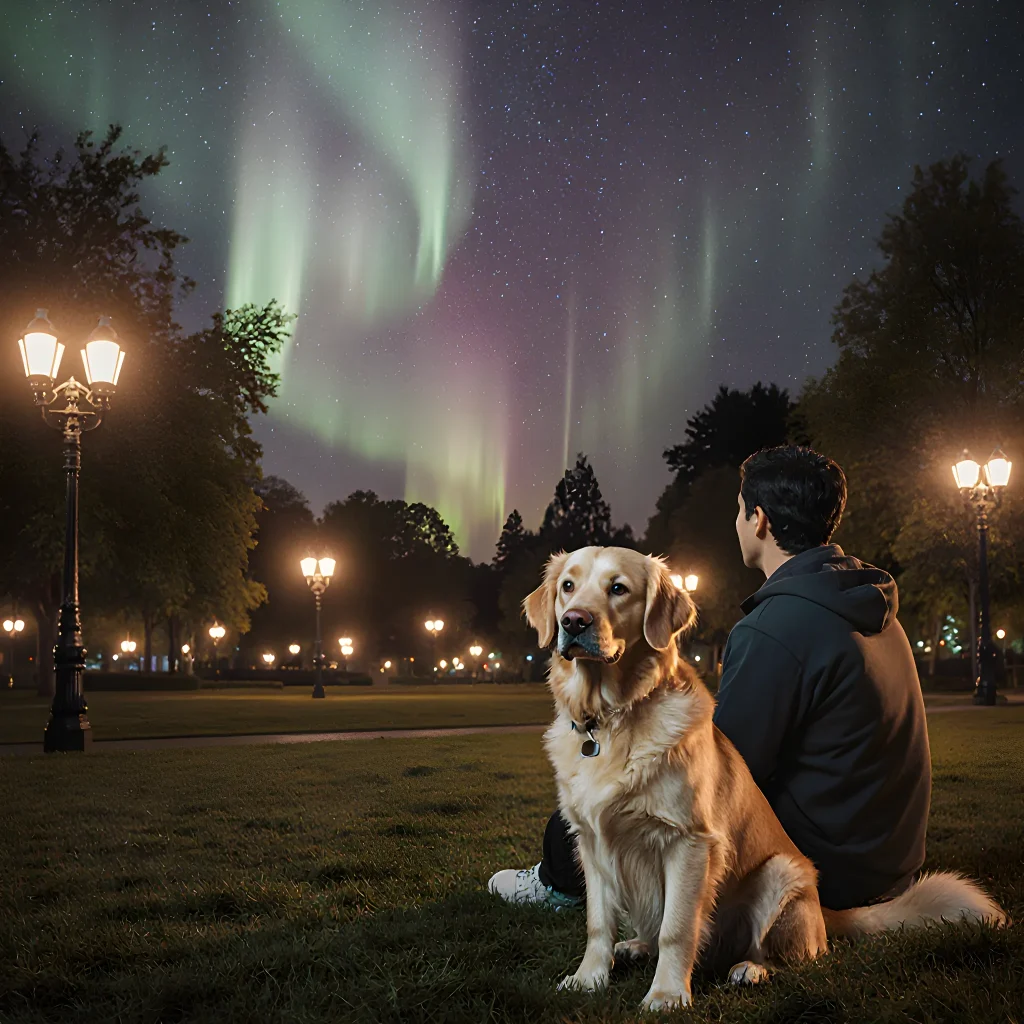
Train your pup without commands—unlock harmony!
Aurora Advice: Command‑Free Techniques for Devoted Dogs
Table of Contents
- Introduction to Command‑Free Training
- Understanding Dog Motivation and Learning Styles
- Positive Reinforcement Basics
- Clicker Training: The Key Tool
- Treat Pouches and Reward Distribution Techniques
- Toys as Incentives: Choosing the Right Playthings
- Visual Signals: Flags, Lights, and Hand Gestures
- Audio Cues Without Verbal Commands
- Body Language Communication with Your Dog
- Technology Aids: Smart Collars and Apps
- Environmental Shaping for Desired Behaviors
- Problem Solving Without Commands: Aggression & Anxiety
- Consistency and Routine Building
- Conclusion: The Future of Dog Training
- FAQ – Frequently Asked Questions
Introduction to Command‑Free Training
Command‑free training—sometimes called “positive reinforcement” or “behavioral shaping”—focuses on rewarding the behaviors you want rather than using verbal cues or hand signals to tell your dog what to do. The core idea is that dogs learn best when they understand which actions earn rewards, not because they are obeying a command.
Why Go Command‑Free?
- Reduces confusion: Dogs can get mixed signals if you alternate between “sit” and “stay.” A single reward for the desired behavior eliminates ambiguity.
- Builds trust: The dog sees that your rewards are consistent, fostering a stronger bond.
- Works with all breeds: Even highly intelligent or stubborn breeds respond well when they know exactly what earns them treats or praise.
Key Principles
- Immediate Reinforcement: Reward the behavior within seconds so your dog links the action to the reward.
- Clear Signals: Use a consistent cue (e.g., “yes!” or a clicker) to mark the exact moment of correct behavior.
- Variable Rewards: Mix high-value treats, verbal praise, and play to keep your dog engaged.
- Gradual Increase in Difficulty: Once a behavior is mastered at low distractions, slowly add challenges (distance, noise, other dogs).
Practical Example: Teaching “Sit” Without a Verbal Cue
1. Hold a treat in front of your dog’s nose.
2. Move the treat slowly upward; as the dog follows, its hindquarters naturally lower into a sit position.
3. As soon as the sit is complete, give a click (or say “yes!”) and immediately reward with the treat.
4. Repeat until the dog sits reliably whenever you present the treat.
Future Tools to Train Your Dog Without Commands
- Smart Clickers: Bluetooth-enabled clickers that log training sessions and provide audio cues through an app.
- Wearable Sensors: Collars that detect posture changes (e.g., sit, down) and automatically trigger a reward via a connected treat dispenser.
- AI‑Driven Training Apps: Platforms that analyze video of your dog’s behavior and suggest the next step or adjust reinforcement timing.
Getting Started with Technology
Begin by selecting a tool that matches your training style. For instance, if you prefer hands‑on interaction, a smart clicker is great. If you’re looking for automation, try a treat dispenser that syncs with a collar sensor. Pair the device with an app to track progress and adjust reward schedules.
Safety & Ethics
- Never use punishment or negative reinforcement in command‑free training.
- Choose high‑quality treats that are safe for your dog’s diet.
- Always supervise automated devices to prevent overfeeding or accidental injury.
By integrating these principles and tools, you can create a flexible, rewarding training routine that respects your dog's natural learning style while keeping the process fun and effective.
Understanding Dog Motivation and Learning Styles
Every dog is a unique individual with its own set of drives, preferences, and learning pathways. When you grasp how your canine’s motivation works—whether it’s food, play, affection, or mental stimulation—you can tailor training methods that resonate naturally with them. Likewise, recognizing whether a dog learns best through visual cues, auditory signals, or tactile feedback will help you choose the most effective future tools.
1. Core Motivators
- Food Rewards: The classic treat‑based system. Ideal for dogs that have a strong appetite or are used to table scraps.
- Toys & Play: For high-energy pups who thrive on interactive games like fetch, tug‑of‑war, or puzzle toys.
- Affection & Attention: Some dogs are primarily driven by human interaction—petting, verbal praise, or simply being in your presence.
- Mental Stimulation: Puzzle feeders, scent games, and obedience drills can satisfy a dog’s intellectual curiosity.
2. Learning Styles
Just as humans have visual or auditory learning preferences, dogs exhibit similar tendencies:
- Visual Learners: They watch your body language and mimic movements. Use hand signals and eye contact.
- Auditory Learners: Responsive to voice tones and commands. A clear “yes!” or “good job” works best.
- Tactile Learners: They learn through touch—squeezing a belly, patting the shoulder, or gentle pressure on a leash.
3. Matching Motivators with Learning Styles
Below is a quick reference chart to help you pair motivators with learning styles:
| Learning Style | Best Motivator |
|---|---|
| Visual | Toys, visual cues (flags), or treats placed in front of them. |
| Auditory | High‑pitch praise, verbal commands with distinct tones. |
| Tactile | Gentle petting during correct behavior, using a clicker that makes a tactile “click” sound. |
4. Future Tools for Command‑Free Training
Emerging technology is making it easier to train dogs without verbal commands or traditional hand signals. Below are some tools you can incorporate into your training routine:
- Smart Clicker Apps: Devices that pair with a smartphone app to deliver a consistent click sound at the precise moment of desired behavior. The app also logs progress and sends reminders for reinforcement schedules.
- Wearable Sensors: Vests or collars equipped with accelerometers detect when a dog performs a specific movement (e.g., sit, stay). Once detected, they trigger an audible tone or light cue to reinforce the action.
- Augmented Reality (AR) Training: Using AR glasses or a tablet, virtual arrows or shapes appear in your dog’s field of view, guiding them toward desired positions without verbal prompts.
- AI‑Powered Video Analysis: Cameras placed around the training area analyze posture and movement. The system then provides instant feedback via a connected speaker or vibration motor on the collar.
5. Practical Implementation Tips
- Start Small: Introduce one new tool at a time to avoid overwhelming your dog.
- Consistent Timing: Whether using a clicker or an AR cue, the reinforcement must occur within 0.5–1 second of the desired behavior.
- Gradual Disassociation: After mastering a task with a tool, slowly phase out the device while maintaining reward consistency.
- Observe Body Language: Watch for signs of confusion or stress—pause and simplify the cue if needed.
6. Example Scenario: Teaching “Stay” Using a Smart Clicker
1. Place your dog in a sitting position.
2. Point to a spot on the floor and say “stay.”
3. As soon as the dog holds the pose, press the clicker button; the app confirms the click with a gentle tone.
4. Reward immediately with a treat or a short play session.
5. Repeat for increasing durations—10 seconds, then 20, and so on—while ensuring the clicker remains synchronized.
7. Closing Thoughts
By aligning your dog’s intrinsic motivators with their preferred learning style—and leveraging cutting‑edge tools that reduce reliance on spoken commands—you create a training environment that feels natural, engaging, and highly effective. The key is patience, consistency, and a willingness to adapt as you observe what works best for your canine companion.
Positive Reinforcement Basics
Positive reinforcement is the cornerstone of humane dog training. It involves rewarding a desired behavior so that the dog learns to repeat it. The reward can be treats, praise, playtime, or even a favorite toy—anything that your pup finds motivating.
Why Positive Reinforcement Works
- Builds Trust: Dogs learn that good things happen when they behave well.
- Encourages Voluntary Behavior: Unlike punishment, reinforcement encourages the dog to choose the right action willingly.
- Reduces Anxiety: Rewards help create a positive learning environment, reducing fear and stress.
Step‑by‑Step Guide
- Select the Right Reward: Start with high‑value treats (small pieces of chicken or cheese). Switch to lower value rewards once the behavior is established.
- Use a Marker: A consistent cue like “yes!” or a clicker signals exactly when the dog performed the desired action.
- Reward Immediately: The dog must associate the reward with the behavior; give it within one second of the action.
- Repeat Consistently: Practice the same command in different contexts until the dog reliably responds.
Common Commands & How to Reinforce Them
| Command | What It Means | Reinforcement Technique |
|---|---|---|
| Come | The dog should come to you when called. | Use a long leash in an open area. Call the dog, and as soon as it approaches, give a treat and enthusiastic praise. |
| Stay | The dog should remain where it is until released. | Ask “stay,” step back one foot, then return. If the dog stays, reward. Gradually increase distance and duration. |
| Leave It | The dog should ignore an object or food. | Show a treat, say “leave it.” When the dog stops sniffing, reward with a different treat. Practice with various items. |
Practical Tips for Everyday Life
- Use Positive Reinforcement During Walks: Reward your dog for walking beside you instead of pulling on the leash.
- Teach “Drop It” with Play: Toss a ball, then say “drop it.” When the dog releases, give a treat and start a short play session.
- Set Realistic Goals: Break complex tasks into small steps—e.g., teaching a new trick by rewarding each component separately.
Future Tools to Train Your Dog Without Commands
Modern technology offers alternatives that enhance positive reinforcement training. Here are some upcoming tools you can incorporate once they become available:
- Smart Treat Dispensers: Devices that release treats automatically when the dog performs a specific behavior, eliminating the need for human presence.
- Behavior‑Tracking Wearables: Vests or collars that monitor heart rate and movement patterns to detect stress or excitement levels, allowing trainers to adjust reinforcement timing.
- AI-Powered Cue Recognition: Cameras paired with machine learning can identify when a dog is responding correctly to verbal or visual cues and trigger rewards.
By integrating these tools into your training routine, you’ll reinforce desired behaviors more efficiently while keeping the experience enjoyable for both you and your canine companion.
Clicker Training: The Key Tool
Clicker training is a form of positive reinforcement that uses a small handheld device to make a distinct “click” sound whenever the dog performs a desired behavior. This click acts as an unmistakable signal that the correct action has been completed, followed immediately by a reward (treats, praise, or play). Over time, the dog learns to associate the click with the reward and will repeat the behavior more reliably.
Why Clicker Training Works
- Clear communication: The click is a consistent auditory cue that eliminates ambiguity. Unlike verbal commands, which can vary in tone or volume, the click is always the same sound.
- Timing precision: The click can be delivered within milliseconds of the correct action, ensuring the dog knows exactly what earned the reward.
- Operant conditioning: Clicker training taps into the animal’s natural learning mechanisms, strengthening neural pathways associated with desired behaviors.
Step‑by‑Step Implementation
- Introduce the clicker: Let your dog sniff and investigate the clicker. Then press it manually to produce the sound while giving a treat, so the dog associates the click with something positive.
- Shape the behavior: Break down the desired action into small, observable steps. For example, to teach “sit,” first reward every time the dog’s hindquarters touch the ground.
- Click and treat: As soon as the dog performs the target step, click and immediately give a treat. Repeat until the behavior is consistent.
- Fade the treat: Gradually reduce treat frequency while maintaining the click, then replace treats with praise or play to keep motivation high.
Practical Tips & Common Mistakes
- Consistency is key: Always click at the exact moment of correct behavior; delayed clicks confuse the dog.
- Use a high‑quality clicker: Cheap clickers may produce inconsistent sounds, undermining training.
- Avoid over‑clicking: Click only when the target action is performed. Over‑clicking can dilute the signal’s meaning.
- Keep sessions short: 5–10 minute intervals prevent fatigue and maintain focus.
Real‑World Examples
Example 1: Teaching “Come” without a verbal cue
- Stand at a short distance from your dog, say nothing but click when the dog looks toward you.
- Move closer and click again once the dog walks forward.
- Reward with a treat. Repeat until the dog reliably comes when you press the clicker.
Example 2: Training a rescue dog to calm in crowds
- When the dog starts barking, pause and wait for a quiet moment.
- Click when the dog’s mouth closes quietly, then reward with a treat.
- Gradually increase exposure to busier settings while maintaining the click‑reward pattern.
Future Tools to Train Your Dog Without Commands
While clicker training is powerful, you can complement it with emerging technologies that reduce reliance on verbal commands:
- App‑controlled remote trainers: Devices like the “Dog Trainer Remote” emit a tone or vibration paired with treats, enabling off‑site reinforcement.
- AI‑powered behavior trackers: Wearable collars that detect specific movements (e.g., sit, lie down) and automatically trigger a clicker or treat dispenser.
- Gamified training apps: Mobile platforms that guide owners through interactive tutorials, providing visual cues and rewards schedules.
By combining the precision of clicker training with these future tools, you can create a robust, command‑free learning environment that keeps your dog engaged, motivated, and well‑trained.
Treat Pouches and Reward Distribution Techniques
Reward distribution is the backbone of any successful training program. A well‑designed treat pouch system not only keeps your dog motivated but also allows you to reward them quickly, keeping the learning process fluid and enjoyable.
1. Choosing the Right Treats
- Small & Soft: Tiny pieces of chicken jerky, freeze‑dried liver, or specially formulated training treats that dissolve in seconds.
- High Value vs Low Value: Reserve the most enticing treats for complex tasks (e.g., “sit” + “spin”) and use less valuable rewards for routine commands.
- Consistency Matters: Use the same type of treat during a training session to avoid confusing your dog with varying tastes or textures.
2. Types of Treat Pouches
- Standard Leather/Canvas Pouch: Classic choice, easy to carry, and durable. Many trainers prefer it for its simple design that doesn’t distract the dog.
- Zip‑Lock Snack Bags: Perfect for tiny treats; just open a small pocket each time you need a reward.
- Electronic Treat Dispenser: Useful for distance training or when you want to automate rewards. Pair with a remote or smartphone app for precise timing.
3. Timing is Key
The moment you reward is critical. Aim to give the treat within 1–2 seconds after the desired behavior occurs. This tight feedback loop reinforces the connection between action and reward.
Practical Tip: The “Treat‑and‑Wait” Method
- Show the Treat: Hold it in front of your dog’s nose so they see you have a reward ready.
- Ask for the Behavior: Give the cue (e.g., “sit”).
- Reward Immediately: As soon as the dog completes the action, give the treat and praise.
4. Gradual Fade‑Out Strategy
To prevent overreliance on treats, gradually reduce the frequency of physical rewards while increasing verbal praise or a favorite toy:
- Phase 1 (0–2 weeks): Treat every correct response.
- Phase 2 (3–4 weeks): Treat on 75% of correct responses.
- Phase 3 (5+ weeks): Treat only when the dog demonstrates consistency, otherwise use verbal praise or a quick pet.
5. Using Treat Pouches with Future Training Tools
If you plan to incorporate advanced tools—like remote clickers, motion‑activated feeders, or app‑controlled dispensers—your treat pouch strategy should adapt accordingly:
- Remote Clicker + Dispenser: Use the clicker to mark the behavior and let the dispenser release a treat automatically.
- App‑Controlled Rewards: Pair your smartphone with a smart feeder. When your dog performs the task, the app triggers the feeder—ideal for off‑site training or when you’re busy.
6. Practical Exercise: “Treat‑Pouch Drill”
Set up a simple drill to practice reward timing:
- Setup: Place your treat pouch on the floor, and line up a series of small obstacles (cones or pillows).
- Task: Guide your dog through the obstacle course while giving cues (“sit,” “stay,” “come”).
- Reward: Every time they navigate an obstacle correctly, reach for the pouch and give a treat within 1–2 seconds.
- Progression: Increase speed or add new commands as your dog improves.
7. Common Mistakes to Avoid
- Giving Treats Too Early: If you reward before the behavior is completed, the dog may not understand what exactly earned the treat.
- Over‑Treating: Excessive treats can lead to obesity and reduce motivation for non‑treat rewards like praise or play.
- Inconsistent Treat Quality: Switching between different types of treats within a session confuses the dog’s reward expectation.
Conclusion
A thoughtfully designed treat pouch system and precise reward distribution are essential for building strong, reliable communication with your dog. By combining these fundamentals with future training tools—such as remote clickers or smart feeders—you can create a dynamic, engaging learning environment that keeps both you and your canine companion excited about every session.
Toys as Incentives: Choosing the Right Playthings
When you’re training your dog without using verbal commands, play becomes a powerful tool for motivation and reinforcement. The right toy not only keeps your pup engaged but also signals to them that they’ve done something well. Below is a deeper dive into selecting toys that work best as incentives, complete with practical tips and real‑world examples.
1. Understand Your Dog’s Play Style
- Chasers vs. Grabbers: Some dogs love to chase a moving toy (e.g., squeaky balls), while others prefer something they can bite or tug on.
- Fetchers vs. Puzzlers: Fetch‑oriented breeds often enjoy a good ball or frisbee, whereas puzzle toys are great for intelligent dogs that like to work for treats.
2. Types of Incentive Toys
| Toy Category | Best Use Case | Example Brands/Models |
|---|---|---|
| Squeaky Balls | Encourages retrieval; good for training recall. | Chuckit! Ultra, KONG Squeak Ball |
| Tug Strings | Reinforces impulse control and gentle play. | West Paw Zogoflex Tangle, Nylabone Tug Toy |
| Puzzle Treat Dispensers | Rewards for correct behavior; great for mental stimulation. | KONG Classic, Nina Ottosson Dog Tornado |
| Soft Plush Toys | Comforting reward after a session; not ideal for aggressive chewers. | Pawz, Tuffy |
3. Matching Toys to Training Goals
- Recall & Direction: Use a bright, high‑visibility ball that bounces unpredictably. The excitement of the chase reinforces the idea that coming back is fun.
- Impulse Control (e.g., “Leave It”): A tug string or a chewable puzzle can be held while you ask them to release. If they hold, reward with a softer toy; if they comply, give a more exciting squeaky ball.
- Focus & Attention: Soft plush toys paired with a short training session help dogs learn that staying still or looking at you is worth the cuddle.
4. Practical Tips for Using Toys as Incentives
- Keep a “Reward Stash”: Store a variety of toys in one place so you can quickly switch based on your dog’s mood.
- Use Size & Weight Appropriately: A heavy toy is great for tug, but a lightweight ball works better for quick retrieval games.
- Introduce New Toys Gradually: Dogs may get distracted by brand new objects. Introduce one at a time and pair it with the behavior you want to reinforce.
- Rotate Toys: Prevent boredom by rotating toys weekly; this keeps your dog’s interest high during training sessions.
5. Real‑World Example: Training “Stay” Without Commands
Imagine you’re teaching your Labrador to stay in a specific spot without using verbal cues:
- Step 1: Place a KONG Classic on the floor and fill it halfway with kibble.
- Step 2: Show your dog the KONG, then step back. If they stay, let them sniff but don’t allow them to eat yet.
- Step 3: When you return, immediately open the KONG’s mouth and give a portion of kibble as a reward.
- Step 4: Repeat until they consistently stay before you open the treat.
This method uses the KONG as both an incentive (treat inside) and a learning tool (stay in place), all without verbal commands.
6. Safety & Maintenance
- Inspect Regularly: Check for cracks or loose parts that could become choking hazards.
- Wash Frequently: Especially for soft plush toys; use pet‑safe detergent and dry thoroughly.
- Choose Durable Materials: For high‑energy breeds, opt for reinforced rubber or nylon rather than cheap plastic.
By thoughtfully selecting the right playthings and pairing them with consistent training routines, you can create a rewarding learning environment that relies on positive reinforcement instead of verbal commands. This approach not only strengthens your bond but also keeps training fun for both you and your canine companion.
Visual Signals: Flags, Lights, and Hand Gestures
Visual cues are a powerful way to communicate with your dog when you want to avoid verbal commands or when the environment is noisy. By combining simple hand signals, colored flags, and even flashing lights, you can create a consistent language that your pup will learn quickly. The key is repetition, consistency, and pairing each visual cue with a clear reward.
1. Hand Gestures
- Open Palm (Sit): Hold your palm flat toward the dog, fingers together. This gesture signals “stay in place.” Use it whenever you want your dog to settle down or wait for a moment.
- Thumbs Up (Come Here): Extend your thumb upward while keeping the other fingers curled. This is an invitation to approach you. Pair it with a treat and enthusiastic praise.
- Flat Hand Forward (Stay/Wait): Spread your hand flat, palm forward, as if stopping traffic. Use this for “hold” or “stay.” Keep the gesture steady until the dog releases its mouth on a target.
- Pointing Finger (Move to Target): Point toward a specific spot—like a mat or crate—to direct your dog’s attention. Combine it with a verbal cue (“go”) for added clarity.
2. Colored Flags
Flags are especially useful when you need to communicate from a distance or in outdoor settings where noise is high. Choose bright, contrasting colors that your dog can see easily.
- Green Flag (Go): Hold up a green flag to signal “move forward.” This works well during walks or training sessions on uneven terrain.
- Red Flag (Stop/Back Off): A red flag tells the dog to halt. It’s ideal for preventing unwanted jumps or encouraging a calm exit from a busy area.
- Blue Flag (Sit Down): Blue signals “sit.” Use it before you’re ready to reward with a treat.
3. Flashing Lights
For nighttime or low‑light conditions, flashing lights can be an effective visual cue system. Portable LED flashlights or smart light bulbs that change colors can replace verbal commands in the dark.
- Slow Flash (Sit/Stay): A slow pulsing of a white LED indicates “stay.” Keep the light steady until your dog’s attention is captured.
- Rapid Flash (Come Here): Quick flicks of a green or yellow LED encourage the dog to approach. Pair this with a treat after the first few flashes.
Practical Tips for Training Visual Signals
- Start Small: Begin with one hand gesture and train it until your dog reliably responds before adding more signals.
- Use High‑Value Rewards: For the first few sessions, use small pieces of cooked chicken or premium treats to keep motivation high.
- Pair With Verbal Cues Initially: While you’re building consistency, say the verbal command (e.g., “sit”) followed by the hand gesture. Once the dog responds reliably to the visual cue alone, phase out the voice.
- Keep Gestures Simple: Dogs respond best to clear, exaggerated movements. Avoid subtle gestures that could be misinterpreted.
- Consistency Across People: If multiple family members are training, ensure everyone uses the same hand signals and flag colors to avoid confusion.
Future Tools: Digital Visual Trainers
As technology advances, several gadgets can help reinforce visual communication:
- Smart Pet Cameras: Some cameras allow you to send pre‑recorded video cues that the dog watches. Pair a hand gesture with a short clip of the same motion.
- Wearable LED Devices: A collar or harness with programmable LEDs can flash patterns (e.g., one long pulse = sit, two short pulses = come). These are great for training in large parks where flags may be hard to see.
- Augmented Reality Apps: Future apps could overlay virtual hand gestures onto your real‑world view, letting you practice signals from any angle without needing a live trainer.
By mastering visual signals and incorporating emerging tech tools, you’ll build a robust communication system that works even when words fall short. Remember: patience, consistency, and positive reinforcement are the cornerstones of successful visual training.
Audio Cues Without Verbal Commands
When training your dog, you don’t always have to rely on spoken words. Many dogs respond better to consistent auditory signals that are not tied to human speech. Below is a practical guide that covers the fundamentals, real‑world examples, and forward‑looking tools that can help you develop an effective audio cue system without verbal commands.
1. Why Use Non-Verbal Audio Cues?
- Clarity & Consistency: Dogs interpret a single tone or click more reliably than varied human speech.
- Reduced Human Error: Tone frequency and duration are less prone to mispronunciation or accent differences.
- Training in Noisy Environments: A clear click or whistle can cut through background noise, making it easier for the dog to focus.
2. Types of Audio Cues
- The Clicker (Clicker Training): A small handheld device that produces a sharp “click” sound. It’s used as a marker for the exact moment you want the dog to perform an action.
- Whistle or Bell: Simple high‑frequency sounds that can be easily replicated in training sessions and outdoor settings.
- Electronic Tone Emitters: Devices like the “Squeak” or “Dog Trainer Earbud” emit a consistent tone that is invisible to humans but audible to dogs.
3. Step‑by‑Step Implementation
Goal: Teach your dog to sit on cue using a clicker without saying “sit.”
- Associate the Click with Reward: Start by clicking once and immediately giving a treat. Repeat until the dog expects a reward after each click.
- Introduce the Physical Cue: While holding a treat above your dog’s head, let them follow it into a sitting position. As soon as their hindquarters touch the floor, click and reward.
- Phase Out the Treat: Gradually replace the visible treat with a verbal “good” or a small hand gesture, keeping the click constant.
- Generalize Across Contexts: Practice in different rooms, outdoor settings, and with varying distractions while maintaining the same audio cue.
4. Practical Tips for Success
- Keep Click Length Consistent: A click should be crisp and short (≈0.1 seconds). Avoid long “clicks” that can confuse the dog.
- Use a Dedicated Tone: If you use a whistle, stick to one pitch; mixing pitches will reduce effectiveness.
- Avoid Over‑Clicking: Only click when the action is perfect. Excess clicks dilute the meaning of the cue.
- Pair with Body Language: Even without words, a calm hand gesture or eye contact can reinforce the audio signal.
5. Future Tools for Audio‑Only Training
Technology is rapidly advancing in pet training. Below are emerging tools that could make audio cue training even more efficient:
- Smart Clicker Apps: Mobile applications that sync with a Bluetooth clicker, allowing you to adjust tone frequency and duration remotely.
- AI‑Powered Tone Generators: Devices that analyze the dog’s response patterns in real time and automatically adjust the cue to maximize engagement.
- Wearable Audio Emitters for Dogs: Earbud-like gadgets that emit consistent training tones directly into the dog’s ear, eliminating the need for handheld devices.
- Integrated Training Platforms: Software suites that combine audio cues with video analytics to provide instant feedback on posture and timing.
6. Common Pitfalls & How to Avoid Them
- Inconsistent Tone Quality: Switching between different clickers or whistles can confuse the dog. Stick to one device per training phase.
- Over‑Reliance on Treats: If treats are used too often, the dog may wait for food rather than respond to the cue. Introduce praise and affection as secondary rewards.
- Lack of Gradual Transition: Jumping straight from clicker training to “no click” can cause setbacks. Slowly reduce clicks while maintaining other cues.
7. Quick Reference Cheat Sheet
| Action | Audio Cue | Reward |
|---|---|---|
| Sit | Click (short, sharp) | Treat + Praise |
| Come | Whistle (high pitch) | Treat + Affection |
| Stay | Bell (steady tone) | Positive Reinforcement |
By mastering non‑verbal audio cues, you give your dog a clear and reliable communication channel that transcends human speech. As future tools become available, you’ll have even more precise ways to fine‑tune this relationship—making training smoother, faster, and more enjoyable for both of you.
Body Language Communication with Your Dog
Understanding a dog’s body language is the foundation of any successful training program, especially when you aim to reduce or eliminate verbal commands. Dogs communicate primarily through posture, facial expressions, ear position, tail carriage, and eye contact. By reading these signals accurately, you can anticipate their needs, calm them before they become anxious, and reinforce positive behaviors without speaking.
Key Body Language Signals
- Relaxed Posture: Loose limbs, a slight tilt of the head, and a neutral or wagging tail indicate comfort. Use this as a baseline to gauge if a new training tool feels natural.
- Ears Forward vs. Backward: Ears perked up usually signal interest; ears laid back often mean fear or submission. When introducing a future technology (e.g., a smart collar), observe ear position to ensure the dog isn’t stressed by vibrations or sounds.
- Eye Contact & Blink Rate: Soft, slow blinking shows trust. A sudden stare or rapid blinking may mean tension. Pair this with gentle touch to reinforce calmness during training sessions.
- Tail Position: A high, stiff tail can indicate excitement or aggression; a low, tucked tail suggests anxiety. Keep the tail in a relaxed position when using devices that emit light or sound cues.
Practical Advice for Training Without Commands
- Start with Familiarity: Before introducing new tools, let your dog sniff and explore them in a safe space. This reduces novelty stress.
- Use Consistent Gestures: Pair each gesture (e.g., hand wave, clap) with the same outcome. Over time, the dog will associate the movement itself with the reward, not the spoken word.
- Positive Reinforcement Timing: Deliver treats or praise immediately after a desired action to strengthen neural pathways. If you’re using a future tech tool that provides instant feedback (like a vibration cue), align it precisely with the target behavior.
- Monitor Stress Levels: Watch for signs of discomfort—panting, lip licking, yawning. Pause training and re-establish calm before proceeding.
Future Tools to Train Your Dog Without Commands
Emerging technologies are making silent, non-verbal training more accessible than ever. Below are some promising tools and how they can be integrated with body‑language cues.
1. Smart Collars with Haptic Feedback
- How It Works: Subtle vibrations or gentle pressure at specific points on the collar to signal a cue (e.g., “sit,” “stay”).
- Training Tip: Pair each vibration pattern with a hand gesture and a treat. Use the dog's ear position as a gauge—if ears flatten during a vibration, adjust intensity.
2. Light‑Based Cue Devices
- How It Works: LED panels or collar lights flash in predetermined sequences to indicate commands.
- Training Tip: Start with a slow, steady light before moving to quick flashes. Observe tail wagging; if it becomes stiff, reduce flashing speed.
3. Audio‑Free Voice Recognition Apps
- How It Works: Uses pattern recognition to detect owner’s gestures or subtle sounds (like a hand clap) without vocal commands.
- Training Tip: Ensure the app is calibrated in a quiet room. Use distinct, exaggerated movements so the dog can associate them with rewards.
4. Wearable Sensors for Emotional State Detection
- How It Works: Monitors heart rate variability and skin conductance to infer stress or excitement levels.
- Training Tip: If the sensor indicates rising anxiety during a training session, pause and use calming body language—soft voice (if allowed), gentle petting, slow blinking—to reset before resuming.
Integrating Body Language with Future Tools
The key to successful silent training is synergy: let technology amplify your natural communication rather than replace it. Here’s a step‑by‑step approach:
- Baseline Assessment: Observe the dog’s body language in everyday interactions.
- Select a Tool: Choose one that matches the dog's temperament (e.g., haptic collar for a nervous dog).
- Pairing Phase: Use consistent gestures with the tool's cues. Reward immediately.
- Monitoring Phase: Continuously watch body signals; if stress appears, adjust cue intensity or pause.
- Generalization: Practice in varied environments to ensure the dog responds to the cue regardless of context.
By combining keen observation of your dog's body language with cutting‑edge training tools, you can create a communication system that’s both effective and humane—allowing your dog to learn and thrive without relying on verbal commands.
Technology Aids: Smart Collars and Apps
Today’s tech‑savvy dog owners have a plethora of gadgets at their fingertips that can help train, monitor, and enrich their pets’ lives—all without the need for verbal commands. Below we dive into some of the most popular devices, how they work, real‑world examples, and practical tips for integrating them into your training routine.
1. Smart Collars
- FitBark: A GPS tracker that also monitors activity levels, heart rate, and sleep patterns. Its companion app provides daily health summaries, enabling owners to spot early signs of stress or illness.
- Whistle 4.0: Offers real‑time location tracking, health alerts, and even a “Smart Alert” feature that notifies you if your dog’s heart rate spikes during exercise.
- Garmin Alpha Series: Designed for hunting dogs, this collar includes a two‑way radio for voice commands and a built‑in GPS. The app lets you set waypoints and track the dog’s route in real time.
Practical Use Cases
- Behavioral Monitoring: Set activity thresholds (e.g., >3000 steps/day) and receive alerts if your dog is unusually sedentary or hyperactive, indicating possible training issues.
- Geofencing: Create virtual boundaries; the collar vibrates when the dog crosses a set perimeter—ideal for leash‑less play in safe zones.
- Health Coaching: Use heart rate data to adjust exercise intensity, preventing overexertion during training sessions.
2. Training Apps
- BarkBuster: A gamified platform that rewards your dog with virtual “treats” for completing tasks—great for reinforcing positive behavior without verbal prompts.
- PupTrack: Syncs with smart collars to provide a comprehensive dashboard of location, activity, and training progress. It also offers personalized coaching tips based on the data collected.
- Doggie Trainer Pro: Offers step‑by‑step video tutorials for basic obedience, agility, and advanced tricks. Its “Progress Tracker” lets you log milestones and set reminders.
Getting Started with Apps
- Choose a Compatible Collar: Verify that the app supports your collar’s brand (e.g., FitBark, Whistle).
- Create a Profile: Input your dog’s age, weight, and breed to receive tailored recommendations.
- Set Goals: Define clear objectives—such as “reduce leash pulling” or “increase daily steps.” The app will suggest specific training modules.
- Track & Adjust: Review weekly reports; if a goal isn’t met, tweak the training plan (e.g., increase reward frequency).
Future Tools on the Horizon
- AI‑Powered Behavior Prediction: Emerging collars will analyze patterns to predict potential aggression or anxiety spikes and send preemptive alerts.
- Augmented Reality (AR) Training: Apps like Dog AR Trainer will overlay virtual cues in real environments, helping dogs learn tasks with visual prompts instead of words.
- Biometric Feedback Loops: Smart collars could deliver micro‑vibrations or mild heat pulses that reinforce desired behaviors in real time, reducing reliance on treats.
Best Practices for Long‑Term Success
- Consistent Syncing: Ensure the collar and app remain connected; otherwise, data gaps can mislead training decisions.
- Data Privacy: Review privacy policies—especially if GPS data is stored in cloud servers.
- Complement, Don’t Replace: Use tech as an adjunct to traditional training; human interaction remains vital for emotional bonding.
- Regular Updates: Keep firmware and app versions current to benefit from bug fixes and new features.
By integrating smart collars and apps into your routine, you can train your dog more efficiently, monitor their health in real time, and adapt strategies based on concrete data—all without uttering a single command. The future of canine training is here, and it’s built on the fusion of technology and thoughtful human‑dog interaction.
Environmental Shaping for Desired Behaviors
When you want your dog to learn a new skill or refine an existing one, the environment is as crucial as the training method itself. By strategically arranging cues, obstacles, and rewards in the space where your dog operates, you can shape behavior more efficiently—without relying on verbal commands.
1. Create Predictable Cue Zones
- Define a “Start” area: Use a mat or rug that signals to your dog that it’s time to begin an activity. The texture or scent can act as a cue, prompting the desired response.
- Use visual markers: Colorful cones, tape lines, or hanging lights help your dog recognize boundaries and pathways. Over time, they’ll associate these markers with specific actions (e.g., “walk to the green cone”).
2. Layer Rewards in the Pathway
Place treats or a favorite toy at incremental points along a route. This encourages your dog to move step by step, reinforcing each segment of the behavior you want to cultivate.
- Example – “Sit‑and‑Stay”: Start with a treat on the floor; once the dog sits, give the treat and praise. Move the treat slightly forward each repetition, so the dog learns to stay as it approaches the new location.
- Example – “Recall Without Commands”: Scatter treats in a small enclosed space. When your dog comes to you for a treat, reward immediately. Gradually increase distance while keeping the treat visible; eventually, the dog will seek you out on its own.
3. Use Physical Obstacles to Shape Movement
Introduce low barriers (e.g., hula hoops, foam blocks) that guide your dog’s path. By navigating around or through these obstacles, dogs practice spatial awareness and learn the intended movement pattern without verbal prompts.
- Example – “Weave Training”: Arrange a series of poles spaced evenly. Let the dog naturally weave between them while following a moving treat. The environment forces the desired weave pattern.
4. Incorporate Timing and Rhythm
Dogs respond well to consistent timing cues. Use rhythmic sounds (claps, gentle taps) or visual countdowns to signal transitions. This builds anticipation and reduces reliance on spoken commands.
- Example – “Stop‑Go”: Clap twice when you want the dog to pause, then clap once more to resume activity. Over time, the dog will associate the rhythm with stopping or moving.
5. Leverage Future Tools: Interactive Treat Dispensers & Smart Collars
Emerging tech can further refine environmental shaping:
- Smart Treat Dispensers: Program them to release treats at specific intervals or when a sensor detects the dog’s presence. This creates precise reward timing without human intervention.
- Behavior‑Tracking Collars: These collars monitor heart rate, activity level, and location. By analyzing data, you can adjust environmental cues (e.g., reduce obstacle height if stress indicators rise).
Practical Tips for Implementation
- Start Small: Begin with one cue or obstacle; once mastered, add another.
- Keep Sessions Short: Dogs have limited attention spans. Five to ten minutes of focused shaping is often enough.
- Consistent Placement: Move cues in the same spot each session so the dog learns spatial memory.
- Observe & Adapt: Watch how your dog reacts. If it becomes confused, simplify or remove an element.
- Positive Reinforcement Only: Use treats, praise, or play—avoid any form of punishment that might break the association between environment and behavior.
By thoughtfully arranging the physical space around your dog and utilizing emerging tech tools, you can shape complex behaviors without uttering a single command. The key lies in consistency, reward timing, and creating clear, repeatable environmental cues that guide your canine companion toward the desired outcome.
Problem Solving Without Commands: Aggression & Anxiety
When you choose to train your dog without using verbal or hand‑signal commands, the focus shifts from “what should I say?” to “how can I shape the behavior through environment, timing and rewards?”. This approach is especially useful for dogs that are reactive or anxious because it reduces the chance of triggering a defensive response with an abrupt command. Below are practical strategies, real‑world examples, and future tools you can use to manage aggression and anxiety in a command‑free way.
1. Understand the Root Cause
- Identify Triggers: Keep a diary of incidents—time, location, stimuli (other dogs, strangers, loud noises). This helps you see patterns without having to ask your dog what’s wrong.
- Use the “Five Whys” Technique: Ask yourself why each incident occurs. The answer might reveal an underlying fear of crowds, lack of exercise, or negative past experiences.
2. Environmental Management (The “Prevention” Layer)
- Obstacle Courses: Create a simple hallway with soft obstacles that your dog can navigate at their own pace. This gives them control and reduces the chance of feeling cornered.
- Safe Spaces: Designate a quiet zone (e.g., a crate or a cozy room) where your dog can retreat during stressful moments. Use a soft blanket, calming music, and an essential oil diffuser (lavender or chamomile).
- Controlled Exposure: Gradually introduce mild versions of triggers—e.g., a quiet dog park on a leash while you walk at a distance. Increase exposure only when the dog remains calm.
3. Positive Reinforcement Without Commands (The “Reward” Layer)
- Clicker Training: Use a clicker to mark desired behavior and immediately give a treat or affection. This provides an unambiguous signal without the need for verbal commands.
- “Look at Me” Cue: Teach your dog to look at you on cue by rewarding each eye contact. Over time, this becomes a self‑regulating mechanism that can replace “stay” or “come”.
- Shape Calm Behavior: When the dog remains calm in a stressful situation, reward small increments of calmness (e.g., staying still for one second, then two). This teaches them that being relaxed is consistently rewarded.
4. Use Body Language and Timing (The “Communication” Layer)
- Mirror Their Pace: Slow down your movements to match the dog’s pace. Rapid actions can be perceived as threatening.
- Soft Eye Contact: Maintain a relaxed gaze; stare too intensely may trigger aggression.
- Immediate Rewards: Give treats or praise right after the desired behavior, not after a delay that could confuse the dog.
5. Future Tools & Technologies (The “Innovation” Layer)
- Smart Collars with Biofeedback: These collars monitor heart rate and skin temperature, alerting you when your dog’s stress levels rise. You can then intervene proactively.
- Virtual Reality (VR) Exposure Apps: Some companies are developing VR setups that simulate crowded environments for dogs, allowing gradual exposure in a controlled digital space.
- AI‑Powered Predictive Analytics: By feeding data from your dog’s diary into an AI platform, you can receive predictions about high‑risk situations and suggested preventive actions.
- Wearable “Calm” Devices: Products that emit calming scents or low‑frequency vibrations when the dog shows signs of agitation—acting as a gentle reminder for both pet and owner to remain calm.
6. Practical Example: Managing “Dog Aggression in the Park”
- Pre-Visit: Check the park’s schedule; avoid peak times. Pack a treat pouch, a clicker, and a calming playlist.
- Arrival: Set up a small obstacle (e.g., two cushions) to create a “safe zone” near your bench. Let your dog explore at their own pace.
- Encounter with Another Dog: If the other dog approaches, use a gentle body angle and maintain eye contact. Reward any calm behavior with a treat from the clicker. Do not shout or snap—this can trigger aggression.
- Post-Visit Debrief: Record what triggered tension (noise level, proximity of other dogs). Adjust next time accordingly.
7. Key Takeaways for Command‑Free Training
- Focus on environment, timing, and reward rather than verbal commands.
- Use technology as an adjunct—smart collars, AI analytics, and VR exposure are emerging tools that can help you anticipate and mitigate stress.
- Consistent, calm communication builds trust and reduces aggression/anxiety in the long term.
By integrating these strategies into your routine, you’ll create a safer, more supportive training environment for dogs prone to aggression or anxiety—all without relying on traditional commands.
Consistency and Routine Building
One of the most powerful yet often overlooked principles in dog training is consistency. Your pup interprets the world through patterns—if you’re unpredictable, they’ll be confused, anxious, or even rebellious. A well‑structured routine turns everyday actions into learning opportunities and helps your dog internalize commands (or the lack of them) more efficiently.
Why Consistency Matters
- Reduces Anxiety: Dogs thrive on predictability. A clear schedule gives them a sense of security.
- Cements Learning: Repeated exposure to the same cue and reward strengthens neural pathways, making recall faster and more reliable.
- Prevents Miscommunication: If you sometimes say “sit” and other times “stay,” your dog will never know which behavior is expected.
Building a Routine: Step‑by‑Step Guide
- Morning Walk & Training: Start the day with a brisk walk followed by a short training session (5–10 minutes). Use this time to reinforce basic obedience or practice new tricks.
- Meal Time Consistency: Feed your dog at the same times each day. This not only helps with digestion but also allows you to pair food rewards with desired behaviors during mealtime training.
- Play & Exercise Window: Allocate a specific window for play or agility drills. Dogs learn best when they’re physically tired, so keep this session energetic yet controlled.
- Calm Evening Routine: End the day with a calm activity—tug, gentle petting, or a short “quiet” command. This signals transition to rest and reinforces relaxed behavior.
Practical Tips for Maintaining Consistency
- Use the Same Commands: Stick with one word per action (e.g., “sit,” not “settle” or “down”).
- Reward Timing: Give praise or treats immediately after the desired behavior to create a clear cause‑effect link.
- Keep Training Sessions Short: Dogs have limited attention spans. 5–10 minute sessions spaced throughout the day are more effective than one long session.
- Document Your Routine: Use a simple notebook or a phone app to track what you do each day. This helps spot inconsistencies before they become habits.
Integrating Future Tools: “Train Without Commands” Tech
The upcoming line of smart training tools—such as AI‑driven wearable collars, gesture‑recognition devices, and adaptive reward dispensers—will make consistency even easier to achieve:
- Smart Collars: These collars can detect when your dog performs a target action (like sitting) and automatically dispense a treat. By eliminating the human delay, you reinforce the behavior instantly.
- Gesture‑Recognition Devices: Wearable or handheld gadgets that translate simple hand motions into audible cues for your dog. This allows you to maintain a consistent cue even when you’re on the move.
- Adaptive Reward Dispensers: Connected to your smartphone, these devices can adjust treat volume based on the dog's performance history, ensuring that rewards remain motivating but not overused.
By combining a well‑structured routine with these future tools, you’ll create an environment where your dog learns faster, stays calmer, and enjoys training as much as you do.
Conclusion: The Future of Dog Training
As technology continues to evolve, the way we train our dogs is poised for a dramatic shift. Traditional hand‑signs and verbal cues will increasingly be complemented—and sometimes replaced—by smart devices that use data analytics, AI, and biofeedback to create more intuitive, personalized training experiences.
1. Wearable Sensors & Biometric Feedback
- Smart Collars: Equipped with heart‑rate monitors, GPS, and micro‑vibration modules that can detect stress levels or excitement and adjust training intensity in real time.
- Activity Bands: Track movement patterns to identify when a dog is most receptive to learning (e.g., after a short walk) and trigger subtle cues via haptic feedback.
2. AI‑Driven Training Apps
Mobile platforms now use machine learning to analyze your dog's behavior from video uploads or live feeds. The app suggests the optimal time, tone, and reward strategy—often eliminating the need for explicit verbal commands.
- Predictive Cueing: AI predicts when a dog is likely to perform a desired action and delivers a gentle vibration or scent cue.
- Progress Dashboards: Visualize improvements, set adaptive goals, and receive automated reminders for consistency.
3. Virtual Reality & Augmented Reality
VR headsets for dogs—small, lightweight helmets with embedded sensors—allow trainers to simulate environments (crowds, traffic) in a controlled setting. AR overlays on smartphone cameras can guide owners through real‑time training scenarios.
4. Smart Home Integration
- Voice‑Activated Devices: Amazon Echo or Google Nest can emit gentle tones or play pre‑recorded audio cues when a dog’s proximity triggers motion sensors.
- Automated Reward Systems: Treat dispensers connected to your phone can deliver rewards precisely when the dog performs the correct action, reinforcing learning without human presence.
5. Ethical Considerations & Human Touch
While these tools reduce reliance on verbal commands, they should complement—not replace—human interaction. Positive reinforcement, eye contact, and physical affection remain irreplaceable elements of a strong bond.
Practical Tips for Getting Started
- Select a Platform: Begin with a reputable smart collar that offers both biometric tracking and haptic feedback.
- Start Small: Use the device to reinforce simple commands like “sit” or “stay,” gradually moving to more complex behaviors.
- Monitor Stress Signals: If your dog’s heart rate spikes during training, pause and reassess; this ensures training stays positive.
- Combine with Traditional Methods: Use the device as a supplement—hand signals and treats still provide clear communication.
- Stay Informed: Read updates from manufacturers and research communities to keep your tools up‑to‑date.
In summary, the future of dog training lies in blending human intuition with technological precision. By embracing these emerging tools—while maintaining a foundation of love and consistency—you’ll help your canine companion thrive in an increasingly digital world.
FAQ – Frequently Asked Questions
1. What are “future tools” for training dogs without verbal commands?
Future tools refer to a combination of technology, behavioral science, and non‑verbal communication methods that help dog owners train their pets without relying on spoken cues. These include wearable devices that detect body language, smart collars that provide haptic feedback, AI‑powered training apps that analyze your dog’s responses in real time, and even scent‑based signals that trigger specific behaviors.
2. How does a wearable device help with non‑verbal training?
Wearables such as smart collars or vests can track heart rate, muscle tension, and movement patterns. When the dog’s physiological state indicates excitement or stress, the device can vibrate or emit a gentle tone to redirect attention—essentially replacing a verbal “sit” with a subtle physical cue. This is especially useful for dogs that are sensitive to voice commands or live in noisy environments.
3. Can AI apps replace traditional training manuals?
AI‑driven platforms like “DogSense” analyze video footage of your dog’s behavior and suggest the most effective reinforcement strategy for each scenario. They can identify patterns that a human trainer might miss, such as micro‑gestures or slight changes in tail wagging, enabling you to fine‑tune training without constantly speaking to your pet.
4. What is scent-based signaling and how can I use it?
Dogs have an incredible sense of smell—up to 300 million olfactory receptors compared to humans’ 6 million. By training your dog with distinct scents (e.g., lavender for calm, citrus for excitement), you can create a “silent” command system. A small vial or scented patch placed near the dog’s nose triggers the desired behavior when paired consistently with a reward.
5. Are there any safety concerns with these tools?
As with any technology, it’s important to start slowly and monitor your dog’s reaction. Over‑stimulation from vibrations or lights can cause anxiety. Always use devices within the manufacturer’s recommended limits, and consult a certified trainer if you notice signs of distress.
6. How do I integrate these tools into my daily routine?
- Morning Warm‑Up: Use a wearable collar to gauge excitement levels while you walk; adjust the pace accordingly.
- Training Sessions: Pair scent cues with small treats, gradually reducing reliance on the scent as your dog learns the association.
- Evening Calm‑Down: Activate a gentle vibration mode to encourage relaxation before bedtime.
7. What are some real‑world examples of successful non‑verbal training?
A rescue dog named “Luna” was trained using a combination of haptic feedback and scent cues to navigate crowded spaces without barking. A police K9 team used AI video analysis to refine search patterns, reducing the need for verbal commands during high‑pressure missions. These cases demonstrate that non‑verbal tools can be just as effective—and often more discreet—than traditional methods.
8. Where can I find reputable suppliers of these tools?
- SmartDog Collar – offers haptic feedback and heart‑rate monitoring.
- DogSense AI Platform – provides real‑time behavior analysis.
- ScentDog Solutions – specializes in scent cue training kits.
9. Can these tools be used with all dog breeds?
While most tools are breed‑agnostic, some may work better with specific sizes or temperaments. For example, small dogs might find high‑frequency vibrations too intense, whereas larger breeds may benefit from stronger haptic signals. It’s best to start with low intensity and adjust based on your dog’s comfort level.
10. How do I measure success without verbal feedback?
Success can be quantified through observable metrics: reduced barking, improved focus during walks, or quicker response to scent cues. Use a simple scorecard—track the number of successful trials per session and aim for incremental improvements over weeks.
Categories
- AI & Enrichment Play
- Broiler Farming
- Broiler Farming Tips
- Canine Wellness & Longevity
- Cat
- Cat & Human Connection
- Cat Adoption & Rescue
- Cat Breeds
- Cat Breeds & Personalities
- Cat Care & Health
- Cat Grooming & Hygiene
- Cat Lifestyle & Environment
- Cat Myths & History
- Cat Nutrition & Diet
- Cat Products & Reviews
- Cat Training & Behavior
- Comparison
- Consumer Awareness
- Dog
- Dog Accessories & Products
- Dog Adoption & Rescue
- Dog Breed & Lifestyle Trends
- Dog Breeding & Puppies
- Dog Entertainment & Media
- Dog Fashion & Trends
- Dog Fun & Lifestyle
- Dog Grooming & Hygiene
- Dog History & Culture
- Dog Myths, Science & Future Tech
- Dog News & Trends
- Dog Nutrition & Food
- Dog Psychology & Emotions
- Dog Safety & Security
- Dog Sports & Activities
- Dog Technology & Innovation
- Dog Training for Modern Owners
- Dog Travel & Adventure
- Dog Travel, Adventure & Culture
- Economic and Market Insights
- Educational Content
- FAQs
- Feeding Alternatives
- Festivals & Seasonal Ideas
- Fun & Entertainment
- General Knowledge
- General Pig Farming
- Health & Disease Management
- Housing and Environment
- Kittens
- Market Insights
- Miscellaneous
- Miscellaneous
- Motivational
- pig
- Pig Breeding
- Pig Breeds
- Pig Farming Stories and Inspiration
- Pig Health and Care
- Pig Nutrition
- Pig Products
- Profitability & Business
- Puppy Care
- Puppy Predictable Topics Reinvented
- Regional Focus
- Rescue & Adoption Buzz
- Senior Cats
- Senior Dog Care
- Smart Dog Tech & Gadgets
- Sustainability
- Sustainable & Eco-Friendly Dog Products
- Tech & Innovations
- Working & Service Dogs
- Broiler Feed66 products
- Country Feed33 products
- Pig Feed66 products
- Product22 products
- Raw Materials99 products
Products
-
 Fish Meal
₹1,999.00 – ₹2,999.00Price range: ₹1,999.00 through ₹2,999.00Rated 0 out of 5
Fish Meal
₹1,999.00 – ₹2,999.00Price range: ₹1,999.00 through ₹2,999.00Rated 0 out of 5 -
 FATTENING BROILER FEED
₹2,299.00 – ₹2,349.00Price range: ₹2,299.00 through ₹2,349.00Rated 0 out of 5
FATTENING BROILER FEED
₹2,299.00 – ₹2,349.00Price range: ₹2,299.00 through ₹2,349.00Rated 0 out of 5 -
 LAYER COUNTRY FEED
₹1,549.00 – ₹1,649.00Price range: ₹1,549.00 through ₹1,649.00Rated 0 out of 5
LAYER COUNTRY FEED
₹1,549.00 – ₹1,649.00Price range: ₹1,549.00 through ₹1,649.00Rated 0 out of 5 -
 COUNTER BROILER FEED
₹1,199.00 – ₹1,299.00Price range: ₹1,199.00 through ₹1,299.00Rated 0 out of 5
COUNTER BROILER FEED
₹1,199.00 – ₹1,299.00Price range: ₹1,199.00 through ₹1,299.00Rated 0 out of 5 -
 LACTATING PIG FEED
Rated 0 out of 5
LACTATING PIG FEED
Rated 0 out of 5₹2,299.00Original price was: ₹2,299.00.₹1,740.00Current price is: ₹1,740.00. -
 Maize
Rated 0 out of 5
Maize
Rated 0 out of 5₹1,650.00Original price was: ₹1,650.00.₹1,300.00Current price is: ₹1,300.00. -
 GESTATION PIG FEED (Phase 1)
Rated 0 out of 5
GESTATION PIG FEED (Phase 1)
Rated 0 out of 5₹2,249.00Original price was: ₹2,249.00.₹1,699.00Current price is: ₹1,699.00. -
 Pre Starter Broiler Feed
₹2,399.00 – ₹2,499.00Price range: ₹2,399.00 through ₹2,499.00Rated 0 out of 5
Pre Starter Broiler Feed
₹2,399.00 – ₹2,499.00Price range: ₹2,399.00 through ₹2,499.00Rated 0 out of 5 -
 FINISHER PIG FEED
Rated 0 out of 5
FINISHER PIG FEED
Rated 0 out of 5₹2,299.00Original price was: ₹2,299.00.₹1,749.00Current price is: ₹1,749.00. -
 Broiler Premix
Rated 0 out of 5
Broiler Premix
Rated 0 out of 5₹820.00Original price was: ₹820.00.₹699.00Current price is: ₹699.00.