New pet parents swear by these extraordinary doggies
New pet parents swear by these extraordinary doggies
Table of Contents
Why First‑Time Owners Prefer Smaller Breeds
When a person is buying their very first dog, the decision often hinges on lifestyle fit, space constraints, and financial considerations. Small‑sized breeds tend to align better with these priorities for several reasons:
- Space Efficiency: Apartments or smaller homes can comfortably accommodate a small dog without compromising living area.
- Lower Feeding Costs: They consume less food, which translates into significant savings over time.
- Reduced Veterinary Expenses: Routine medical care—vaccinations, dental work, and routine check‑ups—often cost less for smaller dogs.
- Ease of Handling: For new owners, managing a small dog is typically easier—whether it’s daily walks, grooming, or teaching basic obedience.
- Lower Energy Requirements: Many small breeds have moderate exercise needs that fit well into busy schedules.
Breeds Gaining Traction Among First‑Time Owners
Several small‑sized breeds have become increasingly popular among newcomers to dog ownership. Below are some of the top picks, along with key traits that make them ideal for first‑timers:
| Breed |
Typical Weight (lbs) |
Energy Level |
Common Health Concerns |
Why It’s a Good First Dog |
| Pug |
14–18 |
Low to Moderate |
Brachycephalic airway issues, eye irritation |
Affectionate, easy to train, thrives in indoor settings. |
| Cavalier King Charles Spaniel |
13–18 |
Moderate |
Hip dysplasia, heart disease |
Gentle temperament, excellent with families and seniors. |
| French Bulldog |
16–28 |
Low to Moderate |
Brachycephalic problems, joint issues |
Minimal grooming needs, adapts well to apartment life. |
| Shih Tzu |
9–16 |
Low |
Eye problems, dental issues |
Long, luxurious coat requires regular grooming but otherwise low maintenance. |
| Boston Terrier |
12–25 |
Low to Moderate |
Brachycephalic airway syndrome, eye irritation |
Friendly, good with children, easy to train. |
Practical Tips for First‑Time Owners of Small Breeds
- Start Training Early: Use positive reinforcement techniques such as treats and praise. Even small dogs benefit from basic commands like “sit,” “stay,” and “come.”
- Plan Regular Vet Visits: Small breeds can hide health issues quickly; early detection saves time and money.
- Manage Grooming Needs: Some small breeds have shedding or coat maintenance requirements. Schedule grooming sessions to keep your dog comfortable.
- Socialize Gradually: Introduce your new companion to people, other dogs, and various environments slowly to build confidence.
- Provide Adequate Exercise: Even low‑energy breeds need daily walks or playtime. Tailor activity levels to the dog's breed characteristics.
By choosing a small breed that aligns with your lifestyle and following these practical guidelines, first‑time owners can enjoy a rewarding relationship filled with companionship, joy, and mutual growth.
The Rise of Low‑Shedding Dogs
In recent years, low‑shedding dogs have surged in popularity, especially among first‑time owners who are often new to the realities of pet care. These breeds combine the charm and companionship of a traditional dog with fewer grooming demands, making them ideal for apartment living, families with allergies, or anyone looking for a cleaner home environment.
Why Low‑Shedding Dogs Matter
- Allergy Relief: Many people have allergic reactions to dander and loose fur. Low‑shedding breeds produce less airborne allergens, reducing sneezing, itchy eyes, and asthma triggers.
- Lower Maintenance: Fewer hair clippings mean less vacuuming, fewer lint-covered blankets, and a cleaner living space overall.
- Health Benefits for Owners: Reduced exposure to pet dander can improve quality of life for those with respiratory sensitivities.
Top Breeds Gaining Traction Among First‑Time Owners
- Australian Shepherd (Miniature)
The Miniature Australian Shepherd is a smaller version of the classic herding dog. It has a dense, double coat that sheds minimally but still requires regular brushing to prevent matting.
- Shih‑Tzu
With its long, silky hair that doesn’t shed much, the Shih‑Tzu is perfect for apartment dwellers. They do need daily grooming sessions, but their shedding is negligible compared to many other breeds.
- Portuguese Water Dog
This energetic breed has a curly coat that traps loose hair. While it still needs routine brushing and occasional trimming, its shedding is substantially lower than traditional water dogs like the Labrador or Golden Retriever.
- Coton de Tulear
Often called the “Cotton Dog,” this small companion has a cotton‑like coat that doesn’t shed. It’s affectionate, playful, and requires moderate grooming.
- Havanese
The Havanese is a friendly, hypoallergenic breed with minimal shedding. Their wavy coats need regular brushing but are easy to manage for new owners.
Practical Advice for First‑Time Owners
- Start Early With Grooming: Even low‑shedding dogs benefit from a routine. Brushing once or twice a week helps keep hair in place and reduces tangles.
- Invest in Quality Tools: A slicker brush, a detangling comb, and an anti‑static spray can make grooming sessions smoother and less time‑consuming.
- Use Hypoallergenic Bedding: Opt for washable, lint‑free bedding to keep allergens at bay. Wash blankets weekly in hot water to kill dander.
- Maintain a Clean Environment: Vacuum on hard floors with a pet‑specific attachment and use HEPA air purifiers to capture any stray hair or dander particles.
- Monitor Health: Low shedding doesn’t mean low health concerns. Regular vet checkups, balanced nutrition, and adequate exercise are essential for all breeds.
Choosing a low‑shedding dog can transform the pet ownership experience—especially for those new to dogs who value cleanliness, ease of care, and allergen control. With the right breed and proper grooming habits, first‑time owners can enjoy the companionship of a canine friend without the constant battle against loose fur.
Hybrid Breeds Gaining Popularity
When it comes to choosing a dog, many new pet parents are drawn to hybrid breeds—dogs that combine the best traits of two or more purebreds. These mixes often offer a blend of temperament, size, and grooming needs that fit well into modern family lifestyles.
Why Hybrids Appeal to First‑Time Owners
- Predictable Temperament: By pairing two breeds known for friendly, low‑stress personalities (e.g., Labrador + Poodle), hybrids tend to inherit calmness and sociability.
- Size Flexibility: Mixing a larger breed with a smaller one can produce a “medium” dog that’s easier to manage in apartments or small homes.
- Reduced Health Risks: Some hybrids have lower incidences of breed‑specific genetic disorders because the gene pool is more diverse.
Top Hybrid Breeds for New Dog Owners
| Hybrid |
Parent Breeds |
Key Traits |
Ideal Living Situation |
| Labradoodle (Labrador + Poodle) |
Labrador Retriever, Poodle |
Friendly, low shedding, good with kids |
Suburban homes or apartments with a yard |
| Corgi‑Dachshund Mix (Corgi + Dachshund) |
Cardigan Welsh Corgi, Dachshund |
Playful, alert, moderate exercise needs |
Active families with a small yard or nearby park |
| Pug‑Bulldog Mix (Pug + Bulldog) |
Pug, English Bulldog |
Low energy, affectionate, minimal grooming |
Apartment living with short walks |
| Golden Retriever × Beagle (Goldendoodle‑Beagle Mix) |
Golden Retriever, Beagle |
Energetic, scent‑tracking, great for kids |
Large homes with fenced yards or rural areas |
Practical Advice for Bringing a Hybrid Home
- Research the Parent Breeds: Understanding each parent’s needs helps predict food, exercise, and grooming requirements.
- Choose a Reputable Breeder or Rescue: Look for health clearances (e.g., hip dysplasia, eye exams) and a transparent breeding record.
- Start Training Early: Use positive reinforcement methods. Many hybrids respond well to clicker training and short, frequent sessions.
- Plan for Exercise: Even moderate‑sized hybrids need daily walks and mental stimulation—think puzzle toys or scent games.
- Schedule Vet Visits: Hybrid dogs can inherit health issues from either parent. Regular checkups, vaccinations, and dental care are essential.
- Grooming Routine: Depending on coat type, schedule brushing (weekly for low shedding, daily for longer coats) and occasional trims.
Common Myths About Hybrid Breeds
- "Hybrids are hypoallergenic." – Only some mixes have reduced shedding; always test with a short grooming session before purchase.
- "They’re guaranteed to be healthy." – Genetic diversity helps, but hybrids can still carry inherited conditions.
Choosing the right hybrid breed can make the transition into pet ownership smoother and more enjoyable. By understanding each mix’s unique blend of characteristics and preparing accordingly, first‑time owners can build a strong bond with their new companion.
Hypoallergenic Options for Allergy Sufferers
If you or someone in your household suffers from pet allergies, selecting a hypoallergenic breed can make all the difference. While no dog is 100% allergen-free, certain breeds produce fewer allergens and shed less dander, reducing the likelihood of an allergic reaction.
Key Factors to Consider
- Shedding Level: Low-shedding coats help keep allergens in check. Look for breeds that require minimal shedding or have a coat that traps dander.
- Coat Type: Curly, wiry, or feathered coats tend to trap dander better than smooth coats.
- Allergen Production: Some dogs produce less of the primary allergen protein (Fel d 1 equivalent for dogs). Genetic factors play a role.
- Maintenance: Regular grooming, bathing, and brushing can further reduce allergens in your home.
Breeds Gaining Traction Among First-Time Owners
Recent surveys of first-time dog owners show a growing preference for hypoallergenic breeds that are also family-friendly, easy to train, and have moderate exercise needs. Below are some standout options:
- Australian Labradoodle (Labrador Retriever × Poodle mix)
- Coat: Curly or wavy; low-shedding.
- Personality: Friendly, intelligent, and good with kids.
- Exercise: Moderate; enjoys walks, fetch, and agility training.
- Training Tips: Use positive reinforcement and start basic commands early to harness their high intelligence.
- Portuguese Water Dog
- Coat: Curly, dense; minimal shedding.
- Personality: Energetic, loyal, and adaptable.
- Exercise: High; thrives on swimming, running, and interactive play.
- Training Tips: Early socialization and consistent routines help channel their exuberance.
- Bichon Frise
- Coat: Fluffy, curly; requires regular grooming to prevent matting.
- Personality: Affectionate, playful, and great for apartment living.
- Exercise: Light to moderate; daily walks and short play sessions suffice.
- Training Tips: Short training sessions (5–10 minutes) maintain their attention span.
- Coton de Tulear
- Coat: Soft, fluffy; low-shedding with proper grooming.
- Personality: Friendly, curious, and good with children.
- Exercise: Moderate; enjoys interactive play and walks.
- Training Tips: Consistency and patience are key; they respond well to treats and praise.
- Shih Tzu
- Coat: Long, dense; requires daily brushing and occasional trimming.
- Personality: Calm, affectionate, and adaptable to various living spaces.
- Exercise: Light; short walks and indoor play are sufficient.
- Training Tips: Gentle training with positive reinforcement works best.
Practical Advice for Allergy Sufferers
- Regular Grooming: Brush your dog daily to remove loose hair and dander. Bathe them every 4–6 weeks with an allergy-friendly shampoo.
- Clean Living Spaces: Vacuum upholstery and carpets frequently using a HEPA filter. Wash bedding weekly in hot water.
- Allergy Medications: Keep antihistamines or nasal sprays on hand for quick relief during exposure.
- Pet-Free Zones: Designate areas (e.g., bedrooms) as pet-free to maintain allergen-free environments.
- Consult a Veterinarian: Discuss any concerns about your dog’s health or potential allergy triggers before adopting.
Final Thoughts
Selecting a hypoallergenic breed can make living with allergies more comfortable while still enjoying the companionship of a loyal canine friend. By focusing on breeds that are low-shedding, easy to groom, and temperamentally suitable for families, first-time owners can find the perfect match that supports both their lifestyle and health needs.
Energy‑Efficient Breeds for Apartment Living
When choosing a pet for an apartment, one often overlooked factor is the dog’s energy consumption—not in terms of electricity, but in how much time and effort you’ll need to invest in exercise, mental stimulation, and overall care. Certain breeds have naturally lower activity levels or adapt easily to smaller spaces, making them ideal companions for first‑time owners who may not have the resources for extensive daily walks or high‑energy play sessions.
Top Energy‑Efficient Breeds Gaining Traction Among First‑Time Owners
- Boston Terrier – A friendly, low‑maintenance breed that thrives on short walks and indoor games. Their moderate exercise needs make them perfect for apartment life.
- French Bulldog – Known for their calm demeanor, Frenchies require minimal daily activity. They enjoy brief strolls and plenty of cuddle time.
- Cavalier King Charles Spaniel – These affectionate dogs are content with moderate walks and indoor play. Their gentle nature suits apartment living well.
- Bichon Frise – Small, energetic but not overly demanding. A few short bursts of activity each day keep them happy without exhausting your schedule.
- Shih Tzu – With a low to moderate energy level and minimal shedding, Shih Tzus are easy to care for in confined spaces.
Practical Tips for Managing Energy Needs in an Apartment Setting
- Create a Routine: Even low‑energy dogs benefit from predictable walk times. Aim for two short walks (10–15 minutes each) and incorporate indoor play sessions.
- Use Puzzle Toys: Stimulate your dog’s mind with treat‑dispensing puzzles or interactive games to reduce boredom without demanding physical exertion.
- Indoor Agility Setups: Simple obstacle courses using cushions, tunnels, and low jumps can provide exercise while keeping the activity within apartment limits.
- Leverage Vertical Space: For breeds that enjoy a good view, place a dog bed near a window or on a high shelf to satisfy their curiosity without requiring extra walking.
- Monitor Health Metrics: Use wearable trackers (e.g., FitBark) to keep an eye on activity levels and adjust exercise routines accordingly.
Real‑World Example: A First‑Time Owner’s Journey with a Boston Terrier
Jane, a graphic designer living in a 600 sq ft apartment, adopted a Boston Terrier named Milo. She schedules two 15‑minute walks each morning and evening, supplemented by indoor fetch sessions using lightweight balls. By integrating puzzle toys during her lunch break, Milo stays mentally engaged without needing long outdoor playtime. Jane reports that Milo’s calm demeanor fits seamlessly into her work-from-home routine, illustrating how a low‑energy breed can enhance apartment living for new dog owners.
Key Takeaway
Selecting an energy‑efficient breed not only eases the logistical challenges of apartment life but also promotes a balanced lifestyle for both pet and owner. By pairing the right breed with thoughtful daily routines, first‑time owners can enjoy the companionship of a dog without compromising their living space or schedule.
Intelligent Breeds That Learn Quickly
When a new dog owner is looking for a companion that will quickly pick up basic commands, stay well-behaved in the house, and grow into a confident adult, certain breeds stand out. These dogs combine natural intelligence with an eagerness to please, making training smoother and more enjoyable for novices.
Top Intelligent Breeds for First‑Time Owners
- Labrador Retriever – Known for their gentle temperament and high trainability. They thrive on positive reinforcement and excel in obedience, agility, and even service work.
- Golden Retriever – Similar to Labradors but with an extra dose of patience. Their friendly nature makes them excellent family pets and easy learners.
- Cavalier King Charles Spaniel – Small, affectionate, and quick to learn simple tricks. Great for apartment living and ideal for owners who want a lapdog that still has mental stimulation needs.
- Pug – Surprisingly intelligent for their size. They respond well to short, fun training sessions and love being part of family activities.
- Australian Shepherd – A high‑energy breed that requires plenty of exercise but rewards owners with impressive problem‑solving skills. Perfect for active families who can dedicate time to daily workouts.
Why These Breeds Work Well With Novice Owners
- Eager to Please – Their natural desire to gain approval from their human companions makes training a collaborative experience.
- Short Learning Curves – Most of these breeds master basic commands (sit, stay, come) within weeks when using consistent cues and positive reinforcement.
- Low Aggression Levels – They are generally gentle with children and strangers, reducing the risk of behavioral issues that can arise in less patient breeds.
Practical Training Tips for First‑Time Owners
- Start Early: Begin training within the first week of bringing your dog home. Even a few minutes each day builds strong habits.
- Use Positive Reinforcement: Treats, praise, and play are powerful motivators for these breeds. Avoid punishment‑based methods that can erode trust.
- Keep Sessions Short & Frequent: 5–10 minute sessions spaced throughout the day maintain focus without overwhelming your pup.
- Socialize Gradually: Introduce new people, places, and sounds slowly. These breeds are curious but can become anxious if overstimulated.
- Provide Mental Stimulation: Puzzle toys, scent games, and simple obedience drills keep their minds sharp and prevent boredom‑related behaviors.
Real‑World Success Stories
Case Study: Maya the Labrador – Maya was adopted at six months old. Within three weeks of consistent “sit” training, she reliably obeyed during walks and family outings. Her owner credits the breed’s eagerness to please for a smoother integration into their busy lifestyle.
Case Study: Toby the Pug – Toby’s new family struggled with house‑breaking initially. By using a reward chart and daily routine, they achieved success in just two months, highlighting how even smaller breeds can excel when training is consistent.
Choosing the Right Breed for Your Lifestyle
| Breed |
Energy Level |
Size |
Ideal Living Situation |
| Labrador Retriever |
High |
Large |
House with a yard, active family |
| Cavalier King Charles Spaniel |
Low‑Medium |
Small |
Apartment or small home, quiet owner |
| Pug |
Moderate |
Very Small |
Urban living, less outdoor space needed |
By selecting a breed that naturally aligns with your experience level and lifestyle, you set the stage for a rewarding relationship built on mutual respect and shared adventures.
Friendly Companion Dogs for Families
When a family is looking for a friendly companion dog that’s easy to train and gentle with children, several breeds are consistently recommended by veterinarians, trainers, and pet‑sitting experts. These dogs combine sociability, adaptability, and low maintenance traits that make them ideal for households new to dog ownership.
1. Labrador Retriever
- Temperament: Loyal, patient, and affectionate with kids.
- Energy Level: Moderate; needs daily walks but enjoys playtime in the yard.
- Training Ease: Highly trainable due to strong desire to please owners.
- Health Considerations: Watch for hip dysplasia and obesity; regular vet checks are essential.
2. Golden Retriever
- Temperament: Gentle, friendly, and tolerant of household chaos.
- Energy Level: Similar to Labs; thrives on exercise and mental stimulation.
- Training Ease: Responsive to positive reinforcement methods.
- Health Considerations: Prone to certain cancers; routine screenings recommended.
3. Cavalier King Charles Spaniel
- Temperament: Affectionate, calm, and loves cuddles.
- Energy Level: Low to moderate; happy with short walks and indoor play.
- Training Ease: Quick learner but can be stubborn—consistent, gentle training works best.
- Health Considerations: Susceptible to heart disease and eye issues; regular checkups are crucial.
4. French Bulldog
- Temperament: Playful, friendly, and adapts well to apartment living.
- Energy Level: Low; enjoys short bursts of activity.
- Training Ease: Can be a bit stubborn—use positive reinforcement and patience.
- Health Considerations: Breathing problems due to brachycephalic skull shape; keep them cool.
5. Cavalier King Charles Spaniel
- Temperament: Affectionate, calm, and loves cuddles.
- Energy Level: Low to moderate; happy with short walks and indoor play.
- Training Ease: Quick learner but can be stubborn—consistent, gentle training works best.
- Health Considerations: Susceptible to heart disease and eye issues; regular checkups are crucial.
Practical Tips for First‑Time Families
- Choose a reputable breeder or rescue organization. Look for health screenings, socialization records, and transparent breeding practices.
- Prepare your home. Puppy-proof by securing cords, removing toxic plants, and setting up a designated space with bedding, toys, and water.
- Invest in early training. Start basic commands (sit, stay, come) within the first week to establish boundaries.
- Schedule regular vet visits. Include vaccinations, parasite prevention, and annual health exams.
- Plan for exercise. Even low‑energy breeds need daily walks or play sessions to maintain physical and mental health.
By selecting a breed that aligns with your family’s lifestyle and committing to consistent care, you’ll create a rewarding partnership that brings joy and companionship for years to come.
Health‑Focused Breeds with Low Medical Costs
If you’re a first‑time dog owner looking for a companion that is both friendly and easy on the wallet, consider these breeds. They are known for their robust health profiles, low veterinary bills, and temperament that makes them great family pets.
1. American Staffordshire Terrier (Amstaff)
- Health Highlights: Rarely suffers from chronic conditions; typical lifespan 12–15 years.
- Medical Cost Tips: Annual check‑ups and vaccinations can cost $150–$200, far below many large breeds.
- Practical Advice: Keep a balanced diet, avoid over‑exercise to prevent joint issues. Regular dental care is key.
2. Beagle
- Health Highlights: Low incidence of heart disease; prone only to ear infections if not cleaned regularly.
- Medical Cost Tips: Routine vet visits average $120–$180 per year.
- Practical Advice: Daily walks and puzzle toys help control their natural hunting instinct, reducing the chance of chewing furniture.
3. Border Collie
- Health Highlights: Excellent overall health; watch for hip dysplasia in older dogs.
- Medical Cost Tips: With proper nutrition, yearly costs stay under $200.
- Practical Advice: Provide mental stimulation (e.g., agility courses) to prevent boredom‑related behaviors.
4. Corgi (Pembroke Welsh)
- Health Highlights: Generally robust; occasional back problems if weight is managed.
- Medical Cost Tips: Average annual veterinary spend $180–$250.
- Practical Advice: Regular core strengthening exercises can keep their spine healthy.
5. Dachshund
- Health Highlights: Rarely develops major illnesses; watch for back issues due to long spine.
- Medical Cost Tips: Routine care usually costs $130–$190 per year.
- Practical Advice: Avoid excessive jumping and provide supportive bedding.
6. Boxer
- Health Highlights: Good overall health; prone to certain cancers but early detection helps.
- Medical Cost Tips: Annual vet visits average $200–$260.
- Practical Advice: Keep a consistent exercise routine and schedule regular bloodwork.
7. Shih Tzu
- Health Highlights: Rare chronic diseases; eye care is essential.
- Medical Cost Tips: Routine check‑ups cost $120–$170 per year.
- Practical Advice: Daily grooming reduces skin infections and keeps coat healthy.
8. German Shorthaired Pointer
- Health Highlights: Strong immune system; low prevalence of genetic disorders.
- Medical Cost Tips: Annual veterinary expenses stay below $250.
- Practical Advice: Provide ample running space and mental challenges to avoid excess energy issues.
9. Miniature Schnauzer
- Health Highlights: Generally healthy; watch for eye conditions.
- Medical Cost Tips: Routine vet visits cost $110–$160 annually.
- Practical Advice: Regular trimming and dental care keep them comfortable.
10. Boston Terrier
- Health Highlights: Good overall health; watch for breathing issues in hot weather.
- Medical Cost Tips: Annual vet costs average $140–$190.
- Practical Advice: Keep them cool with shaded walks and avoid excessive heat exposure.
When choosing a breed, remember that individual health can vary. Regular check‑ups, balanced nutrition, and preventive care are the best ways to keep veterinary costs low while ensuring your new companion enjoys a long, happy life.
Rescue and Adoptable Breeds on the Rise
If you’re a first‑time dog owner looking for a friendly companion that’s both affordable and easy to care for, consider one of these rescue‑friendly breeds gaining popularity in shelters across the country. They’re known for their temperament, adaptability, and low maintenance needs—perfect for new owners.
1. Australian Shepherd (Mixed) – The “Smart & Friendly” Choice
- Temperament: Highly intelligent, eager to please, and excellent with children.
- Exercise Needs: Moderate—daily walks and interactive play sessions keep them happy.
- Grooming: Short coat; brush once a week.
- Why It’s Great for First‑Timers: Their trainability means they respond well to basic commands, making the learning curve smoother.
2. Bulldog – The Low‑Maintenance Comfort Companion
- Temperament: Gentle, affectionate, and patient—ideal for apartment living.
- Exercise Needs: Light; short walks suffice.
- Grooming: Minimal—regular ear cleaning and occasional bathing.
- Why It’s Great for First‑Timers: Their calm nature reduces the risk of overstimulation or anxiety during training.
3. Cavalier King Charles Spaniel – The “Cuddle Monster”
- Temperament: Affectionate, friendly with strangers and other pets.
- Exercise Needs: Moderate; daily walks and indoor games.
- Grooming: Medium coat requires weekly brushing to prevent mats.
- Why It’s Great for First‑Timers: Their social nature helps new owners quickly bond with family members, including kids.
4. Basset Hound – The “Easygoing Explorer”
- Temperament: Calm, patient, and loves being around people.
- Exercise Needs: Low to moderate; enjoy leisurely strolls.
- Grooming: Short coat; weekly brushing.
- Why It’s Great for First‑Timers: Their relaxed demeanor makes them forgiving during the learning process.
5. French Bulldog – The “City Companion”
- Temperament: Friendly, adaptable, and not overly demanding of space.
- Exercise Needs: Low; short walks are sufficient.
- Grooming: Minimal—regular ear cleaning and occasional bathing.
- Why It’s Great for First‑Timers: Their low exercise requirement fits busy lifestyles, reducing the likelihood of destructive behavior due to excess energy.
Practical Tips for Adopting a Rescue Dog
- Research the Breed: Even within mixed breeds, certain traits can be common. Talk to shelter staff about temperament and health history.
- Prepare Your Home: Secure hazardous items, create a safe space, and gather essential supplies (food, water bowl, crate).
- Start Training Early: Use positive reinforcement techniques—treats, praise, and clicker training—to build trust.
- Schedule Vet Visits: A thorough check‑up ensures your new friend is healthy. Discuss vaccinations, parasite prevention, and spaying/neutering.
- Be Patient: Rescues may need time to adjust. Consistency and calmness help them feel secure.
Adopting a rescue dog not only gives a deserving animal a second chance but also provides a loving companion that often fits well with the needs of first‑time owners. Browse your local shelters, talk to staff about these popular breeds, and you might just find your new best friend waiting for you.
Small Breed Crosses for Limited Space
If you’re living in an apartment or a condo with a modest yard, you’re probably looking for a dog that’s easy to manage but still brings plenty of personality and companionship. In recent years, certain small‑breed crosses have become increasingly popular among first‑time owners because they combine the best traits of their parent breeds while mitigating some of the more demanding characteristics.
Why Crosses Are Attractive to New Owners
- Reduced Health Risks: Many purebreds suffer from breed‑specific ailments (e.g., hip dysplasia in Cocker Spaniels, heart issues in Chihuahuas). A cross often dilutes these genetic predispositions.
- Balanced Temperament: Crosses can inherit the calm side of one parent and the energy of another, creating a dog that’s playful yet not over‑excited for small living spaces.
- Shorter Lifespans & Lower Vet Costs: Some crosses have longer life expectancies than their purebred counterparts, saving money on long‑term care.
Top Small‑Breed Crosses Gaining Traction
-
Pug + Boston Terrier (Boston Pug)
Traits: Friendly, low‑maintenance coat, good for apartment living.
Care Tips: Keep them cool in hot weather; watch for breathing issues due to the flat face. Daily short walks suffice.
-
Cavalier King Charles Spaniel + French Bulldog (Cav-Bul)
Traits: Playful, affectionate, moderate exercise needs.
Care Tips: Brush their short coat weekly; monitor for joint pain from the spaniel side.
-
Chihuahua + Pomeranian (Chi‑Pom)
Traits: Tiny, lively, excellent watchdogs.
Care Tips: Protect their delicate paws from hot pavement; trim nails frequently.
-
Miniature Schnauzer + Shih Tzu (Schnuh)
Traits: Intelligent, good with children, low shedding.
Care Tips: Regular grooming to prevent matting; provide mental stimulation through puzzle toys.
Practical Advice for First‑Time Owners
- Assess Your Lifestyle
- Consider your daily routine, activity level, and time you can dedicate to walks or play. A dog that needs a 45‑minute run every day may not suit a busy professional.
- Space Planning
- Even small breeds need room for exercise. Create a safe indoor area with a designated play zone and a cozy spot for rest.
- Training & Socialization
- Start basic obedience training within the first week of bringing your dog home. Use positive reinforcement—treats, praise, and play—to build trust.
- Nutrition & Vet Care
- Select a high‑quality kibble appropriate for size and age. Schedule a wellness exam within 48 hours of adoption to check vaccinations, parasites, and overall health.
- Regular Exercise
- A combination of short walks (10–15 minutes) and indoor play sessions keeps your dog fit without overexerting them in confined spaces.
Choosing the right small‑breed cross means pairing a dog’s natural needs with your living situation. By researching specific crosses, understanding their care requirements, and committing to consistent training, first‑time owners can enjoy a happy, healthy companion even in limited space.
Dogs That Thrive in Urban Environments
When you’re living in a city, the right dog can turn cramped apartments and noisy streets into a sanctuary. Below are breeds that thrive on sidewalks, public parks, and short walks while still being manageable for newcomers to dog ownership.
Small & Medium‑Sized Breeds
Cavalier King Charles Spaniel
- Size: 13–18 lb, 12–13 in. tall
- Energy Level: Moderate – enjoys a daily stroll but can nap on your couch.
- Training Needs: Requires consistent positive reinforcement; excels in obedience classes.
- Grooming: Medium coat needs weekly brushing and quarterly trims.
Ideal for first‑time owners because they are affectionate, trainable, and adapt well to apartment life. Their friendly nature makes them great with neighbors and other pets.
Beagle
- Size: 20–25 lb, 13–15 in. tall
- Energy Level: High – loves scent‑based play and requires a secure yard or leash.
- Training Needs: Can be stubborn; patience and clicker training work best.
- Grooming: Short coat, minimal brushing needed.
Beagles’ playful personalities make them entertaining companions. They’re also relatively quiet when exercised properly, which helps in noisy urban settings.
Shih Tzu
- Size: 9–16 lb, 8–10 in. tall
- Energy Level: Low to moderate – content with short walks and indoor play.
- Training Needs: Quick learners; enjoy puzzle toys for mental stimulation.
- Grooming: Requires daily brushing and regular trims.
The Shih Tzu’s calm demeanor and minimal shedding make it a top choice for apartment dwellers who want a cuddly companion without the high maintenance.
Large Breeds That Adapt to City Life
Boxer
- Size: 50–80 lb, 22–27 in. tall
- Energy Level: High – needs vigorous exercise and mental tasks.
- Training Needs: Highly trainable; benefits from early obedience classes.
- Grooming: Short coat, weekly brushing sufficient.
Boxers are protective yet gentle, making them excellent guard dogs for apartments. Their high energy requires daily runs or play sessions in a nearby park.
Labrador Retriever
- Size: 55–80 lb, 21.5–24.5 in. tall
- Energy Level: High – thrives on long walks and fetch sessions.
- Training Needs: Friendly temperament; responds well to positive reinforcement.
- Grooming: Medium coat, requires weekly brushing and seasonal shedding care.
Labradors are known for their patience with children and adaptability. In an urban setting, they flourish when given plenty of mental stimulation like scent games or agility courses in a local park.
Practical Advice for Urban Dog Owners
- Leash Etiquette: Always keep your dog on a leash in public spaces. Use a lightweight harness to reduce strain during quick stops.
- Noise Management: Dogs can become anxious with city sounds. Consider using white‑noise machines or calming music at home.
- Exercise Planning: Schedule walks early morning or late evening to avoid peak traffic and heat.
- Socialization: Introduce your dog to other pets and people gradually; urban dogs often encounter strangers daily.
- Health Monitoring: Keep a schedule for vet visits, vaccinations, and flea/tick prevention—city environments can expose dogs to more parasites.
Breeds Known for Easy Grooming
If you’re a first‑time dog owner, the thought of daily brushing or regular baths can feel overwhelming. Fortunately, there are several breeds that naturally require minimal grooming and are already gaining popularity among new owners because of their low-maintenance coats.
1. French Bulldog
- Coat type: Short, fine hair; rarely sheds excessively.
- Grooming needs: Weekly brushing to remove loose hairs and a monthly bath if needed.
- Why it’s great for first‑timers: Their smooth coat doesn’t demand frequent combing, and they’re generally resistant to common skin issues.
2. Boston Terrier
- Coat type: Short, dense coat that stays clean for long periods.
- Grooming needs: Light brushing a few times a week and spot cleaning with a damp cloth.
- Why it’s great for first‑timers: Easy to keep tidy; they’re also known for their friendly temperament, making the grooming routine feel like a bonding time rather than work.
3. Greyhound
- Coat type: Very thin, fine hair that sheds minimally.
- Grooming needs: Occasional brushing (once a month) and regular bathing every 4–6 weeks.
- Why it’s great for first‑timers: Their sleek coat requires almost no maintenance, freeing up time to focus on training or play.
4. Shih Tzu (with a twist)
While many think of Shih Tzus as high-maintenance due to their long fur, the Shih Tzu Mixes that have been selectively bred for shorter coats are becoming popular.
- Coat type: Shorter, less dense hair.
- Grooming needs: Weekly brushing and occasional baths.
- Why it’s great for first‑timers: The reduced coat length means fewer tangles and less shedding around the house.
5. Basenji
- Coat type: Short, fine hair; no undercoat.
- Grooming needs: Minimal brushing (once a week) and infrequent baths.
- Why it’s great for first‑timers: Their coat stays clean with just a quick brush, and they’re naturally clean dogs that groom themselves well.
- Start early: Introduce brushing as part of daily playtime to build positive associations.
- Use the right tools: A slicker brush or a soft-bristle comb suited to your dog’s coat type reduces irritation.
- Keep baths infrequent: Overbathing can strip natural oils; aim for once every 4–6 weeks unless visibly dirty.
- Check ears and eyes: Even low‑maintenance breeds need regular cleaning of these areas to prevent infections.
- Observe shedding patterns: Seasonal shedding is normal; a light brush during these periods can help maintain coat health.
Choosing a breed with easy grooming requirements doesn’t mean you’ll skip all care. It simply means the routine will be shorter, less stressful, and more enjoyable—perfect for new owners who want to spend their time bonding and training rather than fussing over fur.
Conclusion: Choosing the Right Fit
When it comes to selecting a dog, first‑time owners often face a whirlwind of options. The key is to match a breed’s natural temperament, activity level, and grooming needs with your lifestyle, living situation, and time commitment.
1. Assess Your Daily Routine
- Active Lifestyle? If you enjoy long walks, runs, or hiking, consider high‑energy breeds like the Australian Shepherd or Border Collie.
- Urban Apartment? Smaller, low‑maintenance breeds such as the French Bulldog or Cavalier King Charles Spaniel thrive in confined spaces.
- Family with Kids? Look for friendly, patient dogs like the Golden Retriever or Labrador. These breeds are known for their gentle nature around children.
2. Grooming & Health Considerations
Some breeds shed heavily (e.g., German Shepherd) while others require regular brushing or bathing (e.g., Bichon Frise). Factor in:
| Breed | Shed Level | Grooming Needs |
|---|
| German Shepherd | High | Weekly brushing, seasonal baths |
| Bulldog | Low | Minimal; occasional cleaning of skin folds |
| Poodle (Toy) | Very Low | Regular grooming every 4–6 weeks |
3. Popular Breeds Among First‑Time Owners
Recent surveys show a surge in interest for breeds that balance temperament with manageable size and care requirements:
- Beagle – Friendly, moderate energy, excellent for families.
- Cocker Spaniel – Affectionate, adaptable to various living spaces.
- Bichon Frise – Hypoallergenic, playful, and low-shedding.
4. Practical Steps Before Adoption
- Visit a reputable breeder or rescue organization to meet the dog in person.
- Ask about the dog's lineage, health records, and temperament tests.
- Spend time interacting with multiple dogs of the same breed to gauge comfort levels.
- Consider a trial adoption period if possible; many rescues allow short-term foster arrangements.
5. Final Checklist
Before making your decision, run through this quick checklist:
By aligning your lifestyle with a breed that naturally complements it, you’ll create a harmonious relationship that lasts a lifetime. Take the time to research, observe, and test before bringing home that perfect companion.
FAQ: Common First‑Time Owner Questions
What should I consider before getting my first dog?
Choosing a dog is a lifelong commitment. Start by assessing your lifestyle, living space,
and the amount of time you can dedicate to training, exercise, and companionship.
For first‑time owners, breeds that are known for their calm temperament, low shedding,
and adaptability—such as the **Bichon Frise**, **Cavalier King Charles Spaniel**, or
**Shih Tzu**—often make excellent choices. These dogs typically require less intensive
training than high‑energy breeds and can thrive in apartments or smaller homes.
How much does it cost to own a dog?
Initial costs include the purchase price (or adoption fee), spaying/neutering,
microchipping, and basic supplies. Ongoing expenses involve food, routine vet visits,
vaccinations, flea/tick prevention, grooming, and unexpected medical care.
A realistic budget for a first‑time owner is roughly $1,000–$2,500 in the first
year, then about $300–$600 annually thereafter. Choosing a breed that aligns with your
budget—like the **Labradoodle** (moderate grooming needs) or the low‑maintenance
**Greyhound**—helps keep costs predictable.
What are the best training tips for a new dog?
Consistency, positive reinforcement, and patience are key. Start with basic commands
such as “sit,” “stay,” and “come.” Use treats or praise to reward desired behavior.
Keep sessions short (5–10 minutes) and end on a positive note. For breeds that
crave mental stimulation—like the **Border Collie** or **Australian Shepherd**—
incorporate puzzle toys, agility courses, or scent work to prevent boredom.
Do I need a dog‑proofed home?
Absolutely. Secure trash cans, remove toxic plants (e.g., lilies), and keep cords
out of reach. For breeds that tend to chew—such as the **Jack Russell Terrier** or
the playful **Pug**—provide safe chew toys like KONGs or nylon bones.
Also consider a sturdy crate for training and safety; many first‑time owners find
crates an effective tool for housebreaking and providing a secure space.
How much exercise does my dog need?
Exercise requirements vary by breed. High‑energy dogs like the **Jack Russell Terrier**
or the **Siberian Husky** need at least 60–90 minutes of vigorous activity daily.
Low‑to‑moderate breeds—such as the **Cocker Spaniel**, **Bichon Frise**, and
**Shih Tzu**—require about 30–45 minutes of brisk walks plus playtime. Even
small dogs benefit from mental stimulation through training or interactive toys.
What grooming routine is recommended for first‑time owners?
Grooming frequency depends on coat type. Long‑haired breeds like the **Shih Tzu** or
**Cavalier King Charles Spaniel** need daily brushing and weekly professional trims.
Short‑coated dogs such as the **Greyhound** require minimal grooming—just a quick brush
once a week. Regular ear cleaning, nail trimming every 4–6 weeks, and dental care
(brushing twice a month) are essential for all breeds.
Which dogs are best for families with children?
Gentle, patient breeds like the **Golden Retriever**, **Labrador Retriever**,
and **Bichon Frise** are known for their friendly nature toward kids.
If you’re looking for a smaller companion, consider the **Cocker Spaniel** or
the affectionate **Pug**. Always supervise interactions between young children
and any dog to ensure safety on both sides.
Should I spay/neuter my first dog?
Spaying or neutering offers health benefits—reducing the risk of certain cancers
and preventing unwanted litters. The American Veterinary Medical Association
recommends spaying females before 6 months old (unless they are bred) and
neutering males before 4–6 months, though individual veterinary advice may vary.
How do I handle a dog’s first vet visit?
Keep the environment calm: bring familiar blankets or toys, and avoid overwhelming
scents. Schedule the appointment early in the day when your dog is most relaxed.
Discuss routine vaccinations, parasite prevention, and any breed‑specific concerns
with the vet. A first‑time owner might also ask about a wellness checkup to establish
baseline health metrics.
What should I do if my dog shows signs of anxiety or aggression?
Early intervention is crucial. Observe triggers—such as loud noises, unfamiliar people,
or sudden movements—and try to desensitize your dog gradually using positive
reinforcement. Seek professional help from a certified canine behaviorist or trainer.
Breeds that are more prone to separation anxiety—like the **Bichon Frise** or the
**Shih Tzu**—benefit from structured routines and mental enrichment activities.
How can I ensure my dog stays healthy long term?
Regular exercise, a balanced diet tailored to your dog’s age and breed,

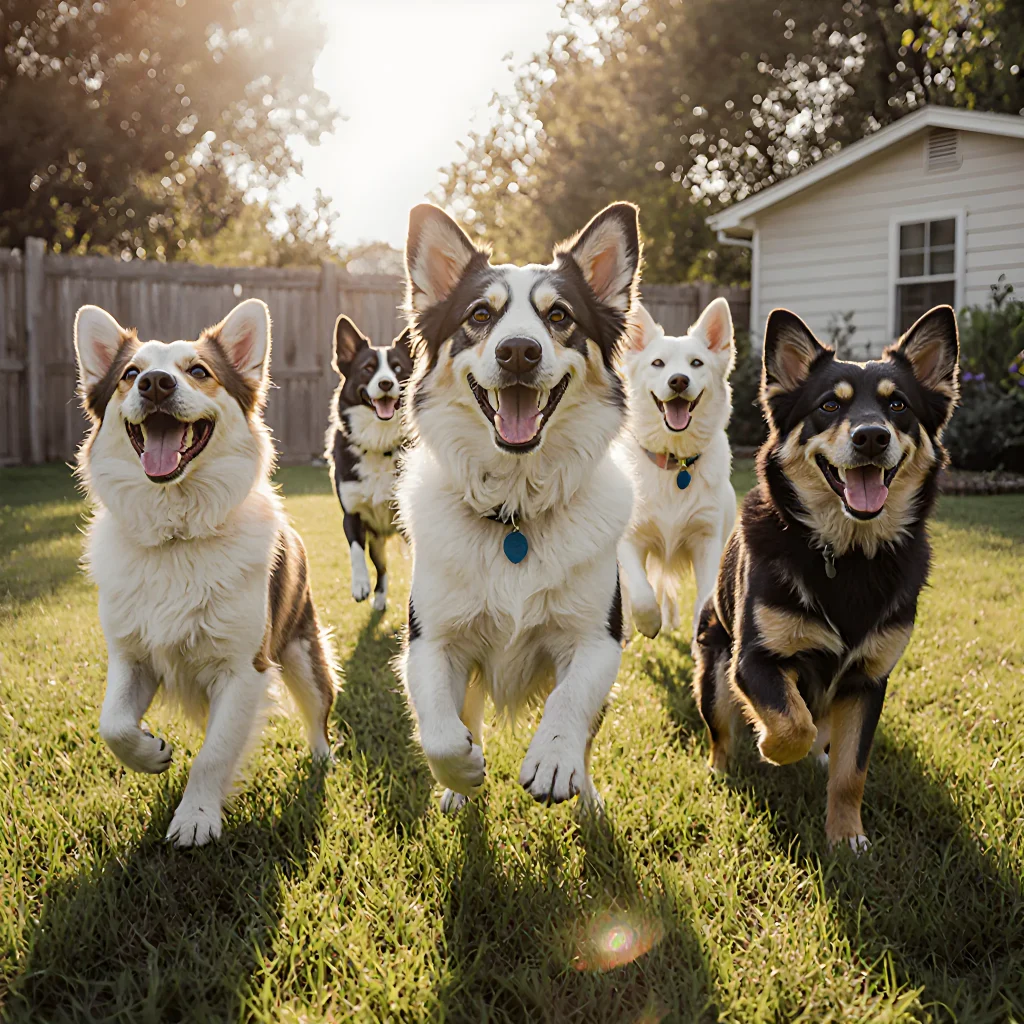










Social Media‑Influenced Popularity Trends
In the age of Instagram, TikTok, and YouTube, a dog's online presence can make or break its popularity. First‑time owners often turn to social media for inspiration, discovering breeds that fit their lifestyle through short videos, viral memes, and influencer endorsements.
Breed Spotlight: The “Pet‑Friendly” Dogs Trending on Social Platforms
Why Social Media Matters for First-Time Owners
Practical Advice: Choosing Wisely in a Viral Landscape
Case Study: The Rise of the Miniature Schnauzer on TikTok
A TikToker started a daily “Schnauzer Workout” series, showing how to train them for agility and obedience. Within six months, follower count doubled, leading to increased inquiries at local breeders. However, many first‑time owners overestimated the dog’s adaptability, resulting in higher return rates. This underscores the importance of balanced information.
Key Takeaways