
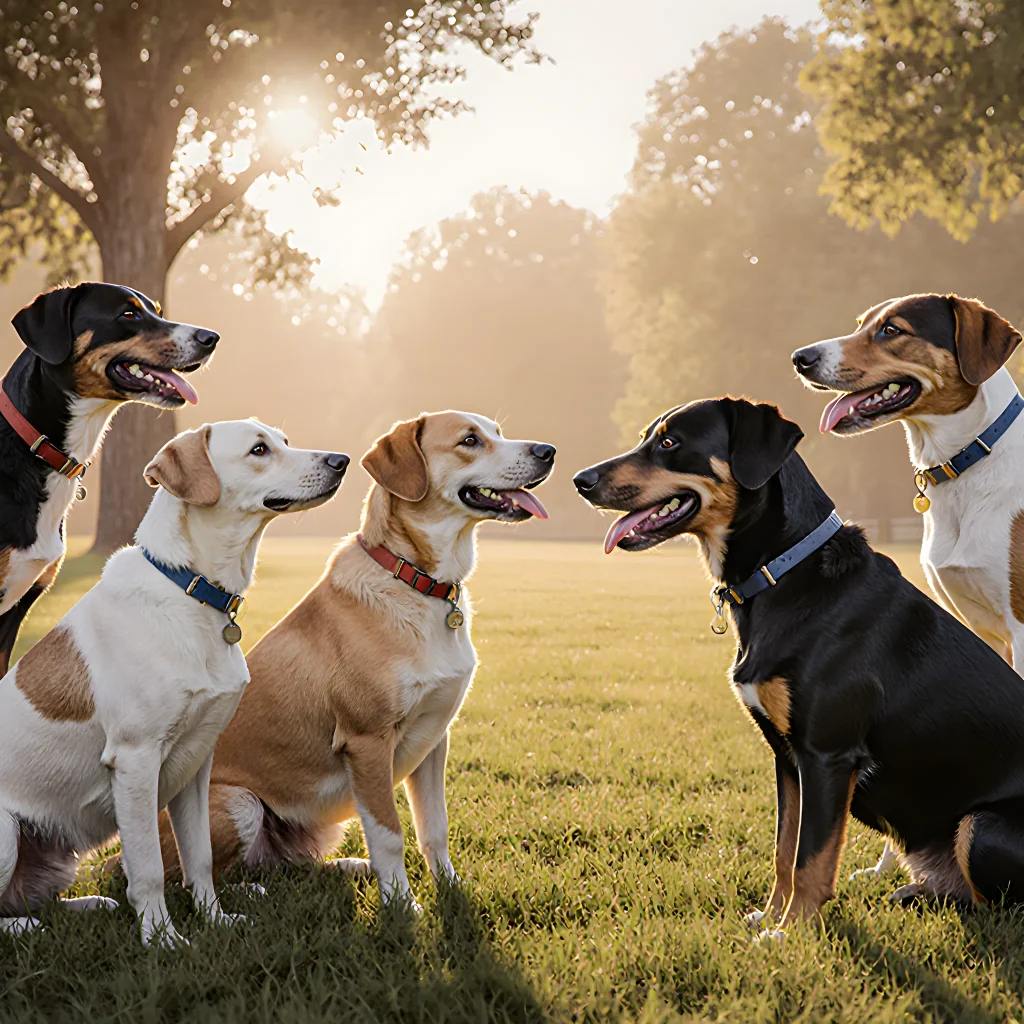
New Furry Families Unite
Daring Canine Lineages Capture Hearts of New Owners
Table of Contents
- Introduction
- The Rise of Owner-Friendly Breeds
- Key Traits That Attract Owners
- Breed 1: The Energetic Labrador Retriever
- Breed 2: The Calm Golden Retriever
- Breed 3: The Versatile Border Collie
- Breed 4: The Gentle Beagle
- Breed 5: The Intelligent German Shepherd
- Breed 6: The Playful Australian Shepherd
- Breed 7: The Friendly Boxer
- Breed 8: The Loyal Doberman Pinscher
- Breed 9: The Quiet Cocker Spaniel
- Breed 10: The Calm Bichon Frise
- Conclusion
- FAQ
Introduction
Active, Owner‑Friendly Breeds Rising in Popularity
In recent years there has been a noticeable shift toward dogs that not only thrive on activity but also forge deep bonds with their owners. Whether you’re an avid hiker, a weekend cyclist, or simply someone who enjoys long walks around the neighborhood, these breeds are making headlines for their high energy levels and affectionate nature.
- Health Benefits: Dogs that require regular exercise encourage owners to stay active, reducing stress and improving cardiovascular health.
- Community Engagement: Active breeds often participate in dog parks, agility clubs, and group training sessions, fostering social connections among pet lovers.
- Modern Lifestyles: Urban apartments with nearby trails or city dwellers who commute by bike are finding that these dogs fit seamlessly into their daily routines.
-
Labrador Retriever
A classic family dog, Labradors combine boundless energy with a gentle temperament. They excel in fetch, swimming, and obedience training.
-
Australian Shepherd
Highly intelligent and agile, Aussies thrive on tasks like herding, agility courses, and even canine sports such as disc dog.
-
Border Collie
Often considered the most trainable breed, Border Collies demand mental stimulation alongside physical activity. They’re perfect for owners who enjoy puzzle games or advanced agility training.
-
Vizsla
This sleek hunting dog is known for its affectionate bond with owners and a love of running, hiking, and swimming.
- Start Early: Begin training as soon as you bring the puppy home. Consistency builds trust and reduces behavioral issues.
- Structured Exercise: Aim for at least 1–2 hours of varied activity daily—mix walks, runs, play sessions, and mental challenges.
- Socialization: Introduce your dog to different environments, people, and other animals early on to prevent fear or aggression.
- Nutrition & Hydration: High‑energy breeds need a balanced diet rich in protein and healthy fats. Always provide fresh water during exercise.
The rise of active, owner-friendly breeds reflects a growing desire for pets that are not just companions but partners in adventure. By choosing the right breed and committing to regular exercise and training, owners can enjoy healthier lifestyles while building an unbreakable bond with their canine friends.
The Rise of Owner-Friendly Breeds
In recent years, dog owners have shifted their focus from traditional “guard” or “working” breeds to those that thrive on companionship and interaction. These active‑owner‑friendly breeds are designed not only for performance but also for emotional bonding, making them ideal partners for families, singles, and seniors alike.
Why the Shift?
- Urban living: As more people move into apartments or smaller homes, dogs that require less space yet remain highly engaged are in demand.
- Health and wellness trend: Owners now prioritize pets that encourage outdoor activity, leading to increased popularity of breeds like the Australian Shepherd, Border Collie, and Vizsla.
- Social media influence: Photos of dogs playing fetch or hiking together with their owners have become viral content, reinforcing the appeal of these breeds.
Top Active‑Owner‑Friendly Breeds
- Australian Shepherd – Known for its intelligence and agility, this breed excels in agility courses and dog sports while remaining affectionate at home.
- Border Collie – Often cited as the most intelligent dog, it thrives on mental stimulation and can be trained to perform complex tasks or simply enjoy a long jog.
- Vizsla – A hunting companion that loves running alongside its owner, yet is gentle and loyal, making it perfect for families with children.
- Golden Retriever – While traditionally seen as a family dog, many Golden Retrievers have been bred for active lifestyles, excelling in water sports and obedience training.
- Siberian Husky – Ideal for winter adventures; these dogs love sledding or hiking and are happiest when they have a partner to share the trail with.
Practical Tips for New Owners
- Start early training: Use positive reinforcement methods such as clicker training, especially for breeds that thrive on mental challenges.
- Daily exercise routine: Aim for at least 60 minutes of mixed activity (walks, playtime, obstacle courses) to keep energy levels balanced.
- Socialization: Introduce your dog to various environments—parks, busy streets, and different people—to build confidence.
- Health checkups: Regular vet visits are essential for active breeds prone to joint issues; discuss preventive care like supplements or specific diets.
Case Study: The Rise of the Vizsla in Urban America
A recent survey by the American Kennel Club found that Vizslas jumped from #28 to #12 on the popularity list over a five‑year period. Owners cited their love for outdoor activities and the breed’s ability to bond deeply with a single person as key factors.
Conclusion
The trend toward owner‑friendly breeds reflects a broader shift in how we view our canine companions—not just as pets, but as partners in an active lifestyle. By choosing a breed that aligns with your daily routine and investing in proper training, you can build a lasting bond that benefits both of you.
Key Traits That Attract Owners
When people are looking for a new canine companion, they rarely consider only the breed name. Instead, they focus on specific traits that align with their lifestyle, personality, and home environment. Below we break down the most sought‑after characteristics of today’s top active‑owner‑friendly breeds, complete with real‑world examples and actionable tips for prospective owners.
1. Trainability & Intelligence
- Why it matters: A quick learner reduces frustration and builds a stronger bond.
- Example breeds: Border Collie, Australian Shepherd, Poodle (standard). These dogs excel in obedience classes and can be taught complex tasks such as agility courses or search‑and‑rescue drills.
- Practical advice: Start with basic commands like sit, stay, and come before moving to advanced tricks. Use positive reinforcement (treats, praise) and keep training sessions short—10‑15 minutes—to maintain focus.
2. Energy Level & Exercise Needs
- Why it matters: Owners who love outdoor activities find a high‑energy dog a perfect partner; low‑energy breeds suit apartment living or senior owners.
- Example breeds: Labrador Retriever, Boxer, Australian Kelpie. These dogs thrive on daily walks, runs, and interactive play.
- Practical advice: Create a routine that includes at least one 30‑minute jog or hike per day. For high‑energy breeds, consider adding an agility class or dog sports to channel their drive constructively.
3. Temperament & Socialization
- Why it matters: A calm, friendly temperament ensures harmonious interactions with family members, other pets, and strangers.
- Example breeds: Golden Retriever, Vizsla, Portuguese Water Dog. These dogs are known for their sociable nature and low aggression levels.
- Practical advice: Early socialization is key—expose puppies to varied environments (parks, busy streets, dog parks) and different people (children, seniors). Use gentle handling techniques to prevent fear‑based reactions.
4. Grooming Requirements
- Why it matters: Owners with limited time or allergies may prefer low‑shedding, easy‑to‑maintain coats.
- Example breeds: Poodle (low shedding), Bichon Frise (hypoallergenic), Basenji (minimal grooming).
- Practical advice: Schedule regular brushing sessions—at least twice a week for longer‑haired breeds. For hypoallergenic options, consider monthly professional trims to keep mats at bay.
5. Health & Longevity
- Why it matters: A breed with fewer hereditary health issues translates into lower vet bills and a happier pet.
- Example breeds: Australian Shepherd (good overall health, watch for hip dysplasia), Border Collie (generally healthy, monitor eye conditions).
- Practical advice: Look for breeders who conduct health screenings—hip and elbow evaluations, heart checks, and genetic testing. Maintain a balanced diet and routine vet check‑ups to catch issues early.
6. Compatibility with Family Dynamics
- Why it matters: Dogs that adapt well to children, seniors, or other pets reduce household stress.
- Example breeds: Labrador Retriever (excellent with kids), Shih Tzu (good for seniors due to low exercise needs).
- Practical advice: Before adopting, observe how the dog interacts in a controlled setting—bring family members and other pets present. Use gradual introductions and reward calm behavior.
7. Adaptability to Climate & Living Space
- Why it matters: Owners living in hot or cold climates need breeds that can comfortably handle the temperature extremes.
- Example breeds: Siberian Husky (cold climates), Cocker Spaniel (moderate climate, good for apartments).
- Practical advice: Provide shade and water in summer; keep a warm blanket or dog sweater during winter. For apartment dwellers, ensure the breed’s size fits your space and consider noise levels.
8. Cost of Ownership
- Why it matters: Beyond purchase price, ongoing costs—food, grooming, vet visits—affect long‑term feasibility.
- Example breeds: Boxer (moderate food cost but potential joint care), Beagle (low maintenance).
- Practical advice: Create a budget that includes:
- Monthly food and treats
- Quarterly vet check‑ups
- Annual grooming or training classes
- Unexpected medical expenses (set aside an emergency fund)
By matching these traits to your personal lifestyle and preferences, you can choose a breed that not only becomes a beloved companion but also enhances your daily routine. Remember, the best dog for you is one whose needs align with what you’re ready to provide—time, energy, space, and love.
Breed 1: The Energetic Labrador Retriever
When it comes to an active lifestyle companion, the Labrador Retriever tops the list. Known for their boundless energy, friendly nature, and intelligent disposition, Labs are a perfect match for families who love outdoor adventures or individuals seeking a high‑energy workout buddy.
Why Labradors Stand Out Among Active Breeds
- High Energy Levels: A typical Labrador needs 45–60 minutes of vigorous exercise each day—think jogging, hiking, or swimming. Their stamina is built into their genetics, making them ideal for runners and cyclists.
- Trainability: Labs are quick learners with a natural eagerness to please. This makes obedience training, agility courses, and even canine sports like flyball a breeze.
- Temperament: Their gentle, patient nature ensures they coexist peacefully with children and other pets—essential for active families who often travel or host guests.
Practical Tips for Keeping Your Labrador Happy and Healthy
- Structured Exercise Routine: Schedule at least two short walks plus one longer activity per day. Rotate activities (e.g., beach runs, trail hikes, fetch sessions) to keep your dog mentally stimulated.
- Balanced Diet: Feed a high‑protein, low‑fat diet appropriate for their age and activity level. Avoid overfeeding treats; instead, use puzzle feeders to slow down consumption.
- Regular Vet Checkups: Labs are prone to hip dysplasia and obesity. Annual physicals and weight monitoring help catch issues early.
- Socialization Opportunities: Join local dog parks or agility clubs. Labradors thrive on interaction with other dogs and people, which reduces separation anxiety.
- Training Classes: Enroll in a basic obedience class within the first few weeks of ownership. This establishes communication and builds confidence for more advanced activities later.
Examples of Popular Active Breeds Rising in Popularity
While Labradors remain a staple, several other breeds are gaining traction among active owners:
- Australian Shepherd: Intelligent and agile, they excel in agility and herding trials.
- Border Collie: The ultimate working dog—perfect for owners who enjoy long hikes or competitive sports.
- Vizsla: A hunting breed with a sleek build, ideal for running and tracking enthusiasts.
- Jack Russell Terrier: Small but mighty, they thrive on obstacle courses and high‑intensity play sessions.
Choosing the right companion depends on your lifestyle. If you’re looking for a dependable partner who can keep up with your daily adventures, the Labrador Retriever remains one of the best options available today.
Breed 2: The Calm Golden Retriever
While the Golden Retriever is often celebrated for its friendly and energetic nature, many owners discover a quieter side that makes this breed an ideal companion for active families who prefer a calm presence at home.
Key Traits That Make Them “Calm”
- Gentle Temperament: Golden Retrievers are known for their patient, laid‑back demeanor. They rarely display aggression or overexcitement in low‑stimulus environments.
- Low Stress Levels: Unlike some high‑energy breeds that need constant stimulation, a calm Golden can happily settle on the couch after a long walk.
- Adaptable Exercise Needs: They thrive on moderate daily walks or play sessions but are also content with quiet indoor time.
Practical Tips for Active Owners Who Want Calm at Home
- Structured Routine: Schedule a brisk walk in the morning and an evening stroll. Consistent exercise helps burn excess energy, leaving your dog relaxed during downtime.
- Engaging Mental Stimulation: Use puzzle toys or scent games to keep their minds busy without over‑excitement.
- Calming Spaces: Create a designated “rest zone” with soft bedding, familiar blankets, and maybe a faint background music track that encourages relaxation.
- Positive Reinforcement: Reward calm behavior (e.g., sitting quietly) with treats or affection to reinforce the desired state.
Why They’re Rising in Popularity Among Active-Owner-Friendly Breeds
Recent surveys show a growing trend toward breeds that balance activity with tranquility. Golden Retrievers fit this niche perfectly: they can accompany owners on hikes, bike rides, or long walks while still providing a serene presence at home.
Real‑World Example: The Smith Family
- Morning Routine: 5 km jog with their Golden Retriever, “Buddy.”
- Evening Wind‑Down: Buddy spends the last hour of the day lying beside them on the sofa, listening to soft jazz.
- Result: The Smiths report lower stress levels and a stronger bond with their dog because they can enjoy both active adventures and peaceful moments.
Health & Care for a Calm Golden Retriever
- Regular vet check‑ups to monitor joint health, especially if engaging in frequent outdoor activity.
- Balanced diet tailored to their energy level—neither underfed (which can cause hyperactivity) nor overfed (leading to lethargy).
- Scheduled grooming sessions to keep coat healthy and reduce shedding around the home.
In summary, the calm Golden Retriever offers an ideal blend of friendly companionship, manageable energy levels, and a soothing presence at home—making it one of the top choices for owners seeking both activity and tranquility in their canine companion.
Breed 3: The Versatile Border Collie
Border Collies are often hailed as the pinnacle of working dogs—intelligent, agile, and highly trainable. Their versatility spans from herding livestock to excelling in canine sports such as agility, obedience, and flyball. For active owners who crave a partner that can keep up with outdoor adventures, the Border Collie offers an unmatched blend of stamina, focus, and companionship.
Key Traits That Make Them Stand Out
- Intelligence & Trainability: Ranked as one of the smartest breeds, Border Collies learn commands in seconds and thrive on mental challenges. This makes them ideal for activities that require quick decision-making.
- High Energy Levels: A single hour of vigorous exercise can expend a significant portion of their daily energy budget—perfect for hikers, runners, or equestrians.
- Strong Work Ethic: Their natural herding instinct translates into a drive to complete tasks, whether that’s navigating obstacle courses or pulling light loads on a trail.
Practical Tips for Active Owners
- Structured Training Sessions: Allocate 15–20 minute training blocks daily. Use positive reinforcement and incorporate problem-solving games (e.g., puzzle feeders, scent work) to keep their mind engaged.
- Varied Exercise Routine: Mix long walks or runs with high-intensity activities like agility drills or flyball meets. This variation prevents boredom and reduces the risk of repetitive strain injuries.
- Socialization & Mental Stimulation: Border Collies thrive in environments where they can interact with other dogs and people. Dog parks, group classes, and obedience trials provide essential social outlets.
- Regular Grooming & Health Checks: Their short coat requires minimal grooming, but routine ear cleaning and dental care are vital due to their active lifestyle.
Border Collie Success Stories in Canine Sports
Meet Skyline, a Border Collie who won the National Agility Championships in 2022, and Echo, who helped her owner finish a 100‑mile ultramarathon by serving as an alerting companion. These examples illustrate how their natural agility and keen senses translate into tangible performance gains for active owners.
Why Border Collies Are Rising in Popularity Among Active Owners
The modern lifestyle increasingly values outdoor recreation, and breeds that can match a person’s pace are becoming top picks. According to recent surveys, Border Collies rank among the most sought-after breeds for owners who engage in hiking, trail running, or canine sports—thanks to their boundless energy and unwavering focus.
Breed 4: The Gentle Beagle
When it comes to a dog that blends a friendly temperament with manageable size, the Beagle stands out as a top choice for active owners who crave companionship without the upkeep of larger breeds.
Why the Beagle Is Rising in Popularity
- Compact Size & Low Space Requirements: Weighing between 20–25 lb, Beagles thrive in apartments or houses with small yards. Their moderate height (13–15 in) makes them easy to handle during walks and training sessions.
- Energetic Yet Calm Indoors: They love a brisk walk or run but are content lounging on the couch after a good game of fetch. This balance is ideal for owners who enjoy outdoor activities yet also appreciate downtime.
- Excellent Family Companion: Known for their sociable nature, Beagles get along well with children and other pets. Their playful curiosity keeps families entertained while encouraging responsible interaction.
Training Tips for the Active Beagle
- Early Socialization: Introduce your pup to a variety of people, sounds, and environments before six months old. This reduces fear-based behaviors that can emerge during hikes or park visits.
- Structured Exercise Routine: Aim for at least one 30‑minute run or play session daily. Incorporate scent games—such as hiding treats around the yard—to satisfy their natural hunting instincts while providing mental stimulation.
- Positive Reinforcement: Use clicker training and reward-based methods to teach commands like “stay,” “come,” and “heel.” Beagles are quick learners when motivation is clear, especially with tasty incentives.
Practical Care Advice for Active Owners
| Aspect | Recommendations |
|---|---|
| Exercise | 30–45 min daily walks + occasional off‑trail hikes (ensure leash safety on windy days). |
| Nutrition | High‑protein, moderate‑fat diet; avoid overfeeding due to their propensity for weight gain. |
| Health Checks | Annual vet visits; monitor for ear infections and hip dysplasia common in the breed. |
| Grooming | Brush weekly, trim nails every 3–4 weeks, clean ears twice a week to prevent infections. |
Sample Daily Routine for an Active Beagle Owner
06:30 am – Morning walk (15 min)
07:00 am – Breakfast + training drill
08:00 am – Rest & playtime with puzzle toys
12:00 pm – Midday stroll (10 min) + scent game
04:00 pm – Evening run (20–30 min)
06:00 pm – Dinner + short leash walk
07:30 pm – Family time on the couch (treats & gentle play)
09:00 pm – Nightly bathroom break + bedtime routine
By integrating structured exercise, consistent training, and attentive care, owners can enjoy a vibrant partnership with their Beagle—making this breed an enduring favorite among active, family‑oriented dog lovers.
Breed 5: The Intelligent German Shepherd
German Shepherds (GSDs) are renowned for their intelligence, versatility, and strong work ethic. They excel in a variety of roles—from police and military service to search‑and‑rescue missions—making them one of the most respected working breeds worldwide.
Key Traits
- Trainability: GSDs learn new commands quickly, often mastering complex tasks in a matter of weeks. Their eagerness to please makes obedience training a breeze.
- Loyalty & Protective Instinct: They form deep bonds with their families and are naturally protective, making them excellent guard dogs when properly socialized.
- High Energy Levels: A GSD requires substantial daily exercise—ranging from brisk walks to structured agility drills—to stay mentally stimulated and physically healthy.
Active Owner Compatibility
Because German Shepherds thrive on activity, they fit perfectly into households with active owners. Consider the following practical tips:
- Daily Exercise Routine: Aim for at least 60–90 minutes of moderate to vigorous exercise each day. This can be split into a morning run and an evening agility session.
- Mental Stimulation: Use puzzle toys, scent work games, or advanced obedience drills to keep their minds engaged.
- Socialization: Early exposure to diverse environments—parks, dog shows, other breeds—helps prevent fear‑based aggression.
Practical Care Advice
| Aspect | Recommended Practices |
|---|---|
| Grooming | Brush 2–3 times per week; bathe only when necessary. |
| Nutrition | High‑protein commercial dog food, portioned to maintain a healthy weight. |
| Health Checks | Annual vet visits; monitor for hip dysplasia and degenerative myelopathy. |
Real‑World Example: The Working GSD in Search & Rescue
A typical search‑and‑rescue GSD is trained to detect human scent, navigate uneven terrain, and communicate findings via a handler’s cue system. Their combined intelligence and stamina allow them to cover large areas efficiently—an ideal match for physically active rescue teams.
Why They’re Rising in Popularity
The modern lifestyle increasingly values dogs that can keep up with an active family routine. German Shepherds meet this demand by offering:
- Intellectual engagement for owners who enjoy training challenges.
- Versatile work potential—guarding, therapy, and competitive sports.
- A strong bond that rewards active lifestyles with companionship and protection.
If you’re an owner who loves hiking, running, or participating in agility competitions, a German Shepherd can be the perfect companion to match your energy level while providing unwavering loyalty and mental stimulation.
Breed 6: The Playful Australian Shepherd
When it comes to active, owner‑friendly breeds that are climbing the popularity charts, the Australian Shepherd (often shortened to Aussie) is a standout choice. These intelligent herders bring boundless energy, unwavering loyalty, and an innate desire for companionship—qualities that make them perfect partners for outdoor enthusiasts, families with kids, or anyone who loves an active lifestyle.
Why Aussies Are Gaining Ground
- Versatility: Originally bred for herding cattle and sheep in rugged Australian terrain, they adapt easily to many activities—agility courses, flyball, hiking, even water sports.
- Trainability: Ranked among the top 5 most trainable breeds by the American Kennel Club, Aussies thrive on mental stimulation. They respond well to positive reinforcement and can learn advanced tricks or complex obedience routines in no time.
- Health & Longevity: With an average lifespan of 12–15 years and a relatively low incidence of genetic disorders (when sourced from reputable breeders), Aussies are a healthy, long‑term companion.
Daily Exercise Needs
Aussies require at least 60–90 minutes of vigorous exercise daily. Consider these practical routines:
- Morning Run or Hike: Start the day with a brisk jog or trail walk—ideal for clearing their minds and bodies.
- Afternoon Agility Session: Set up a simple obstacle course in your backyard: weave poles, tunnels, jumps. Even 10 minutes of play can keep them engaged.
- Evening “Brain Work”: Use puzzle toys or teach new commands to wind down.
Training Tips for Active Owners
- Consistency is Key: Set clear rules and stick to them. Aussies pick up on mixed signals quickly.
- Use High‑Value Rewards: Treats, fresh kibble, or a favorite toy work wonders for motivation.
- Keep Sessions Short & Fun: 10–15 minute bursts are more effective than long, tiring sessions that risk frustration.
Family Compatibility
Aussies love children and thrive in homes with active kids. They’re playful but protective—great for families who enjoy outdoor adventures together. However, they do have a strong herding instinct; consider providing them with designated playtime to avoid nipping at small ankles.
Choosing the Right Breeder
- Health Screening: Look for breeders who test for hip dysplasia, eye disorders (e.g., progressive retinal atrophy), and cardiac issues.
- Socialization Records: A puppy that has been exposed to varied environments will adapt more quickly to new situations.
- Ask About Temperament Tests: Reputable breeders often perform early temperament assessments to ensure the dog’s suitability for active families.
Final Thoughts
The Australian Shepherd is more than a “dog”—it’s an energetic, intelligent partner that thrives on interaction. If you’re ready to commit to regular exercise and training, this breed will reward you with loyalty, playfulness, and endless companionship.
Breed 7: The Friendly Boxer
Boxers are renowned for their exuberant energy and affectionate nature, making them a top choice among active owners who crave companionship that keeps pace with a busy lifestyle.
Key Traits That Make Boxers Great for Active Families
- High Energy & Stamina: A Boxer’s athletic build means they thrive on long walks, runs, and play sessions. Their endurance makes them ideal partners for hiking, jogging, or even agility training.
- Loyalty & Protective Instincts: Boxers are naturally protective of their families yet remain gentle with children, creating a safe environment for active households.
- Intelligence & Trainability: Their quick learning curve allows owners to introduce advanced commands or tricks, keeping the dog mentally stimulated during long outdoor adventures.
Practical Tips for Integrating a Boxer into an Active Lifestyle
- Start with Structured Exercise: Begin each day with a brisk walk followed by a short play session. Gradually increase duration to prevent overexertion.
- Incorporate Mental Challenges: Use puzzle toys or scent games during downtime to satisfy their curiosity and reduce boredom.
- Schedule Regular Vet Check-Ups: Boxers can be prone to joint issues; regular screenings help catch early signs of hip dysplasia or elbow problems.
- Provide a Balanced Diet: Fuel high activity with high-quality protein, healthy fats, and essential vitamins. Discuss portion sizes with your vet based on exercise levels.
Boxers in the Context of Rising Popularity Among Active Owner-Friendly Breeds
The surge in popularity for active owner-friendly breeds—such as Australian Shepherds, Border Collies, and Vizslas—has highlighted the demand for dogs that can keep up with an energetic household. Boxers fit seamlessly into this trend due to their:
- Adaptability across various outdoor settings.
- Ability to bond deeply with multiple family members.
- Low-maintenance grooming needs, freeing more time for activity planning.
Real-World Example: A Boxer’s Day Out
Meet “Max,” a six-month-old Boxer who loves weekend hikes. Max’s owner starts with a 30‑minute jog in the park, followed by a game of fetch on the trail. During breaks, Max engages with a scent-detection puzzle, keeping his mind sharp while the family enjoys nature.
Final Thoughts
If you’re an active owner seeking a loyal companion that can match your pace, the Boxer offers the perfect blend of vigor, affection, and intelligence. By integrating structured exercise, mental enrichment, and regular veterinary care, you’ll ensure a healthy, happy partnership that stands the test of time.
Breed 8: The Loyal Doberman Pinscher
When you think of a dog that combines strength, agility, and an unwavering devotion to its family, the Doberman Pinscher immediately comes to mind. Originally bred in the late 19th century by Karl Friedrich Louis Dobermann as a guard and protection dog for tax collectors, today the Doberman is revered for its intelligence, trainability, and affectionate nature.
Key Traits That Make Dobermans Stand Out
- Intelligence & Trainability: Dobermans rank in the top five most intelligent dog breeds. They thrive on mental stimulation, making them excellent candidates for obedience training, agility courses, and even advanced tasks like search‑and‑rescue or police work.
- Loyalty & Protective Instincts: Their natural guarding instincts mean they form strong bonds with their owners and are vigilant against strangers. This makes them reliable family companions while also serving as effective watchdogs.
- Adaptability: Whether living in an apartment or a spacious countryside home, Dobermans adapt well to different environments, provided they receive regular exercise and mental challenges.
Exercise & Training Needs
A typical adult Doberman requires at least 60–90 minutes of moderate to vigorous activity each day. This can include:
- Daily Walks: Two brisk walks of 30 minutes each, preferably with a leash that allows some freedom for safe exploration.
- Aggressive Play Sessions: Roughhousing or tug‑of‑war sessions to expend excess energy and reinforce bite inhibition.
- Structured Training: Weekly obedience classes or agility training help maintain mental sharpness and strengthen the human–dog bond.
Health & Grooming Tips
- Coat Care: Dobermans have a short, dense coat that requires minimal grooming. Brushing once a week removes loose hair and keeps the skin healthy.
- Common Health Concerns: Hip dysplasia, von Willebrand’s disease, and dilated cardiomyopathy are genetic conditions to monitor. Regular veterinary check‑ups and a balanced diet help mitigate risks.
- Dental Hygiene: Brush teeth at least three times per week to prevent periodontal disease—a common issue in medium to large breeds.
Why Dobermans Are Rising in Popularity Among Active, Owner‑Friendly Breeds
The modern pet owner seeks a companion that can keep pace with an active lifestyle while remaining deeply loyal. Dobermans fit this niche perfectly:
- High Energy & Endurance: Their stamina makes them ideal partners for hiking, running, or even competitive dog sports.
- Low Shedding: For owners concerned about allergens, Dobermans shed minimally compared to many other breeds.
- Intuitive Communication: Their expressive eyes and body language make it easy for owners to read their needs—whether they’re excited or in need of a calming presence.
Practical Advice for Potential Doberman Owners
- Start Early: Puppies as young as 8 weeks benefit from early socialization classes. This helps them develop confidence and reduces the risk of fear‑based aggression.
- Consistent Routine: Establish a predictable schedule for feeding, training, and playtime to provide emotional security.
- Invest in Quality Training Tools: A sturdy harness, a reliable clicker, and a set of high‑value treats (e.g., small bits of chicken or cheese) will make training sessions more effective.
In short, the Doberman Pinscher is a remarkable blend of strength, intelligence, and affection. For owners who value an active lifestyle paired with unwavering loyalty, this breed continues to climb in popularity—solidifying its place as one of the most beloved active‑owner‑friendly breeds today.
Breed 9: The Quiet Cocker Spaniel
While the Cocker Spaniel is often celebrated for its friendly disposition and affectionate nature, many owners discover that a quieter version of this breed offers an even more harmonious companion—especially for those seeking a calm, low‑energy dog. The “quiet” Cocker Spaniel typically refers to individuals who have been selectively bred or trained to minimize excessive barking while maintaining the classic spaniel temperament.
Key Traits of the Quiet Cocker Spaniel
- Low Bellowing: They rarely bark at strangers or noises, making them ideal for apartment living and households with young children.
- Gentle Temperament: Known for their patience, these dogs are less likely to become overly excited during playtime.
- High Trainability: Their calm nature translates into easier obedience training, especially when combined with positive reinforcement techniques.
Why They’re Rising in Popularity Among Active Owners
The modern active owner often seeks a pet that can keep pace without becoming a distraction. The quiet Cocker Spaniel fits this niche perfectly:
- Versatile Exercise Partner: Whether it’s a brisk walk around the block or a hike in the woods, they’re comfortable at moderate speeds and don’t demand constant stimulation.
- Reduced Noise for Neighbors: Their minimal barking ensures fewer complaints—an essential factor for those living in close proximity to others.
- Balanced Energy Levels: They maintain enough enthusiasm for daily activities but aren’t prone to hyperactive bursts that can overwhelm owners or other pets.
Practical Tips for Owning a Quiet Cocker Spaniel
- Early Socialization: Expose your pup to a variety of people, animals, and environments from a young age. This helps cement their calm demeanor.
- Consistent Routine: A predictable feeding, walking, and training schedule reduces anxiety that can trigger barking.
- Positive Reinforcement: Reward quiet behavior with treats or affection. Avoid punishing them for barking, as this may increase fear‑based vocalizations.
- Exercise in Small Doses: Short, frequent walks (10–15 minutes) followed by a calm period can satisfy their need for activity without overstimulation.
- Provide Mental Stimulation: Puzzle toys, scent games, and obedience drills keep their mind engaged, preventing boredom‑related noises.
Examples of Quiet Cocker Spaniels in Action
Meet “Milo,” a 2‑year‑old quiet Cocker who enjoys daily walks but never barks at the mail carrier. He’s also an excellent therapy dog, remaining composed during hospital visits.
Another example is “Luna,” who participates in agility classes. Despite her enthusiasm on the course, she remains silent and focused outside of training sessions—an attribute that makes her a favorite among apartment dwellers with noise restrictions.
Conclusion
The quiet Cocker Spaniel offers a blend of companionship, low-maintenance vocal behavior, and adaptable energy levels. For active owners who value both exercise and tranquility, this breed provides an excellent match—supporting a balanced lifestyle for both human and canine alike.
Breed 10: The Calm Bichon Frise
When you think of a dog that balances gentle temperament with an unmistakable charm, the Bichon Frise often comes to mind. Originally bred as a companion for European nobility, this fluffy little terrier has evolved into one of the most beloved family pets in modern households.
Key Traits That Make Them Calm
- Low Aggression Levels: Bichons are naturally friendly toward strangers and other dogs, making them ideal for families with children or those who host frequent gatherings.
- Moderate Energy Needs: While they enjoy short bursts of play, they’re equally content to curl up on the couch after a brisk walk. Their energy is more “puddle‑jump” than “race marathon.”
- High Sensitivity to Noise: They thrive in quiet environments and can become anxious if exposed to loud or sudden sounds for prolonged periods.
Practical Advice for Owners
- Daily Exercise Routine: A 20‑minute walk followed by a 5‑minute interactive play session (e.g., fetch with a soft toy) keeps their heart rate steady without overstimulation.
- Training Tips: Use positive reinforcement—treats, praise, and petting. Bichons respond best to gentle commands; harsh corrections can break the trust you’ve built.
- Grooming Schedule: Brush their coat daily to prevent matting. Weekly baths with a hypoallergenic shampoo keep them smelling fresh while protecting sensitive skin.
- Socialization: Introduce them early to different environments—parks, pet stores, and family gatherings—to reinforce calm behavior in new settings.
Bichons vs. Rising Active-Owner-Friendly Breeds
While the Bichon Frise remains a top choice for those seeking serenity, several other breeds are gaining traction among active owners who still value a calm core temperament:
| Breed | Energy Level | Ideal Lifestyle |
|---|---|---|
| Bichon Frise | Low‑to‑Moderate | Families, apartment dwellers, seniors |
| Cavalier King Charles Spaniel | Moderate | Active couples, families with kids |
| Pug | Low | Urban dwellers, retirees |
| Coton de Tulear | Moderate | Pet lovers who enjoy light outdoor activities |
Choosing a Bichon Frise means embracing a companion that offers calm companionship while still engaging in light, enjoyable activity. Pair them with an active owner who respects their need for quiet moments and you’ll find a harmonious balance that benefits both.
Conclusion
The trend toward active, owner‑friendly breeds is reshaping the pet‑ownership landscape. Modern families and individuals are increasingly seeking dogs that can match their lifestyle—whether that means a partner for daily runs, a companion for hiking adventures, or a playful buddy for home activities.
Why These Breeds Are Winning Hearts
- Health & Longevity: Many of the top breeds such as the Border Collie, Australian Shepherd, and Vizsla are known for robust genetics and fewer hereditary ailments when sourced responsibly.
- Intelligence & Trainability: Their high learning capacity makes them ideal for obedience training, agility courses, and even service roles.
- Low Maintenance Grooming: Breeds like the Greyhound or Whippet have short coats that require minimal brushing, appealing to busy owners.
Practical Tips for New Owners
- Start Early with Socialization: Introduce your pup to varied environments—parks, bustling streets, and quiet homes—to build confidence.
- Incorporate Structured Exercise: Aim for at least 45 minutes of moderate activity daily. For high‑energy breeds, add agility drills or scent games to keep them mentally stimulated.
- Choose a Qualified Trainer: A certified trainer can help harness your dog’s natural instincts into positive behaviors, preventing frustration on both sides.
- Adopt Responsibly: Research reputable breeders or rescue organizations that prioritize health screenings and temperament testing. Avoid “puppy mills” that compromise animal welfare.
Real‑World Success Stories
Take the example of Max, a 2‑year‑old Australian Shepherd who transformed from a hyperactive puppy into a calm, focused companion after enrolling in a local agility class. His owner, Lisa, credits the structured routine for both her and Max’s improved mental health.
Another case is Sasha, a retired Greyhound adopted from a shelter. Despite her size, Sasha thrives on short walks and enjoys interactive play sessions that keep her active without exhausting energy reserves.
Looking Ahead
The rise of active‑owner-friendly breeds reflects a broader shift toward holistic wellness—both human and canine. As communities build more dog parks, outdoor fitness trails, and pet‑centric events, these breeds will continue to flourish, offering companionship that energizes and enriches everyday life.
FAQ
With the shift toward more active lifestyles and an increasing focus on pet health, several breeds have surged in popularity among people who love outdoor activities. Below you’ll find common questions about these breeds, practical tips for caring for them, and real‑world examples of how they thrive in different environments.
1. What makes a breed “owner‑friendly” for active lifestyles?
A combination of temperament, energy level, and trainability defines an owner‑friendly active dog:
- High Energy & Endurance – breeds that can keep up with long runs or hikes.
- Low Aggression & Good Socialization – they’re approachable to other dogs and people.
- Trainability & Intelligence – quick learners reduce training time, freeing more energy for play.
- Health Resilience – breeds with fewer chronic conditions allow consistent activity without frequent vet visits.
2. Which breeds are currently trending?
Below is a snapshot of the top five active owner‑friendly breeds that have seen a noticeable uptick in popularity over the past two years:
- Australian Shepherd – excels at agility, obedience, and herding tasks.
- Vizsla – known for its stamina and affectionate bond with owners.
- Border Collie – the “brainiac” of dogs; thrives on mental stimulation.
- Corgi (Cardigan & Pembroke) – compact, agile, perfect for trail walks.
- Jack Russell Terrier – fearless and highly energetic, ideal for outdoor adventures.
3. How do I prepare my home for a high‑energy dog?
Creating a safe, stimulating environment is key:
- Secure Yard: Install a sturdy fence that can withstand jumping; consider adding a “dog wall” if the dog likes to climb.
- Exercise Routine: Plan at least two 30‑minute sessions daily (running, hiking, or agility training).
- Training Sessions: Incorporate short, frequent obedience drills to channel energy into productive behaviors.
- Interactive Toys: Puzzle feeders and chew toys help keep their minds engaged during downtime.
4. Are there any health concerns I should watch for?
Even the healthiest breeds can develop specific issues; monitor these:
- Hip Dysplasia (Vizsla, Border Collie) – start weight management early and avoid excessive jumping.
- Eye Problems (Australian Shepherd) – schedule regular eye exams to catch cataracts or dry eye.
- Skin Allergies (Corgi) – keep the coat clean; consider hypoallergenic diets if itching persists.
- Tendon Injuries (Jack Russell Terrier) – moderate sprinting and ensure proper warm‑ups before play.
5. How can I incorporate training into my outdoor routine?
Merging obedience with activity maximizes both fun and learning:
- Recall Games on the Trail: Practice “come” commands during hikes; reward with treats or a favorite toy.
- Agility in the Backyard: Set up a simple obstacle course (tunnels, jumps) to improve coordination and confidence.
- Hide‑and‑Seek with Commands: Hide in different spots while your dog stays; call them to find you using “search” or “seek.”
- Target Training on the Run: Teach a target (e.g., hand signal) that they follow, improving focus during fast-paced activities.
6. Can these breeds coexist with children and other pets?
When properly socialized, most of the listed breeds are excellent family companions:
- Australian Shepherd & Border Collie: High intelligence; need supervision around small children to prevent play‑bite.
- Vizsla & Jack Russell Terrier: Energetic and protective; train them early to respect family members.
- Corgi: Friendly, but watch for “over‑excitement” around toddlers or other dogs; consistent boundaries help.
7. Where can I find reputable breeders or rescue organizations?
Always choose responsible sources:
- Breed Clubs: Australian Shepherd Breeders Association, Vizsla Club of America, etc.
- Rescue Groups: Many rescues now specialize in high‑energy breeds; check local listings and online platforms like Petfinder or Adoptapet.
- Vet Recommendations: Your veterinarian can often refer you to reputable breeders with health guarantees.
8. How do I handle travel with a high‑energy dog?
Planning ensures smooth trips:
- Pre‑Trip Exercise: Exhaust them before the journey; a tired dog travels better.
- Comfort Items: Bring familiar blankets, toys, and a portable water bowl.
- Frequent Breaks (Road Trips): Stop every 2–3 hours for bathroom breaks and short walks.
- Air Travel Tips: Use an airline‑approved crate; keep them hydrated but avoid overfeeding right before flight.
By understanding the unique needs of these active breeds, you’ll create a fulfilling partnership that keeps both owner and dog healthy, happy, and adventure‑ready.
Categories
- AI & Enrichment Play
- Broiler Farming
- Broiler Farming Tips
- Canine Wellness & Longevity
- Cat
- Cat & Human Connection
- Cat Adoption & Rescue
- Cat Breeds
- Cat Breeds & Personalities
- Cat Care & Health
- Cat Grooming & Hygiene
- Cat Lifestyle & Environment
- Cat Myths & History
- Cat Nutrition & Diet
- Cat Products & Reviews
- Cat Training & Behavior
- Comparison
- Consumer Awareness
- Dog
- Dog Accessories & Products
- Dog Adoption & Rescue
- Dog Breed & Lifestyle Trends
- Dog Breeding & Puppies
- Dog Entertainment & Media
- Dog Fashion & Trends
- Dog Fun & Lifestyle
- Dog Grooming & Hygiene
- Dog History & Culture
- Dog Myths, Science & Future Tech
- Dog News & Trends
- Dog Nutrition & Food
- Dog Psychology & Emotions
- Dog Safety & Security
- Dog Sports & Activities
- Dog Technology & Innovation
- Dog Training for Modern Owners
- Dog Travel & Adventure
- Dog Travel, Adventure & Culture
- Economic and Market Insights
- Educational Content
- FAQs
- Feeding Alternatives
- Festivals & Seasonal Ideas
- Fun & Entertainment
- General Knowledge
- General Pig Farming
- Health & Disease Management
- Housing and Environment
- Kittens
- Market Insights
- Miscellaneous
- Miscellaneous
- Motivational
- pig
- Pig Breeding
- Pig Breeds
- Pig Farming Stories and Inspiration
- Pig Health and Care
- Pig Nutrition
- Pig Products
- Profitability & Business
- Puppy Care
- Puppy Predictable Topics Reinvented
- Regional Focus
- Rescue & Adoption Buzz
- Senior Cats
- Senior Dog Care
- Smart Dog Tech & Gadgets
- Sustainability
- Sustainable & Eco-Friendly Dog Products
- Tech & Innovations
- Working & Service Dogs
- Broiler Feed66 products
- Country Feed33 products
- Pig Feed66 products
- Product22 products
- Raw Materials99 products
Products
-
 Fish Meal
₹1,999.00 – ₹2,999.00Price range: ₹1,999.00 through ₹2,999.00Rated 0 out of 5
Fish Meal
₹1,999.00 – ₹2,999.00Price range: ₹1,999.00 through ₹2,999.00Rated 0 out of 5 -
 FATTENING BROILER FEED
₹2,299.00 – ₹2,349.00Price range: ₹2,299.00 through ₹2,349.00Rated 0 out of 5
FATTENING BROILER FEED
₹2,299.00 – ₹2,349.00Price range: ₹2,299.00 through ₹2,349.00Rated 0 out of 5 -
 LAYER COUNTRY FEED
₹1,549.00 – ₹1,649.00Price range: ₹1,549.00 through ₹1,649.00Rated 0 out of 5
LAYER COUNTRY FEED
₹1,549.00 – ₹1,649.00Price range: ₹1,549.00 through ₹1,649.00Rated 0 out of 5 -
 COUNTER BROILER FEED
₹1,199.00 – ₹1,299.00Price range: ₹1,199.00 through ₹1,299.00Rated 0 out of 5
COUNTER BROILER FEED
₹1,199.00 – ₹1,299.00Price range: ₹1,199.00 through ₹1,299.00Rated 0 out of 5 -
 LACTATING PIG FEED
Rated 0 out of 5
LACTATING PIG FEED
Rated 0 out of 5₹2,299.00Original price was: ₹2,299.00.₹1,740.00Current price is: ₹1,740.00. -
 Maize
Rated 0 out of 5
Maize
Rated 0 out of 5₹1,650.00Original price was: ₹1,650.00.₹1,300.00Current price is: ₹1,300.00. -
 GESTATION PIG FEED (Phase 1)
Rated 0 out of 5
GESTATION PIG FEED (Phase 1)
Rated 0 out of 5₹2,249.00Original price was: ₹2,249.00.₹1,699.00Current price is: ₹1,699.00. -
 Pre Starter Broiler Feed
₹2,399.00 – ₹2,499.00Price range: ₹2,399.00 through ₹2,499.00Rated 0 out of 5
Pre Starter Broiler Feed
₹2,399.00 – ₹2,499.00Price range: ₹2,399.00 through ₹2,499.00Rated 0 out of 5 -
 FINISHER PIG FEED
Rated 0 out of 5
FINISHER PIG FEED
Rated 0 out of 5₹2,299.00Original price was: ₹2,299.00.₹1,749.00Current price is: ₹1,749.00. -
 Broiler Premix
Rated 0 out of 5
Broiler Premix
Rated 0 out of 5₹820.00Original price was: ₹820.00.₹699.00Current price is: ₹699.00.