
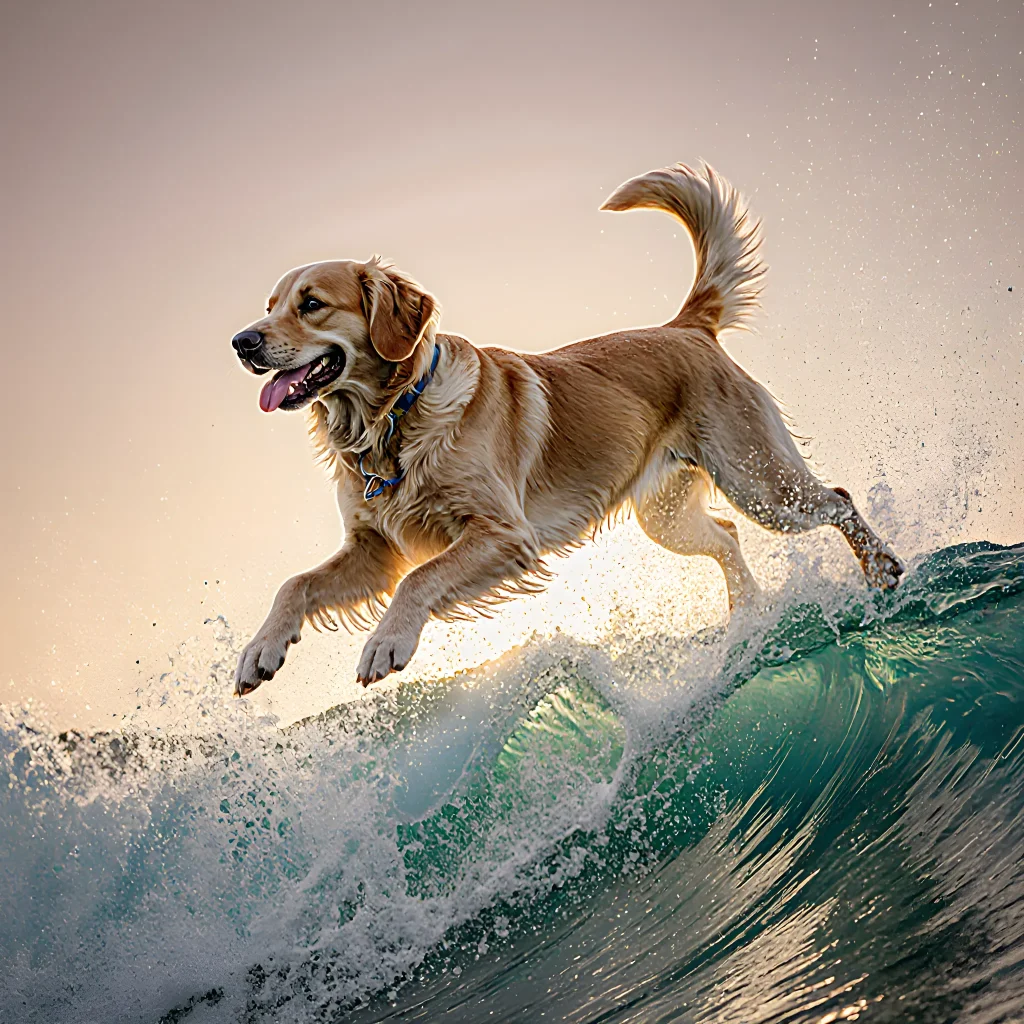
Surfing Paws: Triumph on the Tide
Paws, Waves, Victory: The Great Dog Surf Battle
Table of Contents
- Introduction
- History of Dog Surfing
- Championship Location & Dates
- Wave Conditions & Ideal Surf Spots
- Participants & Qualification Criteria
- Surfboards & Gear for Dogs
- Training Regimens & Coaching Tips
- Official Rules & Scoring System
- Judging Panel & Expertise
- Safety Measures & First Aid Protocols
- Live Streaming & Media Coverage
- Prizes, Sponsorships & Awards
- Spectator Experience & Fan Zones
- Conclusion
- FAQ
Introduction
Dog Surfing World Championships: What to Expect
The Dog Surfing World Championships is the pinnacle event for canine surf enthusiasts, drawing teams from across the globe to showcase their riding prowess on some of the world’s most iconic waves. Whether you’re a seasoned competitor, an aspiring participant, or simply a fan eager to understand what makes this competition unique, here’s a comprehensive guide to help you navigate the experience.
- Pre‑Qualifiers: These are typically open to all registered teams and serve to filter the field down to the top performers who will advance to the finals.
- Finals: Held over a single day, finalists compete in multiple heats—usually three or four—with each heat lasting 5–7 minutes. Judges score based on wave selection, style, and execution.
- Team vs. Individual Rounds: Some championships feature both team events (where dogs surf consecutively as a unit) and individual showcases, allowing teams to display versatility.
- Wave Selection & Size: Judges look for dogs that choose larger, more powerful waves—this demonstrates confidence and skill.
- Execution of Tricks: While many dogs perform simple maneuvers like straight runs or small turns, those attempting advanced tricks (e.g., “half‑pipe” moves or aerials) earn bonus points.
- Consistency & Endurance: Maintaining performance across multiple heats is crucial; a single strong run isn’t enough if the dog falters later.
- Safety & Behavior: Judges assess how well dogs handle challenging conditions and whether they exhibit calm, controlled behavior on board.
The championships are usually scheduled during the peak surf season for the host location—often late spring to early summer in the Northern Hemisphere or late autumn to winter in the Southern Hemisphere. Expect:
- Wave Height: 4–8 feet (1.2–2.5 meters) for many events, though some locations may feature waves exceeding 10 feet.
- Wind: Light to moderate onshore winds are ideal, as they keep the swell organized and reduce spray.
- Tide: Mid‑tide is commonly chosen for its balance between wave power and safety.
| Item | Description | Tip |
|---|---|---|
| Board Selection | Choose a board that matches your dog’s size and skill level—usually a lightweight, high‑performance surfboard. | Test boards in practice sessions; adjust length or fin setup based on wave response. |
| Training Regimen | Incorporate both on‑water practice and dry land conditioning (e.g., balance exercises, core strengthening). | Schedule at least 3–4 surf sessions per week leading up to the event. |
| Health & Nutrition | Ensure your dog is on a balanced diet and has recent veterinary clearance. | Provide plenty of water and consider electrolyte supplements during intense training. |
| Gear & Safety Equipment | Life jackets, leash, first‑aid kit, and a waterproof bag for essentials. | Check that the life jacket fits snugly but allows full range of motion. |
- Shore Break Instability: Dogs may lose balance on uneven sandbars—practice on flat beaches first.
- Wind Gusts: Sudden gusts can destabilize boards—train in varying wind conditions to build adaptability.
- Heat & Sun Exposure: Long sessions in the sun increase dehydration risk—use shade breaks and apply dog‑safe sunscreen if necessary.
Fans can expect:
- Live Commentary: Expert judges provide real‑time analysis of each dog's performance.
- Interactive Zones: Photo ops, merchandise stalls, and pet care booths.
- Educational Workshops: Sessions on dog surfing basics, safety protocols, and training tips for beginners.
After the event, teams often engage in debriefing sessions to review video footage, assess performance metrics, and plan adjustments for future competitions. Sharing insights on social media or community forums helps spread best practices across the dog surfing world.
Whether you’re competing or cheering from the sidelines, the Dog Surfing World Championships promise an adrenaline‑filled showcase of canine athleticism and human–dog teamwork. Prepare wisely, respect the waves, and enjoy the ride!
History of Dog Surfing
The sport of dog surfing has its roots in the early 2000s when a handful of adventurous dog owners began to pair their pets with surfboards for fun and fitness. While the first informal gatherings were simple beachside experiments, the activity quickly evolved into a structured community with dedicated events, training programs, and eventually, an international championship circuit.
Early Beginnings (2000‑2012)
- First Recorded Public Demo: In 2004, a group of surf instructors in California introduced “surf‑dog” sessions as part of beach cleanup initiatives. The dogs were trained to balance on small foam boards while the owners rode nearby waves.
- Social Media Spark: By 2008, viral videos of golden retrievers holding onto board fins captured millions of views on YouTube, turning the hobby into a global trend.
- First Local Meet‑ups: Coastal towns like Byron Bay (Australia) and San Diego began hosting quarterly “Dog Surf Days,” attracting both novices and seasoned riders.
The Formalization Era (2013‑2020)
- Standardized Equipment: Manufacturers started producing dog‑specific surfboards—shorter decks, larger fins, and softer boards to reduce impact on canine joints.
- Training Schools: Organizations such as Surf Dogs International launched structured training curricula covering leash safety, wave selection, and first aid for dogs.
- Safety Guidelines: The International Surf Dog Federation (ISDF) released the first set of official rules in 2016, emphasizing proper hydration, sun protection, and mandatory veterinary checks before competition.
The Rise of the World Championships (2021‑Present)
In 2021, the ISDF inaugurated the Dog Surfing World Championships (DSWC), held annually in Waikiki. The event features multiple categories—Open, Masters, and Junior—and attracts over 200 teams from more than 30 countries.
What to Expect at a DSWC Event
- Pre‑Competition Training Sessions: Owners can attend workshops on board fitting, leash management, and wave safety. Experienced riders often conduct live demos.
- Qualification Rounds: Teams compete in timed runs judged on balance, speed, and style. The top performers advance to the finals.
- Health & Safety Check‑In: A mandatory veterinary station verifies that each dog is fit for surfing, checking heart rate, hydration levels, and ear health.
- Community Events: Between heats, there are beach cleanups, pet photo shoots, and live music, fostering a festive atmosphere.
Practical Advice for Aspiring Dog Surfers
"Start with calm, flat water and use a lightweight board. Gradually introduce waves as confidence grows." – Surf Dogs International Coach, Maya Lee.
- Choose the Right Breed: Medium to large breeds with good muscle tone (e.g., Labradors, Golden Retrievers, Australian Shepherds) adapt best. Small dogs can participate but may require a custom board or additional support.
- Gradual Conditioning: Build core strength through swimming and treadmill sessions before tackling surfboards.
- Safety Gear: Invest in a properly fitted dog life jacket, sunscreen formulated for pets, and a leash with a quick‑release buckle.
- Hydration Stations: Keep fresh water accessible. Consider adding electrolytes for extended sessions on hot days.
- Vet Check‑Up: Schedule an annual wellness exam focusing on joint health, especially if the dog will participate in high‑impact waves.
Future Trends
- Smart Boards: Emerging technology includes GPS trackers and pressure sensors to monitor a dog's position and stress levels during surf sessions.
- Sustainability Initiatives: Many competitions now incorporate beach restoration projects, giving back to the marine ecosystem that supports the sport.
- Expanded Age Categories: The DSWC is planning an “Elder Dog” division to celebrate senior canine athletes who maintain agility and enthusiasm well into their golden years.
Whether you’re a seasoned competitor or just curious about this unique blend of sport and companionship, the history and evolution of dog surfing show that it’s more than a trend—it’s a growing community built on trust, training, and the shared love for waves.
Championship Location & Dates
The Dog Surfing World Championships are held annually in the vibrant coastal city of Pierpoint, Oregon, a place renowned for its consistent surf breaks and dog-friendly culture. The event typically takes place over a four‑day weekend in early July, taking advantage of the region’s peak summer swell and pleasant temperatures.
Venue Details
- Main Beach Stage: The central competition area is set up on Pierpoint’s wide sandy shore. A temporary stage with a grandstand for spectators, a judging booth, and an official score‑board spans the entire length of the break.
- Practice Zone: Adjacent to the main stage lies a designated practice beach where teams can warm up before the timed runs. This area is marked by color‑coded ropes that indicate safe entry points for both dogs and riders.
- Dog Recovery Area: A shaded pavilion with cooling stations, fresh water, and a first‑aid kit for pets ensures that every dog stays hydrated and healthy throughout the event.
Event Schedule (Sample)
| Day | Time | Activity |
|---|---|---|
| Friday | 10:00 AM – 4:00 PM | Registration & Warm‑up Sessions |
| Saturday | 9:00 AM – 12:00 PM | Qualifying Rounds (Men’s, Women’s, Mixed) |
| Saturday | 1:00 PM – 3:00 PM | Semi‑Finals & Finals |
| Sunday | 11:00 AM – 2:00 PM | Closing Ceremony & Awards Presentation |
What to Expect on the Day
- Wave Conditions: The competition uses a “Best Wave” scoring system, meaning riders must choose the most suitable swell. On average, waves range from 2–4 feet, but local surf reports should be checked daily.
- Safety Protocols: Each team must bring a certified lifeguard or qualified dog handler. The event board will issue safety briefings at 8:30 AM each day.
- Equipment Checklist:
- Dog surfboard (minimum 2 feet long, lightweight foam core)
- Personal flotation device for the dog
- Leash and harness (non‑restrictive, but secure)
- First‑aid kit specific to canine injuries
- Scoring Criteria: Judges evaluate based on wave selection, balance, style, duration of ride, and the dog’s responsiveness. Each rider receives a composite score out of 100.
- Spectator Experience: Families can enjoy food trucks, petting zoos, and live music while watching the action. There are also interactive workshops on dog surfing safety for beginners.
Practical Tips for Participants
- Arrive Early: Secure your spot in the practice zone by arriving at least an hour before the first qualifying round.
- Hydration & Nutrition: Keep a bottle of water and light snacks (fruit, energy gels) ready for both you and your dog.
- Dog’s Health Check: Bring proof of vaccination and a recent veterinary health certificate. The event requires all dogs to be free from contagious diseases.
- Training Regimen: Practice short, controlled rides in calmer surf conditions at least two weeks prior to the championship.
- Weather Monitoring: Keep an eye on local forecasts; a sudden wind shift can alter wave quality and safety.
By understanding the venue layout, schedule, and expectations, you’ll be well‑prepared to make the most of your experience at the Dog Surfing World Championships. Whether you’re competing or cheering from the sidelines, it’s an unforgettable celebration of canine athleticism and ocean adventure.
Wave Conditions & Ideal Surf Spots
The Dog Surfing World Championships are not just a showcase of canine skill; they’re also a testament to the power and variety of ocean waves. Understanding what makes a wave ideal for dogs—and how to spot those conditions—can elevate both your training sessions and your spectator experience.
1. What Makes a Wave “Dog‑Friendly”?
- Amplitude (Height): A moderate wave height of 0.5–1.5 m (roughly 2–5 ft) is optimal. Too tall, and the dog’s buoyancy may be overwhelmed; too small, and it won’t provide enough “surfing” fun.
- Period: A longer period (10–15 seconds) means waves arrive with more space between them, giving dogs ample time to get in position and ride safely.
- Break Type: Point breaks or reef breaks are preferable because they create a consistent, predictable face that can hold the wave for several seconds—perfect for dog surfing tricks.
- Wave Face Smoothness: A clean, unbroken face reduces turbulence and sudden changes in direction, minimizing the risk of dogs getting disoriented or tangled.
2. Popular Global Spots Used in the Championships
- San Diego, California (USA)
The Pacifica Point break offers long, peeling waves that are ideal for training dogs to hold a board on their back. Its shallow reef keeps the wave face stable.
- Gold Coast, Queensland (Australia)
Known as “Surf City,” the Sutherland Beach point break provides consistent swells with a gentle slope—great for beginner dog surfers.
- Cannes, France
The La Bocca reef offers powerful waves that challenge even seasoned dogs. It’s used in the championship for advanced trick rounds.
- Hawaii, USA (Oahu)
The legendary Waimea Bay break is reserved for the final “Big Wave” round. Only the most confident dogs and handlers participate here.
3. Practical Advice for Training & Competition Prep
- Start Small: Begin with shorebreaks or tidal pools to acclimate your dog to water, then gradually move to open‑water waves.
- Use a Light Board First: A lightweight foam board helps the dog learn balance before transitioning to a more rigid surfboard.
- Practice “Float” Drills: Have your dog hold onto the board while you paddle, reinforcing the feeling of staying on top during a wave break.
- Simulate Conditions: Use a small inflatable pool with a wave generator to mimic swell period and amplitude before heading to the beach.
- Safety Gear: A dog-specific life jacket, leash, and a waterproof harness are essential during training. In competitions, handlers must ensure that all gear meets local safety regulations.
4. Weather & Timing Tips for Spectators
- Check the Forecast: Look at swell charts (e.g., SurfLine) to identify ideal swell direction and size.
- Time of Day: Early morning or late afternoon often bring calmer wind conditions, reducing chop and making the wave face cleaner.
- Wind Direction: Offshore winds (blowing from land out to sea) keep the water surface smooth, which is ideal for dog surfing.
By combining knowledge of wave dynamics with targeted training, both dogs and their handlers can thrive at the Dog Surfing World Championships. Whether you’re a seasoned competitor or an enthusiastic spectator, understanding these conditions will help you appreciate every splash and trick even more.
Participants & Qualification Criteria
The Dog Surfing World Championships are open to a diverse range of canine athletes, from seasoned pros to enthusiastic newcomers. Whether you’re a seasoned surfer with a pup that can ride the waves like a pro or just starting out, there’s a place for you in the competition.
Who Can Compete?
- Domestic Dogs: All breeds and sizes are welcome, provided they meet safety standards. The more agile and balanced the dog, the better its chances of performing well on the board.
- Imported Dogs: Dogs traveling from abroad must be cleared through customs with proper vaccination records and a health certificate issued by an accredited veterinarian.
- Mixed‑breed Dogs: Mixed breeds are encouraged; many champions have come from mixed backgrounds, proving that genetics alone don’t dictate success in dog surfing.
Eligibility Requirements
- Age: Dogs must be at least 12 months old to compete. This ensures they have reached a developmental stage where their physical coordination is reliable.
- Health & Veterinary Clearance: A recent health check (within the last 30 days) confirming no orthopedic, respiratory, or neurological issues that could impede performance. The vet must sign an official statement of fitness.
- Training Hours: Minimum of 10 hours of supervised training with a certified dog surf instructor prior to registration. This helps maintain safety and ensures the dog is comfortable in waves.
- Owner’s Commitment: Owners must sign a liability waiver, agree to adhere to all competition rules, and provide proof of adequate insurance covering both dog and human participants.
Qualification Pathways
To streamline the selection process, the championship uses a tiered qualification system:
- Local Qualifiers: Regional events held in major surf towns. Winners automatically secure a spot at the World Championships.
- Open Trials: Open to all registered dogs who meet basic eligibility criteria. Judges evaluate balance, wave riding technique, and overall performance over a series of waves.
- Wild‑Card Entries: The organizing committee reserves 5 wild‑card spots for exceptional cases—such as dogs with unique stories or those from underrepresented regions—to promote inclusivity.
Practical Advice for Aspiring Competitors
- Start Early: Begin training in calm waters, gradually exposing your dog to larger waves. Consistency is key—train at least 3–4 times per week.
- Board Selection: Choose a board that matches your dog’s size and skill level. Beginner boards are typically longer (around 7 feet) with a wider deck, while advanced dogs may handle shorter, more responsive boards.
- Safety Gear: Invest in a high‑visibility life jacket designed for dogs, and consider a leash that can be detached quickly if needed.
- Nutrition & Hydration: Keep your dog well-hydrated before, during, and after sessions. A balanced diet rich in omega‑3 fatty acids supports joint health—critical for repetitive wave riding.
- Vet Checkups: Schedule routine vet visits to monitor any signs of overuse injuries such as hip dysplasia or shoulder strain.
By meeting these criteria and following the suggested preparation steps, you’ll be well on your way to competing—and potentially winning—at the Dog Surfing World Championships. Good luck out there!
Surfboards & Gear for Dogs
The Dog Surfing World Championships is a whirlwind of action, camaraderie, and canine enthusiasm. Whether you’re an experienced dog surfer or just starting out, understanding what’s ahead will help you prepare both your pup and yourself for an unforgettable experience.
1. The Competition Format
- Qualifying Rounds: Dogs are grouped by weight class (small, medium, large) to ensure fair competition. Each dog performs a set of tricks—standing on the board, riding waves, and performing “doggy flips”—within a timed window.
- Semifinals & Finals: Top performers from each weight category advance. Judges score based on style, difficulty, and execution.
- Team Events: Some championships feature team relays where dogs of different sizes work together to complete a sequence of moves.
2. Gear Essentials for Your Dog
Choosing the right surfboard and gear can make or break your dog’s performance. Here are key items you’ll need:
- Dog Surfboard:
- Size & Shape: Match board length to your dog’s weight (e.g., 6–8 ft for a medium‑sized dog). A slightly wider board provides stability.
- Material: Foam core with a durable outer skin is lightweight yet robust. Look for “dog‑friendly” surfboards that have reinforced edges to prevent injuries.
- Dog Life Jacket (DLJ): Mandatory in most competitions. Opt for a snug, adjustable jacket with a bright color and reflective strips. Ensure it’s rated for your dog’s weight and that the straps don’t impede movement.
- Grip Pads: Attach non‑slip pads to the board’s deck to give your pup traction, especially on slick waves.
- Towels & Towels: Keep a dry towel handy for after the wave. A quick pat down helps prevent skin irritation.
3. Safety Tips
- Pre‑Competition Warm‑Up: Walk your dog on a leash along the shore for 10–15 minutes to get muscles ready.
- Hydration Stations: Provide fresh water in a collapsible bowl. Dehydration can lead to cramps and fatigue.
- Watch for Signs of Stress: Whining, excessive panting, or reluctance to paddle are red flags. If your dog shows any of these signs, pull them out for rest.
- Sun Protection: Use a pet‑safe sunscreen on exposed areas like ears and the belly if the competition lasts long under the sun.
4. Training Milestones Leading Up to the Championships
Here’s a simple timeline to help you structure your training:
| Week | Focus |
|---|---|
| 1–2 | Board Familiarization – let the dog sit and lie on the board in calm water. |
| 3–4 | Basic Paddle & Balance – short paddling sessions with a leash, rewarding standing attempts. |
| 5–6 | Wave Entry Drills – practice catching small waves at the beach entrance. |
| 7–8 | Full Routine Practice – combine paddling, standing, and a simple trick (e.g., “doggy flip”). |
| 9 | Mock Competition – run through the entire sequence in a controlled setting. |
| 10 | Rest & Taper – reduce intensity, focus on mental relaxation and confidence building. |
5. Post‑Competition Care
- Inspect gear for damage—replace worn-out grip pads or life jackets if necessary.
- Give your dog a cool bath to remove salt, sand, and any surfboard residue.
- Offer a balanced meal rich in protein and healthy fats to aid muscle recovery.
6. Community & Networking Opportunities
The championships are a hub for enthusiasts, trainers, and gear manufacturers. Take advantage of:
- Workshops: Many events host seminars on dog nutrition, injury prevention, and advanced surfing techniques.
- Vendor Booths: Explore new surfboards, harnesses, and grooming products tailored for dogs.
- Social Media Challenges: Share your dog’s performance with the hashtag #DogSurfingChampionship to connect with a global community.
By preparing thoroughly—choosing the right gear, training systematically, and prioritizing safety—you’ll ensure that both you and your canine companion make the most of the Dog Surfing World Championships. Ride the wave, stay safe, and enjoy the thrill of this unique sport!
Training Regimens & Coaching Tips
Preparing for the Dog Surfing World Championships is a blend of physical conditioning, mental training, and strategic planning. Below are detailed regimens and coaching insights that will help your canine athlete perform at their peak.
1. Physical Conditioning
- Cardiovascular Base: Start with 20–30 minute walks or light jogs, gradually increasing to 45 minutes over four weeks. This builds endurance for long rides.
- Strength & Core Work: Incorporate bodyweight exercises like planks, bridges, and side‑planks. For dogs, use weighted vests (1–3 lb) during short bursts to develop core stability.
- Balance Drills: Practice on unstable surfaces such as a BOSU ball or foam pad. Have your dog hold a lightweight toy while you balance; this trains the vestibular system critical for wave riding.
- Flexibility: Gentle stretching after each session—focus on hind limbs, hips, and shoulders—to prevent injury during dynamic maneuvers.
2. Mental Training
- Desensitization to Water: Begin in a shallow pool, gradually increasing depth and wave size. Use treats and praise to associate water with positive experiences.
- Focus & Recall: Practice “sit,” “stay,” and “come” commands on the beach. Add distractions—other dogs, waves—to build reliability under pressure.
- Visualization Techniques: While your dog is resting, talk through a successful wave ride; this primes the brain for expected movements.
3. Equipment Familiarization
Get your dog comfortable with the surfboard and leash before competition day:
- Board Tolerance: Let them sit on a stationary board for 5–10 minutes each session, gradually increasing duration.
- Leash Handling: Attach a short leash to the board and walk the dog around the shoreline. Teach “heel” while keeping the board stable.
- Board Placement on Waves: Practice placing the board at various points on a breaking wave—near the lip, in the trough—to understand optimal positioning.
4. Coaching Strategies
Effective coaching can turn good athletes into champions:
- Goal Setting: Define clear, measurable objectives—e.g., “Ride 5 consecutive waves without dropping” or “Maintain a speed of 8 mph.” Use SMART criteria.
- Progress Tracking: Keep a training log: date, duration, wave conditions, performance notes. Review weekly to adjust intensity.
- Video Analysis: Record sessions from multiple angles (front, side, underwater). Highlight body posture, paddle rhythm, and balance for targeted feedback.
- Recovery Protocols: Schedule rest days after intense training. Use massage, foam rolling, or a gentle swim to aid muscle recovery.
5. Competition Day Preparation
- Pre‑Race Routine: Warm up with a short jog on the beach, followed by dynamic stretches and a brief surf session to get “in the zone.”
- Nutrition & Hydration: Offer light snacks (e.g., freeze‑dried chicken) 30 minutes before racing. Keep water accessible during breaks.
- Mental Reset: Use a calm, low‑tone voice to reinforce confidence. A quick “good dog” chant can boost morale.
- Post‑Race Review: Immediately note what went well and areas for improvement while the experience is fresh.
Consistency, patience, and a love of water are the cornerstones of success in dog surfing. By integrating these regimens into your training program and maintaining open communication with your canine athlete, you’ll set the stage for an unforgettable performance at the World Championships.
Official Rules & Scoring System
The Dog Surfing World Championships are governed by a strict set of rules that ensure fairness, safety, and excitement for competitors and fans alike. Below is an in‑depth look at the key regulations, how scoring works, and practical tips for teams preparing to compete.
1. Competition Structure
- Heat Format: Each heat consists of two rounds – a “Qualifying” round where all dogs surf once, followed by a “Final” round featuring the top performers from Qualifying.
- Time Limits: Dogs have a maximum of 90 seconds per wave. If no wave is caught within this window, the attempt is marked as a “no‑ride.”
- Wave Selection: Competitors must ride waves that match their skill level. Judges will penalize attempts on waves deemed too small or too large for the dog’s size and experience.
2. Dog Eligibility & Safety
- Age Requirement: Dogs must be at least 12 months old to compete in any division.
- Health Clearance: A licensed veterinarian must certify that the dog is fit for water activity. This includes a recent heart rate check and proof of up‑to‑date vaccinations.
- Safety Gear: Dogs are required to wear custom-fitted flotation vests. These vests must be approved by the event’s safety committee and should not impede movement.
3. Equipment Standards
- Board Specifications: Boards must be between 120 cm–140 cm in length, with a width of 30 cm–35 cm and a thickness of 4 cm–6 cm. The board’s nose should be rounded to prevent accidental collisions.
- Rope & Harness: A 1‑meter rope attached to the harness must allow free movement but keep the dog within 2 m of the board at all times.
4. Judge’s Criteria
Judges evaluate each ride on a 10‑point scale across three categories:
- Wave Selection & Technique (0–3 points): How well the dog chooses and rides the wave, including maneuvers like turns or rail slides.
- Board Control (0–4 points): Stability, speed maintenance, and smoothness of movements on the board.
- Execution & Style (0–3 points): The dog’s overall flair, confidence, and adherence to safety protocols.
5. Penalties & Disqualifications
- Failure to wear approved gear: 2‑point deduction per violation.
- Using a board that exceeds the specified dimensions: disqualification from that heat.
- Unsportsmanlike behavior (e.g., chasing other dogs, excessive barking): immediate removal from competition.
6. Scoring System
Scoring is cumulative across all heats a dog participates in. The top six dogs advance to the finals based on their aggregate score. Below is a step‑by‑step example:
- Heat 1 – Qualifying:
- Dog A: 8.5/10 (Wave Selection) + 9/10 (Board Control) + 7.5/10 (Style) = 25
- Dog B: 7/10 + 8/10 + 6/10 = 21
- Heat 2 – Qualifying:
- Dog A: 9/10 + 9.5/10 + 8/10 = 26.5
- Dog B: 6.5/10 + 7.5/10 + 5/10 = 19
- Total Score: Dog A (25 + 26.5) = 51.5; Dog B (21 + 19) = 40.
The dog with the highest total score moves on to the final heat. In case of a tie, judges will consider the number of “no‑rides” and give priority to the dog with fewer penalties.
7. Practical Tips for Teams
- Practice Wave Variety: Train dogs on waves ranging from small reef breaks to larger beach breaks so they can adapt during competition.
- Board Tuning: Adjust board fins and rocker based on the dog’s weight and riding style. A flatter rocker is better for speed, while a more pronounced rocker improves maneuverability.
- Hydration & Recovery: Keep water bowls accessible and schedule short rest periods between heats to prevent overheating.
- Safety First: Conduct mock runs with the harness and rope to ensure the dog is comfortable staying within the 2‑meter boundary without pulling excessively.
8. Reference & Further Reading
For a complete copy of the official rulebook, visit the Dog Surfing World Championships Official Site. Detailed scoring sheets and judge guidelines are available in PDF format on the same page.
Judging Panel & Expertise
The success of the Dog Surfing World Championships hinges on a panel of judges who bring a blend of surf culture knowledge, canine behavior expertise, and competitive sports science to every decision. Below is an in-depth look at how the judging panel is assembled, what qualifications they possess, and how their insights shape the competition.
1. Composition of the Panel
- Lead Judge – Surfing Authority: A former professional surfer or long‑time surf instructor with a proven track record in wave selection, board handling, and surf etiquette. This judge ensures that every run adheres to the sport’s core principles.
- Canine Behavior Specialist: A certified dog trainer or veterinary behaviorist who understands body language, stress signals, and safety protocols specific to dogs in a marine environment.
- Sports Science Analyst: An exercise physiologist or biomechanist who evaluates the athletic performance of both horse and handler, focusing on balance, core strength, and injury prevention.
- Event Logistics Coordinator: Responsible for timing, wave selection, and ensuring that all safety measures (life jackets, rescue teams) are in place.
- Local Surf Culture Ambassador: A respected community figure who provides cultural context and ensures the event remains true to local surf traditions.
2. Qualification Checklist
Each judge must meet at least one of the following criteria, verified by a pre‑event credentialing process:
- Certified professional surfer or surf instructor (minimum 5 years experience).
- Licensed dog trainer with a minimum of 2,000 hours in water-based training.
- Degree in sports science or veterinary medicine with emphasis on canine physiology.
- Active membership in the National Surfing Association or equivalent body.
3. Scoring System Overview
The judging panel uses a standardized scoring rubric that balances technical execution, creativity, and safety:
| Category | Description | Weight |
|---|---|---|
| Wave Selection & Timing | Choosing the optimal wave and executing at peak power. | 25% |
| Board Control & Maneuverability | Precision in turns, stability, and use of board features. | 20% |
| Dog’s Performance & Safety | Canine body language, confidence, and adherence to safety protocols. | 25% |
| Handler Technique | Balance, core strength, and coordination with the dog. | 15% |
| Creativity & Showmanship | Unique tricks, flair, and crowd engagement. | 10% |
4. Practical Advice for Competitors
- Pre‑Event Briefing: Attend the mandatory briefing where judges outline expectations, scoring nuances, and safety rules.
- Wave Familiarization: Practice on a variety of wave sizes in the days leading up to the event; document how each wave affects your dog’s behavior.
- Safety Gear Check: Ensure life jackets fit properly, board fins are secure, and that you have quick‑release straps for emergencies.
- Behavioral Cueing: Use consistent verbal or hand signals to guide your dog; this reduces confusion and aligns with the canine behavior specialist’s scoring criteria.
- Video Review: Record practice runs. Review footage with a mentor or coach to spot subtle errors that judges might catch.
5. Example Judging Scenario
During the semi‑finals, Judge A (Surfing Authority) noted an exceptional 180° spin on a 6-foot wave—earning a high Board Control & Maneuverability score. Simultaneously, Judge B (Canine Specialist) observed the dog’s ears flat against its head, indicating discomfort, which lowered the Dog’s Performance & Safety score. This illustrates how each judge’s focus areas can influence the final outcome.
6. Post‑Event Feedback Loop
After each round, judges provide written feedback to competitors, highlighting strengths and pinpointing areas for improvement. This constructive criticism is vital for athletes who aim to refine their technique and advance to the finals.
Understanding the judging panel’s structure, qualifications, and scoring methodology not only prepares you for competition but also ensures that the Dog Surfing World Championships remain a fair, exciting, and safe event for both dogs and handlers alike.
Safety Measures & First Aid Protocols
Dog surfing is an exhilarating sport, but it also carries inherent risks – both for the canine athlete and the human crew. The Dog Surfing World Championships (DSWC) have implemented a comprehensive safety framework to protect participants from common hazards such as sudden wave crashes, equipment failure, and environmental factors like cold water or strong currents.
1. Pre‑Event Safety Checks
- Board Inspection: Every board must be inspected for cracks, loose fittings, or damaged fins before use. The DSWC Technical Committee issues a certification stamp after each check.
- Leash & Harness Integrity: Leashes should have no frayed ends and harnesses must fit snugly without restricting movement. A quick tug test is mandatory to confirm attachment strength.
- First‑Aid Kit Readiness: Each team must carry a fully stocked kit, including waterproof bandages, antiseptic wipes, ice packs, and emergency contact numbers. The kit should be checked for expiration dates on medications.
2. On‑Water Safety Protocols
- Buddy System: Teams are required to pair up so that at least two people monitor each dog during the event. This ensures immediate assistance if a dog is disoriented or injured.
- Heat‑Stress Monitoring: Dogs should be checked every 15 minutes for signs of overheating—pale gums, rapid breathing, or excessive panting. If any symptoms are observed, the dog must be removed from the water and cooled immediately with a misting spray.
- Wave‑Break Protocol: When waves exceed 2 meters, all dogs are instructed to hold onto their boards until the swell subsides. The team leader will give a “wave break” signal using a handheld flag.
3. Emergency Response Plan
The DSWC has partnered with local lifeguard stations and marine veterinarians to create an emergency chain of command:
- Lifeguard Support: A lifeguard station is positioned 200 meters from the start line, equipped with a rescue boat and inflatable life jackets.
- Veterinary On‑Site: A certified marine vet visits every race day to provide immediate care for injuries ranging from lacerations to heatstroke.
- Communication Protocol: All teams must carry a waterproof radio or a satellite phone. In the event of an emergency, the team leader will transmit the dog’s ID and location coordinates to the control center.
4. Post‑Event Care
After each race, dogs undergo a debriefing that includes:
- Hydration & Nutrition Check: A quick hydration assessment is performed using a small water bottle and electrolyte gel.
- Physical Examination: The vet conducts a thorough check for cuts, bruises, or signs of dehydration. Minor wounds are cleaned with sterile saline and bandaged.
- Cooling Down Session: Dogs participate in a controlled cool‑down routine—walking on a flat surface for 10 minutes followed by a light massage to promote circulation.
5. Practical Tips for New Participants
- Train your dog in shallow water before attempting larger waves; this builds confidence and core strength.
- Practice leash management drills—teach your dog to respond to “stay” and “come back” cues while on the board.
- Invest in a waterproof, reflective vest for nighttime events to improve visibility.
- Schedule regular veterinary check‑ups to ensure your dog’s overall health can withstand repeated surf sessions.
By adhering to these safety measures and first aid protocols, participants can enjoy the thrill of dog surfing while minimizing risk. The Dog Surfing World Championships remain committed to fostering a culture of preparedness, ensuring every wave is as safe as it is exciting.
Live Streaming & Media Coverage
The Dog Surfing World Championships have evolved into a multimedia spectacle that reaches audiences far beyond the shores of the host venue. Whether you’re a seasoned surf‑dog trainer, a devoted fan, or simply curious about how these events are broadcasted, understanding the live streaming and media coverage process can help you stay connected and even contribute to future broadcasts.
1. Official Live Streams
- Primary Platform: The International Dog Surfing Federation (IDSF) partners with SurfDogLive.com, a dedicated streaming service that offers high‑definition feeds, multi‑camera angles, and real‑time commentary.
- Secondary Channels: Major sports broadcasters such as ESPN and NBC Sports occasionally air highlights or full races on their “Sports Extra” segments. These are typically available on-demand within 48 hours after the event.
- Accessibility Features: Closed captions, audio descriptions for visually impaired viewers, and a live chat moderation system ensure an inclusive viewing experience.
2. Multi‑Camera Coverage
Each race is captured from at least three distinct viewpoints: the dog’s perspective (mounted on a lightweight GoPro), a beachside “spectator” angle, and a high‑altitude drone view that showcases wave patterns and crowd density.
Practical Tip for DIY Coverage
- Equipment Checklist: GoPro HERO10 (or newer), waterproof housing, battery packs, a lightweight tripod or suction mount, and a drone with at least 30‑minute flight time.
- Setup: Position the GoPro on the dog’s harness using a custom “DogCam” rig that keeps the camera stable during jumps. For aerial shots, use a DJI Mavic Air 2 and pre‑program the flight path to capture sweeping beach views.
- Streaming: Use OBS Studio or Streamlabs to mix feeds live. Add lower thirds with dog names, breed, and sponsor logos for professional polish.
3. Social Media Highlights
- #DogSurfWorldChampionships: This hashtag aggregates Instagram stories, TikTok clips, and Twitter threads from participants, judges, and fans.
- Live Reels & Stories: The official IDSF account posts “Behind‑the‑Scenes” reels during breaks—showcasing training routines, wave‑reading tips, and fan Q&A sessions.
- Engagement Strategy: Encourage local surf shops to share short clips of their canine customers practicing in the waves; this builds community buzz and can be reposted on the main feed.
4. Post‑Event Media Kits
After each championship, the IDSF releases a comprehensive media kit that includes:
- High‑resolution photos of each finalist and podium finishers.
- Video highlight reels (5‑minute summary per race).
- Interview transcripts with judges, trainers, and dog owners.
- Statistical sheets detailing wave height averages, dog performance metrics, and audience attendance numbers.
5. How to Get Involved
- Volunteer as a Camera Operator: Contact the event’s media coordinator at [email protected]. Provide a portfolio of your previous work and a brief statement on why you’re passionate about dog surfing.
- Submit Your Own Content: Use the official upload portal (https://idsf.org/upload) to share your own footage. The IDSF team curates community content for the “Fan Corner” segment during the closing ceremony.
- Become a Sponsor or Partner: Brands that align with animal welfare and surf culture can join as official sponsors, gaining access to live streams, on‑stage branding, and exclusive interview opportunities.
6. Technical Considerations for Remote Viewers
If you’re joining from overseas or a location with limited bandwidth, consider the following:
- Choose Lower Resolution: Switch to 480p if latency is an issue.
- Use VPN Services: Some regions block streaming sites; a reliable VPN can bypass geo‑restrictions.
- Download Highlights: After the event, the official website offers downloadable video packs that can be watched offline.
By leveraging these resources and tips, you’ll not only stay up to date with every splash and cheer but also become an active participant in one of the most vibrant sporting communities on the planet. Happy surfing!
Prizes, Sponsorships & Awards
The Dog Surfing World Championships not only celebrates the bond between dogs and waves but also rewards excellence with a range of prizes that appeal to both competitors and their canine partners. Below you’ll find what to expect in terms of trophies, cash awards, sponsorship perks, and post‑event recognition.
1. Trophy & Medal Ceremony
- Champion’s Trophy: A custom-made glass trophy featuring a stylized surfboard silhouette and engraved with the winner’s name, year, and event logo.
- Runner‑Up Medals: Bronze medals for second place in each category (e.g., “Best Trick,” “Longest Ride”). These are often presented at the same ceremony as the trophy to keep the excitement flowing.
2. Cash Prizes & Sponsorship Grants
While the event is largely community‑driven, a portion of sponsorship funds goes toward cash prizes:
- $5,000 Grand Prize Fund: Split among top three dog‑surfer duos (1st: $2,500; 2nd: $1,500; 3rd: $1,000).
- Category Winners: $500 per category winner (e.g., “Best Costume,” “Most Creative Wave”) to support future training or equipment.
3. Sponsorship Packages for Teams & Individuals
Sponsors—ranging from surf gear brands to pet food companies—offer tiered packages that provide exposure, product samples, and financial support:
| Package | Benefits |
|---|---|
| Gold ($3,000) | Full-page ad in event program, logo on all promotional materials, VIP lounge access for team members. |
| Silver ($1,500) | Half-page ad, banner at the competition site, product giveaway kits for participants. |
| Bronze ($750) | Quarter-page ad, logo on event website and social media shout‑outs. |
4. Post‑Event Awards & Recognition
- Best Dog Award: A special certificate awarded to the dog with the most spirited performance, regardless of placement.
- Community Hero Badge: Given to volunteers or local surf shops that contributed significantly to event logistics.
5. Practical Tips for Maximizing Your Award Experience
- Register Early: Secure your spot in the official entry list before the deadline to avoid last‑minute cancellations.
- Know the Rules: Review the judging criteria—especially for trick categories—to tailor your routine toward measurable points.
- Leverage Sponsorships: If you’re part of a sponsored team, coordinate with sponsors to showcase their gear during performance; this can boost both visibility and chances for prize eligibility.
- Document Your Performance: High‑quality video footage is often required for judges’ review. Use multiple angles (e.g., drone shots) to capture your dog’s maneuvers from different perspectives.
- Post‑Event Networking: Attend the awards banquet and mingling sessions; these are prime opportunities to meet potential future sponsors or partners.
Whether you’re competing for glory, hoping to secure sponsorship support, or simply celebrating the joy of dog surfing, understanding the prizes and awards structure helps you plan strategically and make the most of this exhilarating event.
Spectator Experience & Fan Zones
The Dog Surfing World Championships are not just a competition; they’re an immersive festival that welcomes families, surf enthusiasts, and animal lovers alike. Whether you’re arriving early for the sunrise warm‑up or staying late to catch the final showdown, the event’s layout is designed to keep fans engaged at every turn.
1. Arrival & Check‑In
- Early Bird Pack: Arrive by 6:00 AM for a free “Sunrise Surf” photo booth and complimentary bottled water.
- Ticketing: Digital tickets are scanned at the gate; printed tickets still accepted if you’re on a mobile device. Bring your ID for age verification if you plan to purchase merchandise or food from vendors.
2. Main Spectator Area
The main viewing platform stretches 200 m along the shoreline, offering unobstructed views of both the Dog Surfing Arena and the adjacent Water Park Zone. The area is equipped with:
- High‑definition LED screens broadcasting live feeds and commentary.
- Portable Wi‑Fi hotspots (free for guests).
- Accessibility ramps, hearing loop systems, and wheelchair seating.
3. Fan Zones & Interactive Booths
Beyond the main deck, a series of themed fan zones bring the action closer to you:
- Dog Trainer’s Corner: Live demos on canine safety and surf training techniques. Bring your own dog for a quick “show-and-tell” session.
- Sponsor Lounge: Interactive product showcases from leading surf gear brands, including free demo trials of the latest wetsuits and surfboards.
- Kids’ Splash Pad: A shallow pool with inflatable surfboards where children can practice balance before watching the pros.
- Pet Café: Coffee, pastries, and a special menu for dogs (dry kibble treats, peanut butter snacks). Free dog water bowls are available at each table.
4. Food & Beverage Options
The culinary lineup caters to every palate:
- Seafood Shack: Fresh grilled fish tacos and shrimp sliders.
- Vegan Vibe: Plant‑based wraps, quinoa salads, and a smoothie bar.
- Bar & Lounge: Craft beers, local brews, and mocktails for non‑drinkers.
5. Practical Tips for Spectators
- Dress Appropriately: Wear layers; the wind off the water can be brisk even in summer.
- Sun Protection: Sunscreen, hats, and sunglasses are essential. A UV‑blocking umbrella is available at every concession stand.
- Hydration & Snacks: Bring a reusable water bottle (refill stations are located near the fan zones). Light snacks help maintain energy during long viewing sessions.
- Plan Your Route: Use the event app to locate restrooms, first aid stations, and your chosen fan zone. The main path is stroller‑friendly.
- Respect Wildlife & Safety Zones: Keep a safe distance from the water’s edge and follow all posted safety instructions. Dogs are allowed in designated pet areas only; they must be leashed at all times.
6. Post‑Event Activities
After the final wave, fans can join the “Meet & Greet” session with the top dog athletes and their owners. The event’s social media wall will display live photos from the day—don’t forget to tag your posts with #DogSurfWorldChampions.
7. Accessibility & Support Services
- Assistive Listening Devices: Available upon request at the main entrance.
- Guided Tours for Visually Impaired Guests: Contact event staff 48 hours before arrival to arrange a personalized tour guide.
- Medical Support: First aid tents staffed by certified professionals. Ambulance services are on standby in case of emergencies.
Whether you’re cheering for your favorite canine champion, sampling the latest surf gear, or simply soaking up the beach atmosphere, the Dog Surfing World Championships promise a memorable experience for all attendees.
Conclusion
The Dog Surfing World Championships is not just a competition—it's a celebration of the bond between humans and their canine companions, set against the backdrop of some of the world’s most iconic surf spots. Whether you’re a seasoned pro or simply an enthusiastic spectator, here’s what you can anticipate when attending this thrilling event.
1. A Global Gathering of Talent
- International Teams: Athletes from North America, Europe, Oceania, and Asia bring diverse styles and techniques that showcase the universal appeal of dog surfing.
- Veteran & Newcomer Races: The championships feature multiple categories—Pro, Amateur, Junior, and even “Best Trick” divisions—allowing dogs of all ages and skill levels to shine.
2. Spectacular Wave Conditions
The event is typically held at a world‑class surf break known for its consistent swell and varied wave sizes. Expect:
- Mid‑size waves (4–7 ft): Ideal for showcasing balance, agility, and coordination.
- High‑energy breaks: Perfect for “Best Trick” categories where dogs perform flips, spins, and other aerial maneuvers.
3. Structured Competition Flow
- Pre‑Event Briefing: Judges, riders, and handlers gather for safety instructions, rule review, and last‑minute wave predictions.
- Qualifiers & Finals: Rounds are timed; the top scores advance to semi‑finals and then finals. Each dog is evaluated on speed, style, and execution.
- Award Ceremonies: Medals, trophies, and sometimes cash prizes are handed out, accompanied by a celebratory photo session with sponsors’ logos in the background.
4. Community & Educational Opportunities
Beyond competition, the championships host workshops on canine safety, surf gear, and training techniques. Many vendors offer:
- Dog‑friendly wetsuits and leashes.
- Nutrition & hydration stations tailored for active dogs.
- First‑aid demos for marine emergencies.
5. Fan Experience
Attendees can enjoy:
- Live streaming and replays on large screens.
- Interactive photo booths with surf‑themed props.
- Merchandise stalls featuring limited‑edition dog surfing gear.
Practical Tips for Attendees
- Arrive Early: Secure a good spot on the beach and avoid last‑minute rushes.
- Dress Appropriately: Bring layers, sunscreen, and a hat—surf conditions can be unpredictable.
- Hydration & Snacks: Keep water for yourself; many vendors sell dog treats on the sidelines.
- Respect the Rules: Follow designated pathways to keep both dogs and spectators safe.
In summary, the Dog Surfing World Championships offer a dynamic blend of athleticism, camaraderie, and pure fun. Whether you’re watching your favorite dog perform daring maneuvers or learning new training insights from experts, the event promises an unforgettable experience for all ages.
FAQ
The Dog Surfing World Championships (DSWC) is a vibrant event that brings together canine athletes, their owners, and surf enthusiasts from around the globe. Whether you’re a seasoned participant or a curious spectator, here’s a comprehensive guide on what to expect during the competition.
1. The Competition Format
- Qualifying Rounds: All teams start with a short qualification segment where judges assess basic surfing skills and dog behavior in the water.
- Main Event: The top qualifiers advance to the main event, which usually lasts 15–20 minutes per team. Judges evaluate style, difficulty of maneuvers, and how well the dog stays on the board.
- Finals & Award Ceremony: Winners are announced in a live ceremony with trophies, medals, and sometimes surprise prizes from sponsors.
2. What Judges Look For
- Board Control: The dog should maintain balance while performing turns, rides, or “paddle-outs.” A steady stance earns higher points.
- Maneuver Difficulty: Complex moves such as the “doggy backflip” (a controlled roll) or “surfing on a fin” add value.
- Safety & Training: Judges note how well the dog is trained to respond to commands and avoid dangerous behavior like biting or lunging at waves.
3. Typical Wave Conditions
The championships are usually scheduled during the swell season (late spring to early summer). Expect:
- Wave Height: 1–2 meters for beginner teams; up to 4 meters for advanced competitors.
- Wind: Light offshore wind is ideal, but the organizers have contingency plans for gusty conditions.
- Tide: Mid-tide offers a balance between wave quality and manageable water depth.
4. Practical Advice for Participants
- Board Selection: Choose a board with a wide, stable base (e.g., 6’–7’ length) and a small fin to reduce drag.
- Training Regimen: Train your dog at least three times per week. Include mock waves in a pool or shallow surf to build confidence.
- Safety Gear: Use a lightweight, breathable harness that fits snugly and has a quick-release mechanism.
- Hydration & Nutrition: Keep your dog hydrated with fresh water. Offer a light snack (e.g., shredded chicken) 30 minutes before the event to maintain energy without causing nausea.
- Travel Checklist: Bring spare boards, extra harnesses, towels, sunscreen for you and your dog’s skin protection, and a first-aid kit with items like bandages and antiseptic wipes.
5. Spectator Experience
If you’re attending as an audience member:
- Early Arrival: Arrive at least 2 hours early for parking, registration, and to secure a good viewing spot.
- Seating & Accessibility: Many venues offer tiered seating; some provide wheelchair-accessible areas near the shoreline.
- Food & Beverage: Local vendors often set up stalls selling snacks, ice cream, and cold drinks—perfect for a hot day on the beach.
6. Common Mistakes to Avoid
- Overloading the dog with too many commands during a wave can lead to confusion.
- Using a board that’s too narrow or heavy—this reduces maneuverability and increases fatigue.
- Ignoring water temperature; colder waves may cause hypothermia in dogs. Use a wetsuit if necessary.
7. After the Competition
Post-event debriefs are valuable for learning what worked and what didn’t. Many teams attend workshops on advanced techniques, nutrition planning, and mental conditioning to keep their dogs performing at peak levels.
Whether you’re competing or cheering from the sidelines, the Dog Surfing World Championships offer an exhilarating blend of sport, community, and canine camaraderie. Prepare well, stay safe, and enjoy the waves!
Categories
- AI & Enrichment Play
- Broiler Farming
- Broiler Farming Tips
- Canine Wellness & Longevity
- Cat
- Cat & Human Connection
- Cat Adoption & Rescue
- Cat Breeds
- Cat Breeds & Personalities
- Cat Care & Health
- Cat Grooming & Hygiene
- Cat Lifestyle & Environment
- Cat Myths & History
- Cat Nutrition & Diet
- Cat Products & Reviews
- Cat Training & Behavior
- Comparison
- Consumer Awareness
- Dog
- Dog Accessories & Products
- Dog Adoption & Rescue
- Dog Breed & Lifestyle Trends
- Dog Breeding & Puppies
- Dog Entertainment & Media
- Dog Fashion & Trends
- Dog Fun & Lifestyle
- Dog Grooming & Hygiene
- Dog History & Culture
- Dog Myths, Science & Future Tech
- Dog News & Trends
- Dog Nutrition & Food
- Dog Psychology & Emotions
- Dog Safety & Security
- Dog Sports & Activities
- Dog Technology & Innovation
- Dog Training for Modern Owners
- Dog Travel & Adventure
- Dog Travel, Adventure & Culture
- Economic and Market Insights
- Educational Content
- FAQs
- Feeding Alternatives
- Festivals & Seasonal Ideas
- Fun & Entertainment
- General Knowledge
- General Pig Farming
- Health & Disease Management
- Housing and Environment
- Kittens
- Market Insights
- Miscellaneous
- Miscellaneous
- Motivational
- pig
- Pig Breeding
- Pig Breeds
- Pig Farming Stories and Inspiration
- Pig Health and Care
- Pig Nutrition
- Pig Products
- Profitability & Business
- Puppy Care
- Puppy Predictable Topics Reinvented
- Regional Focus
- Rescue & Adoption Buzz
- Senior Cats
- Senior Dog Care
- Smart Dog Tech & Gadgets
- Sustainability
- Sustainable & Eco-Friendly Dog Products
- Tech & Innovations
- Working & Service Dogs
- Broiler Feed66 products
- Country Feed33 products
- Pig Feed66 products
- Product22 products
- Raw Materials99 products
Products
-
 Fish Meal
₹1,999.00 – ₹2,999.00Price range: ₹1,999.00 through ₹2,999.00Rated 0 out of 5
Fish Meal
₹1,999.00 – ₹2,999.00Price range: ₹1,999.00 through ₹2,999.00Rated 0 out of 5 -
 FATTENING BROILER FEED
₹2,299.00 – ₹2,349.00Price range: ₹2,299.00 through ₹2,349.00Rated 0 out of 5
FATTENING BROILER FEED
₹2,299.00 – ₹2,349.00Price range: ₹2,299.00 through ₹2,349.00Rated 0 out of 5 -
 LAYER COUNTRY FEED
₹1,549.00 – ₹1,649.00Price range: ₹1,549.00 through ₹1,649.00Rated 0 out of 5
LAYER COUNTRY FEED
₹1,549.00 – ₹1,649.00Price range: ₹1,549.00 through ₹1,649.00Rated 0 out of 5 -
 COUNTER BROILER FEED
₹1,199.00 – ₹1,299.00Price range: ₹1,199.00 through ₹1,299.00Rated 0 out of 5
COUNTER BROILER FEED
₹1,199.00 – ₹1,299.00Price range: ₹1,199.00 through ₹1,299.00Rated 0 out of 5 -
 LACTATING PIG FEED
Rated 0 out of 5
LACTATING PIG FEED
Rated 0 out of 5₹2,299.00Original price was: ₹2,299.00.₹1,740.00Current price is: ₹1,740.00. -
 Maize
Rated 0 out of 5
Maize
Rated 0 out of 5₹1,650.00Original price was: ₹1,650.00.₹1,300.00Current price is: ₹1,300.00. -
 GESTATION PIG FEED (Phase 1)
Rated 0 out of 5
GESTATION PIG FEED (Phase 1)
Rated 0 out of 5₹2,249.00Original price was: ₹2,249.00.₹1,699.00Current price is: ₹1,699.00. -
 Pre Starter Broiler Feed
₹2,399.00 – ₹2,499.00Price range: ₹2,399.00 through ₹2,499.00Rated 0 out of 5
Pre Starter Broiler Feed
₹2,399.00 – ₹2,499.00Price range: ₹2,399.00 through ₹2,499.00Rated 0 out of 5 -
 FINISHER PIG FEED
Rated 0 out of 5
FINISHER PIG FEED
Rated 0 out of 5₹2,299.00Original price was: ₹2,299.00.₹1,749.00Current price is: ₹1,749.00. -
 Broiler Premix
Rated 0 out of 5
Broiler Premix
Rated 0 out of 5₹820.00Original price was: ₹820.00.₹699.00Current price is: ₹699.00.