
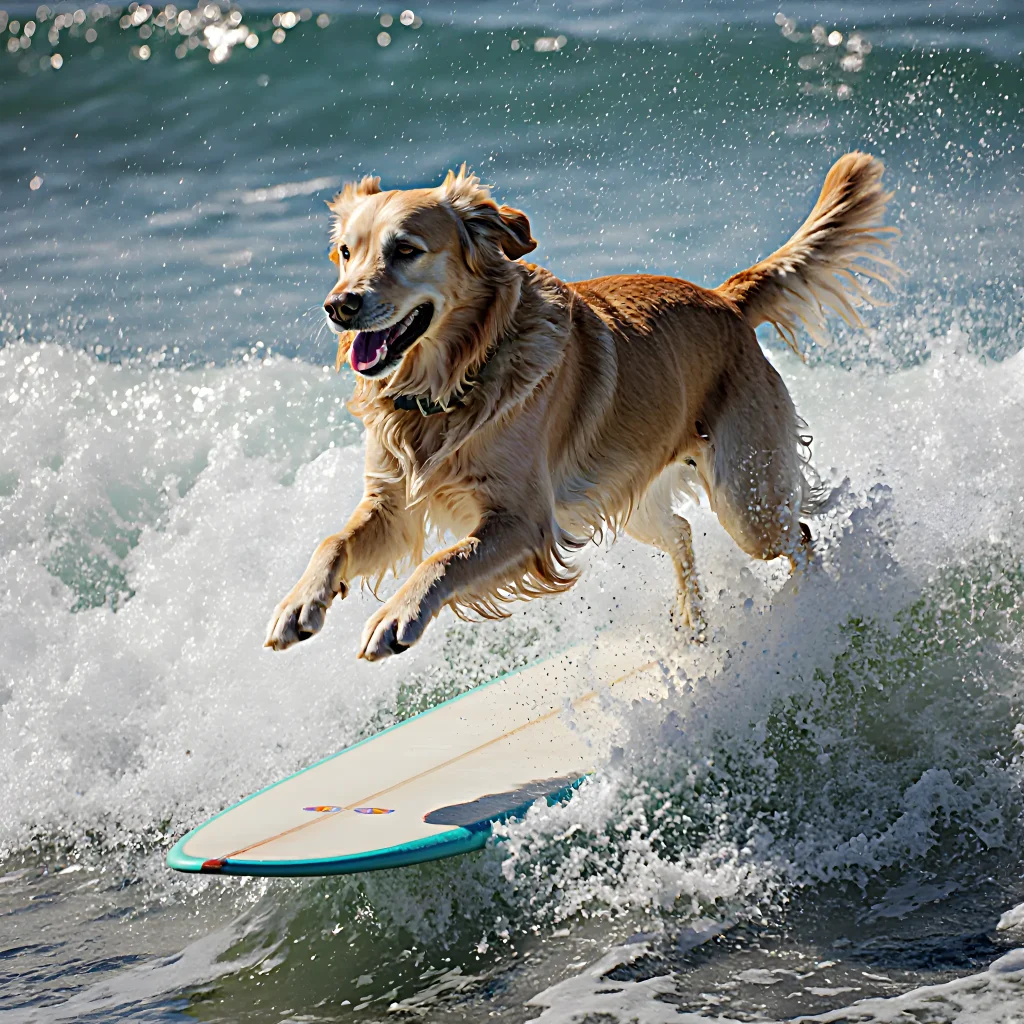
Ride the waves, wag the tail!
Foam‑Frenzy Fidos: The Art of Competitive Dog Surfing
Table of Contents
- Introduction to Dog-Surfing Competitions
- Choosing the Right Breed for Surfing
- Essential Equipment and Gear
- Training Your Dog for Water Confidence
- Surfboard Selection and Customization
- Safety Protocols on the Beach
- Health Checks Before Competition
- Nutrition and Hydration Strategies
- Mental Preparation for Your Dog
- Practice Sessions: From Shore to Wave
- Common Mistakes and How to Avoid Them
- Handling Emergencies at Sea
- Post-Competition Recovery
- Conclusion: Mastering Dog-Surfing Competitions
- FAQ – Frequently Asked Questions
Introduction to Dog-Surfing Competitions
A dog‑surfing competition is an organized event where dogs—usually surf‑trained breeds such as Labrador Retrievers, Golden Retrievers, or even smaller terriers—race across the water on a board while their human partners paddle beside them. The goal is to complete a set course in the shortest time while maintaining balance and staying within the designated lanes.
Why Dogs Love It
- Natural Instincts: Many breeds have a strong instinct to chase waves, surfboards, or even just any moving object on water.
- Physical Exercise: Surfing keeps dogs active and healthy, especially for those that enjoy swimming.
- Bond Building: The shared experience strengthens the human‑dog relationship through trust, communication, and teamwork.
Key Elements of a Successful Competition
- Course Design: A well‑planned course includes start/finish lines, buoys marking lanes, and safety zones for rescuers.
- Timekeeping & Scoring: Digital timers or RFID tags attached to the board provide accurate results. Bonus points may be awarded for style, technique, or clean turns.
- Safety Protocols: Mandatory life vests, rescue boats, and first‑aid kits are essential. All participants must complete a safety briefing before racing.
The guide Dog‑Surfing Competitions: Prep & Safety outlines a step‑by‑step approach to getting your dog ready for the waves:
1. Physical Conditioning: Gradually increase swimming time—start with short, supervised sessions and build up to longer rides.
2. Board Familiarization: Let your dog practice on a stable board in calm water before attempting waves.
3. Obedience Training: Commands such as “stay,” “heel,” and “drop” are crucial for safety during the race.
4. Safety Gear Check: Ensure a snug life vest, quick‑release leash, and a waterproof pouch for treats or first aid supplies.
Practical Advice for First‑Time Competitors
- Start Small: Begin with local beach races that have lower wave heights before moving to larger competitions.
- Use a Buddy System: Pair up with an experienced competitor who can guide you through the rules and course layout.
- Practice Turns: Rehearse turning around buoys in both directions; this reduces hesitation during the race.
- Dry‑Run the Course: Walk or paddle the entire route once to familiarize yourself with distances and obstacles.
- Overlooking Water Conditions
- Always check surf reports. A sudden swell can turn a gentle beach into a dangerous wave‑filled zone.
- Neglecting Hydration
- Both you and your dog need water breaks—use collapsible bowls or a hydration pack.
- Ignoring Post‑Race Recovery
- Cool down with gentle stretches for both human and canine muscles, and offer fresh water immediately after the race.
By following these guidelines from the Dog‑Surfing Competitions: Prep & Safety manual, you’ll not only improve your chances of winning but also ensure a safe, fun experience for you and your four‑legged teammate.
Choosing the Right Breed for Surfing
If you’re thinking of bringing your canine companion into the waves, selecting a breed that naturally thrives in water is crucial. While many dogs can learn to surf with proper training, some breeds possess anatomical and behavioral traits that make them especially well‑suited for the sport.
Key Traits to Look For
- Water‑Friendly Temperament: Breeds that love swimming or were historically used for water work (e.g., retrievers, spaniels, and certain terriers) typically adapt quickly.
- Strong Musculature & Endurance: A robust core and powerful hind legs help maintain balance on a board. Look for breeds with a muscular build but not overly heavy or bulky.
- Athletic Body Shape: An athletic, slightly elongated body allows for better buoyancy control, while a shorter snout reduces the risk of water inhalation.
- Low Shedding & Coat Type: Medium to long coats that are less prone to matting (e.g., golden retrievers) keep dogs comfortable in wet conditions. Avoid breeds with thick double coats that can become heavy when soaked.
Popular Surf‑Friendly Breeds
| Breed | Why It Works |
|---|---|
| Golden Retriever | Excellent swimmer, friendly disposition, and strong hindquarters. |
| Labrador Retriever | Water‑loving, high energy, great for long sessions. |
| Cocker Spaniel | Lightweight, agile, and naturally loves water. |
| Border Collie | Highly trainable, quick reflexes—great for advanced maneuvers. |
| Pembroke Welsh Corgi | Compact build, strong legs; surprisingly good in waves. |
Breed‑Specific Training Tips
- Start with Basic Obedience: Ensure your dog can reliably come when called and respond to “stay” commands before introducing surf gear.
- Introduce the Board Early: Let them sniff, explore, and even sit on a stationary board in shallow water. Use treats to create positive associations.
- Progress to Wave Exposure: Begin with small, manageable waves (e.g., during calm tide). Gradually increase wave height as confidence builds.
- Use a Floatation Aid Initially: A dog‑friendly life vest or a lightweight inflatable board can provide extra buoyancy for breeds that are less naturally buoyant.
Dog‑Surfing Competitions: Prep & Safety
Competitive dog surfing has grown in popularity, with events like the World Dog Surf Championship and local beach meetups showcasing canine skill. If you plan to enter a competition, consider the following:
- Health Checkup: A veterinarian’s clearance is mandatory—especially for breeds prone to ear infections or joint issues.
- Water Test: Competitors often must pass a “water proficiency” test. Practice sessions in varied surf conditions prepare your dog for this assessment.
- Safety Gear: Most competitions require a life vest, but some allow the use of an inflatable paddleboard or board with built‑in flotation. Check event rules carefully.
- Training Sessions: Attend pre‑competition training clinics if offered—these can provide advanced techniques and safety drills specific to the event.
Practical Safety Checklist for Surfing Dogs
| Checklist Item | Description |
|---|---|
| Life Vest Fit | Ensure it’s snug but not restrictive; test by having your dog sit and stand while wearing it. |
| Hydration | Provide fresh water before and after surf sessions to prevent dehydration. |
| Sun Protection | Use dog‑safe sunscreen on exposed skin, especially the ears and belly. |
| Ear Care | Dry ears after surfing to prevent infections; inspect for debris or irritation. |
| Tailored Training Plan | Create a progressive schedule that matches your dog’s breed strengths and any medical limitations. |
By carefully selecting a breed with innate water affinity, providing targeted training, and adhering to competition safety protocols, you’ll give your dog the best chance of enjoying both recreational surfing and competitive success—while keeping them safe and healthy out in the surf.
Essential Equipment and Gear
When preparing for a dog‑surfing competition, the right gear can make the difference between a thrilling win and an unsafe session. Below is a comprehensive guide to everything you’ll need—from surfboards tailored for dogs to safety accessories that keep both your canine athlete and yourself protected.
Surfboard Selection
- Board Size & Shape:
- Shortboards (5‑6 ft) for agile, high‑speed dogs.
- Longboards (7‑9 ft) provide more stability for beginners or larger breeds.
- Consider a “dog‑surf” board with a wider deck and thicker rails to reduce the risk of slipping.
- Material:
- Foam core boards are lighter but less durable; composite boards last longer in saltwater environments.
- Hybrid boards combine foam and fiberglass for a balance of weight and strength.
- Custom Fit:
Measure your dog’s length, weight, and tail length to ensure the board’s deck width accommodates them comfortably. A proper fit reduces fatigue and prevents injuries.
Harnesses and Leashes
- Dog Harness:
Select a snug, adjustable harness that distributes pressure evenly across the chest. Avoid front‑clip designs; use rear or side clips to minimize choking hazards.
- Leash Length:
A 4–6 ft leash keeps your dog within reach while allowing enough freedom for surfing maneuvers. Opt for a quick‑release buckle for emergencies.
- Floatation Add‑Ons:
- Attach a lightweight, inflatable collar or vest to aid buoyancy if your dog is not a strong swimmer.
- Ensure all accessories are secured and do not interfere with the harness or leash attachment points.
Essential Safety Equipment
- Life Jackets (Dog & Human)
-
Even seasoned surfers should wear a dog‑friendly life jacket on competitive days. For you, an A-rated surf rescue vest provides buoyancy and visibility.
- First Aid Kit
-
Include items such as antiseptic wipes, gauze, elastic bandage, tweezers, and a heat‑shock pack. Keep it in a waterproof pouch within arm’s reach.
- Sun Protection
-
Use dog‑safe sunscreen on exposed areas (ears, nose) and wear UV‑protective clothing for yourself. A wide‑brim hat and sunglasses shield from glare.
- Communication Devices
-
Carry a waterproof radio or a two‑way communication app on your phone to coordinate with teammates, especially in crowded competitions.
Training and On‑Site Prep
- Pre‑Competition Warm‑Up:
Run or jog with your dog for 10–15 min to elevate heart rate, followed by gentle stretching of the shoulders, hips, and tail area.
- Board Tuning:
Check board wax, fin condition, and any loose hardware before each session. Replace worn fins or add a new centerboard for better stability.
- Water Safety Briefing:
Review wave patterns, tide schedules, and potential hazards (reef edges, pier structures) with the entire crew. Assign roles: dog handler, spotter, safety monitor.
Practical Tips for Competitors
- Hydration: Keep a water bottle and electrolyte solution handy. Dogs may lose fluids quickly in hot surf conditions.
- Nutrition: Provide a light snack (e.g., freeze‑dried jerky) 30 min before the event to maintain energy levels.
- Equipment Checklists:
- Create a pre‑event checklist to verify each gear item: board, harness, leash, life jacket, first aid kit, sunscreen.
- Label all items with your name or team logo for easy identification.
- Recovery: After the session, rinse the board and gear in fresh water to remove salt. Dry dog’s coat thoroughly to prevent skin irritation.
By investing in high‑quality equipment and following these safety protocols, you’ll maximize performance while safeguarding both your canine partner and yourself during dog‑surfing competitions.
Training Your Dog for Water Confidence
Before you can compete in a dog‑surfing event, your pup must feel comfortable and confident around water. This section offers step‑by‑step guidance on how to gradually acclimate your dog, strengthen their core and balance muscles, and instill positive associations with waves.
1. Start with Basic Water Familiarization
- Shallow Pools or Beach Dips: Begin by letting your dog splash in shallow water (no more than a few inches deep). Use a gentle voice and hand‑treats to reward calm behavior.
- Introduce the Board Early: Place a small, stable board on the sand. Let your dog sniff it and walk around it before stepping onto it. This reduces anxiety about new textures.
- Positive Reinforcement: Every time your dog approaches water or remains calm while near waves, reward with treats or praise. Avoid forcing them into deep water; let the progression be natural.
2. Strengthen Core and Balance Muscles
A strong core helps dogs maintain stability on a moving board. Incorporate these exercises:
- Treadmill Walking: Walk your dog on a treadmill set at a slow speed, gradually increasing as they get comfortable.
- Balance Games: Use a wobble cushion or a low, stable board and encourage your dog to stand or walk across it while you guide them.
- Obstacle Course: Create a simple course with cones and small jumps. This improves agility and body awareness.
3. Gradual Exposure to Waves
- Start in Calm Conditions: Choose a day with minimal swell (1–2 ft). Let your dog ride the board for short periods, turning off or on at will.
- Use a Paddleboard for Stability: Many trainers start with a paddleboard because it offers more buoyancy and less motion than a surfboard.
- Progress to Small Swell: Once your dog can stay upright in calm water, introduce slightly larger waves (3–4 ft). Monitor their reaction closely.
4. Safety First: Gear & Techniques
- Life Jacket or Flotation Belt: Use a snug, well‑fitted life jacket designed for dogs. It should keep them afloat even if they fall off the board.
- Board Size and Shape: For beginners, opt for a longer, wider board to provide more surface area and stability.
- Teach “Stay” and “Come” Commands in Water: Use these commands to control your dog’s position during waves. Practice them on land first before testing in water.
5. Sample Training Routine (Week‑by‑Week)
| Week | Goal | Activities |
|---|---|---|
| 1–2 | Water Familiarity | Splashing in shallow pool, board introduction on sand. |
| 3–4 | Core & Balance Building | Treadmill walking, balance cushion exercises. |
| 5–6 | First Small Swell | Board on calm beach, 1‑2 ft waves, life jacket on. |
| 7–8 | Increasing Wave Height | 3‑4 ft swell practice, use paddleboard for safety. |
| 9–10 | Full Surfing Practice | Stand on board in 4‑5 ft waves, apply “stay” command. |
6. Common Pitfalls to Avoid
- Overexposure: Force your dog into deep water too soon; this can create fear and reluctance.
- Ignoring Body Language: Signs of stress (panting, trembling, turning away) mean you should step back and reassess.
- Improper Gear Fit: A loose life jacket or ill‑fitted board can lead to accidents. Always double‑check fit before heading out.
7. Final Checklist Before Competition Day
- Life jacket fits snugly and is secure.
- Board is in good condition with no cracks or loose parts.
- Your dog has practiced “stay” and “come” commands at least twice a day.
- Weather forecast shows moderate swell (4–6 ft) and calm winds.
- First aid kit, extra treats, and a spare towel are ready.
By following these steps, you’ll create a solid foundation of water confidence that will help your dog excel in dog‑surfing competitions while keeping safety at the forefront. Happy training!
Surfboard Selection and Customization
Choosing the right board is the foundation of a successful dog‑surfing competition. It influences your dog's confidence, safety, and overall performance on the waves. Below we break down key factors to consider, how to customize boards for individual dogs, and practical steps you can take before stepping into the water.
1. Board Type: Foam vs. Hard‑Core
- Foam (Inflatable) Boards: Lightweight, buoyant, and forgiving for beginners or smaller dogs. They provide a stable platform that keeps the dog afloat even if they fall off.
- Hard‑Core Boards: More rigid, offering better control on larger waves but requiring more skill to handle. Ideal for experienced teams with trained dogs.
2. Size & Shape: Matching the Dog’s Body
A board too large can cause a dog to get stuck in the center while paddling, whereas a board that’s too small may tip over easily. Use the following guidelines:
- Length: Roughly 50–60% of the dog's height from nose to tail.
- Width: About 20–25% of the dog’s shoulder width.
- Volume: The board should provide enough buoyancy so that a small or light dog can stay afloat with minimal effort. A general rule is 0.5–1 cubic inch per pound of the dog's weight.
3. Customization Options
- Handles and Straps: Attach a lightweight, adjustable handle or strap to help the dog maintain balance. Use soft, padded grips that won't cause chafing.
- Foam Inserts: Add removable foam panels on the board’s underside for extra cushioning in case of falls.
- Color & Markings: Bright colors or reflective strips improve visibility to other surfers and rescue teams. Consider a unique pattern that matches your team’s branding.
4. Safety Features
- Non‑Slip Surface: Apply anti‑slip decals or textured paint on the board’s deck to reduce slipping when wet.
- Quick Release Mechanism: Ensure any straps or handles can be released quickly if a dog needs immediate help.
- First Aid Kit Integration: Some boards come with built‑in pockets for a small first aid kit (bandages, antiseptic wipes).
5. Pre‑Competition Checklist
| # | Task | Description |
|---|---|---|
| 1 | Board Inspection | Check for cracks, worn edges, and ensure all customizations are secure. |
| 2 | Fit Test | Have the dog sit on the board in a controlled environment to confirm comfort. |
| 3 | Weight Distribution | Place a small bag of sand or weighted dummy to simulate the dog's weight and observe balance. |
| 4 | Safety Gear Check | Verify that life jackets, leash, and first aid kit are on board. |
6. Practical Training Tips
- Dry‑Land Drills: Practice on a flat surface with the dog walking across the board while holding onto the leash.
- Paddling Practice: In calm waters, let the dog paddle for short distances to build confidence.
- Wave Simulation: Use a small wave pool or a controlled surf break to acclimate dogs to the motion before competition day.
By carefully selecting and customizing your board, you’ll give your canine competitor the best chance for success while keeping safety at the forefront. Remember: every dog is unique, so tailor your approach based on individual size, temperament, and experience level.
Safety Protocols on the Beach
If you’re gearing up for a dog‑surfing competition, the first step is to treat it like any other sport that involves an animal. A well‑planned routine not only maximises performance but also protects your pup from injury and stress.
Pre‑Competition Checklist
- Health Check: Schedule a vet visit at least two weeks before the event to confirm your dog is fit for water activities. Discuss any medications, allergies, or chronic conditions that could affect performance.
- Training Regimen: Continue a balanced training program that includes surf‑specific drills (e.g., paddling, balancing on foam boards) and general fitness exercises like swimming laps, agility courses, and core strengthening. Gradually increase intensity to avoid overexertion.
- Equipment Inspection: Check the board’s condition—ensure no cracks or loose bindings. Test the leash length (usually 6–8 ft) for a secure yet flexible connection. Verify that the surfboard fins are intact and properly attached.
- Water‑Safety Gear: Fit a well‑ventilated, snug life jacket or a “dog‑suit” designed for surfing. Attach a bright, reflective vest to enhance visibility in low light conditions.
- Hydration & Nutrition: Provide fresh water before and after sessions. Use high‑energy dog treats (e.g., freeze‑dried liver) as rewards during training, but avoid overfeeding which can cause discomfort on the board.
On‑Site Safety Protocols
During the competition day, keep these safety measures in mind:
- Wave Selection: Choose waves that match your dog’s skill level. For beginners, opt for smaller, gentle swells (2–4 ft). Advanced dogs can handle larger waves (5–8 ft) but should still stay within their comfort zone.
- Positioning: Position yourself ahead of the wave to avoid being knocked over by your dog’s momentum. Keep a safe distance from other competitors and beachgoers.
- Leash Management: Use a short leash to prevent accidental pulls that could destabilise the board. A longer leash can be used for “freestyle” rounds where you allow the dog more freedom, but only if the water conditions are calm.
- Heat & Sun Protection: Apply a pet‑safe sunscreen on exposed skin and keep your pup in shaded areas between heats. Check for signs of overheating: rapid breathing, drooling, or lethargy.
- Emergency Response Plan: Have a first aid kit, spare life jacket, and a phone with the local emergency number handy. Know how to perform a rescue if your dog is stranded in deep water.
Post‑Competition Care
After the event, give your dog time to recover:
- Cool Down Swim: A gentle swim in calm water helps flush out salt and relax muscles.
- Massage & Stretching: Gently massage the shoulders, neck, and hindquarters. Light stretching can reduce muscle stiffness.
- Rehydration & Rest: Offer a bowl of fresh water or an electrolyte solution for dogs. Provide a quiet resting spot away from crowds.
- Check for Injuries: Inspect paws, ears, and skin for cuts, abrasions, or sand buildup. Treat any minor injuries promptly with vet‑approved ointments.
Practical Tips & Real‑World Examples
Below are a few anecdotes from seasoned dog‑surfing competitors that illustrate key safety practices:
Case Study – “Finn the Labrador”: Finn’s trainer introduced a weighted leash early in training to mimic wave pull. The gradual increase allowed Finn to develop core strength and balance, reducing wipeouts during his first competition.
Case Study – “Maya the Golden Retriever”: Maya’s team used a reflective vest on the board for nighttime heats. This simple addition prevented collisions with other competitors and made rescue operations faster in low‑visibility conditions.
Remember: safety is not just about preventing injuries—it’s also about ensuring your dog enjoys the experience. A well‑prepared, calm, and confident dog will perform better, making every wave a win for both of you.
Health Checks Before Competition
Before your dog hits the waves in a Dog‑Surfing competition, it’s essential to perform a thorough health check. A well‑conditioned animal not only performs better but also reduces the risk of injuries and illnesses that could endanger their career and wellbeing.
1. Veterinary Clearance
- Full Physical Exam: Confirm there are no underlying conditions such as arthritis, heart disease, or skin allergies that might worsen in a wet environment.
- Vaccination Records: Keep up‑to‑date on rabies, distemper, parvovirus, and canine influenza. Many competitions require proof of vaccination.
- Dental Health: Poor dental hygiene can lead to systemic infections; a quick check ensures no painful issues that could distract your dog.
2. Skin & Coat Assessment
Water exposure can exacerbate skin conditions, so look for:
- Allergic Dermatitis: Redness or itching around ears, paws, and tail.
- Fungal Infections: Ringworm or yeast overgrowth thrives in moist environments.
- Ensure the coat is clean and free of mats; a wet, tangled coat can lead to chafing and heat stress.
3. Musculoskeletal Evaluation
Dog‑surfing demands strong core, back, and leg muscles:
- Gait Analysis: Watch for limping or uneven stride that could signal injury.
- Flexibility Tests: Gentle range‑of‑motion checks for hips, shoulders, and ankles.
- Strength Assessment: A quick push on the tail to gauge hind leg power; a weak tail can indicate hamstring issues.
4. Hydration & Nutrition Check
Optimal hydration and nutrition are critical for performance and recovery:
- Water Intake: Ensure your dog drinks adequate water before training sessions.
- Balanced Diet: High‑quality protein sources, omega‑3 fatty acids, and antioxidants support muscle repair and immune function.
- Supplements: Consider glucosamine/chondroitin for joint health or a vitamin E/B complex for skin resilience.
5. Parasite Prevention
Prevent external parasites that could be aggravated by salt water:
- Ectoparasites: Fleas, ticks, and sea lice—use a vet‑approved spot‑on or oral treatment.
- Internal Parasites: Deworm regularly; parasites can cause anemia and weaken your dog’s stamina.
6. Stress & Anxiety Screening
Competitive environments can be stressful, especially in a new setting like the beach:
- Behavioral Observation: Look for signs of fear or aggression—tail tucked, growling, or excessive barking.
- Desensitization Training: Gradually expose your dog to wave sounds, crowds, and boardwalks during practice sessions.
7. Documentation & Checklist
Create a simple health log that includes:
- Veterinary exam date and findings.
- Vaccination certificates.
- Recent weight, hydration status, and dietary notes.
- Any supplements or medications administered.
Practical Tips for Competition Day
- Pre‑Event Warm‑Up: Gentle jog or walk to activate muscles; avoid abrupt high‑intensity drills before the waves.
- Cooling Strategy: Keep a cool, shaded area ready for post‑surf recovery. A light misting spray can help regulate body temperature.
- First Aid Kit: Include gauze, antiseptic wipes, and a small bandage kit for minor cuts or abrasions.
By following these health checks and preparing your dog’s physical and mental condition, you’ll give them the best chance to perform safely and confidently in Dog‑Surfing competitions.
Nutrition and Hydration Strategies
Preparing a dog for a surf competition isn’t just about training the paws; it’s also about fueling and hydrating the animal so they can maintain energy, stay cool, and recover quickly. Below are practical guidelines, sample meal plans, hydration tips, and safety checks that align with the demands of high‑intensity, saltwater environments.
1. Pre‑Competition Nutrition
- Timing is Key: Feed a light, easily digestible meal 4–6 hours before the event to avoid GI upset during surf. A high‑protein, moderate carbohydrate mix works well.
- Sample Pre‑Race Meal (30 lb dog):
- 1 cup boiled chicken breast (no seasoning)
- ½ cup cooked white rice or sweet potato mash
- ¼ cup steamed carrots (optional)
- 1 tsp fish oil for omega‑3s
- Energy Supplements: Consider a small dose of commercial canine sports electrolyte gel or a homemade “surf mix” of banana, oat flour, and water to add quick carbs.
2. Hydration Plan
- Daily Water Intake: A general rule is ~1 oz (30 ml) per pound of body weight per day. For a 30‑lb dog, that’s roughly 900 ml (~30 oz). Increase this by 20–30% on training days.
- Saltwater Exposure: Dogs ingest salt from splashes; replace electrolytes with a canine electrolyte solution (commercial or homemade: 1 cup water + ¼ tsp sea salt + ½ tsp sugar).
- On‑Site Hydration: Carry a collapsible water bowl and a small bottle of electrolyte drink. Offer water every 15–20 minutes during practice sessions.
3. Post‑Competition Recovery
- Rehydration: Provide fresh water immediately after the event, followed by an electrolyte solution to replenish sodium and potassium losses.
- Nutrient Timing: Within 30 minutes of finishing, give a protein‑rich snack (e.g., boiled turkey or canned tuna in water). This supports muscle repair.
- Rest & Cool Down: Allow the dog to rest in a shaded area. Light stretching and gentle massage can aid circulation.
4. Practical Safety Tips
- Food Allergies: Verify no ingredients in pre‑race meals trigger allergies (e.g., fish, grains).
- Temperature Check: Do not feed a hot meal; it can cause burns or indigestion.
- Portion Control: Overfeeding before surf can lead to “surf sickness.” Use measured cups and weigh if necessary.
- Emergency Hydration Kit: Include bottled water, electrolyte tablets, a reusable bowl, and a small towel for drying off after saltwater splashes.
5. Sample Weekly Plan (Training + Competition)
| Day | Meal | Hydration Strategy |
|---|---|---|
| Mon–Thu (Training) | Chicken + rice + banana smoothie 4 hrs before practice | Water + electrolyte every 15 min; replace with salt solution after practice |
| Fri (Competition) | Light meal (chicken, rice) 6 hrs prior; protein gel 30 min before start | Water + electrolyte pre‑race; water during breaks; salt solution post‑race |
By integrating these nutrition and hydration strategies into your dog’s training regimen, you’ll help ensure peak performance, reduce the risk of dehydration or GI upset, and support rapid recovery after intense surf competitions.
Mental Preparation for Your Dog
Mental Preparation for Your Dog
Just as a surfer must read the waves before stepping onto the board, your dog needs to be mentally ready for the dynamic environment of a dog‑surfing competition. A calm, focused pup is safer and performs better than one who is anxious or overexcited.
1. Familiarize with the Beach Environment
- Practice sessions at different times: Dogs often react differently to crowds, lighting, and wind. Schedule practice runs during peak beach hours as well as quieter moments.
- Introduce beach sounds gradually: Play recordings of waves, seagulls, and distant surfboards while rewarding calm behavior. This helps desensitize your dog to the typical competition soundtrack.
2. Build Confidence with Small “Wave” Trials
- Start in shallow water: Allow your dog to splash around on a beach towel or a small kiddie pool. Use treats and praise to create positive associations.
- Progress to gentle waves: Once comfortable, move to slower breaking waves. Keep sessions short (5–10 minutes) and end on a high note.
3. Teach “Stay” and “Come” Commands in the Water
- Use a floating leash or harness: Attach a lightweight, waterproof leash to your dog’s harness during training. This provides a safety net while still encouraging independence.
- Reward recall: When your dog returns to you after a splash or wave, immediately reward with a high‑value treat and enthusiastic praise.
4. Develop Focus Through “Look at Me” Exercises
- Set a target object: Place a brightly colored toy or a marker on the sand. Ask your dog to look at it before you move forward.
- Gradual distraction addition: As your dog masters the command, introduce distractions such as passing surfers or children playing nearby.
5. Use Mental Stimulation Games Pre‑Competition
- Hide‑and‑seek treats: Hide small portions of kibble around a shallow area and let your dog sniff them out. This promotes problem‑solving skills.
- Obstacle courses on sand: Set up cones or sticks for your dog to weave through, building agility and confidence in navigating tight spaces.
6. Maintain a Calm Owner Presence
Your dog reads your body language. Keep a relaxed posture, speak in a calm tone, and avoid sudden movements that could startle them. A composed owner helps keep the dog focused and reduces anxiety.
7. Post‑Competition Cool Down
- Gentle walk on the shore: After the event, take your dog for a slow stroll along the water’s edge to help them decompress.
- Hydration and nutrition check: Offer fresh water and a balanced meal. Avoid giving treats that are too sugary or salty.
By systematically building mental resilience through these targeted exercises, you’ll prepare your dog not only for the physical demands of dog‑surfing competitions but also for the unpredictable nature of the beach environment. A mentally prepared pup will stay calm, safe, and ready to perform their best when the competition calls.
Practice Sessions: From Shore to Wave
Preparing a dog and its handler for the rigors of competitive dog‑surfing involves more than just learning how to paddle. It requires a structured practice routine that builds confidence, stamina, and safety awareness both on land and in water.
1. Land‑Based Conditioning
- Core Strength Drills: Use light agility cones or a small obstacle course to encourage the dog to run, turn, and pause—mimicking the start/stop motion on a board.
- Paddle‑Simulated Tugs: Attach a lightweight rope to a weighted anchor (or a tug toy) and have the handler pull gently while the dog follows. This builds the muscle memory for the initial “push” off the shore.
- Board Familiarity: Place the board on a stable surface, let the dog sniff and step onto it, then slowly tilt or roll to simulate wave motion without water.
2. Shoreline Warm‑Up
- Walk & Check: Begin with a short walk on the beach while checking that the dog’s leash, harness, and flotation device are secure.
- Start Line Drills: Mark a start line with tape or flags. Have the handler and dog practice “take‑off” cues: a verbal command like “Go!” followed by a gentle tug on the board to simulate wave push.
3. Small Wave Practice
Once the dog is comfortable with board handling, move to the shallow surf zone (ideally 0.5–1 m deep). The waves here are gentle enough for safe experimentation.
- Board Placement: Position the board in front of a breaking wave and have the dog step onto it before the swell arrives.
- Wave Capture: Encourage the dog to ride the crest by guiding with a hand signal or light leash pull. The handler should stay within arm’s reach, ready to support if the dog loses balance.
- Gradual Increase: As confidence grows, gradually move to slightly larger waves (1–2 m) and practice more dynamic turns and stops.
4. Advanced Riding Techniques
These drills prepare dogs for the fluid motion required in competition courses.
- Turn Drills: Use a marker or a floating buoy to signal turns. The handler can gently steer the board while the dog follows, reinforcing directional cues.
- Stop & Recovery: Simulate a wave break by having the handler pull the board toward shore, then guide the dog back onto the board and up onto a new swell.
- Obstacle Navigation: Set up floating objects (e.g., foam barrels) to practice maneuvering around obstacles—an essential skill in many competition setups.
5. Safety Checks & Recovery Drills
Even with the best training, accidents can happen. Regular safety drills help both dog and handler respond calmly.
- Wet‑Out Drill: Teach the dog to return to shore when it gets too wet or tired by using a “go home” cue paired with a gentle leash pull.
- Board Retrieval: Practice dropping the board into shallow water and retrieving it—useful if a wave knocks the board off.
- Emergency Signaling: Use hand signals (e.g., raised palm) to alert other surfers or competitors of an emergency situation.
6. Conditioning for Endurance
Competitive runs can last 30–45 minutes. Build stamina through a mix of on‑shore and in‑water sessions:
- Interval Training: Alternate between short bursts of high‑intensity paddling (or riding) and brief rest periods.
- Long‑Duration Sessions: Once a week, conduct a longer ride with minimal stops to simulate the full competition length.
7. Documentation & Progress Tracking
Keep a training log that records:
- Date and location of each session
- Wave height, wind conditions, and temperature
- Dog’s behavior notes (confidence level, any signs of fatigue)
- Handler observations (leash tension, board stability)
Review the log weekly to adjust training intensity or focus areas. Consistent documentation also helps spot patterns—such as a particular wave height that triggers nervousness—allowing for targeted practice.
Practical Tips for Competitors
- Use a Weighted Board: A slightly heavier board mimics the feel of competition boards, helping dogs get used to extra resistance.
- Practice with a Dummy: Place a small dummy or toy on the board to simulate an opponent’s presence and help the dog learn to stay centered.
- Pre‑Event Warm‑Up: On the day of competition, perform a short warm‑up session at the event venue—this acclimates the dog to local conditions.
By following these structured practice sessions, you’ll equip both your dog and yourself with the skills, confidence, and safety knowledge needed to excel in dog‑surfing competitions.
Common Mistakes and How to Avoid Them
Even seasoned pet owners can slip up when preparing for a dog‑surfing competition. Below are the most frequent errors, why they’re dangerous, and concrete steps you can take to steer clear of them.
-
Skipping a Proper Warm‑Up
- Why it matters: A sudden burst of high‑intensity activity in cold water can lead to muscle strains or even hypothermia.
- What to do: Start with 10–15 minutes of low‑impact cardio on land (jogging, jump rope) followed by dynamic stretches. Once in the surf zone, have your dog perform a few light paddles before diving into waves.
-
Using Inadequate Safety Gear
- Why it matters: Dogs without life jackets or proper harnesses can get trapped in currents or suffer from sudden fatigue.
- What to do: Invest in a high‑visibility, buoyant dog life jacket that fits snugly. Attach a quick‑release leash to your dog’s collar and keep the line short enough for control but long enough for freedom of movement.
-
Overlooking Hydration and Nutrition
- Why it matters: Dehydration can cause heat exhaustion or collapse, especially in hot, sunny conditions.
- What to do: Offer fresh water before the session and bring a portable bowl. During breaks, give your dog a small snack that’s high in electrolytes (e.g., plain boiled chicken with a pinch of sea salt).
-
Ignoring Local Weather Conditions
- Why it matters: Sudden squalls or wind shifts can create dangerous waves and strong undertows.
- What to do: Check the surf forecast 24 hours in advance. If a high‑wind day is predicted, postpone the session or choose a sheltered beach with calmer conditions.
-
Failing to Train for Underwater Recovery
- Why it matters: Dogs may panic if they get trapped underwater, leading to drowning risks.
- What to do: Practice “touch‑and‑go” drills where the dog learns to surface quickly on cue. Use a whistle or hand signal that your dog associates with surf safety.
-
Neglecting Post‑Session Cool Down
- Why it matters: Rapidly cooling a hot dog can cause shock or muscle cramps.
- What to do: After the competition, walk your dog on land for 10–15 minutes while gently massaging muscles. Provide cool water and let them dry off with a towel before they head home.
-
Not Checking Equipment Integrity
- Why it matters: Torn leashes, frayed harnesses, or damaged life jackets can fail when needed most.
- What to do: Inspect all gear before each session. Replace any worn parts and keep a spare leash in your bag.
-
Underestimating the Dog’s Skill Level
- Why it matters: Forcing an inexperienced dog into high‑wave competition can lead to injuries or a loss of confidence.
- What to do: Start with smaller waves and gradually increase difficulty. Use positive reinforcement (treats, praise) to build trust and competence.
-
Lack of a Structured Competition Plan
- Why it matters: Unplanned sessions can result in missed safety checks or inadequate rest periods.
- What to do: Draft a simple run‑sheet: warm‑up, gear check, practice waves, competition rounds, cool down. Stick to the schedule and adjust only if weather or dog health dictates.
-
Failing to Communicate with Other Competitors
- Why it matters: Overlapping waves can cause collisions, especially in crowded surf spots.
- What to do: Use clear hand signals or a whistle to indicate your dog's position. Coordinate with fellow surfers to maintain safe distances.
By proactively addressing these common pitfalls, you’ll ensure that both you and your canine companion enjoy a safer, more successful dog‑surfing competition experience.
Handling Emergencies at Sea
While dog‑surfing is a thrilling sport, the ocean can be unpredictable. This section gives you concrete steps to prepare your team and pets for emergencies, outlines the most common incidents, and explains how to respond quickly and effectively.
Common Emergencies
- Rip Currents: Strong currents that can pull a dog or rider out to deep water.
- Drowning / Struggling Dogs: Pets may panic, exhaust themselves, or become disoriented.
- Injuries from Equipment: Broken boards, broken leash attachments, or accidental cuts.
- Adverse Weather: Sudden squalls, high winds, or reduced visibility.
- Severe Dehydration / Sunburn: Both pets and riders can suffer from heat stress.
Pre‑Competition Preparation
1. Conduct a Risk Assessment
- Map out the competition area – identify known rip currents, sandbars, and shallow zones.
- Check tide charts and weather forecasts 48 hours before the event.
- Mark safe entry/exit points with buoys or colored flags.
2. Equip Your Team
- Personal flotation devices (PFDs) for dogs: Use dog‑specific PFDs that fit snugly and have a tether to the board or leash.
- Emergency signaling devices: Waterproof whistles, hand flags, or small LED lights.
- First aid kits: Include bandages, antiseptic wipes, emergency eye wash, and a heat‑shock pack.
3. Train Your Dogs
- Practice “stay” and “come” commands in calm water before the competition.
- Use positive reinforcement to teach dogs to release the leash on command.
- Introduce them to a rescue scenario: simulate pulling a dog back into shallow water with a weighted rope.
4. Establish Communication Protocols
- Assign each team member a role (e.g., “Rescue Coordinator,” “Water Safety Officer”).
- Use two‑way radios or headsets for instant communication.
- Set up a simple hand signal system for quick, non‑verbal cues.
5. Conduct a Pre‑Race Briefing
Review the emergency plan with all participants. Highlight:
- The location of first aid stations and rescue boats.
- When to call for help (e.g., if a dog cannot surface).
- The importance of staying within designated “no‑entry” zones during adverse conditions.
In‑Race Emergency Response
1. Immediate Actions for Rip Currents
- Stay calm: Panicking increases panic in dogs.
- Maintain a steady rhythm: Keep the board moving slowly to stay within the current’s line.
- If you’re pulled, use your leash as a lifeline; never let go of the dog’s collar or harness.
2. Handling a Struggling Dog
- Use a rescue rope: Attach it to a buoy and pull the dog toward shore.
- If the dog is drowning, perform a “dog‑first aid” swim: hold the dog above water with both hands and keep its head out.
- Call for professional marine rescue if you cannot bring the dog safely back to shore within 5 minutes.
3. Equipment Failure
- Have spare boards or a board‑repair kit on hand.
- Check leash and harness integrity before each run; replace any that show wear.
4. Adverse Weather Protocols
- Abort the race if wind speed exceeds 20 knots or if a squall is predicted within 30 minutes.
- Move all dogs to a safe “tide” zone and keep them in their PFDs until conditions improve.
5. Dehydration & Heat Stress
- Offer water at regular intervals (every 10–15 minutes).
- Use cooling towels or a misting fan for both dogs and riders if temperatures rise above 30°C.
Post‑Emergency Actions
- Debrief: Gather the team to discuss what happened and identify improvement areas.
- Medical Check‑ups: Even if a dog appears fine, schedule a vet visit for potential internal injuries.
- Equipment Inspection: Replace or repair any gear that was damaged during the emergency.
Practical Emergency Preparedness Checklist
| Item | Check? |
|---|---|
| PFDs for all dogs</ |
Post-Competition Recovery
After a dog‑surfing competition, the focus shifts from performance to recovery. Proper post‑competition care not only keeps your canine athlete healthy but also sets the foundation for future success.
1. Immediate Cool‑Down (0–30 minutes)
- Gentle Walking: Keep your dog moving with a slow stroll along the shoreline to flush out lactic acid and prevent stiffness.
- Hydration Station: Offer fresh water or an electrolyte‑enhanced solution. A 5 % sugar‑salt mix (1 tsp salt + 4 tsp sugar per cup of water) helps replenish lost minerals.
- Skin & Coat Check: Inspect for abrasions, cuts, and surfboard residue. Clean any sand or seaweed with a damp cloth to avoid irritation.
2. Post‑Race Rest (30 minutes–24 hours)
Allow your dog to rest in a shaded, dry area. Avoid immediate re‑exposure to intense heat or direct sunlight as the skin can still be inflamed.
- Sleep Environment: A cool, padded mat reduces pressure on joints and promotes circulation.
- Light Activity: Short leash walks help maintain muscle tone without overtaxing recovery.
3. Nutrition & Supplements
Nutrition is critical for repairing muscle fibers and replenishing electrolytes.
- Protein Intake: Provide a high‑quality protein source (e.g., boiled chicken, salmon) within 30 minutes post‑race. Aim for 2–3 % of body weight.
- Omega‑3 Fatty Acids: Add fish oil or krill oil to reduce inflammation and support joint health.
- Antioxidants: Blueberries, pumpkin seeds, or a commercial canine antioxidant supplement can mitigate oxidative stress from intense exercise.
4. Physical Therapy & Mobility Exercises
Gentle stretching and mobility work aid in preventing muscle tightness and promoting flexibility.
- Hip Flexor Stretch: Place the dog’s hind legs on a low stool, gently pulling the front legs forward to stretch the hips.
- Neck Rolls: Slowly rotate the head left to right; this helps relieve neck strain from paddling motions.
- Consider a professional canine physiotherapist for deeper issues or persistent pain.
5. Monitoring & Early Detection of Injury
Keep an eye out for signs that might indicate more serious damage.
| Symptom | Possible Issue |
|---|---|
| Lameness or reluctance to move | Sprain, strain, or fracture |
| Swelling or heat around joints | Inflammation or tendon injury |
| Persistent soreness after rest | Soft tissue damage or overuse injury |
6. Mental Recovery
Competition can be mentally exhausting.
- Playtime: Engage in low‑intensity games like fetch or tug to keep morale high.
- Calming Aids: Use pheromone diffusers or calming music if your dog shows anxiety.
- Give plenty of praise and treats—positive reinforcement helps reinforce a relaxed mindset.
7. Long‑Term Conditioning Plan
A structured post‑competition routine ensures gradual improvement without risking injury.
- Active Recovery Days: Light swimming or walking 2–3 times per week to maintain endurance.
- Strength Sessions: Resistance training (e.g., weighted vests, agility drills) once a week.
- Flexibility Focus: Daily stretching or yoga‑style sessions for dogs.
8. Documentation & Reflection
Record performance metrics and recovery outcomes to fine‑tune training plans.
- Race Log: Time, distance, weather conditions, and any incidents.
- Recovery Diary: Daily notes on appetite, activity level, and observed pain points.
- Use this data to adjust nutrition, training intensity, or rest periods for next season.
By combining thorough physical care with attentive mental support, you’ll help your dog recover faster, reduce injury risk, and return stronger for the next wave of competition.
Conclusion: Mastering Dog-Surfing Competitions
Dog‑surfing is more than a fun pastime; it’s a competitive sport that blends athleticism, teamwork, and safety awareness. By following the principles outlined in Dog‑Surfing Competitions: Prep & Safety, you’ll be well on your way to becoming a confident competitor who can help their dog perform at its best while staying safe.
1. Keep Training Consistent and Progressive
Just like human athletes, dogs need a structured training program that increases in intensity over time. Start with short sessions of balance drills on a stable board, gradually adding waves and speed. Use positive reinforcement to reward calmness and focus. For example, a simple routine could be: 30 s of paddle practice, followed by 15 s of wind‑up and release, repeated 10 times with short rest periods.
2. Prioritize Equipment Checks Before Every Ride
A well‑maintained board, leash, and rescue gear can mean the difference between a great race and an injury. Inspect for cracks in the board’s core, frayed leash lines, and ensure your rescue kit is fully stocked with a life jacket, whistle, and first‑aid supplies.
3. Master the “Paddle‑Release” Technique
This core skill allows you to quickly reposition your dog on the board if they’re losing balance or feeling overwhelmed. Practice this in calm conditions before heading into competition waters. A quick release can be as simple as a gentle tug on the leash while maintaining a steady paddle rhythm.
4. Develop a Pre‑Race Routine
Consistency helps reduce anxiety for both dog and handler. A typical routine might include:
- Warm‑up paddles (5 min)
- Short leash walk to the edge of the water (2 min)
- Final equipment check (1 min)
5. Practice Recovery Strategies
Even seasoned competitors face wipeouts. Train your dog to stay calm during a fall by using “stay” commands and gentle hand‑tapping on the board’s rim. Teach yourself how to quickly retrieve the dog from the water with minimal stress.
6. Stay Updated on Competition Rules
Regulations can vary between events. Review the official rulebook for each competition you enter, paying close attention to leash length limits, board specifications, and safety zone boundaries.
7. Learn from Every Competition
After each event, take time to debrief with your dog. Note what worked (e.g., a particular paddle cadence) and what didn’t (e.g., a wave that caused the dog to lose balance). Adjust your training plan accordingly.
8. Build Community Support
Joining local dog‑surfing clubs or online forums can provide invaluable insights. Experienced handlers often share tips on board selection, leash management, and even nutrition plans that keep dogs energized during long races.
9. Focus on Mental Conditioning
A calm, confident dog performs better. Use visualization techniques: imagine the wave, the paddle rhythm, and the dog’s smooth glide before stepping onto the board. Pair this with short training sessions in varied conditions to build adaptability.
10. Celebrate Progress, Not Just Wins
Competitive success is important, but the journey itself—seeing your dog grow stronger, more balanced, and happier—is equally rewarding. Keep a training log, celebrate milestones (e.g., first successful wave), and remember that mastery comes from consistent effort over time.
By integrating these practical strategies into your routine, you’ll not only improve your own performance but also ensure a safe, enjoyable experience for your canine companion. Happy surfing!
FAQ – Frequently Asked Questions
What are the basic training milestones a dog should reach before competing in a dog‑surfing event?
A well‑prepared dog typically meets these milestones:
- Water Confidence: Comfortable swimming, can dive, surface, and stay afloat for 5–10 minutes.
- Board Familiarity: Able to board a flat or slightly inclined surfboard, maintain balance, and dismount safely.
- Wave Riding: Can ride small waves (0.3–0.6 m) while maintaining control for at least 30 seconds.
- Command Response: Responds promptly to “stay,” “come,” and “leave it” in the water, even with distractions.
- Health & Fitness: Clear veterinary check‑up, up-to-date vaccinations, and a fitness level that allows sustained exertion without fatigue.
How can I structure a training schedule leading up to the competition?
A balanced, progressive plan might look like this:
- Weeks 1–4: Focus on water acclimation and basic board skills. 2–3 sessions per week, each lasting 20–30 minutes.
- Weeks 5–8: Introduce small waves and longer rides (up to 1 minute). Add drills like “follow me” while riding.
- Weeks 9–12: Simulate competition conditions: practice in a pool with wave machines or at a calm beach, incorporate judges’ cues, and time trials.
- Final Week: Reduce volume to avoid fatigue; focus on technique refinement, mental rehearsal, and recovery.
What safety gear is mandatory for dogs during competitions?
- Dog Life Jacket: A snug, buoyant jacket that keeps the dog afloat even if they fall overboard.
- Optional: Water‑proof Collar with ID tags and a Flotation Ring for added security.
How do I ensure the dog’s hydration during a long event?
Use lightweight, spill‑proof water bowls attached to a harness or board. Offer small sips every 5–10 minutes, especially in warm weather.
What should I do if my dog shows signs of fatigue or distress?
- Immediate Action: Pull the dog onto a nearby rock, board, or the shore.
- Assess: Check for dehydration, overheating (pale gums), or injuries.
- Cooling Measures: Apply cool water to the face and ears, provide shade, and offer electrolytes if needed.
- Medical Attention: If symptoms persist, contact a marine veterinarian or local emergency clinic.
Can I use a training surfboard that’s different from the competition board?
Yes, but ensure both boards have similar dimensions and buoyancy. Gradual transition between boards helps prevent confusion during the event.
What are common injury risks for dogs in surfing competitions?
- Back & Spine Strain: From sudden jerks or improper mounting/dismounting.
- Skin Irritation: Due to salt, sand, or board material.
- Heat Stroke: Especially in hot climates; watch for excessive panting and drooling.
How can I help my dog stay calm under the stress of competition?
Use positive reinforcement training, practice mock competitions with judges’ cues, and incorporate mental breaks (short walks, massage) during long sessions.
What legal or insurance considerations should I be aware of?
- Liability Waivers: Many events require signed waivers for participants and owners.
- Pet Insurance: Verify that your policy covers marine accidents and competition‑related injuries.
- Local Regulations: Some beaches restrict dog surfing; always check permits or bans before competing.
Where can I find more resources and community support?
Join online forums such as DogSurfing.com, local dog‑surf clubs, or regional competitive associations. Attend workshops and webinars hosted by experienced trainers.
Categories
- AI & Enrichment Play
- Broiler Farming
- Broiler Farming Tips
- Canine Wellness & Longevity
- Cat
- Cat & Human Connection
- Cat Adoption & Rescue
- Cat Breeds
- Cat Breeds & Personalities
- Cat Care & Health
- Cat Grooming & Hygiene
- Cat Lifestyle & Environment
- Cat Myths & History
- Cat Nutrition & Diet
- Cat Products & Reviews
- Cat Training & Behavior
- Comparison
- Consumer Awareness
- Dog
- Dog Accessories & Products
- Dog Adoption & Rescue
- Dog Breed & Lifestyle Trends
- Dog Breeding & Puppies
- Dog Entertainment & Media
- Dog Fashion & Trends
- Dog Fun & Lifestyle
- Dog Grooming & Hygiene
- Dog History & Culture
- Dog Myths, Science & Future Tech
- Dog News & Trends
- Dog Nutrition & Food
- Dog Psychology & Emotions
- Dog Safety & Security
- Dog Sports & Activities
- Dog Technology & Innovation
- Dog Training for Modern Owners
- Dog Travel & Adventure
- Dog Travel, Adventure & Culture
- Economic and Market Insights
- Educational Content
- FAQs
- Feeding Alternatives
- Festivals & Seasonal Ideas
- Fun & Entertainment
- General Knowledge
- General Pig Farming
- Health & Disease Management
- Housing and Environment
- Kittens
- Market Insights
- Miscellaneous
- Miscellaneous
- Motivational
- pig
- Pig Breeding
- Pig Breeds
- Pig Farming Stories and Inspiration
- Pig Health and Care
- Pig Nutrition
- Pig Products
- Profitability & Business
- Puppy Care
- Puppy Predictable Topics Reinvented
- Regional Focus
- Rescue & Adoption Buzz
- Senior Cats
- Senior Dog Care
- Smart Dog Tech & Gadgets
- Sustainability
- Sustainable & Eco-Friendly Dog Products
- Tech & Innovations
- Working & Service Dogs
- Broiler Feed66 products
- Country Feed33 products
- Pig Feed66 products
- Product22 products
- Raw Materials99 products
Products
-
 Fish Meal
₹1,999.00 – ₹2,999.00Price range: ₹1,999.00 through ₹2,999.00Rated 0 out of 5
Fish Meal
₹1,999.00 – ₹2,999.00Price range: ₹1,999.00 through ₹2,999.00Rated 0 out of 5 -
 FATTENING BROILER FEED
₹2,299.00 – ₹2,349.00Price range: ₹2,299.00 through ₹2,349.00Rated 0 out of 5
FATTENING BROILER FEED
₹2,299.00 – ₹2,349.00Price range: ₹2,299.00 through ₹2,349.00Rated 0 out of 5 -
 LAYER COUNTRY FEED
₹1,549.00 – ₹1,649.00Price range: ₹1,549.00 through ₹1,649.00Rated 0 out of 5
LAYER COUNTRY FEED
₹1,549.00 – ₹1,649.00Price range: ₹1,549.00 through ₹1,649.00Rated 0 out of 5 -
 COUNTER BROILER FEED
₹1,199.00 – ₹1,299.00Price range: ₹1,199.00 through ₹1,299.00Rated 0 out of 5
COUNTER BROILER FEED
₹1,199.00 – ₹1,299.00Price range: ₹1,199.00 through ₹1,299.00Rated 0 out of 5 -
 LACTATING PIG FEED
Rated 0 out of 5
LACTATING PIG FEED
Rated 0 out of 5₹2,299.00Original price was: ₹2,299.00.₹1,740.00Current price is: ₹1,740.00. -
 Maize
Rated 0 out of 5
Maize
Rated 0 out of 5₹1,650.00Original price was: ₹1,650.00.₹1,300.00Current price is: ₹1,300.00. -
 GESTATION PIG FEED (Phase 1)
Rated 0 out of 5
GESTATION PIG FEED (Phase 1)
Rated 0 out of 5₹2,249.00Original price was: ₹2,249.00.₹1,699.00Current price is: ₹1,699.00. -
 Pre Starter Broiler Feed
₹2,399.00 – ₹2,499.00Price range: ₹2,399.00 through ₹2,499.00Rated 0 out of 5
Pre Starter Broiler Feed
₹2,399.00 – ₹2,499.00Price range: ₹2,399.00 through ₹2,499.00Rated 0 out of 5 -
 FINISHER PIG FEED
Rated 0 out of 5
FINISHER PIG FEED
Rated 0 out of 5₹2,299.00Original price was: ₹2,299.00.₹1,749.00Current price is: ₹1,749.00. -
 Broiler Premix
Rated 0 out of 5
Broiler Premix
Rated 0 out of 5₹820.00Original price was: ₹820.00.₹699.00Current price is: ₹699.00.