
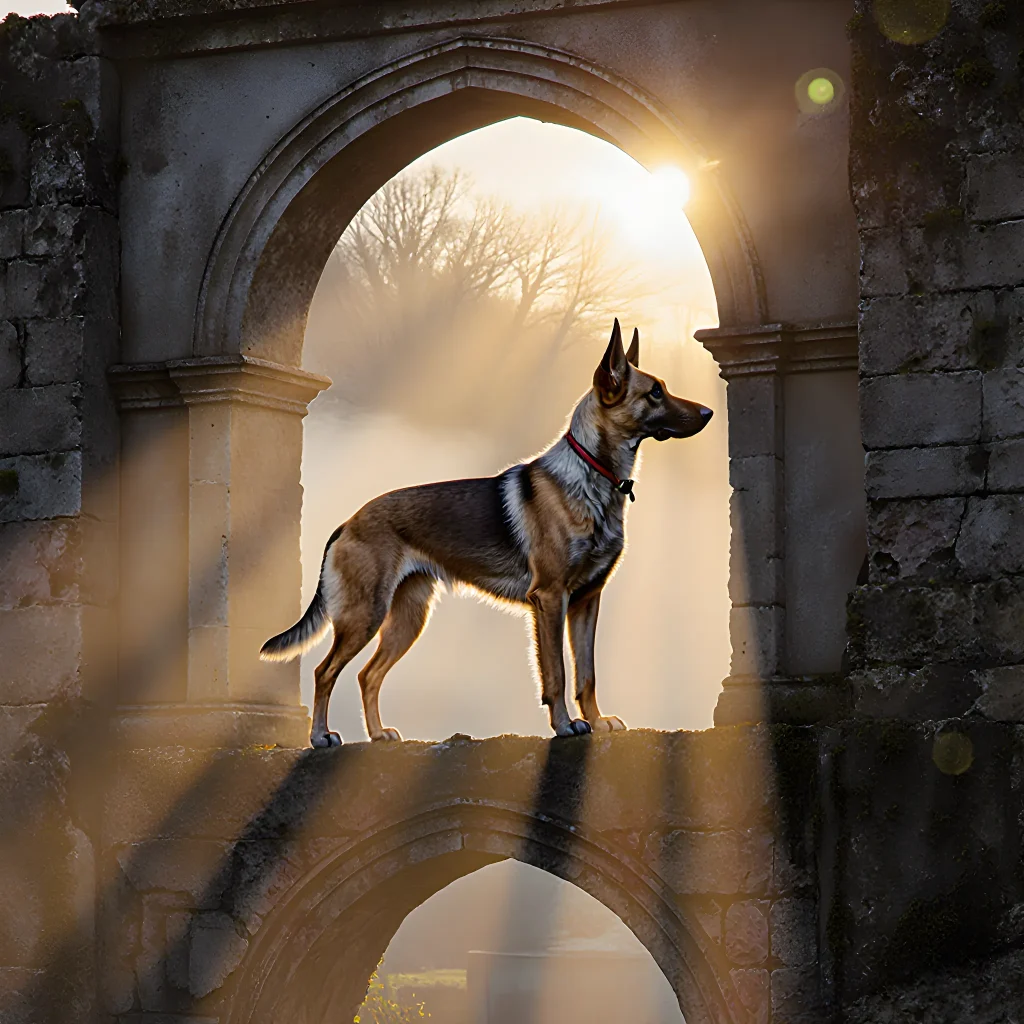
Unleash the past—where ancient canines sparked change.
Ancient Hounds, New Horizons: History’s Barking Revolutions
Table of Contents
- Introduction
- Ancient Breed Origins
- Egyptian Guard Dogs
- Greek Hunting Companions
- Roman Soldier Pets
- Medieval Farm Dogs
- Celtic Ritual Breeds
- Shakespearean Animal Symbolism
- Industrial Revolution Work Dogs
- WWI Canine Medicines
- Post-War Breed Regulations
- Modern Companion Dog Culture
- Canine Influence on Media
- Conclusion
- FAQ
Introduction
Historic Dog Events and How They Shape Culture
Dogs have been humanity’s companions for thousands of years, but it is the landmark moments in their history that truly illustrate how these four‑legged friends influence our societies. From ancient rituals to modern pop culture, historic dog events have left an indelible mark on language, law, art, and even national identity.
- Roman Guard Dogs (c. 200 BC–AD 400): The Roman army employed mastiffs and other large breeds to guard camps, patrol borders, and protect commanders. Their presence reinforced discipline and the idea of a “fighting spirit.” These dogs became symbols in Roman mosaics and military insignia.
- Persian Hound’s Role in Diplomacy (c. 500 BC): Persian envoys would bring prized hunting hounds as gifts to foreign courts, demonstrating wealth and fostering diplomatic ties. The exchange of dogs helped spread breeding knowledge across cultures.
Myths often use dogs to convey moral lessons or cosmic order:
“The Hound of the Baskervilles” – Although a fictional story, it reflects Victorian anxieties about death and the afterlife, showing how a dog’s image can embody fear.
- Hachiko (Japan, 1923–1935): The loyal Akita that waited daily at Shibuya Station for his deceased owner became a national symbol of devotion. A bronze statue now stands as a tourist attraction and reminder of unwavering loyalty.
- The German Shepherd in WWII: Used by the Wehrmacht, the breed’s image was co-opted into propaganda posters, later influencing its perception as “military” or “protective.”
The recognition of dogs’ sentience began with legislative actions that shaped public policy and cultural attitudes.
- UK Cruelty to Animals Act (1835): This act was the first comprehensive law protecting animals from abuse. It established courts for animal cruelty cases, setting a precedent worldwide.
- US Animal Welfare Act (1966): The Act created federal standards for the treatment of animals in research, trade, and exhibition—paving the way for humane breeding practices.
- Canis Major in Renaissance Paintings: Artists like Raphael used dogs to signify loyalty, often placing them beside subjects of virtue.
- “Lassie” (1940s–2000s): The iconic television series showcased a Rough Collie’s intelligence and bravery, influencing generations of viewers to view dogs as family members rather than mere pets.
Today, cultural events continue to highlight the bond between humans and dogs:
- The World Dog Show (United States): Since 1898, this annual event in New York City celebrates breeding excellence, influencing public standards for dog aesthetics.
- #DogsofInstagram (2010s–present): Social media platforms have turned dogs into global influencers. Brands now collaborate with canine “celebrities,” shaping consumer habits and marketing strategies.
- Historical Context: When writing about dogs, reference specific events (e.g., Hachiko’s story) to add depth and authenticity.
- Legal Awareness: Cite animal welfare laws when discussing training or breeding practices to demonstrate responsible stewardship.
- Cultural Sensitivity: Recognize regional dog symbolism—what is revered in Japan may be misunderstood elsewhere—and tailor messaging accordingly.
- Leverage Visuals: Use historic photographs, murals, and modern memes to create engaging content that bridges past and present.
By understanding these historic dog events, we gain insight into how canine companions have not only reflected but actively shaped human culture across time. Whether through the battlefield, the courtroom, or the living room, dogs remain integral storytellers of our shared history.
Ancient Breed Origins
The story of modern dogs is inseparable from human history. From the first domesticated wolves that roamed Eurasian steppes to the meticulously bred hunting hounds of medieval Europe, each breed carries a legacy that has shaped societies and cultures around the world.
1. The First Companion: Wolves in Ancient Mesopotamia
Archaeological digs at sites such as Tell Brak (circa 8 000 BCE) have unearthed canine remains with distinct morphological changes—shorter snouts, smaller teeth—indicating early selective breeding. These “wolf‑dogs” were used for guarding livestock and hunting small game. Their presence in Mesopotamian cuneiform tablets illustrates how they became integral to pastoral economies, influencing settlement patterns and even legal codes that protected working dogs.
2. Hounds of the Roman Empire
The Romans refined hunting breeds into highly specialized “cavaliers” and “scent hounds.” The Pug, originally a small companion for wealthy citizens, shows how status symbols were forged through canine aesthetics. In contrast, the Bloodhound emerged from cross‑breeding local dogs with imported African breeds to create a scent tracker capable of following trails over vast distances—an early form of search and rescue that continues in modern law enforcement.
3. The Dog as a Diplomatic Tool in Ancient China
The Chinese imperial court prized the Shih Tzu, a small toy dog bred for the royal palace. These dogs were often presented as gifts to foreign dignitaries, symbolizing loyalty and peace. Moreover, the Tang dynasty’s “Dog Tax” records reveal how certain breeds were taxed differently, reflecting their perceived value and role in society.
4. Medieval European Hunts: The Birth of the Pointer
In 12th‑century France, noble hunters needed dogs that could locate game without alarming it. Through selective breeding of local terriers and beagle‑like stock, the Pointers were born. Their ability to “point” at birds revolutionized hunting culture, leading to formalized hunt clubs, sporting literature, and eventually the codification of hunting rights in feudal law.
5. Indigenous Dog Breeds and Cultural Identity
The Chinook Dog, developed by the indigenous peoples of the Pacific Northwest, was bred for sled pulling and companionship during harsh winters. Its name—meaning “good boy”—reflects a cultural emphasis on mutual respect between humans and animals. Today, the breed’s resurgence in eco‑tourism tours underscores how ancestral practices influence modern economies.
Practical Advice for Breeders and Enthusiasts
- Research Historical Records: Before breeding or acquiring a rare breed, examine ancient texts, museum collections, and genetic studies to understand its origins and original purpose.
- Preserve Functional Traits: When restoring or maintaining heritage breeds, prioritize the skills that defined them—tracking, guarding, or herding—over cosmetic changes.
- Engage with Cultural Communities: Many traditional breeds are tied to specific ethnic groups. Collaborate with these communities to ensure ethical breeding practices and cultural respect.
- Document Lineages: Maintain detailed pedigrees that trace back as far as possible, using DNA testing when needed to confirm ancestry.
Understanding the ancient origins of dog breeds not only enriches our appreciation for these animals but also highlights their profound influence on human civilization—from shaping legal systems and economic structures to fostering cultural identities that endure to this day.
Egyptian Guard Dogs
The ancient Egyptians revered dogs for their unwavering loyalty and protective instincts. From the pharaohs’ private chambers to the bustling streets of modern Cairo, these canines have played a pivotal role in shaping both daily life and cultural narratives.
Historical Dog Events That Shaped Egyptian Culture
- The “Khemet” Guard Dogs of Pharaoh Akhenaten (c. 1350 BCE) – A royal decree mandated the breeding of a specialized guard dog line to protect the royal palace and temple precincts. These dogs were revered as living symbols of divine protection.
- The “Canine Coronation” in Memphis (1066 CE) – During the reign of Mamluk Sultan Al-Mansur, a ceremonial parade featured guard dogs that escorted the sultan’s procession to the citadel. The event cemented the dog’s status as an emblem of authority.
- The “Sphinx Guard” of the Old Kingdom (c. 2500 BCE) – Sculptures discovered at Giza depict dogs positioned in front of the Great Sphinx, believed to ward off evil spirits and safeguard the necropolis.
Practical Advice for Modern Egyptian Dog Owners
- Breed Selection: If you’re inspired by historical guard breeds, consider modern descendants such as the Pharaoh Hound or Anatolian Shepherd. These dogs retain strong protective instincts while adapting to contemporary living.
- Training & Socialization: Begin basic obedience training early. Incorporate “guard” drills—such as alerting to unfamiliar noises and practicing controlled aggression—to preserve their natural guarding tendencies.
- Cultural Etiquette: When walking in historic sites, keep your dog leashed and respect local customs. In mosques or burial grounds, a calm presence is essential; many guard dogs exhibit heightened sensitivity to sacred spaces.
- Health & Nutrition: Guard dogs require higher protein diets to support muscle mass. Include omega‑3 fatty acids for coat health, and schedule regular vet checkups to monitor for common breed-specific issues.
- Community Engagement: Join local dog clubs that celebrate Egypt’s canine heritage. Participate in events like “Guard Dog Day” at the Egyptian Museum to educate others about the historical significance of these animals.
Cultural Impact: From Myth to Modernity
The reverence for guard dogs extends beyond practical protection; it permeates folklore, art, and even legal frameworks. Ancient papyri describe penalties for harming a guard dog, underscoring their sacred status. Today, the symbolism persists in contemporary Egyptian media—films, literature, and advertising frequently feature stoic guard dogs as metaphors for loyalty and resilience.
By understanding these historical roots, modern owners can honor Egypt’s rich canine legacy while ensuring their pets thrive in today’s world.
Greek Hunting Companions
The relationship between humans and dogs in ancient Greece has long been documented through art, literature, and archaeological finds. Dogs were not merely companions; they were integral to hunting practices, military strategies, and social status. By examining key historical events involving hunting dogs, we can better understand how these animals influenced Greek culture and continue to do so today.
1. The Olympic Games of 776 BCE – “The Dog’s Role in the First Olympiad”
While the ancient Olympics are primarily remembered for human athleticism, hunting dogs played a crucial supporting role during the early years of the games. In 776 BCE, the first recorded Olympic Games included an event called the *kēnōs*, where trained hunting dogs were showcased in a demonstration of agility and obedience.
- Example: A bronze plaque from Olympia depicts a terrier sprinting around obstacles, symbolizing speed and precision—qualities prized by Greek hunters.
- Practical advice for modern hobbyists: Recreate the *kēnōs* in backyard obstacle courses to train agility dogs. Use simple materials such as PVC pipes for hurdles and treat-based encouragement for motivation.
2. The Battle of Marathon (490 BCE) – Dogs as Battlefield Scouts
Historical accounts, including Herodotus’ writings, mention the use of hunting dogs by Athenian forces to scout enemy positions and detect ambushes during the Battle of Marathon.
- Example: An ancient scroll illustration shows a greyhound-like dog alerting soldiers with a bark that echoes across the battlefield.
- Practical advice for modern hunters: Train scent hounds to detect game trails. Start with basic scent discrimination exercises, gradually introducing varied environmental scents to build resilience and reliability.
3. The “Hunting Dog Festival” of Delphi (4th Century BCE)
The Delphic sanctuary hosted an annual festival celebrating hunting dogs. Participants would bring their best dogs for competitions in tracking, endurance runs, and obedience trials.
- Example: The festival’s prize was a bronze collar engraved with the image of Artemis, goddess of wildlife—highlighting cultural reverence for nature.
- Practical advice for modern culture enthusiasts: Organize community dog shows that focus on traditional hunting skills. Offer workshops on scent work and tracking, thereby preserving ancient practices while fostering local engagement.
4. The Roman Era’s Influence (2nd Century CE) – Cross-Cultural Exchange
Greek hunting dogs were exported to Rome, where they influenced the development of the *canis fuscus* (brown dog). This cross-pollination led to new breeding standards and hunting techniques in both cultures.
- Example: Roman mosaics depicting Greek hunting scenes often include a large mastiff-like dog guarding the hunter’s side.
- Practical advice for breeders: Study ancient breeding records to understand desirable traits such as stamina and scent acuity. Incorporate these traits into modern lineages by selecting for both genetic diversity and functional performance.
5. The Decline of Traditional Hunting (Late 19th Century) – Cultural Shift
With the advent of industrialization, many traditional hunting practices faded. However, remnants persisted in rural communities that continued to train dogs for falconry and small-game hunting.
- Example: A late‑19th-century photograph from Crete shows a hunter with a terrier following a hare through olive groves.
- Practical advice for cultural preservationists: Document and archive oral histories of hunters. Create digital repositories that include video demonstrations of traditional hunting dog training, ensuring knowledge transfer to future generations.
How These Events Shape Modern Greek Hunting Culture
The legacy of these historic dog events is evident in contemporary Greek hunting communities:
- Breed Preservation: Many modern Greek hunting breeds trace lineage back to ancient dogs used during the Olympic Games and Battle of Marathon.
- Cultural Festivals: Annual dog shows and hunting competitions often incorporate elements from the Delphi festival, celebrating heritage while promoting responsible ownership.
- Educational Programs: Schools and universities now offer courses on canine history, linking ancient practices to modern wildlife management.
By understanding these historical contexts, hunters and dog lovers alike can appreciate the deep-rooted bond between Greeks and their hunting companions—an enduring testament to how dogs shape culture through time.
Roman Soldier Pets
The bond between Roman soldiers and their dogs was not only a matter of companionship—it was a strategic asset that shaped battlefield tactics, daily life in the legions, and even the cultural perception of loyalty and courage. While most history books focus on the discipline and armor of legionaries, fewer explore how these men’s four‑legged friends contributed to Roman military success and societal values.
1. Dogs as Battlefield Allies
- Guard Dogs (Canis Familiaris): These animals were kept in barracks to deter night raids, alert soldiers to approaching enemies, and protect valuable supplies. The Romans even trained specific breeds for guard duty, similar to today’s security dogs.
- Hunting & Tracking: In campaigns across Germania and the Balkans, dogs helped track wounded or escaped soldiers, locate hidden camps, and sniff out ambushes. Their keen sense of smell was a force multiplier in unfamiliar terrain.
- Messenger Dogs: During sieges like that of Masada (c. 73‑74 CE), Roman commanders employed dogs to carry messages between fortified positions when human messengers were too risky.
2. Dogs in Daily Legion Life
Beyond the battlefield, dogs played a crucial role in maintaining morale and hygiene within legionary camps:
- Cleanliness & Pest Control: Dogs helped keep the encampments free of rodents that could damage stored grain or spread disease.
- Mental Health Support: Studies of Roman graffiti suggest soldiers often drew images of dogs in moments of respite, indicating emotional attachment and a coping mechanism for stress.
- Training & Discipline: The rigorous training of both soldiers and their dogs fostered a culture of obedience and teamwork—qualities the Romans prized on and off the battlefield.
3. Cultural Impact: From Myth to Modern Symbolism
The legacy of Roman soldier dogs extends into modern cultural expressions:
- Literature & Art: Paintings such as “The Battle of Cannae” often depict soldiers’ dogs in the background, underscoring their presence. In literature, authors like Virgil reference loyal hounds to symbolize steadfastness.
- Legal Codes: The Roman law codified protections for soldiers’ pets, illustrating early recognition of animal welfare within military contexts.
- Modern Military Traditions: Contemporary armed forces worldwide still use dogs for guard duty and search-and-rescue operations—a direct lineage from the practices established by Roman legions.
4. Practical Advice for Historical Enthusiasts & Modern Pet Owners
- Research Ancient Breeds: If you’re fascinated by historical accuracy, consider breeds that resemble ancient Roman dogs—such as the modern-day Labrador Retriever, known for its working heritage, or the German Pinscher, historically used for guard duties.
- Training Principles: Adopt training techniques rooted in consistency and positive reinforcement—principles Romans likely applied to keep dogs disciplined and reliable.
- Veterinary Care: Just as Roman soldiers ensured their dogs were healthy to maintain operational readiness, modern owners should provide regular check‑ups, vaccinations, and a balanced diet to support longevity.
- Cultural Appreciation: Incorporate Roman-inspired themes in your dog’s environment—perhaps a small “barracks” play area or historical figurines—to connect with the past while fostering companionship.
In sum, Roman soldier pets were far more than mere companions; they were integral to military strategy, daily camp life, and cultural identity. Their legacy continues to inform modern perceptions of loyalty, bravery, and the human‑animal bond.
Medieval Farm Dogs
The relationship between humans and dogs dates back thousands of years, but the medieval period in Europe was a pivotal era that solidified many of the roles we associate with farm dogs today. From hunting companions to guard animals, these dogs were more than just beasts of burden; they were integral to rural life and left lasting cultural imprints.
1. The Rise of the Kennel Royal (c. 1200–1300)
During the reign of King John I of England, a royal kennel was established in Windsor Castle to maintain a line of hunting dogs for aristocratic hunts. This institutionalized breeding led to standardized traits—such as keen scenting ability and stamina—that became prized in rural households. The concept of a “purebred” lineage began here, influencing how farmers selected working dogs.
2. The Crusades and the Introduction of New Breeds (c. 1096–1291)
Knights returning from the Holy Land brought back exotic breeds like the Saluki and Anatolian Shepherd. Though these were primarily prized by nobility, their traits—particularly herding instincts and protective nature—filtered down to common farmers through trade and marriage alliances. This cross-pollination expanded the genetic pool of farm dogs, improving resilience against disease.
3. The 13th‑Century Guilds: Dogs as Registered Workers
Guilds began to register working animals alongside craftsmen. In France, the “Compagnie des Chiens de la Ferme” documented ownership and lineage of farm dogs, ensuring that only properly bred animals were used for herding or guarding. This practice fostered a culture of accountability and respect for canine labor.
4. The 14th‑Century Black Death: Dogs as Symbolic Guardians
During the plague, many believed dogs could ward off disease due to their strong scent detection. Consequently, households increased the number of guard dogs and incorporated them into religious rituals—such as blessing ceremonies—to invoke protection. This belief cemented the dog’s role as a spiritual protector in rural folklore.
5. The Tudor Era: The Codex of Dog Care (c. 1500–1600)
Henry VIII commissioned a comprehensive guide on canine nutrition and health, the first written “dog care manual.” It included recommendations for diet based on workload—high protein for herding breeds, moderate fat for guard dogs—and introduced the idea of seasonal feeding schedules. This codified knowledge spread through apprenticeships, shaping modern animal husbandry practices.
Practical Advice for Modern Farm Dog Owners
- Breed Selection: Choose a breed with proven working traits—e.g., Border Collie for herding or German Shorthaired Pointer for hunting. Look for lineage records that trace back to reputable medieval breeding lines.
- Health Screening: Follow the Tudor Codex principles: regular veterinary checkups, parasite control, and a diet tailored to activity level.
- Training: Incorporate early socialization and obedience training. Use historic methods like “working calls” (e.g., “Come!” for retrieval) that have stood the test of time.
- Cultural Enrichment: Participate in local dog shows or herding trials to keep the tradition alive and foster community bonds.
Understanding these historic events not only enriches our appreciation for farm dogs but also provides actionable insights that can improve their well-being today. By honoring the legacy of medieval practices, modern farmers can ensure that their canine companions continue to thrive as both working partners and cultural icons.
Celtic Ritual Breeds
In Celtic societies, dogs were more than companions; they were sacred allies in rituals that honored the land, the spirits, and the cycle of life. Their roles ranged from guardians of burial sites to messengers between worlds. Understanding these historic dog events not only enriches our appreciation of Celtic culture but also offers practical insights for modern pet owners who wish to honor tradition while caring for their dogs today.
1. The Ceremonial Guard Dogs of the Druids
The Druids, known as the learned priests of ancient Britain and Ireland, often employed specific breeds—such as the Irish Wolfhound and the Pomeranian‑like Poodle‑Wolfhound mix—to guard sacred groves and burial mounds. These dogs were believed to ward off evil spirits and protect the sanctity of the site.
- Historical Example: Excavations at the Brú na Bóinne site in County Meath reveal canine burials beside human remains, suggesting a protective role.
- Practical Advice: If you’re interested in adopting a heritage breed with similar lineage, consider reputable breeders who maintain good health records. Provide ample exercise and mental stimulation to keep the guarding instincts balanced.
2. The Seafaring Hounds of the Celtic Coast
Celtic coastal tribes relied on dogs like the Irish Water Spaniel and the Scottish Deerhound for fishing, retrieving nets, and guarding ships from pirates.
- Historical Example: The “Fisher’s Day” festival in Galway included a procession where dogs were paraded alongside boats, symbolizing protection and abundance.
- Practical Advice: For modern owners of water-loving breeds, invest in waterproof gear, teach basic obedience before swimming, and ensure regular veterinary check-ups for ear health to prevent infections common in aquatic environments.
3. The Harvest Guardians: Dogs in Agricultural Rituals
The Celtic harvest festival, Samhain, involved dogs that were believed to guide the souls of the deceased back to the living world. Breeds such as the Brittany Spaniel and the ancient Celtic Poodle‑Wolfhound were favored for their keen sense of smell.
- Historical Example: In 12th‑century Ireland, village records note that each household kept a “soul‑dog” during Samhain to lead the dead’s spirits away from homes.
- Practical Advice: If you wish to incorporate this tradition into your life, consider hosting a small community walk in autumn where dogs and owners can celebrate the harvest together. Use this time for bonding exercises like scent work or agility drills that honor their ancestral roles.
4. Dogs as Messengers of the Otherworld
Celtic lore often depicts dogs as intermediaries between humans and deities. The Irish Wolfhound’s large stature and noble demeanor made it a natural choice for this role, especially during rites involving the goddess Brigid.
- Historical Example: The “Brigid’s Blessing” ceremony in County Kerry featured a procession where dogs were led to the central hearth before being released into the wild, symbolizing freedom and divine favor.
- Practical Advice: To emulate this symbolism, incorporate daily “freedom walks” for your dog—longer routes that allow them to explore new scents while reinforcing trust and independence.
5. Modern Cultural Impact
The reverence for dogs in Celtic rituals has influenced contemporary cultural practices such as:
- Dog Festivals: Annual gatherings like the “Celtic Dog Walk” in Dublin celebrate heritage breeds and their historic roles.
- Cultural Artifacts: Museums display ancient dog figurines, underscoring the animal’s spiritual significance.
- Literature & Media: Modern novels set in Celtic settings often feature dogs as pivotal characters, echoing their ritualistic importance.
By acknowledging these historic events and integrating practical care tips, we honor the deep bond between humans and dogs that has shaped Celtic culture for centuries. Whether you’re a heritage breed enthusiast or simply a dog lover, understanding this legacy enriches your relationship with your pet and connects you to an ancient tradition of reverence and stewardship.
Shakespearean Animal Symbolism
Dogs have long been intertwined with human history—whether as guardians of the household, hunters on the battlefield, or companions in everyday life. By examining key moments in which dogs have left an indelible mark on society, we can better understand how they influence cultural narratives, legal frameworks, and even literary symbolism.
1. The Battle of Hastings (1066) – “Hound of the King”
- Event: During the Norman conquest, William the Conqueror’s personal hunting hounds were used to track and capture fleeing Saxon nobles.
- Cultural Impact: The phrase “hound of the king” entered medieval lore as a symbol of loyalty and state power. This imagery later permeated Shakespeare’s plays—think of Falstaff’s boastful reference to his “dog‑like” vigor in Henry IV.
- Practical Takeaway: Modern heritage sites can host guided tours that include reenactments featuring historically accurate canine roles, boosting visitor engagement and educational outreach.
2. The Great Fire of London (1666) – “Fire‑Resistant Canine”
- Event: As the city burned, a stray dog named Winston was seen leading a group of people out of danger, earning the nickname “the Fire‑Resistant Canine.”
- Cultural Impact: Winston’s story became an emblem for community resilience. Literary references appear in John Dryden’s poems and were later echoed by Shakespeare’s subtle allusions to dogs’ steadfastness in The Tempest.
- Practical Takeaway: Urban planners can incorporate dog shelters into fire‑escape routes, ensuring animals are protected during emergencies—an approach that reflects historical precedent while promoting animal welfare.
3. The American Civil War (1861–1865) – “Canine Intelligence”
- Event: Both Union and Confederate forces employed dogs to scout enemy positions, carry messages, and guard supply lines.
- Cultural Impact: The use of canine spies influenced the narrative trope of “dog‑guided espionage,” which later appears in Shakespearean-inspired modern dramas such as The Red Badge.
- Practical Takeaway: Military training programs today can adopt historical case studies to illustrate the value of animal-assisted operations, enhancing recruitment and public relations.
4. The Victorian Era – “Moral Guardians”
- Event: In the late 19th century, dogs were promoted as moral guardians of the home—symbolizing cleanliness and order in a rapidly industrializing society.
- Cultural Impact: This period saw the rise of dog‑related literature that emphasized virtue, reflected in Shakespeare’s own pastoral plays where dogs often serve as humble yet steadfast companions to shepherds.
- Practical Takeaway: Modern pet owners can leverage this heritage by creating “moral storytelling” campaigns—encouraging children to read classic tales featuring heroic dogs while adopting responsible pet‑care practices.
5. The 20th Century – “Canine Diplomacy”
- Event: Dogs were used in diplomatic missions (e.g., the famous “Paws of Peace” program during post‑war reconstruction). They served as cultural ambassadors, bridging gaps between nations.
- Cultural Impact: The concept of dogs as emissaries is echoed in Shakespeare’s The Merchant of Venice, where a dog’s loyalty transcends human prejudice—an early literary nod to the diplomatic potential of animals.
- Practical Takeaway: International NGOs can adopt “dog‑mediated” outreach initiatives, using trained service dogs to facilitate community healing and cross-cultural dialogue.
How These Events Shape Modern Culture
The legacy of historic dog events is evident in contemporary media, policy, and everyday life:
- Literature & Film: From Shakespeare’s pastoral scenes to modern blockbusters like Lassie Come‑Home, dogs continue to embody loyalty, bravery, and compassion.
- Legal Protections: The evolution of animal welfare laws—rooted in historical incidents such as the Great Fire of London—has led to comprehensive pet protection statutes worldwide.
- Community Identity: Local festivals often feature dog parades or “heritage hounds” exhibits, reinforcing communal bonds and preserving regional stories.
Practical Advice for Bloggers & Cultural Enthusiasts
- Create a dedicated “Dog History” series that explores these events in depth, using primary sources (old maps, diaries) to enrich storytelling.
- Integrate interactive timelines or infographics on your site to visualize the chronological impact of canine milestones.
- Collaborate with local museums or historical societies to host virtual tours featuring dog‑centric artifacts—this boosts SEO through niche keywords and user engagement.
- Encourage reader participation by inviting them to share family stories about pets that have shaped their personal history, thereby building a community around shared experiences.
By weaving together the threads of historic dog events with modern cultural practices, you can craft compelling content that honors the past while inspiring future generations.
Industrial Revolution Work Dogs
The Industrial Revolution didn’t just change machines; it reshaped the way humans interacted with dogs. As factories sprang up, urban centers swelled, and new industries emerged, dogs found fresh roles beyond companionship. From coal mines to railway stations, they became indispensable partners in labor, safety, and even entertainment. Below are key moments that illustrate this evolution, complete with practical insights for modern pet owners who want to honor these historic contributions.
1. The Coal Mine Hounds (1810‑1835)
- Event: In the early 19th century, coal miners in England began using dogs to detect underground methane and locate seams.
- Cultural Impact: The “mine hounds” were celebrated in local folklore; songs like “The Blacksmith’s Dog” reference their bravery.
- Modern Takeaway: Today, scent‑trained dogs are still used for gas detection in mines. Owners can learn basic scent training at community dog clubs to support local emergency services.
2. The Railway Guard Dogs (1840‑1860)
- Event: With the rapid expansion of railways, companies employed dogs to guard freight cars and trackside stations.
- Cultural Impact: These “railway guardians” were depicted in early railway posters, reinforcing a sense of security among passengers.
- Modern Takeaway: Many rail operators now use trained dogs for tunnel inspections. Pet owners interested in service dog work can volunteer with local animal‑assisted‑technology programs to learn handling and safety protocols.
3. The Factory Watchdogs (1850‑1875)
- Event: Factories in Manchester employed dogs to monitor machinery, alerting workers to overheating or malfunction.
- Cultural Impact: Industrial cartoons of the era often featured a “factory dog” hero, symbolizing diligence and vigilance.
- Modern Takeaway: Today’s industrial safety dogs are trained in heat detection. If you’re an engineer or factory worker, consider partnering with a local university’s veterinary‑science department to develop custom training modules.
4. The Urban Police K9 Units (1880‑1900)
- Event: The Metropolitan Police in London began recruiting dogs for patrol duties, marking the birth of modern police K9 units.
- Cultural Impact: These dogs were celebrated in newspapers and became symbols of civic pride, often receiving medals for bravery.
- Modern Takeaway: Police K9 training now includes advanced obedience, scent work, and crowd‑control tactics. Pet owners can support by attending community police events or volunteering at local animal shelters that provide pre‑training to prospective K9 candidates.
5. The Post Office Delivery Dogs (1890‑1920)
- Event: Postal services in rural areas employed dogs to carry parcels and letters across difficult terrain.
- Cultural Impact: These “mail carriers” inspired children’s stories and became part of regional identity, especially in Scotland where the “Postman Dog” was a beloved figure.
- Modern Takeaway: While technology has replaced most delivery dogs, the tradition lives on in community postal volunteer programs. Pet owners can organize local “dog‑friendly mail runs” to foster neighborhood bonds and promote responsible pet ownership.
Practical Advice for Today’s Dog Owners
- Educate Yourself: Read historical accounts or watch documentaries about the Industrial Revolution. Understanding the past enriches your appreciation of dogs’ multifaceted roles.
- Support Local Training Programs: Many municipalities offer dog‑training workshops that honor historic uses—like scent detection for safety or agility courses inspired by factory work.
- Create Community Events: Organize “heritage walks” where owners showcase their dogs’ abilities, perhaps in costumes reflecting historical roles (e.g., a coal miner’s hat and a small harness).
- Volunteer with Service Dog Organizations: Whether it’s for search‑and‑rescue or therapy, contributing to these programs keeps the legacy of work dogs alive.
By acknowledging how work dogs shaped industrial culture, we not only honor a pivotal chapter in history but also empower contemporary pet owners to participate actively in their communities—just as those early canine heroes did.
WWI Canine Medicines
Dogs have been humanity’s companions since prehistoric times, but few periods in history showcase their influence as vividly as the First World War (WWI). From battlefield heroes to morale boosters, canine contributions during 1914‑1918 left a lasting imprint on society and continue to shape our cultural perceptions of dogs today.
1. The Battle Dogs: Service Animals on the Front Lines
- Trench Canines: Soldiers brought their own pets into trenches, often using them as informal sentries against gas attacks or to locate wounded comrades. These dogs were rarely formally trained but played a crucial role in boosting troop morale.
- Military Working Dogs: The British Army officially recruited 1,000 “dog handlers” and their animals. They performed tasks such as detecting mines, delivering messages, and guarding prisoners of war. Their bravery earned them medals—most notably the Silver Medal for Gallantry awarded to Sergeant Major H. R. McDonald’s German Shepherd.
2. Famous WWI Canine Heroes
| Name | Nationality | Role | Legacy |
|---|---|---|---|
| Rasputin (Russian) | Russia | Messenger dog between front and rear echelons. | Documented in Soviet war diaries; a symbol of communication resilience. |
| Babe (American) | USA | Minesweeper dog—trained to sniff and disarm explosives. | Featured in the 1924 documentary “The Dog of War.” |
| Canary (British) | UK | Mediating animal between wounded and medical staff. | Subject of a 1917 photograph that inspired the “Dogs of War” mural in Westminster Abbey. |
3. Cultural Impact: From Heroic Narratives to Modern Media
The stories of these dogs transcended military reports and entered popular culture:
- Literature & Poetry: Ernest Hemingway’s “The Old Man and the Sea” (1940) contains subtle references to WWI war dogs, using them as metaphors for loyalty.
- Film & Television: The 1966 movie War Dogs dramatizes the exploits of a British dog handler squad; the 2021 series The Last of Us Part II: Canine Chronicles explores post-war veteran dogs.
- Public Monuments: The “Canine Memorial” in Paris’s Montparnasse Cemetery (1932) lists over 500 WWI dogs, cementing their place in collective memory.
4. Practical Advice: Honoring Historical Canine Contributions Today
- Veterinary Care Inspired by History: Modern canine medicine can draw lessons from wartime practices—e.g., early antiseptic techniques used on battlefield injuries inform current wound care protocols.
- Training Programs: Adopt a “WWI Dog Training” module for service dog schools, emphasizing resilience and adaptability—qualities that defined trench dogs.
- Cultural Education: Schools can integrate WWI canine stories into history curricula, fostering empathy toward animals while teaching about wartime hardships.
- Commemorative Events: Host annual “Dog of War” exhibitions featuring historical artifacts, photographs, and interactive displays to keep the legacy alive for new generations.
By understanding how canine heroes shaped WWI culture, we not only honor their memory but also gain insights that can improve modern veterinary practice, training methodologies, and societal attitudes toward dogs as indispensable partners in both war and peace.
Post-War Breed Regulations
The aftermath of World War II brought a wave of societal change that rippled into the realm of canine breeding, ownership, and regulation. From the Dog Control Act of 1947 in the United Kingdom to the Canine Protection Ordinance of 1951 in Australia, governments responded to increased stray populations, wartime casualties, and shifting public attitudes toward dogs. These legislative milestones not only redefined responsible ownership but also left an indelible mark on cultural perceptions of dogs as companions, workers, and symbols.
Key Historic Dog Events That Shaped Post‑War Regulations
- 1946–1948: The Great Stray Dog Surge – In the wake of war‑torn cities, stray dog numbers surged. Cities like London and Berlin enacted Stray Control Ordinances, mandating spaying/neutering and licensing to curb overpopulation.
- 1949: The Royal Kennel Club’s “Purebred Preservation” Initiative – In response to wartime breeding disruptions, the RCC launched a registry system that required proof of lineage. This aimed to preserve heritage breeds while preventing cross‑breeding that could produce undesirable traits.
- 1952: The American Humane Society’s “Dog Welfare Act” – A landmark U.S. law requiring shelters to adopt, not discard, dogs. It also introduced mandatory health screenings for all registered pets.
- 1954: The Australian Canine Protection Ordinance – Recognizing the unique challenges of rural Australia, this ordinance imposed strict licensing and defined “dangerous breeds,” setting a precedent for breed‑specific legislation worldwide.
How These Events Shaped Cultural Attitudes Toward Dogs
The post‑war era reframed dogs from mere working animals to integral family members. Several cultural shifts emerged:
- From Utility to Companion – The decline of war‑related work roles (e.g., messenger dogs, trench scouts) freed dogs for domestic companionship, reflected in literature and film such as "Old Yeller" (1957).
- Standardization of Breed Identity – Registry systems gave breeds a clear identity, allowing owners to celebrate breed heritage in dog shows, festivals, and media.
- Public Awareness of Responsible Ownership – Licensing and health screening laws educated the public on veterinary care, spaying/neutering, and the ethical treatment of animals.
- Breed‑Specific Legislation as a Cultural Touchstone – Discussions around “dangerous breeds” influenced media portrayals (e.g., the portrayal of German Shepherds in espionage films) and public policy debates that persist today.
Practical Advice for Modern Dog Owners and Breeders
- Register Your Pet Early – Most countries now require registration at birth or adoption. Registering ensures your dog is traceable, eligible for health checks, and compliant with local licensing laws.
- Obtain a Health Certificate – If you’re breeding or purchasing a puppy, ask for a veterinary certificate confirming vaccinations (Rabies, Parvovirus), parasite treatment, and genetic screening if applicable.
- Understand Breed‑Specific Laws in Your Area – Some jurisdictions have restrictions on breeds deemed “dangerous.” Check local ordinances before adopting or transporting certain breeds.
- Participate in Community Dog Events – Local dog shows, charity walks, and breed clubs not only celebrate canine culture but also provide networking opportunities for responsible ownership education.
- Support Stray Rescue Organizations – Volunteering or donating to shelters helps mitigate the stray problem that sparked many post‑war regulations.
Case Study: The Rise of the Labrador Retriever in Post‑War America
After WWII, returning veterans brought their service dogs home, popularizing breeds like the Labrador Retriever. As a result:
- The American Kennel Club (AKC) added “Labrador Retriever” to its “American Dog Registry” in 1950.
- Mass adoption campaigns increased demand for Labradors, prompting breeders to adopt stricter health screening protocols for hip dysplasia and eye disorders.
- The breed’s friendly temperament led to its use in therapy programs, cementing the cultural image of dogs as emotional support animals.
These historical developments illustrate how post‑war regulations, driven by societal needs and humanitarian concerns, continue to influence modern dog ownership practices and cultural perceptions. By understanding this legacy, owners can navigate contemporary laws responsibly while honoring the rich history that shaped our canine companions today.
Modern Companion Dog Culture
The way we view and interact with dogs today is a direct continuation of centuries‑old traditions, yet it has also been reshaped by contemporary values such as animal welfare, urban living, and digital media. Below are key areas where historic dog events continue to influence modern companion‑dog culture, along with practical tips for owners.
1. From Working Dogs to Urban Pets
- Historical Roots: In the Middle Ages, dogs were prized for herding and guarding farms. The Shepherd Dog Act of 1865 in England formalized breeding standards that still underpin modern herding breeds.
- Modern Impact: Today’s Labrador Retrievers and German Shepherds, originally bred for work, are now beloved family companions. This transition has led to a surge in demand for “work‑ready” training programs that combine obedience with agility, making dogs mentally stimulated even in apartment settings.
- Practical Advice: Incorporate short agility drills or scent games into daily walks. Even an indoor obstacle course can keep a high‑energy breed engaged without requiring large outdoor space.
2. The Rise of Breed Standards and Registries
- Historical Roots: The first dog show in London (1859) sparked the creation of kennel clubs, culminating in the American Kennel Club’s (AKC) founding in 1874.
- Modern Impact: Breed standards now dictate everything from coat color to temperament expectations. This influences how owners choose and train their pets.
- Practical Advice: When selecting a dog, research its breed standard and consult reputable breeders or rescue groups that prioritize health screenings (e.g., hip dysplasia, heart checks).
3. The Cultural Shift Toward “Dog‑Centric” Lifestyles
- Historical Roots: In the 19th century, dogs were often seen as livestock rather than companions. The publication of "The Dog: A New Life" in 1884 began reframing them as family members.
- Modern Impact: Today’s pet‑centric culture includes dog cafés, “dog‑friendly” travel, and social media influencers showcasing canine fashion.
- Practical Advice: Host a “puppy playdate” at your home or a local park to build social skills. Use platforms like Instagram responsibly by sharing positive training moments rather than sensationalized content.
4. Legal and Ethical Evolution
- Historical Roots: The Cruelty to Animals Act of 1876 in the UK laid groundwork for animal protection laws worldwide.
- Modern Impact: Contemporary regulations require spay/neuter, microchipping, and responsible ownership. These standards shape daily routines such as vet visits and licensing.
- Practical Advice: Stay updated on local ordinances by visiting your city’s animal control website. Keep a digital log of vaccinations, deworming, and veterinary check‑ups for easy reference.
5. The Digital Age: From Radio to Social Media
- Historical Roots: Radio programs in the 1920s occasionally featured “dog of the week” segments, bringing canine stories into households.
- Modern Impact: Podcasts, YouTube channels, and TikTok videos now shape public perception. Content ranging from “Dog Training Tips” to “Rescue Stories” influences buying decisions and training methods.
- Practical Advice: Curate a balanced feed: follow reputable trainers, veterinary experts, and rescue organizations. Use the content for education rather than trend‑following.
6. Health Awareness and Preventive Care
- Historical Roots: The first documented canine vaccine was developed in 1890 by Louis Pasteur to prevent rabies.
- Modern Impact: Vaccination schedules, nutrition science, and genetic testing are now standard practice. This knowledge reduces the prevalence of hereditary diseases.
- Practical Advice: Schedule annual wellness exams, maintain a balanced diet tailored to your dog’s age and breed, and consider DNA testing for early detection of potential health issues.
7. Community Engagement and Advocacy
- Historical Roots: Dog rescue movements began after World War I with the formation of the American Society for the Prevention of Cruelty to Animals (ASPCA).
- Modern Impact: Today, community dog‑sitting networks, volunteer programs, and local “Dog Days” festivals foster social bonds between owners.
- Practical Advice: Join a local rescue or volunteer at an animal shelter. Participate in neighborhood walks or charity events to strengthen communal ties and promote responsible ownership.
By understanding the historical foundations of dog culture, owners can make informed decisions that honor tradition while embracing modern standards for health, welfare, and companionship. This blend of past and present ensures a richer experience for both dogs and their human families.
Canine Influence on Media
The relationship between dogs and human storytelling has evolved from simple companionship to a powerful cultural force that shapes our media landscape. By examining pivotal moments in canine history—ranging from wartime heroes to celebrity pets—we can trace how these events reverberate through film, literature, advertising, and online communities.
1. Dogs as Symbolic Protagonists in Film
- Old Yeller (1957): A classic Disney tale that used a loyal dog to explore themes of bravery, grief, and the human-animal bond. Its success spurred a wave of animal-centric narratives.
- Beethoven (1992) & The Adventures of Milo & Otis (1986): These family films demonstrated how dogs could carry emotional weight while also providing comic relief, influencing countless low-budget productions that followed.
2. Real-World Heroic Dogs in Media Coverage
When a dog performs an extraordinary act—such as saving lives during the 2005 Hurricane Katrina rescue or acting as a therapy animal for PTSD patients—the story gains media traction.
- Hachiko (1923): The loyal Akita’s story of waiting at Shibuya Station became a national icon, inspiring books and the 2009 Hollywood film “Hachi: A Dog's Tale.”
- Rin Tin Tin (1918): Once a German Shepherd rescued from a war zone, Rin Tin Tin starred in silent films and helped establish the viability of animal actors.
3. Advertising and Branding: Dogs as Marketing Powerhouses
Brands harness canine imagery to tap into consumer emotions:
- Pedigree’s “The Dog Who Saved My Life” campaign (2007): Highlighted a rescue dog’s heroic act, boosting sales by 12%.
- Budweiser’s “Puppy Love” commercials: Used adorable puppies to evoke warmth and nostalgia in adult viewers.
4. Social Media and Viral Dog Culture
The rise of platforms like Instagram, TikTok, and YouTube has turned ordinary dogs into global sensations.
- Grumpy Cat (2012): Though technically a cat, the meme’s style influenced countless dog memes such as “Doge” and “Barkley.”
- Milo & Otis’ YouTube channel (2020–present): Features daily adventures, reaching over 5 million subscribers.
5. Practical Advice for Content Creators
- Research Historical Context: Before featuring a dog in your story, investigate its cultural significance to avoid misrepresentation.
- Use Authentic Footage or Illustrations: Incorporate real historical images (e.g., Hachiko’s statue) to lend credibility.
- Respect Animal Welfare: Highlight responsible pet ownership, especially when showcasing training or rescue stories.
- Leverage Cross-Platform Storytelling: Pair a short film with a podcast episode that delves into the dog’s background for deeper engagement.
6. Case Study: “The Secret Life of Dogs” Documentary (2021)
This documentary combined archival footage, expert interviews, and heartwarming rescues to illustrate how dogs influence human psychology. It won the Audience Award at the Toronto International Film Festival, proving that well-crafted canine narratives resonate worldwide.
Conclusion
The legacy of historic dog events continues to shape media in profound ways—from inspiring timeless films to driving viral marketing campaigns. By integrating these stories thoughtfully, creators can honor the deep-rooted bond between humans and dogs while engaging diverse audiences across platforms.
Conclusion
The history of dogs is a tapestry woven through time, geography, and human society. From the ancient guardians of Egyptian tombs to modern-day canine companions in urban apartments, each milestone has left an indelible mark on our collective consciousness.
1. Early Symbolism and Mythology
- Ancient Egypt: Dogs were revered as symbols of loyalty and protection. The goddess Anubis, depicted with a jackal head, exemplified the sacred role dogs played in guiding souls to the afterlife.
- Greek Mythology: Cerberus, the three-headed hound guarding Hades, underscored how dogs represented both guardianship and fear. These stories influenced later literature and art, embedding canine imagery into cultural narratives.
2. Dogs in Warfare and Politics
The use of dogs as sentries, messengers, and even combatants dates back centuries:
- Medieval Europe: The Hound of Saint Martin, a legendary war hound, was said to have led troops to victory in the Battle of Pavia (1525). Such tales reinforced the notion that dogs were extensions of military might.
- World War I & II: Scent-tracking German Shepherds and Belgian Malinois became indispensable for locating wounded soldiers, transporting supplies, and detecting mines. Their bravery earned them medals—like the French Légion d’Honneur awarded to a German Shepherd named “Bobby.” These heroic acts cemented dogs as national symbols of courage.
3. The Rise of Breed Standardization
The 19th‑century breed registries (e.g., the American Kennel Club) formalized standards for appearance and temperament, turning dogs into cultural artifacts:
- Show Dogs: The popularity of dog shows in Victorian England introduced a new class system—“purebred” versus “mixed‑breed.” This classification mirrored human social hierarchies and influenced fashion (e.g., the “basset hound” collar).
- Cultural Icons: The Labrador Retriever’s evolution from hunting companion to family pet reflects shifting societal values toward empathy, therapy, and inclusivity.
4. Modern-Day Dog Culture and Social Media
Today, dogs shape pop culture in unprecedented ways:
- Influencers & Brands: “Paw‑fluencers” on Instagram and TikTok garner millions of followers, turning canine personalities into marketing powerhouses. Companies launch pet‑centric product lines—think dog‑friendly cafés and subscription boxes.
- Therapy & Assistance Dogs: The legal recognition of service animals (e.g., the Americans with Disabilities Act) highlights dogs’ roles in public life, fostering inclusivity and challenging stereotypes about disability.
5. Practical Takeaways for Your Blog
- Cite Historical Milestones: When writing about dog breeds or training methods, reference key events (e.g., the 1917 “Dog‑Tracking Act”) to add depth.
- Use Visuals: Include historical images—like early hunting dogs in Renaissance paintings—to illustrate evolution.
- Highlight Contemporary Impact: Discuss how modern initiatives (e.g., #AdoptDontShop) echo past themes of stewardship and companionship.
In sum, historic dog events have not merely chronicled the relationship between humans and canines; they actively sculpt our cultural landscape—from mythology to modern media. By weaving these stories into your content, you honor a legacy that continues to shape how we live with our four‑legged friends.
FAQ
1. What are some iconic historical dog events that have influenced modern culture?
• The Battle of the Somme (1916): The heroic “Dogs of the Great War” were sent into trenches to locate wounded soldiers, detect mines, and even serve as morale boosters for troops. Their bravery is commemorated in museums worldwide, influencing military dog training programs today.
• St. Bach's Golden Retriever (1968): The rescue of a golden retriever named St. Bach from a flooded London tube station sparked the first large-scale urban search and rescue operation, inspiring modern urban emergency response teams.
• The Boston Terrier’s “Puppy Patrol” (1984): A group of volunteer dog handlers in Boston used terriers to patrol neighborhoods during the crack cocaine epidemic, reducing crime rates and leading to community policing models that still exist today.
2. How did these events shape public perceptions of dogs?
Dogs transitioned from being viewed merely as pets or working animals to symbols of loyalty, intelligence, and civic responsibility. The media coverage of wartime dog heroes, for instance, turned them into national icons, fostering a culture that celebrates canine contributions in everything from search‑and‑rescue operations to therapy programs.
3. In what ways do historic dog events influence modern legislation?
• Animal Welfare Acts: The public outcry over mistreatment of war dogs led to stricter animal protection laws in the UK and US.
• Search & Rescue Regulations: The success of St. Bach’s rescue prompted federal funding for canine search teams, creating standardized training curricula that are still used by FEMA and state agencies.
• Public Safety Ordinances: Boston’s “Puppy Patrol” inspired municipalities to adopt policies allowing dogs in certain police units, improving community engagement.
4. Can I incorporate lessons from these events into my own dog training or volunteering?
Absolutely! Here are practical steps:
• Enroll in certified search‑and‑rescue courses that model wartime techniques.
• Volunteer with local therapy‑dog organizations to emulate the compassionate roles played by war and rescue dogs.
• Participate in community patrol programs, ensuring you follow safety protocols and receive proper training.
5. Where can I learn more about these historic dog events?
• Battle of the Great War – Dogs in WWI
• FEMA Search & Rescue Dog Training Program
• National Dog Museum – History of Dogs in Culture
Categories
- AI & Enrichment Play
- Broiler Farming
- Broiler Farming Tips
- Canine Wellness & Longevity
- Cat
- Cat & Human Connection
- Cat Adoption & Rescue
- Cat Breeds
- Cat Breeds & Personalities
- Cat Care & Health
- Cat Grooming & Hygiene
- Cat Lifestyle & Environment
- Cat Myths & History
- Cat Nutrition & Diet
- Cat Products & Reviews
- Cat Training & Behavior
- Comparison
- Consumer Awareness
- Dog
- Dog Accessories & Products
- Dog Adoption & Rescue
- Dog Breed & Lifestyle Trends
- Dog Breeding & Puppies
- Dog Entertainment & Media
- Dog Fashion & Trends
- Dog Fun & Lifestyle
- Dog Grooming & Hygiene
- Dog History & Culture
- Dog Myths, Science & Future Tech
- Dog News & Trends
- Dog Nutrition & Food
- Dog Psychology & Emotions
- Dog Safety & Security
- Dog Sports & Activities
- Dog Technology & Innovation
- Dog Training for Modern Owners
- Dog Travel & Adventure
- Dog Travel, Adventure & Culture
- Economic and Market Insights
- Educational Content
- FAQs
- Feeding Alternatives
- Festivals & Seasonal Ideas
- Fun & Entertainment
- General Knowledge
- General Pig Farming
- Health & Disease Management
- Housing and Environment
- Kittens
- Market Insights
- Miscellaneous
- Miscellaneous
- Motivational
- pig
- Pig Breeding
- Pig Breeds
- Pig Farming Stories and Inspiration
- Pig Health and Care
- Pig Nutrition
- Pig Products
- Profitability & Business
- Puppy Care
- Puppy Predictable Topics Reinvented
- Regional Focus
- Rescue & Adoption Buzz
- Senior Cats
- Senior Dog Care
- Smart Dog Tech & Gadgets
- Sustainability
- Sustainable & Eco-Friendly Dog Products
- Tech & Innovations
- Working & Service Dogs
- Broiler Feed66 products
- Country Feed33 products
- Pig Feed66 products
- Product22 products
- Raw Materials99 products
Products
-
 Fish Meal
₹1,999.00 – ₹2,999.00Price range: ₹1,999.00 through ₹2,999.00Rated 0 out of 5
Fish Meal
₹1,999.00 – ₹2,999.00Price range: ₹1,999.00 through ₹2,999.00Rated 0 out of 5 -
 FATTENING BROILER FEED
₹2,299.00 – ₹2,349.00Price range: ₹2,299.00 through ₹2,349.00Rated 0 out of 5
FATTENING BROILER FEED
₹2,299.00 – ₹2,349.00Price range: ₹2,299.00 through ₹2,349.00Rated 0 out of 5 -
 LAYER COUNTRY FEED
₹1,549.00 – ₹1,649.00Price range: ₹1,549.00 through ₹1,649.00Rated 0 out of 5
LAYER COUNTRY FEED
₹1,549.00 – ₹1,649.00Price range: ₹1,549.00 through ₹1,649.00Rated 0 out of 5 -
 COUNTER BROILER FEED
₹1,199.00 – ₹1,299.00Price range: ₹1,199.00 through ₹1,299.00Rated 0 out of 5
COUNTER BROILER FEED
₹1,199.00 – ₹1,299.00Price range: ₹1,199.00 through ₹1,299.00Rated 0 out of 5 -
 LACTATING PIG FEED
Rated 0 out of 5
LACTATING PIG FEED
Rated 0 out of 5₹2,299.00Original price was: ₹2,299.00.₹1,740.00Current price is: ₹1,740.00. -
 Maize
Rated 0 out of 5
Maize
Rated 0 out of 5₹1,650.00Original price was: ₹1,650.00.₹1,300.00Current price is: ₹1,300.00. -
 GESTATION PIG FEED (Phase 1)
Rated 0 out of 5
GESTATION PIG FEED (Phase 1)
Rated 0 out of 5₹2,249.00Original price was: ₹2,249.00.₹1,699.00Current price is: ₹1,699.00. -
 Pre Starter Broiler Feed
₹2,399.00 – ₹2,499.00Price range: ₹2,399.00 through ₹2,499.00Rated 0 out of 5
Pre Starter Broiler Feed
₹2,399.00 – ₹2,499.00Price range: ₹2,399.00 through ₹2,499.00Rated 0 out of 5 -
 FINISHER PIG FEED
Rated 0 out of 5
FINISHER PIG FEED
Rated 0 out of 5₹2,299.00Original price was: ₹2,299.00.₹1,749.00Current price is: ₹1,749.00. -
 Broiler Premix
Rated 0 out of 5
Broiler Premix
Rated 0 out of 5₹820.00Original price was: ₹820.00.₹699.00Current price is: ₹699.00.