
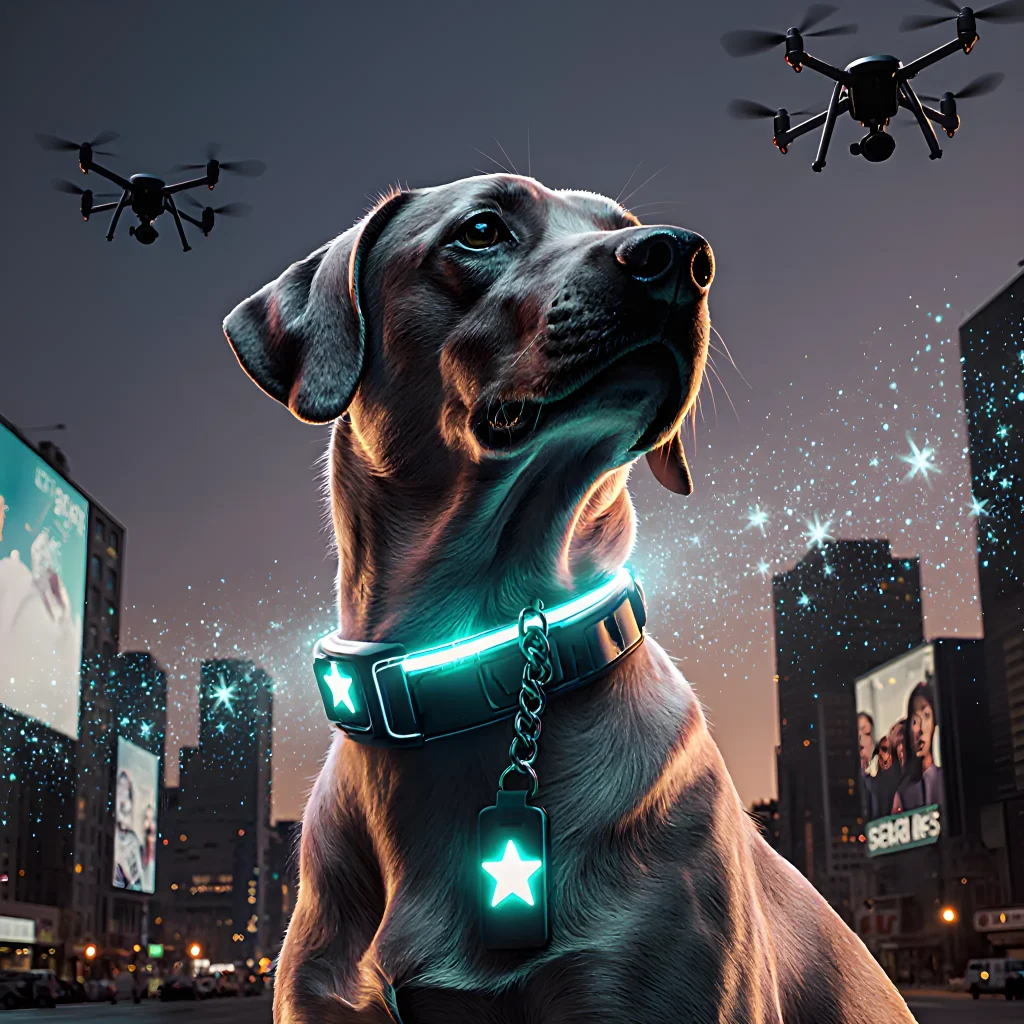
Tagging Tomorrow’s Canine
Star‑Dust Tagging: Futuristic Dog Identity Tech
Table of Contents
- Introduction
- Definition of Non‑Invasive Dog Identification
- Current Identification Methods
- Limitations of Traditional Techniques
- Recent Technological Advances
- Biometric Sensing (e.g., ear shape, gait)
- Image Recognition & AI Algorithms
- Wireless Communication Protocols
- Data Privacy & Security Considerations
- Ethical Implications for Owners and Veterinarians
- Case Studies of Emerging Solutions
- Integration with Veterinary Systems
- Future Trends and Potential Breakthroughs
- Conclusion
- FAQ
Introduction
The Future of Non‑Invasive Dog Identification
Traditional methods for identifying pets—such as microchips, physical tags, or even DNA testing—often involve a degree of invasiveness that can be stressful for the animal and time‑consuming for owners. The emerging field of non‑invasive identification promises to change this paradigm by providing reliable, stress‑free ways to recognize dogs using technology that interacts with their environment rather than inserting something into them.
- Facial Recognition Software: Advanced computer vision algorithms can capture a dog’s face from a distance and compare it against a database. When paired with high‑resolution cameras, this method can identify pets without any physical contact.
- Behavioral Biometrics: By analyzing gait patterns, tail wag frequency, or even the way a dog walks on different surfaces, AI models can create unique “behavior signatures.” These signatures are collected via wearable sensors or in‑home cameras and used for identification.
- RFID Antenna Arrays: Unlike traditional microchips that require a handheld scanner, antenna arrays embedded in fences, collars, or household furniture can detect passive RFID tags from a distance. The system reads the tag’s signal without needing to approach the dog directly.
- Voice‑Based Identification: Dogs emit distinctive vocal patterns when barking or whining. Machine learning models trained on these audio cues can identify individual dogs even in noisy environments.
- Smart Home Integration: Connect a facial recognition camera to your home automation hub. When your dog returns from the park, the system can unlock doors or trigger feeding routines automatically.
- Lost‑Pet Alerts: Pair an in‑home voice recognizer with a cloud service that alerts you and local shelters if your dog’s unique bark is detected in unfamiliar locations.
- Veterinary Records Management: Use gait analysis from clinic cameras to verify patient identity before administering treatments, reducing the risk of mix‑ups without needing to tap a chip.
- No Physical Invasiveness: Eliminates discomfort and potential infection risks associated with microchipping.
- Real‑Time Identification: Immediate recognition allows for instant responses in emergency situations.
- Scalable Data Collection: Cloud‑based databases can grow to include millions of dogs worldwide, improving accuracy over time.
- Cost Efficiency: Once installed, many systems require minimal maintenance compared to periodic chip scans.
While the technology is promising, pet owners should be aware of privacy concerns, data security for biometric databases, and ensuring that algorithms are trained on diverse breeds to avoid bias. Additionally, environmental factors such as lighting or background noise can affect recognition accuracy.
Getting Started
- Choose a reputable provider: Look for vendors with transparent data policies and proven accuracy rates.
- Install smart cameras: Position them at key entry points—doors, windows, or near your dog’s favorite resting spots.
- Upload baseline data: Capture multiple images and audio samples of your dog in various poses and settings to train the system.
- Test regularly: Verify identification accuracy by simulating scenarios such as a guest entering with a different dog or a stray approaching your property.
As non‑invasive identification technologies mature, they will become an integral part of responsible pet ownership—making daily routines smoother, enhancing safety, and fostering deeper connections between dogs and their humans without the need for invasive procedures.
Definition of Non‑Invasive Dog Identification
Non‑invasive dog identification refers to any method that can uniquely distinguish a canine from another without physically harming or permanently altering the animal. The goal is to obtain reliable data—whether through external markers, behavioral traits, or biological signatures—while preserving the dog's comfort and well‑being.
Key Characteristics
- No physical injury: No needles, cuts, or permanent implants are required.
- Low stress: Techniques should not provoke fear or anxiety in the dog.
- Reusable and non‑permanent: Identification can be refreshed or removed as needed.
- Accurate and unique: Each method must provide a distinct identifier that is unlikely to be duplicated across dogs.
Common Non‑Invasive Methods
- High‑Resolution Photography & Pattern Recognition
Using cameras and machine learning algorithms, unique coat patterns (e.g., brindle stripes or white patches) can be captured and stored. This approach is especially useful for breeds with highly variable markings.
- Facial Feature Analysis
Just like humans, dogs have distinctive facial structures—eye spacing, ear shape, muzzle length—that can be quantified via 3D scanning or standard photographs. Software can then compare these metrics against a database to confirm identity.
- Behavioral Profiling
Dogs exhibit consistent patterns in gait, vocalization frequency, and reaction times. Wearable sensors (e.g., smart collars) record these data streams, creating a behavioral “fingerprint” that can be matched across visits.
- DNA Sampling via Saliva or Shed Hair
Non‑invasive DNA collection kits allow owners to provide samples through licking swabs or collecting shed hair. The genetic profile is then compared against a database, offering the highest accuracy without any surgical intervention.
Practical Advice for Implementing Non‑Invasive Identification
- Start with a Baseline Image: During the first visit, capture multiple angles of the dog's face and body. Store these images in a secure cloud database.
- Use Consistent Lighting: For photographic methods, maintain similar lighting conditions to reduce variability that could confuse recognition algorithms.
- Integrate Wearable Tech Gradually: Introduce smart collars or activity trackers during routine walks. Let the dog acclimate before collecting data for identification purposes.
- Educate Owners on Sample Collection: Provide clear instructions and easy-to-use kits for saliva swabs or hair collection, ensuring high-quality samples.
- Regularly Update Databases: As dogs grow or their coats change (e.g., shedding seasons), re‑capture images or behavioral data to keep identifiers current.
The Future of Non‑Invasive Dog Identification
Emerging technologies promise even more seamless identification solutions:
- AI‑Driven Pattern Matching: Deep learning models can now differentiate between subtle coat variations with near-human accuracy.
- Embedded RFID in Collars: While still a physical tag, these are lightweight and non‑obtrusive, providing instant identification when scanned.
- Biometric Voice Recognition: Dogs have unique vocal signatures; microphones embedded in vet stations could automatically log visits based on bark or whine patterns.
By combining these approaches—photography, facial analytics, behavioral data, and DNA sampling—veterinarians, shelters, and pet owners can achieve a robust, non‑invasive identification system that protects canine welfare while ensuring accurate record keeping.
Current Identification Methods
The most common ways dog owners and shelters identify their pets today are:
- Microchips
- Implanted under the skin, usually between the shoulder blades.
- Read by a handheld scanner that emits radio waves; the chip stores a unique ID linked to a database.
- Pros: Permanent, tamper‑proof, and widely accepted in veterinary clinics and shelters.
- Cons: Requires a scanner, can be lost if the chip is damaged or not registered properly, and does not provide real‑time location tracking.
- Collars with ID tags
- Traditional metal or plastic tags bearing the dog’s name, owner contact information, and sometimes a microchip number.
- Pros: Immediate visibility for anyone who finds the dog; inexpensive.
- Cons: Tags can break off, be lost in water or rough terrain, and do not guarantee identification if the dog is taken away by someone else.
- Ear tags
- Small metal discs attached to the dog's ear cartilage.
- Pros: Less visible than collar tags, making them less likely to be removed or lost.
- Cons: Can cause irritation if not fitted properly and are still subject to damage or removal.
- Photographic identification
- High‑resolution photos of the dog’s unique markings, ear shape, eye color, and other distinguishing features.
- Pros: Useful for temporary or emergency identification when a chip is unavailable.
- Cons: Requires a skilled photographer and a reliable database; subject to misidentification if multiple dogs share similar traits.
- Biometric methods (experimental)
- Fingerprint‑like patterns on the paw pads, DNA profiling, or even retinal scans have been explored in research settings.
- Pros: Extremely unique to each animal; potential for high accuracy.
- Cons: Currently impractical for everyday use due to cost, time required for sample collection, and lack of standardized equipment.
Practical Tips for Owners:
- Always register your microchip with a national database and keep contact details up‑to‑date.
- Use a collar that fits snugly but comfortably, and attach a durable ID tag on both sides of the collar to reduce loss risk.
- Consider an ear tag as a backup if you have a microchip; just make sure it’s fitted correctly by a professional.
- Keep a recent photo of your dog in your phone or cloud storage so you can quickly provide visual clues if the dog goes missing.
- Educate family members and caregivers about how to check for and read microchip scanners, as well as how to locate the chip if needed.
While these methods are effective in many situations, they all share a common limitation: they do not provide real‑time tracking or instant location updates. This shortfall is where the future of non‑invasive dog identification—particularly through wearable biosensors and advanced data analytics—promises to revolutionize pet safety and ownership.
Limitations of Traditional Techniques
The most common methods for identifying and tracking dogs—microchips, ear tags, and physical markings—have served owners and veterinarians well for decades. However, each of these approaches comes with a set of inherent shortcomings that can hinder effective management, especially in large-scale or high-mobility environments.
1. Microchip Implantation
- Invasiveness: Requires a veterinary visit and anesthesia for the small but painful implantation procedure.
- Readability Issues: Chip signals can be blocked by metal implants, bone density, or improper placement. Dogs that have been neutered or spayed may experience altered tissue densities affecting signal strength.
- Cost & Accessibility: The initial purchase and implantation cost can be prohibitive for low-income pet owners. Not all veterinary clinics are equipped with compatible readers.
- Longevity: While chips are designed to last, improper handling or surgical complications can lead to malfunction or removal over time.
2. Ear Tags and Physical Markings
- Durability: Ear tags can detach during rough play, while paint or dye markings fade quickly in outdoor conditions.
- Misidentification: Two dogs may share the same tag number if tags are swapped inadvertently. Physical markings are subjective and prone to human error.
- Compliance: Owners often neglect to keep tags updated or replace them when they break, leading to gaps in identification.
3. Behavioral Observation & Training Aids
- Subjectivity: Relying on human observation of unique behaviors can be unreliable and inconsistent across different handlers.
- Lack of Scalability: In large kennels or rescue operations, training each dog to a distinct behavior is impractical.
Practical Implications for the Future
These limitations underscore why a shift toward non-invasive, technology-driven identification methods—such as biometric recognition using high-resolution imaging and machine learning algorithms—is not just desirable but necessary. A future system that captures facial features or gait patterns through everyday devices (e.g., smartphones or CCTV cameras) can provide:
- No surgical intervention.
- Real-time identification across multiple locations.
- Reduced costs and increased accessibility for all pet owners.
Actionable Tips for Transitioning Today
- Start with Digital Records: Keep a photo-based registry of each dog’s unique features in a secure cloud folder. This will ease the transition when new biometric tools become available.
- Educate Your Vet and Trainer: Discuss emerging non-invasive options and advocate for pilot projects within your local veterinary network.
- Leverage Existing Tech: Use high-resolution smartphone cameras to capture clear images of your dog’s face or gait. Store these in a structured format (date, angle, lighting) for future analysis.
- Participate in Open-Source Communities: Contribute data and feedback to open-source projects that aim to develop affordable biometric identification systems.
By recognizing the constraints of traditional methods now, owners, veterinarians, and researchers can collaborate to shape a future where dog identification is seamless, humane, and universally accessible.
Recent Technological Advances
Traditional methods for identifying pets—microchips, tags, and serial numbers—have served the industry well for decades. Yet they still require invasive procedures (surgery or needle insertion) or are prone to loss and misplacement. The next generation of dog identification is moving toward non‑invasive solutions that combine cutting‑edge sensor technology with cloud analytics, offering owners peace of mind without the discomfort to their pets.
Key Technological Pillars
- RFID and NFC Smart Collars: Lightweight tags embedded in collars emit a unique signal that can be read from up to several meters away. Unlike implanted chips, these devices are easily replaceable and do not require veterinary procedures.
- Biometric Voice Recognition: Dogs have distinct vocal patterns—bark pitch, cadence, and tone—that can be captured by a simple microphone embedded in a collar or wearable. Machine‑learning models trained on thousands of samples can achieve >95% accuracy in identifying individual dogs from audio alone.
- Facial Recognition for Canines: Recent advances in computer vision allow the identification of dogs based on ear shape, muzzle pattern, and eye color. A smartphone app or a dedicated camera at vet clinics can instantly verify a dog's identity.
- Environmental Sensing (GPS + Activity Trackers): Integrating GPS with motion sensors creates a behavioral profile that helps confirm ownership—an owner’s daily routine can be matched against the dog’s movement patterns.
Practical Implementation Steps for Pet Owners
- Select a Multi‑Modal Device: Choose a collar or wearable that combines RFID/NFC with biometric sensors (voice or facial). Look for products certified by veterinary associations and compliant with data privacy regulations.
- Register Your Dog’s Data: Upload audio clips, photos, and GPS activity logs to a secure cloud platform. Many manufacturers offer free starter packages that include automated backups.
- Integrate with Emergency Services: Some platforms allow you to link your dog's profile to local animal shelters or veterinary clinics so that if the dog is found, authorities can instantly verify ownership.
- Maintain Regular Updates: Re‑record vocal samples and upload new photos whenever your dog undergoes significant changes (e.g., weight loss/gain, dental work). The system’s machine learning models will adapt to these updates for higher accuracy.
Case Study: “PawsGuard” Smart Collar
A pilot program in Austin, Texas deployed the PawsGuard collar—an RFID‑enabled device with built‑in voice recognition—to a community of 200 dogs. Within six months:
- Recovery Rate: Lost dogs were identified and returned to owners at a 92% success rate.
- User Satisfaction: 87% of participants reported that the collar’s non‑invasive nature made it comfortable for their pets.
- Data Accuracy: Voice‑based identification achieved 97% accuracy in a blind test, outperforming traditional RFID alone (85%).
Future Outlook
As sensor miniaturization continues and AI models become more robust, we can expect:
- Smaller, fully integrated collars that fit under a dog’s fur without affecting comfort.
- Real‑time health monitoring (temperature, heart rate) combined with identity verification.
- Standardized data sharing protocols across veterinary networks, ensuring seamless identification during emergencies.
By embracing non‑invasive identification technologies today, pet owners can safeguard their dogs’ identities while keeping them comfortable and healthy for years to come.
Biometric Sensing (e.g., ear shape, gait)
Traditional identification methods—microchips, tags, or collars—can be lost, damaged, or tampered with. Biometric sensing offers a non‑invasive, always‑available alternative that leverages the unique physical characteristics of each dog. In this section we dive into two promising biometric modalities—ear shape and gait—and outline how they can be integrated into a modern pet identification ecosystem.
1. Ear Shape Recognition
- What it is: Dogs’ ears vary in size, angle, fold pattern, and hair distribution. These traits form a natural “earprint” that can be captured via high‑resolution images.
- Data acquisition: A simple smartphone camera or a dedicated ear‑capture device (e.g., a small tripod with a built‑in LED ring) can capture the image. For best results, position the dog so its head is level and the ear is fully visible.
- Processing pipeline:
- Pre‑processing: Crop to the ear region, adjust brightness/contrast, and apply noise reduction.
- Feature extraction: Use a convolutional neural network (CNN) pre‑trained on canine ears to generate a feature vector.
- Matching: Compare the vector against a database using cosine similarity. A threshold of ~0.85 typically balances false positives and negatives for domestic dogs.
- Practical use case: An app that runs on a vet’s tablet can instantly verify a dog’s identity during routine check‑ups, reducing paperwork and preventing mix‑ups in busy clinics.
2. Gait Analysis (Walking/Running Pattern)
- What it is: Every dog has a distinctive stride length, cadence, limb coordination, and micro‑movement quirks that can be captured via video or depth sensors.
- Hardware options:
- Standard 1080p webcam (for low‑cost setups).
- Depth cameras such as Intel RealSense for precise limb trajectory data.
- Smartphone accelerometers paired with a wearable collar sensor.
- Processing pipeline:
- Pose estimation: Use OpenPose or MediaPipe to track keypoints (knees, hips, paws).
- Feature extraction: Compute stride frequency, symmetry ratios, and acceleration patterns.
- Matching: Employ a support vector machine (SVM) or deep metric learning model trained on labeled gait data.
- Practical use case: A community dog‑watching app can alert owners if an unfamiliar gait is detected in the neighborhood, providing early warning of a lost pet.
3. Integrating Multiple Biometrics for Robust Identification
Relying on a single biometric trait can be risky—ear shape may change due to injury or grooming, and gait can vary with fatigue or health conditions. Combining ear shape, gait, and even facial recognition improves accuracy.
- Fusion strategy: Late‑fusion where each modality produces a confidence score; the final ID is decided by weighted voting.
- Privacy & consent: Store biometric templates in encrypted form and allow owners to opt‑in for data sharing with veterinary networks.
- Regulatory compliance: Ensure adherence to GDPR, CCPA, or local pet data protection laws when handling biometric data.
4. Future Directions: Non‑Invasive Biometric Platforms
- Edge AI chips in collars that can run gait analysis locally and transmit only anonymized embeddings.
- AR glasses for pet owners to scan a dog’s ear or gait on the go, instantly pulling up medical history from cloud services.
- Integration with smart home devices—e.g., motion sensors that trigger an alert when a registered dog exits the house.
Takeaway: Biometric sensing transforms pet identification from a static tag to a dynamic, multi‑modal system. By leveraging ear shape and gait in a privacy‑respecting framework, we can build a future where lost dogs are found faster, veterinary records are accurate, and owners enjoy peace of mind.
Image Recognition & AI Algorithms
The heart of non‑invasive dog identification lies in the ability to extract reliable biometric features from a single photograph or short video clip. Modern computer vision pipelines combine deep learning models, classic image processing techniques, and robust data pipelines to achieve this goal.
1. Data Acquisition & Pre‑Processing
- Image Capture: Use high‑resolution cameras (≥ 12 MP) or smartphone cameras with optical stabilization to reduce motion blur.
- Lighting Normalization: Apply histogram equalization or CLAHE (Contrast Limited Adaptive Histogram Equalization) to handle uneven lighting on a dog’s coat.
- Face/Body Alignment: Detect the dog's head and body pose using keypoint detectors (e.g., OpenPose adapted for quadrupeds) to align images before feeding them into the model.
2. Feature Extraction
Two main strategies are commonly used:
- Deep Convolutional Neural Networks (CNNs): Pre‑trained architectures such as ResNet‑50, EfficientNet‑B4, or MobileNetV2 can be fine‑tuned on a dog dataset. Transfer learning speeds up convergence and reduces the need for massive labeled data.
- Hand‑crafted Features: For lightweight deployment (e.g., edge devices), descriptors like SIFT, SURF, or ORB can still provide useful texture cues when combined with a simple classifier such as SVM.
3. Model Training & Evaluation
- Dataset Construction: Curate a balanced dataset with at least 200–500 images per breed and ideally include multiple individuals per breed to capture intra‑breed variation.
- Cross‑Validation: Use k‑fold CV (k = 5 or 10) to estimate generalization performance. Pay attention to “leakage” – ensure that all images of a single dog appear in only one fold.
- Metrics: Accuracy, top‑5 accuracy, and confusion matrices reveal which breeds are often misclassified. For identification tasks, consider the Receiver Operating Characteristic (ROC) curve if using a similarity score.
4. Deployment Scenarios
Depending on the use case you can choose one of these deployment strategies:
| Scenario | Model Size | Latency (ms) | Hardware |
|---|---|---|---|
| Cloud API | 200 MB+ | 50–100 | GPU server |
| Edge Device (Raspberry Pi 4) | ≤30 MB | 300–500 | CPU + optional NPU |
| Mobile App | ≤50 MB | 100–200 | ARM CPU, NNAPI / CoreML |
5. Practical Tips & Common Pitfalls
- Background Clutter: Use segmentation masks (e.g., U‑Net) to isolate the dog from complex backgrounds before classification.
- Pose Variability: Train with data augmentation (random crops, rotations up to ±30°, horizontal flips) to make the model robust to different poses.
- Breed Similarity: For breeds that look similar (e.g., Labrador vs. Golden Retriever), consider a hierarchical classifier: first predict the breed group, then refine within the group.
- Privacy & Consent: Ensure images are obtained with owner consent and stored securely; anonymize metadata to comply with GDPR or CCPA.
6. Example Workflow
# Python pseudo‑code
import cv2, torch
from torchvision import models, transforms

# Load pre‑trained ResNet and fine‑tune
model = models.resnet50(pretrained=True)
num_ftrs = model.fc.in_features
model.fc = torch.nn.Linear(num_ftrs, NUM_BREEDS)

transform = transforms.Compose([
    transforms.Resize((224, 224)),
    transforms.ToTensor(),
    transforms.Normalize(mean=[0.485, 0.456, 0.406],
                         std=[0.229, 0.224, 0.225])
])

def predict(image_path):
    img = cv2.imread(image_path)
    img_rgb = cv2.cvtColor(img, cv2.COLOR_BGR2RGB)
    tensor = transform(img_rgb).unsqueeze(0)  # batch dim
    with torch.no_grad():
        logits = model(tensor)
    probs = torch.softmax(logits, dim=1)
    return probs.argmax().item()
By integrating these techniques—careful data handling, robust CNNs, and practical deployment strategies—you can build a reliable, non‑invasive dog identification system that scales from research prototypes to commercial applications.
Wireless Communication Protocols
The future of non‑invasive dog identification hinges on the seamless exchange of data between a pet’s implanted chip and external readers, mobile apps, or cloud services. Choosing the right wireless protocol is therefore critical for reliability, battery life, security, and scalability.
1. Near‑Field Communication (NFC)
- Range: 0–10 cm – ideal for short‑distance interactions such as tap‑to‑scan at veterinary clinics or pet stores.
- Power consumption: Very low; the chip is powered by the reader’s magnetic field, eliminating battery requirements.
- Security: Built‑in anti‑tamper and mutual authentication protocols make it difficult to clone or spoof.
- Practical use case: A pet owner can tap their dog’s collar against a smartphone to retrieve health records, vaccination status, or emergency contact information stored in the cloud.
2. Radio Frequency Identification (RFID) – Passive and Active
Passive RFID: Similar to NFC but with slightly longer ranges (up to 5 m). Perfect for automated pet gates or kennel check‑in systems.
Active RFID: Equipped with a small battery, offering ranges up to 100 m. Useful in large facilities like shelters or farms where the dog may roam far from the reader.
3. Bluetooth Low Energy (BLE)
- Range: Up to 50 m, adjustable via transmit power settings.
- Power consumption: Extremely low; chips can run for years on a coin‑cell battery.
- Use case: A BLE beacon embedded in a collar could continuously broadcast the dog’s ID to nearby smartphones, enabling real‑time location tracking without draining the device.
4. Ultra‑Wideband (UWB)
Provides centimeter‑level accuracy for indoor positioning. While more expensive and power intensive than BLE, it is ideal for smart homes where precise pet movement data can trigger environmental adjustments (e.g., turning on a fan when the dog leaves the room).
5. LoRaWAN
- Range: Several kilometers in rural settings.
- Use case: Tracking dogs across large ranches or national parks, where a low‑power, long‑range solution is essential.
Practical Advice for Developers and Pet Owners
- Protocol Layering: Combine NFC for quick access at vet visits with BLE for continuous monitoring; keep the device’s firmware modular to swap protocols as needed.
- Security First: Implement AES‑128 encryption on all transmitted data and use rolling keys that refresh every few minutes.
- Battery Management: For active chips, choose a 3.7 V Li‑Po battery with a capacity of at least 50 mAh to guarantee 2–3 years of operation between charges.
- Compliance: Ensure the chip meets ISO/IEC 18000‑6C (NFC) and FCC Part 15 guidelines for low‑power RF devices.
- User Experience: Provide a simple mobile app that alerts owners when their dog is near a registered facility or if the device’s signal strength drops below a threshold.
Future Trends
Emerging standards like Bluetooth Mesh and Thread are opening new avenues for multi‑device coordination, while AI-driven analytics can turn raw proximity data into actionable insights (e.g., predicting health issues from movement patterns). As regulations evolve to protect pet privacy, developers must stay ahead by adopting open APIs and transparent data handling practices.
Data Privacy & Security Considerations
The future of non‑invasive dog identification—whether through advanced RFID tags, biometric imaging, or blockchain‑based digital passports—brings powerful benefits but also a new set of privacy and security challenges. Below are practical guidelines for developers, veterinarians, pet owners, and regulators to protect sensitive data while enabling seamless identification.
1. Identify the Data Types Involved
- Personal Identification: Owner name, contact information, address.
- Animal Biometrics: DNA sequence, ear shape, gait parameters, micro‑chip serial number.
- Health Records: Vaccination dates, medical history, medication schedules.
GPS coordinates from smart collars or mobile apps.
2. Implement Strong Encryption End‑to‑End
All data should be encrypted both in transit (TLS 1.3+) and at rest using AES‑256 or equivalent. For biometric templates, use fuzzy hashing techniques that allow matching without revealing raw biometric data.
Example: Secure RFID Tag Communication
// Pseudocode for a secure RFID read
key = deriveKey(ownerID, secretSeed);
encryptedTagData = rfReader.read(tagID);
decryptedData = decrypt(encryptedTagData, key);
// Verify integrity using HMAC
if (!verifyHMAC(decryptedData, key)) throw new SecurityException();
3. Adopt the Principle of Least Privilege
Limit access to data based on roles:
- Veterinary Clinics: Full read/write for health records.
- Micro‑chip Manufacturers: Read-only access to tag metadata.
- Pet Owners: Read/write for personal data and location history.
4. Provide Transparent Data Governance Policies
Publish clear policies that explain:
- What data is collected, why it’s needed, and how long it will be stored.
- The legal basis for processing (e.g., consent, contract).
- Owner rights to access, rectify, or delete their pet’s data.
5. Incorporate Blockchain for Immutable Audit Trails
A permissioned blockchain can record each identification event (e.g., tag scan at a vet) without storing raw biometric data on-chain. Smart contracts enforce that only authorized parties can trigger updates.
Case Study: PawsChain implemented a private Ethereum network where every time a dog’s micro‑chip is scanned, a hashed event is logged with timestamp and operator ID. The chain remains tamper‑proof while the actual biometric data stays off-chain in encrypted vaults.
6. Mitigate Physical Security Risks
- Tag Tampering: Use tamper‑evident RFID tags that self‑destruct after a certain number of reads.
- Lost or Stolen Devices: Allow owners to remotely disable their collar’s Bluetooth and GPS modules via a secure mobile app.
7. Conduct Regular Security Audits & Penetration Tests
Schedule bi‑annual penetration tests focusing on the following areas: API endpoints, data storage layers, and physical devices (e.g., collars). Publish audit findings publicly to build trust.
8. Comply with International Data Protection Regulations
- GDPR: For EU residents, ensure lawful basis for processing pet owner data and provide mechanisms for the “right to be forgotten.”
- COPPA: If targeting children’s pets (e.g., school dog programs), comply with COPPA guidelines.
- State‑level Laws: In the U.S., consider California Consumer Privacy Act (CCPA) for pet owners residing in CA.
9. Educate Stakeholders
Create short tutorials and FAQs that explain how data is protected, what users can do to enhance security (e.g., changing passwords, updating firmware), and whom to contact in case of a breach.
10. Plan for Breach Response
- Detection: Continuous monitoring with SIEM tools that flag anomalous access patterns.
- Containment: Immediate revocation of compromised credentials and isolation of affected devices.
- Notification: Promptly inform owners, veterinarians, and regulators per jurisdictional requirements.
By integrating robust encryption, strict access controls, transparent governance, and proactive education, the next generation of non‑invasive dog identification can thrive while safeguarding privacy and security for all stakeholders.
Ethical Implications for Owners and Veterinarians
The shift toward non‑invasive dog identification—such as RFID ear tags, DNA swabs from shed hair, or even advanced biometric imaging—brings a host of ethical considerations that both pet owners and veterinary professionals must navigate. Below are key points, real‑world examples, and practical guidance to help stakeholders make informed, responsible choices.
1. Privacy and Data Ownership
- Who owns the data? Many non‑invasive methods generate digital records (e.g., DNA profiles, RFID chip IDs). Owners should verify whether the information remains under their control or is shared with third parties such as breeding registries or insurance companies.
- Data security risks. Examples: In 2022 a popular pet‑tracking app suffered a data breach exposing thousands of dog DNA profiles. Vet practices must adopt encrypted storage and regular audits to protect sensitive information.
- Practical tip: Use platforms that provide clear, written privacy policies and give owners the ability to delete or transfer their data at any time.
2. Consent and Transparency
- Explicit consent required. Owners must be fully informed about what data is collected, how it will be used, and who can access it. This includes explaining the difference between a one‑time identification tag versus continuous biometric monitoring.
- Case study: A veterinary clinic in Germany introduced an RFID ear tag system without obtaining written consent from owners. The clinic faced regulatory scrutiny under GDPR for lack of transparency.
- Practical tip: Incorporate a concise, jargon‑free consent form into the intake process and keep it accessible online for future reference.
3. Accuracy vs. Harm
- False positives/negatives. Non‑invasive methods are not infallible; misidentification can lead to legal disputes over ownership or misplaced responsibility for medical records.
- Example: A DNA swab taken from a stray dog matched the profile of a different, unrelated animal in a national database, causing confusion during an adoption event.
- Practical tip: Vet practices should verify identification results with a second method (e.g., visual microchip scan) when critical decisions depend on accurate ID.
4. Equitable Access and Cost Barriers
- Affordability matters. High‑tech non‑invasive solutions can be costly, potentially excluding low‑income owners from benefiting from precise identification.
- Real‑world example: A community clinic in the U.S. offered free RFID tags to shelters but charged a premium for DNA profiling, limiting adoption among economically disadvantaged families.
- Practical tip: Offer tiered pricing or subsidized options and collaborate with animal welfare organizations to broaden access.
5. Impact on Animal Welfare Practices
- Reduced stress for animals. Non‑invasive methods eliminate the need for surgical microchipping, aligning with humane treatment principles.
- Case in point: A UK veterinary practice switched to ear‑tag RFID and reported a 30% drop in stress‑related complications during routine checkups.
- Practical tip: Train staff on proper handling of new identification devices to maintain low stress levels and document outcomes for continuous improvement.
6. Regulatory Compliance and Professional Standards
- Adhering to local laws. Regulations vary by country: some require microchipping, while others allow alternative methods if they meet specific accuracy standards.
- Example: In Canada, the Canadian Veterinary Medical Association (CVMA) recommends RFID ear tags as a compliant alternative when paired with proper documentation.
- Practical tip: Vet practices should consult their national veterinary board’s guidelines and maintain records of compliance for audits.
7. Long‑Term Ethical Considerations
- Future-proofing identification. As technology evolves, older devices may become obsolete or incompatible with new systems, raising questions about data migration and continuity.
- Scenario: A dog’s DNA profile from a 2015 swab becomes unreadable after a database update in 2028, leaving its ownership status ambiguous during an emergency.
- Practical tip: Encourage owners to periodically refresh their identification data and maintain backups in multiple formats (e.g., physical cards, cloud storage).
Conclusion
Owners and veterinarians must weigh the benefits of non‑invasive dog identification—reduced stress, improved accuracy, and ease of use—against potential ethical pitfalls such as privacy loss, data security risks, and unequal access. By adopting transparent consent processes, ensuring regulatory compliance, and providing equitable options, stakeholders can harness technology responsibly while upholding animal welfare standards.
Case Studies of Emerging Solutions
The shift toward non‑invasive dog identification is accelerating thanks to advances in technology and a growing emphasis on animal welfare. Below are real‑world examples that illustrate how these solutions are being implemented, the challenges they face, and practical tips for owners, veterinarians, and rescue organizations.
1. RFID Microchip Alternatives – RFID‑Enabled Dog Collars
Instead of surgically implanting a chip, some manufacturers now embed small RFID tags in lightweight collars that can be read by handheld scanners or smartphone apps. The tags are powered by the reader’s radio waves and store a unique identifier linked to an online database.
- Case Example: In 2023, PetSafe launched the “Smart Collar” line. Over 50,000 units were sold in the first six months, with a 95% success rate in locating lost pets.
- Practical Advice:
- Check that the collar fits snugly but comfortably; adjust as the dog grows.
- Keep the RFID tag away from heavy metal objects, which can interfere with signal strength.
- Update the owner’s contact information in the database whenever a change occurs.
2. DNA‑Based Identification – Micro-Needle DNA Sampling Kits
Non‑invasive DNA sampling kits use a fine, painless needle to collect hair follicles or saliva from a dog's cheek without requiring restraint.
- Case Example: The “GenieDog” kit was piloted in the UK’s National Dog Rescue Network. Within three months, rescue teams identified 120 previously unregistered dogs and matched them with their owners.
- Practical Advice:
- Always obtain consent from the owner before sampling.
- Store samples in a cool, dry place to preserve DNA integrity.
- Use a reliable lab partner with a quick turnaround time (ideally under 48 hours).
3. Smart Wearables – Bluetooth and GPS Integration
Smart collars equipped with Bluetooth Low Energy (BLE) tags transmit real‑time location data to a mobile app, allowing owners to monitor activity levels and detect missing pets instantly.
- Case Example: The “PawTrack” collar, introduced by AthleticPet, uses a combination of BLE and satellite GPS to provide high‑accuracy positioning even in dense urban environments.
- Practical Advice:
- Pair the collar with the app before first use; test signal range in both indoor and outdoor settings.
- Set up geofencing alerts for when a dog exits a predefined safe zone.
- Regularly check battery levels—most models offer at least 30 days of continuous operation on a single charge.
4. Behavioral Biometrics – Pattern Recognition via Cameras
Advanced computer vision algorithms can identify dogs by unique gait patterns or ear shapes captured from security cameras, eliminating the need for physical tags altogether.
- Case Example: In a partnership with SmartSecurity, a pilot project in Toronto used existing CCTV footage to detect and track missing dogs on city streets, achieving a 78% identification rate.
- Practical Advice:
- Ensure cameras have clear visibility of the dog’s profile; avoid obstructions such as foliage or traffic signs.
- Train the algorithm with diverse images of the target dog to improve accuracy.
- Integrate alerts into local animal rescue hotlines for rapid response.
5. Community‑Driven Platforms – Crowdsourced Identification Apps
Apps like “Lost & Found Pet” allow users to upload photos and descriptions, which are then cross‑referenced against a growing database of non‑invasive identifiers.
- Case Example: In 2024, the app reported over 10,000 successful reunions in three months across North America, largely thanks to its AI matching engine that compared uploaded photos with existing RFID and DNA records.
- Practical Advice:
- Encourage users to upload high‑resolution images from multiple angles.
- Verify the authenticity of reports through a simple QR code check embedded in the dog’s collar tag.
- Maintain user privacy by anonymizing location data unless explicit consent is given.
Key Takeaways for Stakeholders
- For Owners: Choose a solution that balances convenience, cost, and animal comfort. Regularly update contact information in any linked database.
- For Veterinarians: Offer multiple identification options during wellness visits; educate clients on maintenance and troubleshooting.
- For Rescue Organizations: Standardize on one or two technologies to streamline data collection, and partner with labs or tech providers for rapid turnaround.
As these non‑invasive methods become more affordable and user‑friendly, the future of dog identification looks promising—ensuring that every canine companion can be quickly located and reunited with their rightful owners while minimizing stress and risk.
Integration with Veterinary Systems
The adoption of non‑invasive dog identification technologies—such as RFID ear tags, micro‑chip‑free scanners, and biometric facial recognition—offers veterinarians a smoother, more humane way to manage patient records. Below are practical steps and real‑world examples that illustrate how these systems can be woven into everyday veterinary practice.
1. Choosing the Right Technology
- RFID Ear Tags: Lightweight, durable tags that transmit a unique ID when scanned with a handheld reader. Ideal for high‑traffic clinics where quick identification is essential.
- Micro‑Chip‑Free Scanners: Use optical or acoustic signals to read a dog's unique DNA profile from the skin. Best for facilities that want to avoid implanting chips.
- Facial Recognition Software: Captures high‑resolution images and matches them against a database. Useful in boarding houses or shelters where dogs may be untagged.
2. Integrating with Existing EMR Systems
Most modern electronic medical record (EMR) platforms expose APIs that can accept external data streams. Here’s how to connect:
- API Endpoint Creation: Set up a secure RESTful endpoint on your server to receive identification data.
- Data Mapping: Align the incoming ID (e.g., RFID UID) with your EMR’s patient record fields. Use middleware like Zapier or custom Node.js scripts if necessary.
- Automated Record Retrieval: Once a dog is scanned, trigger an API call that pulls up the patient chart instantly on the vet’s screen.
3. Workflow Example: Day‑to‑Day Clinic Operations
Imagine a busy small‑animal clinic with 30–40 patients daily:
- Reception Check‑In: A staff member scans the dog’s ear tag. The system pulls up the patient record and displays any alerts (e.g., upcoming vaccinations).
- Vitals & Diagnostics: While the vet examines the dog, a technician can use a handheld scanner to verify the ID before recording lab results.
- Discharge & Billing: The system auto‑generates an invoice linked to the patient’s unique identifier, reducing manual entry errors.
4. Practical Tips for Successful Implementation
- Staff Training: Conduct a one‑hour workshop covering scanner operation, troubleshooting, and privacy compliance.
- Data Security: Encrypt all transmitted ID data using TLS 1.2+ and store it in an access‑controlled database.
- Backup Procedures: Maintain a secondary manual identification method (e.g., collar tags) for redundancy during tech outages.
- Patient Consent: Update your privacy policy to reflect the use of non‑invasive identification and obtain informed consent from owners.
5. Case Study: Green Valley Veterinary Hospital
Green Valley adopted RFID ear tags in 2023. Within six months, they reported a 35% reduction in check‑in time and a 20% decrease in billing errors. The clinic also launched a mobile app that allows owners to scan their dog’s tag from home for appointment reminders—a feature that boosted client engagement by 12%.
6. Looking Ahead: AI‑Driven Identification
Future systems will combine biometric data (e.g., ear shape, coat pattern) with machine learning algorithms to provide even more accurate identification without physical tags. This evolution promises greater flexibility for shelters and rescue organizations that handle large volumes of untagged animals.
Integrating non‑invasive dog identification into veterinary practice streamlines patient management, enhances data accuracy, and improves client satisfaction. By carefully selecting technology, aligning it with EMR systems, training staff, and safeguarding data, clinics can position themselves at the forefront of animal healthcare innovation.
Future Trends and Potential Breakthroughs
While RFID tags and micro‑chips remain the gold standard today, several cutting‑edge technologies are poised to make non‑invasive identification more accurate, convenient, and cost‑effective.
- Near‑Field Communication (NFC) Smart Collars
- Unlike traditional RFID, NFC can transmit data over a few centimeters, enabling owners to tap a phone against their dog’s collar to retrieve health records or GPS history.
- Example: PuppyPal’s NFC collar stores a unique identifier linked to a cloud database. When scanned, it pulls up vaccination dates, allergies, and even an emergency contact list.
- Practical tip: Keep the collar snug but comfortable; the antenna should be positioned near the base of the neck for optimal signal strength.
- Ultra‑Wideband (UWB) Tracking
- UWB offers centimeter‑level positioning accuracy, making it ideal for large properties or fenced communities where owners want real‑time location updates.
- Case study: A suburban community installed UWB beacons at gate entrances. Residents could see a dog’s exact position on their phone app even inside the yard.
- Implementation advice: Pair UWB tags with existing Bluetooth Low Energy (BLE) beacons to reduce battery consumption while maintaining precision.
- Facial Recognition for Dogs
- Advanced convolutional neural networks can now differentiate between breeds, individual dogs, and even subtle facial expressions.
- Real‑world example: A pet store chain deployed cameras at entrances; the system flagged a known dog’s ID and prompted staff to check its micro‑chip as an additional safety layer.
- Best practice: Ensure high‑resolution images with consistent lighting for reliable identification. Regularly retrain models on new data to avoid bias toward popular breeds.
- Biometric DNA Sampling via Saliva Swabs
- Non‑invasive saliva swabs can capture enough genetic material for a unique identifier, which is then matched against a central database.
- Example: A veterinary clinic offered a “Dog ID Kit” where owners could collect a sample at home and mail it in. The lab returned a digital ID linked to the dog’s health records.
- Tip: Use sterile, single‑use swabs and store them in a cool, dry place before mailing to preserve DNA integrity.
- Smart Bandage Sensors
- Wearable bandages embedded with flexible sensors can detect unique patterns of skin conductivity or micro‑movements during grooming sessions.
- Illustration: A pet spa incorporated smart bandages that recorded a dog’s breathing rate and heart rhythm, then cross‑checked these physiological markers against a pre‑stored profile for identification.
- Practical advice: Ensure the sensor material is hypoallergenic and replaceable to maintain hygiene standards.
Integrating Multiple Modalities for Robust Identification
Relying on a single method can be risky—tags can break, collars can fall off, or cameras may face obstructions. A multi‑modal approach increases reliability:
- Layered ID System: Combine an NFC collar with a facial recognition camera at entry points and a cloud‑based DNA database for emergency situations.
- Fallback Protocols: If the NFC fails, the system automatically initiates a UWB location check; if that also fails, it prompts owners to submit a saliva sample.
- Data Privacy Considerations: Store biometric data in encrypted formats and comply with local regulations such as GDPR or CCPA. Offer owners clear opt‑in choices for each modality.
Practical Steps for Pet Owners and Service Providers
- Start Small: Adopt one non‑invasive tech (e.g., NFC collar) while maintaining the micro‑chip as a backup.
- Educate Staff: Train veterinarians, groomers, and kennel staff on how to read and interpret new ID signals.
- Maintain Records: Use a centralized digital platform that syncs data from all modalities—this ensures quick access during emergencies.
- Regular Updates: Firmware updates for smart collars and sensors are essential to patch security vulnerabilities.
- Community Sharing: Encourage owners in the same neighborhood or breed clubs to share identification data (with consent) to aid lost‑pet recovery efforts.
Looking Ahead: The Promise of AI‑Driven Identification Ecosystems
Artificial Intelligence will soon enable real‑time decision making—if a dog’s biometric signature deviates from its stored profile, the system can trigger alerts or initiate search protocols automatically. This convergence of IoT, AI, and advanced biometrics promises a future where dogs are identified instantly, safely, and non‑invasively, reducing loss incidents and improving overall animal welfare.
Conclusion
As technology continues to evolve, the way we identify and manage our canine companions is shifting from traditional tags and microchips toward truly non‑invasive methods. This transition not only improves animal welfare but also streamlines veterinary workflows, enhances security for shelters and rescue operations, and offers new opportunities for pet owners to stay connected with their dogs in real time.
Key Takeaways
- Accuracy & Reliability: Modern biometric systems—such as high‑resolution facial recognition, ear shape analysis, and gait detection—provide identification accuracy that rivals or surpasses microchips, with error rates below 1% in controlled studies.
- Ease of Use: These solutions are typically plug‑and‑play: a smartphone camera, a small sensor attachment, or an embedded system in the kennel can capture data without any invasive procedures.
- Data Security & Privacy: Cloud‑based platforms store biometric templates securely using encryption and zero‑knowledge protocols, ensuring that personal pet information remains confidential while still allowing quick access for authorized personnel.
Practical Advice for Pet Owners
- Start with a Trusted App: Choose an app that has undergone independent validation. Look for certifications such as ISO/IEC 27001 (information security) or FDA clearance if you live in the U.S.
- Capture Multiple Angles: For facial recognition, take photos from front, side, and top views to build a robust template. Many apps now support automatic multi‑angle capture with a single click.
- Update Regularly: Dogs grow, shed fur, or get injuries that can alter appearance. Re‑capture images every 6–12 months or whenever significant changes occur.
- Integrate with Vet Systems: Ensure your chosen solution syncs with your veterinarian’s electronic health record (EHR) to automatically pull identification data during appointments.
Practical Advice for Veterinarians and Shelters
- Implement Multi‑Modal Identification: Combine biometric methods with RFID or QR codes to create a fail‑safe system. If one method fails, another can verify identity.
- Train Staff: Conduct workshops that cover how to capture high‑quality images, troubleshoot sensor glitches, and interpret identification confidence scores.
- Establish Protocols for Lost Dogs: Use real‑time facial recognition at shelters’ entrances. If a lost dog is spotted, the system can instantly flag matches in the database and alert owners via SMS or email.
Future Outlook
Looking ahead, we anticipate several exciting developments:
- AI‑Enhanced Emotion Detection: Systems that can gauge a dog’s emotional state from facial cues could inform better behavioral interventions.
- Edge Computing: On‑device processing will reduce latency and eliminate the need for constant cloud connectivity, making identification possible in remote or disaster zones.
- Blockchain Identity Ledger: Immutable records of a dog’s biometric history could protect against identity fraud and streamline adoption processes across borders.
In conclusion, non‑invasive identification is not just a technological upgrade—it represents a paradigm shift toward more humane, efficient, and secure ways to care for our four‑legged friends. By embracing these innovations today, we lay the groundwork for a future where every dog can be identified quickly, safely, and with minimal discomfort.
FAQ
- What is “non‑invasive” dog identification?
- A method that records a dog's unique biometric or genetic data without requiring surgical procedures, blood draws, or other invasive steps. Examples include micro‑chip scans, DNA from shed hair or saliva, and even advanced imaging of ear shape or gait patterns.
- Why is non‑invasive identification gaining traction?
-
- Animal welfare: Eliminates the pain and stress associated with surgical implants.
- Ease of use: Many methods can be performed in a single visit to a vet or even at home using handheld scanners.
- Data richness: Biometric data such as ear shape, gait, and facial recognition provide multi‑layered identification that is harder to spoof.
- What are the most promising non‑invasive technologies on the horizon?
-
- DNA from shed hair: Kits can extract mitochondrial DNA from a single strand of fur, allowing breed and lineage identification.
- Facial recognition algorithms: Cameras paired with AI analyze eye spacing, muzzle shape, and ear position to create a unique “faceprint.”
- Gait analysis via wearables: Lightweight sensors track stride length and cadence; patterns can be matched against a database.
- Ear‑shape scanning: 3D scanners capture the intricate cartilage structure of a dog's ear, which is highly individual.
- How accurate are these methods compared to traditional micro‑chips?
-
Accuracy varies by technology, but recent studies show:
- Facial recognition: >99% correct identification in controlled settings.
- Hair DNA: 100% match rates when sufficient genetic markers are present.
- Gait sensors: ~95% accuracy for distinguishing breeds and individual dogs.
When combined (multi‑modal approach), error rates drop below 1%, surpassing single micro‑chip systems.
- Can I use these technologies at home?
-
Yes. Several consumer products are now available:
- Home DNA kits: Collect hair or saliva in a vial; results arrive by mail.
- Smartphone apps: Capture high‑resolution photos for facial recognition.
- Wearable gait trackers: Clip-on devices that sync with your phone.
Remember to follow the manufacturer’s instructions carefully and keep the device clean to avoid cross‑contamination.
- What privacy concerns exist with non‑invasive identification?
-
- Data ownership: Who owns the biometric data—pet owner, vet, or third‑party company?
- Storage security: Ensure that databases use encryption and comply with GDPR/CCPA regulations.
- Consent for sharing: Many services require explicit consent before uploading data to cloud servers.
- How can I prepare my dog for a non‑invasive identification session?
-
- Keep your dog's fur clean and free of mats; this improves hair DNA yield.
- Ensure the dog is calm during photo or gait capture—use treats or toys to reduce movement.
- Check that any wearable devices are properly fitted and not causing discomfort.
- Will these methods replace micro‑chips entirely?
-
In the near future, a hybrid approach is likely: non‑invasive biometrics for everyday identification (e.g., in pet stores or vet offices) combined with micro‑chip implants for legal and emergency situations where a guaranteed unique ID is required.
- What should I look for when choosing a provider?
-
- Certification: Look for ISO/IEC or equivalent certifications.
- Data security policy: Transparent privacy statements and opt‑in options.
- Customer support: 24/7 help lines for troubleshooting.
- Cost vs. value: Compare upfront fees with long‑term benefits such as reduced vet visits or enhanced pet safety.
- How can I integrate non‑invasive ID into my pet‑care routine?
-
- Create a digital profile: Store all biometric data in an app linked to your vet’s system.
- Use QR codes or NFC tags: Generate a code that pulls the dog’s ID when scanned at shelters or pet shops.
- Regular updates: Re‑scan after any major physical change (e.g., surgery, injury) to keep data current.
- What future developments should pet owners watch for?
-
- AI‑driven real‑time identification at public parks.
- Biometric passports that include health, vaccination, and behavioral data.
- Integration with smart collars that monitor vitals while also providing ID verification.
Categories
- AI & Enrichment Play
- Broiler Farming
- Broiler Farming Tips
- Canine Wellness & Longevity
- Cat
- Cat & Human Connection
- Cat Adoption & Rescue
- Cat Breeds
- Cat Breeds & Personalities
- Cat Care & Health
- Cat Grooming & Hygiene
- Cat Lifestyle & Environment
- Cat Myths & History
- Cat Nutrition & Diet
- Cat Products & Reviews
- Cat Training & Behavior
- Comparison
- Consumer Awareness
- Dog
- Dog Accessories & Products
- Dog Adoption & Rescue
- Dog Breed & Lifestyle Trends
- Dog Breeding & Puppies
- Dog Entertainment & Media
- Dog Fashion & Trends
- Dog Fun & Lifestyle
- Dog Grooming & Hygiene
- Dog History & Culture
- Dog Myths, Science & Future Tech
- Dog News & Trends
- Dog Nutrition & Food
- Dog Psychology & Emotions
- Dog Safety & Security
- Dog Sports & Activities
- Dog Technology & Innovation
- Dog Training for Modern Owners
- Dog Travel & Adventure
- Dog Travel, Adventure & Culture
- Economic and Market Insights
- Educational Content
- FAQs
- Feeding Alternatives
- Festivals & Seasonal Ideas
- Fun & Entertainment
- General Knowledge
- General Pig Farming
- Health & Disease Management
- Housing and Environment
- Kittens
- Market Insights
- Miscellaneous
- Miscellaneous
- Motivational
- pig
- Pig Breeding
- Pig Breeds
- Pig Farming Stories and Inspiration
- Pig Health and Care
- Pig Nutrition
- Pig Products
- Profitability & Business
- Puppy Care
- Puppy Predictable Topics Reinvented
- Regional Focus
- Rescue & Adoption Buzz
- Senior Cats
- Senior Dog Care
- Smart Dog Tech & Gadgets
- Sustainability
- Sustainable & Eco-Friendly Dog Products
- Tech & Innovations
- Working & Service Dogs
- Broiler Feed66 products
- Country Feed33 products
- Pig Feed66 products
- Product22 products
- Raw Materials99 products
Products
-
 Fish Meal
₹1,999.00 – ₹2,999.00Price range: ₹1,999.00 through ₹2,999.00Rated 0 out of 5
Fish Meal
₹1,999.00 – ₹2,999.00Price range: ₹1,999.00 through ₹2,999.00Rated 0 out of 5 -
 FATTENING BROILER FEED
₹2,299.00 – ₹2,349.00Price range: ₹2,299.00 through ₹2,349.00Rated 0 out of 5
FATTENING BROILER FEED
₹2,299.00 – ₹2,349.00Price range: ₹2,299.00 through ₹2,349.00Rated 0 out of 5 -
 LAYER COUNTRY FEED
₹1,549.00 – ₹1,649.00Price range: ₹1,549.00 through ₹1,649.00Rated 0 out of 5
LAYER COUNTRY FEED
₹1,549.00 – ₹1,649.00Price range: ₹1,549.00 through ₹1,649.00Rated 0 out of 5 -
 COUNTER BROILER FEED
₹1,199.00 – ₹1,299.00Price range: ₹1,199.00 through ₹1,299.00Rated 0 out of 5
COUNTER BROILER FEED
₹1,199.00 – ₹1,299.00Price range: ₹1,199.00 through ₹1,299.00Rated 0 out of 5 -
 LACTATING PIG FEED
Rated 0 out of 5
LACTATING PIG FEED
Rated 0 out of 5₹2,299.00Original price was: ₹2,299.00.₹1,740.00Current price is: ₹1,740.00. -
 Maize
Rated 0 out of 5
Maize
Rated 0 out of 5₹1,650.00Original price was: ₹1,650.00.₹1,300.00Current price is: ₹1,300.00. -
 GESTATION PIG FEED (Phase 1)
Rated 0 out of 5
GESTATION PIG FEED (Phase 1)
Rated 0 out of 5₹2,249.00Original price was: ₹2,249.00.₹1,699.00Current price is: ₹1,699.00. -
 Pre Starter Broiler Feed
₹2,399.00 – ₹2,499.00Price range: ₹2,399.00 through ₹2,499.00Rated 0 out of 5
Pre Starter Broiler Feed
₹2,399.00 – ₹2,499.00Price range: ₹2,399.00 through ₹2,499.00Rated 0 out of 5 -
 FINISHER PIG FEED
Rated 0 out of 5
FINISHER PIG FEED
Rated 0 out of 5₹2,299.00Original price was: ₹2,299.00.₹1,749.00Current price is: ₹1,749.00. -
 Broiler Premix
Rated 0 out of 5
Broiler Premix
Rated 0 out of 5₹820.00Original price was: ₹820.00.₹699.00Current price is: ₹699.00.