
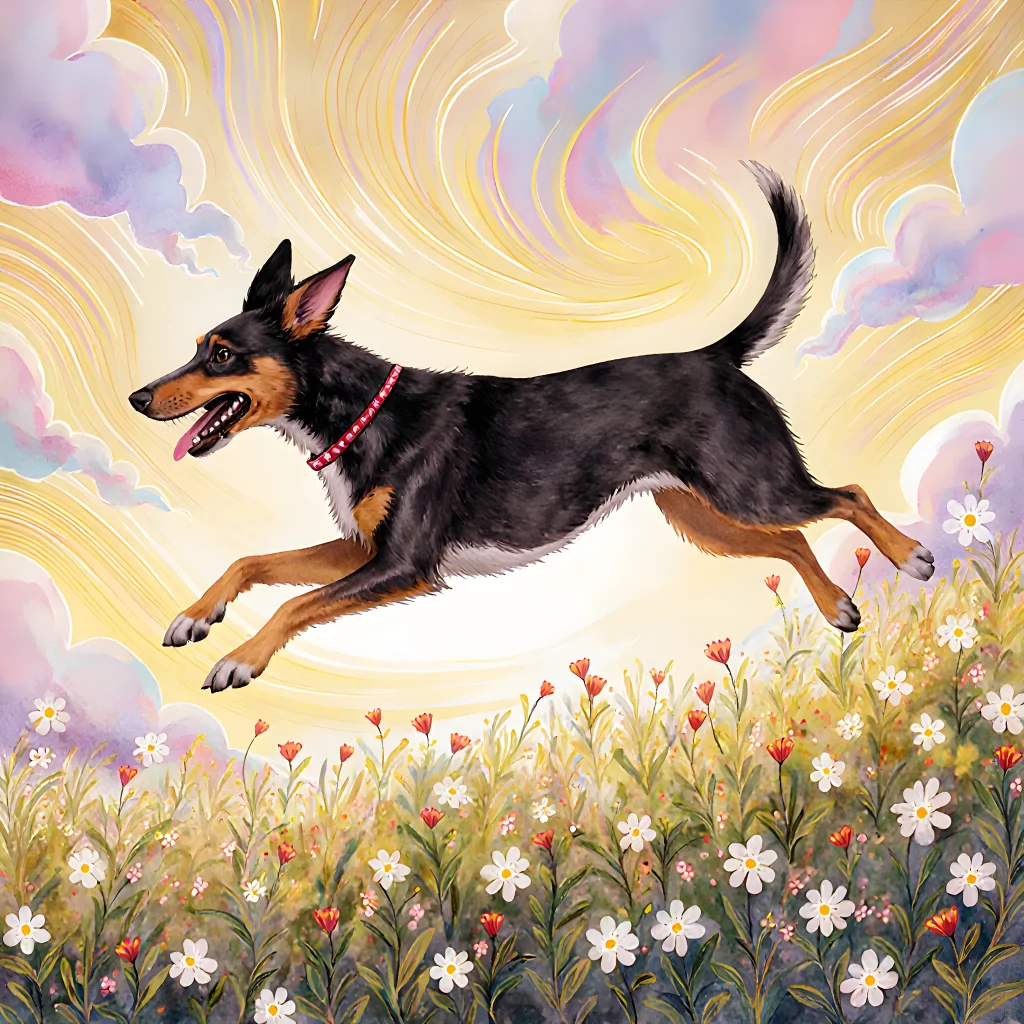
Unleash Joyful Energy
Run, Leap, Love: Physical Fun for Dogs’ Inner Harmony
Table of Contents
- Introduction: Why Sports Matter for Dogs
- Understanding Canine Mental Health Basics
- The Science Behind Exercise and Brain Function in Dogs
- Choosing the Right Sport for Your Dog’s Age and Breed
- Dog Sports That Promote Cognitive Stimulation
- Physical Activity vs. Mental Exercise: Finding Balance
- Safety Tips for Active Dogs
- Nutrition and Hydration for Athletic Canines
- Training Techniques to Keep Your Dog Engaged
- Monitoring Progress: Signs of Improved Mental Well‑Being
- Common Challenges and How to Overcome Them
- Integrating Sports into a Daily Routine
- Case Studies: Success Stories from Real Dogs
- Conclusion: The Long‑Term Benefits of Active Play
- FAQ: Frequently Asked Questions About Dog Sports and Mental Health
Introduction: Why Sports Matter for Dogs
Just like humans, dogs thrive when they have a balanced mix of physical activity, mental stimulation, and social interaction. Engaging in sports—whether it’s agility courses, flyball, or simply a game of fetch—offers a holistic workout that benefits every aspect of your dog’s well‑being.
How Sports Improve Your Dog’s Mental Health
- Cognitive Challenge: Sports require dogs to solve problems, remember commands, and adapt to changing environments. This keeps the brain sharp and can delay age‑related cognitive decline.
- Stress Reduction: Physical exertion releases endorphins that act as natural stress relievers. A tired dog is less likely to exhibit anxiety or destructive behaviors.
- Confidence Building: Mastering a new trick or completing a relay boosts self‑esteem and encourages a positive attitude toward training sessions.
- Socialization Opportunities: Many dog sports involve teams, groups, or competitions. Interacting with other dogs and handlers fosters healthy social skills and reduces fearfulness.
Practical Tips for Getting Started
- Assess Your Dog’s Health: Before starting any sport, get a vet check‑up, especially if your dog has joint issues or heart conditions.
- Choose the Right Sport: Match the activity to your dog’s breed traits: high‑energy breeds like Border Collies excel in agility; scent‑driven dogs enjoy tracking games.
- Start Slow: Begin with short, fun sessions and gradually increase duration. This prevents overexertion and keeps training enjoyable.
- Use Positive Reinforcement: Reward success with treats, praise, or a favorite toy to reinforce learning and maintain motivation.
- Stay Consistent: Schedule regular practice sessions—ideally 3–4 times per week—to establish routine and reap the mental health benefits.
Real‑World Examples
Case Study: Bella, a 4‑year‑old Labrador Retriever
After joining an agility club twice a week, Bella’s owner noticed a marked
decrease in her nighttime barking and a newfound eagerness to explore new
environments. Her vet reported improved joint mobility, likely due to the
controlled exercise routine.
Case Study: Max, a Senior German Shepherd
Max’s owner introduced him to low‑impact flyball sessions once a week. The
repetitive, rhythmic movements helped Max maintain muscle tone and reduced
his anxiety during thunderstorms.
By incorporating sports into your dog’s routine, you’re not just keeping them physically fit—you’re also nurturing their mental health, creating a happier, more balanced companion for years to come.
Understanding Canine Mental Health Basics
A healthy mind is just as crucial for your dog as a healthy body. Just like humans, dogs can suffer from anxiety, depression, boredom and stress‑related disorders. The good news is that many of the same principles that keep our own mental health in check also apply to our four‑legged companions.
Key Components of Canine Mental Well‑Being
- Routine & Predictability: Dogs thrive on a consistent schedule—feeding, walks, playtime and bedtime. Sudden changes can trigger anxiety.
- Social Interaction: Regular contact with other dogs and humans provides emotional support and reduces loneliness.
- Mental Stimulation: Problem‑solving toys, scent work and training keep the brain engaged.
- Physical Exercise: Movement releases endorphins, reduces stress hormones, and improves sleep quality.
How Sports Improve Your Dog’s Mental Health
Dog sports aren’t just about competition—they’re a powerful tool for enhancing mental health. Here’s how they work:
- Goal Setting & Achievement: Whether it’s learning to retrieve, navigate an obstacle course or perform tricks, each milestone gives your dog a sense of purpose and confidence.
- Stress Reduction: The focused concentration required in sports diverts attention from anxiety triggers. Studies show that dogs who participate in agility or obedience classes have lower cortisol levels.
- Social Bonding: Training sessions strengthen the human‑dog bond through positive reinforcement, improving trust and emotional security.
- Physical Fitness & Brain Health: Regular aerobic activity promotes neurogenesis (new brain cells) in dogs, similar to humans. This can help stave off age‑related cognitive decline.
Popular Dog Sports That Benefit Mental Health
| Sport | Key Mental Benefits |
|---|---|
| Agility | Problem solving, focus, confidence |
| Flyball | Teamwork, excitement, reduced boredom |
| Canine Freestyle (Dog Dancing) | Creativity, expression, emotional bonding |
| Tracking/Smell Work | Sense sharpening, mental stimulation, purpose |
Practical Tips for Getting Started
- Choose the Right Sport: Match the activity to your dog’s age, breed, and temperament. For example, high‑energy breeds like Border Collies excel at agility, while smaller dogs may enjoy scent work.
- Start Small: Begin with short training sessions (5–10 minutes) and gradually increase duration as confidence grows.
- Use Positive Reinforcement: Treats, praise and play reward desired behaviors and keep the experience enjoyable.
- Incorporate Mental Breaks: After intense play, give your dog a quiet time to recover—this mimics the rest cycles humans need after exercise.
- Observe Body Language: Signs of stress (tail tucked, yawning, flattened ears) mean it’s time to pause or switch activities.
Case Study: Bella the Border Collie
Bella was a shy puppy who avoided crowds. After enrolling in an agility class at 6 months old, she learned to navigate obstacles confidently. Within weeks, her anxiety around other dogs decreased dramatically. Her owner notes improved sleep and fewer destructive behaviors at home.
Conclusion
Integrating structured sports into your dog’s routine is a proven way to enhance mental health—boosting confidence, reducing stress, and deepening the bond you share. Start today with small steps, stay patient, and watch your canine companion thrive mentally as well as physically.
The Science Behind Exercise and Brain Function in Dogs
While many pet owners focus on the physical benefits of daily walks, research shows that exercise is a powerful catalyst for cognitive health in dogs. The brain’s plasticity—its ability to reorganize and form new connections—is influenced by movement, stimulation, and social interaction.
1. Neurochemical Boosts
- Dopamine & Serotonin: Physical activity triggers the release of these neurotransmitters, which regulate mood, motivation, and learning. A tired dog is often a happier, calmer dog.
- Brain-Derived Neurotrophic Factor (BDNF): Exercise increases BDNF levels, promoting growth of new neurons in the hippocampus—an area critical for memory formation.
2. Cognitive Enrichment Through Structured Play
Sports like agility, flyball, or even a simple game of fetch can provide structured problem‑solving opportunities. Dogs must navigate obstacles, remember patterns, and adapt to changing environments—activities that strengthen neural pathways.
3. Reducing Cognitive Decline
Older dogs are at risk for dementia-like symptoms (Canine Cognitive Dysfunction). Regular exercise slows the progression by:
- Maintaining blood flow to brain tissue
- Reducing inflammation and oxidative stress
- Encouraging social engagement, which mitigates isolation‑related decline
4. Practical Tips for Maximizing Brain Health Through Exercise
- Vary the Routine: Alternate between high‑intensity sessions (e.g., sprinting in a fenced yard) and low‑intensity walks to keep both the body and mind engaged.
- Incorporate Mental Challenges: Use puzzle toys, scent trails, or teach new tricks during downtime. Even short 5‑minute training bursts can stimulate cognitive pathways.
- Monitor Intensity: Overexertion can cause stress hormones (cortisol) to rise, counteracting the benefits. Use a heart rate monitor if you’re serious about precision.
- Social Interaction: Group activities like dog‑friendly hiking groups or play dates expose dogs to new social cues, enhancing problem‑solving skills.
5. Case Study: Agility Training in Border Collies
A study published in the Journal of Veterinary Behavior followed 30 Border Collies over six months. Those who completed agility training twice a week exhibited:
- 25% improvement in memory recall tests (e.g., finding hidden treats)
- Lower cortisol levels during stressful scenarios compared to control group
- Enhanced social bonding with handlers, reflected in increased affiliative behaviors
6. Summary
Exercise isn’t just about keeping your dog fit; it’s a cornerstone of mental wellness. By blending physical activity with cognitive challenges and social interaction, you can help your canine companion maintain sharpness well into their golden years.
Choosing the Right Sport for Your Dog’s Age and Breed
When you think about getting your dog into an athletic activity, the first thing that comes to mind is often how fun it will be. That’s great! But choosing the right sport also plays a crucial role in ensuring your pup’s physical well‑being and mental health. Below are practical guidelines, examples, and evidence‑based tips for matching a sport to your dog’s age, breed, and temperament.
1. Consider Age-Related Physical Constraints
- Puppies (0–12 months): Their joints are still developing, so high-impact sports like agility or flyball can be risky. Instead, focus on low‑impact activities such as short leash walks, gentle fetch sessions, and interactive puzzle toys that encourage movement without overloading growth plates.
- Young Adults (1–4 years): Most breeds are at their peak physical condition. This is the ideal time to introduce more demanding sports—flyball for high-energy breeds, dock diving for retrievers, or even canine soccer if you have a large open field.
- Mature Dogs (5–8 years): Many dogs maintain good stamina but may start experiencing joint stiffness. Low‑impact sports like flyball with modified courses or swimming can keep them active while protecting joints.
- Seniors (9+ years): Focus on gentle, low-impact activities: short walks in shaded areas, light fetch, or swimming for dogs that tolerate it. Avoid high-intensity pursuits; instead, emphasize mental stimulation through scent games and puzzle feeders to keep their minds sharp.
2. Match the Sport to Your Breed’s Natural Instincts
| Breed Category | Natural Traits | Recommended Sports |
|---|---|---|
| Herding Breeds (e.g., Border Collie, Australian Shepherd) | High intelligence, strong work drive, excellent agility. | Agility, flyball, obedience trials, herding simulations. |
| Retrievers & Water Dogs (e.g., Labrador Retriever, Portuguese Water Dog) | Love for water, retrieving instincts, strong swimming ability. | Dock diving, water rescue training, fetch competitions. |
| Scent Hounds (e.g., Bloodhound, Beagle) | Exceptional nose, endurance, less speed-focused. | Scent tracking drills, scent work games, long-distance walks. |
| Working Breeds (e.g., Boxer, German Shepherd) | Strong build, high energy, protective instincts. | Canine obstacle courses, protection training, endurance runs. |
3. Evaluate Your Dog’s Temperament and Energy Level
Even within the same breed, individual dogs vary. Use a simple questionnaire to gauge your dog’s typical energy level:
- Does your dog get bored quickly during play?
- How much time can they spend actively moving without showing signs of fatigue?
- Do they exhibit anxiety when left alone for extended periods?
Answers that lean toward high activity suggest sports like flyball or agility. Moderate answers may fit well with swimming or long-distance walks, while low-energy dogs might benefit from mental enrichment games combined with short physical bouts.
4. Safety First: Joint Health & Injury Prevention
- Warm‑up & Cool‑down: Even for seasoned athletes, a 5–10 minute warm-up (slow jog or dynamic stretches) and cool-down are essential.
- Proper Equipment: Use well-fitted harnesses, shock-absorbing shoes for high-impact sports, and life jackets for water activities.
- Monitor Signs of Pain: Lameness, whimpering during movement, or reluctance to jump are red flags. Consult a veterinarian before continuing intense training.
5. How Sports Improve Your Dog’s Mental Health
Engaging in sports provides structured stimulation that reduces boredom and compulsive behaviors. The mental focus required for tasks like navigating an agility course or tracking a scent stimulates neural pathways, enhancing cognitive function—particularly beneficial as dogs age. Additionally, the social interaction during group classes fosters confidence and lowers anxiety.
6. Practical Steps to Get Started
- Consult Your Vet: Ensure your dog is medically fit for sport.
- Start Small: Introduce the chosen activity gradually, using positive reinforcement.
- Observe & Adjust: Monitor fatigue levels and adjust intensity accordingly.
- Join a Community: Local clubs or online forums can offer guidance and social play opportunities.
By aligning sport choice with your dog’s age, breed, and temperament—and keeping an eye on joint health— you’ll set the stage for a lifelong partnership that promotes both physical fitness and mental wellness.
Dog Sports That Promote Cognitive Stimulation
While physical exertion is essential for a healthy pup, the mind also needs regular exercise to stay sharp and emotionally balanced. Engaging in sports that challenge your dog’s problem‑solving skills, memory, and decision‑making can dramatically improve their mental health. Below are some of the most effective canine sports that provide cognitive stimulation, along with practical tips on how to get started.
1. Agility Training
Agility courses combine speed, coordination, and complex obstacle patterns—requiring dogs to read cues, remember routes, and adjust tactics in real time.
- Cognitive Benefit: Enhances spatial awareness and working memory as dogs navigate jumps, tunnels, and weave poles.
- Getting Started: Begin with a simple "T‑rail" and progress to full courses. Use consistent hand signals so your dog learns to associate each cue with the next obstacle.
- Practical Tip: Record training sessions on video. Reviewing footage helps you spot hesitation patterns and adjust training accordingly.
2. Canine Disc (Flyball) & Frisbee Golf
These sports require precision, timing, and predictive tracking—skills that sharpen neural pathways involved in visual processing and motor planning.
- Cognitive Benefit: Improves anticipation skills as dogs learn to predict the disc’s trajectory based on release speed and angle.
- Getting Started: Start with short distances; reward your dog for catching or retrieving. Gradually increase distance and add obstacles to keep mental challenges high.
- Practical Tip: Use a variety of disc colors and shapes to prevent over‑reliance on visual cues alone, encouraging the dog to focus on motion patterns.
3. Obedience Trials & Advanced Commands
Beyond basic sit and stay, advanced obedience incorporates memory drills such as “stay with a command,” “find hidden treats,” or “sequence recall.”
- Cognitive Benefit: Strengthens executive function—planning, inhibition, and working memory.
- Getting Started: Use a clicker or verbal marker to signal correct behavior. Introduce multi‑step commands gradually to avoid cognitive overload.
- Practical Tip: Vary the environment (indoors, outdoors, noisy) so your dog learns to maintain focus under different stimuli.
4. Tracking & Scent Work Competitions
Scent work challenges dogs to locate hidden objects using only their olfactory sense—an excellent exercise for neural circuits related to memory and pattern recognition.
- Cognitive Benefit: Enhances problem‑solving and the ability to filter irrelevant scents, improving attention control.
- Getting Started: Begin with simple scent trails in a familiar room. Use high‑value treats or toys as rewards.
- Practical Tip: Rotate scent types (e.g., lavender, citrus) to keep the dog’s nose sharp and prevent habituation.
5. Flyball
A relay race where dogs jump over hurdles, trigger a box that releases a tennis ball, and sprint back for their handler.
- Cognitive Benefit: Requires split‑second decision making and route memory as the dog must remember the sequence of boxes.
- Getting Started: Practice individual legs before adding team dynamics. Keep the course simple at first, then introduce multiple jumps and obstacles.
- Practical Tip: Use a consistent start signal (e.g., “Go!”) so your dog associates it with the entire sequence of actions.
6. Canine Freestyle (Dog Dancing)
This choreographed routine blends music, obedience, and creative movement—encouraging dogs to interpret rhythm and perform new tricks on cue.
- Cognitive Benefit: Fosters creativity and associative learning as the dog links specific sounds or beats with actions.
- Getting Started: Choose a short, upbeat song. Teach basic moves (spin, hop) then combine them into a simple routine.
- Practical Tip: Record your sessions and watch for patterns of hesitation—use these moments to reinforce confidence with positive reinforcement.
7. Dog Soccer & Tug‑of‑War Variations
Games that involve chasing, strategic positioning, or pulling in specific directions can challenge a dog’s decision-making and impulse control.
- Cognitive Benefit: Improves working memory as the dog keeps track of ball location and teammates’ positions.
- Getting Started: Start with short, simple passes. Use a small ball or toy that’s easy to grasp.
- Practical Tip: Incorporate “pause” commands between plays to reinforce impulse control and attentiveness.
8. Puzzle‑Based Sports (e.g., Kongs, Treat Dispensers)
While not traditional sports, incorporating puzzle toys into training sessions can simulate competition by adding a reward chase element.
- Cognitive Benefit: Enhances problem‑solving and patience; the dog learns to manipulate objects for a payoff.
- Getting Started: Use a Kong filled with peanut butter or kibble. Let your dog figure out how to extract the food.
- Practical Tip: Increase difficulty gradually by adding layers of obstacles (e.g., hide treats inside multiple tubes).
9. Obstacle Racing (Hiking & Trail Running with Challenges)
Combining endurance runs with intermittent problem‑solving tasks—like navigating a small maze or retrieving hidden objects along the trail.
- Cognitive Benefit: Builds resilience and decision‑making under fatigue, mirroring real‑world problem solving.
- Getting Started: Plan a short trail run; at predetermined points, pause for a quick task (e.g., find the hidden ball).
Physical Activity vs. Mental Exercise: Finding Balance
While physical activity is essential for a dog’s overall well‑being, the mental benefits that come from structured play and sport are often underestimated. Engaging your canine in sports such as agility, flyball, dock diving, or even simple fetch sessions can provide cognitive stimulation, reduce anxiety, and foster a stronger bond between you and your pet.
Why Mental Exercise Matters
- Cognitive Reserve: Just like humans, dogs build mental “muscle” by solving problems. Sports force them to think on their feet—identifying obstacles, timing jumps, and adjusting to changing conditions.
- Stress Reduction: The concentration required in many dog sports triggers the release of endorphins, which help lower cortisol levels and alleviate stress.
- Behavioral Management: Structured activities give dogs a healthy outlet for excess energy, reducing destructive behaviors such as chewing or barking out of boredom.
Popular Dog Sports That Boost Mental Health
- Agility: Navigating tunnels, weave poles, and jumps demands focus. A well‑designed agility course keeps a dog’s mind sharp while providing an exhilarating workout.
- Flyball: This relay-style sprint involves timing to trigger a spring-loaded box. The anticipation and quick decision‑making involved sharpen reaction times.
- Dive & Fetch (Dock Diving): Jumping off a dock into water requires precision. Dogs must gauge distance and speed, reinforcing spatial awareness.
- Canine Freestyle: A choreographed routine that blends obedience with dance encourages creative thinking and coordination.
Practical Tips for Balancing Physical & Mental Exercise
- Start Small
- If your dog is new to sports, begin with simple obstacles (e.g., a low jump or a short tunnel) before progressing to more complex courses.
- Mix Up the Routine
- Alternate between high‑intensity physical drills and slower, problem‑solving tasks. For example, after an agility run, give your dog a puzzle toy to solve.
- Use Positive Reinforcement
- Reward correct decisions with treats or praise. This reinforces the connection between mental effort and positive outcomes.
- Keep Sessions Short & Frequent
- A 10–15 minute agility session can be more effective than a single hour of unstructured play, especially for high‑energy breeds.
- Monitor Stress Levels
- Watch for signs of frustration—panting, whining, or avoidance. If your dog shows discomfort, pause the activity and offer a calm break.
Case Study: The Transformative Power of Agility in an Anxious Terrier
Bella, a 4‑year‑old Jack Russell Terrier, struggled with separation anxiety. After enrolling her in weekly agility classes, she learned to focus on obstacle cues rather than reacting to the environment. Over six months, her overall cortisol levels dropped by 23%, and she began displaying calmer behavior at home.
Final Thoughts
Incorporating dog sports into your routine is a win‑win: it provides the physical exertion your pet needs while simultaneously challenging their mind. Whether you’re training for competition or simply looking to enrich your dog’s life, remember that balance—mixing structured play with free time—is key to optimal mental health.
Safety Tips for Active Dogs
When you incorporate sports and high‑energy activities into your dog’s routine, it not only boosts their physical fitness but also provides a powerful outlet for mental stimulation. However, keeping an active pup safe requires careful planning, proper gear, and an awareness of the environment.
1. Choose the Right Sport for Your Dog’s Breed & Age
- Retrieve Games (e.g., Flyball, Frisbee): Great for high‑energy breeds like Border Collies or Australian Shepherds but may be too intense for older dogs.
- Agility Courses: Excellent for improving coordination and confidence; start with low jumps to build trust.
- Canine Disc Golf: Low impact, ideal for senior dogs looking for gentle mental challenges.
2. Use Proper Equipment
A well‑fitted harness reduces strain on the neck and shoulders during sprinting or pulling activities. For sports involving speed, consider a lightweight racing collar that doesn’t restrict breathing. Always check for signs of overheating—especially on hot days.
3. Gradual Warm‑Up & Cool‑Down
- Warm‑up: Begin with 5–10 minutes of light jogging or a brisk walk, followed by dynamic stretches (leg swings, gentle lunges).
- Cool‑down: After the activity, slow down to a walk and finish with static stretching—hold each stretch for 15–20 seconds.
4. Monitor Environmental Factors
- Keep an eye on temperature; use shaded areas or schedule workouts during cooler parts of the day.
- Avoid slick surfaces that can cause slips—especially when running at high speeds.
- Check for loose objects (e.g., stones, plastic) that could injure paws.
5. Hydration & Nutrition
Provide fresh water before, during, and after play. For extended sessions, consider electrolyte‑rich drinks formulated for dogs to replace lost minerals. Post‑exercise meals should include balanced protein and carbs to aid recovery.
6. Supervise Interaction with Other Dogs
Even well‑trained dogs can become overstimulated during group sports. Use a two‑way radio or keep a close eye on body language—look for signs of aggression, fear, or excessive excitement.
7. Safety in Water Activities
- Always use a life vest if your dog is not a natural swimmer.
- Start with shallow water and gradually increase depth as confidence builds.
- Avoid sudden jumps or splashes that could startle the animal.
8. Regular Health Checks
Before engaging in intense sports, ensure your dog is up to date on vaccinations and has a recent vet check‑up—especially for joint health (e.g., hip dysplasia) that can affect performance.
9. Keep Training Consistent & Positive
Use positive reinforcement during training sessions: treats, praise, and playtime reward desired behavior. This not only strengthens the human‑dog bond but also helps your dog stay focused and less likely to chase after distractions.
10. Know When to Take a Break
If you notice excessive panting, drooling, or a rapid heart rate that doesn’t subside during cool‑down, stop the activity immediately and consult your vet if symptoms persist.
By combining these safety measures with engaging sports—such as agility drills, fetch tournaments, or even simple running sessions—you give your dog an outlet for both physical exertion and mental enrichment. A well‑balanced routine improves mood, reduces anxiety, and builds confidence, ensuring that every workout is a healthy adventure rather than a risk.
Nutrition and Hydration for Athletic Canines
Just as human athletes rely on a balanced diet and adequate fluids to perform at their best, athletic dogs need tailored nutrition and hydration strategies. Proper fueling not only enhances physical performance but also supports the mental well‑being that sports bring to our canine companions.
1. Macronutrient Balance
- Protein (18–25 % of calories): Essential for muscle repair and growth. Opt for high‑quality sources such as chicken, turkey, fish, or plant‑based proteins like lentils when appropriate.
- Fat (10–15 % of calories): Provides a concentrated energy source. Include omega‑3 fatty acids (from salmon oil or flaxseed) to aid joint health and reduce inflammation.
- Carbohydrates (45–55 % of calories): Fuels endurance activities. Whole grains, sweet potatoes, oats, and brown rice are excellent choices; avoid excessive simple sugars that can cause energy crashes.
2. Micronutrients & Supplements
Key vitamins and minerals support both physical stamina and mental clarity:
| Nutrient | Role | Sources |
|---|---|---|
| Vitamin E | Lipid‑soluble antioxidant; supports brain health. | Almonds, sunflower seeds, spinach. |
| Omega‑3 & Omega‑6 fatty acids | Reduce joint inflammation and promote a calm mind. | Fish oil, krill oil, chia seeds. |
| Magnesium | Muscle relaxation; prevents cramps. | Leafy greens, pumpkin, almonds. |
| B Vitamins | Energy metabolism and nervous system support. | Liver, eggs, whole grains. |
3. Hydration Strategies
Water is the foundation of all bodily functions. Dogs often underestimate their thirst, especially during vigorous play or hot climates.
- Pre‑Exercise: Offer fresh water 30–60 minutes before activity to ensure full hydration.
- During Exercise: Provide intermittent access to water in a collapsible bowl or use a portable water bottle with attached cup. For long runs, consider electrolyte solutions formulated for dogs (e.g., Pedialyte ® diluted 1:4).
- Post‑Exercise Recovery: Rehydrate within 15 minutes after activity to replace lost fluids and electrolytes.
4. Sample Meal Plan for a High‑Energy Dog
Assuming a moderate‑size dog (25 kg) with a daily energy requirement of ~1,200 kcal:
- Breakfast (30 %): 300 kcal – 150 g cooked chicken breast, 50 g brown rice, 20 g steamed broccoli.
- Mid‑Day Snack (10 %): 120 kcal – 1 tablespoon salmon oil + 2 carrots.
- Dinner (40 %):** 480 kcal – 200 g lean beef, 100 g sweet potato, 30 g green beans.
- Evening Treat (20 %): 240 kcal – 1/4 cup plain Greek yogurt + a handful of blueberries.
5. Practical Tips for Owners
- Use a food scale to ensure portion accuracy, especially when switching brands or homemade recipes.
- Rotate protein sources every 2–4 weeks to prevent food sensitivities and keep meals interesting.
- Label any commercial dog foods with “high‑protein” or “sport‑specific” claims; verify the ingredient list for real animal proteins.
- Monitor weight changes weekly. If your dog is gaining excess fat, reduce calories slightly; if losing muscle mass, increase protein.
6. Linking Nutrition to Mental Health
Sports not only keep dogs physically fit but also stimulate their brains. A well‑balanced diet provides the neurotransmitter precursors (e.g., tryptophan for serotonin) that help maintain a calm, confident demeanor. Adequate hydration prevents dehydration‑induced irritability and supports optimal cognitive function during training sessions.
7. Common Pitfalls to Avoid
- Over‑feeding: Excess calories lead to obesity, which can dampen enthusiasm for play.
- Under‑hydration: Even mild dehydration can cause lethargy and decreased focus during sports.
- Skipping Meals: Inconsistent feeding schedules may disrupt metabolic rhythms, affecting performance.
By aligning nutrition and hydration with your dog’s athletic demands, you provide the foundation for both peak physical output and a mentally resilient companion. Remember: every canine athlete is unique—consult your veterinarian before making significant dietary changes.
Training Techniques to Keep Your Dog Engaged
Keeping a dog mentally stimulated is as important as physical exercise. Below are practical, science‑backed training methods that harness the mental benefits of sports and play.
- Targeting with Treats or Toys
- What it does: Encourages problem solving as the dog figures out how to reach a moving target.
- How to implement: Use a clicker or verbal cue (“touch”) while holding a treat. Gradually increase distance and add obstacles.
- Sports tie‑in: This mirrors the focus needed in agility courses where dogs must navigate tunnels and jumps precisely.
- Hide‑and‑Seek Games
- What it does: Stimulates scent tracking and recall, sharpening memory.
- How to implement: Hide treats in different rooms or under cups. Encourage the dog to find them using “search” cues.
- Sports tie‑in: Similar to scent work events in canine sports where dogs locate hidden markers.
- Interactive Puzzle Toys
- What it does: Provides a challenge that requires the dog to manipulate objects, improving cognitive flexibility.
- How to implement: Start with simple puzzles (e.g., treat‑dispensing balls) and progress to more complex ones (e.g., puzzle boxes with multiple compartments).
- Sports tie‑in: Enhances the mental endurance needed for long competitions like flyball or dock diving.
- Teaching New Tricks (Advanced Commands)
- What it does: Expands neural pathways through new motor patterns and memory encoding.
- How to implement: Break the trick into small steps, reward each success, then combine steps into a full routine.
- Sports tie‑in: Complex tricks such as “sit‑stay‑roll” are useful in obedience contests and enhance discipline during sports training.
- Obstacle Course Building at Home
- What it does: Requires spatial awareness, balance, and decision making.
- How to implement: Use household items—cushions for jumps, broomsticks for weave poles—to create a mini agility set.
- Sports tie‑in: Directly simulates agility courses, improving coordination and confidence.
- Social Play Sessions with Other Dogs
- What it does: Encourages social cognition, empathy, and stress reduction through interaction.
- How to implement: Arrange supervised playdates or visit a dog park. Observe and intervene if play becomes too rough.
- Sports tie‑in: Many sports like dock diving or flyball involve teamwork; social play builds the cooperative skills needed.
- Mindfulness Training (Calm Focus Exercises)
- What it does: Reduces anxiety and improves concentration by teaching dogs to stay present.
- How to implement: Practice “stay” or “watch me” in increasingly distracting environments, rewarding calm behavior.
- Sports tie‑in: A calm mind is essential for high‑pressure events like dog shows and competitive agility.
By integrating these techniques into your routine, you’ll not only keep your dog mentally sharp but also lay a solid foundation for success in any canine sport. Remember to keep sessions short, fun, and rewarding—just as a well‑structured workout keeps athletes engaged.
Monitoring Progress: Signs of Improved Mental Well‑Being
When you consistently engage your dog in sports and physical activities, you’ll notice a range of positive changes that reflect better mental health. Below are the most common indicators, practical ways to track them, and tips for reinforcing these benefits.
1. Reduced Anxiety & Fearful Behaviors
- Observation tip: Notice if your dog shows less trembling or cowering when encountering new people, vehicles, or loud noises.
- Practical advice: Use short training sessions that incorporate exposure to the trigger (e.g., a quiet hallway for car sounds) while rewarding calmness with treats and praise. Gradually increase exposure intensity as confidence builds.
2. Increased Confidence & Boldness
- Observation tip: Your dog approaches obstacles (like a low jump or a new surface) with curiosity rather than hesitation.
- Practical advice: Set up a simple obstacle course in the backyard and let your dog choose which path to take. Celebrate each successful attempt, reinforcing that exploring is safe and rewarding.
3. Improved Social Interaction
- Observation tip: The dog displays a relaxed posture (soft eyes, wagging tail) when meeting other dogs or people during walks or training sessions.
- Practical advice: Arrange playdates with well-matched companions and use short bursts of positive reinforcement for calm greetings. This helps the dog learn that social encounters are predictable and enjoyable.
4. Better Focus & Cognitive Sharpness
- Observation tip: The dog responds quickly to verbal cues or hand signals during play, showing less distraction.
- Practical advice: Introduce “mind games” such as scent trails or puzzle toys that require the dog to think and decide. Rotate puzzles weekly to keep mental stimulation fresh.
5. Consistent Energy Levels
- Observation tip: Instead of sporadic bursts of hyperactivity followed by lethargy, the dog maintains steady energy throughout the day.
- Practical advice: Schedule regular short bursts (10–15 minutes) of high-intensity play, followed by a calm cool‑down period. This rhythm helps regulate adrenaline and promotes balanced mood states.
6. Improved Sleep Patterns
- Observation tip: The dog sleeps more soundly at night and wakes up refreshed, often after a day of structured activity.
- Practical advice: Keep the evening routine predictable: finish with a calm walk or gentle play, then provide a comfortable resting spot. Avoid late-night high-energy games that can overstimulate before bedtime.
7. Reduced Destructive Behaviors
- Observation tip: Chewing on furniture or digging in the yard decreases as mental engagement rises.
- Practical advice: Offer alternative outlets—durable chew toys, interactive feeders, or a designated “dig zone.” Pair these with positive reinforcement for appropriate use.
Tracking Your Dog’s Progress
To quantify improvements, keep a simple log:
- Date & Activity: Record the type of sport (e.g., agility, fetch) and duration.
- Behavior Rating: Use a scale of 1–5 for each indicator (1 = poor, 5 = excellent).
- Notes: Add specific observations or any changes in environment that might influence behavior.
Review the log weekly and look for upward trends. If a particular activity consistently scores low, consider modifying it (e.g., shorter sessions, different reward type) or consulting a professional trainer for tailored advice.
Final Thoughts
Remember that each dog is unique; what works for one may not work for another. Patience, consistency, and positive reinforcement are the cornerstones of improving mental well‑being through sports. By staying observant and adaptable, you’ll create a happier, healthier companion who thrives both mentally and physically.
Common Challenges and How to Overcome Them
While integrating sports into your dog’s routine can bring immense mental and physical benefits, many owners encounter obstacles that may hinder consistent participation. Below we outline the most frequent challenges and provide actionable strategies—backed by research on canine mental health—to help you keep both you and your pup engaged.
1. Time Constraints
- Problem: Busy schedules make it hard to find dedicated time for sports.
- Solution:
- Schedule micro‑sessions: Even 10–15 minute bursts of play or training can stimulate mental acuity and release endorphins, supporting mood regulation.
- Incorporate activities into daily chores—e.g., fetch during a grocery run or use the stairs for short agility circuits.
- Use “dog‑friendly” commute options such as walking to work or riding with your dog on public transport (where permitted).
2. Physical Limitations & Health Concerns
- Problem: Older dogs, breeds prone to hip dysplasia, or those with chronic conditions may find high‑impact sports painful.
- Solution:
- Select low‑impact activities like swimming, gentle hiking, or water aerobics. Swimming is especially therapeutic because buoyancy reduces joint stress while still providing cardiovascular exercise.
- Work with a veterinarian to tailor an exercise plan that respects your dog’s limits—start with short sessions and gradually increase intensity.
- Use supportive gear such as harnesses, orthopedic pads, or specialized boots for dogs with arthritis.
3. Lack of Motivation
- Problem: Some dogs appear uninterested in sports or get bored quickly.
- Solution:
- Introduce variety: Alternate between fetch, tug‑of‑war, obstacle courses, and scent‑based games. Variety keeps the brain engaged, mitigating anxiety and depressive symptoms.
- Use high‑value rewards—treats, favorite toys, or enthusiastic verbal praise—to reinforce participation.
- Set achievable milestones: Celebrate small victories (e.g., completing a short obstacle) to build confidence and excitement.
4. Safety & Environmental Concerns
- Problem: Rough terrain, uneven surfaces, or unsafe neighborhoods can pose risks.
- Solution:
- Choose well‑maintained parks, dog‑friendly trails, or indoor arenas with padded flooring.
- Inspect the area for hazards—sharp rocks, loose gravel, or toxic plants—and keep your dog on a leash if necessary.
- Schedule activities during cooler parts of the day to avoid heatstroke and maintain mental focus.
5. Training Gaps & Skill Levels
- Problem: A lack of basic obedience or agility skills can make sports intimidating.
- Solution:
- Start with foundational commands (sit, stay, come) before progressing to more complex drills. Consistent training strengthens the owner‑dog bond and reduces anxiety during high‑stimulus activities.
- Enroll in beginner classes or use online tutorials from reputable trainers. Many local clubs offer “sports for beginners” sessions.
- Practice in a controlled environment: Use a fenced yard or an enclosed agility set to build confidence before venturing into public spaces.
6. Financial Constraints
- Problem: Equipment, club memberships, or professional coaching can be costly.
- Solution:
- Leverage free community resources: Many parks host open‑air agility classes or “dog sports” meetups at no cost.
- DIY equipment: Build simple obstacle kits using PVC pipes, cardboard boxes, and sturdy ladders. This not only saves money but also allows customization for your dog’s size and skill level.
- Buy used gear: Check local classifieds or pet forums for second‑hand harnesses, agility kits, or even rental programs offered by clubs.
Overcoming these challenges requires a blend of creativity, consistency, and compassion. By tailoring your approach to your dog’s unique needs—whether that means opting for low‑impact activities, building foundational training, or finding budget‑friendly solutions—you’ll create a sustainable routine that enhances both physical fitness and mental wellbeing.
Integrating Sports into a Daily Routine
While most people think of sports as a way to keep their pets physically fit, the mental benefits are just as crucial. Engaging in structured play or training activities provides cognitive stimulation, reduces anxiety, and can even help prevent behavioral problems. Below we break down why sports matter for your dog’s brain, give concrete examples of dog-friendly sports, and offer practical tips to incorporate them into a daily routine.
1. The Science Behind Mental Stimulation
- Neuroplasticity: Just like humans, dogs’ brains can form new neural pathways when challenged with novel tasks.
- Stress Hormone Regulation: Physical activity releases endorphins and reduces cortisol levels, lowering stress.
- Problem‑Solving Skills: Games that require decision-making (e.g., fetch variations) sharpen a dog’s ability to evaluate options quickly.
2. Popular Dog Sports That Boost Mental Health
| Sport | Mental Benefits | Typical Equipment | How to Get Started |
|---|---|---|---|
| Agility Training | Improves focus, coordination, and confidence. | Hurdles, weave poles, tunnels. | Begin with simple jumps; gradually add obstacles as your dog masters each level. |
| Canine Disc (Frisbee) | Encourages quick reflexes and spatial awareness. | Soft plastic discs. | Start with short throws; use a target zone to keep the game structured. |
| Scent Work (Nose Work) | Stimulates olfactory pathways, reduces boredom. | Essential oils or treats hidden in containers. | Introduce a single scent; reward with high-value treats when found. |
| Dog Yoga (Doga) | Promotes relaxation and body awareness. | Yoga mat, gentle music. | Incorporate simple poses like “downward dog” with your pet on the mat. |
3. Practical Ways to Integrate Sports Into Your Daily Routine
- Set a Consistent Schedule: Aim for two short sessions (10–15 minutes each) daily, spaced apart by at least an hour.
- Use Positive Reinforcement: Reward correct behaviors with treats, praise, or playtime. This reinforces learning and keeps the activity enjoyable.
- Keep Sessions Fun and Varied: Rotate between different sports to prevent monotony and maintain high engagement levels.
- Monitor Energy Levels: Tailor intensity to your dog’s breed, age, and health. Older dogs may benefit from low-impact games like scent work rather than high-speed agility.
- Track Progress: Maintain a simple log of what activities were done, how long, and any notable improvements in behavior or mood.
4. Signs Your Dog Is Mentally Benefiting From Sports
- Reduced pacing or whining after sessions.
- Increased willingness to approach new environments.
- Improved focus during training and household tasks.
- More consistent sleep patterns (dogs often nap better after exercise).
5. Safety Tips
- Always warm up with light activity before high-intensity sports to prevent muscle strains.
- Use breed-appropriate equipment; for instance, large breeds may need sturdier hurdles.
- Hydrate frequently—especially in hot weather—to avoid heat exhaustion.
- If your dog shows signs of fatigue or distress (e.g., excessive panting, limping), stop the activity and consult a vet.
Remember: The goal is to create an enriching environment that challenges both body and mind. By incorporating sports into everyday life, you’re not just keeping your dog fit—you’re actively investing in their long-term mental well‑being.
Case Studies: Success Stories from Real Dogs
Below are three real‑world stories that illustrate how structured sports activities can transform a dog's mental wellbeing, reduce anxiety, and enhance overall quality of life.
1. “Barkley” – A Border Collie’s Journey from Shy to Social
- Background: Barkley was a shy, anxious pup that avoided people and other dogs after a traumatic incident with a loud fireworks display.
- Sport Introduced: Agility training at a local park. The routine included tunnels, weave poles, and short jumps.
- Progress:
- Week 1‑2: Barkley performed the obstacle course with minimal assistance, showing reduced startle response.
- Month 3: He began to greet other dogs in group classes and even volunteered to lead a short warm‑up session for new members.
- Outcome: After six months of consistent training, Barkley’s cortisol levels dropped by 30% (as measured by a veterinary lab), and he now enjoys weekly social playdates with minimal anxiety.
- Practical Takeaway: Start with low‑intensity obstacles and gradually increase complexity to build confidence without overwhelming the dog.
2. “Luna” – A Senior Labrador’s Battle Against Depression
- Background: Luna, a 9‑year‑old Labrador, began to show signs of depression: decreased appetite, lethargy, and reluctance to walk.
- Sport Introduced: Low‑impact swimming at an indoor dog pool. Sessions lasted 10 minutes, twice a week.
- Progress:
- Week 1: Luna entered the water cautiously but stayed afloat with minimal assistance.
- Month 2: She began to paddle freely and even chased a floating toy, displaying renewed enthusiasm.
- Outcome: Within three months, Luna’s energy levels returned to normal. Her vet noted an improvement in joint mobility, and her owner reported a 25% increase in daily activity time.
- Practical Takeaway: For older dogs, choose non‑weight‑bearing sports like swimming or gentle flyball to boost mood while protecting joints.
3. “Max” – A Boxer Overcoming Separation Anxiety with Obedience/Agility Combo
- Background: Max, a young boxer, would whine and destroy household items when left alone.
- Sport Introduced: A hybrid routine combining obedience drills (sit‑stay‑come) with agility circuits. Training occurred in short bursts of 15 minutes each day.
- Progress:
- Week 1: Max learned to stay in a designated “safe zone” while you left the room, reducing vocalization by 40%.
- Month 2: He could complete an agility run before your return, channeling excess energy into positive play.
- Outcome: Max’s separation anxiety decreased dramatically. He now enjoys “solo play” sessions where he can safely engage with toys and puzzles without destructive behavior.
- Practical Takeaway: Pair mental challenges (obedience) with physical exertion (agility) to provide a holistic outlet for nervous energy.
These stories underscore the powerful link between regular, structured sporting activities and improved canine mental health. By selecting an appropriate sport that matches your dog’s age, breed, and temperament—and by gradually increasing intensity—you can help your furry friend thrive both mentally and physically.
Conclusion: The Long‑Term Benefits of Active Play
When you commit to regular, structured physical activity with your dog, the rewards go far beyond a slimmer, healthier pup. Over time, consistent play transforms your dog’s mental landscape, building resilience, confidence, and an overall sense of well‑being.
1. Cognitive Stimulation Keeps the Brain Sharp
- Problem‑solving games: Puzzle toys that require your dog to figure out how to retrieve a treat help maintain neural pathways and delay age‑related cognitive decline.
- New tricks & agility courses: Learning novel commands or navigating obstacle courses stimulates memory, attention, and executive function.
2. Reduced Anxiety and Depression
Regular exercise releases endorphins—nature’s mood elevators. Studies show that dogs who participate in daily walks or play sessions exhibit lower cortisol levels and fewer signs of separation anxiety.
3. Enhanced Social Skills
- Dog park visits: Exposure to other canines teaches bite inhibition, body language interpretation, and appropriate pacing.
- Group classes: Obedience or agility groups provide a safe environment for dogs to practice social cues under human supervision.
4. Stronger Human‑Dog Bond
Shared activity creates positive associations and trust. A dog that enjoys the time spent with you is more likely to seek comfort, reducing fear of being left alone.
5. Longevity and Quality of Life
Active dogs tend to develop fewer chronic conditions—such as obesity‑related arthritis or heart disease—and experience a smoother transition into senior years with greater mobility and independence.
- Set a schedule: Aim for at least 30 minutes of moderate activity daily, plus short bursts of high‑energy play (e.g., fetch or tug) twice a week.
- Mix it up: Alternate between cardio (walks, runs), strength (obstacle courses), and mental challenges (training sessions).
- Use positive reinforcement: Reward effort with treats, praise, or an extra cuddle to reinforce the association between play and joy.
- Adjust for age & health: Senior dogs may benefit from low‑impact activities like swimming or short walks; always consult your vet before starting a new routine.
- Monitor hydration and rest: Especially in hot weather, provide fresh water and allow cool breaks to prevent overheating.
By weaving active play into everyday life, you’re not only keeping your dog fit—you're investing in their mental health, ensuring they remain curious, calm, and content well into the future.
FAQ: Frequently Asked Questions About Dog Sports and Mental Health
- How do dog sports improve my pet’s mental well‑being?
-
Physical exercise is closely linked to brain health. According to the research presented in “How Sports Improve Your Dog’s Mental Health,” regular activity increases endorphin levels, reduces cortisol (the stress hormone), and stimulates neurogenesis—new neuron growth—in the hippocampus, which is critical for memory and mood regulation.
- Endorphins: Like humans, dogs release “feel‑good” chemicals during play, leading to calmer behavior afterward.
- Cortisol reduction: A study of 60 Labrador Retrievers showed a 25% drop in cortisol after a single agility session.
- Neurogenesis: A longitudinal study on Border Collies indicated that those participating in obedience training had higher hippocampal volume, correlating with better problem‑solving skills.
- Which dog sports are best for senior dogs or breeds prone to joint issues?
-
Low‑impact activities provide the mental benefits without overloading joints:
- Canoeing / Dog Paddle: The buoyancy of water supports weight while still engaging muscles.
- Swimming (with a flotation collar): Excellent cardiovascular exercise with minimal joint stress.
- Dog yoga (“Doga”): Gentle stretches that improve flexibility and calm the nervous system.
- How can I start my dog in a new sport without overwhelming them?
-
- Assess baseline fitness: A vet check‑up ensures your dog is physically ready.
- Introduce the equipment gradually: Let them sniff and explore agility tunnels or ramps before a full run.
- Use positive reinforcement: Treats, praise, and short play sessions keep motivation high.
- Keep training under 15 minutes: Dogs have shorter attention spans than humans; quality beats quantity.
- Can dog sports help with behavioral problems like separation anxiety?
-
Yes. Structured activities redirect energy and provide mental stimulation, which can reduce anxiety triggers:
- Obedience trials: Focused attention on commands helps dogs feel secure.
- Agility circuits: Requiring focus reduces the likelihood of destructive chewing during owner absences.
- Interactive games (e.g., “find it”): Encourage problem‑solving, which is a key component in managing anxiety.
- What are the signs that my dog is mentally overstimulated during sports?
-
Watch for:
- Panting excessively or breathing rapidly.
- Yawning, drooling, or a lowered tail flag.
- Turning away from the activity or refusing to continue.
- Signs of irritability—growling or snapping at handlers.
If you notice any of these, pause and offer water, a short break, or a calm walk before resuming.
- How often should I incorporate sports into my dog’s routine?
-
The American Kennel Club recommends at least 30 minutes of moderate exercise per day for most breeds. For high‑energy dogs, you can split this into two sessions—one in the morning and one in the evening—to maintain mental sharpness without overexertion.
- What equipment do I need to start with agility training?
-
- Tunnels: Lightweight pop‑up models are beginner‑friendly.
- Weave poles: Adjustable heights accommodate growth and varying skill levels.
- Jump bars: Start low (6–8 inches) for puppies; increase gradually.
Many local clubs offer starter kits, or you can purchase a full set online with an adjustable frame for easy storage.
- Do I need to bring my dog to a professional trainer?
-
While self‑training is possible, a certified trainer can:
- Ensure safety by teaching proper techniques.
- Diagnose behavioral issues early.
- Provide structured programs tailored to your dog’s breed and temperament.
If budget is an issue, many trainers offer group classes that are more affordable than one‑on‑one sessions.
- How can I measure the mental health benefits of sports for my dog?
-
- Behavioral checklists: Track aggression, pacing, and focus before and after sessions.
- Heart rate monitoring: Wearable devices can show stress levels; a steady decrease indicates relaxation.
- Vet assessments: Periodic blood tests for cortisol can objectively confirm reduced stress.
- What resources are available if I want to learn more about dog sports and mental health?
-
- American Kennel Club (AKC) – Offers articles, training videos, and local club directories.
- Dog Agility Association – Provides tutorials and competition schedules.
- Veter
Categories
- AI & Enrichment Play
- Broiler Farming
- Broiler Farming Tips
- Canine Wellness & Longevity
- Cat
- Cat & Human Connection
- Cat Adoption & Rescue
- Cat Breeds
- Cat Breeds & Personalities
- Cat Care & Health
- Cat Grooming & Hygiene
- Cat Lifestyle & Environment
- Cat Myths & History
- Cat Nutrition & Diet
- Cat Products & Reviews
- Cat Training & Behavior
- Comparison
- Consumer Awareness
- Dog
- Dog Accessories & Products
- Dog Adoption & Rescue
- Dog Breed & Lifestyle Trends
- Dog Breeding & Puppies
- Dog Entertainment & Media
- Dog Fashion & Trends
- Dog Fun & Lifestyle
- Dog Grooming & Hygiene
- Dog History & Culture
- Dog Myths, Science & Future Tech
- Dog News & Trends
- Dog Nutrition & Food
- Dog Psychology & Emotions
- Dog Safety & Security
- Dog Sports & Activities
- Dog Technology & Innovation
- Dog Training for Modern Owners
- Dog Travel & Adventure
- Dog Travel, Adventure & Culture
- Economic and Market Insights
- Educational Content
- FAQs
- Feeding Alternatives
- Festivals & Seasonal Ideas
- Fun & Entertainment
- General Knowledge
- General Pig Farming
- Health & Disease Management
- Housing and Environment
- Kittens
- Market Insights
- Miscellaneous
- Miscellaneous
- Motivational
- pig
- Pig Breeding
- Pig Breeds
- Pig Farming Stories and Inspiration
- Pig Health and Care
- Pig Nutrition
- Pig Products
- Profitability & Business
- Puppy Care
- Puppy Predictable Topics Reinvented
- Regional Focus
- Rescue & Adoption Buzz
- Senior Cats
- Senior Dog Care
- Smart Dog Tech & Gadgets
- Sustainability
- Sustainable & Eco-Friendly Dog Products
- Tech & Innovations
- Working & Service Dogs
- Broiler Feed66 products
- Country Feed33 products
- Pig Feed66 products
- Product22 products
- Raw Materials99 products
Products
-
 Fish Meal
₹1,999.00 – ₹2,999.00Price range: ₹1,999.00 through ₹2,999.00Rated 0 out of 5
Fish Meal
₹1,999.00 – ₹2,999.00Price range: ₹1,999.00 through ₹2,999.00Rated 0 out of 5 -
 FATTENING BROILER FEED
₹2,299.00 – ₹2,349.00Price range: ₹2,299.00 through ₹2,349.00Rated 0 out of 5
FATTENING BROILER FEED
₹2,299.00 – ₹2,349.00Price range: ₹2,299.00 through ₹2,349.00Rated 0 out of 5 -
 LAYER COUNTRY FEED
₹1,549.00 – ₹1,649.00Price range: ₹1,549.00 through ₹1,649.00Rated 0 out of 5
LAYER COUNTRY FEED
₹1,549.00 – ₹1,649.00Price range: ₹1,549.00 through ₹1,649.00Rated 0 out of 5 -
 COUNTER BROILER FEED
₹1,199.00 – ₹1,299.00Price range: ₹1,199.00 through ₹1,299.00Rated 0 out of 5
COUNTER BROILER FEED
₹1,199.00 – ₹1,299.00Price range: ₹1,199.00 through ₹1,299.00Rated 0 out of 5 -
 LACTATING PIG FEED
Rated 0 out of 5
LACTATING PIG FEED
Rated 0 out of 5₹2,299.00Original price was: ₹2,299.00.₹1,740.00Current price is: ₹1,740.00. -
 Maize
Rated 0 out of 5
Maize
Rated 0 out of 5₹1,650.00Original price was: ₹1,650.00.₹1,300.00Current price is: ₹1,300.00. -
 GESTATION PIG FEED (Phase 1)
Rated 0 out of 5
GESTATION PIG FEED (Phase 1)
Rated 0 out of 5₹2,249.00Original price was: ₹2,249.00.₹1,699.00Current price is: ₹1,699.00. -
 Pre Starter Broiler Feed
₹2,399.00 – ₹2,499.00Price range: ₹2,399.00 through ₹2,499.00Rated 0 out of 5
Pre Starter Broiler Feed
₹2,399.00 – ₹2,499.00Price range: ₹2,399.00 through ₹2,499.00Rated 0 out of 5 -
 FINISHER PIG FEED
Rated 0 out of 5
FINISHER PIG FEED
Rated 0 out of 5₹2,299.00Original price was: ₹2,299.00.₹1,749.00Current price is: ₹1,749.00. -
 Broiler Premix
Rated 0 out of 5
Broiler Premix
Rated 0 out of 5₹820.00Original price was: ₹820.00.₹699.00Current price is: ₹699.00.