
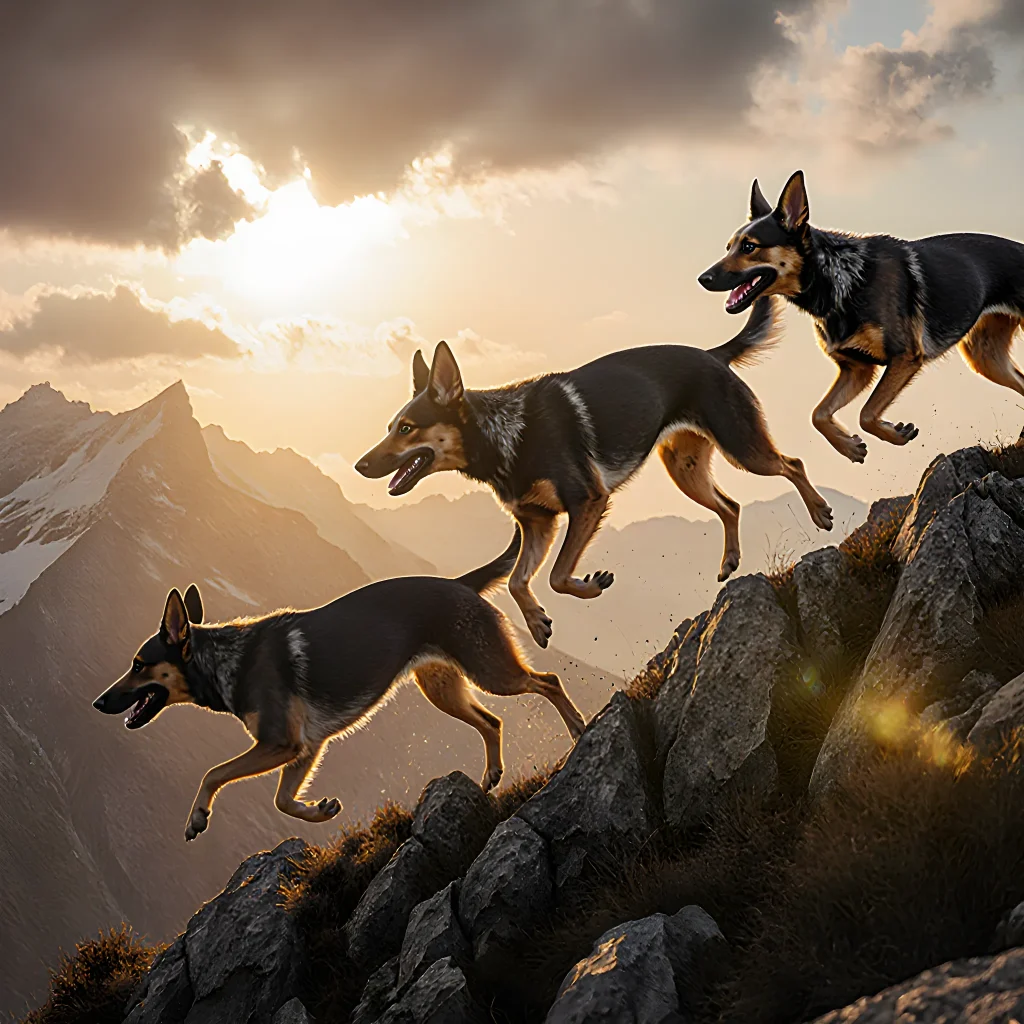
Unleash the Trailblazer in Your Dog!
Eager Ears, Sharp Snouts: Dogs Blaze New Trails
Table of Contents
- Introduction
- History of Canine Nose Work
- How It Works: The Basics
- Equipment Needed for Competition
- Training Basics for Novices
- Advanced Training Techniques
- Competition Formats & Levels
- Judging Criteria and Scoring
- Popular Events Around the World
- Benefits for Dogs
- Benefits for Owners
- Common Challenges & Solutions
- Safety Tips and Best Practices
- Future Trends in Nose Work Competitions
- Conclusion
- FAQ
Introduction
Understanding the Surge of Canine Nose Work Competitions
The world of dog sports has seen a remarkable transformation in recent years, with canine nose work competitions emerging as one of the most popular and rapidly growing disciplines. Whether you’re a seasoned handler or a curious newcomer, this section delves into why these events have exploded in popularity, what they entail, and how you can get involved.
- Natural Instincts at Play: Dogs are built for scent detection. By tapping into this innate ability, handlers provide a mentally stimulating activity that feels “natural” to the animal.
- Accessibility for All Breeds: Unlike agility or obedience, nose work doesn’t require specific body types or high athleticism—any dog can participate.
- Low Equipment Costs: The core gear is a few scent tubes and a well‑chosen essential oil. This keeps entry barriers low for new clubs and individual participants.
- Growing Community & Resources: Online forums, regional clubs, and national associations (e.g., the American Canine Nose Work Association) provide structured training programs and competition calendars.
Most competitions follow a standardized format that balances challenge with safety. Below is an example structure used by many national leagues:
- Warm‑Up Session: Handlers walk through scent stations at their own pace, allowing dogs to acclimate.
- Basic Retrieval Round: Dogs locate a single scented tube within a set time limit. Success earns points.
- Advanced Retrieval (Double‑Scent) Round: Two tubes are placed—one scented, one blank—to test discrimination.
- Speed & Accuracy Final: Dogs must retrieve multiple scents in a rapid sequence; penalties apply for wrong picks.
Practical Example: A Beginner’s First Competition
Meet “Bella,” a 2‑year‑old Labrador Retriever. She participates in her first local nose work meet with the following preparation steps:
- Training Milestone: Mastering the “nose on” command at home.
- Equipment Check: A 12‑inch scent tube filled with lavender essential oil, wrapped in a light cloth.
- Competition Day: She successfully completes the basic retrieval round and earns her first points—an encouraging start that fuels future training.
- Start with a Familiar Scent: Use a scent your dog already loves (e.g., a favorite treat or essential oil). This increases motivation.
- Keep Sessions Short & Positive: Dogs can become frustrated if overworked. Aim for 10‑15 minute sessions, ending on a high note.
- Use Clear Verbal Cues: Pair the scent with a distinct command (“Find it!”) so the dog learns to associate the action with the reward.
- Gradually Increase Complexity: Once comfortable, introduce double‑scent rounds or move stations farther apart.
- Join a Local Club: Many clubs offer beginner workshops and mentorship programs—great for networking and learning best practices.
While nose work is generally safe, handlers should keep these points in mind:
- Check Scent Intensity: Avoid overly strong or toxic scents that could irritate a dog’s sensitive nose.
- Hydration & Rest: Provide water breaks during longer sessions and ensure the dog isn’t overheating.
- Inspect Equipment: Regularly check scent tubes for cracks or damage to prevent accidental ingestion of small parts.
The trajectory suggests continued growth in both competitive and therapeutic arenas. Emerging trends include:
- Integration with Search & Rescue Training: Many rescue organizations use nose work drills to refine detection skills.
- Data‑Driven Coaching: Apps that track retrieval times and success rates are becoming standard tools for handlers.
- Global Competitions: International meets (e.g., the World Canine Nose Work Championship) attract participants from over 30 countries, raising the sport’s profile.
Whether you’re looking to compete, bond with your dog, or simply explore a new hobby, canine nose work offers an engaging and rewarding experience. The next time you see a scent tube set up at a local park or hear about a “nose‑work” event, remember that behind the simple act of sniffing lies a vibrant community built on trust, training, and pure canine curiosity.
History of Canine Nose Work
Canine nose work has evolved from ancient hunting practices to modern competitive sports that celebrate the remarkable olfactory abilities of dogs. Below is a concise timeline and key milestones that shaped this discipline.
Pre‑20th Century: The Roots in Hunting & Tracking
- Early hunter‑gatherers: Dogs were first domesticated for scent‑based tasks such as locating game, food sources, and water. Their keen noses became indispensable tools.
- Tribal tracking: Indigenous peoples across North America, Australia, and Africa used dogs to follow trails in dense forests and arid deserts, honing the art of following a scent trail over long distances.
1900‑1930s: Formalization Begins
- Military & police use: World War I saw dogs trained to detect explosives and locate wounded soldiers. These early training methods laid the groundwork for scent detection protocols.
- First organized competitions: In 1925, the American Kennel Club (AKC) began sponsoring a “Scent Work” event at the National Dog Show, marking the first formal recognition of olfactory skills in a competitive setting.
1940‑1960s: The Rise of Canine Nose Work Competitions
The post‑war era brought increased interest in dog sports. The following developments were pivotal:
- Standardized test formats: In 1952, the National Scent Working Association (NSWA) introduced a standardized “Scent Search” event featuring multiple stations and timed trials.
- International competitions: The first World Canine Nose Work Championships were held in 1963 in London, drawing teams from Europe, North America, and Asia.
- Scientific validation: Studies published in the Journal of Veterinary Behavior (1968) quantified dogs’ olfactory acuity, confirming that they possess up to 300 million scent receptors compared to humans’ 5–6 million.
1970‑1990s: Diversification & Popularity Surge
- New disciplines: Scent work branched into “Track Work,” “Detection Work,” and “Search Work” categories, each with unique rules and scoring systems.
- Commercial training programs: Companies like Canine Scent Solutions released kits for home practice, making nose work accessible to hobbyists.
2000‑Present: Modern Era & Integration with Service Work
Today, canine nose work is a mainstream sport and an essential component of search-and-rescue, drug detection, and medical diagnosis programs.
- Technology integration: GPS trackers and scent‑analysis software now aid trainers in mapping scent trails and evaluating performance metrics.
- Community growth: Online forums, local clubs, and televised competitions (e.g., “Nose Quest”) have expanded the participant base worldwide.
Practical Advice for Beginners
- Start with basic scent training: Use a single strong odor (like vanilla or cinnamon) and place it in an easy-to-find location. Reward the dog immediately upon locating it.
- Gradually increase difficulty: Add distractors, extend distances, and introduce new scents to build discrimination skills.
- Maintain consistency: Use the same commands (“Find,” “Show”) across all trials to reinforce associations.
- Keep sessions short but frequent: 10–15 minute sessions, 3–4 times a week, prevent fatigue and maintain enthusiasm.
- Document progress: Log scent location times, number of correct finds, and any environmental variables to track improvement trends.
Key Resources
- Canine Work Association
- Scent Training Institute
- Journal of Veterinary Behavior, Vol. 12 (1968): “Comparative Olfactory Sensitivity in Dogs and Humans.”
By understanding the rich history and applying structured training principles, you can help your dog unlock its full olfactory potential—whether for sport, service, or simply a rewarding partnership.
How It Works: The Basics
Canine nose work—often called scent detection or sniffing competitions—is a rapidly growing sport that celebrates a dog’s natural olfactory abilities. In these events, dogs and their handlers form a team to locate hidden scent items within various environments. Understanding the fundamentals will help you get started whether you’re a first‑time handler, an experienced competitor, or simply curious about why this discipline is gaining popularity.
1. The Core Concept
- Scent Item: A small object (e.g., a sock, a toy, a piece of fabric) that has been "charged" with the scent of a target substance (such as a specific perfume or a drug).
- Target: The original scent used to charge the item. In competitions, the target is usually a neutral scent like lavender or vanilla so all dogs can be trained on the same standard.
- Search Environment: Ranges from indoor rooms and fenced yards to outdoor parks and even large warehouses. Each venue presents unique challenges—obstacles, varied surfaces, wind conditions—that test a dog's versatility.
2. The Competition Format
Most competitions follow a similar progression: Qualification Rounds → Semifinals → Finals. In each round, the dog must locate all scent items within a limited time. Handlers are judged on accuracy, speed, and overall teamwork.
Example Round Structure:
- Warm‑up: 5 minutes of basic obedience to ensure focus.
- Search Phase: 3–5 minutes to find all items (typically 6–12 per round).
- Cooldown: Brief walk or play session to reset.
3. Training Essentials
- Start with a “Scent Cue”: Use a consistent word (e.g., “Find”) paired with a gentle hand signal. This cue should always precede the search to establish clear communication.
- Positive Reinforcement: Reward the dog immediately after locating each item—treats, praise, or playtime. Consistency builds confidence.
- Progressive Difficulty: Begin in a small room with one scent item. Gradually increase the number of items, add obstacles, and change environments to keep training challenging.
- Handler Focus: The handler’s role is critical—maintain eye contact, use body language to guide the dog, and avoid giving away clues by smelling the scent themselves.
4. Common Mistakes & How to Avoid Them
- Over‑relying on Treats: If treats are given before or after each find, dogs may start sniffing the handler instead of searching. Use a hidden reward system (e.g., treat buried in a small box).
- Inconsistent Cues: Switching between words or signals confuses the dog. Stick to one cue until the dog consistently responds.
- Neglecting Handlers’ Body Language: Dogs read handlers as their “human noses.” Use calm, confident movements; avoid frantic gestures that could mislead.
5. Why the Popularity is Soaring
Several factors contribute to the rapid growth of canine nose work competitions:
- Scientific Validation: Studies show dogs can detect diseases (e.g., cancer, COVID‑19) by scent—highlighting their practical value.
- Low Cost & Accessibility: Unlike agility or obedience classes that require specialized equipment, nose work needs only a few scented items and an open space.
- Mental Stimulation: Dogs thrive on scent-based tasks, which reduce boredom and behavioral issues in owners’ homes.
- Community & Social Media: Viral videos of dogs sniffing around the world inspire new participants.
6. Getting Started Today
- Choose a Local Club or Association: Look for groups affiliated with national bodies like Canine Nose Work America (CNWA) or British Canine Scenting Association (BCSA).
- Attend an Introductory Session: Most clubs offer beginner workshops covering scent basics, safety, and competition rules.
- Purchase a Starter Kit: Basic kits include scented items, training treats, and a guidebook. Many clubs provide discounts for new members.
- Set Realistic Goals: Aim to find all items in the first round before moving on to longer or more complex search areas.
By mastering these fundamentals, you’ll not only prepare your dog for competition but also deepen the bond between you through a rewarding and intellectually stimulating activity. Happy sniffing!
Equipment Needed for Competition
While the most important asset in any nose work event is the dog's natural scenting ability, a well‑equipped handler can significantly boost performance and ensure safety, organization, and compliance with competition rules. Below is an exhaustive list of gear you’ll need to bring to a typical canine nose work competition, along with practical tips for selecting, preparing, and maintaining each item.
1. Identification & Documentation
- Competition Registration Packet: Includes your name, contact info, dog’s details (breed, age, weight), and a signed waiver.
- Health Certificate: A veterinarian‑issued document proving the dog is up‑to‑date on vaccinations and free from contagious illnesses.
- Microchip Scan Card or RFID Tag: Some events require proof of microchipping for identification in case of loss.
2. Safety & Comfort Gear
- Collar and Leash: A sturdy, adjustable collar (preferably a nylon or leather one with a safety tag) and a leash that allows you to maintain control without restricting the dog’s movement.
- Harness (Optional): For dogs prone to pulling or those who may be more comfortable on a harness during certain stages.
- Dog Boots: Protect paws from hot surfaces, rough terrain, and sharp objects. Choose breathable, durable materials.
- First Aid Kit: Basic supplies (bandages, antiseptic wipes, tweezers) for minor injuries or emergencies.
3. Scenting & Search Equipment
- Scented Items:
- Standard competition scents: citrus peel, vanilla beans, pepper, or commercially available scent kits.
- Custom scents (e.g., specific food flavors) if allowed by the event’s rules.
- Container for Scent Items: A small, airtight bag or pouch that keeps scents fresh and prevents accidental exposure to other dogs.
- Search Markers: Colorful cones, flags, or scent markers to delineate search zones. Use non‑scented materials to avoid confusion.
4. Training & Performance Aids
- Training Collar (Optional): For advanced handlers who use a head halter for precise guidance during practice sessions.
- Clicker or Marker Device: Helpful for reinforcing correct behavior, especially in high‑pressure competition environments.
- Video Camera (Handheld or GoPro): Record the dog’s performance to review technique and improve future training.
5. Logistical & Comfort Items
- Tent or Shelter: A lightweight, weather‑proof tent for shaded rest areas, especially in outdoor venues.
- Shelter Tents for Dogs (Optional):** Portable dog tents keep your pup cool and protected from rain.
- Water & Food Bowls: Collapsible or lightweight bowls to hydrate the dog before and after competition.
- Dog Treats: High‑value rewards for immediate reinforcement during training or post‑competition celebration.
- Hand Sanitizer & Wet Wipes: Maintain hygiene around shared equipment and between handlers.
6. Documentation & Record Keeping Tools
- Score Sheet or Digital App: Keep track of time, accuracy, and penalties for each round.
- Notebook & Pen (or Tablet):** Jot down observations about the dog’s behavior, environmental conditions, and any issues that arise.
Practical Tips for Equipment Management
- Pre‑Event Checklist: Create a printed or digital checklist to ensure nothing is forgotten. Check each item at least once before the event day.
- Equipment Inspection: Inspect collars, leashes, harnesses, and boots for wear or damage. Replace any compromised gear immediately.
- Scent Freshness: Store scented items in a cool, dry place. Replace or re‑saturate scents if they have been exposed to heat or moisture.
- Comfort Breaks: Schedule short breaks for the dog’s hydration and rest during longer competitions to prevent fatigue.
- Compliance with Rules: Familiarize yourself with the specific competition’s equipment regulations (e.g., maximum leash length, allowed scent types) to avoid disqualification.
By meticulously preparing each piece of equipment and maintaining a systematic approach to organization, handlers can create an environment that maximizes their dog’s natural nose work abilities while ensuring safety, compliance, and overall success at the competition.
Training Basics for Novices
Whether you’re a first‑time dog owner or just new to scent work, the fundamentals of canine nose work are surprisingly simple yet powerful. The rise of canine nose work competitions has brought these skills into the spotlight, and with the right approach you can help your pup develop confidence, focus, and an unshakable bond through scent training.
1. Understand Your Dog’s Scent Profile
- Natural scent preference: Some breeds (e.g., German Shepherds, Labradors) have a highly developed olfactory system, while others may need more gradual exposure.
- Health check: Ensure your dog has no nasal or respiratory issues that could hinder scent detection. A quick vet visit can rule out allergies or infections.
2. Start with the “Find” Drill
This is the cornerstone of all nose work training:
- Choose a scent: Use a safe, non‑hazardous item like a small piece of vanilla or an essential oil diluted in water.
- Hide it: Place the scent under one of several identical cups on the floor. Keep the number of cups low (3–5) at first.
- Encourage exploration: Let your dog sniff freely while you observe from a distance.
- Reward: Once they lift the correct cup, praise loudly and give a treat. Repeat until they reliably find the scent on cue.
3. Introduce “Scent Trails”
After mastering the Find drill, create simple trails:
- Method: Drag a small cloth or towel scented with your chosen odor along the floor.
- Goal: Your dog follows the trail to a hidden “target” cup.
- Increase difficulty gradually by adding turns, longer distances, or distractions (e.g., another person walking nearby).
4. Build Focus with “Signal Words”
Teach your dog to respond to a verbal cue (“Find!”) before they start the task:
- Start each session by saying the cue while you’re holding the scented item.
- When your dog shows interest, give the cue and then let them search.
- Consistently pair the cue with a reward to reinforce the association.
5. Keep Sessions Short and Positive
Nose work can be mentally exhausting for dogs. Aim for:
- 3–4 short sessions (5–7 minutes each) per day.
- A mix of success and gentle failure to keep motivation high.
6. Transition to Competition‑Ready Scenarios
As your dog becomes comfortable, mimic competition conditions:
- Introduce distractions: Play music, open a door, or have another person walk past.
- Vary the environment: Practice on grass, carpet, and different rooms.
- Use official scents: Many competitions use “official” scent kits. Start with those to acclimate your dog to real‑world odors.
7. Record Progress and Adjust
Keep a training log: note the number of cups, time taken, and any distractions that affected performance. Use this data to tweak difficulty levels or focus areas.
8. Safety First in Competitions
- Check equipment: Ensure cups are non‑slip, treat containers are secure, and scent materials are dog‑safe.
- Health checks before events: A quick vet check can prevent respiratory issues during high‑intensity competitions.
Practical Tips for Novices
- Start with a single scent and gradually add more to avoid overwhelming your dog.
- Use high‑value treats (e.g., chicken jerky) to keep motivation high during the early stages.
- Involve family members in training; this helps create consistency and reduces distractions.
- Consider a local nose work club or online community for support and advanced drills.
By following these basics, you’ll lay the groundwork for successful participation in canine nose work competitions. Remember: patience, consistency, and positive reinforcement are your best tools. Happy training!
Advanced Training Techniques
The world of canine nose work has evolved from informal backyard sniffing sessions into highly structured, competitive disciplines such as the Canine Nose Work (CNW) Championship Series, the National Canine Nose Work Association (NCNWA), and even international events like the World Canine Nose Work Championships. These competitions demand a level of precision, consistency, and stamina that goes beyond basic scent detection. Below are advanced techniques that trainers can employ to prepare dogs for the next level.
1. Structured Scent Retrieval Drills
- Variable Placement: Instead of always hiding the target in a predictable spot, vary the distance (10–30 ft), angle, and concealment type (under a towel, behind a curtain). This forces the dog to rely on scent concentration rather than visual cues.
- Multi‑Layered Search: Introduce secondary scents (e.g., citrus or peppermint) in the environment. Teach the dog to focus on the primary target while ignoring distractions.
- Timed Retrievals: Use a stopwatch to record retrieval times and set progressive goals (e.g., 30 sec, then 25 sec). This trains the dog for speed without sacrificing accuracy.
2. Scent Discrimination Training
Competitions often feature “scent discrimination” rounds where dogs must differentiate between a target scent and similar odorants. To build this skill:
- Create an Odor Library: Collect samples of common household scents (laundry detergent, coffee, soap) and label them. Present these alongside the target in short trials.
- Positive Reinforcement Cueing: When the dog correctly identifies the target, immediately reward with a high‑value treat or play. If the dog mistakenly follows a distractor, gently redirect and start a new trial.
- Progressive Difficulty: Start with clear differences (e.g., fresh vs. stale scent) and gradually move to more subtle distinctions (e.g., same brand of soap with different fragrances).
3. Endurance Conditioning
Nose work competitions can last 45–60 minutes, requiring both mental focus and physical stamina.
- Interval Training: Alternate between high‑intensity scent searches (e.g., 5 min) and low‑intensity rest periods (e.g., walk or gentle play). Repeat this cycle to build cardiovascular fitness.
- Hydration Stations: Set up water breaks every 15–20 minutes during practice sessions. Teach the dog to associate hydration with a reward, ensuring they stay hydrated during actual events.
- Balanced Diet: Incorporate high‑protein foods and healthy fats (omega‑3s) to support energy levels. Consult a veterinary nutritionist for tailored plans.
4. Mental Fatigue Management
Even the most talented dogs can become mentally exhausted if exposed to repetitive stimuli.
- Diverse Scent Sets: Rotate between different target scents (e.g., cotton, cedar, citrus) to keep the dog’s brain engaged.
- Short, Frequent Sessions: Instead of one long session, break training into 10–15 minute blocks with varied activities. This mimics competition pacing and reduces boredom.
- Mindfulness Breaks: After a series of searches, allow the dog to sit calmly and receive a gentle massage or petting. This helps reset their focus.
5. Competition‑Specific Simulations
Recreating the actual event environment in practice sessions yields the best transfer of skills.
- Controlled Audience: Invite a few people to observe quietly, then gradually increase the number of spectators to simulate stage pressure.
- Noise Exposure: Play recorded crowd noises or traffic sounds at low volume during training. Increase intensity as the dog becomes comfortable.
- Blind Trials: Have a handler hide the target while the dog is out of sight. The dog must rely solely on scent, replicating real competition conditions.
6. Data‑Driven Performance Analysis
Track metrics such as retrieval time, error rate, and consistency across trials using spreadsheets or specialized apps (e.g., NoseWorkTracker). Analyze trends to identify strengths and weaknesses.
Practical Takeaway Checklist
- Design variable placement drills that mimic competition scenarios.
- Build a scent library for discrimination training.
- Implement interval conditioning for stamina.
- Rotate scents and keep sessions short to prevent mental fatigue.
- Simulate audience and noise exposure gradually.
- Record performance data and adjust training plans accordingly.
By integrating these advanced techniques, trainers can elevate their dogs from casual sniffers to competitive champions ready for the rising tide of canine nose work events worldwide.
Competition Formats & Levels
Canine Nose Work (CNW) has evolved from informal scent‑driven play sessions into a structured competitive sport that caters to dogs of all ages and abilities. Understanding the various formats and level tiers is essential for trainers, owners, and judges who want to navigate the competitive landscape effectively.
1. The Core Competition Formats
- Classical “Find” Events:
- The dog must locate a single scent source hidden in a predetermined area (e.g., a box, crate, or bag). This format tests the dog’s basic odor discrimination and recall skills.
- Timing is usually optional; the focus is on accuracy rather than speed.
- “Find All” (or “All‑Scent”) Rounds:
- The dog must find several distinct scent targets placed in a single area. The order of discovery is not important, but the dog must identify each scent before moving to the next.
- This format introduces complexity by requiring the dog to switch between different odor profiles quickly.
- “Find & Return” (or “Scent Search”):
- The dog finds a scent and then must return it to a handler or designated drop‑off point. This adds an element of obedience and recall under distraction.
- Common in advanced competitions where the dog’s communication skills are evaluated alongside scent work.
- “Search & Rescue” Simulations:
- In this format, a scent source is hidden under obstacles or within confined spaces. The dog must navigate the environment to locate and retrieve the scent.
- This is often used in specialty events such as “Scent Search for Missing Persons” where real‑world applications are highlighted.
2. Competition Level Structure
CNW competitions are tiered to match a dog’s skill progression, ranging from beginner-friendly classes to elite championships. The typical levels are:
| Level | Age & Experience Requirements | Typical Format(s) | Judging Criteria |
|---|---|---|---|
| Level 1 – Beginner | All dogs, ages 6 months and older; no prior training required. | Find & Return (single scent) | Accuracy, willingness to work with handler, basic recall. |
| Level 2 – Intermediate | Dogs that have successfully completed Level 1 or have at least 6 months of scent training. | Find All (two scents), Find & Return (multiple scents) | Speed, scent discrimination, obedience under mild distractions. |
| Level 3 – Advanced | Dogs with a proven record in Level 2 or equivalent training; typically 12+ months of experience. | Find All (three scents), Search & Rescue simulation | Precision, problem‑solving ability, handler communication, endurance. |
| Level 4 – Elite/Championship | Top performers from Level 3; often dogs that have won or placed in state/national competitions. | Multi‑stage events (e.g., Find All + Search & Rescue), timed trials, high‑obstacle courses. | Exceptional accuracy, speed, adaptability to complex environments, and advanced obedience under intense distractions. |
3. Practical Tips for Progression Through Levels
- Gradual Exposure: Start with Level 1 events in a low‑pressure environment (e.g., local dog park). Once the dog demonstrates consistent success, move to higher levels.
- Consistent Scent Training: Use the same scent source across competitions to build muscle memory. Rotate scents only after mastery of the current one.
- Handler Confidence: The handler’s calmness and clear signals are critical, especially at Levels 3 and 4 where distractions increase.
- Record Keeping: Maintain a training log that tracks scent types, success rates, and any behavioral notes. This data informs targeted improvement for each level.
4. Example Competition Schedule (State‑Level Championship)
The following is a typical schedule for an 8‑day state championship, illustrating how formats and levels are distributed across the event:
| Day | Event |
|---|---|
| Day 1 | Level 1: Find & Return (single scent) |
| Day 2 | Level 2: Find All (two scents) |
| Day 3 | Level 3: Search & Rescue simulation – 1st round |
| Day 4 | Level 3: Search & Rescue simulation – 2nd round (elimination) |
| Day 5 | Level 4: Multi‑stage event (Find All + Search & Rescue) |
| Day 6 | All Levels: Training workshops and handler seminars |
| Day 7 | Finals: Level 4 – Elite Championship |
| Day 8 | Award ceremony & closing remarks |
By aligning your training program with these structured formats and level guidelines, you can
Judging Criteria and Scoring
The heart of any successful Nose Work competition lies in a clear, consistent judging system that rewards both the dog’s natural scenting ability and the handler’s skillful guidance. Below is a breakdown of the most commonly used criteria, how they’re weighted, and practical tips for judges and participants alike.
1. Accuracy (40%)
- Definition: How often the dog correctly identifies the target scent among distractors.
- Scoring: 0–5 points per trial, based on time to detection and number of correct identifications.
- Practical Advice:
- Use a standardized set of scent stations (e.g., 3–5) for fairness.
- Record the exact time from start to successful identification; judges should use a stopwatch or digital timer for precision.
- Encourage handlers to keep their commands consistent—variations can confuse the dog and affect accuracy.
2. Consistency (25%)
- Definition: The dog’s ability to perform reliably across multiple trials and scent types.
- Scoring: 0–5 points per trial, factoring in any missed or false alerts.
- Practical Advice:
- Include a mix of scents (e.g., different body odors, perfumes) to test adaptability.
- Maintain a log of each dog’s performance; this data helps judges spot patterns and assess consistency objectively.
- Train dogs with varied distractor placements—this builds robustness against environmental variables.
3. Speed (20%)
- Definition: The time taken to locate the scent after the trial begins.
- Scoring: 0–5 points per trial, with bonus points for sub‑threshold times.
- Practical Advice:
- Set a maximum allowed time (e.g., 60 seconds) to prevent excessively long trials.
- Use a digital timer synced across all judges so that every score reflects the same time base.
- Teach handlers to use clear, calm signals; abrupt commands can slow down detection.
4. Handler Technique (15%)
- Definition: The handler’s ability to guide the dog without giving away clues.
- Scoring: 0–5 points per trial, evaluating posture, scent management, and non‑verbal cues.
- Practical Advice:
- Encourage handlers to keep a neutral stance—body language can inadvertently reveal the target location.
- Use “blind” trials where the handler cannot see the scent station; this tests pure guidance skills.
- Provide feedback after each round so handlers can refine their technique in real time.
5. Safety & Welfare (10%)
- Definition: The dog’s physical and mental well‑being during the competition.
- Scoring: 0–5 points per trial, based on observed stress signals or injuries.
- Practical Advice:
- Ensure all scent stations are non-toxic and free of sharp objects.
- Rotate dogs between trials to avoid overheating or fatigue.
- Encourage handlers to provide water breaks and positive reinforcement throughout the event.
Each judge assigns a score (0–5) for every criterion per trial. The weighted total is calculated as follows:
Total Score =
   (Accuracy × 0.40) +
   (Consistency × 0.25) +
   (Speed × 0.20) +
   (Handler Technique × 0.15) +
   (Safety & Welfare × 0.10)
Final placement is determined by the highest aggregate score across all trials. In case of a tie, judges may consider the fastest average speed or the lowest number of missed alerts.
Practical Tips for Judges
- Carry a calibrated stopwatch and a clear scoring sheet (or use a digital app).
- Use a blind‑folded observer to verify that no visual cues influence detection.
- Maintain impartiality by rotating judging duties among experienced members.
Practical Tips for Participants
- Train dogs with progressive scent difficulty—start simple, then add distractors.
- Practice in varied environments (indoor, outdoor, different surfaces) to build adaptability.
- Keep a training log: record times, successes, and any handler adjustments for continuous improvement.
By adhering to these judging criteria and scoring guidelines, competitions can celebrate the true partnership between dogs and handlers while fostering fair play, safety, and excitement in the growing world of canine nose work events.
Popular Events Around the World
The Rise of Canine Nose Work Competitions
Canine nose work has evolved from a niche hobby into an internationally recognized sport, attracting thousands of participants and spectators each year. Its rapid growth can be attributed to the universal appeal of scent detection, the increasing popularity of dog sports, and the growing emphasis on mental stimulation for pets.
Key Global Competitions
- World Canine Nose Work Championships (WCNW) – Held annually in different countries, this event crowns the world champion in various age groups. The 2023 edition in Germany attracted over 400 teams from 30 nations.
- UK National Nosework Championship – A staple of British dog sport calendars, it offers categories for both working dogs and companion breeds.
- USA Canine Nose Work Nationals (CNWN) – Sponsored by the American Kennel Club, this event features a “Scent Search” division where teams locate hidden scents in complex obstacle courses.
- Canine Scent Challenge Series (CSCS) – A multi-city circuit across Canada and the United States that emphasizes endurance and problem-solving over speed.
Why These Events Matter
Beyond competition, these gatherings serve as educational hubs:
- Training Workshops – Certified nose work trainers demonstrate advanced techniques such as “scent discrimination” and “partial training.”
- Exhibition of Equipment – Vendors showcase the latest scent boxes, tracking pads, and digital scoring systems.
- Community Building – Owners share success stories, fostering a supportive network that encourages newcomers to join the sport.
Practical Tips for Aspiring Competitors
Whether you’re preparing for your first event or aiming for national titles, these actionable steps can give you an edge:
- Start with a Baseline Test – Use the “Find the Scent” drill to gauge your dog’s natural aptitude. Record time and accuracy over three trials.
- Progressive Training Schedule – Gradually increase the distance between scent sources, add distractions (e.g., other dogs or loud noises), and incorporate varied terrain (grass, gravel).
- Use Positive Reinforcement – Reward successful detections with treats or play. This reinforces the association between scent detection and reward.
- Maintain a Training Log – Track daily sessions, noting improvements in speed, concentration, and error rates.
- Attend Local Meet-Ups – Many regions host “open house” nose work events where you can observe seasoned competitors and receive feedback from judges.
How to Find Your Next Competition
Several online resources help locate upcoming events:
- Nose Work International – Offers a calendar of global competitions and training seminars.
- AKC Nose Work Events – Lists U.S.-based contests with registration links.
- Canine Scent Challenge Series – Provides a ticketing platform for multi-city circuits.
As canine nose work continues to gain momentum, enthusiasts worldwide are discovering the joy of scent-based challenges. Whether you’re a seasoned competitor or just starting out, the next event could be your gateway to a richer partnership with your four‑legged teammate.
Benefits for Dogs
The resurgence of canine nose work competitions has revealed an array of physical, mental, and emotional benefits for dogs that go far beyond the thrill of a competition.
- Enhanced Physical Fitness:
- Dogs engage in extended periods of walking, running, and searching, which improves cardiovascular health and muscle tone.
- Consistent participation helps maintain healthy weight and reduces the risk of obesity-related conditions such as joint problems or heart disease.
- Cognitive Stimulation:
- The scent-tracking process requires dogs to analyze complex olfactory cues, enhancing neural plasticity and problem‑solving skills.
- Training for competitions often involves learning new commands or variations, keeping the dog’s brain active and reducing age-related cognitive decline.
- Stress Reduction & Emotional Well-Being:
- Scent work activates the parasympathetic nervous system, lowering cortisol levels and producing a calming effect similar to meditation for dogs.
- The sense of purpose and achievement from successfully locating a scent fosters confidence and reduces anxiety or destructive behaviors.
- Social Interaction & Bonding:
- Competitive events bring owners together, encouraging social support networks that benefit both dog and human.
- Dogs learn to cooperate with handlers during complex scent drills, strengthening the handler‑dog bond through clear communication and trust.
- Early Detection of Health Issues:
- Regular participation can reveal subtle changes in a dog’s gait or stamina that may signal early onset of conditions such as arthritis or neurological disorders.
- Veterinarians often notice these cues during routine check‑ups, allowing for timely intervention.
- Career Opportunities for Working Dogs:
- Success in scent competitions can lead to roles as search and rescue, detection dogs for law enforcement, or even therapeutic therapy animals.
- The skills honed—focus, endurance, and olfactory acuity—translate directly into these professional fields.
In short, the rise of canine nose work competitions offers a holistic approach to dog health that aligns physical exercise with mental enrichment and emotional stability. Whether you’re training a puppy or an experienced companion, integrating scent work can unlock your dog’s full potential.
Benefits for Owners
Engaging in canine nose work competitions offers a wealth of advantages that extend far beyond the thrill of the event itself. Whether you’re a seasoned handler or just starting out, these benefits can enrich your relationship with your dog, boost their overall well‑being, and even bring practical rewards to your household.
1. Strengthened Owner–Dog Bond
The nose work process requires clear communication, patience, and trust. Handlers learn to interpret subtle cues from their dogs—such as a shift in posture or a quick sniff—and respond with gentle guidance. Over time, this mutual understanding deepens the bond, making everyday walks and play sessions more harmonious.
2. Mental Stimulation & Cognitive Health
Dogs are naturally curious creatures that thrive on problem‑solving. Nose work challenges their olfactory senses, encouraging them to think critically and make decisions independently. Studies show that dogs who regularly engage in scent‑based activities exhibit lower levels of stress and anxiety compared to those with limited mental stimulation.
3. Physical Exercise Tailored to All Breeds
Unlike high‑impact sports, nose work is low‑jarring yet highly effective at keeping dogs active. It allows owners of large or elderly breeds to provide sufficient exercise without risking joint strain, making it an inclusive activity for diverse canine families.
4. Confidence Building & Socialization
Competitions expose dogs to new environments, people, and other animals. As they successfully locate scents in varied settings, their confidence grows. For shy or timid dogs, the supportive atmosphere of a competition can accelerate social skills and reduce fear responses.
5. Practical Life Skills & Safety Awareness
Training for scent detection mirrors real‑world scenarios such as search‑and‑rescue or assistance work. Owners who participate often find that their dogs develop heightened awareness of their surroundings, making them better at navigating unfamiliar spaces and identifying potential hazards.
6. Health Monitoring & Early Detection
The regular training schedule provides owners with frequent opportunities to observe changes in behavior or physical condition—early signs of illness can be spotted sooner, leading to prompt veterinary care. Additionally, the increased activity helps maintain healthy weight and joint mobility.
7. Community & Networking Opportunities
The burgeoning popularity of canine nose work competitions has created a vibrant community of handlers, trainers, and enthusiasts. Owners can share tips, attend workshops, and even mentor newcomers—expanding their social network while contributing to the growth of the sport.
8. Economic Incentives & Recognition
Many competitions offer prize money, trophies, or sponsorships for top performers. Owners who invest time in training can reap financial rewards that offset costs such as grooming, vet visits, and specialty foods. Moreover, winning titles add prestige to a handler’s résumé—useful for those looking to pursue professional roles in canine behavior or detection work.
9. Stress Relief & Mental Health for Owners
Watching your dog concentrate on a scent can be meditative and deeply satisfying. The shared focus reduces owner stress, promotes mindfulness, and creates moments of joy that counterbalance the pressures of daily life.
10. Legacy & Tradition Building
As “The Rise of Canine Nose Work Competitions” continues to gain traction, owners who actively participate become part of a growing tradition that honors both canine intelligence and human partnership. Their stories inspire future generations, ensuring the sport’s longevity and cultural relevance.
Common Challenges & Solutions
1. Over‑Excitement and Hyperactivity
Many dogs struggle to maintain focus when the scent trail is fresh or when they’re surrounded by other competing dogs.
- Practice “Hold” Commands: Train your dog to sit or lie down on cue before starting a trial. This builds impulse control and reduces impulsive sniffs.
- Use a Tethered Start: Begin each trial with the leash in hand so you can gently guide the dog back to the start line if they wander too far.
- Short, Frequent Sessions: Break training into 5‑minute bursts to keep the dog’s attention sharp without tiring them out.
2. Sensory Overload from Multiple Scent Sources
Competition arenas often have many scent trails, crowd odors, and electronic equipment that can distract dogs.
- Gradual Desensitization: Introduce the dog to a mock competition environment with controlled distractions. Start with one scent trail and slowly add more as they become comfortable.
- Use of “Buddy” Dogs: Pair your dog with another calm, experienced competitor during practice runs. The presence of a familiar canine can reduce anxiety.
- Pre‑Trial Warm‑Ups: Perform light walking or a short scent game before the actual trial to help the dog transition from training mode to competition mode.
3. Inconsistent Scent Delivery
Variations in how scent is applied can lead to confusion and missed clues.
- Standardized Scenting Protocol: Use the same type of scent carrier (e.g., a cotton swab soaked in the chosen essential oil) and apply it at identical intervals for every trail.
- Visual Markers: Place discreet flags or colored tape along each segment so the dog can associate the visual cue with the scent source.
- Regular Equipment Checks: Inspect all scenting tools before each trial to ensure they’re free of residue from previous sessions.
4. Poor Trail Construction and Layout
A poorly designed trail can be confusing, especially for novice dogs or owners unfamiliar with competition rules.
- Follow Official Guidelines: Refer to the latest competition handbook for recommended trail lengths, turning angles, and scent placement intervals.
- Create a “Practice Map”: Draw a simple diagram of the trail layout on paper or a digital app. Review it with your dog by walking alongside them during practice runs.
- Use Clear Pathways: Keep the trail free from obstacles, sharp turns, and sudden changes in surface texture that could interrupt scent flow.
5. Owner‑Dog Communication Breakdowns
Misinterpreted signals can lead to missed clues or accidental rule violations.
- Consistent Hand Signals: Choose one hand cue for “start,” “pause,” and “finish.” Practice these cues in training sessions until they’re second nature.
- Positive Reinforcement Timing: Reward the dog immediately after a correct action. This reinforces the association between the signal and the desired behavior.
- Pre‑Trial Briefings: Review the competition’s call structure with your dog before each trial, especially if there are new judges or a different arena layout.
By anticipating these common hurdles and implementing the strategies above, you’ll help your canine partner perform confidently and consistently in any nose work competition. Remember: consistency, patience, and positive reinforcement are the keys to turning challenges into triumphs on the scent trail.
Safety Tips and Best Practices
While canine nose work competitions are thrilling and rewarding, the safety of both dogs and handlers must always be a top priority. Below is a comprehensive guide to ensure that every event runs smoothly, safely, and in accordance with best practices.
1. Pre‑Competition Health Checks
- Vaccination & Parasite Control: Verify that all dogs are up‑to‑date on core vaccinations (Rabies, Distemper, Parvovirus) and have received a recent deworming treatment. Handlers should also be screened for any contagious illnesses.
- Physical Examination: A quick check of the dog’s ears, eyes, paws, and overall body condition can catch injuries or discomfort that might hinder performance.
- Hydration & Nutrition: Provide a light snack (e.g., small kibble portion) and fresh water at least 30 minutes before the start to keep dogs energized without causing stomach upset.
2. Proper Equipment Setup
- Sniffing Stations: Ensure all stations are securely anchored and free from obstructions. Use non‑slip mats or gravel under each station to prevent slips.
- Signal Devices: Handlers should use clear, distinct signals (e.g., a whistle, hand clap) that the dog can reliably associate with the start/stop command.
- First Aid Kit: Keep an easily accessible kit containing gauze, antiseptic wipes, tweezers, and a small pair of scissors for quick injury management.
3. Dog‑Handler Communication Protocols
- Consistent Commands: Use the same verbal cue (“Find!”) and hand gesture throughout the competition to avoid confusion.
- Positive Reinforcement: Reward successful searches with treats or praise immediately after a correct identification. This reinforces desired behavior and keeps the dog motivated.
- Non‑Verbal Cues: Handlers should maintain eye contact, keep body language relaxed, and avoid abrupt movements that could startle the dog.
4. Environmental Safety Measures
- Weather Considerations: If temperatures exceed 85°F (29°C) or drop below 45°F (7°C), reschedule or provide shade and cooling vests for dogs. Avoid competitions during extreme heat or cold to prevent dehydration or hypothermia.
- Ground Conditions: Check for loose gravel, puddles, or uneven surfaces that could cause slips or injuries.
- Pest Control: Ensure the area is free of ticks and fleas. Handlers should apply appropriate tick repellents before competition day.
5. Safety During Active Search
- Supervised Breaks: Allow dogs a short break between stations to drink water, stretch, and relieve themselves if needed. This reduces fatigue and the risk of muscle strain.
- Watch for Signs of Overexertion: Look for heavy panting, excessive drooling, or limping. If any are observed, pause the competition and evaluate the dog’s condition.
- No Forced Participation: A dog that refuses to participate should not be forced to continue. Evaluate whether the issue is a health problem or training deficit.
6. Post‑Competition Care
- Cool Down Routine: After finishing, walk the dog slowly for 5–10 minutes to allow heart rate to normalize and reduce muscle soreness.
- Hydration & Recovery Foods: Offer a small amount of fresh water or electrolyte solution. Consider a recovery snack high in protein (e.g., boiled chicken) if the competition was intense.
- Review Performance: Discuss any areas for improvement with the dog’s trainer and plan targeted training sessions to address weaknesses.
7. Ethical Competition Practices
- No Chemical Triggers: Avoid using strong scents or synthetic chemicals that could mask natural odors or harm the dog's sense of smell.
- Respect for Other Competitors: Keep handlers and dogs separate to prevent accidental interference. Use clear pathways and avoid crowding near stations.
- Transparent Judging: Judges should clearly communicate scoring criteria and provide constructive feedback to both handlers and trainers.
8. Emergency Preparedness
- Contact Information: Keep a list of local emergency veterinarians, poison control, and an ambulance contact readily available.
- Evacuation Plan: In case of sudden weather changes or other emergencies, have a clear evacuation route for dogs and handlers.
- Training on First Aid: Encourage all participants to undergo basic canine first aid training. Knowing how to treat minor injuries can be lifesaving.
By adhering to these safety guidelines, organizers can ensure that canine nose work competitions remain a safe, enjoyable, and enriching experience for dogs, handlers, and spectators alike.
Future Trends in Nose Work Competitions
The world of canine nose work is evolving rapidly. As technology advances, training philosophies shift, and the global community grows, several key trends are shaping the future of competitions. Below we outline these developments, illustrate them with concrete examples, and offer practical advice for competitors, handlers, and organizers.
1.1 Digital Scoring & Live Streaming
- Digital scoring apps: Handlers can now log trial times, penalty points, and judge feedback directly on tablets or smartphones, reducing paperwork and allowing instant data analysis.
- Live streaming platforms: Events are increasingly broadcasted via YouTube Live or Twitch. This not only boosts visibility but also provides an archive for training review.
Practical tip: Before the next competition, test your device’s battery life and internet connectivity. Use a secondary device as a backup to avoid losing scores in the middle of a trial.
2.1 Unified Ruleset
Organizations like the Canine Nose Work Association (CNWA) are working to harmonize scoring criteria across continents, making international travel for competitions more straightforward.
- Consistent penalty structures: A 5‑second penalty for a false start will apply in both North America and Europe.
- Standardized scent packs: The same scent source (e.g., dried rosemary) is used globally, ensuring fair competition.
Practical tip: Keep a copy of the latest CNWA rulebook in PDF form on your phone. Refer to it before every event to avoid inadvertent penalties.
3.1 Multi‑Event Tournaments
Traditional single‑scent trials are giving way to multi‑event tournaments that test a dog’s versatility:
- Speed trials: The dog must locate multiple hidden scents within the shortest time.
- Endurance challenges: A long course with obstacles tests stamina and focus.
- “Dog & Owner” relay races: Handlers pass a scent baton, combining teamwork with nose work skills.
Practical tip: Train your dog in varied settings (indoor, outdoor, urban) to build adaptability for these diverse events.
4.1 Positive Reinforcement Focus
The industry is moving away from punitive methods toward reward‑based training, aligning with modern animal welfare standards.
- Use of clickers or verbal markers: Provides clear communication without causing stress.
- Regular breaks and hydration: Competitions are incorporating mandatory rest periods to prevent fatigue.
Practical tip: Incorporate “scent‑break” training sessions where your dog voluntarily stops searching for a reward. This helps them remain calm during long trials.
5.1 Influencer Partnerships & Sponsorships
Social media personalities with canine audiences are sponsoring competitions, creating branded events that attract larger crowds.
- Hashtag campaigns: #NoseWorkChampions encourages participants to share their training videos.
- Sponsorship packages: Offer dogs and handlers prizes like high‑quality scent kits or travel vouchers.
Practical tip: Create a dedicated Instagram page for your dog’s nose work journey. Use consistent branding (logo, color palette) to attract sponsors.
6.1 Performance Analytics
Wearable devices and apps now track heart rate, pace, and search patterns during training sessions.
- Heart‑rate monitors: Identify when a dog is overexerted.
- GPS tracking: Visualizes search routes for coaching insights.
Practical tip: Use an app like “NoseWork Pro” to log each trial. Review the analytics weekly and adjust training intensity accordingly.
7.1 Cross‑Border Training Camps
Organizations are hosting exchange programs where handlers can train abroad, exposing dogs to new scents and environments.
- Seasonal scent swaps: Dogs learn to identify scents like eucalyptus in Australia or juniper in Scandinavia.
- Cultural training methods: Learn techniques from Japanese “Kōshū” nose work, known for its precision.
Practical tip: Plan a short overseas training trip before major competitions. The novelty will boost your dog’s curiosity and adaptability.
8.1 Eco‑Friendly Practices
Competitions are adopting green initiatives such as biodegradable scent packs, reusable water bottles, and waste segregation.
- Biodegradable scent markers: Made from natural materials to reduce environmental impact.
- Carbon offset programs: Some events partner with reforestation projects.
Practical tip: Bring a reusable water bottle for your dog and support event organizers who prioritize sustainability. It reflects well on you as a responsible
Conclusion
The world of canine nose work has evolved from a simple enrichment activity into a highly competitive sport that showcases the extraordinary olfactory capabilities of dogs. As the Rise of Canine Nose Work Competitions continues, owners and trainers are discovering new ways to harness their pets’ natural instincts while building stronger bonds.
Key Takeaways for Participants
- Start Early: Introducing nose work at a young age helps dogs develop confidence in scent detection and reduces anxiety during competitions.
- Consistency is Crucial: Regular, short training sessions keep the dog’s interest high and reinforce correct behaviors without overloading them.
- Use Quality Scents: Select reliable, well‑sealed containers to ensure scent integrity. Avoid mixing scents that could confuse your dog.
- Positive Reinforcement: Pair every successful detection with high-value rewards—treats, playtime, or affection—to motivate continued success.
- Gradual Progression: Increase the difficulty level slowly: start with a single scent in an open area, then add distractors and move to more complex obstacle courses.
Practical Advice for Competitive Success
- Build a Routine: Compete in local clubs or online platforms that offer regular meet‑ups. Consistent exposure builds familiarity with different judges, environments, and fellow competitors.
- Invest in Proper Gear: A well-fitting harness or collar designed for scent work prevents strain on the dog’s neck and ensures optimal freedom of movement during trials.
- Track Progress: Keep a training log noting dates, scents used, success rates, and any setbacks. Reviewing this data helps identify patterns and adjust strategies accordingly.
- Mindful Rest: Overtraining can lead to decreased performance or injury. Schedule rest days, especially after intensive sessions or competitions.
Looking Ahead
The future of canine nose work competitions promises even greater innovation: virtual scent challenges, advanced tracking technology, and broader community engagement through social media platforms. By staying informed and embracing best practices, you can help your dog thrive in this exciting field.
Whether you’re a seasoned competitor or just beginning to explore your pet’s olfactory talents, remember that the heart of nose work lies in mutual trust, curiosity, and the simple joy of sniffing together. Let the scent guide you, and let the competition inspire you to reach new heights with your four‑legged teammate.
FAQ
- What exactly is a canine nose work competition?
-
A canine nose work competition is an event where dogs demonstrate their ability to locate specific scents using their powerful sense of smell. Unlike agility or obedience trials, the focus is purely on scent detection and the bond between handler and dog.
Competitions typically follow a structured format:
- Opening: Dogs are introduced to the arena and given time to acclimate.
- Trial 1 – “Find the Target”: The dog must locate one hidden scent in an enclosed area. Time is recorded; the fastest wins.
- Trial 2 – “Identify All Targets”: Multiple scents are hidden, and the dog must identify all of them in order or within a set time limit.
- Final Round: The top performers compete in an elimination format to determine the overall champion.
- Which breeds excel in nose work, and can any dog participate?
-
While many breeds show aptitude for scent work—such as German Shepherds, Belgian Malinois, Labrador Retrievers, Border Collies, and Jack Russell Terriers—the key factor is the individual dog's curiosity, drive, and training.
- High-Drive Breeds: Dogs that naturally hunt or track (e.g., terriers, hounds) often thrive because they are motivated to follow scents.
- Smaller Breeds: Even small dogs like Chihuahuas can succeed if their scent drive is strong and they receive proper training.
- Senior Dogs: Older dogs may participate, but adjust the difficulty by using less intense scents or shorter trial times.
- How do I prepare my dog for a competition?
-
Training is structured in three phases: foundation, scent recognition, and competition simulation.
- Foundation (4–6 weeks):
- Build basic obedience (sit, stay, come).
- Introduce the target scent (e.g., a cotton ball soaked in an essential oil) and allow the dog to sniff it freely.
- Reward the dog for any interest in the scent with treats or play.
- Scent Recognition (6–8 weeks):
- Create a “search area”—a small room or enclosed space.
- Hide the target in one spot and ask your dog to find it. Use verbal cues like “find it!” or a hand signal.
- Gradually increase difficulty by hiding the scent deeper, adding distractions (music, other people), and extending the area.
- Competition Simulation (4–6 weeks):
- Set up mock trials that mimic competition rules: time limits, multiple scents, and elimination rounds.
- Use a stopwatch to build the dog’s tolerance for being timed.
- Incorporate a “judge” (a friend or family member) who observes and records results.
- Foundation (4–6 weeks):
- What equipment is required?
-
The essential gear for nose work competitions includes:
- Scent Targets: Small, durable items like cotton balls or silicone discs infused with a consistent scent.
- Training Tools: Treats, clicker, and a high-quality leash or harness for control during training sessions.
- Timing Device: A stopwatch or smartphone app to record trial times accurately.
- Documentation: Score sheets or an online platform provided by the competition organizers.
- How are judges scored in these competitions?
-
Scoring typically combines time and accuracy:
- Time Component (70%): The faster a dog completes the task, the higher its score.
- Accuracy Component (30%): Correct identification of all scents without false positives or negatives.
Some competitions also award bonus points for handling and cooperation with the handler. The official scoring sheet is usually provided during registration.
- Can I enter my dog in a competition if it has never competed before?
-
Absolutely! Many competitions offer beginner or “novice” divisions. These categories are designed for dogs new to the sport, with relaxed time limits and fewer scents.
Tip: Start by attending a local training class or workshop to meet experienced handlers who can share insights on competition etiquette.
- What health considerations should I keep in mind?
-
- Hydration: Provide water before and after trials, especially in warm weather.
- Temperature: Avoid extreme heat or cold; use shaded areas if outdoors.
- Medical Clearance: Consult your vet for dogs with respiratory issues (e.g., brachycephalic breeds) to ensure they can safely perform scent work.
- How do I find a local nose work club or competition?
-
Search online for “canine nose work clubs” in your region, and check the following resources:
- National Association of Canine Nose Work (NACNW): Offers a searchable directory of registered clubs.
- Social Media Groups:
Categories
- AI & Enrichment Play
- Broiler Farming
- Broiler Farming Tips
- Canine Wellness & Longevity
- Cat
- Cat & Human Connection
- Cat Adoption & Rescue
- Cat Breeds
- Cat Breeds & Personalities
- Cat Care & Health
- Cat Grooming & Hygiene
- Cat Lifestyle & Environment
- Cat Myths & History
- Cat Nutrition & Diet
- Cat Products & Reviews
- Cat Training & Behavior
- Comparison
- Consumer Awareness
- Dog
- Dog Accessories & Products
- Dog Adoption & Rescue
- Dog Breed & Lifestyle Trends
- Dog Breeding & Puppies
- Dog Entertainment & Media
- Dog Fashion & Trends
- Dog Fun & Lifestyle
- Dog Grooming & Hygiene
- Dog History & Culture
- Dog Myths, Science & Future Tech
- Dog News & Trends
- Dog Nutrition & Food
- Dog Psychology & Emotions
- Dog Safety & Security
- Dog Sports & Activities
- Dog Technology & Innovation
- Dog Training for Modern Owners
- Dog Travel & Adventure
- Dog Travel, Adventure & Culture
- Economic and Market Insights
- Educational Content
- FAQs
- Feeding Alternatives
- Festivals & Seasonal Ideas
- Fun & Entertainment
- General Knowledge
- General Pig Farming
- Health & Disease Management
- Housing and Environment
- Kittens
- Market Insights
- Miscellaneous
- Miscellaneous
- Motivational
- pig
- Pig Breeding
- Pig Breeds
- Pig Farming Stories and Inspiration
- Pig Health and Care
- Pig Nutrition
- Pig Products
- Profitability & Business
- Puppy Care
- Puppy Predictable Topics Reinvented
- Regional Focus
- Rescue & Adoption Buzz
- Senior Cats
- Senior Dog Care
- Smart Dog Tech & Gadgets
- Sustainability
- Sustainable & Eco-Friendly Dog Products
- Tech & Innovations
- Working & Service Dogs
- Broiler Feed66 products
- Country Feed33 products
- Pig Feed66 products
- Product22 products
- Raw Materials99 products
Products
-
 Fish Meal
₹1,999.00 – ₹2,999.00Price range: ₹1,999.00 through ₹2,999.00Rated 0 out of 5
Fish Meal
₹1,999.00 – ₹2,999.00Price range: ₹1,999.00 through ₹2,999.00Rated 0 out of 5 -
 FATTENING BROILER FEED
₹2,299.00 – ₹2,349.00Price range: ₹2,299.00 through ₹2,349.00Rated 0 out of 5
FATTENING BROILER FEED
₹2,299.00 – ₹2,349.00Price range: ₹2,299.00 through ₹2,349.00Rated 0 out of 5 -
 LAYER COUNTRY FEED
₹1,549.00 – ₹1,649.00Price range: ₹1,549.00 through ₹1,649.00Rated 0 out of 5
LAYER COUNTRY FEED
₹1,549.00 – ₹1,649.00Price range: ₹1,549.00 through ₹1,649.00Rated 0 out of 5 -
 COUNTER BROILER FEED
₹1,199.00 – ₹1,299.00Price range: ₹1,199.00 through ₹1,299.00Rated 0 out of 5
COUNTER BROILER FEED
₹1,199.00 – ₹1,299.00Price range: ₹1,199.00 through ₹1,299.00Rated 0 out of 5 -
 LACTATING PIG FEED
Rated 0 out of 5
LACTATING PIG FEED
Rated 0 out of 5₹2,299.00Original price was: ₹2,299.00.₹1,740.00Current price is: ₹1,740.00. -
 Maize
Rated 0 out of 5
Maize
Rated 0 out of 5₹1,650.00Original price was: ₹1,650.00.₹1,300.00Current price is: ₹1,300.00. -
 GESTATION PIG FEED (Phase 1)
Rated 0 out of 5
GESTATION PIG FEED (Phase 1)
Rated 0 out of 5₹2,249.00Original price was: ₹2,249.00.₹1,699.00Current price is: ₹1,699.00. -
 Pre Starter Broiler Feed
₹2,399.00 – ₹2,499.00Price range: ₹2,399.00 through ₹2,499.00Rated 0 out of 5
Pre Starter Broiler Feed
₹2,399.00 – ₹2,499.00Price range: ₹2,399.00 through ₹2,499.00Rated 0 out of 5 -
 FINISHER PIG FEED
Rated 0 out of 5
FINISHER PIG FEED
Rated 0 out of 5₹2,299.00Original price was: ₹2,299.00.₹1,749.00Current price is: ₹1,749.00. -
 Broiler Premix
Rated 0 out of 5
Broiler Premix
Rated 0 out of 5₹820.00Original price was: ₹820.00.₹699.00Current price is: ₹699.00.