
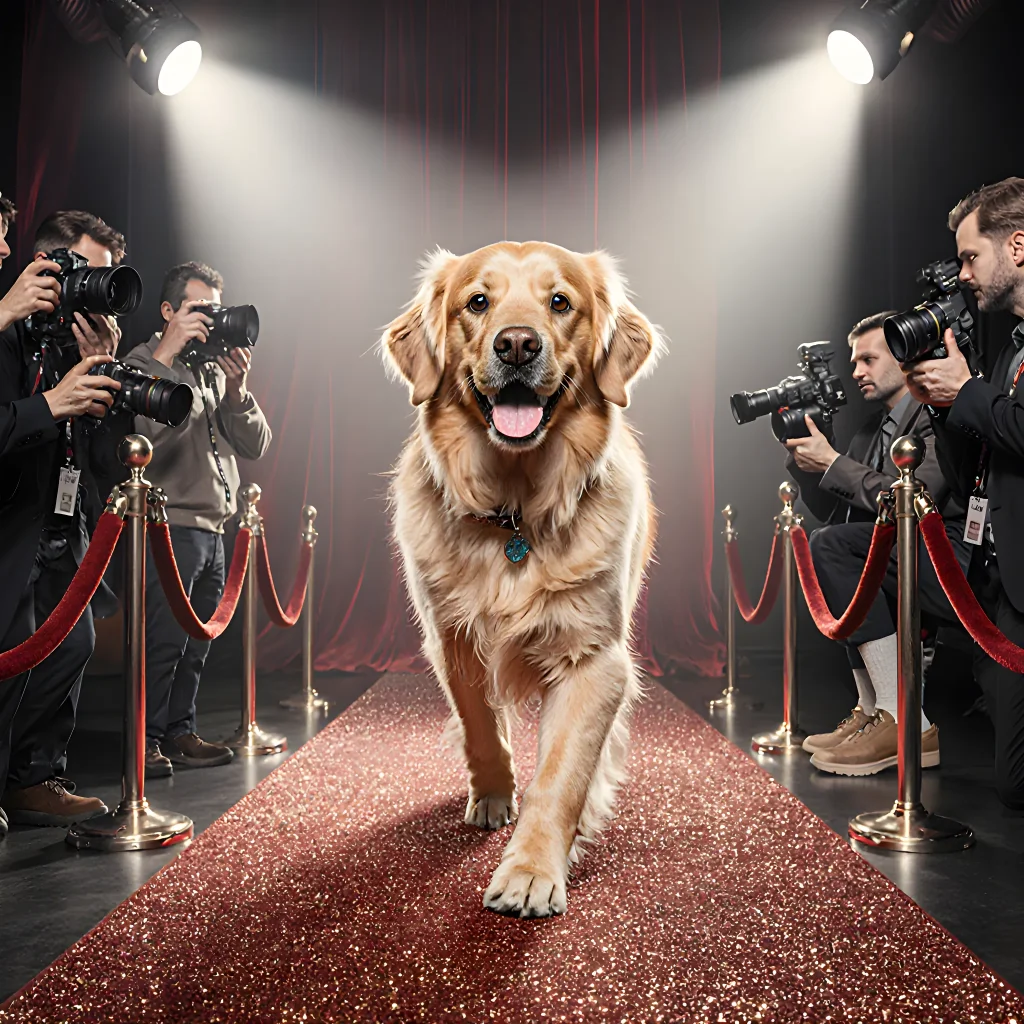
Unleash Your Pup’s Star Power!
Tailspin Triumphs: Guide Your Dog to Stardom
Table of Contents
- Introduction to Canine Freestyle
- History of Dog Dancing
- Essential Equipment and Space Setup
- Choosing the Right Music
- Basic Commands Every Dog Must Know
- Training Your Dog for Rhythm and Timing
- Common Tricks and Movements in Freestyle
- Creating a Choreography Flow
- Advanced Techniques for Experienced Dogs
- Safety Tips for Dog and Owner
- Common Mistakes to Avoid
- Preparing for Competitions and Performances
- Maintaining Your Dog’s Health During Training
- Conclusion
- FAQ
Introduction to Canine Freestyle
Canine freestyle, often referred to as dog dancing, is a fun and creative form of training that blends obedience, agility, and choreography. It allows owners and their dogs to express themselves while strengthening the bond between them. In this section, we’ll explore what makes freestyle unique, why it’s gaining popularity, and how you can get started using the principles from the Ultimate Guide to Canine Freestyle (Dog Dancing).
What Is Canine Freestyle?
- Music‑Driven Performance: Unlike traditional obedience drills, freestyle routines are set to music. The rhythm helps you and your dog stay in sync.
- Signature Moves: Each dog has a set of “signature moves” (e.g., spins, rolls, jumps) that showcase their personality.
- Creative Choreography: You design the routine, deciding where each move appears and how it flows with the beat.
Why It’s Popular
• Entertainment Value: Freestyle shows are crowd‑pleasers at dog shows, festivals, and social media platforms. • Skill Development: Training for freestyle builds core obedience (stay, sit, down), agility, and body awareness. • Stress Relief: The rhythmic movement and music can reduce anxiety in both dogs and owners.
Key Elements from the Ultimate Guide
- Foundation Training: Before adding flair, master basic commands (sit, stay, come) and ensure your dog is comfortable with a leash and collar.
- Body Language Awareness: The guide emphasizes reading your dog’s cues—tail position, ear lift, eye contact—to anticipate when they’re ready for the next move.
- Positive Reinforcement: Use treats, praise, and affection to reward successful execution of moves. Consistency builds confidence.
Getting Started: Step‑by‑Step
- Select a Song: Choose music with clear beats. Classic examples include “Eye of the Tiger” or “The Chicken Dance.”
- Tip: Use a metronome app to practice timing before you add moves.
- Choose Signature Moves: Pick 3–5 moves that suit your dog’s temperament. For a high‑energy pup, consider a “jump over the moon” or “roll.”
- Example: A golden retriever might excel at a slow spin followed by a sit‑down.
- Map the Routine: Draft a simple storyboard. Place a signature move on each beat, ensuring transitions are smooth.
- Use sticky notes or a digital timeline to visualize the flow.
- Practice in Short Sessions: Keep training sessions under 10 minutes initially to avoid fatigue. Gradually increase as stamina improves.
- Record and Review: Film your practice runs. Watch for timing gaps, missteps, or moments where the dog loses focus.
Practical Advice & Common Pitfalls
- Don’t Rush the Music: Let your dog “feel” the beat. If they seem distracted, shorten the routine or switch to a slower tempo.
- Use Consistent Commands: Assign a unique verbal cue for each move (e.g., “Spin!” for a 360° turn). This helps reinforce learning.
- Keep Treats Handy but Balanced: Use high‑value treats during initial training, then gradually shift to praise or a favorite toy as rewards.
- Avoid Over‑exertion: Dogs with joint issues may struggle with high jumps. Modify moves (e.g., low jump) to suit their health.
Next Steps
With the fundamentals in place, you’re ready to explore advanced choreography and competition standards. The Ultimate Guide to Canine Freestyle (Dog Dancing) offers deeper insights into judging criteria, costume design, and performance etiquette—resources that will elevate your routine from playful to professional.
Ready to dance? Grab a playlist, lace up your dog’s harness, and let the rhythm guide you both into an unforgettable freestyle adventure.
History of Dog Dancing
The roots of canine freestyle, often called “dog dancing,” can be traced back to the early 20th century when humans first began training dogs for choreographed performances. However, it was not until the 1980s and 1990s that the modern sport truly began to take shape.
Early Beginnings (1900–1970)
- Showmanship shows – In the 1920s, circus acts frequently featured dogs performing simple tricks in sync with music. These performances were largely improvised and focused on entertainment rather than structured routines.
- Military training units – During World War II, military handlers trained dogs for precision tasks that required coordination and timing. Though not dance, these exercises laid the groundwork for later rhythmic training methods.
The Birth of Structured Freestyle (1970–1999)
The 1970s saw a growing interest in dog sports like agility and obedience. Handlers began experimenting with music to motivate their dogs, leading to the first documented “dog dancing” routines. By the early 1980s, local clubs started organizing informal competitions.
Key Milestones
- 1985 – The first recorded freestyle routine was posted online (in primitive forums), sparking international interest.
- 1992 – A group of handlers in California formed the American Canine Freestyle Association (ACFA), setting initial rules and a judging rubric.
- 1998 – The ACFA introduced the “Three‑Point System,” awarding points for Music, Choreography, and Execution.
The Modern Era (2000–Present)
With the rise of social media in the 2010s, canine freestyle exploded into mainstream culture. YouTube channels like “Doggie Dancers” showcased elaborate routines that blended pop music with high‑energy choreography.
Influential Figures
- Megan & Max – A husband‑wife duo who won the first official ACFA World Freestyle Championship in 2012.
- Dr. Sarah Larkin – Veterinary behaviorist who published a seminal paper on the cognitive benefits of rhythmic training for dogs.
Official Competitions and Governing Bodies
Today, the World Canine Freestyle Federation (WCF) hosts annual championships. Routines are scored on a scale of 0–10 for each category: Music, Choreography, Execution, and Originality.
Practical Advice for Beginners
- Select the Right Dog – While many breeds can excel, high‑energy breeds like Border Collies, Australian Shepherds, and Jack Russell Terriers often adapt quickly.
- Start with Basic Obedience – Ensure your dog reliably performs sit, stay, come, heel, and down before adding musical cues.
- Use a Metronome or Rhythm App – This helps the handler keep tempo. Begin with slow beats (60–80 BPM) and gradually increase.
- Incorporate Positive Reinforcement – Treats, praise, and clickers reinforce successful moves. Avoid punishment; it breaks rhythm and trust.
- Create a Storyboard – Draft a sequence of moves (e.g., “sit,” “spin,” “jump”) that flow naturally to the chosen music.
References & Further Reading
- Ultimate Guide to Canine Freestyle (Dog Dancing) – Comprehensive resource covering training techniques, judging criteria, and routine examples.
- WCF Training Guidelines
Whether you’re a hobbyist or an aspiring champion, understanding the rich history of dog dancing can deepen your appreciation for this unique sport and inspire more creative routines.
Essential Equipment and Space Setup
Before you start choreographing your canine routine, it’s crucial to create a safe, engaging environment that supports both the dog’s physical well‑being and your creative vision. Below is a step‑by‑step guide to setting up the perfect space and selecting the right gear for your freestyle sessions.
1. Choosing the Right Space
- Indoor vs. Outdoor: Indoor rooms with non‑slippery flooring (carpet, rubber mats) reduce injury risk. Outdoor spaces should be flat, well‑lit, and free of hazards like loose stones or uneven grass.
- Size Matters: A minimum of 12 × 15 feet is recommended for most freestyle routines, giving the dog room to execute jumps, spins, and rolls without crowding. For advanced tricks that involve higher jumps or longer sequences, consider a space 18 × 20 feet.
- Lighting: Natural light is ideal; if indoors, use full‑spectrum LED panels to avoid shadows that can confuse the dog during complex moves.
- Noise Control: Soft background music (classical or ambient tracks) can enhance focus. Avoid loud, abrupt sounds that might startle the animal.
2. Flooring & Safety Enhancements
| Flooring Type | Pros | Cons |
|---|---|---|
| Rubber Mats (PVC or EVA) | Excellent shock absorption, non‑slip surface, easy to clean. | Can be expensive; requires regular cleaning to prevent mold. |
| Carpet | Soft and forgiving for joints; natural look. | May trap dirt; can become slippery when wet. |
| Hardwood or Laminate | Durable, easy to maintain. | High impact risk; must be paired with non‑slip rugs for safety. |
3. Essential Equipment List
- Training Collars & Leashes: A lightweight, adjustable training collar (like a martingale) and a short leash for controlled exercises.
- Clicker: For precise cue timing; especially useful when teaching complex sequences.
- Treat Dispenser: Automatic treat pockets or a small bowl to reward on the spot, keeping the dog motivated during long routines.
- Music System: A Bluetooth speaker with volume control; set up playlists that match the tempo of your routine.
- Video Camera & Tripod: Record practice sessions for playback analysis. A 360° camera can capture full body movements.
- Portable Stage or Markers: Use cones, hoops, or chalk to define boundaries and assist in spatial awareness.
4. Setting Up a Practice Routine
- Warm‑Up (5–10 min): Gentle jogging, basic obedience commands, and light stretching for the dog’s muscles.
- Skill Development (15–20 min): Break down each dance move into small steps. Use visual markers or hand signals to reinforce learning.
- Sequence Building (10–15 min): Combine practiced moves into a short sequence; focus on transitions and rhythm.
- Cool‑Down (5 min): Slow walking, deep breathing, and gentle massage to prevent soreness.
5. Practical Tips from the Ultimate Guide to Canine Freestyle
- Always start with low‑impact moves; progress to higher jumps only after confirming the dog’s comfort and stability.
- Use a “spotter” (another trainer or owner) during complex lifts to ensure safety.
- Keep sessions short but frequent—10–15 minutes, 3–4 times per week, to avoid fatigue.
- Record each session and review the footage; look for missed cues or awkward body positions that could be improved.
- Introduce music gradually; some dogs may take a few sessions to sync movements with beats.
By investing in the right space and equipment, you lay a solid foundation that allows your canine dancer to flourish. Remember: consistency, patience, and positive reinforcement are key—just like any great performance.
Choosing the Right Music
Music is the heartbeat of canine freestyle. The right track not only sets the mood but also cues your dog’s movements, enhances the flow of choreography, and keeps judges and audiences engaged. Below are practical steps, examples, and tips from the Ultimate Guide to Canine Freestyle (Dog Dancing) that will help you select music that elevates every routine.
1. Understand the Rhythm & Tempo
- Tempo categories:
- Slow (60–80 BPM) – Ideal for smooth, flowing transitions and emotional storytelling.
- Medium (80–110 BPM) – Best for balanced routines with a mix of jumps, spins, and tricks.
- Fast (110+ BPM) – Great for high-energy sequences featuring quick hops, flips, or rapid-fire tricks.
- Why it matters: A consistent beat helps both you and your dog stay in sync. If the tempo changes abruptly, it can throw off timing and make jumps look sloppy.
2. Match Genre to Routine Theme
The genre should reflect the story or emotion you want to convey:
| Genre | Typical Feel | Sample Moves |
|---|---|---|
| Classical/Orchestral | Elegant, graceful | Spin, bow, stretch |
| Jazz/Funk | Playful, rhythmic | Box jump, slide, heel turn |
| Rock/Metal | Powerful, intense | Leap, backflip (if safe), high kick |
| Pop/EDM | Energetic, modern | Jump rope, hopscotch, freeze frame |
3. Listen for Natural Beats and Breaks
Use the “beat map” technique: pause the track at every downbeat to identify where you can place key moves (e.g., a jump or a pose). Break points are perfect spots for dramatic pauses, spins, or comedic elements.
4. Consider Legalities and Licensing
- Royalty‑free libraries: Sites like AudioJungle, PremiumBeat, or Epidemic Sound offer tracks that can be used in competitions without extra fees.
- Creative Commons: Some artists allow free use if you give credit. Check the license before performing live.
- Original compositions: Commissioning a local musician gives your routine uniqueness and eliminates licensing headaches.
5. Test with Your Dog First
Play the track during practice sessions to gauge how well you and your dog follow the rhythm. Adjust volume, tempo, or even swap songs if the routine feels off‑beat.
6. Build a Playlist for Practice vs. Performance
- Practice playlist: Mix tempos to challenge timing and build muscle memory.
- Performance playlist: Choose the final track that best represents your routine’s theme and is judged for competition scoring.
7. Sample Music Selections (From the Ultimate Guide)
- “Canine Waltz” – A classical piece with a steady 72 BPM that works well for elegant spins and bow sequences.
- “Paws & Beats” – Upbeat funk at 105 BPM, perfect for quick hops, heel turns, and playful slides.
- “Doggy Groove” – Contemporary pop (115 BPM) with a clear beat drop for dramatic jumps or flips.
- “Freedom Flight” – High‑energy rock at 130 BPM, ideal for powerful leaps and synchronized group moves.
8. Final Checklist Before the Show
- Verify the track length matches your routine duration (including intro/outro).
- Check that the audio output (speakers or in‑ear monitors) is clear and balanced.
- Confirm no hidden copyright claims on streaming platforms.
- Have a backup copy ready in case of technical issues.
By thoughtfully pairing music with choreography, you’ll create a seamless experience that showcases your dog’s athleticism and artistry. Remember: the right track turns routine moves into storytelling moments, leaving judges and audiences humming long after the last bow.
Basic Commands Every Dog Must Know
Before you can choreograph a dazzling canine freestyle routine, your dog needs to master the foundational commands that form the backbone of any dance routine. These basic cues not only ensure safety and control but also give the performer the confidence to explore more complex moves. Below is an expanded guide—complete with examples, training tips, and how each command translates into freestyle choreography.
1. Sit
- Training tip: Use a high‑value treat and a hand signal (thumb up) to reinforce the sit. Gradually fade treats while maintaining eye contact.
- Freestyle application: The “sit” can serve as a pause or a dramatic point in a routine, allowing your dog to look straight into the camera before launching into a jump or spin.
2. Down
- Training tip: Start with a “down” cue by placing a treat near the ground and guiding your dog’s nose downward. Add the verbal cue once the body position is consistent.
- Freestyle application: The down position can be used to transition into low‑energy moves, such as a belly roll or a gentle “slide” across the floor.
3. Stay
- Training tip: Begin with short durations (5–10 seconds) and gradually increase while rewarding. Use a hand gesture (palm facing out) to signal “stay.”
- Freestyle application: A well‑executed stay can be the perfect backdrop for a solo spotlight move, keeping the dog in place while the rest of the team performs.
4. Come (Recall)
- Training tip: Pair a positive phrase (“come!”) with an excited tone and reward upon return. Practice in a controlled environment before adding distractions.
- Freestyle application: Recall can be used to bring the dog into frame after a jump or a partner’s exit, ensuring smooth transitions during a routine.
5. Heel
- Training tip: Use a treat on your left hip (for a right‑legged dog) and walk forward while encouraging the dog to stay beside you. Reward for staying within one foot’s width.
- Freestyle application: The heel can be used during synchronized walks or when the dog needs to maintain a steady pace while other members perform side steps.
6. Shake (Paw)
- Training tip: Hold a treat in your hand, let the dog sniff it, then gently lift their paw and say “shake.” Reward immediately once the paw makes contact.
- Freestyle application: A shake is perfect for a quick “hand‑shake” with the owner or as part of a comedic “dance break” where the dog mimics a human dance partner’s hand.
7. Roll Over
- Training tip: Use a treat to guide the dog from down into a roll, rewarding each step of the movement. Break it into stages: “down,” “roll left,” “roll right.”
- Freestyle application: A full roll can be incorporated as an energetic flourish, especially in routines that include spins or jumps.
8. Spin (or Turn)
- Training tip: Use a treat to lure the dog around a full circle while saying “spin.” Gradually replace the treat with a verbal cue alone.
- Freestyle application: Spins add visual flair and can be synchronized with music beats or used as a transition between moves.
9. Stay on Cue (Extended Stay)
- Training tip: Increase the duration of stays while adding distance, rewarding each successful return to position.
- Freestyle application: This command is essential for complex routines where a dog must hold a pose while other team members perform dynamic actions.
10. “Go!” (Take Action)
- Training tip: Use an excited tone and a short command (“go”) to signal the start of a move. Reward immediately after execution.
- Freestyle application: The “go” cue can trigger the beginning of a jump, a dance step, or any high‑energy action within a routine.
Practical Tips for Integrating Commands into Freestyle
- Consistency is key: Use the same verbal cue and hand gesture every time to avoid confusion during performance.
- Practice in music: Run training sessions while playing your routine’s soundtrack; this helps the dog associate cues with musical timing.
- Use visual markers: Place colored tape or a low‑profile flag on the floor to help dogs orient themselves during complex sequences.
- Keep sessions short: Dogs have limited attention spans; 10–15 minute training bursts keep them engaged and prevent frustration.
- Gradual complexity: Once a command is mastered, add a second cue (e.g., “sit” + “spin”) before moving to more advanced combinations.
Mastering these basic commands lays the groundwork for any canine freestyle routine. With patience and consistent practice, your dog will be ready to perform not only the fundamentals but also the dazzling choreography that makes canine dance a spectacle of grace and joy.
Training Your Dog for Rhythm and Timing
Rhythm and timing are the backbone of any successful canine freestyle routine. While dogs have an innate sense of motion, they need structured practice to translate that instinct into a synchronized dance with their owner. The “Ultimate Guide to Canine Freestyle” recommends a progressive training plan that blends music, cue words, and visual markers so your dog can anticipate each beat.
1. Build a Beat Foundation
- Choose Your Music: Start with instrumental tracks that have a clear, steady tempo (e.g., 90–110 BPM). Avoid heavy bass drops or abrupt changes in the first sessions.
- Cue the Beat: Use a simple clapping pattern—two claps followed by a pause—to signal the dog to begin moving. Repeat this pattern until your dog associates the sound with action.
- Reward Consistency: Whenever the dog moves in sync with the claps, give a treat or verbal praise (“Good beat!”). This positive reinforcement cements the link between rhythm and reward.
2. Introduce Basic Moves on Beat
- Heel & Walk: Practice walking in heel position while counting “one, two” to your dog's steps. Gradually increase the pace so the dog learns to match their stride with the beat.
- Spin on Cue: Teach a 360° spin when you say “spin” and clap twice. Start slow; once reliable, add a music cue by playing a brief drum roll before the command.
- Jump & Roll: Use a small hurdle or obstacle for a jump, followed immediately by a roll. Time each action to one beat—jump on “one,” roll on “two.”
3. Layer Complexity with Visual Signals
Dogs respond well to visual cues that complement auditory signals. Place colored flags or small banners at key points in the training space.
| Visual Cue | Action |
|---|---|
| Red flag | Pause or change direction on beat “two.” |
| Blue banner | Initiate a spin on beat “three.” |
| Green light | Perform a jump on beat “four.” |
4. Practice Timing Drills
Consistent timing drills help your dog internalize the tempo of the music. Here are two effective exercises:
- The Count‑and‑Move Drill: Say “one” and have the dog step forward, say “two” for a spin, and so on. Gradually eliminate verbal cues and rely solely on musical beats.
- The Mirror Drill: Stand in front of a mirror while playing music; mimic your own movements. Dogs often learn by observation—watch how you sync to the beat and then encourage them to follow.
5. Transition from Training to Performance
Once your dog can perform basic moves on cue, start chaining them together into short sequences. Use a metronome app or a drum machine to keep a steady tempo while you rehearse.
- Begin with a simple “walk → spin → jump” loop.
- Add transitional movements like “pause” or “turn” on the off‑beat to create fluidity.
- Record your practice sessions and review them. Look for places where timing drifts—then adjust the music speed or cue timing accordingly.
6. Troubleshooting Common Timing Issues
Dog lags behind: Slow down the beat temporarily; reinforce with higher‑value treats. Once the dog catches up, gradually increase tempo back to desired level.
Dog jumps ahead of cue: Use a pause or “stay” command before the beat to reset their timing. Pair this with a clear visual marker (e.g., a green light).
Inconsistent rhythm: Switch to a metronome app that can be set to a consistent click rate, eliminating human tempo variations.
7. Final Tips for Long‑Term Success
- Keep training sessions short (10–15 minutes) but frequent—daily practice reinforces timing better than long, infrequent sessions.
- Use a variety of music genres over time to expose your dog to different tempos and rhythms.
- Always end with a positive note—a high‑energy finish or a favorite trick—to leave the dog motivated for the next session.
By systematically building rhythm, layering visual cues, and practicing timing drills, you’ll transform your canine’s natural movement into a graceful, music‑synchronized dance routine. Consistency, patience, and positive reinforcement are key—just as highlighted in the “Ultimate Guide to Canine Freestyle.” Happy dancing!
Common Tricks and Movements in Freestyle
Freestyle dog dancing is all about creativity, flow, and the partnership between you and your canine. Below are the most frequently used tricks and movements that form the backbone of any routine, along with practical tips for mastering them.
1. Basic Steps & Body Language
- Sideways Walk: A simple side step that establishes rhythm. Keep your dog’s shoulders level and use a gentle cue like “side walk.” Practice with a low‑level treat to reinforce the position.
- Circle: Have your dog circle around you or an object. Use a verbal cue (“circle”) combined with a hand signal (a clockwise sweep). Start small—half‑turns—then gradually increase to full circles as confidence builds.
- Spin & Turn: A 360° spin can be done in place or while moving forward. Cue “spin” and reward immediately after the dog completes the turn. This trick helps with balance and core strength.
2. Jumping & Rolling
- Low Jump: Use a low obstacle (e.g., a small hurdle or a line of cones). Encourage your dog to jump over with “jump.” Keep the height manageable and reward at the landing spot.
- High Jump: For advanced dogs, increase the obstacle height gradually. Use a long leash for safety during practice sessions.
- Roll Over: Start with a treat in front of the dog’s nose. Lure them to lie down and gently roll them onto their side, then back onto their belly. Reward each step and use “roll” as the cue.
3. Body Movements & Postures
- Backflip (if trained): This is an advanced move that requires a solid foundation in jumps and flips. Always practice on a soft surface.
- Stance: Teach your dog to hold a “stiff” stance—standing tall with ears up, tail straight—for a few seconds before moving. Use a command like “stance” or “hold.”
- Slide: Have your dog slide sideways along the floor (or a low obstacle). Cue “slide,” and reward when they maintain contact with the ground.
4. Timing & Rhythm
Freestyle is essentially music for dogs—your cues should sync with the beat. Practice counting out loud (e.g., “one, two, three, four”) while performing each trick to develop internal timing.
5. Practical Advice & Safety Tips
- Use a Soft Surface: Practice in grass or on a padded mat to reduce injury risk.
- Start Small: Break each trick into micro‑steps; once mastered, combine them into fluid sequences.
- Positive Reinforcement: Treats, praise, and play are your best tools. Avoid punishment—freestyle is about joy, not fear.
- Keep Sessions Short: 10–15 minutes per day keeps the dog engaged without fatigue.
- Record & Review: Video your sessions; playback helps spot timing issues or posture problems.
For a deeper dive into choreography, music selection, and advanced tricks, consult the “Ultimate Guide to Canine Freestyle (Dog Dancing)”—your go‑to resource for turning everyday training into an unforgettable performance.
Creating a Choreography Flow
Once you’ve chosen your music, rehearsed the basic moves, and practiced transitions, it’s time to weave everything into a cohesive routine. A well‑structured flow keeps your dog engaged, showcases their strengths, and makes the performance enjoyable for both of you.
1. Map Out Your Routine
- Start with a Strong Opening: Begin with an attention grabber—perhaps a high‑energy jump or a dramatic pose. This sets the tone and captures the audience’s eye.
- Build Momentum: Transition into a series of moves that increase in intensity or complexity. Think of it like a musical crescendo: keep adding layers, such as spins, heel work, and freestyle tricks.
- Insert a “Cliffhanger” Move: Just before the climax, pause with a brief moment of silence or a simple pose to heighten anticipation.
- Finish with Impact: End on a memorable move—perhaps a synchronized dance routine or a dramatic bow. This leaves a lasting impression.
2. Use Music as a Guide
The rhythm of your music should dictate the pacing. Here’s how to align choreography with musical elements:
- Intro (0:00–0:15): Slow build, introduce simple steps.
- Main Section (0:15–1:30): Mid‑tempo, incorporate complex moves.
- Bridge (1:30–2:00): Change of key or tempo—use this to switch to a different trick set.
- Finale (2:00+): Fast tempo, high energy finish.
3. Transition Techniques
Transitions keep the flow smooth and prevent awkward gaps:
| Transition Type | Description | Example Move |
|---|---|---|
| Pivot to Spin | Turn 180° while maintaining the same position. | From a front walk to a backward spin. |
| Heel to Heel Turn | Move heel position while turning your dog’s body. | Heel left → Heel right with a 360° turn. |
| Jump to Leap | Elevate the dog, then land into a new pose. | High jump onto a low platform followed by a sit‑stay. |
4. Practice with a “Storyboard”
Create a visual storyboard or a simple diagram of the routine:
- Draw each move as an icon (e.g., a hop, spin).
- Label timing and music cues next to each icon.
- Use this chart during practice to ensure you hit every beat.
5. Incorporate Props Wisely
Props add flair but can distract if overused. Here are some tips:
- Use One or Two Key Props: A colorful ribbon or a small obstacle that enhances the move.
- Ensure Safety: Props should be lightweight and non‑hazardous.
- Practice with Props Early: Dogs need time to get comfortable; start training them on props before adding them to the final routine.
6. Record, Review, and Refine
Video is your best friend in freestyle choreography:
- Record from Multiple Angles: Use a smartphone on a tripod and another handheld camera.
- Analyze Timing: Watch for any lag between music cues and dog actions.
- Seek Feedback: Show the video to a trusted trainer or friend; fresh eyes catch things you might miss.
7. Final Tips for a Polished Routine
- Keep it under 3 minutes—most competitions limit routine length.
- Focus on clarity: each move should be unmistakable to the audience.
- Maintain eye contact with your dog; this builds trust and helps them stay focused.
- End with a bow or a gentle stretch for your dog’s well‑being.
By systematically mapping out each segment, aligning it with the music, practicing smooth transitions, and refining through video review, you’ll create a choreography flow that showcases both your dog’s athleticism and your creative vision. Happy dancing!
Advanced Techniques for Experienced Dogs
If you and your dog have mastered the basics of canine freestyle—those simple spins, jumps, and coordinated movements—it's time to take your routine to the next level. The Ultimate Guide to Canine Freestyle (Dog Dancing) offers a wealth of advanced concepts that can help you create performances that are both visually stunning and mentally stimulating for your pet.
1. Choreographing Complex Sequences
- Layered Movements: Combine multiple tricks into one fluid sequence (e.g., a half‑spin followed by a backward roll, then a high jump). Use the guide’s step‑by‑step breakdown to ensure each transition is smooth.
- Timing & Rhythm: Sync your dog’s movements with musical beats. The guide suggests practicing with metronomes or pre‑recorded tracks to internalize tempo.
2. Incorporating Props and Costumes
The guide emphasizes safety first: always use lightweight, non‑slip props (e.g., foam ribbons, soft leashes). For costumes, choose breathable fabrics and secure seams to avoid choking hazards.
Practical Example:
- Prop: A small, brightly colored cape that drapes over the dog’s shoulders. Teach a “cape toss” where the cape is thrown into the air and the dog leaps to catch it mid‑air.
- Costume: A simple bandana tied in a bow that signals a “bow down” cue during the routine.
3. Advanced Tricks for Agility & Balance
- Tightrope Walking: Use a low, sturdy balance beam. Start with short distances and gradually increase as confidence builds.
- Pendulum Spins: A variation of the classic spin where the dog rotates in place while holding an object (e.g., a small ball) on a string that swings like a pendulum.
4. Enhancing Mental Engagement
The guide recommends rotating cue words and incorporating scent cues to keep your dog mentally sharp. For instance, replace “sit” with a scent‑based command like “pine” when the dog sits near a pine-scented object.
5. Video Recording & Feedback Loop
- Record in Slow Motion: Analyze footfall, timing, and posture. The guide shows how to use slow‑motion playback to identify subtle improvements.
- Peer Review: Share videos with other freestyle enthusiasts or trainers for constructive feedback.
6. Safety & Health Considerations
Always monitor your dog’s physical limits. The guide advises a warm‑up routine (5–10 minutes of light jogging and dynamic stretches) before performing advanced moves, and a cool‑down session with gentle massage to prevent injury.
Create a storyboard that maps out each segment: opening flourish, main choreography, climax (e.g., a synchronized group spin), and closing bow. Use the guide’s “Storyboard Templates” section as a starting point.
Remember, the key to advanced canine freestyle is consistency, patience, and positive reinforcement. With practice and the resources from the Ultimate Guide to Canine Freestyle (Dog Dancing), you’ll be able to wow audiences while keeping your dog happy and healthy.
Safety Tips for Dog and Owner
While canine freestyle (dog dancing) is a fun way to bond with your pet, it also requires careful attention to safety for both you and your dog. Below are practical guidelines that align with the best practices outlined in the Ultimate Guide to Canine Freestyle.
1. Start With a Safe Environment
- Clear the space: Remove obstacles, loose rugs, and any sharp objects from the area where you’ll practice.
- Use non-slip flooring: A rubber mat or carpeted floor helps prevent slips for both dog and owner.
- Maintain proper lighting: Ensure the room is well lit so you can see your dog's movements clearly, especially during night sessions.
2. Warm‑Up Properly
- Dog warm‑up: Begin with gentle leash walks or light play to get blood flowing.
- Owner warm‑up: Stretch your arms, shoulders, and back to reduce the risk of strains while guiding your dog.
3. Use Correct Leash Techniques
- Short leash for control: A 4–6 foot leash allows you to guide without pulling too hard.
- Leash tension: Keep it loose enough for comfort but tight enough to maintain direction during complex moves.
4. Monitor Your Dog’s Physical Limits
- Check for fatigue: Look for signs such as heavy panting, drooling, or a hesitant stride. Take a break if needed.
- Joint health: Avoid high-impact jumps on dogs with arthritis or hip dysplasia; opt for low‑impact routines instead.
5. Keep Hydration and Nutrition in Mind
- Water breaks: Offer fresh water after every session, especially if you’re training outdoors.
- Timing meals: Train at least one hour after a meal to prevent digestive discomfort during activity.
6. Use Positive Reinforcement Only
- Reward system: Treats, praise, and affection should replace any form of punishment or forceful correction.
- Consistency: Keep cues and rewards the same each time so your dog learns quickly without confusion.
7. Gradual Progression of Routines
- Start simple: Master basic tricks (sit, stay, shake) before adding spins or jumps.
- Incremental difficulty: Increase the complexity only after your dog demonstrates mastery and comfort at each level.
8. Regular Health Check‑Ins
- Vet visits: Ensure your dog’s vaccinations, heartworm prevention, and overall health are up to date.
- Observe behavior changes: Any sudden lethargy or reluctance to move may indicate an underlying issue needing veterinary attention.
9. Protect Your Own Body
- Posture matters: Keep your back straight and shoulders relaxed while guiding the leash.
- Use supportive shoes: Wear comfortable footwear with good grip to avoid slips during dynamic movements.
10. Document Progress Safely
- Video recordings: Capture sessions for later review, but ensure your camera doesn’t distract or frighten the dog.
- Note keeping: Log dates, routines practiced, and any incidents to track improvements and spot patterns early.
By integrating these safety practices into your training routine, you’ll create a secure, enjoyable environment that encourages learning while protecting both you and your canine companion. Refer back to the Ultimate Guide to Canine Freestyle for deeper insights on choreography, cue design, and advanced safety protocols.
Common Mistakes to Avoid
If you’re new to canine freestyle, it’s easy to fall into a few pitfalls that can slow progress or even discourage both you and your dog. The Ultimate Guide to Canine Freestyle (Dog Dancing) highlights these common missteps and offers practical solutions so you can keep the learning curve smooth and enjoyable.
1. Skipping the Basics
- Why it matters: Advanced tricks built on shaky fundamentals often result in frustration or injury.
- What to do: Start with simple obedience cues (sit, stay, come) and basic floorwork moves like rolls or spins. Use a consistent cue word for each action.
- Example: Before attempting a “spin‑and‑pounce” routine, ensure your dog can reliably spin on command in both directions, then add the pounce only after mastery.
2. Ignoring Your Dog’s Body Language
- Why it matters: Overworking a tired or stressed dog can lead to injury and loss of motivation.
- What to do: Watch for signs like tail tucked, ears flattened, or panting. Pause training when these cues appear.
- Example: If your dog’s tail goes from wagging to flat during a “jump‑and‑turn” drill, take a short break and offer a treat before resuming.
3. Neglecting Consistent Cue Words
- Why it matters: Mixed signals confuse the dog and lengthen training time.
- What to do: Assign one word or phrase per move (e.g., “twirl” for a spin, “hop” for a jump). Keep these cues identical across all environments.
- Example: Instead of saying “spin” in the yard and “turn” on the stage, use “twirl” everywhere to maintain clarity.
4. Over‑Reinforcing Negative Behavior
- Why it matters: Dogs may repeat unwanted actions if they are inadvertently rewarded.
- What to do: Use a clicker or verbal marker only when the correct action is performed. Ignore slips unless they pose safety risks.
- Example: If your dog jumps on stage during a “sit” cue, avoid applauding the jump; instead, pause and wait for a proper sit before rewarding.
5. Forgetting to Warm Up
- Why it matters: Cold muscles are more prone to strains during high‑energy routines.
- What to do: Start with light cardio—short walks, gentle jogs, or a few easy “sit”/“stay” sequences—to raise core temperature.
- Example: A 5‑minute warm‑up of “heel,” “down,” and “roll over” can prepare your dog for the more demanding “leap‑and‑twirl” choreography.
6. Skipping Progression Checkpoints
- Why it matters: Jumping straight to complex routines may overwhelm both trainer and dog.
- What to do: Break each routine into micro‑steps, test each step separately, then combine them gradually.
- Example: Master the “spin” first, then add a “pounce” after your dog can perform the spin consistently. Only when both are reliable should you fuse them into a single move.
7. Not Using Positive Reinforcement Consistently
- Why it matters: Dogs thrive on clear, consistent rewards; inconsistent praise can create anxiety.
- What to do: Pair treats, verbal praise, or a favorite toy with every correct cue. Keep the reward high‑value for new tricks and lower‑value for routine practice.
- Example: Offer a small piece of chicken after each successful “roll” during training; once it’s mastered, switch to a standard kibble treat for repetition sessions.
8. Training in Too Many Distractions at Once
- Why it matters: High‑distraction environments can derail learning before it’s solidified.
- What to do: Start indoors or in a quiet yard, then gradually introduce distractions like other dogs, traffic sounds, or audience noise.
- Example: Practice “stay” on the porch with no one nearby. Once reliable, add a passing jogger and repeat until the cue remains strong.
9. Over‑Expecting Immediate Performance
- Why it matters: Dogs need time to internalize cues; pushing too hard can lead to burnout.
- What to do: Set realistic milestones, celebrate small victories, and allow rest days between intense sessions.
- Example: If your dog can’t yet jump over a low bar, focus on “leap” without the obstacle for a week before reintroducing the bar.
10. Neglecting Safety Checks
- Why it matters: Freestyle routines involve jumps and spins that can be hazardous if mis‑timed or performed on uneven surfaces.
- What to do: Inspect the training area for trip hazards, ensure flooring is smooth and non‑slippery, and keep all equipment (bars, hoops) secure.
- Example: Before a “vault” routine, verify that the bar’s height is appropriate for your dog’s size and that no loose wires or debris are in the path.
By
Preparing for Competitions and Performances
Whether you’re debuting at a local dog show or competing in an international freestyle championship, meticulous preparation is the key to turning your routine into a crowd‑pleasing spectacle. Below are step‑by‑step guidelines, practical tips, and real‑world examples drawn from the “Ultimate Guide to Canine Freestyle (Dog Dancing)” that will help you and your canine partner shine on stage.
1. Set Clear Performance Goals
- Define the competition level: Is this a beginner class, an advanced show, or a professional circuit? Each tier has distinct expectations for music complexity, trick difficulty, and synchronization.
- Choose a theme that showcases strengths: If your dog excels at leaps, consider a routine that highlights aerial moves. For a more playful duo, focus on comedic interactions.
2. Build a Structured Training Calendar
Create a weekly timetable that balances skill acquisition with rest days to prevent burnout and injury.
| Day | Focus Area | Duration |
|---|---|---|
| Mon | Basic obedience & rhythm drills | 30 min |
| Tues | New trick introduction (e.g., “spin”) | 20 min |
| Wed | Repetition of current routine + music sync | 45 min |
| Thurs | Flexibility & mobility work (e.g., gentle stretching) | 15 min |
| Fri | Full rehearsal with full music track | 60 min |
| Sat | Mock show: run-through in front of friends/family | 45 min |
| Sun | Rest & mental enrichment (e.g., puzzle toys) | N/A |
3. Master the Music Selection Process
- Select a genre that matches your routine’s tempo: Upbeat pop for high-energy moves, classical for elegant transitions.
- Create a “musical cue sheet”: Mark the exact timestamps where each trick should start and end. This helps maintain timing during performance.
- Practice with the final track: Your dog will respond to subtle changes in beat; rehearse until you’re both fully comfortable.
4. Refine Trick Execution & Choreography
Use a mirror or record yourself to evaluate body language and synchronization.
- Trick placement: Place high‑impact moves (e.g., “jump over”) at musical peaks for maximum visual impact.
- Transitions: Ensure smooth flow between tricks; avoid abrupt stops that can throw off rhythm.
- Redundancy practice: Train alternative cues in case the primary cue fails (e.g., a backup hand signal).
5. Prepare for Show Day Logistics
A well‑planned schedule reduces anxiety and keeps you on track.
- Arrival time: Arrive at least 30 minutes early to acclimate to the venue.
- Warm‑up routine: Light jog or play session to get your dog’s muscles ready.
- Equipment check: Verify leashes, harnesses, and any props are clean and functional.
- Hydration & nutrition: Offer a light snack 30 minutes before; keep water accessible.
6. Mental Conditioning for the Spotlight
Freestyle can be stressful; building mental resilience is just as important as physical skill.
- Desensitization drills: Practice performing in increasingly noisy environments (e.g., play recorded crowd sounds).
- Positive reinforcement: Reward calm behavior during practice and after the show to reinforce confidence.
- Visualization techniques: Picture a successful routine; this mental rehearsal can improve actual performance.
7. Post‑Show Review & Continuous Improvement
After each competition, conduct a constructive debriefing.
- Video analysis: Watch the recording together; note areas where timing lagged or tricks were off.
- Feedback from judges: Take notes on any comments received and integrate them into your next training cycle.
- Set incremental goals: Add a new trick, improve timing by 0.5 seconds, or increase the number of turns per routine.
By following these detailed steps—setting clear objectives, scheduling structured practice, choosing the right music, polishing choreography, managing logistics, conditioning mentally, and reviewing outcomes—you’ll elevate your canine freestyle performance to a level that impresses judges, captivates audiences, and most importantly, strengthens the bond between you and your dog.
Maintaining Your Dog’s Health During Training
Training a dog for freestyle (dog dancing) is an exciting way to strengthen the bond between you and your pet while showcasing their natural athleticism. However, it also demands careful attention to your dog’s physical well‑being. Below are practical tips and real‑world examples drawn from the Ultimate Guide to Canine Freestyle that will help keep your canine partner safe, healthy, and ready to perform.
1. Warm‑Up & Cool‑Down Routines
Just like humans, dogs benefit from a gradual increase in heart rate before intense activity and a slow return to baseline afterward.
- Warm‑up: Begin with a brisk 5–10 minute walk or light jog. Follow up with dynamic stretches such as leg swings, shoulder rolls, and gentle back twists. The guide recommends “The 3‑Step Warm‑Up” – a series of three controlled movements that activate the core, hips, and shoulders.
- Cool‑down: End sessions with a slow walk and static stretches (hold each stretch for 15–20 seconds). This reduces muscle stiffness and promotes recovery.
2. Hydration Strategy
Freestyle routines can be hot, especially in indoor arenas or during summer training. Dehydration leads to cramping, lethargy, and even heatstroke.
- Water breaks: Place shallow bowls at the start of each drill. Offer water after every 5–7 minutes of activity, or whenever you notice your dog panting excessively.
- Electrolyte solutions: For longer sessions (>30 min) or high‑intensity routines, a diluted commercial electrolyte drink (1 part electrolyte to 10 parts water) can help maintain sodium levels. The guide cautions against giving plain water during intense workouts as it may dilute necessary electrolytes.
3. Monitoring Physical Limits & Signs of Fatigue
Freestyle training pushes dogs into new ranges of motion and endurance. Recognizing early signs of overexertion is essential.
- Breathing pattern: Normal breathing should return to baseline within 30 seconds after a break. Prolonged heavy panting indicates fatigue.
- Behavioral cues: Lethargy, reluctance to continue, or sudden loss of coordination can signal that the dog needs rest.
- Use a training log: Record session length, intensity, and any abnormal signs. The guide suggests a simple spreadsheet with columns for date, duration, heart rate (if monitored), and notes on energy levels.
4. Proper Nutrition & Timing
A balanced diet fuels performance and recovery. Tailor feeding schedules to training demands.
- Pre‑training meal: Feed a moderate portion of high‑quality protein (e.g., chicken, turkey) with complex carbs (sweet potato, brown rice) about 2–3 hours before the session. This ensures glycogen stores are replenished without causing gastrointestinal upset.
- Post‑training snack: Offer a small treat rich in omega‑3 fatty acids (like salmon flakes) or a commercial recovery supplement within 15 minutes after training to aid muscle repair.
- Weight management: Keep an eye on body condition score. Overweight dogs are more prone to joint strain during freestyle movements.
5. Joint & Muscle Health Maintenance
Freestyle involves leaps, spins, and pivots that stress joints and muscles.
- Strengthening exercises: Incorporate body‑weight drills such as “the box” (standing on a low platform) and “step‑up” (ascending stairs). The guide’s “Flexibility & Strength Circuit” targets hamstrings, quadriceps, and hip flexors.
- Joint supplements: Glucosamine‑chondroitin or MSM can support cartilage health. Discuss dosage with your veterinarian before starting any supplement.
- Regular veterinary check‑ups: Schedule an annual wellness exam and discuss any observed stiffness or limping. Early detection of arthritis can prevent further damage.
6. Injury Prevention & Immediate Response
Even with precautions, injuries can occur during high‑energy freestyle routines.
- Proper footing: Use non‑slippery mats or rubber flooring in the training area to reduce slip risk.
- Equipment check: Ensure leashes, harnesses, and any props are secure but not restrictive. The guide emphasizes “no loose straps” during spins.
- First aid basics: Keep a canine first‑aid kit handy: gauze, antiseptic wipes, and a tourniquet for bleeding control. Know the location of your nearest emergency vet clinic.
7. Mental Well‑Being & Stress Management
A healthy dog is also a happy dog. Freestyle can be mentally demanding; providing positive reinforcement keeps training enjoyable.
- Positive cues: Use high‑value treats and enthusiastic praise to reinforce correct movements.
- Breaks & playtime: Insert short play sessions between drills. The guide recommends a “play‑break” of 2–3 minutes with fetch or tug to release built‑up tension.
- Environmental enrichment: Rotate training locations and introduce new music tempos to keep the dog engaged.
8. Record & Adjust Training Plans
The Ultimate Guide stresses that a one‑size‑fits‑all approach rarely works. Tailor each routine to your dog's age, breed, and fitness level.
- Progressive overload: Gradually increase the difficulty of routines by adding more spins or higher jumps every two weeks, ensuring the dog adapts without strain.
- Track performance metrics: Measure jump height, spin speed, and endurance. Use these data points to fine‑tune nutrition, hydration, and rest periods.
By integrating these health‑focused strategies into your freestyle training regimen, you’ll
Conclusion
By now you’ve seen how a solid foundation—proper training, safety measures, and creative choreography—can turn any dog into a graceful dancer. The Ultimate Guide to Canine Freestyle (Dog Dancing) offers the step‑by‑step framework needed to transform that vision into reality. Whether you’re a novice looking for simple routines or an advanced handler ready to compete, this guide equips you with everything from basic obedience drills to professional-level performance tips.
Key Takeaways
- Start Small: Focus on single tricks like “sit” or “roll over” before layering them into a full routine.
- Use Positive Reinforcement: Treats, praise, and gentle encouragement build trust and keep training fun.
- Maintain Consistency: Short daily sessions (10–15 minutes) are more effective than long, sporadic ones.
- Prioritize Safety: Keep your dog’s joints protected by using non-slip flooring and avoiding overly strenuous moves.
Practical Next Steps
- Download the free PDF checklist from the guide to track progress.
- Record a short video of your dog performing a single trick; review it for body language and timing.
- Schedule a session with a local canine dance instructor or attend an online workshop linked in the guide.
Remember, every dog is unique—some thrive on high-energy routines, while others prefer gentle, rhythmic movements. The ultimate goal is to create a partnership built on trust, communication, and mutual joy. Dive deeper into advanced choreography, music selection, and competition strategies by exploring the Ultimate Guide to Canine Freestyle (Dog Dancing).
Ready to start your dog’s dancing journey? Download the full guide now and unlock the secrets of canine freestyle.
FAQ
1. What exactly is canine freestyle?
Canine freestyle, often called “dog dancing,” is a performance art that blends obedience training, agility, and choreographed routines set to music. It’s not just about tricks; it’s about creating a harmonious partnership between you and your dog, where both of you move as one unit.
2. Do I need an experienced dog or can beginners start?
Beginners are welcome! The Ultimate Guide to Canine Freestyle breaks down training into three stages:
- Foundation – basic obedience and recall.
- Core Skills – spins, jumps, and simple choreography.
- Advanced Moves – complex routines, music sync, and show presentation.
3. What equipment do I need?
- Training Tools: clicker, treats, and a high‑value reward (e.g., bacon or cheese).
- Agility Gear: weave poles, tunnels, and small jumps.
- Music & Audio: a good speaker system and a playlist that matches your routine’s tempo.
- Recording Device: phone or camera for reviewing performance and spotting improvements.
4. How do I choose the right music?
Music sets the rhythm. Follow these guidelines from the guide:
- Tempo: 120–140 BPM works well for most routines.
- Key: Major keys feel upbeat; minor keys can add drama.
- Structure: Look for clear verse‑chorus patterns to cue transitions.
5. How do I keep my dog motivated during long practice sessions?
Keep training sessions short (10–15 minutes) and end on a high note. Use the following tactics:
- Positive Reinforcement: Immediate treat after every successful cue.
- Variety: Switch between different tricks or change music to maintain interest.
- Rest Breaks: Allow 1–2 minute pauses for water and a quick stretch.
6. What are common mistakes to avoid?
- Over‑training: Dogs can get burnt out; watch for signs like reluctance or slowed response.
- Inconsistent cues: Use the same word and hand signal each time to build clarity.
- Ignoring body language: If your dog looks distracted, pause and address the issue before proceeding.
7. How do I prepare for a show or competition?
The guide recommends a structured prep schedule:
- Weeks 6–8: Focus on flawless execution of each cue.
- Weeks 4–5: Practice full routines to build stamina.
- Week 2: Rehearse in a mock show setting—use mirrors or video playback.
8. Can I incorporate tricks from other training styles?
Absolutely! The guide encourages blending skills from agility, obedience, and even circus acts (e.g., “tire” or “tightrope” simulation). Just ensure each trick is mastered before adding it to the freestyle routine.
9. Where can I find additional resources?
- Online Communities: Join forums like DogDanceForum or Facebook groups for tips.
- Workshops: Attend local freestyle workshops; many trainers offer one‑on‑one sessions.
- Books & Videos: The Ultimate Guide to Canine Freestyle includes a curated list of supplementary materials.
10. How do I keep the routine fresh over time?
Refresh your routine every 4–6 weeks by:
- Adding a new trick or variation.
- Changing the music track or tempo.
- Re‑arranging cue order to keep both you and your dog engaged.
Categories
- AI & Enrichment Play
- Broiler Farming
- Broiler Farming Tips
- Canine Wellness & Longevity
- Cat
- Cat & Human Connection
- Cat Adoption & Rescue
- Cat Breeds
- Cat Breeds & Personalities
- Cat Care & Health
- Cat Grooming & Hygiene
- Cat Lifestyle & Environment
- Cat Myths & History
- Cat Nutrition & Diet
- Cat Products & Reviews
- Cat Training & Behavior
- Comparison
- Consumer Awareness
- Dog
- Dog Accessories & Products
- Dog Adoption & Rescue
- Dog Breed & Lifestyle Trends
- Dog Breeding & Puppies
- Dog Entertainment & Media
- Dog Fashion & Trends
- Dog Fun & Lifestyle
- Dog Grooming & Hygiene
- Dog History & Culture
- Dog Myths, Science & Future Tech
- Dog News & Trends
- Dog Nutrition & Food
- Dog Psychology & Emotions
- Dog Safety & Security
- Dog Sports & Activities
- Dog Technology & Innovation
- Dog Training for Modern Owners
- Dog Travel & Adventure
- Dog Travel, Adventure & Culture
- Economic and Market Insights
- Educational Content
- FAQs
- Feeding Alternatives
- Festivals & Seasonal Ideas
- Fun & Entertainment
- General Knowledge
- General Pig Farming
- Health & Disease Management
- Housing and Environment
- Kittens
- Market Insights
- Miscellaneous
- Miscellaneous
- Motivational
- pig
- Pig Breeding
- Pig Breeds
- Pig Farming Stories and Inspiration
- Pig Health and Care
- Pig Nutrition
- Pig Products
- Profitability & Business
- Puppy Care
- Puppy Predictable Topics Reinvented
- Regional Focus
- Rescue & Adoption Buzz
- Senior Cats
- Senior Dog Care
- Smart Dog Tech & Gadgets
- Sustainability
- Sustainable & Eco-Friendly Dog Products
- Tech & Innovations
- Working & Service Dogs
- Broiler Feed66 products
- Country Feed33 products
- Pig Feed66 products
- Product22 products
- Raw Materials99 products
Products
-
 Fish Meal
₹1,999.00 – ₹2,999.00Price range: ₹1,999.00 through ₹2,999.00Rated 0 out of 5
Fish Meal
₹1,999.00 – ₹2,999.00Price range: ₹1,999.00 through ₹2,999.00Rated 0 out of 5 -
 FATTENING BROILER FEED
₹2,299.00 – ₹2,349.00Price range: ₹2,299.00 through ₹2,349.00Rated 0 out of 5
FATTENING BROILER FEED
₹2,299.00 – ₹2,349.00Price range: ₹2,299.00 through ₹2,349.00Rated 0 out of 5 -
 LAYER COUNTRY FEED
₹1,549.00 – ₹1,649.00Price range: ₹1,549.00 through ₹1,649.00Rated 0 out of 5
LAYER COUNTRY FEED
₹1,549.00 – ₹1,649.00Price range: ₹1,549.00 through ₹1,649.00Rated 0 out of 5 -
 COUNTER BROILER FEED
₹1,199.00 – ₹1,299.00Price range: ₹1,199.00 through ₹1,299.00Rated 0 out of 5
COUNTER BROILER FEED
₹1,199.00 – ₹1,299.00Price range: ₹1,199.00 through ₹1,299.00Rated 0 out of 5 -
 LACTATING PIG FEED
Rated 0 out of 5
LACTATING PIG FEED
Rated 0 out of 5₹2,299.00Original price was: ₹2,299.00.₹1,740.00Current price is: ₹1,740.00. -
 Maize
Rated 0 out of 5
Maize
Rated 0 out of 5₹1,650.00Original price was: ₹1,650.00.₹1,300.00Current price is: ₹1,300.00. -
 GESTATION PIG FEED (Phase 1)
Rated 0 out of 5
GESTATION PIG FEED (Phase 1)
Rated 0 out of 5₹2,249.00Original price was: ₹2,249.00.₹1,699.00Current price is: ₹1,699.00. -
 Pre Starter Broiler Feed
₹2,399.00 – ₹2,499.00Price range: ₹2,399.00 through ₹2,499.00Rated 0 out of 5
Pre Starter Broiler Feed
₹2,399.00 – ₹2,499.00Price range: ₹2,399.00 through ₹2,499.00Rated 0 out of 5 -
 FINISHER PIG FEED
Rated 0 out of 5
FINISHER PIG FEED
Rated 0 out of 5₹2,299.00Original price was: ₹2,299.00.₹1,749.00Current price is: ₹1,749.00. -
 Broiler Premix
Rated 0 out of 5
Broiler Premix
Rated 0 out of 5₹820.00Original price was: ₹820.00.₹699.00Current price is: ₹699.00.